Social & External
The people behind it
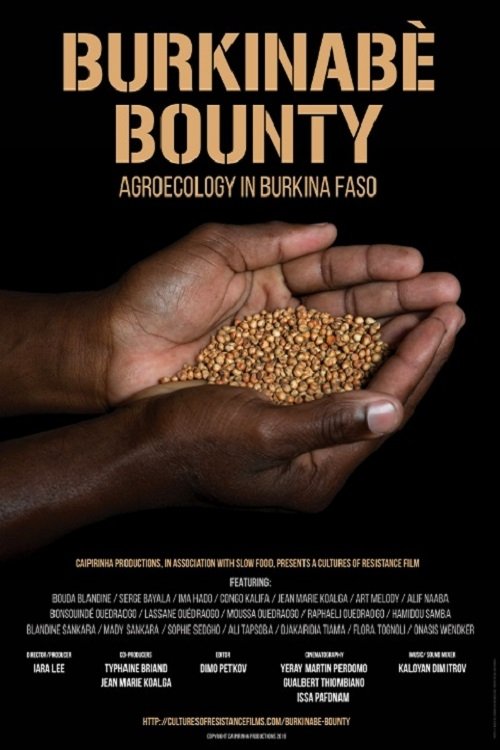
This documentary chronicles agricultural resistance and the fight for food sovereignty in Burkina Faso – a small, landlocked country in West Africa. Showcasing activist farmers, students, artists and leaders in the local Slow Food movement, the film looks at how the Burkinabé people are reclaiming their land and defending their traditions against the encroachment of corporate agribusiness. From women gaining economic independence by selling artisanal “dolo” beer, to youth marching in the streets against companies like Monsanto, to hip-hop musicians setting up their own farms and reviving the revolutionary spirit of Thomas Sankara through their music, Burkinabè Bounty shows the creative tactics people are using to take back control of their food, seeds, and future.
This documentary examines some of the important events in Canada during the Depression years: the Moose River mine disaster, the great drought on the prairies and the introduction of a transatlantic air service between Canada and Europe. The film also looks at the major world events that influenced Canada: the abdication of the king of England; civil war in Spain; Hitler's rise to power and Canada's declaration of war on Germany. Part of the Between Two Wars series.
Documentary about the harvest of 1950 conceived as a celebration of the joint work of Czechoslovak cooperatives.
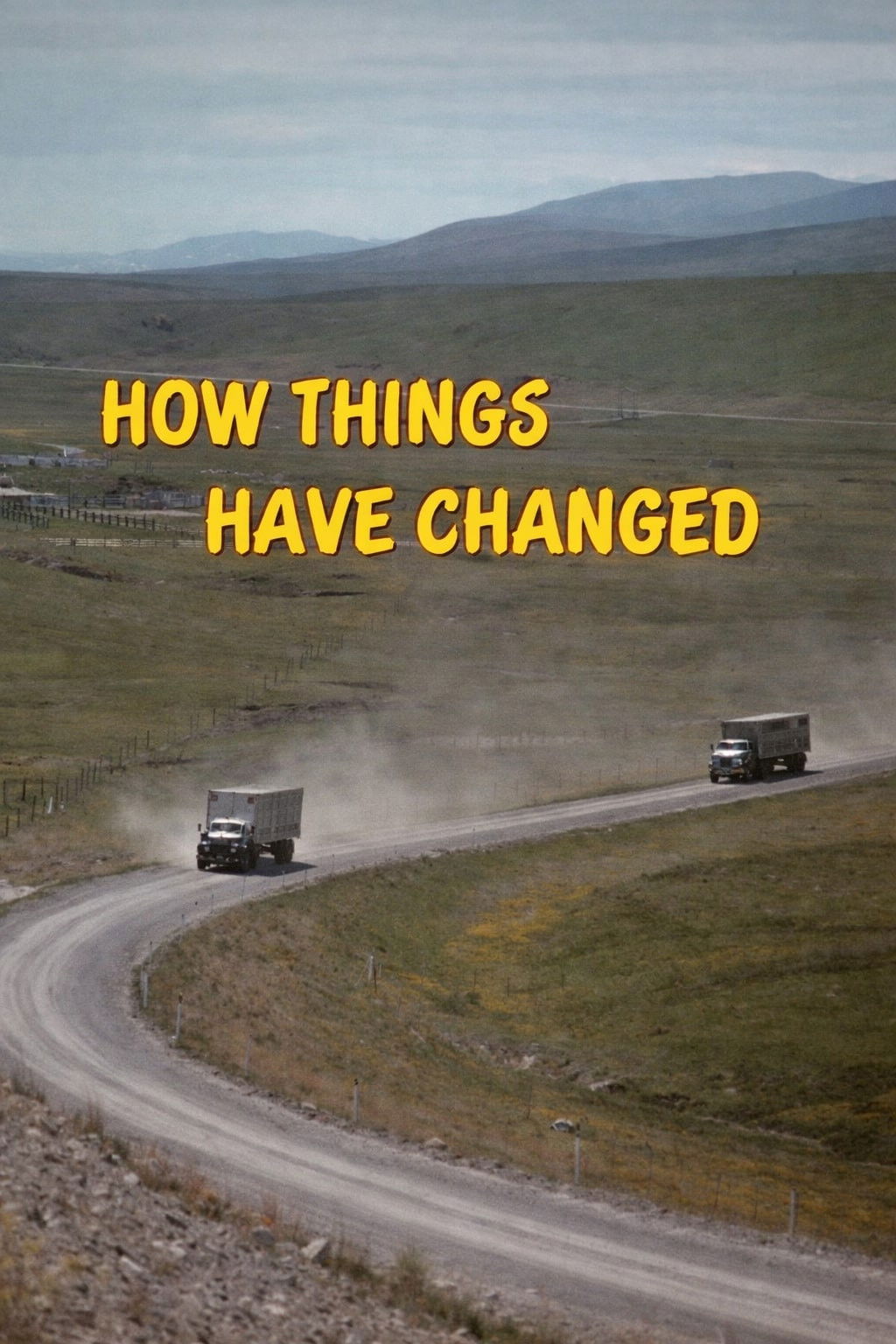
A documentary about new methods of raising farm animals, made possible by the mechanization of agriculture.
A film about the importance of beet brigades. It shows the preparation of beet seed and the course of the growing season of the sugar beet, especially the moments when farmers cannot do without the help of part-time workers.
Document about the experiences of peasants from the first joint harvests of the unified agricultural cooperative in Vinařice.
A slide about new agricultural machinery. He demonstrates the latest type of beet harvester, harrow, seeding and planting machine.
A film about the work of the unified agricultural cooperative in Poběžovice, which became the winner of the JZD competition in 1950.
It's a warm spring night, and the bee cowboys of Prince Edward Island begin rounding up their hives.
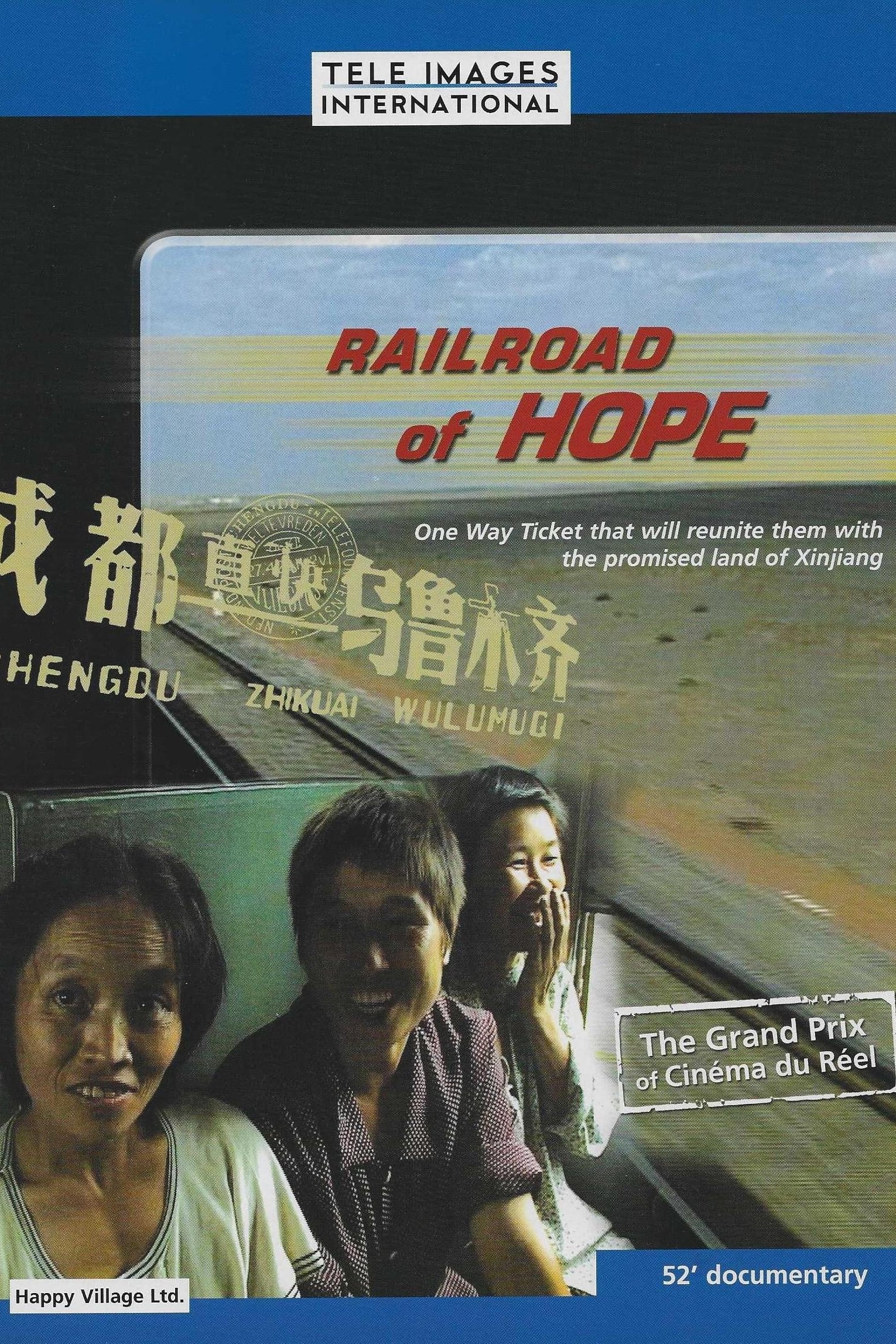
Railroad of Hope consists of interviews and footage collected over three days by Ning Ying of migrant agricultural workers traveling from Sichuan in China's interior, to the Xinjiang Autonomous Region, China's northwest frontier.[1] Through informal interviews aboard the cramped rail cars, Ning Ying explores the hopes and dreams of the workers, many of whom have never left their homes before.
Anaïs is 24 and nothing can stop her. Neither the bureaucratic rules of administration, nor the misogynistic teachers, nor the out-of-order tractor, nor the whims of the weather. One day she will be a farmer and grow her own aromatic and medicinal herbs. The film follows this hard liner, all alone against the rest of the world. She doesn’t care.
Through encounters with a hydrologist, a farmer, and citizens mobilized around the Marais Poitevin, the director helps us understand the effects—on biodiversity and the state of rivers—of substitution reservoirs, also known as megabassins. For several years, Anne-Morwenn, David, Patrick, Yann, and others have been fighting for fair water sharing and devising ways to convince as many people as possible that it is time to change the agricultural model.
King Corn is a fun and crusading journey into the digestive tract of our fast food nation where one ultra-industrial, pesticide-laden, heavily-subsidized commodity dominates the food pyramid from top to bottom – corn. Fueled by curiosity and a dash of naiveté, two college buddies return to their ancestral home of Greene, Iowa to figure out how a modest kernel conquered America. With the help of some real farmers, oodles of fertilizer and government aide, and some genetically modified seeds, the friends manage to grow one acre of corn. Along the way, they unlock the hilarious absurdities and scary but hidden truths about America’s modern food system in this engrossing and eye-opening documentary.
A deep and visually stunning survey of age-old ideas about food, ecological connectedness, and personal happiness. The film's warm cast guide audiences on a transformational journey through Japan, Korea, and the United States.
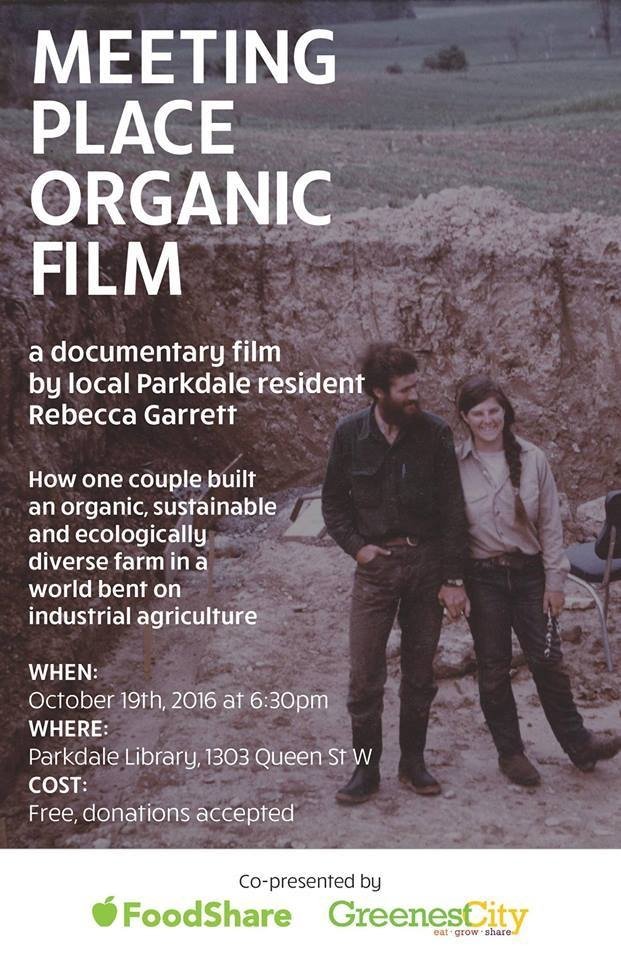
Local, organic, and sustainable are words we associate with food production today, but 40 years ago, when Fran and Tony McQuail started farming in Southwestern Ontario, they were barely spoken. Since 1973, the McQuails have been helping to build the organic farming community and support the next generation of organic farmers. This is a documentary about the McQuails that explores the very real ways their farm has contributed to the long term ecological viability of agriculture in Ontario. It is a call to action for all those who believe there is a better way to take care of our planet and feed the world.
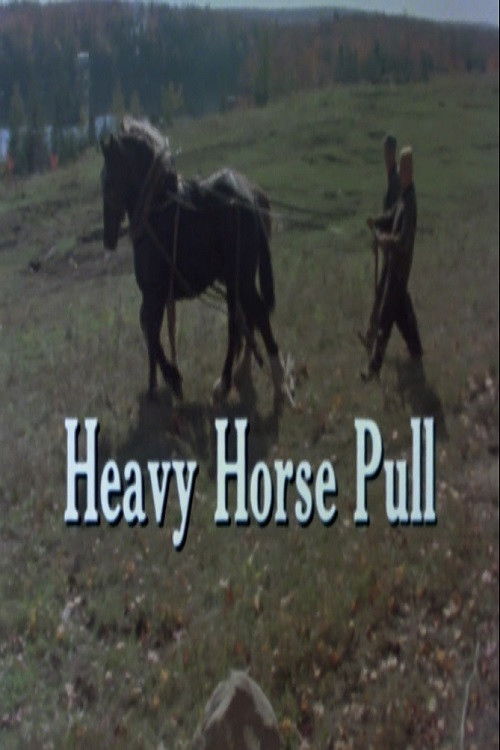
This short documentary offers a humorous look at horse-pulling contests in Ontario and the people who prepare for them. We travel from the farm to the contest, where excitement runs high and the quips do not lack in local colour. Which of these magnificent creatures will be able to pull the heaviest load and win the prize?
A string of threatening emails escalates into a revenge plot involving a newly married US marshal and his ex-girlfriend.
To mark the release two weeks ago of the eighth and final movie in the series, Robbie Coltrane narrates a countdown of the movie franchise's best moments. From Harry's first meeting with Ron and Hermione aboard the Hogwarts Express through to magical mysteries.
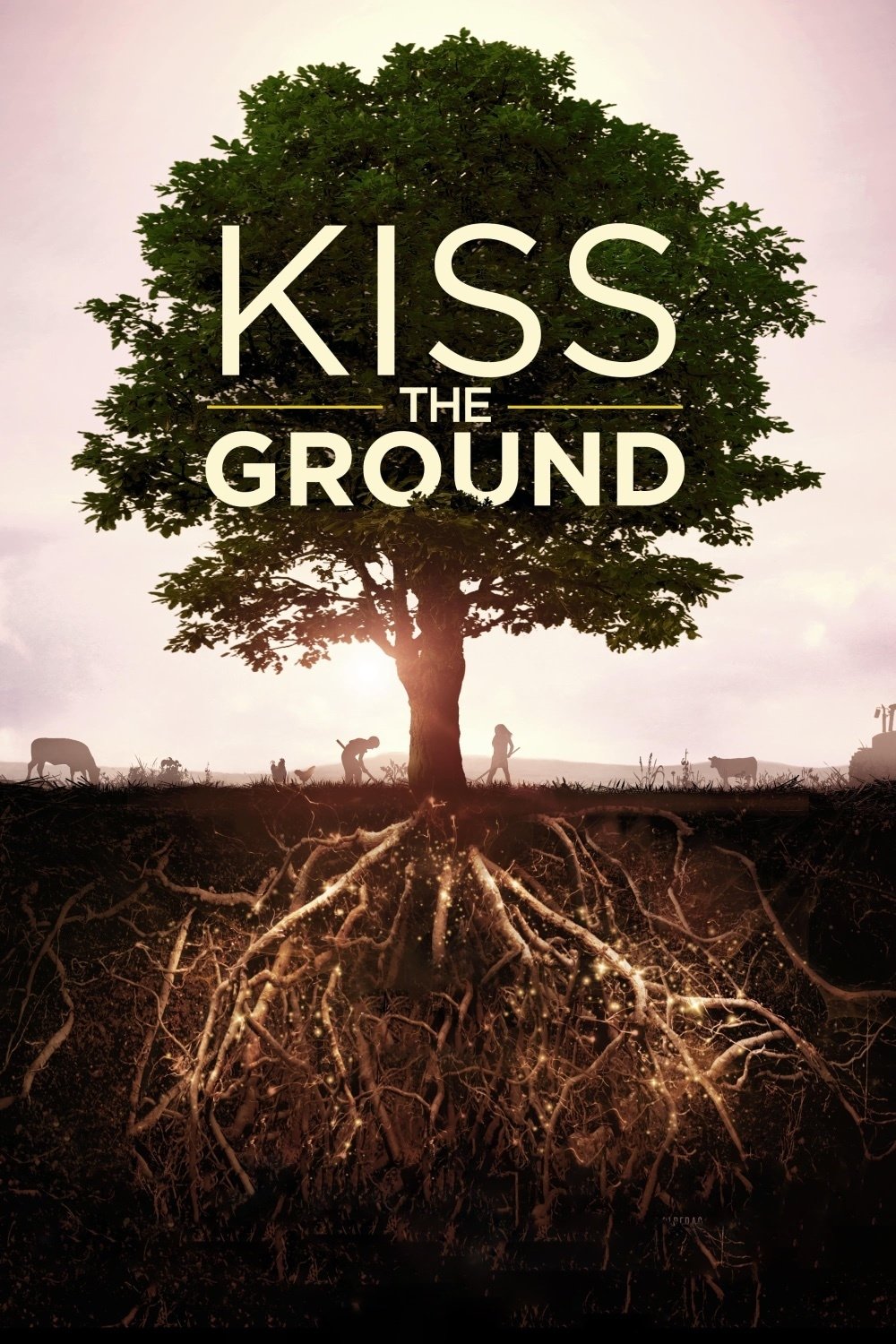
Sheds light on an alternative approach to farming called “regenerative agriculture” that could balance our climate, replenish our vast water supplies, and feed the world.
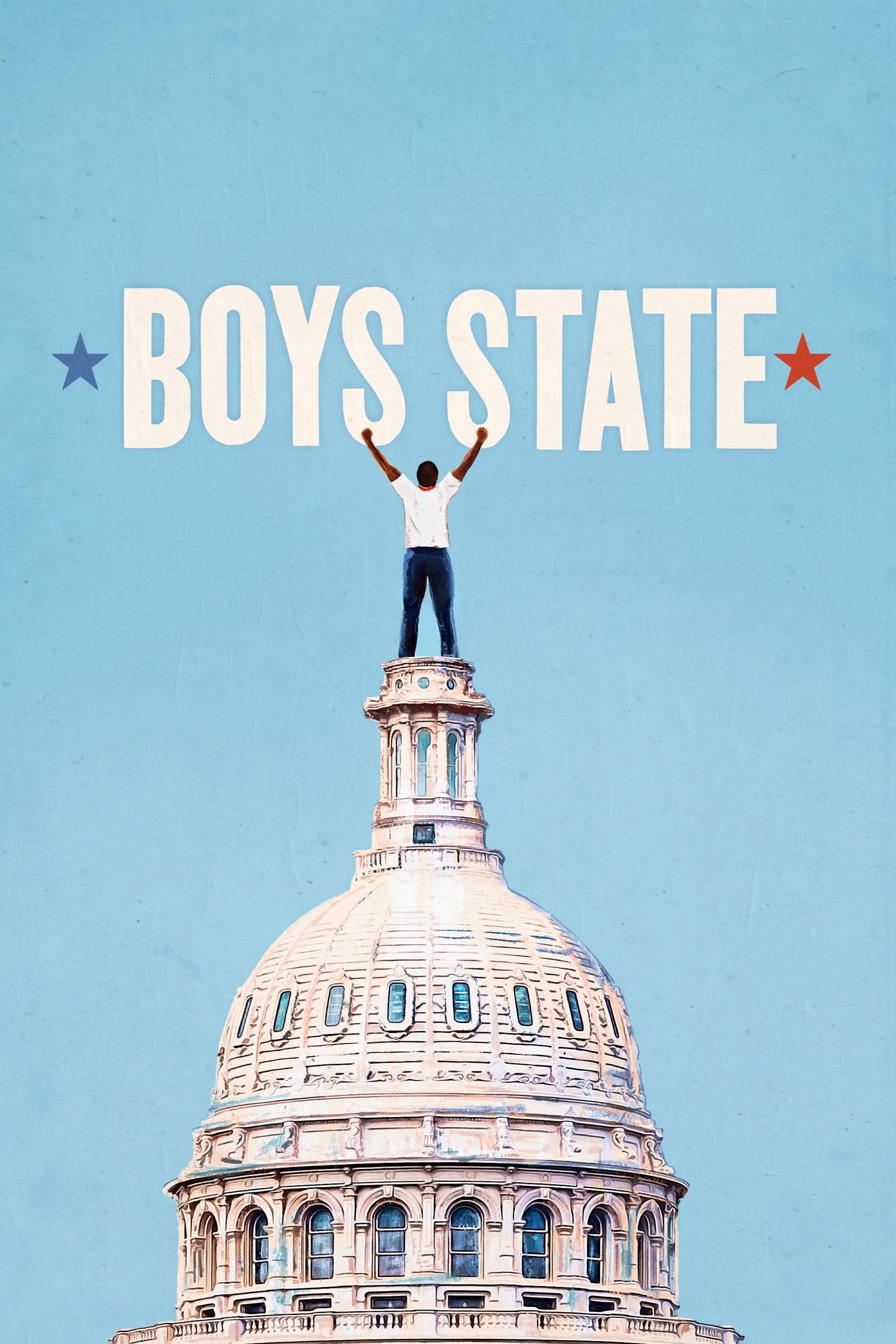
This raucous journey into the heart of democracy captures an unusual rite of passage: 1,100 teenage boys from across Texas coming together to build a representative government from the ground up.
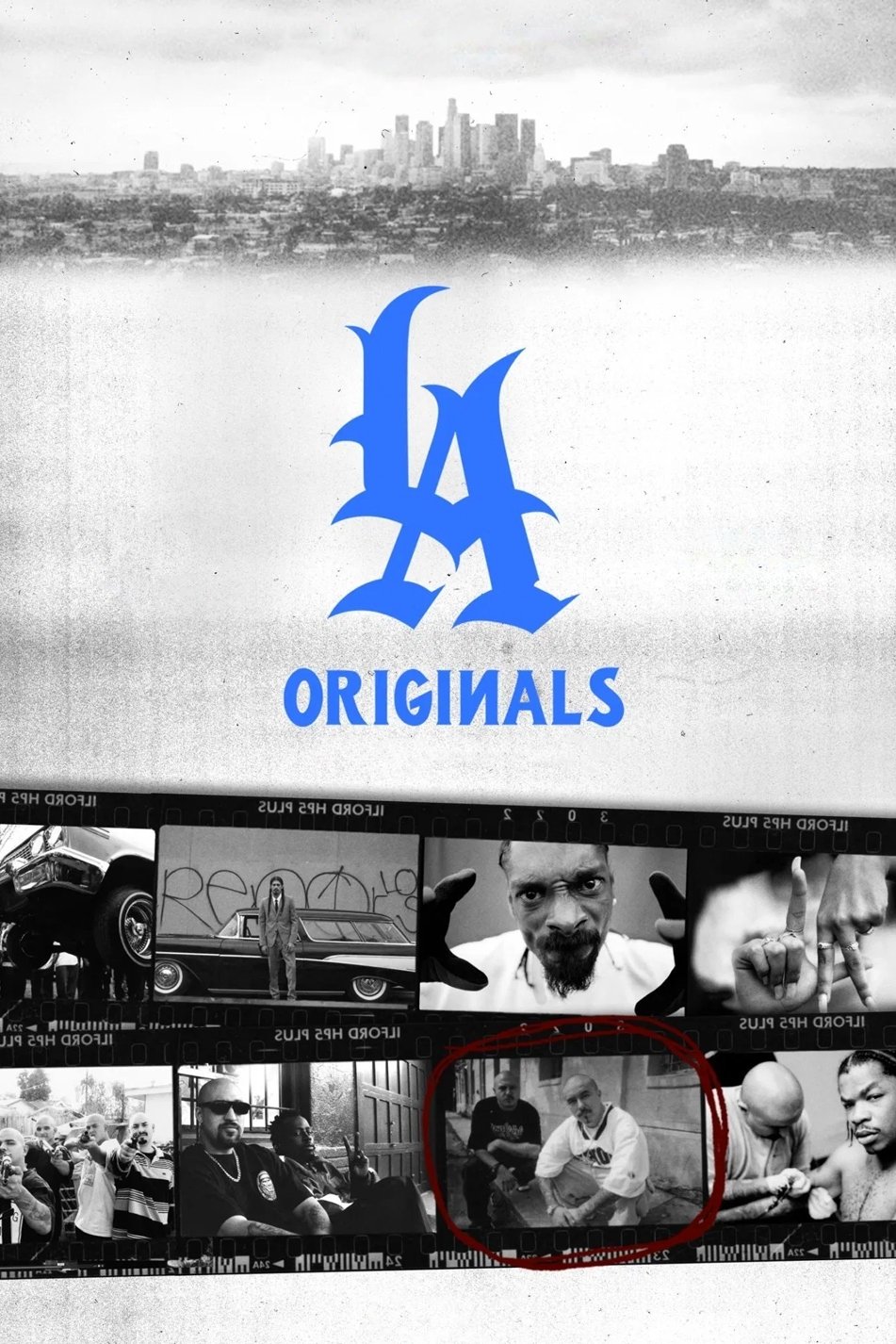
Photographer Estevan Oriol and artist Mister Cartoon turned their Chicano roots into gritty art, impacting street culture, hip hop and beyond.
A close-up portrait of the daily lives of a pair of cows: told by way of some narrative-free, intimate POV photography, with plenty of close shot images, we follow the daily routine of these animals as they live what can only be described as mundane, boring lives - all with an ultimate purpose within the human food chain.
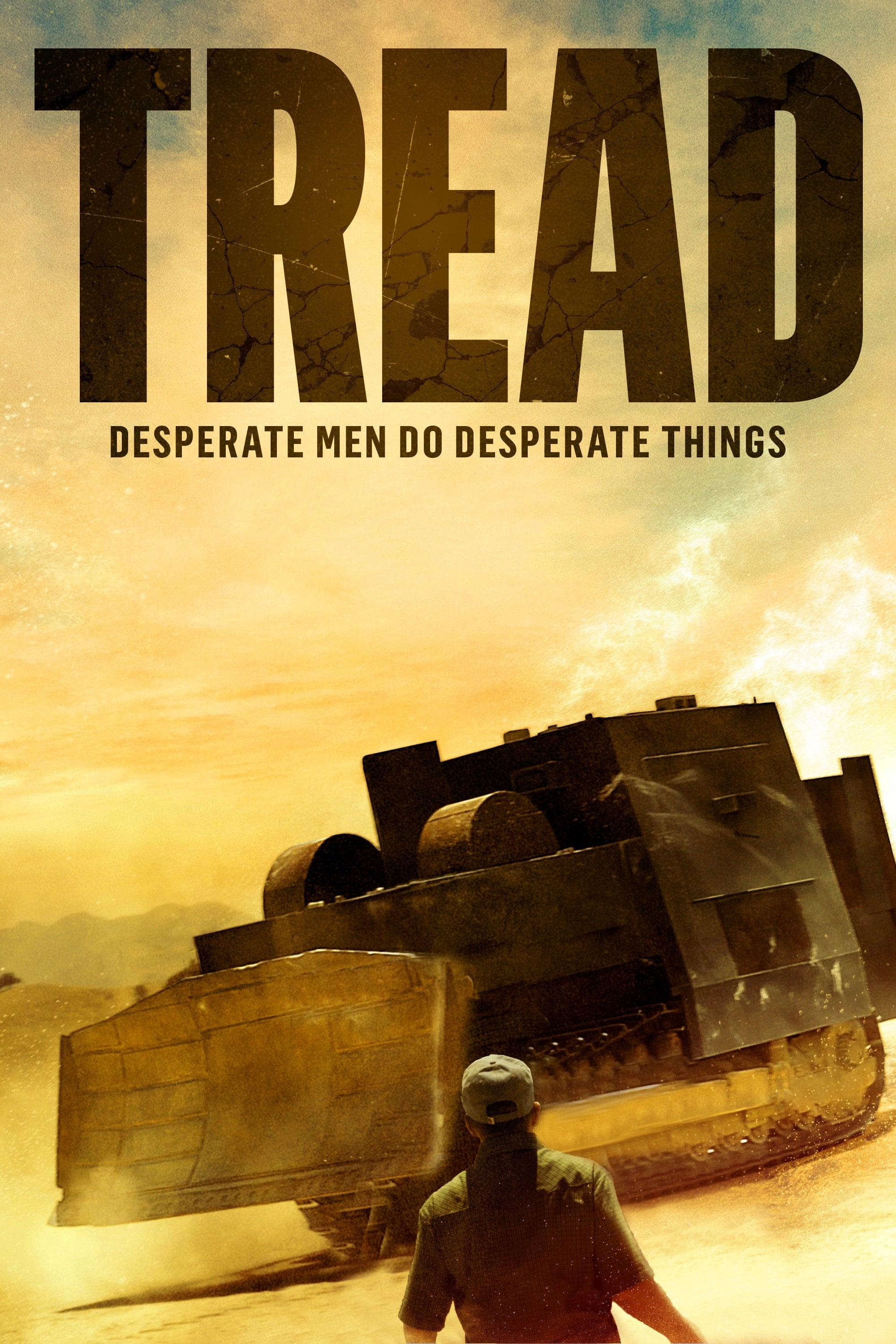
Pushed to his breaking point, a master welder in a small town at the foot of the Rocky Mountains quietly fortifies a bulldozer with 30 tons of concrete and steel and seeks to destroy those he believes have wronged him.
The film follows adventurer Jeff Johnson as he retraces the epic 1968 journey of his heroes Yvon Chouinard and Doug Tompkins to Patagonia.
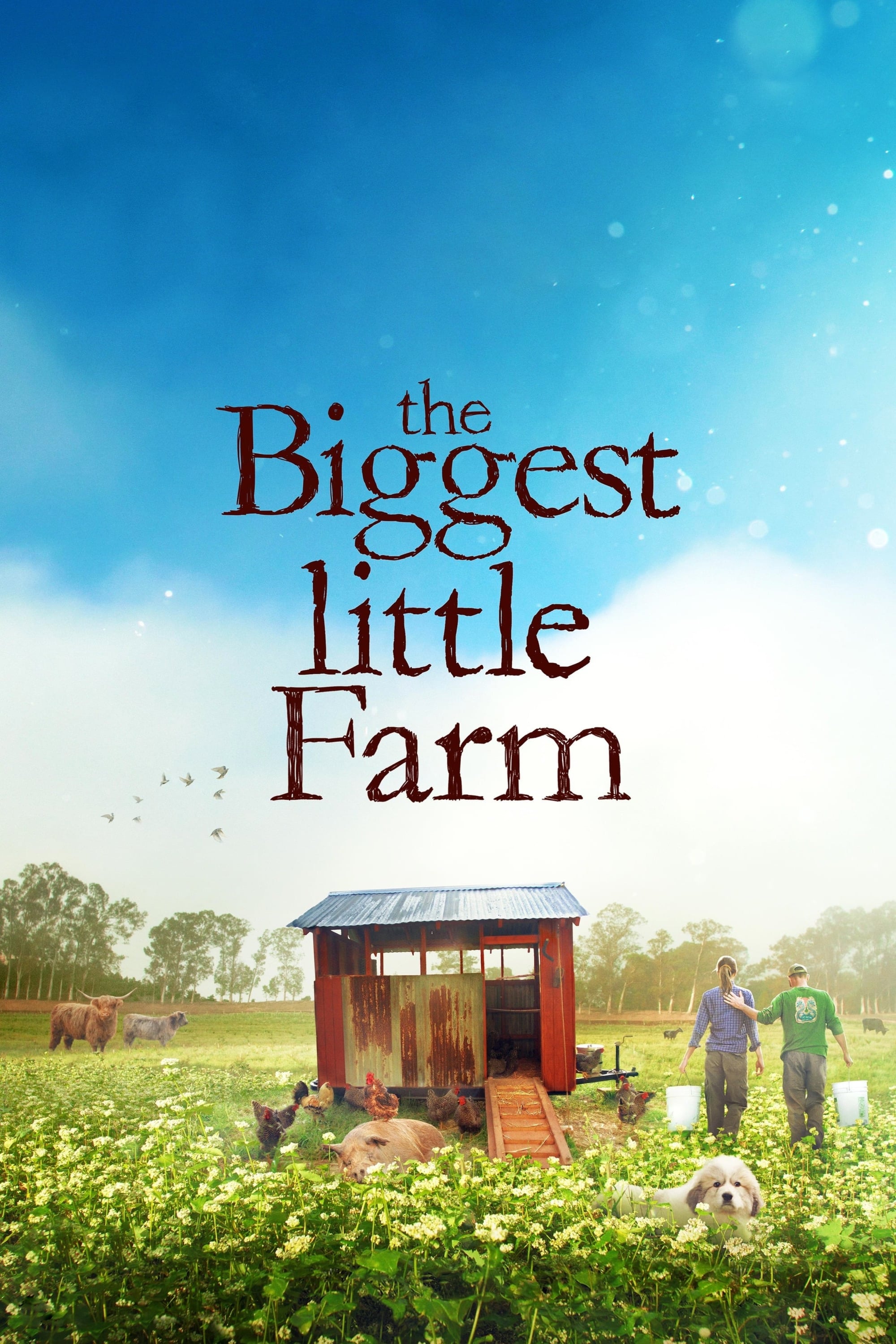
The successes and failures of a couple determined to live in harmony with nature on a farm outside of Los Angeles are lovingly chronicled by filmmaking farmer John Chester, in this inspiring documentary.
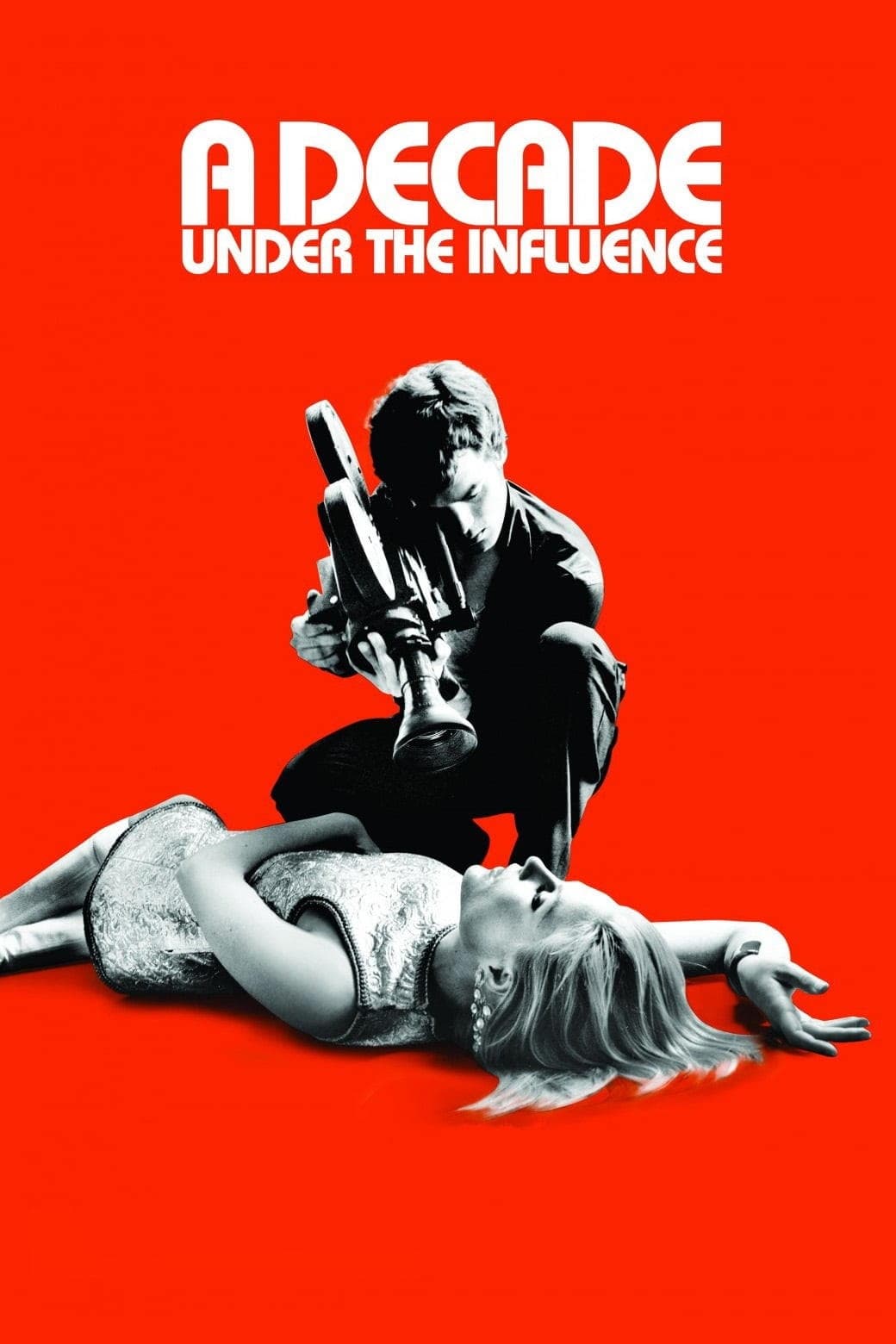
A documentary examining the decade of the 1970s as a turning point in American cinema. Some of today's best filmmakers interview the influential directors of that time.
Those who knew iconic funnyman John Candy best share his story, in their own words, through never-before-seen archival footage, imagery, and interviews.
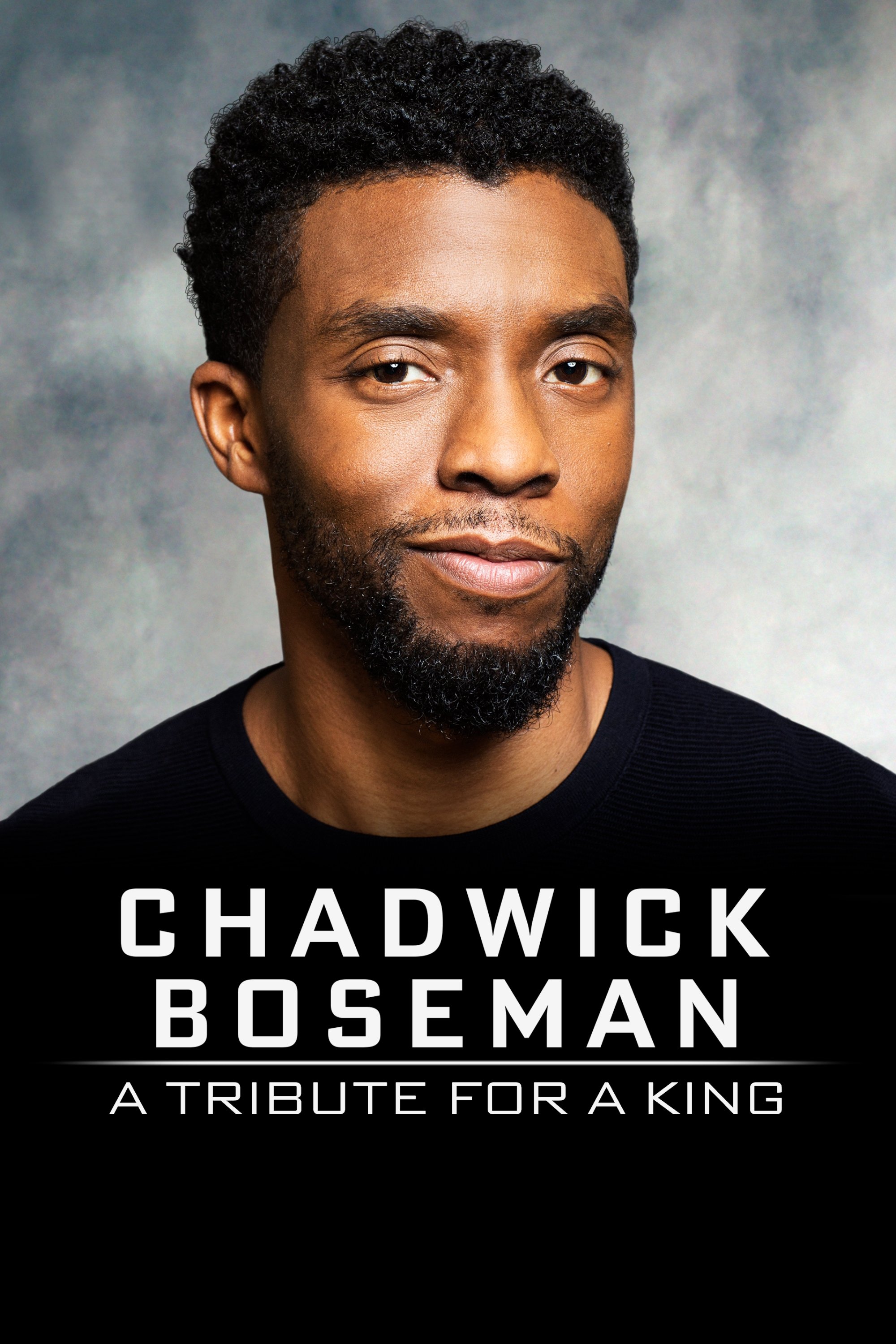
A tribute to Chadwick Boseman, celebrating his life and legacy.
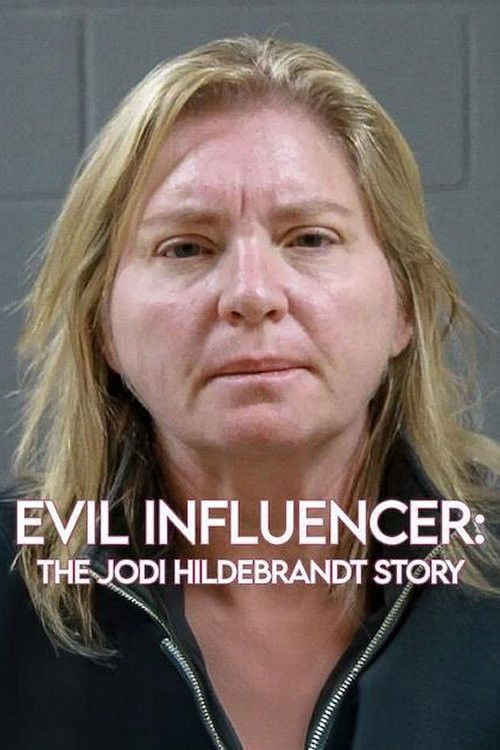
Unravel the case of Utah therapist Jodi Hildebrandt, whose child abuse arrest with parenting YouTuber Ruby Franke exposed a twisted tale of manipulation.
The story of New Zealander Bruce McLaren, who founded the McLaren Motor Racing team, showing the world that a man of humble beginnings could take on the elite of motor racing and win.
Police pull over a woman who claims she just gave birth. But the baby — and the blood — aren't hers. Twisted lies unravel in this true-crime documentary.
Alexander McQueen's rags-to-riches story is a modern-day fairy tale, laced with the gothic. Mirroring the savage beauty, boldness and vivacity of his design, this documentary is an intimate revelation of McQueen's own world, both tortured and inspired, which celebrates a radical and mesmerizing genius of profound influence.
An unprecedented and intimate look at the life, work and enduring legacy of British actress Audrey Hepburn (1929-1993).
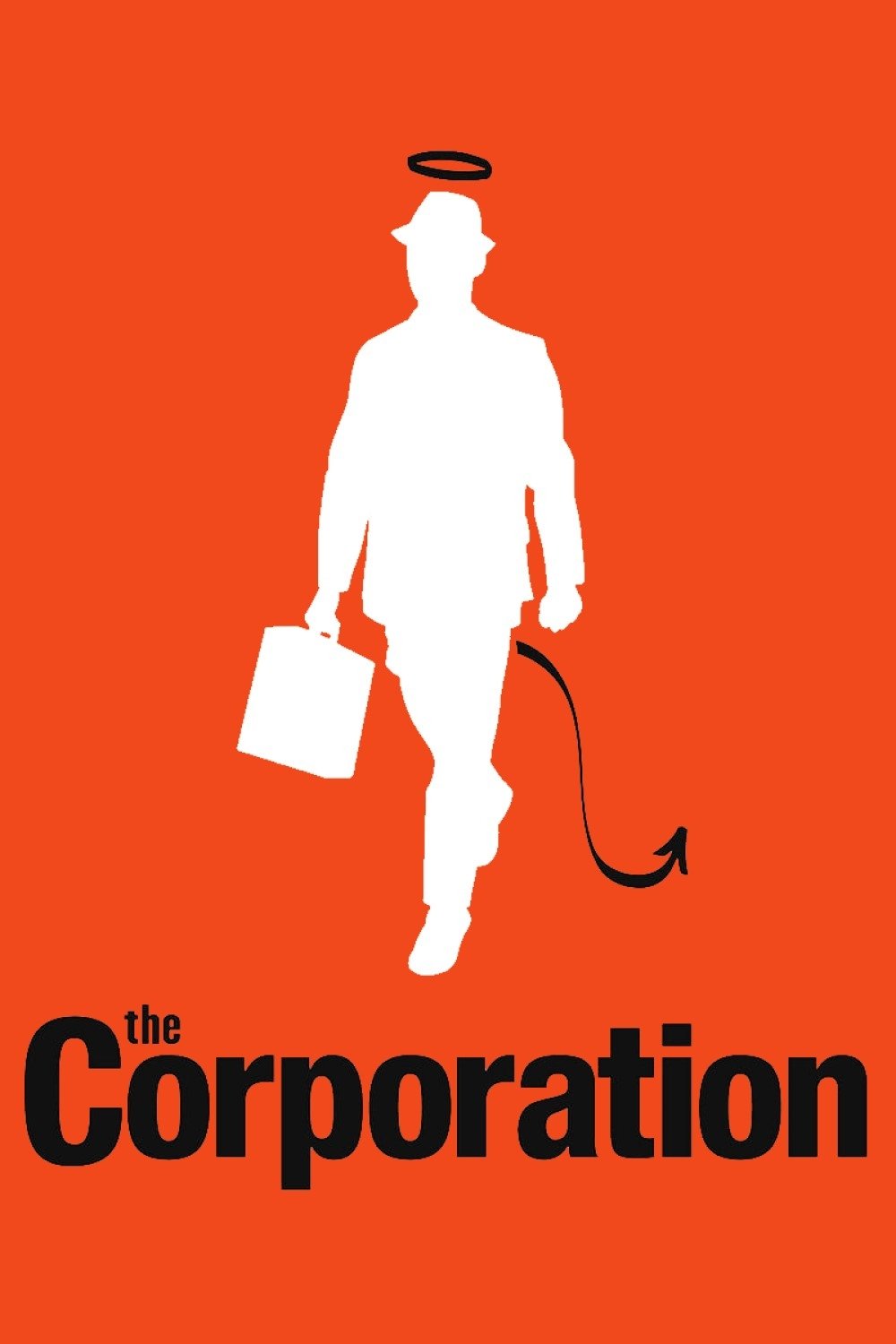
Since the late 18th century American legal decision that the business corporation organizational model is legally a person, it has become a dominant economic, political and social force around the globe. This film takes an in-depth psychological examination of the organization model through various case studies. What the study illustrates is that in the its behaviour, this type of "person" typically acts like a dangerously destructive psychopath without conscience. Furthermore, we see the profound threat this psychopath has for our world and our future, but also how the people with courage, intelligence and determination can do to stop it.
This revealing documentary honors the legendary Sidney Poitier—iconic actor, filmmaker, and civil rights activist. Featuring interviews with Denzel Washington, Spike Lee, Halle Berry, and more.
In an intimate and joyful story of love in the face of loss, celebrated poets Andrea Gibson and Megan Falley find strength—and unexpected hilarity—in what might be their final year together.