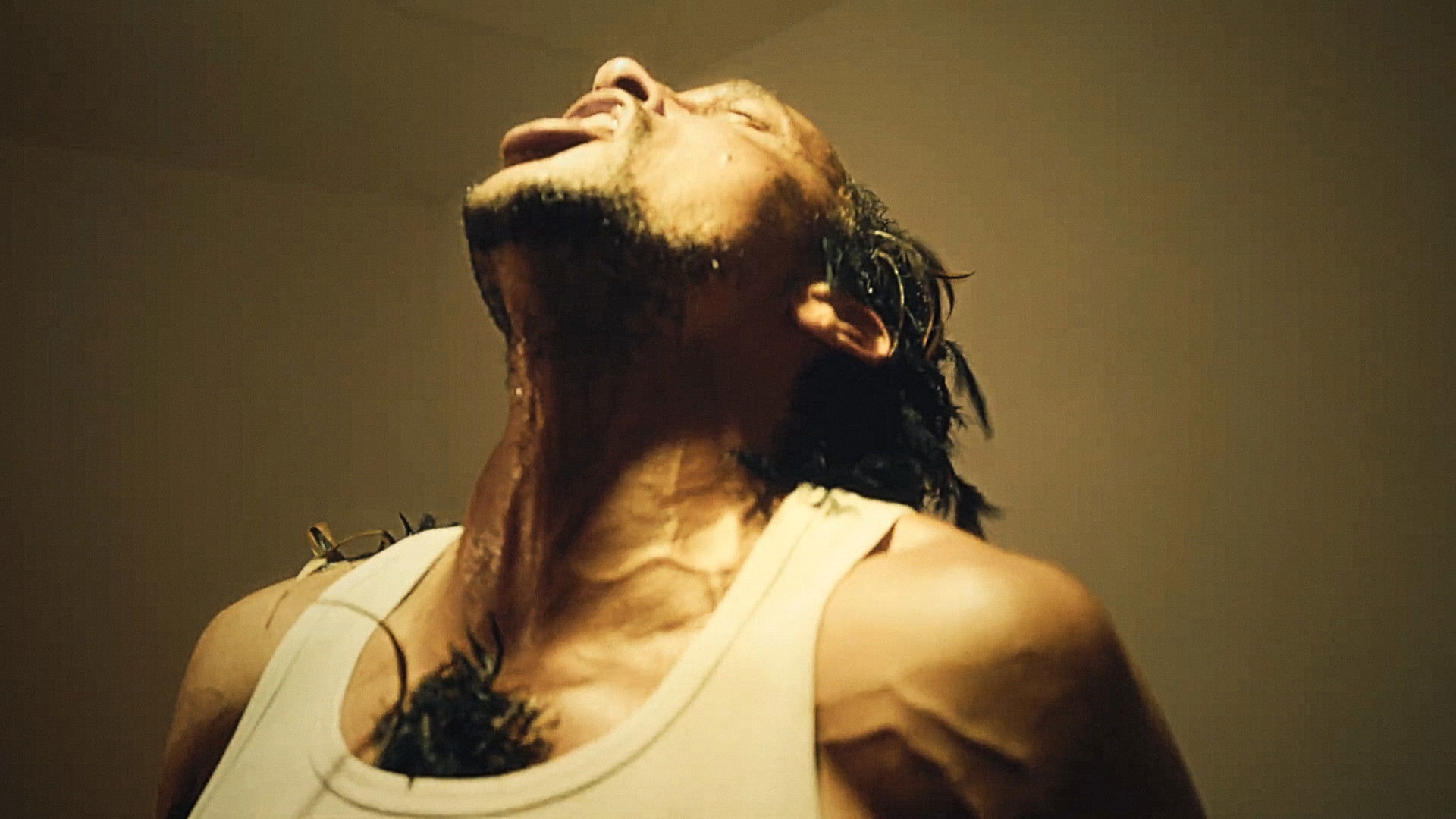
Shunned for his difference, Hélios the rooster-man bears the weight of the dawn in his feathers as the night shuts him out.
Social & External
Hélios
Farmer
Hélios' Mother
Katy Grondin
Young Hélios
Following the unexpected death of his fiancée the night before his wedding, Ralph's desire to ever love again is shattered. Then he meets Joanne. Will her love and her charm be enough for him to start living again; for good this time?
In this short film, in search of a cinematic grammar more in tune with Creole imaginary and oral tradition, we follow Ondine's quest. She returns to La Réunion after an absence of four years, because her Pépé, a local zarboutan, is dying. Just as she has to say goodbye, Ondine has a strange encounter in a pond.
A teenager, disinterested in her Louisiana Creole heritage, finds herself having to entertain a visitor who only speaks what sounds like French. She’ll discover how magical it can be to connect with one's heritage.
A hospice nurse working at a spooky New Orleans plantation home finds herself entangled in a mystery involving the house's dark past.
An opportunistic Texas gambler and the exiled Creole daughter of an aristocratic family join forces to achieve justice from the society that has ostracized them.
Franck is an astrophysicist. His job is to perform laser drillings with the Lynx, an exploration rover on Mars. Assisted by his collegues, he spends the night looking for traces of organic life by examining rocks. In the morning, he will meet with his son who has been traveling around the world after staying with his mother.
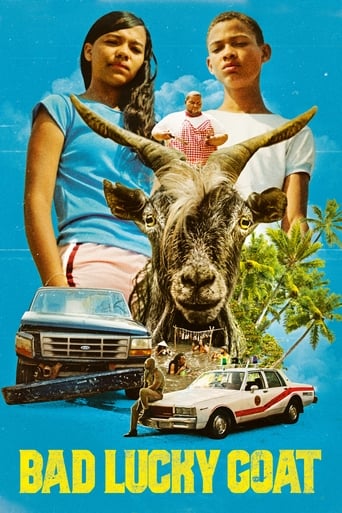
After accidentally killing a bearded goat with their father’s pick-up truck, two incompatible siblings in their teenage years, embark on a journey of reconciliation.
Young Anita's life consists of working as a servant to a wealthy family, leaving her little time for anything else. Her servitude (which some would call slavery) provides an insight into a frighteningly common experience for children in Haiti.
A garden in Réunion
When the immigrants came to America, their cultures entered the "great melting pot." In Michigan's Upper Peninsula Finnish immigrants mixed their musical traditions with many other cultures, creating a sound that was unique to the "Copper Country."
For canyoning enthusiasts, the Trou de Fer on Reunion Island is a must-see, and not just for the faint-hearted. The first complete descent of the canyon, with a 1,000-meter drop, was made by Thierry Krattinger, Stéphane Girard, and Jean-Claude Dobrilla in 1990. Filming took place in very difficult conditions: an aquatic atmosphere, a dramatic void, and mediocre rock in the 300-meter waterfall. The documentary Trou de Fer was selected for competition at the Trento Film Festival in 1992.
Chef Paul demonstrates preparation of various Cajun and Creole dishes. Includes Cajun music and a visit to Cajun country, New Orleans' French Quarter and K-Paul's, a popular restaurant.
African-American documentary filmmaker Marlon Riggs was working on this final film as he died from AIDS-related complications in 1994; he addresses the camera from his hospital bed in several scenes. The film directly addresses sexism and homophobia within the black community, with snippets of misogynistic and anti-gay slurs from popular hip-hop songs juxtaposed with interviews with African-American intellectuals and political theorists, including Cornel West, bell hooks and Angela Davis.
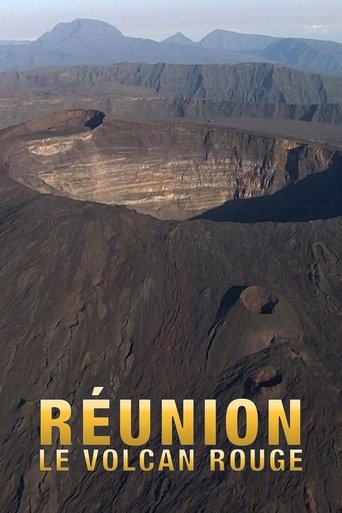
160 km southwest of Reunion Island, just a few dozen metres beneath the surface of the Indian Ocean, lies the peak of an underwater volcanic structure known as Mont La Pérouse. The base of this enigmatic geological formation lies 5000 meters below sea level, with a size comparable to that of Mont Blanc. Permanent currents and strong winds characterise this site in the open seas, culminating in complex diving conditions under which Laurent Ballesta, together with his Gombessa diving team and local researchers had to navigate in order to conduct the study in depth. Further techniques such as observation and photographic inventory, biological and geological sampling, and the use of cameras and sonars were employed in this challenging expedition.
Since August 2024, in Martinique, a popular protest movement against the high cost of living has been reemerging under the leadership of the RPPRAC (Rassemblement Pour La Protection Des Peuples Et Des Ressources Afro-Caribéens – Gathering for the Protection of Afro-Caribbean Peoples and Resources). On the island, food prices are on average 54% higher than in mainland France.* Through various cultural figures, the people of Martinique are expressing their anger and seeking concrete solutions. *Source: Kiprix, Price comparison between supermarkets in the French overseas territories and mainland France.