Carpaccio is a 1948 short film directed by Umberto Barbaro and Roberto Longhi and based on the life of the Italian painter Caravaggio.
Social & External
Andrei Tarkovsky and screenwriter Tonino Guerra journey across Italy in preparation for "Nostalghia." Their location scouting unfolds into a wide-ranging conversation about filmmaking, artistic simplicity, and cultural identity, with Tarkovsky articulating his creative philosophy while confronting the emotional weight of working far from his homeland.
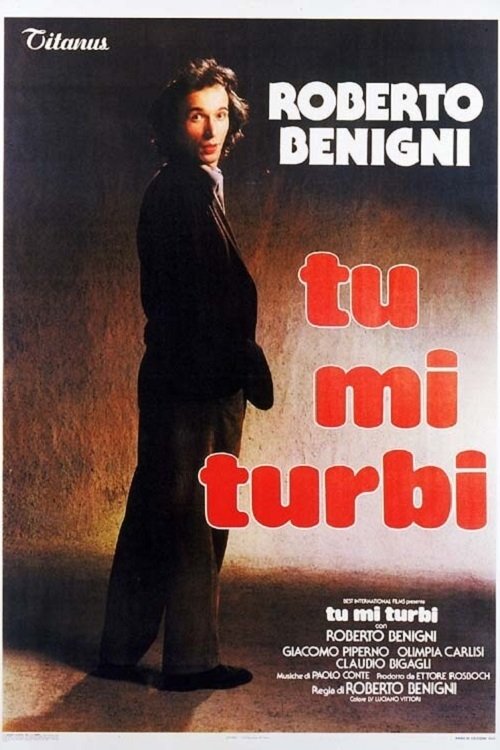
The first movie directed by Roberto Benigni in four surreal short stories: "Durante Cristo" (During Christ), "Angelo" (Angel), , "In Banca" (At the Bank) and "I Due Militi" (The Two Soldiers). An excursus in Benigni's satirical views on man, religion and society.
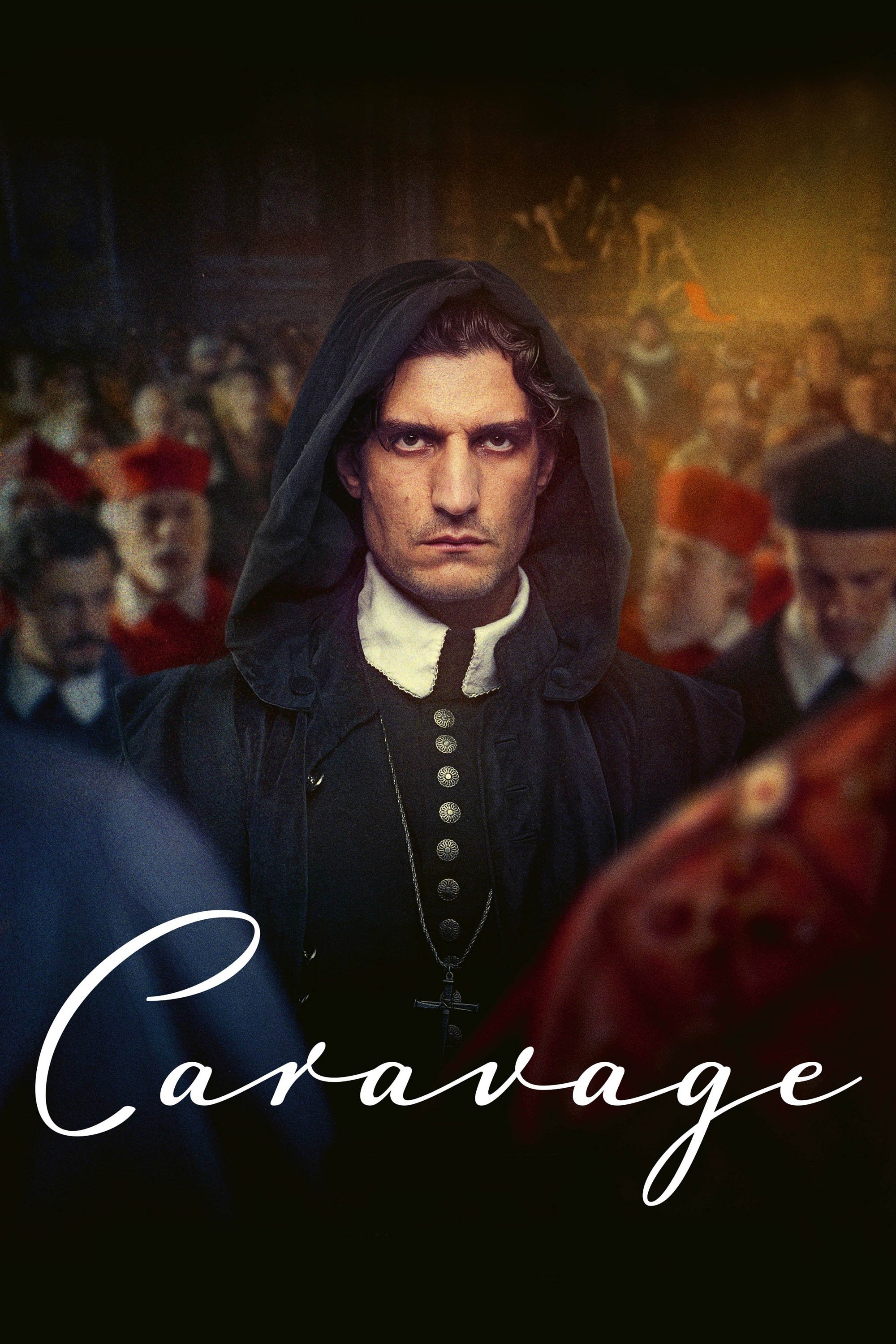
The Catholic Church secretly investigates Caravaggio as the Pope weighs whether to grant him clemency for killing a rival.
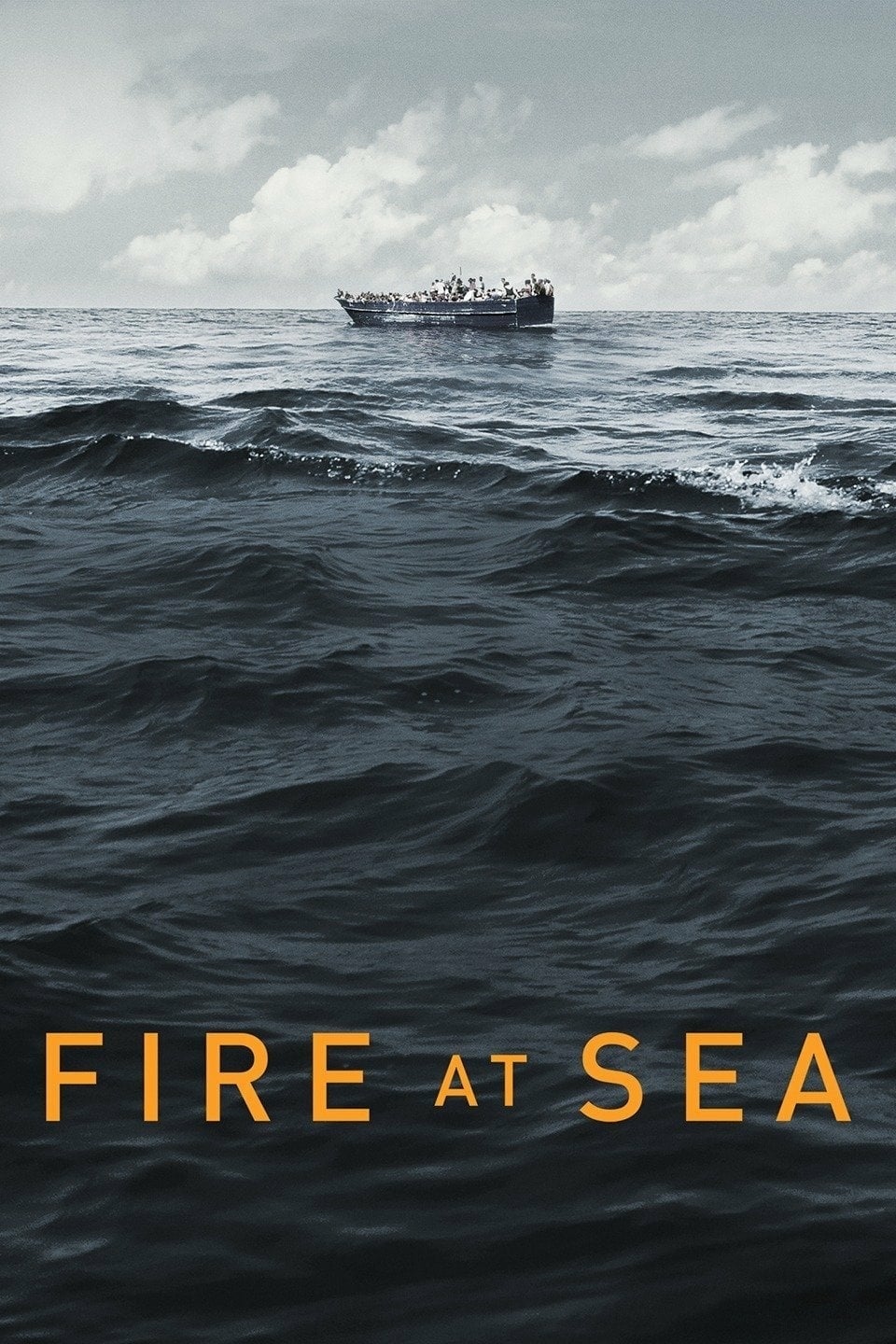
Capturing life on the Italian island of Lampedusa, a frontline in the European migrant crisis.
Renowned Iranian director Jafar Panahi received a 6-year prison sentence and a 20-year ban from filmmaking and conducting interviews with foreign press due to his open support for the opposition party in Iran's 2009 election. In this film, which was shot secretly by Panahi's close friend Mojtaba Mirtahmasb and smuggled into France on a USB stick concealed inside a cake for a last-minute submission to Cannes, Panahi documents his daily life under house arrest as he awaits a decision on his appeal.
In the absence of any physical connection, this short explores alternative forms of contact among neighbors by making use of an old 16mm camera, a zoom lens, and a few meters of expired film.
This character-driven film considers the evolving sex trafficking landscape as seen by the main players: the exploited, the pimps, the johns that fuel the business, and the cops who fight to stop it.
Valeria, young secretary of a producer, lives with an eccentric mother and secretly writes for a successful screenwriter, Alessandro. One day, she receives an unusual present from a stranger: it’s the plot of a movie about the mysterious but really-happened theft of a famous Caravaggio’s painting.
Emak-Bakia (Basque for Leave me alone) is a 1926 film directed by Man Ray. Subtitled as a cinépoéme, it features many techniques Man Ray used in his still photography (for which he is better known), including Rayographs, double exposure, soft focus and ambiguous features. The film features sculptures by Pablo Picasso, and some of Man Ray's mathematical objects both still and animated using a stop motion technique.
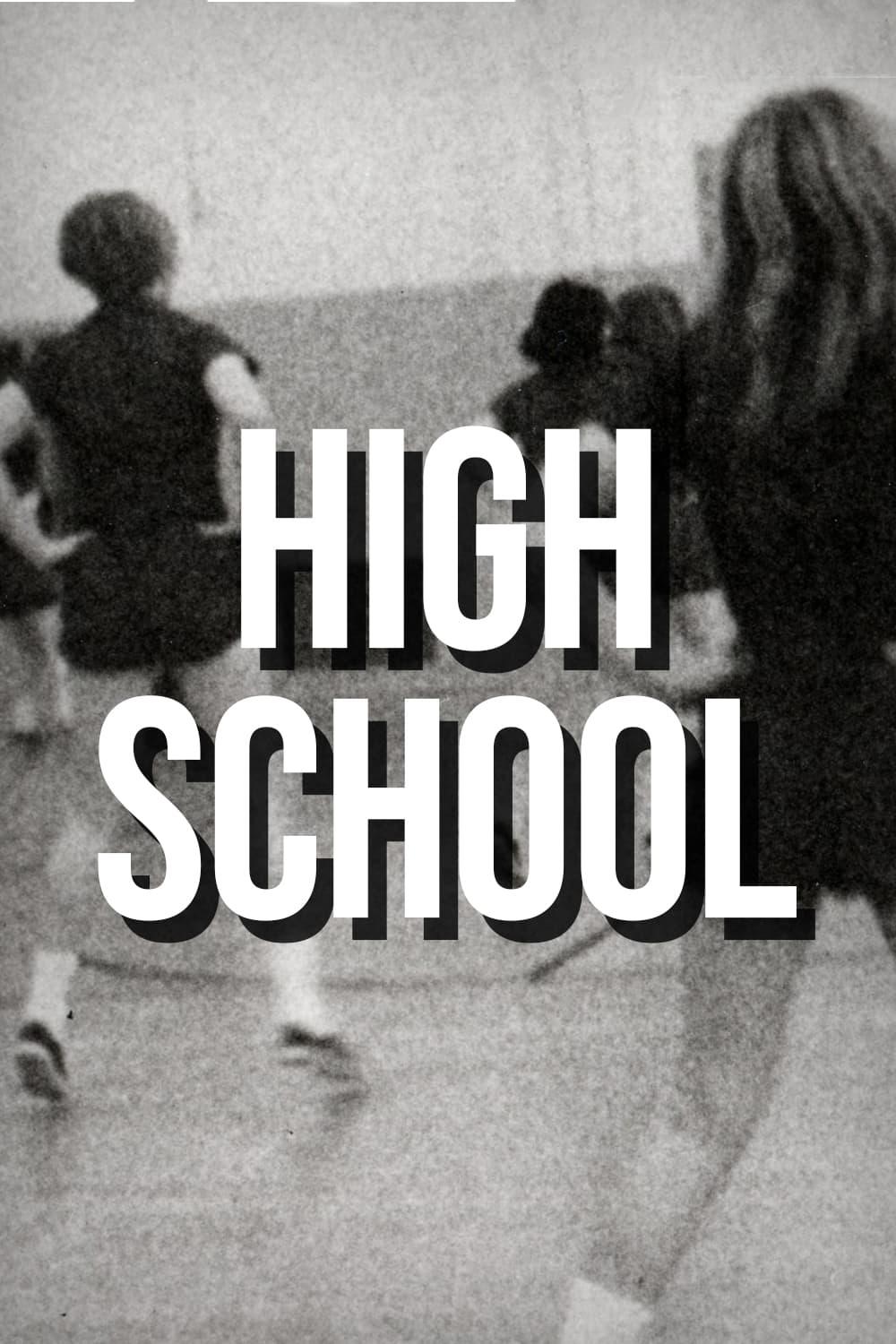
Documentary filmmaker Frederick Wiseman takes us inside Northeast High School as a fly on the wall to observe the teachers and how they interact with the students.
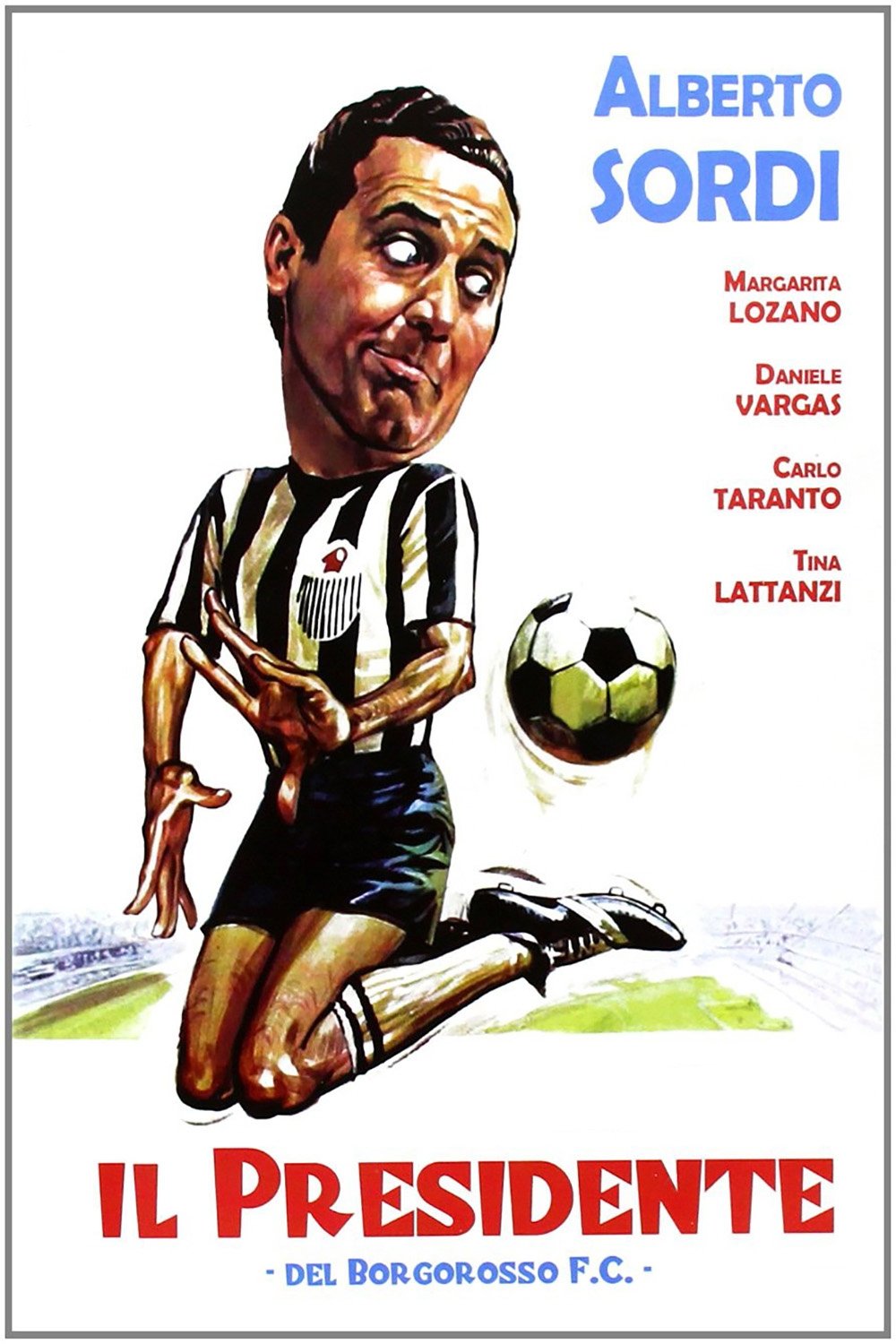
Benito Fornaciari, a pale, devoutly Catholic, Upper Middleclass Italian inherits a minor-league football club from a long-lost uncle. He decides to visit the club to sell it, but the local population has other ideas: through an almost-armed uprising they "force" him not to sell the club but lead it to other glories on the football field.
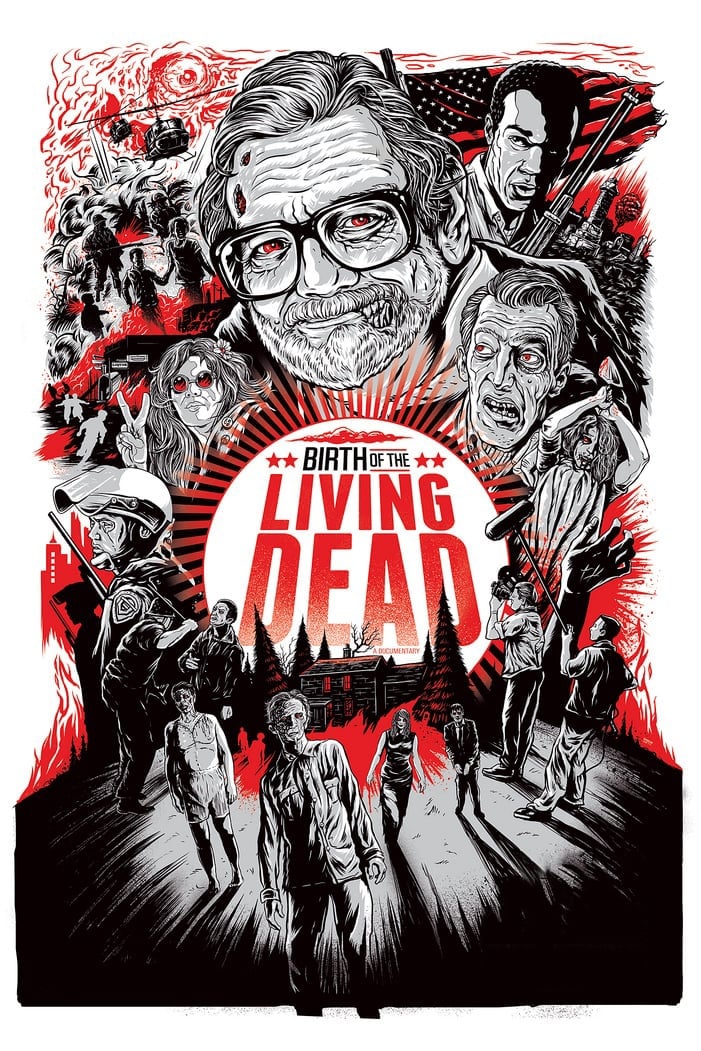
A behind the scenes look into George Romero's groundbreaking horror classic Night of the Living Dead.
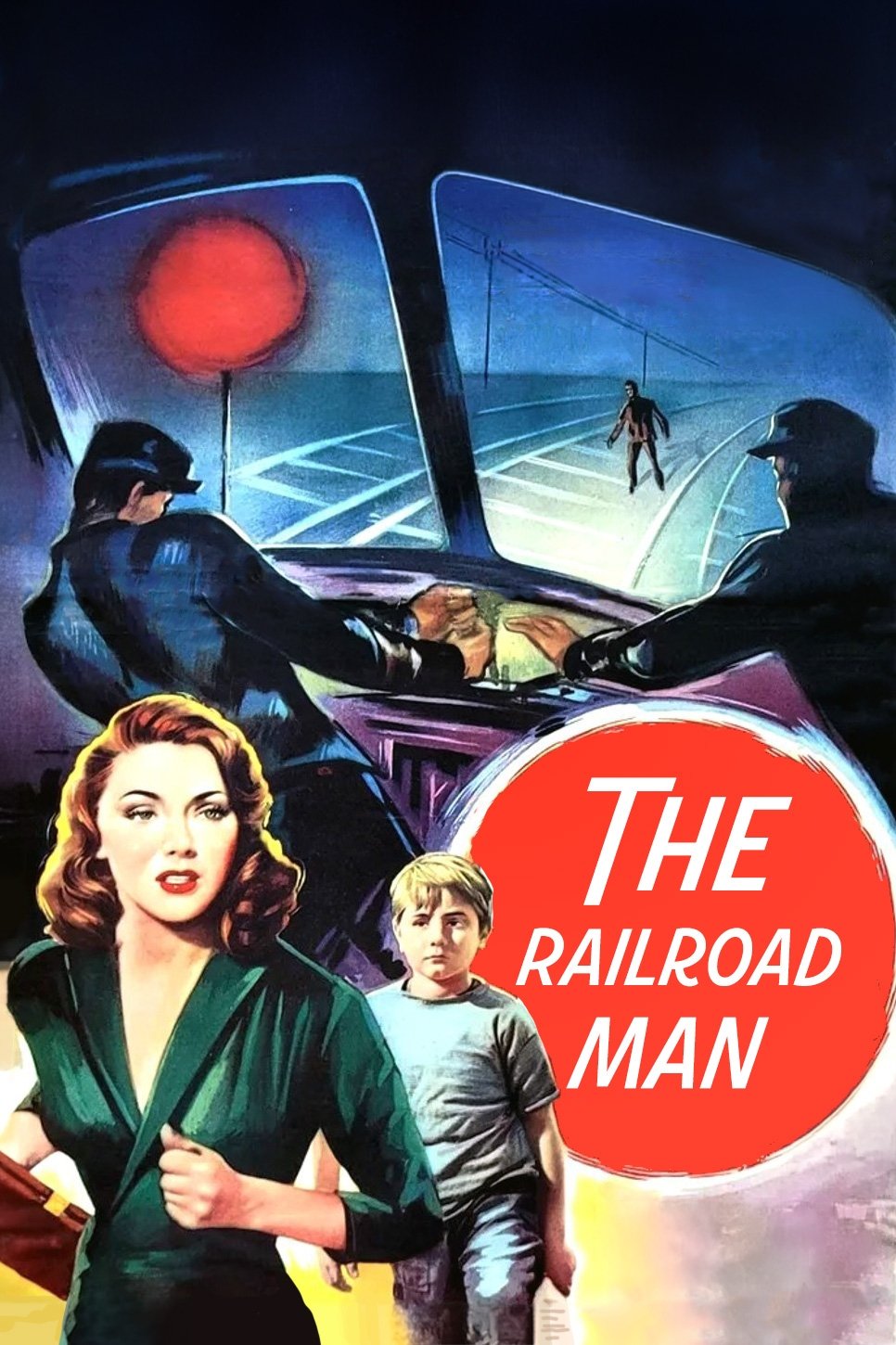
Train operator Andrea Marcocci has to witness the suicide of a desperate man who jumps in front of his train. Under the influence of this shock he starts making mistakes. A check up by a doctor reveals that he's at the brink of becoming an alcoholic. Due to this evaluation he is degraded and must accept a salary cut.
2023 marked the thirtieth anniversary of Maroun Baghdadi’s sudden and tragic death. Maroun was a Lebanese filmmaker who wrote and directed films during the Lebanese civil war and contributed to documentary and fiction filmmaking from 1973 up until his death in 1993. In this film, Feyrouz Serhal embarks on a day trip in Beirut and navigates the city that profoundly shaped Maroun’s journey in life and cinema. Here she encounters individuals who were close to him and who shared his experiences. And as she traverses Maroun’s life and career, the social and political backdrop moves to the foreground. The film reflects on the last fifty years of the history of the country from a present standpoint. Through Maroun’s story, we perceive how cinema can, beautifully and dramatically, portray our stories and discourse our life events..
Two deadbeat friends barely pass the entrance exam for the Carabinieri, the national gendarmerie of Italy, but love for the same woman gets in the way.
Naples, Trajan's district. Initially it was intended for the inhabitants of the shantytowns on the seafront of Naples, who were homeless after the war. But it soon became a kind of ghetto. Alessandro and Pietro are two teenagers who film with an iPhone to tell their difficult neighborhood, their daily life, the friendship that binds them.
In a series of simple and joyous vignettes, director Roberto Rossellini and co-writer Federico Fellini lovingly convey the universal teachings of the People’s Saint: humility, compassion, faith, and sacrifice. Gorgeously photographed to evoke the medieval paintings of Saint Francis’s time, and cast with monks from the Nocera Inferiore Monastery, The Flowers of St. Francis is a timeless and moving portrait of the search for spiritual enlightenment.
A documentary about how a dominant cultural and demographic institution both sustains their traditional activities and adapts to the digital revolution.
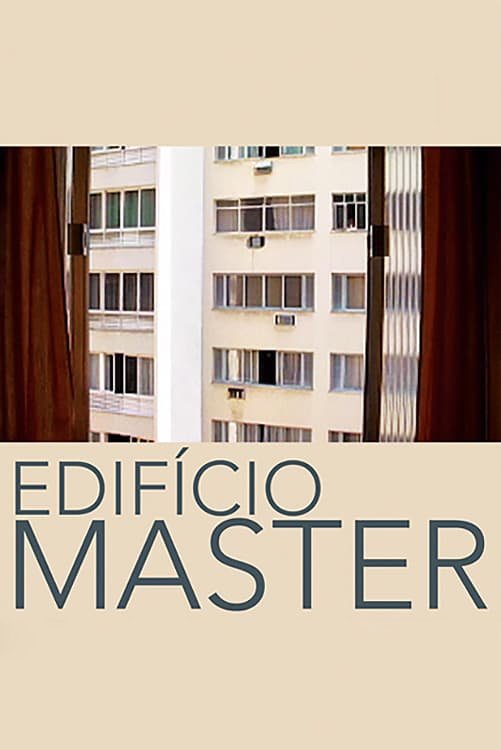
The daily lives and routine of 37 families living in a huge 12-story building in Copacabana, Rio de Janeiro: their drama, aspirations, intimate revelations, loneliness, dreams...
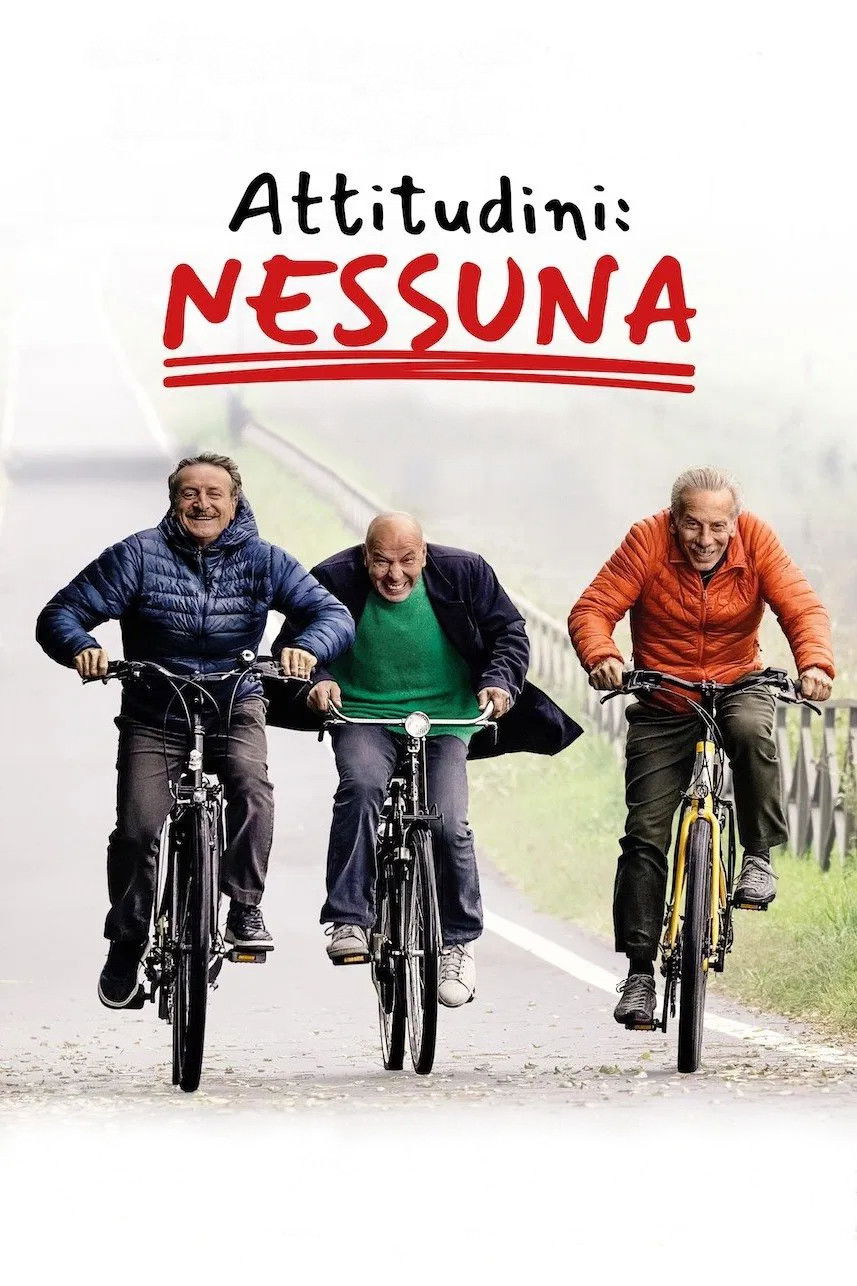
A portrait of the comic trio "Aldo, Giovanni e Giacomo".