Grimsel was the scene of the Austrian-French conflict of 1799. It is now one of the most popular passes in the Alps.
Social & External
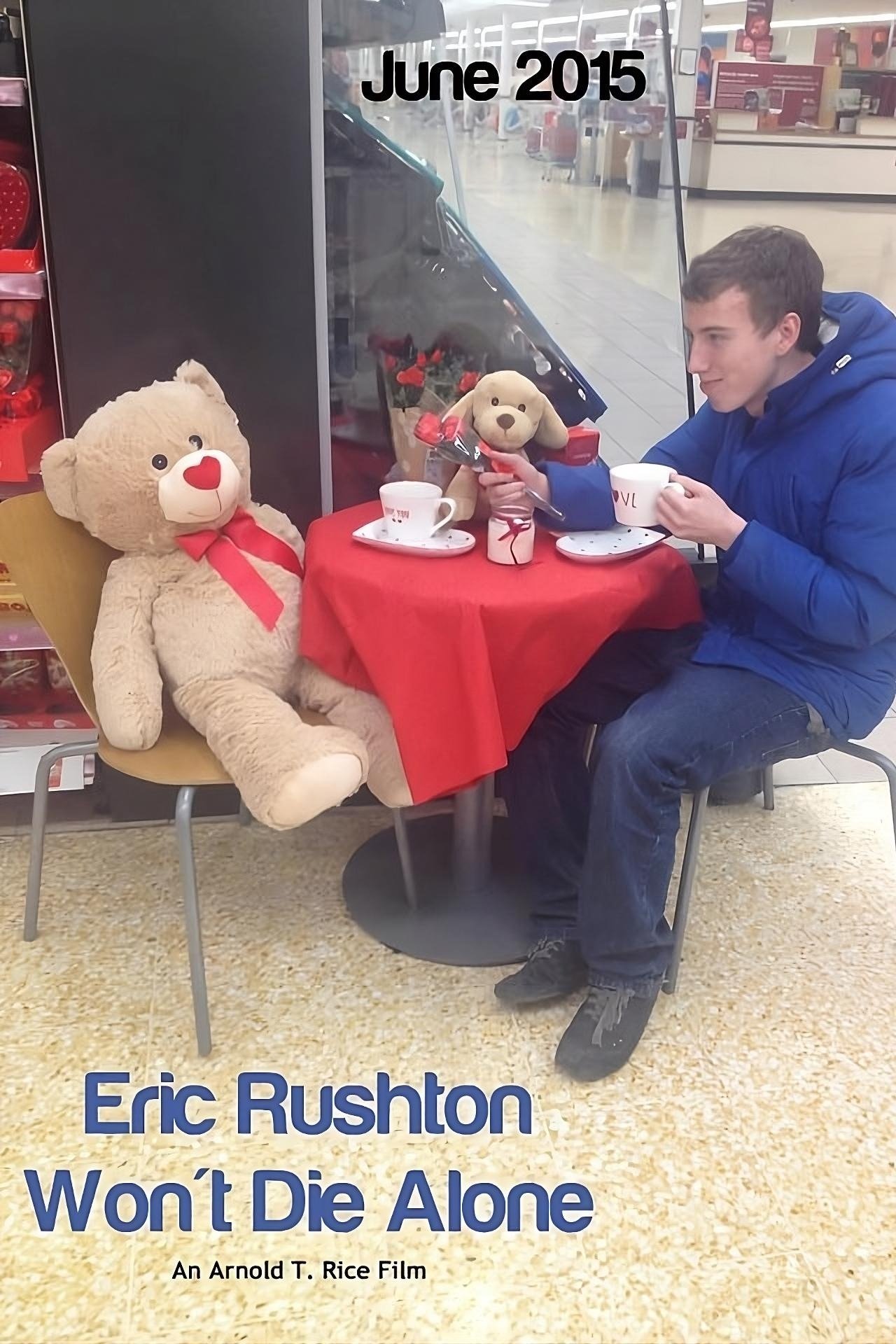
Fledgling comedian Eric Rushton has never been on a date - until this documentary.
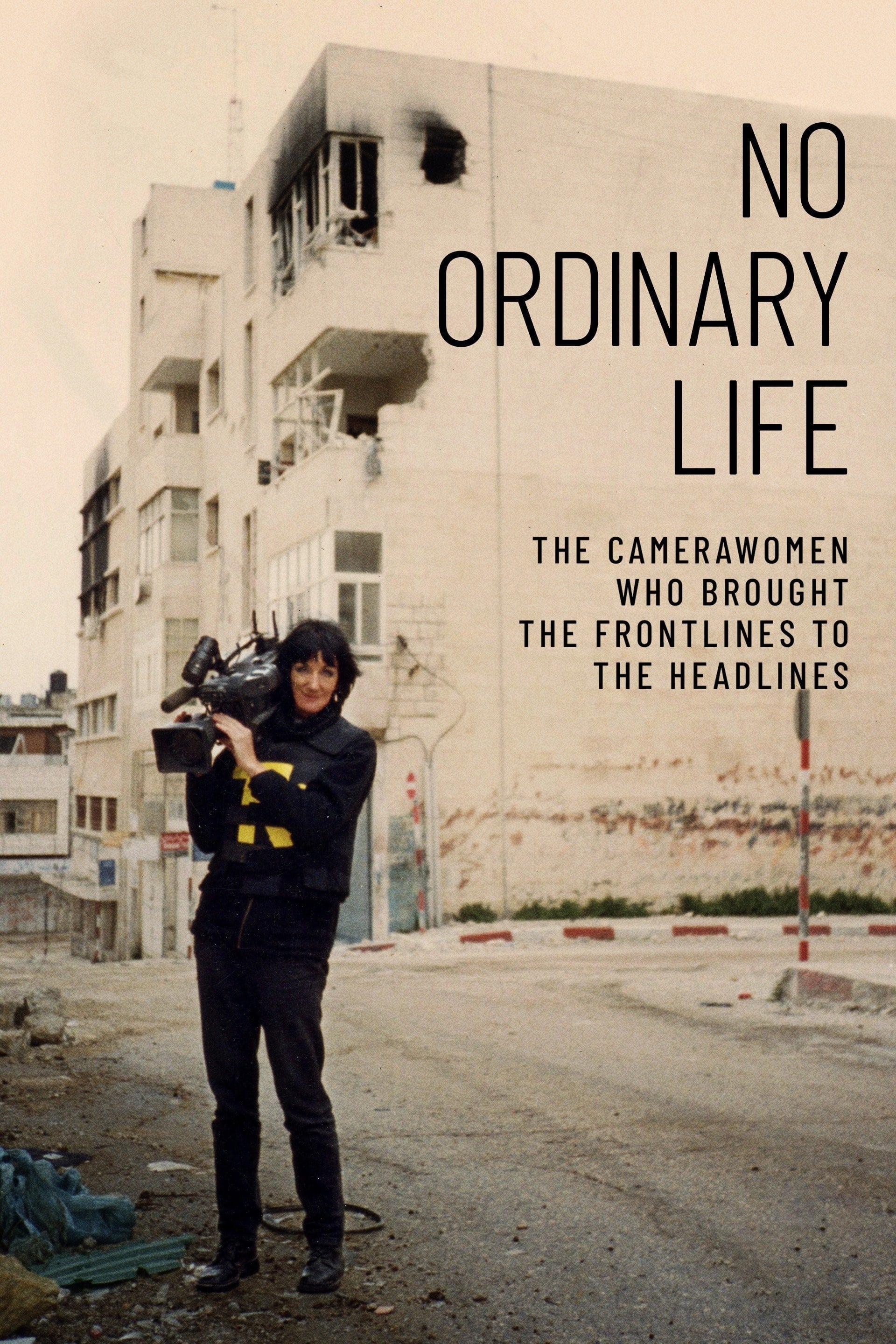
In a field dominated by men, five pioneering camerawomen Mary Rogers, Cynde Strand, Jane Evans, Maria Fleet and Margaret Moth went to the frontlines of wars, revolutions and disasters to bring us the truth. As colorful as accomplished, these brave photojournalists made their mark by capturing some of the most iconic images from Tiananmen Square, to conflicts in Sarajevo, Iraq, Somalia and the Arab Spring uprising. But the world doesn’t know it was these women behind the camera. In the midst of unfolding chaos, the pictures they took for CNN both shocked and informed the world. This feature documentary by director Heather O’Neill tells their remarkable story.
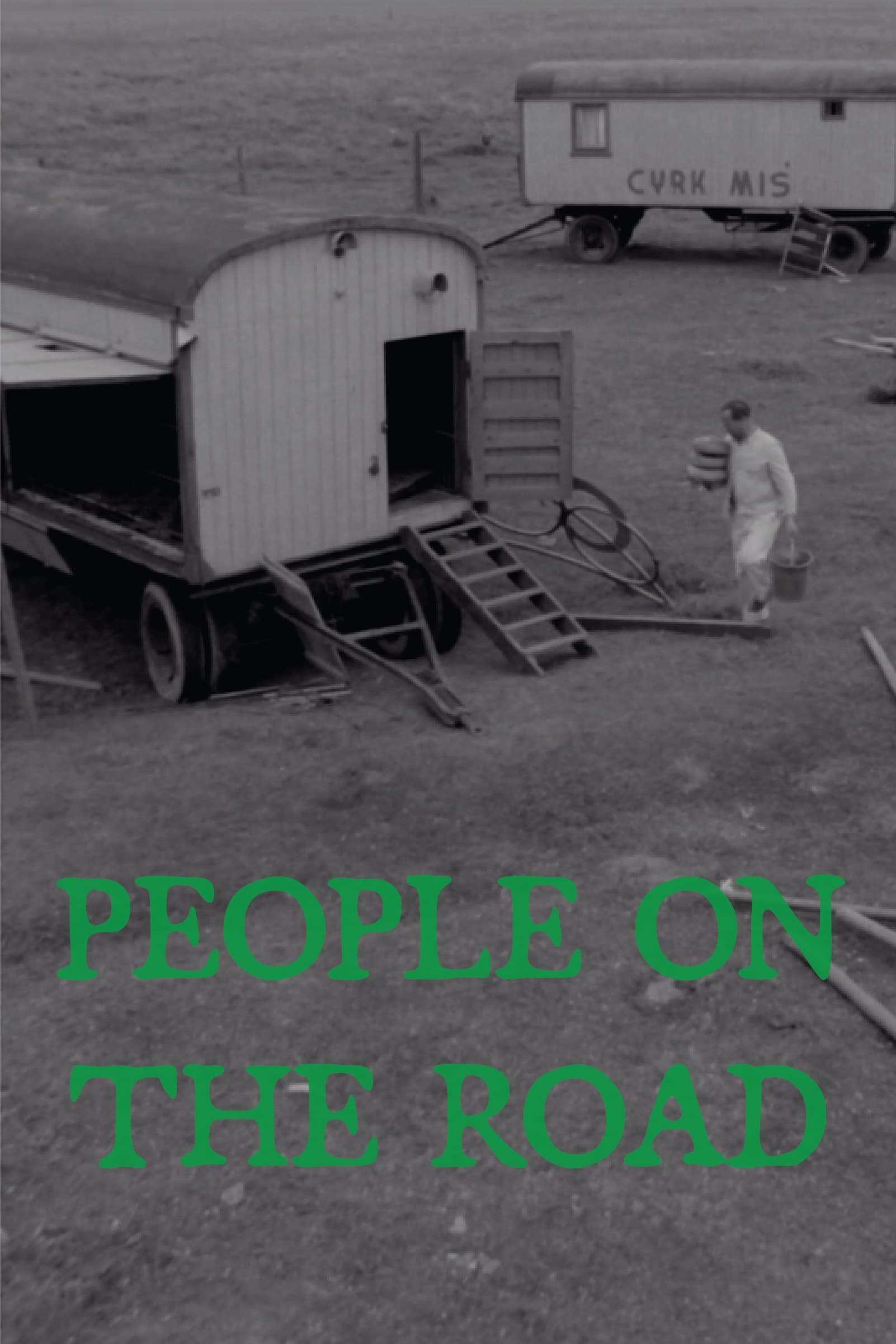
A portrait of a traveling circus.
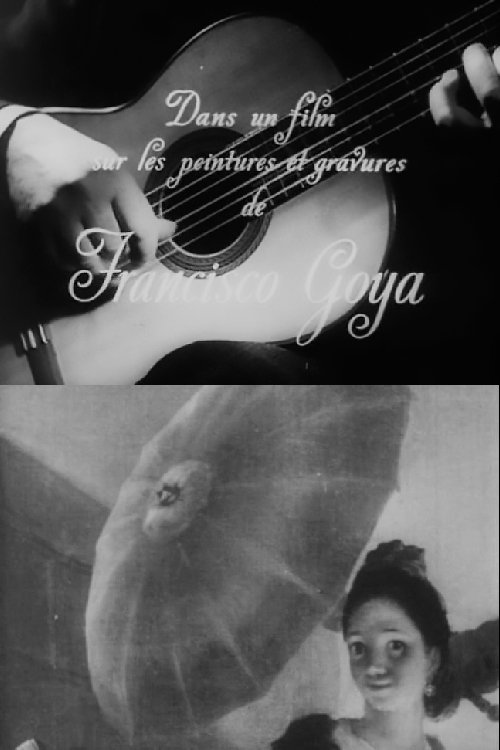
Presents life in 18th century Spain as the painter Francisco de Goya showed it to us.
A pro-Republican propaganda documentary made during the Spanish Civil War. It reports on the demonstration held in Barcelona on December 27, 1937 to commemorate the capture of Teruel by the Republican forces.
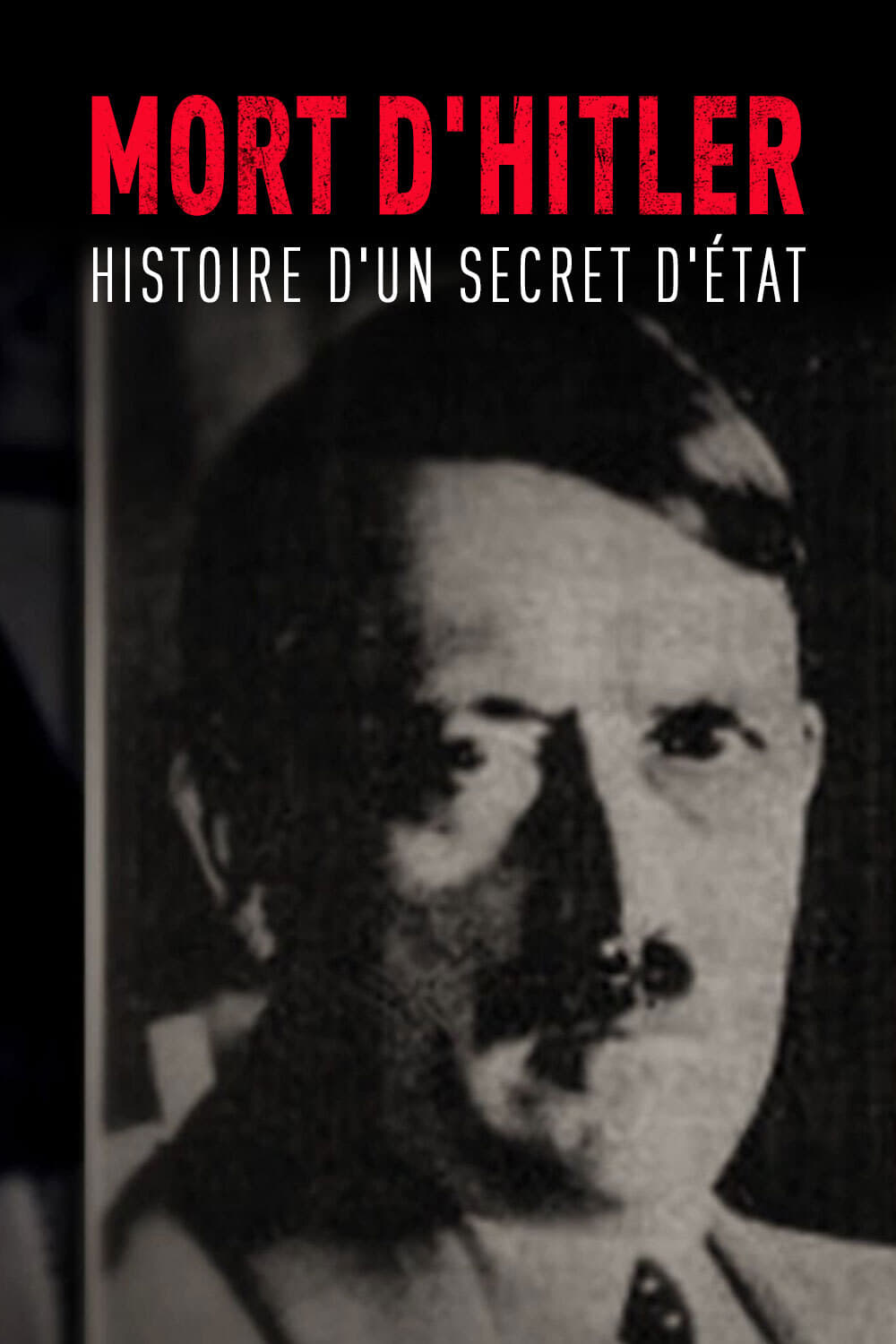
On April 30, 1945, while the Russian Army surrounded Berlin, Hitler committed suicide in his bunker. His body was discovered a few days later by the Soviets. He would be positively identified after a top secret inquest in which Hitler's personal dentist would play a central role. And yet, at the same time, Stalin publicly declared that his army was unable to find the Führer's body, choosing to let the wildest rumors develop and going so far as to accuse some of his Allies of having aided the monster's probable escape. What secrets were hidden behind this dissimulation? What happened then to the two ladies involved in the identification of Hitler’s body?
Filmed to praise the work of the Spanish Ministry of Housing in solving the problem of shanty towns in Bilbao, it was made to be viewed by General Franco and not for public screening or distribution through the NO-DO newsreel. Although the short film was commissioned by the Ministry of Housing, director Jorge Grau produced a subtly critical work.
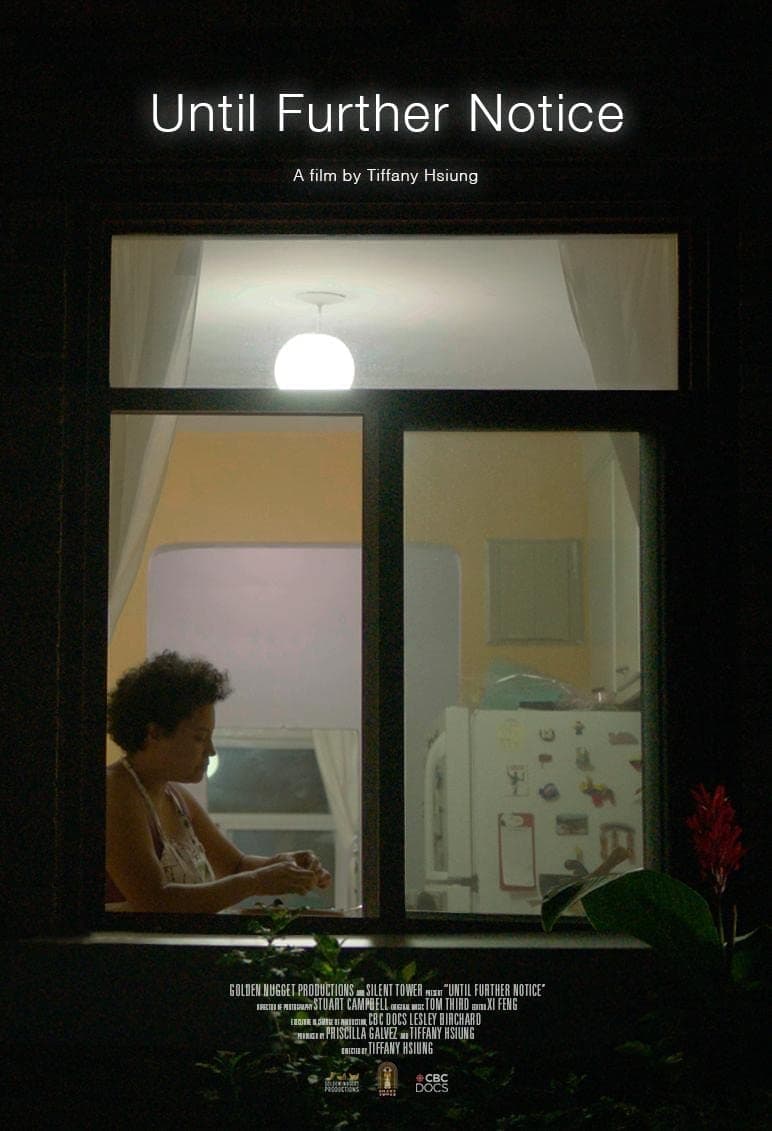
With his industry on lockdown and no end in sight, Toronto chef Luke Donato tries to keep his culinary passion alive during the COVID-19 pandemic - even if it means teaching a group of misfits online.
A filmmaker's search for Yambo Ouologuem, a once famous writer who no longer wants to see any white people. Along the way, he meets five university students interested in the relationship between Africa and the West and who question the desire to go somewhere else, to leave the country and with it the culture that is theirs and their parents'.
Norwegian police has traditionally not been armed in a normal situation. An unarmed police has been considered an important value, but in a chaotic world with mass shootings and terror, some are beginning to question if Norway has to go with the flow, and arm it's police too. Most police in the world carry guns every day. Is it still possible for Norway to choose the less violent alternative in 2016?
Drops of fire that create a universe of magmatic asteroids. Liquid and gravitational reality. Cosmic energy. Atomized Rhythm. Neurons of a liberated unconscious. Elimination of the idea of "soul" as "everything", reducing it to the condition of units of energy in perpetual process, elementary particles, without duration, that arise in perfect dependence. The "I" as a stream of units of force in ceaseless becoming that procures the illusion of an entity. Karmic chain. The idea that eternity resides in the transitory, the eternal belongs to it instantly. Eternity not as infinite duration but as absence of temporality. Universe of a mobile, procedural, relational and interactive nature of everything that exists. Here the "object" is conceived as something that is constituted, completed, lost and recovered with the vibrating rhythm of a universe in constant production.
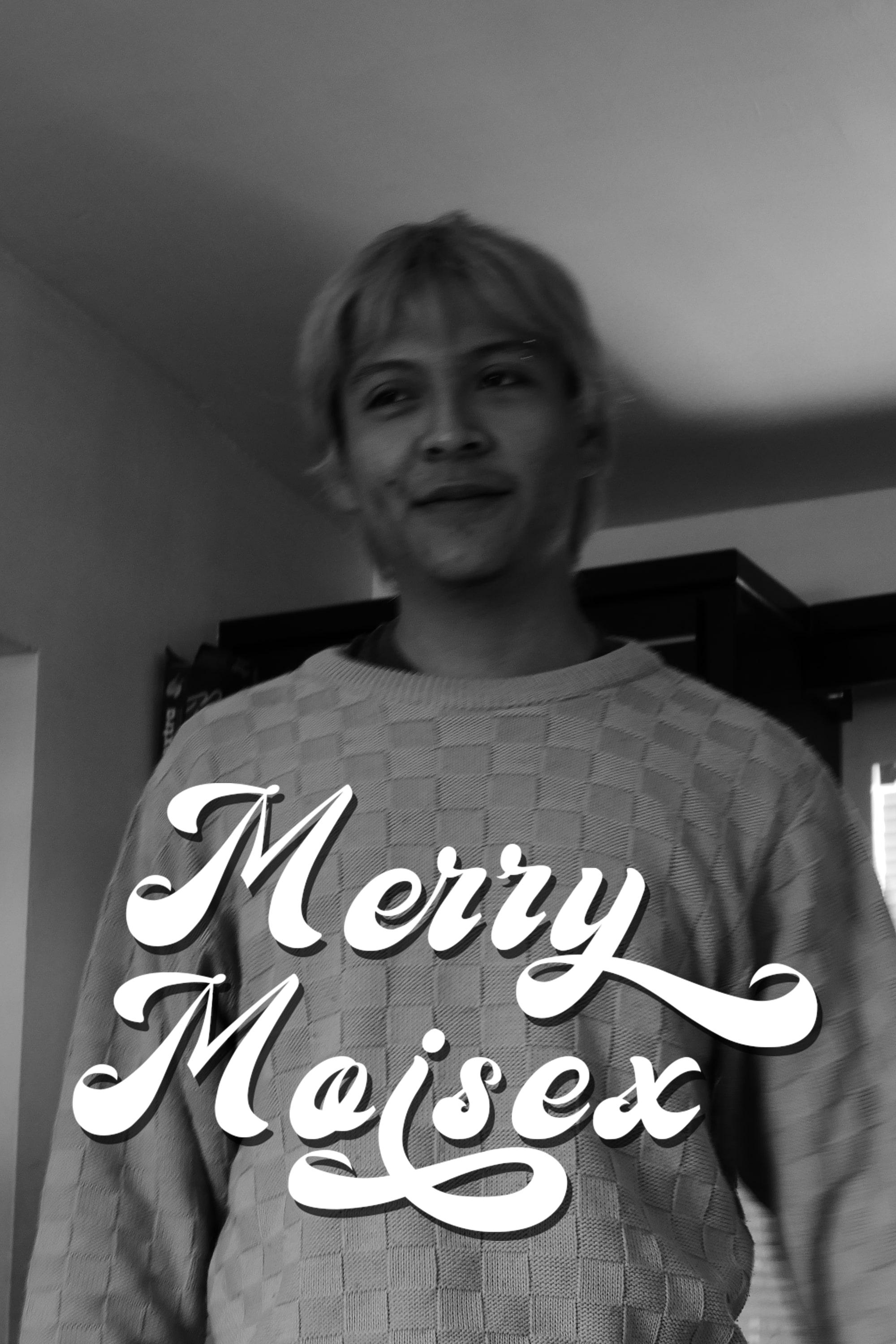
When Moisex declares his hatred for Christmas, Kevin sets out to change his mind by creating a short film. This documentary captures their journey of creativity, humor, and the search for holiday spirit.
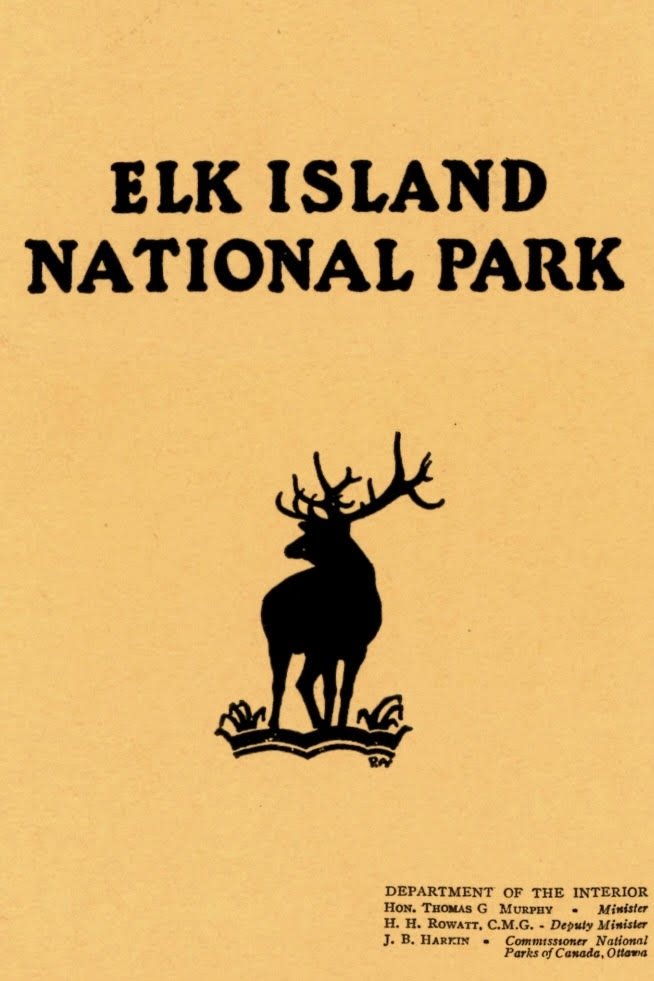
This short documentary focuses on a man-made island that became the first federal sanctuary for wildlife in Canada. Situated an hour east of Edmonton, it houses one of the world's densest collections of wildlife, maintained by Parks Canada. Elk Island offers a glimpse of the behind-the-scenes activity of the island.
Tassel-spinning showgirl Tina stars in this rare 60s British burlesque stage show reel.
A Short film by Christophe Bisson
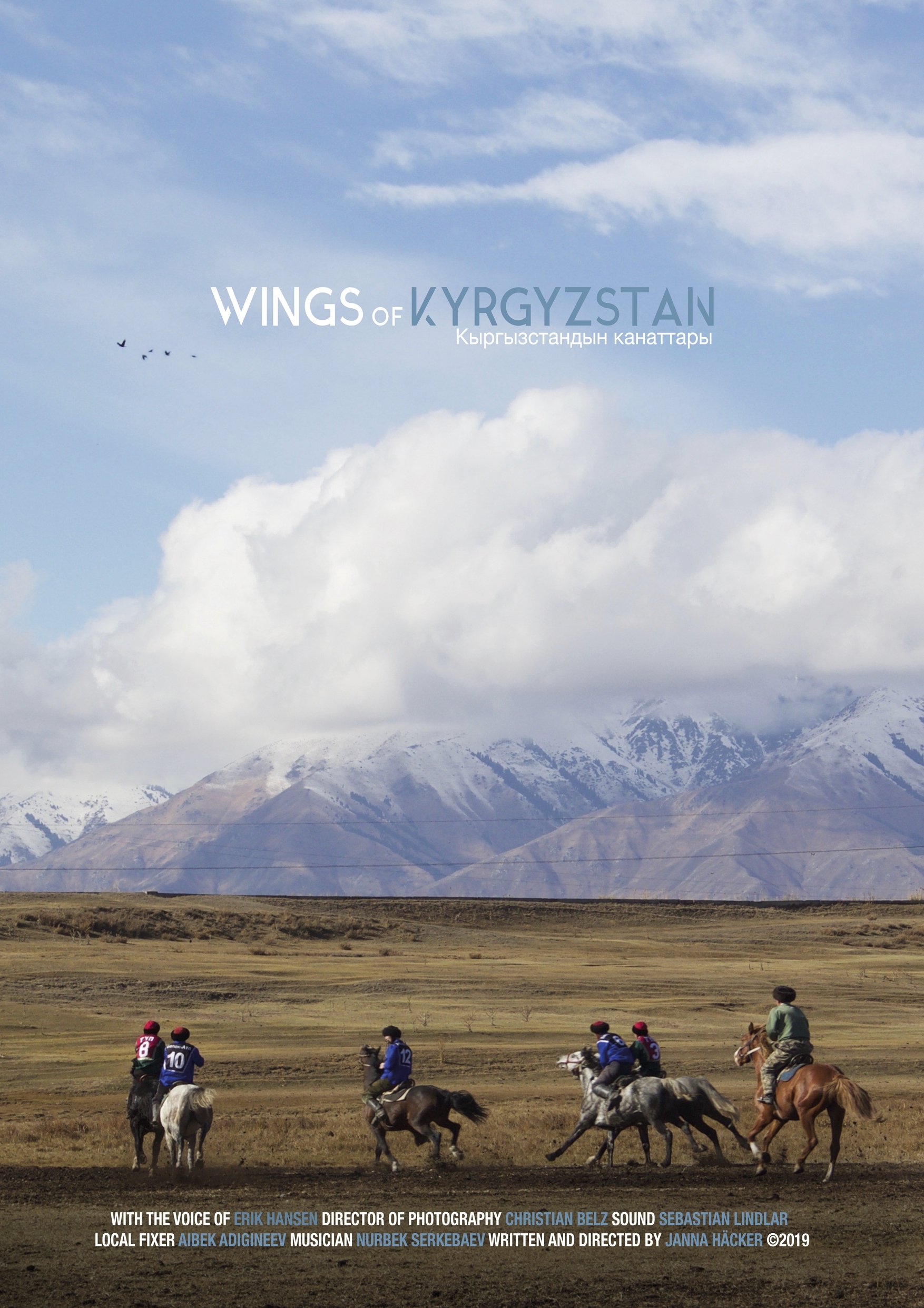
As „wings of men“ they became the faithful companion of a great nomadic nation thousands of years ago. Today, 28 years after the Soviet occupation, the little horse is an essential part of the cultural heritage and the search for identity of the modern Kyrgyz people. Based on its own story, a so called „good brown horse“ leads through the film and offers an insight of what it could mean to be „todays wings of men“. Told by a horse’s voice and through its eyes, this short film still is a documentary, but also a poetic journey to a nomadic culture.
Two filmmakers juxtapose field recordings and documented moving images as an attempt to reconcile with their place in their desensitized semi-urban hometown in India.
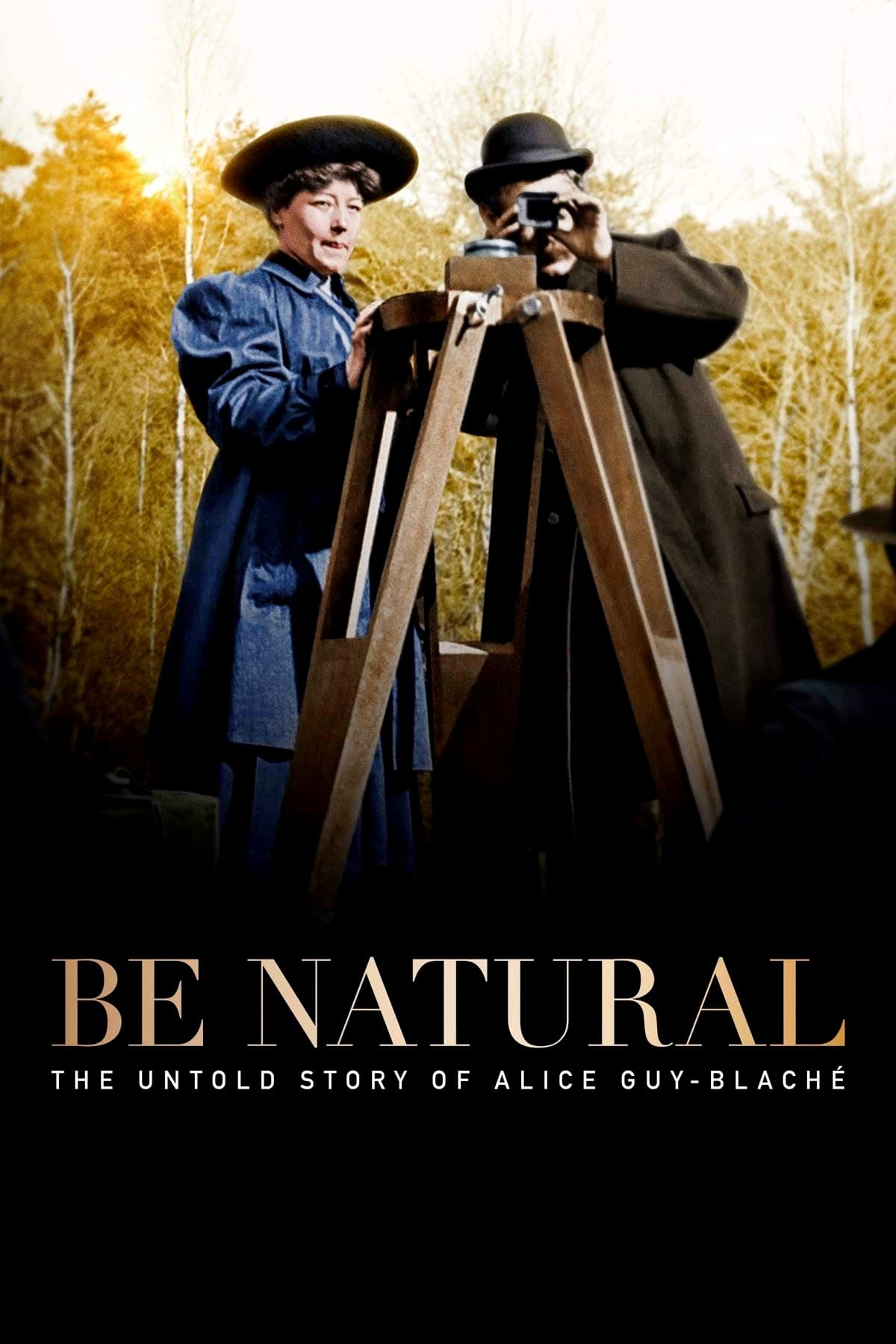
The epic life story of Alice Guy-Blaché (1873–1968), a French screenwriter, director and producer, true pioneer of cinema, the first person who made a narrative fiction film; author of hundreds of movies, but banished from history books. Ignored and forgotten. At last remembered.
A visual montage portrait of our contemporary world dominated by globalized technology and violence.
In an intimate and joyful story of love in the face of loss, celebrated poets Andrea Gibson and Megan Falley find strength—and unexpected hilarity—in what might be their final year together.
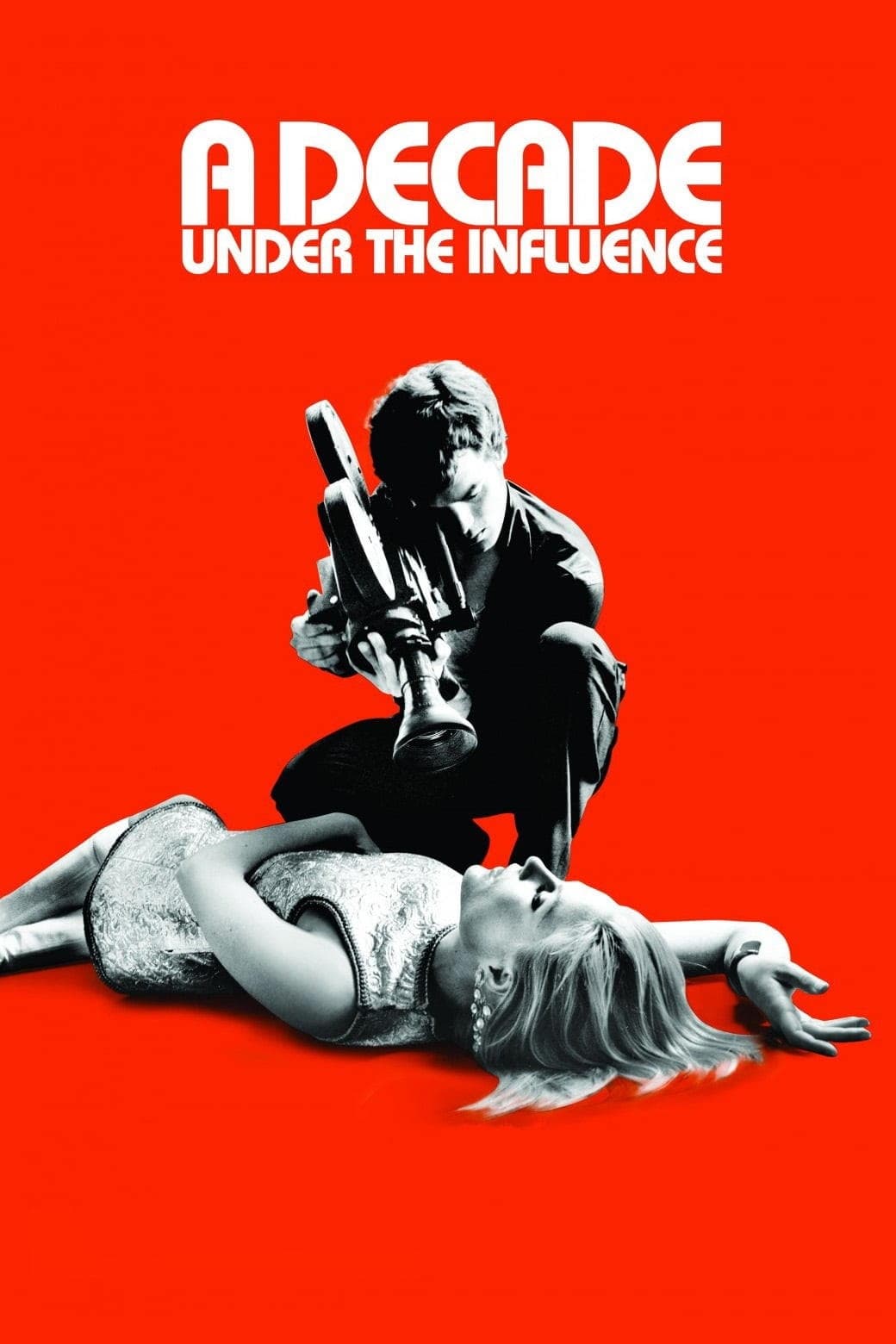
A documentary examining the decade of the 1970s as a turning point in American cinema. Some of today's best filmmakers interview the influential directors of that time.
A documentary on the expletive's origin, why it offends some people so deeply, and what can be gained from its use.
A documentary about the life and films of director John Ford.
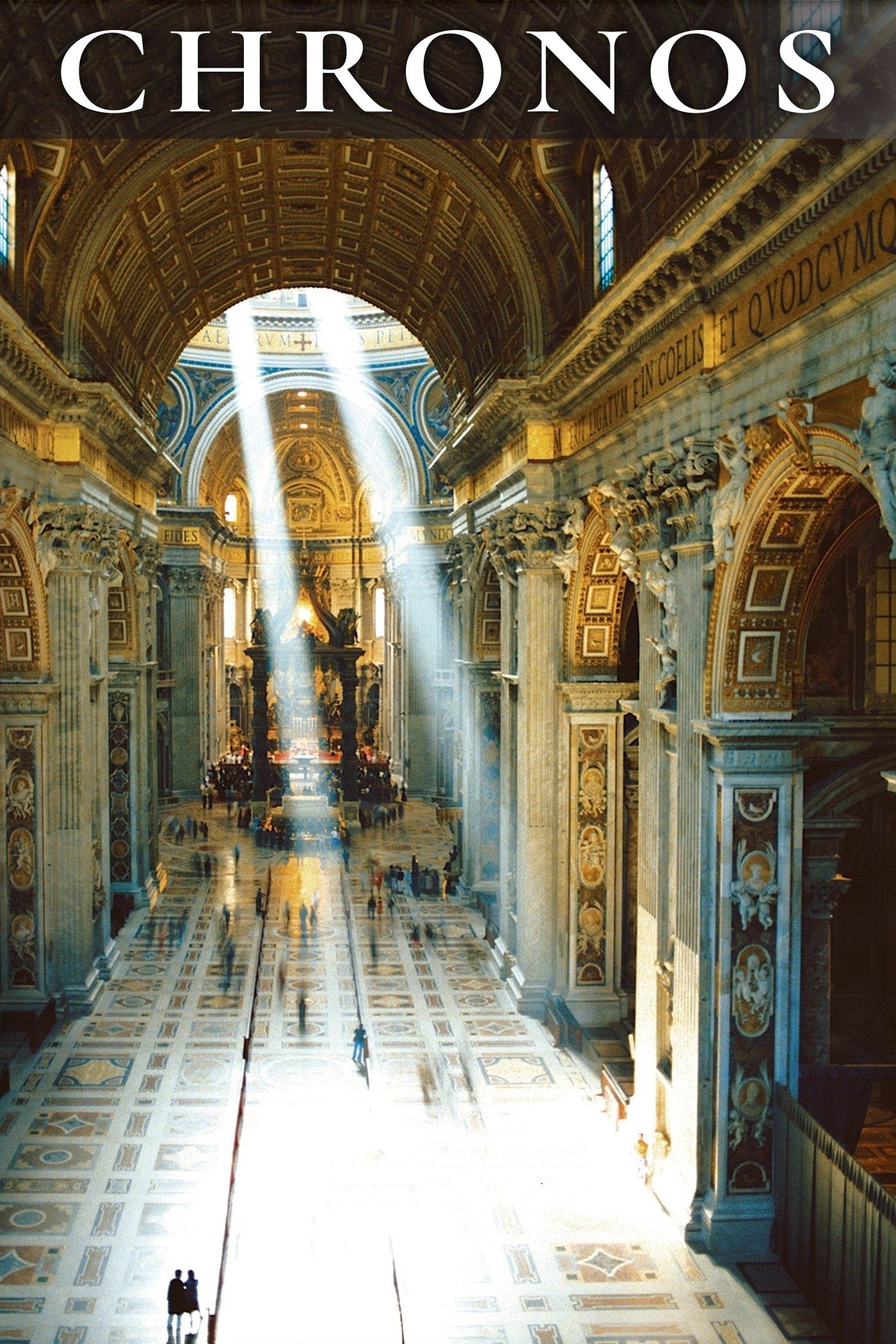
Carefully picked scenes of nature and civilization are viewed at high speed using time-lapse cinematography in an effort to demonstrate the history of various regions.
Daniel Craig candidly reflects on his 15 year adventure as James Bond. Including never-before-seen archival footage from Casino Royale to the upcoming 25th film No Time To Die, Craig shares his personal memories in conversation with 007 producers, Michael G Wilson and Barbara Broccoli.
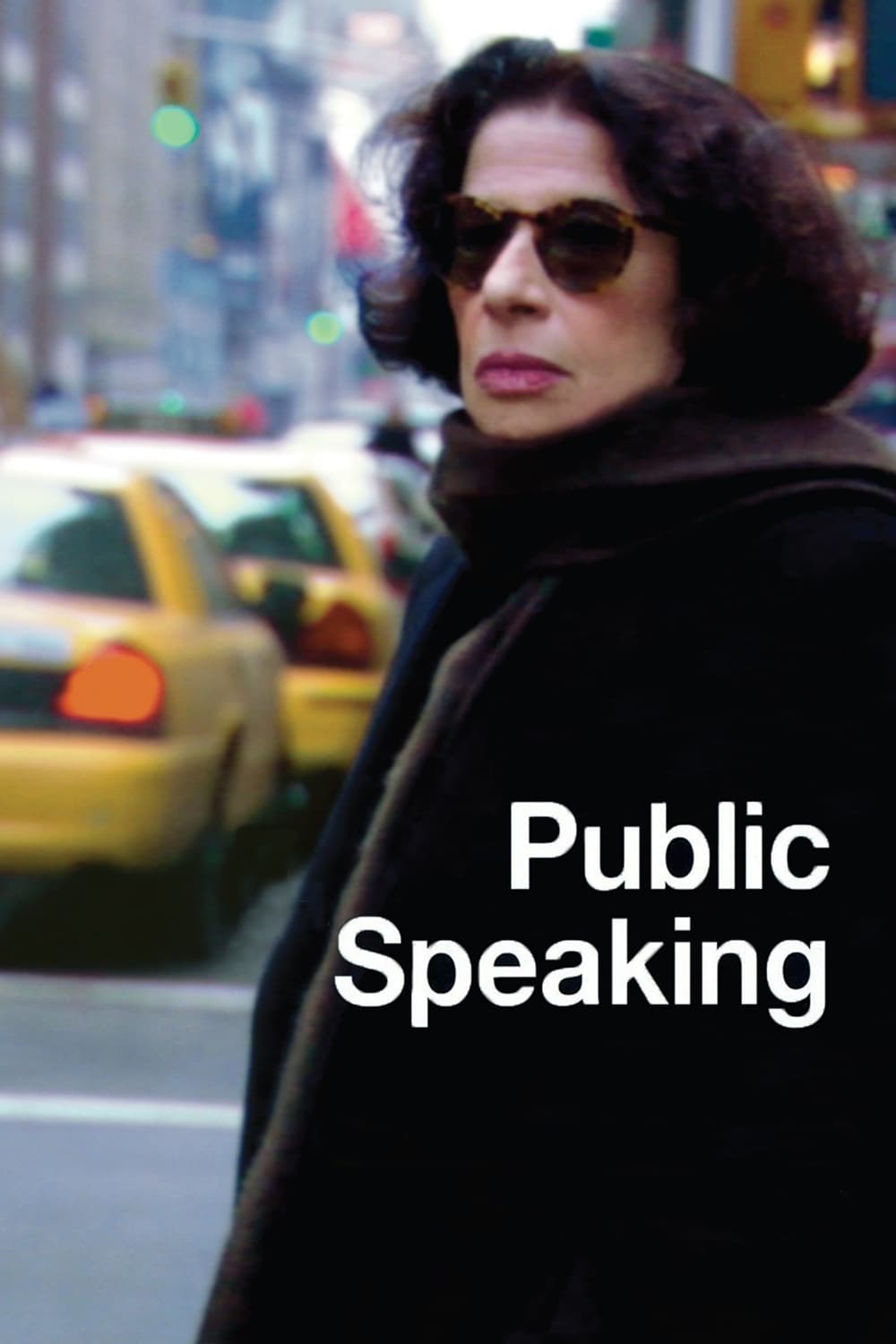
Martin Scorsese’s portrait of writer and social commentator Fran Lebowitz, celebrated for her sharp wit and observations on modern life. Filmed at New York’s Waverly Inn and intercut with archival footage and interviews, the documentary captures Lebowitz’s distinctive worldview through her spontaneous monologues and public appearances.
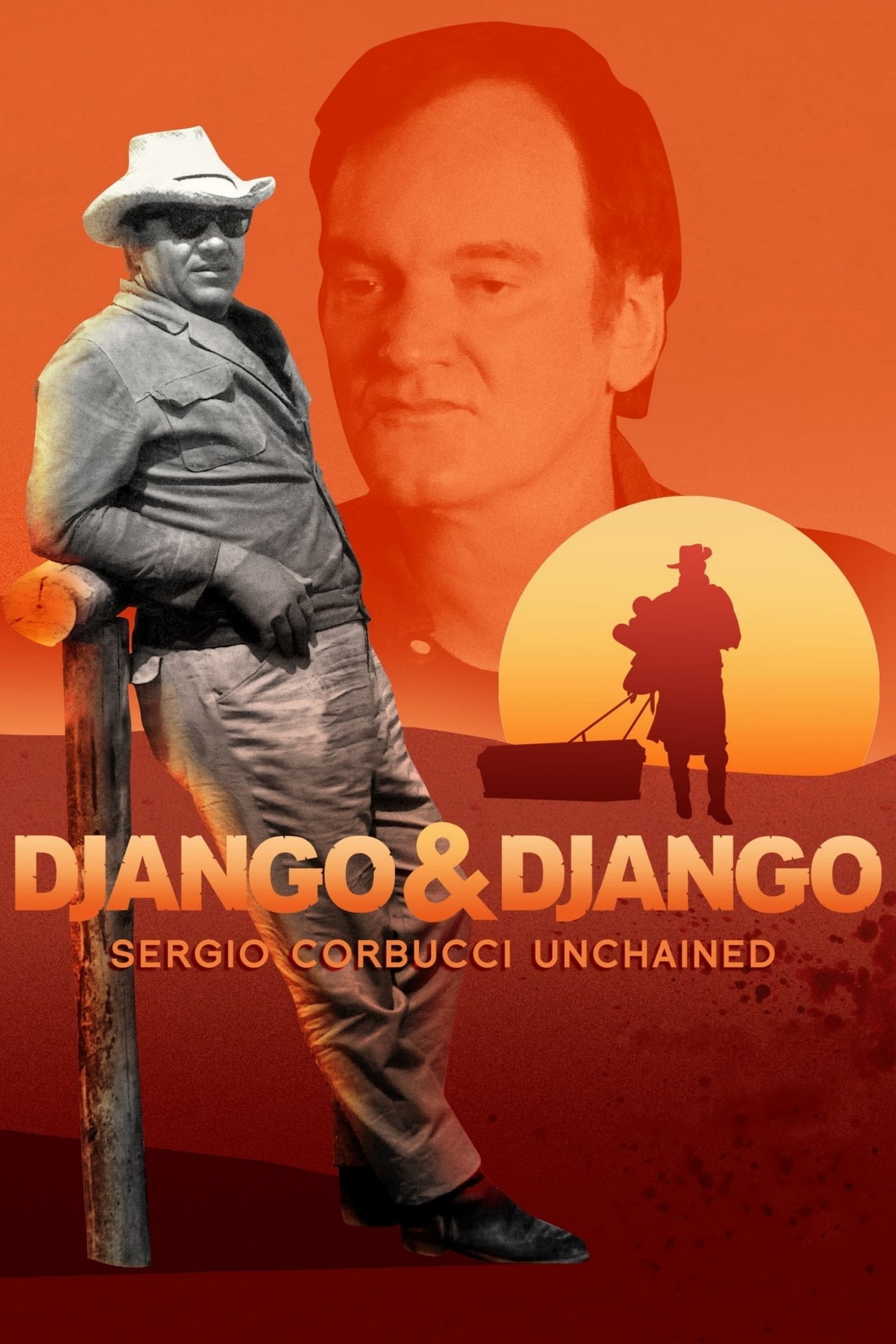
A tribute to Italian filmmaker Sergio Corbucci (1926-90), presented by American filmmaker Quentin Tarantino.
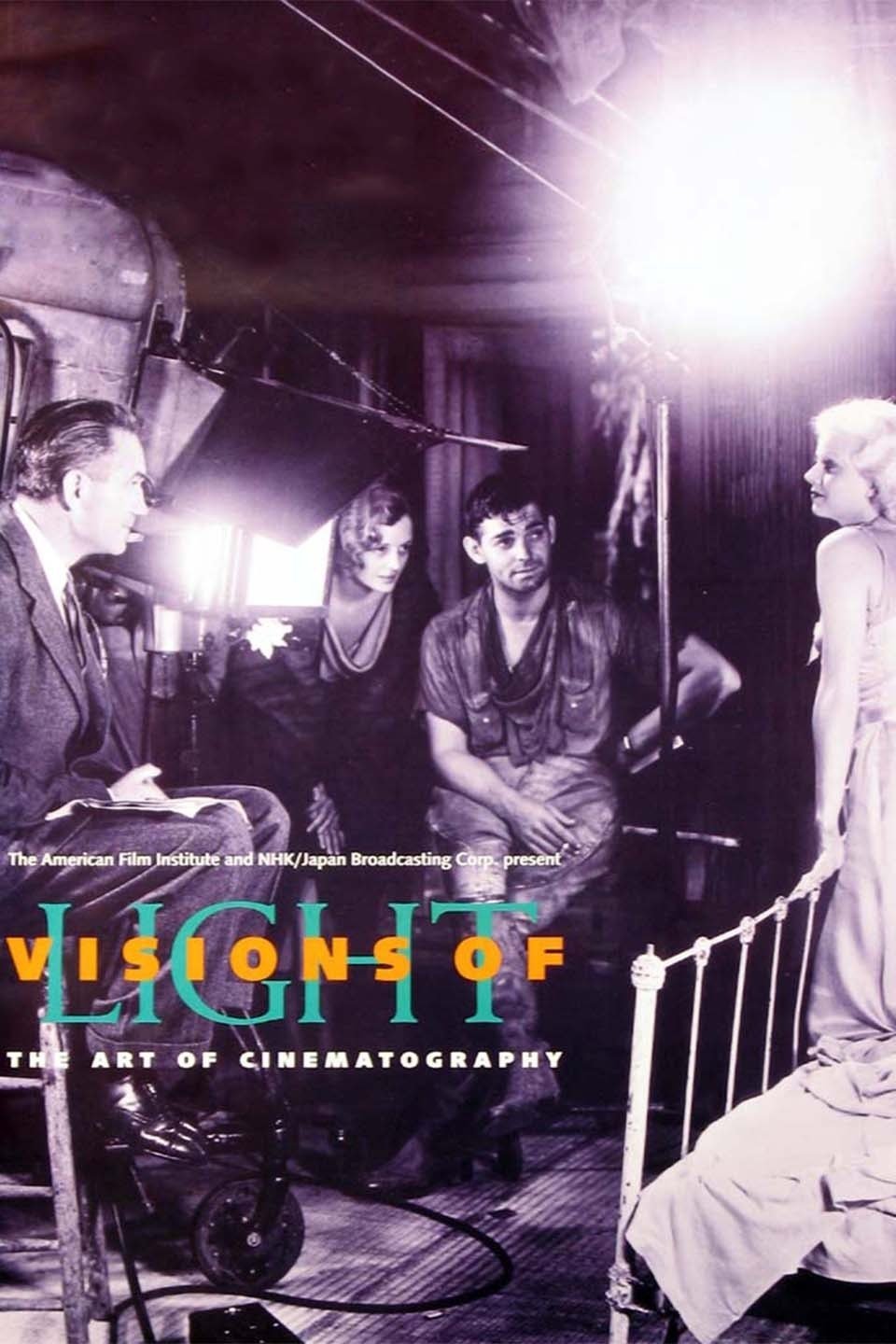
Cameramen and women discuss the craft and art of cinematography and of the "DP" (the director of photography), illustrating their points with clips from 100 films, from Birth of a Nation to Do the Right Thing. Themes: the DP tells people where to look; changes in movies (the arrival of sound, color, and wide screens) required creative responses from DPs; and, these artisans constantly invent new equipment and try new things, with wonderful results. The narration takes us through the identifiable studio styles of the 30s, the emergence of noir, the New York look, and the impact of Europeans. Citizen Kane, The Conformist, and Gordon Willis get special attention.
Brilliant, long in-the-works story of the life and art of the world's greatest comedian and the cinema's first genius, Charlie Chaplin. Produced, written and directed by renowned film critic Richard Schickel.
The history of cinematic sound, told by legendary sound designers and visionary filmmakers.
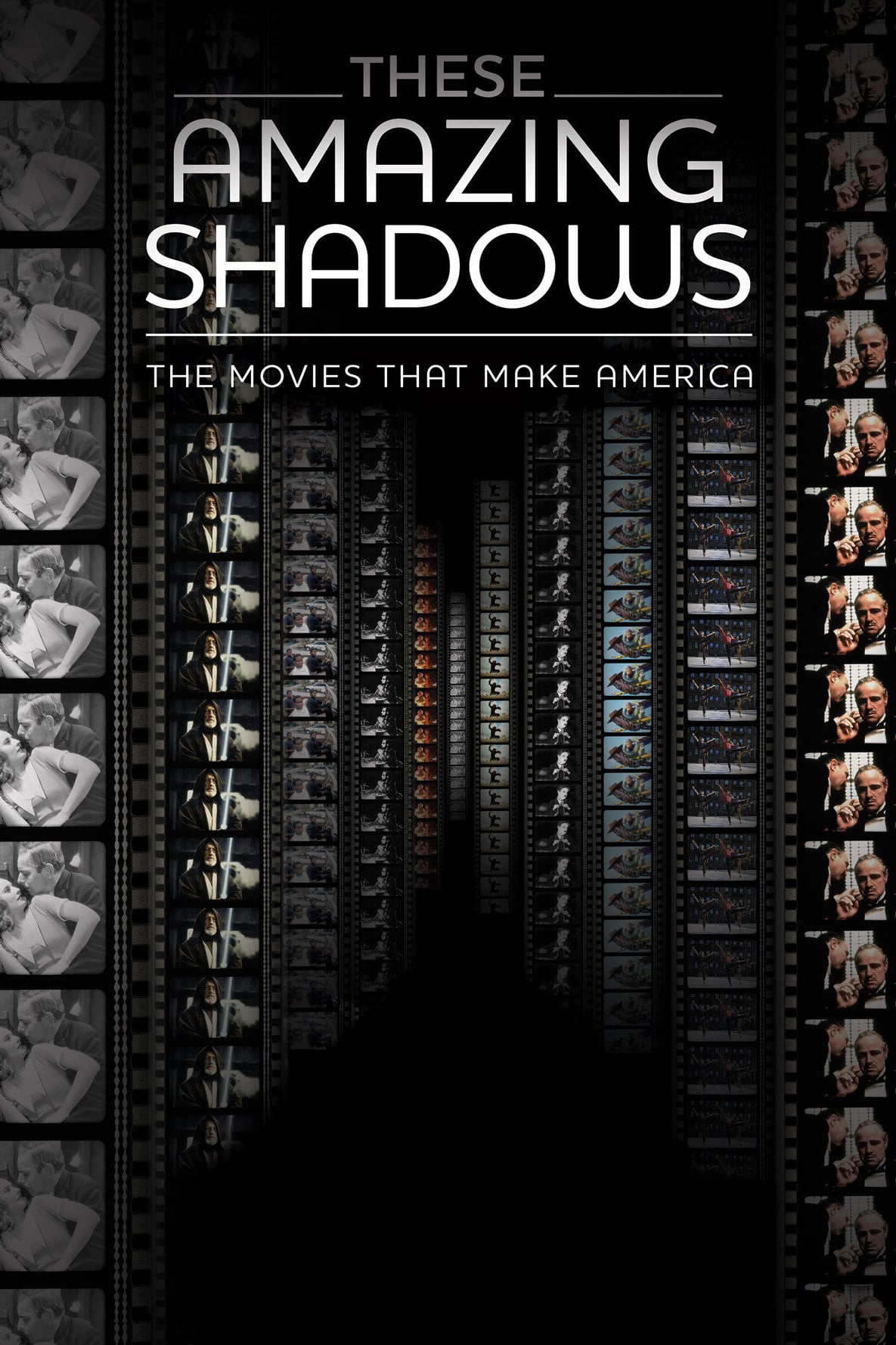
Tells the history and importance of The National Film Registry, a roll call of American cinema treasures that reflects the diversity of film, and indeed the American experience itself.
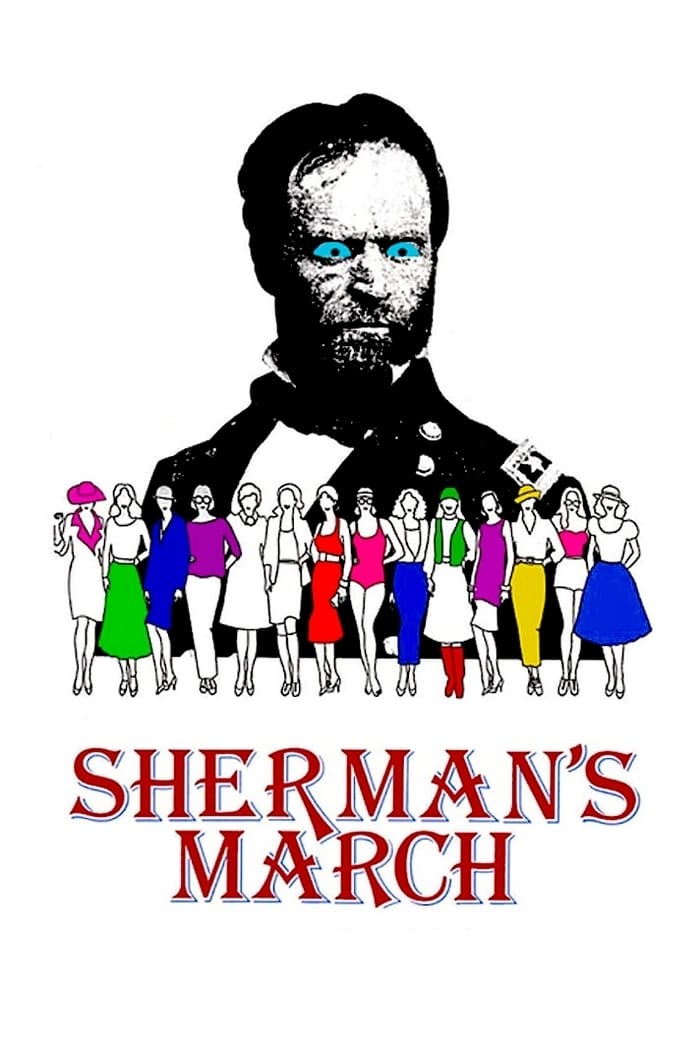
Documentarian Ross McElwee originally set out to make a travelogue of sorts tracing General William T. Sherman's infamous scorched-earth march through the Confederacy in the latter stages of the Civil War. Instead, haunted by a recent breakup with a girlfriend, McElwee ends up documenting his progress -- or lack thereof -- in starting a new relationship. His journey then becomes one of self-reflection and self-discovery rather than a historical/sociological exploration.
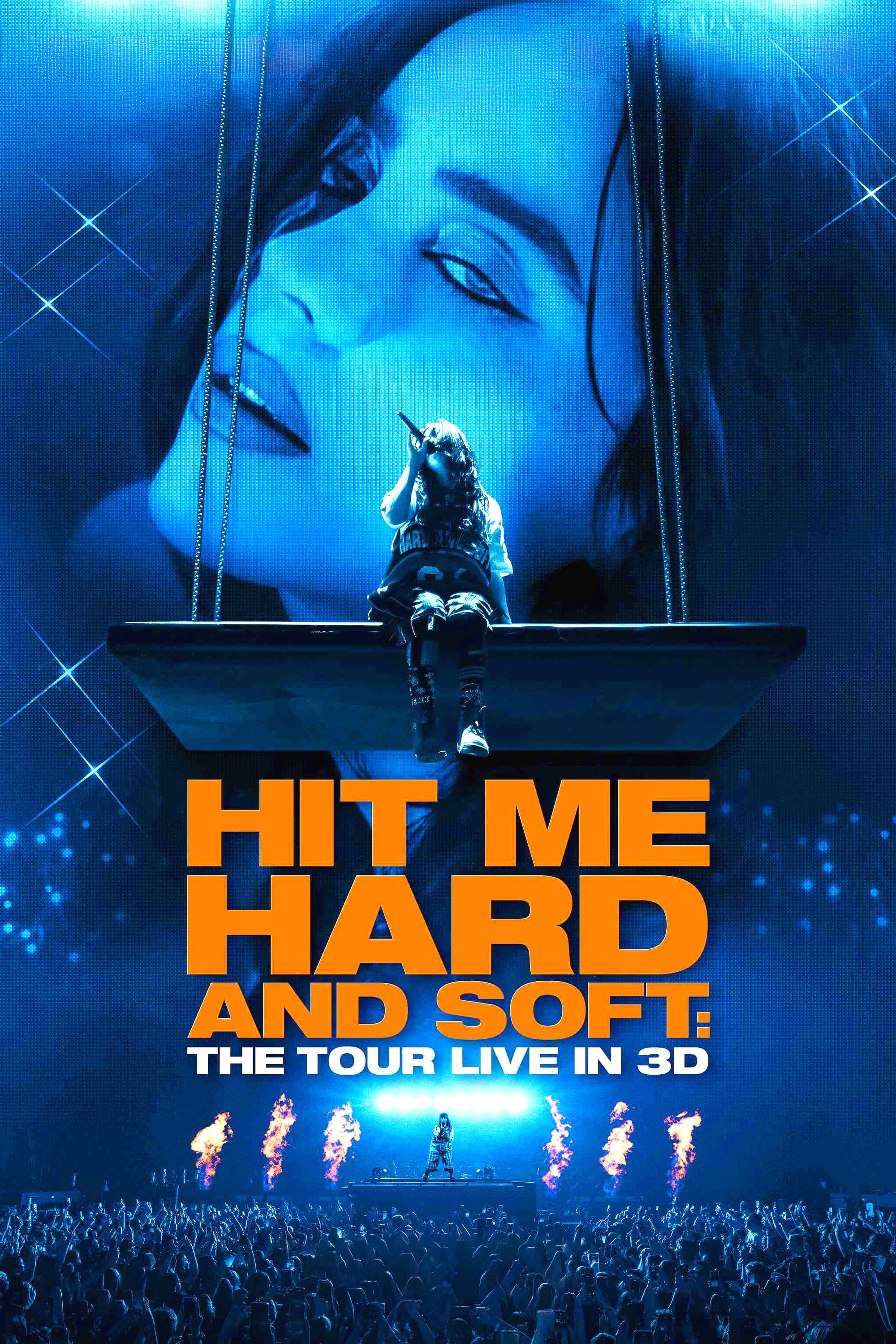
Captured during Billie Eilish's sold-out world tour, a concert experience from one of the most celebrated and successful artists of her generation, presented in immersive 3D.
Through deeply personal interviews with her siblings and an examination of the photographs, letters, and belongings left behind, Mariska assembles a new portrait of her mother Jayne Mansfield, an extraordinary and complex woman.
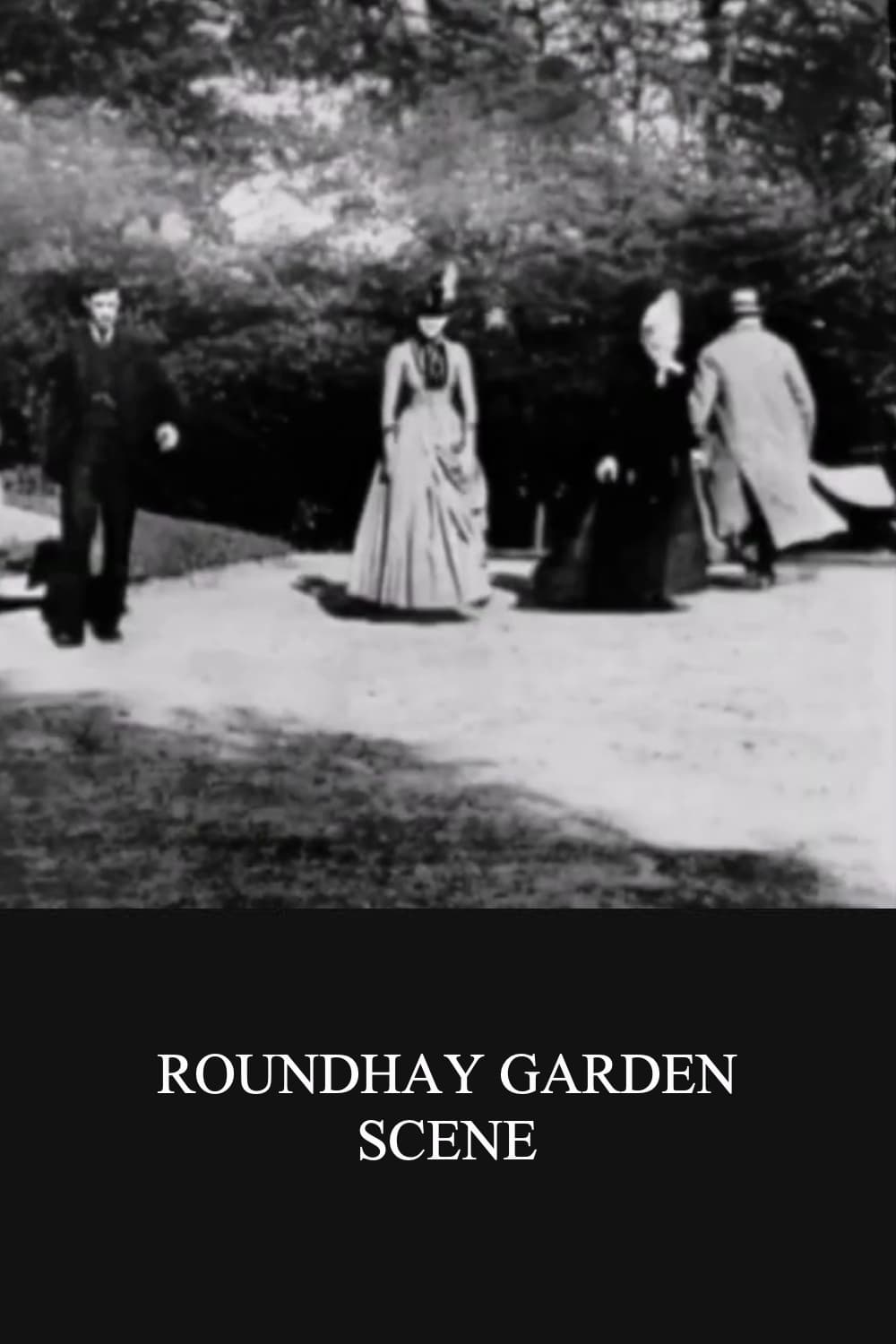
The earliest surviving motion-picture film, and believed to be one of the very first moving images ever created, was shot by Louis Aimé Augustin Le Prince using the LPCCP Type-1 MkII single-lens camera. It was taken on paper-based photographic film in the garden of Oakwood Grange, the Whitley family house in Roundhay, Leeds, West Riding of Yorkshire (UK), on 14 October 1888. The film shows Adolphe Le Prince (Le Prince’s son), Mrs. Sarah Whitley (Le Prince’s mother-in-law), Joseph Whitley, and Miss Harriet Hartley walking around in circles, laughing to themselves, and staying within the area framed by the camera. Roundhay Garden Scene is often associated with a recording speed of around 12 frames per second and runs for about 2 to 3 seconds.
As a visually radical memoir, CAMERAPERSON draws on the remarkable footage that filmmaker Kirsten Johnson has shot and reframes it in ways that illuminate moments and situations that have personally affected her. What emerges is an elegant meditation on the relationship between truth and the camera frame, as Johnson transforms scenes that have been presented on Festival screens as one kind of truth into another kind of story—one about personal journey, craft, and direct human connection.
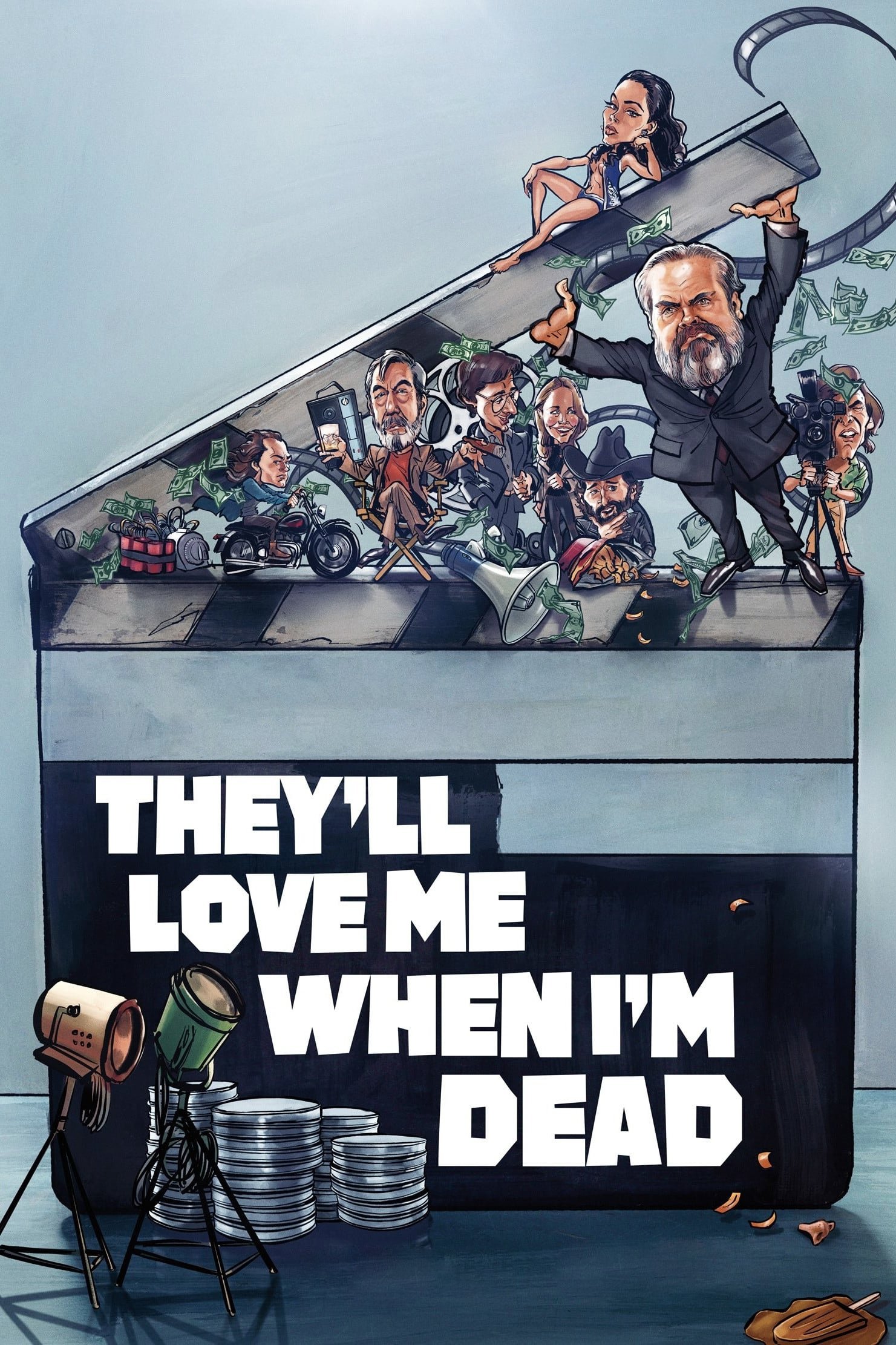
As his life comes to its end, famous Hollywood director Orson Welles puts it all on the line at the chance for renewed success with the film The Other Side of the Wind.