A travelogue of Port-au-Prince, Haiti concentrating on the daily life and rhythm of tropical island life.
Social & External
The people behind it
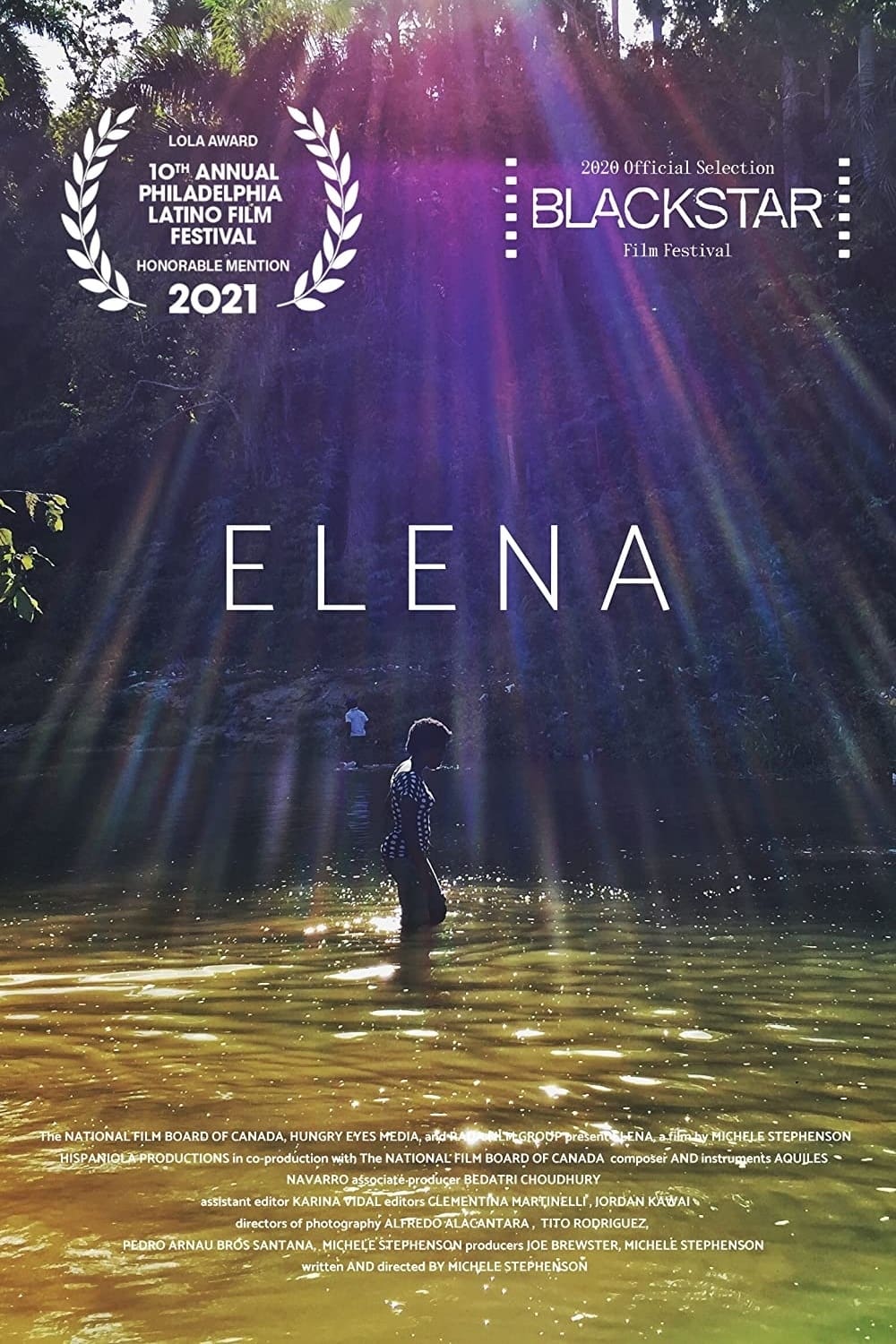
In 1937, tens of thousands of Haitians and Dominicans of Haitian descent were exterminated by the Dominican army, on the basis of anti-black racism. Fast-forward to 2013, the Dominican Republic's Supreme Court stripped the citizenship of anyone with Haitian parents, retroactive to 1929, rendering more than 200,000 people stateless. Elena, the young protagonist of the film, and her family stand to lose their legal residency in the Dominican Republic if they don't manage to get their documents in time. Negotiating a mountain of opaque bureaucratic processes and a racist, hostile society around, Elena becomes the face of the struggle to remain in a country built on the labor of her father and forefathers.
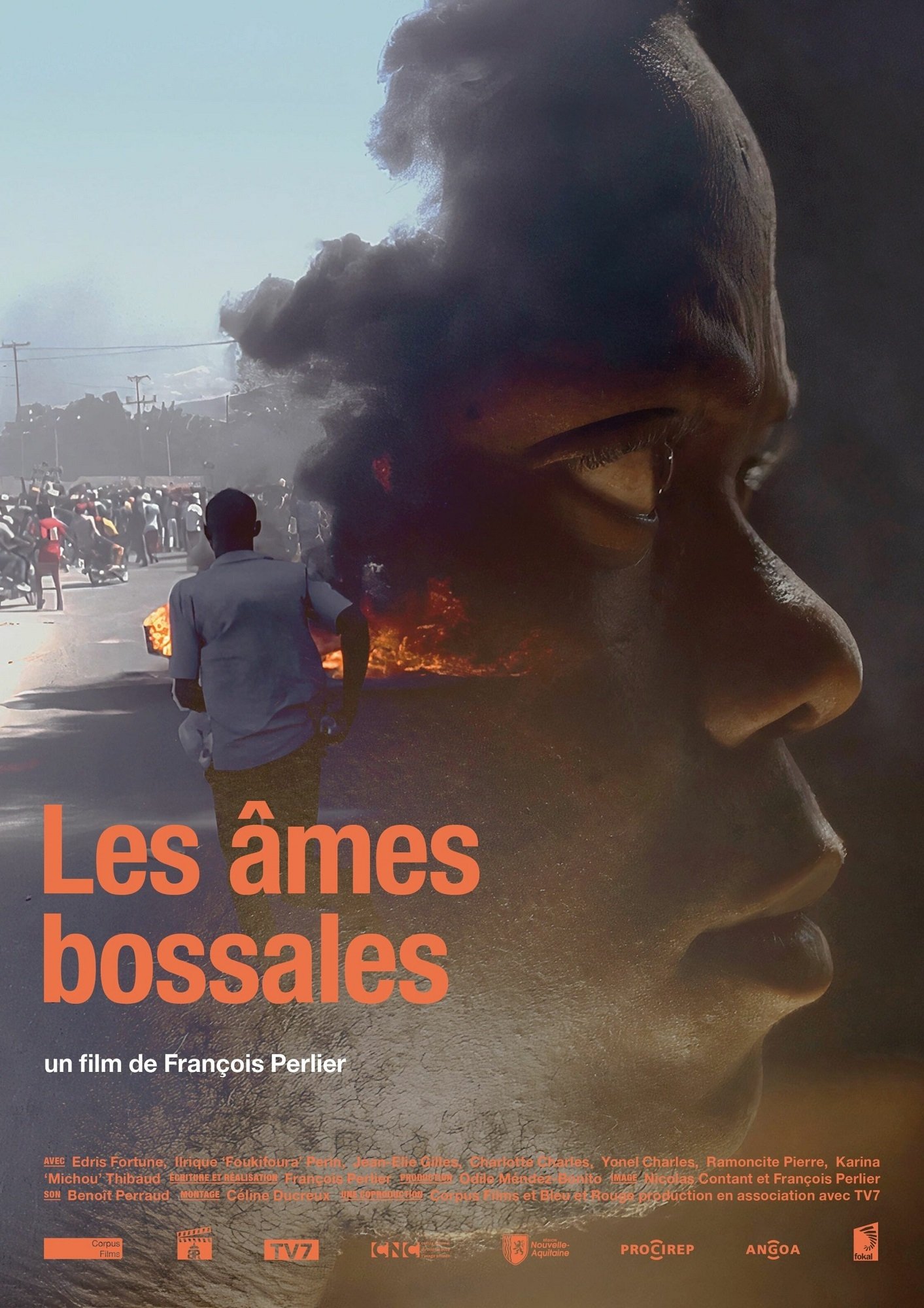
The Soul of Bossales is an immersion in the heart of popular Haitian culture whose spirituality and creativity have been forged by a surge of freedom and identity affirmation. Foukifoura, Édris, Charlotte or Ramoncite, “Bossales” characters with committed artistic and political acts, give us the gripping story of a very harsh reality: material and health precariousness, political violence, neo-colonialism.
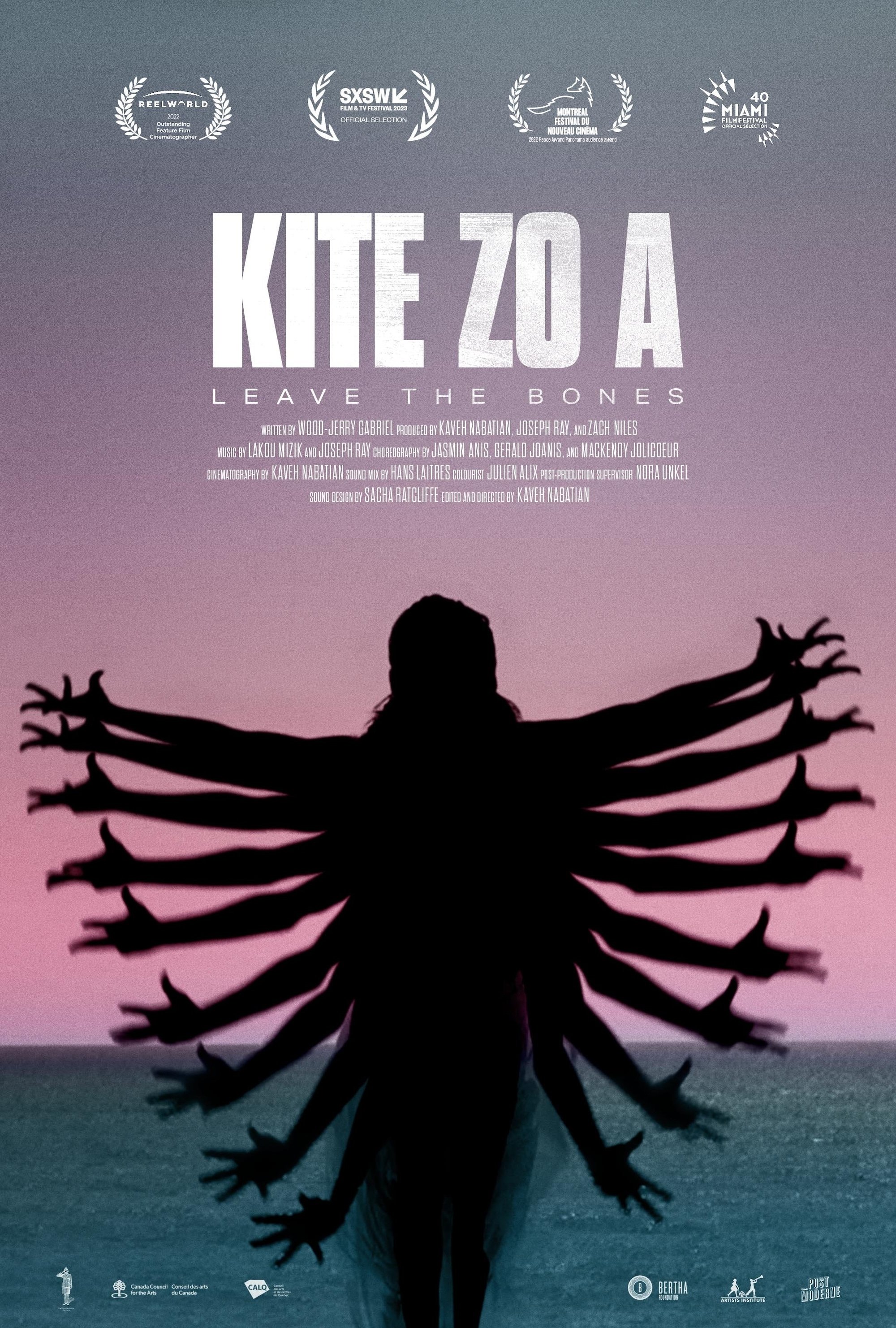
In 1791, in Haiti, Dutty Boukman presided over a Vodou ritual in Bois-Caïman that led to the creation of the first Black republic. Since then, rituals of transformation and artistic expression have been at the core of a thriving culture as the country faces oppression, poverty, and natural disasters. "Kite Zo A” (Leave the Bones) is a sensorial film about rituals in Haiti, from ancient to modern, made in collaboration with poets, dancers, musicians, fishermen, daredevil rollerbladers, and Vodou priests, set to poetry by Haitian author Wood-Jerry Gabriel.
Zombies are part of pop culture, but what are they? Where do they come from? To find real zombies we visit Haiti where Zombies are an integral part of the island's cultural and religious roots.
This short film from the Perspective series highlights social and economic development in Haiti circa 1957. It depicts customs and traditions used to pass along the history of a people, and offers a look into their daily lives — lives that looks very different from their experiences today.
Haitian history is presented through an explosion of colour, dance and music, as the country prepares for its legendary carnival.
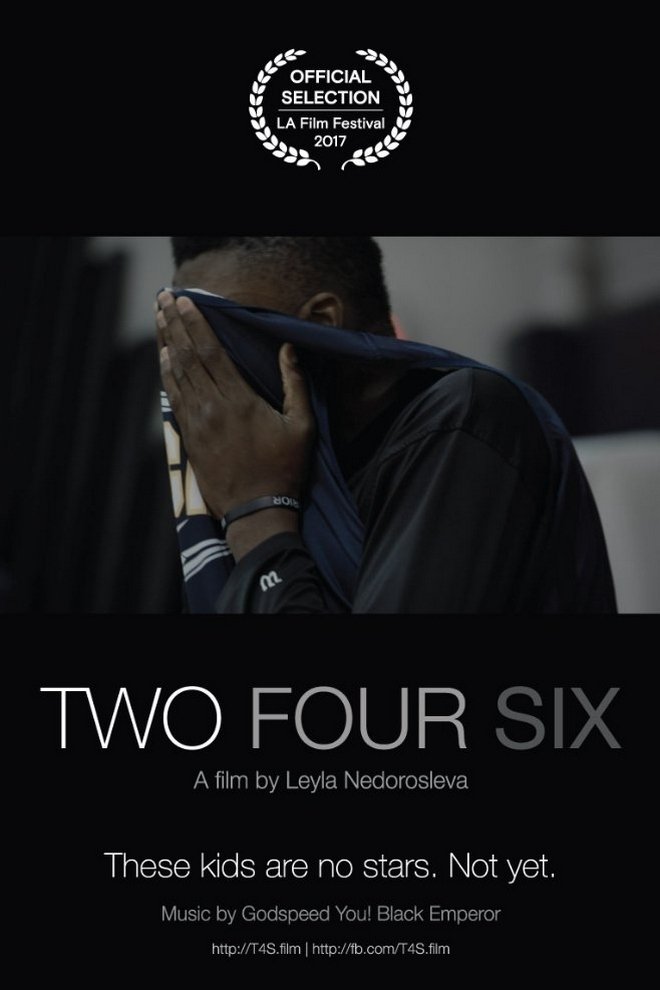
Set mainly in present day Dallas, Texas and Port-au-Prince, Haiti, this film features three main characters at three different stages of the same process. Supported by a nonprofit, these extremely tall teenagers come to the United States from Haiti using basketball as means to get an education and help their own country change.
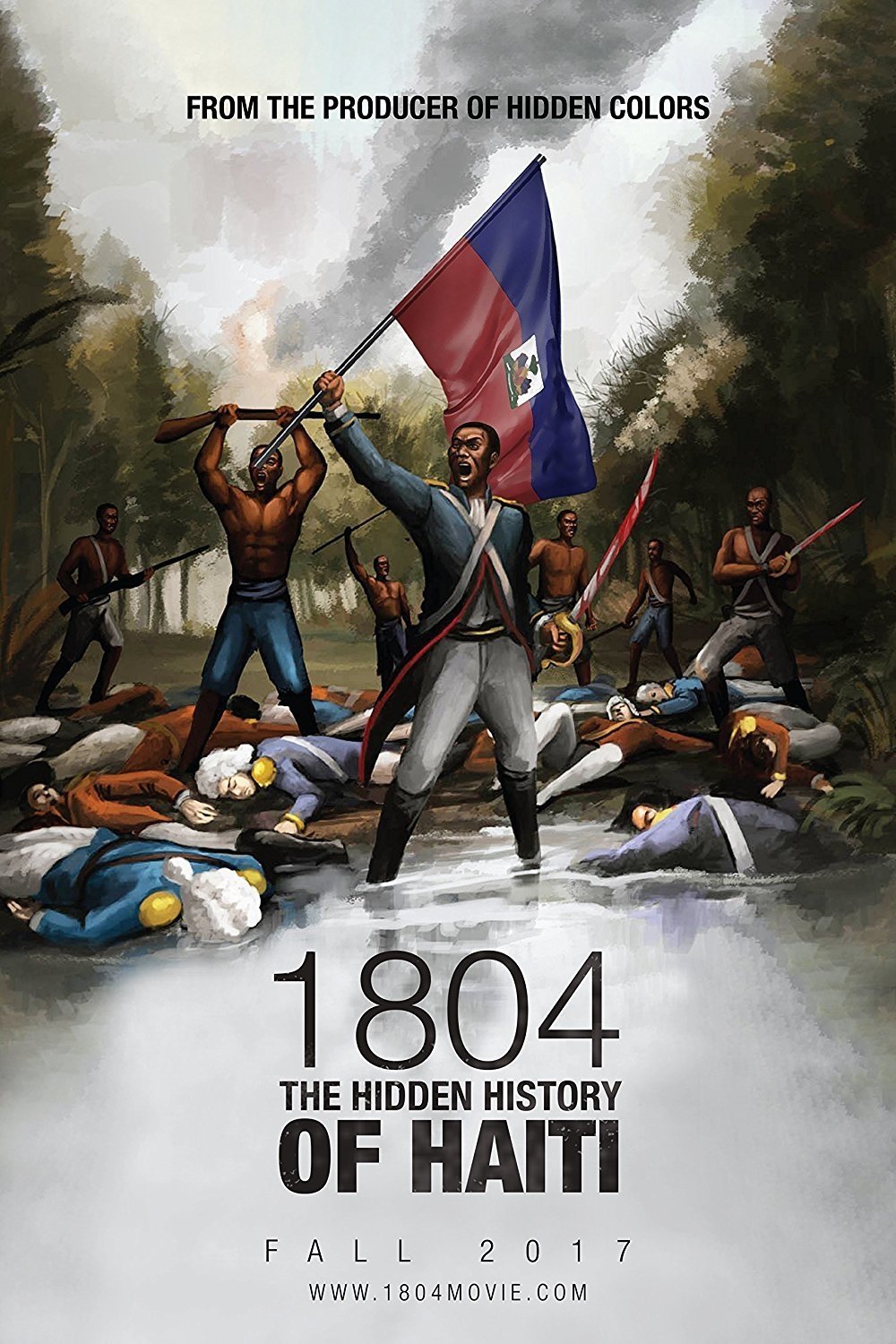
1804 is a feature length documentary film about the untold history of the Haitian revolution
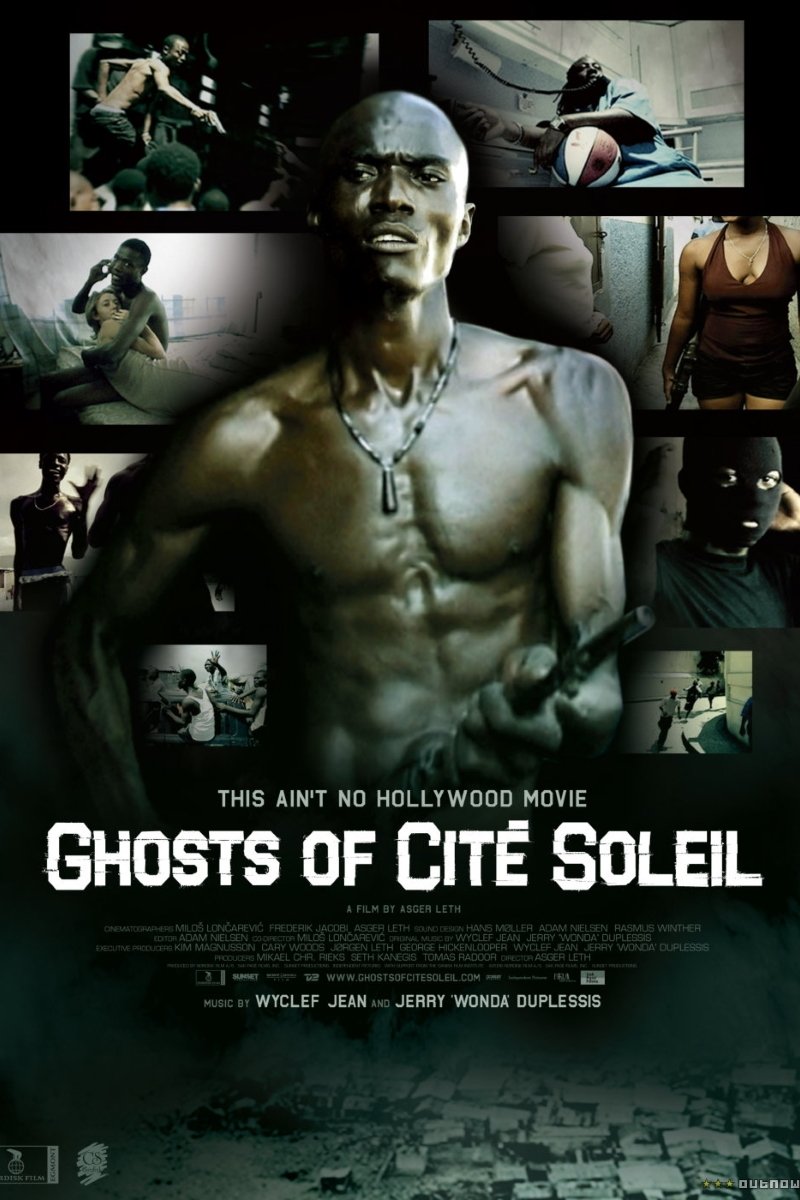
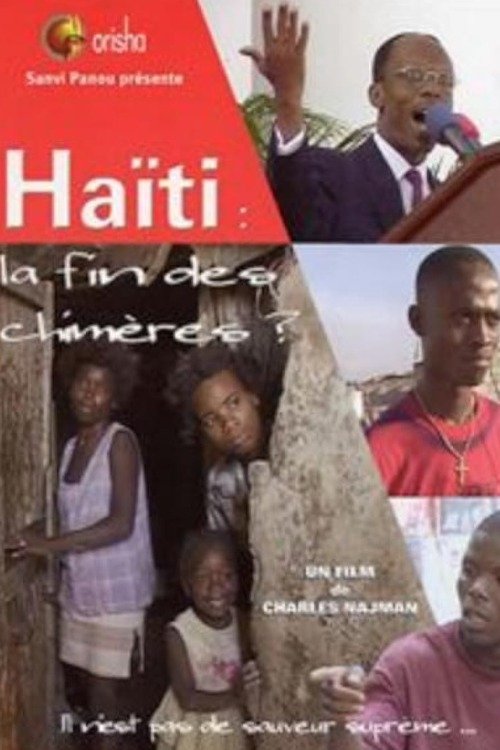
In the slum of Cité Soleil, President Aristide's most loyal supporters were ruling as kings. The five major gang leaders were controlling heavily armed young men; the Chiméres. The Secret army of President Jean-Bertrand Aristide. "Ghosts of Cité Soleil" is a film about Billy and Haitian 2pac. Two brothers. Gang Leaders of the Chiméres.
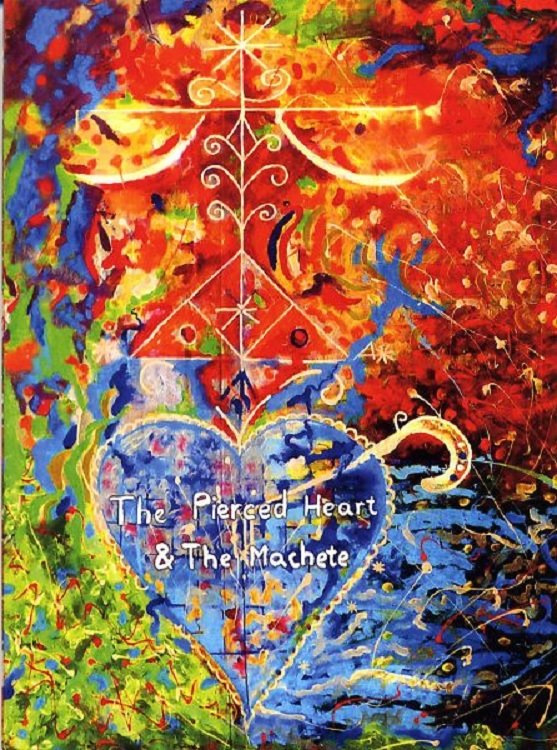
The Pierced Heart & The Machete is a vivid, unflinching exploration of two annual Vodou pilgrimages in Haiti. The first is for Èzili Danto, goddess of love, art and passion; worshipers from all over the world descend on the southwestern town of Ville-Bonheur to bathe in the sacred waterfall where Dantò resides. The second pilgrimage is for Dantòs' husband Ogoun, god of war, iron and healing. It takes place at the end of July in the northern town of Plaine du Nord, where practitioners bathe in a mud pool and make flamboyant sacrifices. This beautifully shot film offers disorienting yet illuminating glimpses of the contradictory and complementary aspects of these two lwa, the electrifying rites that honor them, and the intense music that accompanies these ecstatic and bloody ceremonies.
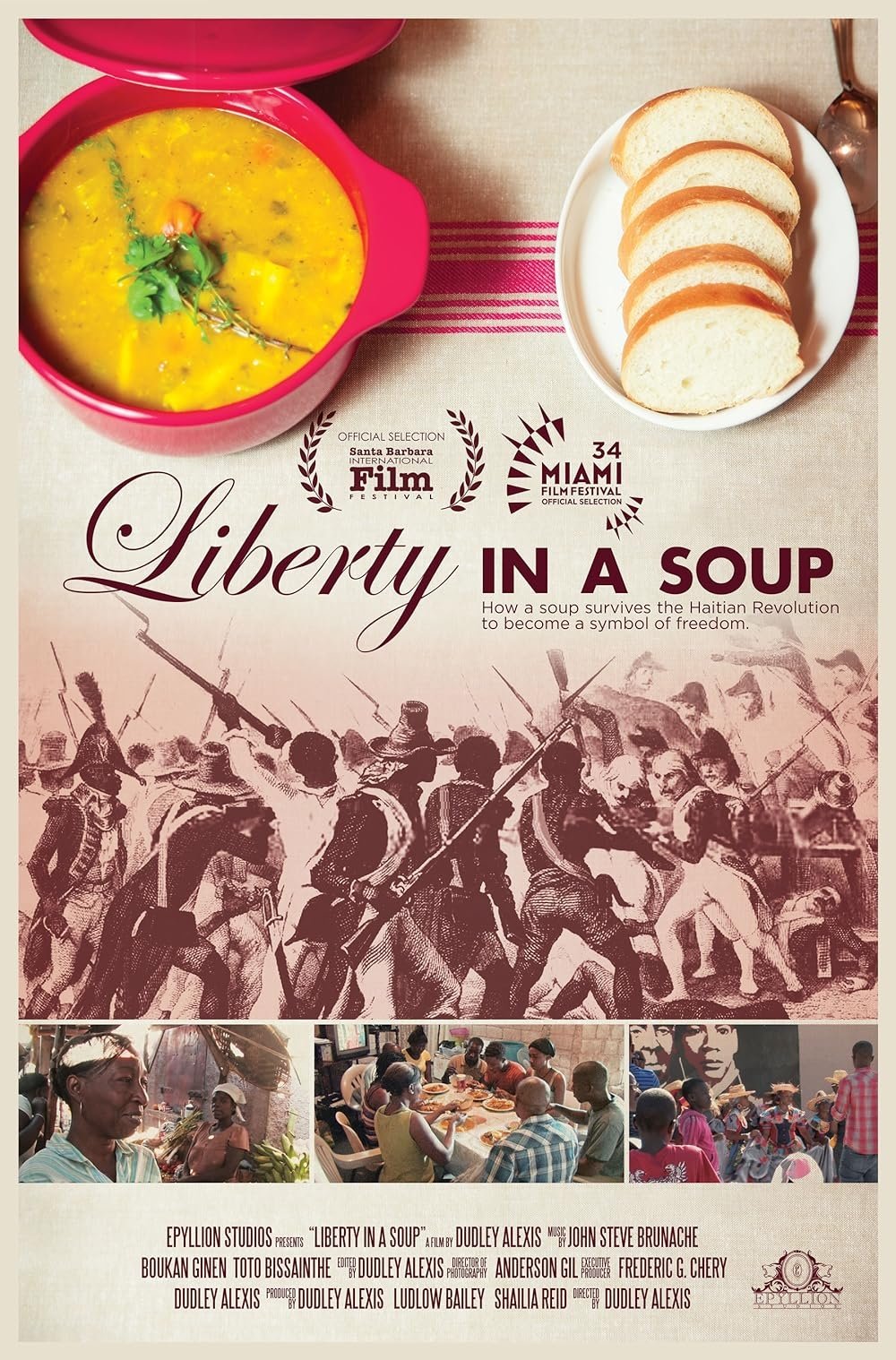
Every New Year, and in celebration of their Independence, Haitian families gather together to feast in honor of a line of ancestors that fought for their freedom. The centerpiece of the festivity is the joumou soup—a traditional soup dating back centuries ago. The joumou soup is a concretization of war and victory, oppression and emancipation, and the deeply rooted celebratory traditions of the Haitian culture.
Shot in early 2004 during the commemoration of the bicentennial of Haiti, this film offers a unique light on the last days to the presidency of Aristide, former priest of the poor became apprentice dictator. It is a reflection on the history of the first black republic in the world, a nation shared between the memory of its glorious revolution and the tragic litany of despots that have overwhelmed it since its independence.
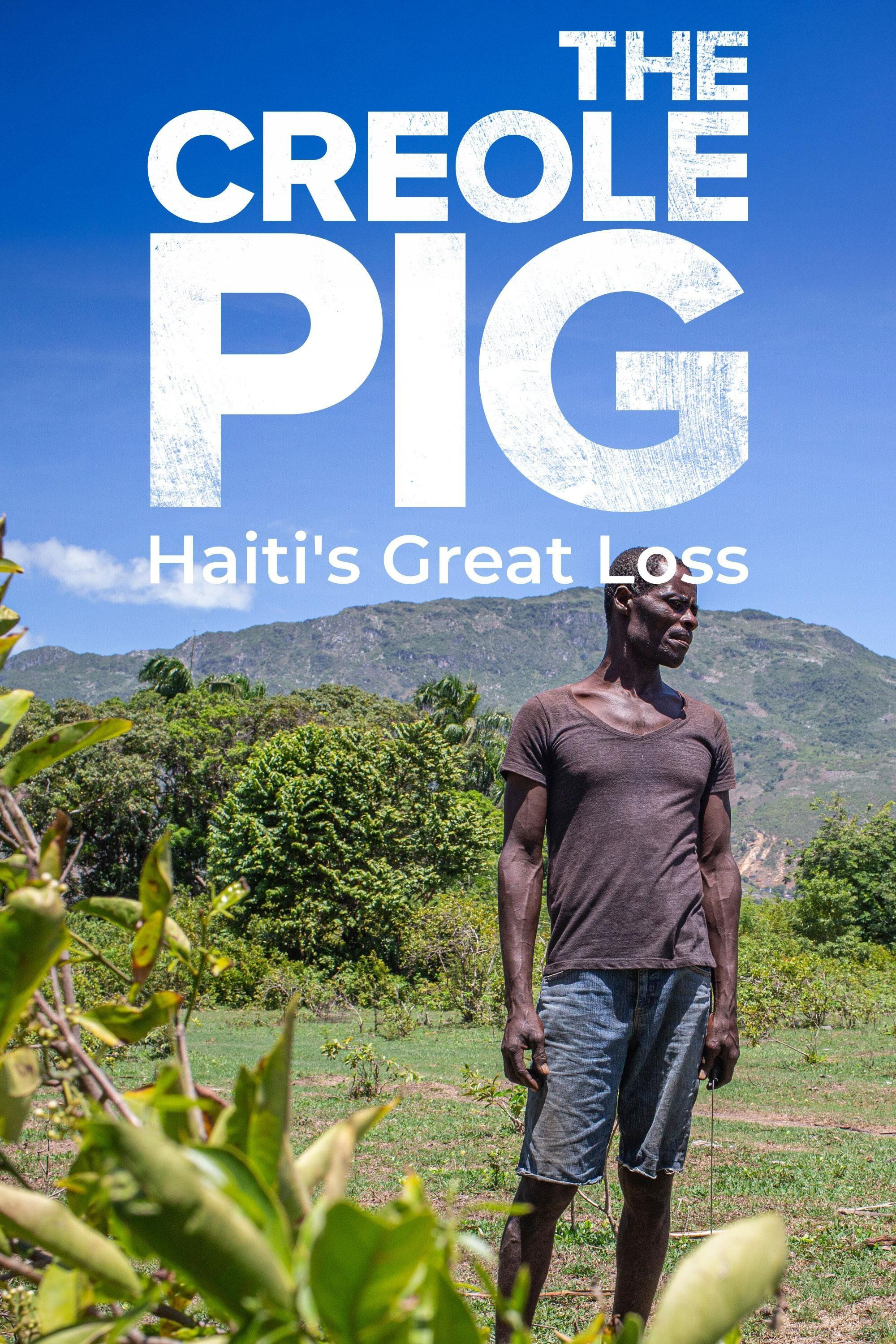
In the 1980s, a swine flu crossed the Haitian-Dominican border and started to affect the Creole pig, an important commodity in Haiti. The flu also threatened livestock in the United States. As a preemptive measure, the USAID in conjunction with the Haitian government proceeded to exterminate all Creole pigs from the island, leading to a crushing economic blow for an already impoverished country.
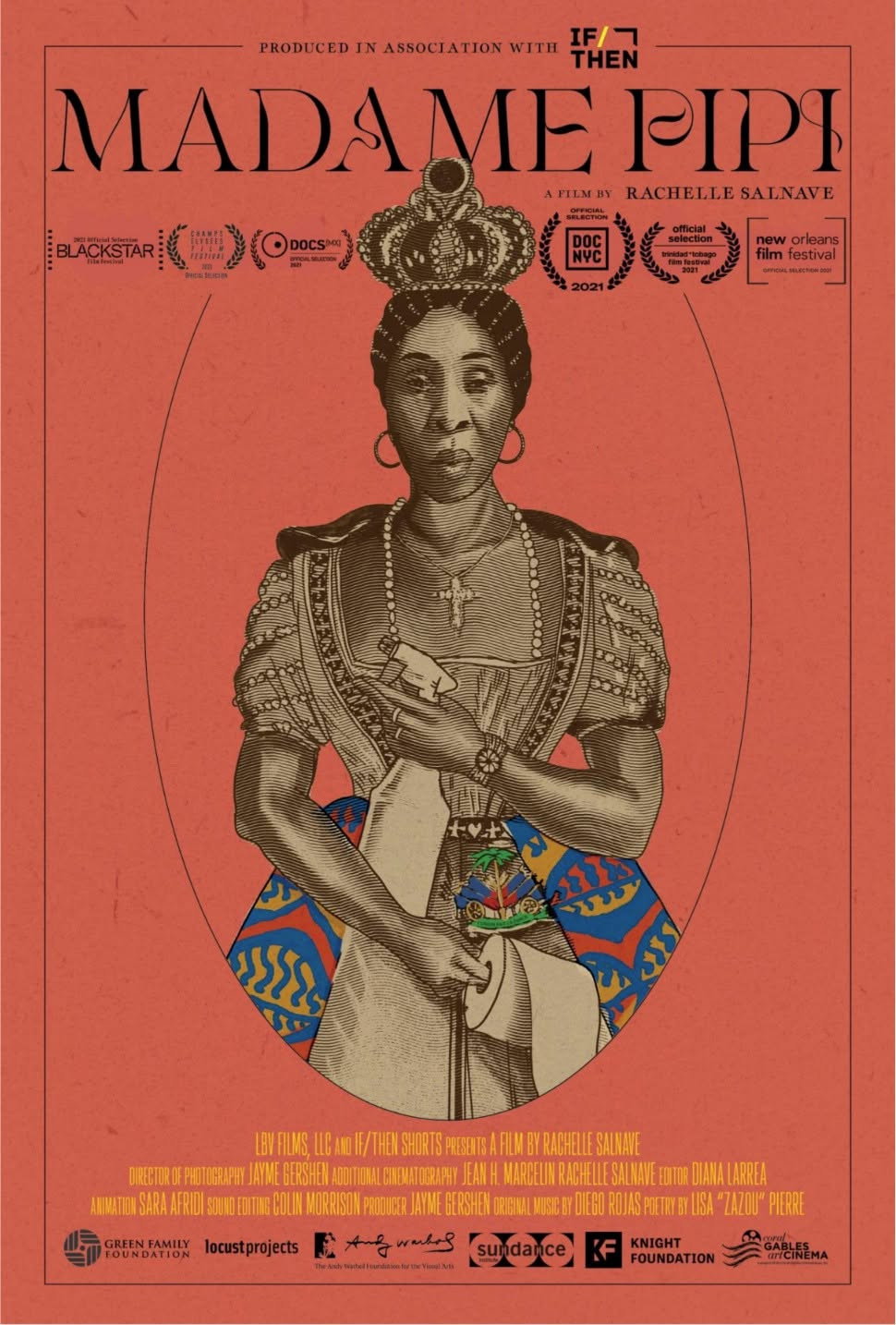
Madame Pipi follows the personal journeys of female Haitian bathroom attendants in Miami’s hottest nightclubs and their support to Haiti through their tips.
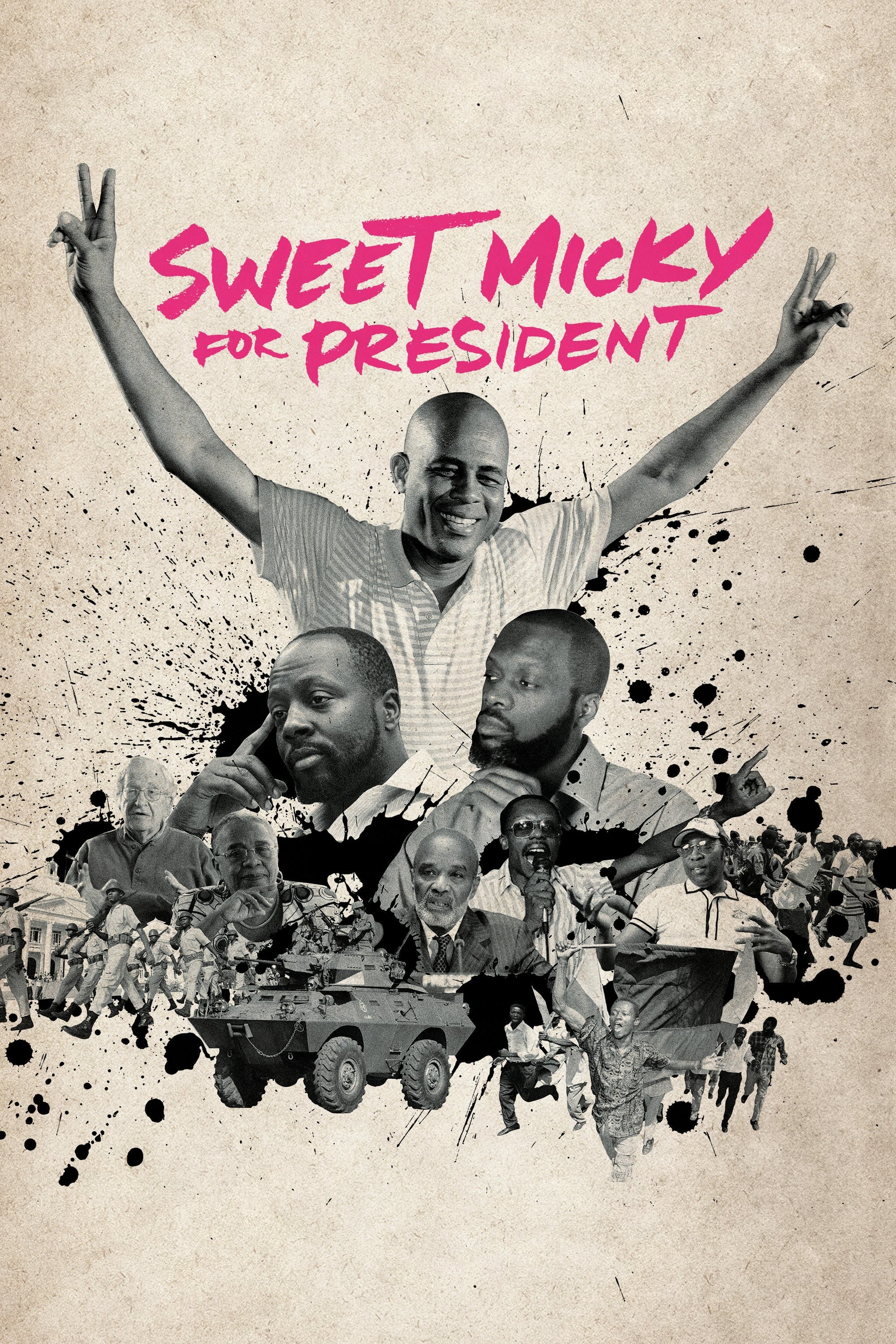
Music and politics collide when international music star, Pras Michel of the Fugees, returns to his homeland of Haiti following the devastating earthquake of 2010 to mobilize a presidential campaign for Haiti's most controversial musician: Michel Martelly aka Sweet Micky. The politically inexperienced pair set out against a corrupted government, civil unrest, and a fixed election. When Pras's former bandmate, superstar Wyclef Jean, also enters the presidential race, their chances seem further doomed. But with the help of a few friends, including Ben Stiller and former president Bill Clinton, they never give up on their honest dream of changing the course of Haiti's future forever
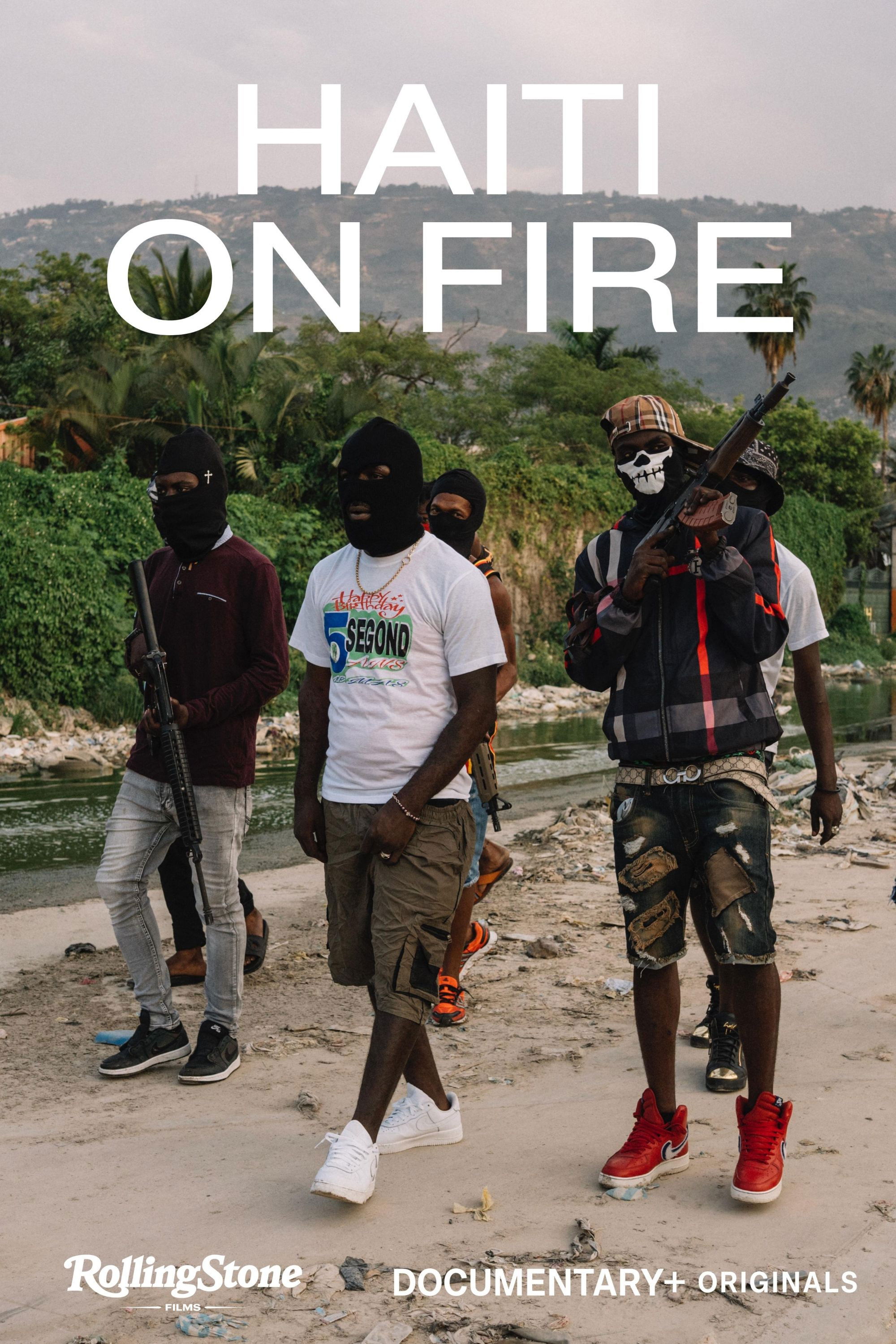
This film chronicles the turbulent gang war and the spiraling violence happening on the ground in Haiti and attempts to cut through the hype surrounding Chérizier, the former police officer-turned-gang chieftain at the center of Haiti’s of it all. It offers a sobering look at the man behind the myths.
From the flickering screens of Hollywood horror, to the haunted cane fields of colonial Haiti, Black Zombie unearths the buried origins of the zombie, reclaiming it as a symbol of survival and spiritual resistance.
In 1925, during the occupation of Haiti, a U.S. Marine Corps sergeant was stationed in charge of the small island of La Gonave. He befriended the natives and was so popular that they named him King Faustin I and installed him as their ruler. He ruled the island for three years, then left and returned to make this documentary.
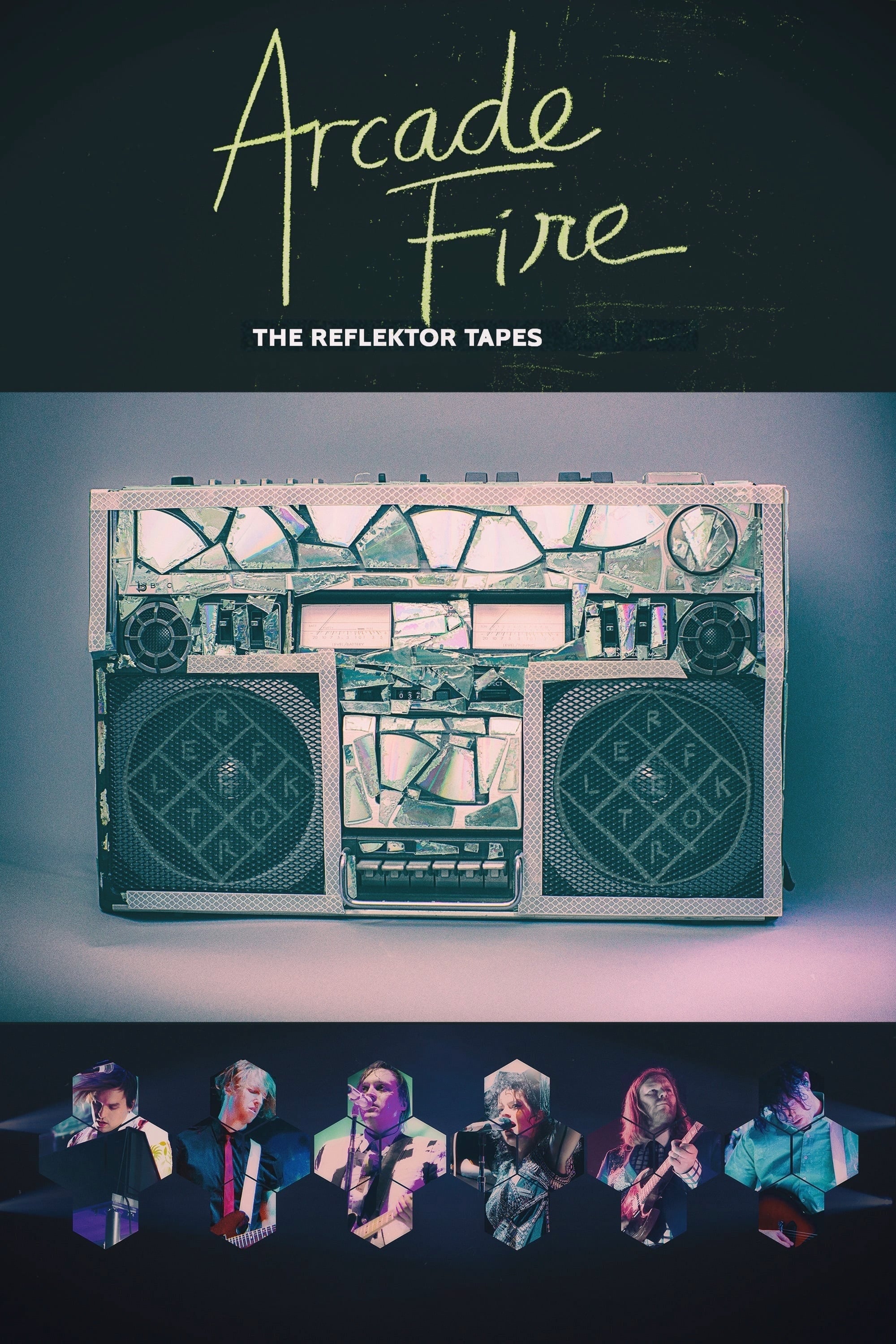
Arcade Fire’s first feature film is called 'The Reflektor Tapes'. The project is “a unique cinematic experience, meeting at the crossroads of documentary, music, art and personal history.”
Through deeply personal interviews with her siblings and an examination of the photographs, letters, and belongings left behind, Mariska assembles a new portrait of her mother Jayne Mansfield, an extraordinary and complex woman.
A visual montage portrait of our contemporary world dominated by globalized technology and violence.
Alexander McQueen's rags-to-riches story is a modern-day fairy tale, laced with the gothic. Mirroring the savage beauty, boldness and vivacity of his design, this documentary is an intimate revelation of McQueen's own world, both tortured and inspired, which celebrates a radical and mesmerizing genius of profound influence.
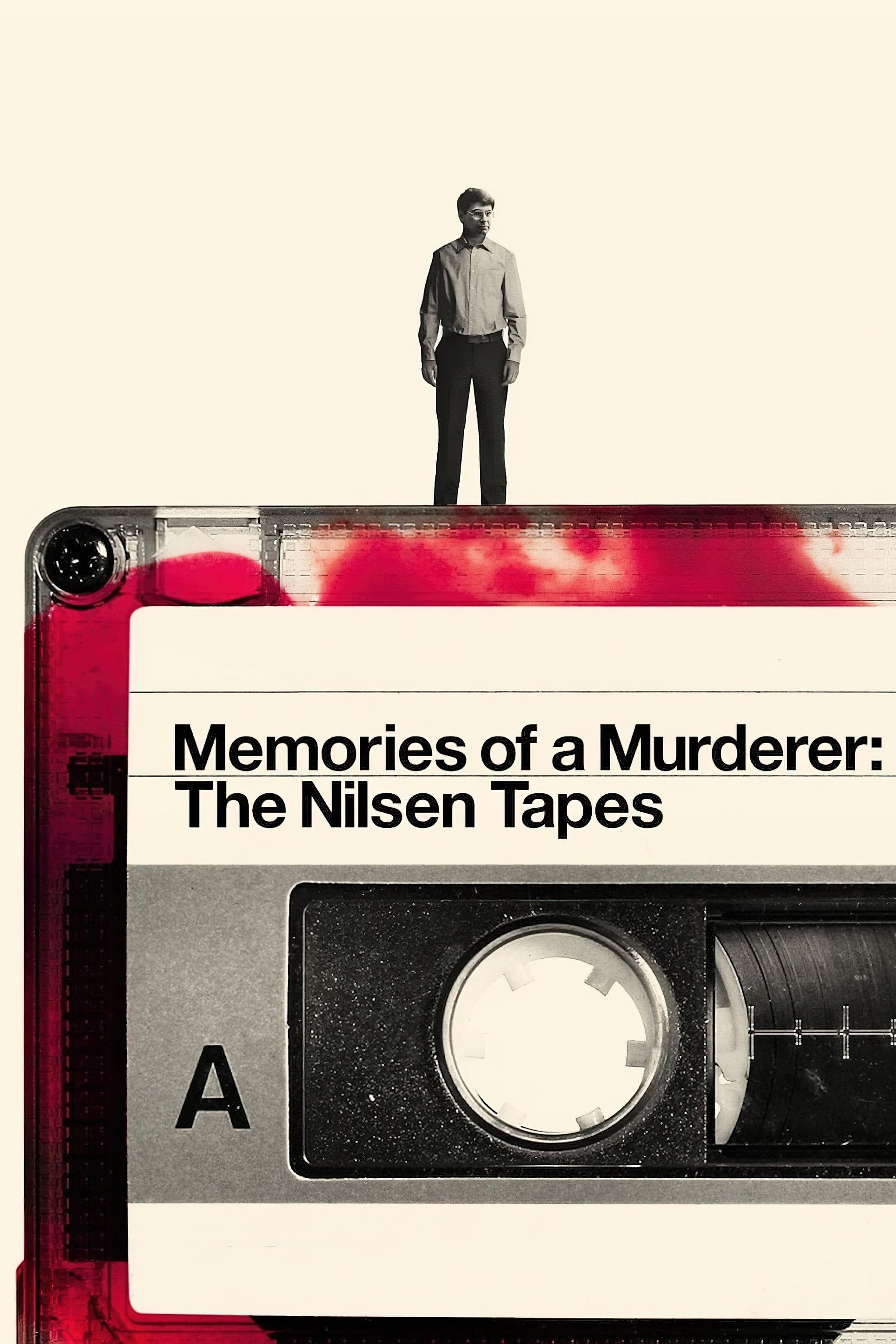
Serial killer Dennis Nilsen narrates his life and horrific crimes via a series of chilling audiotapes recorded from his jail cell.
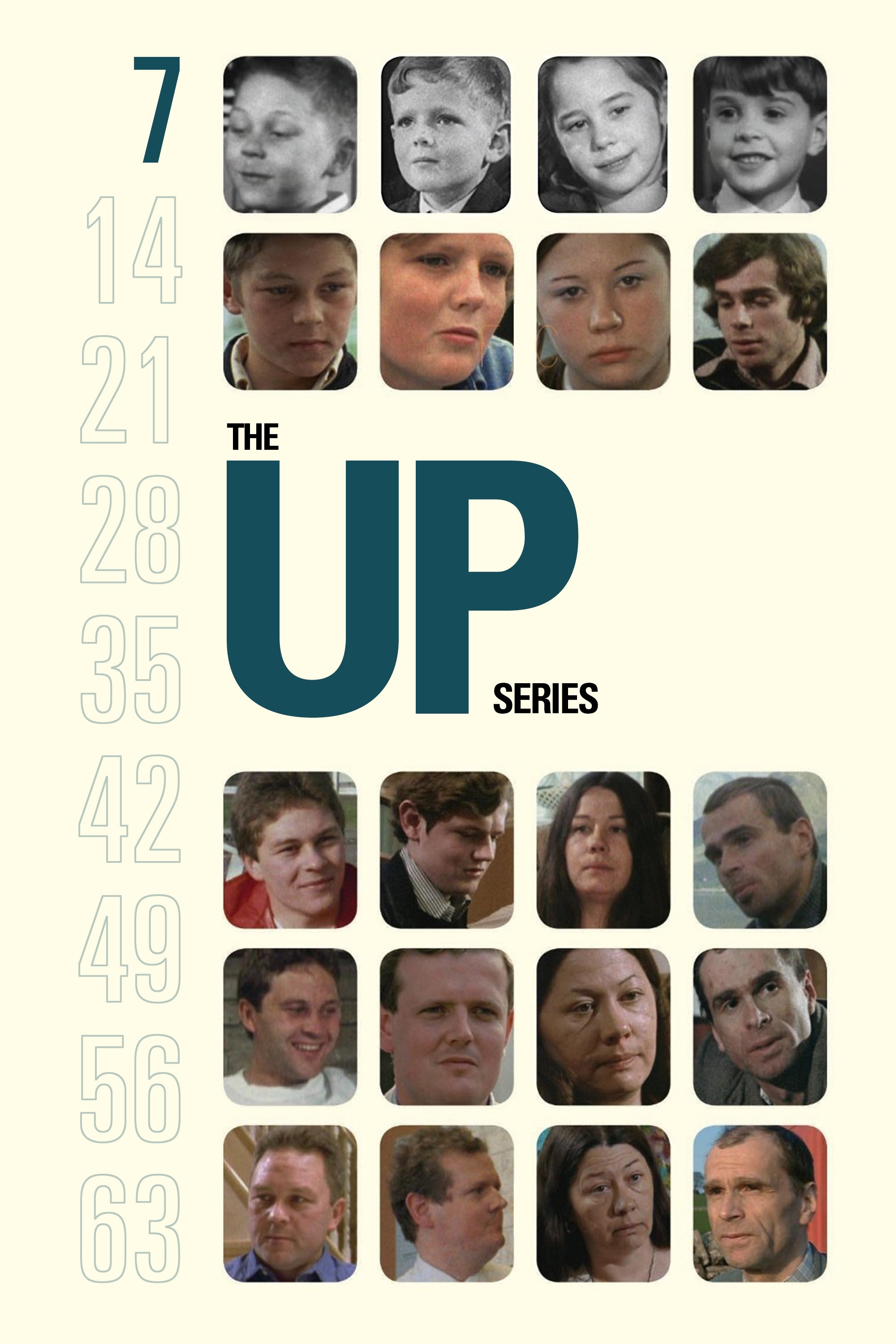
Director Michael Apted revisits the same group of British-born adults after a 7 year wait. The subjects are interviewed as to the changes that have occurred in their lives during the last seven years.
A documentary about how a dominant cultural and demographic institution both sustains their traditional activities and adapts to the digital revolution.
The Captains is a feature-length documentary film written and directed by William Shatner. The film follows Shatner as he interviews the other actors who have portrayed starship captains in the Star Trek franchise.
Never-before-seen footage and survivor accounts trace the 2012 shipwreck of a luxury cruise and the disaster that ensued, in this immersive documentary.
An inside look at one of the most anticipated movie sequels ever with James Cameron and cast.
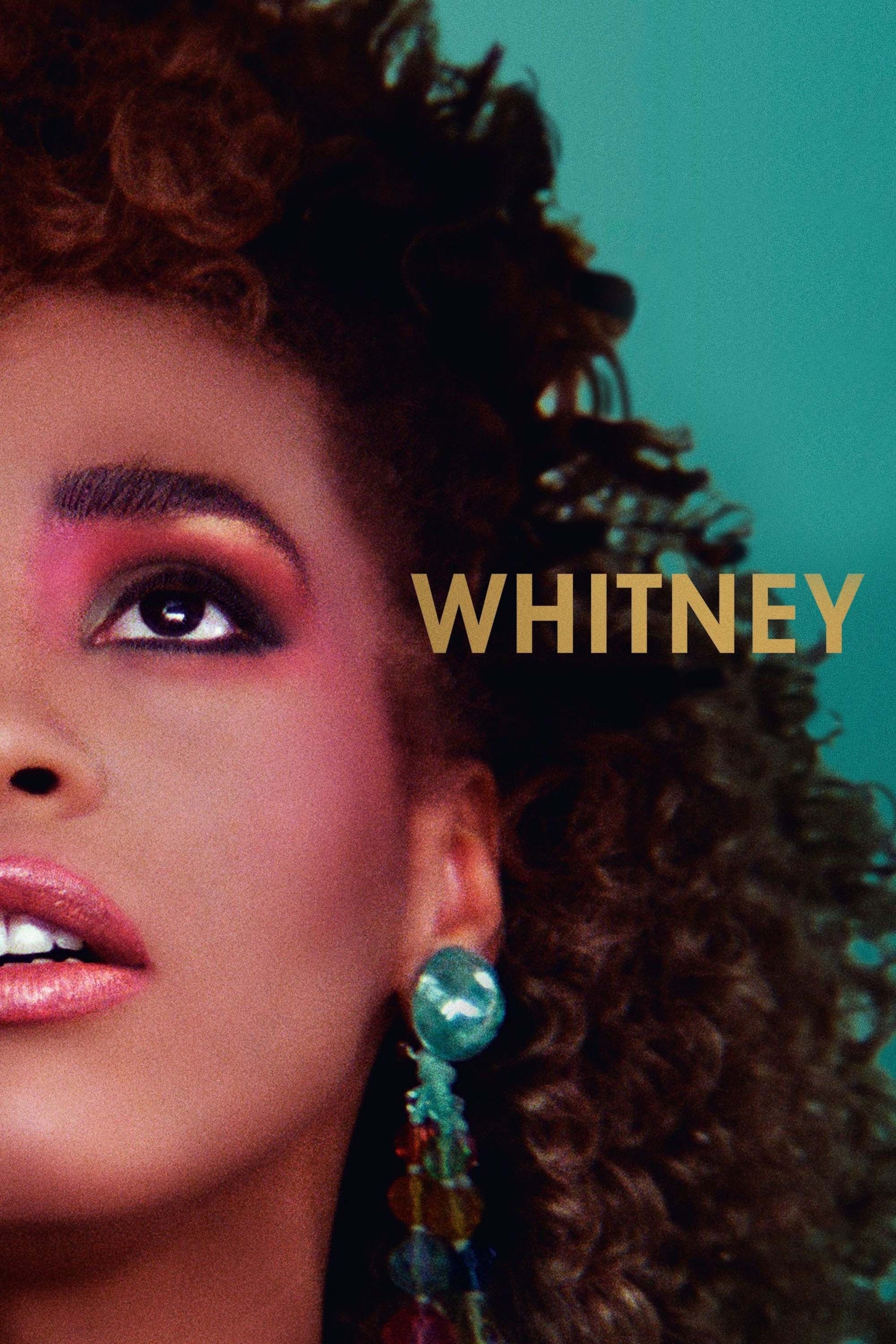
Examines the life and career of singer Whitney Houston. Features never-before-seen archival footage, exclusive recordings, rare performances and interviews with the people who knew her best.
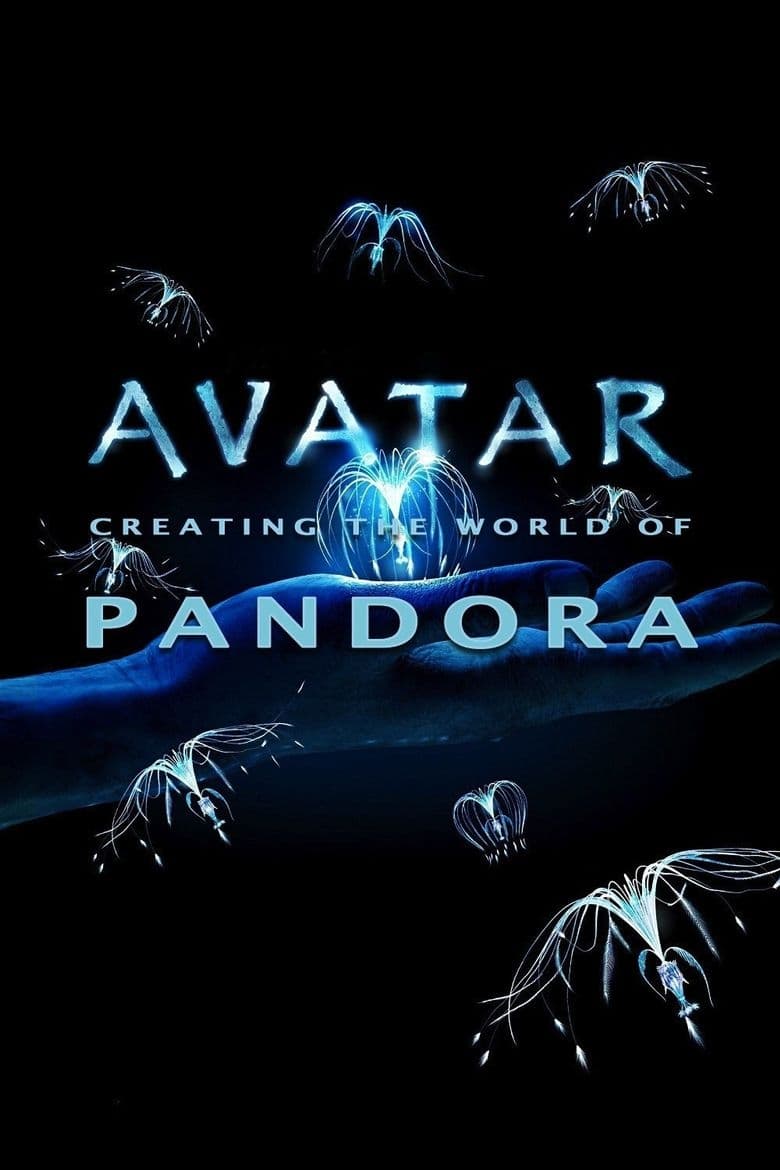
The Making-of James Cameron's Avatar. It shows interesting parts of the work on the set.
Over 35 years after Bob Lazar's revelations, this documentary exposes secrets of a facility the government still denies. Featuring Lazar's testimony, recreations, and new evidence, it reopens a case that continues to spark global curiosity
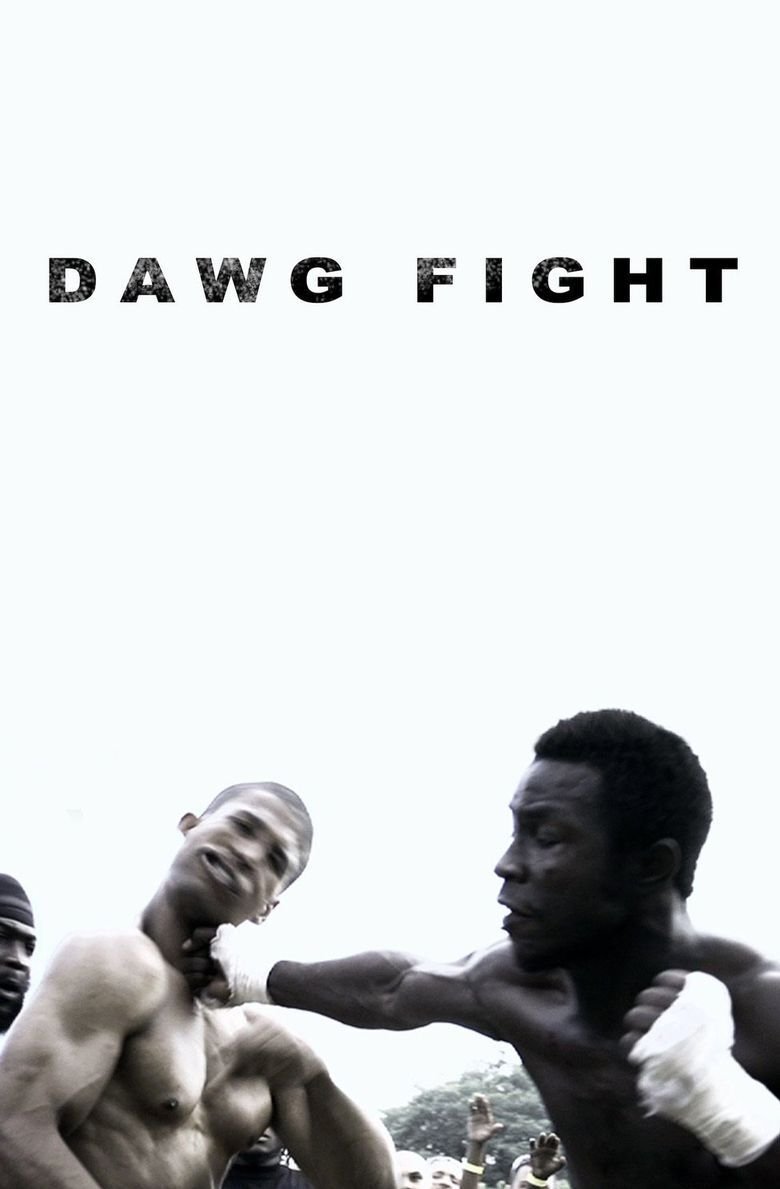
In a crime-plagued neighborhood near Miami, brutal, bare-knuckled backyard fights give young men a chance to earn money -- and self-respect.
A group of British children aged 7 from widely ranging backgrounds are interviewed about a range of subjects. The filmmakers plan to re-interview them at 7 year intervals to track how their lives and attitudes change as they age.
A look at the origins, history and conspiracies behind the "Majestic 12", a clandestine group of military and corporate figureheads charged with reverse-engineering extraterrestrial technology.
The life and career of an actor, artist, and icon. His own journey through his own camera.
Those who knew iconic funnyman John Candy best share his story, in their own words, through never-before-seen archival footage, imagery, and interviews.
Join the likes of Jeremy Renner, Hailee Steinfeld, Florence Pugh, and Vincent D’Onofrio as they reveal how Marvel Studios’ “Hawkeye” was conceived and created. Witness firsthand what it took to pull off the show’s pulse-pounding action set pieces, and discover how iconic characters from the pages of Marvel Comics such as Kate Bishop were adapted and brought to life for the six-episode series.
In an intimate and joyful story of love in the face of loss, celebrated poets Andrea Gibson and Megan Falley find strength—and unexpected hilarity—in what might be their final year together.
This documentary focuses on the actors and their journey over two summers to create the remake to the original IT, by Stephen King. The documentary originally released as bonus material, bundled with IT: Chapter Two.