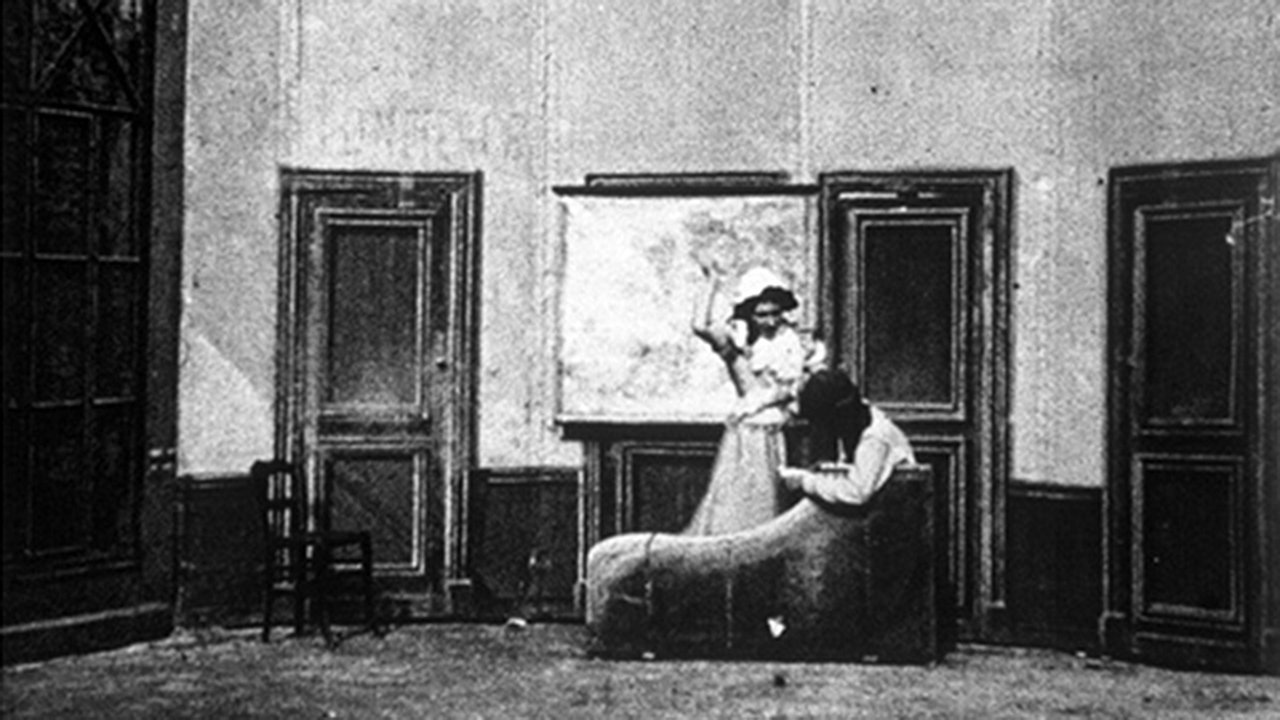
This early film made by Georges Hatot for the Lumière Company is a brief single shot-scene of the assassination of the French revolutionary writer, Jean-Paul Marat--who has the notorious distinction of having influenced the Reign of Terror.
Social & External
Two sets of identical twins are accidentally switched at birth. One pair, Phillipe and Pierre DeSisi, are aristocratic and haughty, while the other, Charles and Claude Coupé, are poor and dim-witted. On the eve of the French Revolution, both sets find themselves entangled in palace intrigue.
Just as Galeen and Wegener's Der Golem (1915) can be seen as a testament to early German film artistry, The Story of the Kelly Gang (1906) symbolizes both the birth of the Australian film industry and the emergence of an Australian cinema identity. Even more significantly, it heralds the emergence of the feature film format. However, only fragments of the original production of more than one hour are known to exist, preserved at the National Film and Sound Archive, Canberra; Efforts at reconstruction have made the film available to modern audiences.
A fisherman and a rising lawyer who grew up together as brothers fall in love with the same woman.
Carmine Gallone and Amleto Palermi’s The Last Days of Pompeii 1926 stages in sumptuous colour tinting the epic fall of the ancient city buried by Mount Vesuvius’ eruption. Adapted from Edward Bulwer-Lytton’s love story, the film was innovative in its special effects and an early major box-office hit. A beautiful tinted restoration print was prepared using photochemical processes by Centro Sperimentale di Cinematografia-Cineteca Nazionale in the mid-1990s and the premiere screening of the restoration print was held in the amphitheatre in Pompeii, followed by a screening at the major restoration festival ‘Il Cinema Ritrovato’ in Bologna in 1998.
The first Chinese film ever made, a sung representation of Battle of Mount Dingjun.
In 15th century France, a gypsy girl is framed for murder by the infatuated Chief Justice, and only the deformed bellringer of Notre Dame Cathedral can save her.
The young Anselmus Aselmeyer fulfilled a long cherished dream: He travels to Venice, the city of his dreams. Once there, the porter Pipistrello directs him immediately to the hotel of his boss, and Anselmus lands in the middle of a wedding party. Mestre Mangiabene, a wealthy oilman, marries the beautiful but completely depleted Marchesina dei Bisognosi. But the secretly loves an officer.
Nina, mid 20’s, is a visual artist whose art depicts the feminine beauty of all women but struggles with self-identity as a multicultural millennial woman. While flipping through social media her frustration leads her to brood over old photos of complex stages in her life. She’s inspired to create a portrait that represents her personal voyage to self confidence and finally see her beautiful self.
Karin, a young girl, gets an hour free from school. She spends it across the street from the school, in the apartment of an older photographer.
The timid youngest son of the most important family in town must use his wits to win the respect of his strong father and the love of a beautiful new woman in town.
The film tells the story of a man and woman who don't know each other. After being matched by a matchmaker, after going through a series of red tape, they were sent to the bridal chamber and began a difficult life as a couple. Despite the primitive shooting methods and lack of training of the actors, the film has a very important place in the history of Chinese film.
Set against the conditions leading up to the French Revolution and the Reign of Terror, French doctor Alexandre Manette serves an 18-year imprisonment in the Bastille in Paris, followed by his release to live in London with the daughter he has never met.
A group of people are standing along the platform of a railway station in La Ciotat, waiting for a train. One is seen coming, at some distance, and eventually stops at the platform. Doors of the railway-cars open and attendants help passengers off and on. Popular legend has it that, when this film was shown, the first-night audience fled the café in terror, fearing being run over by the "approaching" train. This legend has since been identified as promotional embellishment, though there is evidence to suggest that people were astounded at the capabilities of the Lumières' cinématographe.
Francis, a young man, recalls in his memory the horrible experiences he and his fiancée Jane recently went through. Francis and his friend Alan visit The Cabinet of Dr. Caligari, an exhibit where the mysterious doctor shows the somnambulist Cesare, and awakens him for some moments from his death-like sleep.
A semi-documentary experimental 1930 German silent film created by amateurs with a small budget. With authentic scenes of the metropolis city of Berlin, it's the first film from the later famous screenwriters/directors Billy Wilder and Fred Zinnemann.
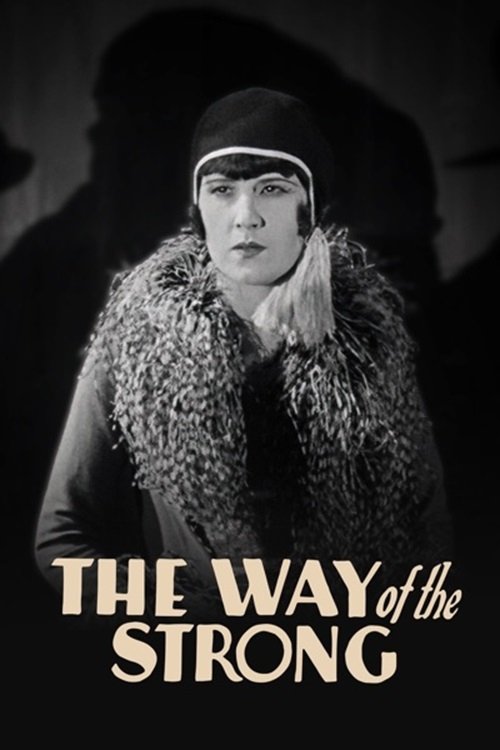
Joe Ryan, a veteran train engineer, is demoted to a flagman position after a disastrous crash-- one caused by his cowardly and opportunistic partner. Though Ryan's failing eyesight is named as the cause of the crash, he's undeterred as he designs an automatic braking invention.
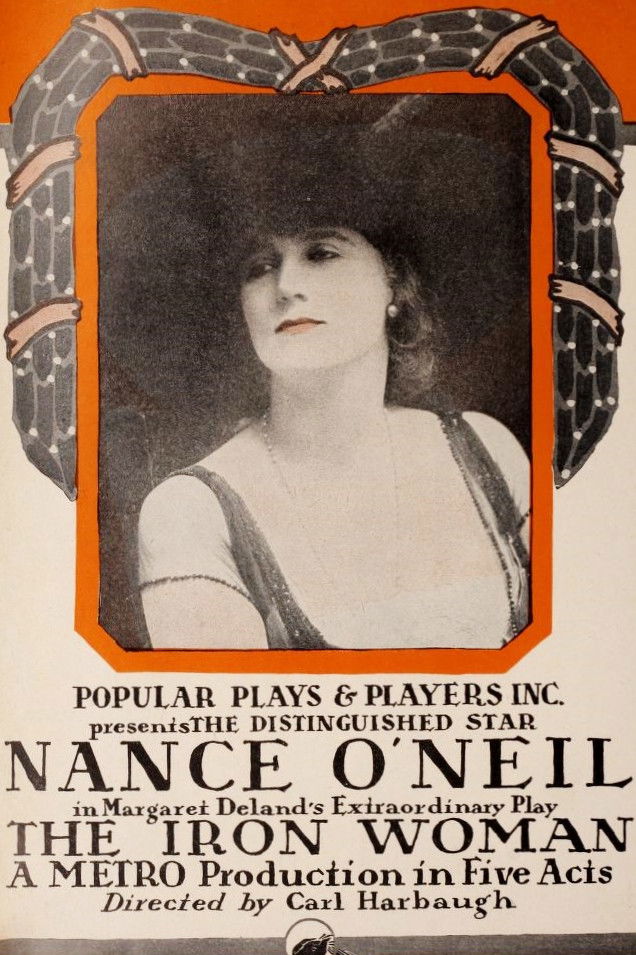
During an annual celebration in which English peasants and aristocrats mingle, the Duke of Loame is thrown from his horse and saved by Ivis Benson, the daughter of a tenant farmer. Both injured, they fall in love, to the dismay of his mother and Lady Eileen, his intended bride.
Else Riedel (Lissy Arna), locked out by her authoritarian father, seeks refuge with her boyfriend Hans. Complications threaten when Hans's roommate Max falls in love with her, but the situation is resolved: the three remain friends, and decide to form a music hall act. They want to ascend, but how? A way out beckons when a theatrical agent named Nevin enters Else’s life. He is played by Hubert von Meyerinck as a slick and oily villain, who oozes refinement; his experience behind bars is waved away with a silk scarf. He is cunning to the point of perfidiousness, but is not completely unsympathetic. He also embodies a new type - the scrounger.
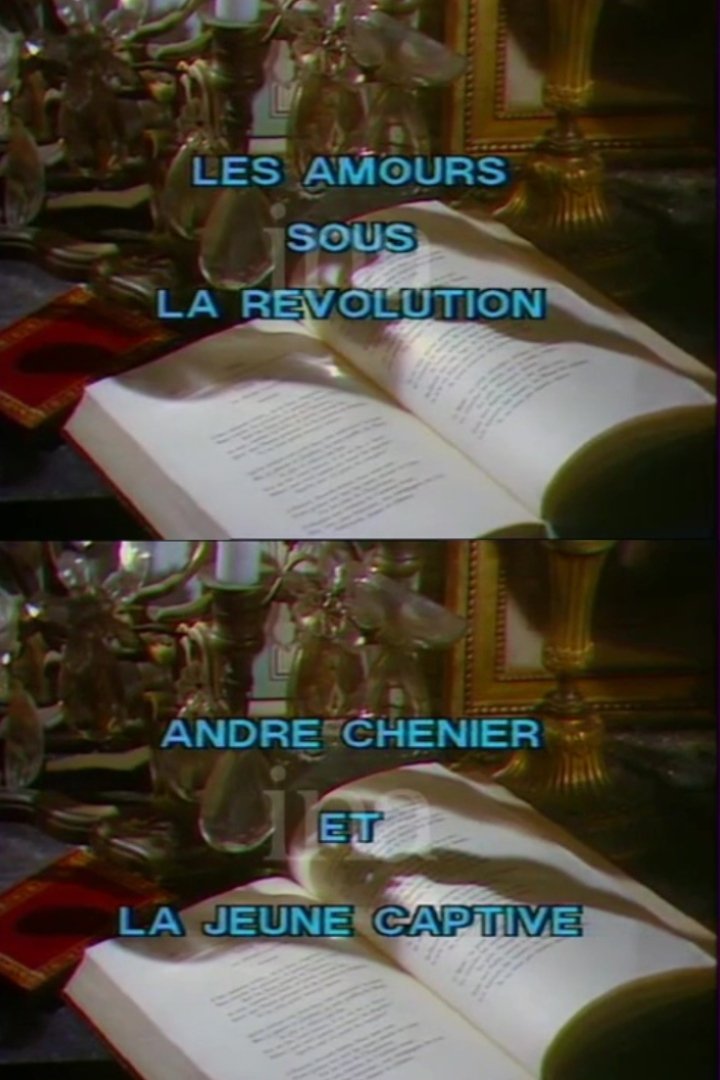
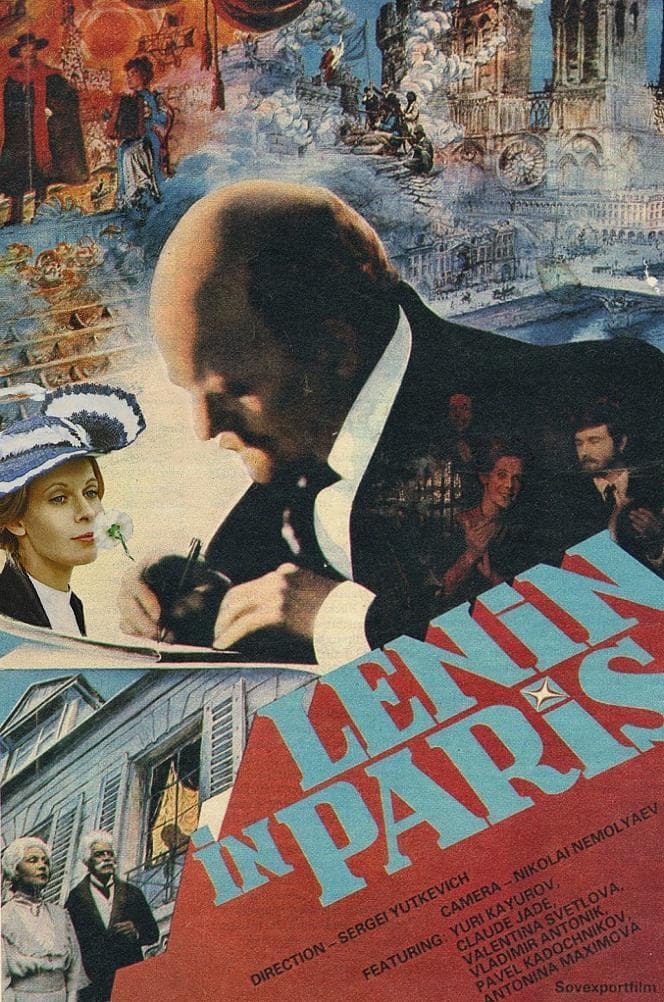
After serving as an embassy secretary in London at the end of 1787, a position he didn't exactly enjoy, the poet André Chénier returns to Paris. When the Revolution breaks out, he becomes enthusiastic about it, and never ceases to express his love of liberty and high principles. But he also speaks out against excesses and troublemakers. For her part, the beautiful Aimée de Coigny, who has just divorced the Duc de Fleury, leads a dissolute life. In 1793, the Convention decides to put "the Terror on the agenda". Aimée de Coigny and her new lover, Casimir de Montrond, are arrested. At the Saint-Lazare prison, their life together is preserved. Six months later, Chénier is arrested and imprisoned. Dazzled by the young woman's beauty, the poet dedicates his most beautiful verses to her. But Aimée remains unmoved by his love.
Children's Souls Accuse You is a 1927 German silent drama film directed by Curtis Bernhardt and starring Albert Steinrück, Nathalie Lissenko and Walter Rilla. It was made with an anti-abortion theme.
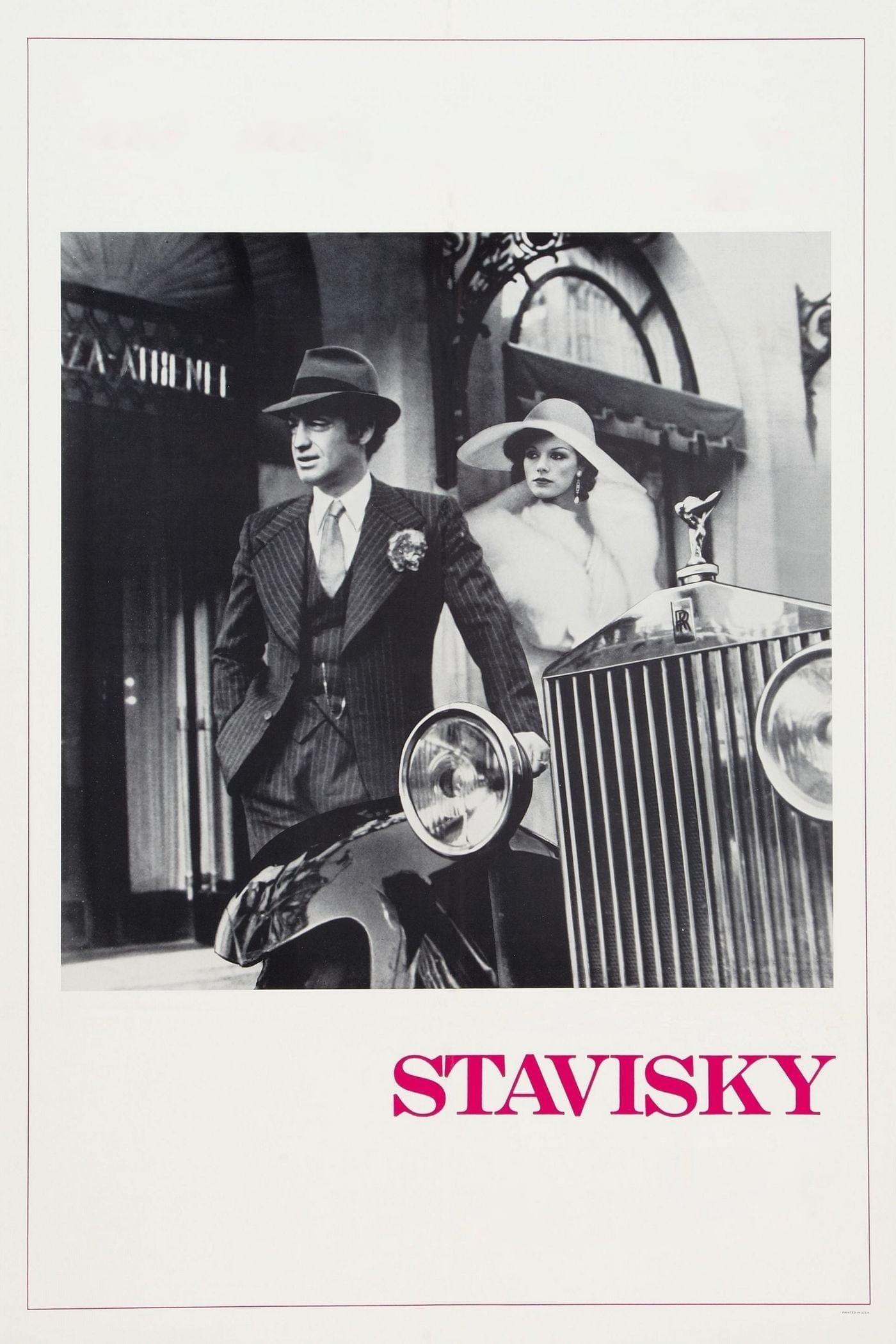
Biarritz, 1933. Charm and talent assist small-time swindler Serge Alexandre, alias Stavisky, to bribe his way into the centre of French politics. But when his great scam involving millions is exposed, he brings the government to the verge of collapse and the country to the brink of civil war.
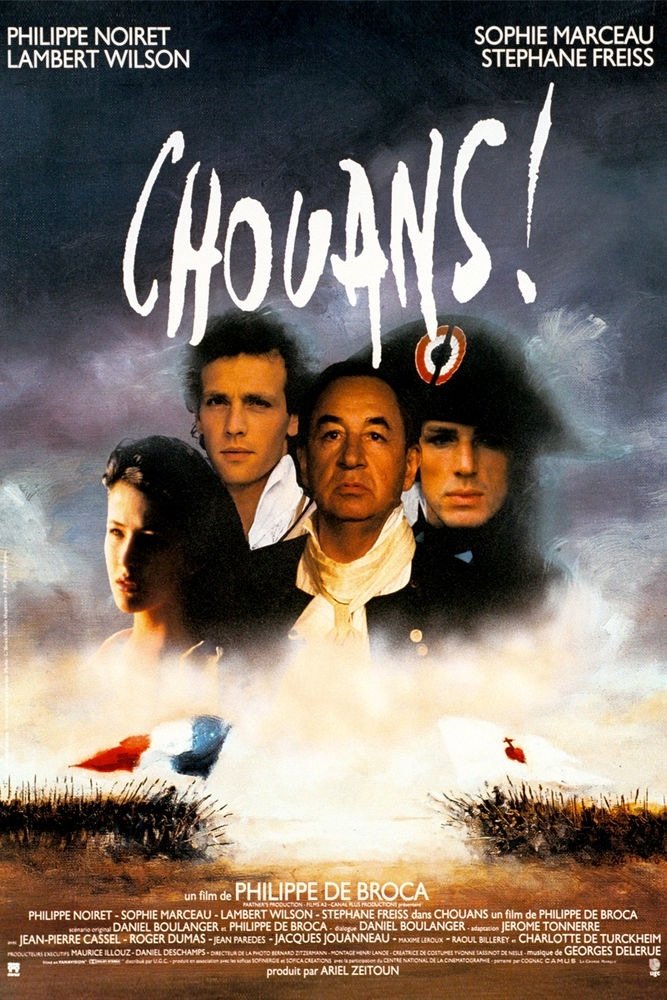
Directed by Philippe de Broca, the film recounts a bloody episode of the French Revolution. 1793, the Terror . In Vendée and in Bretagne, the chouans are revolting against the young Republic and fight for the monarchy restauration. The civil war divides also the family of the Count Savinien de Kerfadec, a liberal and generous noble and a flying machines inventor.
A biopic of Napoleon Bonaparte, tracing the Corsican's career from his schooldays (where a snowball fight is staged like a military campaign) to his flight from Corsica, through the French Revolution (where a real storm is intercut with a political storm) and the Terror, culminating in his triumphant invasion of Italy in 1797.
April 1988, Ouvéa Island, New Caledonia. 30 gendarmes are taken hostage by a group of Kanak freedom fighters. 300 soldiers are sent from France to re-establish order. 2 men confront each other: Philippe Legorjus, chief of the terrorist squad, and Alphonse Dianou, head of the kidnappers. Through their shared values, they will attempt to make discussion triumph. But, in the middle of a presidential election, when the stakes are political, order isn't always dictated by morality. A violent and troubling epic that marks the return of Mathieu Kassovitz in front and behind the camera.
The French Revolution, 1794. The Marquis de Lafayette asks Charles D'Aubigny to infiltrate the Jacobin Party to overthrow Maximilian Robespierre, who, after gaining supreme power and establishing a reign of terror ruled by death, now intends to become the dictator of France.
A second trial begins in November 1975 against French left-wing revolutionary Pierre Goldman, accused of several armed robberies and the death of two chemists.
Young women toiling in a factory are exposed to hazardous material which takes a disastrous toll on their health.
France. End of the 19th century. Louise Violet 40, a Parisian teacher, is sent on a mission to the French countryside. But in a place where the daily life is linked to the seasons, land and crops, she must first convince parents to send their kids to school. With the help of the mayor, she is gradually accepted by the parents and their children. But soon, her past catches up with her. Despite the obstacles she faces, Miss Violet will give her heart and soul to her belief that education is the key to freedom.
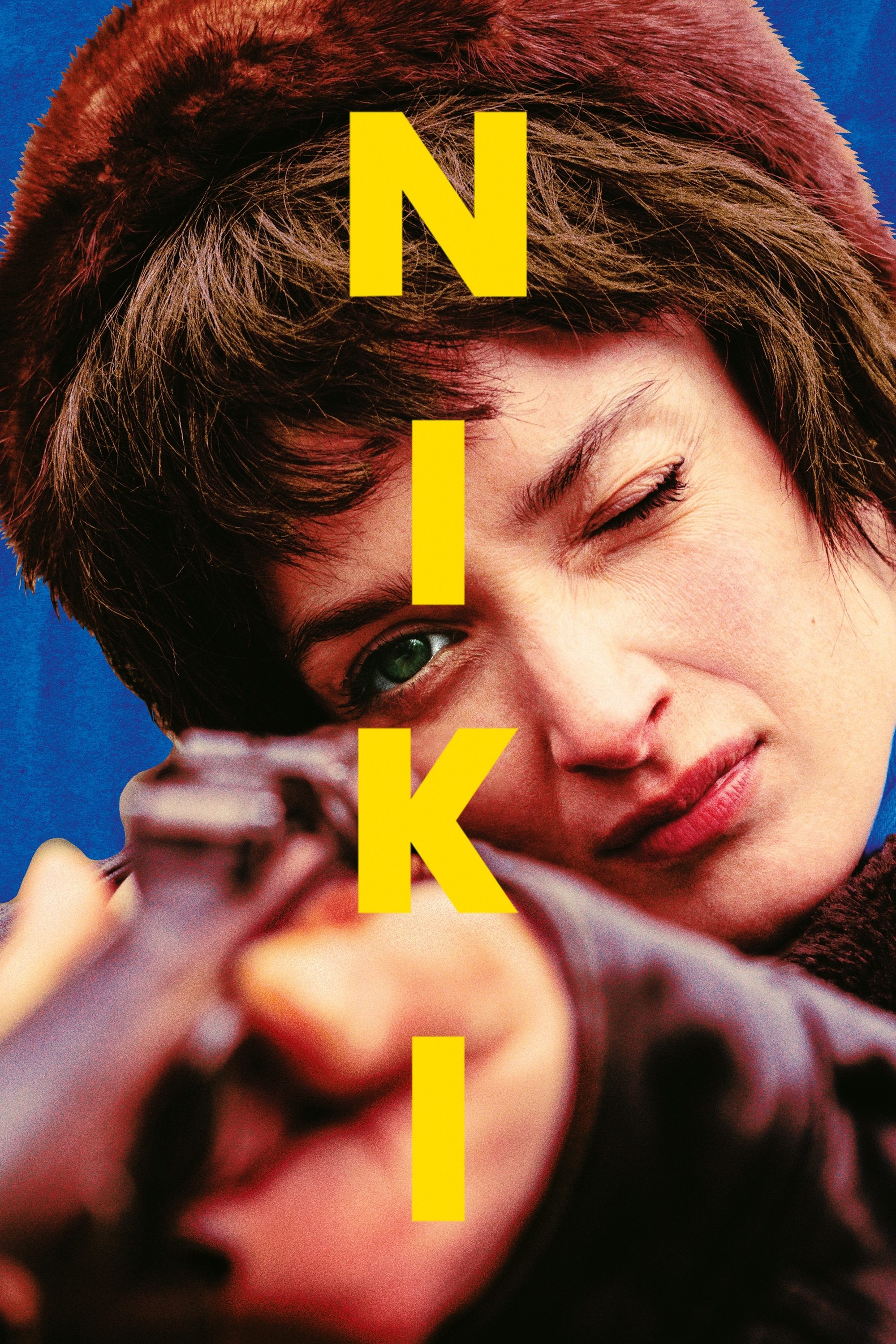
French-American artist Niki de Saint-Phalle, from the age of 23, is a model and an aspiring actor who is married and has a two year old daughter. Together, they flee the U.S. during the oppressive McCarthy era and come to France, where they experience a short-lived euphoria. Soon, distant and frightening memories begin to emerge in Niki’s mind. Her vocation as an artist will be her salvation.
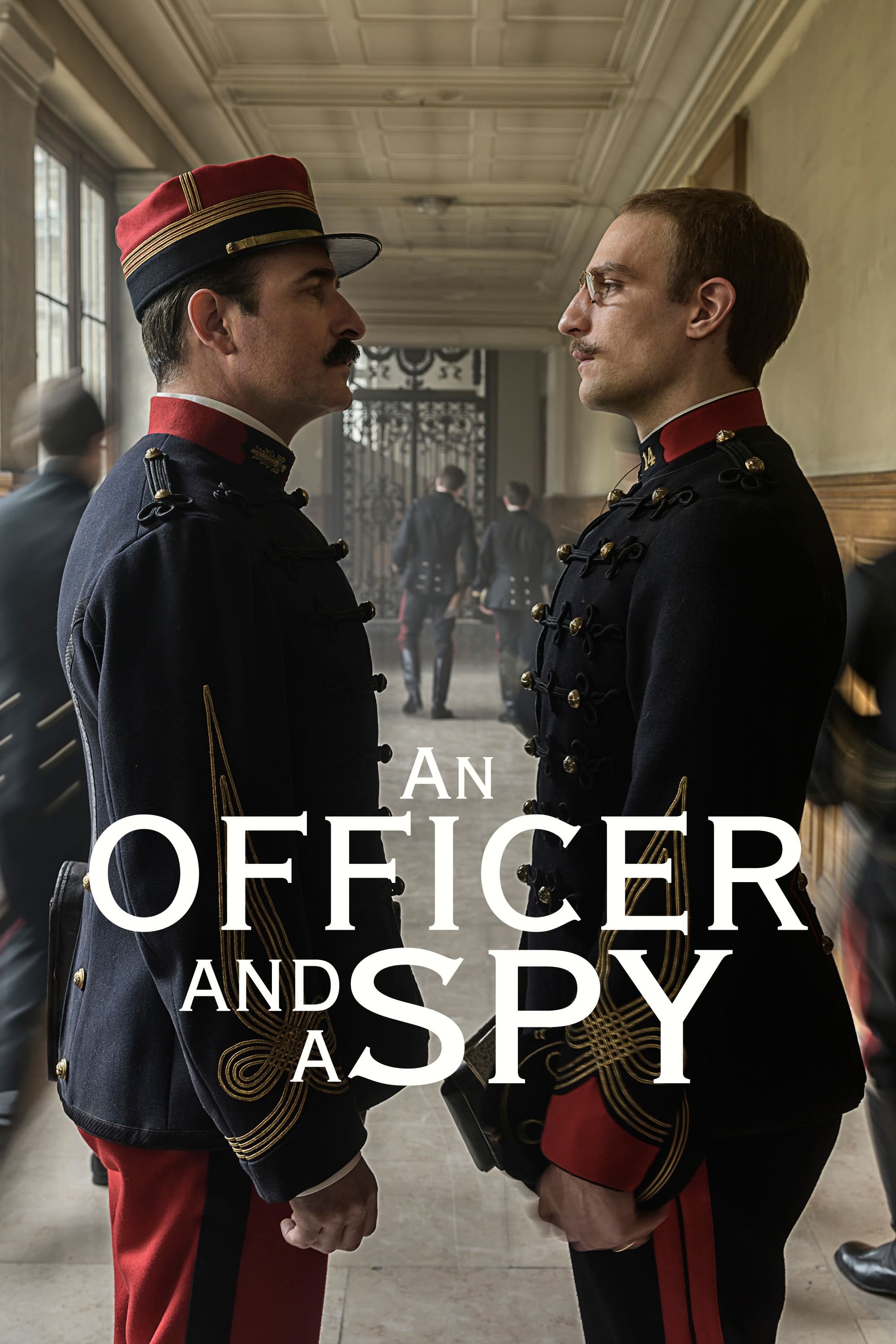
In 1894, French Captain Alfred Dreyfus is wrongfully convicted of treason and sentenced to life imprisonment at the Devil’s Island penal colony.
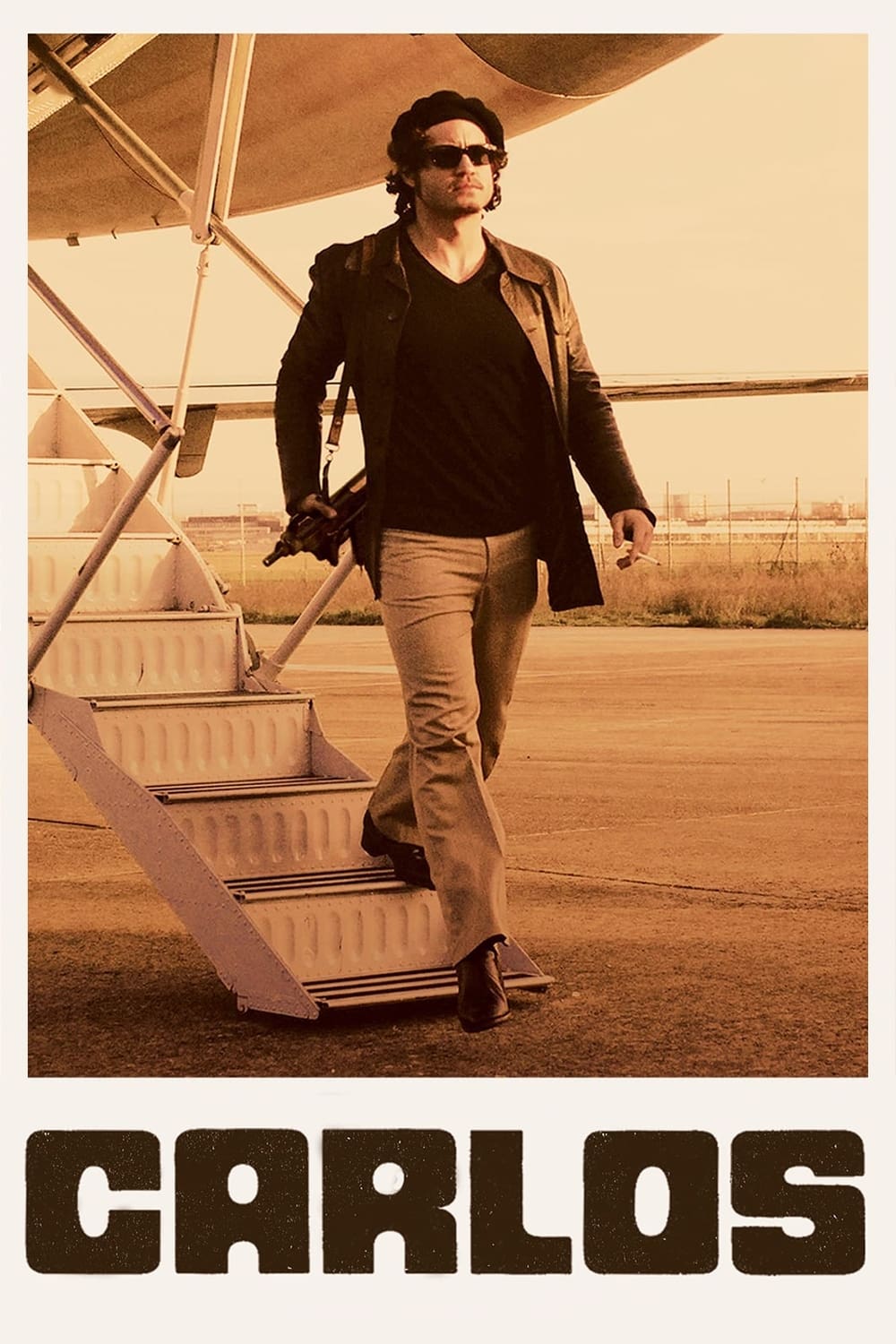
The story of Venezuelan revolutionary, Ilich Ramirez Sanchez, who founded a worldwide terrorist organization and raided the OPEC headquarters in 1975 before being caught by the French police.
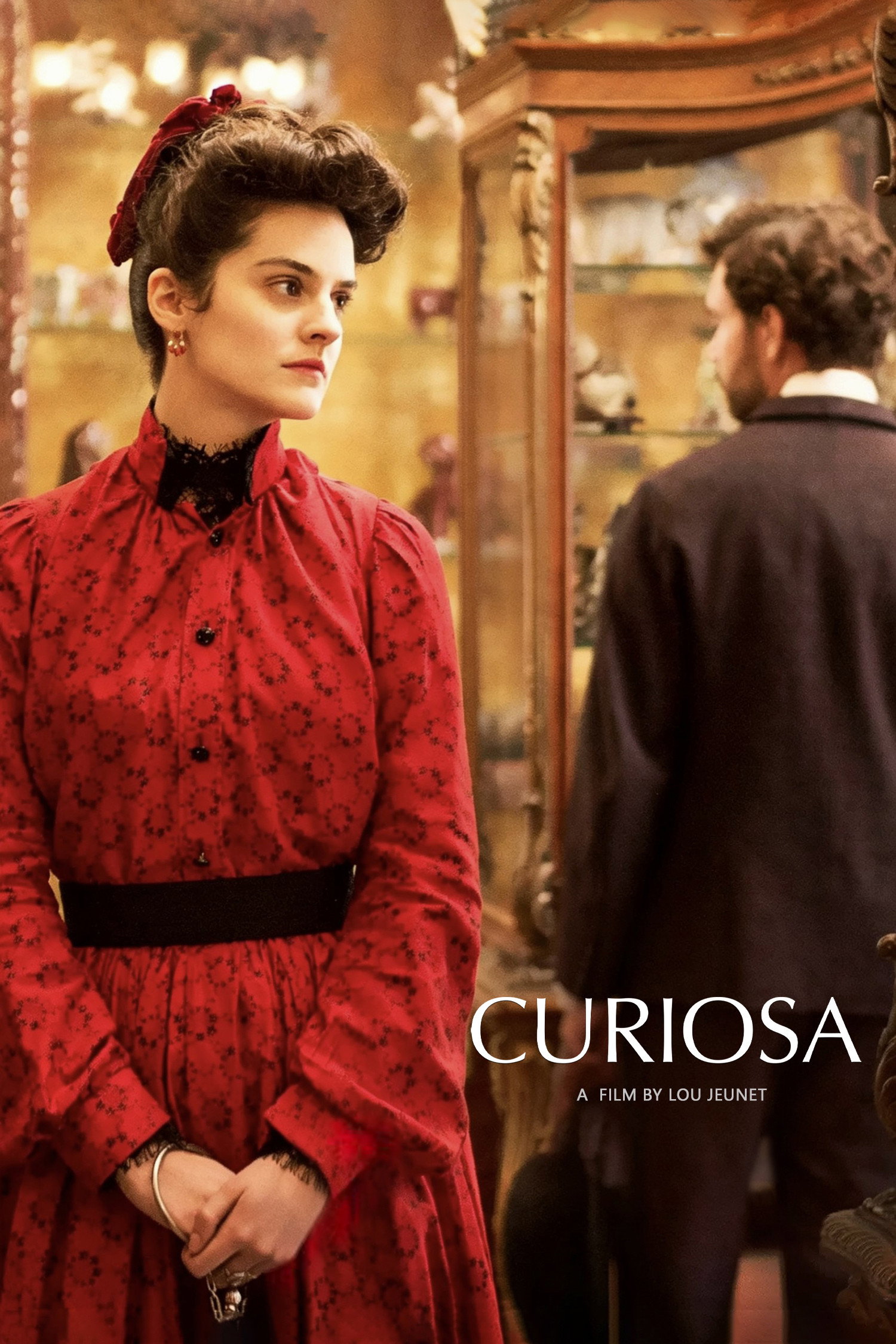
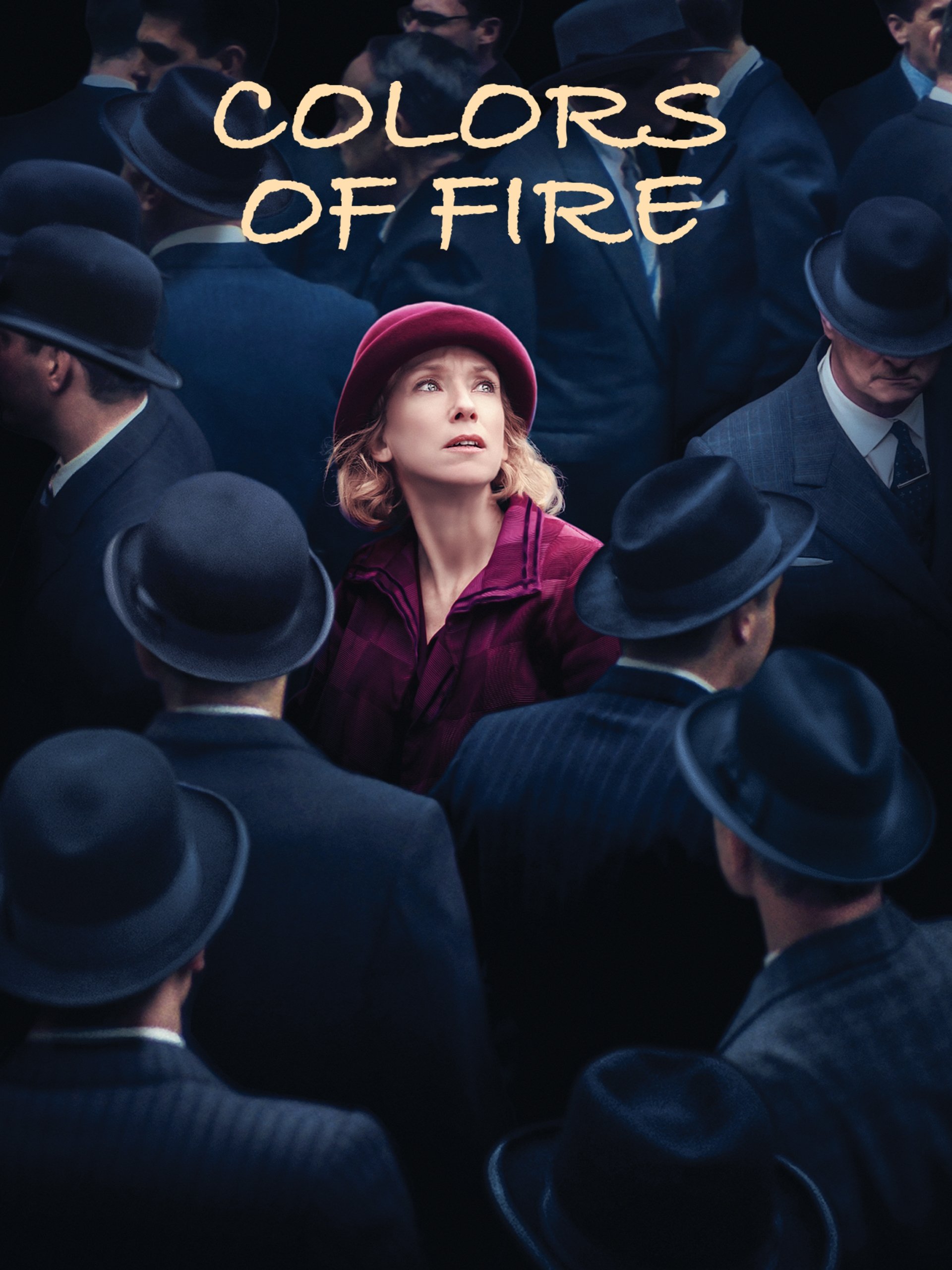
February 1927. The funeral of Marcel Péricourt, the most powerful banker in Paris. His daughter Madeleine must take the helm of the financial empire of which she is the heiress. But she has a son, Paul, who with an unexpected and tragic gesture will place her on the path to ruin.
Fr. Hugh O'Flaherty is a Vatican official in 1943-45 who has been hiding downed pilots, escaped prisoners of war, and Italian resistance families. His activities become so large that the Nazis decide to assassinate him the next time he leaves the Vatican.
At the tense 1938 Munich Conference, former friends who now work for opposing governments become reluctant spies racing to expose a Nazi secret.
The tragic story of French naïve painter Séraphine Louis aka Séraphine de Senlis (1864-1942), a humble servant who becomes a gifted self-taught painter. Discovered by prominent critic and collector William Uhde, she came to prominence between the wars grouped with other naïve painters like Henri Rouseau only to descend into madness and obscurity with the onset of the Great Depression and World War II.
A chronicle of the Cristeros War (1926-1929), which was touched off by a rebellion against the Mexican government's attempt to secularize the country.
At the turn of the 19th century, Pugilism was the sport of kings and a gifted young boxer fought his way to becoming champion of England.
Paris, France, during the First World War. While thousands of soldiers die every day on the battlefields, Henri Landru, a seemingly respectable furniture dealer, married and father of four children, relentlessly feeds his own sinister factory of death.
Jean and Otto, a French newspaperman and a young German Francophile, are fighting for peace in Europe. Jean’s daughter, Corinne, is launching a brilliant acting career in the film world, but war breaks out and France is occupied. The two friends have a major role to play in this new France. Jean becomes a big press baron and an ardent advocate of collaboration with the occupying forces, while Otto becomes the Reich’s ambassador in Paris. Corinne, meanwhile, finds herself thrown into the lion’s pit.
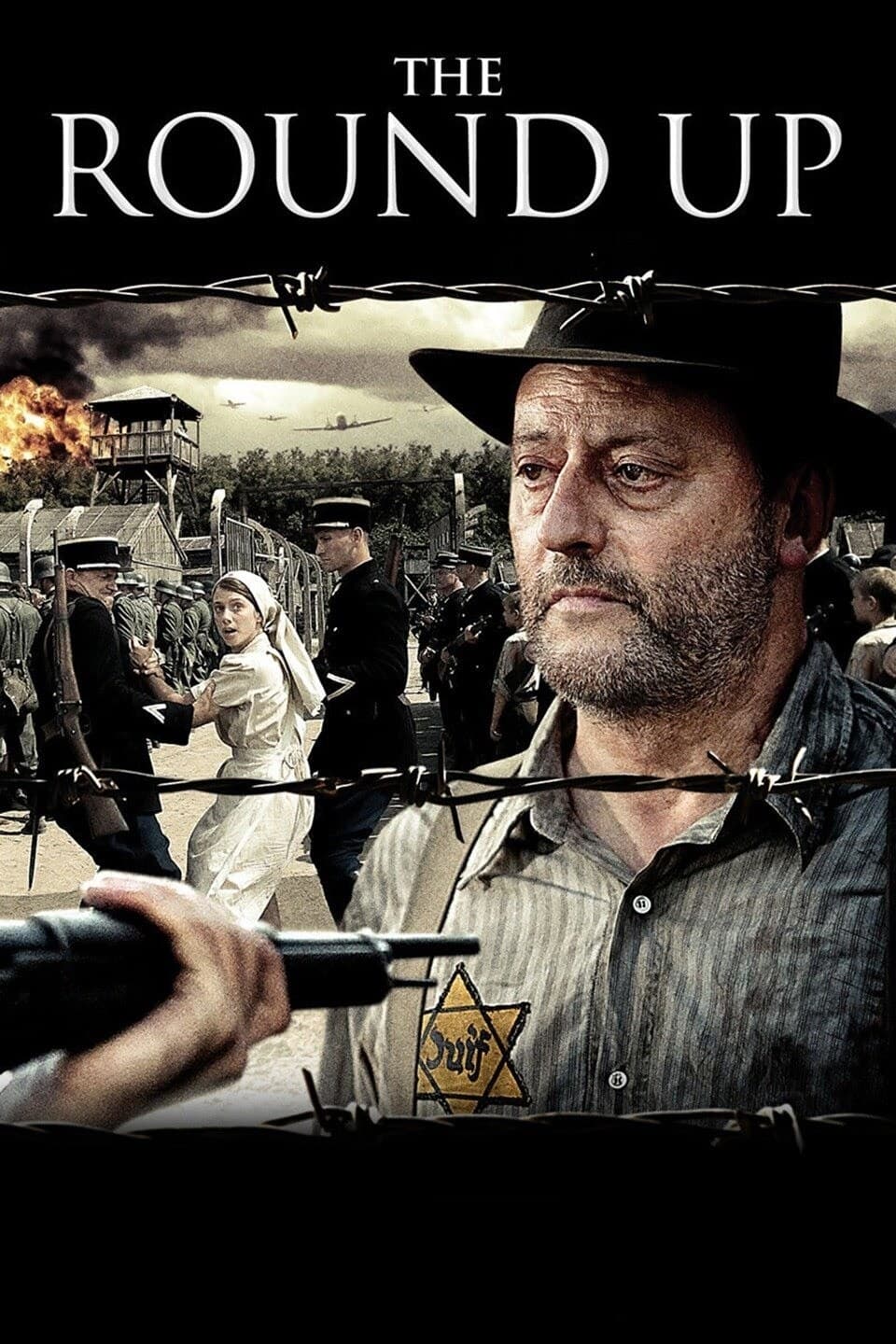
In 19th century France, Jean Valjean, a man imprisoned for stealing bread, must flee a relentless policeman named Javert. The pursuit consumes both men's lives, and soon Valjean finds himself in the midst of the student revolutions in France.