Social & External
The people behind it
Jeroen Krabbé
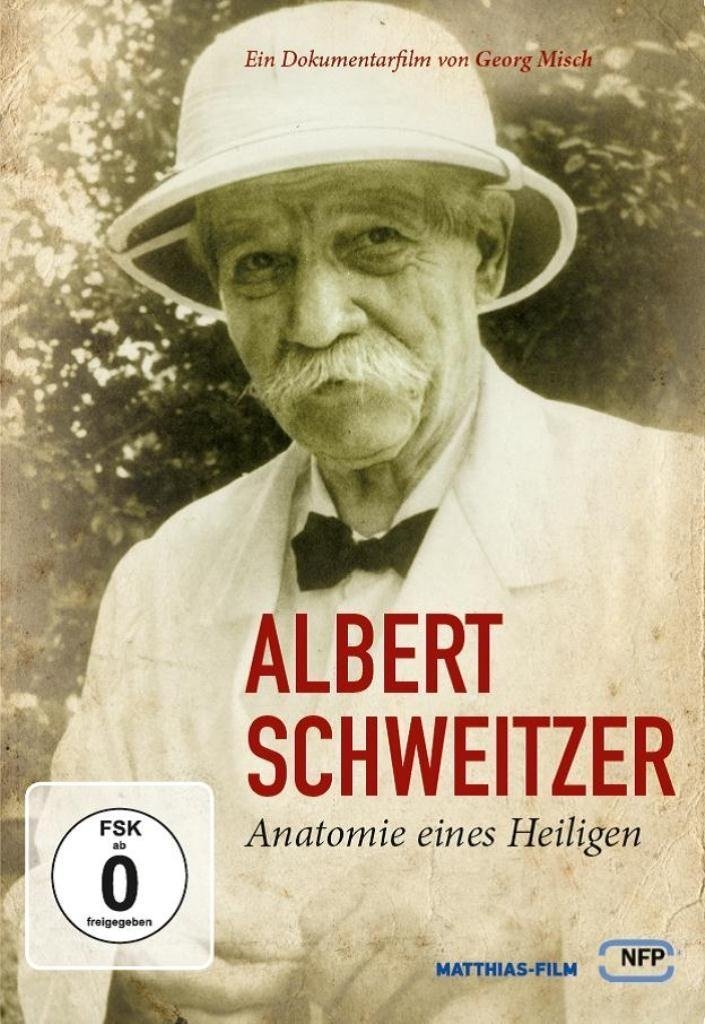
Albert Schweitzer
Barbara Hershey
Helene Schweitzer
Armin Rohde
Albert Einstein
Jeanette Hain
Rhena
Eleonore Weisgerber
Oberschwester Anna
Hans-Werner Meyer
Dr. Erik Hals
Jennifer Ulrich
Susi Sandler
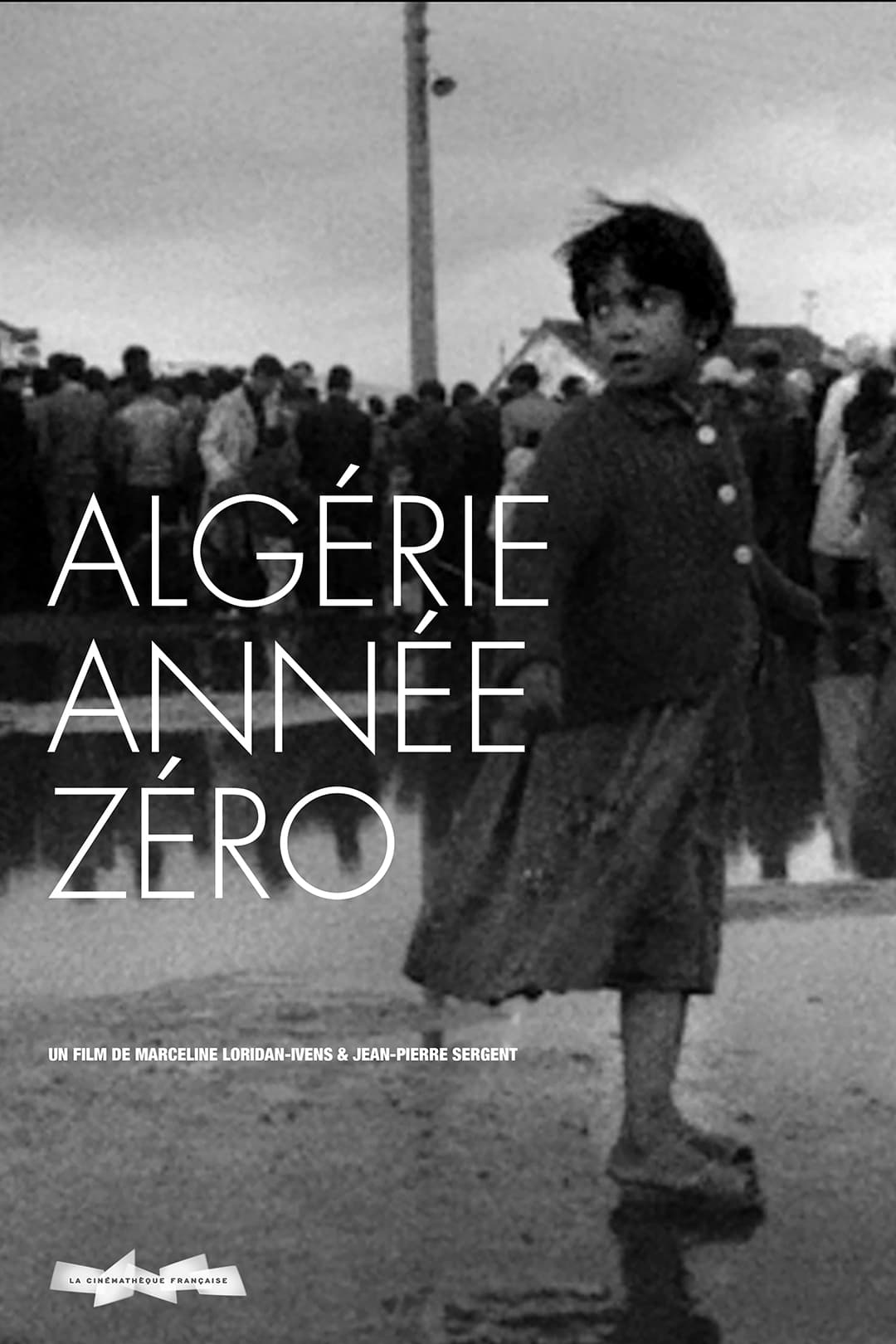
Documentary on the beginnings of Algerian independence filmed during the summer of 1962 in Algiers. The film was banned in France and Algeria but won the Grand Prize at the Leipzig International Film Festival in 1965. Out of friendship, the production company Images de France sent an operator, Bruno Muel, who later declared: "For those who were called to Algeria (for me, 1956-58), participating in a film on independence was a victory over horror, lies and absurdity. It was also the beginning of my commitment to the cinema."
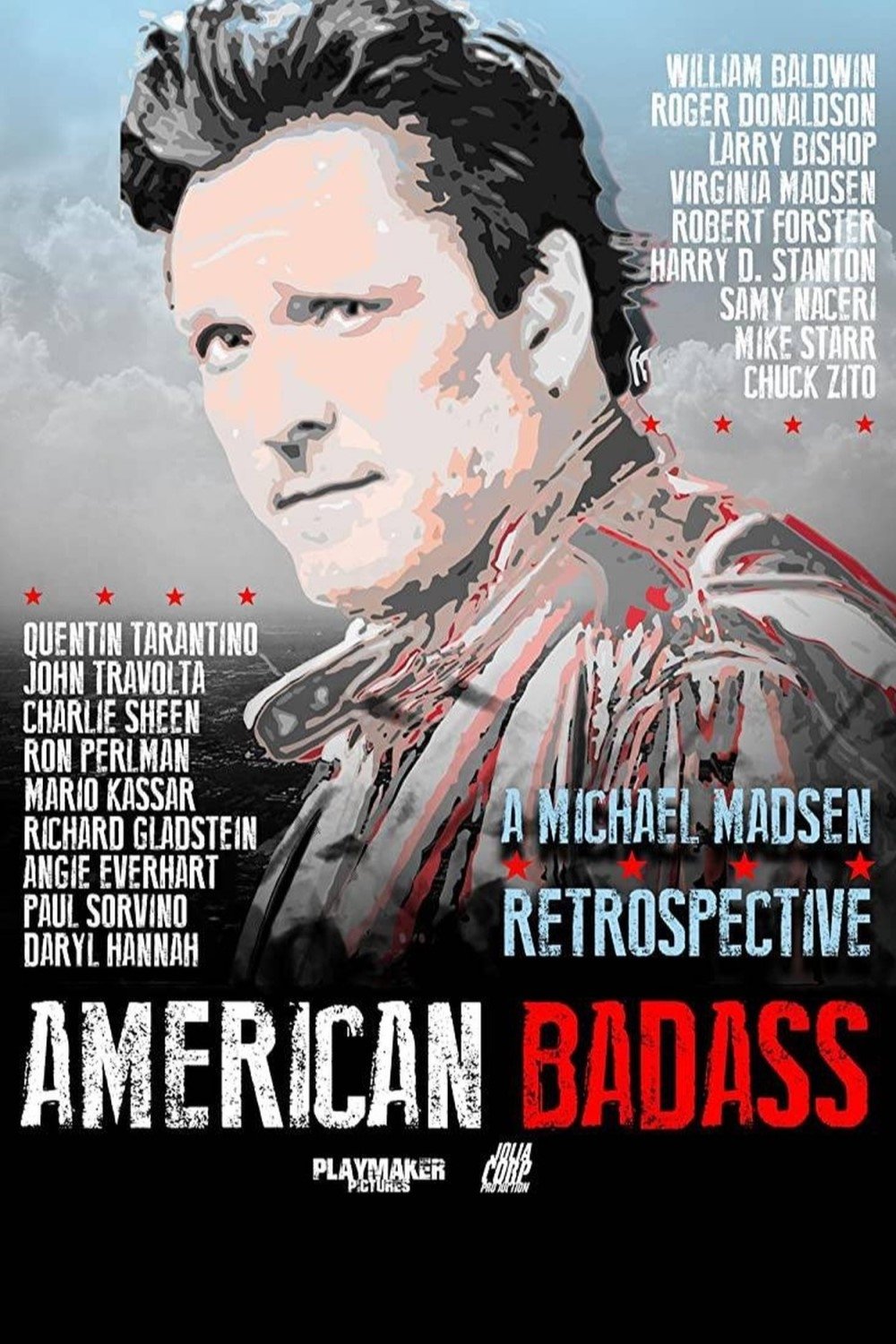
An intimate, soul-baring new documentary covering the life and 40+ year career of actor and poet Michael Madsen, from troubled youth to film star, told through interviews with colleagues, friends, family members and the American Badass himself. Featuring Quentin Tarantino, John Travolta, Charlie Sheen, Ron Perlman, Daryl Hannah, and many, many more.
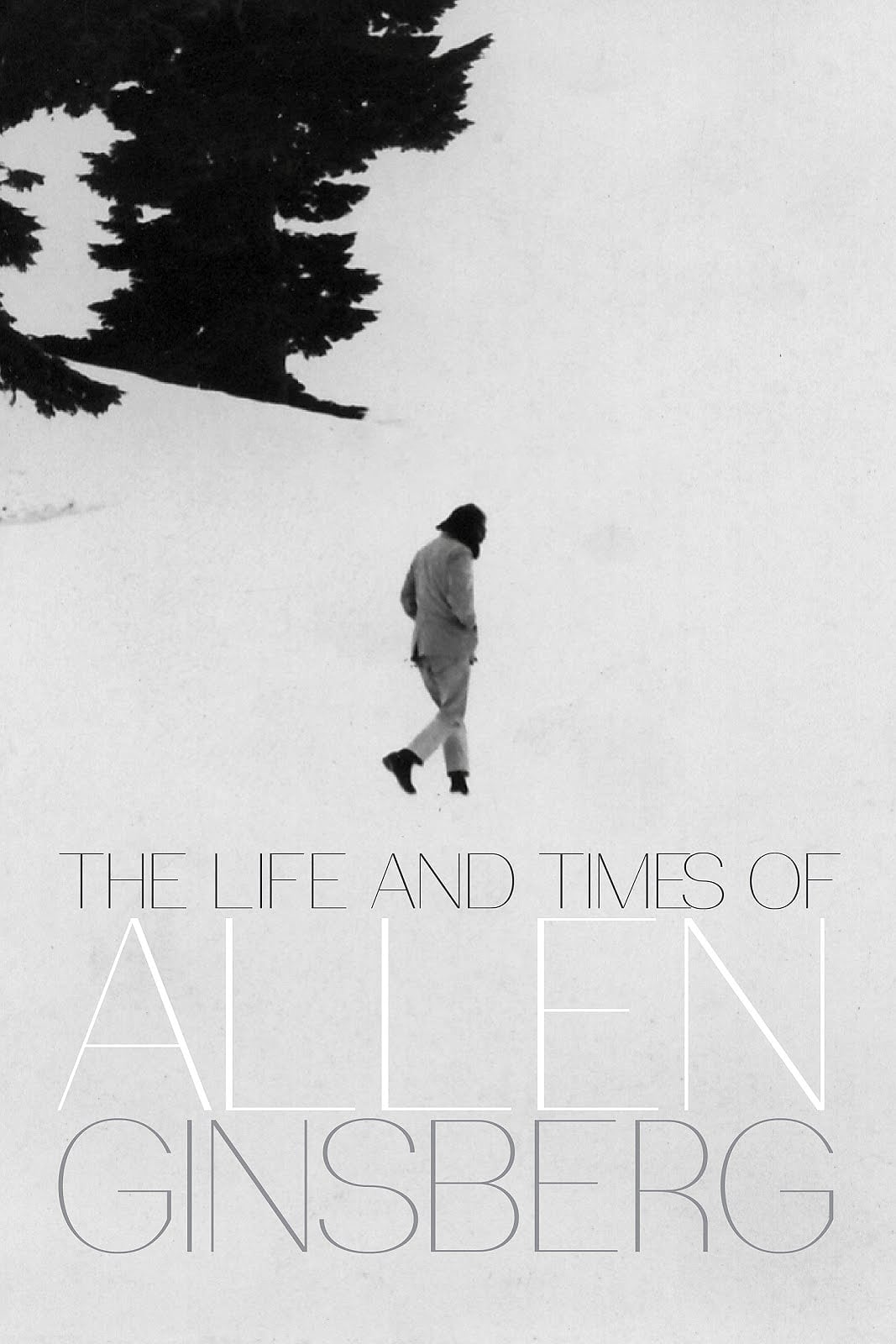
Visionary, radical, spiritual seeker, renowned poet, founding member of a major literary movement, champion of human rights, Buddhist, political activist and teacher. Extensive archival footage, interviews, and home movies cover Allen Ginsberg's life, activism, and influence on American culture through the Beat era, the 1960s, and beyond.
A portrait of the life and career of Robert Downey Sr. (1936-2021), the visionary and fearless US filmmaker — father of actor Robert Downey Jr. — who in the sixties and seventies laid the foundations for countercultural comedy.
A chronicle of Bob Dylan's strange evolution between 1961 and 1966 from folk singer to protest singer to "voice of a generation" to rock star.
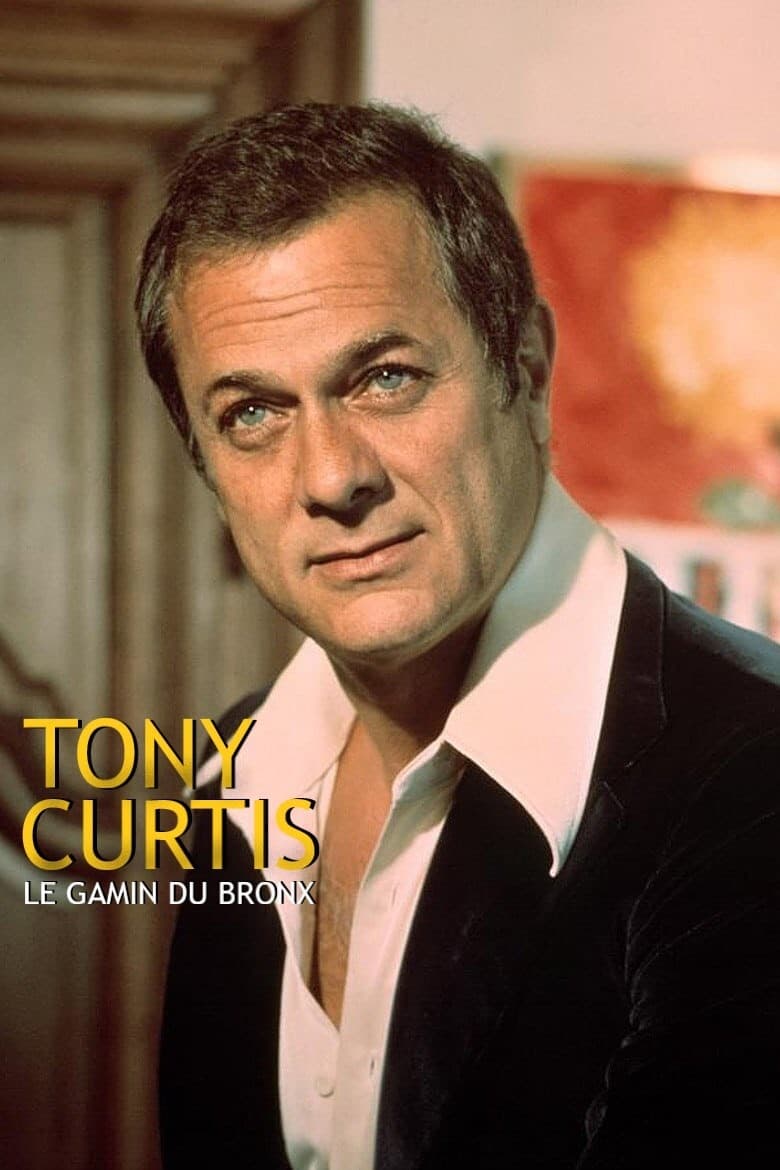
Tony Curtis, the man who influenced Elvis Presley and James Dean. A sex symbol, a matinee idol, a powerful and magnetic actor, Tony Curtis was the original movie star.
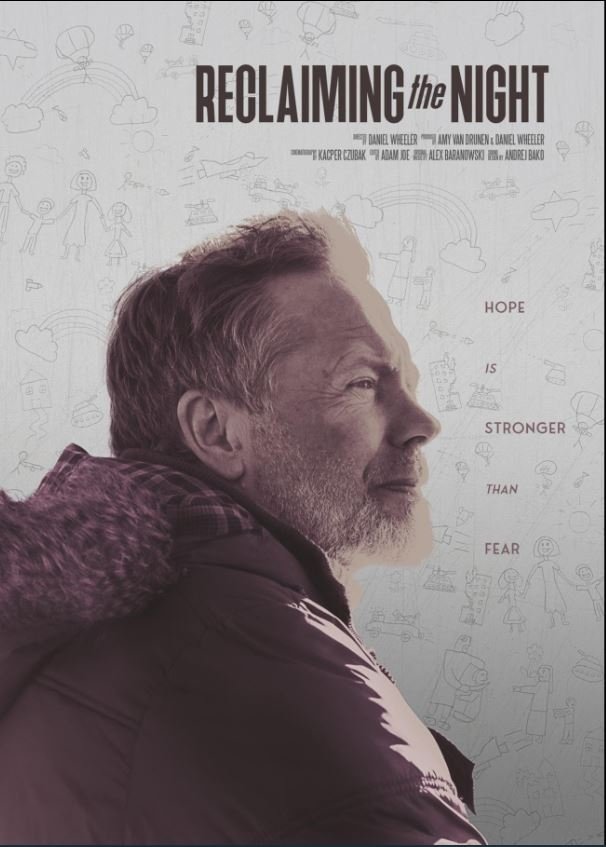
In the aftermath of war, an extraordinary professor brings hope to children haunted by trauma-induced nightmares.
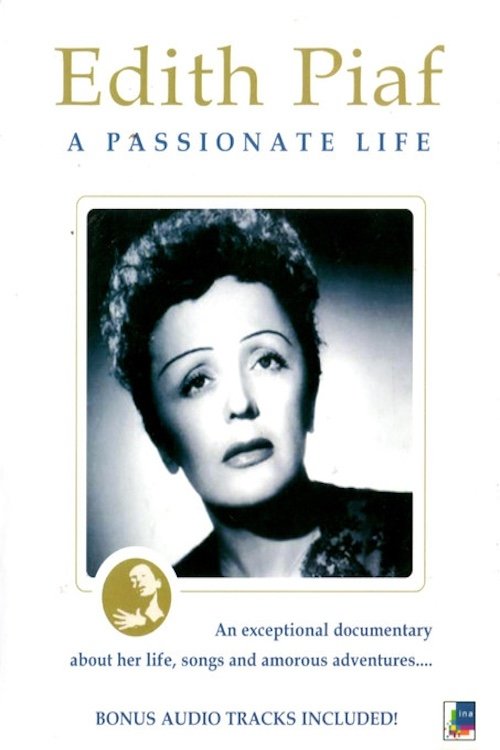
This documentary about legendary French chanteuse Edith Piaf begins at her birth (which was helped along by a cop), travels through her turbulent romantic history, follows her to the pinnacle of her success and reports on her death. Piaf was queen of the torch song, her plaintive wail speaking volumes of the tragedy and joy she'd faced. Hers wasn't exactly, in the words of one of her famous songs, "La Vie En Rose," but it was quite a life.
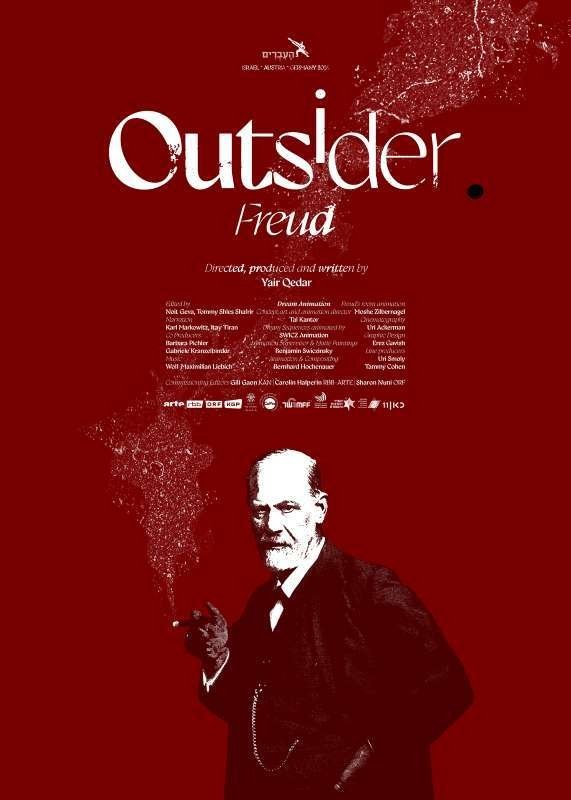
OUTSIDER. FREUD is a new creative documentary film, that takes us on a journey into the life and work of Freud in four acts - a combination of animations, dreams, leading psychoanalysts in the world, in a thought-provoking journey about Judaism, biography, psychoanalysis, and the role of marginalization as a strategy of power in shaping one of the most influential figures in modern times, with Itay Tiran as Freud.
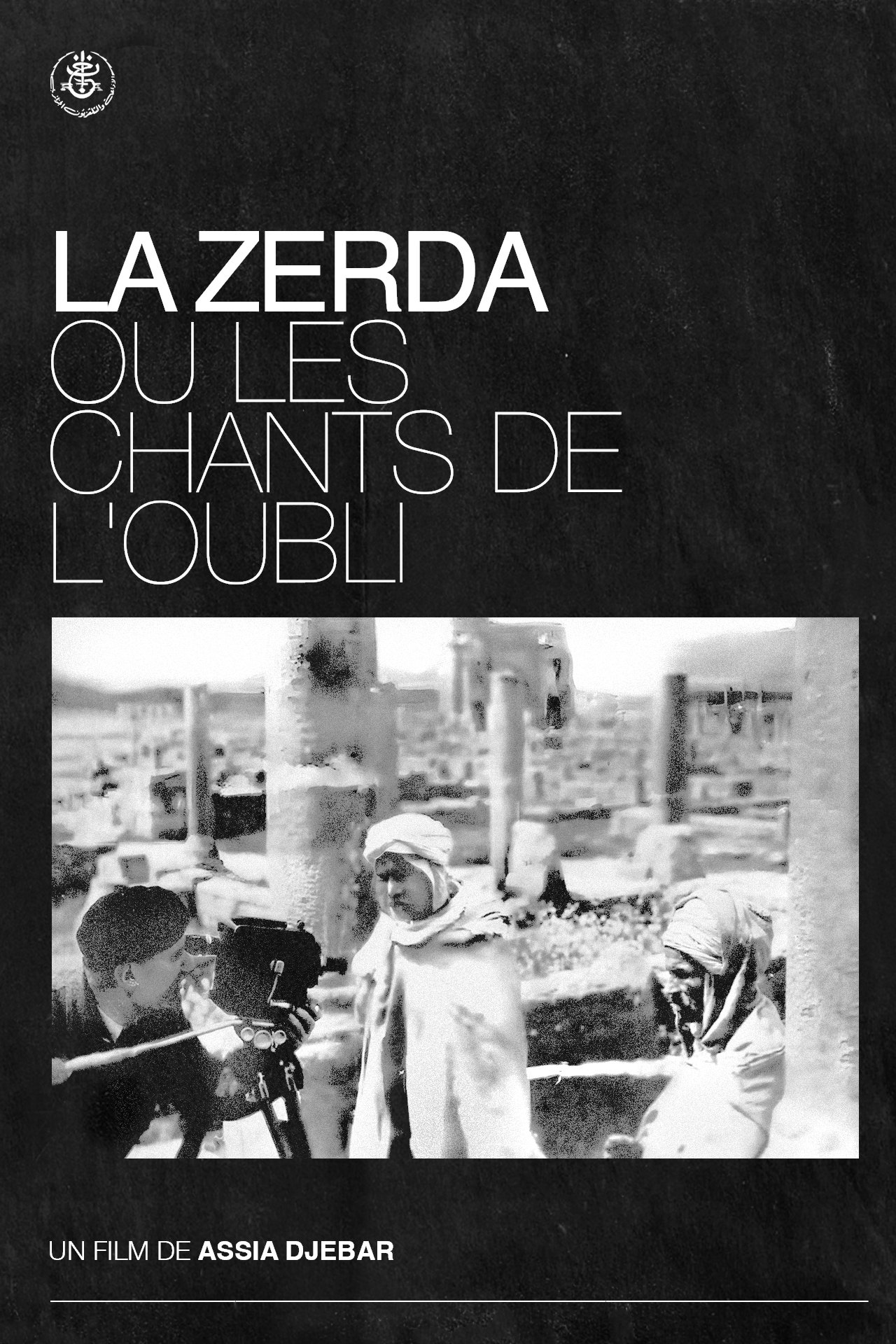
“La Zerda and the songs of oblivion” (1982) is one of only two films made by the Algerian novelist Assia Djebar, with “La Nouba des femmes du mont Chenoua” (1977). Powerful poetic essay based on archives, in which Assia Djebar – in collaboration with the poet Malek Alloula and the composer Ahmed Essyad – deconstructs the French colonial propaganda of the Pathé-Gaumont newsreels from 1912 to 1942, to reveal the signs of revolt among the subjugated North African population. Through the reassembly of these propaganda images, Djebar recovers the history of the Zerda ceremonies, suggesting that the power and mysticism of this tradition were obliterated and erased by the predatory voyeurism of the colonial gaze. This very gaze is thus subverted and a hidden tradition of resistance and struggle is revealed, against any exoticizing and orientalist temptation.
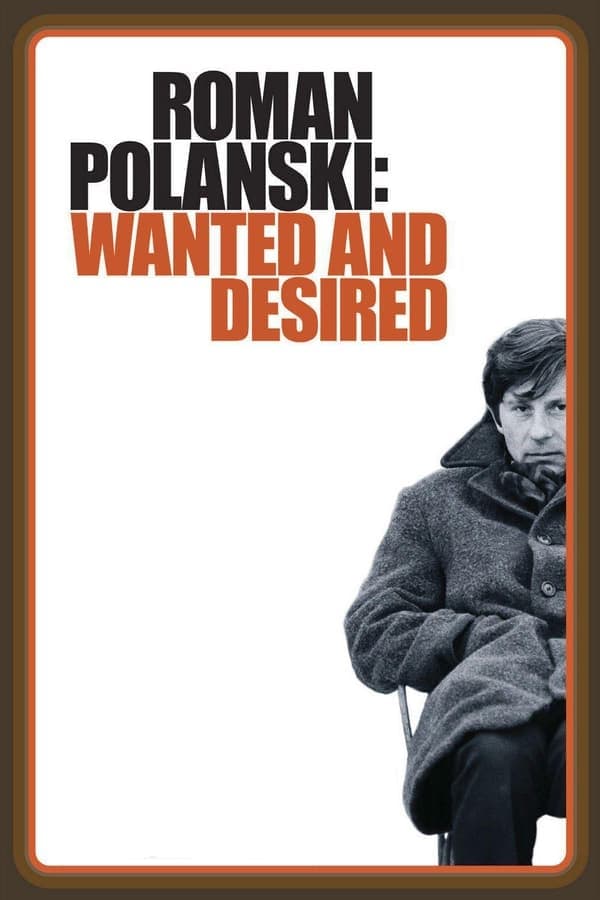
Examines the public scandal and private tragedy which led to legendary director Roman Polanski's sudden flight from the United States.
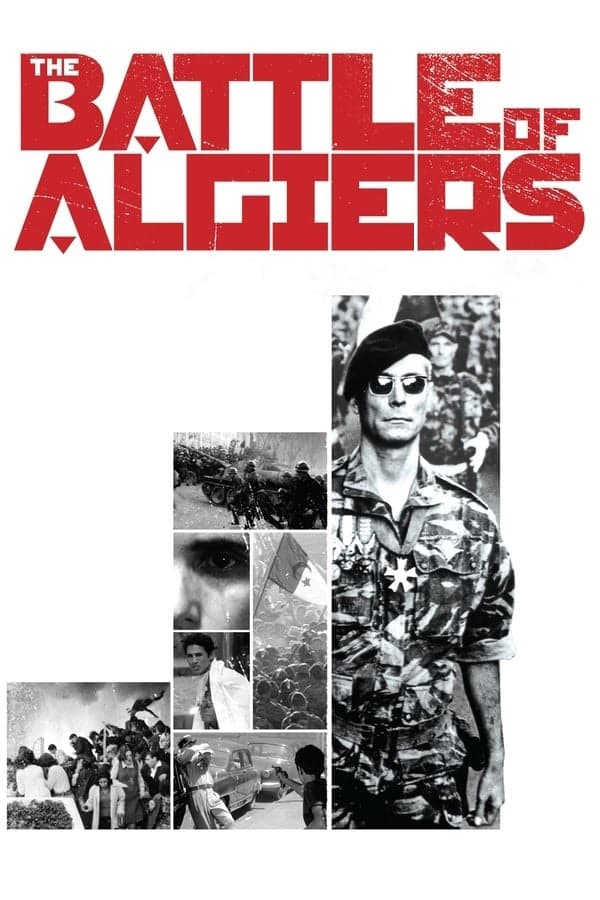
Paratrooper commander Colonel Mathieu, a former French Resistance fighter during World War II, is sent to Algeria to reinforce efforts to squelch the uprisings of the Algerian War. There he faces Ali la Pointe, a former petty criminal who, as the leader of the Algerian Front de Liberation Nationale, directs terror strategies against the colonial French government occupation. As each side resorts to ever-increasing brutality, no violent act is too unthinkable.
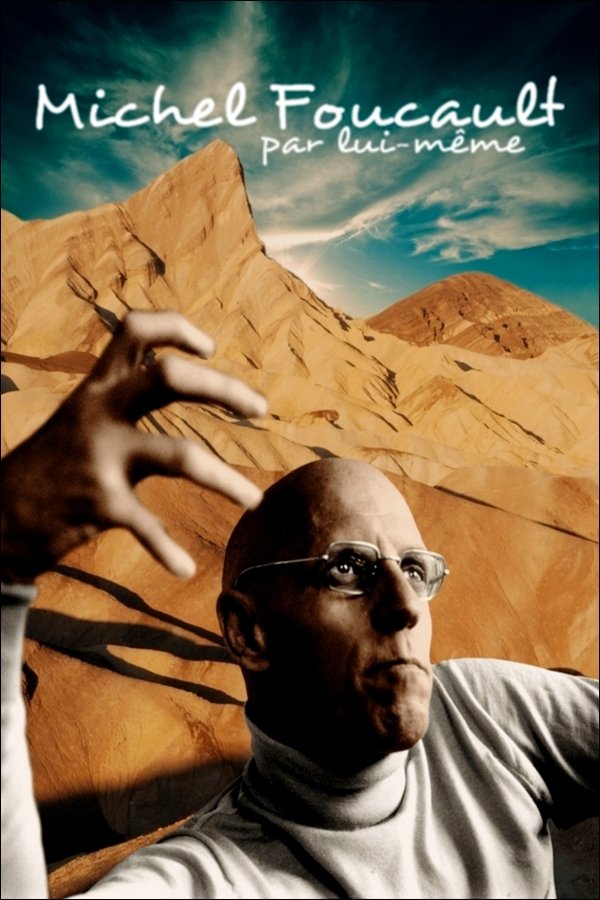
A voyage to the center of the thought of Michel Foucault (1926-1984), a tireless explorer of the margins, a brilliant and atypical thinker, through excerpts from his books and lectures, and the use of images that resonate with them.
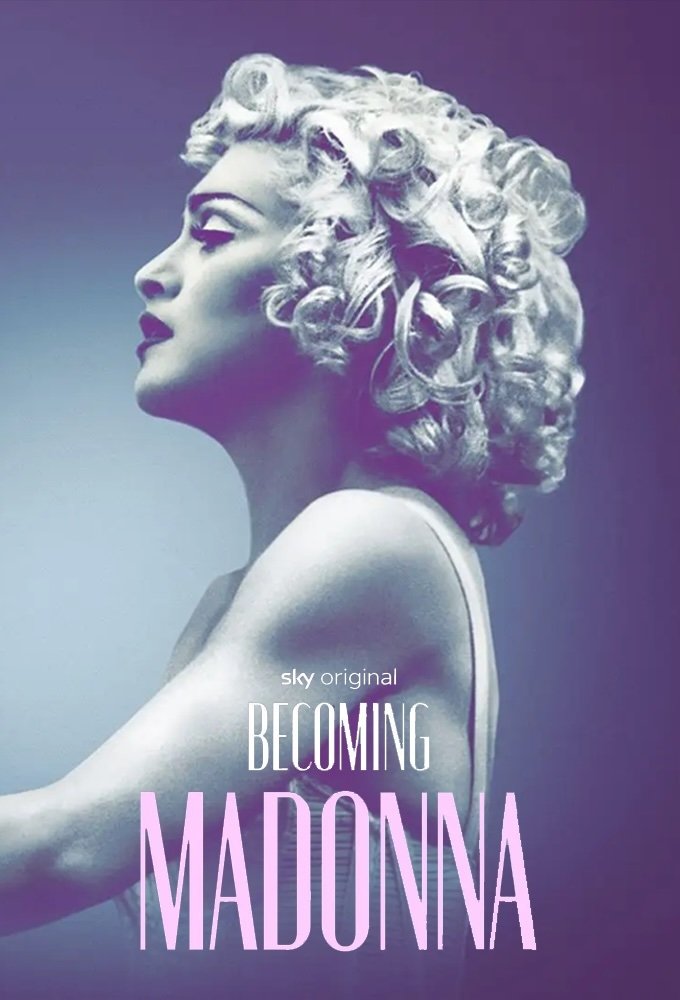
Madonna's rise to fame from 1978 to 1992, exploring her personal life, controversies, and the challenges she faced during that period.
Festival panafricain d'Alger is a documentary by William Klein of the music and dance festival held 40 years ago in the streets and in venues all across Algiers. Klein follows the preparations, the rehearsals, the concerts… He blends images of interviews made to writers and advocates of the freedom movements with stock images, thus allowing him to touch on such matters as colonialism, neocolonialism, colonial exploitation, the struggles and battles of the revolutionary movements for Independence.
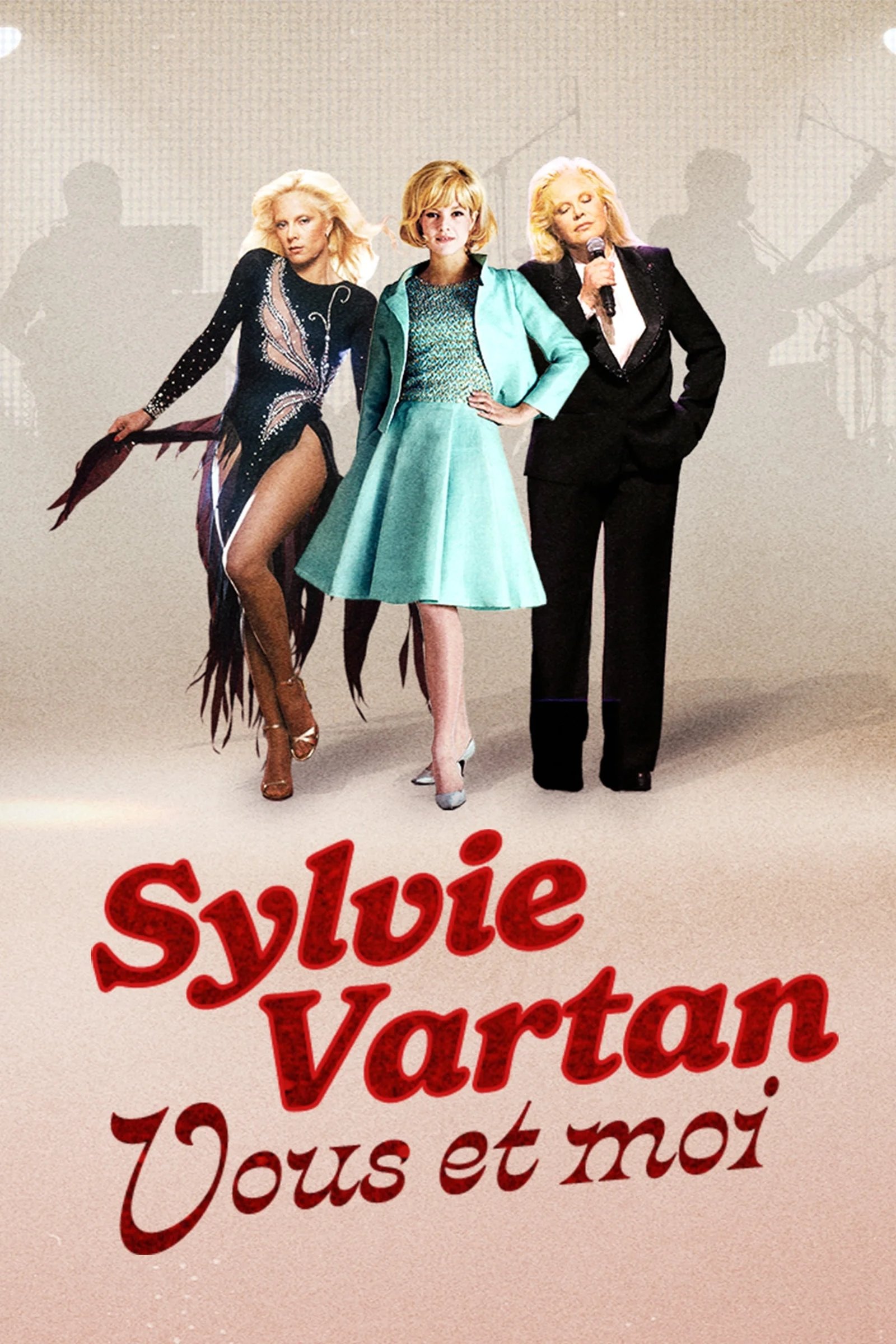
Sylvie Vartan has had an extraordinary life: a Bulgarian child forced into exile, who became the icon of a youth in the midst of revolution in France. After a career spanning 64 years, with nearly 50 albums recorded and 40 million records sold, she has decided to bow out. During her farewell tour, the singer chose to open up to Augustin Trapenard.
An unprecedented and intimate look at the life, work and enduring legacy of British actress Audrey Hepburn (1929-1993).
“The Soviet Story” is a story of an Allied power, which helped the Nazis to fight Jews and which slaughtered its own people on an industrial scale. Assisted by the West, this power triumphed on May 9th, 1945. Its crimes were made taboo, and the complete story of Europe’s most murderous regime has never been told. Until now...
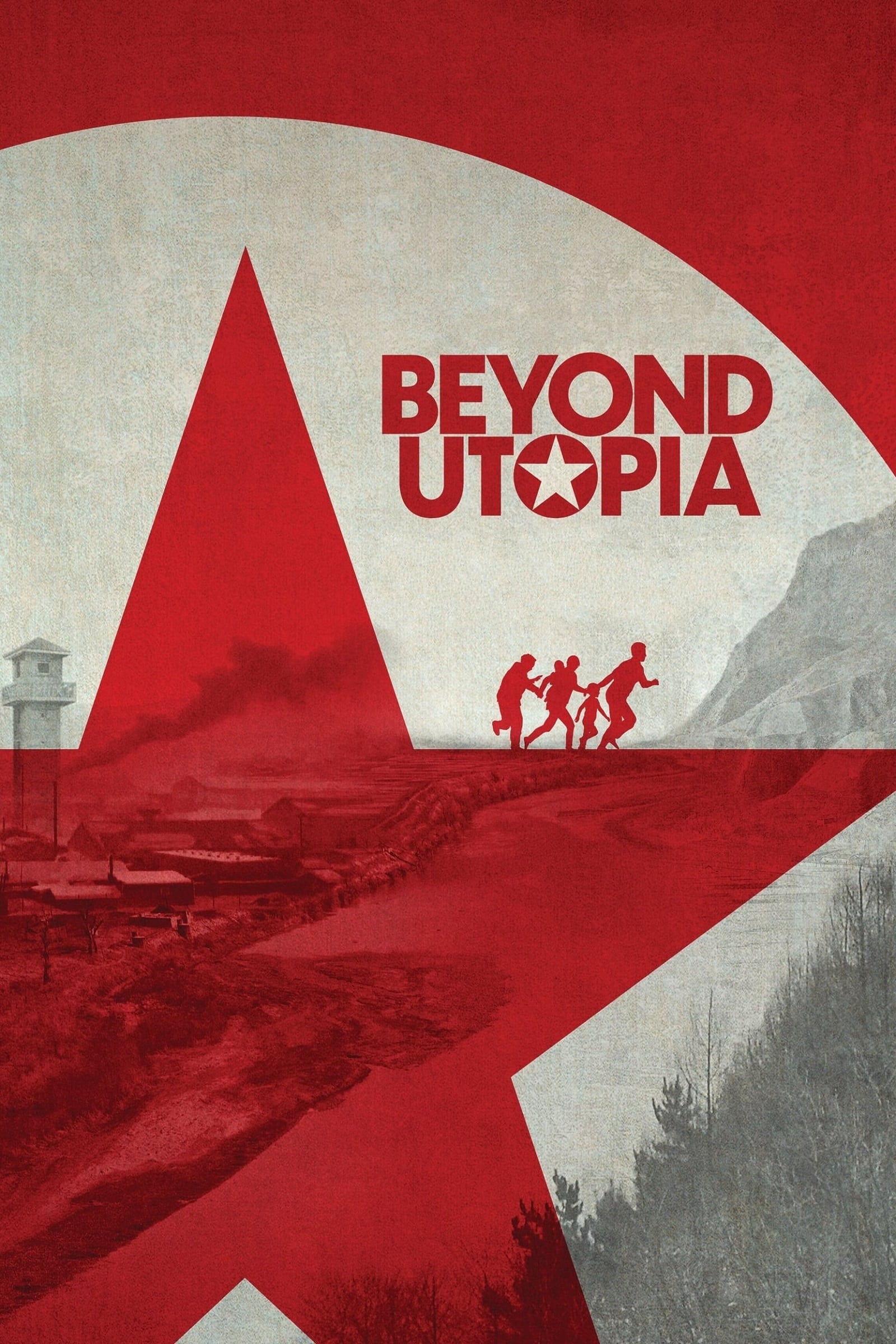
A courageous pastor uses his underground network to rescue and aid North Korean families as they risk their lives to embrace freedom.
Amid the failing counteroffensive, a journalist follows a Ukrainian platoon on their mission to traverse one mile of heavily fortified forest and liberate a strategic village from Russian occupation. But the farther they advance through their destroyed homeland, the more they realize that this war may never end.
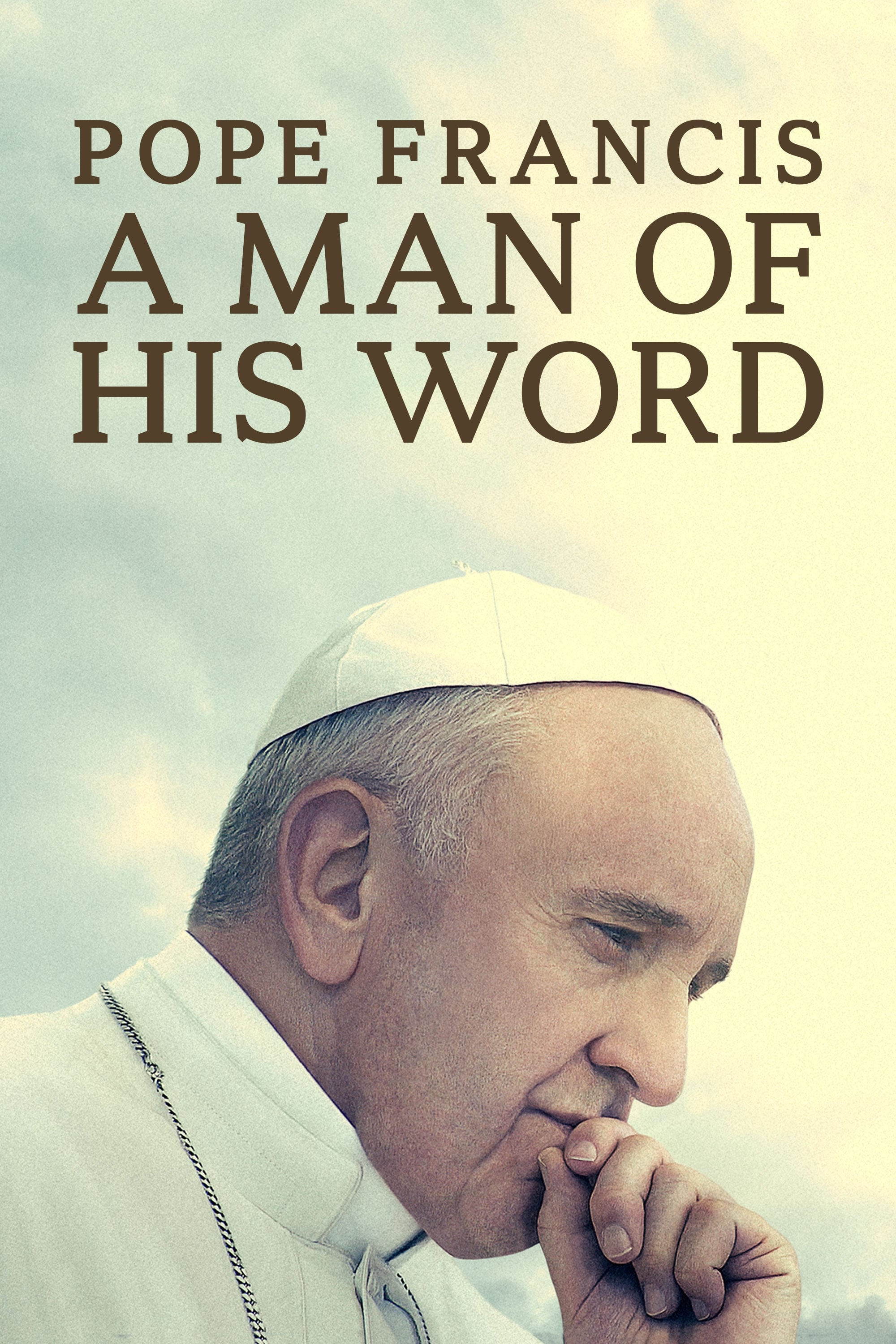
Pope Francis responds to questions from around the world, discussing topics including ecology, immigration, consumerism and social justice.
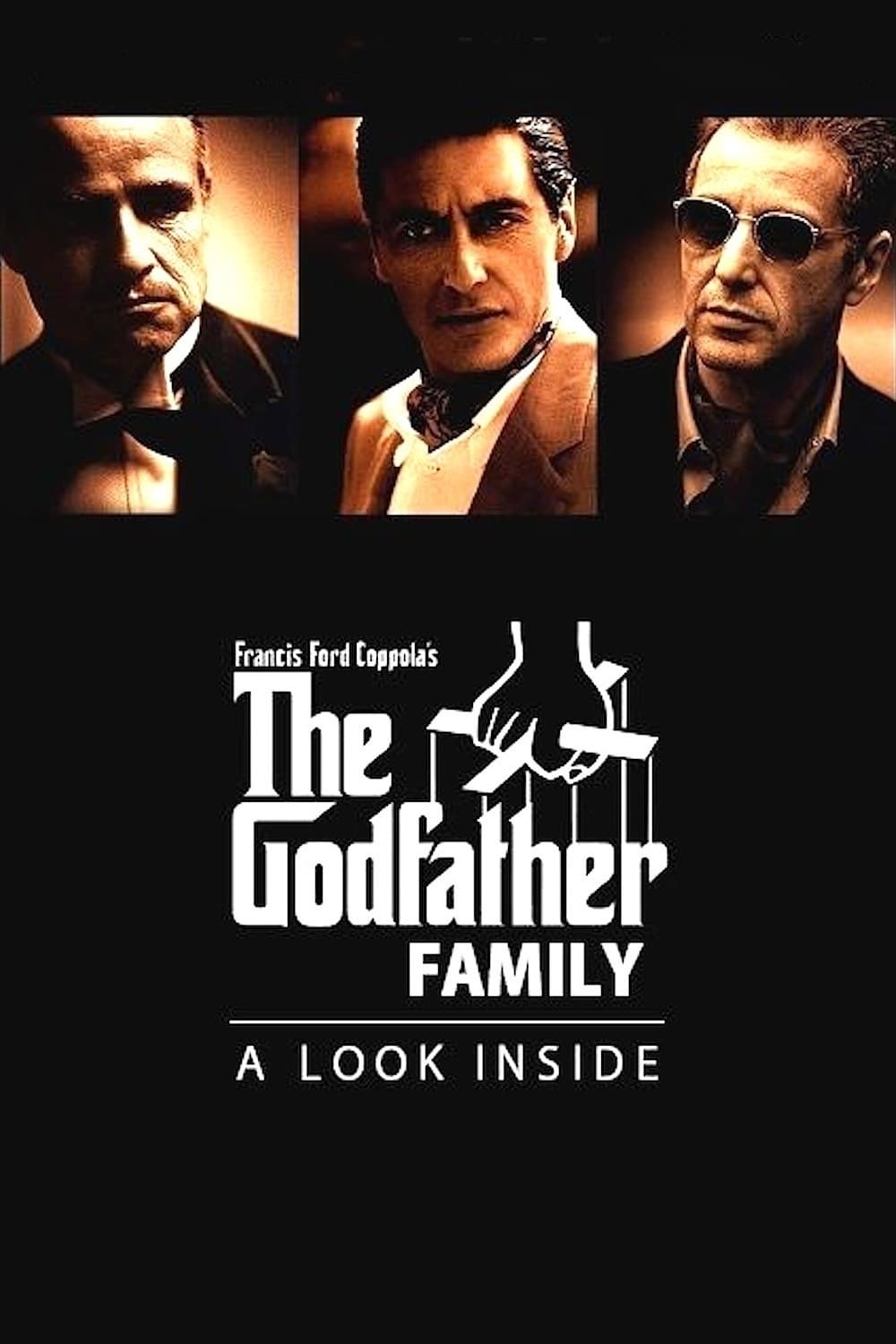
A documentary on the making of the three Godfather films, with interviews and recollections from the film makers and cast. This feature also includes the original screen tests of some of the actors for "The Godfather" film, and some candid moments on the set of "The Godfather: Part III."
In the Realms of the Unreal is a documentary about the reclusive Chicago-based artist Henry Darger. Henry Darger was so reclusive that when he died his neighbors were surprised to find a 15,145-page manuscript along with hundreds of paintings depicting The Story of the Vivian Girls, in What is Known as the Realms of the Unreal, of the Glodeco-Angelinnian War Storm, Cased by the Child Slave Rebellion.
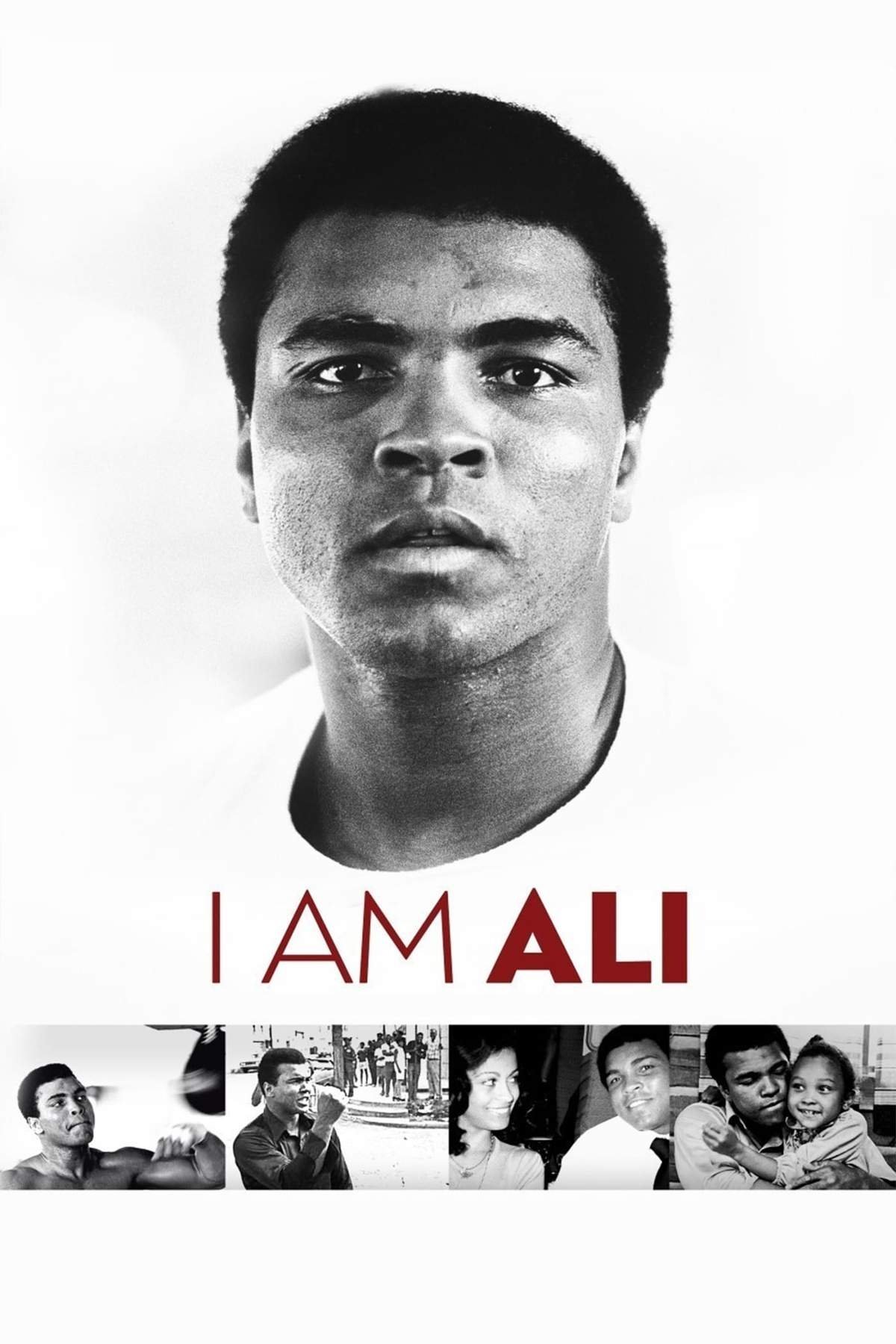
Unprecedented access to Muhammad Ali's personal archive of "audio journals" as well as interviews and testimonials from his inner circle of family and friends are used to tell the legend's life story.
The life of internationally renowned artist and activist Nan Goldin is told through her slideshows, intimate interviews, ground-breaking photography, and rare footage of her personal fight to hold the Sackler family accountable for the overdose crisis.
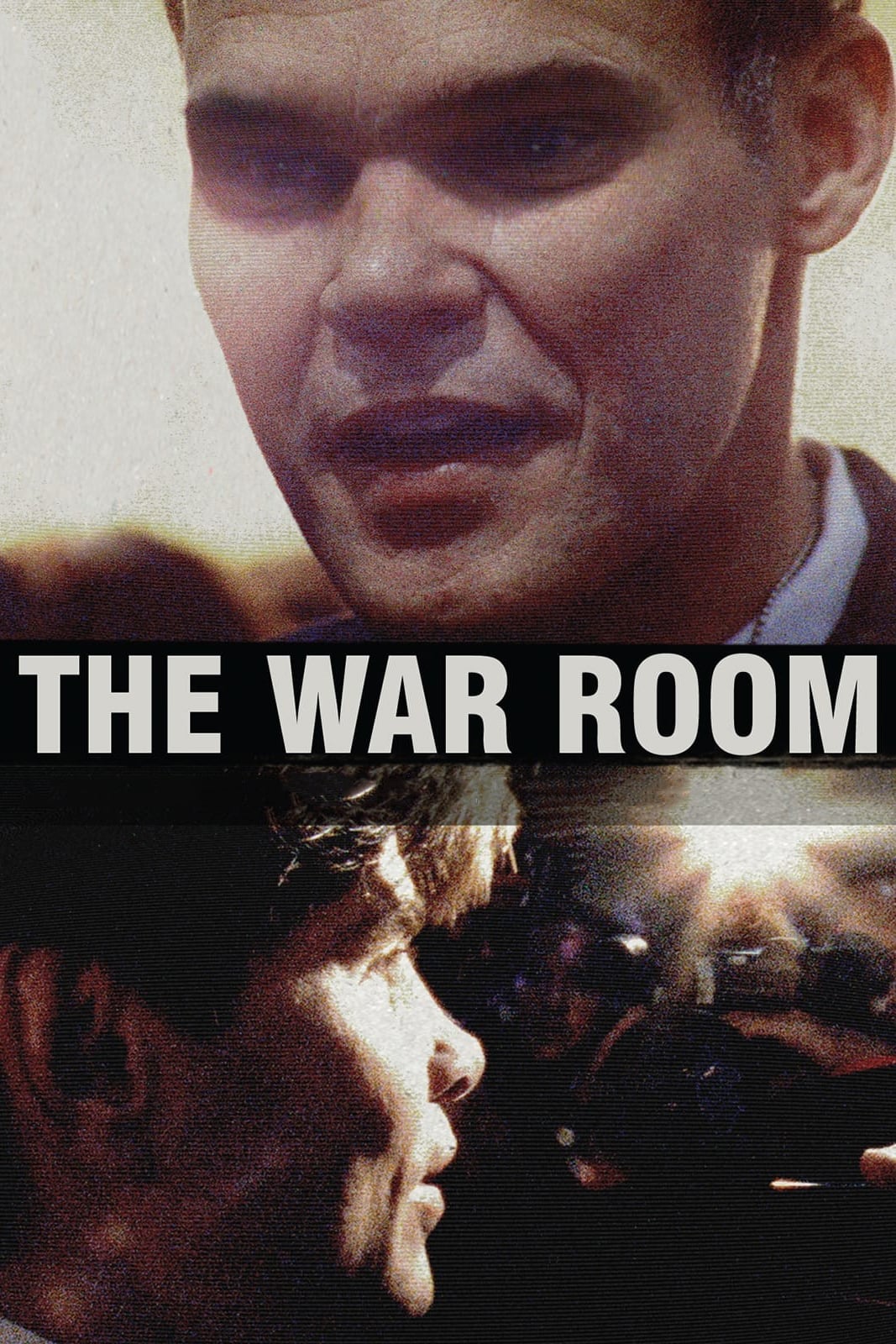
A behind-the-scenes documentary about the Clinton for President campaign, focusing on the adventures of spin doctors James Carville and George Stephanopoulos.
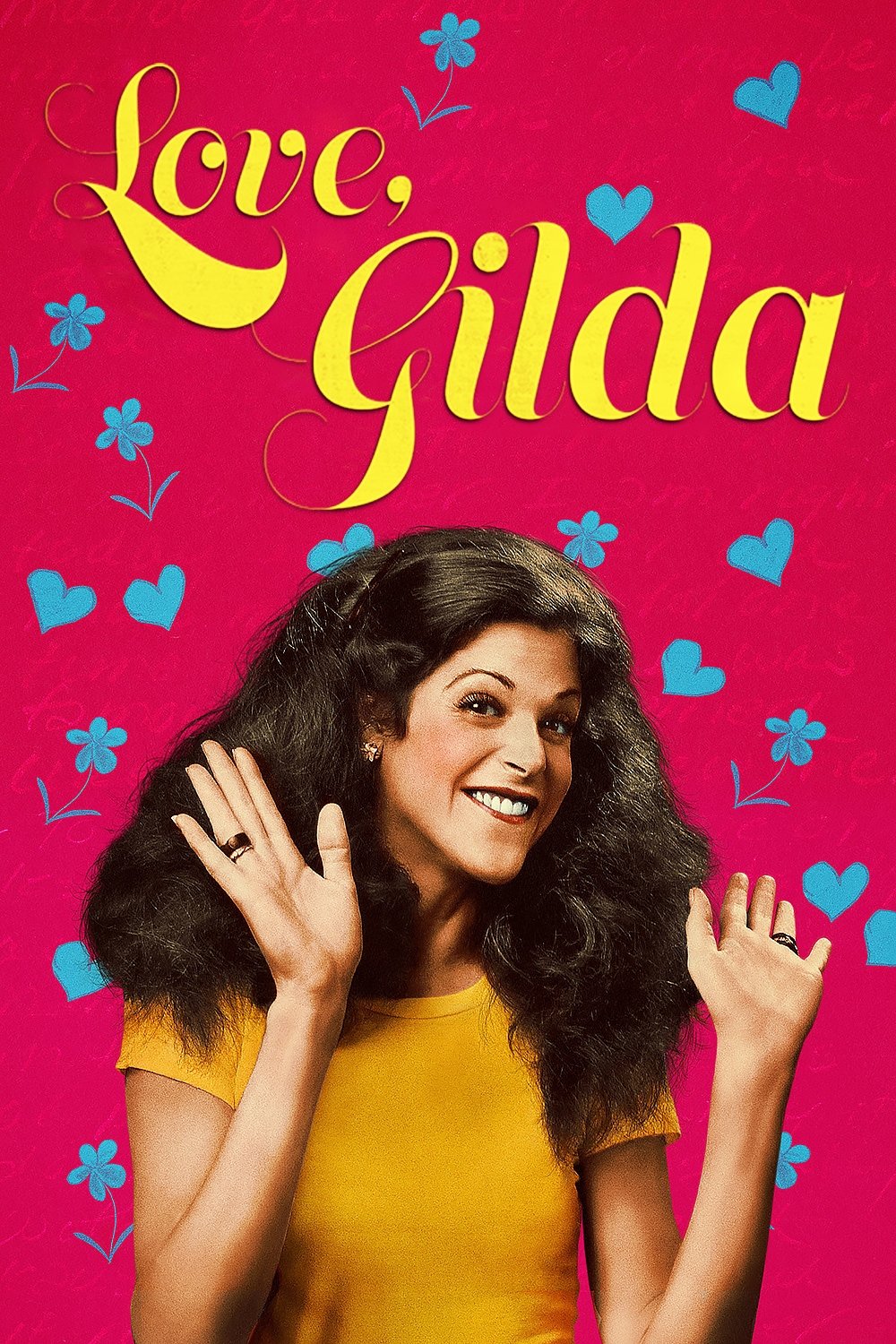
Diaries, audiotapes, videotapes and testimonials from friends and colleagues offer insight into the life and career of Gilda Radner -- the beloved comic and actress who became an icon on Saturday Night Live.
14-year-old Laura Dekker sets out on a two-year voyage in pursuit of her dream to become the youngest person ever to sail around the world alone.
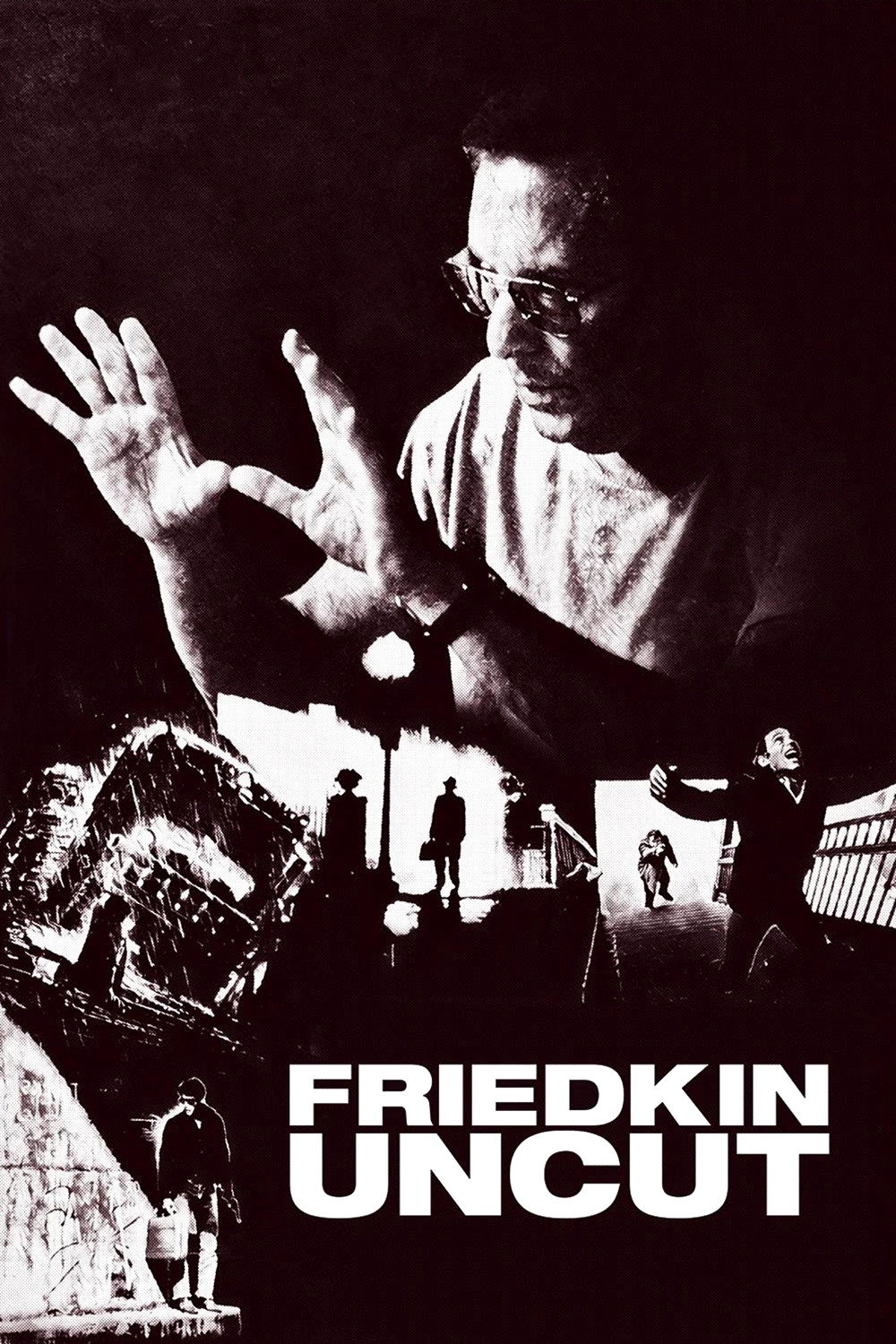
An introspective insight into the life and artistic journey of William Friedkin, an extraordinary and offbeat director of cult films such as The French Connection, The Exorcist, Sorcerer, Cruising, To Live and Die in L.A. and Killer Joe. For the first time Friedkin opens up, guiding the audience on a fascinating journey through the themes and the stories that have influenced his life and his artistic career.
The history of cinematic sound, told by legendary sound designers and visionary filmmakers.
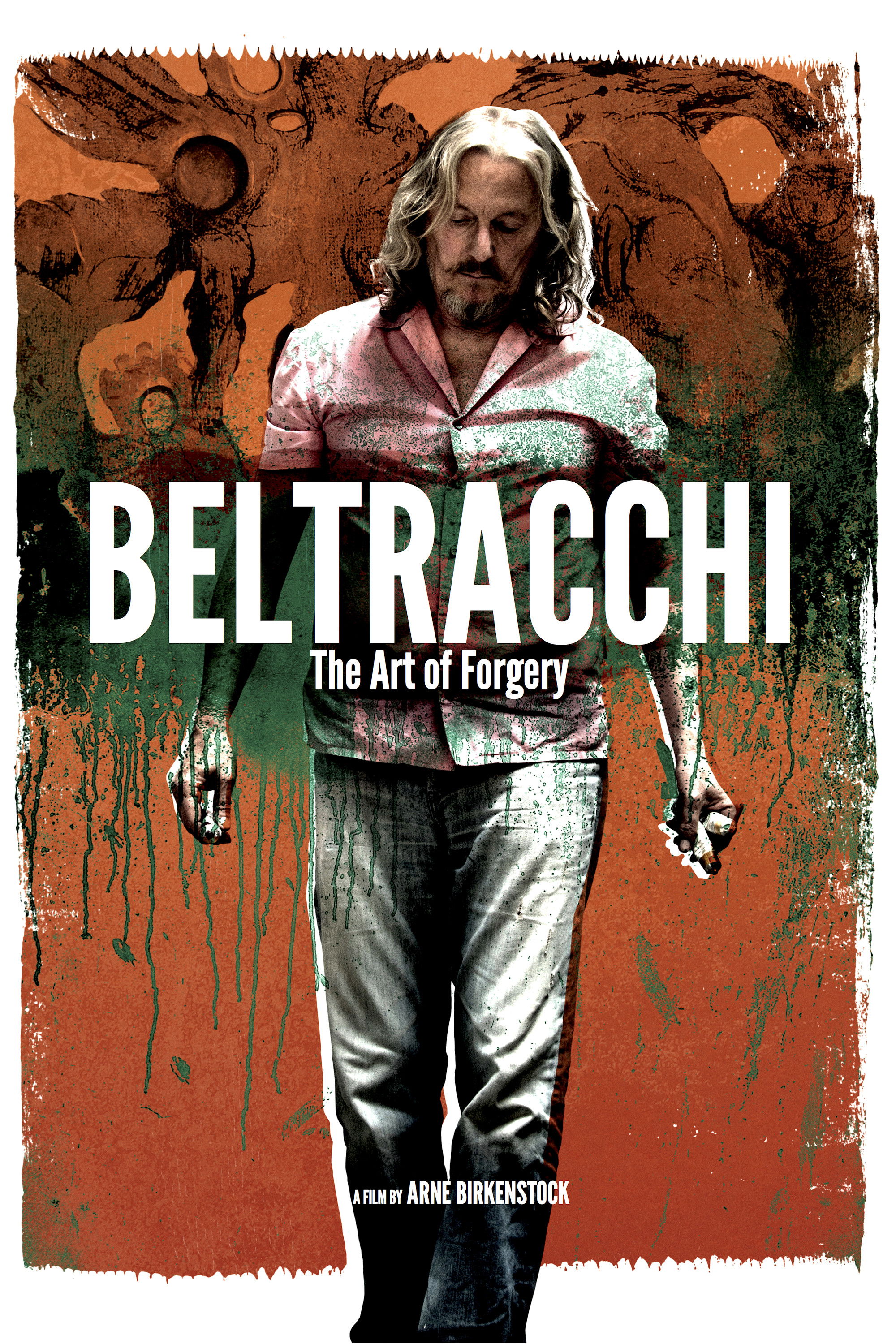
Wolfgang Beltracchi got away with forging art masterpieces for over 40 years. He may be egotistical and nihilistic, but his genius in undeniable. He managed to fool gallery owners, historians and investors with the stroke of a brush. This documentary follows his last days as a free man.
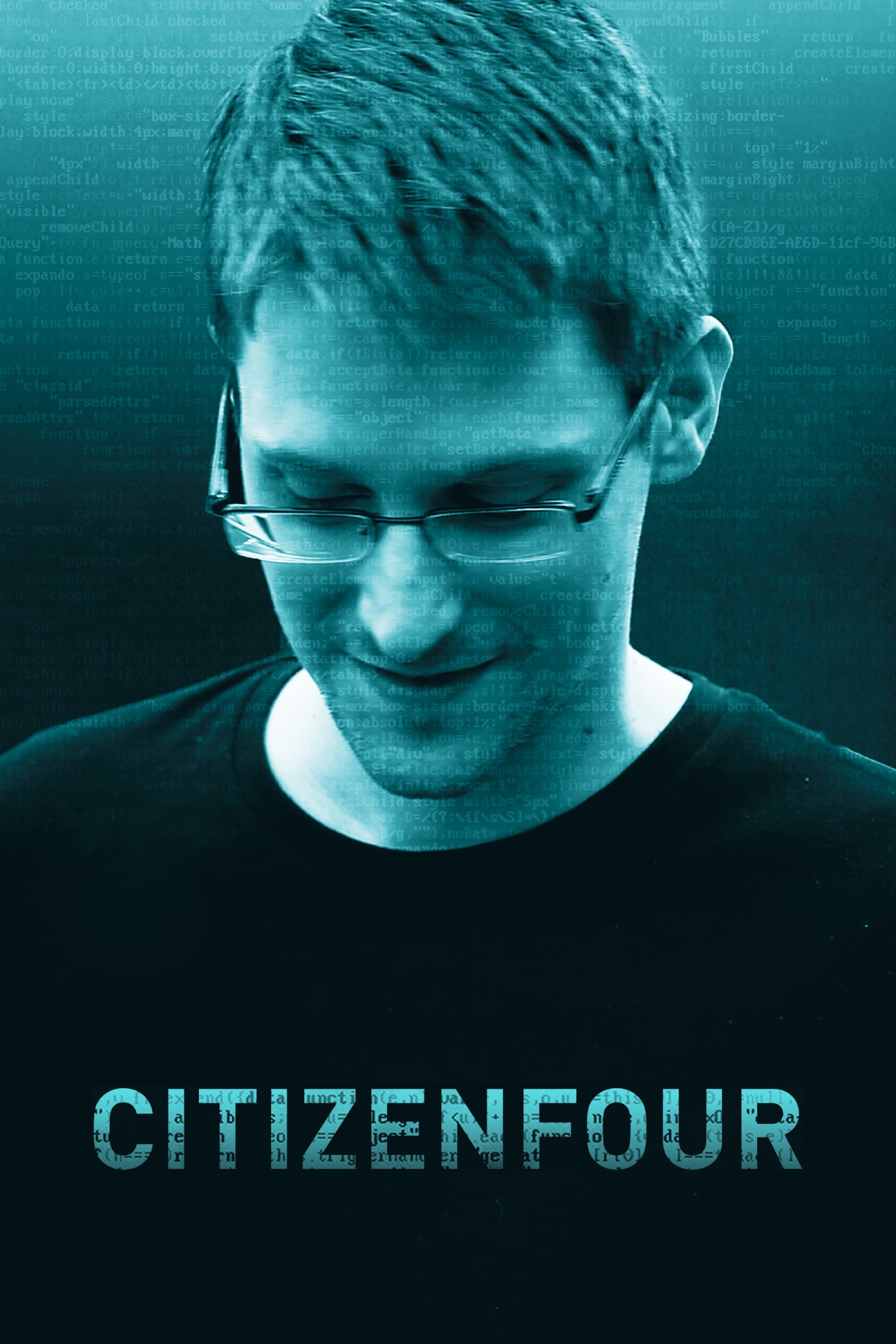
In June 2013, Laura Poitras and reporter Glenn Greenwald flew to Hong Kong for the first of many meetings with Edward Snowden. She brought her camera with her.
From a prolific career in film and television, Anton Yelchin left an indelible legacy as an actor. Through his journals and other writings, his photography, the original music he wrote, and interviews with his family, friends, and colleagues, this film looks not just at Anton's impressive career, but at a broader portrait of the man.
Alexander McQueen's rags-to-riches story is a modern-day fairy tale, laced with the gothic. Mirroring the savage beauty, boldness and vivacity of his design, this documentary is an intimate revelation of McQueen's own world, both tortured and inspired, which celebrates a radical and mesmerizing genius of profound influence.
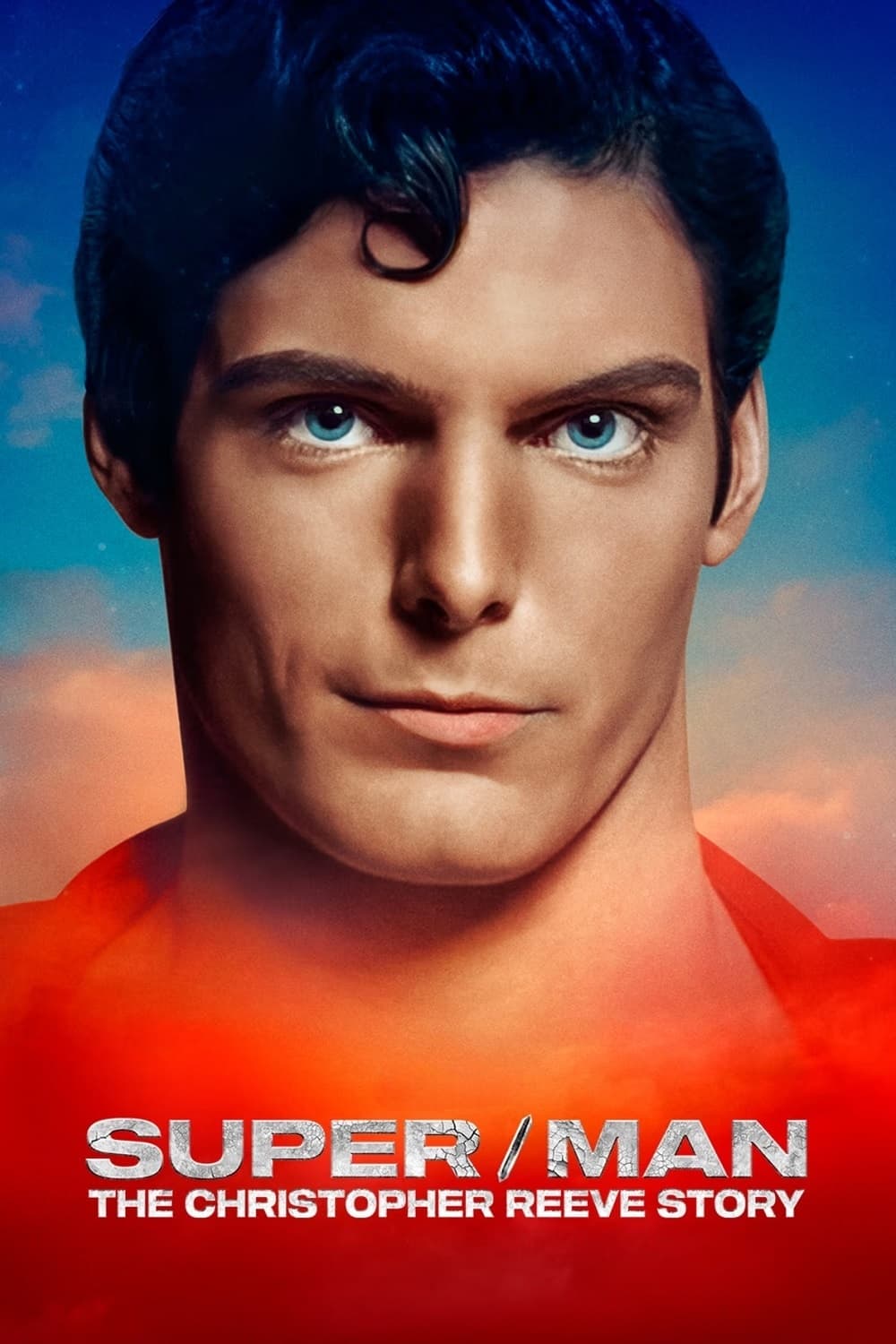
Christopher Reeve portrayed the Man of Steel in four Superman films and played dozens of other roles that displayed his talent and range as an actor, before being injured in a near-fatal horse-riding accident in 1995 that left him paralyzed from the neck down. After becoming a quadriplegic, he became a charismatic leader and activist in the quest to find a cure for spinal cord injuries, as well as a passionate advocate for disability rights and care.
Those who knew iconic funnyman John Candy best share his story, in their own words, through never-before-seen archival footage, imagery, and interviews.