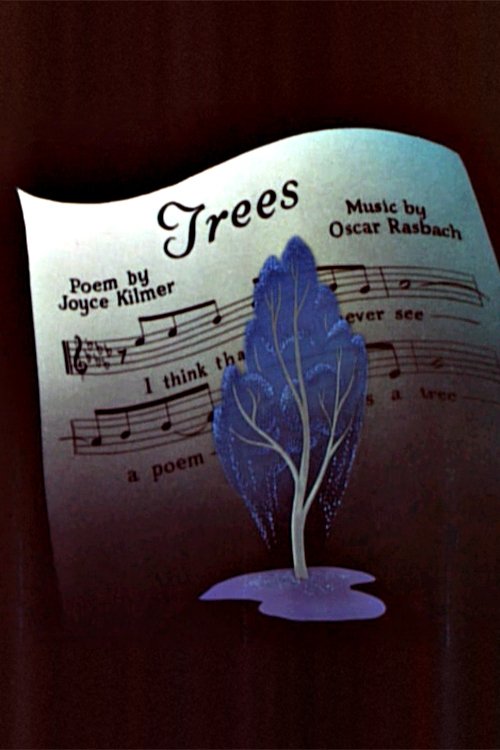
First film produced by Laugh-O-Gram Studio, as part of demo reel. This film is not really animated, it just consists of Walt drawing a single frame. Part of the Newman Laugh-O-Grams Series.
Social & External
Cartoon short about Quark the troll, this time as a dragonslayer by chance.
Tells the beginning of the story of Quark: His birth and how he is thrown out by his parents due to his malicious behaviour.
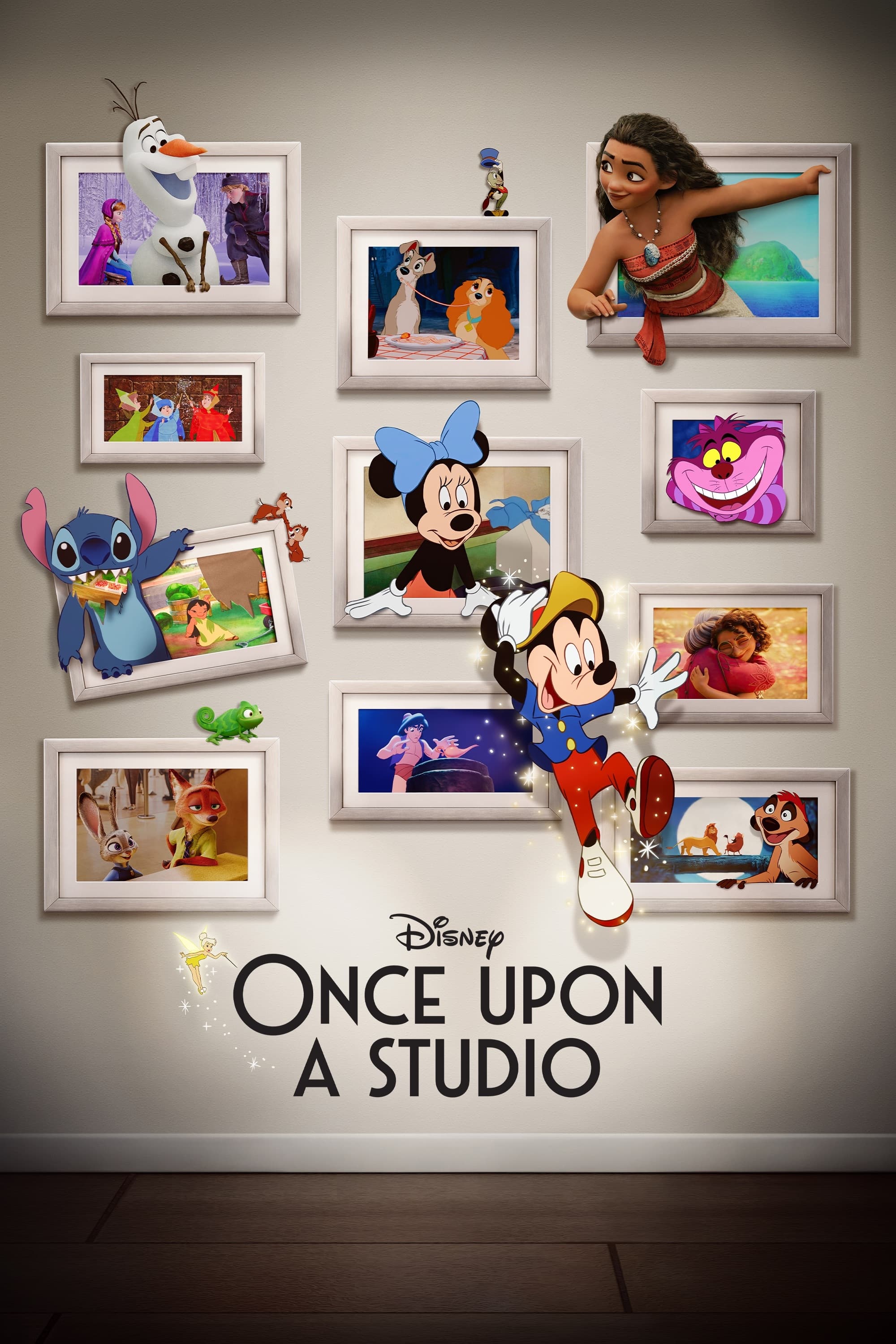
A Walt Disney short film.
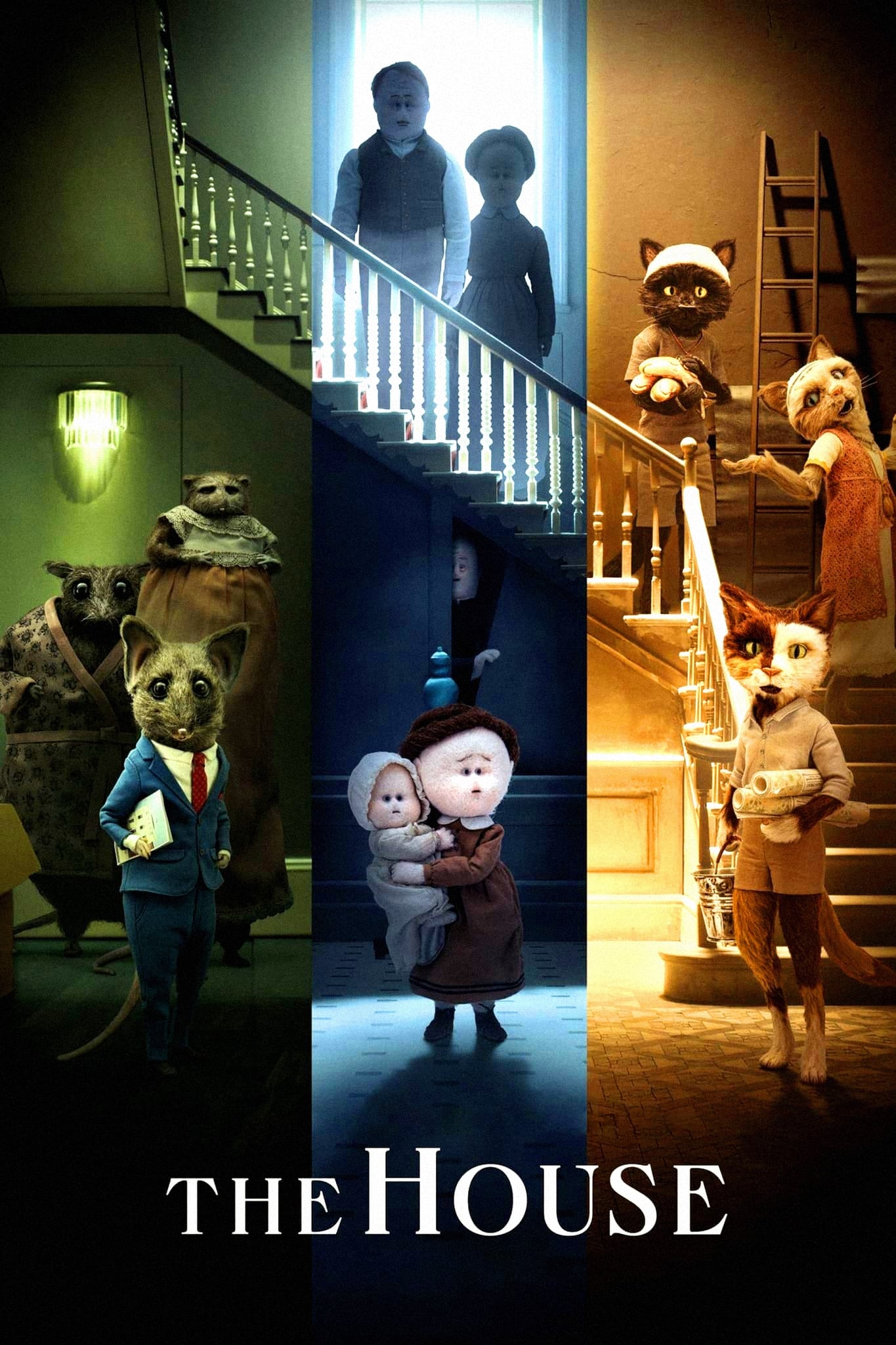
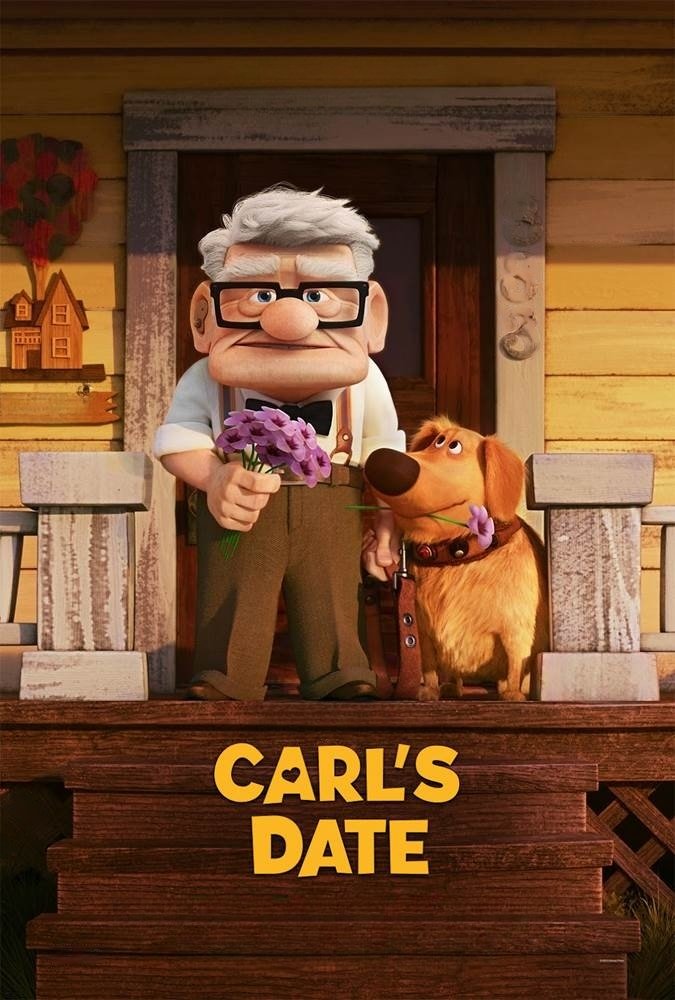
A film about a couple moving into their first home.
A children's fable about the power of advertising, the meaning of life and ultimately the test of a mother's love. Preserved by the Academy Film Archive in 2016.
For many years, Urs has had to look after his aging mother. But now he sets out for a dangerous journey: He carries his mother up a mountain to find a better place for both of them. But she wants to stay at home.
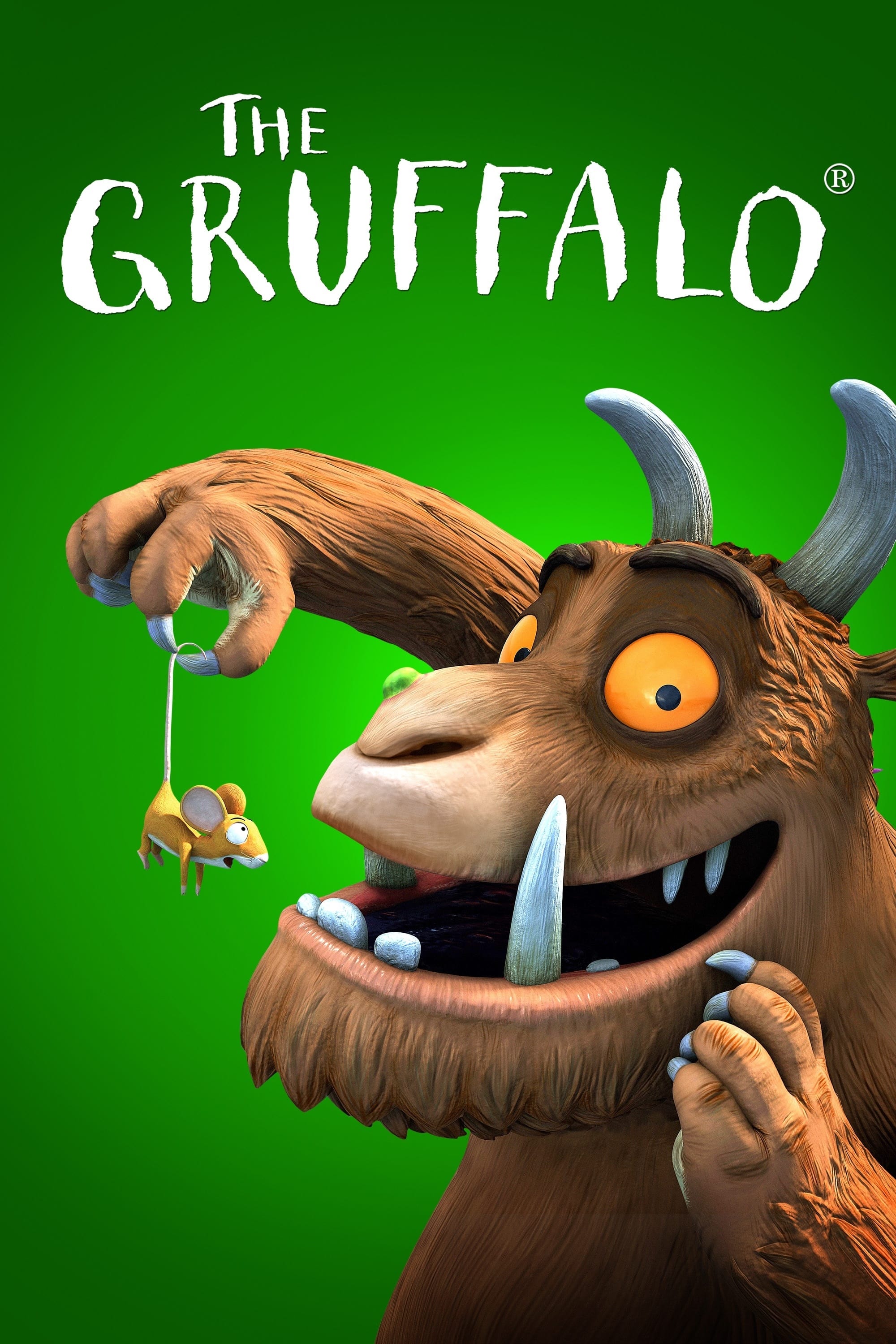
The magical tale of a mouse who sets foot on a woodland adventure in search of a nut. Encountering predators who all wish to eat him - Fox, Owl and Snake - the brave mouse creates a terrifying, imaginary monster to frighten them away. But what will the mouse do when he meets this frightful monster for real?
Enigmatic, stop-motion, animated story of a man's day.
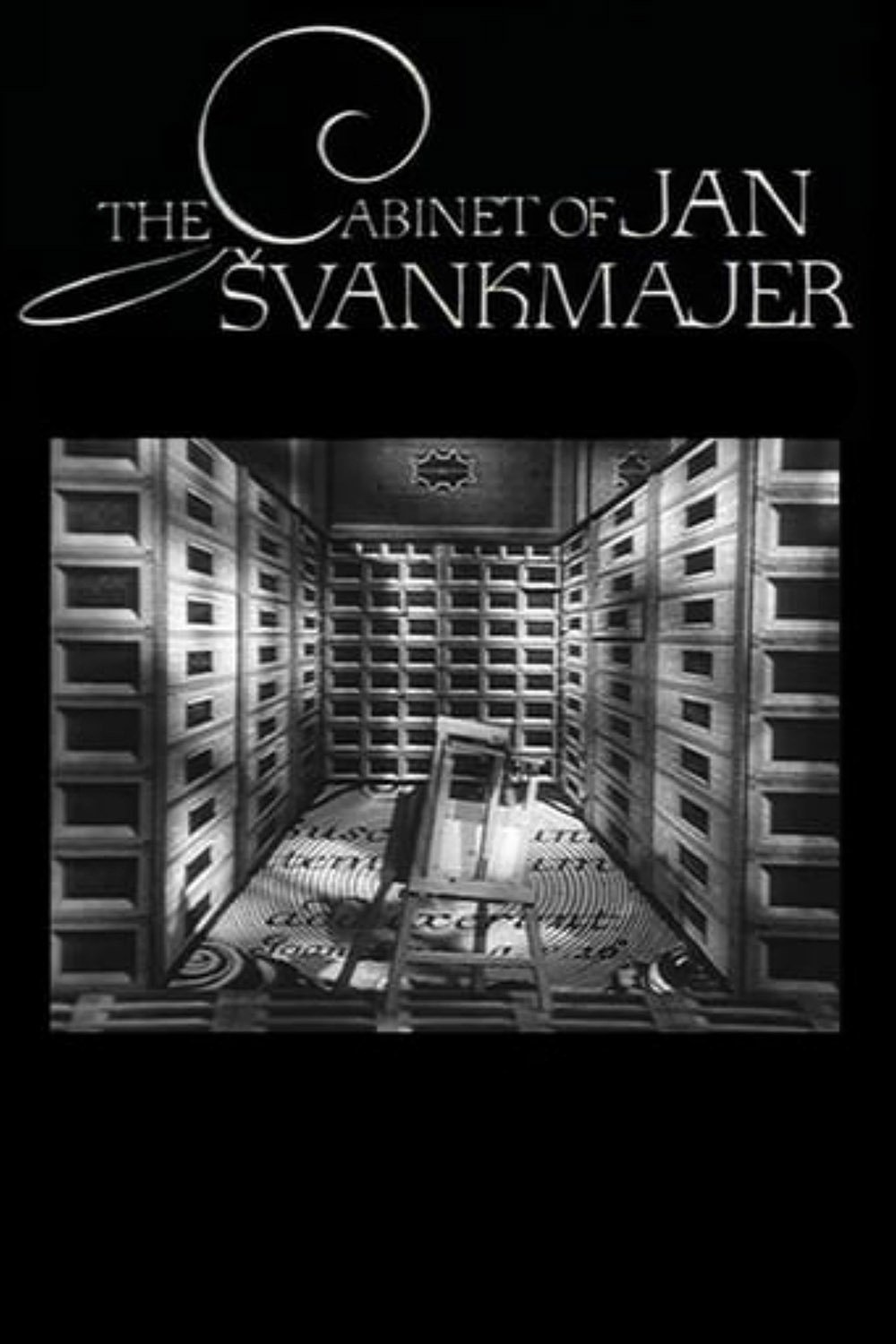
In Prague, a professorial puppet, with metal pincers for hands and an open book for a hat, takes a boy as a pupil. First, the professor empties fluff and toys from the child's head, leaving him without the top of his head for most of the film. The professor then teaches the lad about illusions and perspectives, the pursuit of an object through exploring a bank of drawers, divining an object, and the migration of forms. The child then brings out a box with a tarantula in it: the professor puts his "hands" into the box and describes what he feels. The boy receives a final lesson about animation and film making; then the professor gives him a brain and his own open-book hat.
Stop-motion animated short film in which, among other things, a man made of wire looks malevolent.
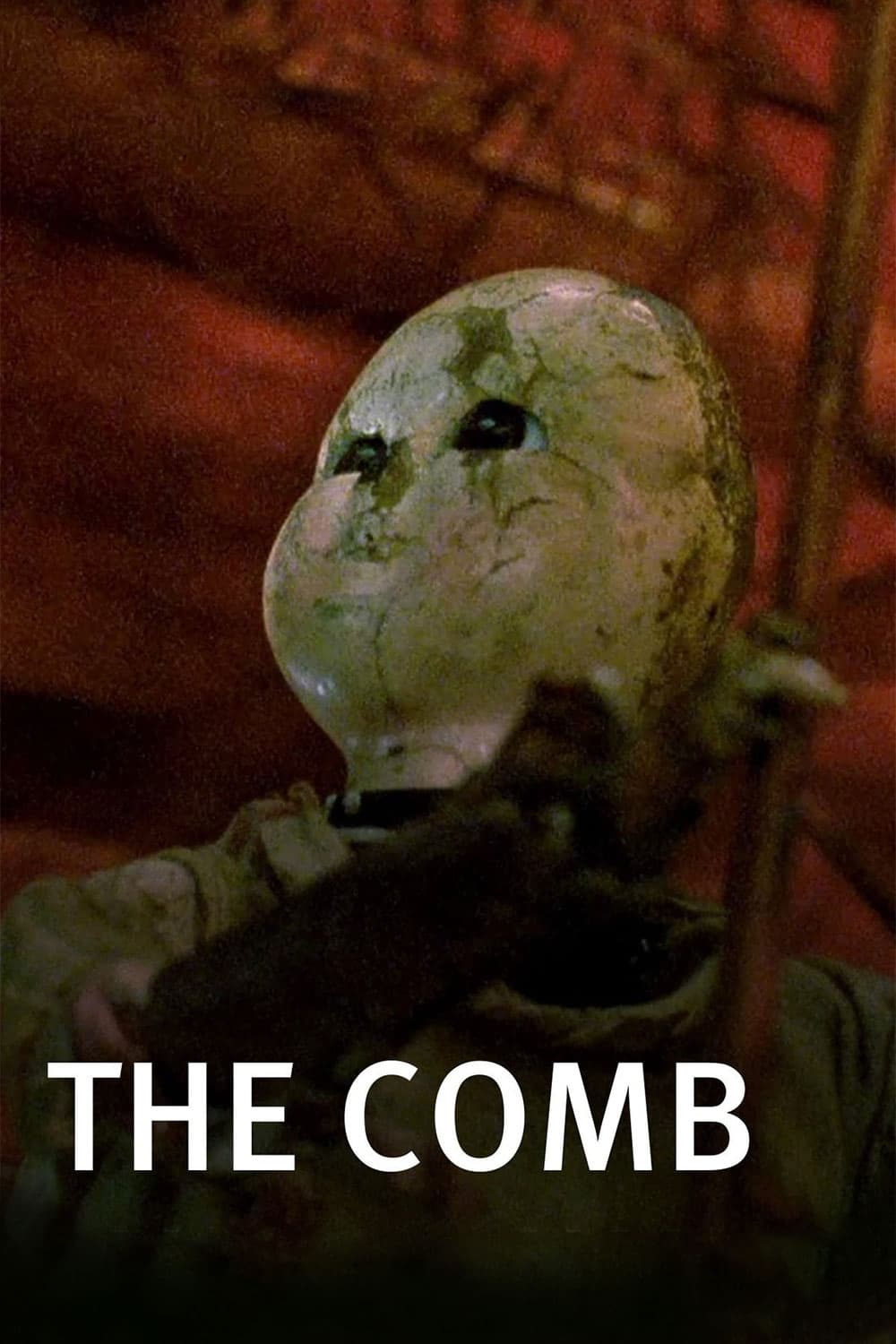
A porcelain doll’s explorations of a dreamer’s imagination.
The Quays' interest in esoteric illusions finds its perfect realization in this fascinating animated lecture on the art of anamorphosis. This artistic technique, often used in the 16th- and 17th centuries, utilizes a method of visual distortion with which paintings, when viewed from different angles, mischievously revealed hidden symbols.
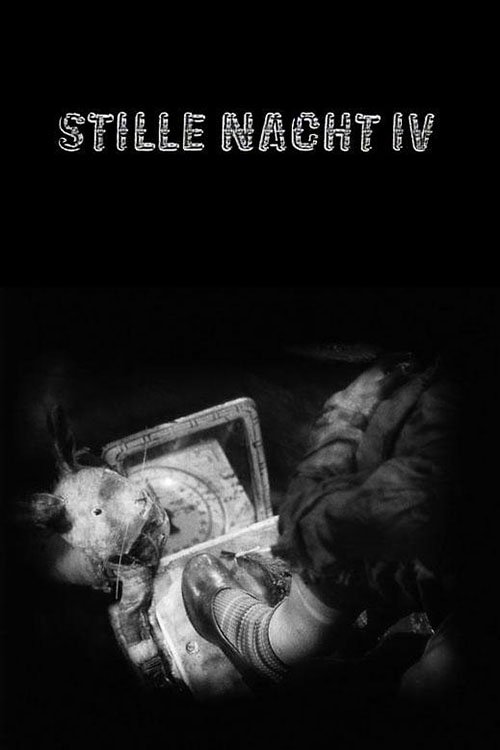
Stop-motion animated short film with a white ball, a rabbit, and a girl, and a voice singing "Are We Still Married".
Near an extraordinary chair with many legs, a hand is visible gripping an edge. The hand is weathered, the fingers cracked and scarred. The end of a rifle appears and a shot fires. The bullet is visible whirling through space; it caroms and then goes through a pine cone. A long spoon emerges from a drawer in the chair and stretches toward the hand. The bullet is on the spoon. Later, the hand holds the bullet between two fingers; another shot is fired.
Short animated film featuring the song "Can't Go Wrong Without You" by His Name Is Alive.
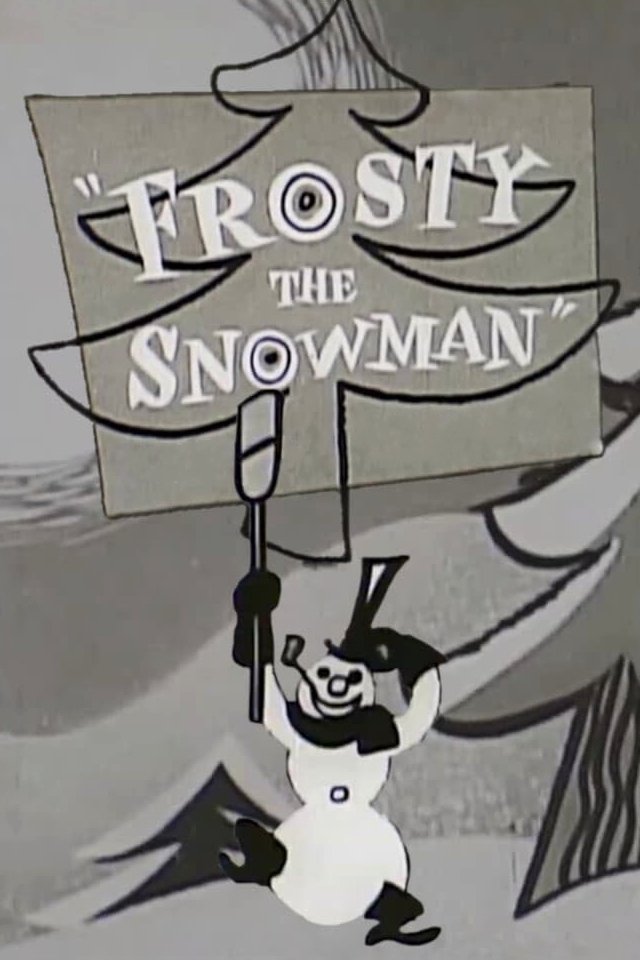
This short little cartoon is based on the popular song by Jack Rollins and Steve Nelson, first recorded in 1950 by Gene Autry as his followup to Rudolph the Red Nosed Reindeer.
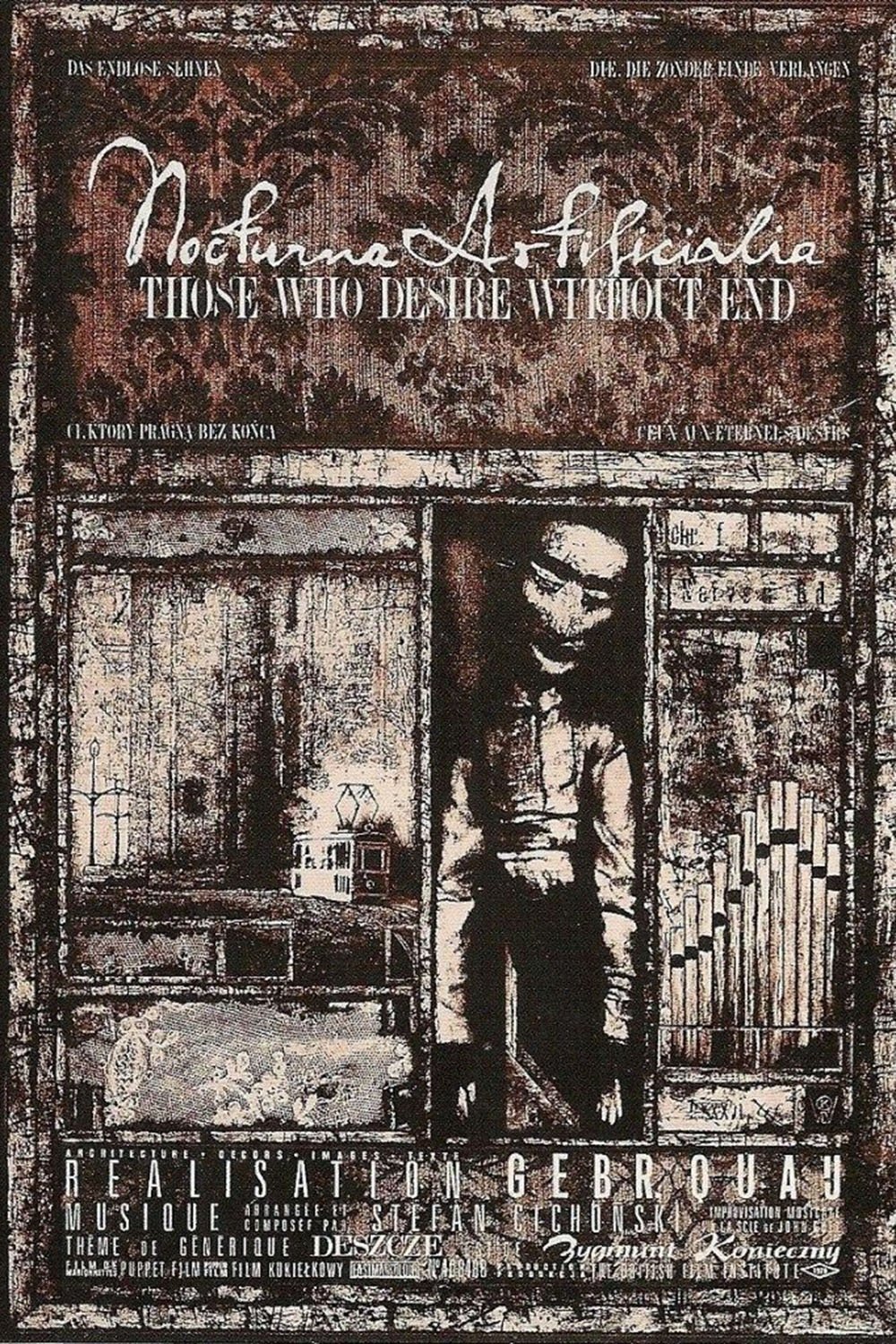
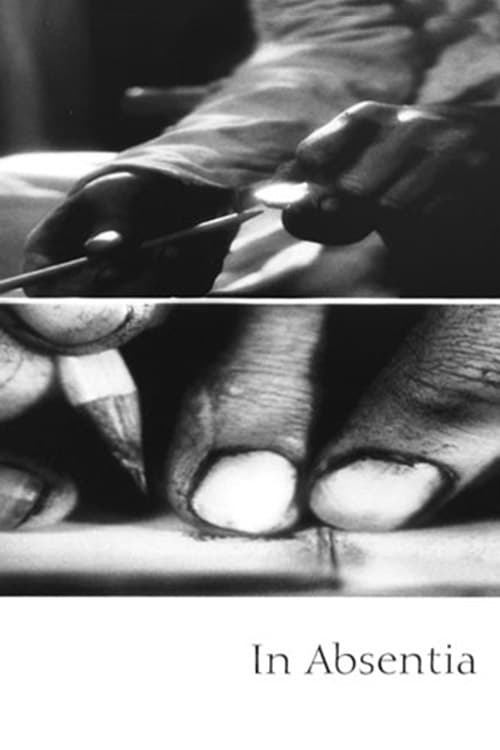
A woman sits alone on a chair at a table in a room on one of the top floors of an asylum. Bright spot lights dot the night, sometimes shining on her window. She sharpens pencils and writes on a page in a copy book. The pencil point often breaks under her fingers' force. She places broken points outside the window on the sill. A satanic figure is somewhere nearby, animated but of straw or clay, not flesh. She finishes her writing, tears the paper from the pad, folds it, places it in an envelope, and slips it through a slot. Is she writing to her husband? "Sweetheart, come."
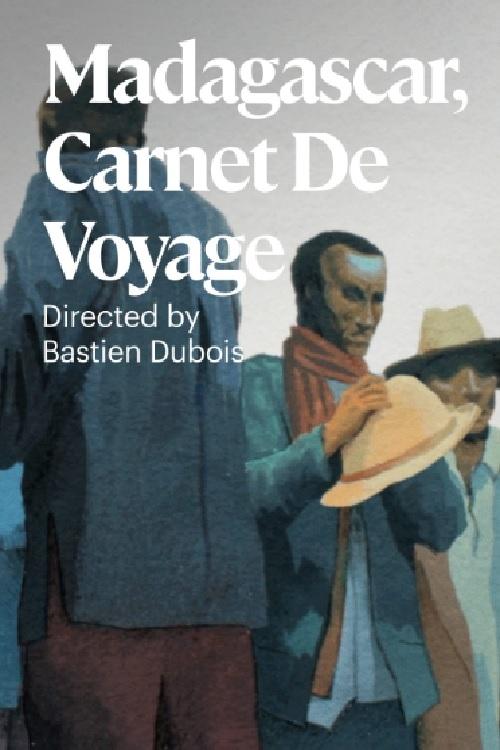
Filmed like the travel journey of a Western traveler in search of Madagascar's customs. The pages turn, the drawings come to life, and the luxuriant landscapes of Madagascar appear one after another.
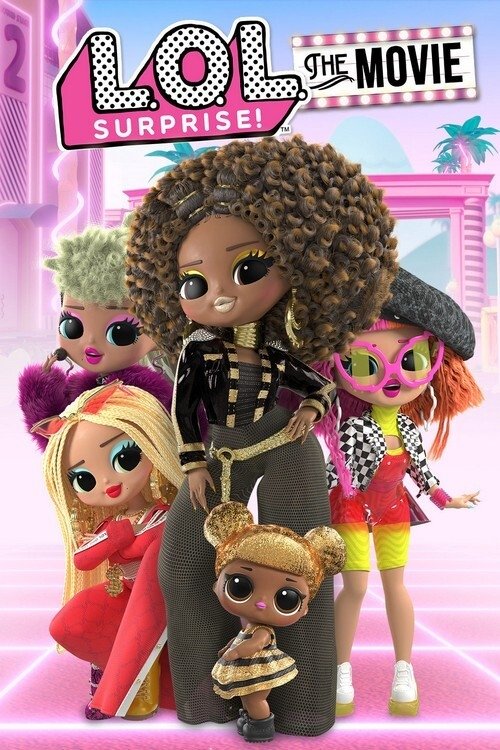
The Trolls, Princesses, Glooms, and Engineers must join forces to defeat Silence.
An animated retelling of ‘Night of the Living Dead’, in which a group of people in a rural farmhouse struggle to survive the threat of bloodthirsty zombies.
Animated shapes dance to Cuban music. This was one of the first animations to be painted directly onto the film.
An animated short film produced by Pixar included as a bonus on the DVD edition of the 2004 feature film "The Incredibles."
Traditionally-animated Italian feature film directed by Bruno Bozzetto. A parody of the traditional American Western.
Dexter and Dee Dee wreck havok using Dexter's latest invention: a hand-held device that turns people into various animals. The short film that inspired the TV-series.
An animated film by French auteur Émile Cohl, one of the earliest examples of hand-drawn film animation. Drawing inspiration from J. Stuart Blackton and the Incoherents of club Hydropathes, the film, with all its wild transformations, sees our protagonist materialize a movie theatre, meet an elephant and escape from jail; A morphing, stream-of-consciousness delight.
Although not the first feature-length animated film, as is sometimes thought, it was the first cartoon to feature a character with an appealing personality. The appearance of a true character distinguished it from earlier animated "trick films", such as those of Blackton and Cohl, and makes it the predecessor to later popular cartoons such as those by Walt Disney. The film was also the first to be created using keyframe animation.
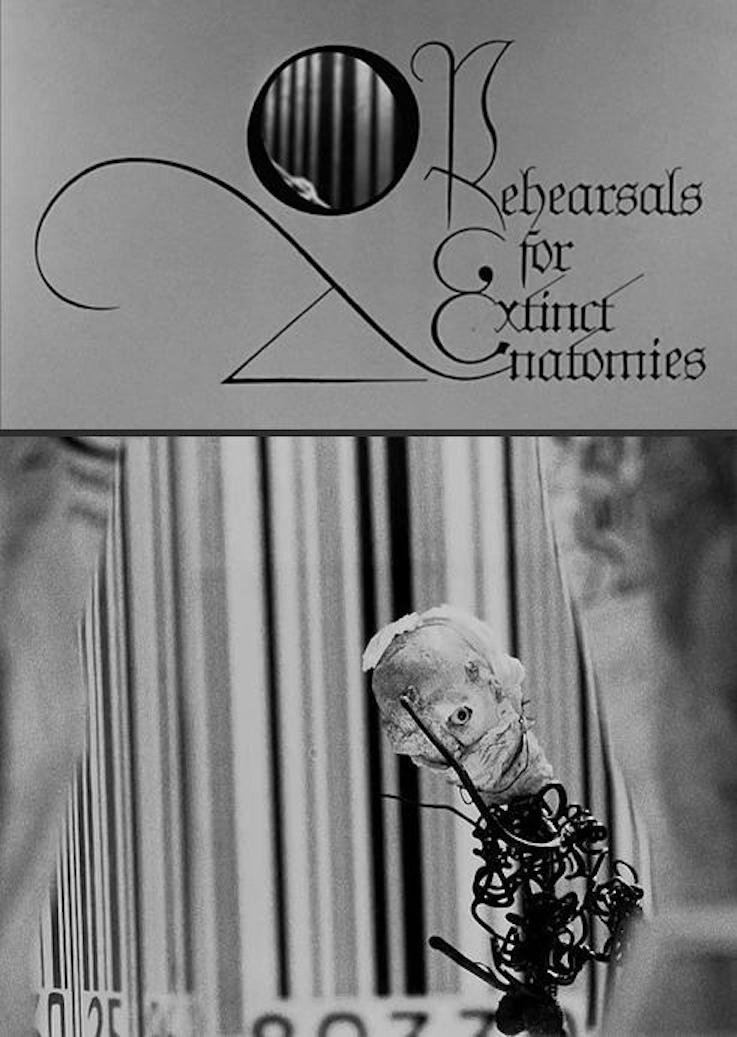
A human body gradually reconstructs itself as its various component parts crowd themselves into a small room and eventually, after much experimentation, sort out which part goes where.
In this powerful abstract film with a soundtrack of African drum music, Lye scratched "white ziggle-zag-splutter scratches" on to black leader, using a variety of tools from saw teeth to arrow heads. The first version of the film won a major award at the International Experimental Film Festival Held in Brussels in 1958 in association with the World's Fair. Stan Brakhage described the film as "an almost unbelievably immense masterpiece".
A playful exercise in intermittent animation and spasmodic imagery. Playing with the laws relating to persistence of vision and after-image on the retina of the eye, McLaren engraves pictures on blank film creating vivid, percussive effects.
After a wisdom tooth operation, a man decides to let his friend pull out one of the stitches.
Mickey, Minnie, Horace Horsecollar, and Clarabelle Cow go on a musical wagon ride until Peg-Leg Pete tries to run them off the road.
The librarian of the town of New Penzance introduces six animated segments illustrating Suzy's favorite books.
At an elder-care facility, a geriatric con artist tries to prevent his new friend with early Alzheimer's symptoms from being transferred to the 'lost causes' floor.
The Big Bad Wolf torments Little Red Riding Hood and the Three Little Pigs.
A basketball game of Goofs (P.U. vs. U.U.) in which the players play furiously, often breaking the rules of the game. All of the players are named after Disney artists.
A static camera observes a room as it slowly fills with thirty-six characters from different stages of life, looping further through an absurd dance of social disconnection as each character moves in.
A fine day in the life of a fly presented completely from the fly's point of view. A fine day until something dreary happens, that is.
Emily finds herself disconnected from the world around her. She goes on a journey through her memories and relives different moments from her life. Emily must look to her past so that she may fully embrace the present.
Short animation of a Russian folk tale, made in 1981. A parody of the fable by Ivan Krylov "The Crow and the Fox".