The people of Britain resist the German air force and navy with help from North America. Preserved by the Academy Film Archive in partnership with Library and Archives Canada in 2005.

Social & External
Narrator (voice)
Récitant / Narrator (French version) (voice)
Impressionistic picture of the Third Avenue Elevated Railway in Manhattan, New York City, before it was demolished. Preserved by the Academy Film Archive in 2010.
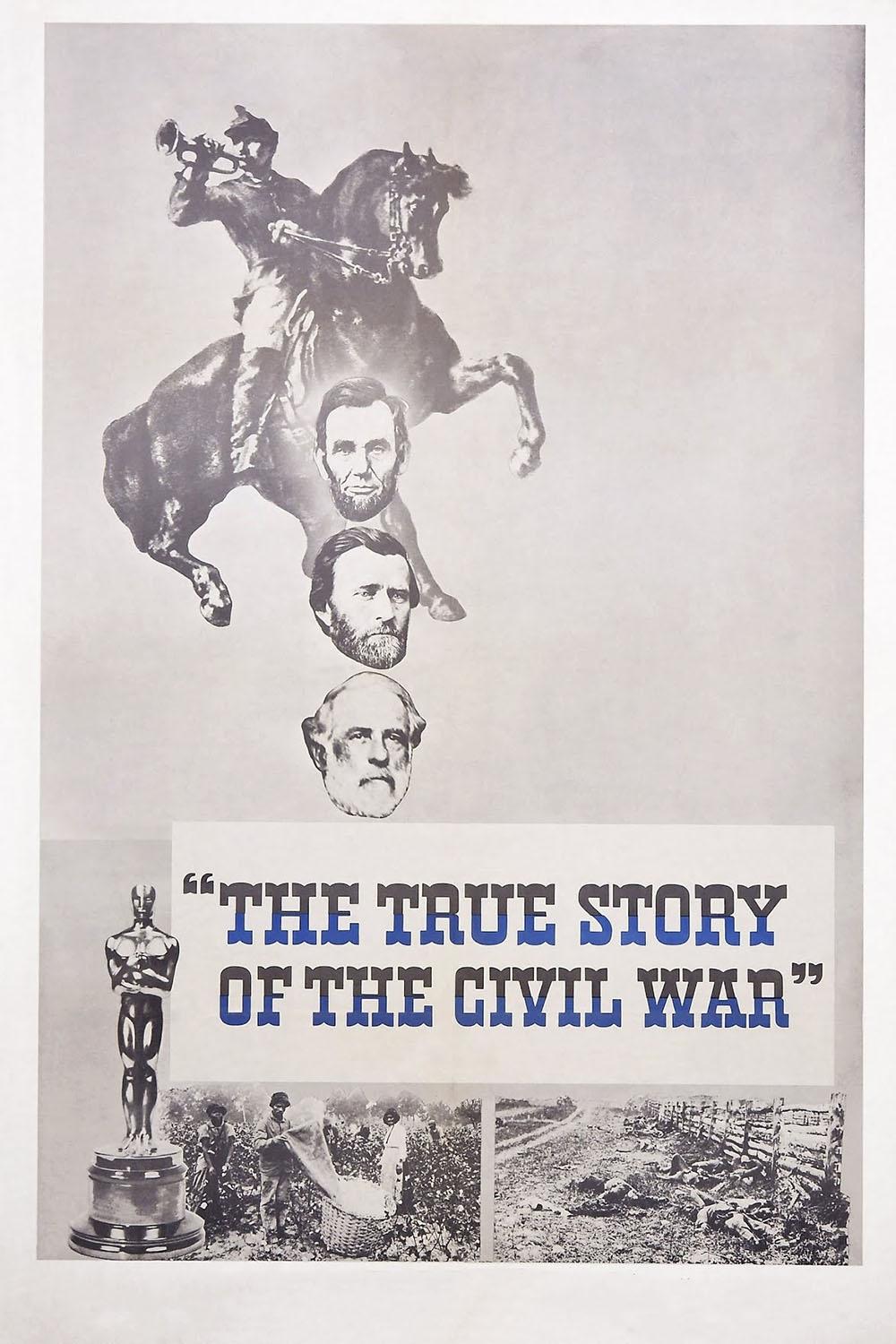
Documentary short about the American Civil War. Preserved by the Academy Film Archive in 2005.
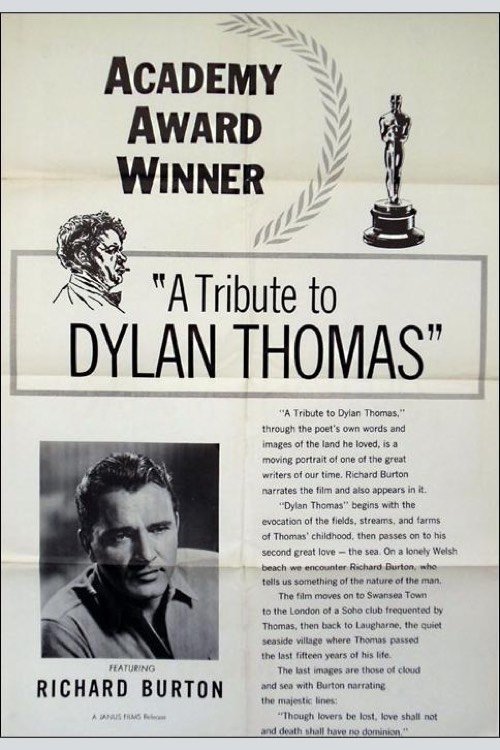
An atmospheric tribute to the genius of Welsh poet and dramatist Dylan Thomas, using many of the windswept locations where Thomas himself grew up and found his inspiration. The film is hosted/presented by Richard Burton, Thomas's friend, who narrates the story and appears from time to time amidst the Welsh landscape. Burton had already appeared in Douglas Cleverdon's acclaimed BBC radio dramatization of Thomas's 'play for voices' Under Milk Wood in the 1950s and, in the early Seventies, would appear in director Andrew Sinclair's film version as First Voice. Preserved by the Academy Film Archive in partnership with The Film Foundation and National Screen and Sound Archive of Wales in 2000.
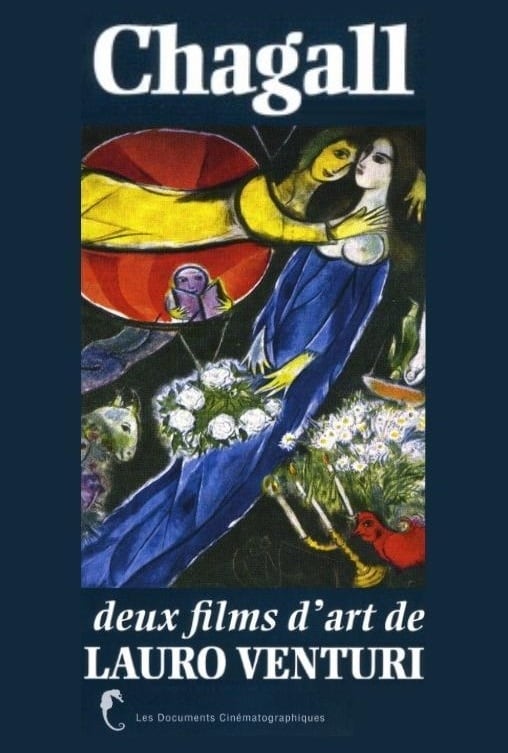
Oscar Winning documentary short film about the artist Marc Chagall. Preserved by the Academy Film Archive in 2008.
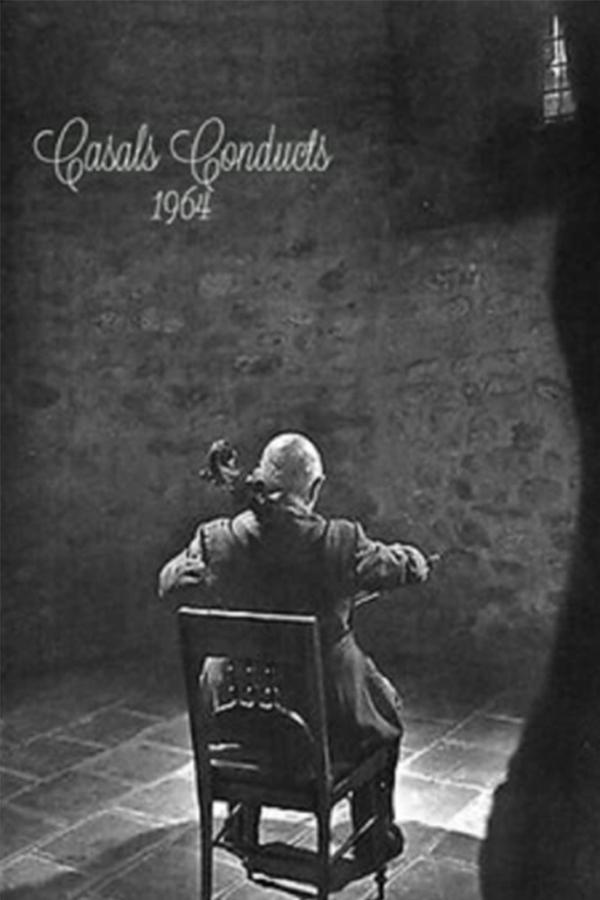
While at his workshop in Puerto Rico, Pablo Casals prepares to conduct a Bach suite for a concert performance. Oscar Winner for the category "Best Short Subject, Live Action Subjects". Preserved by the Academy Film Archive in 2013.
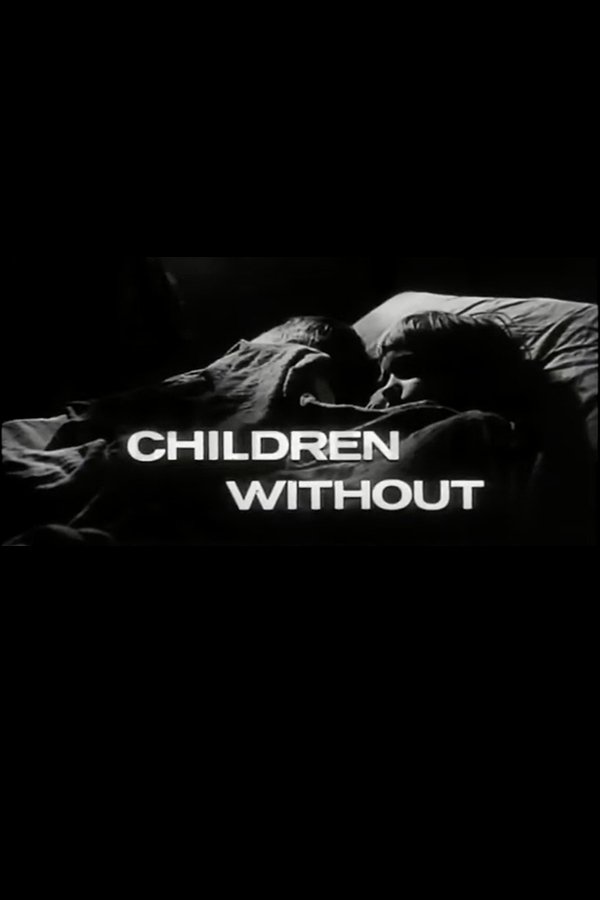
Children Without is a 1964 American short documentary film directed by Charles Guggenheim, about a young girl and her brother growing up in the housing projects of Detroit. It was nominated for an Academy Award for Best Documentary Short. Preserved by the Academy Film Archive in 2016.
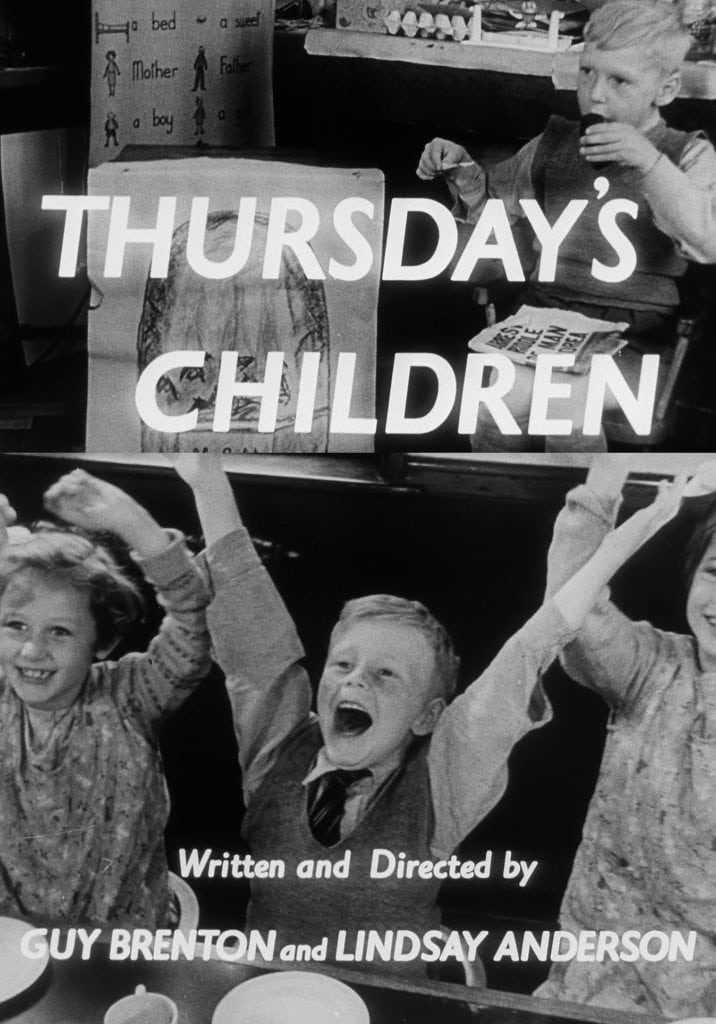
Won the Academy Award for the Best Documentary Short of 1954. The subject deals with the children at The Royal School for the Deaf in Margate, Kent. The hearing-handicapped children are shown painstakingly learning what words are through exercises and games, practicing lip-reading and finally speech. Richard Burton's calm and sometimes-poetic narration adds to the heartwarming cheerfulness and courage of the children. Preserved by the Academy Film Archive in partnership with British Film Institute in 2005.
T Is for Tumbleweed is a 1958 English-language short film directed by Louis Clyde Stoumen, starring Anne Lockhart. It features some tumbleweed that moves through a small town in the desert and interacts with people and animals. Preserved by the Academy Film Archive in 2013.

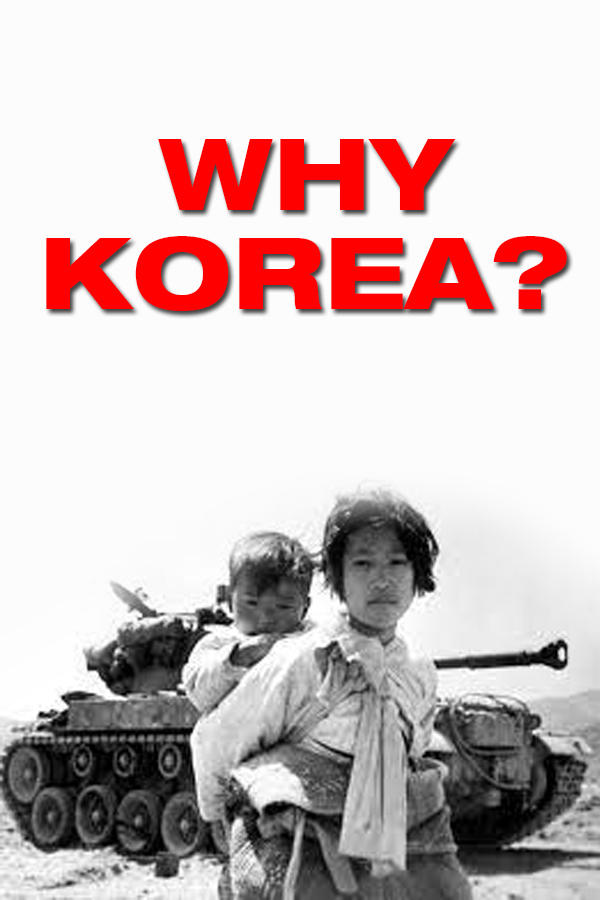
This film examines the reasons why the United States decided to engage in the Korean War. Scenes describe Russia's attempt to gain power following World War II (Korea included), and its refusal to allow free elections in the country. Footage shows Soviet-backed North Korean troops' movement into South Korea on June 25, 1950, the United Nations' response, and the armed struggle against both North Korean and later Chinese troops led by General Douglas MacArthur. Preserved by the Academy Film Archive in partnership with Twentieth Century Fox Film Corporation in 2005.
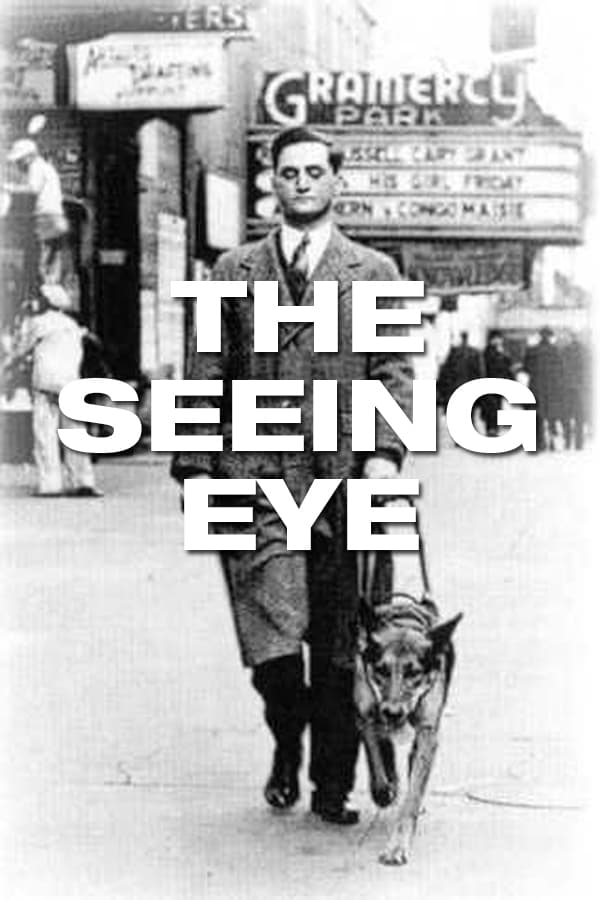
An updated Technicolor followup to a black & white Broadway Brevity (1941) tour of the Morristown, New Jersey seeing eye dog training program. Much of the narration comes from the canine's point of view. Preserved by the Academy Film Archive.
Documenting the maiden voyage of the SS Hope, a hospital ship operated by Project HOPE, where it brought medical care to Indonesia and South Vietnam in 1960-1961.
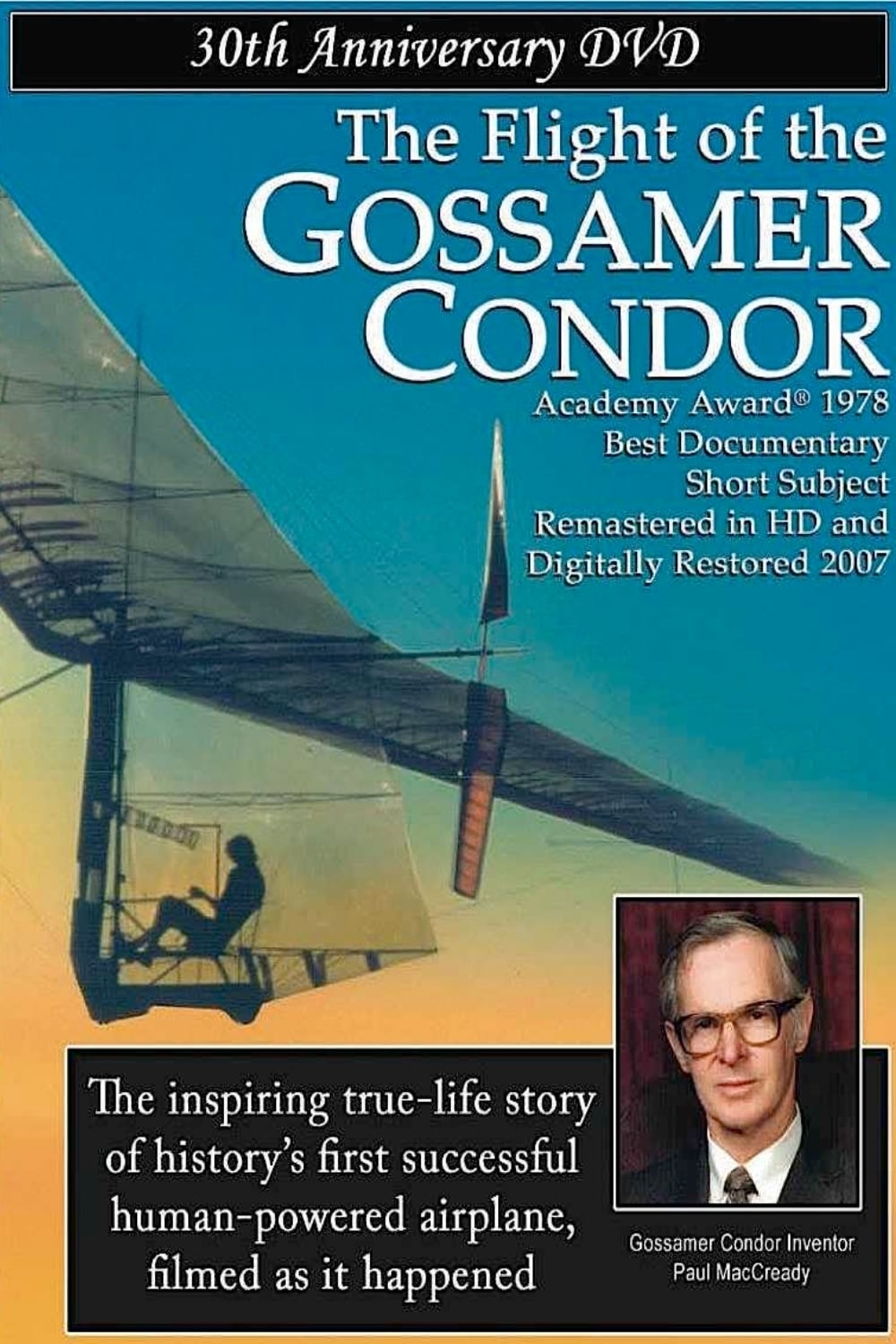
The Flight of the Gossamer Condor tells the inspiring true story of history's first successful human-powered flight. Renowned inventor Dr. Paul MacCready and his team were filmed creating the world-famous pedal-powered airplane as it happened. Producing this film, which documents the development of a man's dream into a scientific and historic achievement was, in itself, an extraordinary effort. There was an immense risk involved in making a commitment to film a scientist's effort at achieving something which had never done before successfully. Preserved by the Academy Film Archive in 2007.
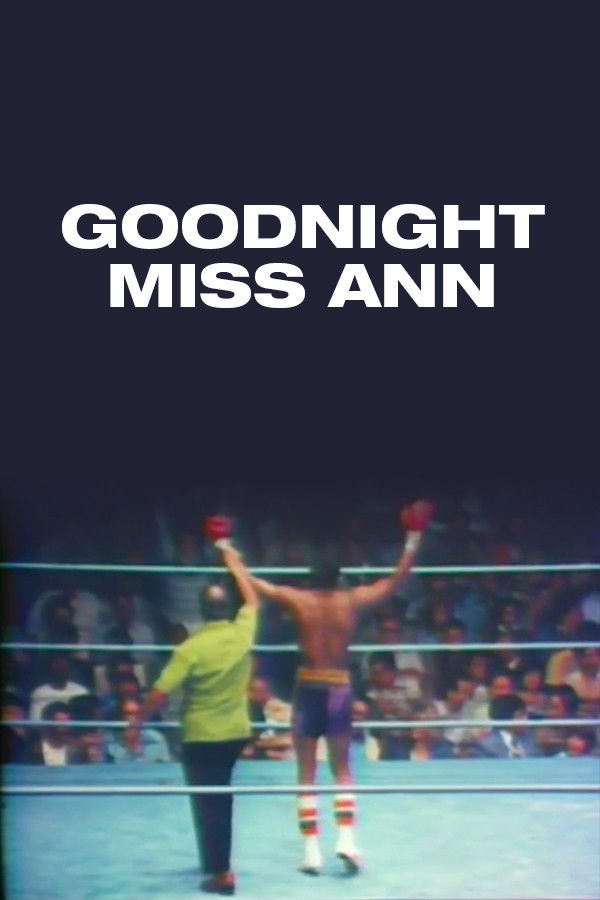
Goodnight Miss Ann is a 1978 American short documentary film directed by August Cinquegrana. It was nominated for an Academy Award for Best Documentary Short. Preserved by the Academy Film Archive in 2012.
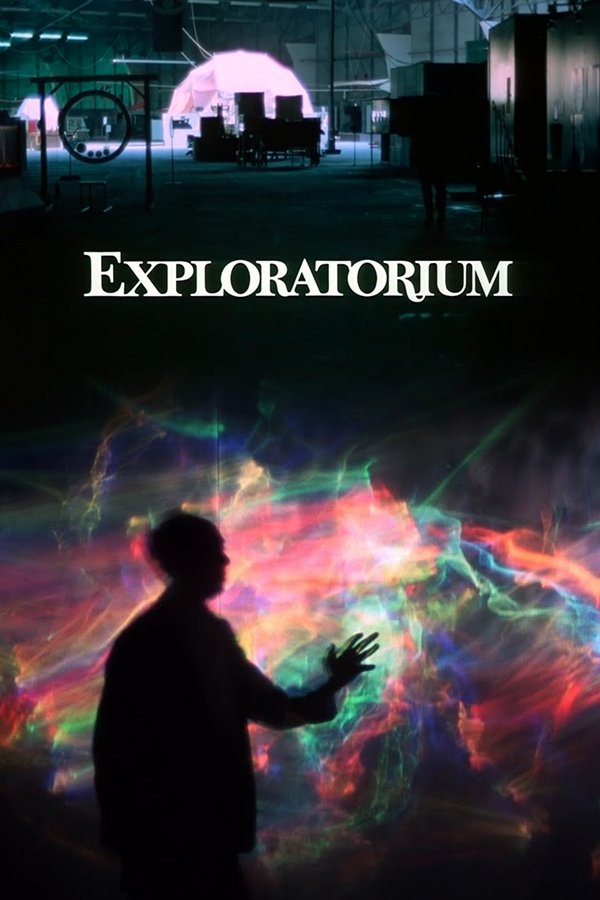
An Oscar-nominated film with no narration showing the Exploratorium (The Palace of Arts and Science) in San Francisco. It shows many of the exhibits and the reaction of visitors to many of these. Preserved by the Academy Film Archive.
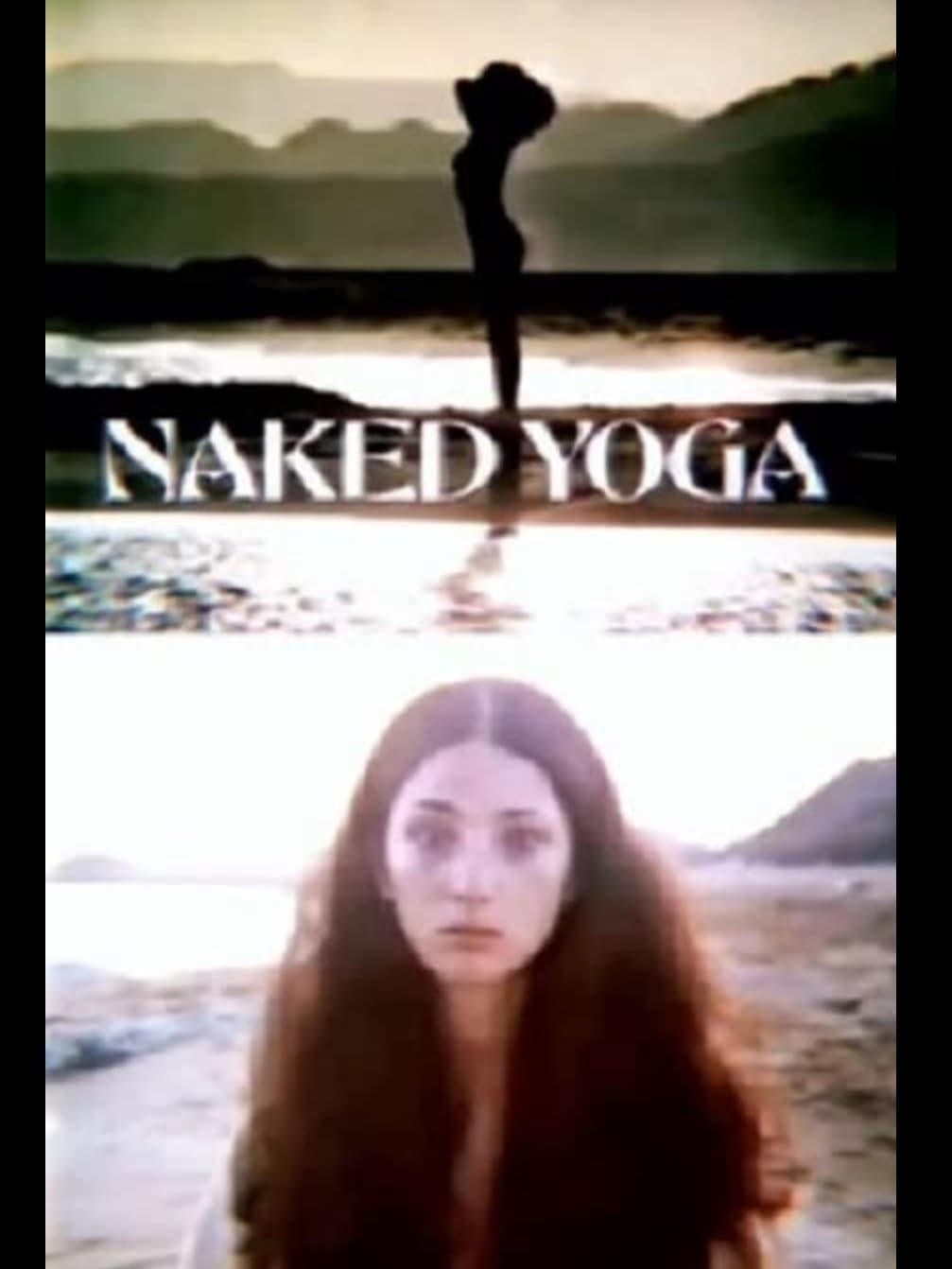
Three young ladies perform yoga without clothes in the open air of Cyprus. Another does the same in a studio. These visuals are interspersed with images of Eastern art, processed for "psychedelic" effect. The narrator relates the practice of yoga to Buddhist philosophy. Preserved by the Academy Film Archive in partnership with British Film Institute in 2012.
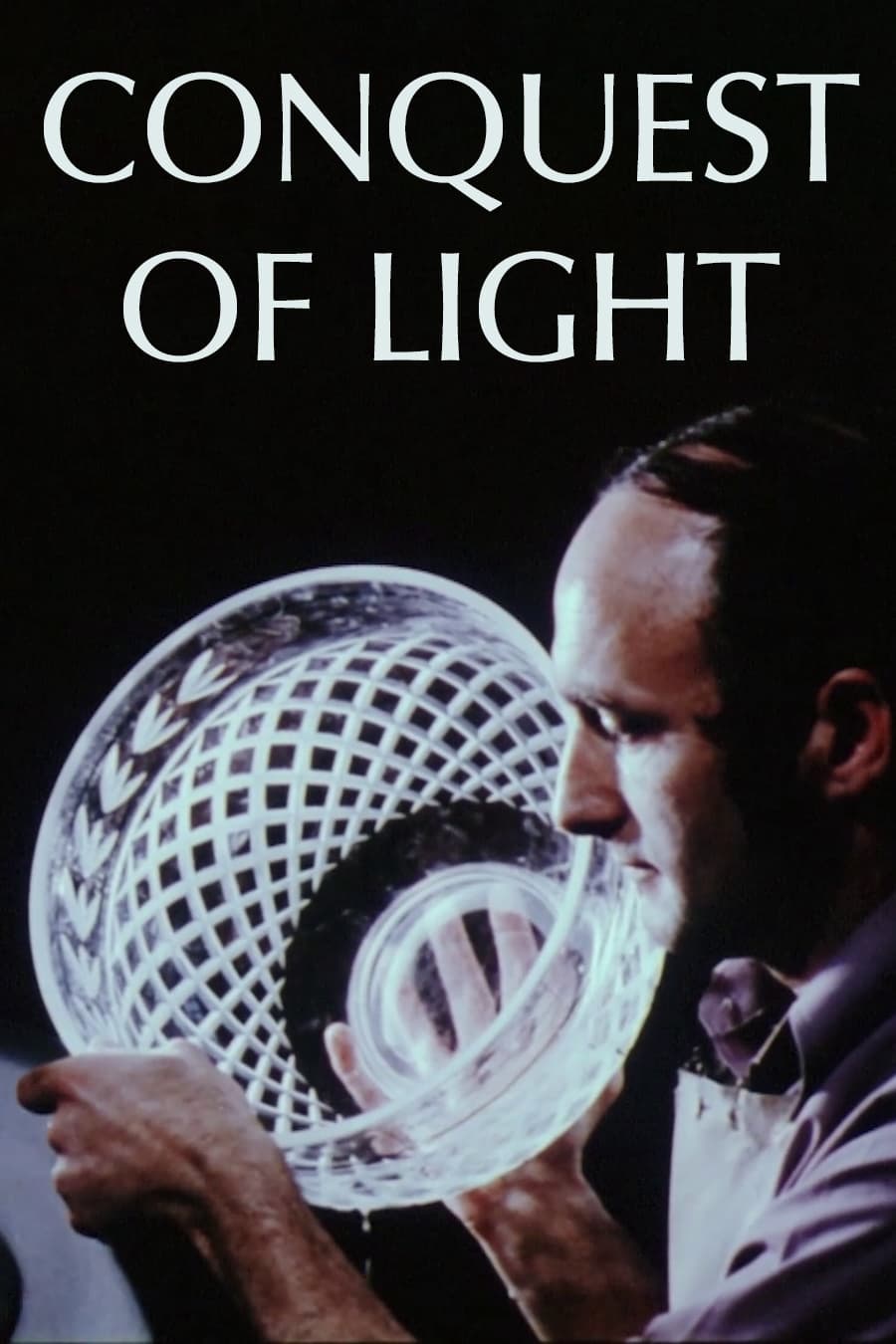
Examines the mesmerising construction of clear crystal glass pieces created by the craftsmen of Waterford. The process from the intense heat of the furnace to glass blowing, shaping, cutting, honing, filling and finishing is all depicted in this celebration of the art of creation of Waterford Glass. Academy Award Nominee: Best Live Action Short - 1976.
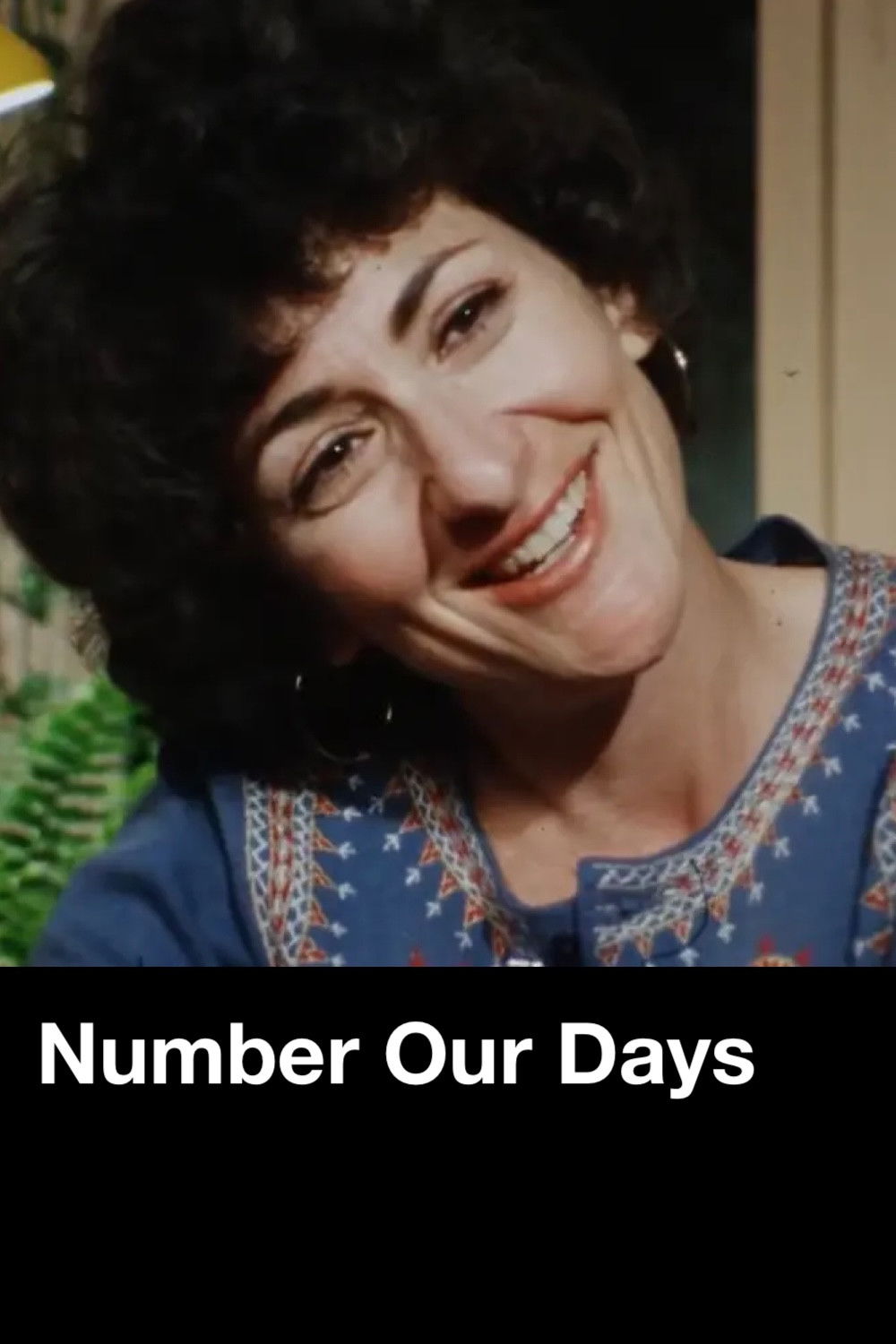
Based on the book by anthropologist Barbara Myerhoff, this Academy Award-winning short documentary offers a tender portrait of a community of elderly yet resilient Jews living, loving, and at times struggling, in Venice, California. From everyday trials to traditional celebrations, this compassionate portrayal of Eastern European survivors cuts straight to the heart of every viewer and reminds us of the joys and realities of long life. Preserved by the Academy Film Archive in 2007.
Background is a 1973 American short documentary film directed by Carmen D'Avino. It was nominated for an Academy Award for Best Documentary Short. The original version was preserved by the Academy Film Archive in 2012.
This short film takes a look at the off-screen personas of screen actors. Preserved by the Academy Film Archive in 2012.
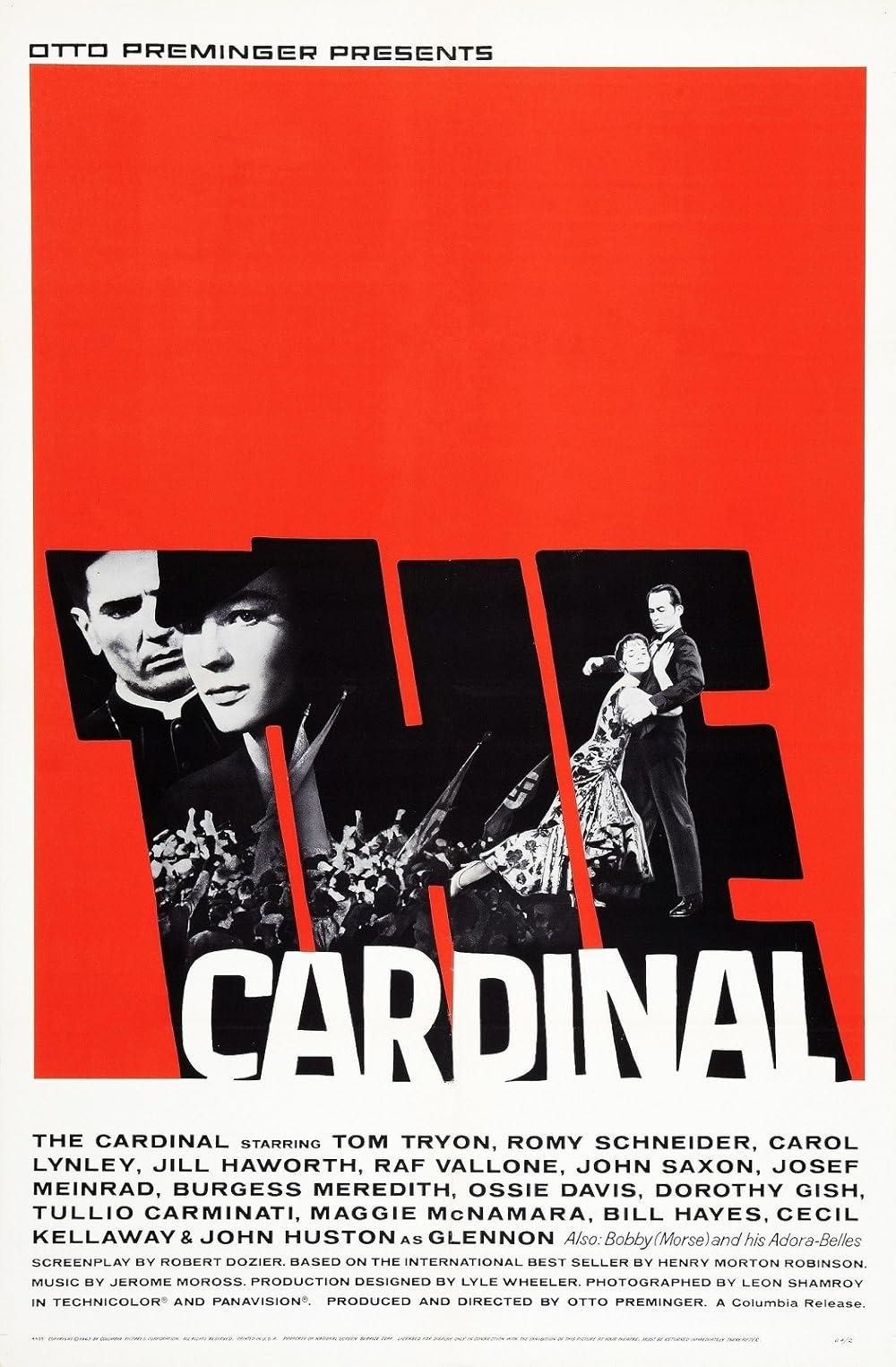
A young Catholic priest from Boston confronts bigotry, Nazism, and his own personal conflicts as he rises to the office of cardinal.
“The Soviet Story” is a story of an Allied power, which helped the Nazis to fight Jews and which slaughtered its own people on an industrial scale. Assisted by the West, this power triumphed on May 9th, 1945. Its crimes were made taboo, and the complete story of Europe’s most murderous regime has never been told. Until now...
A love letter from a young mother to her daughter, the film tells the story of Waad al-Kateab’s life through five years of the uprising in Aleppo, Syria as she falls in love, gets married and gives birth to Sama, all while cataclysmic conflict rises around her. Her camera captures incredible stories of loss, laughter and survival as Waad wrestles with an impossible choice– whether or not to flee the city to protect her daughter’s life, when leaving means abandoning the struggle for freedom for which she has already sacrificed so much.
Prelude to War was the first film of Frank Capra's Why We Fight propaganda film series, commissioned by the Pentagon and George C. Marshall. It was made to convince American troops of the necessity of combating the Axis Powers during World War II. This film examines the differences between democratic and fascist states.
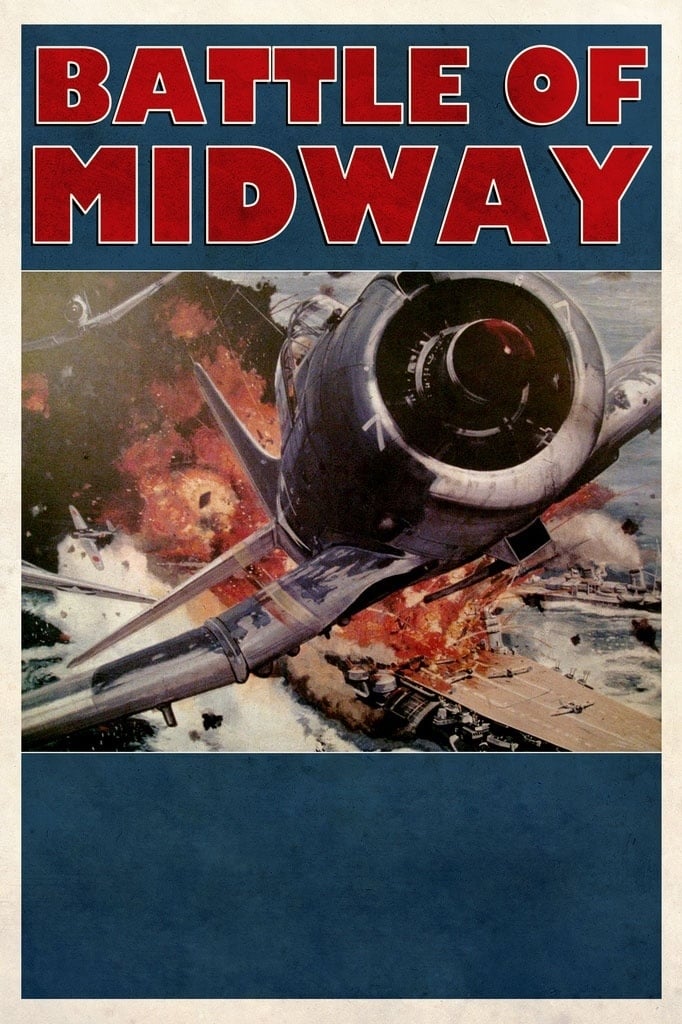
The Japanese attack on Midway in June 1942, filmed as it happened. Preserved by the Academy Film Archive, in partnership with Twentieth Century Fox Film Corporation, in 2006.
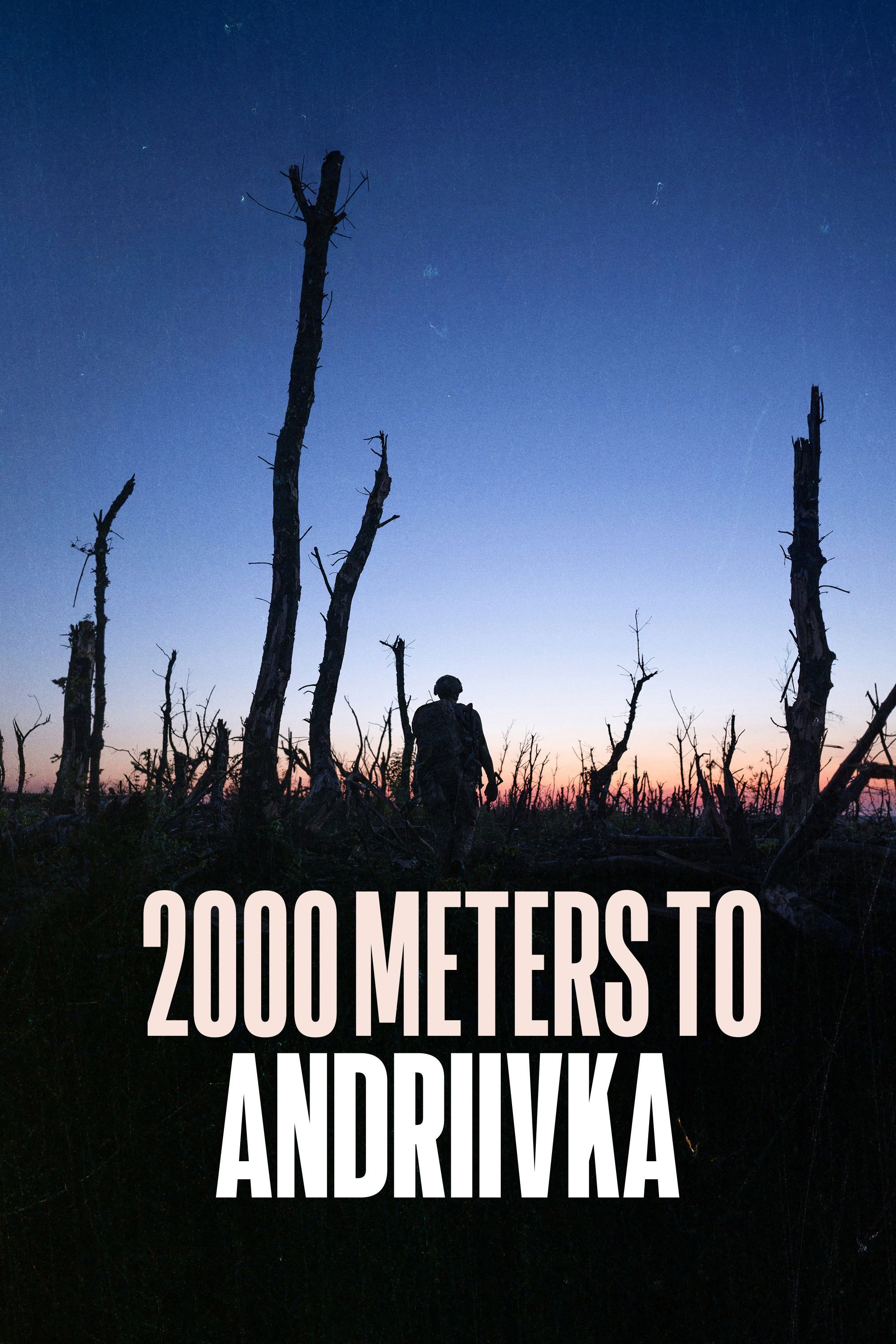
Amid the failing counteroffensive, a journalist follows a Ukrainian platoon on their mission to traverse one mile of heavily fortified forest and liberate a strategic village from Russian occupation. But the farther they advance through their destroyed homeland, the more they realize that this war may never end.
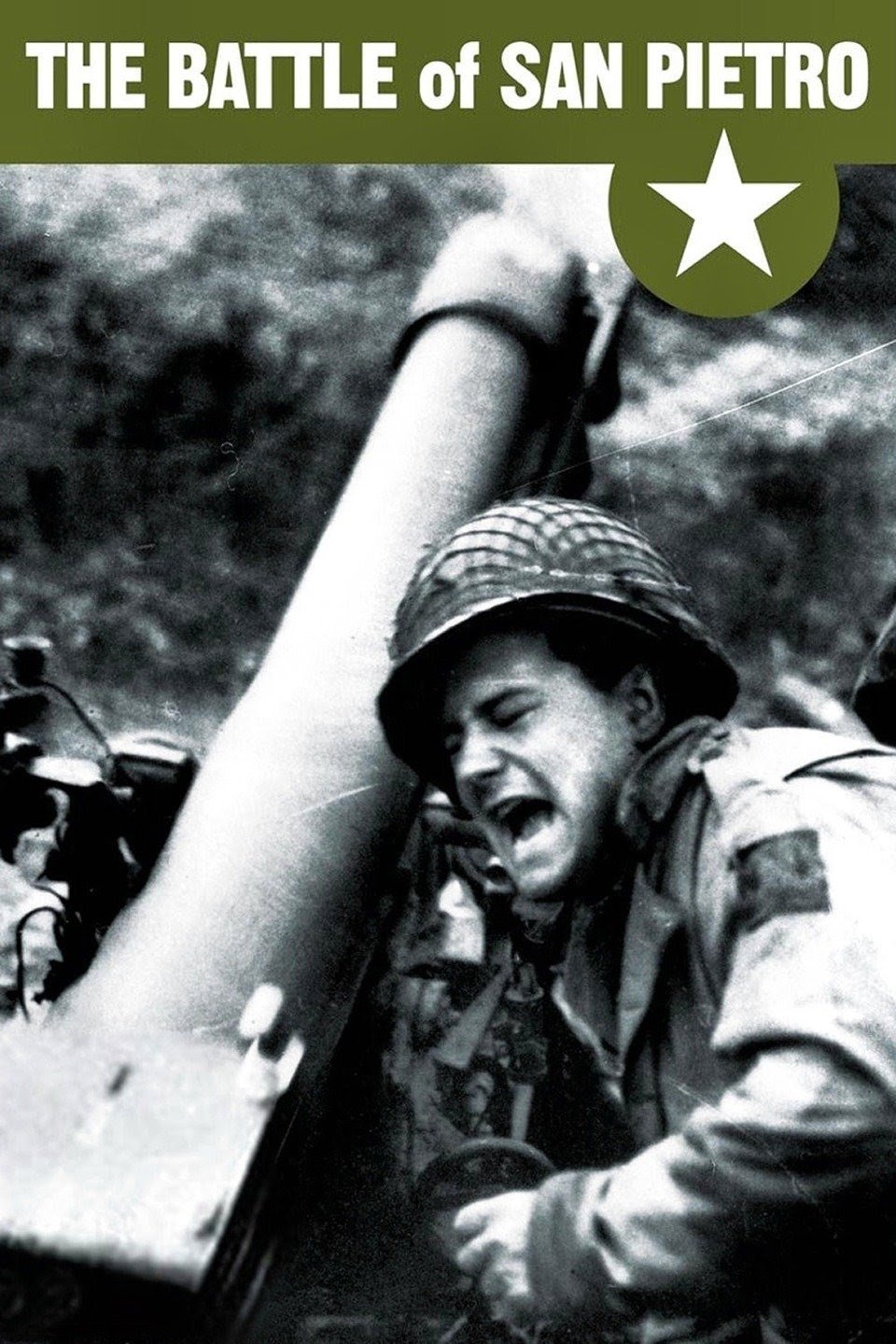
This documentary movie is about the battle of San Pietro, a small village in Italy. Over 1,100 US soldiers were killed while trying to take this location, that blocked the way for the Allied forces from the Germans. Preserved by the Academy Film Archive in 2005.
Pete Postlethwaite stars as a man living alone in the devastated future world of 2055, looking at old footage from 2008 and asking: why didn’t we stop climate change when we had the chance?
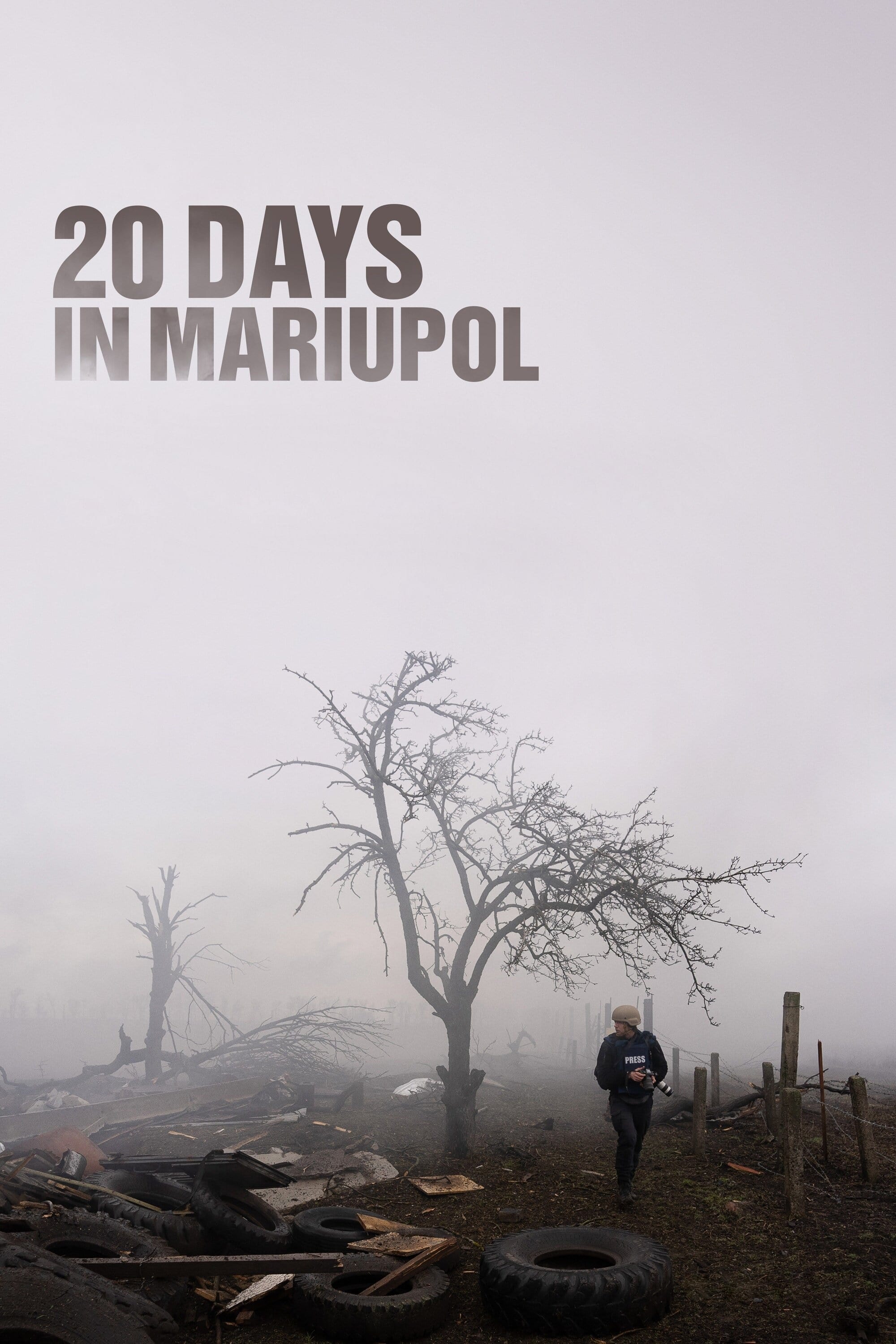
As the Russian invasion begins, a team of Ukrainian journalists trapped in the besieged city of Mariupol struggle to continue their work documenting the war's atrocities.
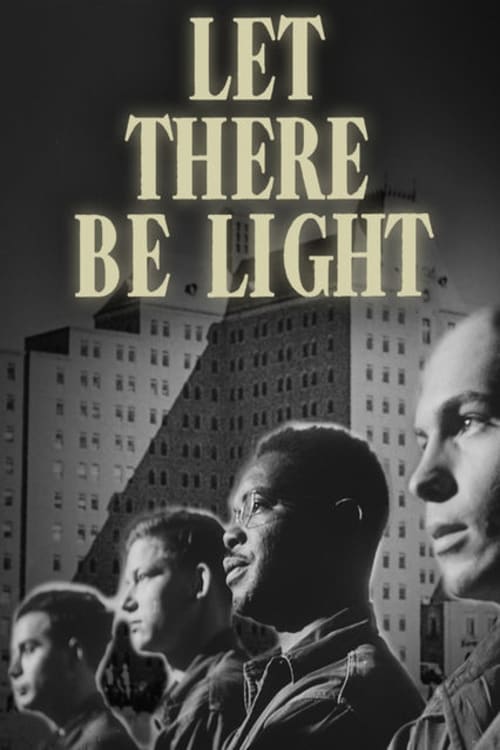
The final entry in a trilogy of films produced for the U.S. government by John Huston. Some returning combat veterans suffer scars that are more psychological than physical. This film follows patients and staff during their treatment. It deals with what would now be called PTSD, but at the time was categorised as psychoneurosis or shell-shock. Government officials deemed this 1946 film counterproductive to postwar efforts; it was not shown publicly until 1981.
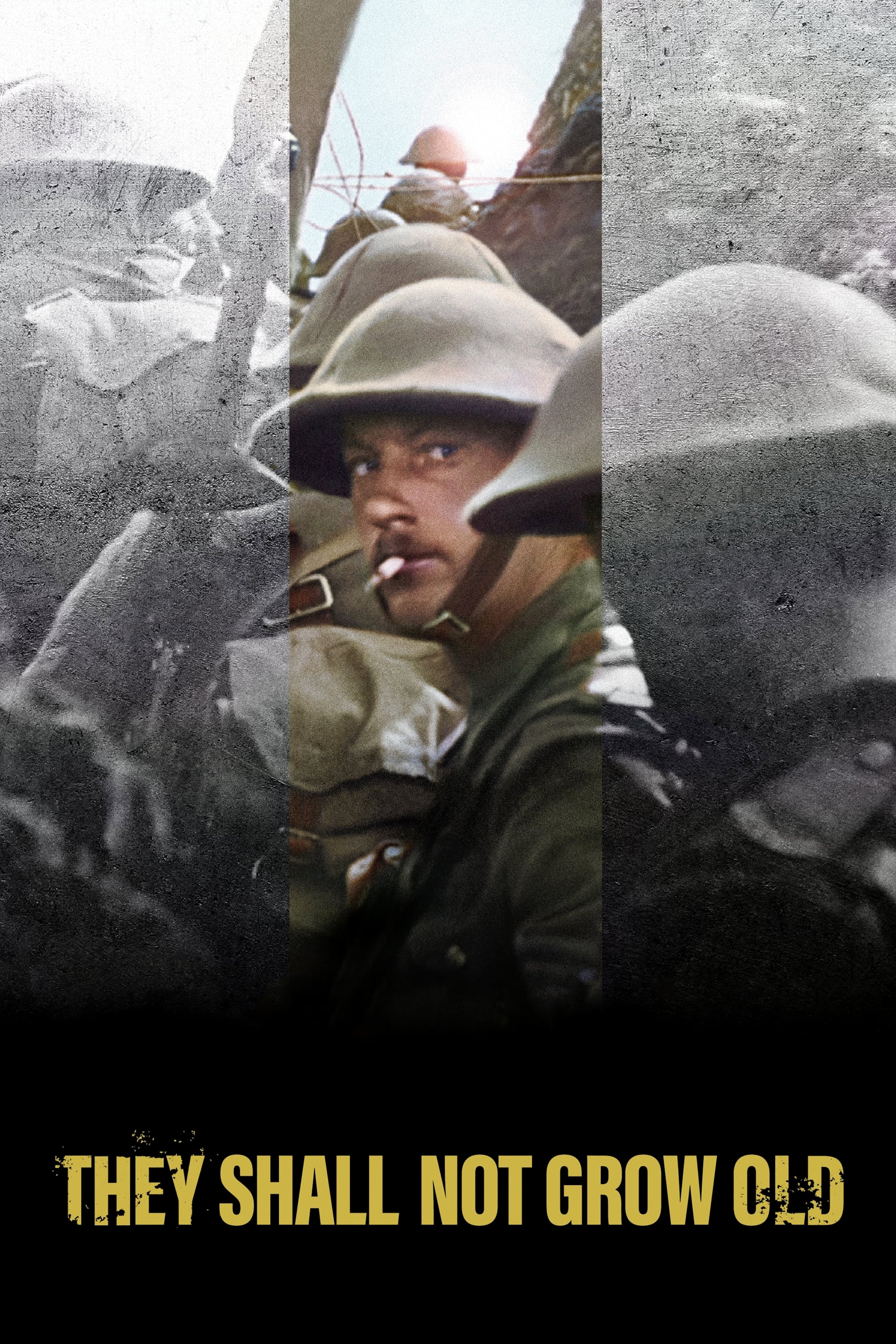
A documentary about World War I with never-before-seen footage to commemorate the centennial of Armistice Day, and the end of the war.
Korengal picks up where Restrepo left off; the same men, the same valley, the same commanders, but a very different look at the experience of war.
When Allied forces liberated the Nazi concentration camps in 1944-45, their terrible discoveries were recorded by army and newsreel cameramen, revealing for the first time the full horror of what had happened. Making use of British, Soviet and American footage, the Ministry of Information’s Sidney Bernstein (later founder of Granada Television) aimed to create a documentary that would provide lasting, undeniable evidence of the Nazis’ unspeakable crimes. He commissioned a wealth of British talent, including editor Stewart McAllister, writer and future cabinet minister Richard Crossman – and, as treatment advisor, his friend Alfred Hitchcock. Yet, despite initial support from the British and US Governments, the film was shelved, and only now, 70 years on, has it been restored and completed by Imperial War Museums under its original title "German Concentration Camps Factual Survey".
A documentary focused on plastic pollution in the world's oceans.
Police pull over a woman who claims she just gave birth. But the baby — and the blood — aren't hers. Twisted lies unravel in this true-crime documentary.
When Sgt. First Class Brian Eisch is critically wounded in Afghanistan, it sets him and his sons on a journey of love, loss, redemption and legacy.
Meet the real-life airmen who inspired Masters of the Air as they share the harrowing and transformative events of the 100th Bomb Group.
WWII from Space delivers World War II in a way you've never experienced it before. This HISTORY special uses an all-seeing CGI eye that offers a satellite view of the conflict, allowing you to experience it in a way that puts key events and tipping points in a global perspective. By re-creating groundbreaking moments that could never have been captured on camera, and by illustrating the importance of simultaneity and the hidden effects of crucial incidents, HISTORY presents the war's monumental moments in a never-before-seen context. And with new information brought to the forefront, you'll better understand how a nation ranked 19th in the world's militaries in 1939 emerged six years later as the planet's only atomic superpower.
Set both in Latin America and the United States, the film explores the historic and current relationship of Washington with countries such as Venezuela, Bolivia and Chile. Pilger says that the film "...tells a universal story... analysing and revealing, through vivid testimony, the story of great power behind its venerable myths. It allows us to understand the true nature of the so-called "war on terror". According to Pilger, the film’s message is that the greed and power of empire is not invincible and that people power is always the "seed beneath the snow".
The extraordinary story of how Hollywood changed World War II – and how World War II changed Hollywood, through the interwoven experiences of five legendary filmmakers who went to war to serve their country and bring the truth to the American people: John Ford, William Wyler, John Huston, Frank Capra, and George Stevens. Based on Mark Harris’ best-selling book, “Five Came Back: A Story of Hollywood and the Second World War.”
A documentary about the life and films of director John Ford.