Social & External
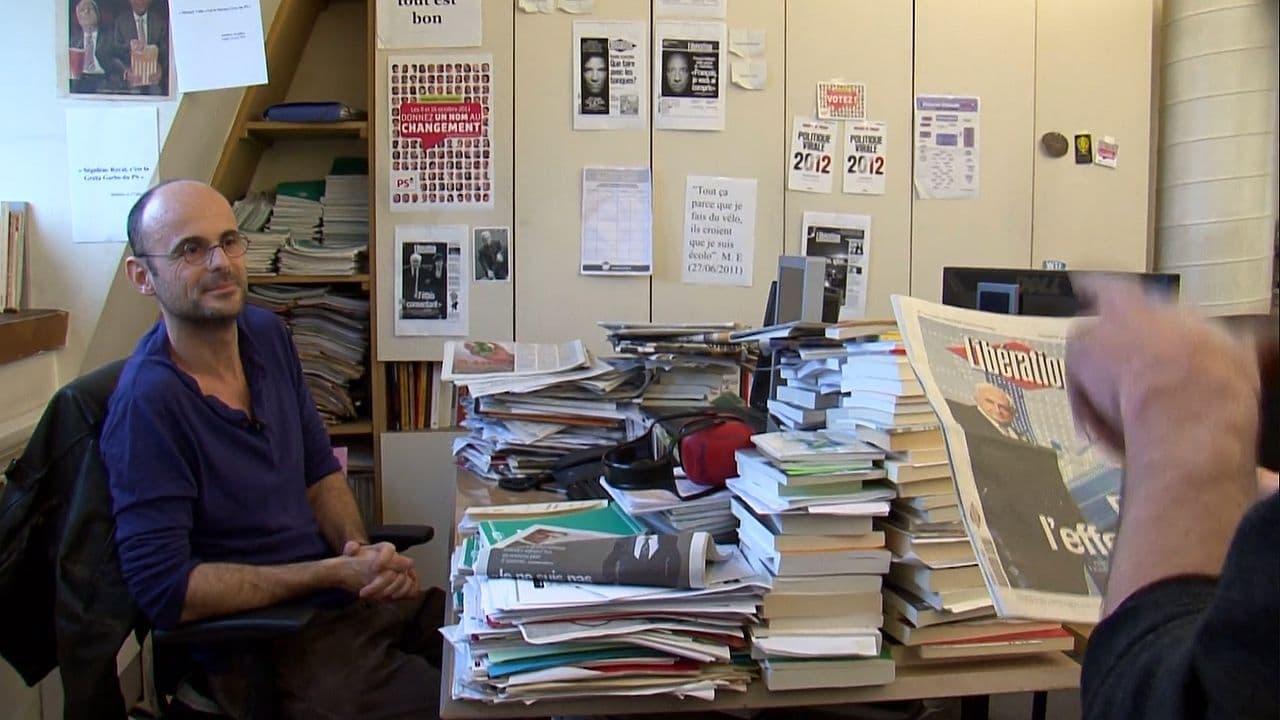
The people behind it
François Hollande
Self
Dominique Strauss-Kahn
Nicolas Sarkozy
Alain Accardo
Gilles Balbastre
François Ruffin
Alongside England, Spain is the other great historical monarchy on the European continent. Sex, money, revenge, and betrayal—the recent history of the Spanish monarchy reads like a suspenseful soap opera. We take a closer look at the best-kept secrets of the Spanish crown: its true heritage, its daily lifestyle, and finally, how the women of the family took power.
Sleaford Mods - Invisible Britain shows the most exciting and uncompromising British band in years sticking two fingers up to the zeitgeist and articulating the rage and desperation of those without a voice in austerity Britain. The film follows Sleaford Mods on a tour of the UK in the run up to the 2015 General Election, visiting the neglected, broken down and boarded up parts of the country that many would prefer to ignore. Part band doc, part look at the state of the nation, the documentary features individuals and communities attempting to find hope among the ruins, against a blistering soundtrack by Sleaford Mods.
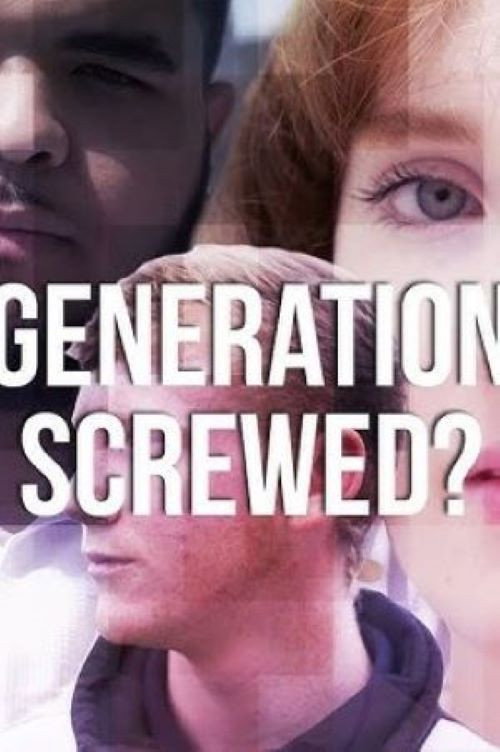
George Lamb travels across the UK meeting the young people whose voices have been left out of the mainstream media debate. He meets a young mum in Milton Keynes, a nuclear protester in a Scottish peace camp and a housing activist in Brixton.
A documentary film exploring what it takes to build a new, hopeful vision for democracy against enormous odds. It’s an underdog story, told through the lives of candidates and organizers during the statewide 2022 election who tell an unexpected story of persistence, community, and progress in an unlikely place.
Wissam Charaf traces the recent history and identity of Lebanon through its political campaigns, PR imagery and pop videos.
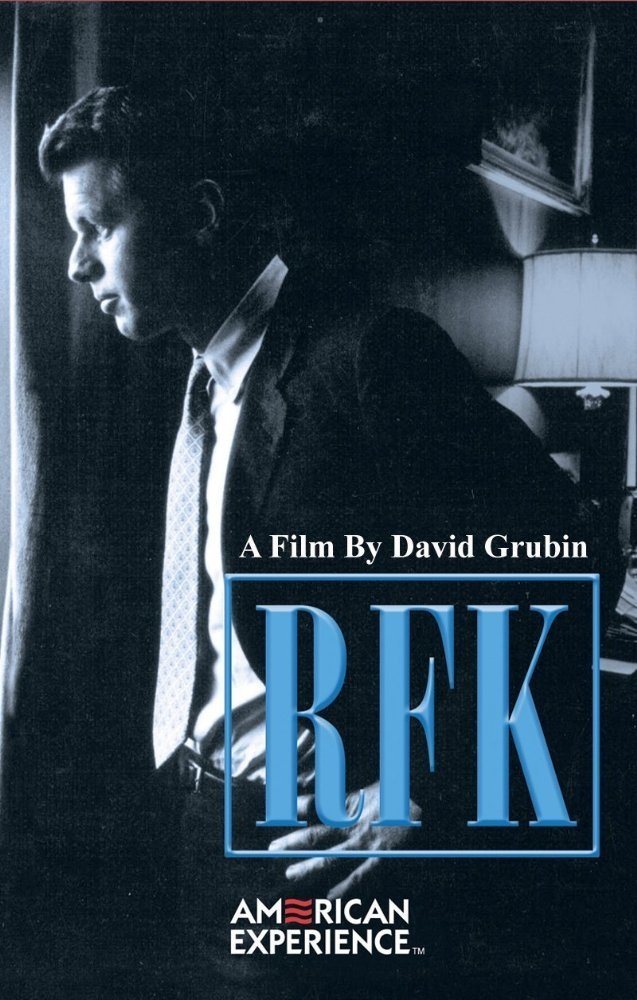
David Grubin's probing and perceptive biography reassesses the remarkable and tragic life of Bobby Kennedy, whose early life was spent in the shadow of his elder brother John. After JFK's assassination, he discovered his own identity in the forefront of American politics before his career was also tragically curtailed by an assassin's bullet.
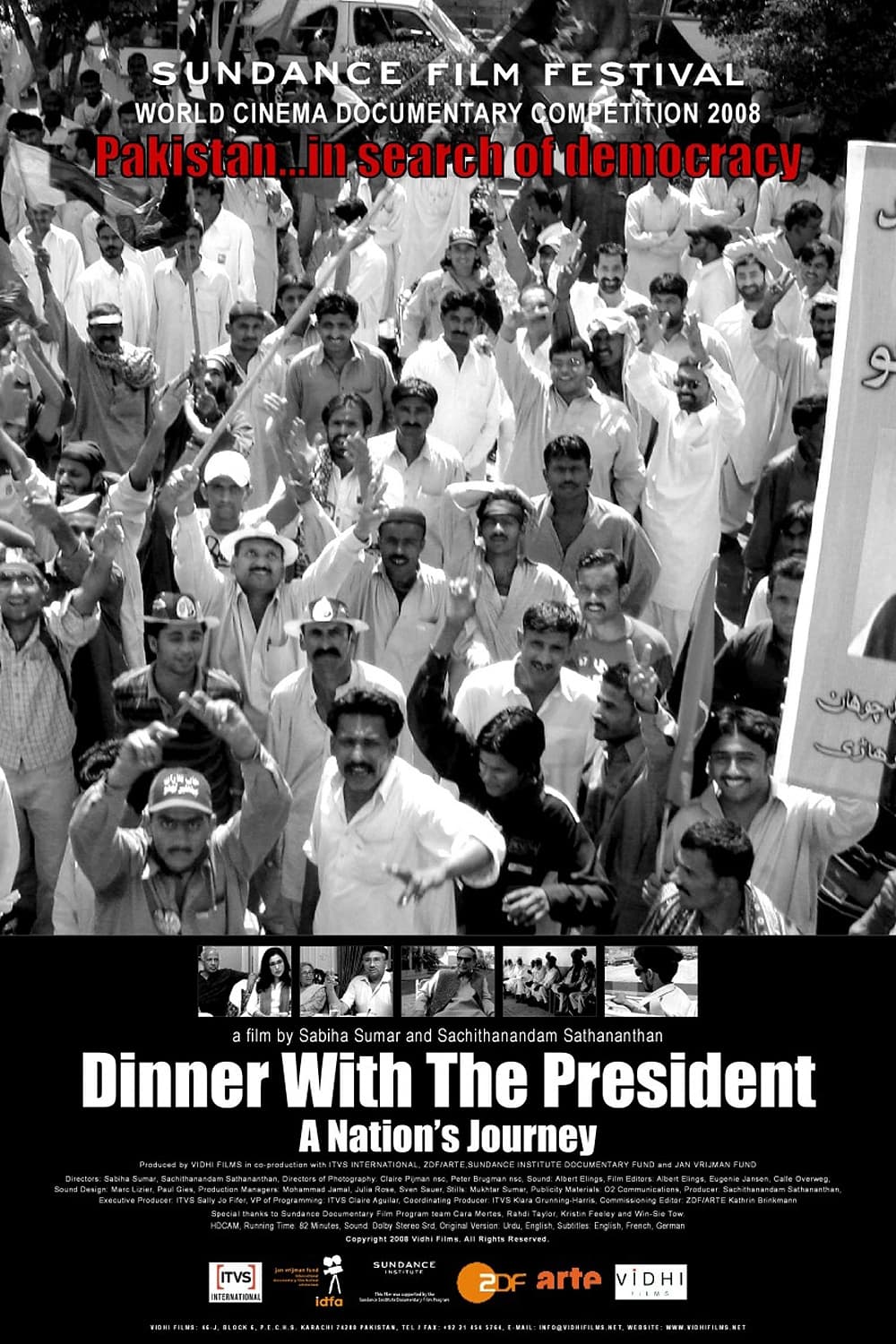
Documentary in which President Musharraf explores the different worlds and influences on political life in Pakistan at a dinner in his official residence, the Army House. Labourers and intellectuals, journalists and industrialists add to the debate, as the role that a military leader can play in guiding a state towards modern democracy is questioned. (Storyville)
Documentary about ex-Labour MP Oona King. Only the second black female MP and one of the most media friendly of the 'Blair Babes', her support for the Iraq War alienated her from her Muslim constituency in London's East End, and led to her defeat by George Galloway and his anti-war Respect Party in the 2005 election. King asked her childhood friend Nora Meyer to make a film about the issue but Meyer was also opposed to the war and wonders if her friend's youthful radicalism has been dulled. (Storyville)
Filmmaker Richard Symons asks members of the British government to support his campaign for truth in the Houses of Parliament, and attempts to get a pledge from MPs that they will never tell a lie. (Storyville)
Donald Trump's daughter Ivanka has been appointed to an official role within the White House, but what does she believe in and how much political clout does she actually have?
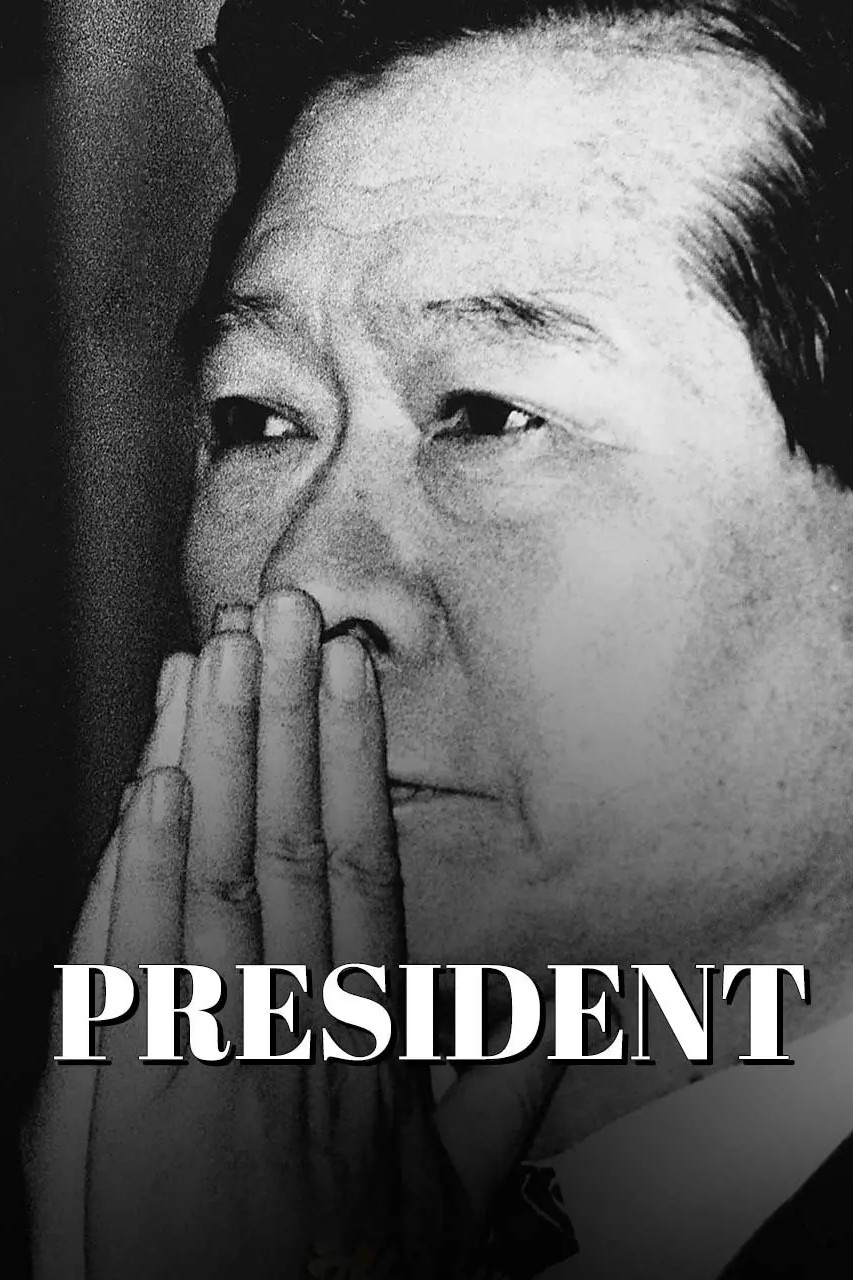
This documentary celebrates the life of former President Kim Dae-joong, who fought for democracy in South Korea and peace in the Korean Peninsula. It marks the 10th anniversary of his passing and covers his challenging journey, from his childhood on an island to his imprisonment, exile, near-death experiences, and ultimately becoming the president.
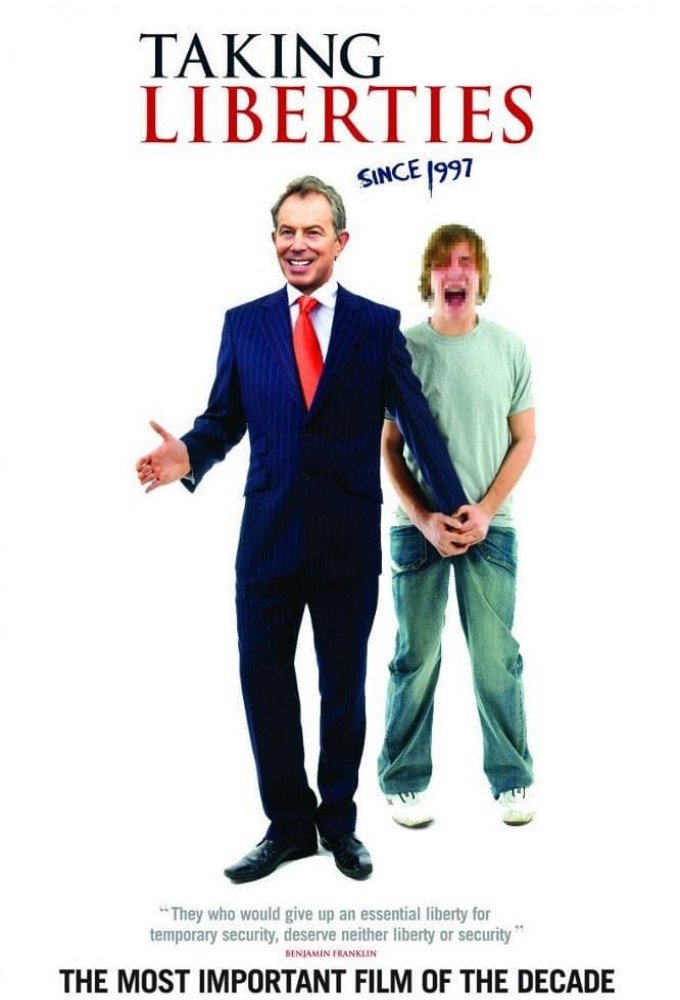
Taking Liberties Since 1997is a documentary film about the erosion of civil liberties in the United Kingdom and increase of surveillance under the government of Tony Blair. It was released in the UK on 8th June 2007. The director, Chris Atkins, said on 1 May that he wanted to expose "the Orwellian state" that now threatened Britain as a result of Mr Blair's policies.
Buenos Aires is a complex, chaotic city. It has European style and a Latin American heart. It has oscillated between dictatorship and democracy for over a century, and its citizens have faced brutal oppression and economic disaster. Throughout all this, successive generations of activists and artists have taken to the streets of this city to express themselves through art. This has given the walls a powerful and symbolic role: they have become the city’s voice. This tradition of expression in public space, of art and activism interweaving, has made the streets of Buenos Aires into a riot of colour and communication, giving the world a lesson in how to make resistance beautiful.
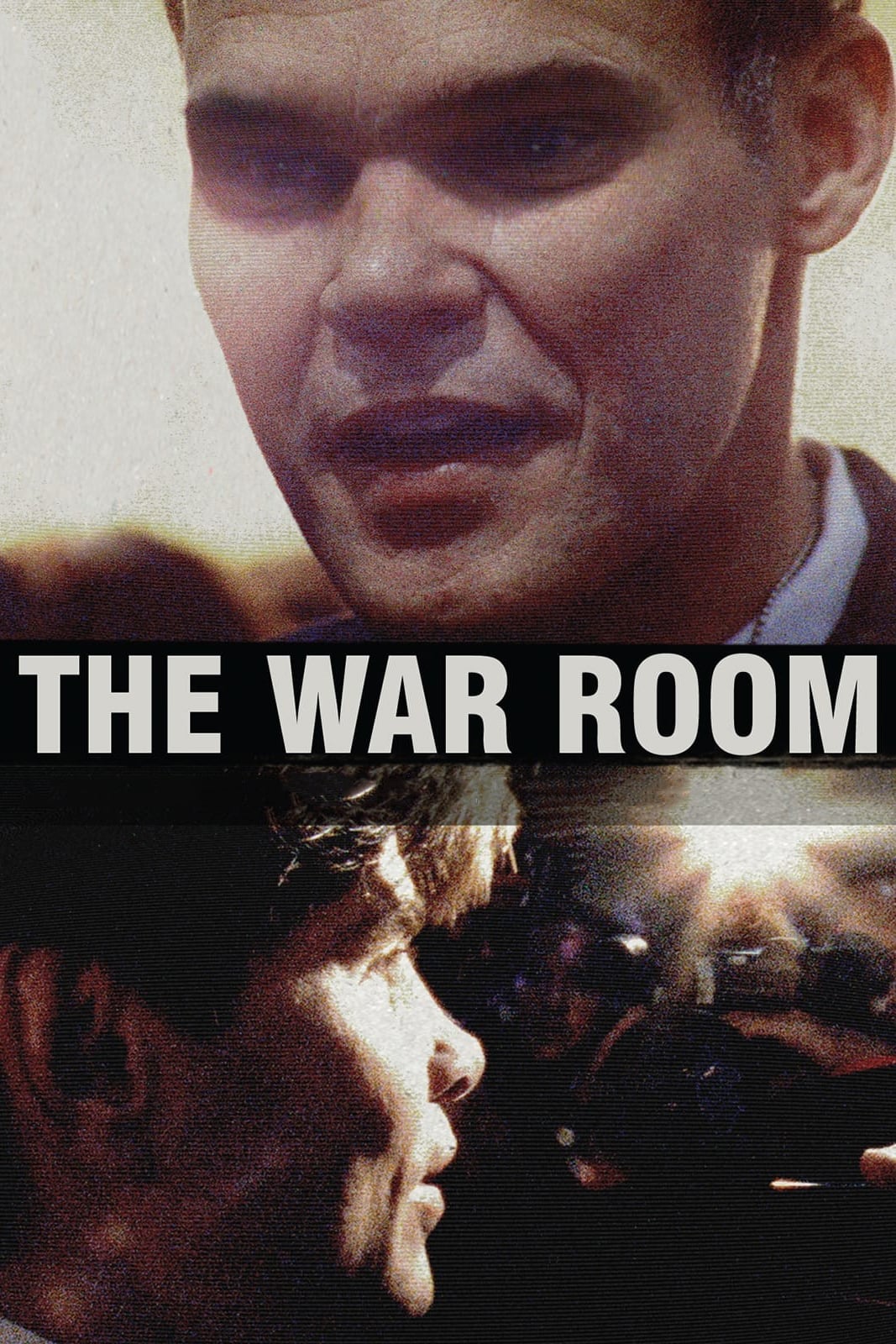
A behind-the-scenes documentary about the Clinton for President campaign, focusing on the adventures of spin doctors James Carville and George Stephanopoulos.
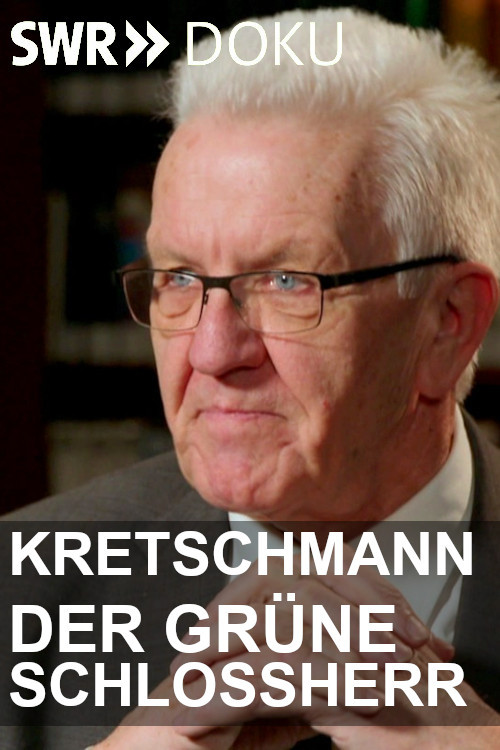
Winfried Kretschmann is the first Green politician to rise to the top of a state government — and so far the only one. He has governed Baden-Württemberg as Minister-President since 2011, longer than any of his predecessors. Soon, his tenure will come to an end: Kretschmann will not run again in the 2026 state election. This film takes stock of his time in office. A Catholic with a communist past. A conservative in a left-leaning party. A Green in the automotive heartland of Baden-Württemberg: Winfried Kretschmann’s political biography is a long journey marked by surprises and contradictions. Jenni Rieger and Jürgen Rose retrace this path. They speak with Kretschmann’s party colleagues and coalition partners, long-time close aides and early companions such as Joschka Fischer, Cem Özdemir, and Annalena Baerbock, as well as political rivals like Volker Bouffier, Markus Söder, and Bodo Ramelow. Has Germany’s first Green Minister-President changed the country?
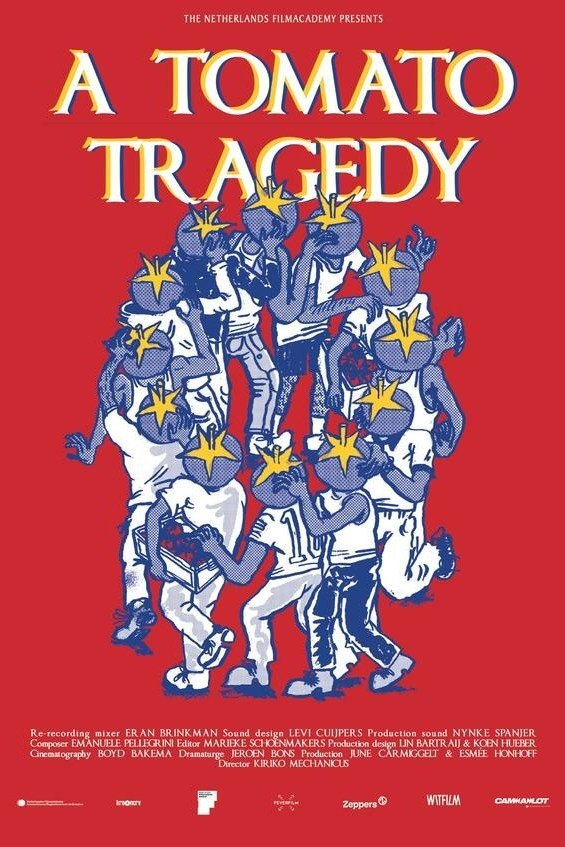
In southern Italy, stateless migrants pick the tomatoes the rest of the world will taste. But what about these workers’ European dreams? Will they be ground to a pulp? Our canned tomatoes are picked by migrant workers who have come to southern Italy to realise their dream of Europe. However, they never get beyond the tomato fields. This documentary shows how the tomato broaches a broader issue. Will the pickers keep believing in their dream, or fight against a Europe where others reap the sweet rewards of their disillusion?
Amateur's Riot (Shirōto no ran) is a Japanese association of activists, committed to the living conditions of the poor people (binbōnin) in Tōkyō. The association was founded in 2005 by Matsumoto Hajime, Yamashita Hikaru, Futatsugi Shin, Mochitsuki Rui and Ogasawara Keita. The protagonists of Shiroto no Ran played an important role in the anti-nuclear demonstrations that appeared in response to the Fukushima nuclear catastrophe.
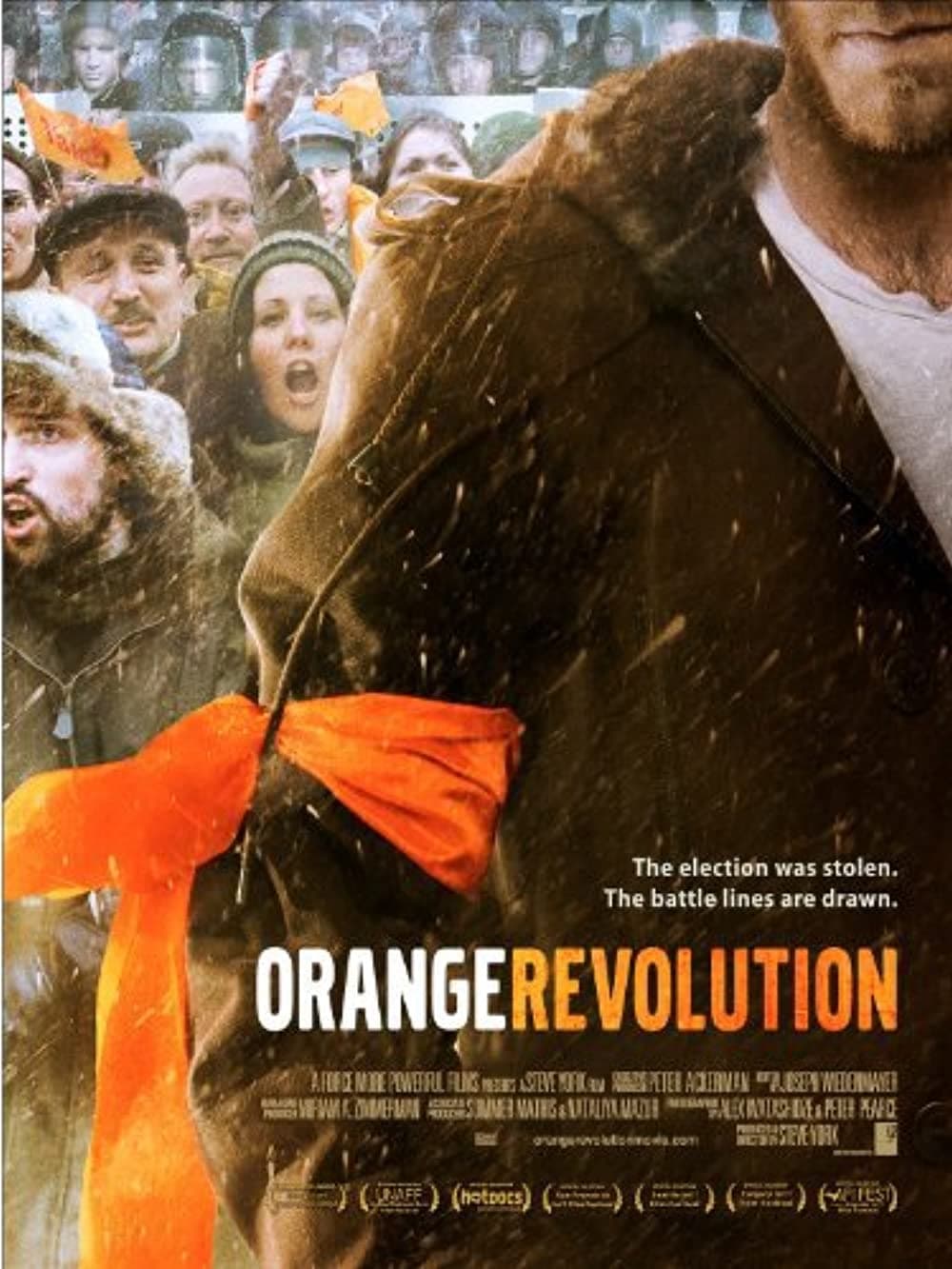
Filmmaker Steve York explores the controversial 2004 Ukrainian presidential election, during which candidate Viktor Yushchenko suffered a near-fatal poisoning and his unpopular opponent, Viktor Yanukovych, was declared the winner. In the aftermath, more than a million people -- including the ailing Yushchenko -- took to the streets of Kiev, protesting the results that contradicted exit polls showing Yushchenko with an impressive lead.
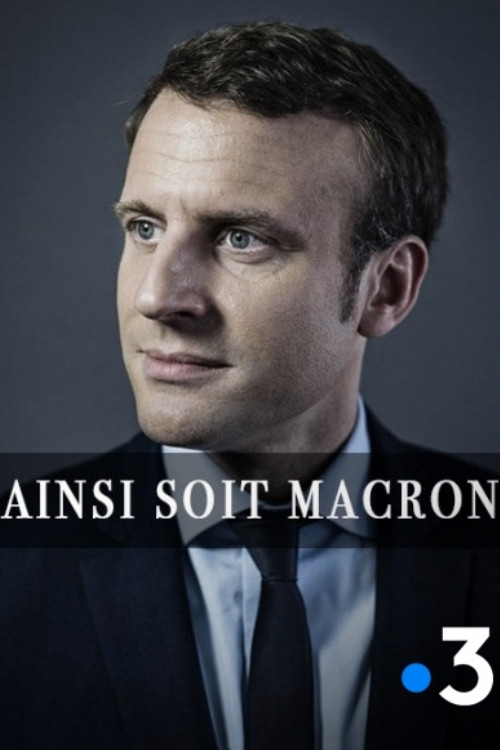
The meteoric path of Emmanuel Macron made him pass in three years of almost anonymity to the presidency of the Republic. Yet, even though the media have followed him every day during his campaign, no one really knows him. Politics has spoken, progressive, social and liberal at the same time, but man remains an enigma. Behind the official story-telling, what is the true personality of the one who is going to lead France? What are its strengths, its weaknesses? Thanks to unpublished images and exclusive testimonials, including that of his wife Brigitte, this film tells the pivotal moments of the new President's career and reveals the deep motivations that animate him. Investigation of a meteor become President.
A string of threatening emails escalates into a revenge plot involving a newly married US marshal and his ex-girlfriend.
In an intimate and joyful story of love in the face of loss, celebrated poets Andrea Gibson and Megan Falley find strength—and unexpected hilarity—in what might be their final year together.
Al Pacino's deeply-felt rumination on Shakespeare's significance and relevance to the modern world through interviews and an in-depth analysis of "Richard III."
Join the likes of Jeremy Renner, Hailee Steinfeld, Florence Pugh, and Vincent D’Onofrio as they reveal how Marvel Studios’ “Hawkeye” was conceived and created. Witness firsthand what it took to pull off the show’s pulse-pounding action set pieces, and discover how iconic characters from the pages of Marvel Comics such as Kate Bishop were adapted and brought to life for the six-episode series.
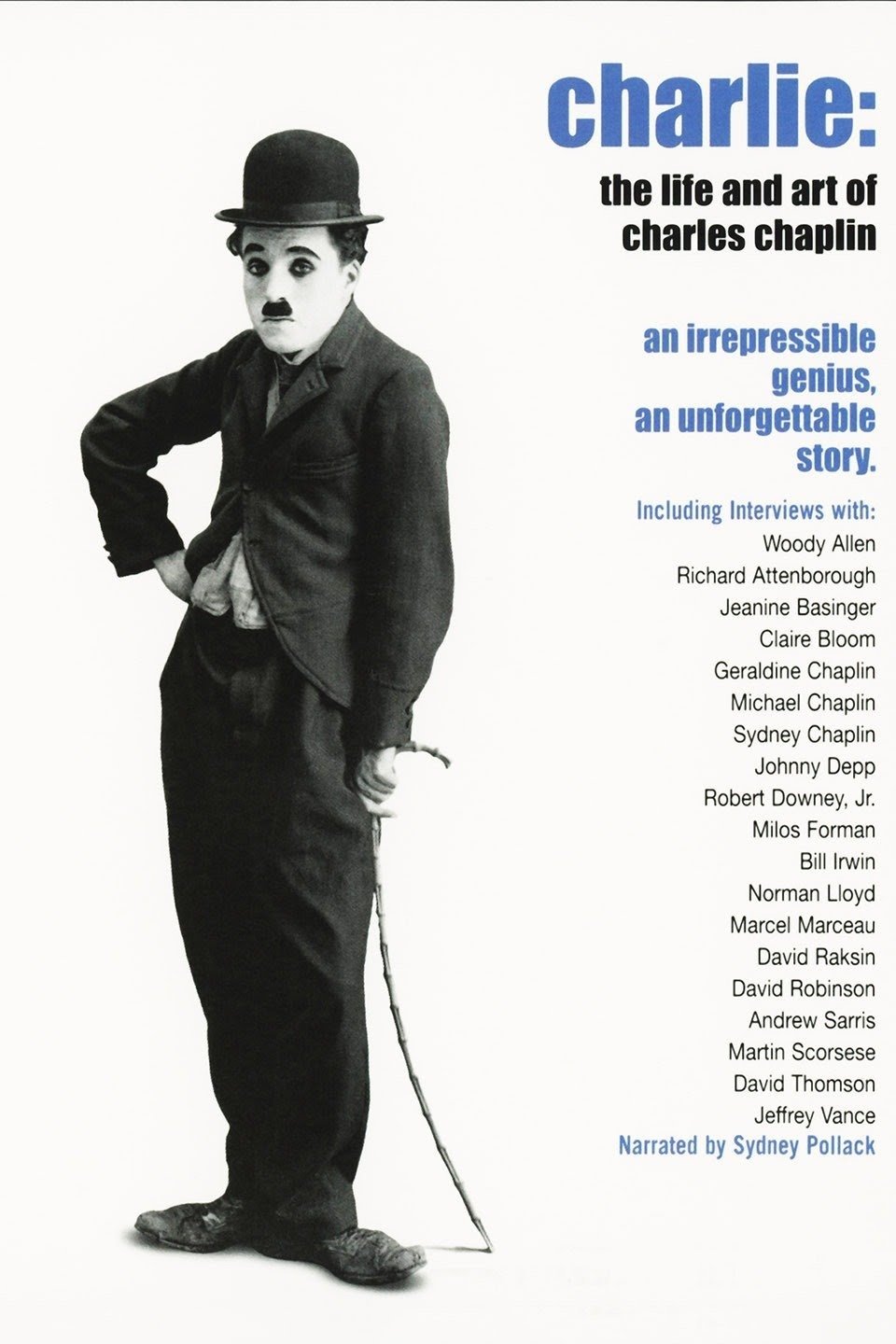
Brilliant, long in-the-works story of the life and art of the world's greatest comedian and the cinema's first genius, Charlie Chaplin. Produced, written and directed by renowned film critic Richard Schickel.
SEDUCED AND ABANDONED combines acting legend Alec Baldwin with director James Toback as they lead us on a troublesome and often hilarious journey of raising financing for their next feature film. Moving from director to financier to star actor, the two players provide us with a unique look behind the curtain at the world's biggest and most glamourous film festival, shining a light on the bitter-sweet relationship filmmakers have with Cannes and the film business. Featuring insights from directors Martin Scorsese, 'Bernando Bertolucci' and Roman Polanski; actors Ryan Gosling and Jessica Chastain and a host of film distribution luminaries.
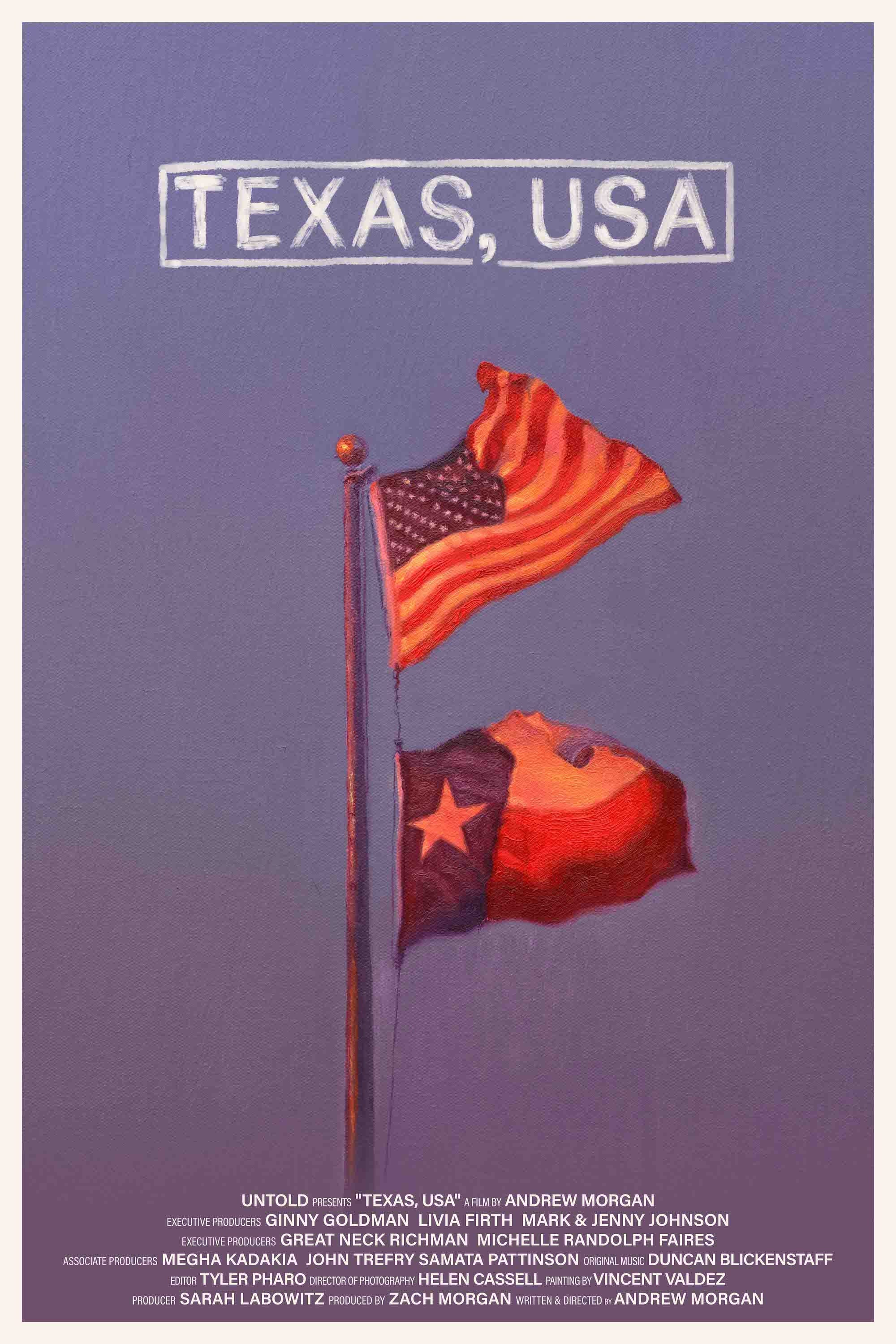
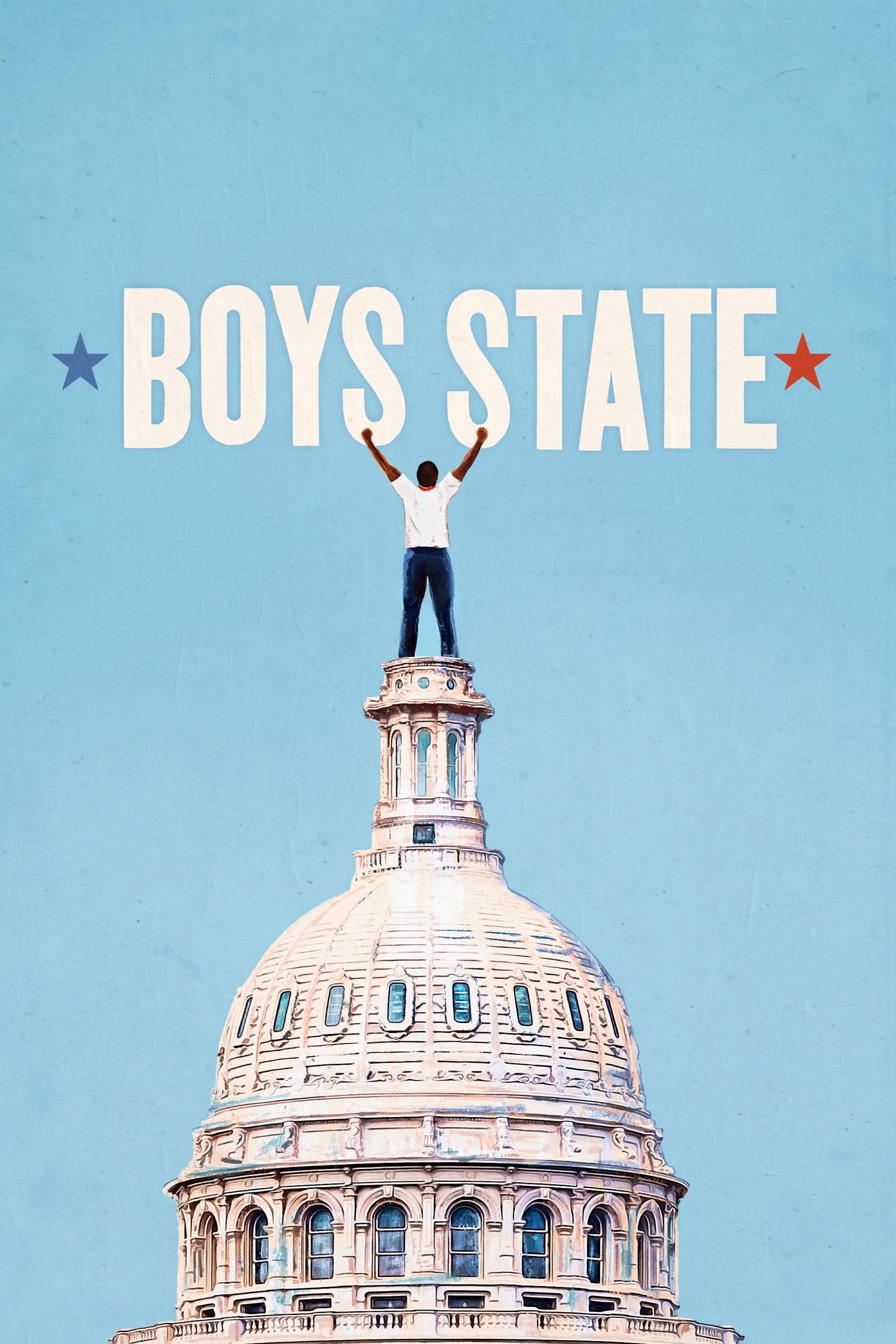
This raucous journey into the heart of democracy captures an unusual rite of passage: 1,100 teenage boys from across Texas coming together to build a representative government from the ground up.
The life of Mr. Spock, as well as that of Leonard Nimoy, the actor who played him for almost fifty years, written and directed by his son: Adam.
The film is based on interviews with 2,000 women from 50 countries, and covers the status of women all over the world. The topics covered include forced marriages, sexual assault, female genital mutilation, acid attacks, motherhood, sexuality, menstruation, education and the professional success of women.
The life and career of an actor, artist, and icon. His own journey through his own camera.
The life and career of one of comedy's most inimitable modern voices, Mr. Gilbert Gottfried.
Those who knew iconic funnyman John Candy best share his story, in their own words, through never-before-seen archival footage, imagery, and interviews.
An inside look at one of the most anticipated movie sequels ever with James Cameron and cast.
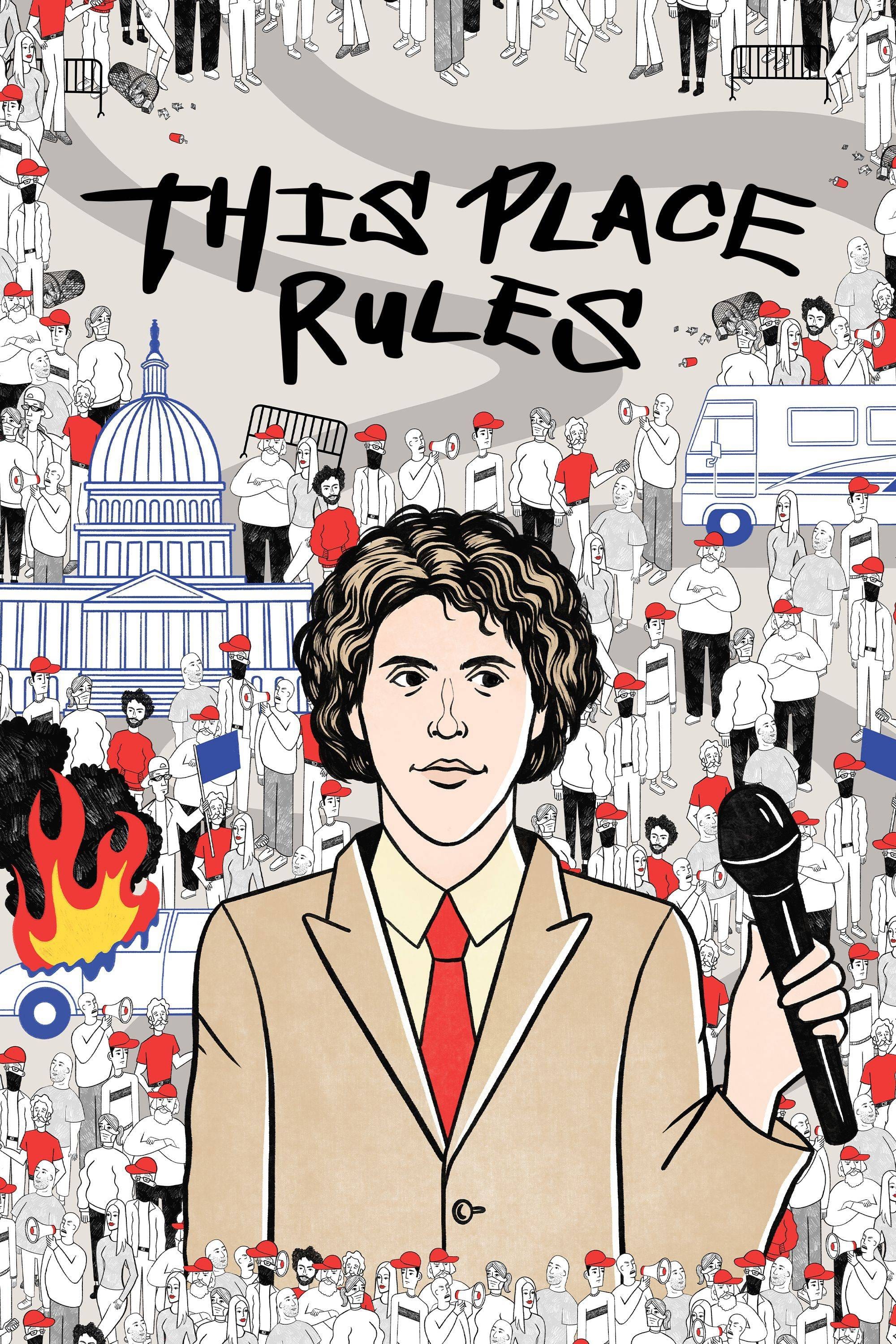
Acclaimed for his unfiltered reporting and deadpan humor, Andrew Callaghan brings his gonzo style reporting to the undercurrents that led to the January 6 Capitol Riot. As one of the best-known and hardest working journalists of his generation, the 25-year-old ventures on a wild RV journey through America to take the pulse of a divided nation.
Daniel Craig candidly reflects on his 15 year adventure as James Bond. Including never-before-seen archival footage from Casino Royale to the upcoming 25th film No Time To Die, Craig shares his personal memories in conversation with 007 producers, Michael G Wilson and Barbara Broccoli.
Ranjit, a farmer in India, takes on the fight of his life when he demands justice for his 13-year-old daughter, the victim of a brutal gang rape. His decision to support his daughter is virtually unheard of, and his journey unprecedented.
Rising musician Jeff Buckley had only released one album when he died suddenly in 1997. Now, never-before-seen footage, exclusive voice messages, and accounts from those closest to him offer a portrait of the captivating singer.
A documentary detailing the epic Rogues' Gallery of DC Comics from The Joker and Lex Luthor, Sinestro, Darkseid and more, this documentary will explore the Super Villains of DC Comics.
This revealing documentary honors the legendary Sidney Poitier—iconic actor, filmmaker, and civil rights activist. Featuring interviews with Denzel Washington, Spike Lee, Halle Berry, and more.
Through deeply personal interviews with her siblings and an examination of the photographs, letters, and belongings left behind, Mariska assembles a new portrait of her mother Jayne Mansfield, an extraordinary and complex woman.