Social & External
Referee
Player 1
Player 2
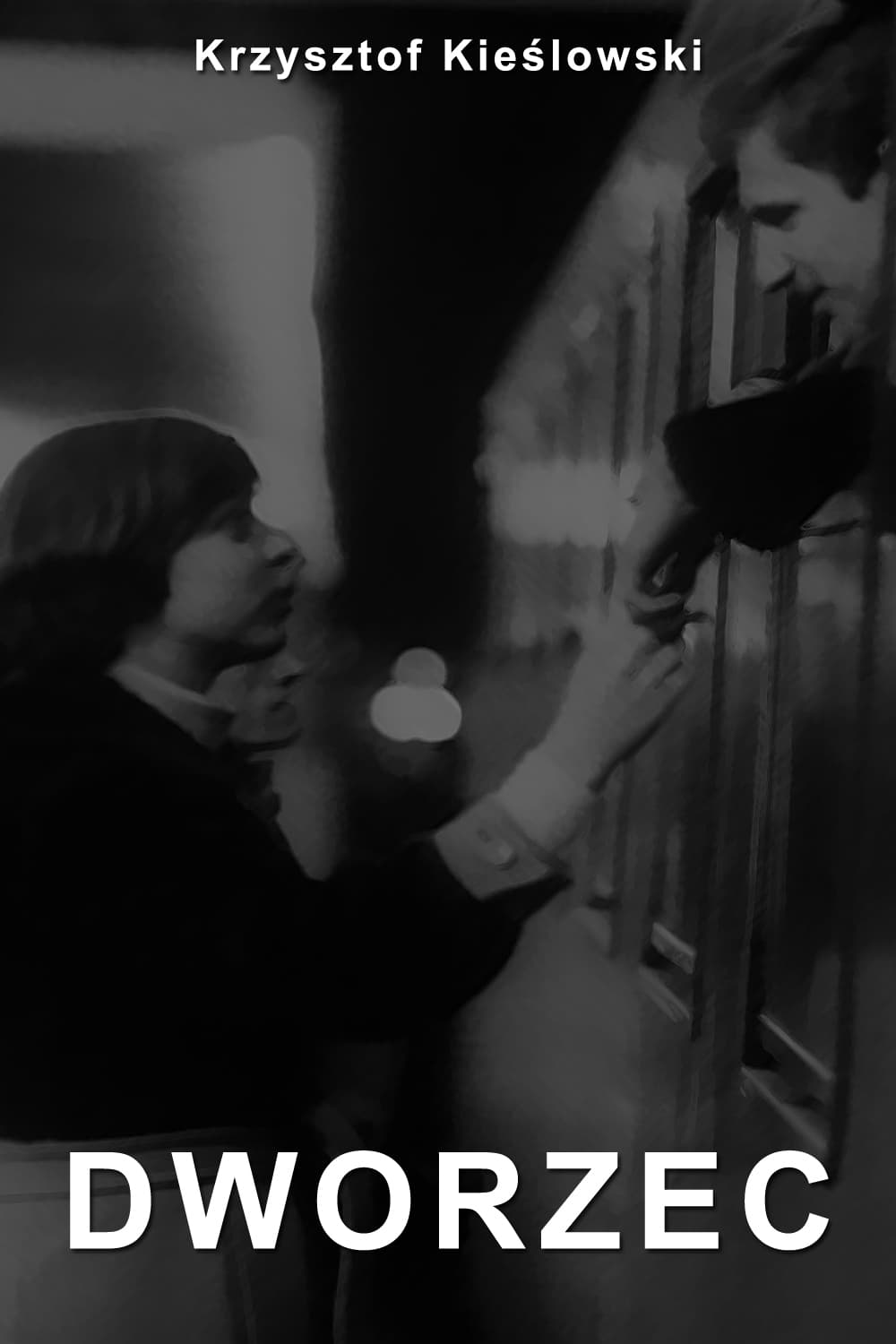
Warsaw's Central Railway Station. 'Someone has fallen asleep, someone's waiting for somebody else. Maybe they'll come, maybe they won't. The film is about people looking for something.
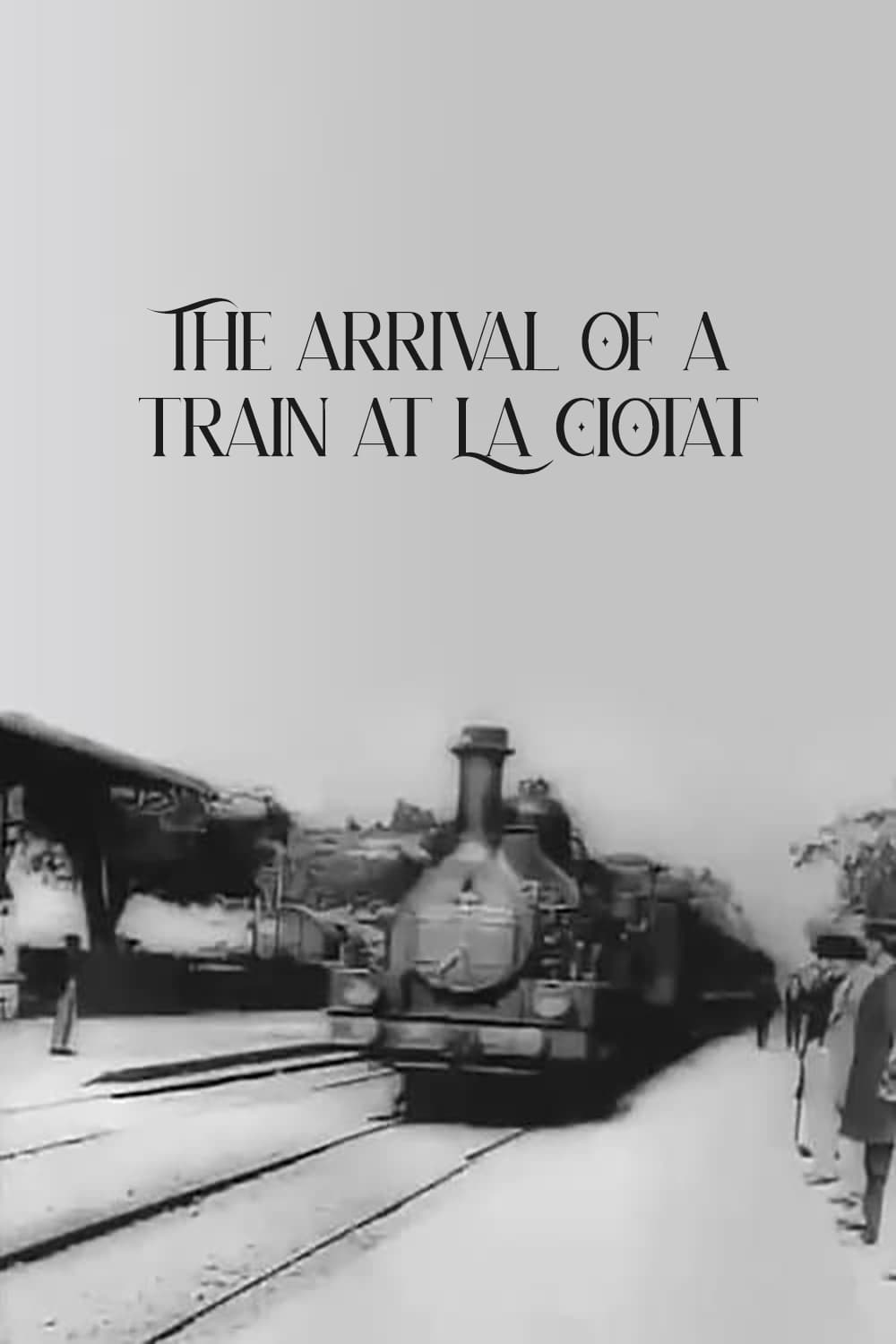
A group of people are standing along the platform of a railway station in La Ciotat, waiting for a train. One is seen coming, at some distance, and eventually stops at the platform. Doors of the railway-cars open and attendants help passengers off and on. Popular legend has it that, when this film was shown, the first-night audience fled the café in terror, fearing being run over by the "approaching" train. This legend has since been identified as promotional embellishment, though there is evidence to suggest that people were astounded at the capabilities of the Lumières' cinématographe.
A big house can be scary... especially when it's empty.
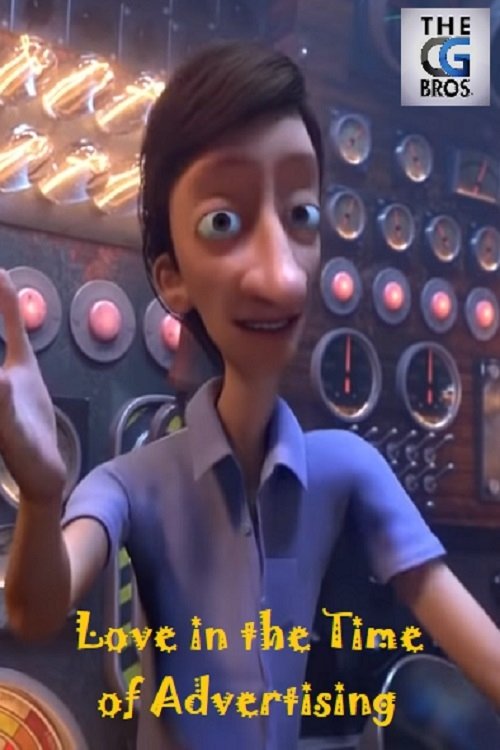
An animated musical love story about a young man who lives inside a billboard and is charged with updating the advertisements. When he falls in love with a beautiful lady living across the highway, he has to use the only method he knows to get his message across - advertising
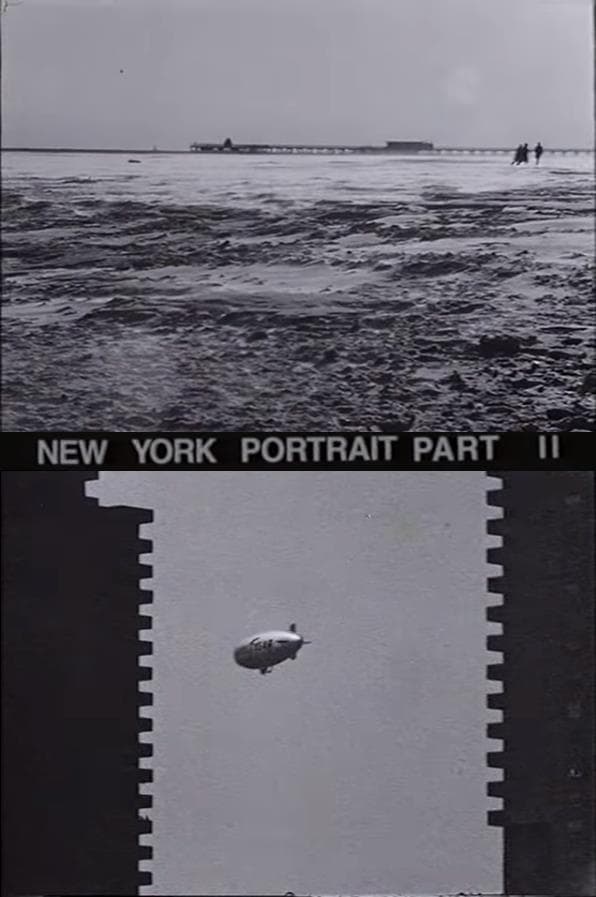
Chapter Two represents a continuation of daily observations from the environment of Manhattan compiled over a period from 1980-1981. This is the second part of an extended life's portrait of New York.
Five people who are in a show at a bar, who live in this hotel and have very different relationships with one another. After the show – they are already sleeping – they are woken by Pan for the night and therefore wake up to the destruction that is held within them.
Kren's second film and the first he cut according to a strictly serial, sequence technique: in various frame sizes, the 48 portraits from the Szondi Test for "experimental diagnosis of human impulses" are shown in pre-specified lengths (between one and eight frames).
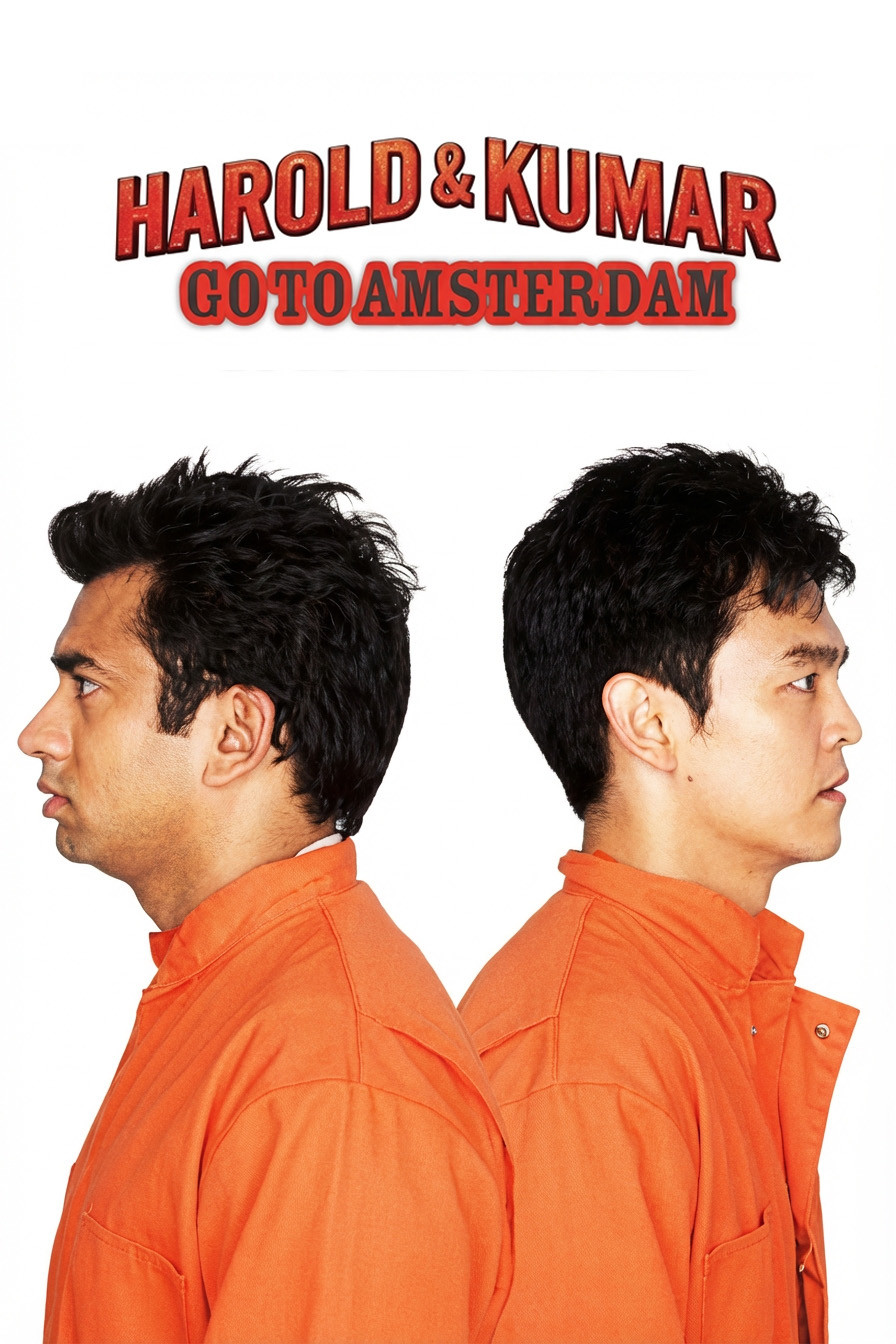
Ever wonder what would have happened if Harold & Kumar had not been sent to Guantanamo and simply made it to Amsterdam? Here's a little something director Jon Hurwitz shot guerrilla-style all over Amsterdam in 3 days.
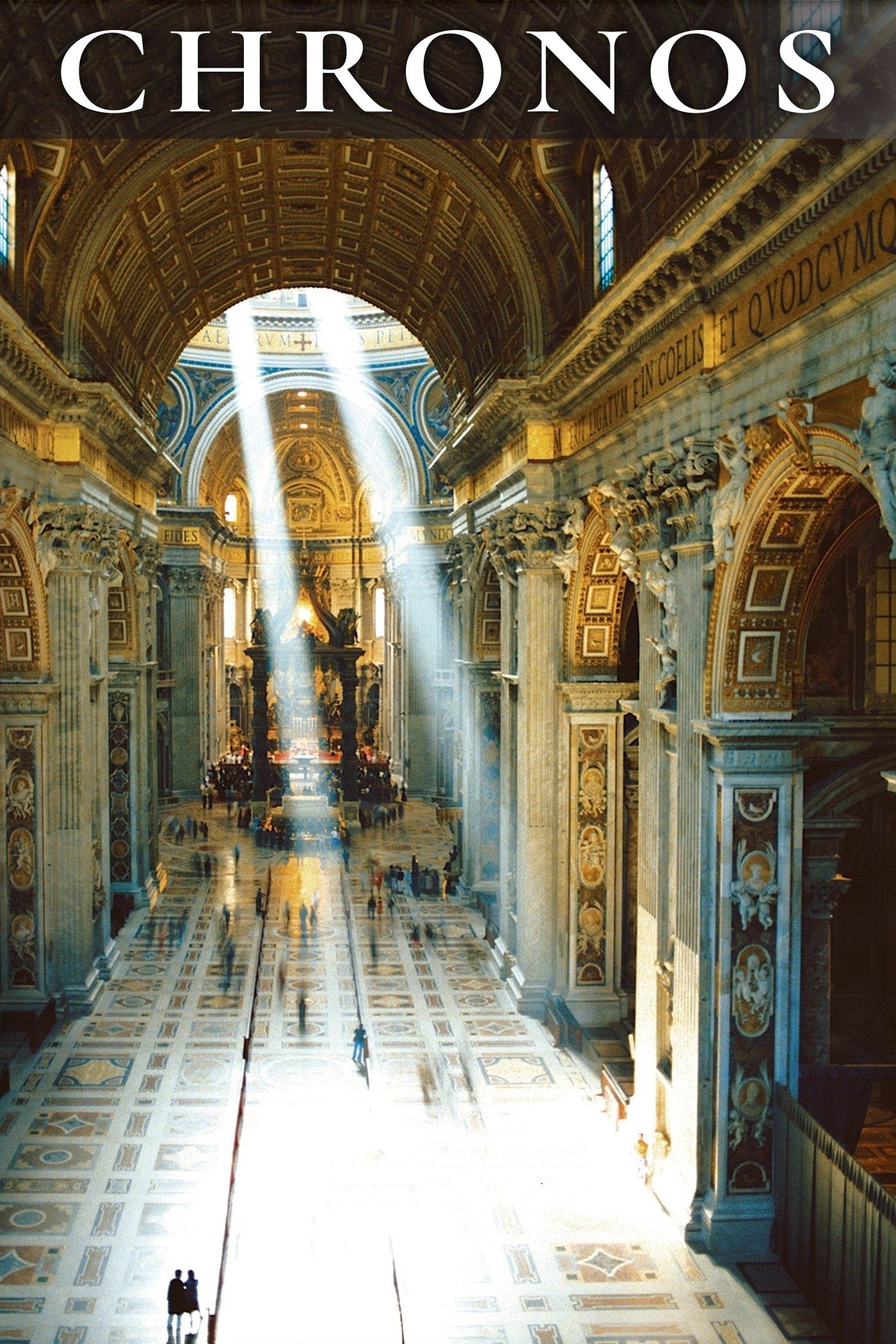
Carefully picked scenes of nature and civilization are viewed at high speed using time-lapse cinematography in an effort to demonstrate the history of various regions.
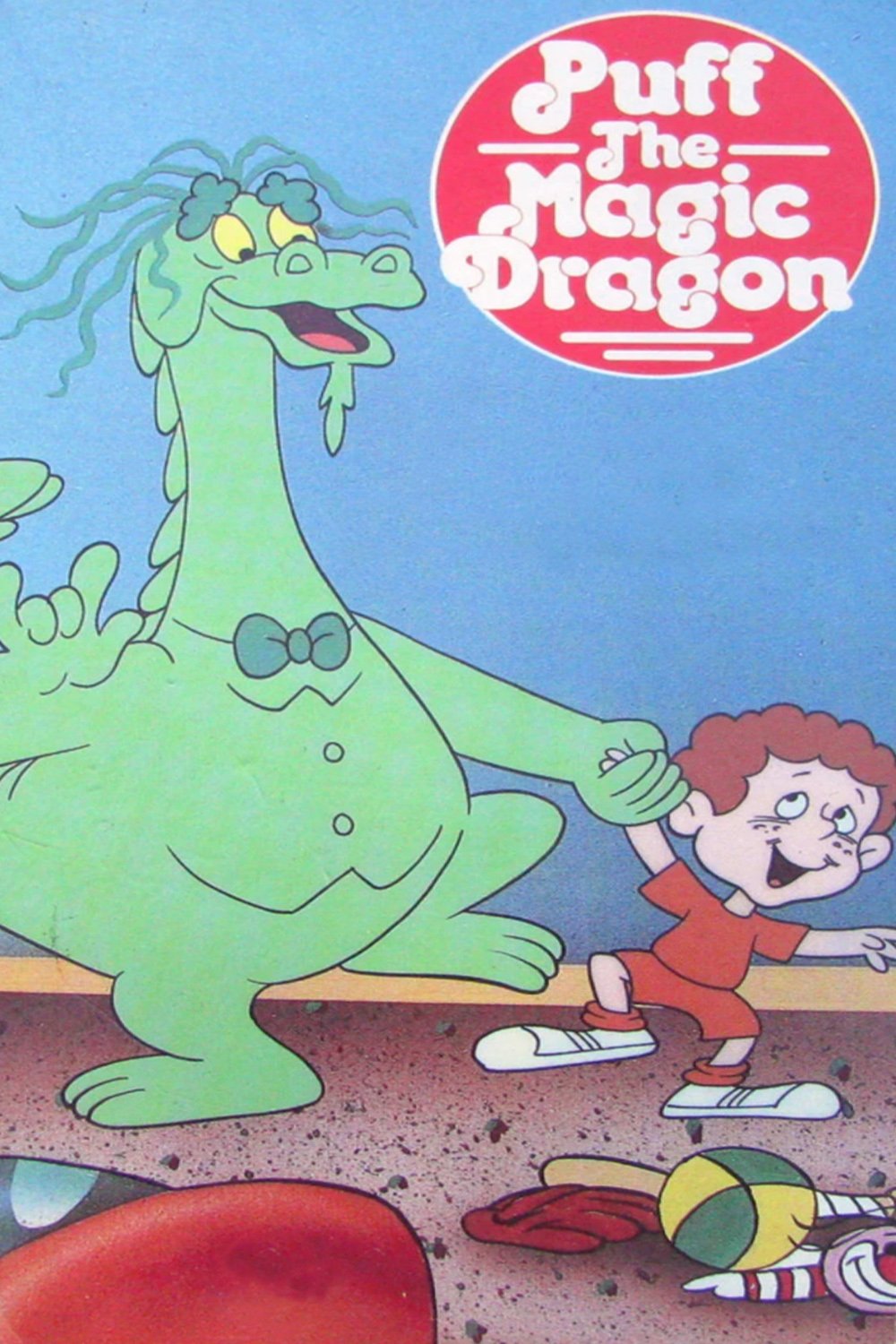
Jackie is a boy who is so trapped by his fears and doubts that he could not communicate with anyone. Then, a magic dragon named Puff comes to help Jackie by taking his soul force on a wonderous voyage to his island of Honah Lee. Along the way, they have adventures that nurture Jackie's imagination and courage in unorthodox ways.
Enter Hamlet is a collage of images in cartoon form of a word put in balloon in each jump-cut scene as that word is said by the narrator Maurice Evans during his “To be or not to be…” soliloquy recording.
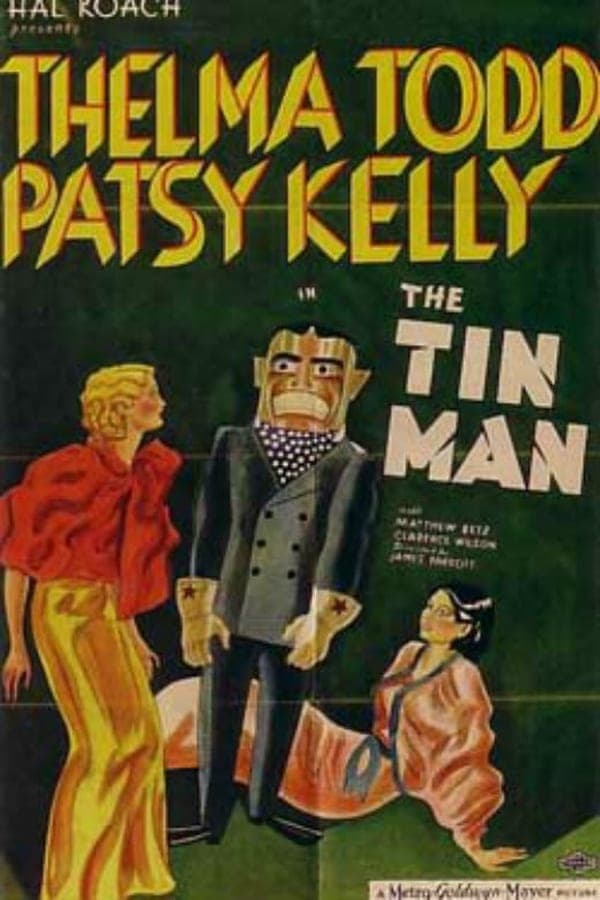
Thelma and Patsy find themselves in a spooky house inhabited by a nut who is a mechanical genius and has made a robot who does everything. The inventor manipulates the robot's control board from a hidden room. The girls are soon in a panic. Patsy gets into an argument with the robot and loses the match of wits. Blackie Burke, an escaped convict, is using the house as a hideout, and this adds to the problems the girls already have.
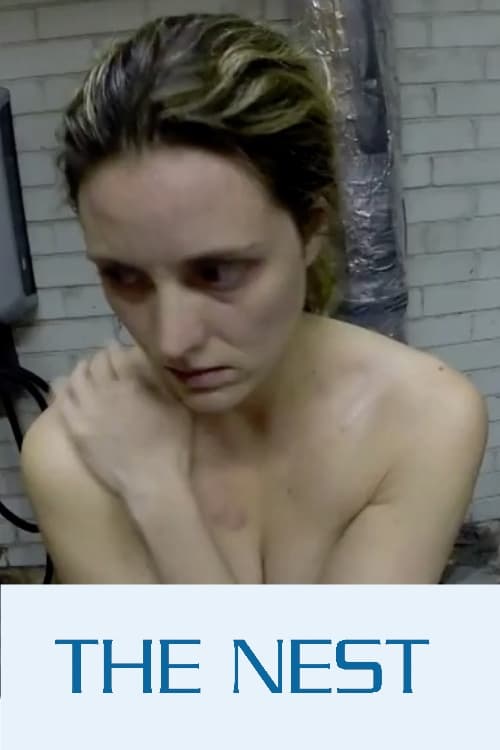
A doctor must remove a parasite infestation from within a patient's breast.
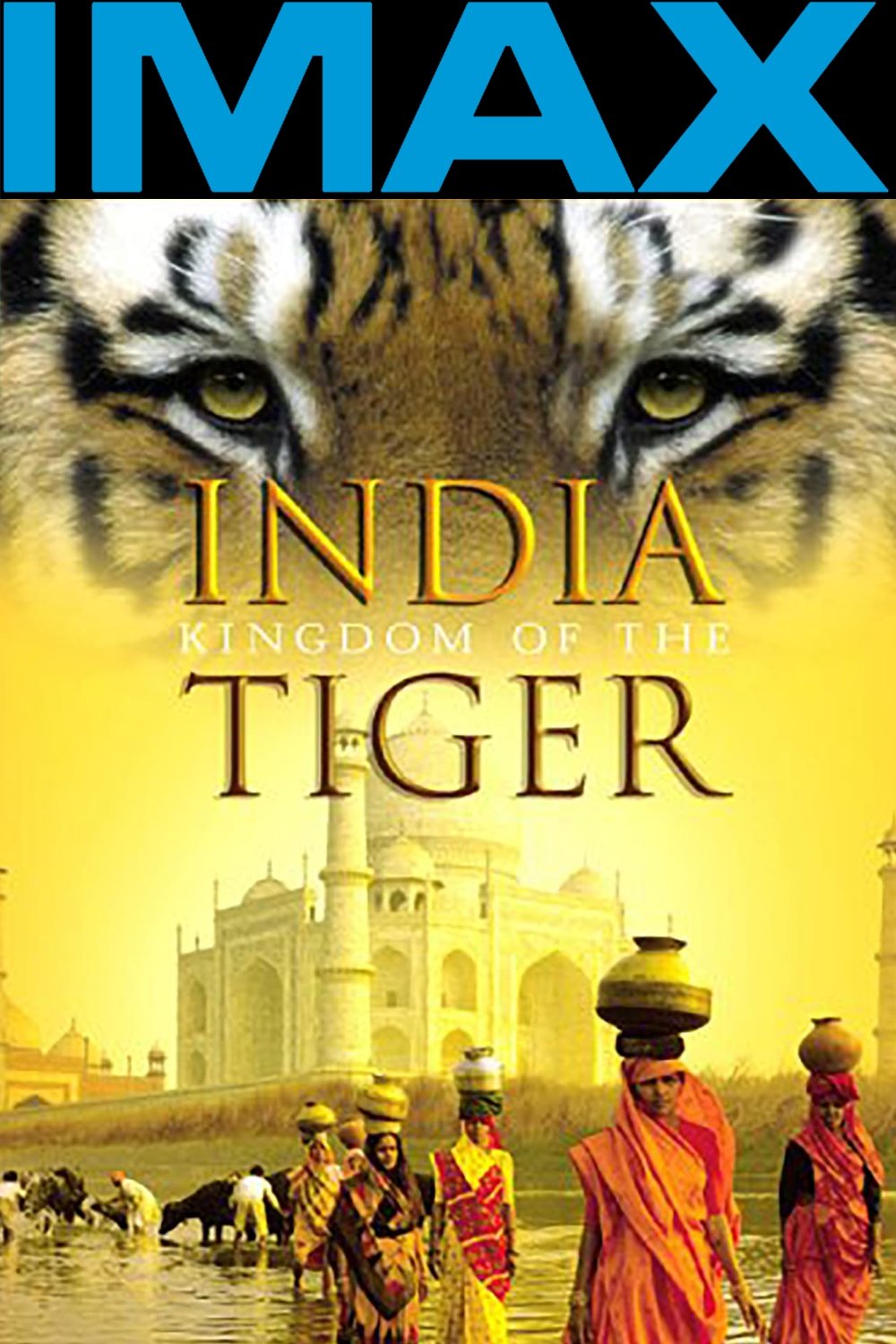
Journey across India, a breath taking land shaped by a myriad of cultures, customs and traditions. Come face to face with the Bengal Tiger and explore the work of this majestic creature with stunning clarity. Soar over blue-hazed Himalayan peaks and sweep down towards the thundering Indian Ocean as we celebrate the power and beauty of India's greatest ambassador - the mighty Bengal Tiger.
One of the two earliest horror films ever made. This film is presumed lost.
One of the two earliest horror films ever made. This film is presumed lost. In this black comedy scene, the bottom falls out of a coffin, the corpse tumble out, and is jolted back to life. Short sequences like this, as well as street scenes and dancing geisha girls were the main subjects of early Nippon cinema, pioneered by Shiro Asano and Shibata Tsunekichi from 1897 onwards. In creating dramatic, scenes, film-makers naturally chose the most striking or bizarre. Another undocumented film, recalled by cameraman Shiro Asano.
Overwhelmed by grief following the death of his wife, Donnelly shares a train carriage home with a troubled young man identified only as the 'Kid'. As the Kid becomes more agitated and foul-mouthed, the journey takes on a violent and dangerous hue – for the bereaved Donnelly and for other hapless passengers on the train. Academy Award Winner: Best Live Action Short Film – 2005