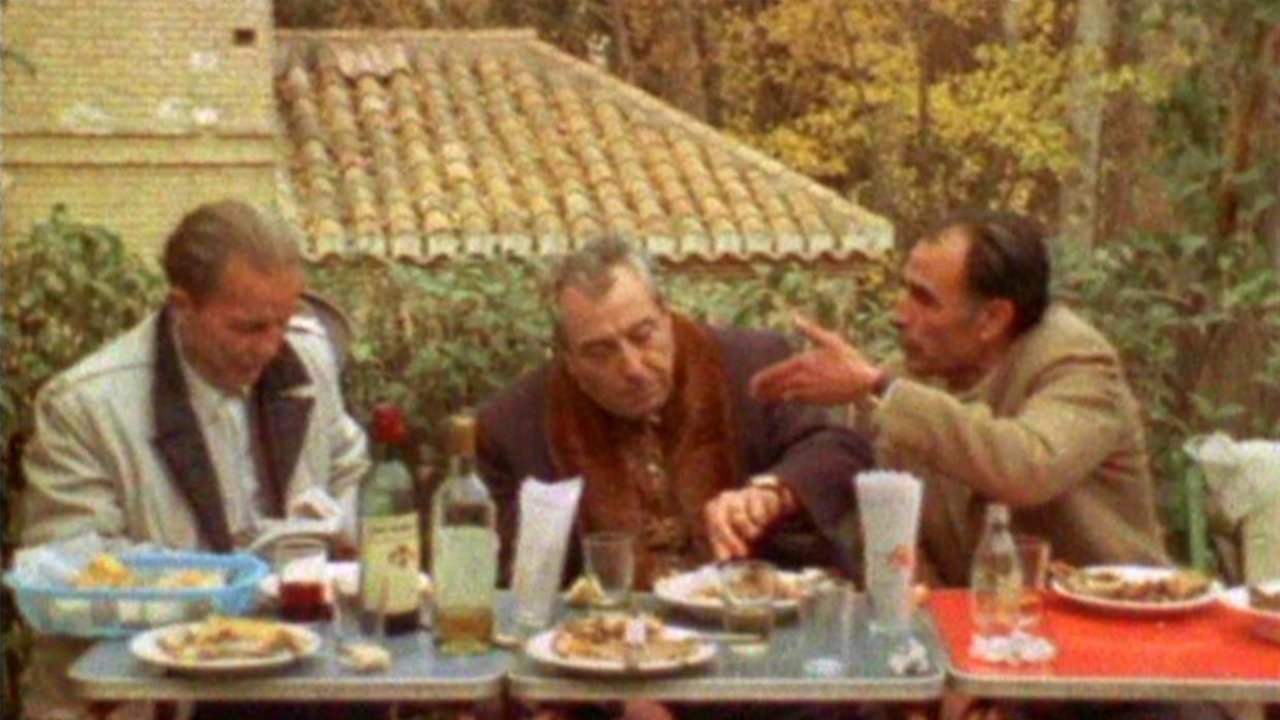
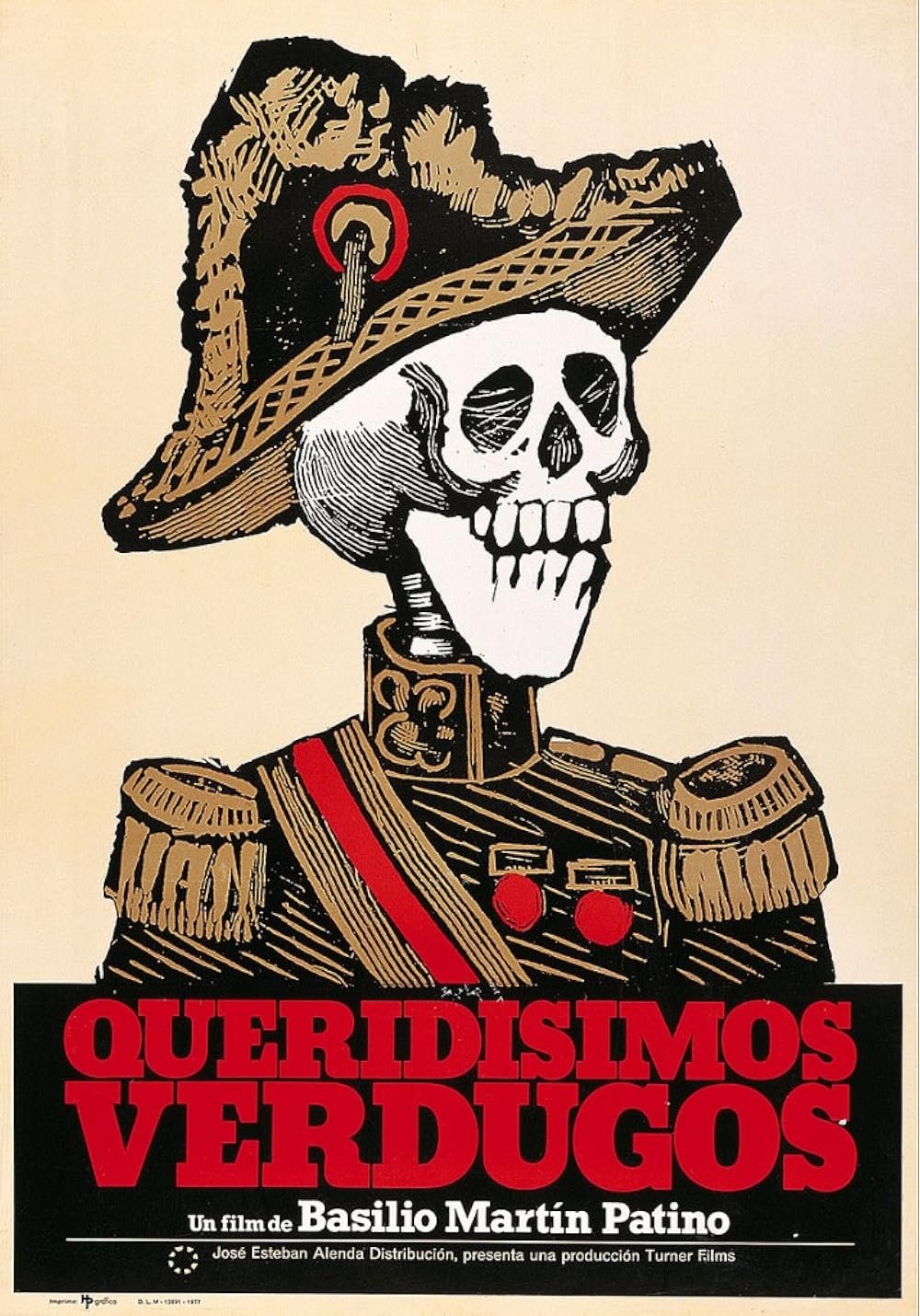
This documentary, filmed clandestinely, is based on several interviews with the executioners who worked in Spain during the early 1970s, as well as families of people executed by them.
Social & External
Narrador (voice)
Self
The story of iconic Spanish artist Susana Estrada's struggle against censorship and sexual repression during the turbulent years following the death of dictator Francisco Franco.
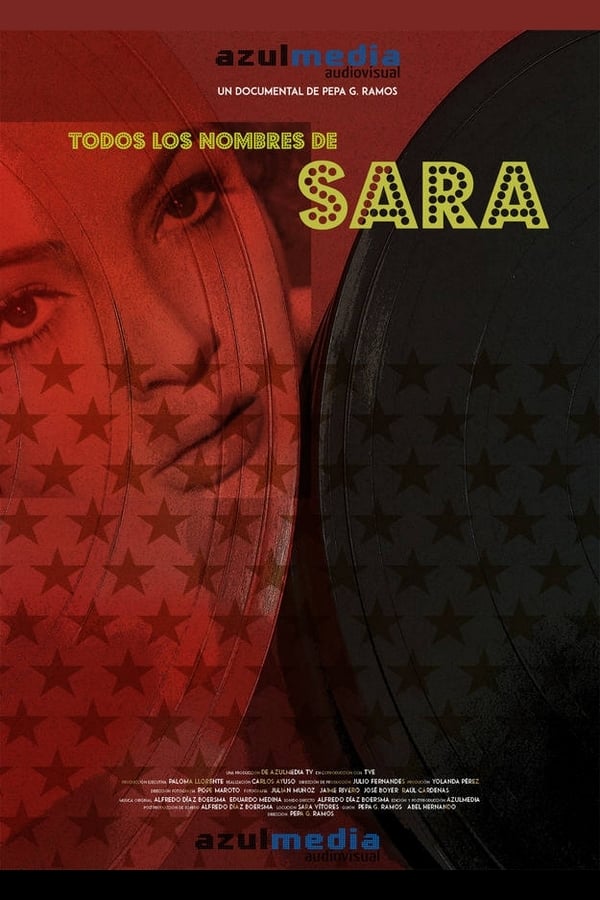
Born in Campo de Criptana, a small village in the Spanish region of La Mancha, Sara Montiel (1928-2013) conquered Mexico, Hollywood, and the hearts of people. The recognition of an unparalleled professional career, an intimate dialogue with a tireless worker who took the stage at the age of twelve and never got off. A movie star who seduced millions of viewers around the world, a singer who reinvented a musical genre, a woman who broke the mold…
Documentary produced by Falange and edited in Berlin, in response to the international success of the Republican production "Spain 1936" (Le Chanois, 1937).
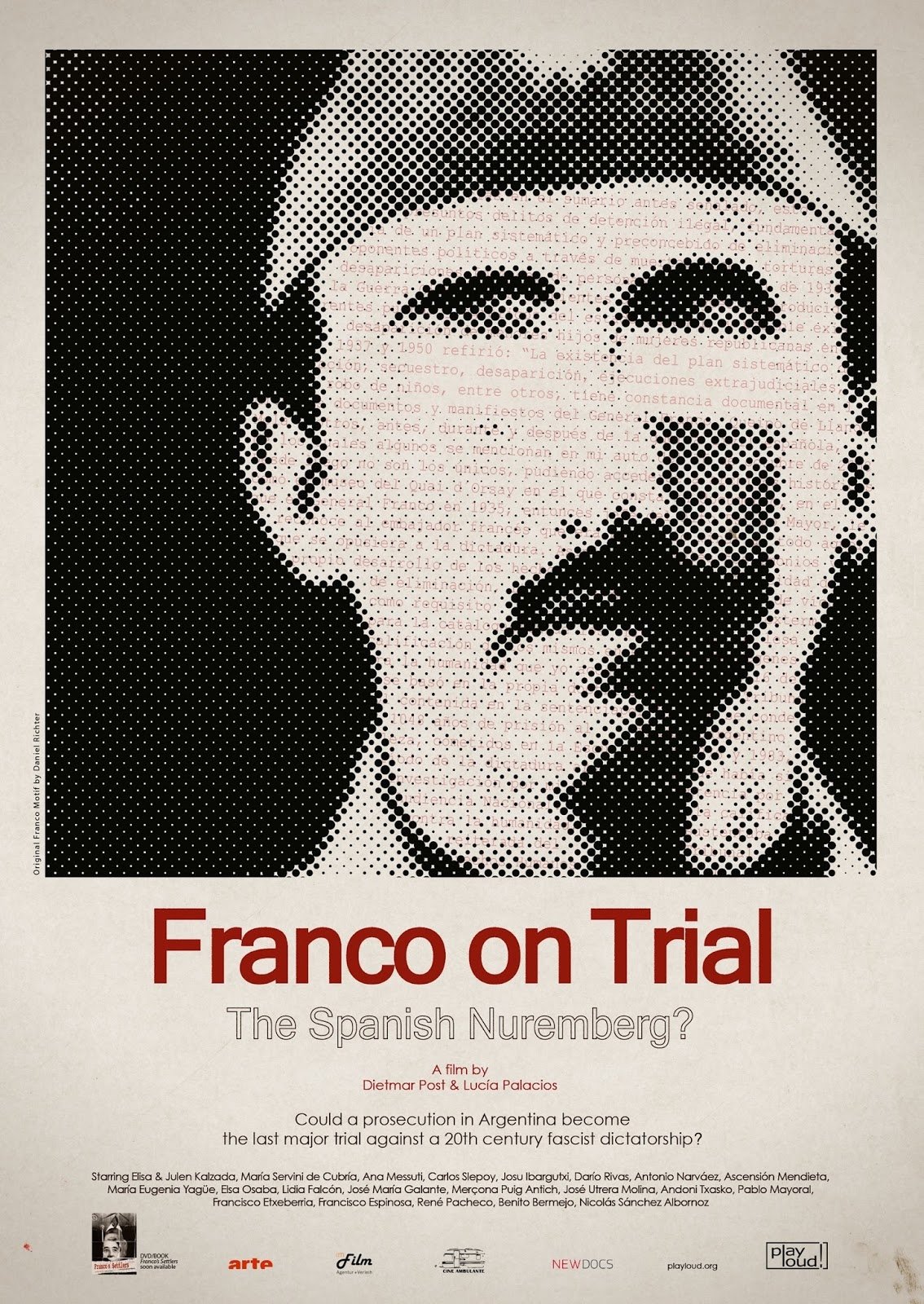
Spain, 1968. An analysis of the political and social situation of the country, suffocated by the boot of General Franco's tyrannical regime. (Filmed clandestinely in Madrid and Barcelona during the spring of 1968.)
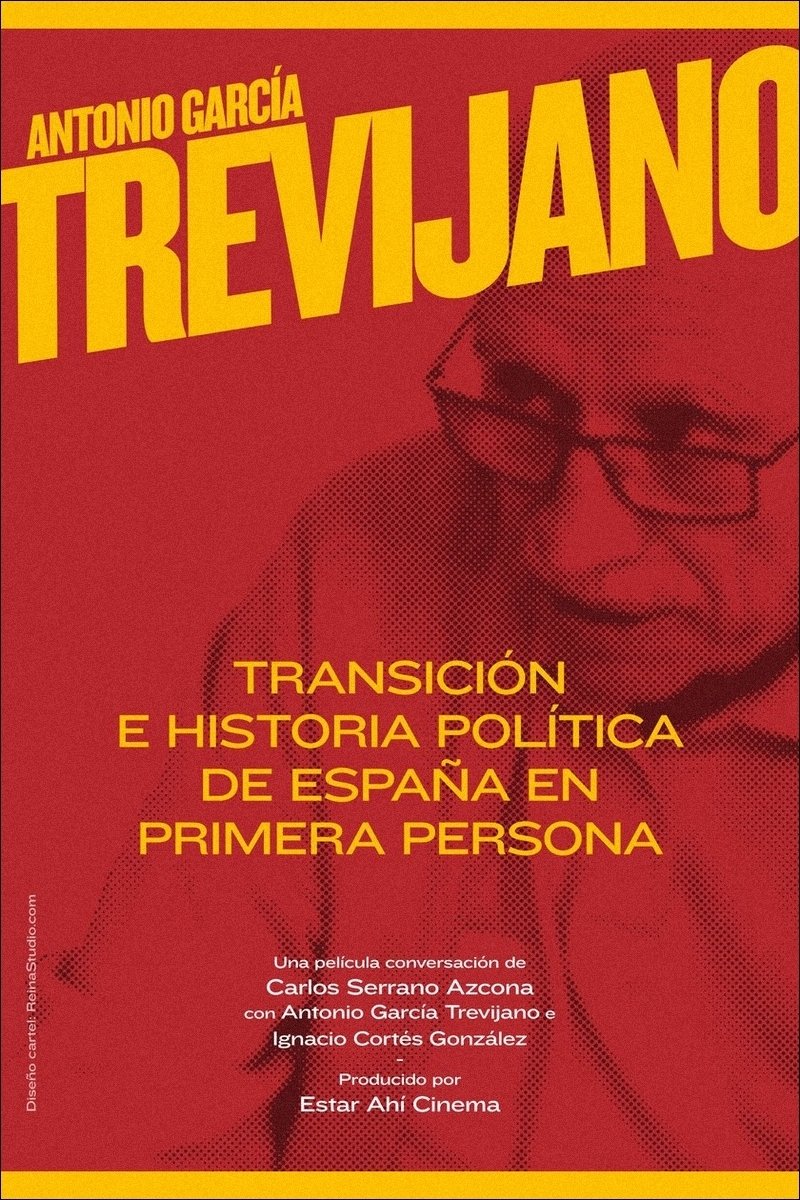
Spanish jurist and republican thinker Antonio García-Trevijano (1927-2018) expounds his political thought and reflects on the recent political history of Spain.
Waffen-SS officer Otto Skorzeny (1908-75) became famous for his participation in daring military actions during World War II. In 1947 he was judged and imprisoned, but he escaped less than a year later and found a safe haven in Spain, ruled with an iron hand by General Francisco Franco. What did he do during the many years he spent there?
Spain, 1970s. A Clockwork Orange, a film considered by critics and audiences as one of the best works in the history of cinema, directed by Stanley Kubrick and released in 1971, was banned by the strict Franco government. However, the film was finally premiered, without going through censorship, during the 20th edition of the Seminci, the Valladolid Film Festival, on April 24, 1975. How was this possible?
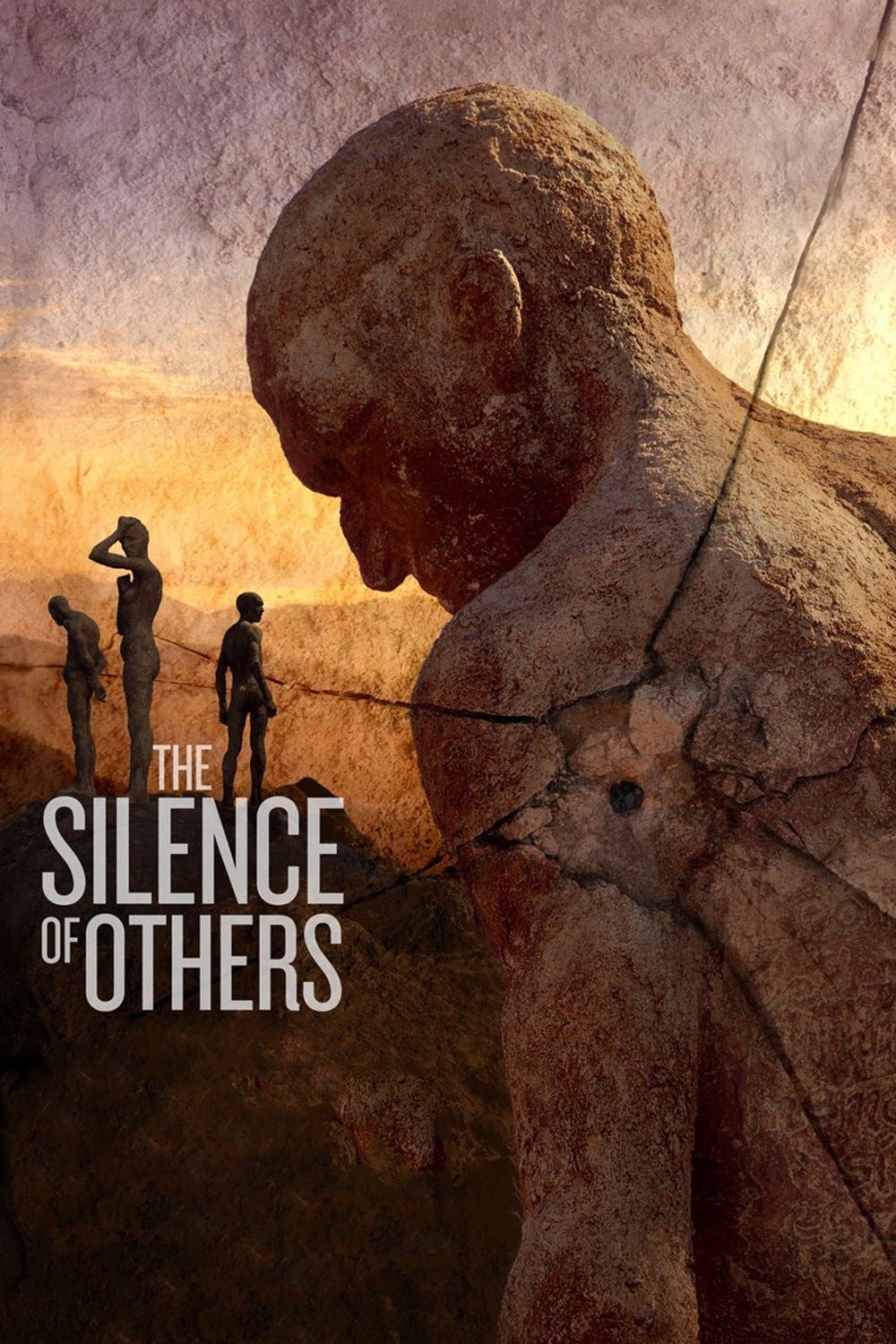
The story of the tortuous struggle against the silence of the victims of the dictatorship imposed by General Franco after the victory of the rebel side in the Spanish Civil War (1936-1975). In a democratic country, but still ideologically divided, the survivors seek justice as they organize the so-called “Argentinian lawsuit” and denounce the legally sanctioned pact of oblivion that intends to hide the crimes they were subjects of.
One of the first (and perhaps therefore ambiguous) approaches to homosexuality in Spain at the time. The film narrates in cinematographic form the problem of the third sex, its justification and its existence within a real environment that is society itself. Two parallel worlds are shown to us; one, the hard and professional life of some artists who try to put on a 'music-hall' show. The other world is independent but it shows us what the life of an old glory was like, of an old man who was an artist in his time. Comparing one era with another is the intention of the film and ultimately its plot.
Documentary about the court martial held following the assassination of Melitón Manzanas, commissioner of the Political-Social Brigade of Guipúzcoa, in an attack carried out by ETA on August 2, 1968. The film includes a series of interviews and testimonies from those imprisoned and prosecuted in that court martial. Following the attack, a state of emergency was declared in Guipúzcoa and hundreds of people were arrested.
A history of the Spanish Transition told in first person by the main protagonists: on the one hand, the politicians, idealistic or merely opportunistic, who brought it to a successful conclusion in the tribunes and offices; on the other hand, the citizens who, in the streets, supported it sincerely or fought it with ferocity.
In his time of greatest splendor, the singer Miguel 'Bambino' Vargas Jiménez (1940-99) was the last frontier of flamenco, an immense musical genre that he developed and brought closer to large audiences: an artist of artists, the idol of the roadside bars, whose inimitable style, scenic magnetism and heartbreaking personality made of his figure a myth, a king without a kingdom, a giant of the popular music of the 20th century.
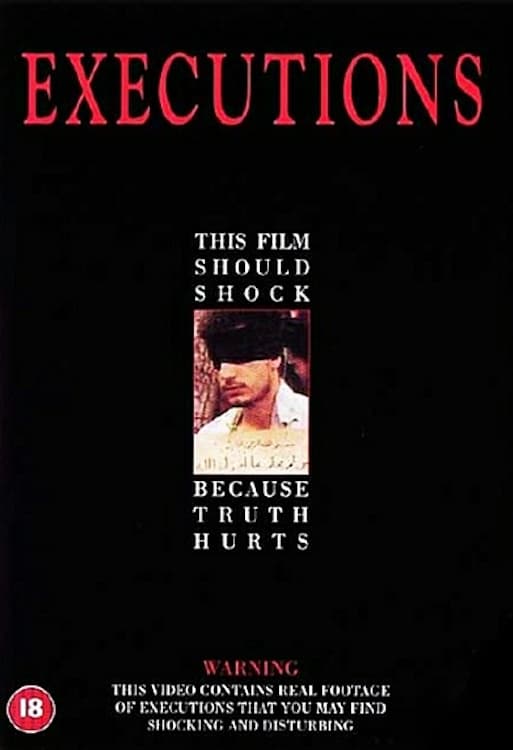
"Executions" is a documentary showing real footage of the many different methods humanity has used through-out history for capital punishment. During the film, the makers point out how unjustifiable the death penalty is in every situation, so they do take a staunch stance against what they're presenting. Footage from live executions are shown in detail.
During the Second World War, the Allies threaten to attack Spain, an allegedly neutral country, if the Francoist regime keeps allowing Nazi Germany to extract Galician tungsten, a strategic mineral, paramount to the war effort.
The life story of Vicente Miguel Carceller (1890-1940), a Spanish editor committed to freedom who, through his weekly magazine La Traca, connected with the common people while maintaining a dangerous pulse with the powerful.
Spain, 1975. Franco's death opens the door to the possibility of uncensored cinema. After two years of relaxed censorship, it is abolished in 1977, and the “S” rating is created to protect viewers from films that may “offend their sensibilities.”
Upon the outbreak of the Spanish Civil War in July 1936, the anarchist union CNT socialized the film industry in Spain, so in Madrid and Barcelona film workers took over the production assets and, between 1936 and 1938, numerous films on a wide variety of topics were released, composing a varied mosaic that gives rise to one of the most unusual and original moments of Spanish cinematography.
Morir en Madrid brings together several papers on the Spanish Civil War and integrates capturing different points of view, intended to represent the continuity of the suffering of the Spanish during the Franco regime. The death of Federico Garcia Lorca, Guernica, the defense of Madrid, the International Brigades, are some of the items comprised in this document.
Through candid interviews, the perpetrators of Argentina's most notorious bank heist detail how — and why — they carried out the radical 2006 operation.
Serial killer Dennis Nilsen narrates his life and horrific crimes via a series of chilling audiotapes recorded from his jail cell.
From a prolific career in film and television, Anton Yelchin left an indelible legacy as an actor. Through his journals and other writings, his photography, the original music he wrote, and interviews with his family, friends, and colleagues, this film looks not just at Anton's impressive career, but at a broader portrait of the man.
A father fights for decades to bring his daughter's killer to justice in France and Germany before taking extreme measures.
After the death of her daughter at the hand of her boyfriend, Marisela Escobedo began to fight for justice not only against the murderer but also against the corrupt Mexican judicial system.
A documentary about how a dominant cultural and demographic institution both sustains their traditional activities and adapts to the digital revolution.
Artists in LA discover the work of forgotten Polish sculptor Stanislav Szukalski, a mad genius whose true story unfolds chapter by astounding chapter.
An in-depth look at the creative process behind "Society of the Snow," featuring cast, crew, director J.A. Bayona and even real-life survivors.
With exclusive access to his extraordinary unseen and unheard personal archive including hundreds of hours of audio recorded over the course of his life, this is the definitive Marlon Brando cinema documentary. Charting his exceptional career as an actor and his extraordinary life away from the stage and screen with Brando himself as your guide, the film will fully explore the complexities of the man by telling the story uniquely from Marlon's perspective, entirely in his own voice. No talking heads, no interviewees, just Brando on Brando and life.
After 16-year-old Cyntoia Brown is sentenced to life in prison, questions about her past, physiology and the law itself call her guilt into question.
A portrait of singer-songwriter Shawn Mendes' life, chronicling the past few years of his rise and journey.
The background and career of Tony Parker, whose determination led him to become arguably the greatest French basketball player.
The life and career of one of comedy's most inimitable modern voices, Mr. Gilbert Gottfried.
Against the darkening backdrop of New Delhi's apocalyptic air and escalating violence, two brothers devote their lives to protecting one casualty of the turbulent times: the bird known as the black kite.
Experience the iconic rock band's legacy in the first major documentary to tell their story. Directed with the era’s avant-garde spirit by Todd Haynes, this kaleidoscopic oral history combines exclusive interviews with dazzling archival footage.
Using raw, firsthand footage, this documentary examines the disappearance of Shanann Watts and her children, and the terrible events that followed.
Granted unprecedented access, Berlinger captures renowned life and business strategist Tony Robbins behind the scenes of his mega seminar Date with Destiny, pulling back the curtain on this life-altering and controversial event, the zealous participants and the man himself.
After 23 years on Death Row a convicted murderer petitions the court asking to be executed, but as his story unfolds, it becomes clear that nothing is what it seems.
From the heights of her modeling fame to her tragic death, this documentary reveals Anna Nicole Smith through the eyes of the people closest to her.
The spectacular rise and scandalous fall of hot-yoga evangelist Bikram Choudhury is chronicled through archival footage and extensive insider interviews.