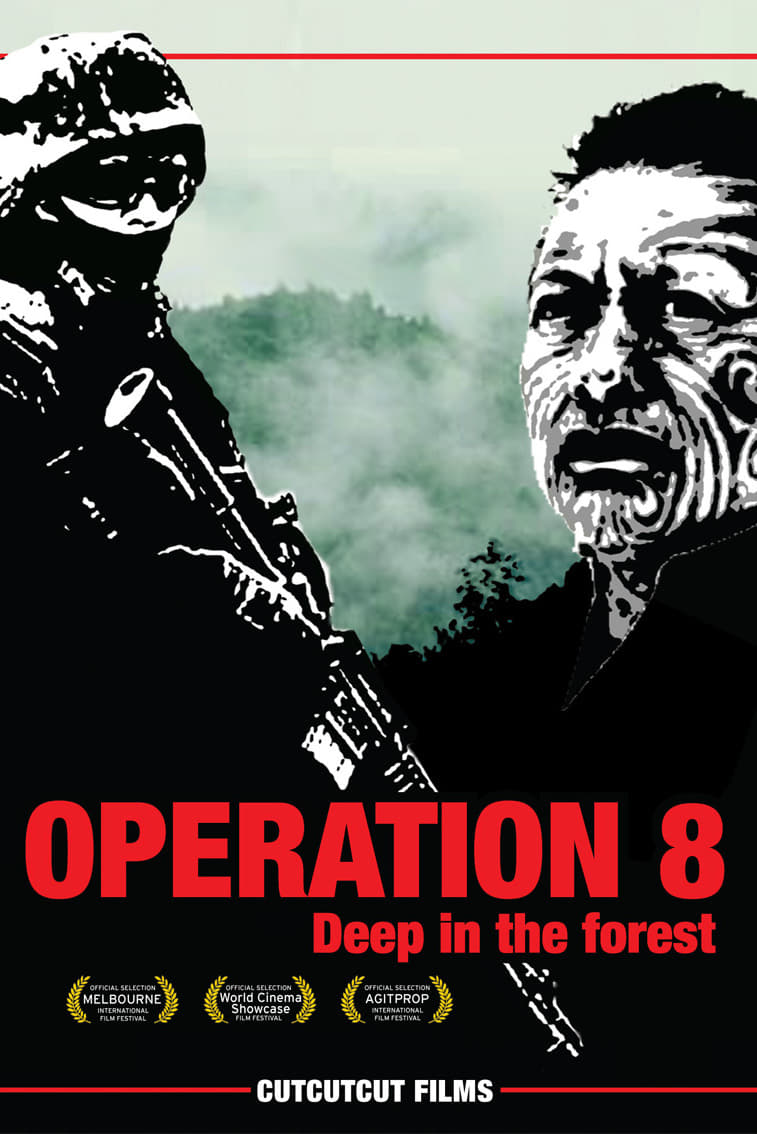
"Deep in the Forest"
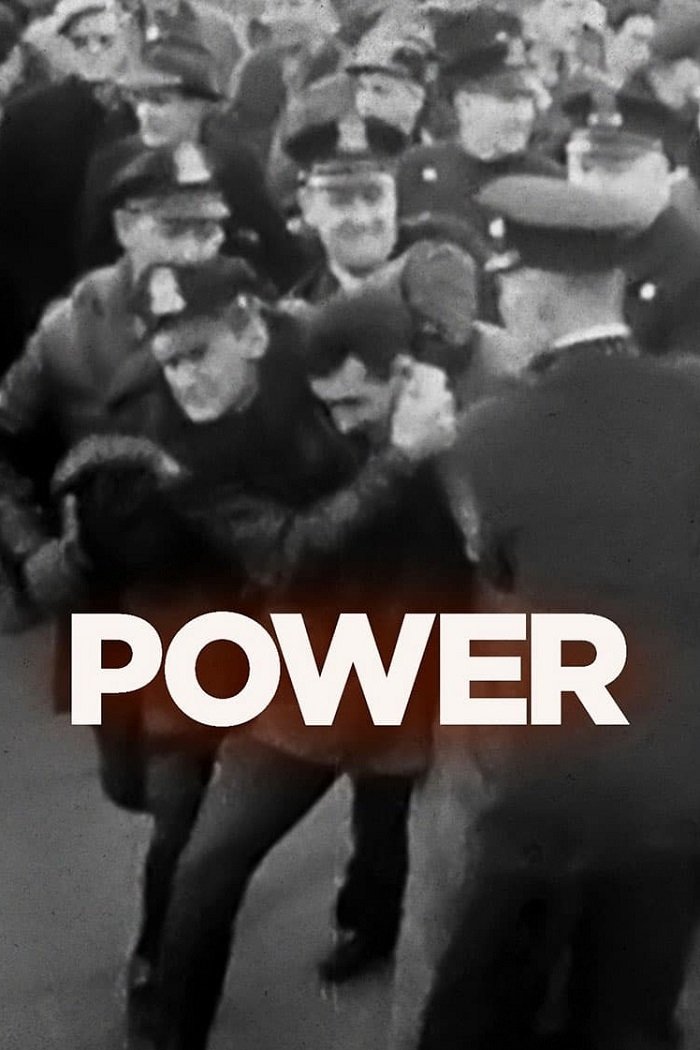
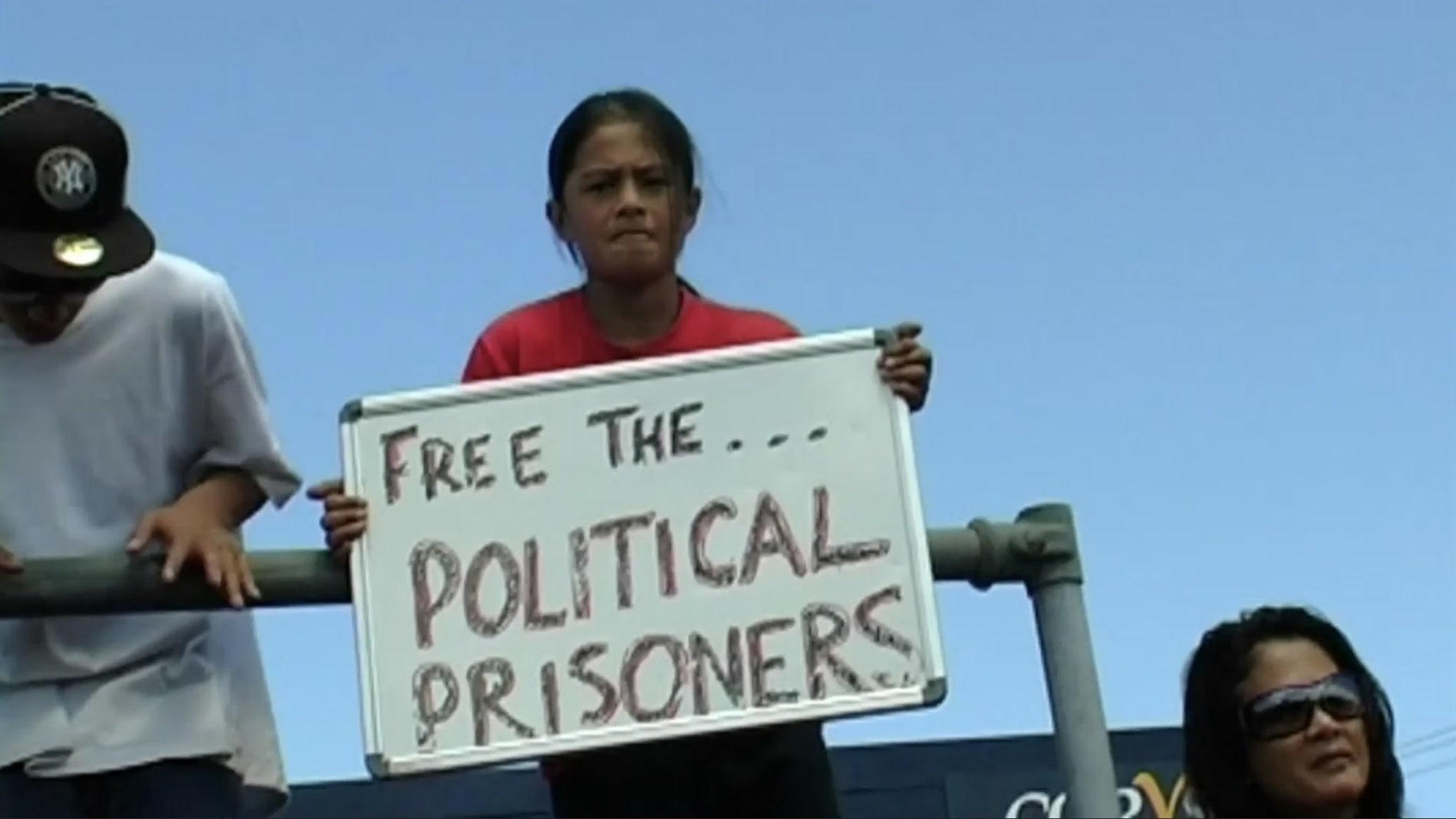
Operation 8 examines the so-called 'anti-terror' raids that took place around New Zealand on October 15, 2007 - asking how and why they took place and at what cost to those targeted.
Social & External
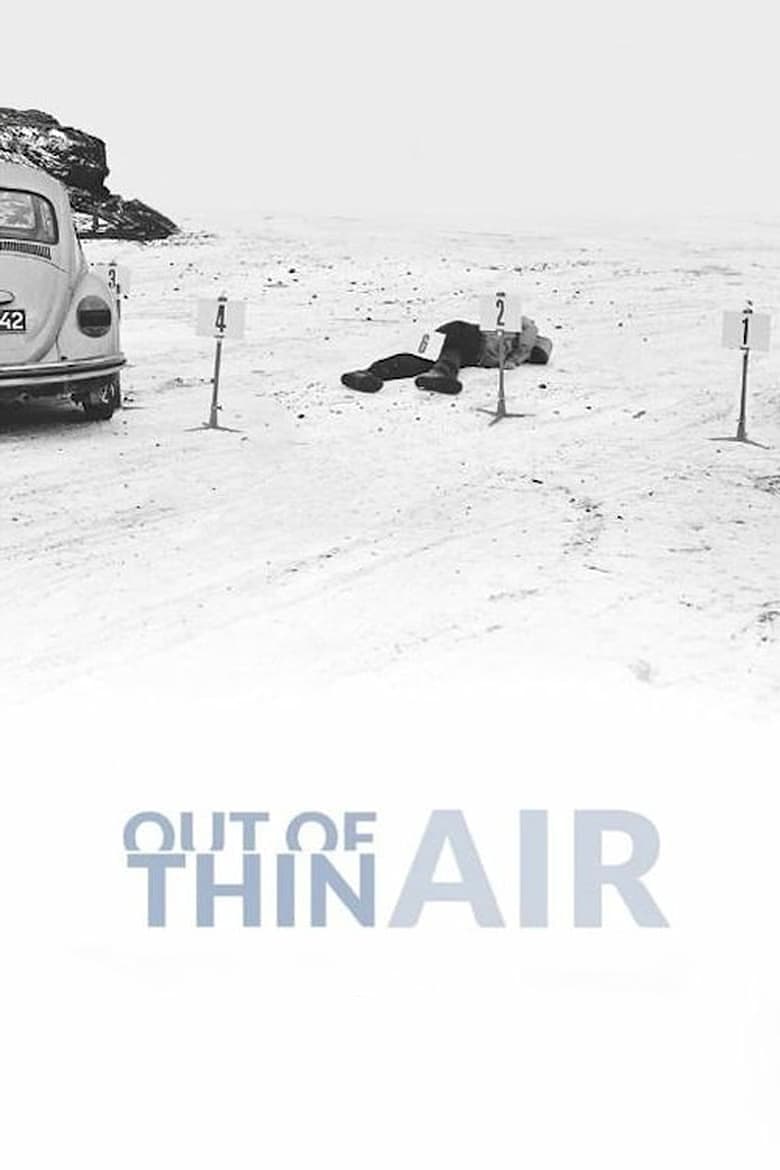
On 28 November 1979, an Air New Zealand jet with 257 passengers went missing during a sightseeing tour over Antarctica. Within hours 11 ordinary police officers were called to duty to face the formidable Mount Erebus. As the police recovered the victims, an investigation team tried to uncover the mystery of how a jet could fly into a mountain in broad daylight. Did the airline have a secret it wanted to bury? This film tells the story of four New Zealand police officers who went to Antarctica as part of the police operation to recover the victims of the crash. Set in the beautiful yet hostile environment of Antarctica, this is the emotional and compelling true story of an extraordinary police operation.
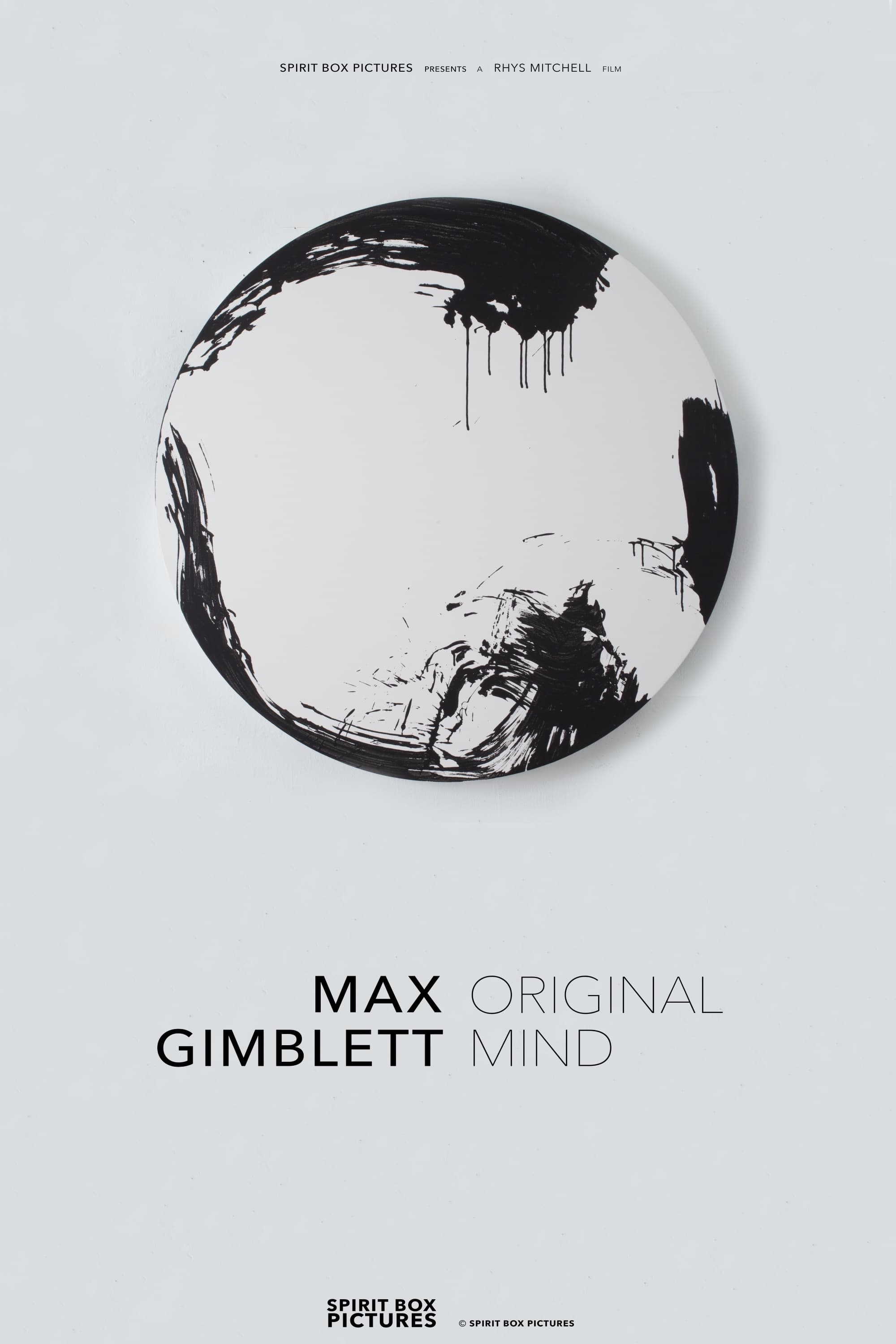
Max Gimblett: Original Mind documents the life and process of eccentric, creative genius Max Gimblett. One of New Zealand’s most successful and internationally prominent living painters, Gimblett has been working in America since 1962. The filmmakers spent a week in Gimblett’s Soho loft where he and his devoted studio assistants generously revealed the techniques and philosophy behind his beautiful art.
In the years since New Zealand politicians began to grapple with climate change our greenhouse gas emissions have burgeoned. Alister Barry’s doco draws on TV archives and interviews with key participants to find out why.

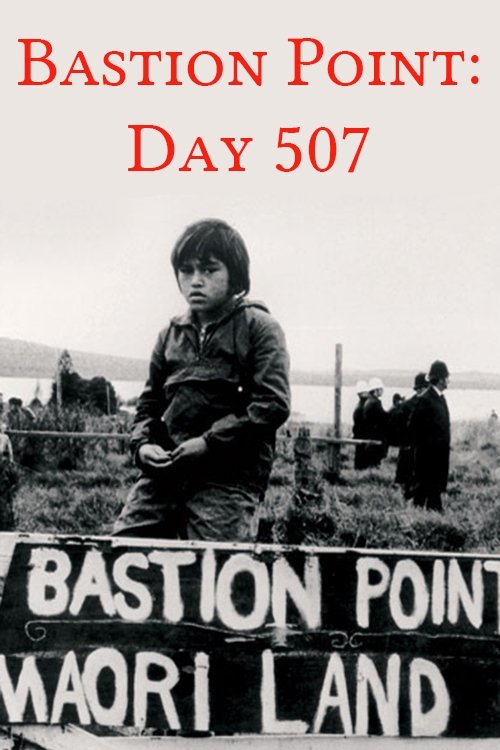
Merata Mita, Leon Narbey and Gerd Pohlmann’s powerful documentary Bastion Point: Day 507 depicts the eviction of protestors from Bastion Point during the struggle for Māori land rights.
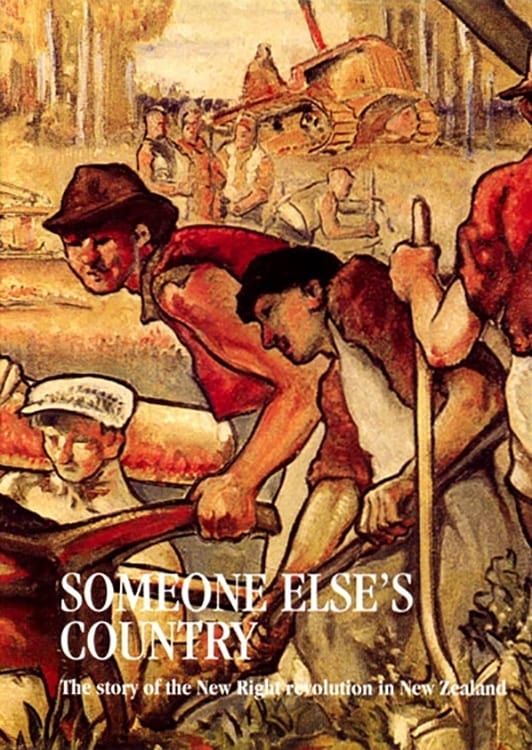
Someone Else’s Country looks critically at the radical economic changes implemented by the 1984 Labour Government - where privatisation of state assets was part of a wider agenda that sought to remake New Zealand as a model free market state. The trickle-down ‘Rogernomics’ rhetoric warned of no gain without pain, and here the theory is counterpointed by the social effects (redundant workers, Post Office closures). Made by Alister Barry in 1996 when the effects were raw, the film draws extensively on archive footage and interviews with key “witnesses to history”.
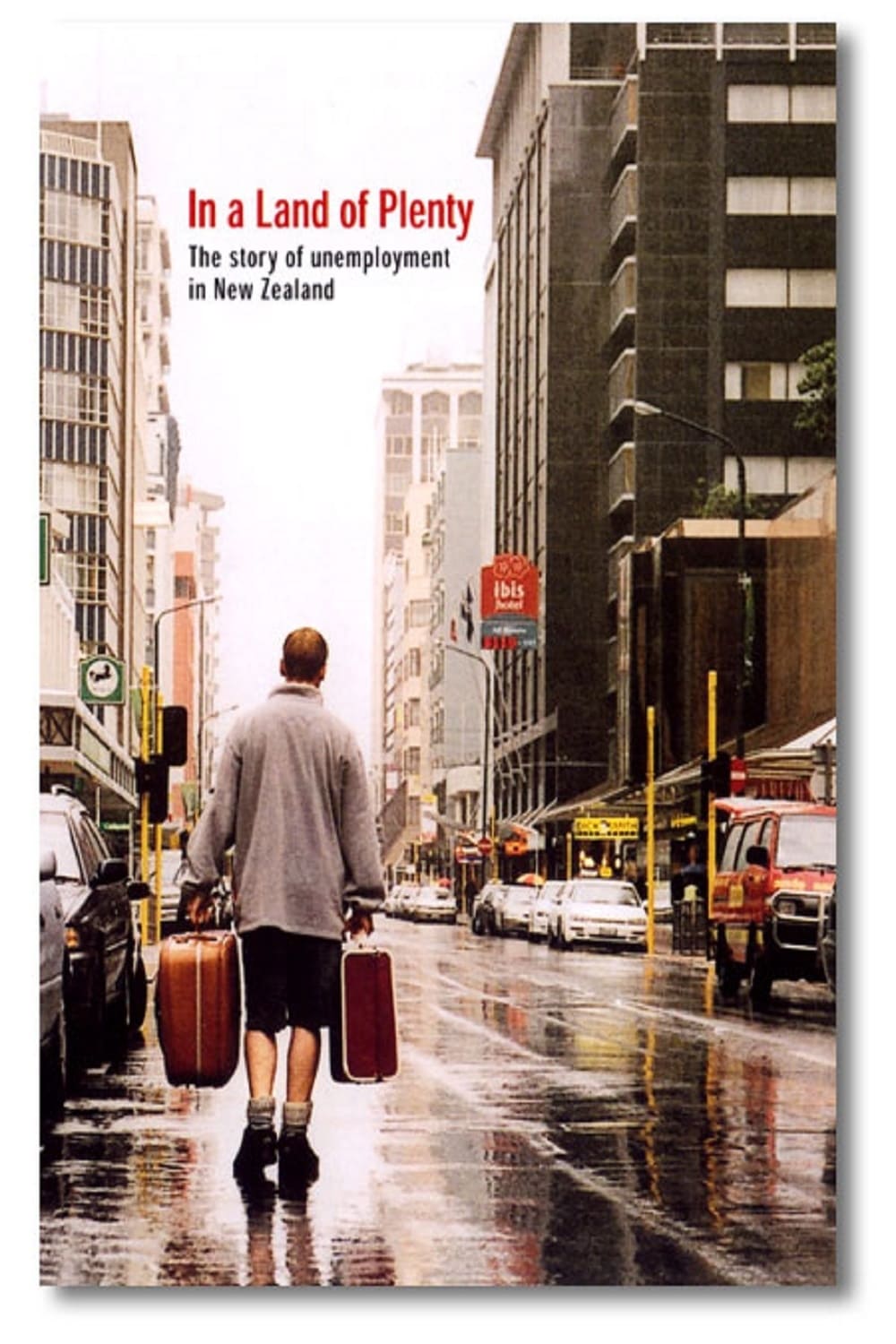
The story of unemployment in New Zealand and In A Land of Plenty is an exploration of just that; it takes as its starting point the consensus from The Depression onwards that Godzone economic policy should focus on achieving full employment, and explores how this was radically shifted by the 1984 Labour government. Director Alister Barry's perspective is clear, as he trains a humanist lens on ‘Rogernomics' to argue for the policy's negative effects on society, as a new poverty-stricken underclass developed.

INTO THE CIRCLE ( German: IM INNEREN KREIS) highlights the diverse psychological and political consequences of covert police operations. The undercover police officer, Iris P., investigated the Hamburg left scene as "Iris Schneider" for nearly six years. She had close friendships, and she had several years of intimate relations with people, who at the same she spied upon. After Iris P. was publicly unmasked in 2014, two more clandestine investigators were revealed as well. However, public surveillance can also affect people who would have considered it impossible. This is illustrated by the case of the police officer Simon B., who enrolled in the University of Heidelberg, to spy out peaceful left-wing students.
Anti-war feature documentary uncovering America's support of Hitler and the role of big business in the development of the atomic bomb, the Cold War, and nuclear power.
FRONTLINE and Forbidden Films investigate Pegasus, a powerful spyware sold to governments around the world by the Israeli company NSO Group.
Renowned artist Krzysztof Wodiczko creates powerful responses to the inequities and horrors of war. This in-depth investigation into the artist focuses on the recurring themes of war, trauma, and displacement in his work. An instigator for social change, Wodiczko’s powerful art interventions disrupt the valorization of state-sanctioned aggression.
A story about acts of terrorism that have impacted Denmark over the past 30 years—from the bombings in Copenhagen in 1985 to the attacks at Krudttønden and the Synagogue in 2015. A story told by the officials and politicians who bore the responsibility for the safety of the Danish population in the most critical moments. How did they react when terror came to the country?
Before the summer of 2022, Ireland had never beaten the All Blacks in New Zealand. Using behind the scenes footage and interviews with players and coaches this documentary reflects on the experience of triumphing in New Zealand for the first time.
In 1966 a group of determined young men defied the New Zealand government and launched a pirate radio station aboard a ship in the Hauraki Gulf.
The 'stolen' insider emails that informed Nicky Hager's best-selling account of National's 2005 election campaign return in Alister Barry's (Someone Else's Country) new film - just in time to caution us against campaigning politicians in 2008. Addressing each other like schoolboy Machiavellis, party leader Don Brash and his advisors spelled out how they'd copy the big boys in Australia and the US in order to win the votes of people who'd never support the kind of policies such men are widely presumed to represent. The dividing and conquering began at Orewa.
This film is an intimate portrayal of pioneering filmmaker Merata Mita told through the eyes of her children. Using hours of archive footage, some never before seen, her youngest child and director Hepi Mita discovers the filmmaker he never knew and shares the mother he lost, with the world.
A portrait of free diver Kathryn Nevatt, former World Champion and current New Zealand record holder in all three disciplines.
Actor Sam Neill discusses New Zealand film and his own experiences within and without.
In 1993 David Dougherty was found guilty and imprisoned for the abduction and rape of his 11 year old neighbor. It took two trials, two high court appeals, a petition to the Governor General and 3 years, 6 months and 1 week in prison before David finally won his freedom and was found not guilty of the crime he didn't commit. But it wouldn't have happened without the unrelenting efforts of three individuals - a journalist, a lawyer and a scientist - who put their own personal and professional lives on the line in order to prove that David Dougherty was innocent.
This impressive doco disperses the fog of shame and sensationalism to shed light on the tragedy that made international headlines in 2007 when a young Wainuiomata woman died during a mākutu lifting.
Two decades on from Cinema of Unease, Tim Wong’s essay film contemplates the prevailing image of a national cinema while privileging some of the images and image-makers displaced by the popular view of filmmaking in Aotearoa. Now streaming for free at: films.lumiere.net.nz