Short video art piece.
Social & External
Writes Kobayashi, "In 1972 I started a series of participatory performances where the first person performs an ambiguous action in front of a recording camera; the next person watches the recorded footage and imitates the action in front of a recording camera; the third person repeats the same procedure using the second person's video recording, and so on. Within the repetition of recording and action, the original gesture is transformed by the participants' misunderstanding, interpretation, and memory."
In this tape, Ko Nakajima and Video Earth Tokyo interview a homeless man. The subject is initially angry and frustrated, but gradually opens up and shares stories about his life. Under A Bridge was later broadcast on cable television.
In Idemitsu's seminal women's liberationist video, the image of a tampon swirling in a toilet bowl slowly appears, as the artist speaks about the troubling roles, responsibilities and expectations of women in a clinical tone. Minimal in composition, What a Woman Made is a candid critique of the treatment of women in Japanese society.
Katsuhiro Yamaguchi and Hakudo Kobayashi presented the video performance Eat at Video Hiroba's first exhibition, Video Communication DO IT YOURSELF KIT. Two performers sit at a table. One records the other eating; then they switch roles. The live video feed of the performance was displayed on a monitor in the exhibition space.
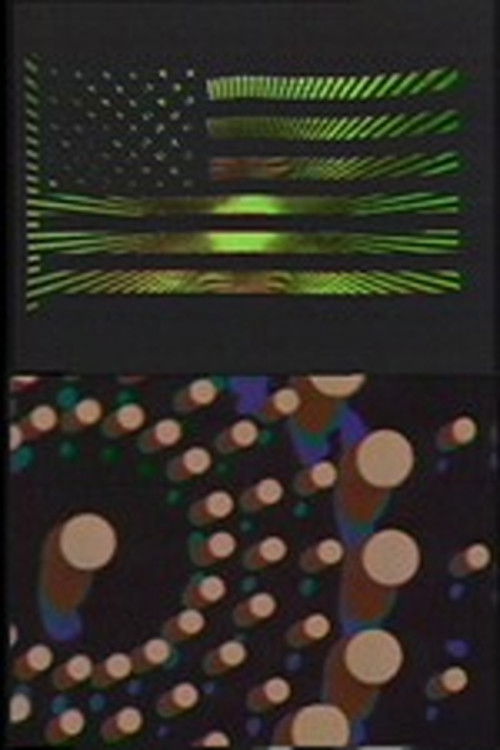
Writes Ando, "Oh! My Mother was the first work I made using a newly bought 16mm camera I had purchased with the writer Shuji Terayama in Paris. This piece was selected for the Oberhausen International Film Festival. In 1969, there were, of course, no video cameras like ones we see now, and color TVs were only found at broadcast television studios. I had just been employed at the TBS (Tokyo Broadcasting System), and I often snuck into the studios after hours to experiment with the equipment. Oh! My Mother was made using the feedback effect, which is produced by infinitely expanding the image by looping the video."
Camera, Monitor, Frame is the first installment of Takahiko Iimura's "Video Semiotics Triptych" (the other two works are Observer/Observed, made in 1975, and Observer/Observed/Observer, made in 1976). The work analyzes the fundamental components of video: the camera, the monitor, and the frame, focusing on the role of each within a system of video as analogous to the functions of vision and speech.
Produced by WGBH-TV in Boston, the Medium Is the Medium is one of the earliest and most prescient examples of the collaboration between public television and the emerging field of video art in the U.S. WGBH commissioned artists — Allan Kaprow, Nam June Paik, Otto Piene, James Seawright, Thomas Tadlock and Aldo Tambellini — to create original works for broadcast television. Their works explored the parameters of the new medium, from image processing and interactivity to video dance and sculpture.
Phil Morton's General Motors was created in 1976. Then based in Chicago, the late Phil Morton created this project as a playful and critical video response in conversation with a local General Motors dealership from whom he had purchased a van. Segments 'Colorful Colorado' and 'RYRAL' begin after the video-complaints cease. Produced at the School of the Art Institute of Chicago (where Morton founded the Video Area), this work includes Dan Sandin and Tom DeFanti who collaboratively developed the early Video Art scene in Chicago.
Single channel HD video. Part of the "Distortion III" video album.
Features four distinct, bizarre, existential tales about people whose lives are in transition, who are each asking questions about themselves, their environments, and about God(s).
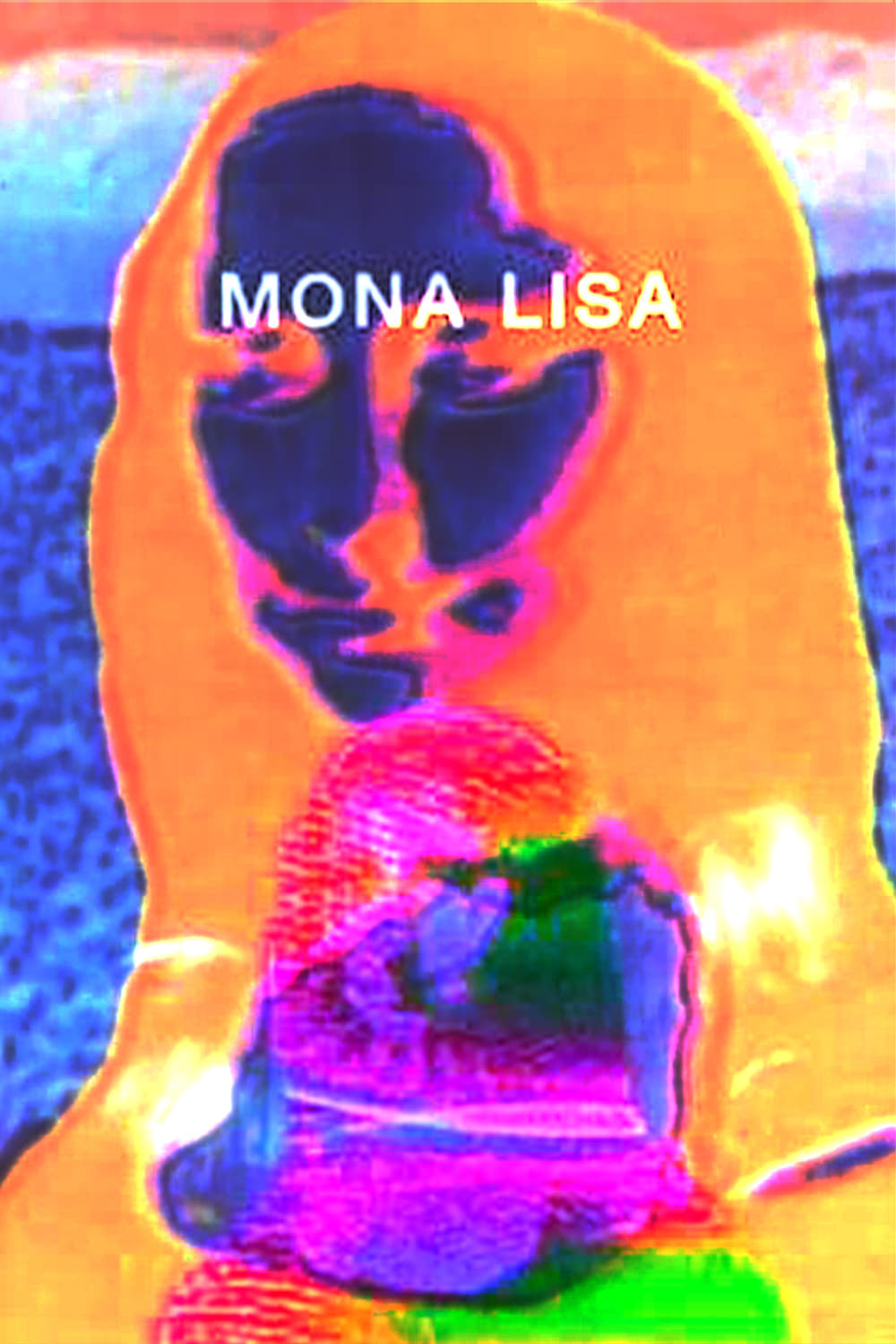
An experimental short film from Toshio Matsumoto featuring Mona Lisa.
Video collage distributed by the label Come Organisation. I - IV. Noise, smut, medical procedures, studies on art, interviews and other assorted madness.
Computer Movie No. 2 is a CGI animation created in advance of video-editing software. CTG programmed graphics on an IBM computer, filmed the screen with a 16mm camera, and assembled the frames as an animated film.
Sylvia Kristel – Paris is a portrait of Sylvia Kristel , best known for her role in the 1970’s erotic cult classic Emmanuelle, as well as a film about the impossibility of memory in relation to biography. Between November 2000 and June 2002 Manon de Boer recorded the stories and memories of Kristel. At each recording session she asked her to speak about a city where Kristel has lived: Paris, Los Angeles, Brussels or Amsterdam; over the two years she spoke on several occasions about the same city. At first glance the collection of stories appears to make up a sort of biography, but over time it shows the impossibility of biography: the impossibility of ‘plotting’ somebody’s life as a coherent narrative.
A video installation using three monitors and mirrors, Ooi and Environs depicts the Tokyo cityscape with electronically modified footage of the city. Aiming to create an interactive environment, images reflected on the mirror shift as audience members move.
The Second Electronic Visualization Event took place at The University of Illinois Chicago Circle Campus in 1976. This documentation features Bob Snyder on EMU Synthesizer, Phil Morton on the Sandin Image Processor by Dan Sandin and Guenther Tetz on the GRASS (GRaphics Symbiosis System) by Tom DeFanti. In Morton's words these artists perform live realtime audio and video synthesis "using both analog and digital computers as 'visual instruments'..." Other artists credited with participation in the Electronic Visualization Events between 1975 and 1978 include Drew Browning, Larry Cuba, Barbara Latham, John Manning, Faramarz Rahbar, Ed Rankus, Michael Sterling, Barbara Sykes and Jane Veeder.
Writes Imai, "As a photographer during the 1970s, my interest in capturing time led me to explore the video medium. After utilizing video in two or three works, I saw a similarity between videotape and an ancient scroll, in that they both capture a story of our time. I started using physical videotape as a metaphorical representation of time, rolling out the magnetic tape from right to left, representing a narrative from beginning to end."
Yamaguchi writes, "In April 1969, Image Modulator was shown at the Sony Building exhibition Electromagica '69, using three Trinitron color TV monitors behind a glass that created an optical effect. The glass acted as a literal filter, adding a mosaic effect to the video images."
This is the story of the internal struggle between a man's Brain—a pragmatic protector who calculates his every move, and his Heart—a free-spirited adventurer who wants to let loose.
Short film made with the help of the Sundance Film Institute and serving as a proof-of-concept for the subsequent feature film.
A playful exercise in intermittent animation and spasmodic imagery. Playing with the laws relating to persistence of vision and after-image on the retina of the eye, McLaren engraves pictures on blank film creating vivid, percussive effects.
Buster Moon dreams up a star-studded spectacle set to Michael Jackson's "Thriller" in this animated short featuring characters from the hit "Sing" films.
Animals band together to save the day when the evil Otto Von Walrus hatches a sinister scheme to accelerate global warming and melt the Arctic Circle.
Two Americans wake up in Dakar, Senegal, with bombs strapped to their chests ticking down from ten hours. Guided by a threatening voice on the phone, these men complete a series of violent tasks that spark widespread protest against Western influence in the city.
Stan and Ollie join the French Foreign Legion after Ollie's sweetheart rejects him.
While streetworker Mickey romances Minnie, Mickey's nephews Morty and Ferdie take control of his steamroller and it's full speed ahead on a very destructive ride.
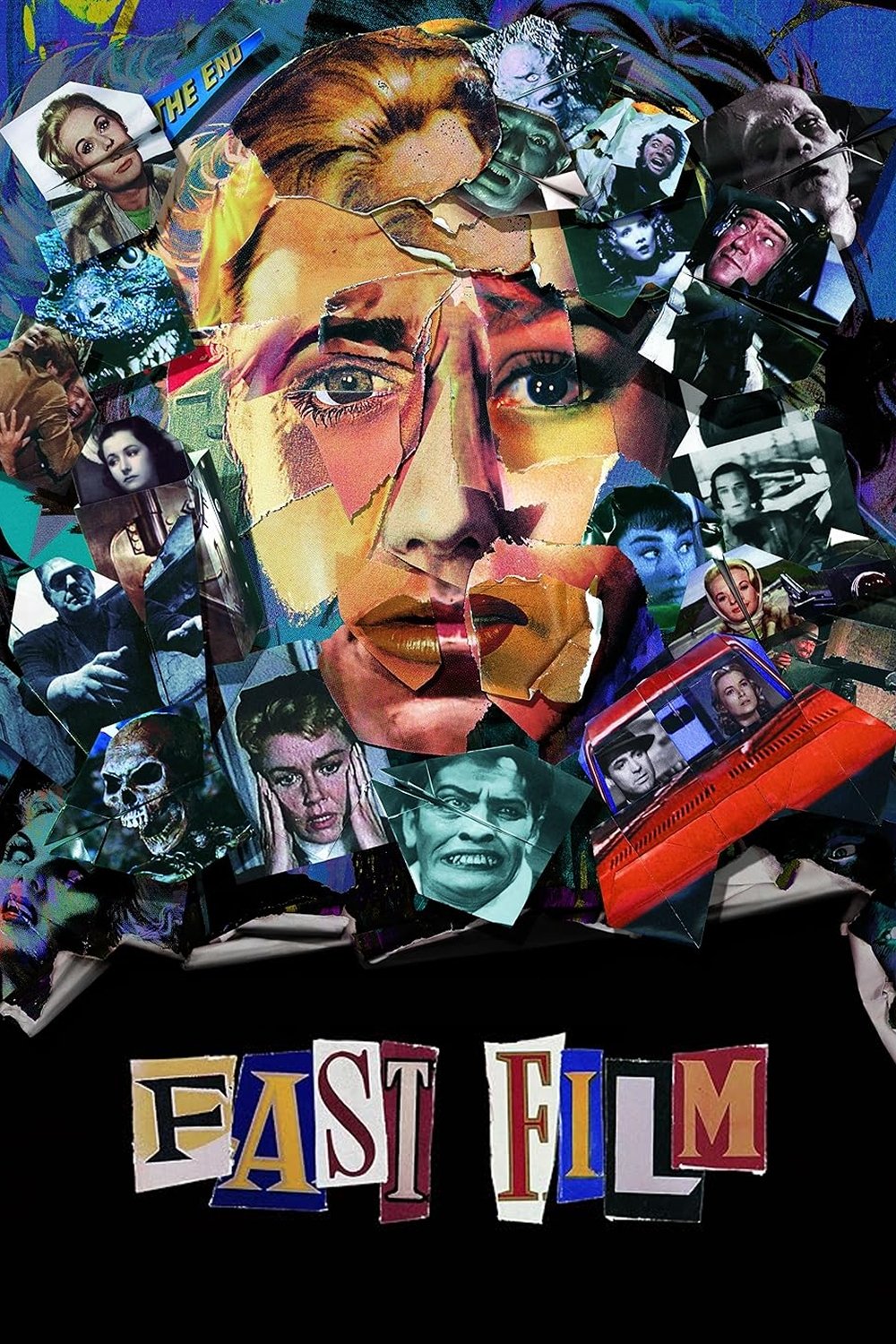
Bits of found film and different types of animation illustrate a classic chase scene scenario: A woman is abducted and a man comes to her rescue, but during their escape they find themselves in the enemy's secret headquarters.
Carl Fredricksen reluctantly agrees to go on a date with a lady friend—but admittedly has no idea how dating works these days. Ever the helpful friend, Dug steps in to calm Carl's pre-date jitters and offer some tried-and-true tips for making friends—if you're a dog.
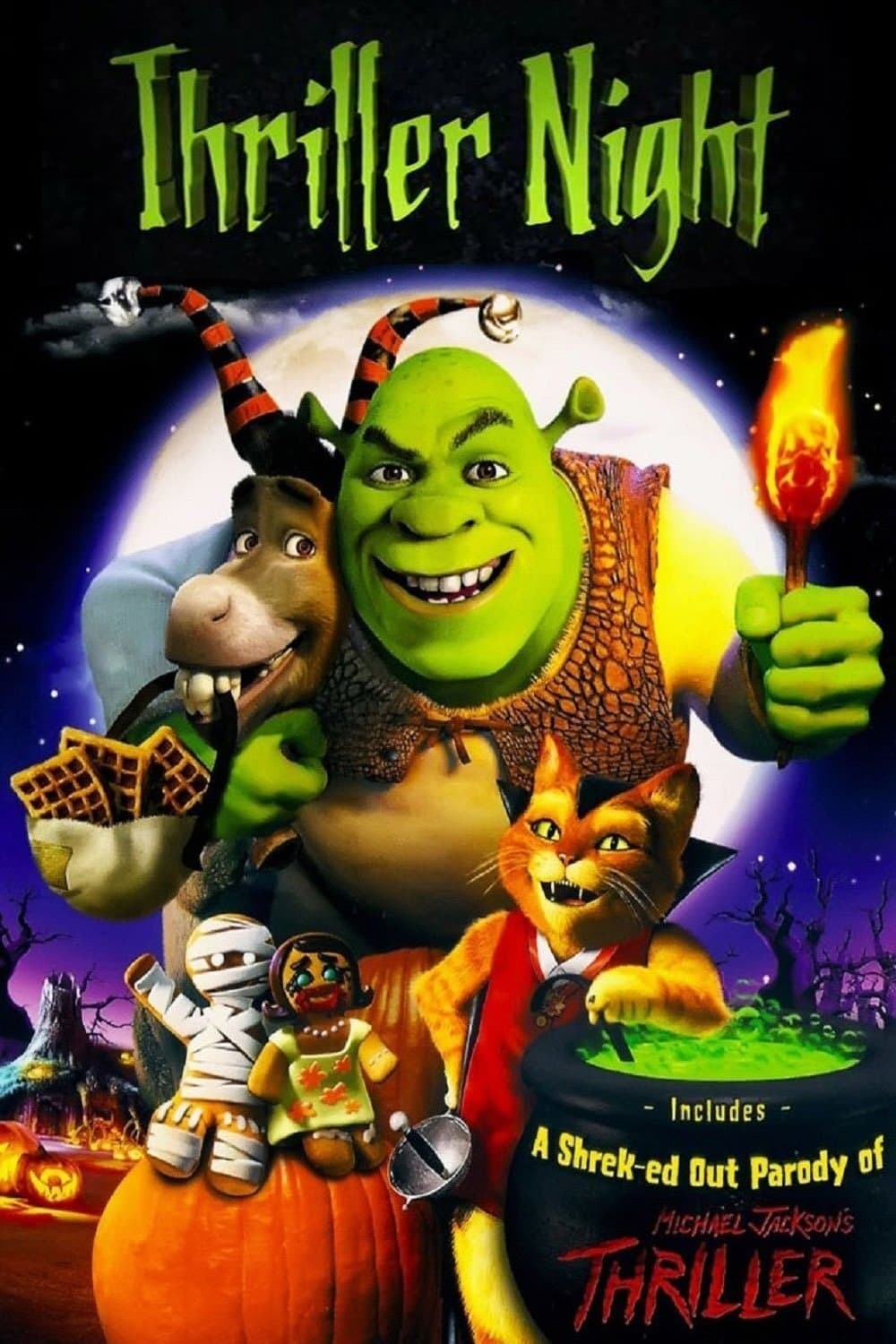
A Shrek parody of Michael Jackson's Thriller song and music video, with Donkey singing.
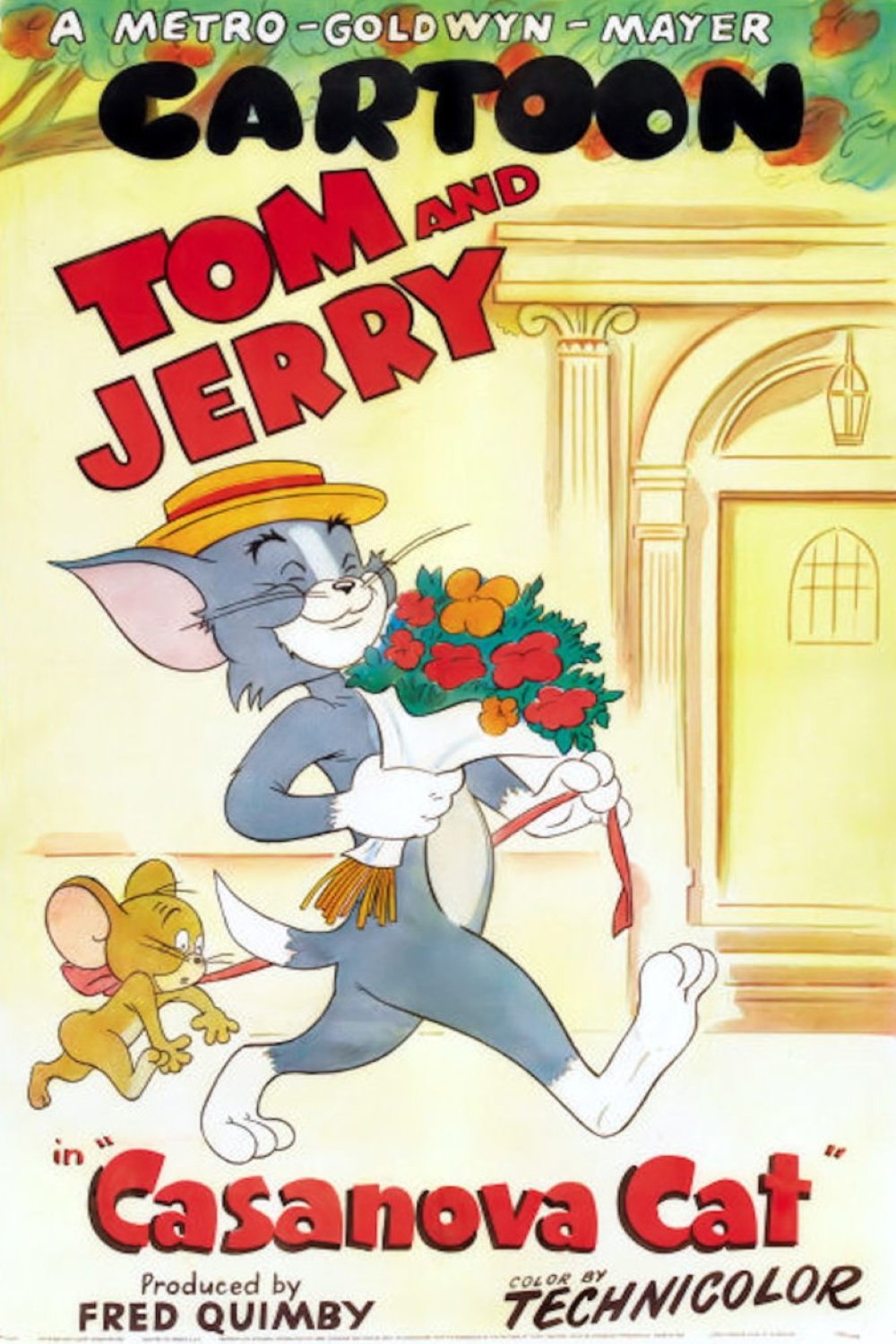
Tom heads for a big city penthouse to become acquainted with a rich pretty female cat that lives there. He brings her Jerry as a gift and does some humiliating things to Jerry. Jerry, in turn, attracts the attention of another cat who also becomes interested in the female cat. It eventually turns into a fight between Tom and the other cat for the lady's hand but Jerry is the one who gets her in the end.
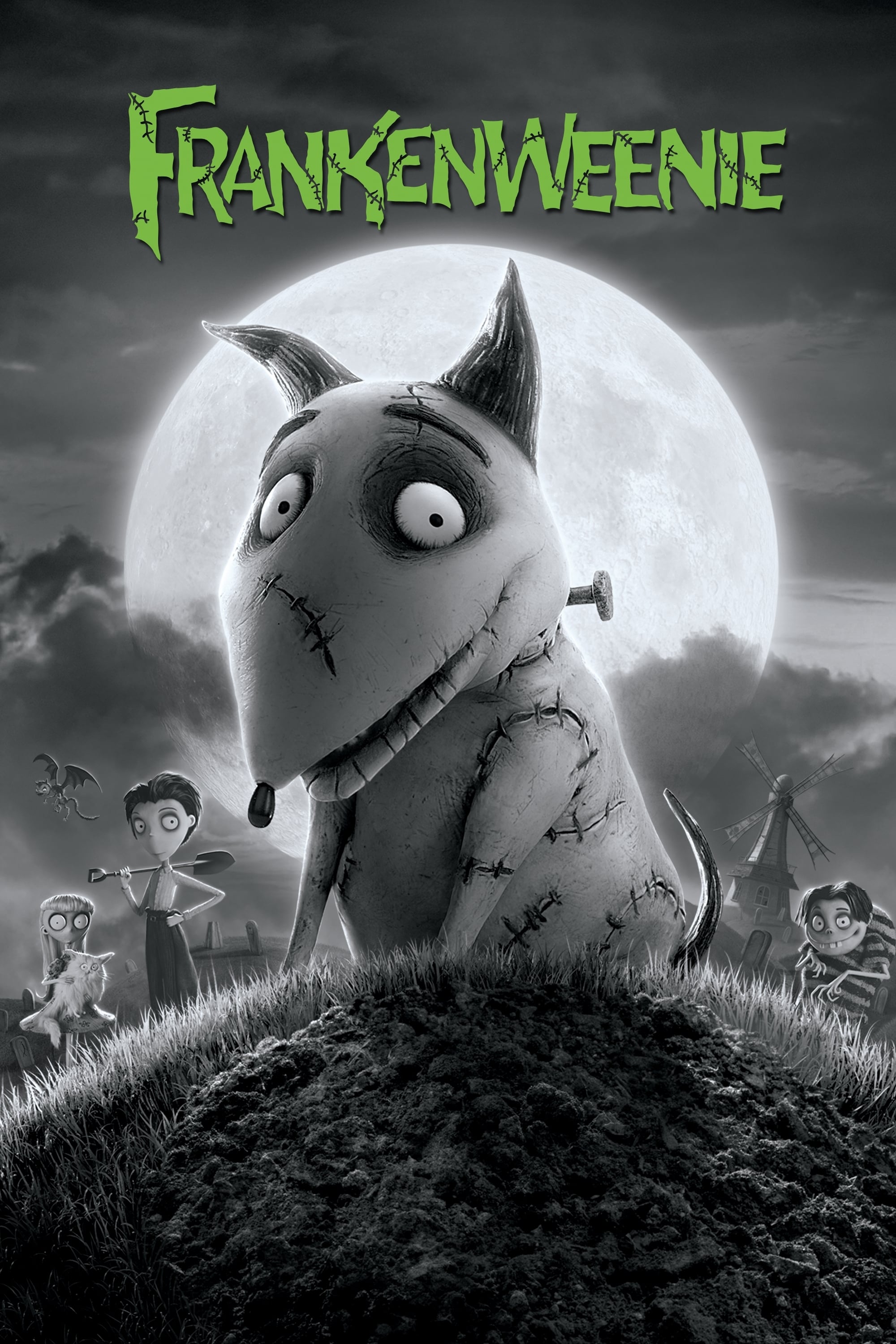
When a car hits young Victor's pet dog Sparky, Victor decides to bring him back to life the only way he knows how. But when the bolt-necked "monster" wreaks havoc and terror in the hearts of Victor's neighbors, he has to convince them that Sparky's still the good, loyal friend he was.
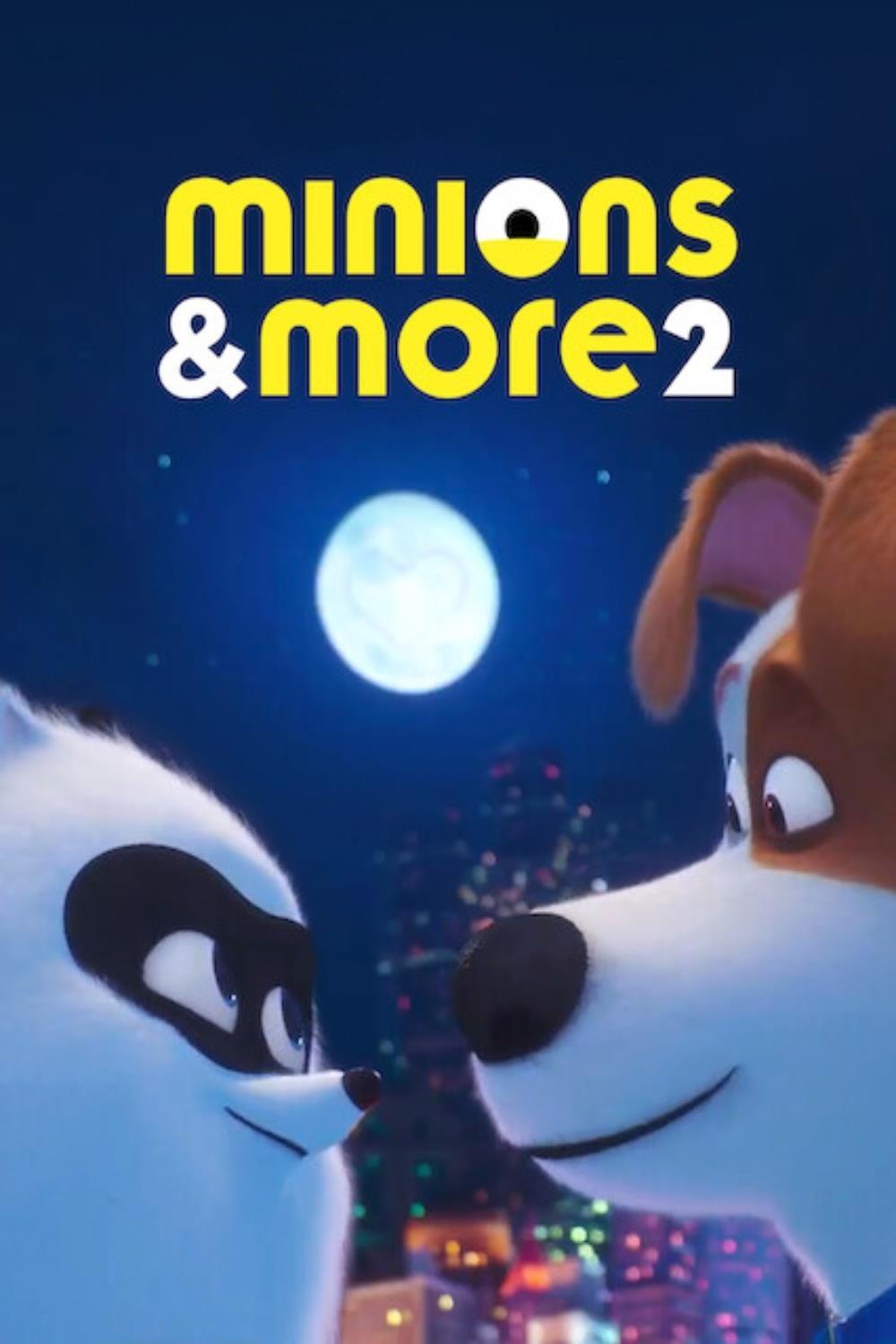
This collection of 11 short films produced by Illumination includes: From the "Despicable Me" franchise: Mower Minions (2016); Yellow Is the New Black (2018); Competition (2015); Cro Minion (2015); Binky Nelson Unpacified (2015); Panic in the Mailroom (2013). From the "Secret Life of Pets" franchise: Super Gidget (2019). From the "Sing" franchise: Eddie's Life Coach (2017); Gunter Babysits (2017). From the "Lorax" franchise: Serenade (2012); Wagon Ho! (2012).
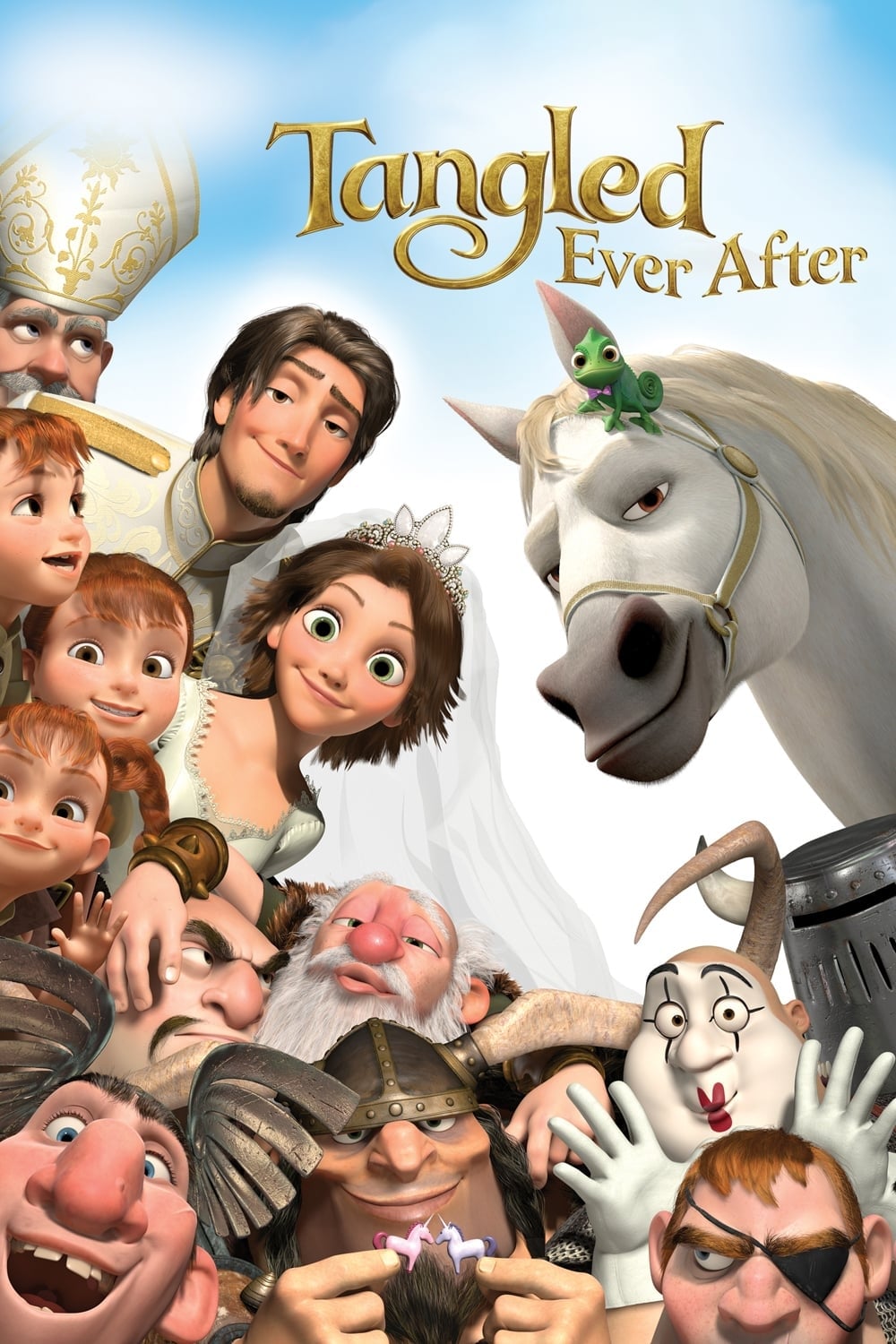
The kingdom is in a festive mood as everyone gathers for the royal wedding of Rapunzel and Flynn. However, when Pascal and Maximus, as flower chameleon and ring bearer, respectively, lose the gold bands, a frenzied search and recovery mission gets underway. As the desperate duo tries to find the rings before anyone discovers that they’re missing, they leave behind a trail of comical chaos that includes flying lanterns, a flock of doves, a wine barrel barricade and a very sticky finale. Will Maximus and Pascal save the day and make it to the church in time? And will they ever get Flynn’s nose right?
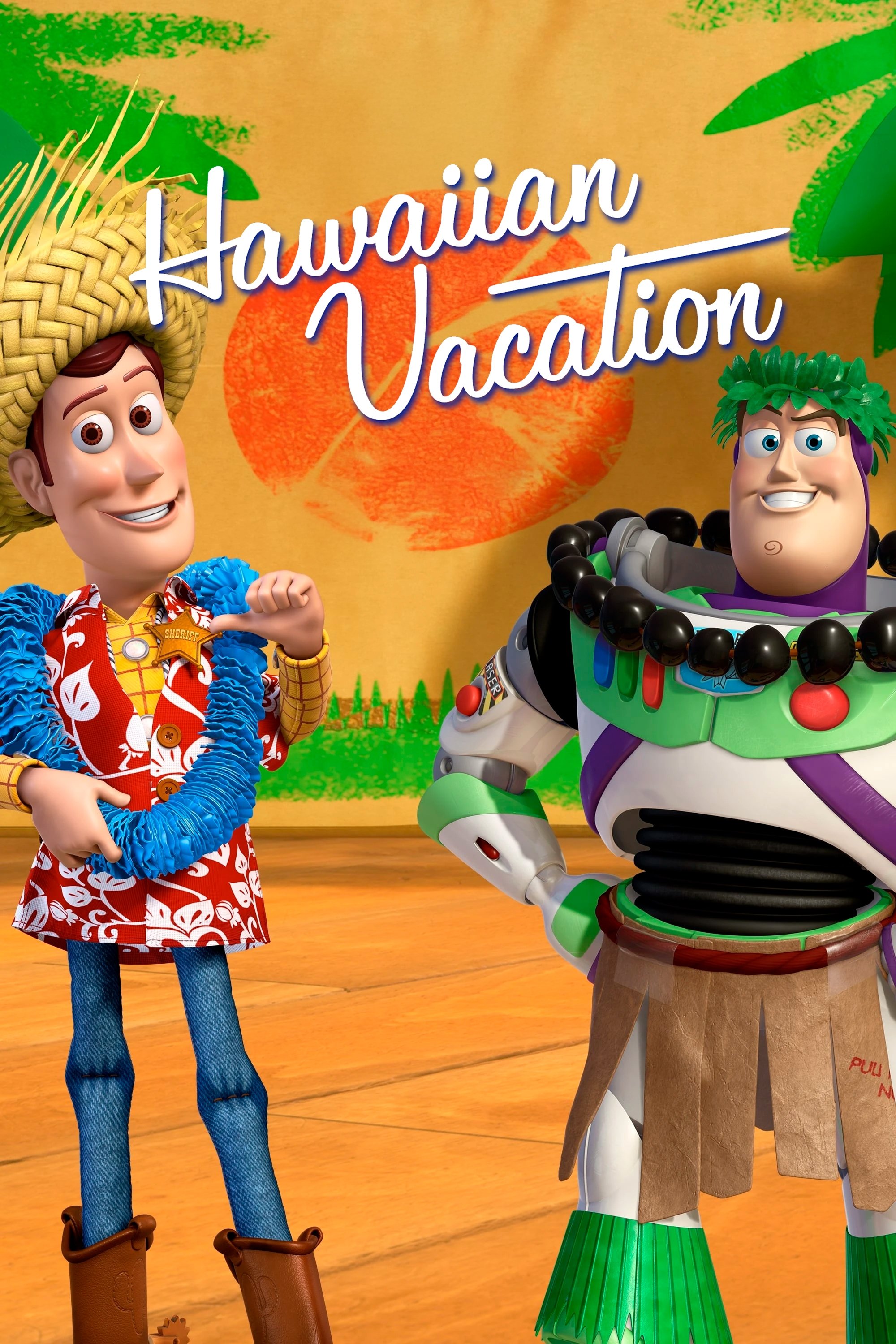
The toys throw Ken and Barbie a Hawaiian vacation in Bonnie's room.
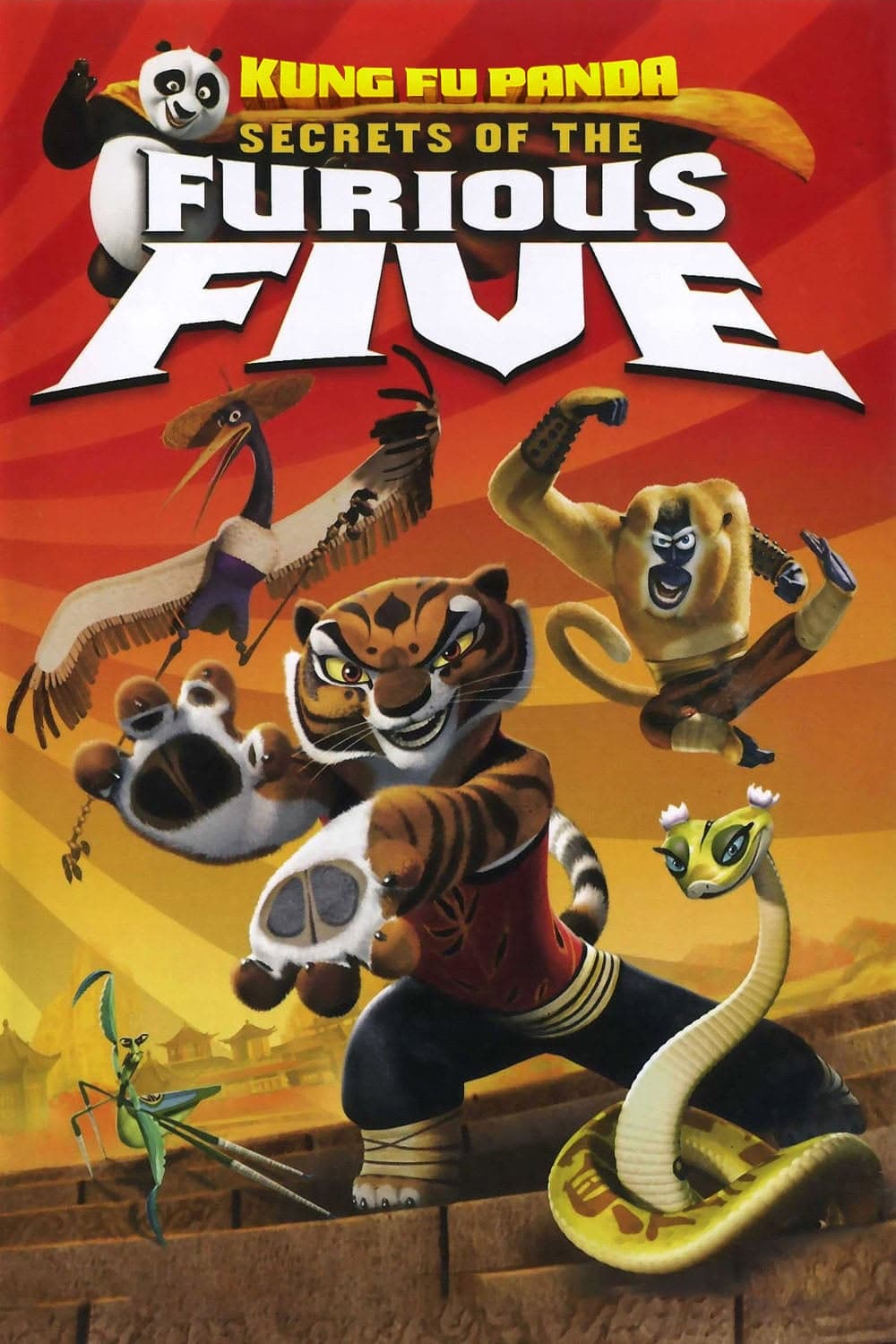
Ordered to teach a martial arts class of rambunctious bunny kittens, Po tells stories of each of the Furious Five's pasts.
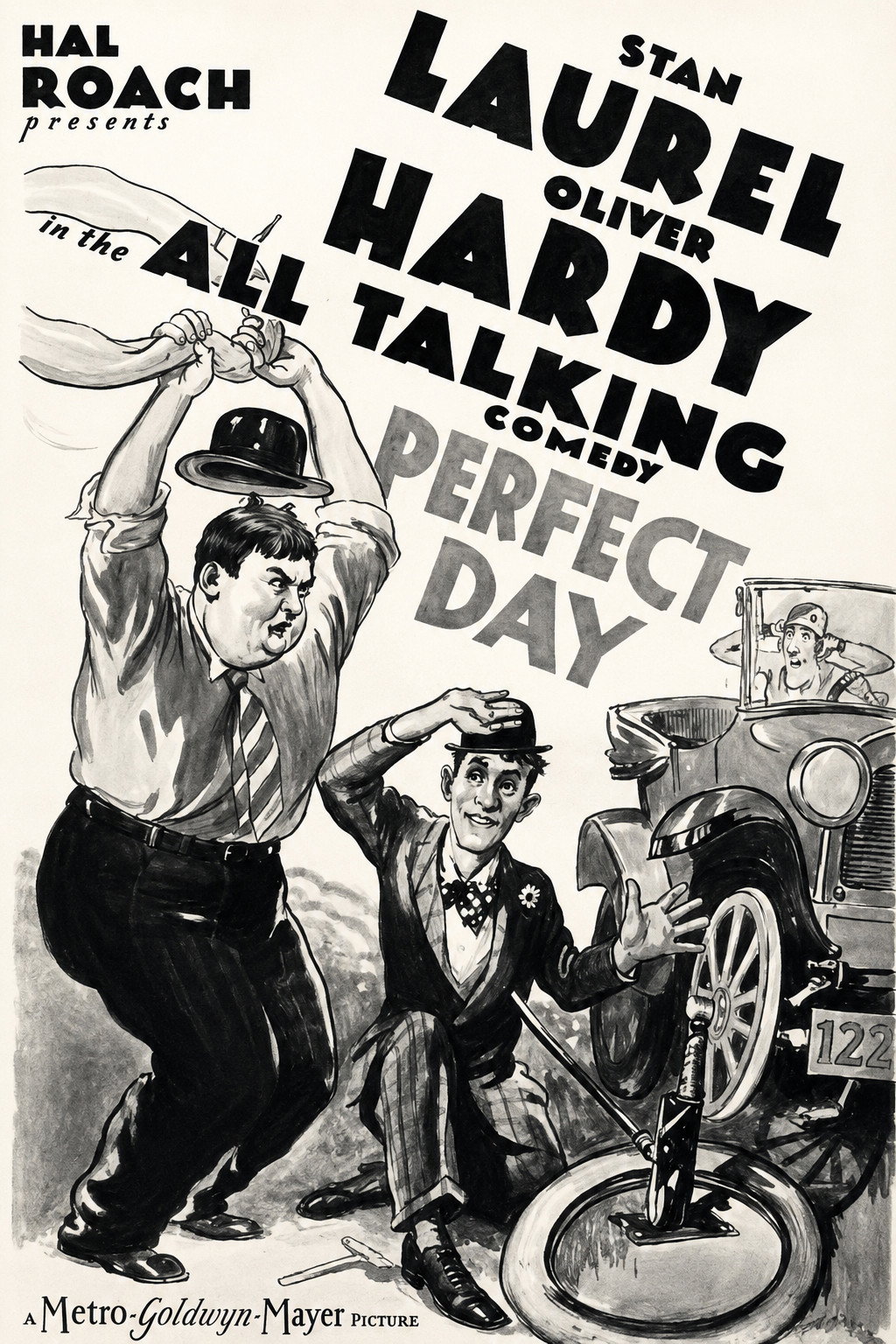
Two families embark on a pleasant Sunday picnic but manage to run into a variety of issues with their temperamental automobile. Each incident requires repeated exits and reboardings by Laurel, Hardy, their wives and grouchy, gout-ridden Uncle Edgar.
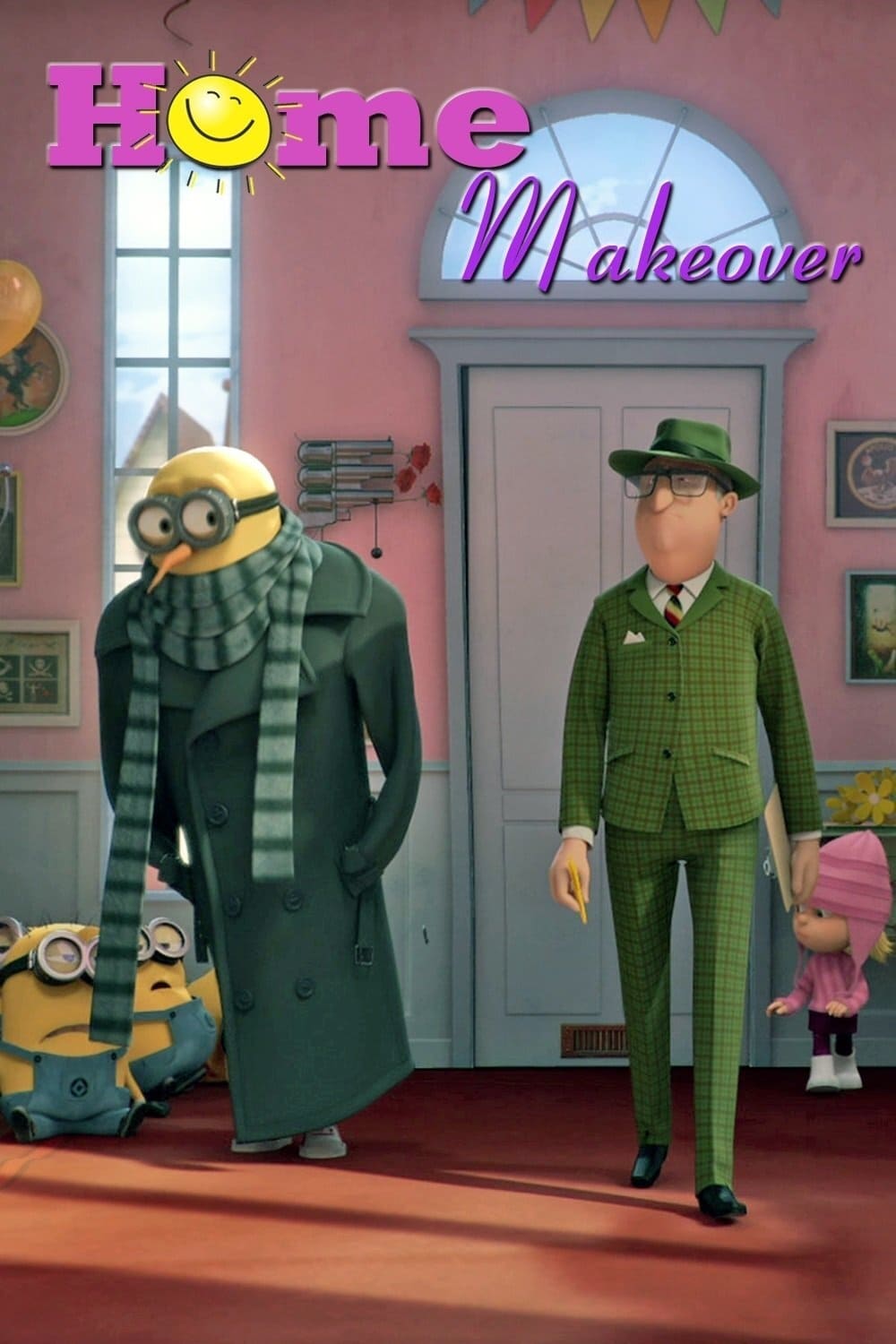
When a social worker visits Gru’s house to assess its suitability for children, chaos ensues. Margo, Edith, and Agnes, along with the ever-mischievous Minions, scramble to give the home a makeover in record time. Their attempts to create a warm and inviting environment quickly spiral into hilarity as the Minions’ unorthodox methods lead to outrageous results. This short captures the Minions’ inventive, albeit chaotic, solutions, blending humor with heartwarming moments of teamwork.
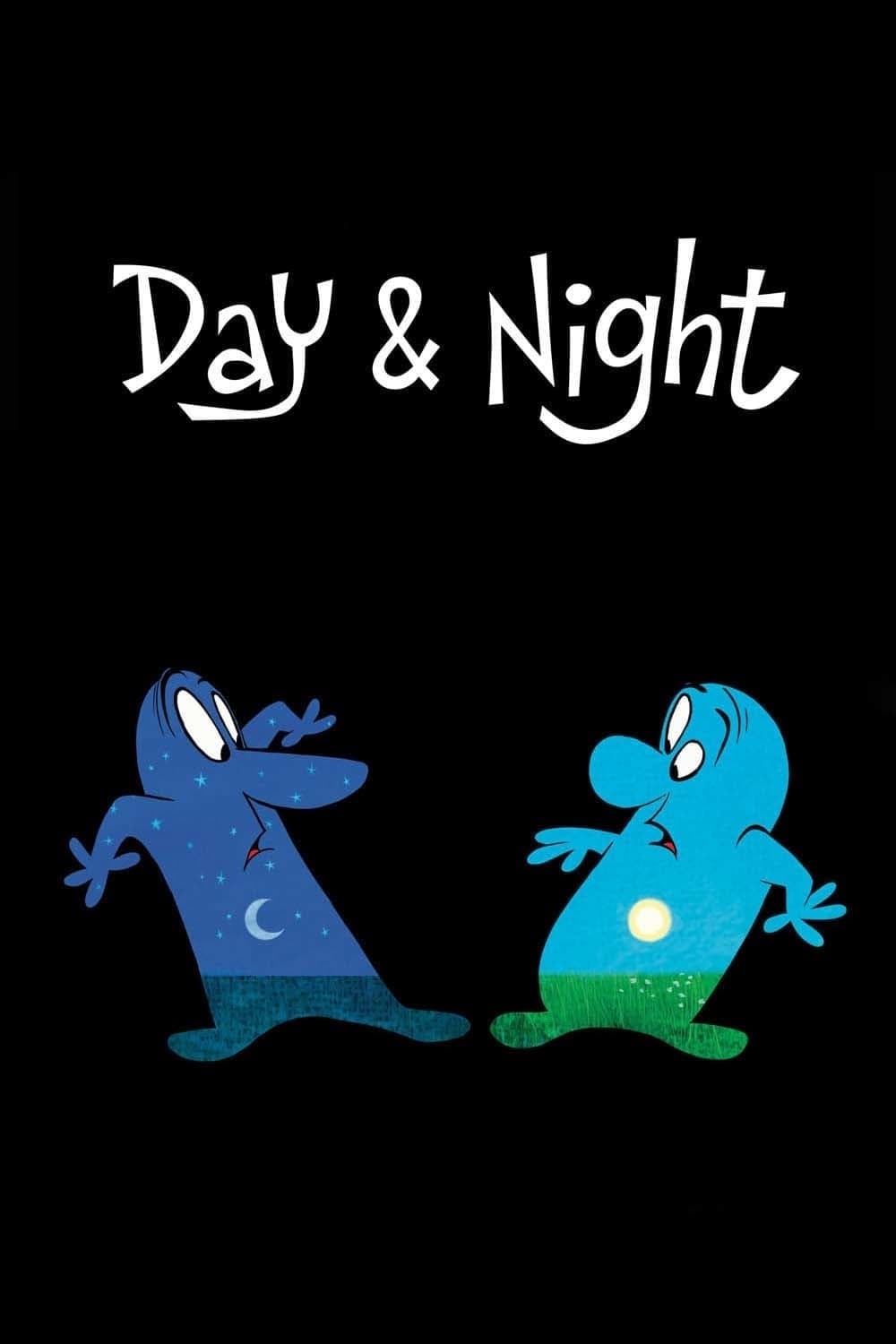
When Day, a sunny fellow, encounters Night, a stranger of distinctly darker moods, sparks fly! Day and Night are frightened and suspicious of each other at first, and quickly get off on the wrong foot. But as they discover each other's unique qualities--and come to realize that each of them offers a different window onto the same world-the friendship helps both to gain a new perspective.