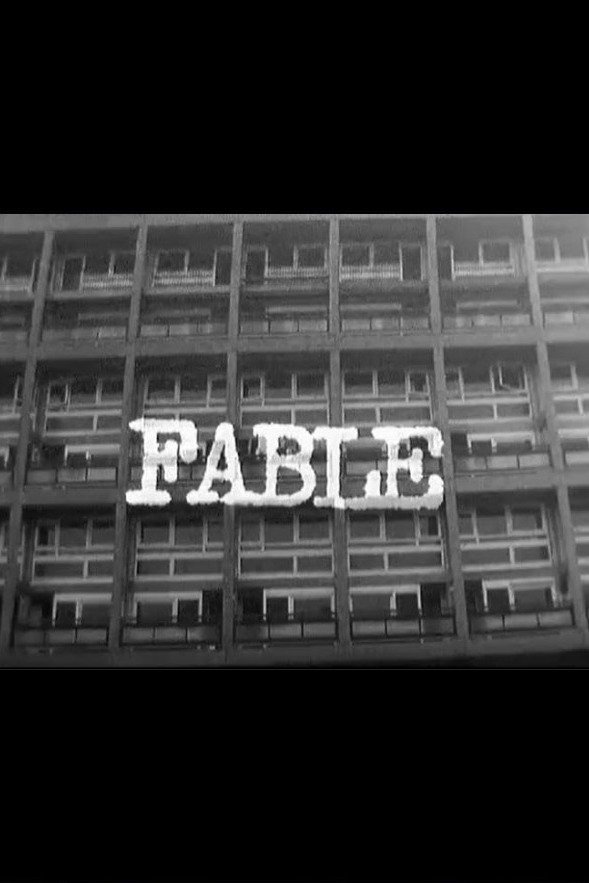
In Great Britain a reversal of African apartheid comes into place, and the country is governed by black people with whites as the subservients.
Social & External
The people behind it
Keith Barron
Narrator
Eileen Atkins
Joan
Ronald Lacey
Len
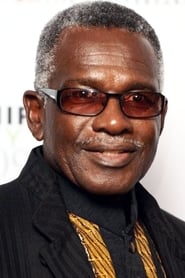
Rudolph Walker
Policeman
Leo Carera
Editor
Bari Jonson
Deputy Editor
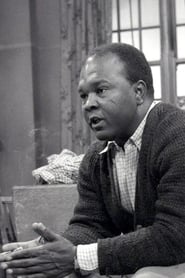
Thomas Baptiste
Mark
Barbara Assoon
Francesca
Dan Jackson
Overseer
Carmen Munroe
Lala
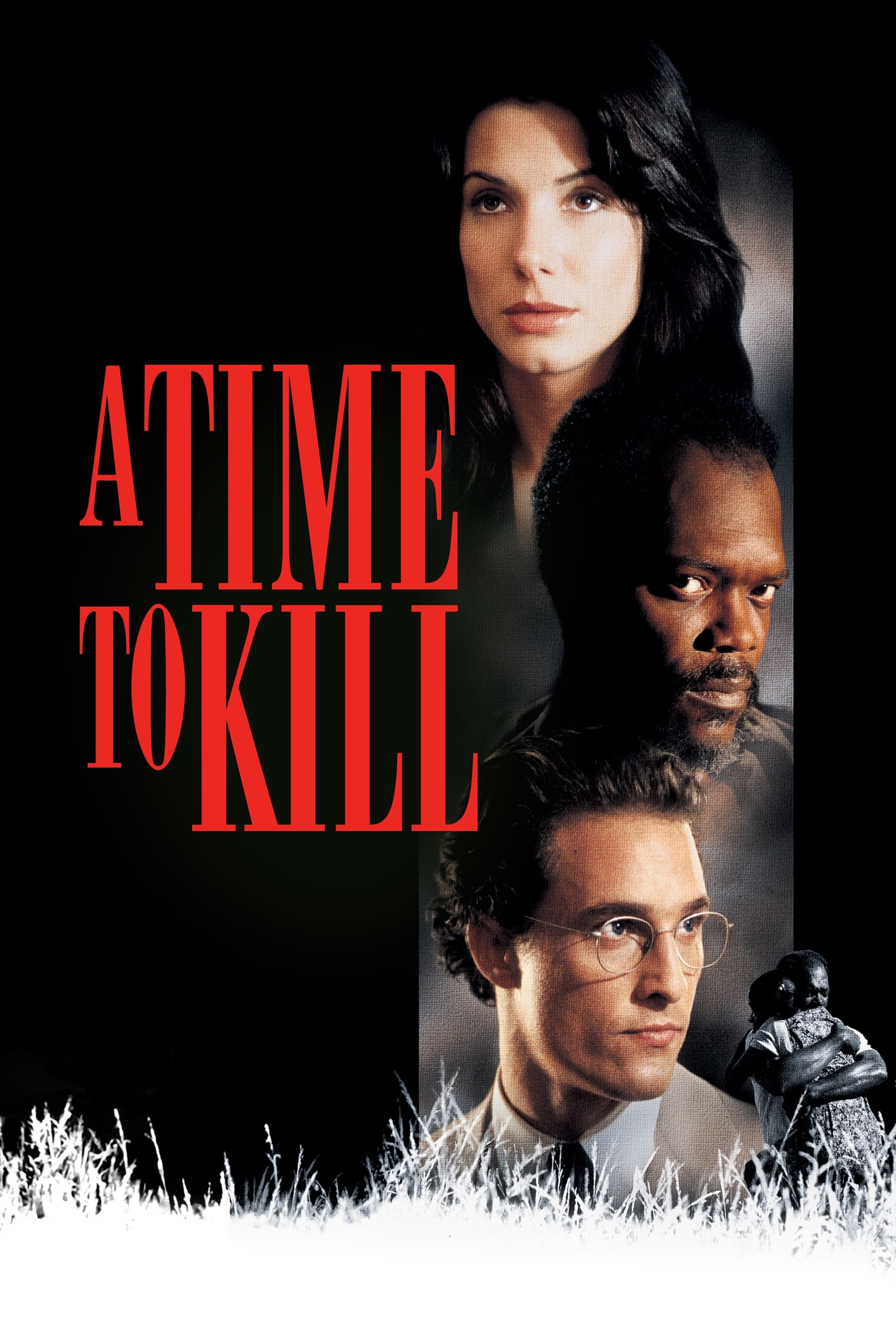
A young lawyer defends a black man accused of murdering two white men who raped his 10-year-old daughter, sparking a rebirth of the KKK.
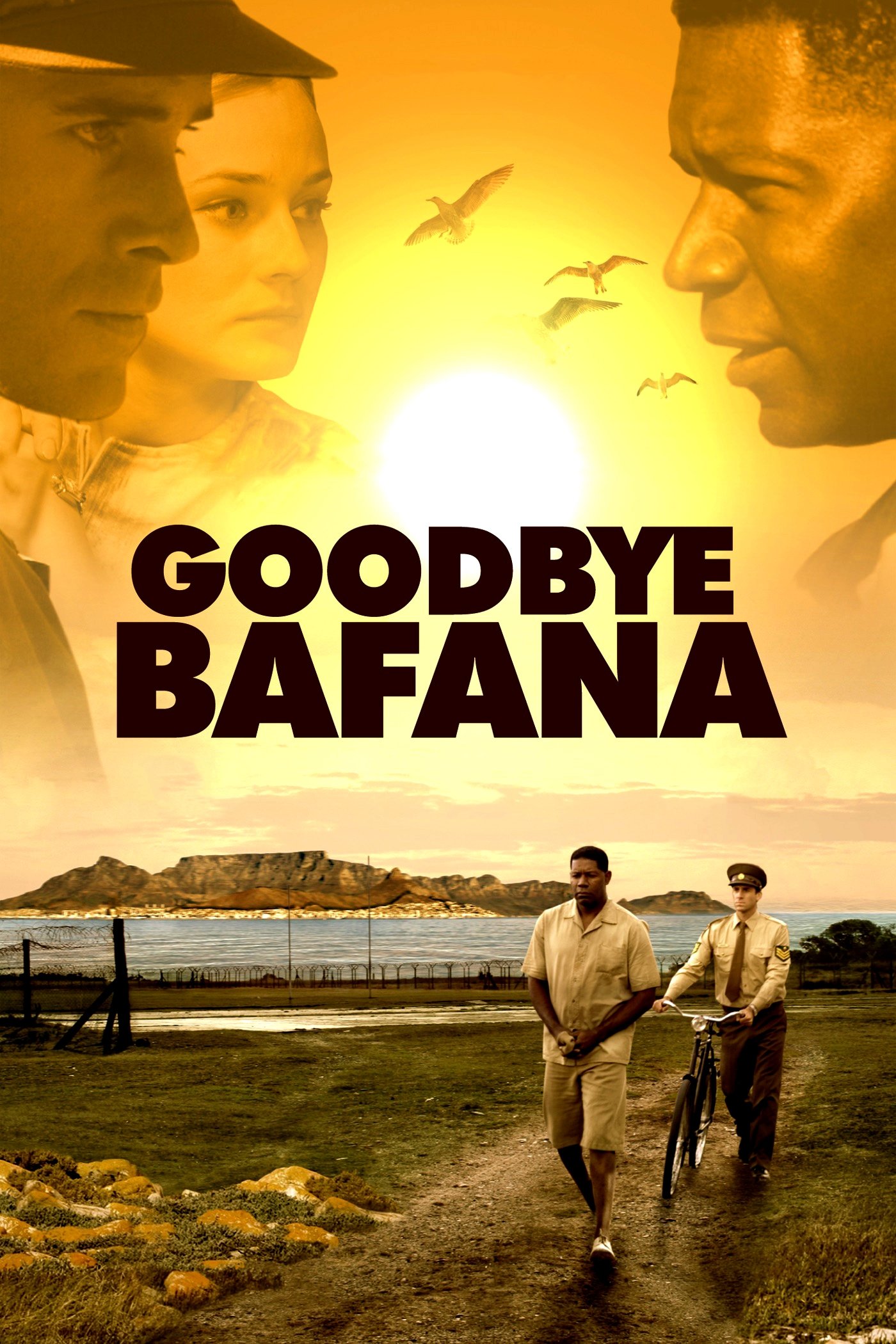
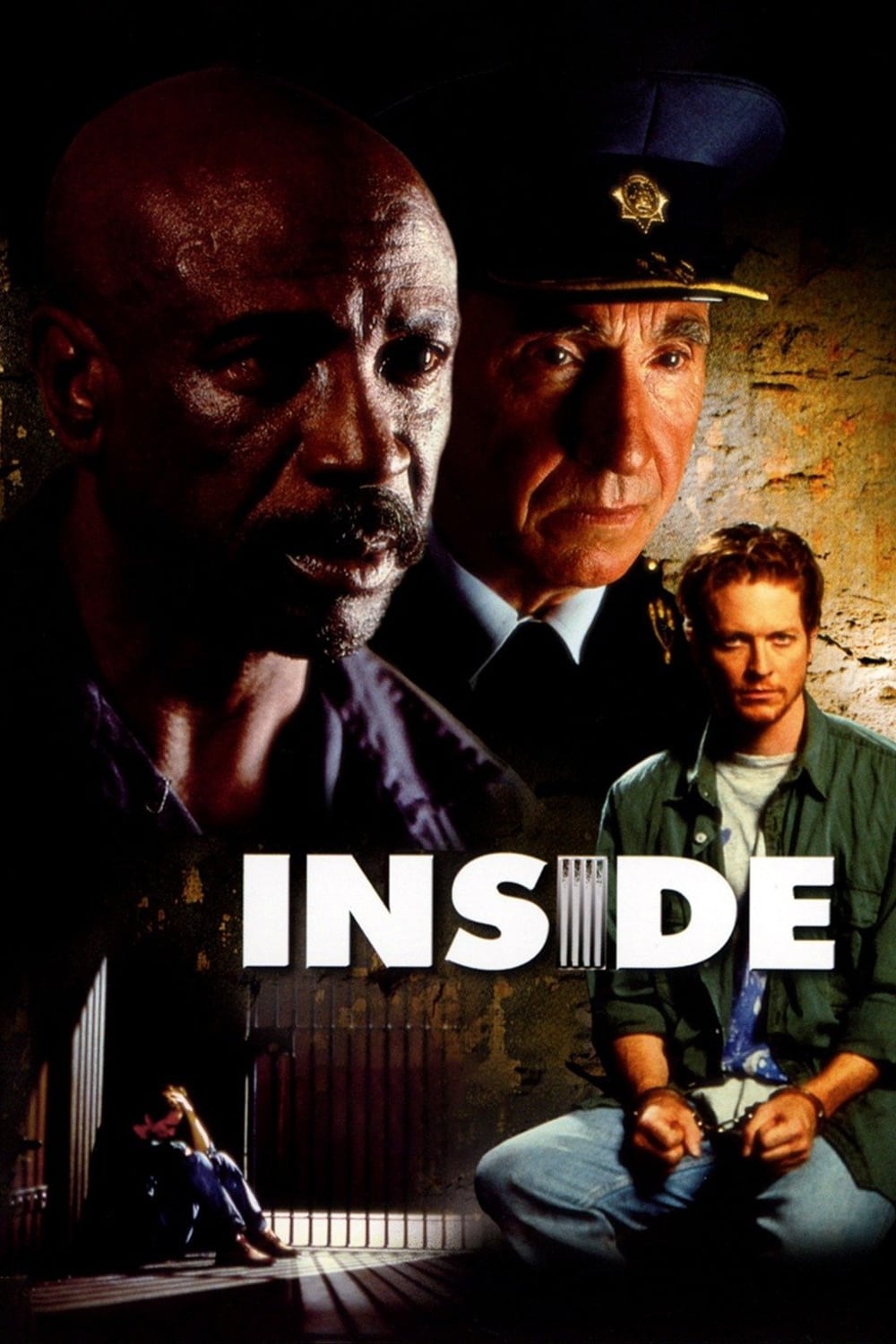
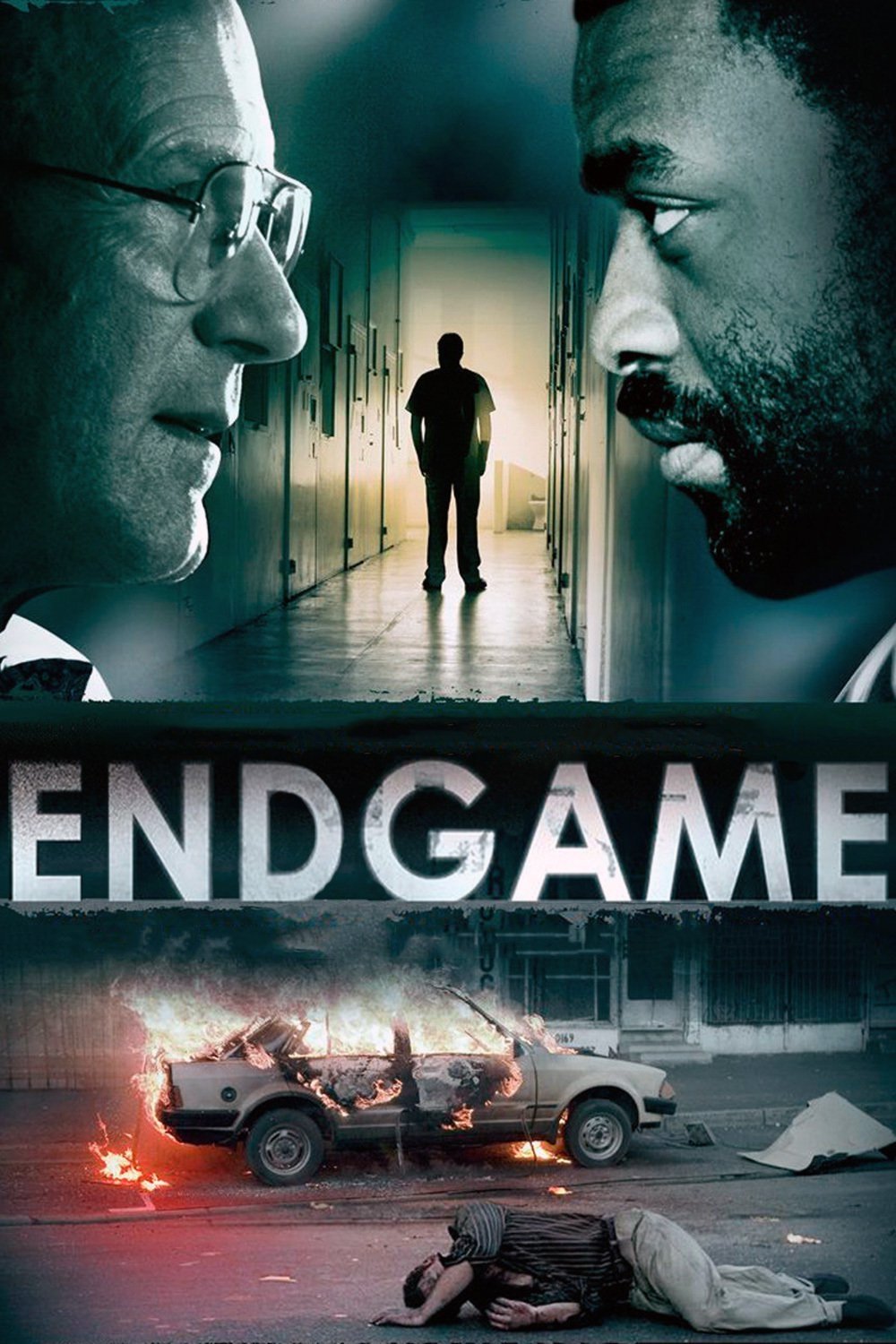
The true story of a white South African racist whose life was profoundly altered by the black prisoner he guarded for twenty years. The prisoner's name was Nelson Mandela.
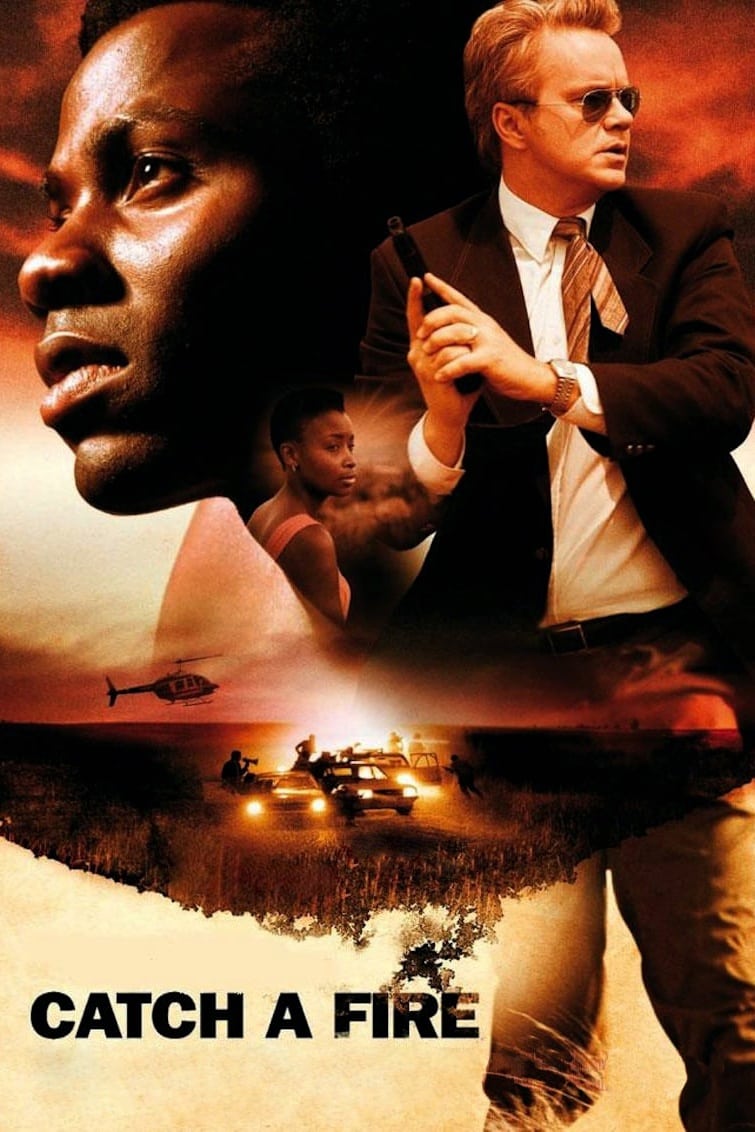
The true story of anti-apartheid activists in South Africa, and particularly the life of Patrick Chamusso, a timid foreman at Secunda CTL, the largest synthetic fuel plant in the world. Patrick is wrongly accused, imprisoned and tortured for an attempt to bomb the plant, with the injustice transforming the apolitical worker into a radicalised insurgent, who then carries out his own successful sabotage mission.
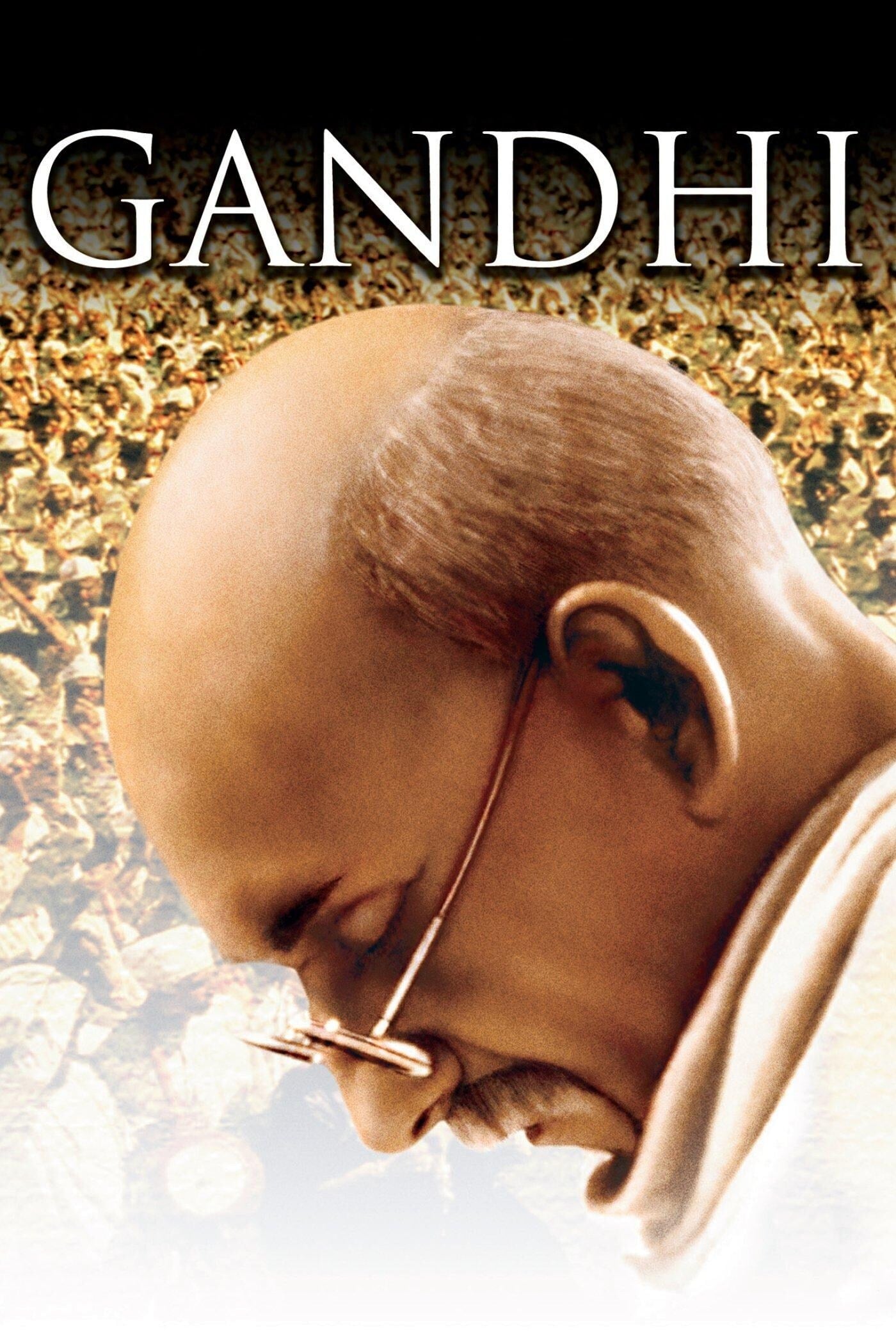
In the early years of the 20th century, Mohandas K. Gandhi, a British-trained lawyer, forsakes all worldly possessions to take up the cause of Indian independence. Faced with armed resistance from the British government, Gandhi adopts a policy of 'passive resistance', endeavouring to win freedom for his people without resorting to bloodshed.
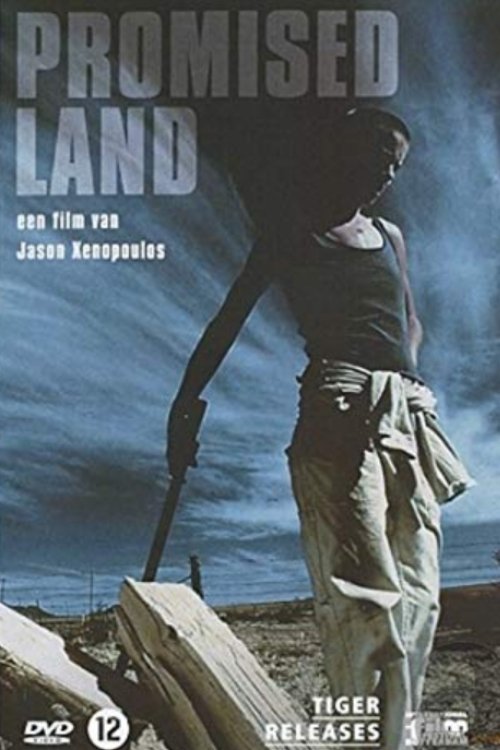
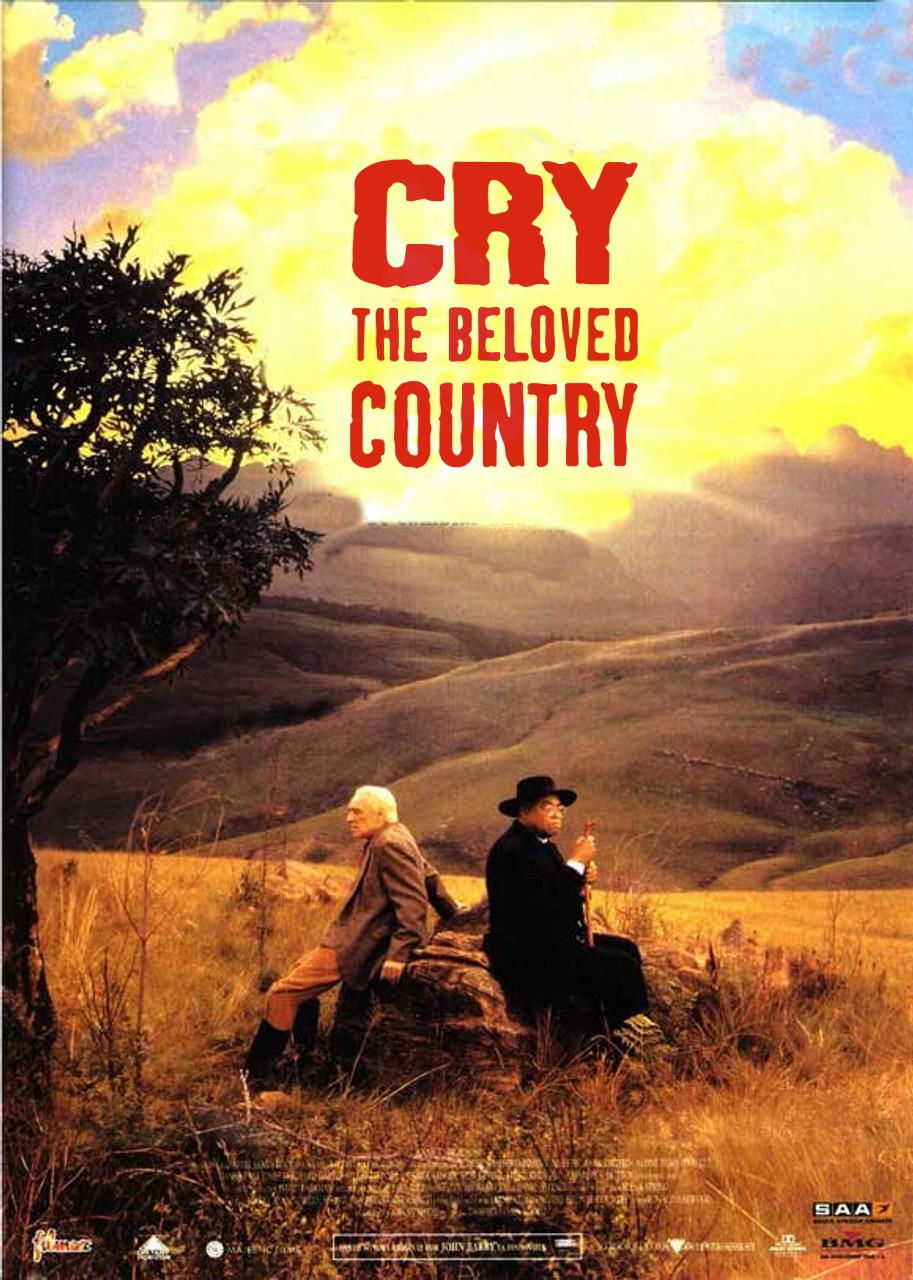
A young, emigrated, South African man comes back to South Africa to sell his mothers farm.
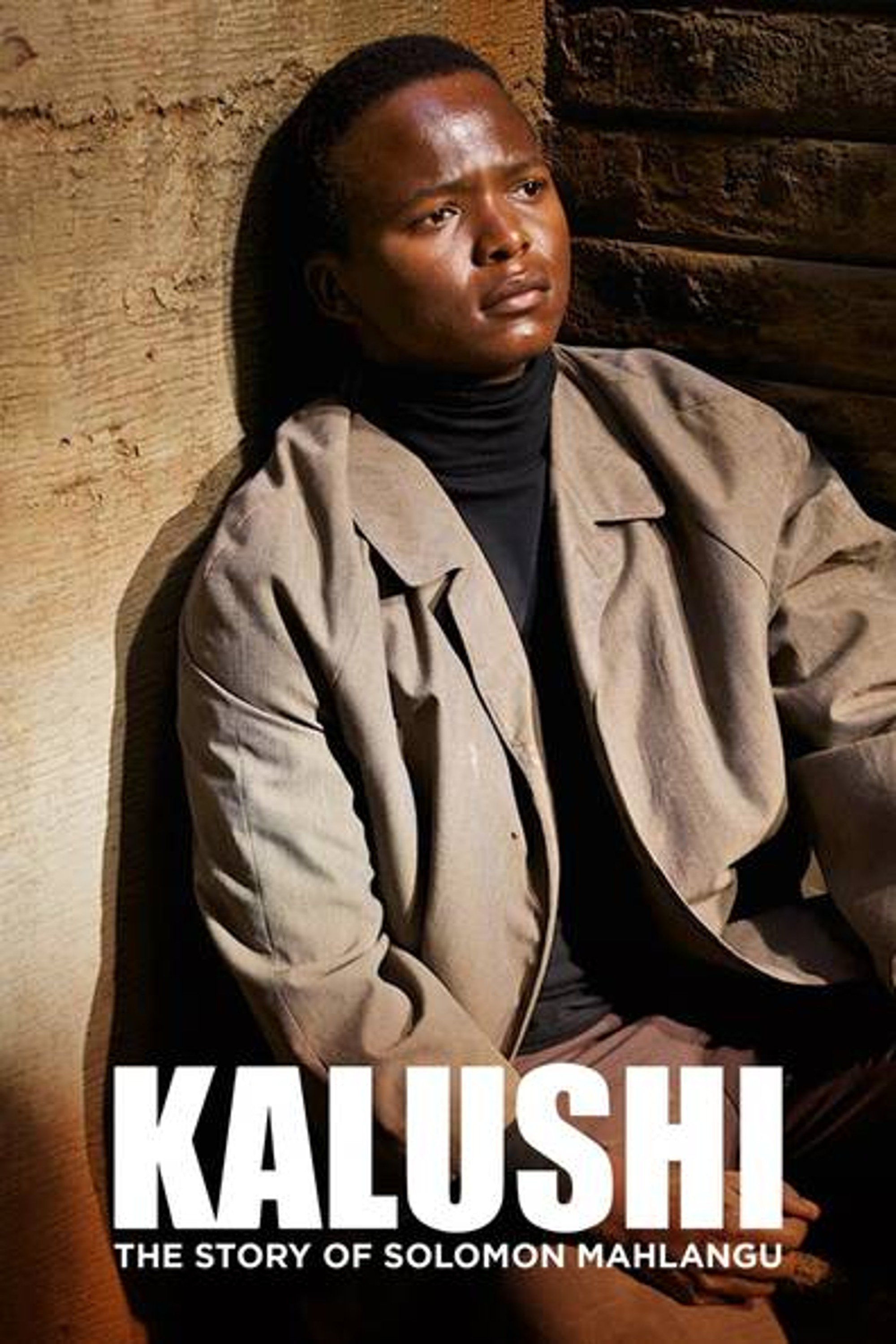
Solomon Mahlangu is a Mamelodi township schoolboy-hawker who, after the events of June 16th joins the military wing of the ANC to fight against the brutal oppression of the Apartheid regime and ends up becoming an icon of South Africa's liberation.
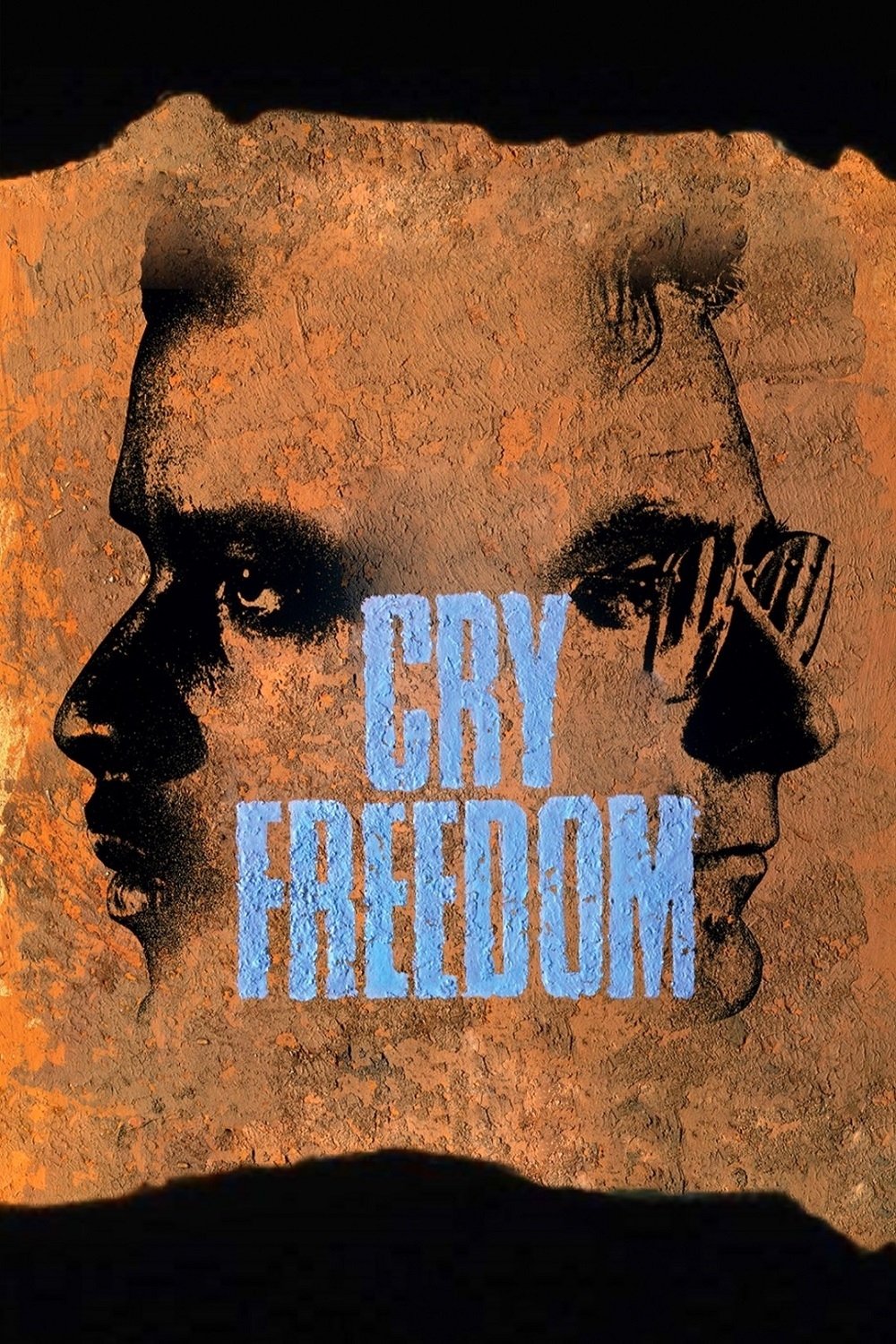
A dramatic story, based on actual events, about the friendship between two men struggling against apartheid in South Africa in the 1970s. Donald Woods is a white liberal journalist in South Africa who begins to follow the activities of Stephen Biko, a courageous and outspoken black anti-apartheid activist.
On an isolated farm in Apartheid South Africa two lovers find themselves at risk of losing everything to a big city lawyer; they will stop at nothing to prevent him from exposing a dark family secret.
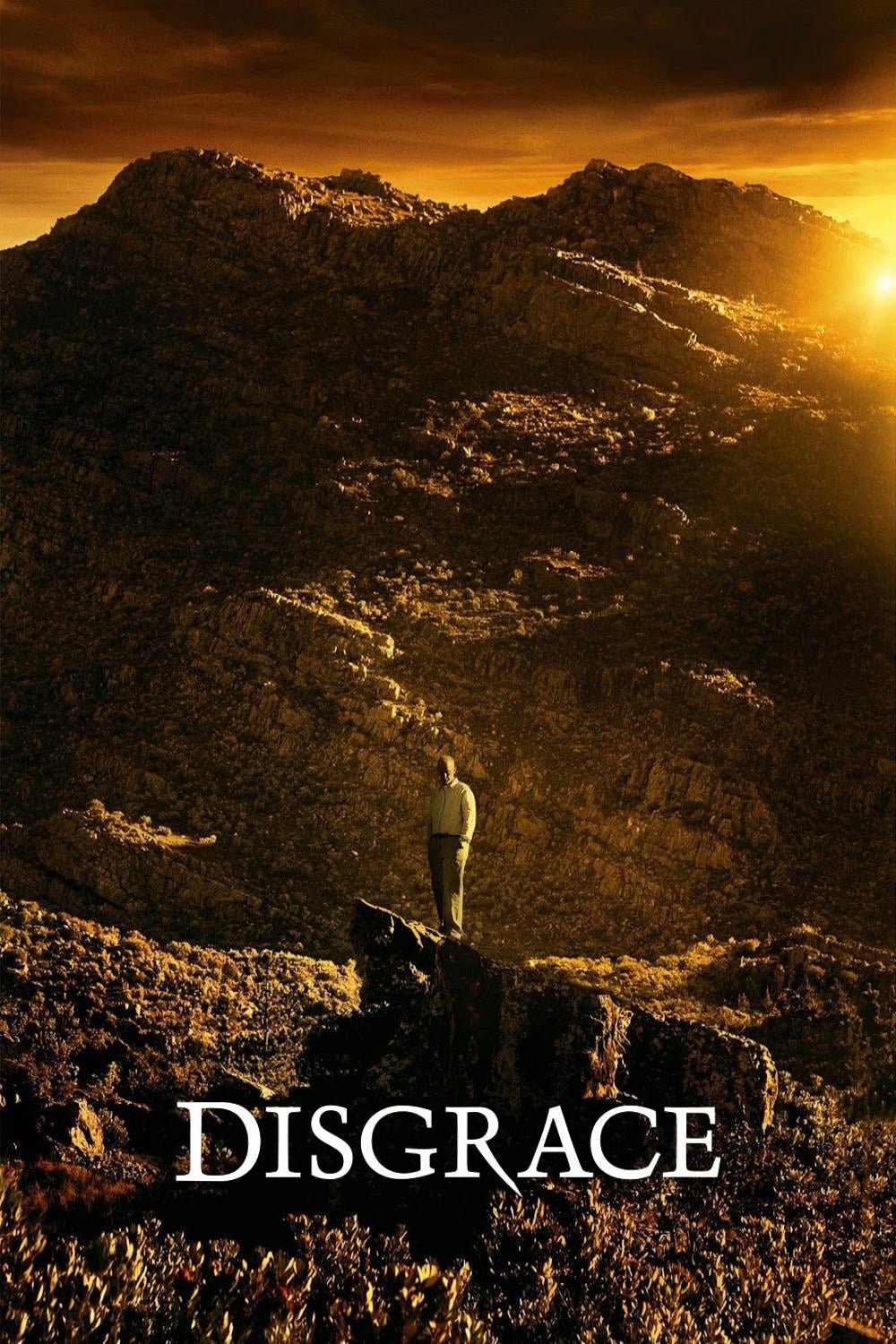
Disgrace is the story of a South African professor of English who loses everything: his reputation, his job, his peace of mind, his good looks, his dreams of artistic success, and finally even his ability to protect his cherished daughter. After having an affair with a student, he moves to the Eastern Cape, where he gets caught up in a mess of post-apartheid politics.
A South African political prisoner is tortured to obtain information on apartheid conspirators. Ten years later, the head officer in charge of the questioning is similarly held as prisoner and questioned about his past offenses.
A South-African preacher goes to search for his wayward son who has committed a crime in the big city.
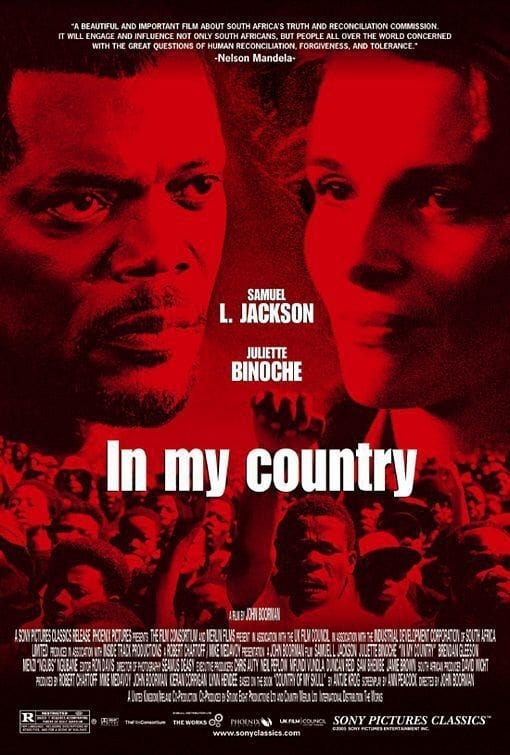
An American reporter and an Afrikaans poet meet and fall in love while covering South Africa's Truth and Reconciliation Commission hearings.
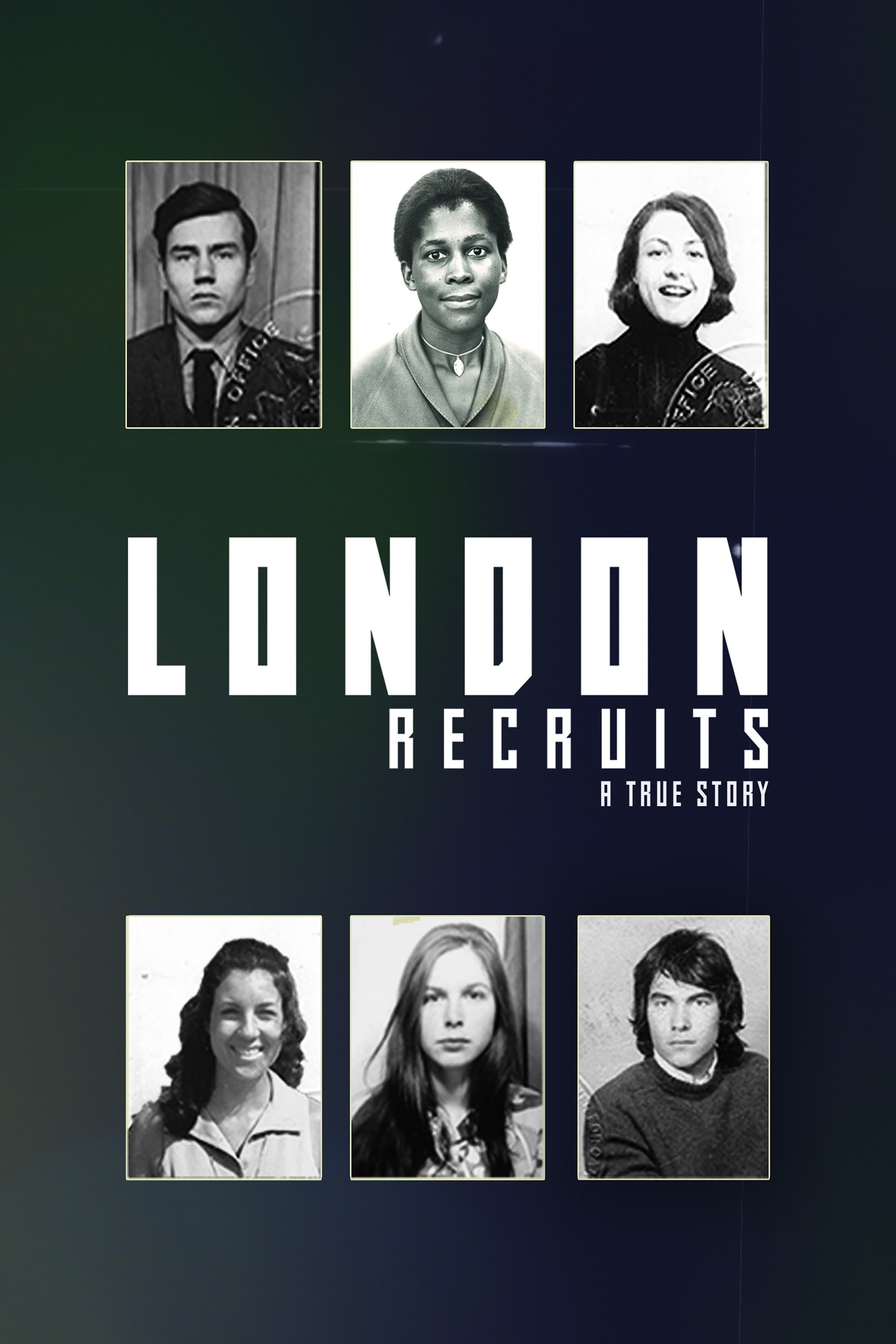
The story of the Londoners recruited to be freedom fighters during the South African apartheid during the 1960s.
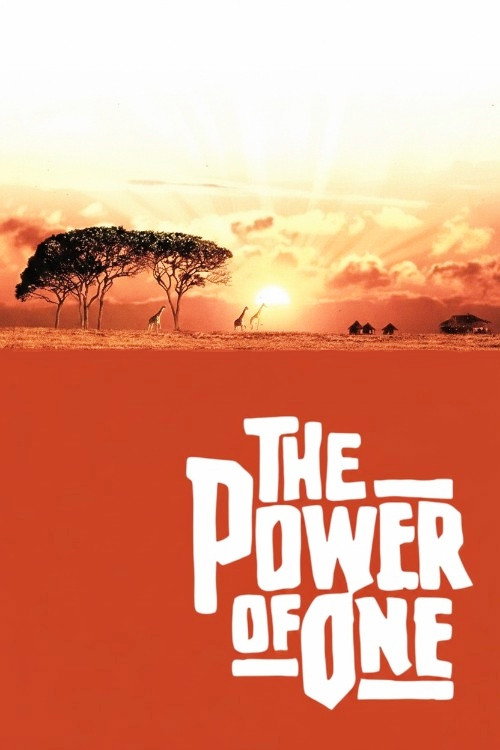
PK, an English orphan terrorized for his family's political beliefs in Africa, turns to his only friend, a kindly world-wise prisoner, Geel Piet. Geel teaches him how to box with the motto “fight with your fists and lead with your heart”. As he grows to manhood, PK uses these words to take on the system and the injustices he sees around him - and finds that one person really can make a difference.
In 1980s Apartheid South Africa, a woman's tenuous relationship with her boyfriend is threatened by memories of a past lover, and the possibility of their re-entry into her life.
The time is the late '80s, a crucial period in the history of South Africa. President P.W. Botha is hanging on to power by a thread as the African National Congress (ANC) takes up arms against apartheid and the country tumbles toward insurrection. A British mining concern is convinced that their interests would be better served in a stable South Africa and they quietly dispatch Michael Young, their head of public affairs, to open an unofficial dialogue between the bitter rivals. Assembling a reluctant yet brilliant team to pave the way to reconciliation by confronting obstacles that initially seem insurmountable, Young places his trust in ANC leader Thabo Mbeki and Afrikaner philosophy professor Willie Esterhuyse. It is their empathy that will ultimately serve as the catalyst for change by proving more powerful than the terrorist bombs that threaten to disrupt the peaceful dialogue.
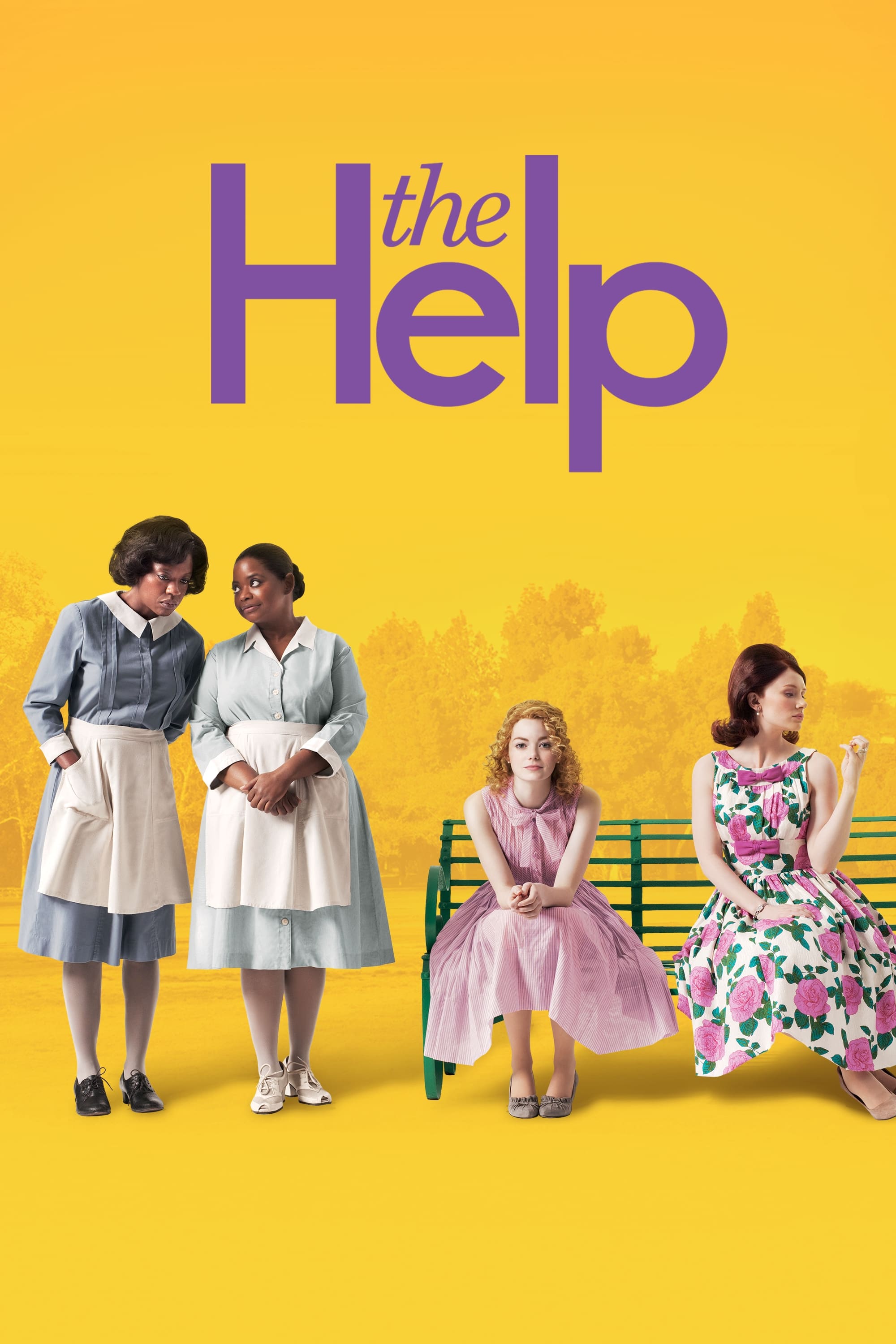
Aibileen Clark is a middle-aged African-American maid who has spent her life raising white children and has recently lost her only son; Minny Jackson is an African-American maid who has often offended her employers despite her family's struggles with money and her desperate need for jobs; and Eugenia "Skeeter" Phelan is a young white woman who has recently moved back home after graduating college to find out her childhood maid has mysteriously disappeared. These three stories intertwine to explain how life in Jackson, Mississippi revolves around "the help"; yet they are always kept at a certain distance because of racial lines.
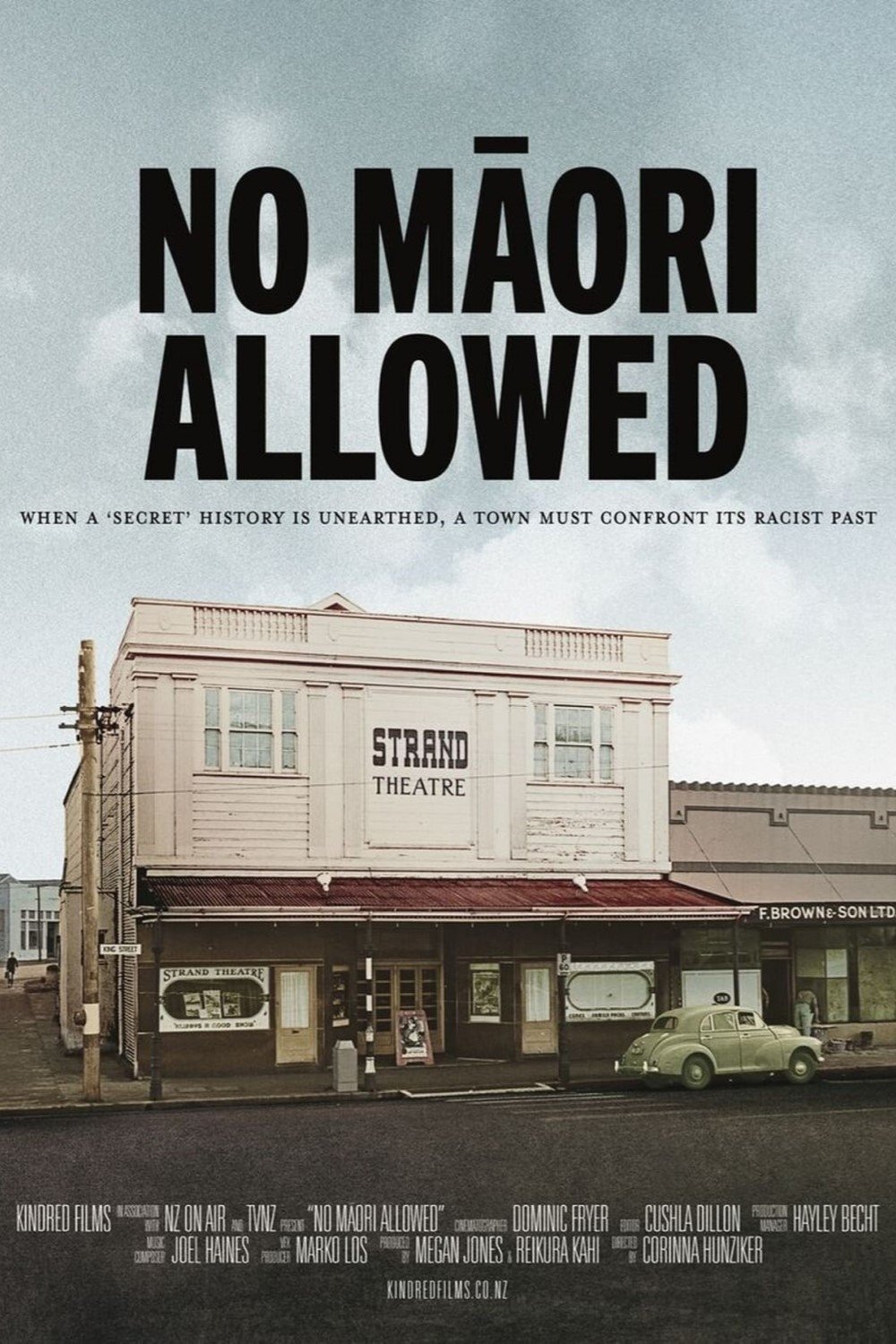
When an academic unearths a forgotten history, residents of the small township of Pukekohe, including kaumātua who have never told their personal stories before, confront its deep and dark racist past.
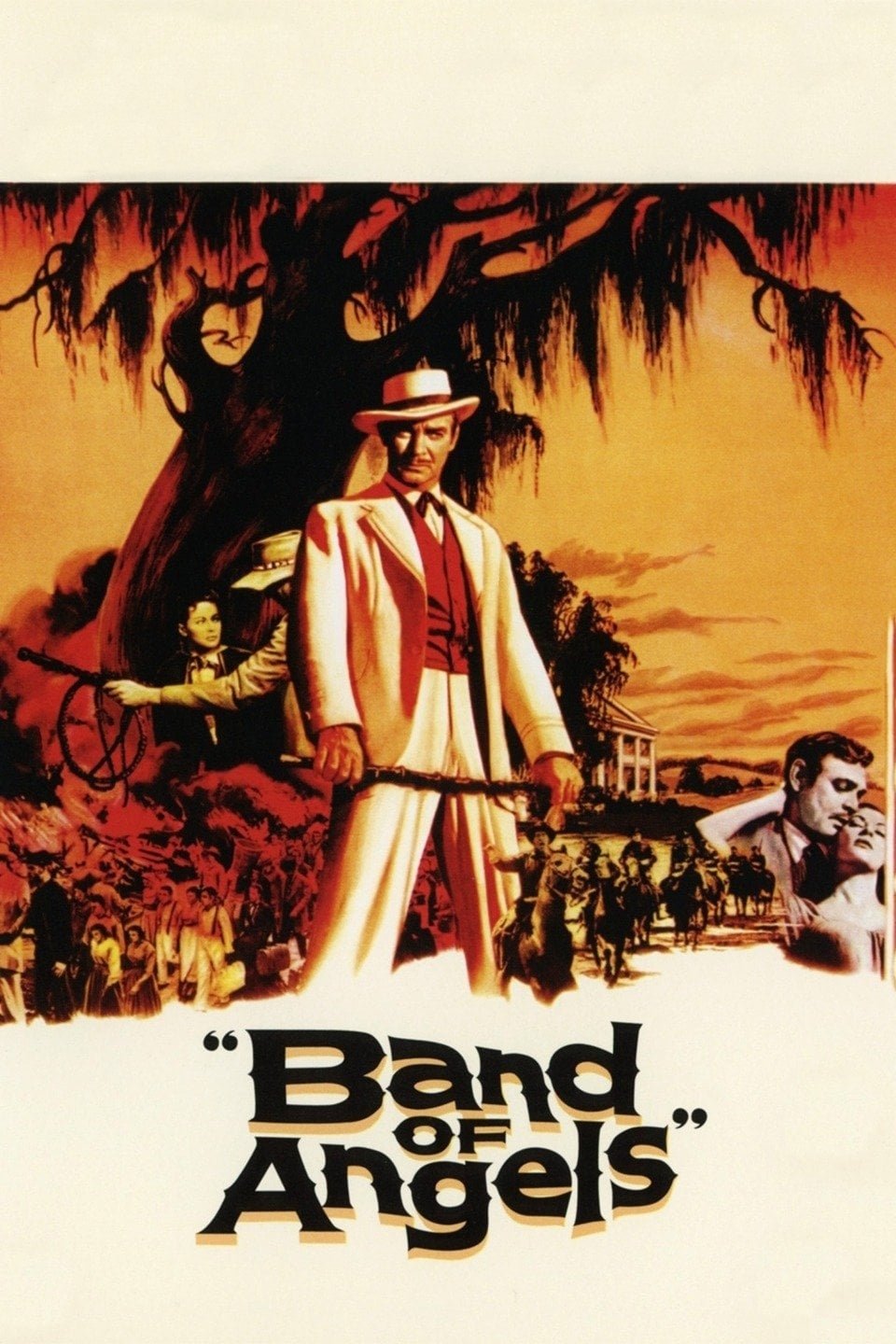
Living in Kentucky prior to the Civil War, Amantha Starr is a privileged young woman. Her widowed father, a wealthy plantation owner, dotes on her and sends her to the best schools. When he dies suddenly Amantha's world is turned upside down. She learns that her father had been living on borrowed money and that her mother was actually a slave and her father's mistress.
When seventeen-year-old Hannah stumbles upon a website about Thinspiration--an online community devoted to anorexia as a life choice--she becomes an obsessive follower of the site founder, ButterflyAna. By the time Hannah's family realizes what is happening and get Hannah the help she needs, the disease has fully taken hold and Hannah is refusing to eat. Will this family be able to exorcise the demon of anorexia from their lives?
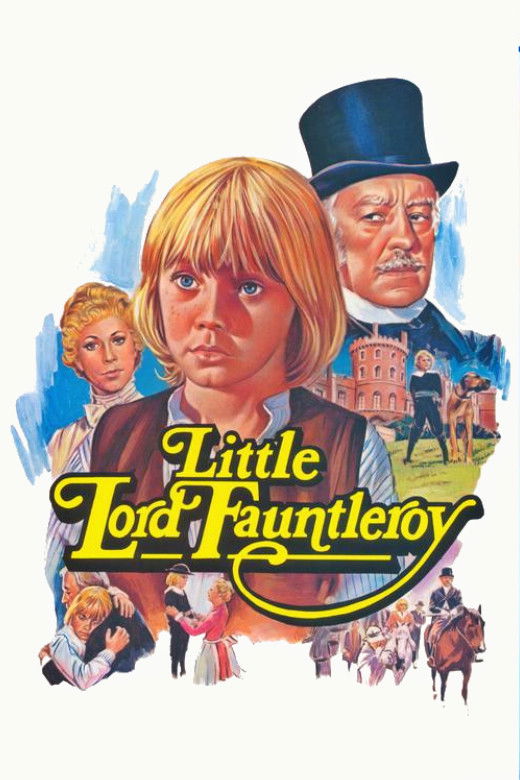
Young Cedric Errol and his widowed mother live in genteel poverty in 1880s Brooklyn after the death of his father. Cedric's grandfather, the Earl of Dorincourt, has long ago disowned his son for marrying an American. But after the death of the Earl's remaining son, he decides to accept Cedric as his heir.
The true story of 20-year-old Colleen Stan, a hitchhiking woman abducted by a young couple and held captive for seven years, during which time she's tortured and forced to live as a slave to her captors.
Thomas Montgomery, a married father of two young daughters, gets seduced by the world of online gambling and chat rooms where a virtual romance and sexual obsession ultimately leads to the murder of an innocent man.
Based on the true story of a black girl who was born to two white Afrikaner parents in South Africa during the apartheid era.
Defiant young activists take the women's suffrage movement by storm, putting their lives at risk to help American women win the right to vote.
An acclaimed stage performer, Dorothy still struggled with the challenge of her color, in a time that wouldn't let some stars in by the front door. Yet against the odds she beat out many more famous rivals for the role of "Carmen Jones", becoming the first black woman ever nominated for a Best Actress Academy Award. Marriages and affairs would break her heart, but her heart was strong. Seductive and easily seduced, she was born to be a star - with all the glory and all the pain of being loved, abused, cheated, glorified, undermined and undefeated. Here was a woman who wouldn't wait in the wings. Halle Berry stars as Dorothy Dandrige.
In the fall of 1994, a teacher at Chicago's run-down Steinmetz High conspires with the school's academic decathlon team to cheat on an academic competition.
Diagnosed with a black hole growing inside her chest and stuck in a loop reliving the last five days of her life, a 55-year-old wife and mother from Miami, Florida decides to solve time travel in order to go back and be the person she always intended to be.
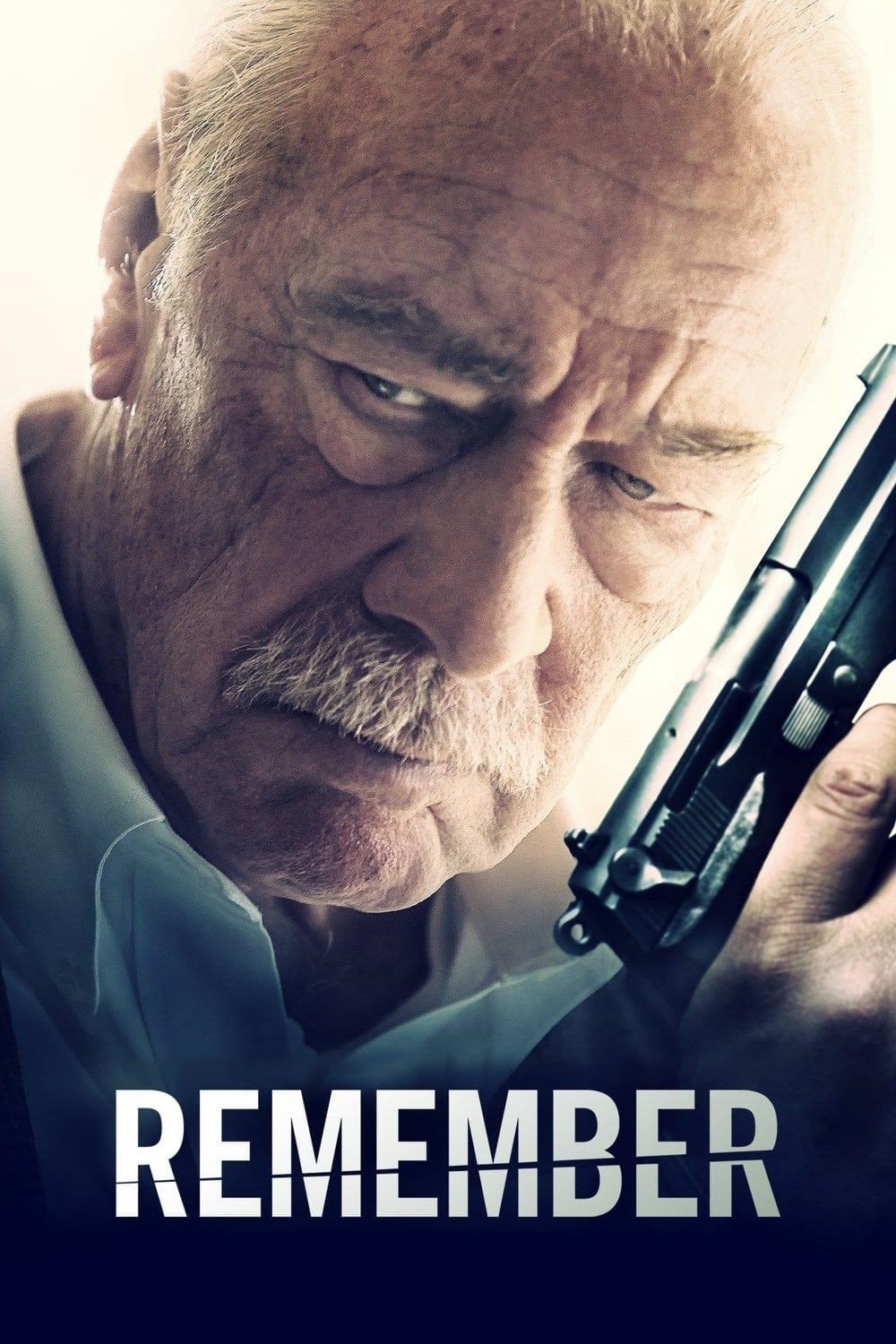
With the aid of a fellow Auschwitz survivor and a hand-written letter, an elderly man with dementia goes in search of the person responsible for the death of his family.
Fanny Price is sent to live with her wealthy relatives, the Bertrams, where she is treated poorly by most except her cousin Edmund. Her life is complicated by the arrival of the worldly Mary and Henry Crawford
A jazz musician seeks refuge from a lynch mob on a remote island, where he meets a hostile game warden and the young object of his attentions.
Mahree Bok lives on a farm in South Africa. Her father is a policeman who cannot hide his joy when activist Steve Biko is caught by the South African authorities. Piper Dellums is the daughter of a US congressman from California and who lives in a nice home in Washington DC. When Mahree is chosen to spend a semester at the Dellums' house, she doesn't expect that her host family would be black. Nor do her hosts suspect that she is not a black South African.
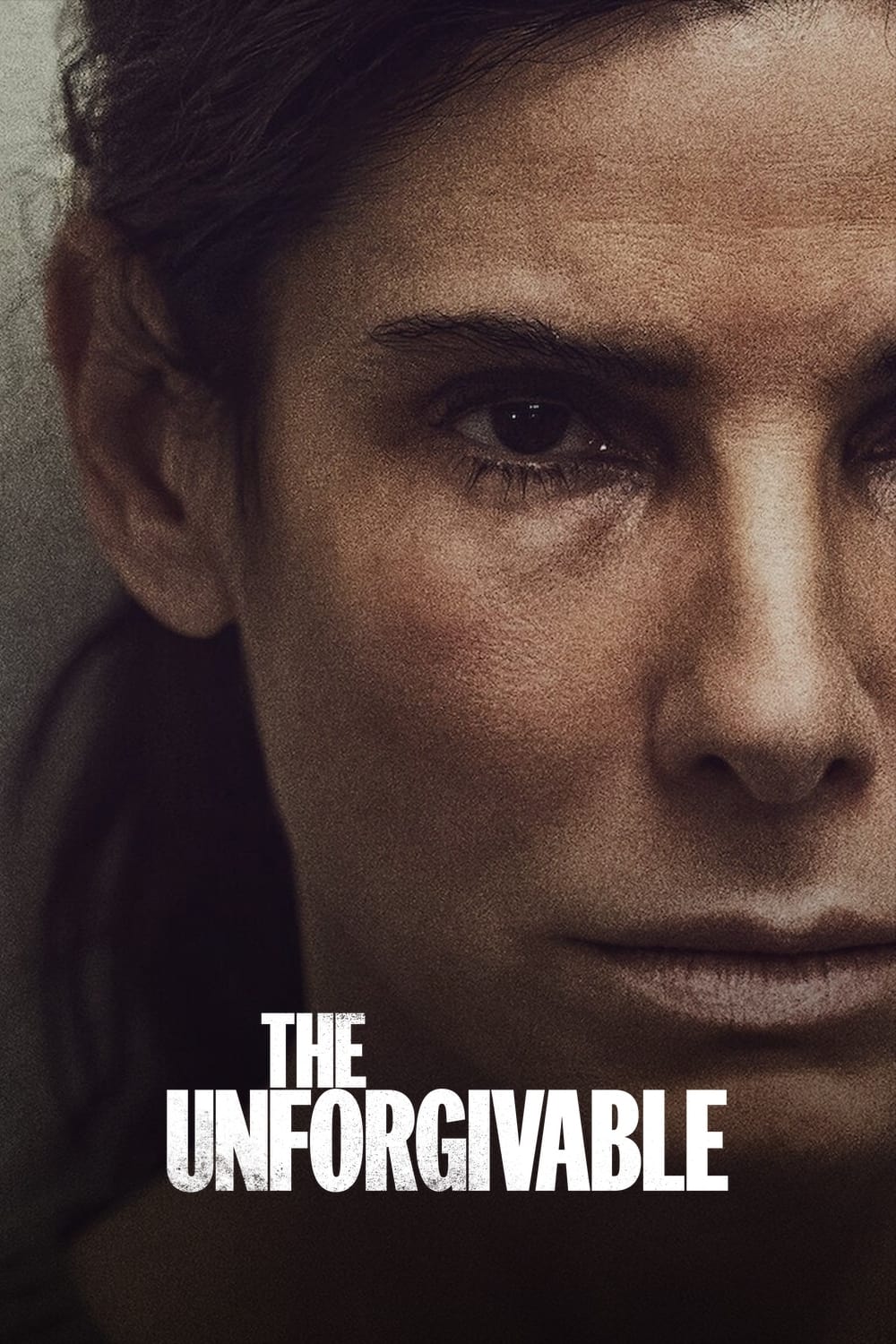
A woman is released from prison after serving a sentence for a violent crime and re-enters a society that refuses to forgive her past.
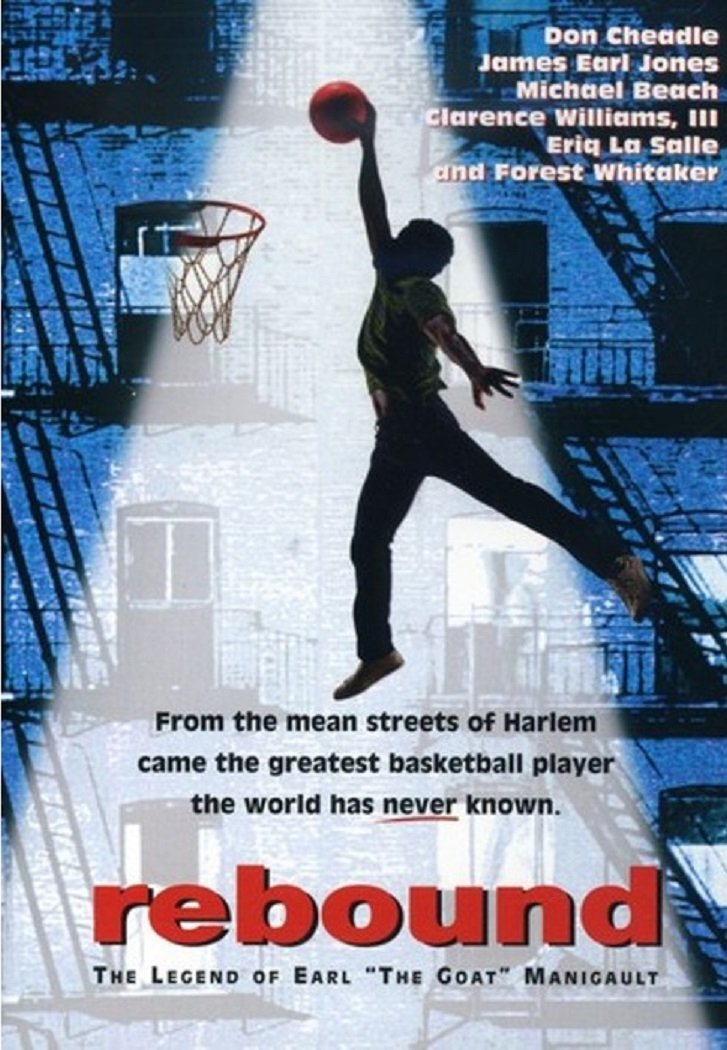
A dramatization of the life of Earl 'The Goat' Manigault (Don Cheadle), with a lot of factual based occurrences. A reformed junkie returns from prison to clean up his act and devote the rest of his life to the young kids of Harlem. 1996 was the 25th anniversary of the first tournament named after him.
Inspired by Chris Marker's iconic 1962 featurette La Jetée; the year is 2073—a not-so-distant dystopian future—and the setting is New San Francisco, the scorched-earth tech-dominant police state where democracy and personal freedom have been well and truly obliterated.
A Midwestern husband and father announces his plan to have a sex change operation.
An off-duty SAS soldier, Tom Buckingham, must thwart a terror attack on a train running through the Channel Tunnel. As the action escalates on the train, events transpire in the corridors of power that may make the difference as to whether Buckingham and the civilian passengers make it out of the tunnel alive.
When an unexpected road rage incident puts his son in critical condition, an enraged father spirals down a dark path of emotional turmoil and vengeance.