On July 18th of 1995, Montserrat's sleeping volcano rumbled back to life after hundreds of years of dormancy. This is the ten year story of that eruption and it's effects on the people of, 'The Emerald Isle of the Caribbean'.
Social & External
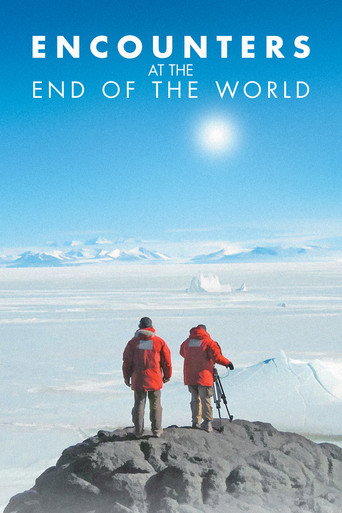
Herzog and cinematographer Peter Zeitlinger go to Antarctica to meet people who live and work there, and to capture footage of the continent's unique locations. Herzog's voiceover narration explains that his film will not be a typical Antarctica film about "fluffy penguins", but will explore the dreams of the people and the landscape.
In the 6th century AD, large parts of the world were affected by mysterious weather events causing temperature drop, crop failures and famines. All this might be the result of a large volcanic eruption in the tropics. But can a local natural disaster impact the global weather, thus influencing the course of history? Using stunning re-enactments and unique animation techniques, “The Power of Volcanoes” makes it clear: Volcanoes might be sleeping giants. But they can wake up quicker than you think and in the worst case trigger a fatal chain of events.
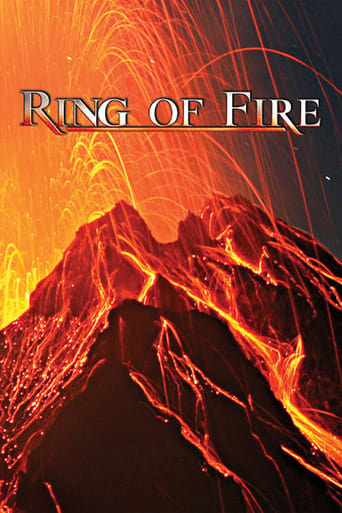
Ring of Fire is about the immense natural force of the great circle of volcanoes and seismic activity that rings the Pacific Ocean and the varied people and cultures who coexist with them. Spectacular volcanic eruptions are featured, including Mount St. Helens, Navidad in Chile, Sakurajima in Japan, and Mount Merapi in Indonesia.
Marko Röhr's film crew takes the viewer to Europe's last unexplored area: Iceland's unique underwater world. We explore the geysers of boiling waters and the crystal clear lakes off the coast of Iceland. We dive under the icebergs, into the tears between the continental plates and into the deep caves.
Juxtaposed to the hustle and bustle of city life on the diminutive Caribbean island of Dominica, Jerry Maka West works his garden in the island's lush interior, his Zion, growing and preparing his food just as his grandparents once taught him. Jerry is Nom Tèw, Man of the Soil.
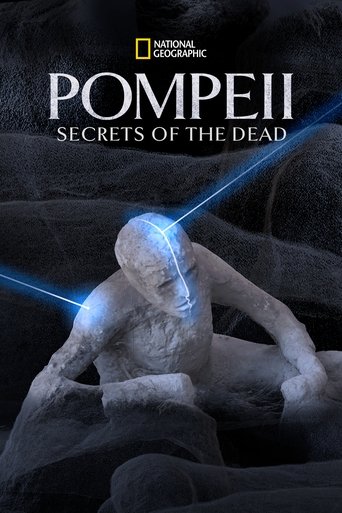
Forensic experts scan Pompeii’s victims to investigate why they didn’t escape the eruption.
Five times, Earth has faced apocalyptic events that swept nearly all life from the face of the planet. What did these prehistoric creatures look like? What catastrophes caused their disappearance? And how did our distant ancestors survive and give rise to the world we know today?
On the 24th August 79 AD, the eruption of Vesuvius eradicated the cities of Pompeii and Herculaneum. This extraordinary film uses visual effects and archaeological findings to chronicle the last 24 hours of Pompeii. Remains of 300 citizens trapped in beach-side crypts allow scientists to reconstruct local life in the First Century after Christ. Computer graphics recreate the scale of the eruption.
Documentaries by Katia and Maurice Krafft feature some of the amazing footage shot by the renowned volcanologists, who perished in 1991 while filming a volcano in Japan. The duo documented more active and erupting volcanos than any other scientists in the world, and their dedication shows in Deadly Peaks and Killer Volcanos, two educational films that capture the scientists on the edge of a hot ash blast and floating on a lake of sulfuric acid. The films visit Mount Kilimanjaro and examine some of the less-known dangers such as carbon monoxide gas that builds under crater-formed lakes. They also take an in-depth look at the eruption of Mount St. Helens and the lengths to which people will go to save their communities. Venturing to places where most people would never dare, the Kraffts gave their lives to promote the study of volcanos and left behind a legacy of courage in the name of science. --Shannon Gee
Werner Herzog takes a film crew to the island of Guadeloupe when he hears that the volcano on the island is going to erupt. Everyone has left, except for one old man who refuses to leave.
40, 000 years ago the steppes of Eurasia were home to our closest human relative, the Neanderthals. Recent genetic and archaeological discoveries have proven that they were not the dim-witted cave dwellers we long thought they were. In fact, they were cultured, technologically savvy and more like us than we ever imagined! So why did they disappear? We accompany scientists on an exciting search for an answer to this question and come to a startling conclusion …
The 1980 eruption of Mount St. Helens was the deadliest in U.S. history. Survivor testimonies and rare images reveal the cataclysms it unleashed.
A historical drama documentary depicting the eruption of Krakatoa volcano in 1883. The volcano was located in the Sunda strait in Indonesia and its eruption resulted in tsunami, rains of coals and ash, and ended with a very hot tsunami. The eruption killed more than 36,000 people and those survived were left with burns.
With stunning views of eruptions and lava flows, Werner Herzog captures the raw power of volcanoes and their ties to indigenous spiritual practices.
Two top baseball prospects in the Dominican Republic face fierce competition and corruption as they chase their big league dreams.
A rampant, street level story of mentorship and everyday heroism in tough circumstances. An inner city coach's son, estranged in his youth from his father, spends five years on ball fields in inner city Oakland and Havana, following the lives of two extraordinary youth baseball coaches, Roscoe in Oakland and Nicolas in Havana. The coaches meet on videotape and two years of red tape later, Coach Roscoe and nine Oakland players travel to Havana to play Coach Nicolas' team. For one week, the players and coaches eat, dance, swim, argue and play baseball together. But when the parent of an Oakland player is murdered back home, it brings back the inescapable reality and challenges of life in an American inner city.
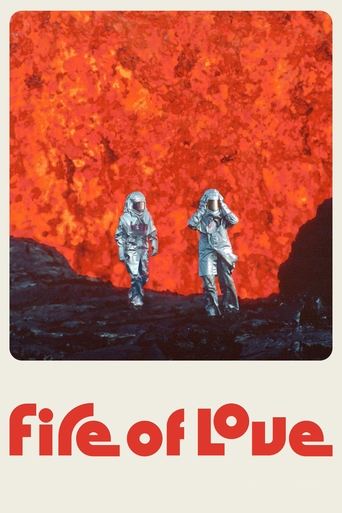
A doomed love triangle between intrepid French scientists Katia and Maurice Krafft, and their beloved volcanoes.