A short film with shots of sculptures by Anneke Walvoort. The materiality of film plays an important role: visible grain, flashes of colour, unexpected camera movements.
Social & External
The people behind it
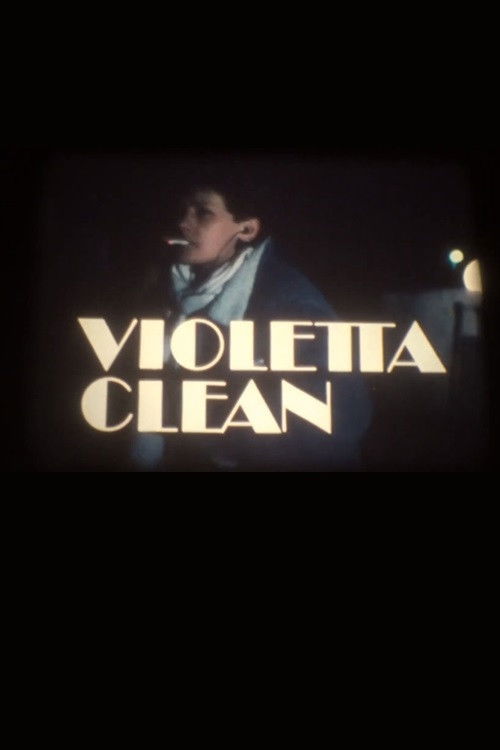
Documentary film about the therapy facility ‘Violetta Clean’, founded in Berlin in 1983, the first inpatient therapy facility in Germany for drug-addicted girls and women.
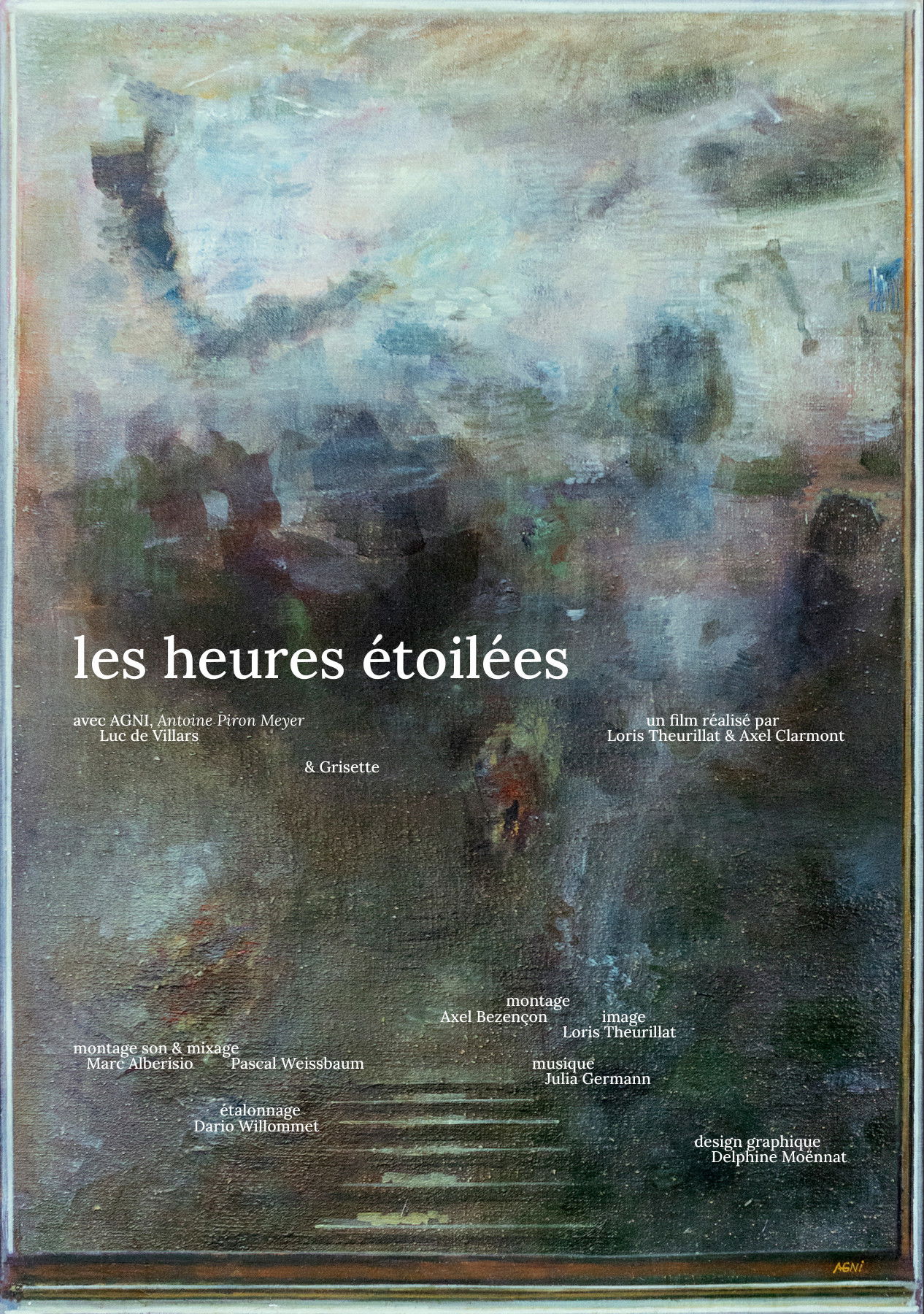
AGNI, a visual artist in the twilight of his life, is rushing to complete his monumental work. Caught up in a frantic creative routine despite his declining health, he transforms every gesture, every moment into a final trace of his passage. Soon, he knows, he will join the stars.
Paris 1943. Hitler set up the systematic looting of works of art in France. Rose Valland, infiltrated as intendant at the Jeu de Paume museum, which has become the sorting station for works leaving for Germany, will take all the risks to oppose this spoliation enterprise.
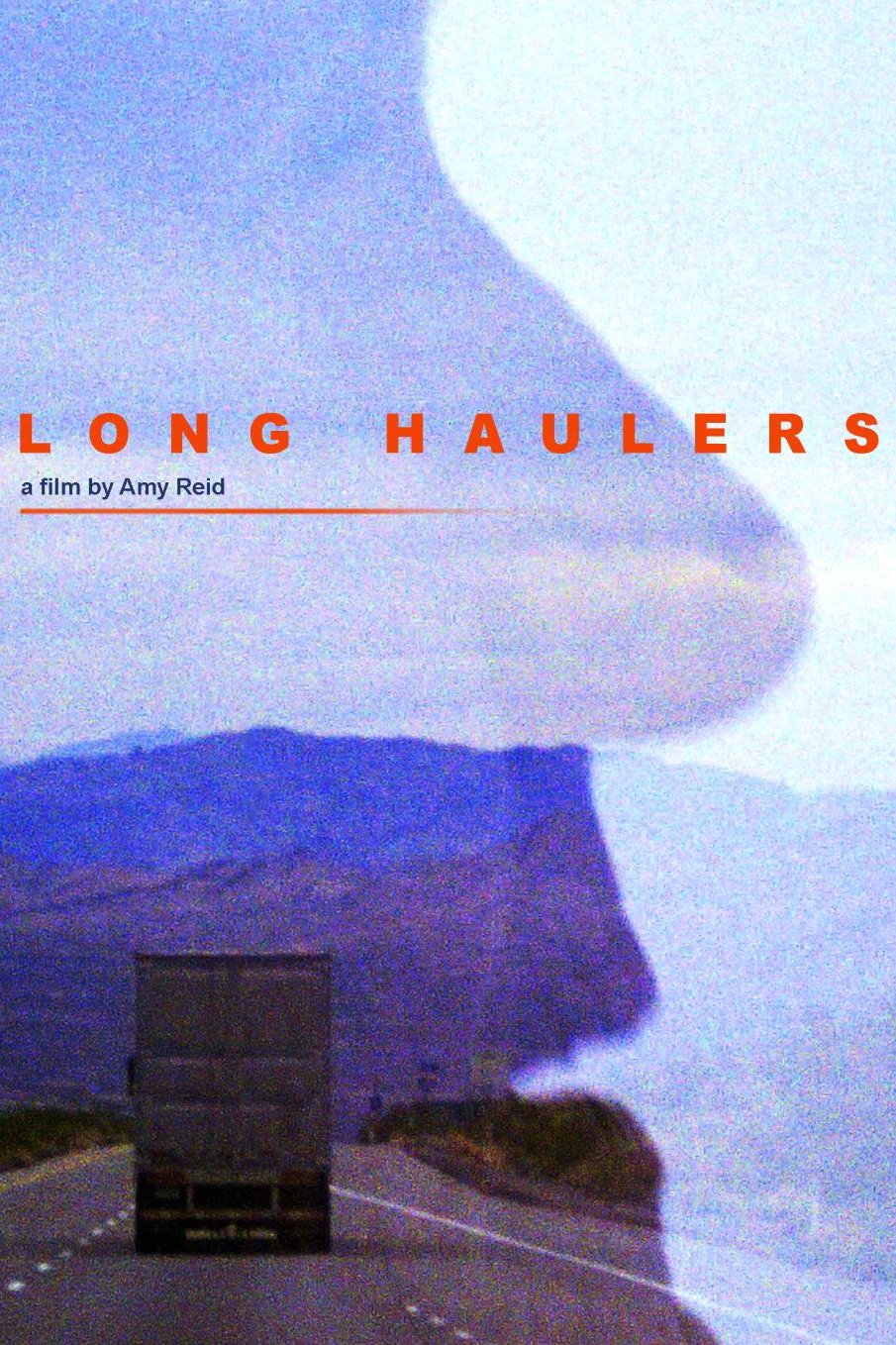
Through experimentation, direct observational filmmaking, and performative play, filmmaker Amy Reid rides and films with women truckers who have fled domestic violence, the stigmas of being formerly incarcerated, and mental health issues. The three subjects -- Sandi, Lori, and Tracy -- each share how they started trucking and what keeps them trucking.
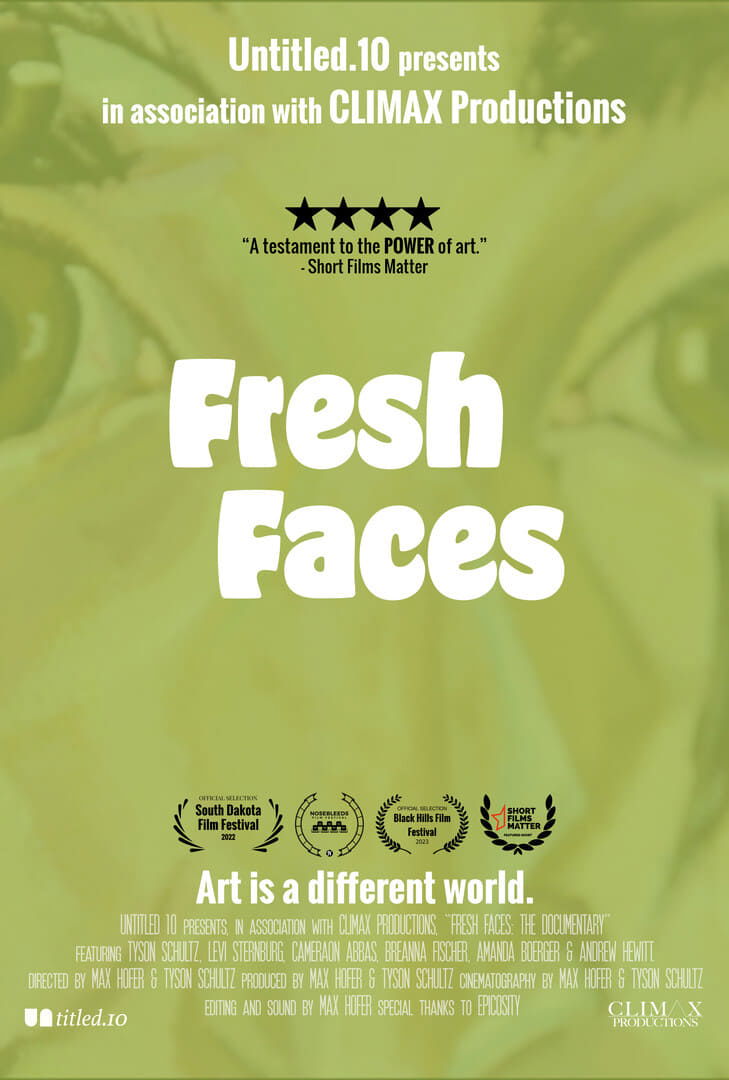
Follow Untitled.10 (Tyson Schultz & Levi Sternburg) as they prep for their 4th pop-up art gallery in Sioux Falls, SD.
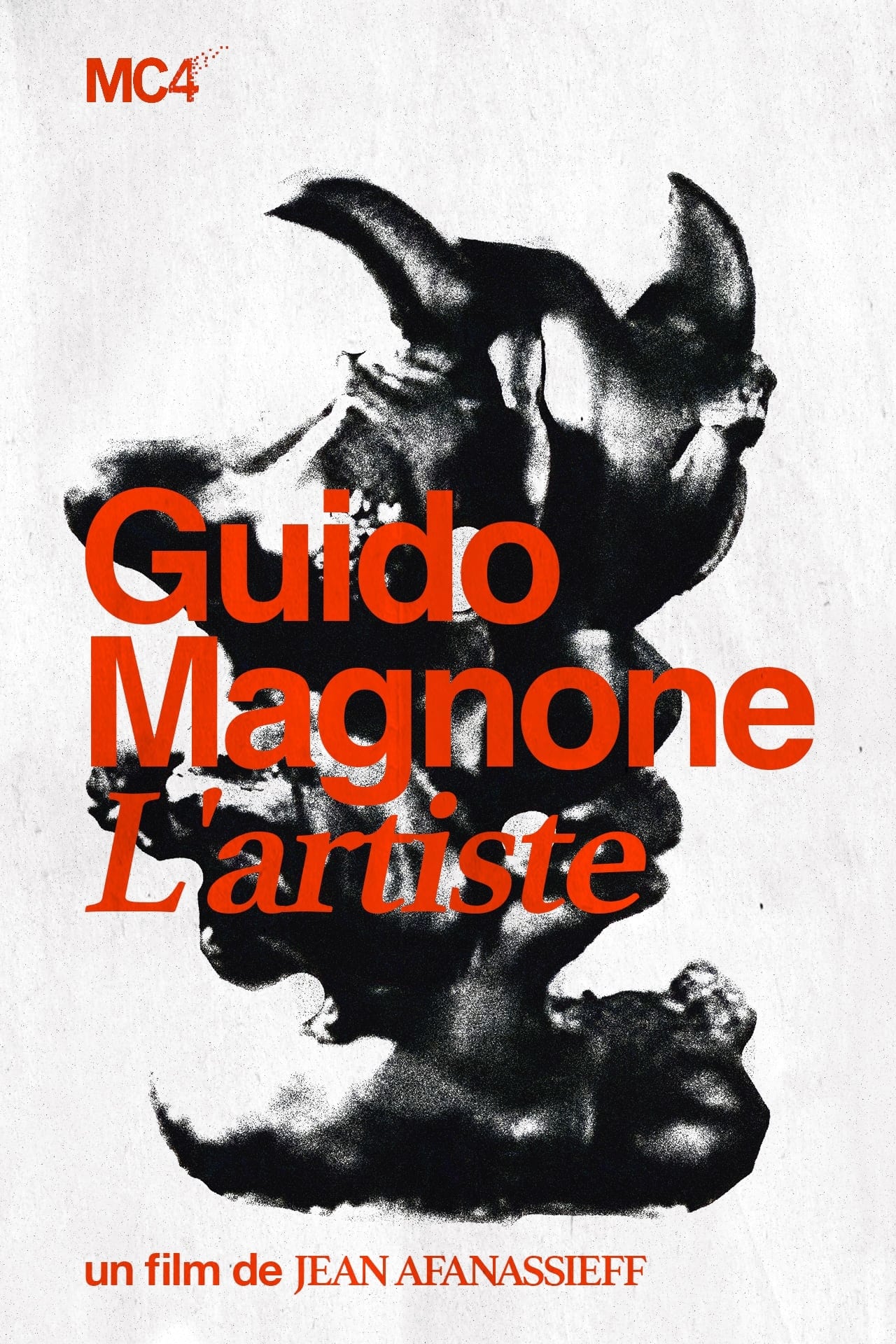
Guido Magnone designs cardboard boxes by hand for his parents' small business. A painter friend loves his brushwork and pushes him to attend the Beaux Arts. He takes an external competition, wins it, befriends the sculptors César and Féraud, surrealists, a handful of bohemians. He then discovered the mountain and quickly became one of the best climbers of his generation. He made prestigious conquests such as the west face of the Drus in the Alps, the first ascents of Fitz Roy in Patagonia with Lionel Terray or Makalu in the Himalayas... Magnone also participated in the creation of the UCPA and will be president of the Groupe de Haute Montagne from 1961 to 1965. From 1977, Guido returned to his first passion: sculpture, to devote himself fully to it around 1990. He began to exhibit again in 1996. In 2002, he exhibited his sculptures in Paris , Bourg-la-Reine, Aosta then in Etroubles in 2009.
Montage of several photos of the work process of a Turkish guest worker.
Auschwitz is synonymous with the Holocaust, but it’s also a place on the map with a surprising history preceding World War II. Narrated by Meryl Streep, this short documentary tells the story of Auschwitz, from its construction to its infamy.
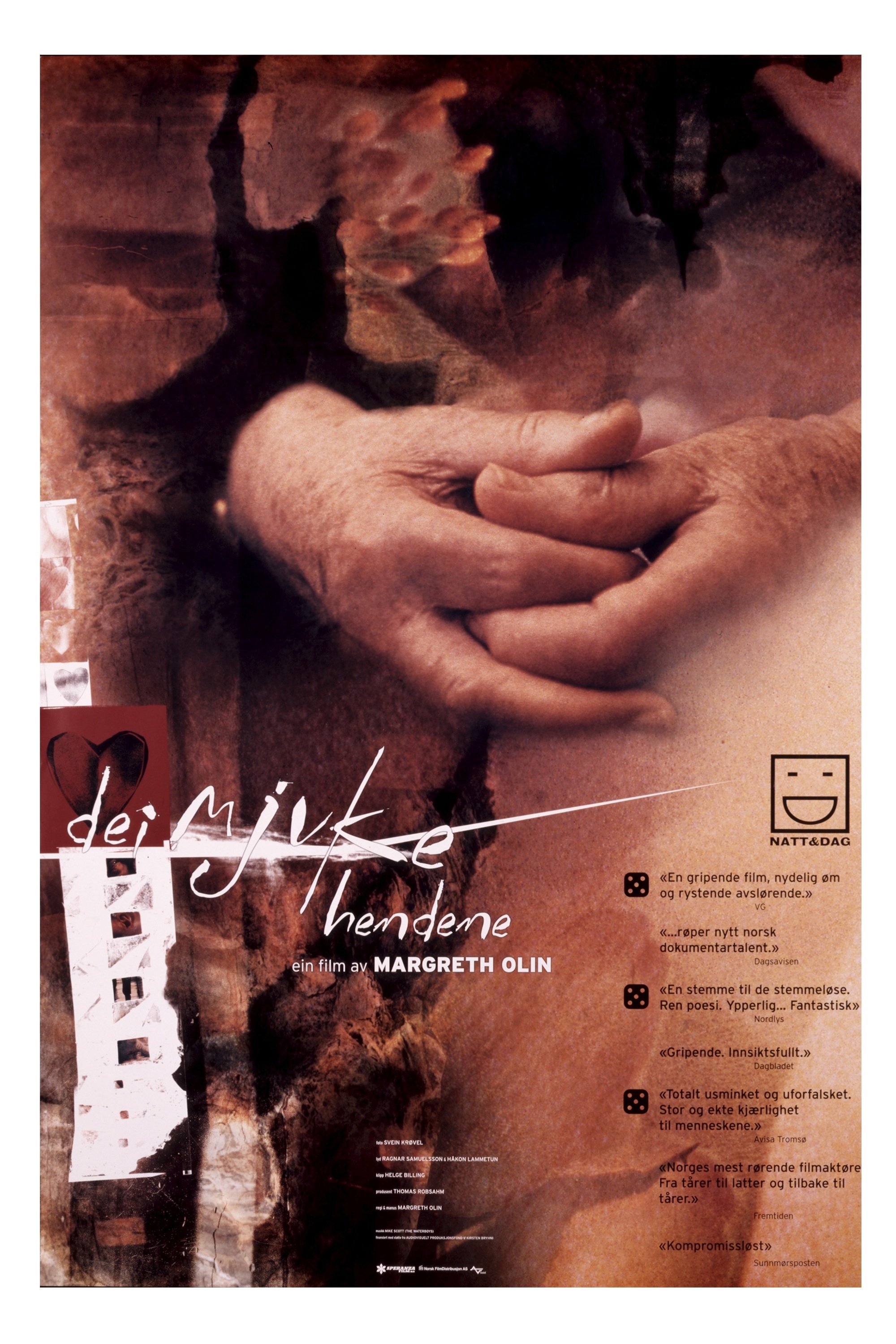
Award-winning documentary film about old age and the elderly. We meet residents and staff at a nursing home and take part in the madness, humor, desire, sorrow, hopes and the great love that this miniature society holds.
A documentary about Paraskeva Clark, a Russian painter who trained in Paris and moved to Canada in the 1930s.
The election of the National Queen in General Roca (Argentina)
The Jewish milliner May Aubert grew up in Kristiania with an English father and a German mother. Before WW II she was an apprentice hat maker in Berlin and delivered hats to UFA film studio's brightest stars such as Marlene Dietrich and Elisabeth Bergner. Later, she became a refugee, war hero and currency smuggler. Eighty-seven years old, she still goes to work every day and is the Norwegian Queen Sonja's regular hat maker.
The film investigates the adventures of mountain climber and photographer Adam J. Winkler, who fought in Afghanistan with the Mujahideen against the Soviets in the 1980s. The director employs a highly original artistic technique involving animated collage of period materials.
Through the hauntingly beautiful lure of Jason deCaire's Taylor's underwater, life-like statues we witness the birth of an artificial coral reef, learn how we are inextricably connected to the ocean and everything in it, and are left to consider how our choices will determine what we leave to future generations.
To be an artist is to turn any object into a magical one. That was the aim of one of the most brilliant writers and artists of the 20th Century, Jorge Eielson. Eielson's desire to avoid notoriety, and a fifty-three year exile, made him a legendary name - not only in the European art world, but in his home country of Peru. In "Virir en una obra maestra" Gabriela Yepes explores Eielson's luminous art and incredible life.
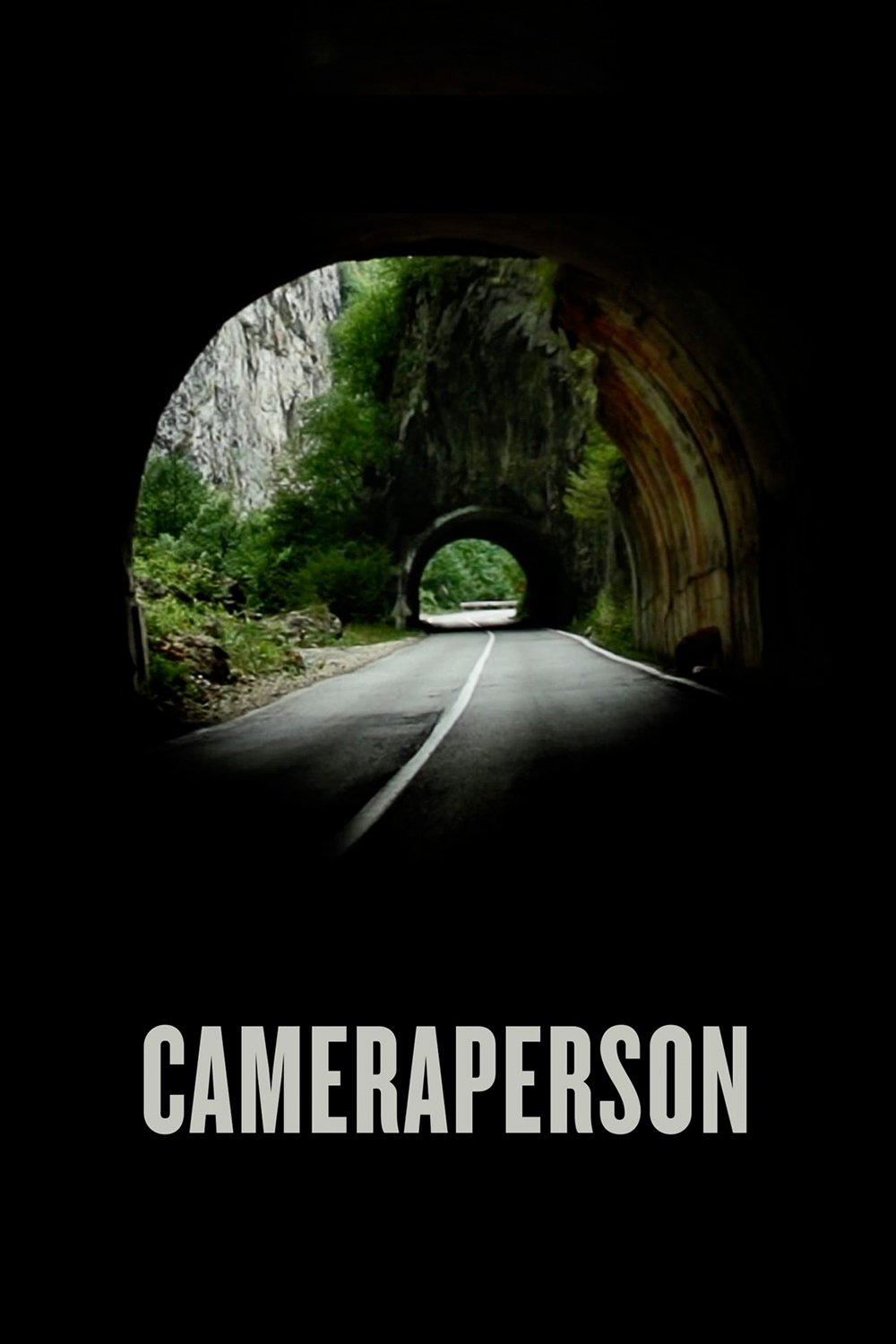
As a visually radical memoir, CAMERAPERSON draws on the remarkable footage that filmmaker Kirsten Johnson has shot and reframes it in ways that illuminate moments and situations that have personally affected her. What emerges is an elegant meditation on the relationship between truth and the camera frame, as Johnson transforms scenes that have been presented on Festival screens as one kind of truth into another kind of story—one about personal journey, craft, and direct human connection.
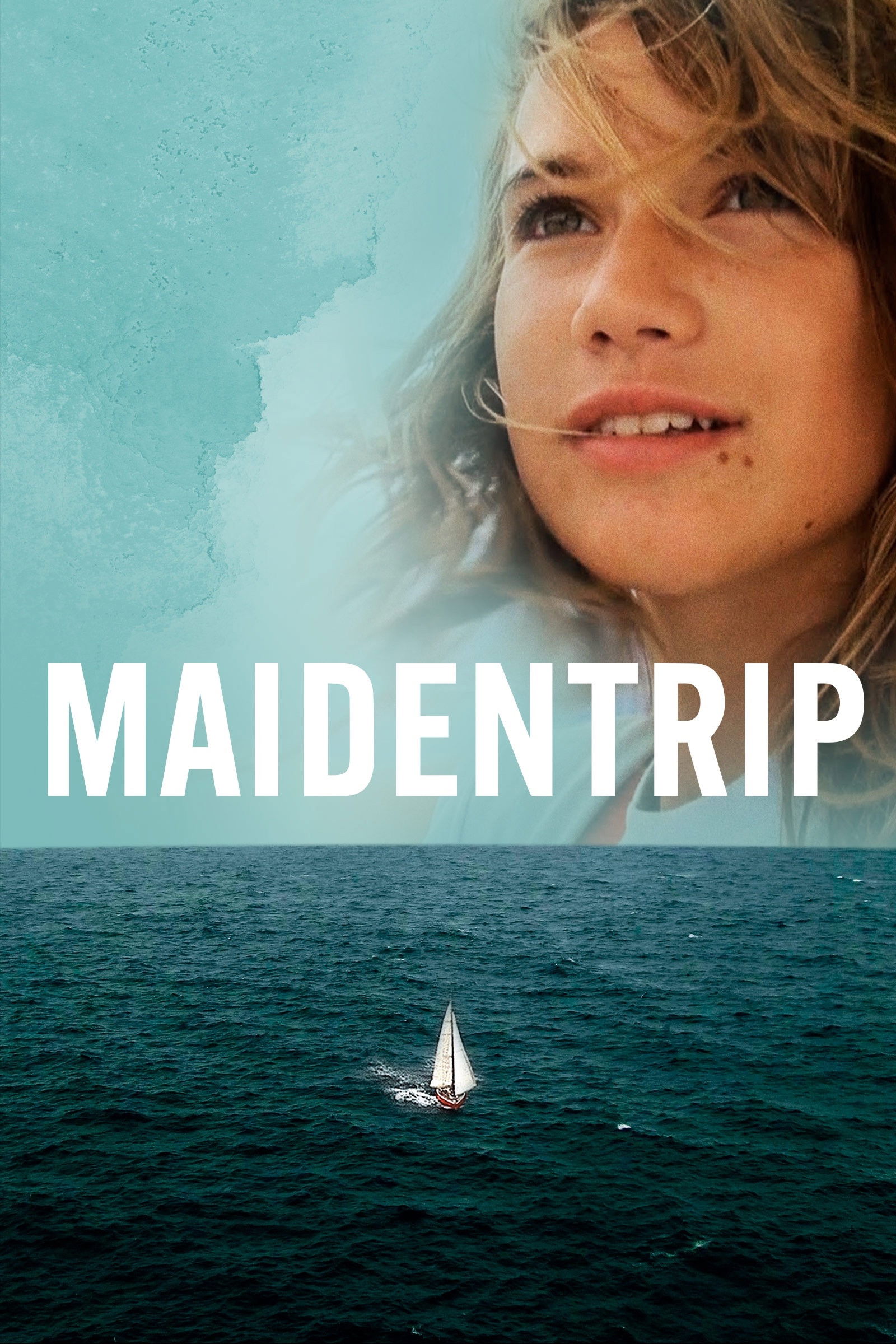
14-year-old Laura Dekker sets out on a two-year voyage in pursuit of her dream to become the youngest person ever to sail around the world alone.
A love letter from a young mother to her daughter, the film tells the story of Waad al-Kateab’s life through five years of the uprising in Aleppo, Syria as she falls in love, gets married and gives birth to Sama, all while cataclysmic conflict rises around her. Her camera captures incredible stories of loss, laughter and survival as Waad wrestles with an impossible choice– whether or not to flee the city to protect her daughter’s life, when leaving means abandoning the struggle for freedom for which she has already sacrificed so much.
Musician and performance artist Laurie Anderson reflects on the deaths of her husband Lou Reed, her mother and her beloved dog.
Director Michael Apted revisits the same group of British-born adults after a 7 year wait. The subjects are interviewed as to the changes that have occurred in their lives during the last seven years.
Using the book 'Fragments', which collects Marilyn Monroe's poems, notes and letters, and with participation from the Arthur Miller and Truman Capote estates who have contributed more material, each of the actresses will embody the legend at various stages in her life.
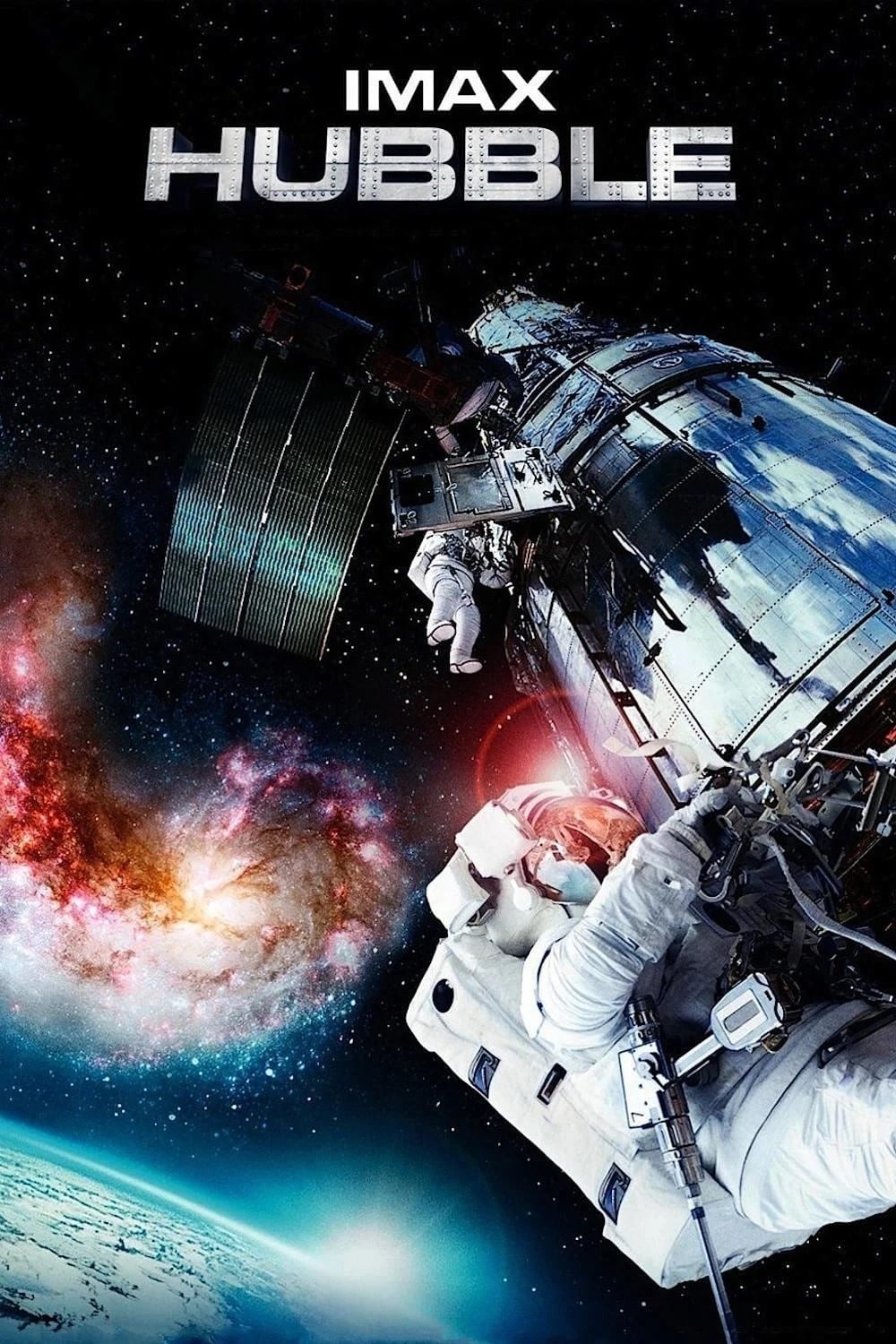
An IMAX 3D camera chronicles the effort of 7 astronauts aboard the Space Shuttle Atlantis to repair the Hubble Space Telescope.
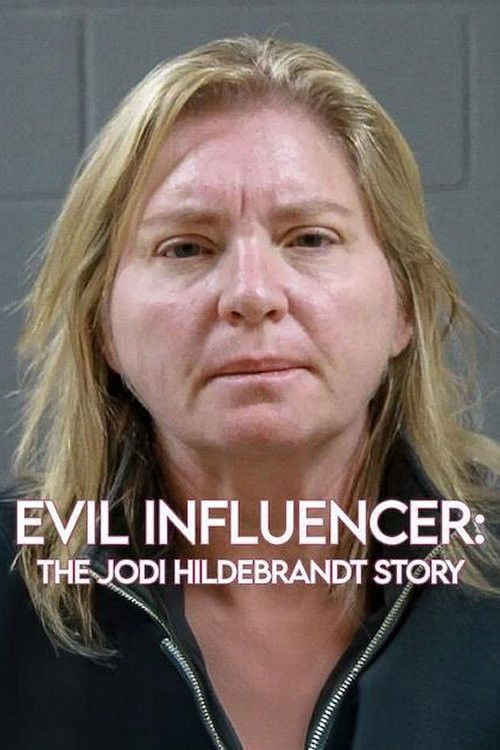
Unravel the case of Utah therapist Jodi Hildebrandt, whose child abuse arrest with parenting YouTuber Ruby Franke exposed a twisted tale of manipulation.
In an intimate and joyful story of love in the face of loss, celebrated poets Andrea Gibson and Megan Falley find strength—and unexpected hilarity—in what might be their final year together.
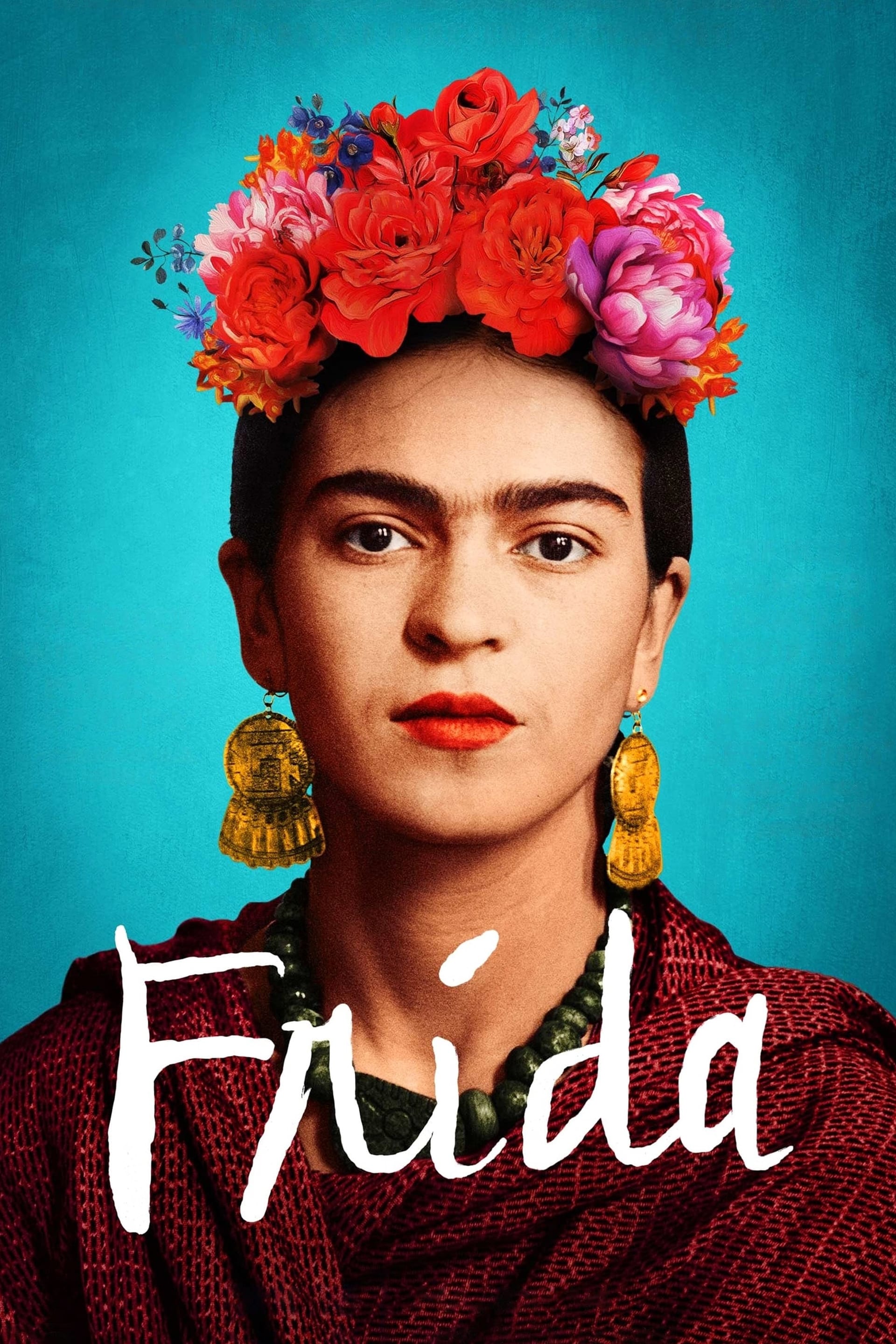
An intimately raw and magical journey through the life, mind, and heart of iconic artist Frida Kahlo. Told through her own words for the very first time — drawn from her diary, revealing letters, essays, and print interviews — and brought vividly to life by lyrical animation inspired by her unforgettable artwork.
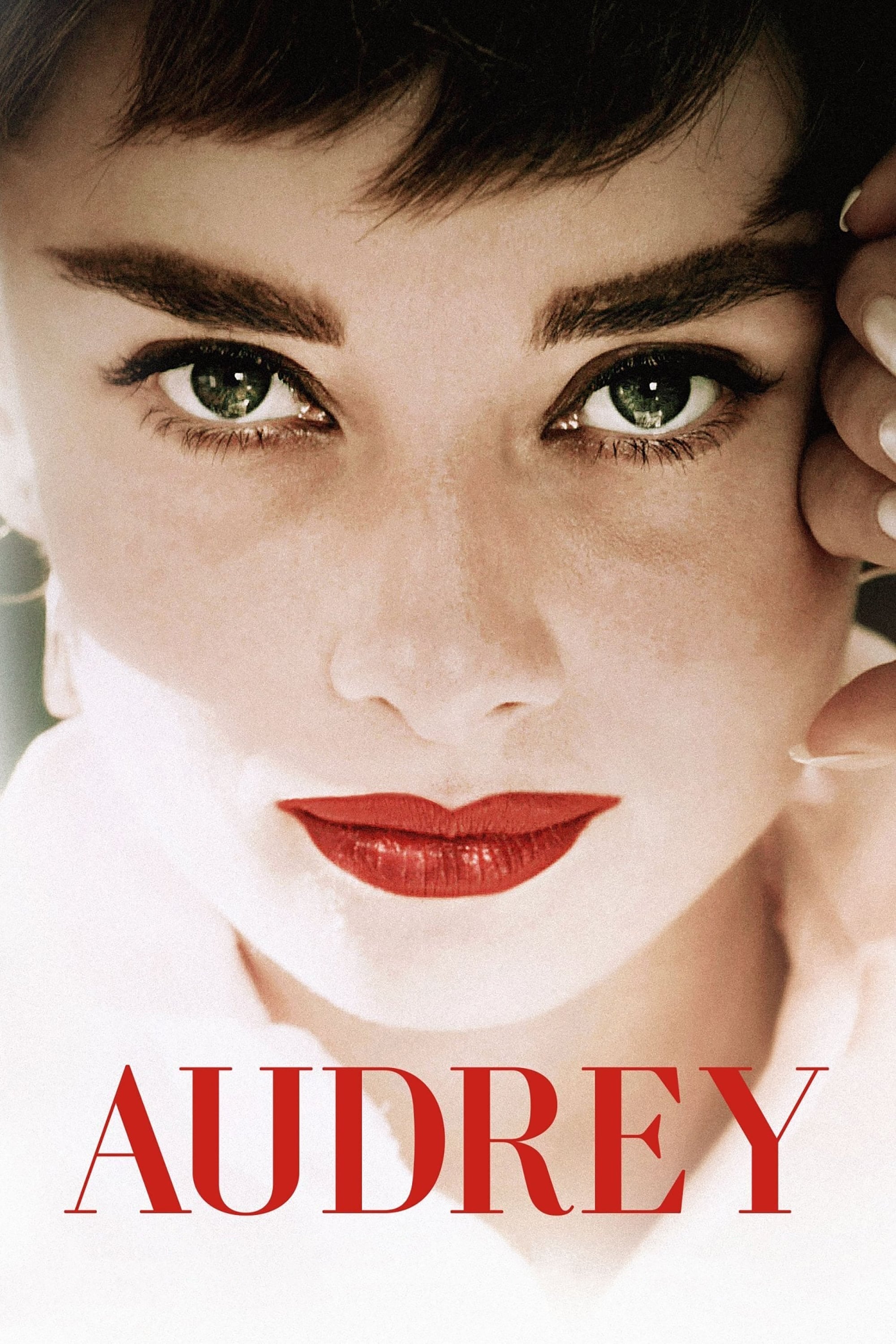
An unprecedented and intimate look at the life, work and enduring legacy of British actress Audrey Hepburn (1929-1993).
Documentary about the art of film editing. Clips are shown from many groundbreaking films with innovative editing styles.
The life of internationally renowned artist and activist Nan Goldin is told through her slideshows, intimate interviews, ground-breaking photography, and rare footage of her personal fight to hold the Sackler family accountable for the overdose crisis.
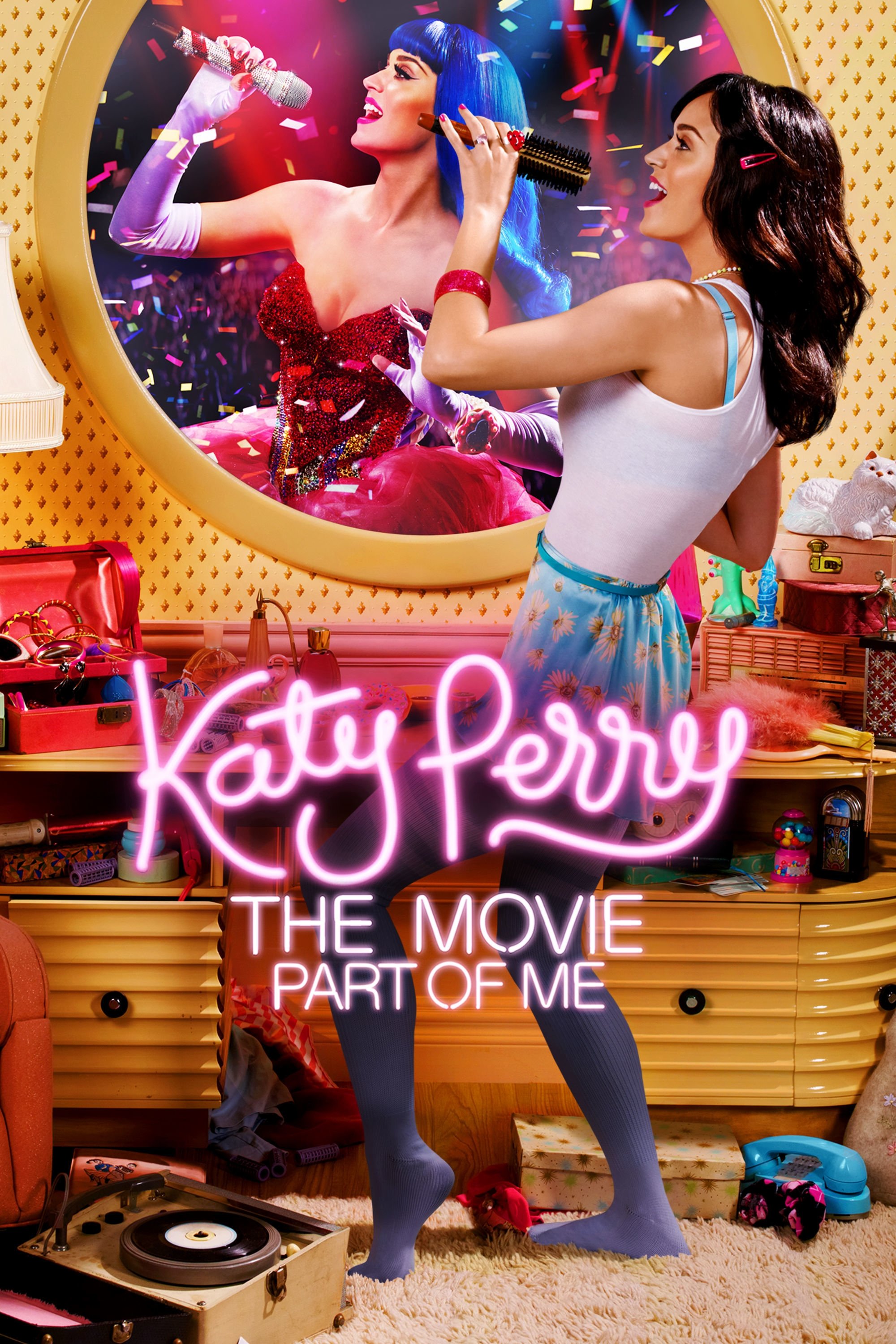
Giving fans unprecedented access to the real life of the music sensation, Katy Perry: Part of Me exposes the hard work, dedication and phenomenal talent of a girl who remained true to herself and her vision in order to achieve her dreams. Featuring rare behind-the-scenes interviews, personal moments between Katy and her friends, and all-access footage of rehearsals, choreography, Katy’s signature style and more, Katy Perry: Part of Me reveals the singer’s unwavering belief that if you can be yourself, then you can be anything.
This special explores the return of Obi-Wan Kenobi and Anakin Skywalker to the screen, as well as Ewan McGregor and Hayden Christensen to their classic roles. Director Deborah Chow leads the cast and crew as they create new heroes and villains that live alongside new incarnations of beloved Star Wars characters, and an epic story that dramatically bridges the saga films.
Through deeply personal interviews with her siblings and an examination of the photographs, letters, and belongings left behind, Mariska assembles a new portrait of her mother Jayne Mansfield, an extraordinary and complex woman.
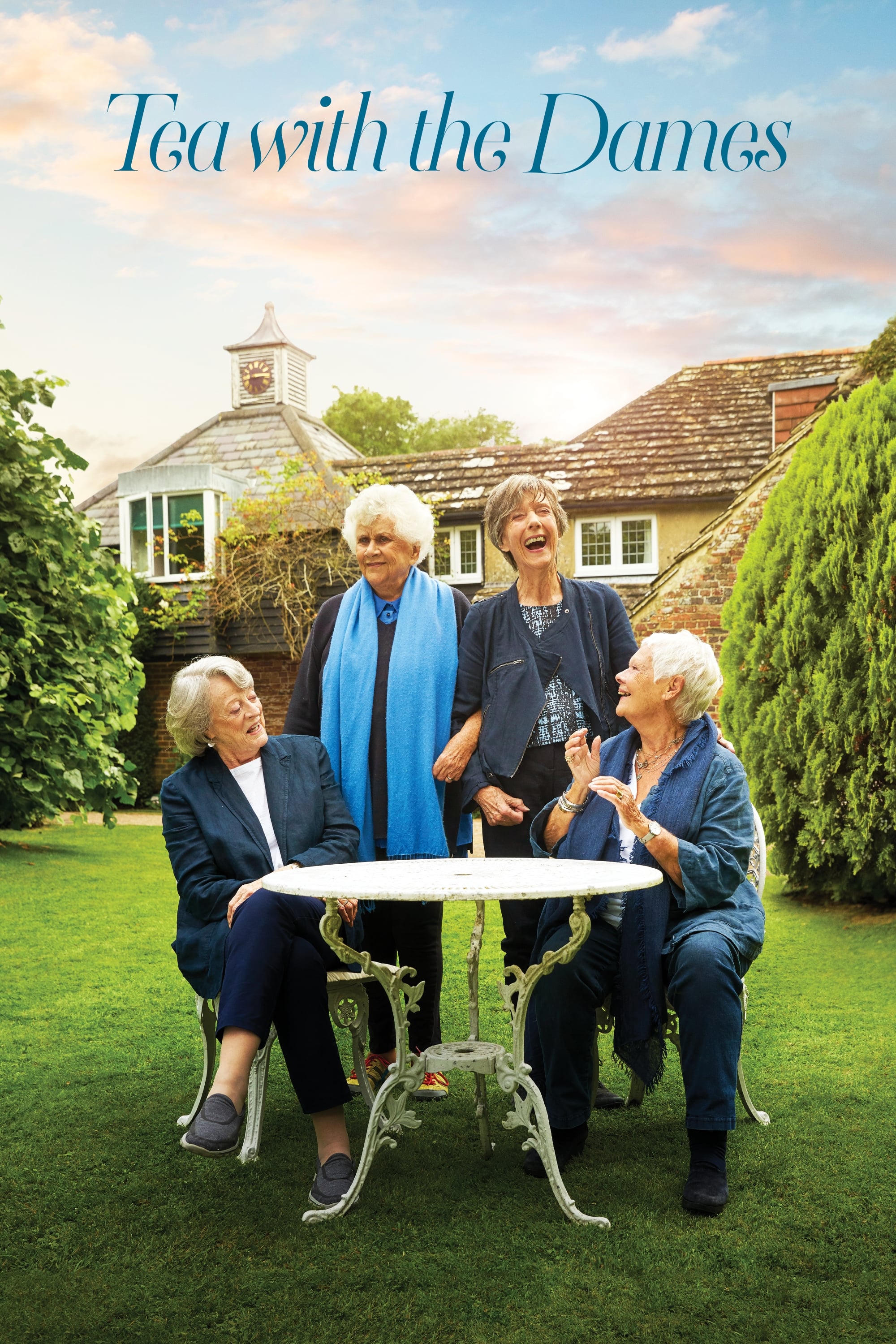
BBC Arena's documentary on the Dames of British Theatre and film featuring Maggie Smith, Eileen Atkins, Judi Dench and Joan Plowright on screen together for the first time as they reminisce over a long summer weekend in a house Joan once shared with Sir Laurence Olivier.
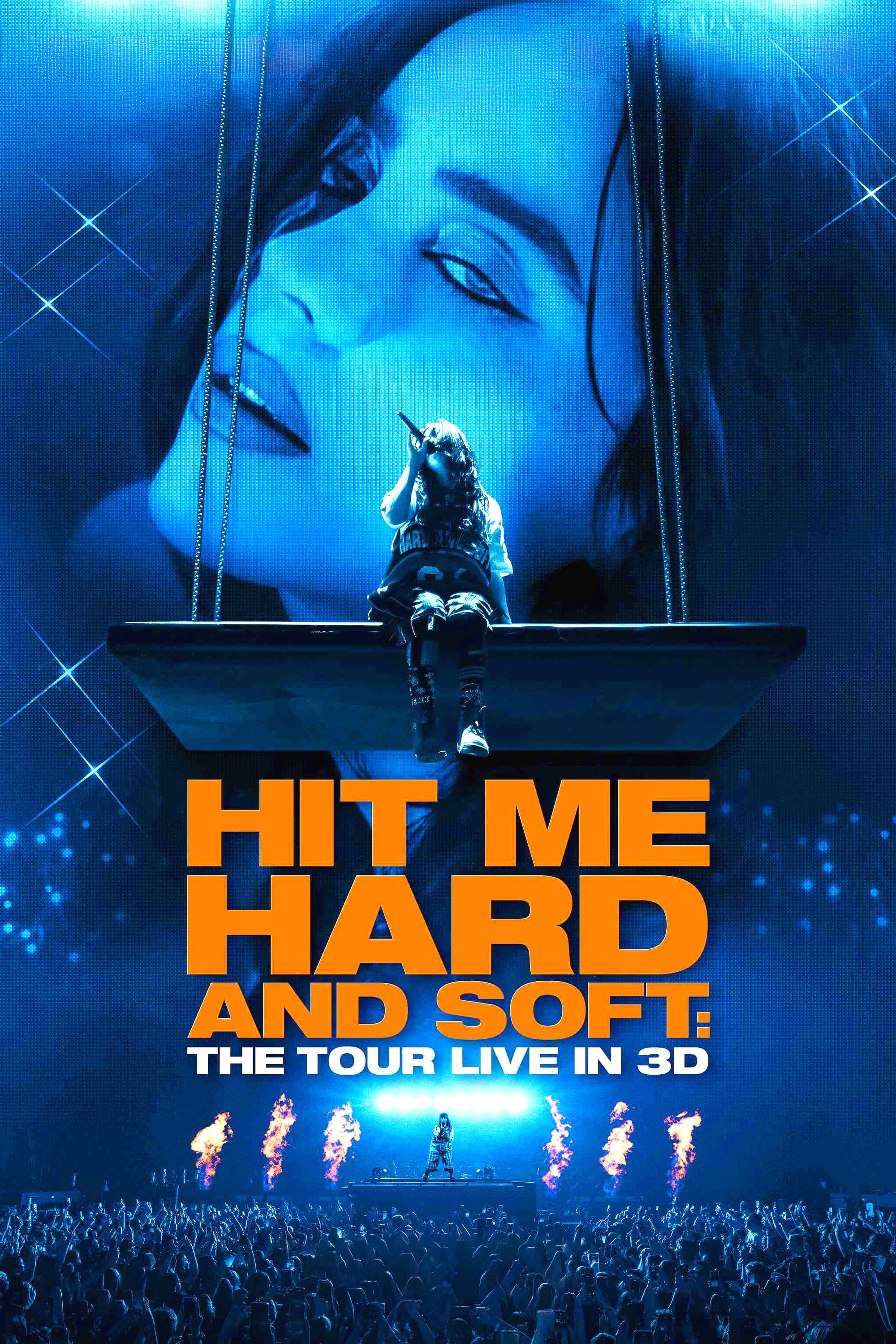
Captured during Billie Eilish's sold-out world tour, a concert experience from one of the most celebrated and successful artists of her generation, presented in immersive 3D.
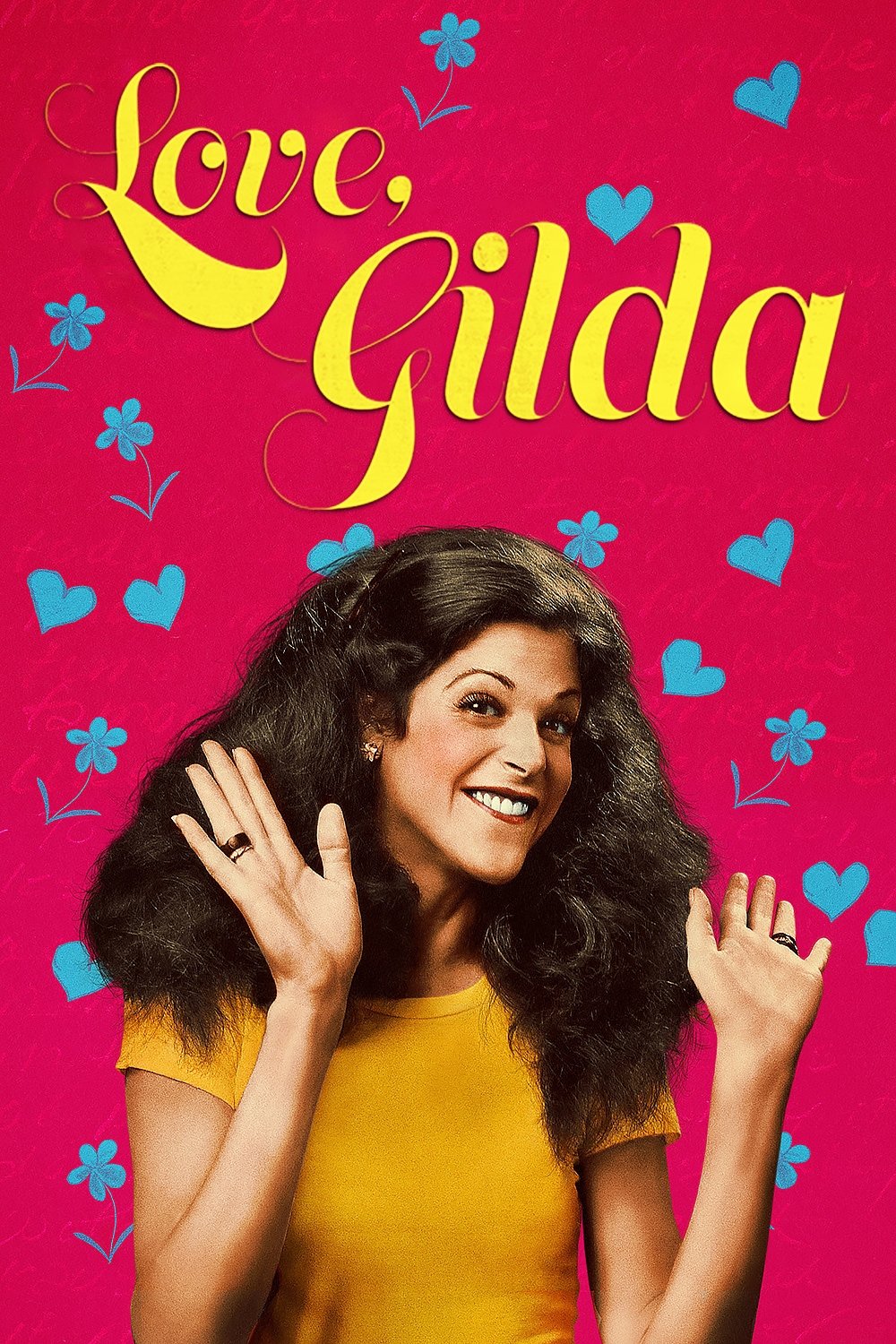
Diaries, audiotapes, videotapes and testimonials from friends and colleagues offer insight into the life and career of Gilda Radner -- the beloved comic and actress who became an icon on Saturday Night Live.
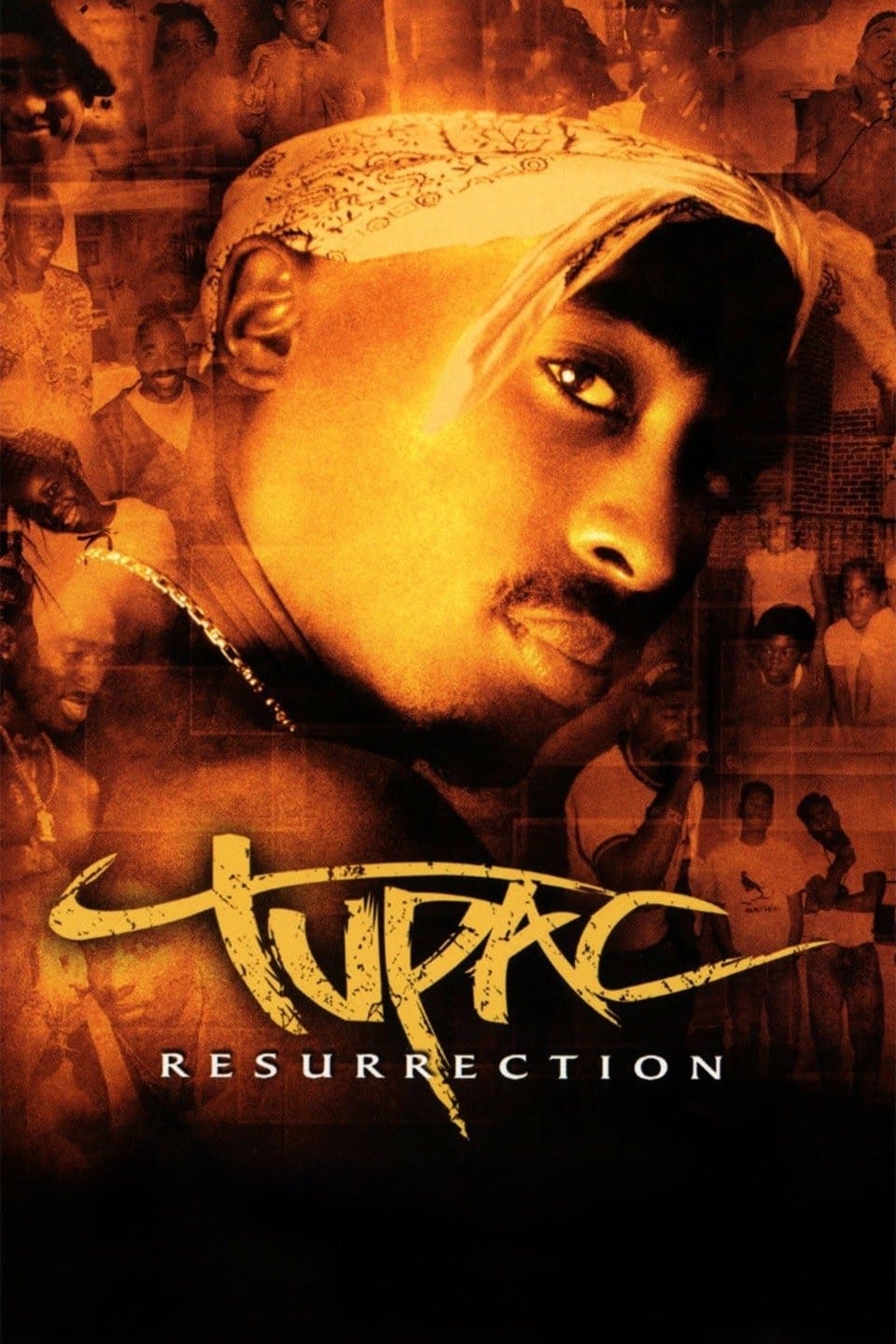
Home movies, photographs, and recited poetry illustrate the life of Tupac Shakur, one of the most beloved, revolutionary, and volatile hip-hop MCs of all time.