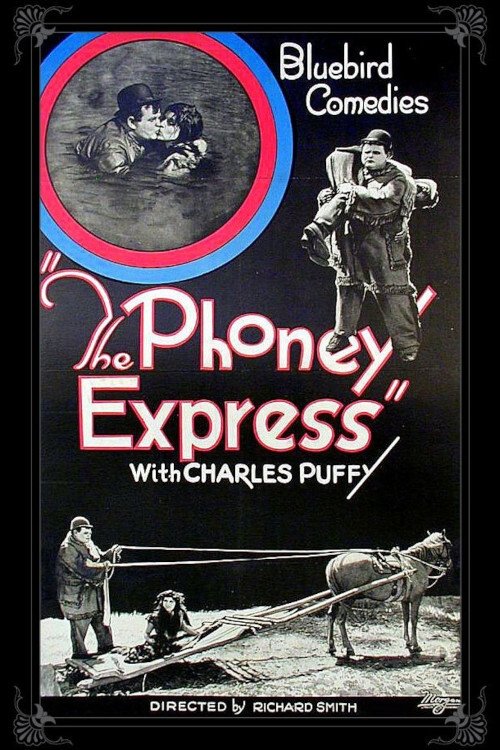
Silent western comedy starring Charles Puffy
Social & External
The people behind it
Károly Huszár
The Express Rider
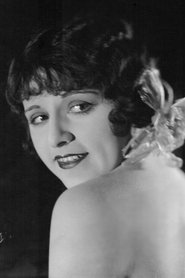
Elsie Tarron
Little Nell
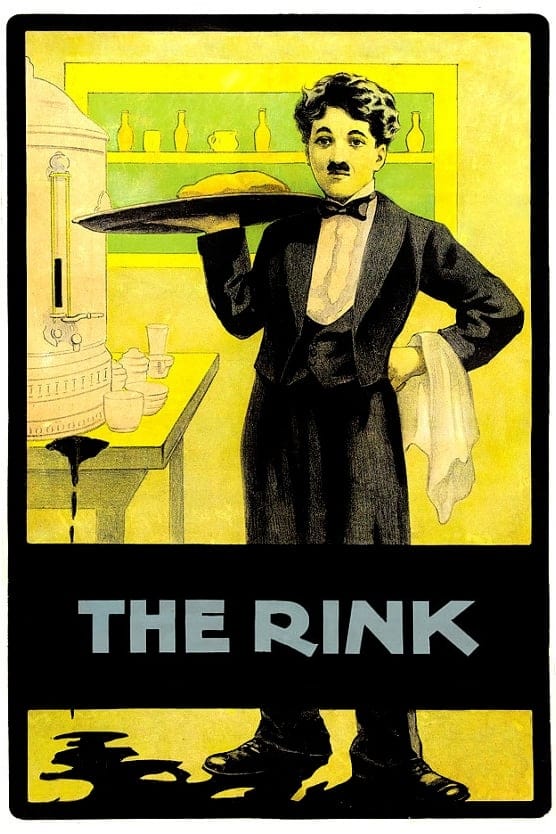
After amusements working in a restaurant, a waiter uses his lunch break to go roller skating.
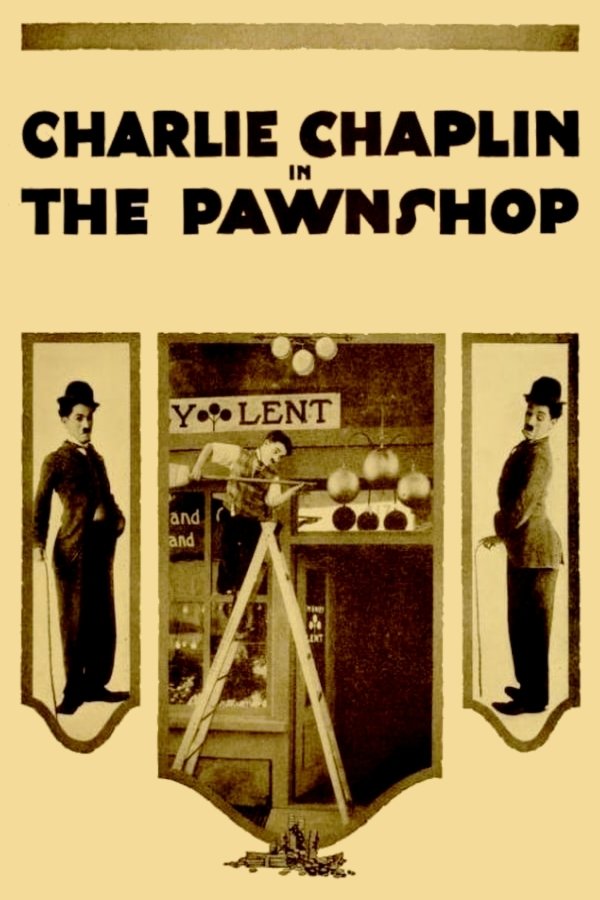
A pawnbroker's assistant deals with his grumpy boss, his annoying co-worker and some eccentric customers as he flirts with the pawnbroker's daughter, until a perfidious crook with bad intentions arrives at the pawnshop.
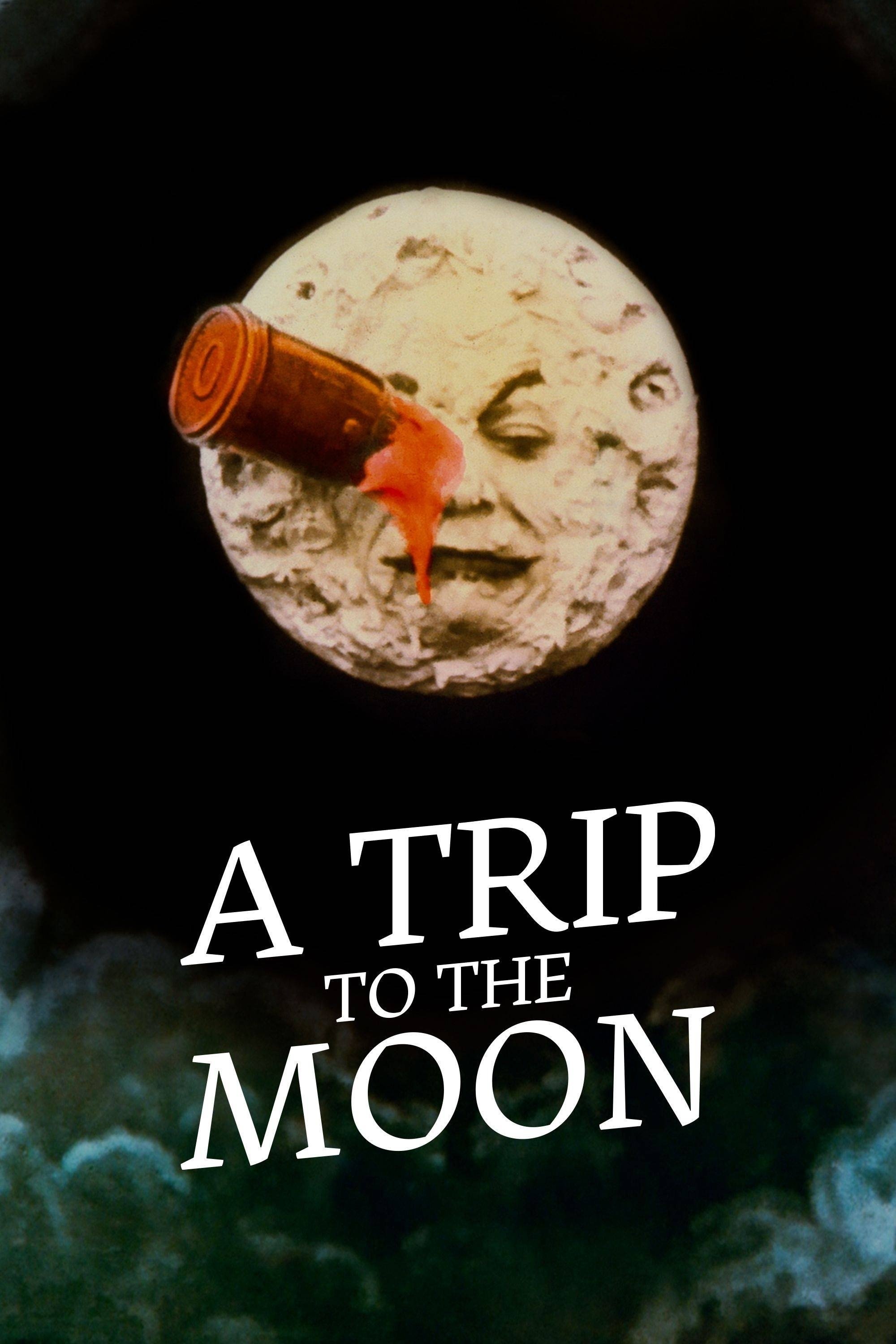
Professor Barbenfouillis and five of his colleagues from the Academy of Astronomy travel to the Moon aboard a rocket propelled by a giant cannon. Once on the lunar surface, the bold explorers face the many perils hidden in the caves of the mysterious planet.
A henpeck man inherits a fortune and starts a club for women-haters.
A club man's country jaunt with friends leads to a breach of promise suit by a landlady.
A man fakes an engagement to a typist to please his rich aunt.
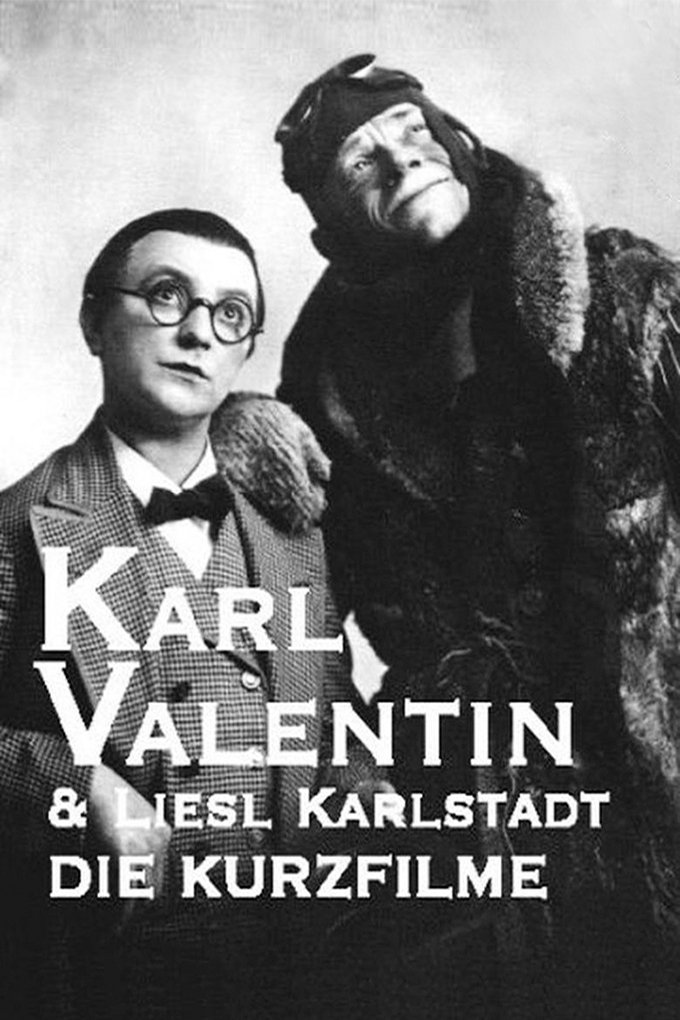
Karl Valentin and Liesl Karlstadt at the Oktoberfest.
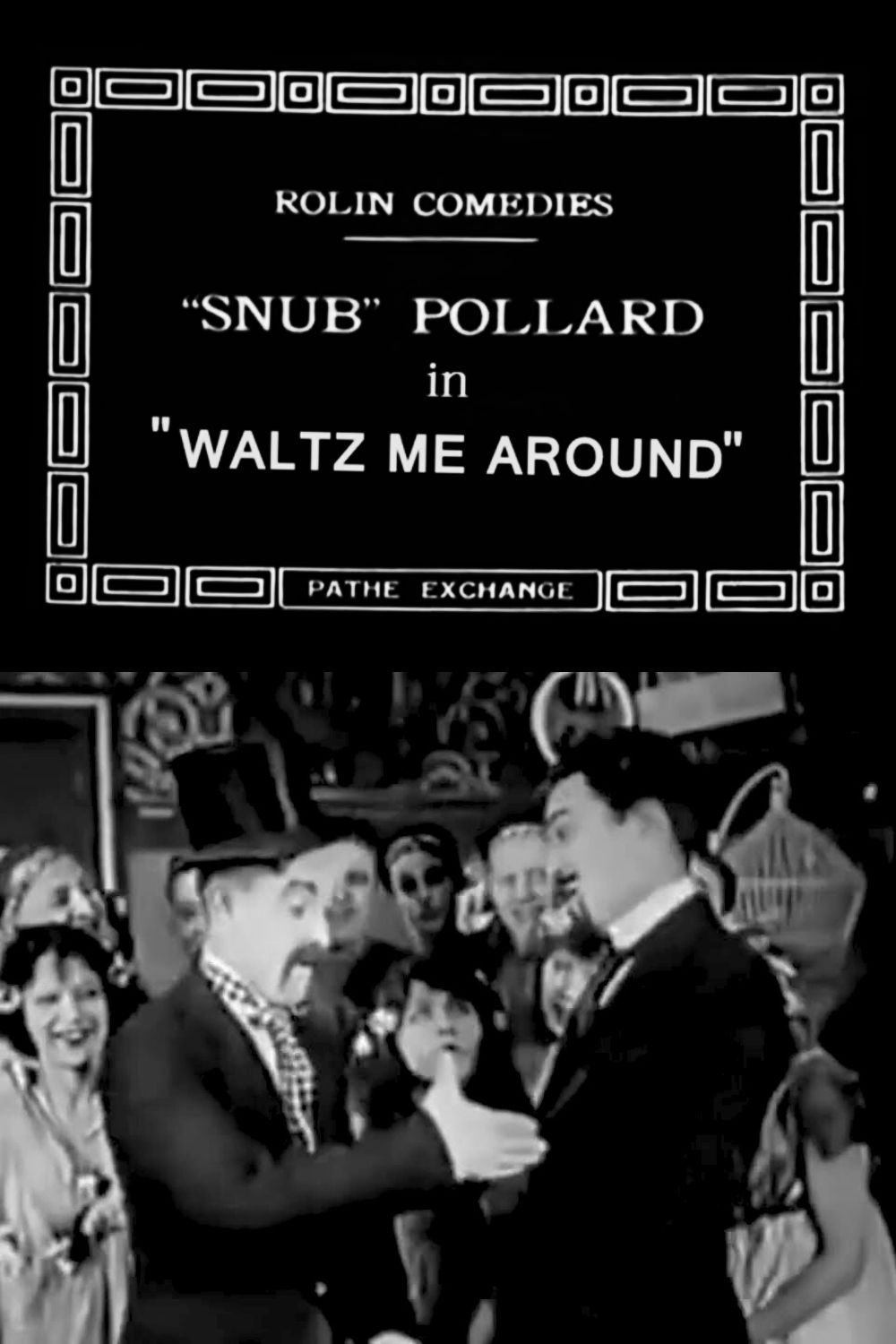
Snub, the delivery man, and his assistant, Sunny, are returning from a delivery when they almost run over a lost woman. After she asks for directions, they accompany the woman to a dance school, where Snub is mistaken for the new professor.
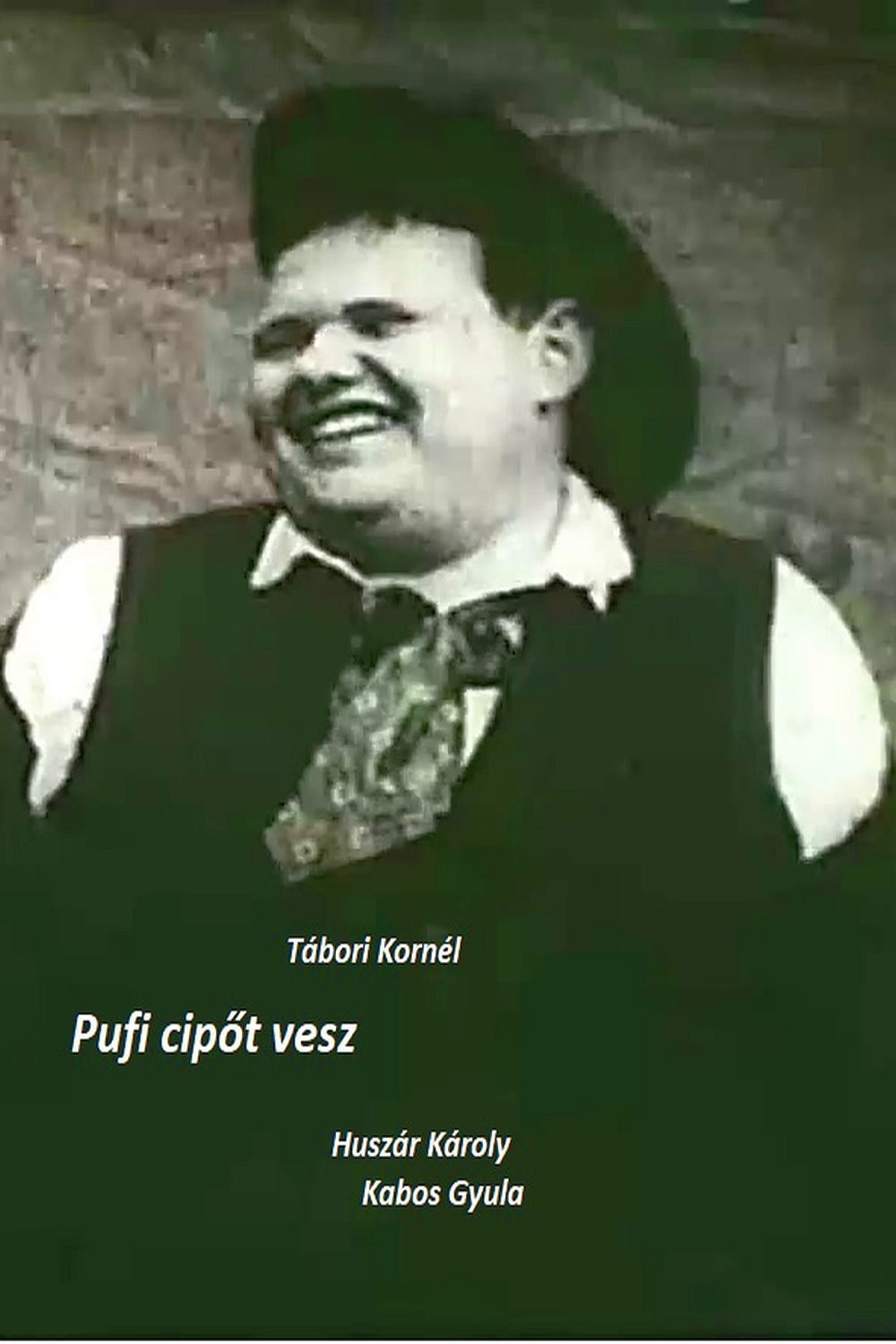
Out of the three-part burlesque, the only surviving one is the one called Pufi would buy a pair of shoes, with Hungarian inserts. The film is shot on a real-life location, in a Budapest shoe shop, and it portrays the mutual efforts of a puny sales assistant and Pufi, the bladder-of-lard customer, to find him a suitable pair of shoes. The content of the other two parts is not known.
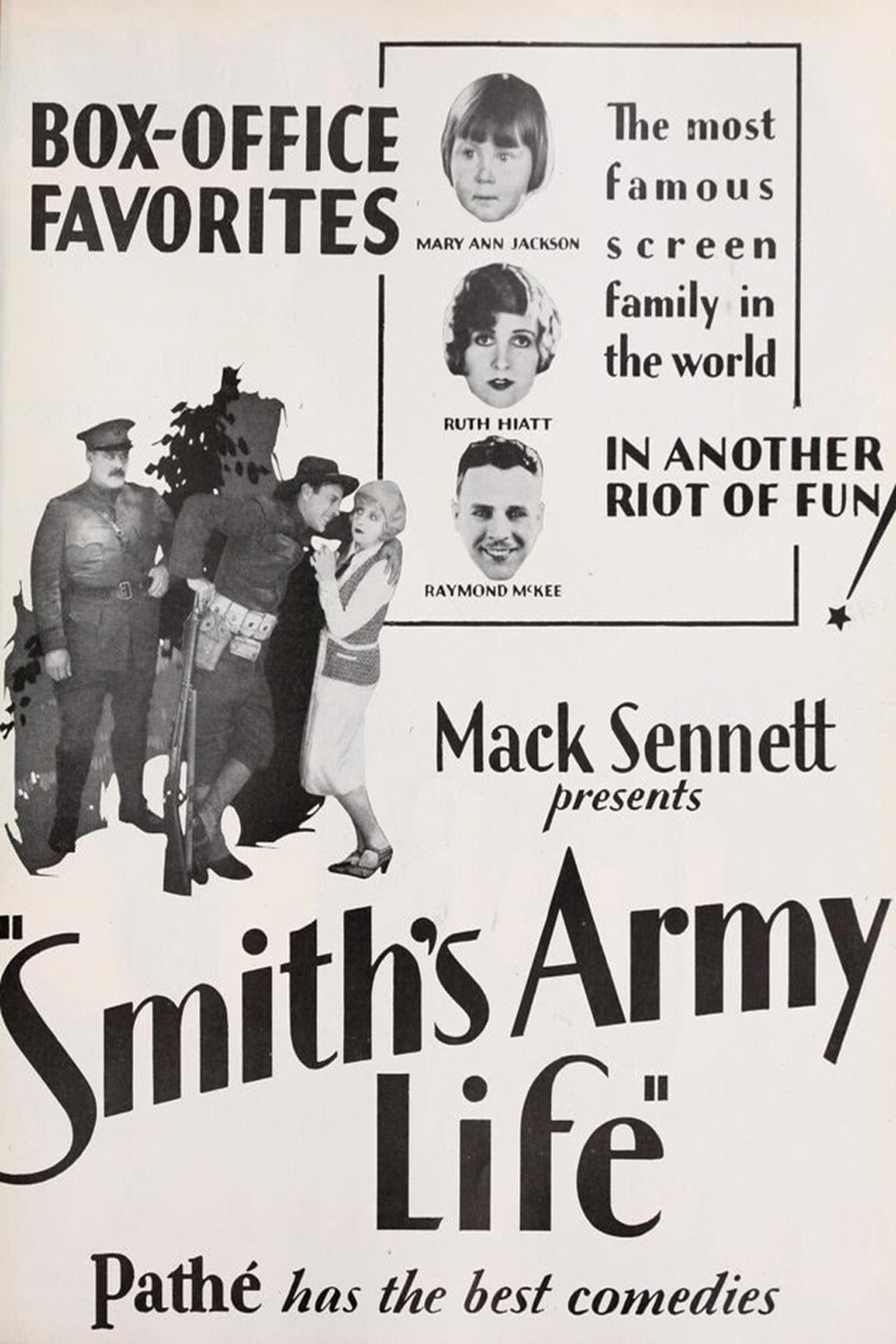
19th release in 'The Smith Family' series of 2-reel comedies.
Silent about two clumsy glaziers.
A tramp cares for a boy after he's abandoned as a newborn by his mother. Later the mother has a change of heart and aches to be reunited with her son.
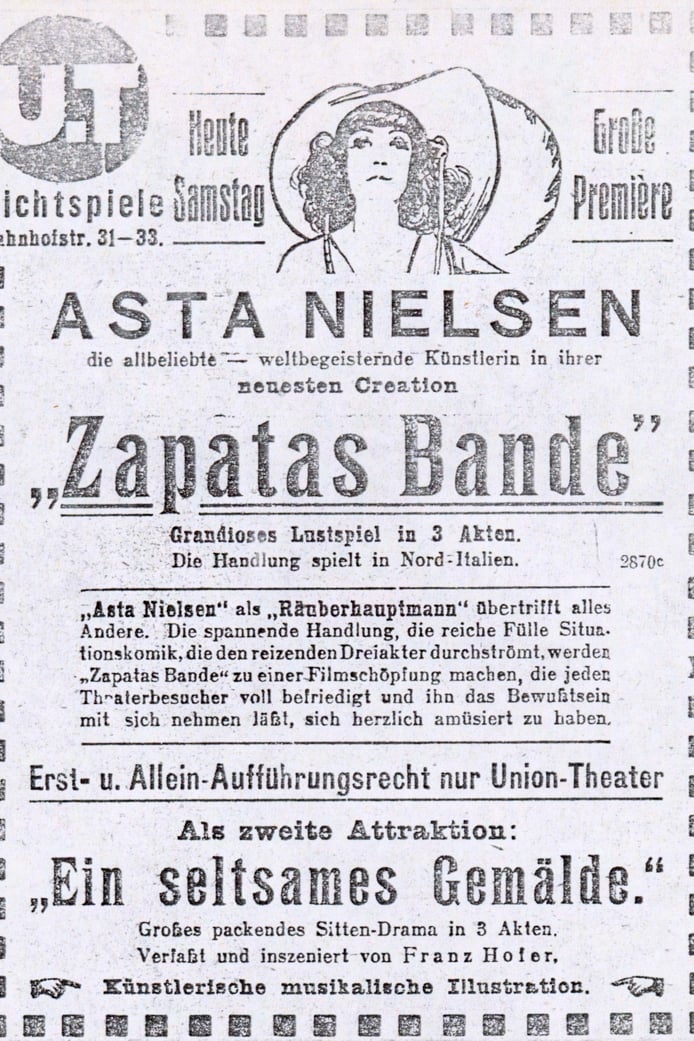
A film crew is shooting a movie about guns and robbers, when real robbers turn up. Having to go home in robbers costume, they are mistakingly accused of a robbery. One of the earliest films portraying bisexual characters.
Fairground boxing booth where visitors try to knock out the champion and win five pounds, the first contestants is knocked out but the very eager (and possibly drunk) third man knocks out the champion and overcome with "boxing fever" rushes out punching at everybody and everything he meets. (britishpathe.com)
Each time Mrs Babylas sees an animal, she just can't help herself bring it back home.
A desperate man and two romantic rivals encounter one another at a Christmas party.
An outlaw calling himself Passin' Through halts his "evil" ways long enough to help out some children in difficulty.
A jungle travelogue looking for monkeys.
The opening shows a colored nursemaid in the park with baby carriage, and seated on a bench receives the attention of several smart colored men who admire her greatly and endeavor to make her acquaintance. But the dusky belle is coy and declines to make the acquaintance of any of them, until one more fortunate than the rest is invited to a seat on the bench with her, and a most pronounced flirtation takes place between the lady and her beau. (Selig catalog)
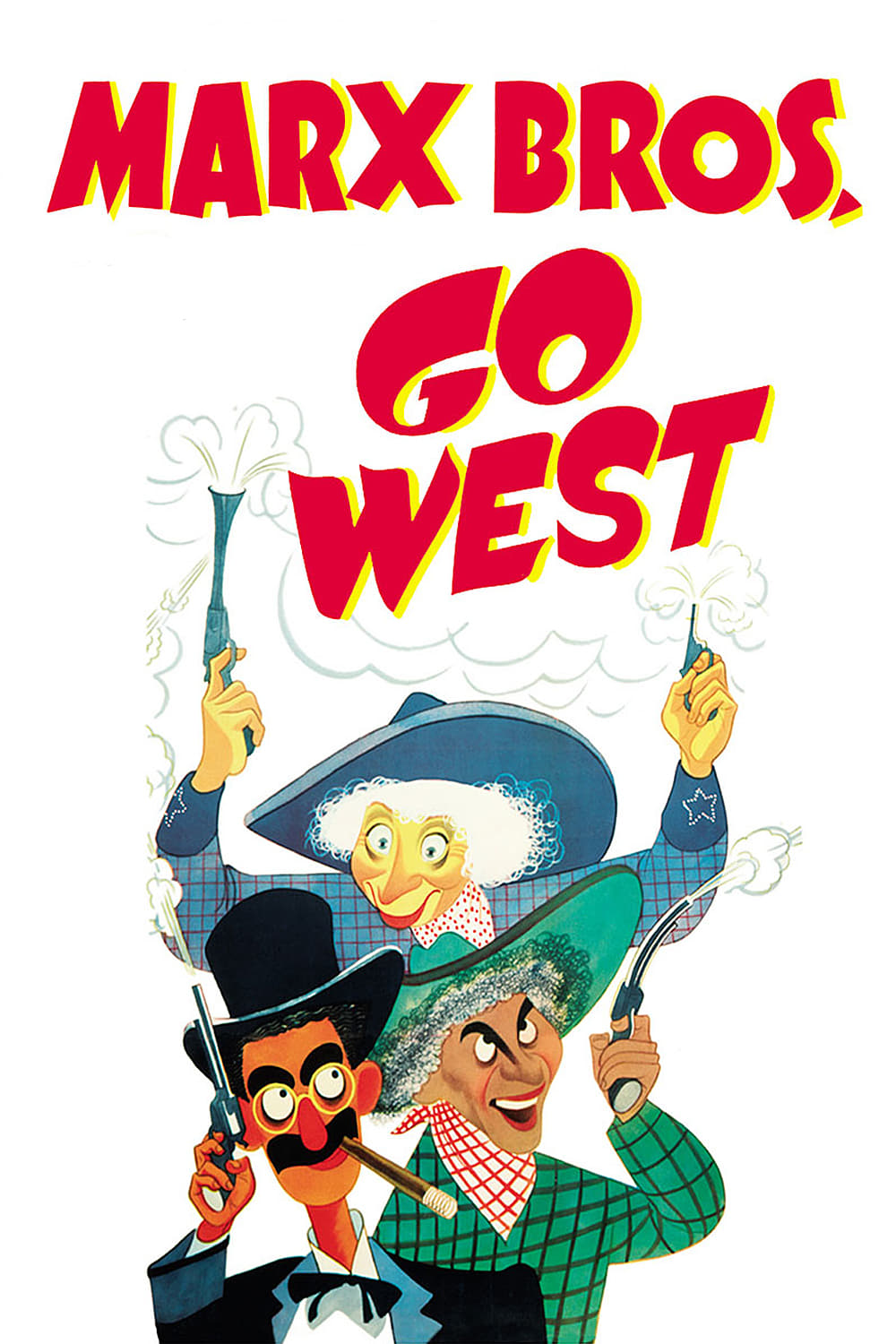
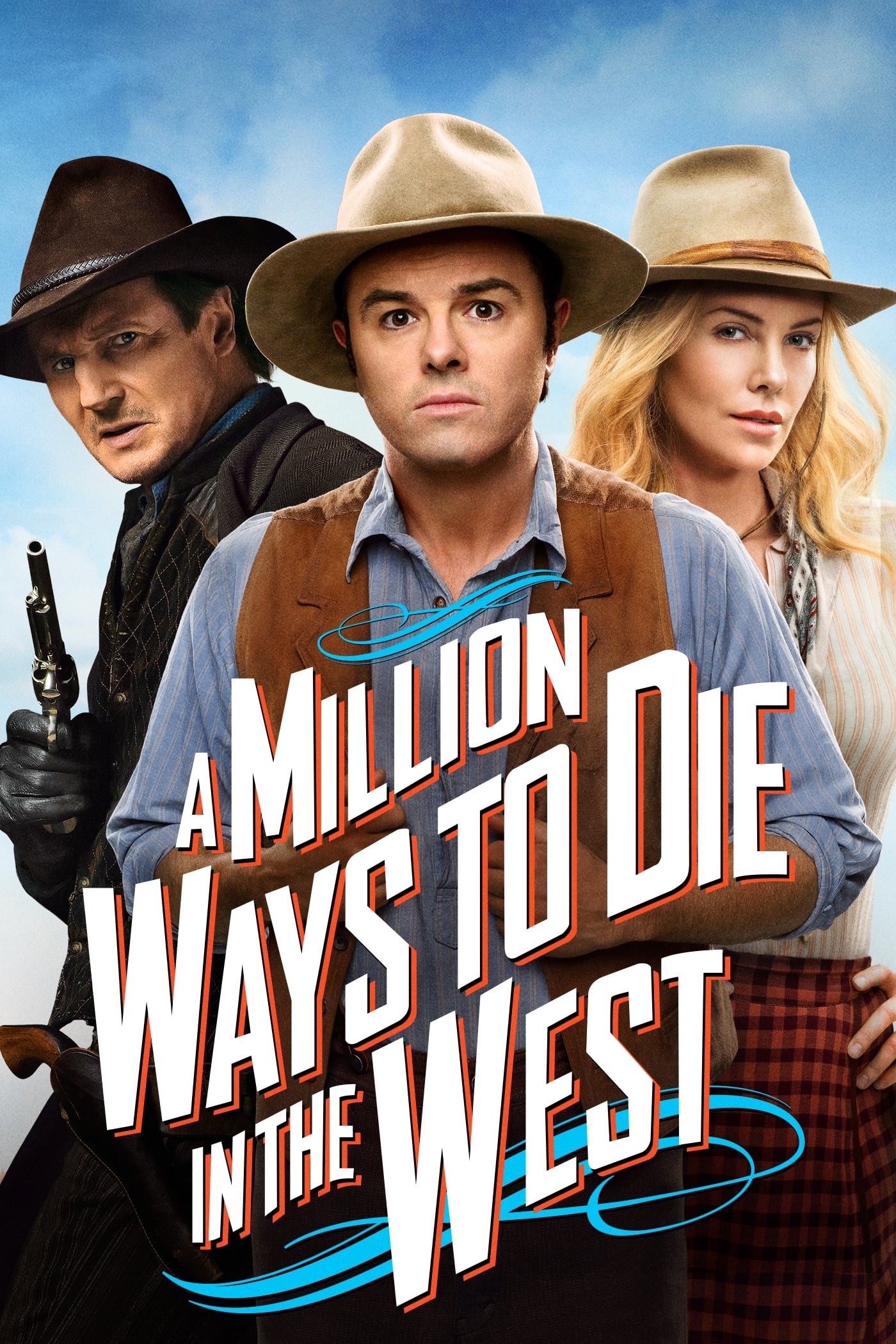
A con man heading west to search for gold teams up with a pair of scheming brothers along the way. The trio soon find themselves in the middle of a feud between two rival families and two underhanded land developers.
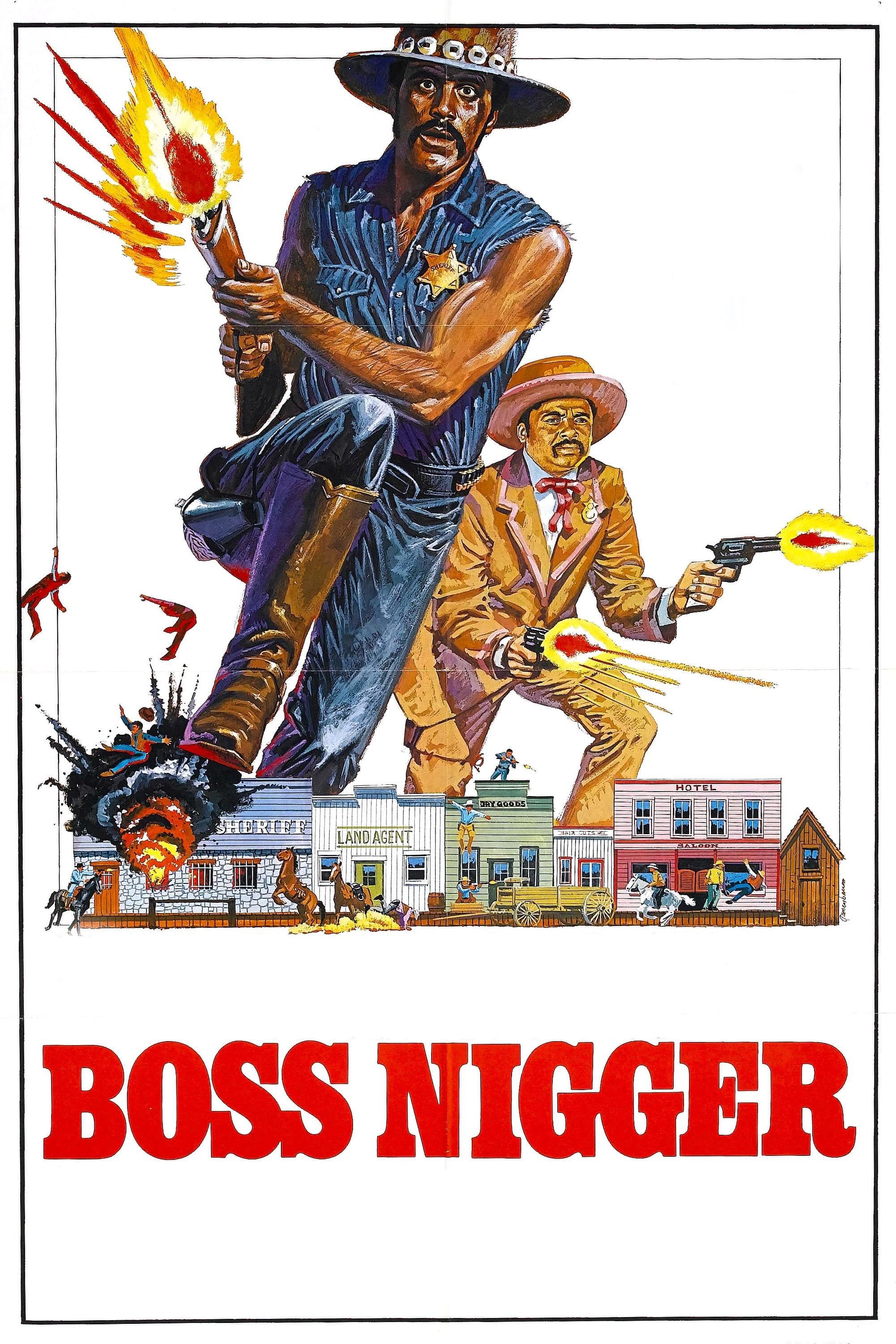
Two black bounty hunters ride into a small town out West in pursuit of an outlaw. They discover that the town has no sheriff, and soon take over that position, much against the will of the mostly white townsfolk.
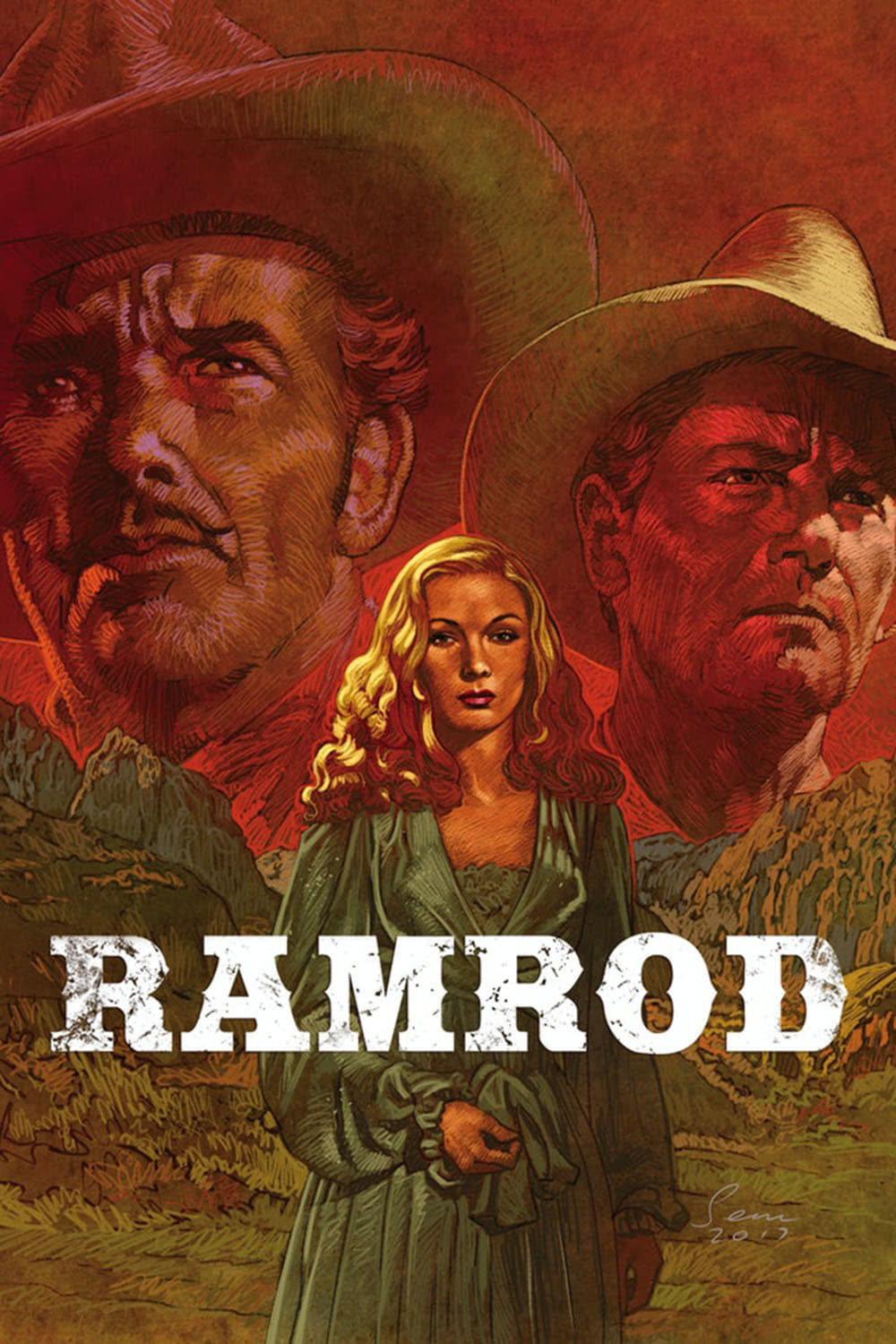
A cattle-vs.-sheepman feud loses Connie Dickason her fiance, but gains her his ranch, which she determines to run alone in opposition to Frank Ivey, "boss" of the valley, whom her father Ben wanted her to marry. She hires recovering alcoholic Dave Nash as foreman and a crew of Ivey's enemies. Ivey fights back with violence and destruction, but Dave is determined to counter him legally... a feeling not shared by his associates. Connie's boast that, as a woman, she doesn't need guns proves justified, but plenty of gunplay results.
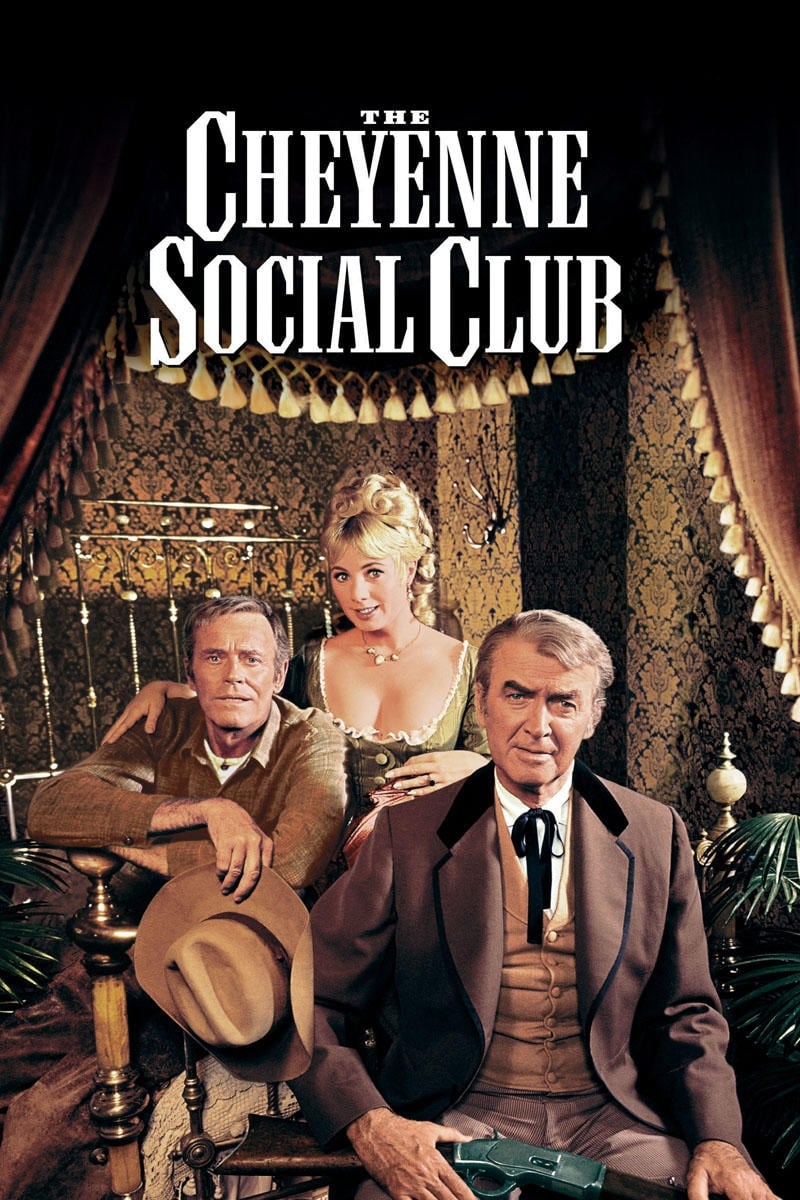
Cowboy John O'Hanlan is surprised to learn that someone's left him a business in Cheyenne, Wyoming. He sets out to claim it, only to discover it's a brothel.
As a cowardly farmer begins to fall for the mysterious new woman in town, he must put his new-found courage to the test when her husband, a notorious gun-slinger, announces his arrival.
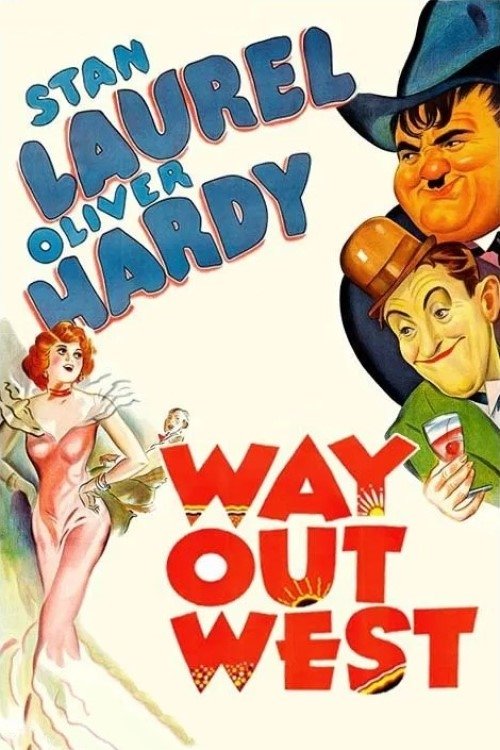
Stan and Ollie try to deliver the deed to a valuable gold mine to the daughter of a dead prospector. Unfortunately, the daughter's evil guardian is determined to have the gold mine for himself and his saloon-singer wife.
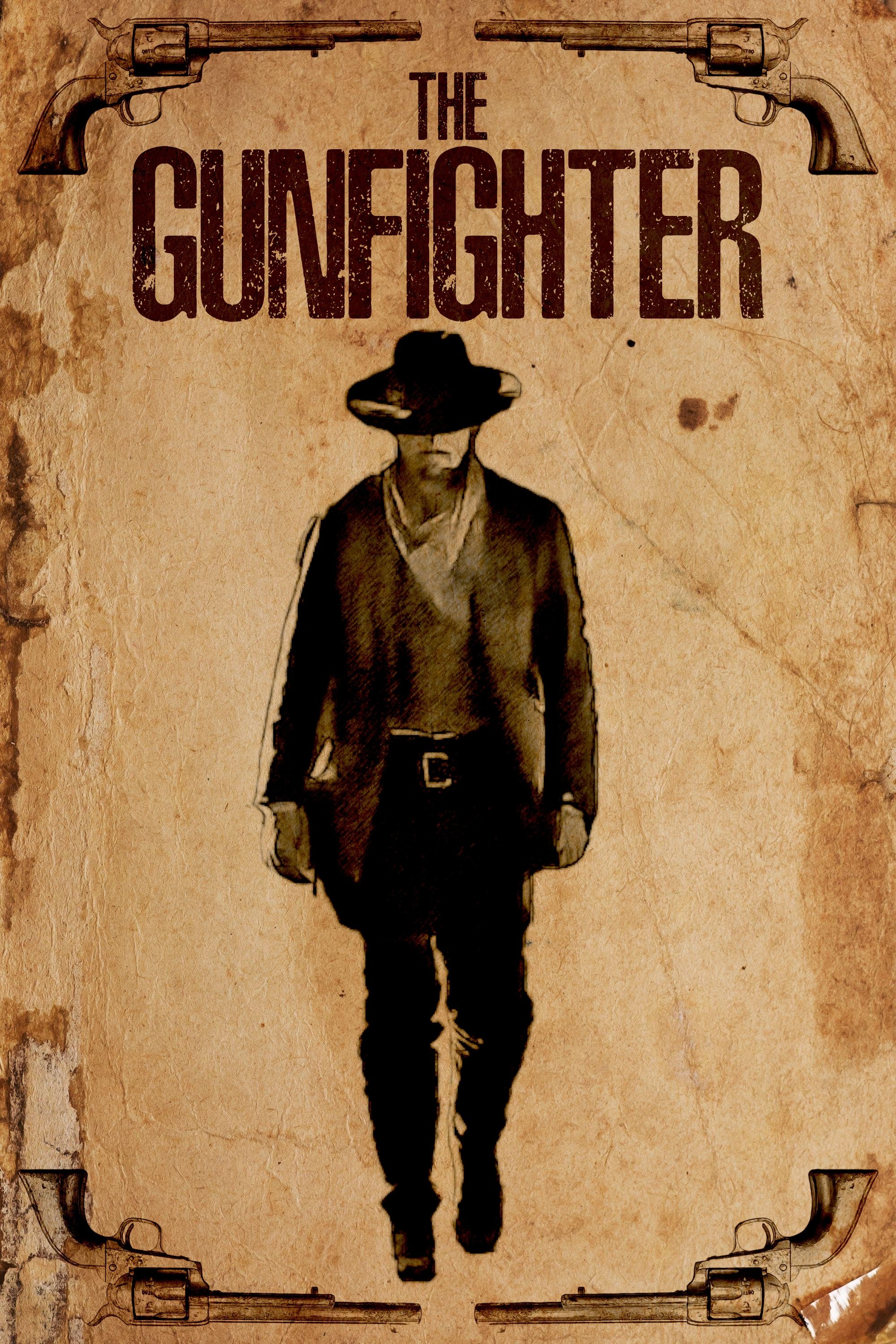
In the tradition of classic westerns, a narrator sets up the story of a lone gunslinger who walks into a saloon. However, the people in this saloon can hear the narrator and the narrator may just be a little bit bloodthirsty.
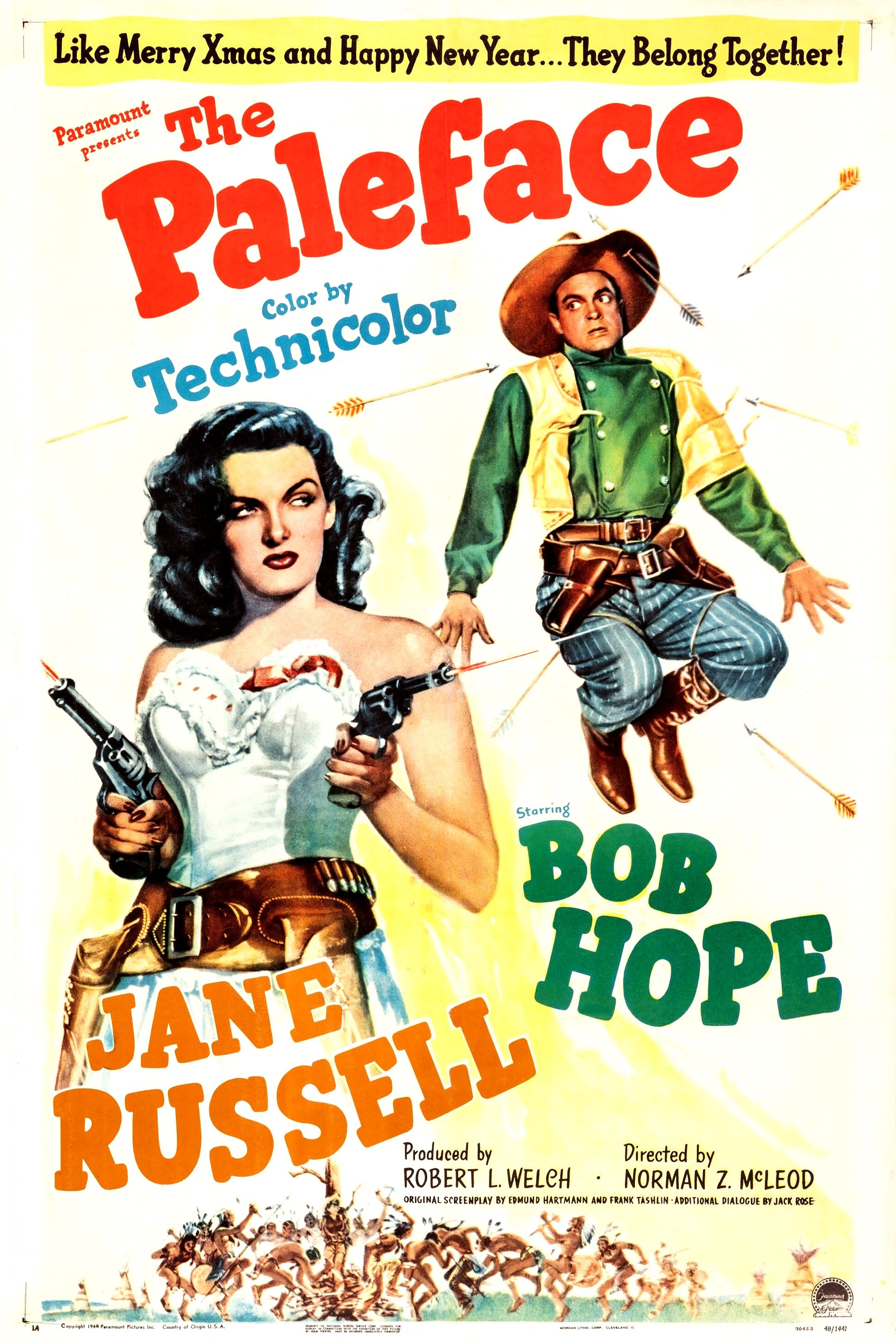
Bob Hope stars in this laugh-packed wild west spoof co-starring Jane Russell as a sexy Calamity Jane, Hope is a meek frontier dentist, "Painless" Peter Potter, who finds himself gunslinging alongside the fearless Calamity as she fights off outlaws and Indians.
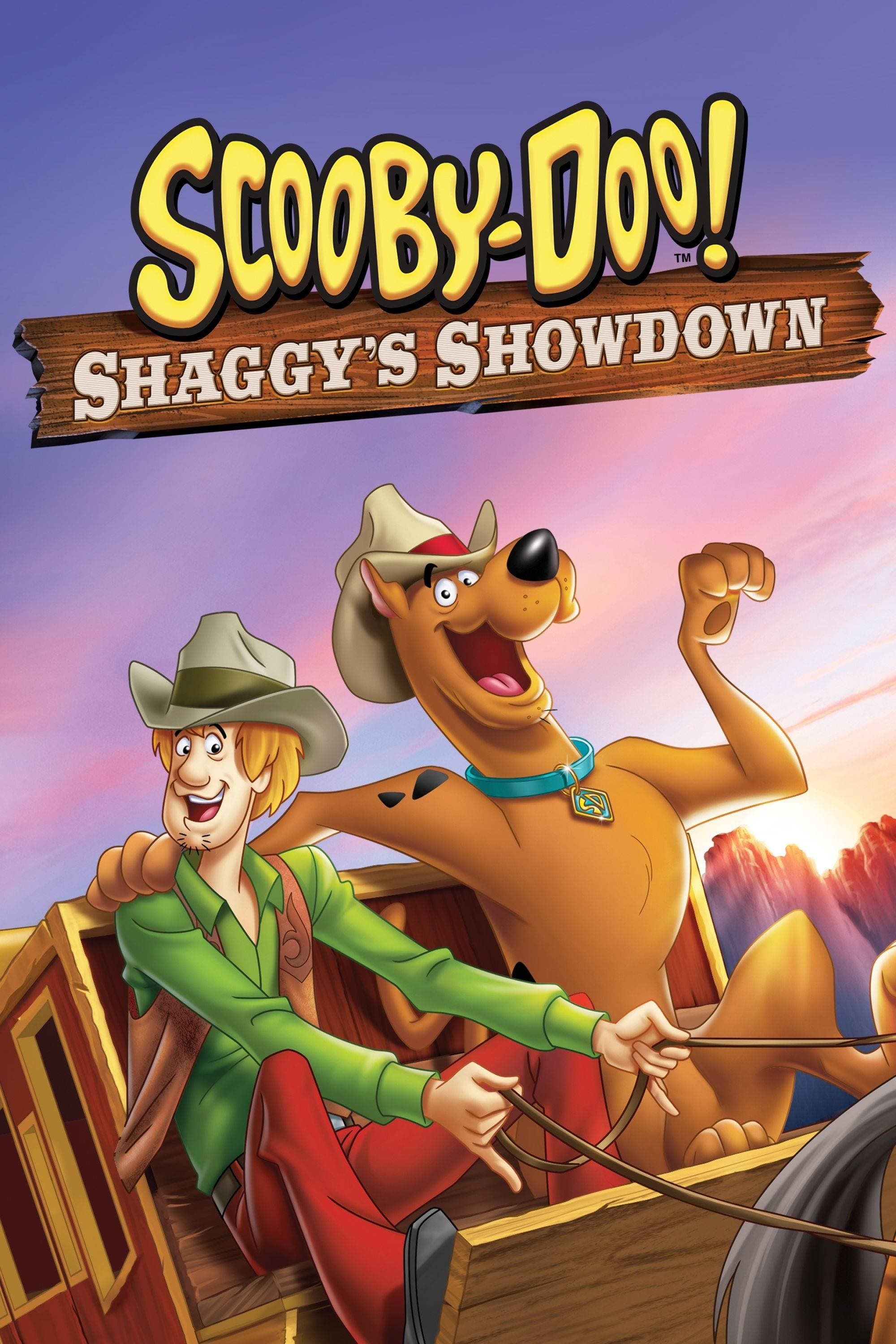
When the Scooby gang visits a dude ranch, they discover that it and the nearby town have been haunted by a ghostly cowboy, Dapper Jack, who fires real fire from his fire irons. The mystery only deepens when it’s discovered that the ghost is also the long lost relative of Shaggy Rogers!
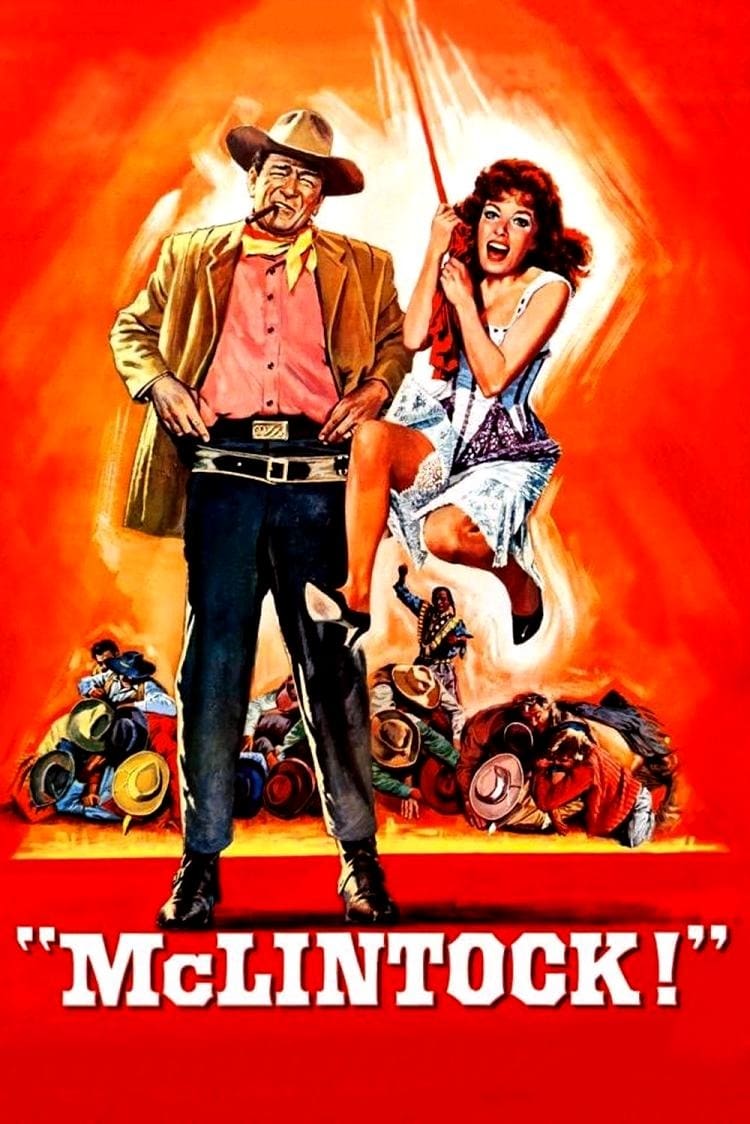
Aging rancher and self-made man, George Washington McLintock is forced to deal with numerous personal and professional problems. Seemingly everyone wants a piece of his enormous farmstead, including high-ranking government men and nearby Native Americans. As McLintock tries to juggle his various adversaries, his wife—who left him two years previously—suddenly returns. But she isn't interested in George; she wants custody of their daughter.
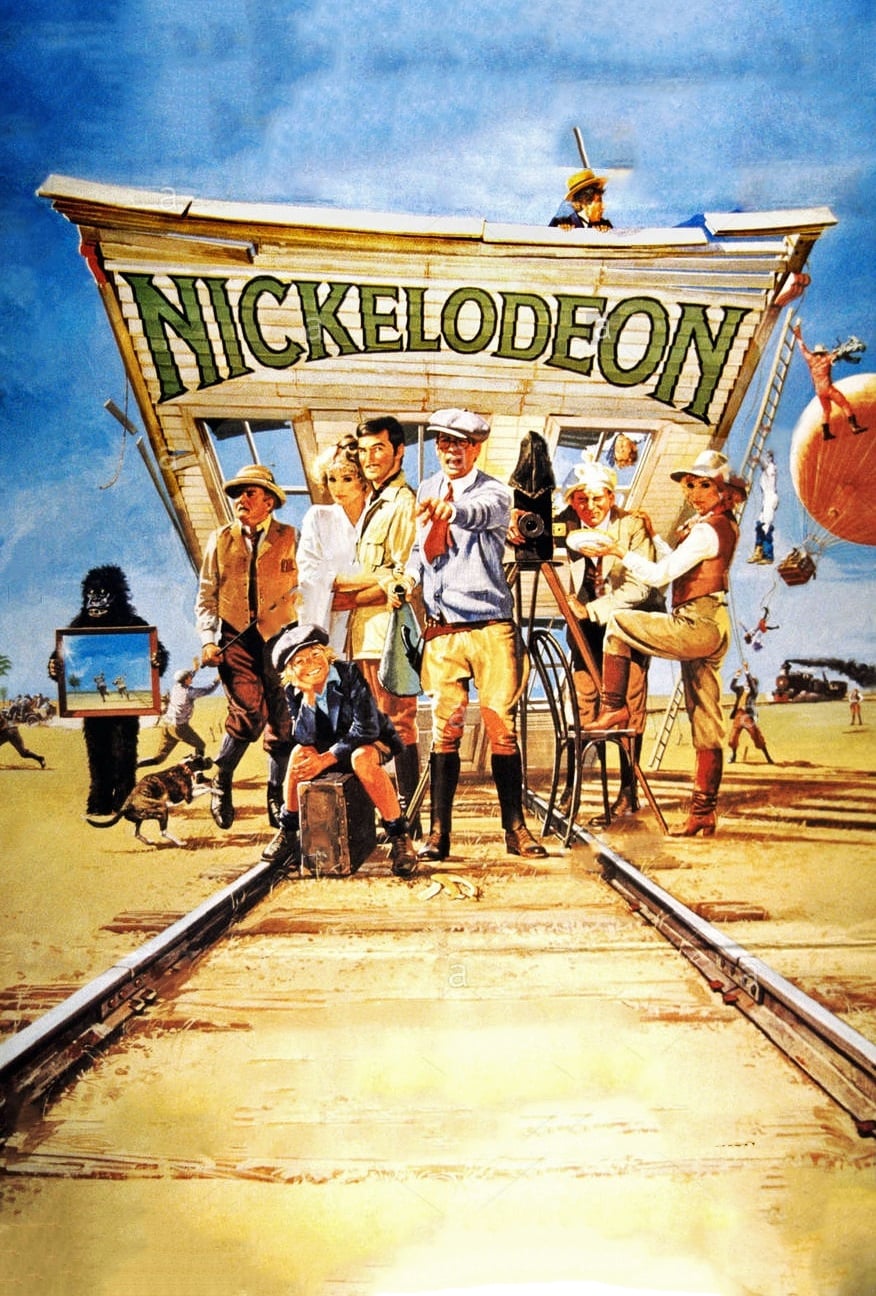
In the silent film era, attorney Leo Harrigan and gunslinger Buck Greenway are hired to stop an illegal film production. However, they soon team up with the filmmakers and become important players in the show business industry. Leo learns he has a talent for directing, and Buck's cowboy persona quickly earns him leading-man status — but both men fall for beautiful starlet Kathleen Cooke, leading to a heated personal rivalry.
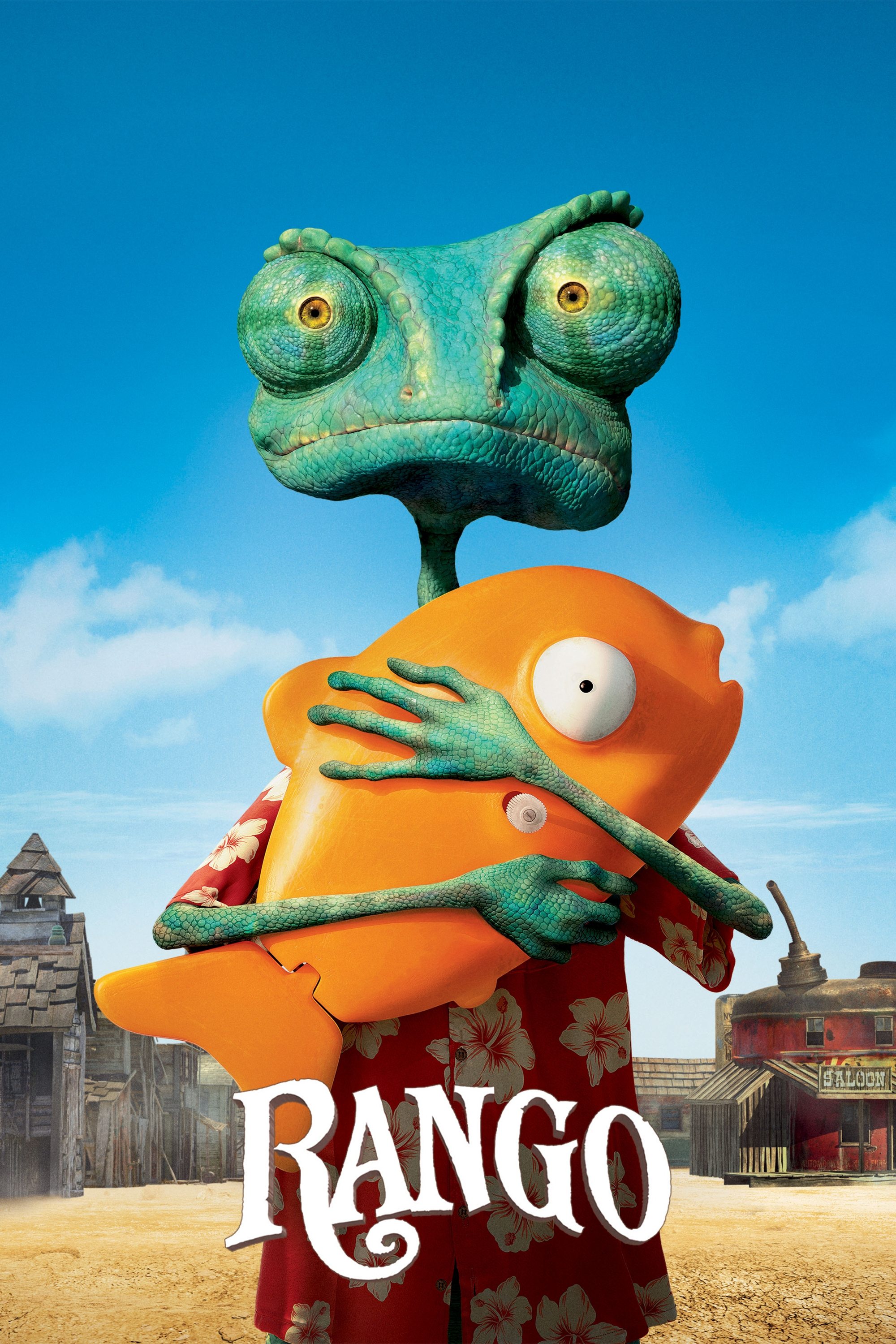
When Rango, a lost family pet, accidentally winds up in the gritty, gun-slinging Western town of Dirt, the theater-loving lizard suddenly finds himself the newly appointed sheriff. Welcomed as the last hope the town has been waiting for, Rango is forced to play his new role to the hilt and uncover the truth behind a looming water crisis—before his act catches up with him.
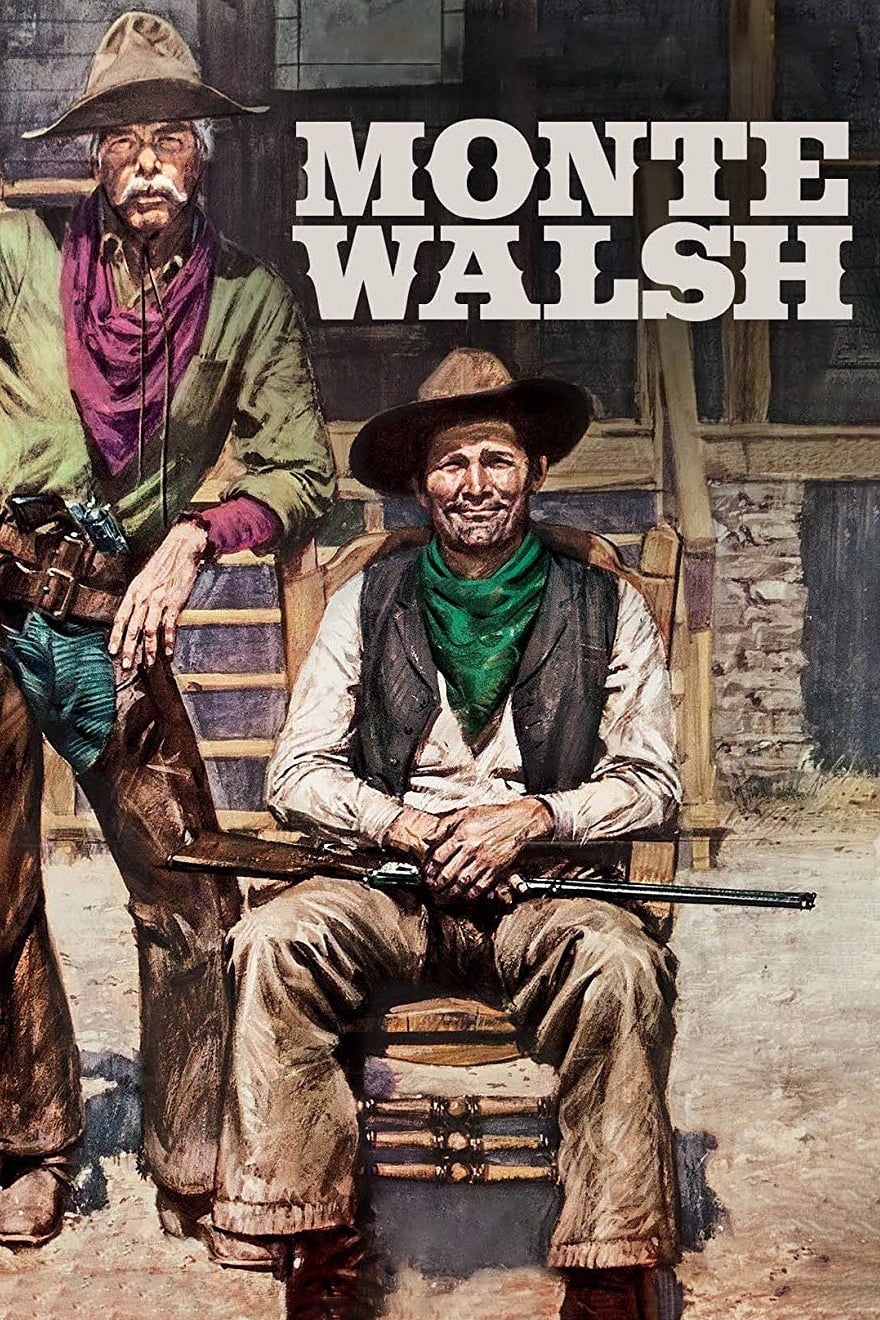
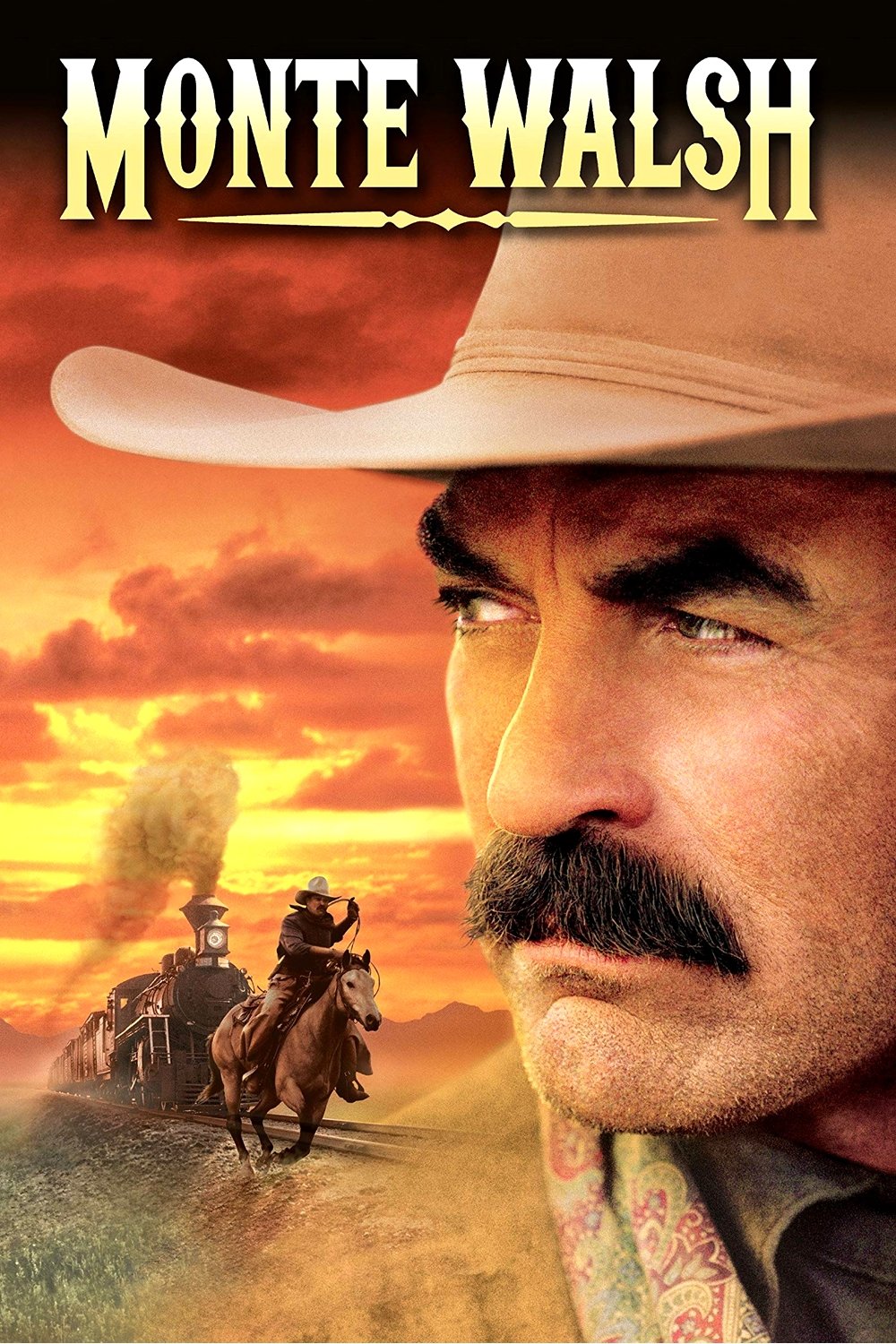
Monte Walsh is an aging cowboy facing the ending days of the Wild West era. As barbed wire and railways steadily eliminate the need for the cowboy, Monte and his friends are left with fewer and fewer options. New work opportunities are available to them, but the freedom of the open prarie is what they long for. Eventually, they all must say goodbye to the lives they knew, and try to make a new start.
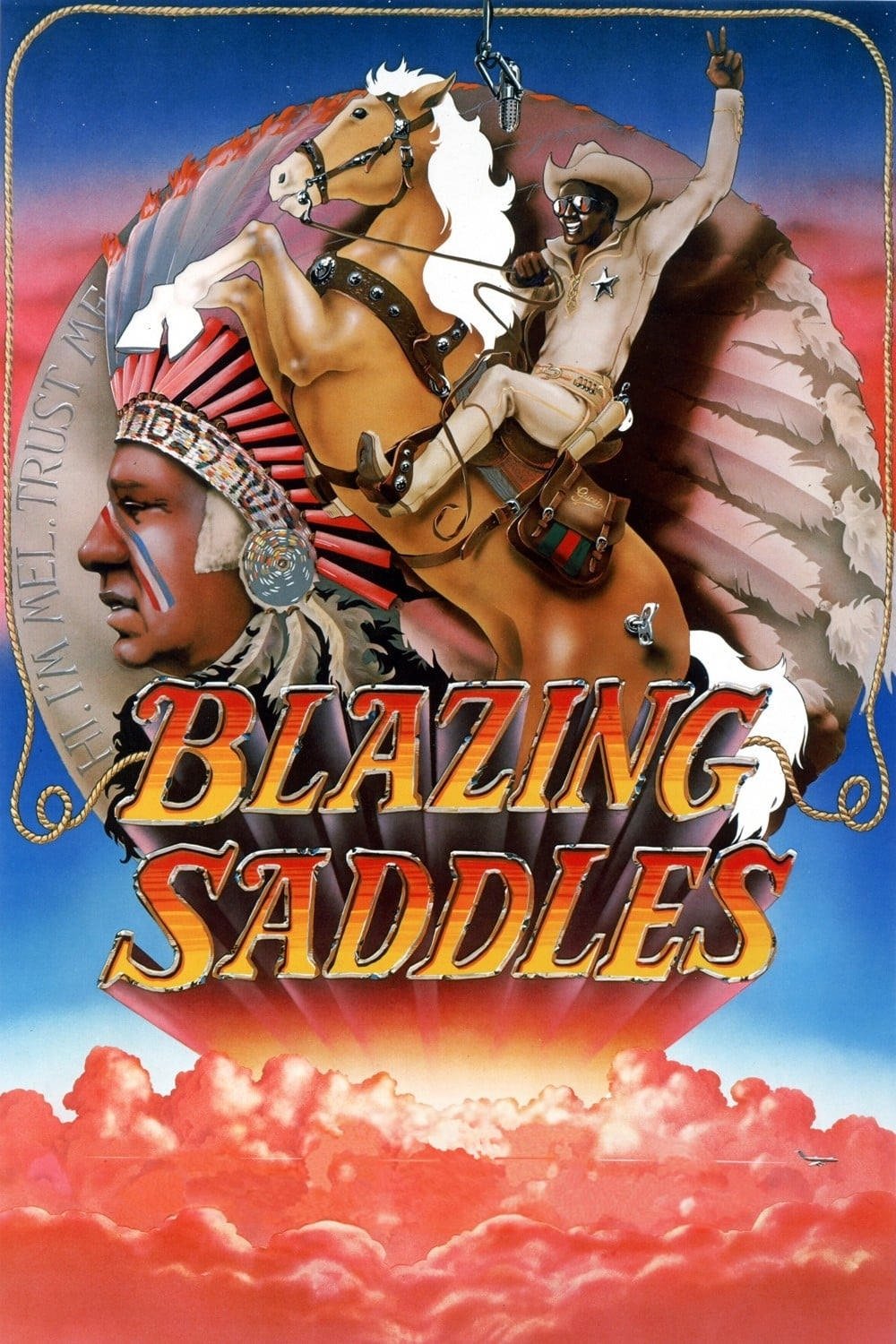
Crafty railroad worker Bart becomes the first Black sheriff of Rock Ridge, a frontier town about to be destroyed in order to make way for a new railroad. Initially, the citizens of Rock Ridge harbor a racial bias toward their new protector. However, they warm to him after realizing that Bart and his perpetually drunk gunfighter friend Jim are their only defense against a wave of thugs sent to rid the town of its population.
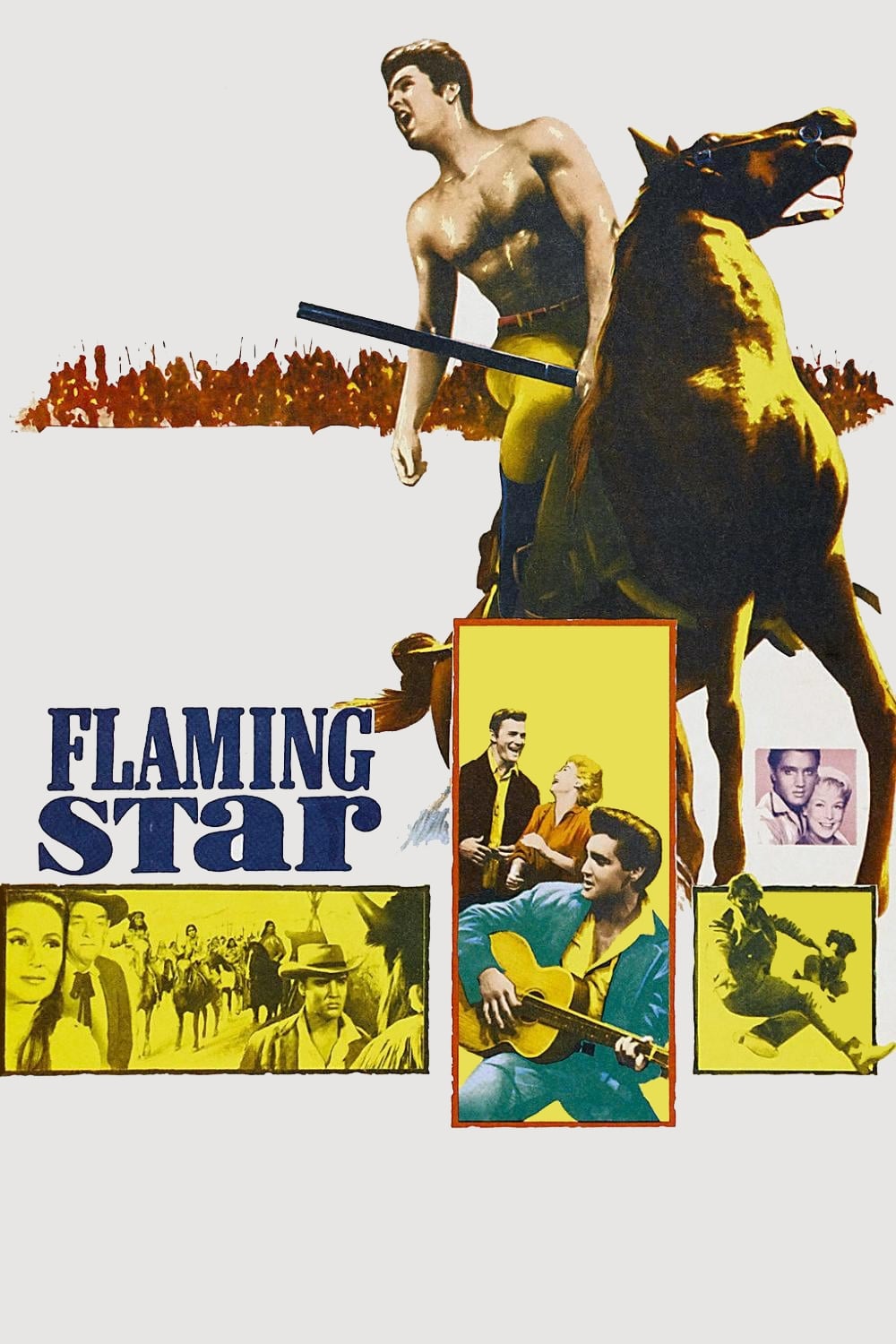
Pacer Burton, a young man of mixed Kiowa and white heritage, is caught between two worlds as conflict erupts between Native Americans and white settlers in Texas.
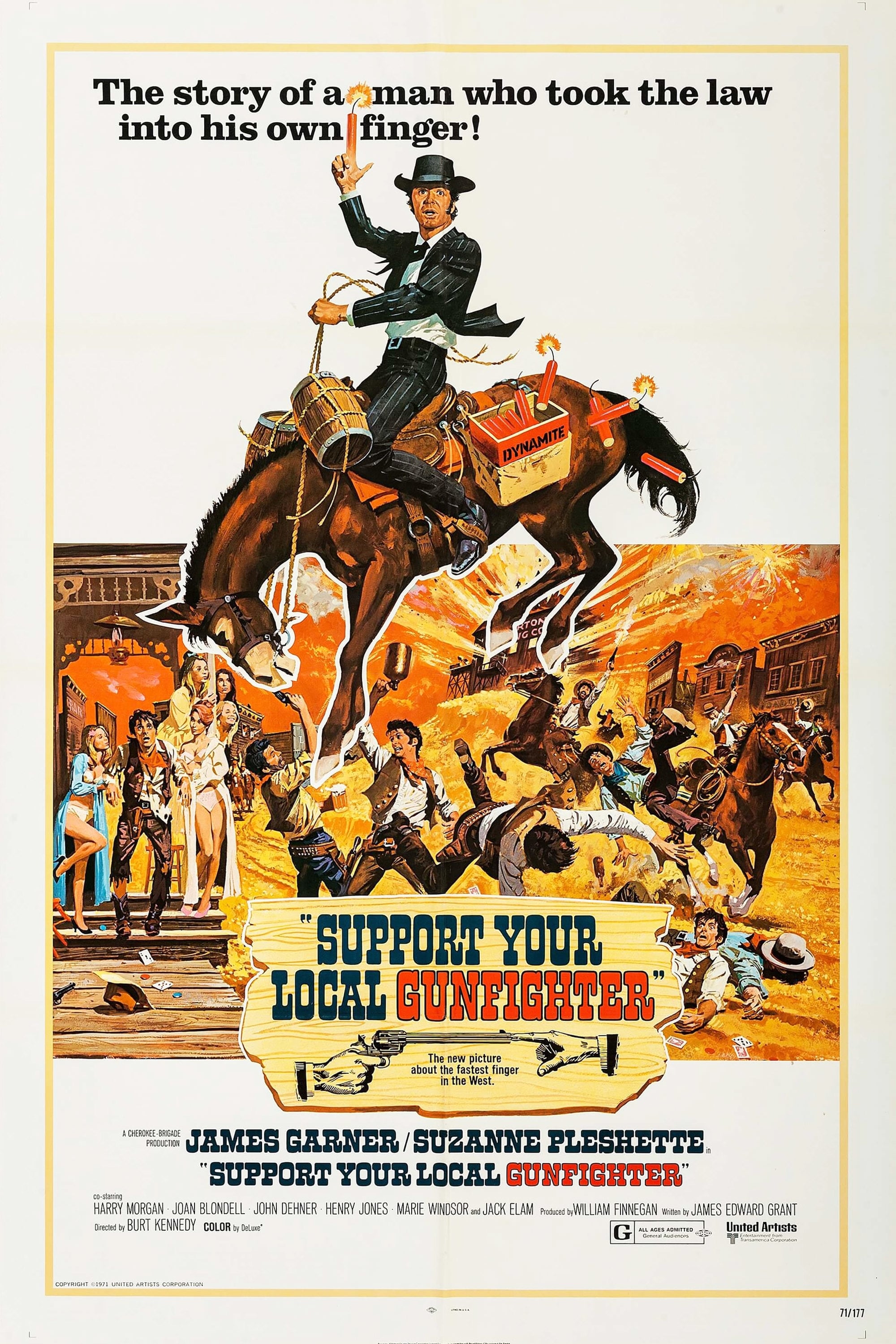
A con artist arrives in a mining town controlled by two competing companies. Both companies think he's a famous gunfighter and try to hire him to drive the other out of town.
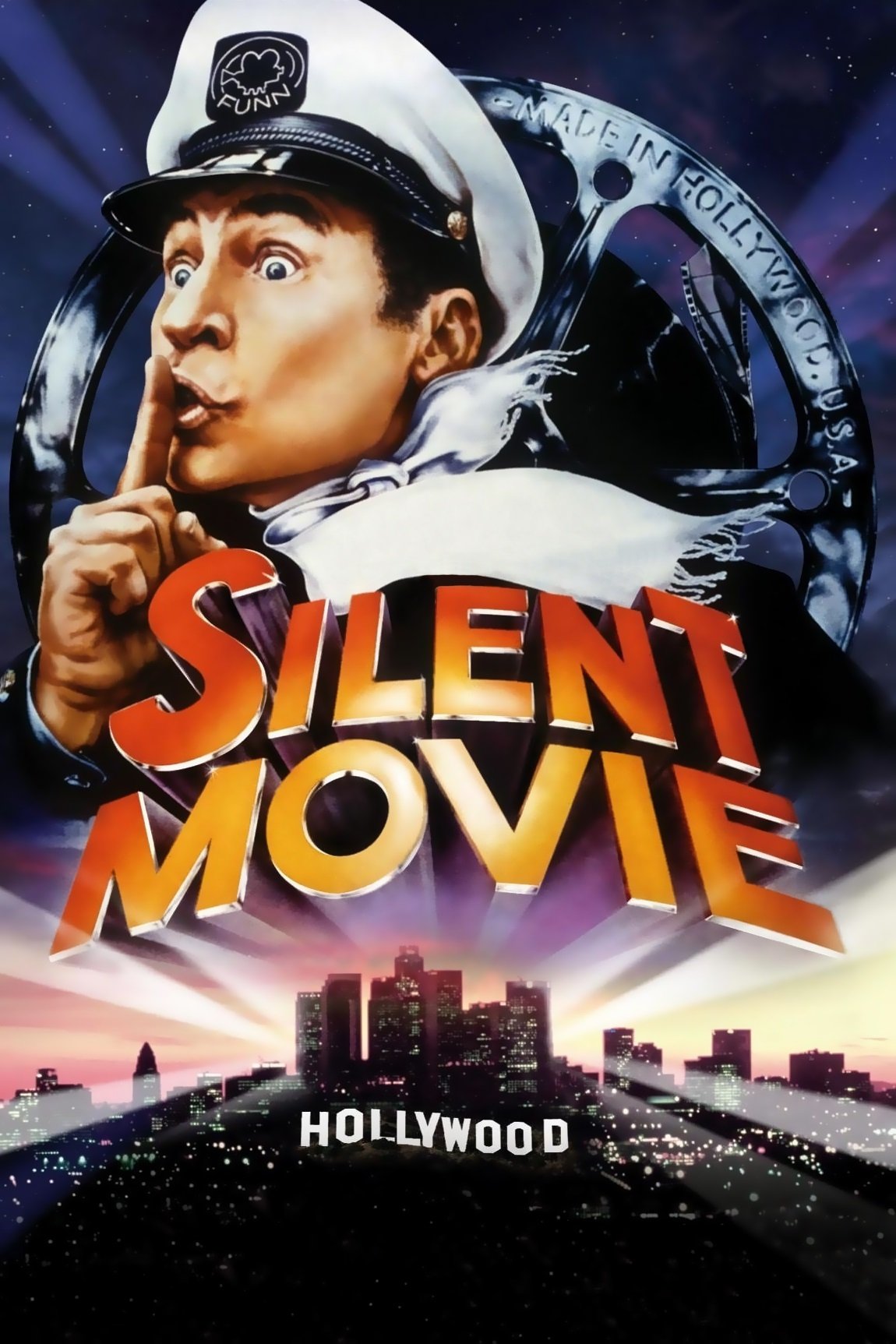
Aspiring filmmakers Mel Funn, Marty Eggs and Dom Bell go to a financially troubled studio with an idea for a silent movie. In an effort to make the movie more marketable, they attempt to recruit a number of big name stars to appear, while the studio's creditors attempt to thwart them.
Monte Walsh and Chet Rollins are long-time cowhands, working whatever ranch work comes their way, but "nothing they can't do from a horse." Their lives are divided between months on the range and the occasional trip into town. Monte has a long-term relationship with prostitute Martine Bernard, while Chet has fallen under the spell of the widow who owns the hardware store. Camaraderie and competition with the other cowboys fill their days, until one of the hands, Shorty Austin, loses his job and gets involved in rustling and killing. Then Monte and Chet find that their lives on the range are inexorably redirected.
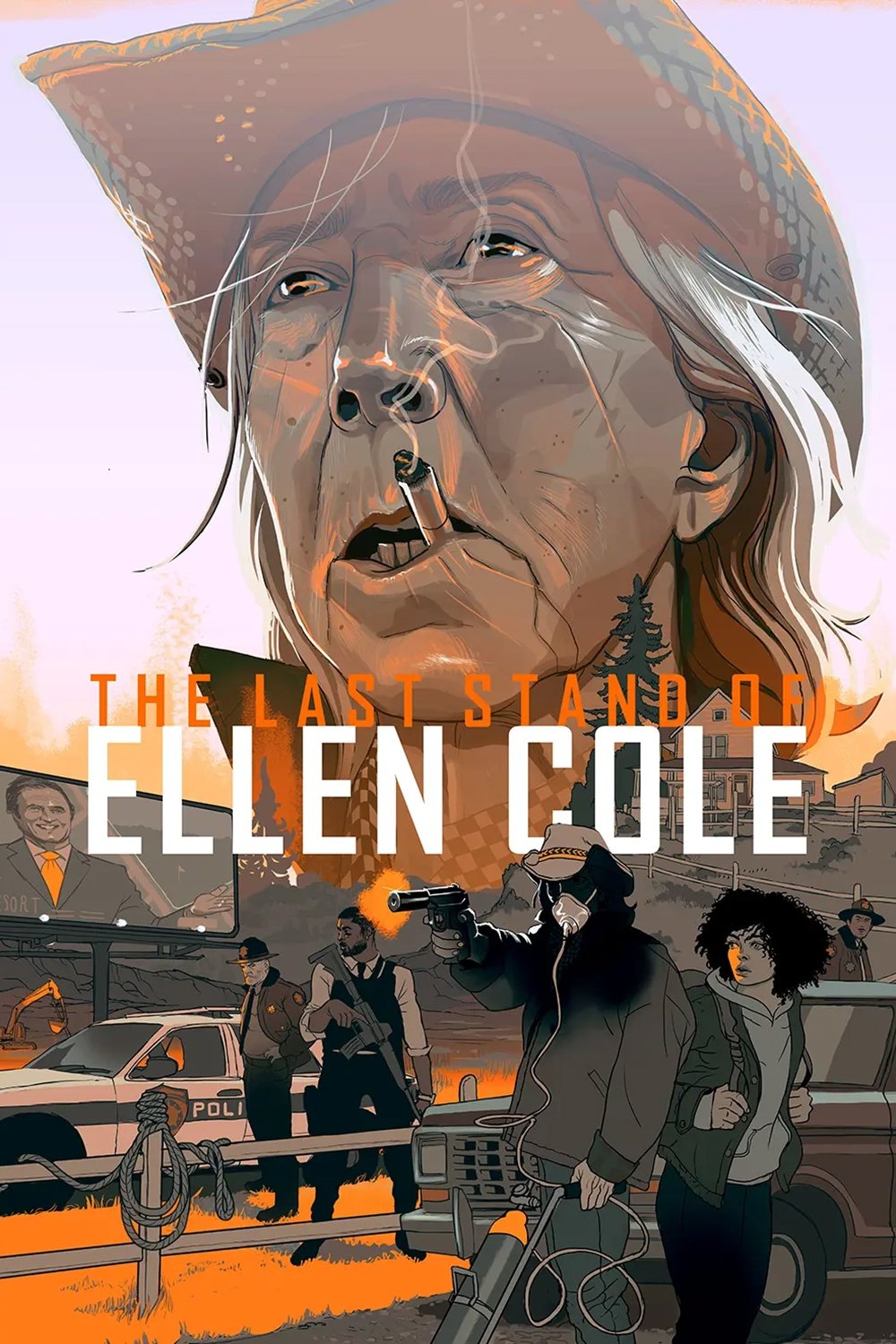
When an evil contractor goes to extreme measures to evict a testy tenant who is standing in the way of his new project, he fails to take into account that this seemingly harmless old woman is a trained killer and will do anything to protect her beloved home.
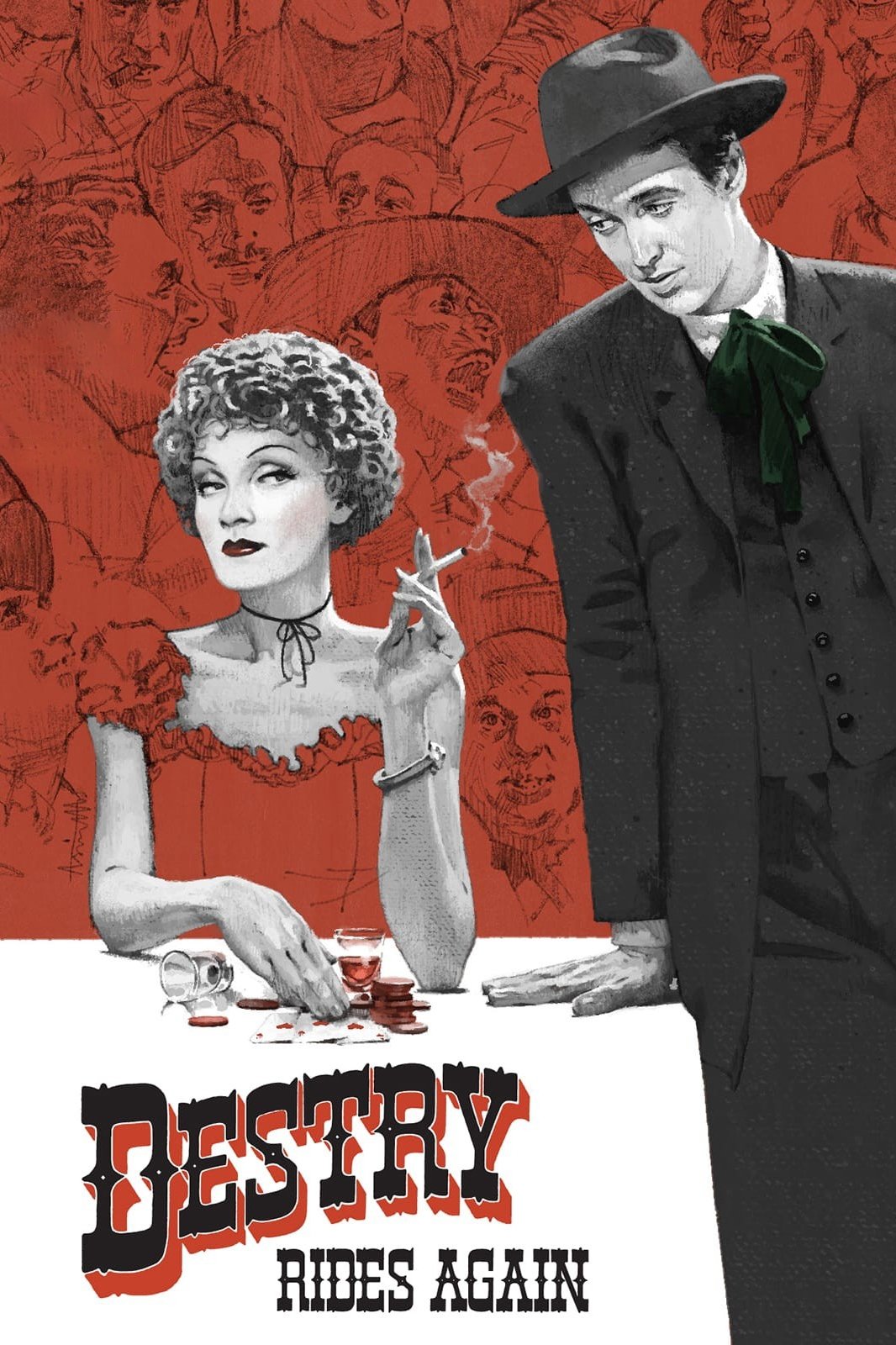
Tom Destry, son of a legendary frontier peacekeeper, doesn’t believe in gunplay. Thus he becomes the object of widespread ridicule when he rides into the wide-open town of Bottleneck, the personal fiefdom of the crooked Kent.