The popular resistance to the current Greek economic crisis explored and expressed through the ethical and political writings of Ancient Greece.
Social & External
The people behind it
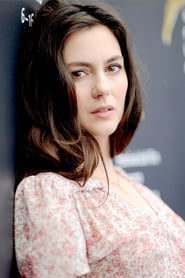
Julia Faure
Antigone
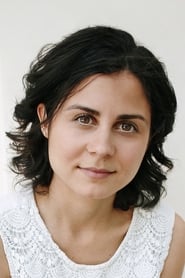
Della Saba
Ismene
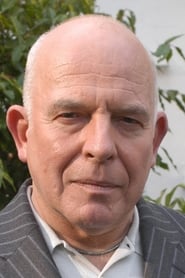
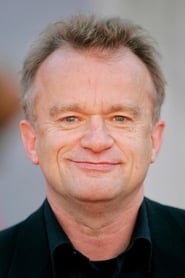
John Shrapnel
Creon
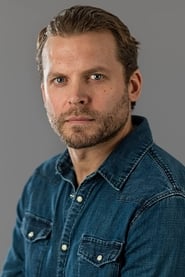
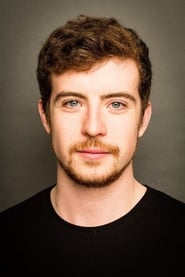
Lex Shrapnel
Oedipus
Gabriella Wright
Sphinx
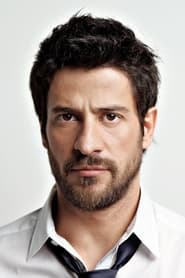
Alexis Georgoulis
Travelling Player
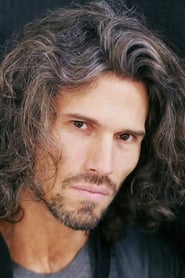
Dan Mousseau
Tiresias
Dominique Pinon
Investigator
Bret Roberts
The man with the hat
Eleni Kallia
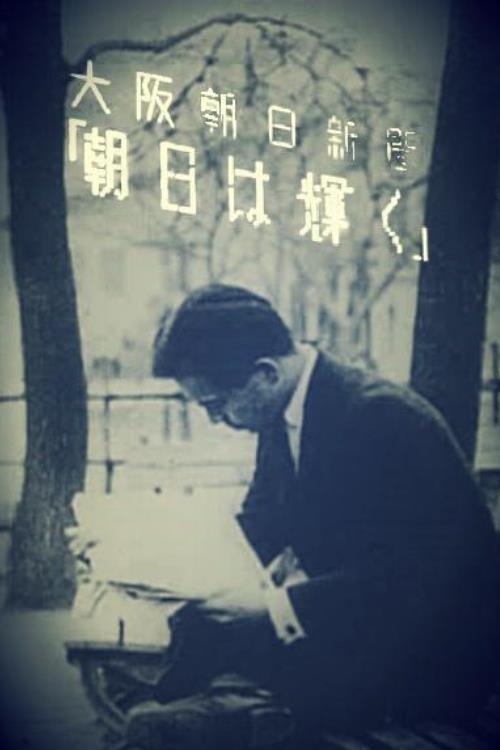
The Morning Sun Shines is a fiction-documentary film by Kenji Mizoguchi and Seiichi Ina. The film is a combination of a drama about a reporter, and documentary footage about newspaper production. Only 25 minutes of footage has survived.
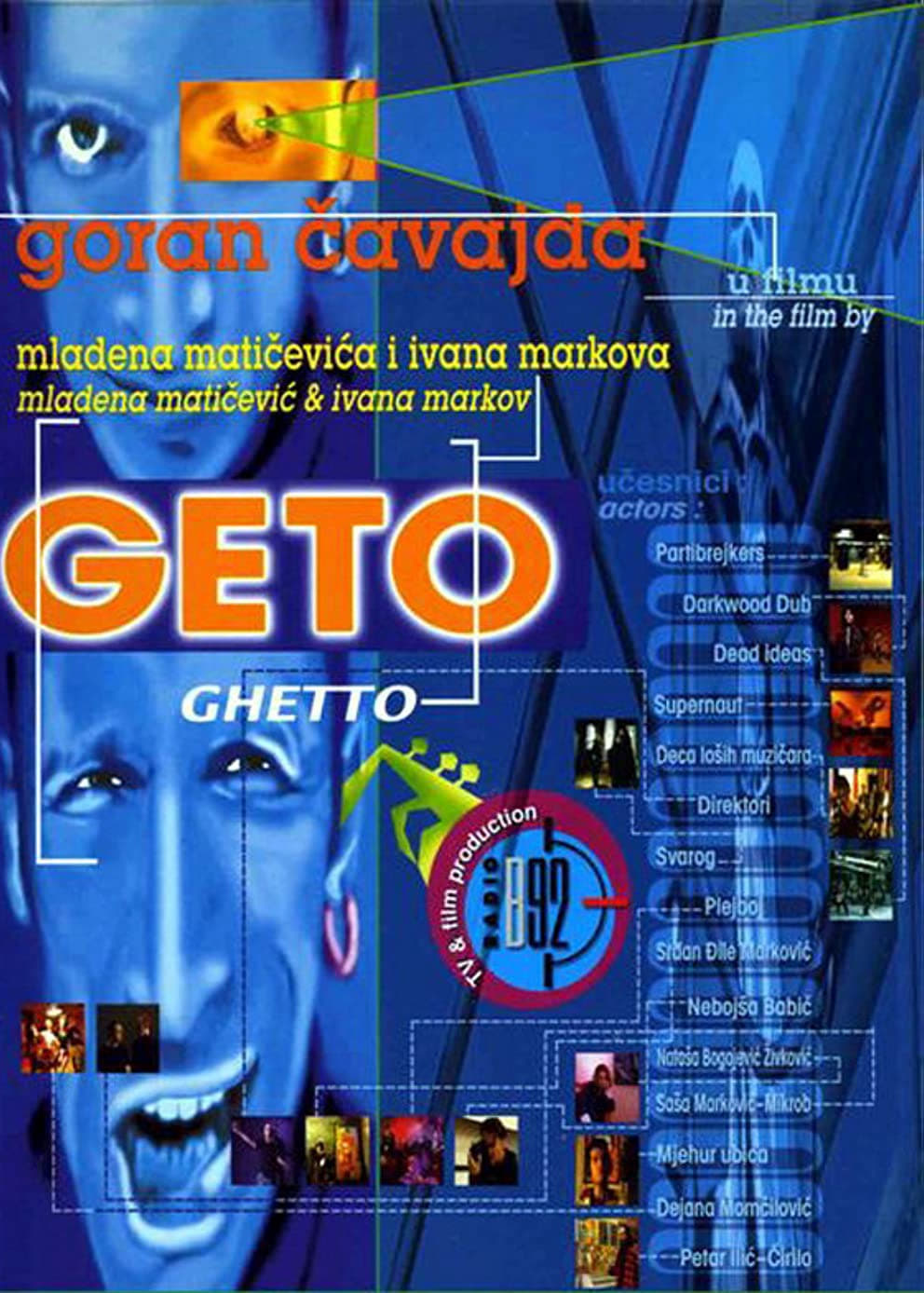
Belgrade in the 1990s seen through the eyes of Goran Čavajda 'Čavke', the late drummer of Serbian rock band "Electric Orgasm". Under dictatorship of Slobodan Milošević, his city became one of the worst places to live in Europe, while the country suffered highest inflation rate in its history, accompanied by mass poverty and political isolation. Documentary follows Čavke walking through the Belgrade streets where total chaos and decline of moral values rule. He finds his only shelter underground, where his friends - musicians and artists - live and work invisibly.
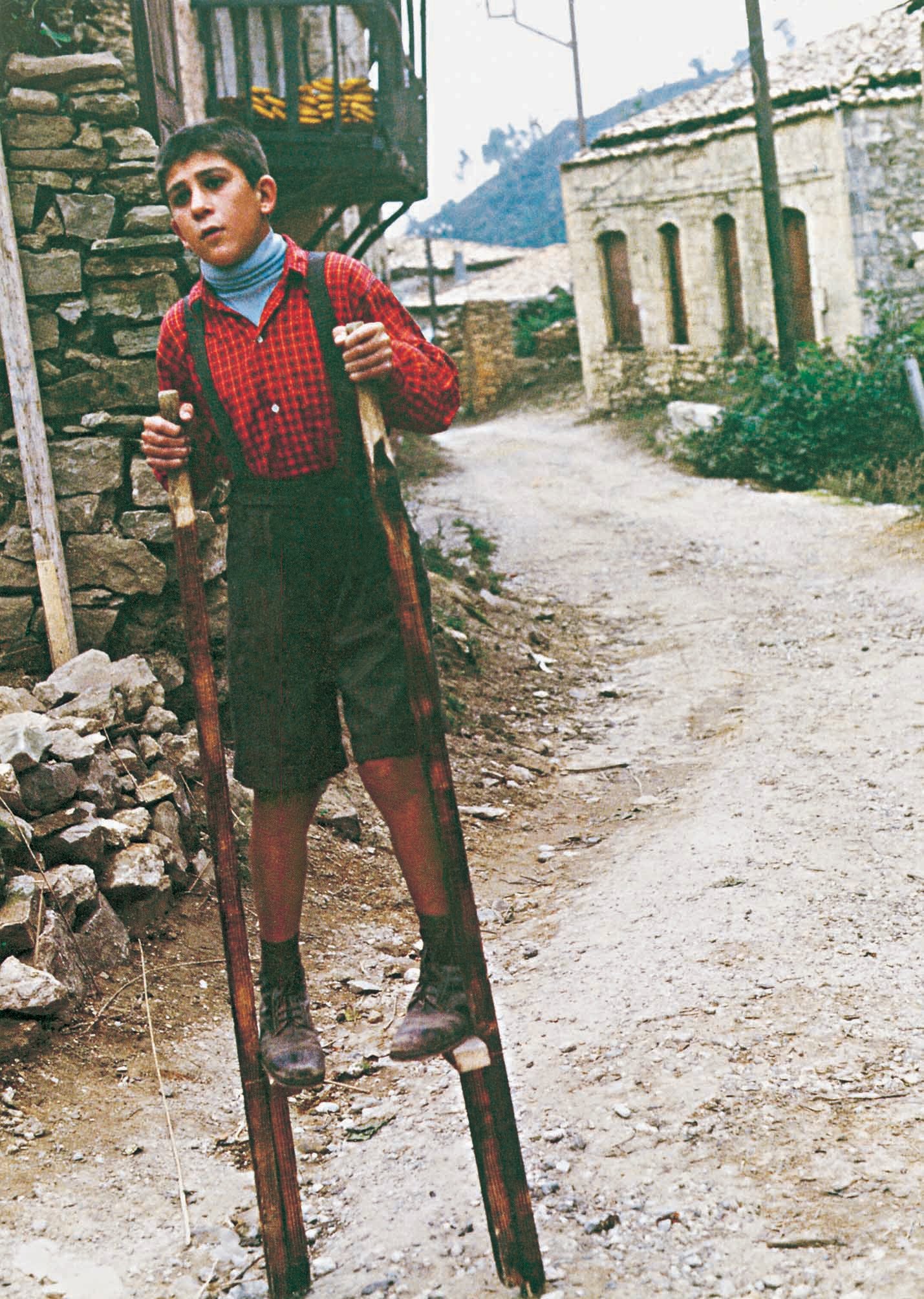
The "Flea" is a handwritten little newspaper written, edited and published by Ilias, a determined twelve year-old schoolboy who lives in a remote village in the mountains near ancient Olympia. His efforts go largely unappreciated by his elders, who tease him and nickname him "The Flea", and his concerned parents are convinced his preoccupation with his newspaper will distract him from more serious studies and forbid him to continue it. Ilias' only allies are a quixotic eccentric and a sensitive schoolgirl. The villagers' scoffing at Ilias' ambitions changes to admiration when an Athenian journalist shows up to do a story on Ilias. He becomes disheartened, however when he realizes much of their enthusiasm stems from hopes for increased tourism spurred by his fame and he distrusts the journalist's motives as well.
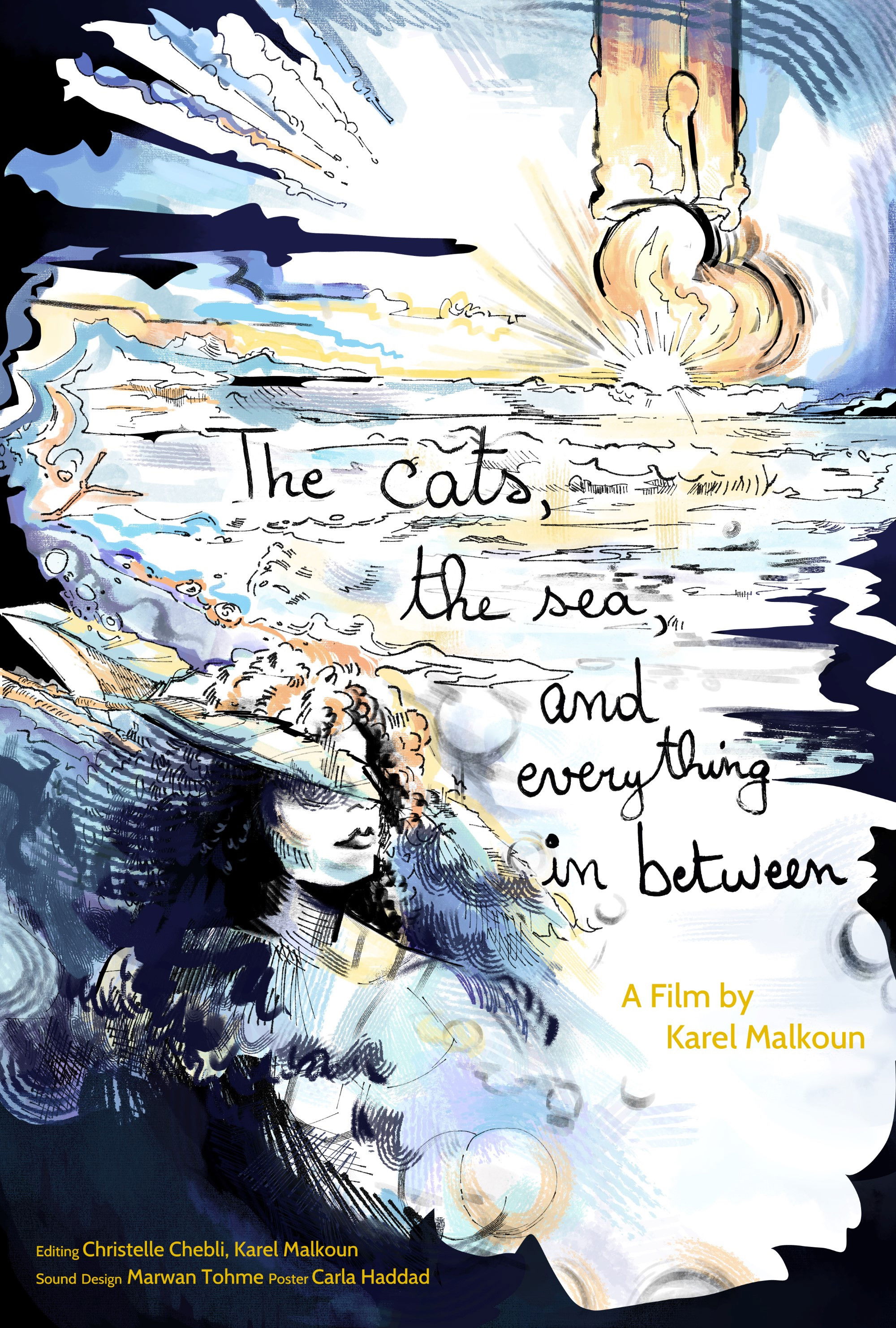
In 2022, when the economic crisis in her native country was at its peak, she decided to visit her family there. She turned her short trip into a collage-like diary in which she reflects on her relationship with her homeland, which is in a state of protracted decay. The film is composed of spontaneous snapshots capturing the author's stay, interspersed with inserted captions serving as personal, often poetically formulated comments and observations. As a result, the film does not hide its strongly subjective perspective, but at the same time builds on it to make an important statement that shows the transformation of Lebanese society in everyday details such as the appearance of the city itself or in the intimate sphere of the author's family life.
After completing jail time for beating up a man who tried to seduce his mentally-handicapped teenage daughter, the Butcher wants to start life anew. He institutionalizes his daughter and moves to the Lille suburbs with his mistress, who promises him a new butcher shop. Learning that she lied, the Butcher returns to Paris to find his daughter.
Singapore Sling pursues Laura, a romantic memory from his past. One night, he finds himself at a mysterious villa, watching two women bury a body. He falls into their trap and, in an atmosphere of isolation and decadence, the trio act out insane pleasure games and a ritual of blood and murder.
An usherette in a theatre, where a distinguished and popular actor performs, gets her big break when the leading actress has an accident. The director decides to take advantage of the heretofore unexploited talent of the girl and asks her to replace the leading actress. This unexpected opportunity transforms her from a humble usherette into a shining star. Later on, she wins the heart of the leading actor with whom she was secretly in love. However, her sudden rise to theatrical-musical stardom creates complications in their love affair, as her companion sinks into disappointment and drowns himself in drink, abandoning his career. Nevertheless, the usherette/leading actress doesn't give up; She looks for him, finds him and supports him, psychologically and morally, until he makes a comeback to the stage and their love nest.
It was perhaps the most spectacular flourishing of imagination and achievement in recorded history. In the Fourth and Fifth Centuries BC, the Greeks built an empire that stretched across the Mediterranean from Asia to Spain. They laid the foundations of modern science, politics, warfare and philosophy, and produced some of the most breathtaking art and architecture the world has ever seen. This series, narrated by Liam Neeson, recounts the rise, glory, demise and legacy of the empire that marked the dawn of Western civilization. The story of this astonishing civilization is told through the lives of heroes of ancient Greece. The latest advances in computer and television technology rebuild the Acropolis, recreate the Battle of Marathon and restore the grandeur of the Academy, where Socrates, Plato and Aristotle forged the foundation of Western thought.
In a field dominated by men, five pioneering camerawomen Mary Rogers, Cynde Strand, Jane Evans, Maria Fleet and Margaret Moth went to the frontlines of wars, revolutions and disasters to bring us the truth. As colorful as accomplished, these brave photojournalists made their mark by capturing some of the most iconic images from Tiananmen Square, to conflicts in Sarajevo, Iraq, Somalia and the Arab Spring uprising. But the world doesn’t know it was these women behind the camera. In the midst of unfolding chaos, the pictures they took for CNN both shocked and informed the world. This feature documentary by director Heather O’Neill tells their remarkable story.
Individuals with "enhanced powers" nicknamed Capes by the media roam the city streets bringing justice, or so the news would lead the public to believe. Former news cameraman and reporter Clive has made it a personal vendetta to prove to the public how bad these capes are. When his former fiance and reporter colleague Barbara asks him to help her continue to falsify the news reports, tempers rise and past events come to light that some would rather keep hidden.
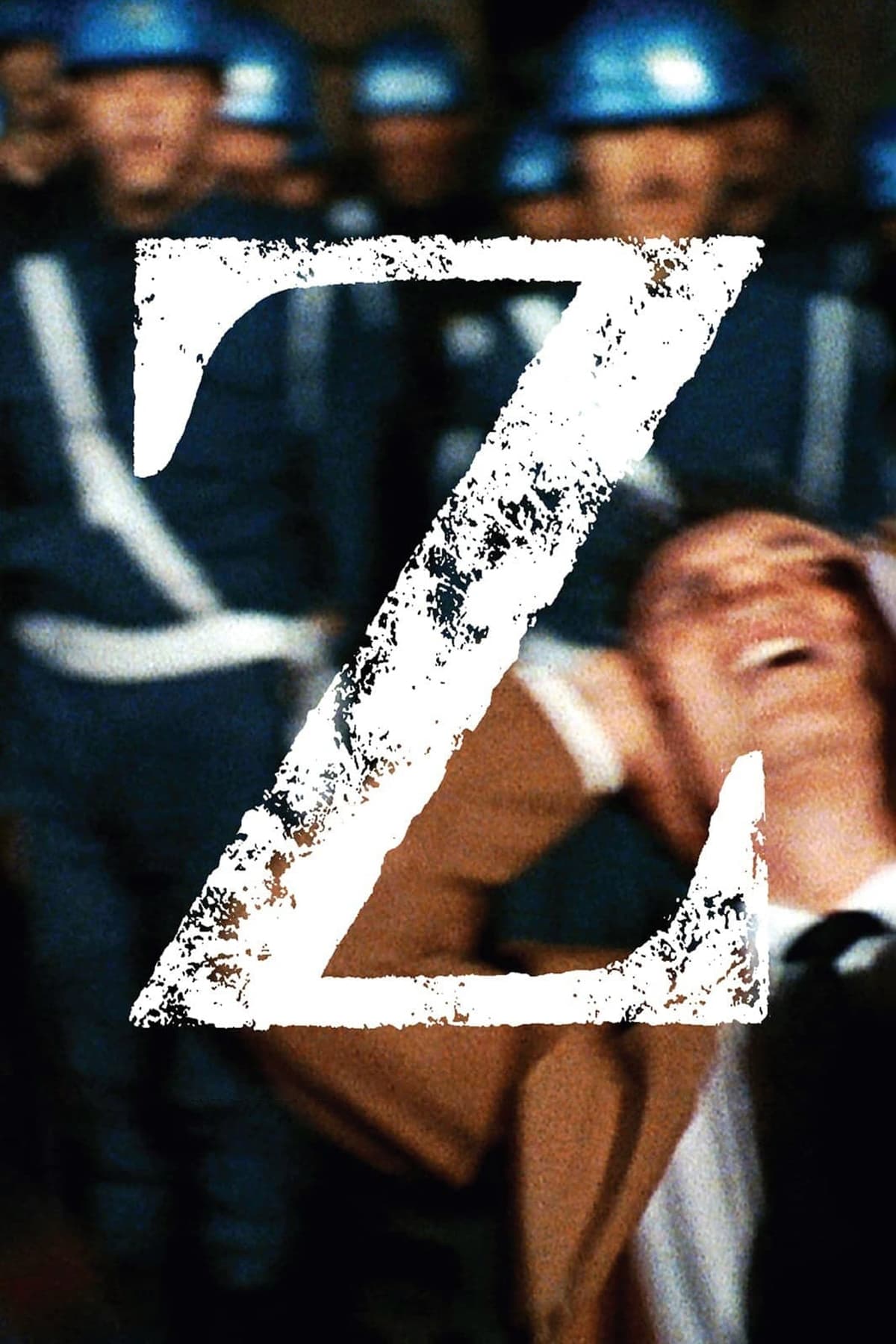
A prominent politician is murdered during a demonstration. The government and army are trying to suppress the truth, but a tenacious magistrate is determined not to let them get away with it.
An 18-minute long single-channel video which uses CNN footage cut so that each word is spoken by a different newsperson. The pieces literally asks the viewers questions about media authenticity and give CNN a distinct voice
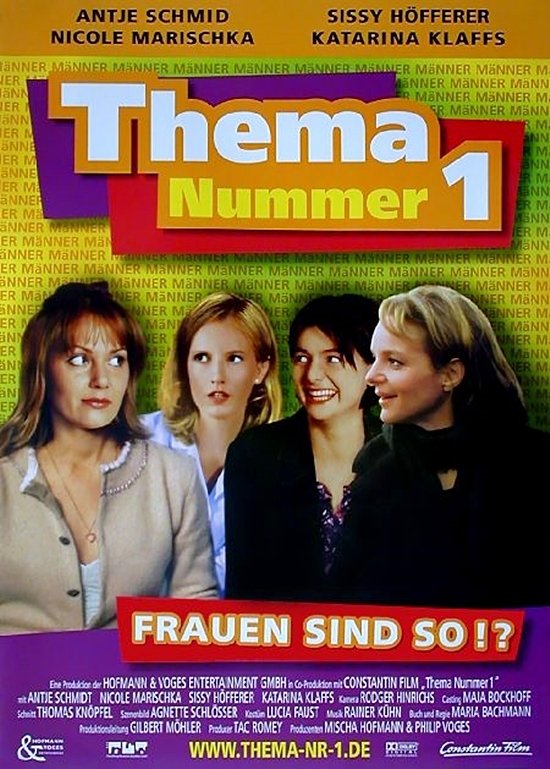
The No. 1 topic is sex - at least in the group of four women who talk about men, affairs and that one thing in the evening.
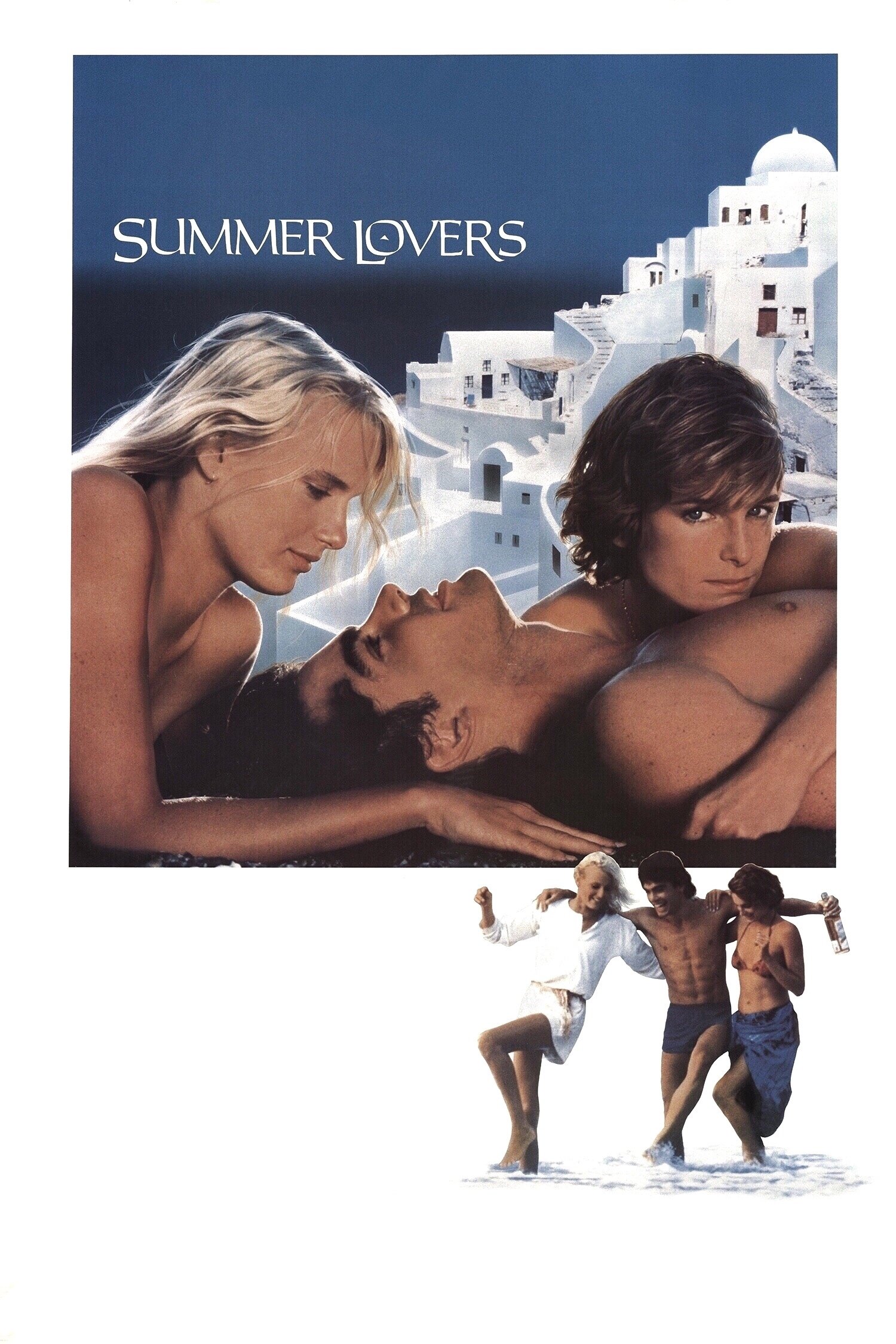
Michael Pappas and his girlfriend, Cathy, are enjoying the white sand beaches of a Greek island as well as the freewheeling nature of the locals. When Michael meets Lina, who is in Greece from Paris doing archaeological work, he is enamored with the beautiful foreigner. Cathy, unhappy about Lina getting close to Michael, confronts the woman -- only to be unexpectedly wooed by her charms as well.
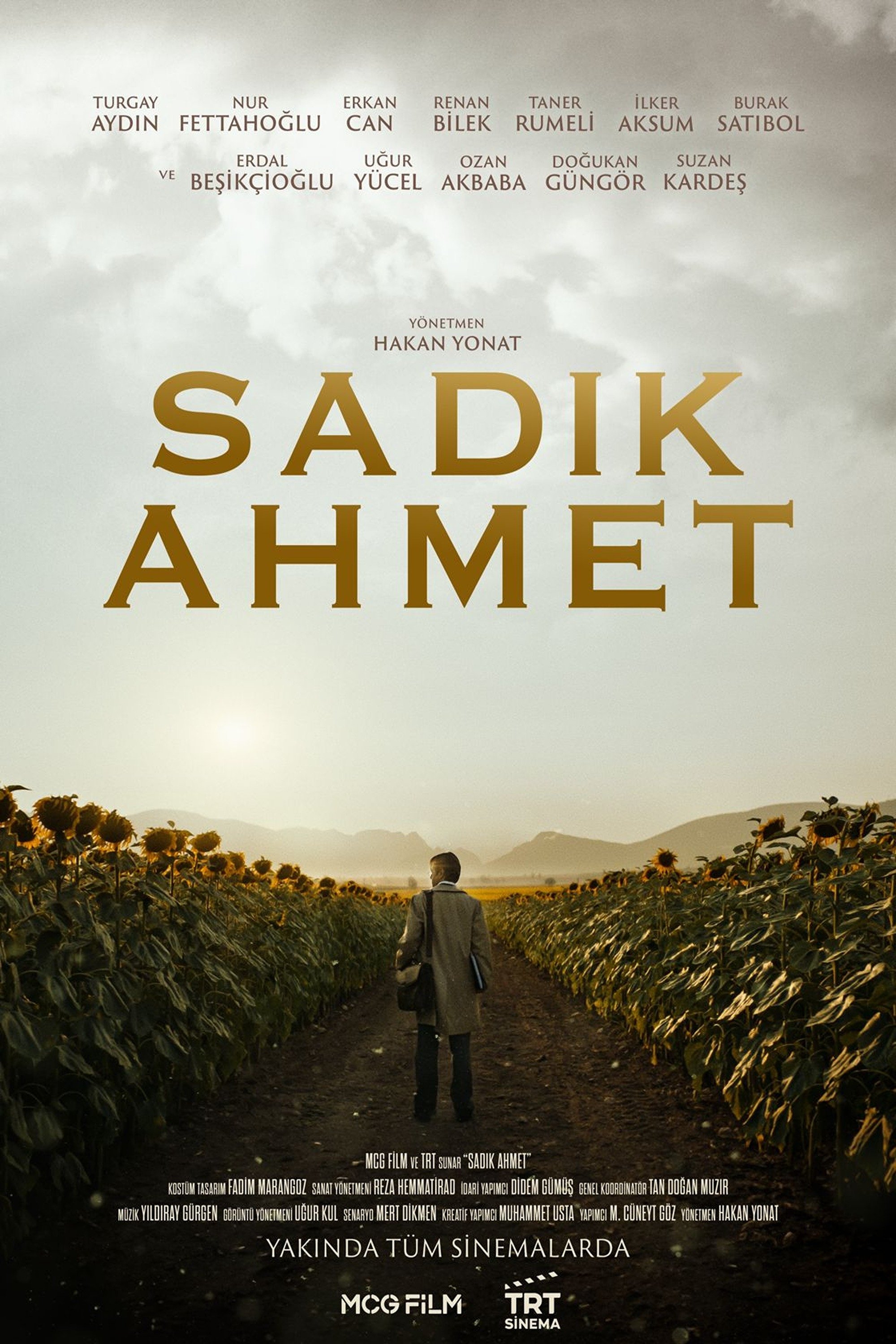
Dr. Sadik Ahmet fights for the democratic rights of the Western Thrace Turkish minority living in Greece. After graduating from Athens University Faculty of Medicine, Ahmet started working as a doctor in Komotini. Ahmet entered the political struggle to defend the rights of the Western Thrace Turkish minority. He became the founding chairman of the Western Thrace Turkish Minority Advisory Board (BTTDK), which was established in 1989. Ahmet was also known internationally for his work on minority rights in Greece. Ahmet, who died in 1995, became a symbol for the Turkish minority in Western Thrace.
A new, original documentary from Connecticut Public, Fake: Searching for Truth in the Age of Misinformation, takes on this topic, just in time for the 2020 election season. Viewers will learn how and why misinformation spreads, and how to be a smarter information consumer in our increasingly digital world.
The Mystery of Al Capone's Vaults is a two-hour live American television special that was broadcast in syndication on April 21, 1986, and hosted by Geraldo Rivera. It centered on the live opening of a secret vault in the Lexington Hotel in Chicago once owned by noted crime lord Al Capone.
Young Sung Neng Yee, who is brought as part of a wealthy Chinese family. She is eager to become part of Mao Tze Tung's "new society", but soon becomes disenchanted by the economic misery the changes bring to her family. Before long, the authorities become aware of Neng Yee's feelings and she is taken to a labour camp, overseen by the sadistic Colonel Cheng.
A poor neighborhood of Athens, Asyrmatos, is the center of the world for the people who live there and try in every way to escape from poverty and destitution. A handsome released youth, Ricos (Alekos Alexandrakis), is trying to make money, at the same time that his lover, Stefi (Aliki Georgoulis), is seeing other men and her father, Nekrophoras (Manos Katrakis), is trying to contribute in family finances. Rico will set up a job, but will spend the money raised before he can put it into action. As a result, one of his "partners" (Alekos Petsos) will commit suicide, leaving his pregnant wife, Eleni (Aleka Paizis), to her fate. Rikos, his beloved and her father, defeated and disappointed because of the expectations that were never fulfilled, will be forced to come to terms with the harsh reality.
A string of threatening emails escalates into a revenge plot involving a newly married US marshal and his ex-girlfriend.
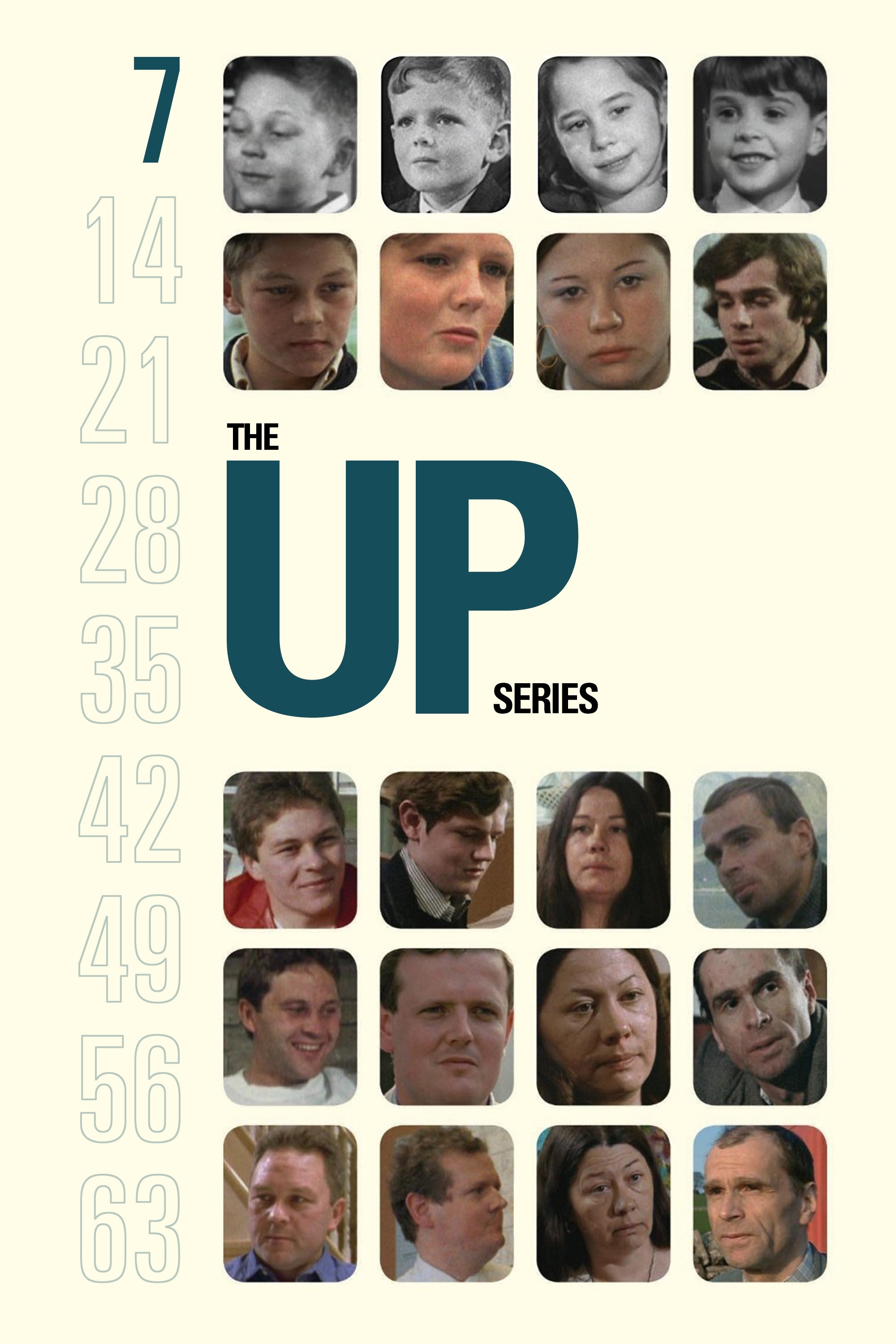
A group of British children aged 7 from widely ranging backgrounds are interviewed about a range of subjects. The filmmakers plan to re-interview them at 7 year intervals to track how their lives and attitudes change as they age.
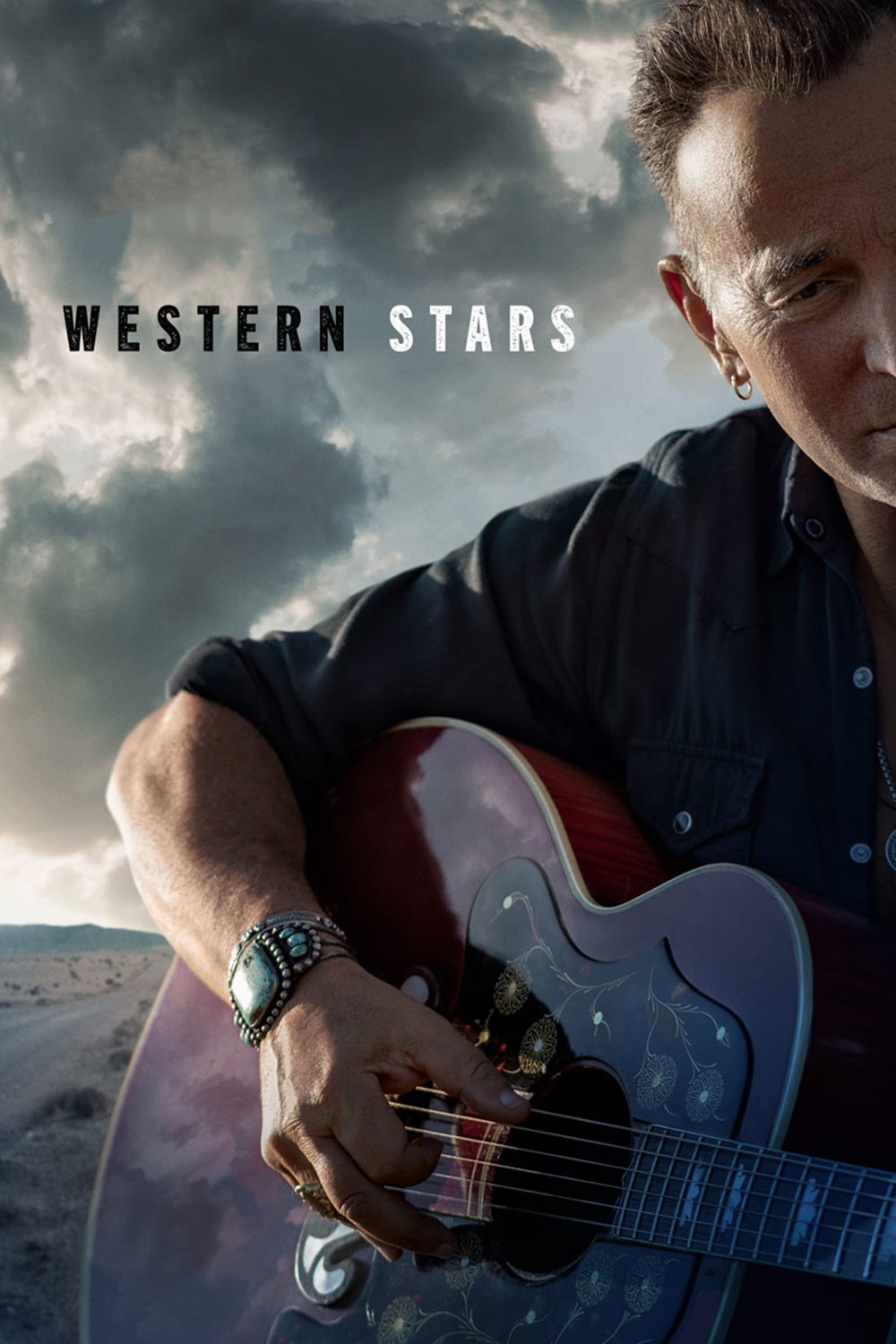
The incomparable Bruce Springsteen performs his critically acclaimed latest album and muses on life, rock, and the American dream, in this intimate and personal concert film co-directed by Thom Zimny and Springsteen himself.
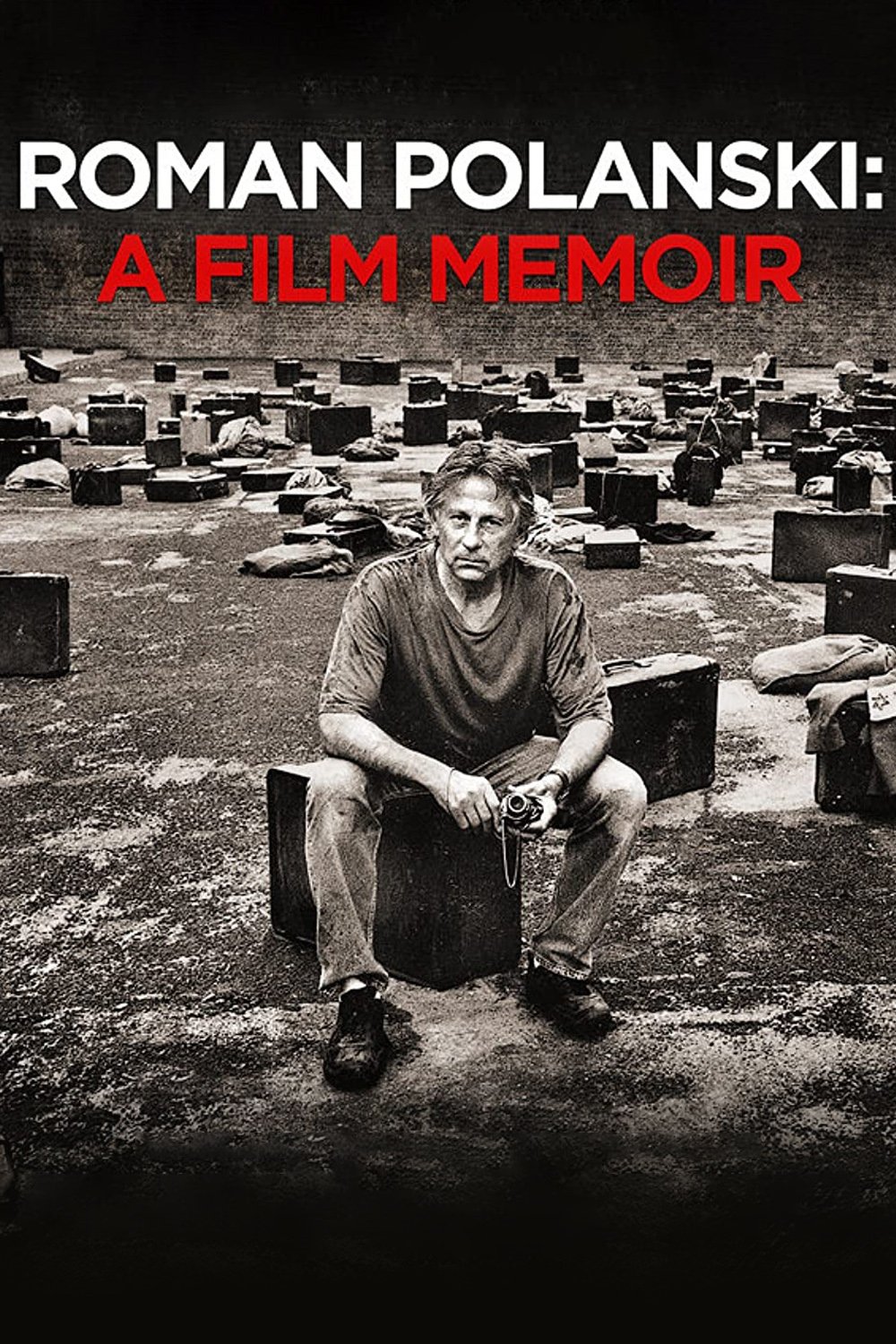
An interview with film director Roman Polanski conducted during his period of house arrest, discussing his life and work.
An inside look at one of the most anticipated movie sequels ever with James Cameron and cast.
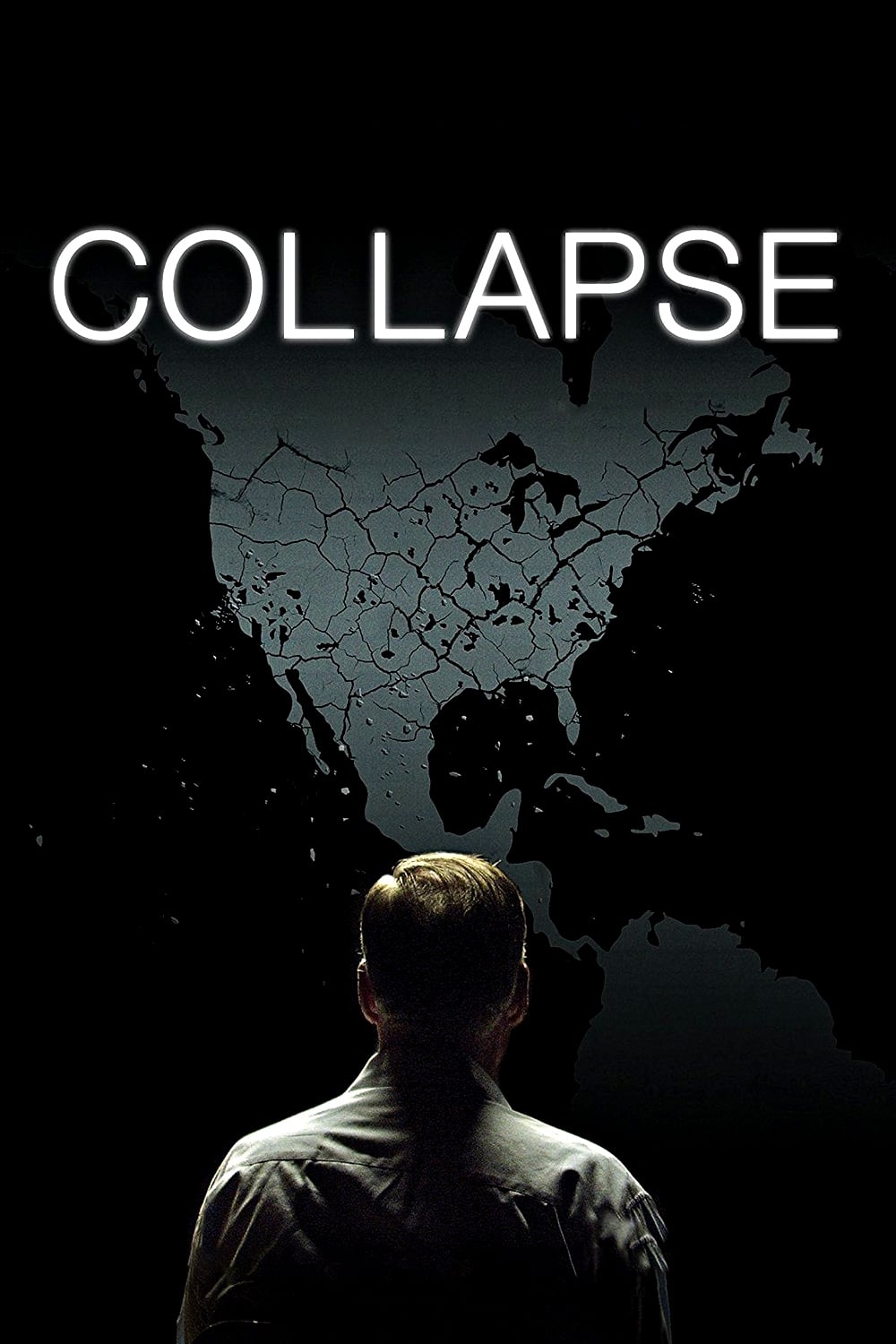
From the acclaimed director of American Movie, the documentary follows former Los Angeles police officer turned independent reporter Michael Ruppert. He recounts his career as a radical thinker and spells out his apocalyptic vision of the future, spanning the crises in economics, energy, environment and more.
Grammy® winner singer-songwriter Olivia Rodrigo takes a familiar road trip from Salt Lake City, where she began writing her debut album “SOUR,” to Los Angeles. Along the way, Rodrigo recounts the memories of writing and creating her record-breaking debut album and shares her feelings as a young woman navigating a specific time in her life. Through new live arrangements of her songs, intimate interviews and never-before-seen footage from the making of the album, audiences will follow Olivia along on a cinematic journey exploring the story of “SOUR.”
Ranjit, a farmer in India, takes on the fight of his life when he demands justice for his 13-year-old daughter, the victim of a brutal gang rape. His decision to support his daughter is virtually unheard of, and his journey unprecedented.
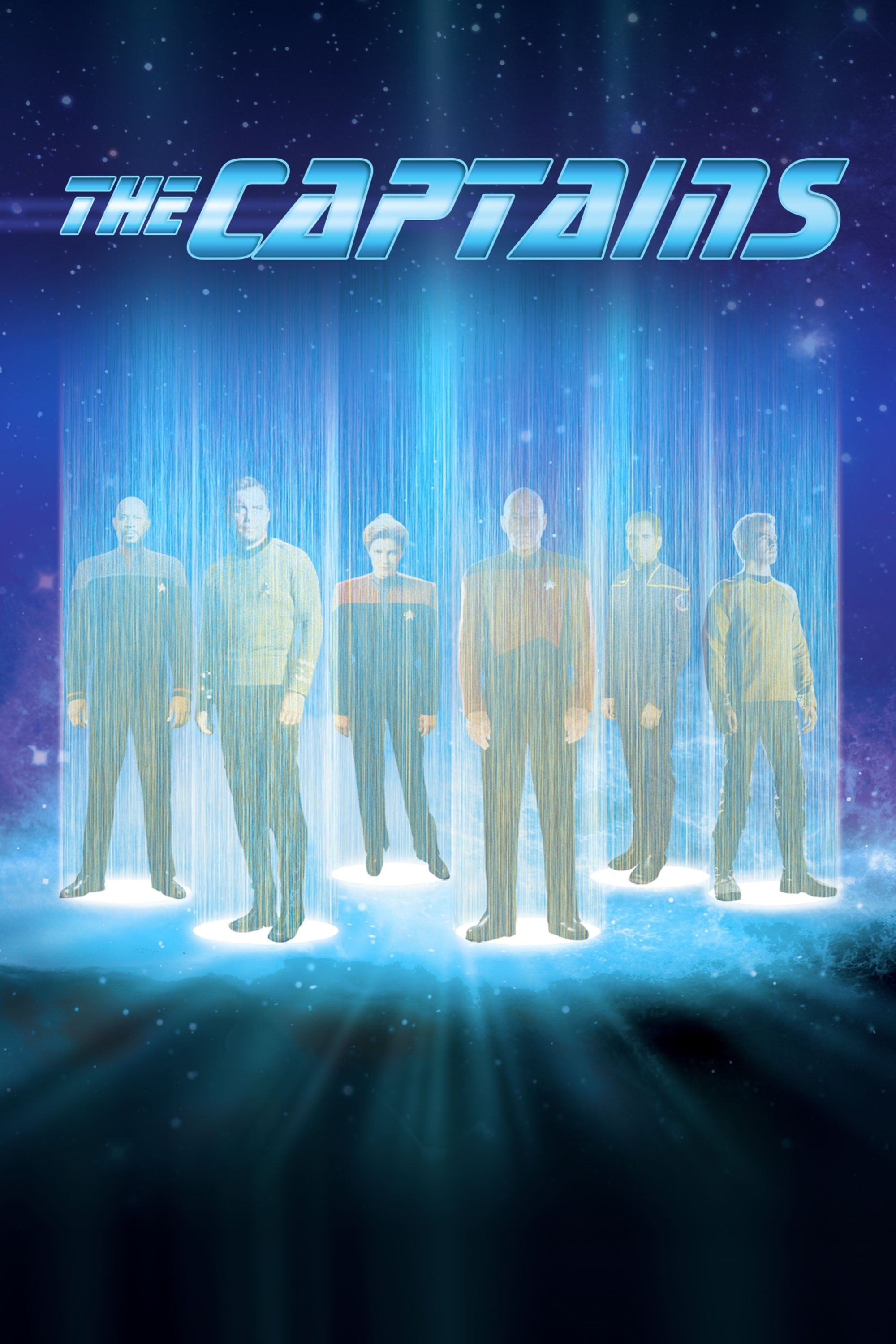
The Captains is a feature-length documentary film written and directed by William Shatner. The film follows Shatner as he interviews the other actors who have portrayed starship captains in the Star Trek franchise.
As England reach the final of the Euros at last, 6,000 ticketless football fans storm Wembley stadium, leaving destruction in their wake.
The film follows adventurer Jeff Johnson as he retraces the epic 1968 journey of his heroes Yvon Chouinard and Doug Tompkins to Patagonia.
Director Michael Apted revisits the same group of British-born adults after a 7 year wait. The subjects are interviewed as to the changes that have occurred in their lives during the last seven years.
Alexander McQueen's rags-to-riches story is a modern-day fairy tale, laced with the gothic. Mirroring the savage beauty, boldness and vivacity of his design, this documentary is an intimate revelation of McQueen's own world, both tortured and inspired, which celebrates a radical and mesmerizing genius of profound influence.
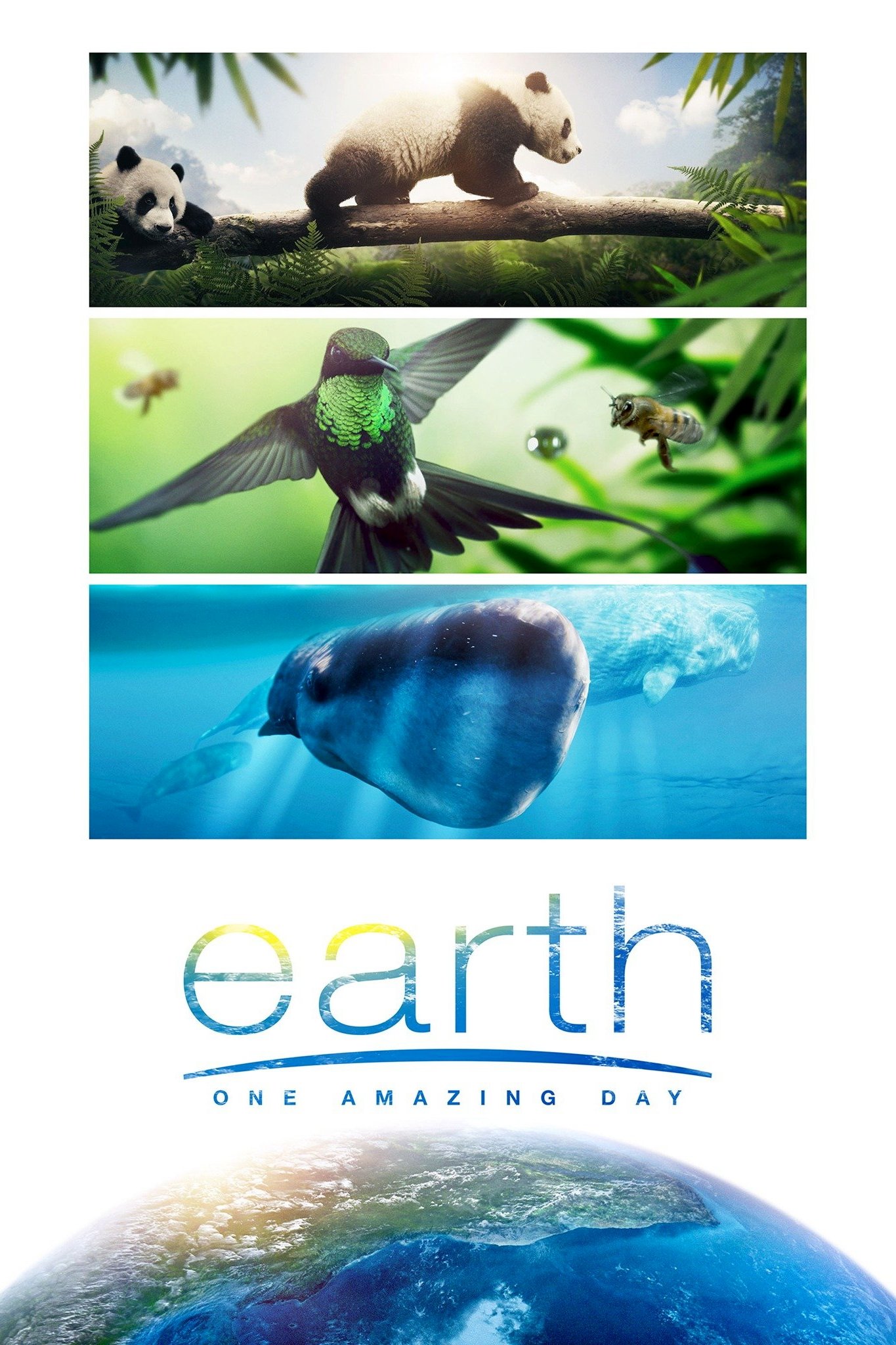
An astonishing journey revealing the awesome power of the natural world. Over the course of one single day, we track the sun from the highest mountains to the remotest islands to exotic jungles.
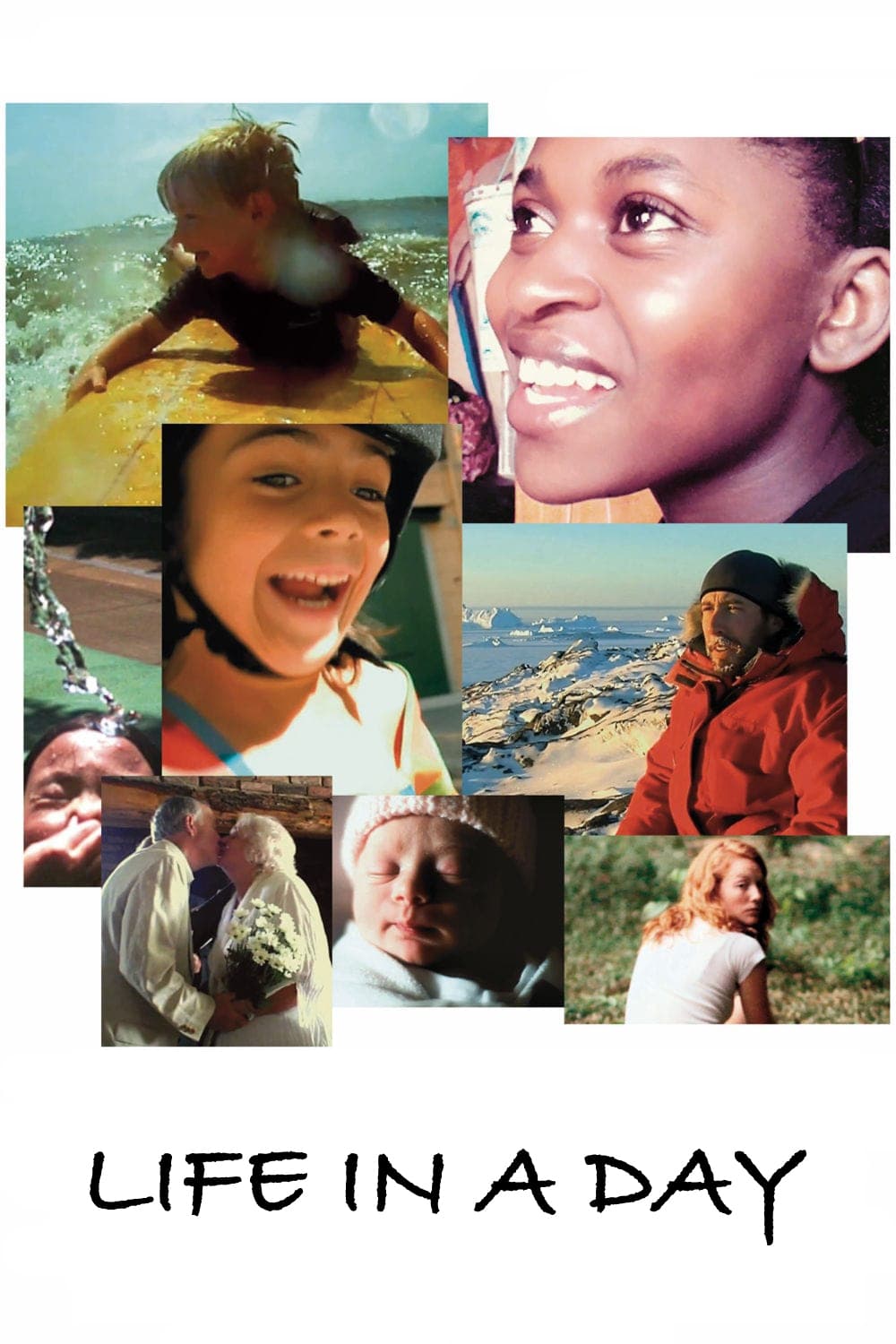
A documentary shot by filmmakers all over the world that serves as a time capsule to show future generations what it was like to be alive on the 24th of July, 2010.
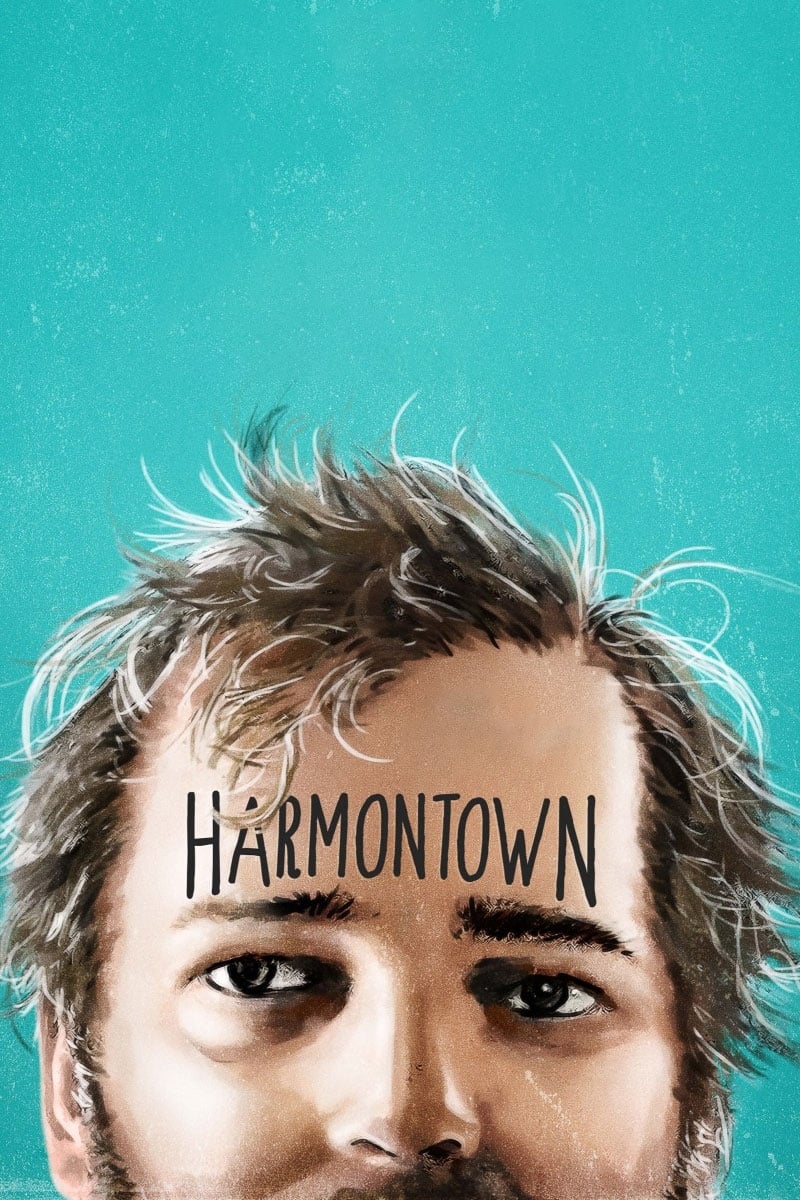
A comedic, brutally honest documentary following self-destructive TV writer Dan Harmon as he takes his live podcast on a national tour.
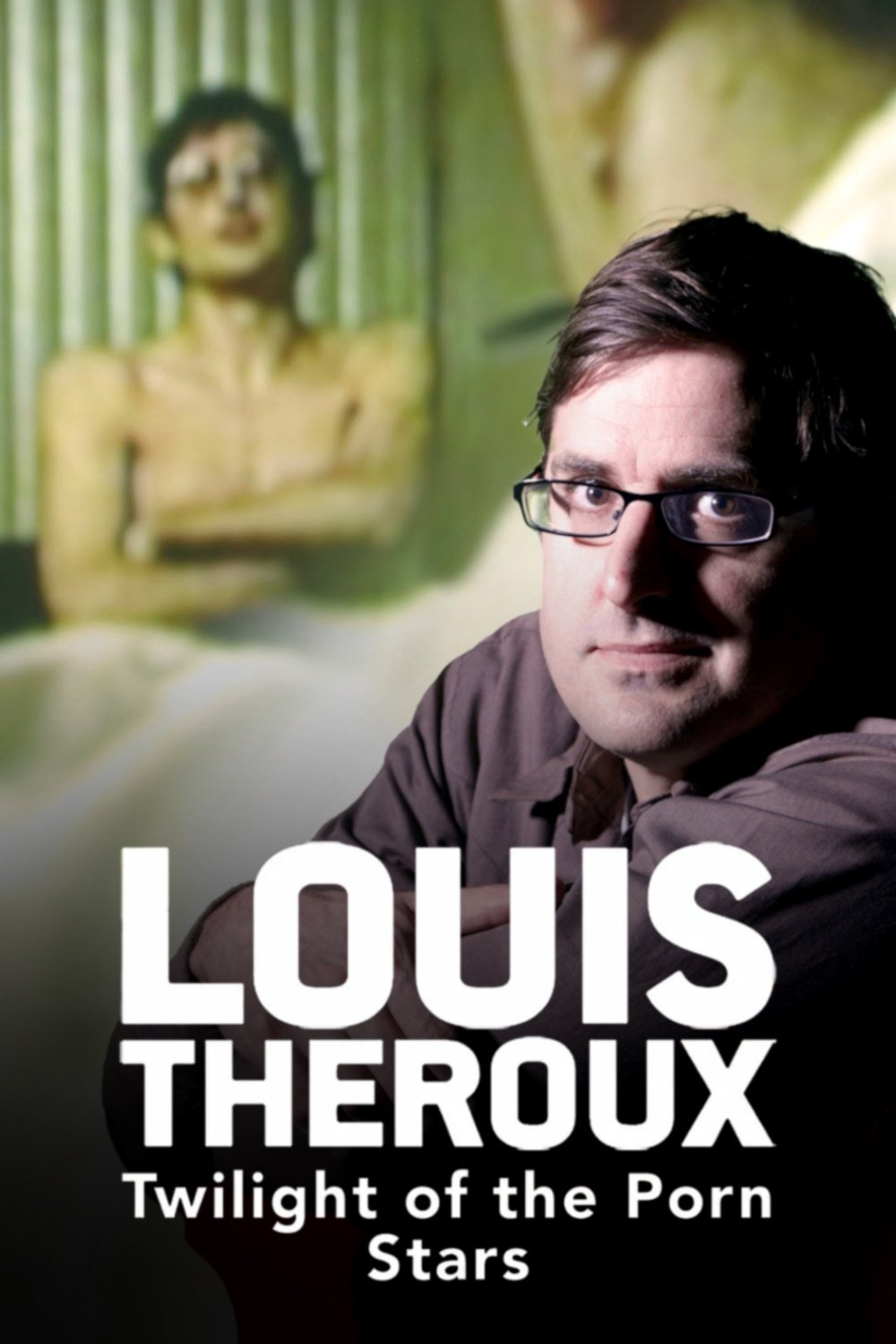
In 1997, Louis Theroux made a documentary about the world of male porn performers in Los Angeles. 15 years later, he returns to find a business struggling with the deluge of free porn on the internet. Louis revisits some of the original programme's contributors as well as meeting the latest crop of porn performers dreaming of porn stardom.
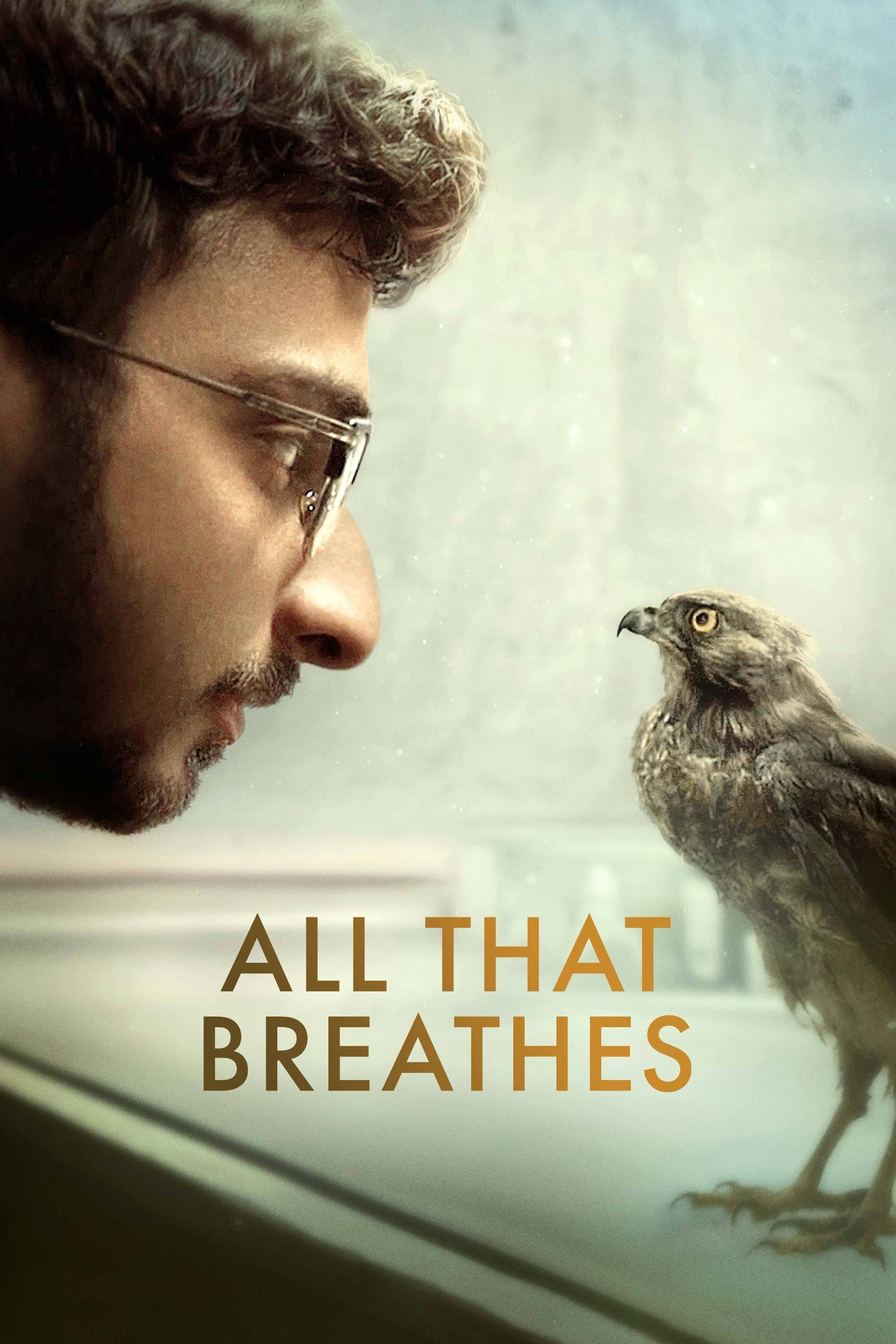
Against the darkening backdrop of New Delhi's apocalyptic air and escalating violence, two brothers devote their lives to protecting one casualty of the turbulent times: the bird known as the black kite.
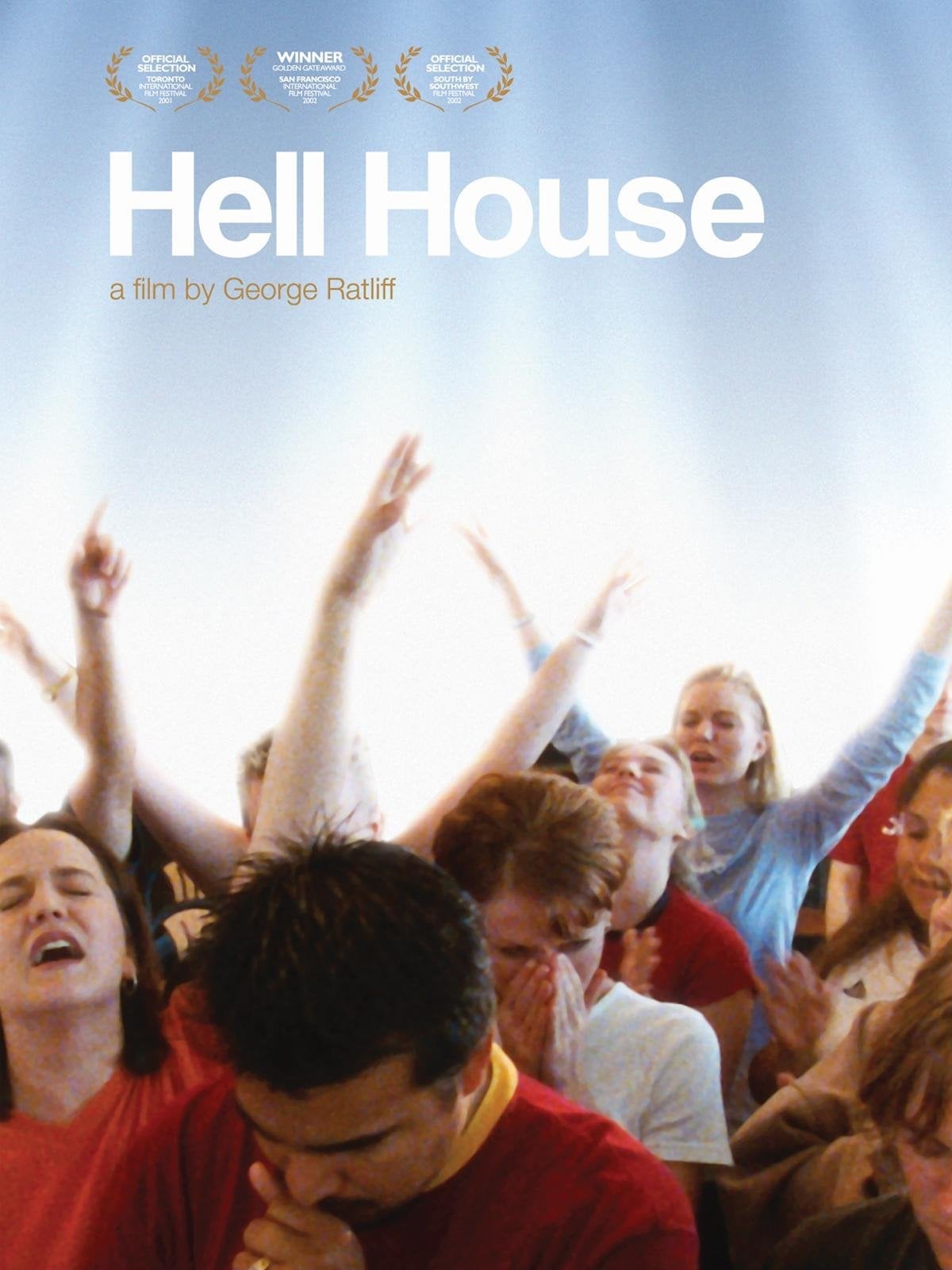
A look at the "Hell House" performed annually in October by the youth members of Trinity Church (Assemblies of God) in Cedar Hill, Texas (a Dallas suburb) — seen by over 10,000 visitors each year.
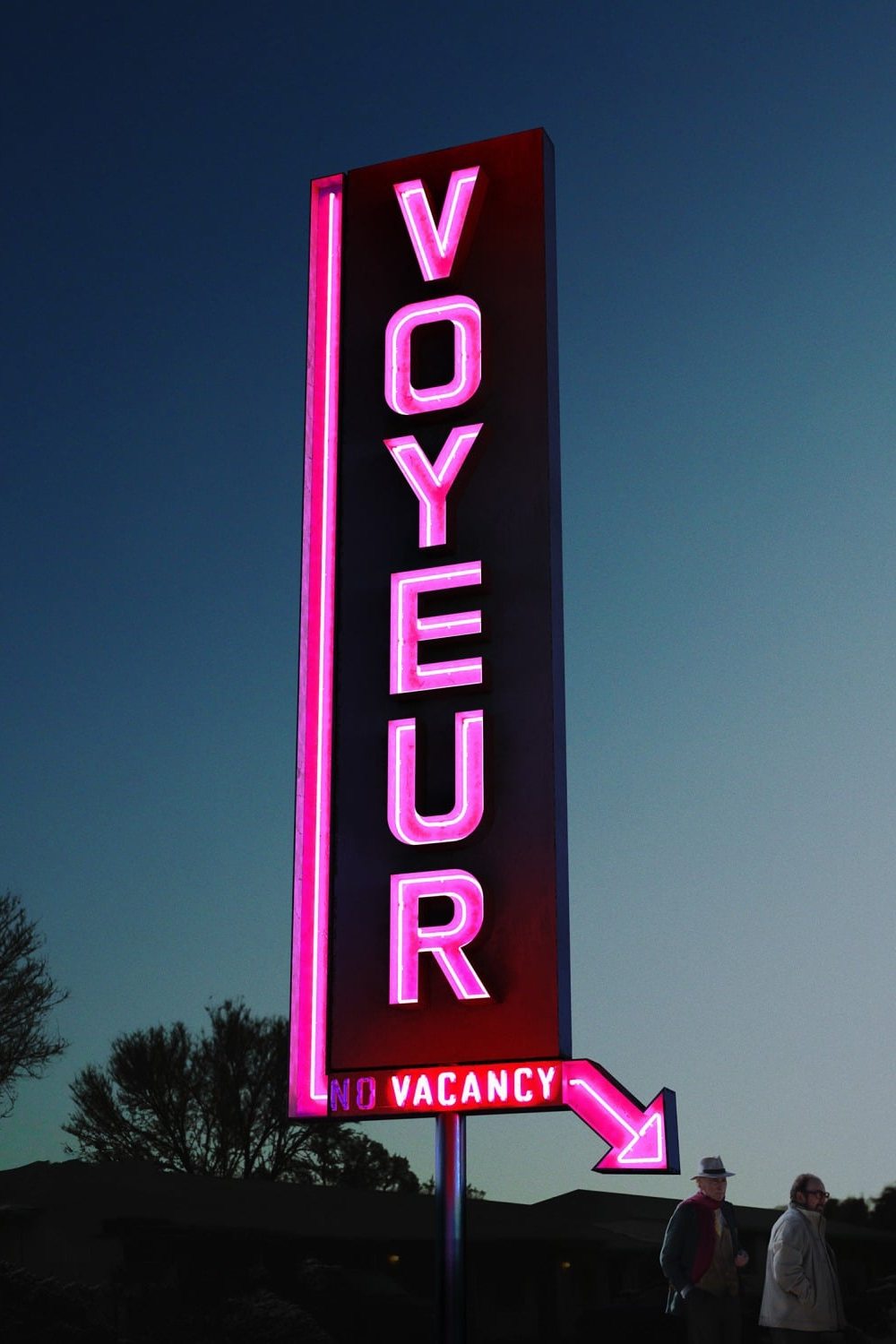
Legendary journalist Gay Talese unmasks a motel owner who spied on his guests for decades. But his bombshell story soon becomes a scandal of its own.