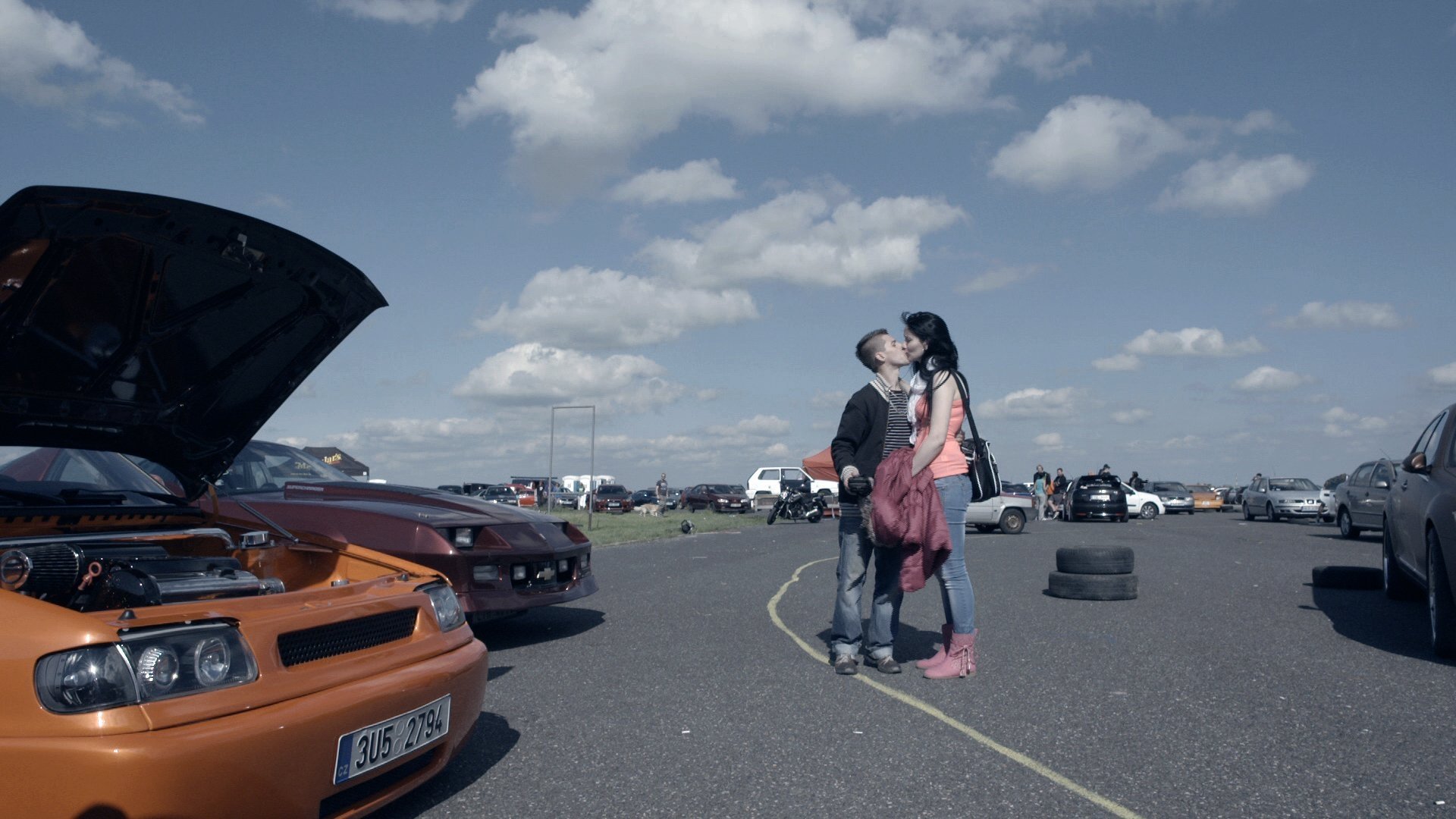
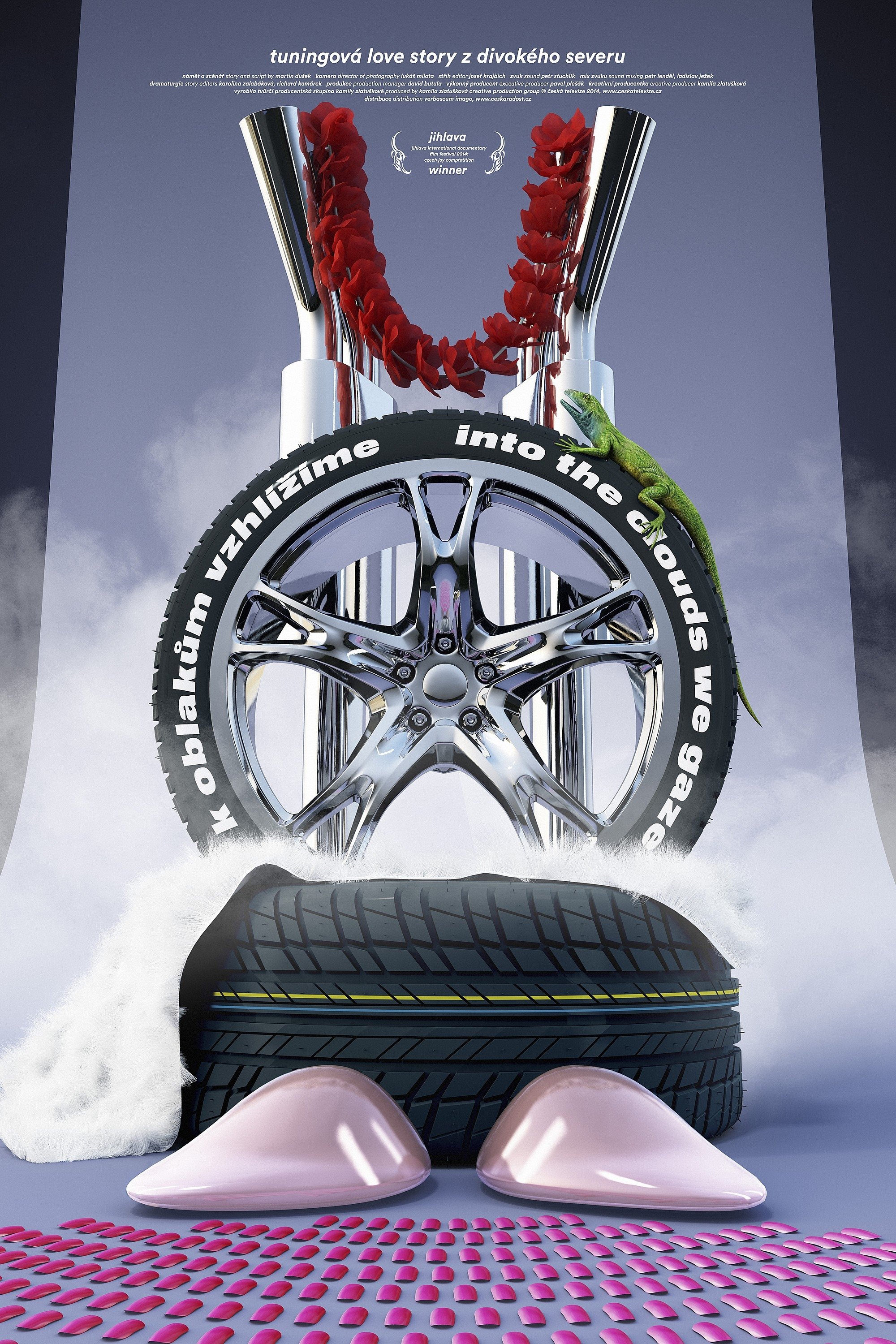
A gentle love story from the harsh environment of northern Bohemia.
Social & External
The people behind it
Radoslav Pešek
Veronika Čermáková
Ingrid Sobotová
Matěj Černý
A musical documentary and tribute to Hugh Le Caine. The story of early electronic instruments, and the nearly forgotten Canadian music pioneer who created the first synthesizers. As told through interviews with three modern-day modular synth musicians.
A short documentary exploring the ongoing relevance and power of 'Salò o le 120 giornate di Sodoma'.
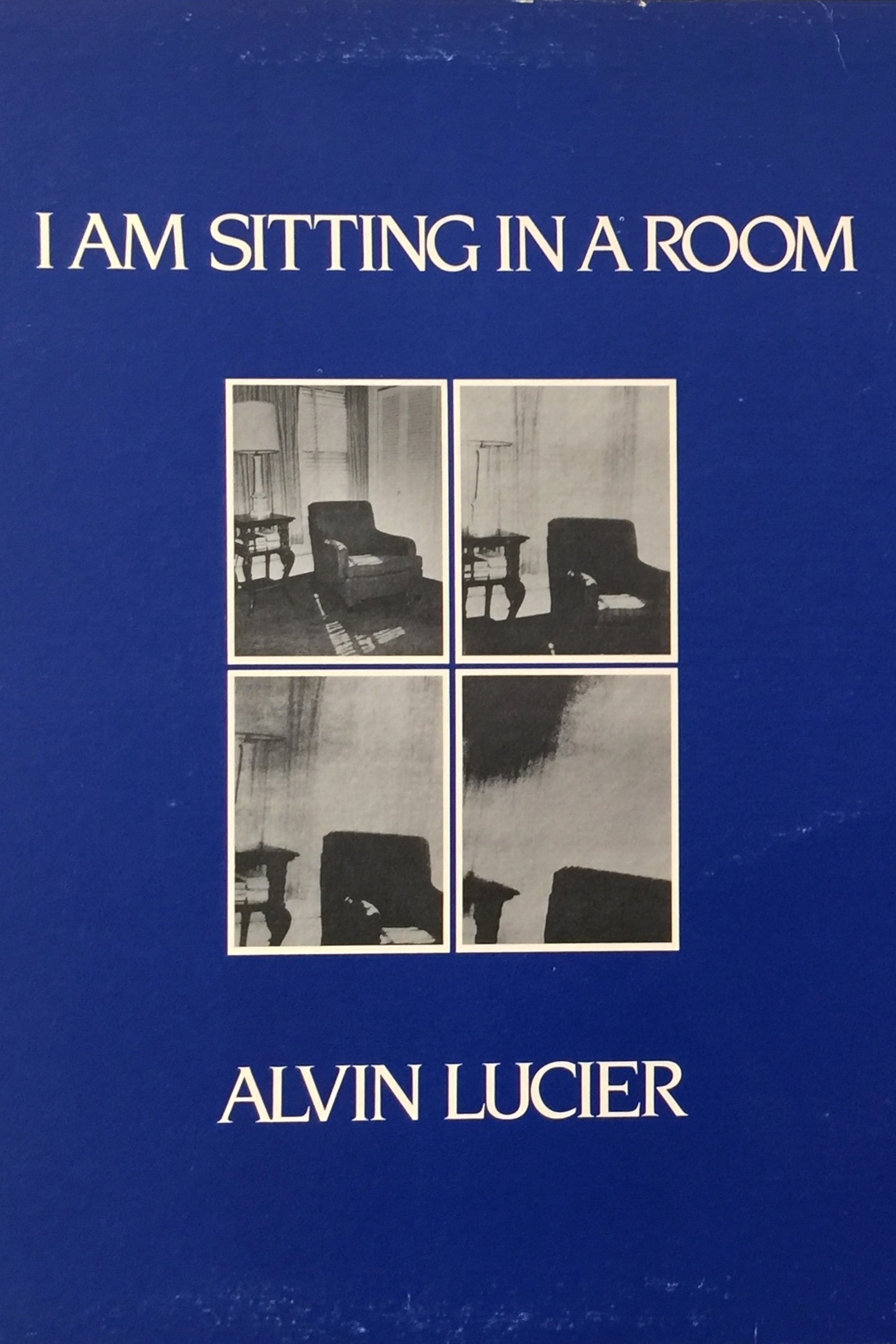
I am sitting in a room is a sound art piece by American composer and sound artist Alvin Lucier composed in 1969. The first performance of the work was in 1970 at the Guggenheim Museum in New York. In collaboration with his partner Mary Lucier. The piece features Lucier recording himself narrating a text, and then playing the tape recording back into the room while re-recording it. The new recording is then played back and re-recorded, and this process is repeated. Due to the room's particular size and geometry, certain resonant frequencies are emphasized while others are attenuated. Eventually the words become unintelligible, replaced by the characteristic resonance of the room.
Documentary about the VW Beetle and its origins.
Found footage sequences from various obscure campy Austrian films assembled together with a very dark disturbing soundtrack.
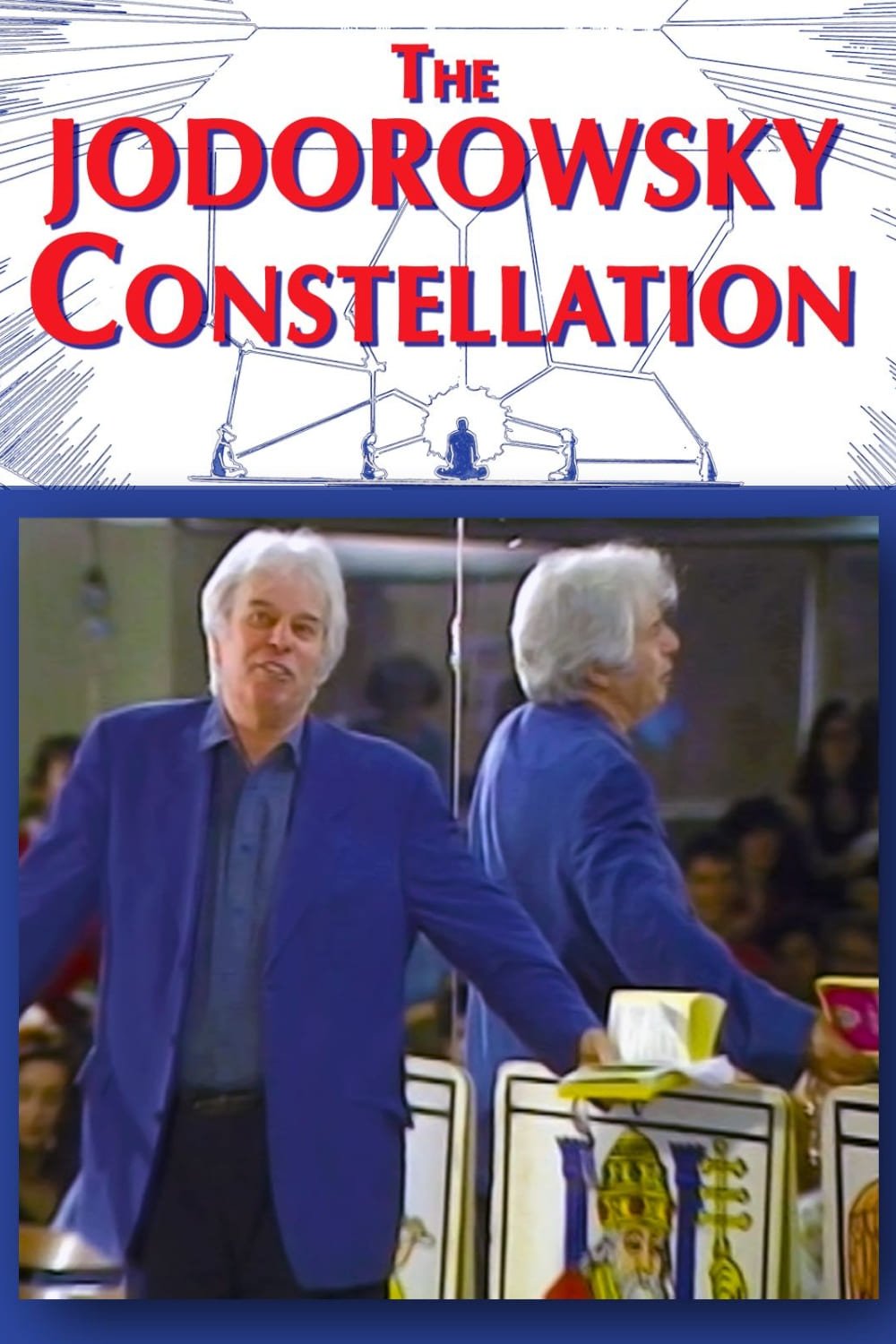
This documentary depicts the filmmaker Alejandro Jodorowsky talking about his life, his loves, his career as a filmmaker, graphic novelist, and workshop leader, and his eccentricities including tarot reader and theatrical director during The Panic Movement. Directed by Louis Mouchet, La Constellation Jodorowsky includes a lengthy on-camera interview with Jodorowsky in Spanish with subtitles. Marcel Marceau, Fernando Arrabal, Peter Gabriel, Jean "Moebius" Giraud, and Jean Pierre Vignau make appearances discussing their various projects with the director. In addition to the interview and film clips, Mouchet features some bizarre footage from Jodorowsky’s absurdist plays in which topless women splattered with paint writhe around the stage in a theatrical production meant to represent The Panic Movement, i.e., an artistic expression in which reason cannot fully express the human experience.
Documentary about the making of Ordet, from the perspective of cinematographer Henning Bendtsen.
Documentary about hot rods.
Hokkaido, the North Island of Japan, is a powder-lover's paradise. If you’ve never been, it’s time to start planning your trip. And consider this new film from Director Jeremy Dubs to be your crash course in traveling to Japan. Follow Dubs and crew as they explore Hokkaido’s vast mountains, welcoming locals and exotic cuisine. Whether it’s wandering around abandoned resorts, carving snow caves with chainsaws or trying their best to woo women, there’s never a dull moment with this crew.
The film shows the genesis of the El Rocío pilgrimage and unveils the economic, socio-political and religious reasons and interests that nurture the phenomenon.
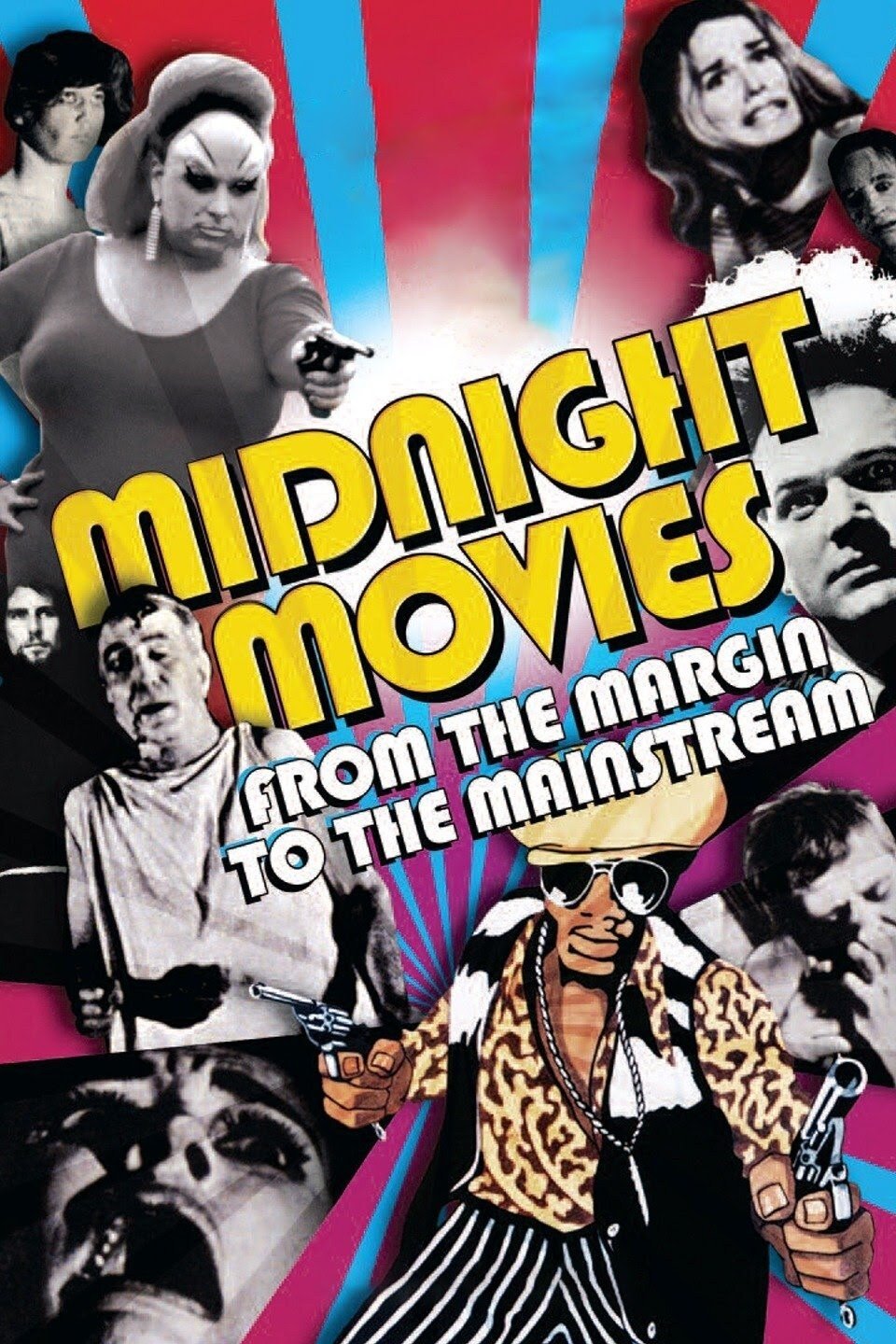
From 1970-1977, six low budget films shown at midnight transformed the way we make and watch films.
Boom Festival - We Are One (Official Release) 2006
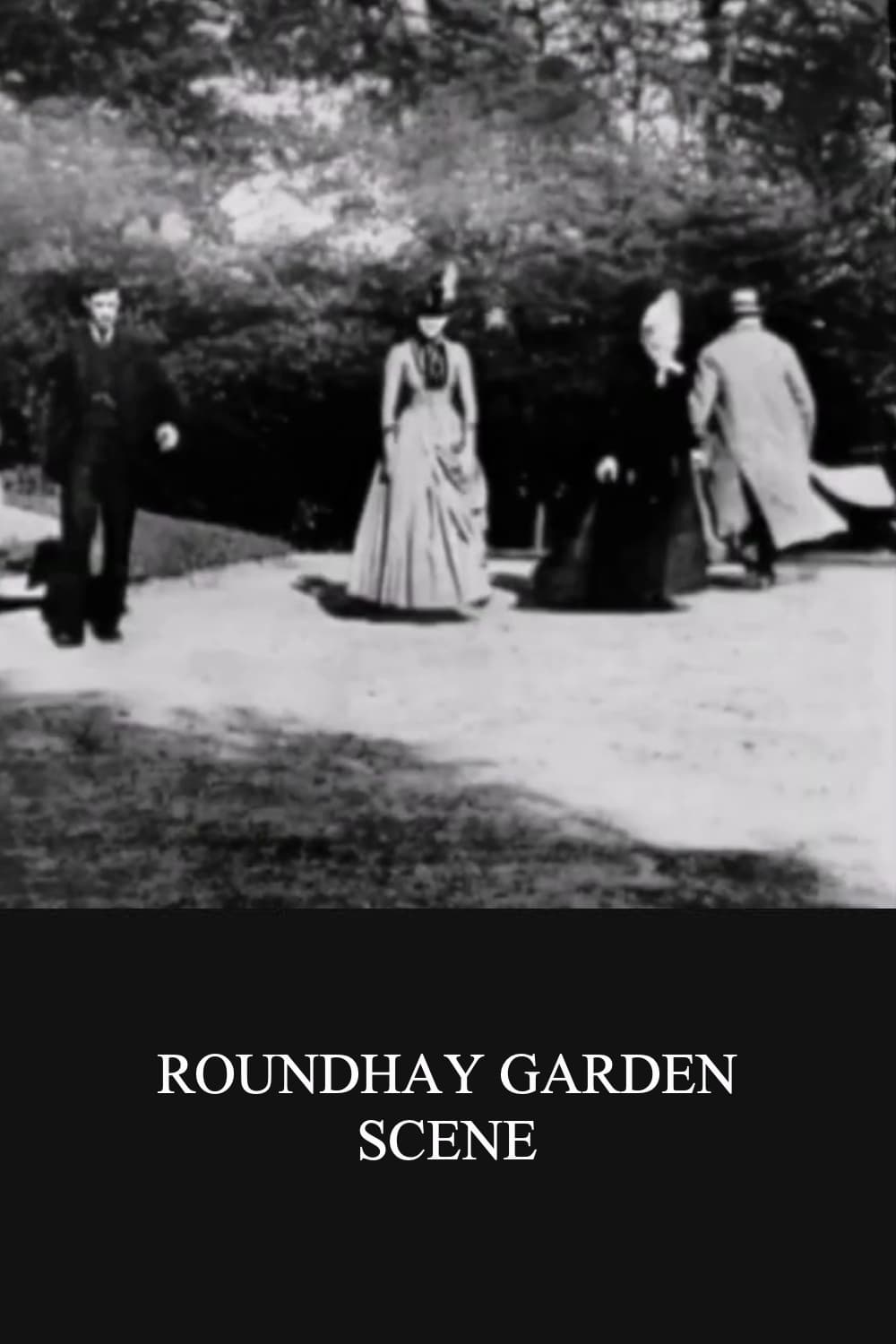
The earliest surviving motion-picture film, and believed to be one of the very first moving images ever created, was shot by Louis Aimé Augustin Le Prince using the LPCCP Type-1 MkII single-lens camera. It was taken on paper-based photographic film in the garden of Oakwood Grange, the Whitley family house in Roundhay, Leeds, West Riding of Yorkshire (UK), on 14 October 1888. The film shows Adolphe Le Prince (Le Prince’s son), Mrs. Sarah Whitley (Le Prince’s mother-in-law), Joseph Whitley, and Miss Harriet Hartley walking around in circles, laughing to themselves, and staying within the area framed by the camera. Roundhay Garden Scene is often associated with a recording speed of around 12 frames per second and runs for about 2 to 3 seconds.
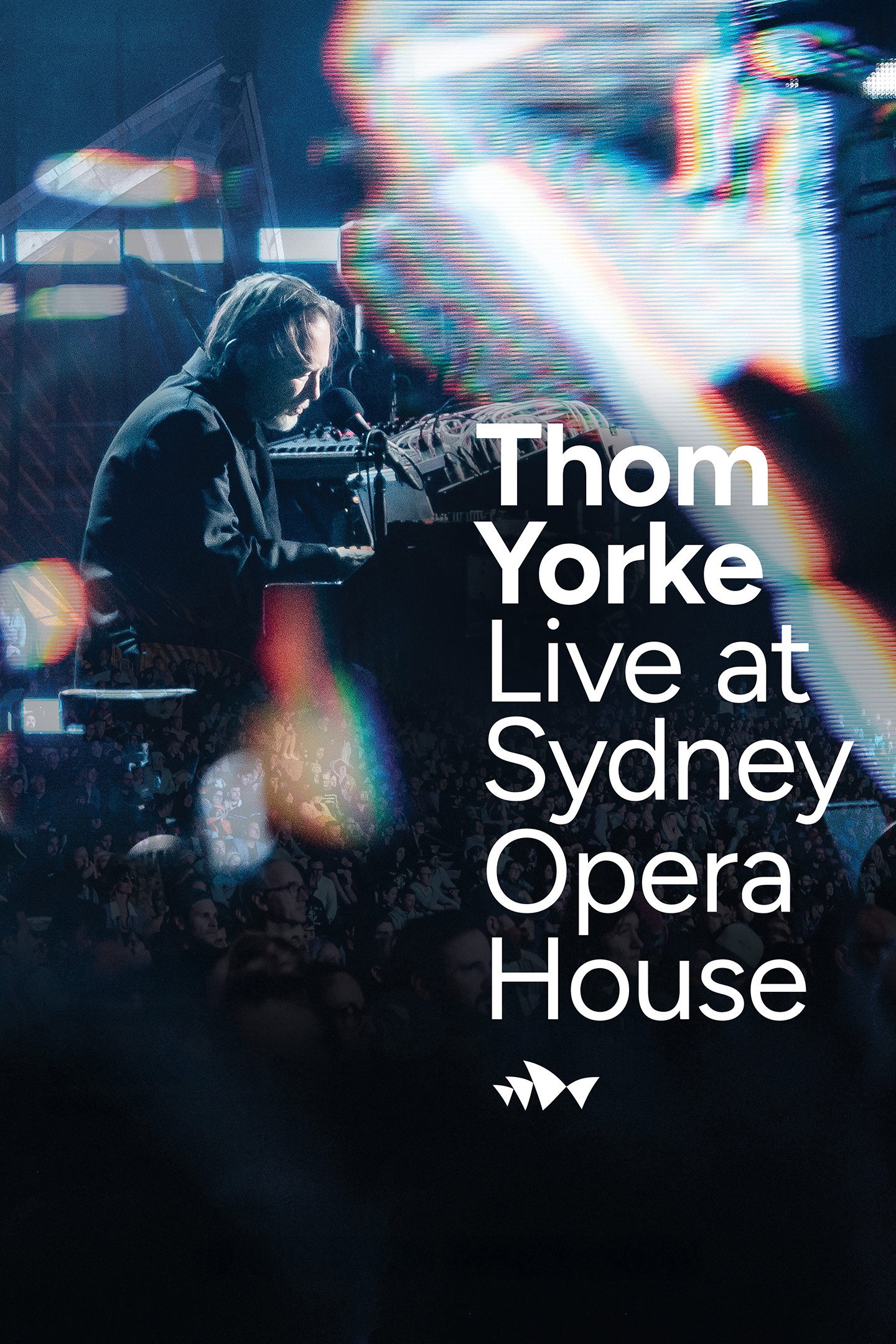
This concert film documents the debut Sydney solo shows of English singer, songwriter and multi-instrumentalist Thom Yorke, one of the most acclaimed musicians of his generation. Filmed against the iconic backdrop of the Sydney Opera House across two nights on the Forecourt in November 2024, this film covers all aspects of Yorke's career as a recording artist and Radiohead frontman, offering fans an intimate peek behind the curtain as he ties the many eclectic strands of his career together with his show-stopping falsetto and magnetic stage presence.
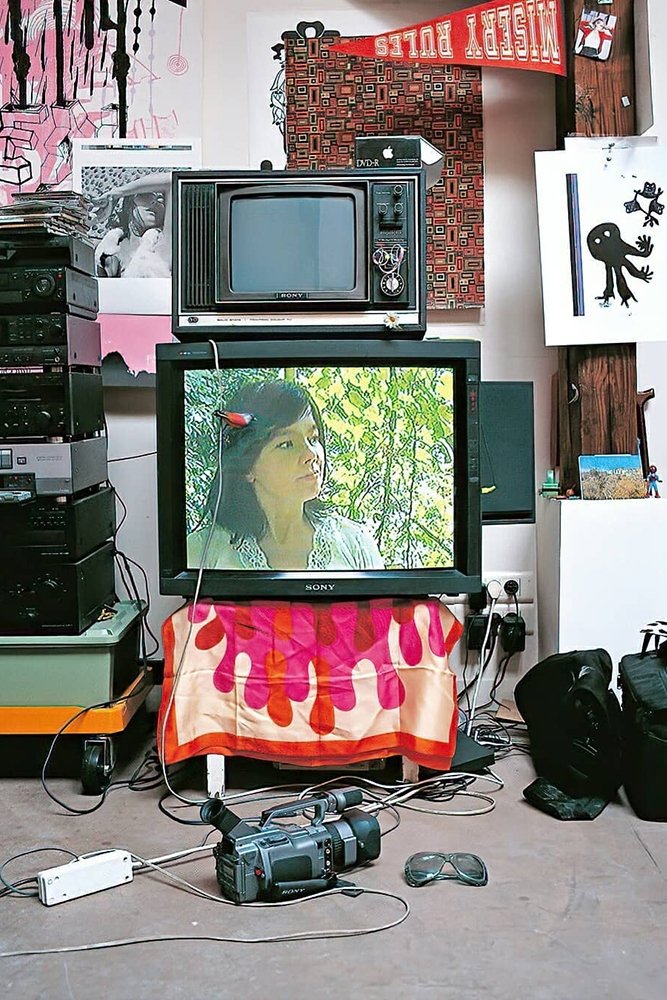
This documentary offers a behind-the-scenes look at Björk and her touring entourage for the 2001 Vespertine tour. It includes interviews with harpist Zeena Parkins, the Inuit choir from Greenland, electronic duo Matmos, and an ongoing conversation with Björk herself about her recordings and her tours. The documentary is interspersed with live footage of songs from the tour shot by Ragnheidur Gestsdóttir, which themselves correspond to the performances chosen for the Vespertine Live album.
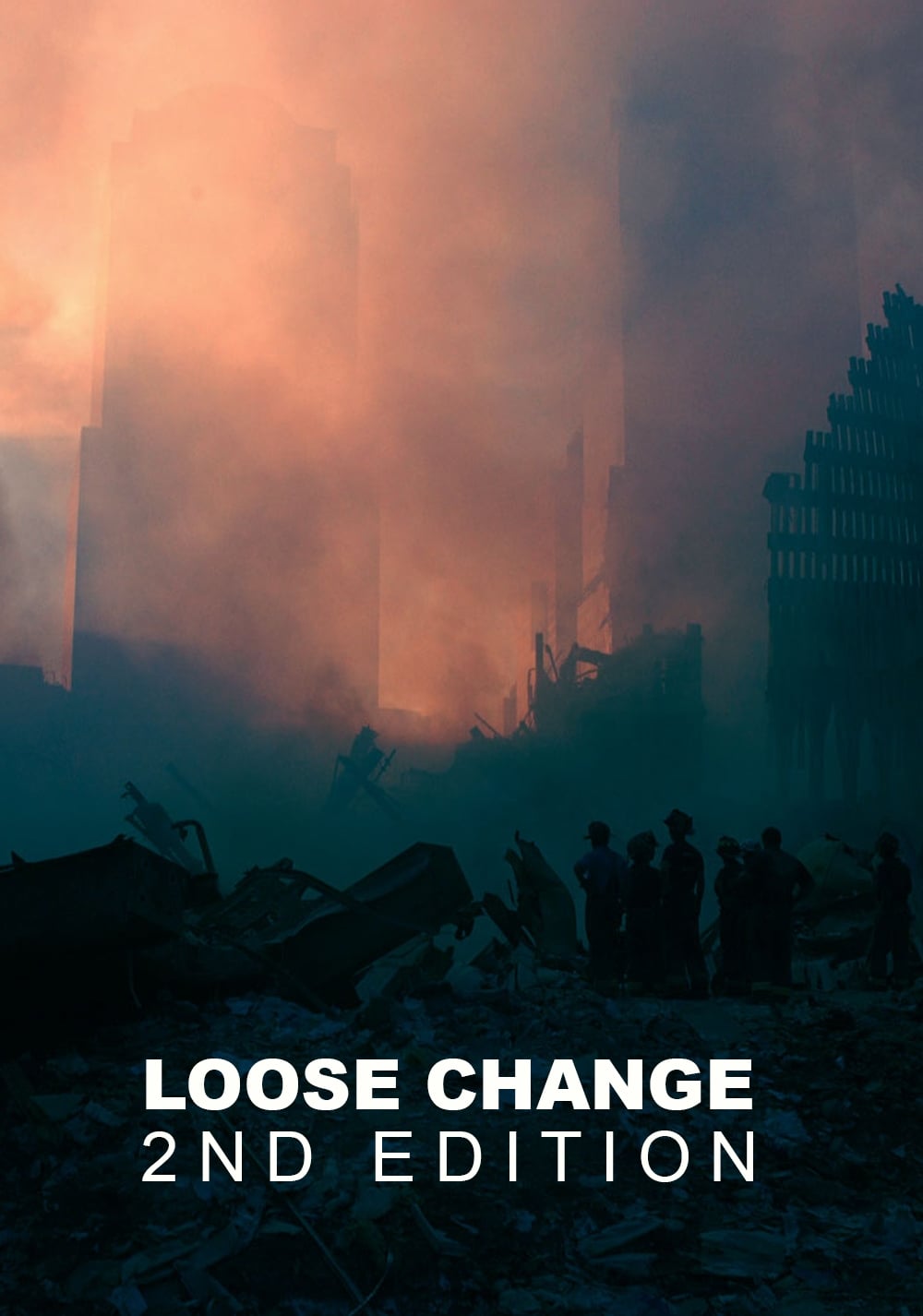
2nd Edition of Loose Change documentary. What if...September 11th was not a surprise attack on America, but rather, a cold and calculated genocide by our own government?We were told that the twin towers were hit by commercial jetliners and subsequently brought down by jet fuel. We were told that the Pentagon was hit by a Boeing 757. We were told that flight 93 crashed in Shanksville, Pennsylvania. We were told that nineteen Arabs from halfway across the globe, acting under orders from Osama Bin Laden, were responsible. What you will see here will prove without a shadow of a doubt that everything you know about 9/11 is a complete fabrication. Conspiracy theory? It's not a theory if you can prove it.Written and narrated by Dylan Avery, this film presents a rebuttal to the official version of the September 11, 2001 terrorist attacks and the 9/11 Commission Report.
A documentary following the conscious evolution of electronic music culture and the spiritual movement that has awakened within.
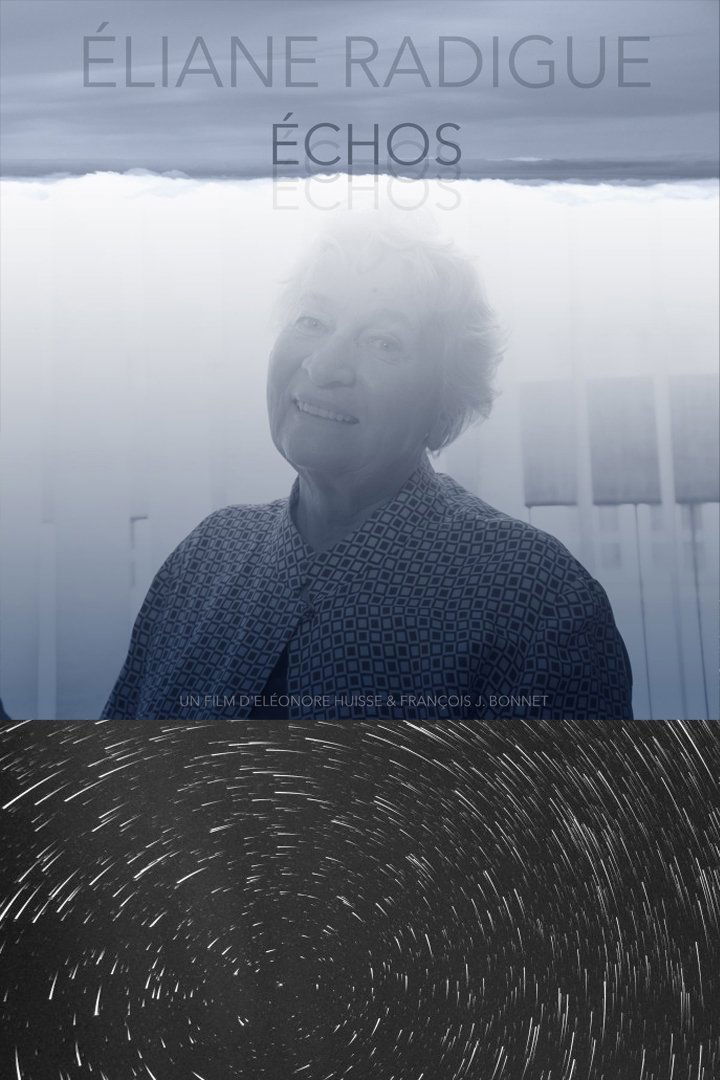
This new film approaches the world of French sound pioneer Éliane Radigue (*1932) from a perspective of close proximity. French filmmaker Eléonore Huisse and sound artist François J. Bonnet visit their friend Éliane’s home in Paris in times of social distancing and lockdown to explore questions pertaining to solitude, imagination, retreat, the inner voice and temporality – questions that resonate with Radigue’s work, philosophy and way of living as much as with the acute collective experience of suspension and isolation brought about by the ongoing COVID-19 pandemic.
A look at the first years of Pixar Animation Studios - from the success of "Toy Story" and Pixar's promotion of talented people, to the building of its East Bay campus, the company's relationship with Disney, and its remarkable initial string of eight hits. The contributions of John Lasseter, Ed Catmull and Steve Jobs are profiled. The decline of two-dimensional animation is chronicled as three-dimensional animation rises. Hard work and creativity seem to share the screen in equal proportions.
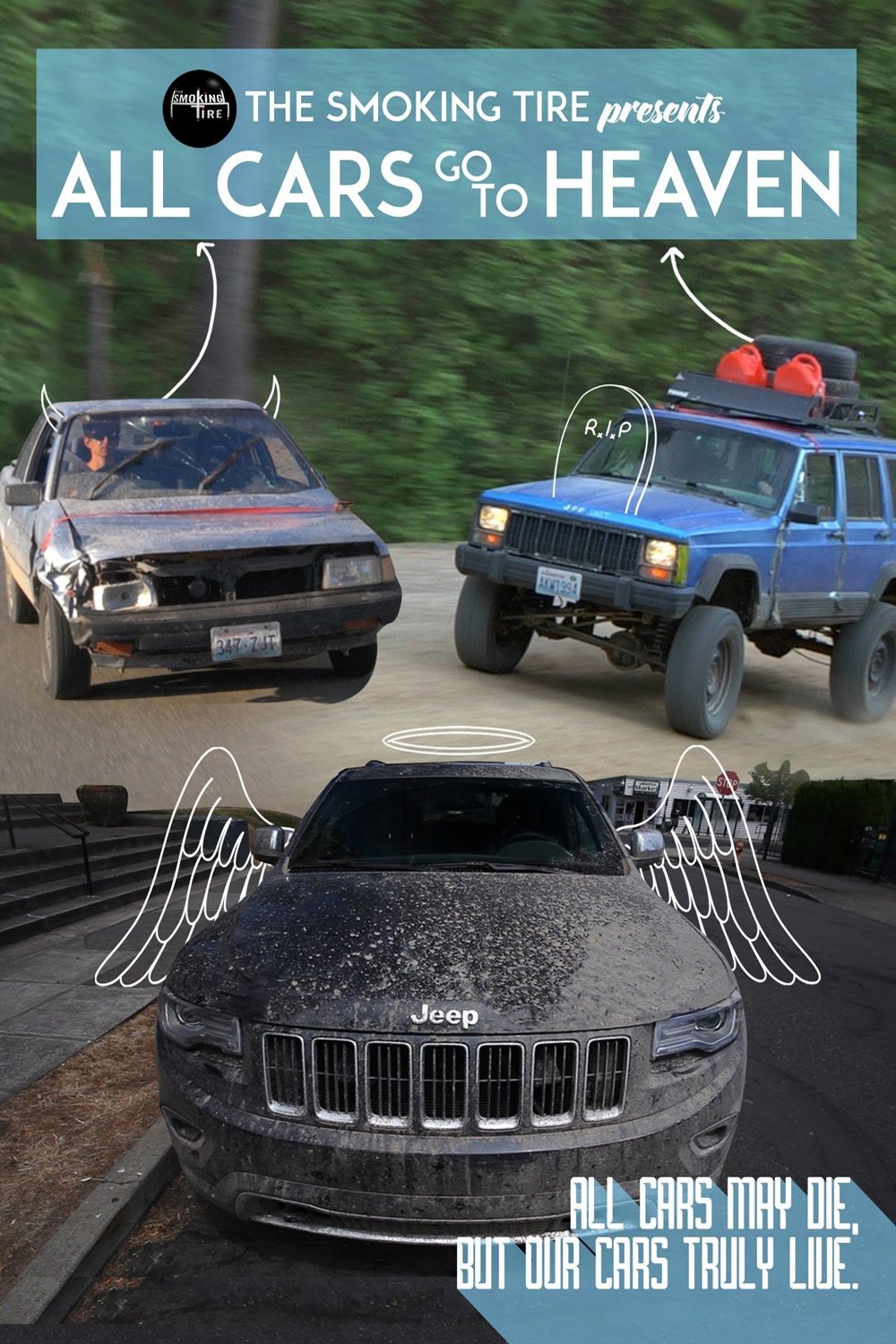
Why did the team behind "The Smoking Tire" decide to drive 600 miles, off-road, in a cheap car that they bought over the phone? Is it because they have deep knowledge of outdoor survival and automotive maintenance? No. Definitely not. They did it because away from roads, street signs, people, and police, they would be free to experience every aspect of driving; the good, the bad, and the ugly. There's no one to say, "Don't stand on that moving car." or "Don't run into that." or, "That seems really stupid." If you love cars, total vehicular freedom is your idea of heaven. This series is about 4 guys testing the limits of automobiles, and bringing them to heaven.
In an intimate and joyful story of love in the face of loss, celebrated poets Andrea Gibson and Megan Falley find strength—and unexpected hilarity—in what might be their final year together.
An inside look at one of the most anticipated movie sequels ever with James Cameron and cast.
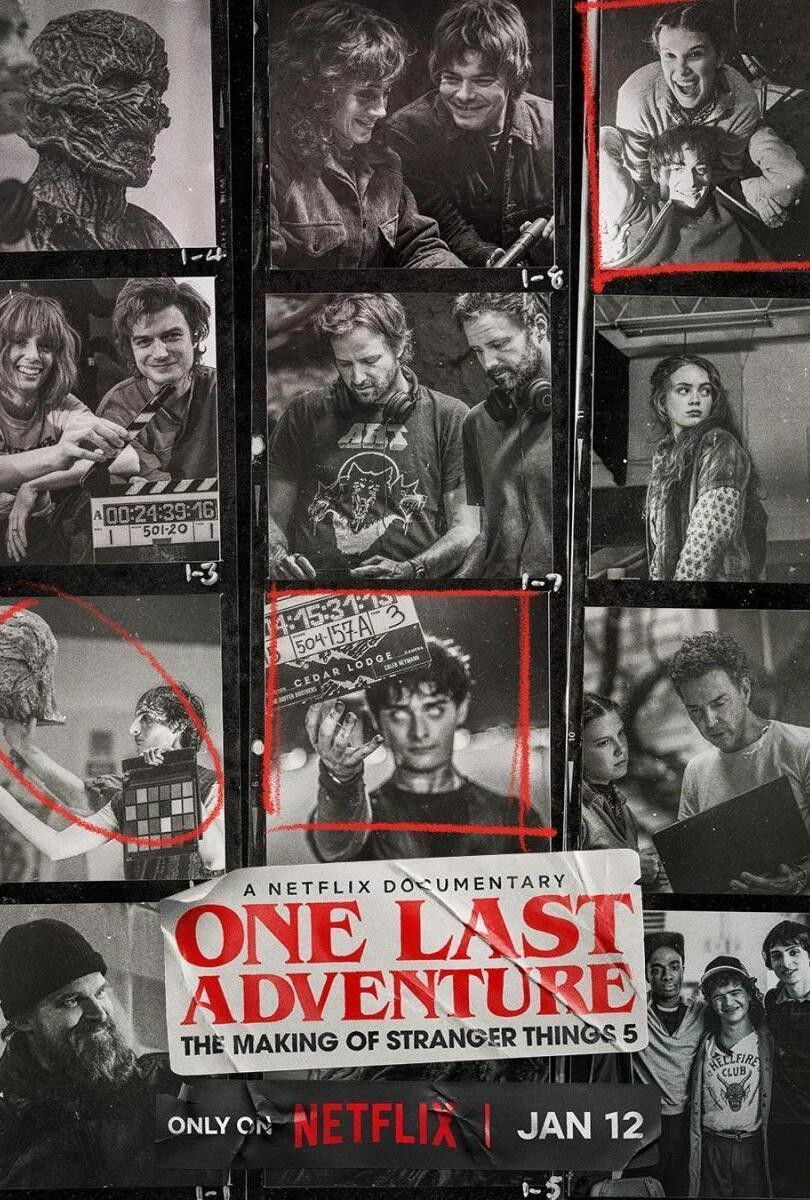
An inside look at the years of effort and craft that went into the final installment of the Duffer Brothers' generation-defining series.
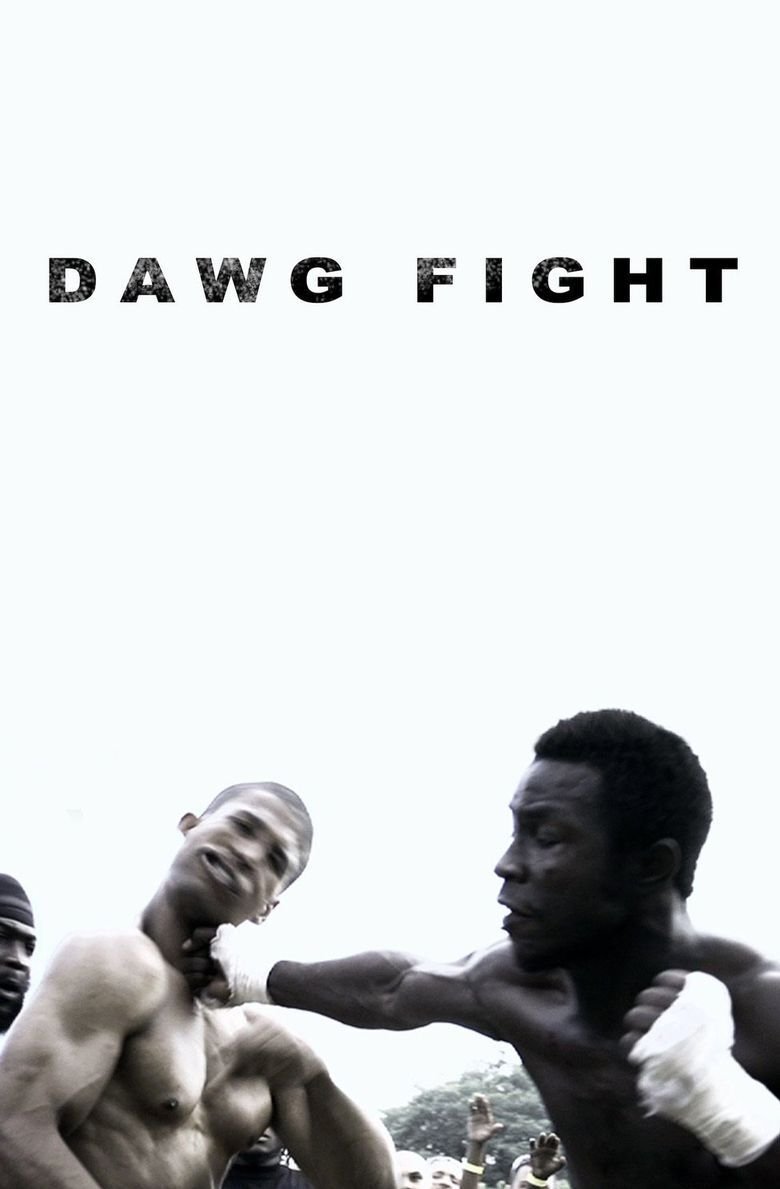
In a crime-plagued neighborhood near Miami, brutal, bare-knuckled backyard fights give young men a chance to earn money -- and self-respect.
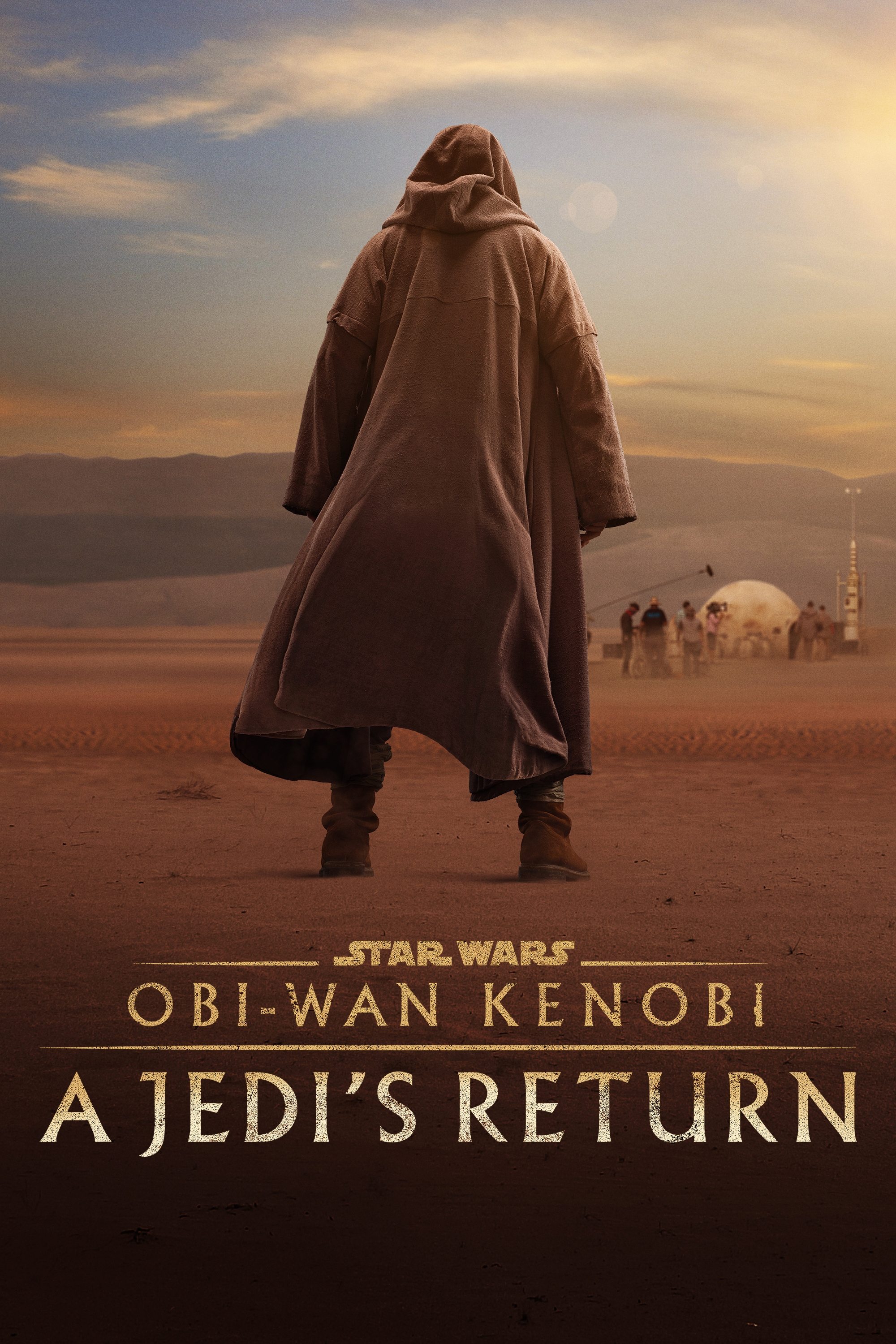
This special explores the return of Obi-Wan Kenobi and Anakin Skywalker to the screen, as well as Ewan McGregor and Hayden Christensen to their classic roles. Director Deborah Chow leads the cast and crew as they create new heroes and villains that live alongside new incarnations of beloved Star Wars characters, and an epic story that dramatically bridges the saga films.
A portrait of the day-to-day operations of the National Gallery of London, that reveals the role of the employees and the experiences of the Gallery's visitors. The film portrays the role of the curators and conservators; the education, scientific, and conservation departments; and the audience of all kinds of people who come to experience it.
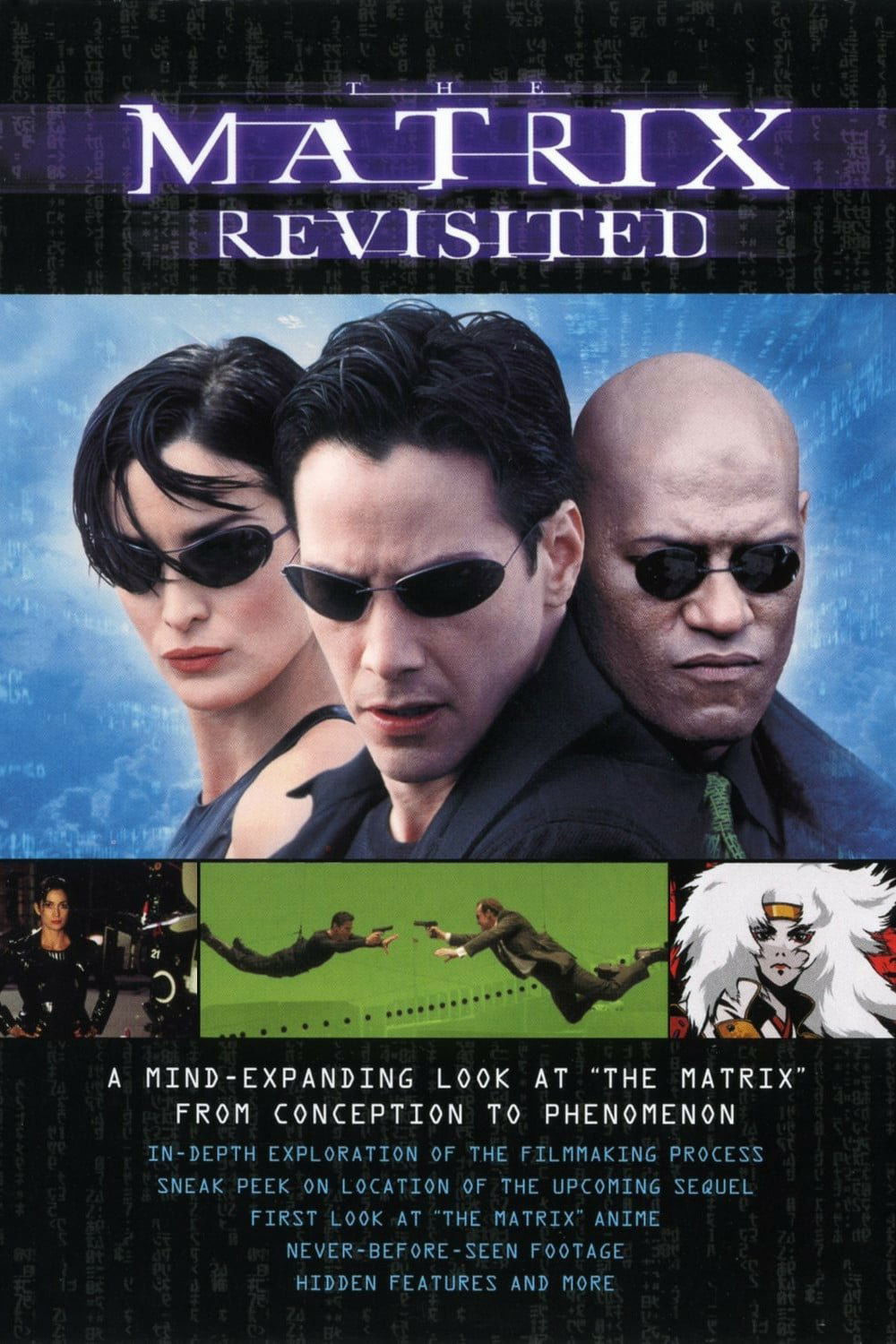
The film goes behind the scenes of the 1999 sci-fi movie The Matrix.
This revealing documentary honors the legendary Sidney Poitier—iconic actor, filmmaker, and civil rights activist. Featuring interviews with Denzel Washington, Spike Lee, Halle Berry, and more.
The film follows adventurer Jeff Johnson as he retraces the epic 1968 journey of his heroes Yvon Chouinard and Doug Tompkins to Patagonia.
A string of threatening emails escalates into a revenge plot involving a newly married US marshal and his ex-girlfriend.
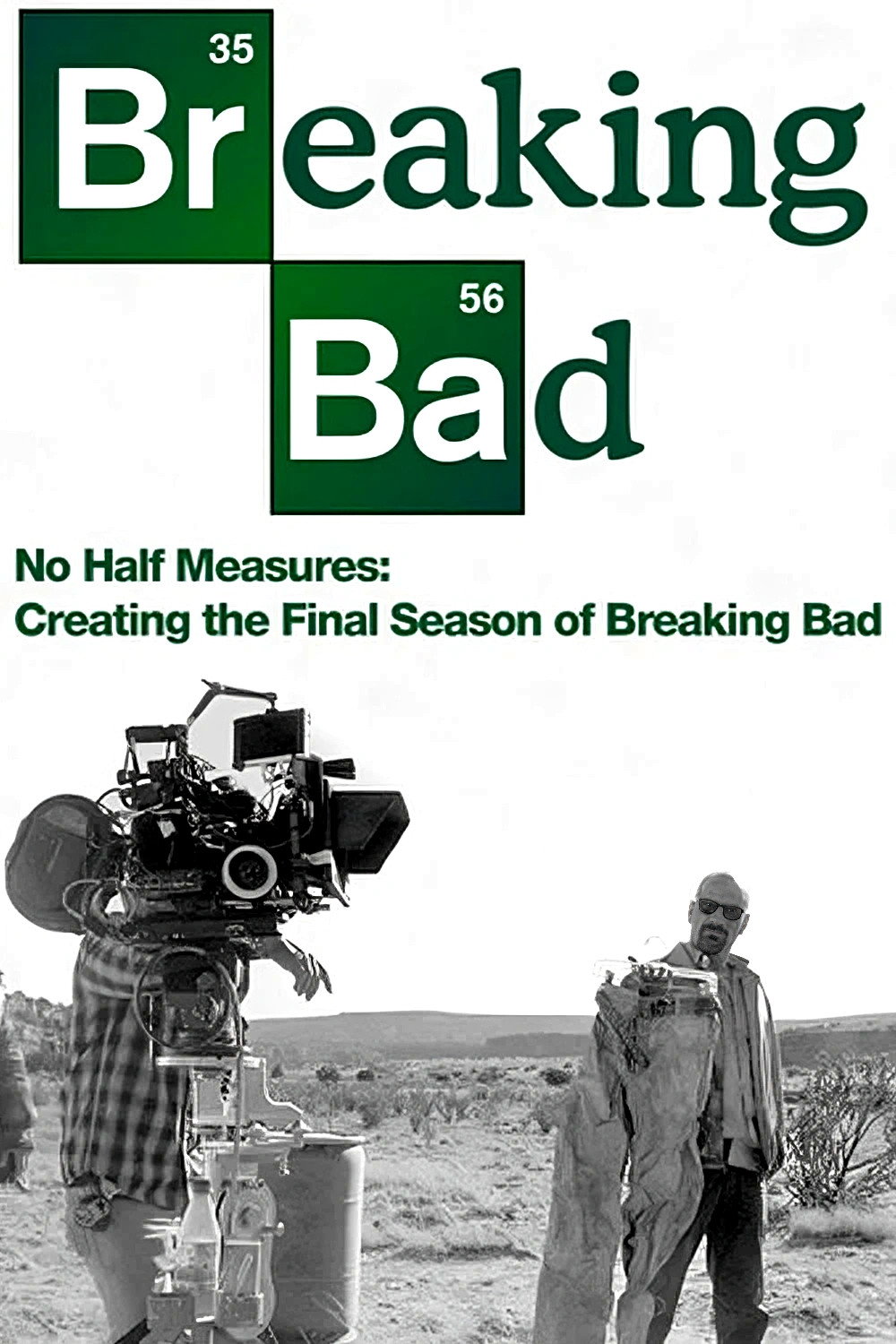
A documentary about the making of season five of the acclaimed AMC series Breaking Bad.
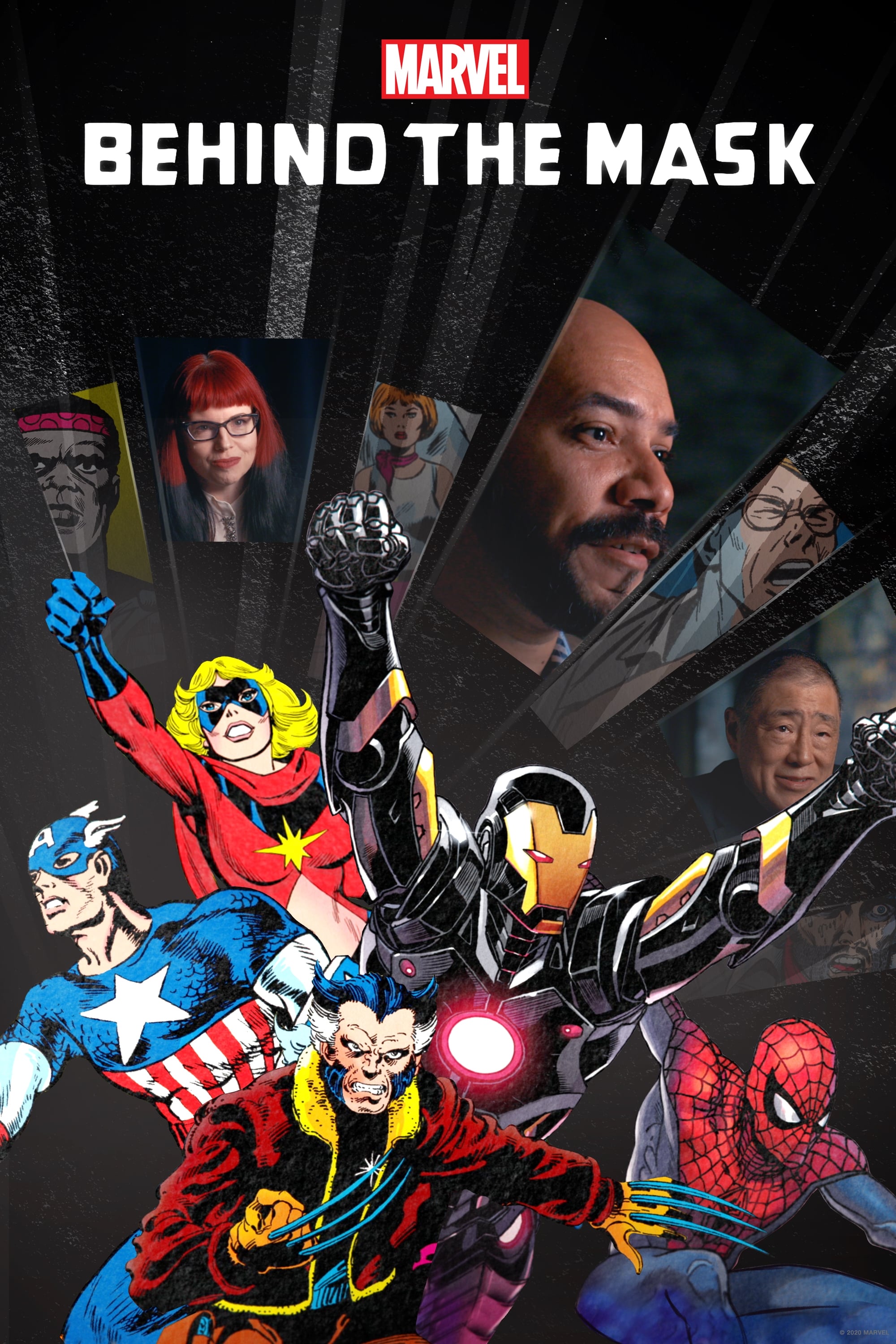
A documentary special that explores the power of identity behind the iconic superheroes we know and love today. These legendary Marvel creations and stories have not only reflected the world outside our window – they have become a reflection of our own identities and who we truly are.
Daniel Craig candidly reflects on his 15 year adventure as James Bond. Including never-before-seen archival footage from Casino Royale to the upcoming 25th film No Time To Die, Craig shares his personal memories in conversation with 007 producers, Michael G Wilson and Barbara Broccoli.
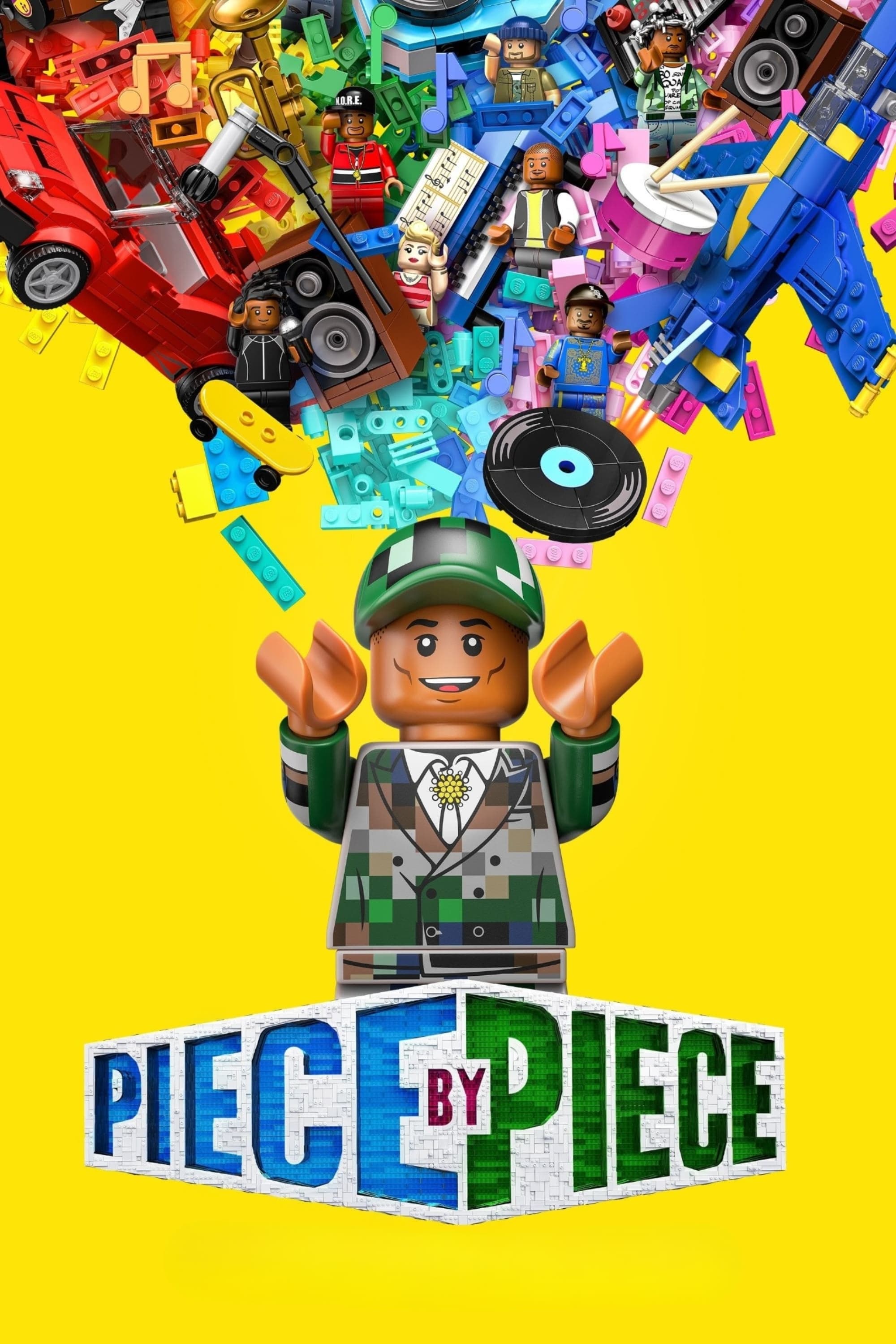
A unique cinematic experience that invites audiences on a vibrant journey through the life of cultural icon Pharrell Williams. Told through the lens of LEGO® animation, turn up the volume on your imagination and witness the evolution of one of music's most innovative minds.
Those who knew iconic funnyman John Candy best share his story, in their own words, through never-before-seen archival footage, imagery, and interviews.
Through deeply personal interviews with her siblings and an examination of the photographs, letters, and belongings left behind, Mariska assembles a new portrait of her mother Jayne Mansfield, an extraordinary and complex woman.
Captured during Billie Eilish's sold-out world tour, a concert experience from one of the most celebrated and successful artists of her generation, presented in immersive 3D.
After the high-profile killing of Damilola Taylor, Cornelius' family move out of London. But when they discover their new town is run by racists, Cornelius takes a drastic step to survive.
This raucous journey into the heart of democracy captures an unusual rite of passage: 1,100 teenage boys from across Texas coming together to build a representative government from the ground up.
Join director Chloe Zhao and the Cast of Eternals as they recount their experiences during the making of Marvel Studios’ most ambitious film to date. Discover how the ensemble cast felt stepping into their roles, filming in remote locations, and creating bonds that would help to create the on-screen relationships that span over 7,000 years.