Eye-popping digital moving image work with an equally arresting soundtrack from noise music heavies.
Social & External
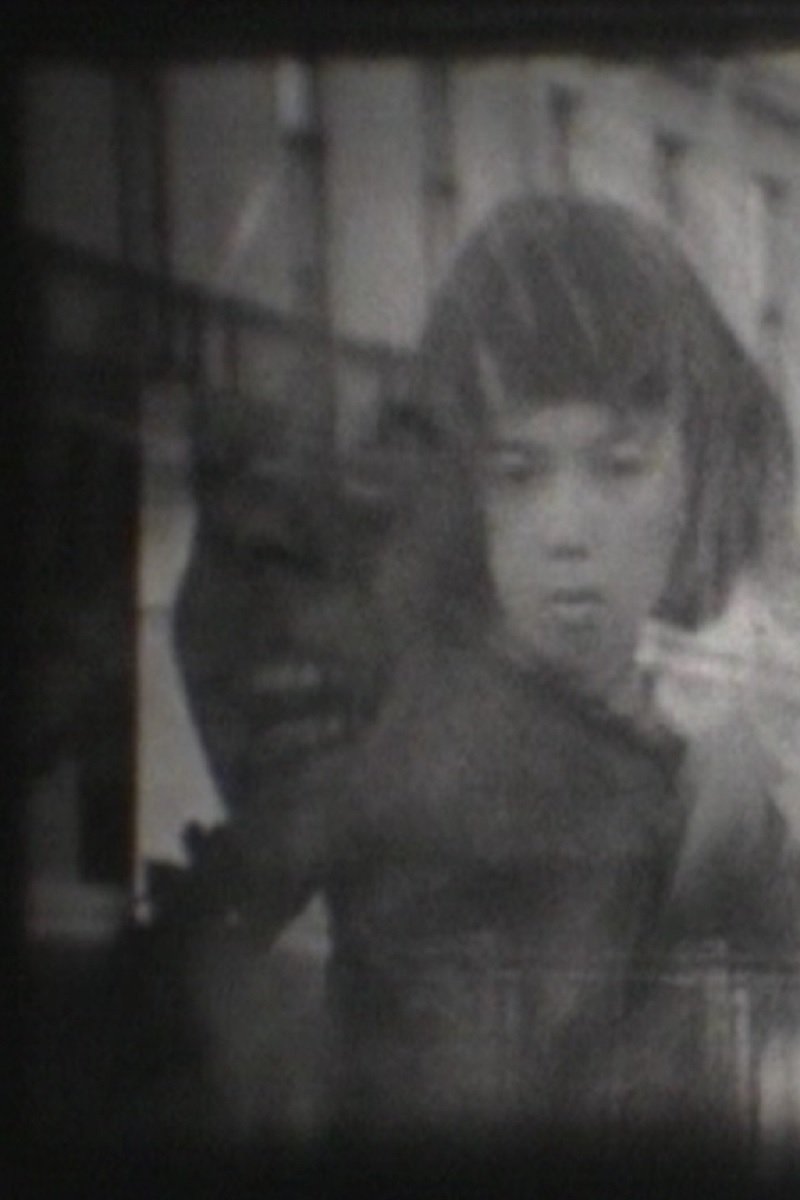
Three memories that become one. An attempt to merge heterogeneous materials: a film sequence shot in Rome, a photo from the 1930s, a noisy soundtrack. Fragmented lines, exploding bass frequencies and flickering.
Claire is composed of digital scans and blow-ups of a series of three ink-on-paper artworks created in 2012 by French-Spanish researcher, publisher and artist Claire Latxague. While collecting drawings, written documents and other printed materials for a (yet unreleased) project called Un film de papier, I’ve stumbled upon Latxague’s artwork, entitled À la renverse. The blow-ups were made in an attempt of unearthing cartographic imagery in abstract compositions.
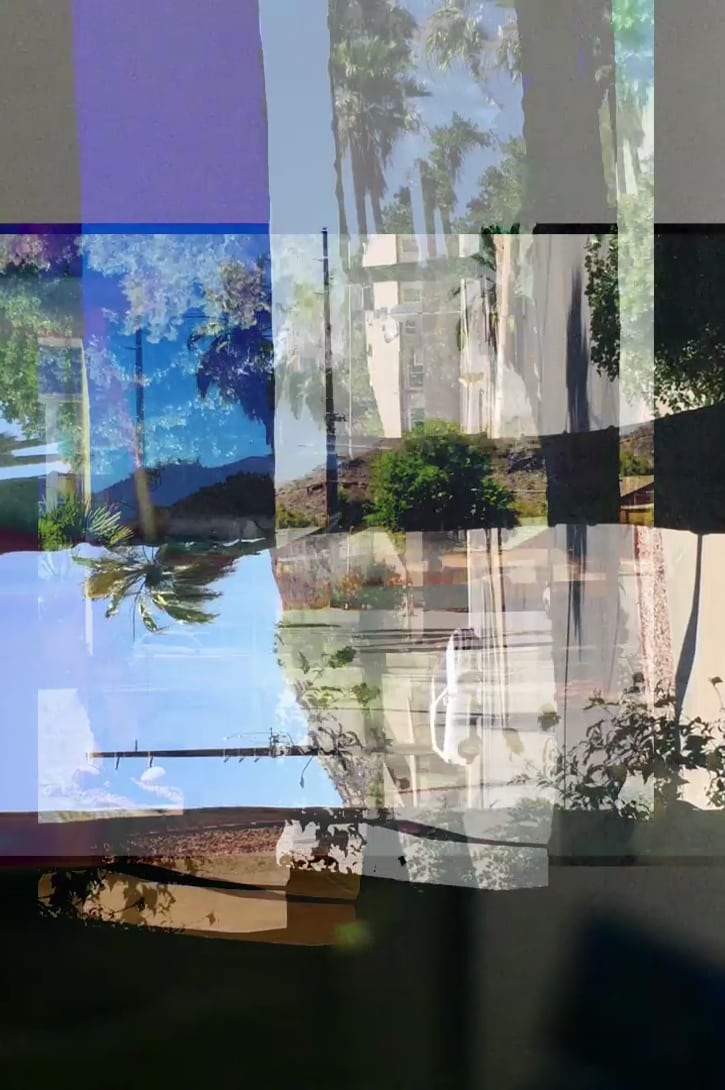
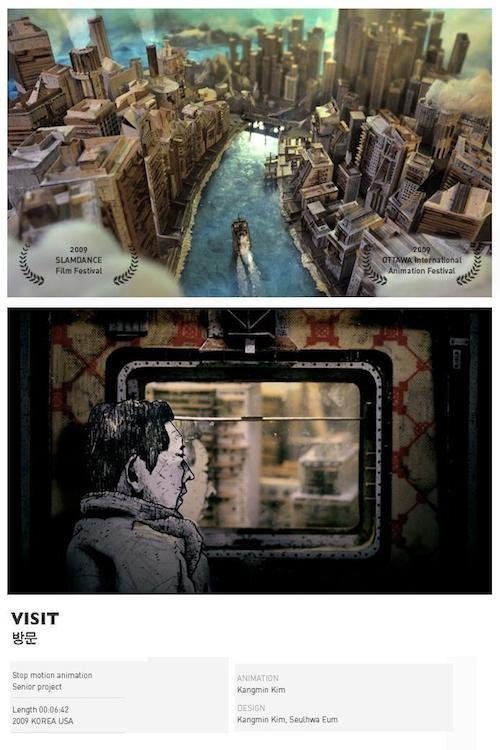
An unnamed passer-by is forced to trace a circular route inside an abandoned tram station, facing loss and time. The broken walls act as a channel, transmitting fragmentary, blurred and analogical memories.
Global Groove was a collaborative piece by Nam June Paik and John Godfrey. Paik, amongst other artists who shared the same vision in the 1960s, saw the potential in the television beyond it being a one-sided medium to present programs and commercials. Instead, he saw it more as a place to facilitate a free flow of information exchange. He wanted to strip away the limitations from copyright system and network restrictions and bring in a new TV culture where information could be accessed inexpensively and conveniently. The full length of the piece ran 28 minutes and was first broadcasted in January 30, 1974 on WNET.
Cremaster 5 is a five-act opera (sung in Hungarian) set in late-ninteenth century Budapest. The last film in the series, Cremaster 5 represents the moment when the testicles are finally released and sexual differentiation is fully attained. The lamenting tone of the opera suggests that Barney invisions this as a moment of tragedy and loss. The primary character is the Queen of Chain (played by Ursula Andress). Barney, himself, plays three characters who appear in the mind of the Queen: her Diva, Magician, and Giant. The Magician is a stand-in for Harry Houdini, who was born in Budapest in 1874 and appears as a recurring character in the Cremaster cycle.
Part of a collection of restored early works by Nam June Paik, the haunting Beatles Electronique reveals Paik's engagement with manipulation of pop icons and electronic images. Snippets of footage from A Hard Day's Night are countered with Paik's early electronic processing.
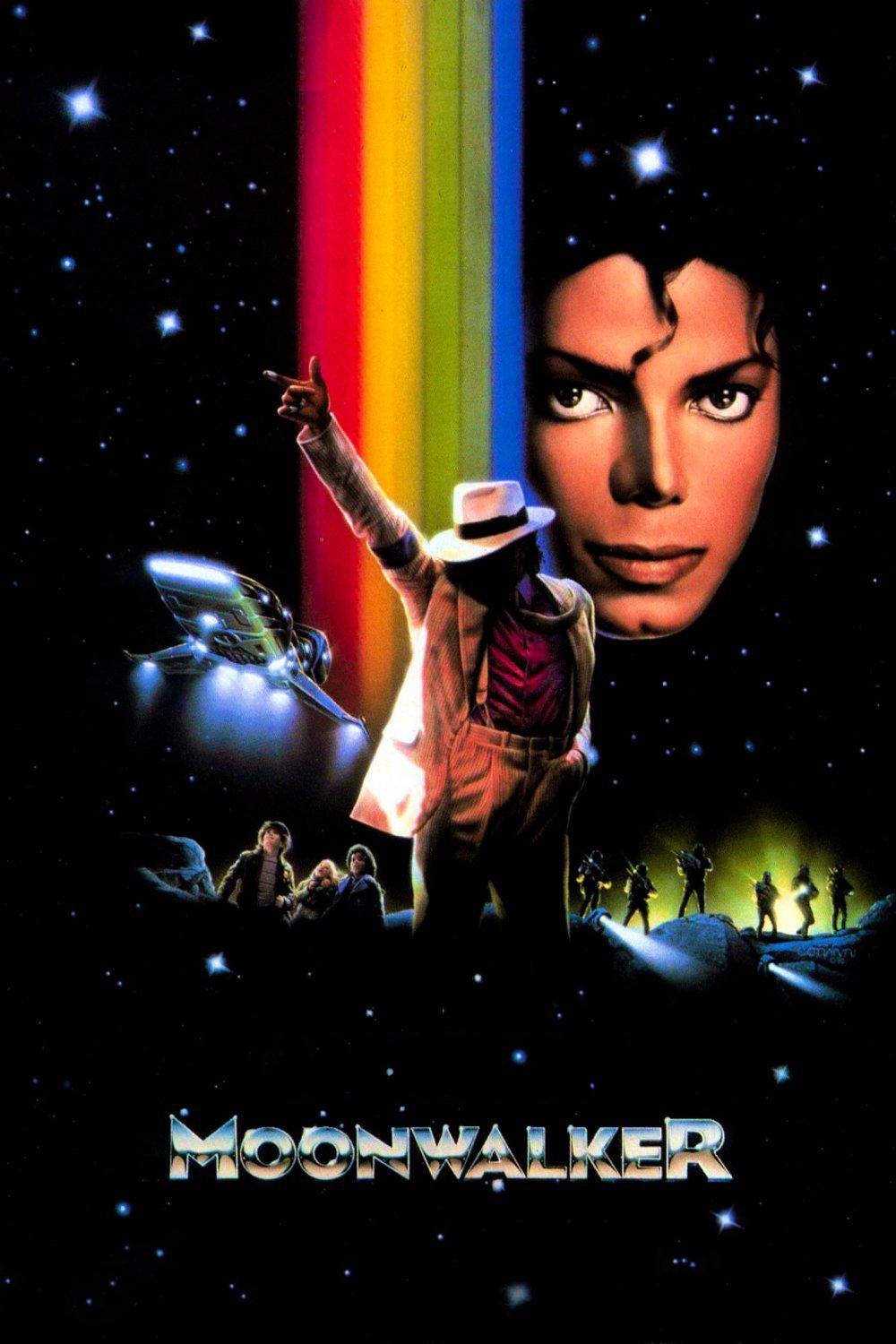
This fantastical movie inspired by the music of Michael Jackson features imaginative interpretations of hit tracks from the iconic 1987 album “Bad”.
A short film recounting the travels of a lonely astronaut confronted by the unknown. Unfolding as a mystery, it becomes a carefully subtle, autobiographical examination of the feeling of loneliness and the existential issue of not understanding life on earth and ones place among it.
Bill struggles to put together his shattered psyche.
A concert at the Golden Circle with Don Cherry and his quintet was filmed and then processed to an art movie using various optical effects.
Creeping from the halls of the maze brain, corruption and terror is woven by devils born from the denied errors of mankind.
A short film advertising the newspaper Sztandar Młodych (The Banner of Youth), noteworthy for its abstract elements painted directly onto film stock. An attempt at showing the complexity of the world in a capsule, the film reflects the new policy of the openness to the West during the Thaw of the late 1950s in Poland.
The final 17 years of American singer and musician Karen Carpenter, performed almost entirely by modified Barbie dolls.
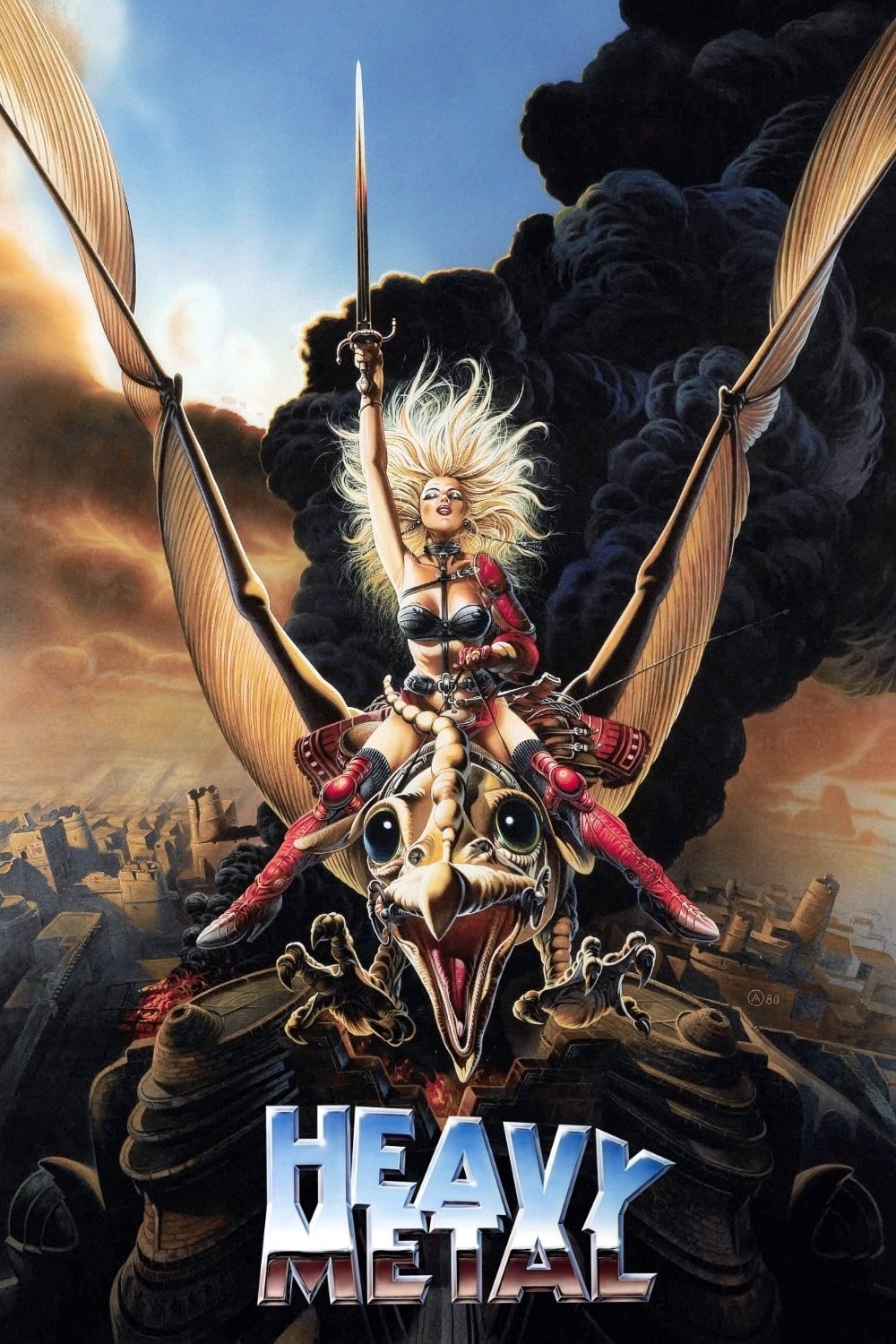
Donald gets off the bus and heads home hoping to get a good night's sleep. At first, his plans for rest are disturbed by an open window shade which lets light from a flashing sign in. After that problem is dealt with, Donald is kept awake by a persistently dripping faucet. Donald tries to ignore it but after a while, it becomes aggravating to put it mildly. Donald makes several attempts to stop the dripping and finally at least is able to keep it under control via a Rube Goldberg contraption. At this point, Donald receives a call from his water company telling him he hasn't paid his water bill so they're cutting off his water!

Initially commissioned to accompany a Danish production of Alban Berg’s LULU, Lewis Klahr’s cut-out animation refigures the opera's themes in a torrent of images. With an ever-inventive approach to color and symbol, Klahr distills the title character's moral predicament, along with a great many of German Expressionism’s characteristic motifs, in the span of a pop song.
An anthology of one-minute films created by 51 international filmmakers on the theme of the death of cinema. Intended as an ode to 35mm, the film was screened one time only on a purpose-built 20x12 meter public cinema screen in the Port of Tallinn, Estonia, on 22 December 2011. A special projector was constructed for the event which allowed the actual filmstrip to be burnt at the same time as the film was shown.
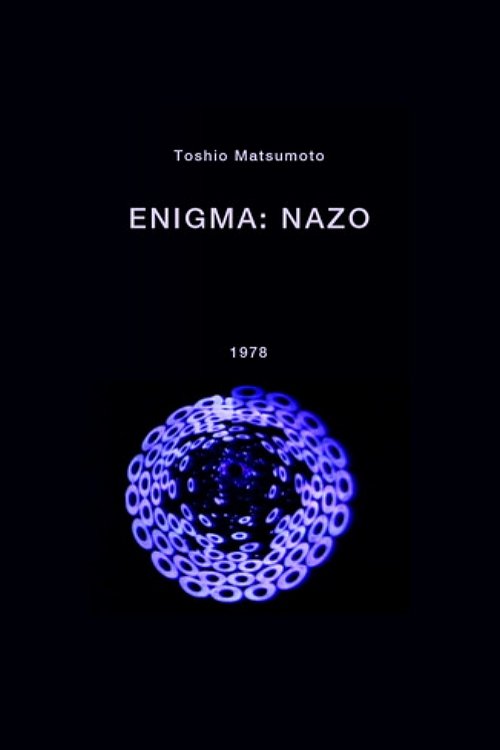
Enigma is something of a more glamorous version of White Hole, with a wide variety of elaborate textures (often composed of iconographic and religious symbols) converging towards the centre of the screen.
Barry Doupé’s Thalé (2009) experiments with the phenomenology of light and colour through fiber-optic flower arrangements. Doupé’s animations are inspired by the Thale Cress plant, which is commonly used in biological mutation experiments. His rotating electronic floras, which resemble neon lights, sex toys and fireworks, glow in the dark digital void. - Amy Kazymerchyk, Fabulous Festival of Fringe Film
TRAUMA is a collaborative film project by Jesse Kanda and Arca first partially exhibited at MoMA PS1 at the end of 2013. The film follows a nonlinear narrative about the death of a salaryman, a drunk driving infant and takes place within a subconscious world. TRAUMA's score will span through Arca's existing and future works.