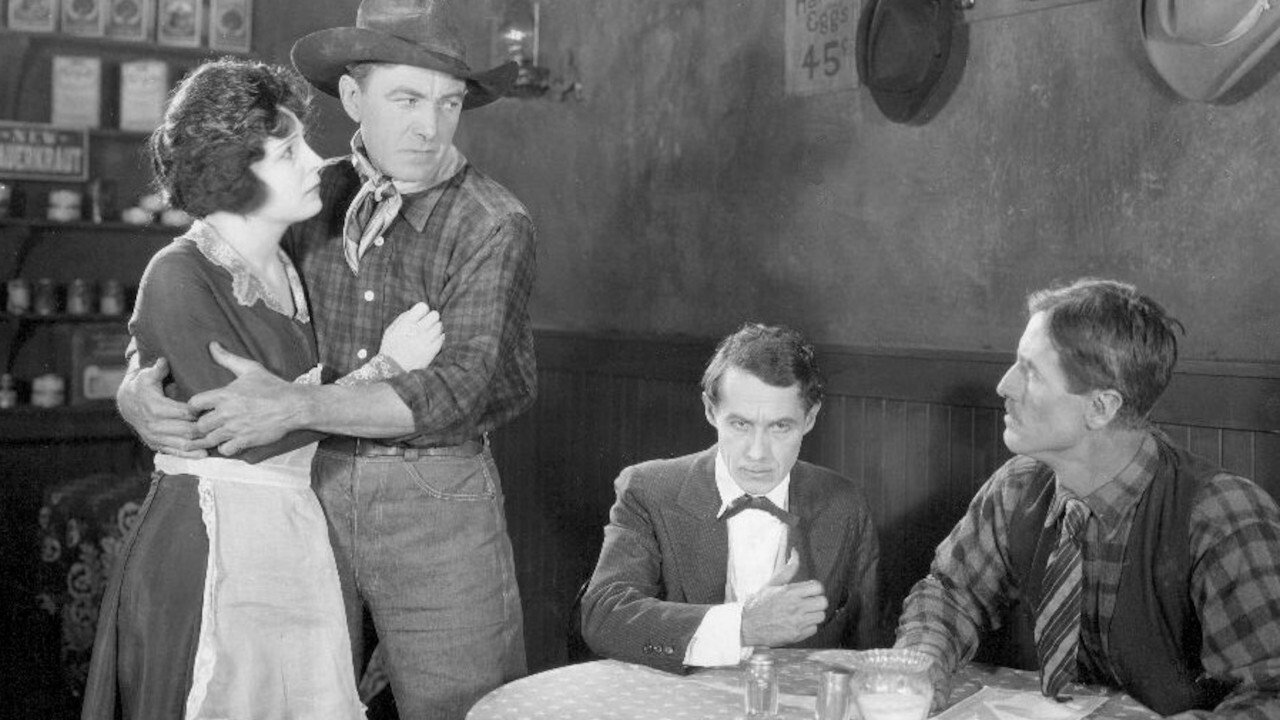
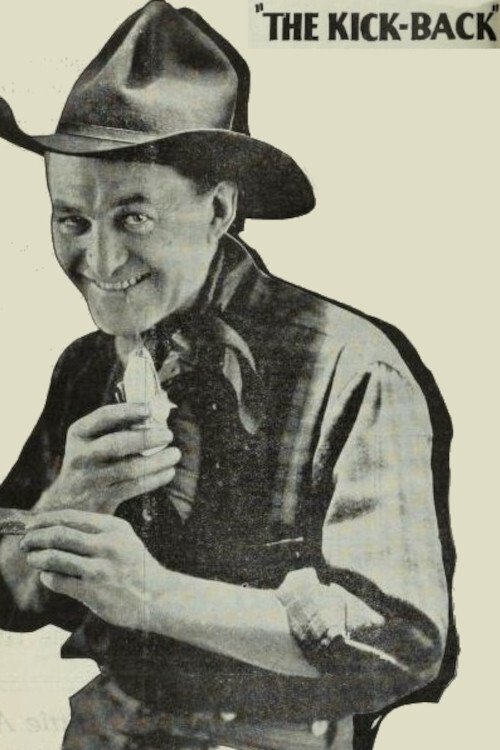
A silent Western about a rough rider, that winds up in jail and the adventure begins.
Social & External
The people behind it
Harry Carey
White Horse Harry
Henry B. Walthall
Aaron Price
Charles Le Moyne
Chaaalk Eye
Vester Pegg
Ramon Pinellos
Ethel Grey Terry
Nellie
James O'Neill
Mignonne Golden
Conchita Pinellos
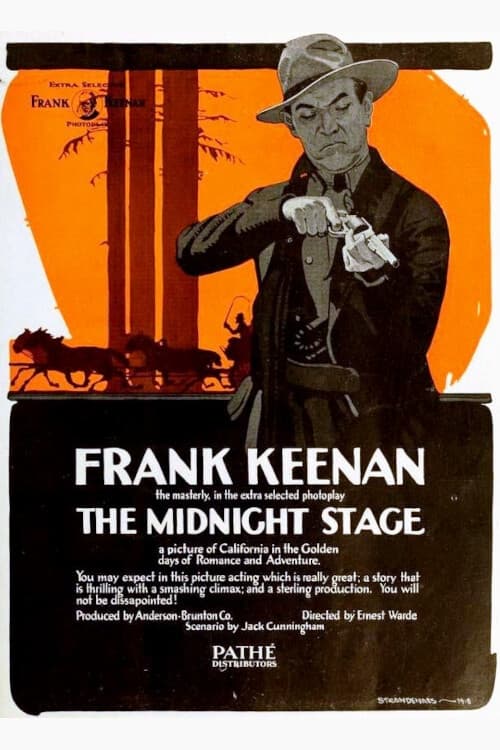
In this Western, Frank Keenan has a dual role -- kind-hearted gambler John Lynch and evil bandit Big Rivers. The only person who realizes there is a resemblance between the two is dance hall girl Nita (Maude George), who was abused by the outlaw and cared for by Lynch.
Jim Blake, the playboy son of a New York millionaire, heads west to prove himself a man. He goes to work on his father's ranch in Wyoming, and eventually wins over the locals by turning the tables on a town bully and trying to collect damages from a railroad magnate, whose trains have killed many of the Blake ranch's cattle. When the railroad refuses to pay, Jim comes up with a plan that will make them pay far more than they originally had to. Problems arise when he falls in love with Alice, the railroad magnate's daughter.
Moran, blind to ambition, has been a long-time friend of the widow Casey. In his own way Moran likes the widow, but his strongest affection is for her young son. The boy, in turn, loves the man's friendship and the knife the man has given him. The time comes when the widow and Moran fight.
Returning to his father's cattle ranch after the excitement of serving in combat overseas, Bud McGraw becomes restless, and his father decides to send him to an old friend who commands the Border Police in Texas. On the way he meets Peggy Hughes, accompanying her Uncle Graham, a customs inspector, and he retrieves her hat from the rails of a train. At the headquarters, numerous scrapes and fights win him the admiration of, and friendship with, the men. Lazaro, a Secret Service agent, invites Mrs. Graham and Peggy, who are staying at the border station, for an automobile ride, and they are captured by bandits and held for ransom. Bud and his pals deliver the ransom and discover that Lazaro is the bandit chief. Lazaro refuses to release Peggy, but a jealous rival, Nita de Garma, causes his downfall and shoots him as the Border Police arrive to rescue the party.
A couple of rowdy gamblers, a cowboy, and a woman undercover.
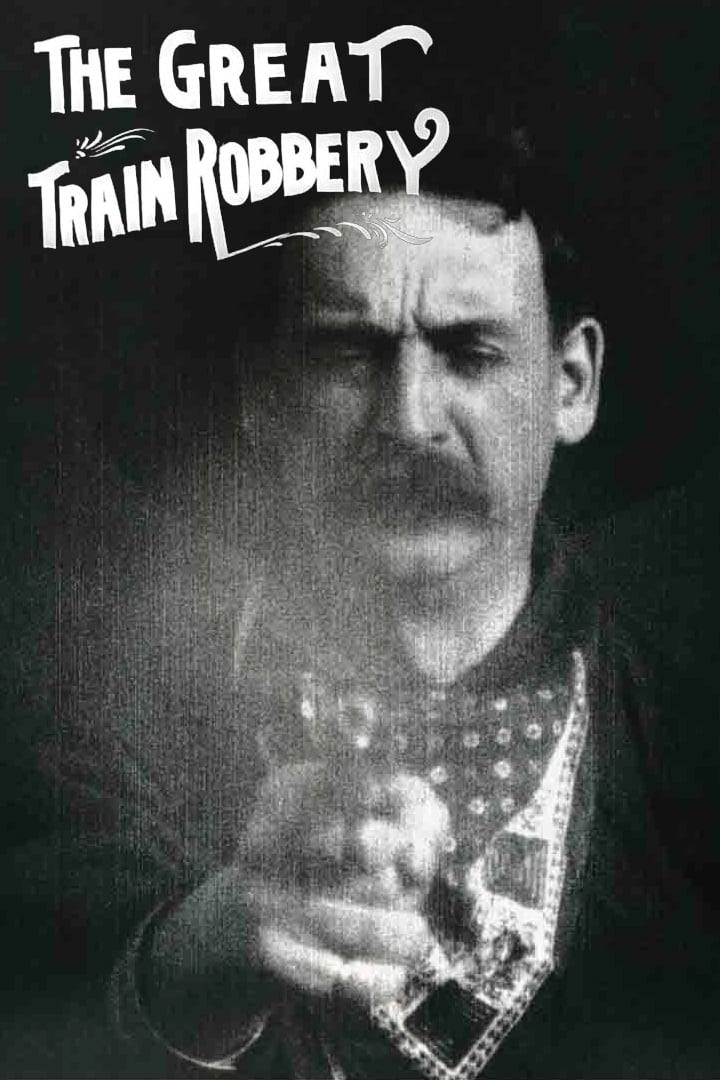
After the train station clerk is assaulted and left bound and gagged, then the departing train and its passengers robbed, a posse goes in hot pursuit of the fleeing bandits.
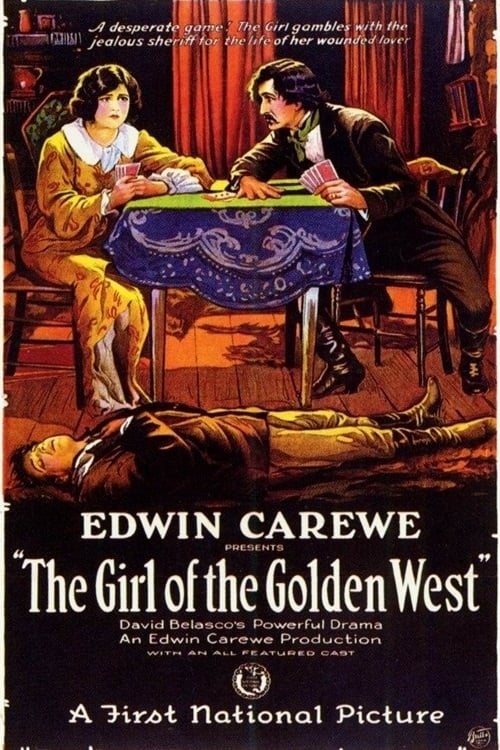
Not realizing he is a bandit The Girl, owner of the Polka Saloon, falls in love with Ramerrez. Trapped by a snowstorm Ramerrez is forced to stay the night with The Girl. Upon discovering the situation jealousy drives dancer Nina Micheltorena to reveal his identity and whereabouts to Sheriff Jack Rance, who also loves The Girl. Ramerrez is shot trying to escape, and though she denies his presence she shelters him. Drops of blood prove lead to his discovery. Taking a chance The Girl wins both their freedom in a poker game with the sheriff. However incited by Nina, vigilantes are about to lynch Ramerrez when the sheriff interferes, explains his bargain, and restores him to The Girl.
Trying to trick Ma (Lydia Knott) and Mary Winters (Allene Ray) into selling their rundown ranch, which will be in the path of a future railroad, Underwood (Charles K.French) hires Keno Creager (Albert Smith) to impersonate Jimmy Winters, not seen by his mother and sister for many years.
Left in the care of his half-breed brother, Buck, by his dying mother, Wallace Layson has no knowledge of his family history. His father, knowing that his son will inherit a ranch on his 21st birthday, tries to secure the property for himself by persuading a dance hall girl to come between the boy and his fiancée. When Buck learns of the plan he decides to foil it without his half-brother knowing.
Johnson, a pharmacist, makes an illicit traffic in cocaine and morphine, which he cleverly sells through his drug counter to a select clientele. In his richly furnished office, the head of the Kurson Chemical Company counts the receipts of Kurson Consumption Cure, a patented drug that contains a large amount of morphine.
After years of scientific research Thomas Kellner, an eccentric chemist, succeeds in manufacturing an imitation diamond, with the help of his son Jack.
Morton, encouraged by Watson, who wants to expel him from the bank, is the president who uses the bank's money for his private speculations. He gets very involved and when the matter is brought to the attention of the directors, he is asked to oblige to the default or go to prison. Morton would commit suicide except for his stenographer, Mary Lane, a beautiful and intelligent girl. She takes him in and discusses the matter with Morton's son, whom she loves.
The Northwest Mounties are after Cheyenne Harry for the murder of an Indian boy, and the only witness to the crime is a priest - who can't tell what he saw because the real killer, Black Michael, has confessed to him.
Secret Serviceman Allen takes a job at Bart Stevens' mine in order to find evidence proving that Stevens is a mail robber named Smoke Gublen. He does - but by then, he is in love with the man's sister - and to make things harder, Stevens saves his life...
Jeanne La Roche lives alone with her brother in the great northwestern country. Jacques is a ne'er-do-well and has fallen under the suspicion of the mounted police, two of whom are dispatched to arrest him for robbery. The stolen goods are found in his home. Jeanne is too young to be left in their lonely cabin, so she is taken to the post, where the wife of the proprietor welcomes her and gives her a home. Several years later, Donald McLean wins her for his wife. Meantime Jacques escapes from prison, eludes his pursuers and takes refuge in McLean's home.
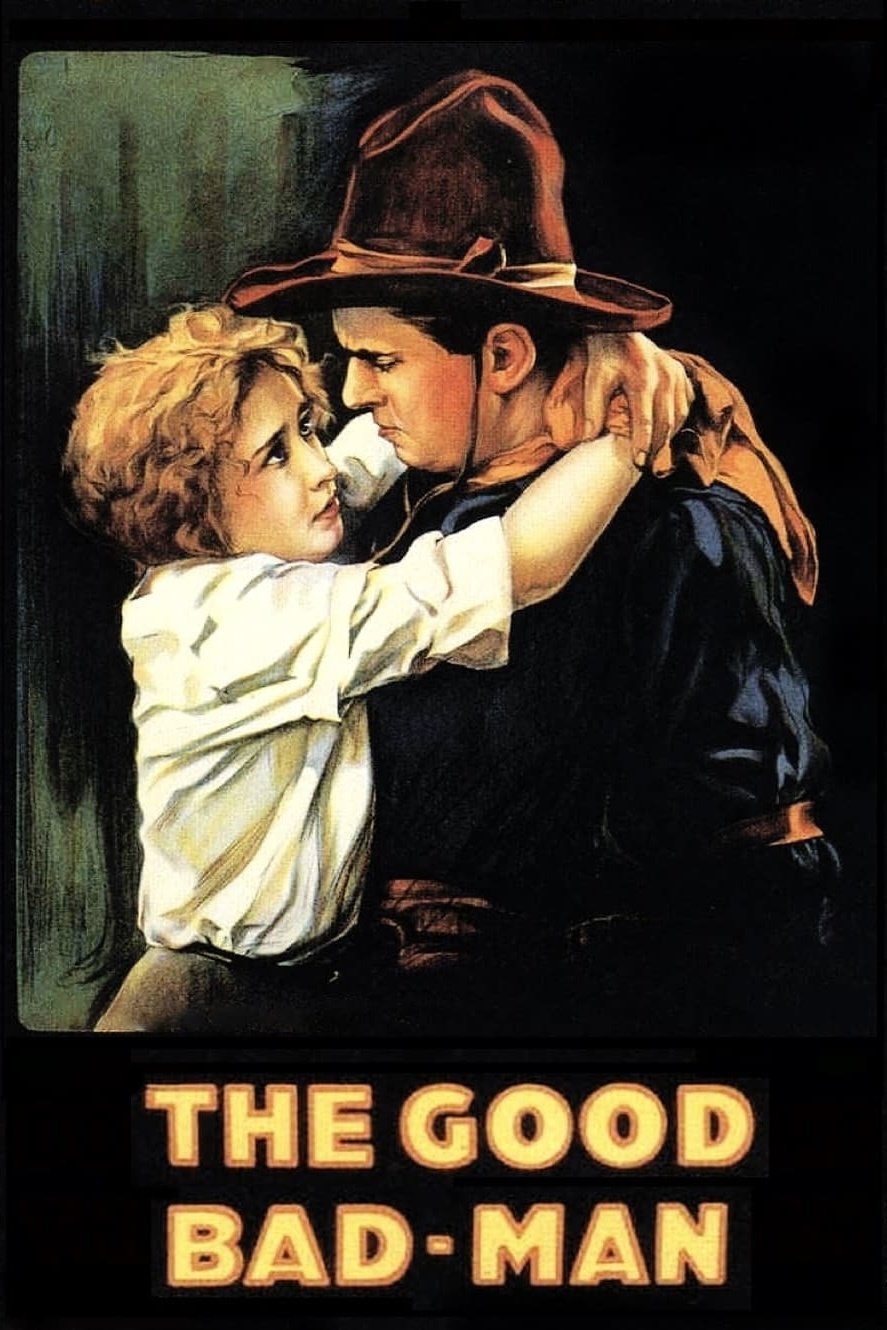
An outlaw calling himself Passin' Through halts his "evil" ways long enough to help out some children in difficulty.
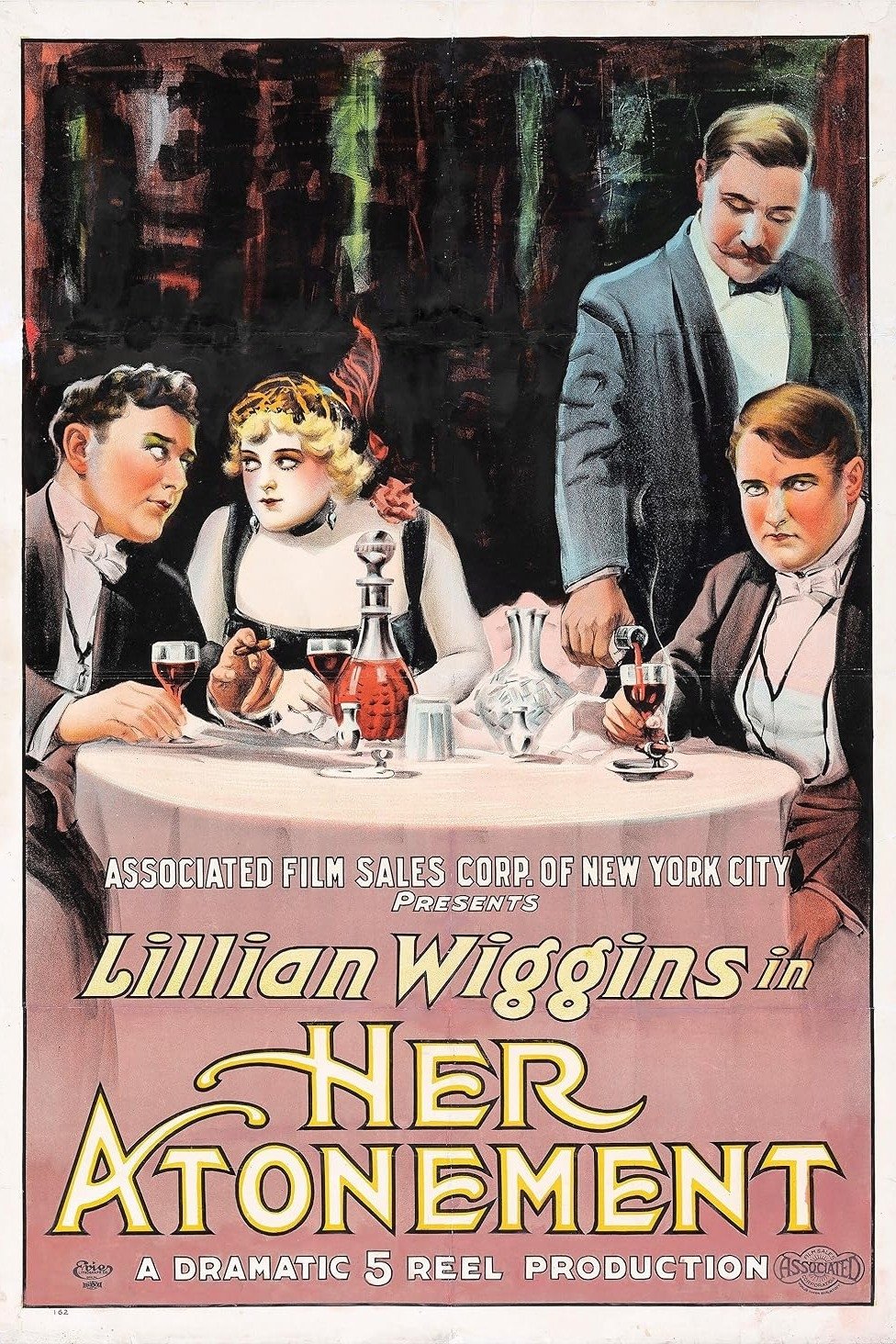
Owner of a fashionable gambling den John De Forrest seeks out wealthy people and lures them to his gambling den with the help of Lil, a beautiful but heartless blonde once there they trick the moneyed suckers into losing their fortunes. When the joint is raided and a policeman accidently killed the pair take it on the lam and head towards very different destinies.
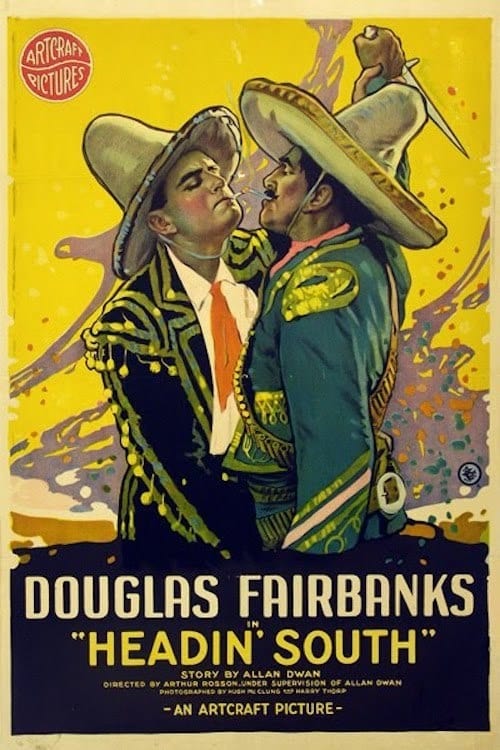
A lost film. As described in a film magazine Exhibitors Herald on March 16, 1918: "a forest ranger known only as Headin' South (Fairbanks) goes forth in search of Spanish Joe (Campeau), a Mexican responsible for most of the treachery and outlawry along the U.S.-Mexican boarder. Headin' South gains quite a reputation as he goes along and finally believes himself worthy of joining Joe's band. in a whirlwind finish in which Joe is captured, Headin' South meets one of Joe's near victims (MacDonald) and falls in love with her."
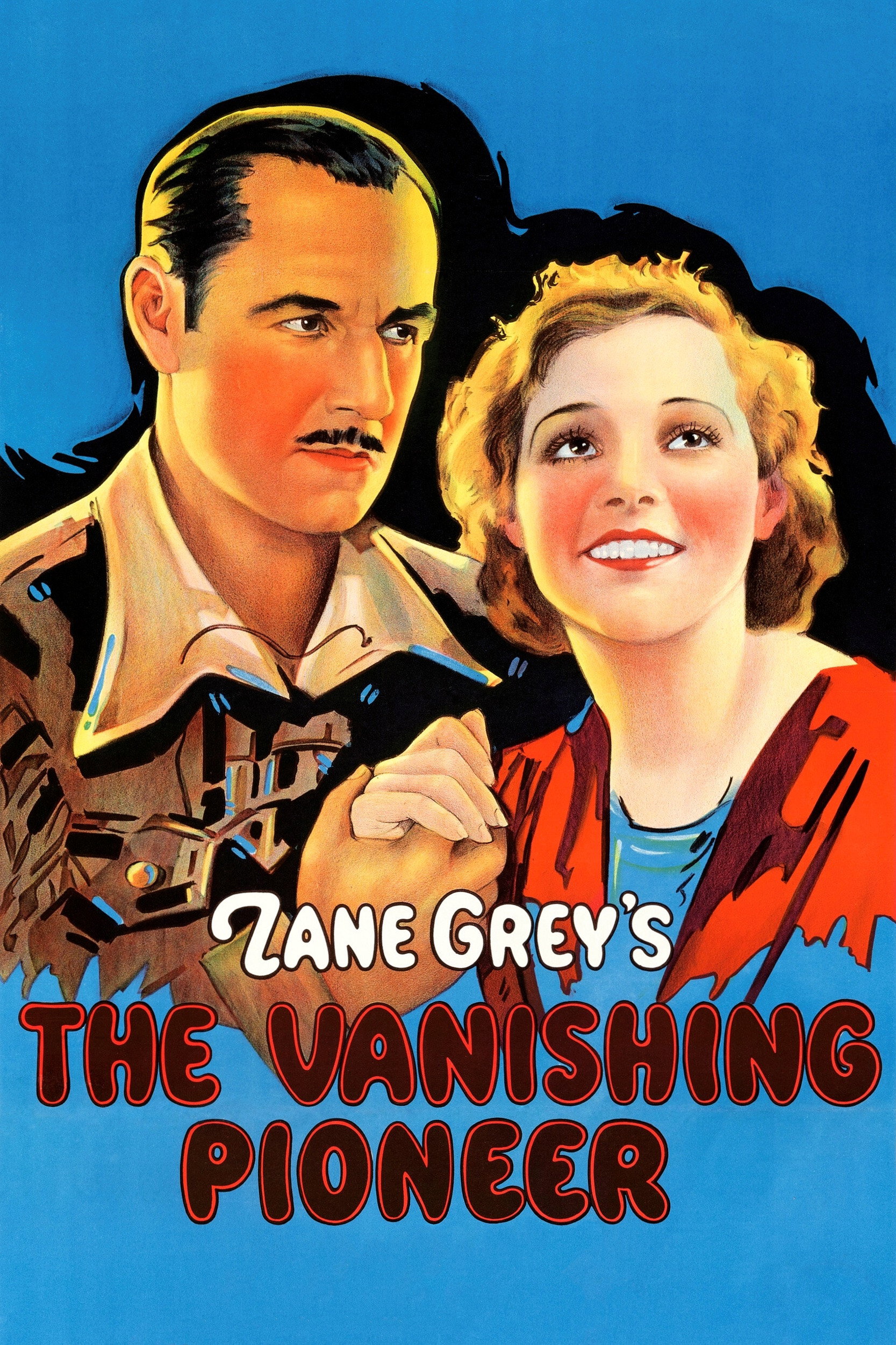
A western settlement of pioneer descendants is threatened with the loss of its water supply through the encroachments of nearby townspeople.
A butterfly collector unwittingly wanders into an Indian encampment while chasing a butterfly, but the tribe has resolved to kill the first white man who enters their encampment because white oil tycoons are trying to force them from their land.
A cattle-vs.-sheepman feud loses Connie Dickason her fiance, but gains her his ranch, which she determines to run alone in opposition to Frank Ivey, "boss" of the valley, whom her father Ben wanted her to marry. She hires recovering alcoholic Dave Nash as foreman and a crew of Ivey's enemies. Ivey fights back with violence and destruction, but Dave is determined to counter him legally... a feeling not shared by his associates. Connie's boast that, as a woman, she doesn't need guns proves justified, but plenty of gunplay results.
Jim Douglass arrives in the small town of Rio Arriba in order to witness the hanging of the four men he believes murdered his wife. When the convicts escape, Jim tracks them into Mexico, determined to see that justice is done. But the farther Jim goes in his quest for vengeance, the more merciless he becomes, losing himself in an unrelenting spiral of hatred and violence.
One of the last bills signed by President Lincoln authorizes pushing the Union Pacific Railroad across the wilderness to California. But financial opportunist Asa Barrows hopes to profit from obstructing it. Chief troubleshooter Jeff Butler has his hands full fighting Barrows' agent, gambler Sid Campeau; Campeau's partner Dick Allen is Jeff's war buddy and rival suitor for engineer's daughter Molly Monahan. Who will survive the effort to push the railroad through at any cost?
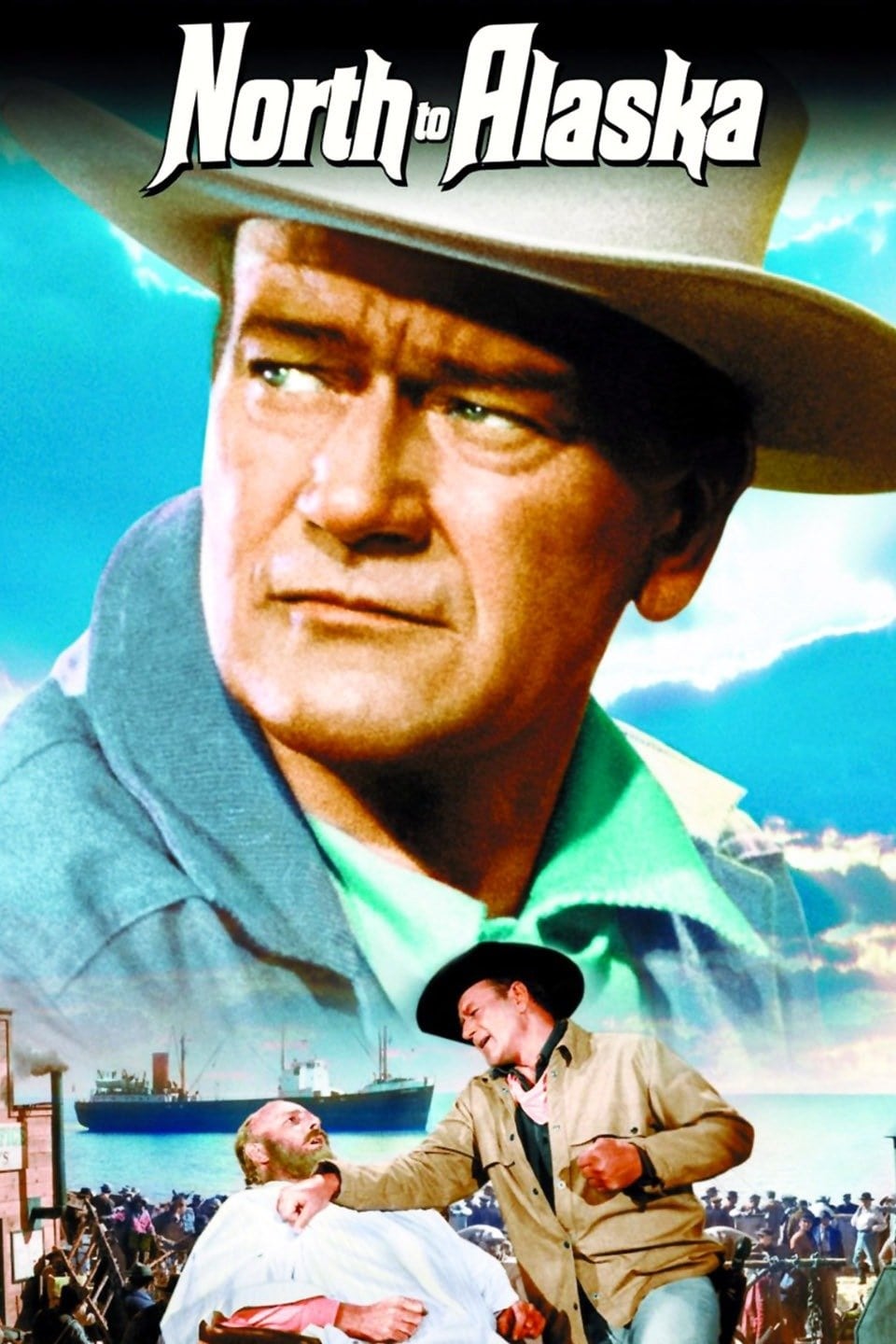
After striking gold in Alaska, the romantic George sends his womanizing partner Sam to bring his fiancée up from Seattle. When Sam finds that she has already married, he returns instead with Angel, a dancer originally from France.
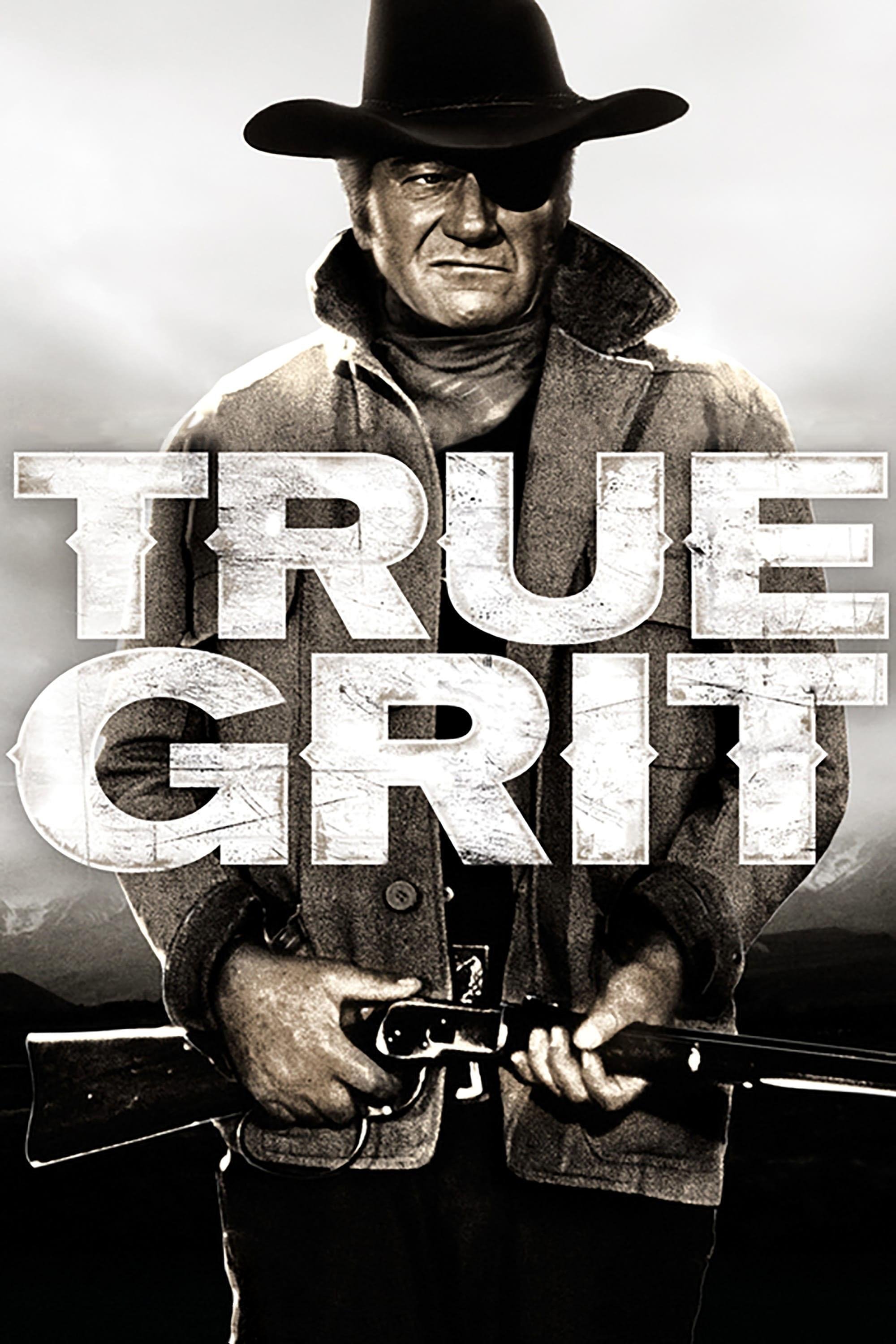
The murder of her father sends a teenage tomboy on a mission of 'justice', which involves avenging her father's death. She recruits a tough old marshal, 'Rooster' Cogburn because he has 'true grit', and a reputation of getting the job done.
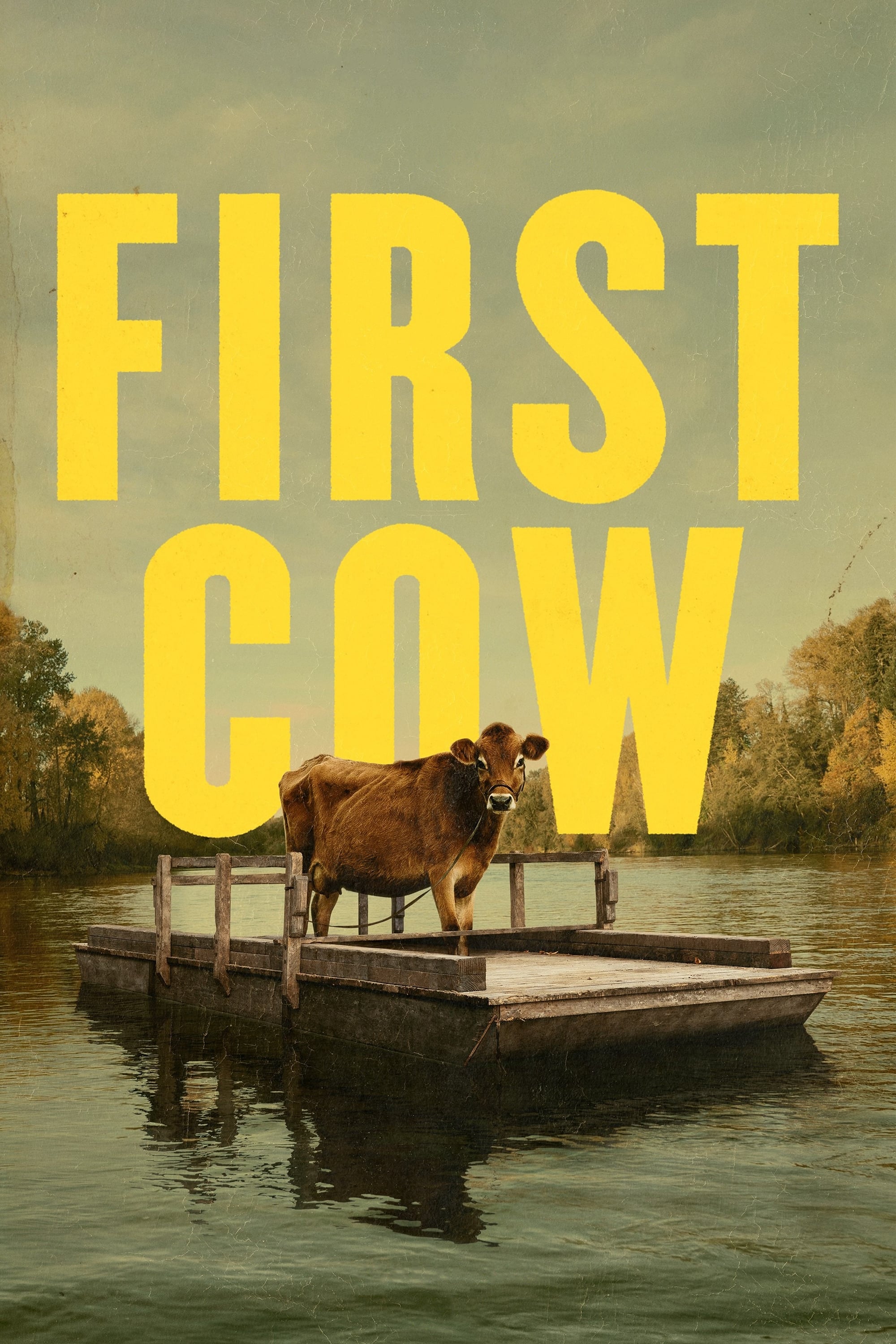
In the 1820s, a taciturn loner and skilled cook travels west to Oregon Territory, where he meets a Chinese immigrant also seeking his fortune. Soon the two team up on a dangerous scheme to steal milk from the wealthy landowner’s prized Jersey cow—the first, and only, in the territory.
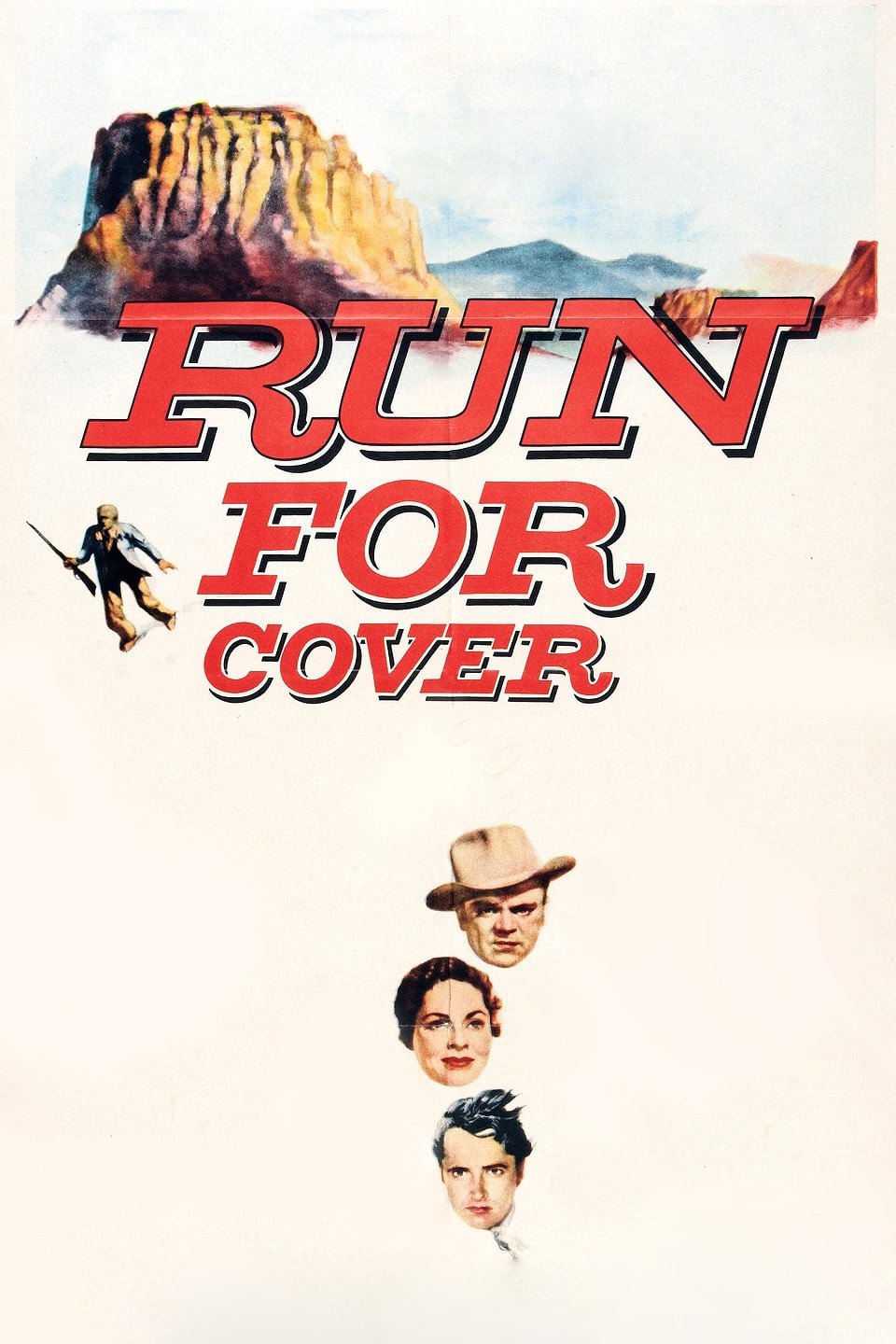
An ex-convict drifter and his flawed young partner are made sheriff and deputy of a Western town.
At a Mexican ranch, fugitive O'Malley and pursuing Sheriff Stribling agree to help rancher Breckenridge drive his herd into Texas where Stribling could legally arrest O'Malley, but Breckenridge's wife complicates things.
A wandering cowboy gets caught up in a range war.
Searching for a doctor who can help him get his son to speak again--the boy hadn't uttered a word since he saw his mother die in the fire that burned down the family home--a Confederate veteran finds himself facing a 30-day jail sentence when he's unfairly accused of starting a brawl in a small town. A local woman pays his fine, providing that he works it off on her ranch. He soon finds himself involved in the woman's struggle to keep her ranch from a local landowner who wants it--and whose sons were responsible for the man being framed for the fight.
American gunslinger Sean Rafferty—aka The Montana Kid—is unable to find someone to duel in a Canadian town where no one understands the brutal code of the American Wild West.
A con man heading west to search for gold teams up with a pair of scheming brothers along the way. The trio soon find themselves in the middle of a feud between two rival families and two underhanded land developers.
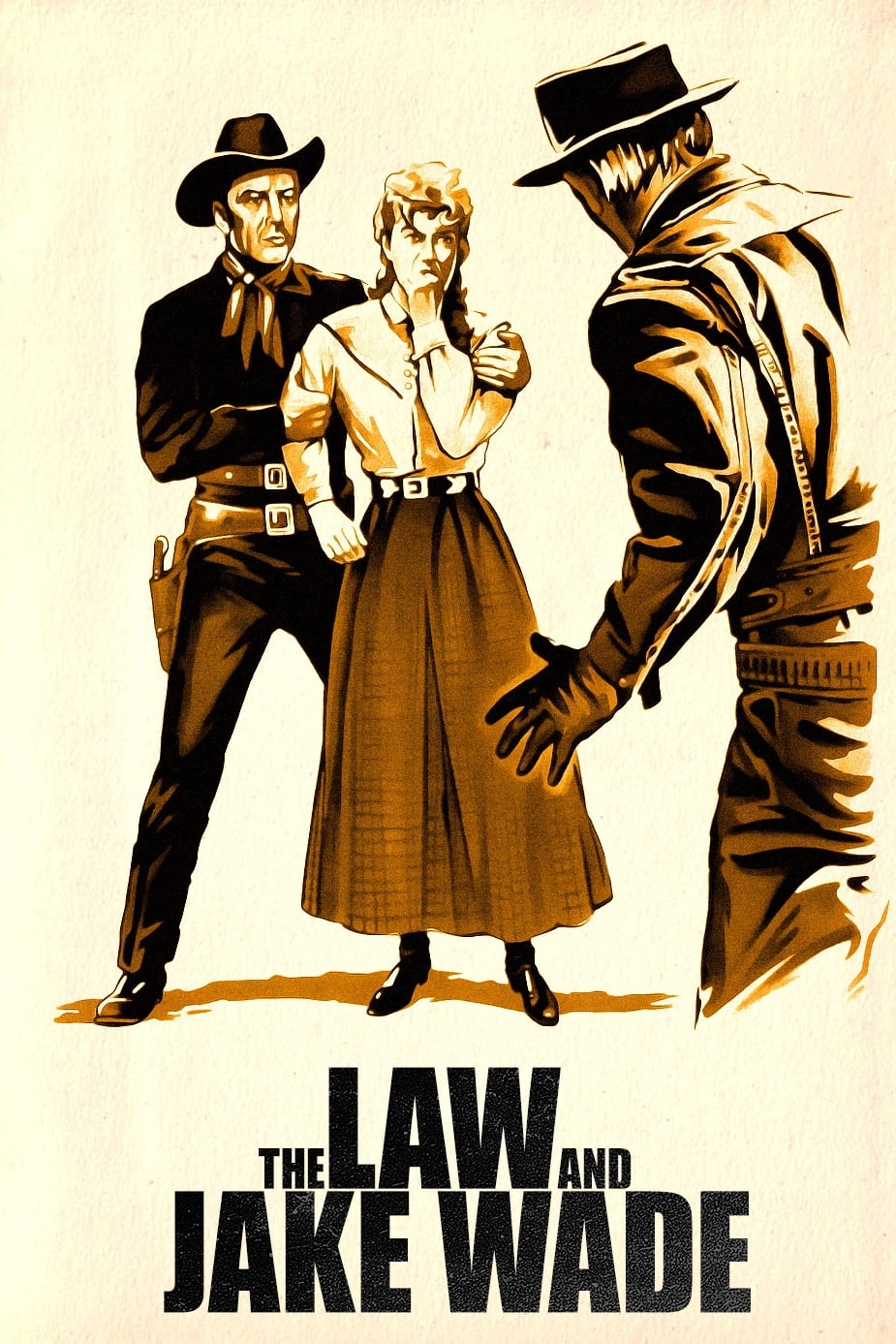
Jake Wade breaks Clint Hollister out of jail to pay off an old debt, though it's clear there is some pretty deep hostility between them. They part, and Jake returns to his small-town marshal's job and his fiancée only to find he has been tracked there by Hollister. It seems they were once in a gang together and Jake knows where the proceeds of a bank hold-up are hidden. Hollister and his sidekicks make off into the hills, taking along the trussed-up marshal and his kidnapped bride-to-be to force the lawman to show them where the loot is.
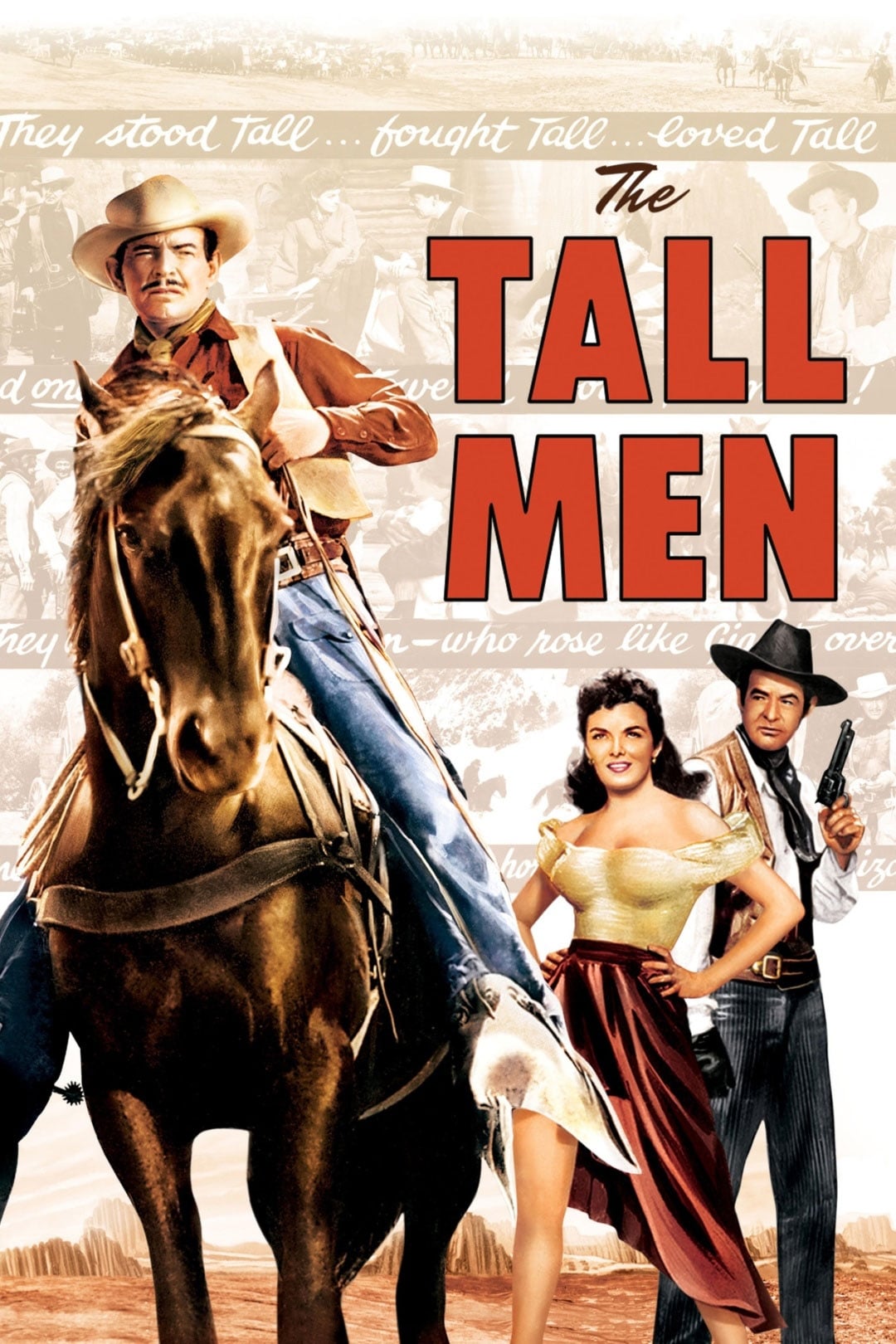
Two brothers discharged from the Confederate Army join a businessman for a cattle drive from Texas to Montana where they run into raiding Jayhawkers, angry Sioux, rough terrain and bad weather.
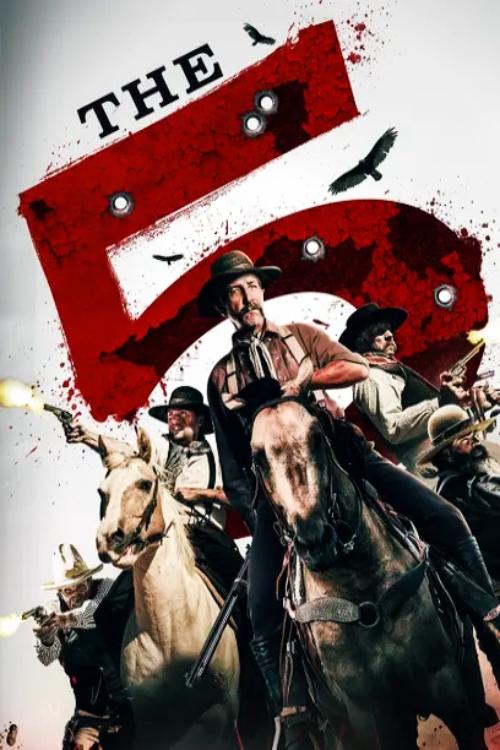
A scorned woman enlists the help of five strangers to execute a bank robbery. Tensions rise as the men anxiously await her arrival with the money, leaving the crew to wonder if they have been betrayed.
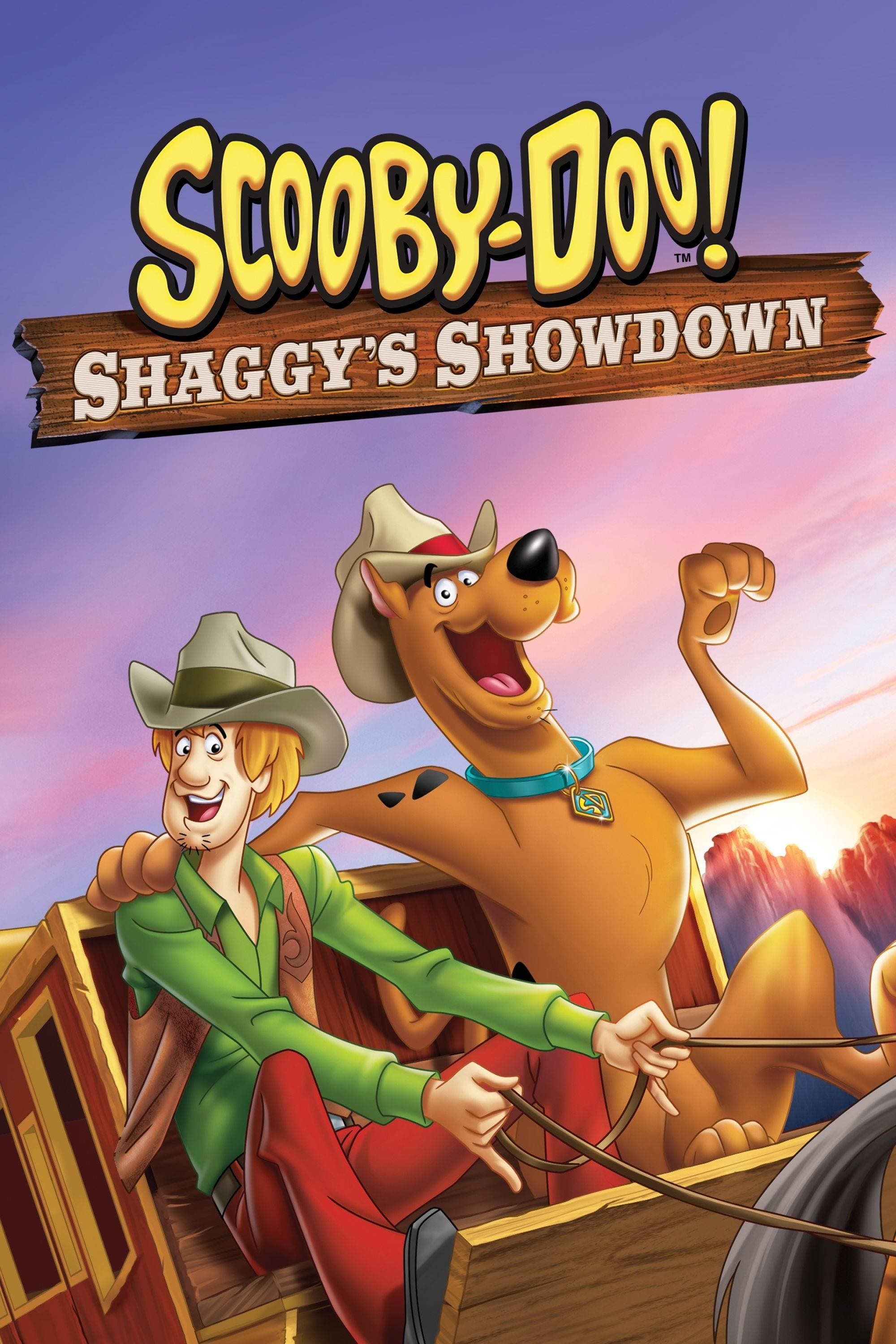
When the Scooby gang visits a dude ranch, they discover that it and the nearby town have been haunted by a ghostly cowboy, Dapper Jack, who fires real fire from his fire irons. The mystery only deepens when it’s discovered that the ghost is also the long lost relative of Shaggy Rogers!
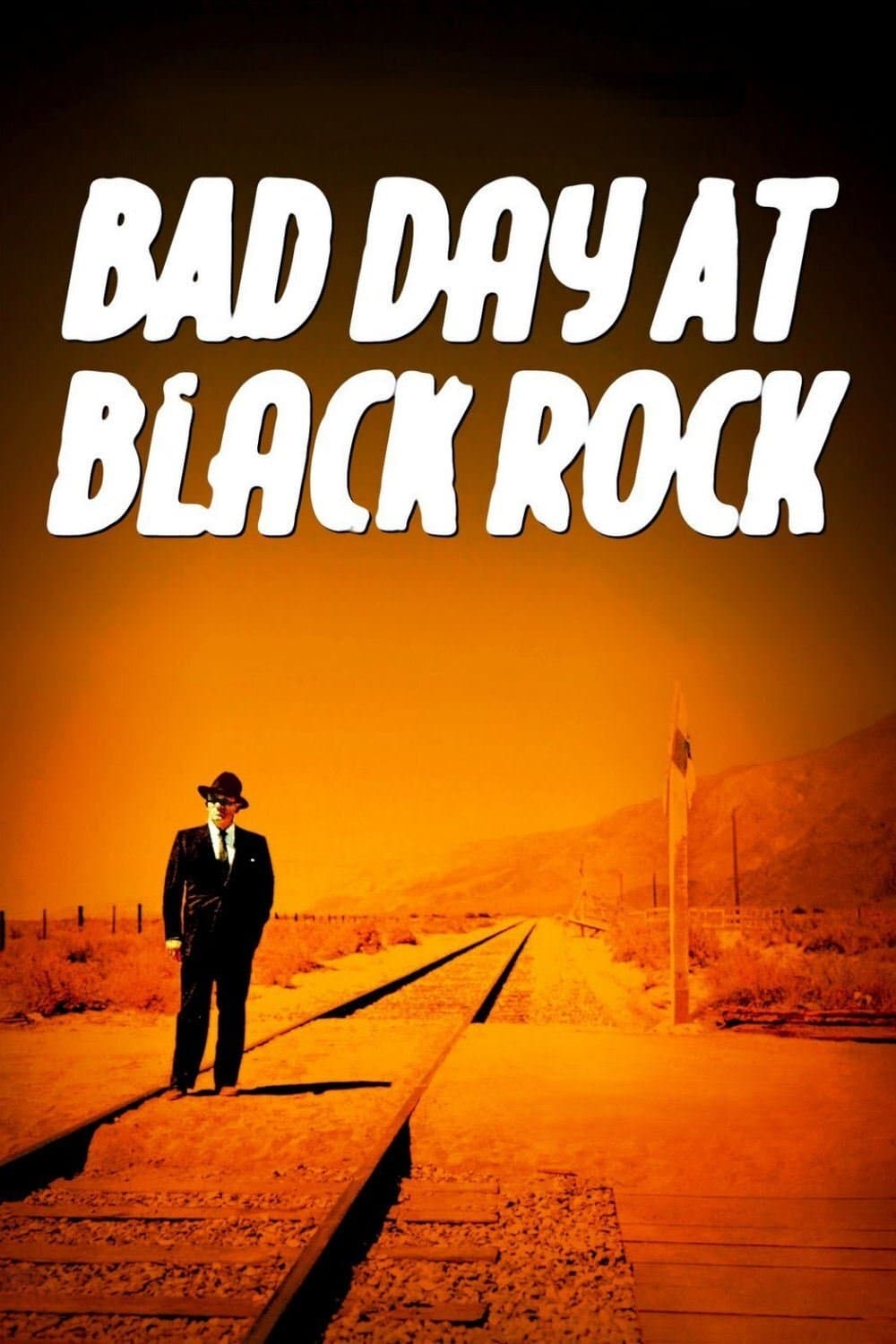
One-armed war veteran John J. Macreedy steps off a train at the sleepy little town of Black Rock. Once there, he begins to unravel a web of lies, secrecy, and murder.
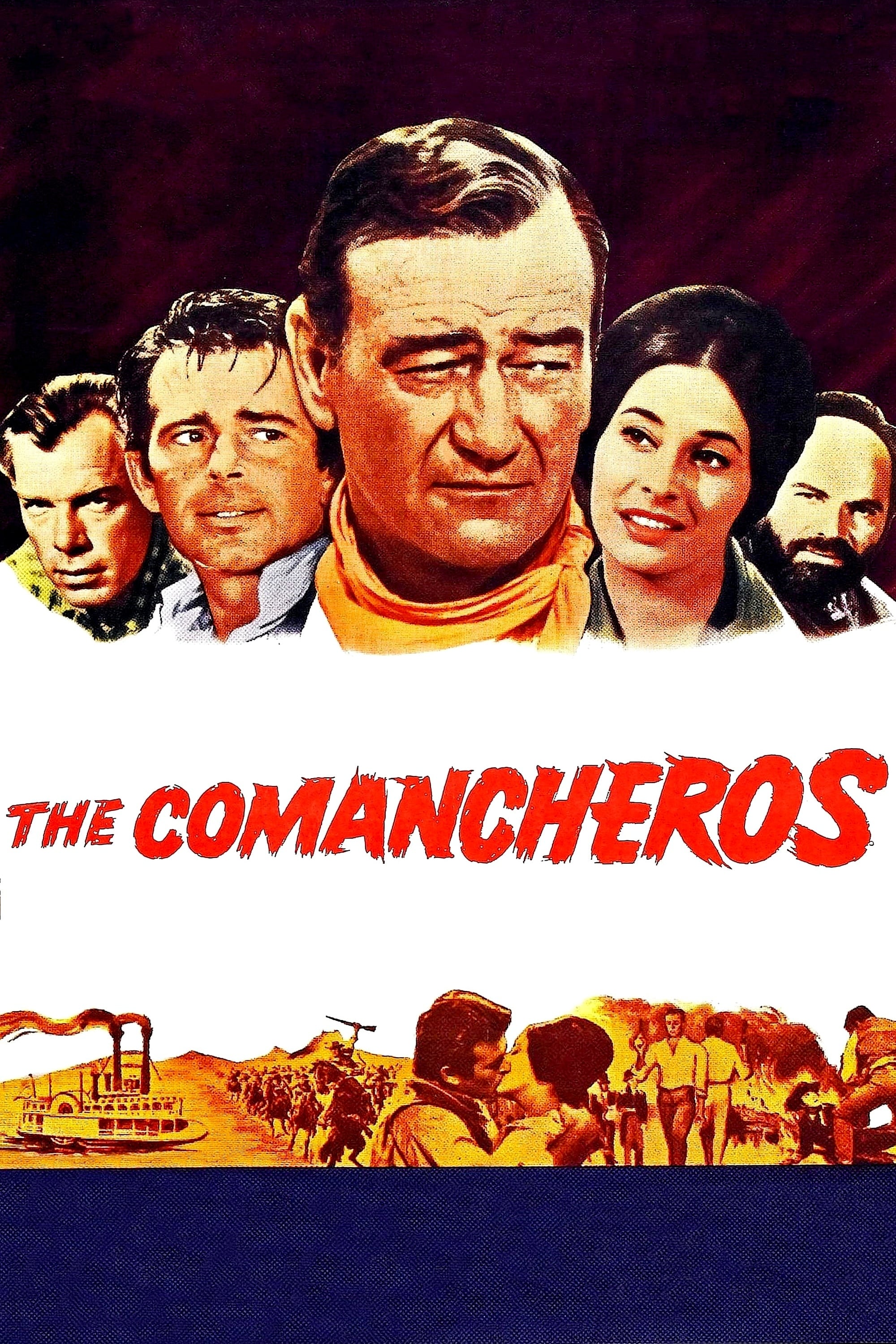
Texas Ranger Jake Cutter arrests gambler Paul Regret, but soon finds himself teamed with his prisoner in an undercover effort to defeat a band of renegade arms merchants and thieves known as Comancheros.
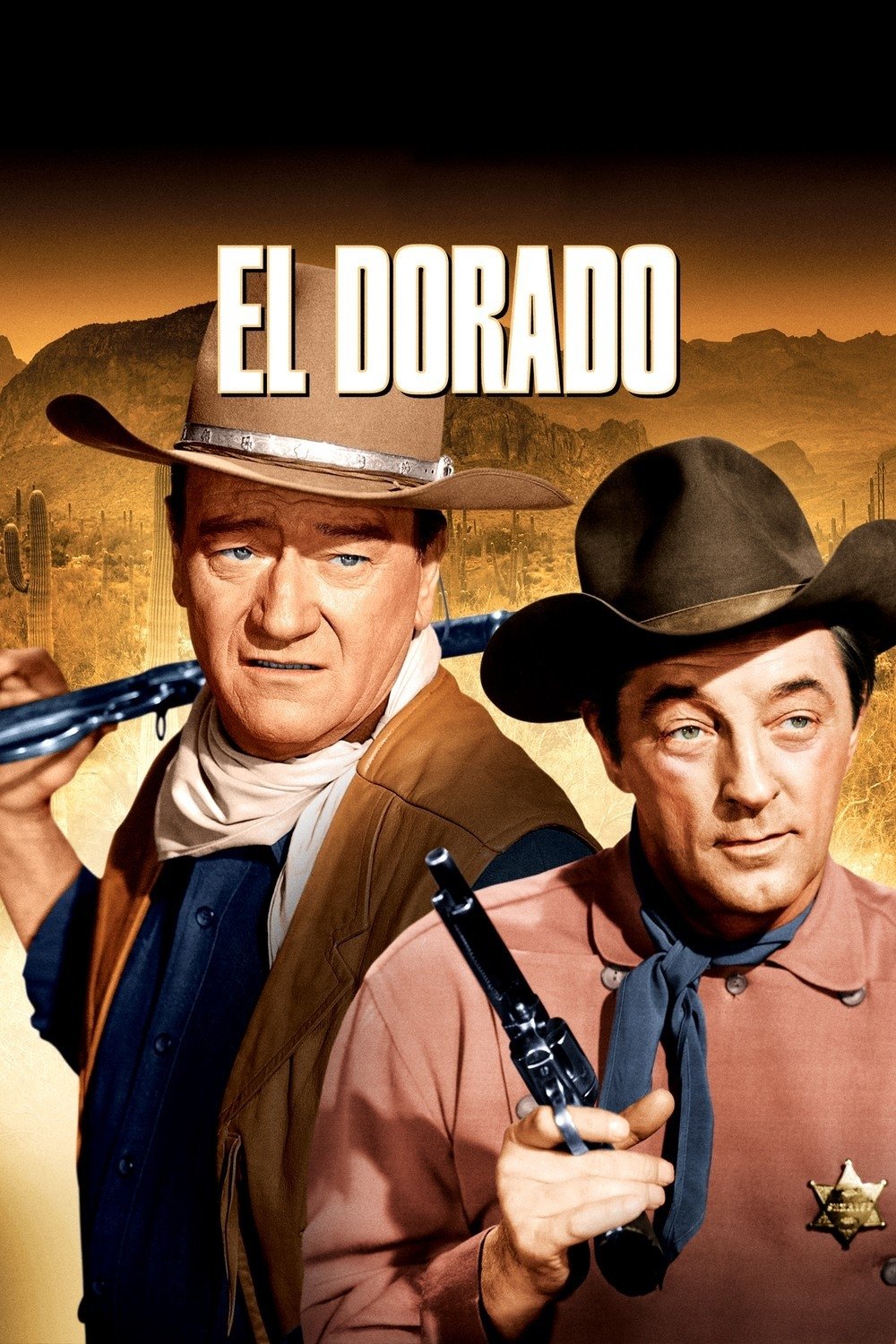
Cole Thornton, a gunfighter for hire, joins forces with an old friend, Sheriff J.P. Harrah. Together with a fighter and a gambler, they help a rancher and his family fight a rival rancher that is trying to steal their water.
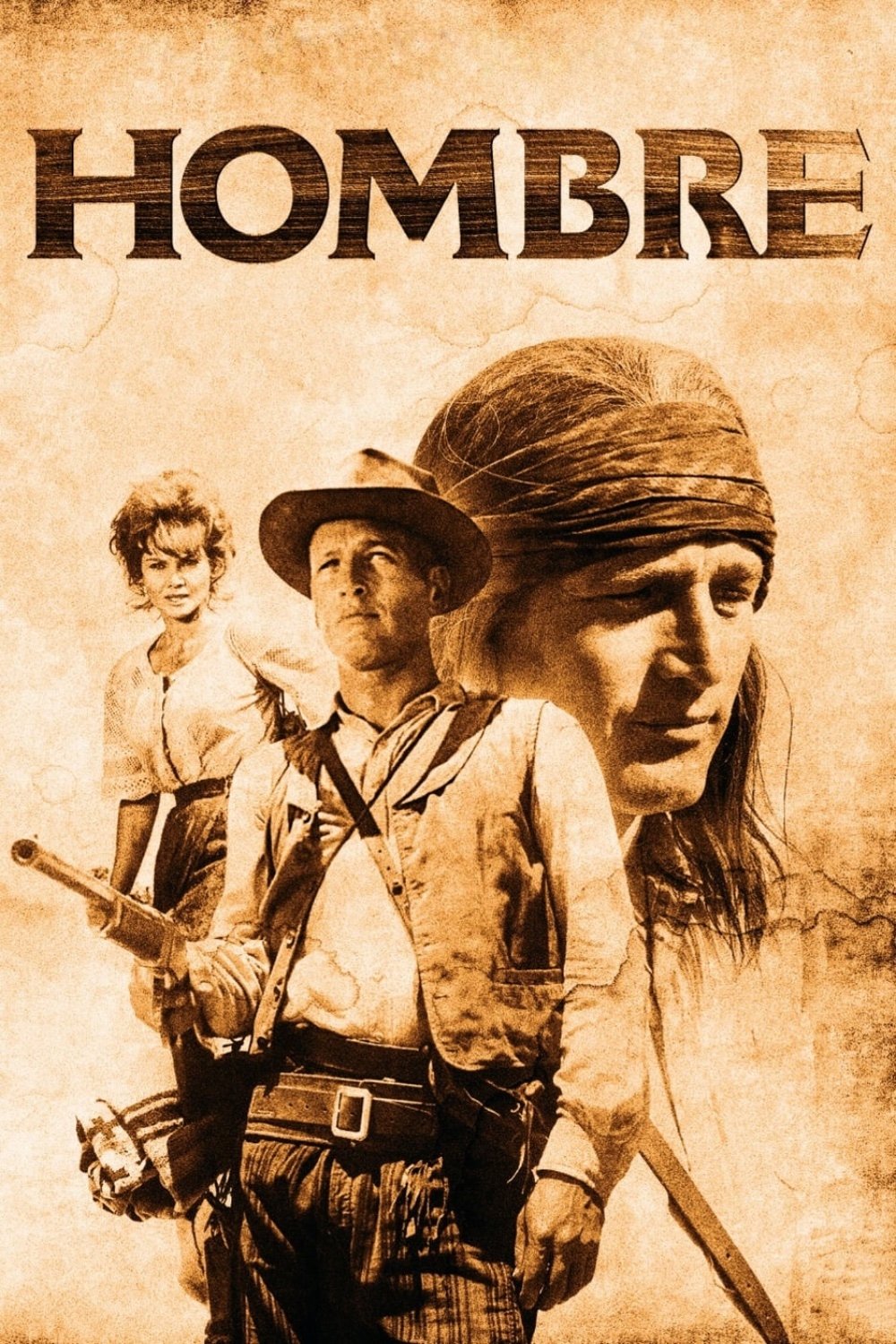
John Russell, disdained by his "respectable" fellow stagecoach passengers because he was raised by Indians, becomes their only hope for survival when they are set upon by outlaws.