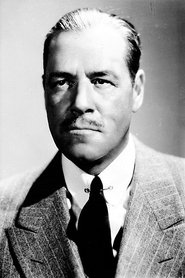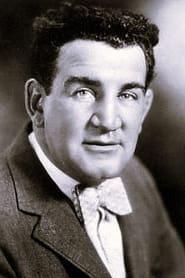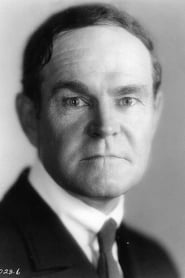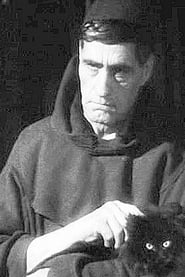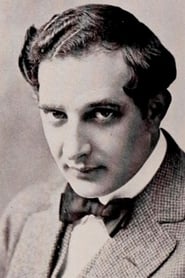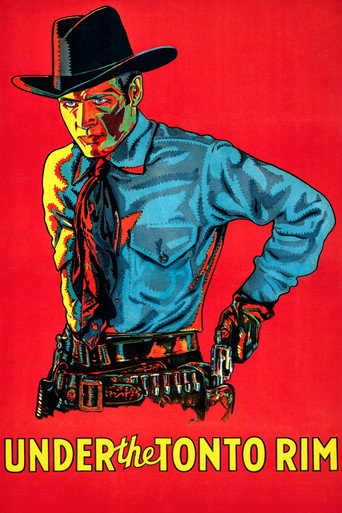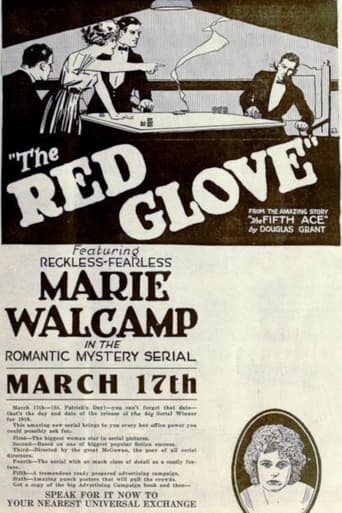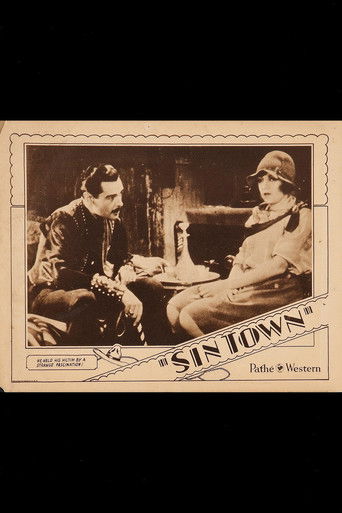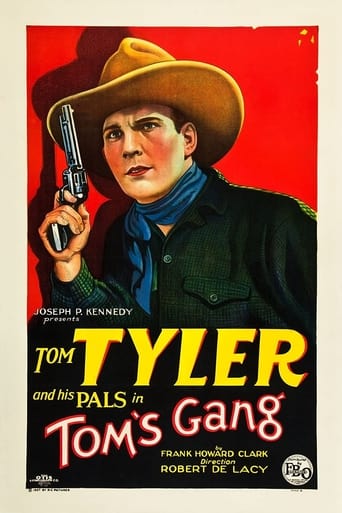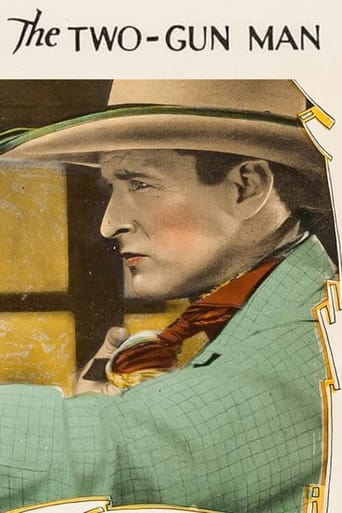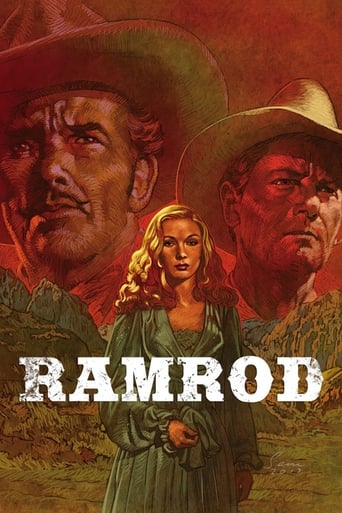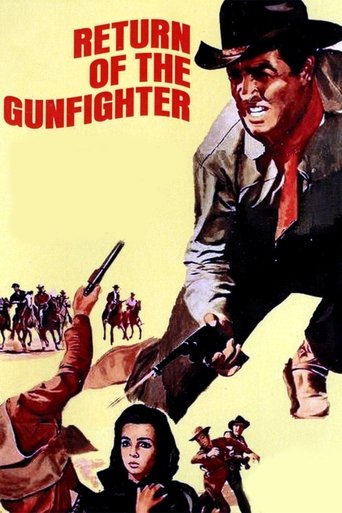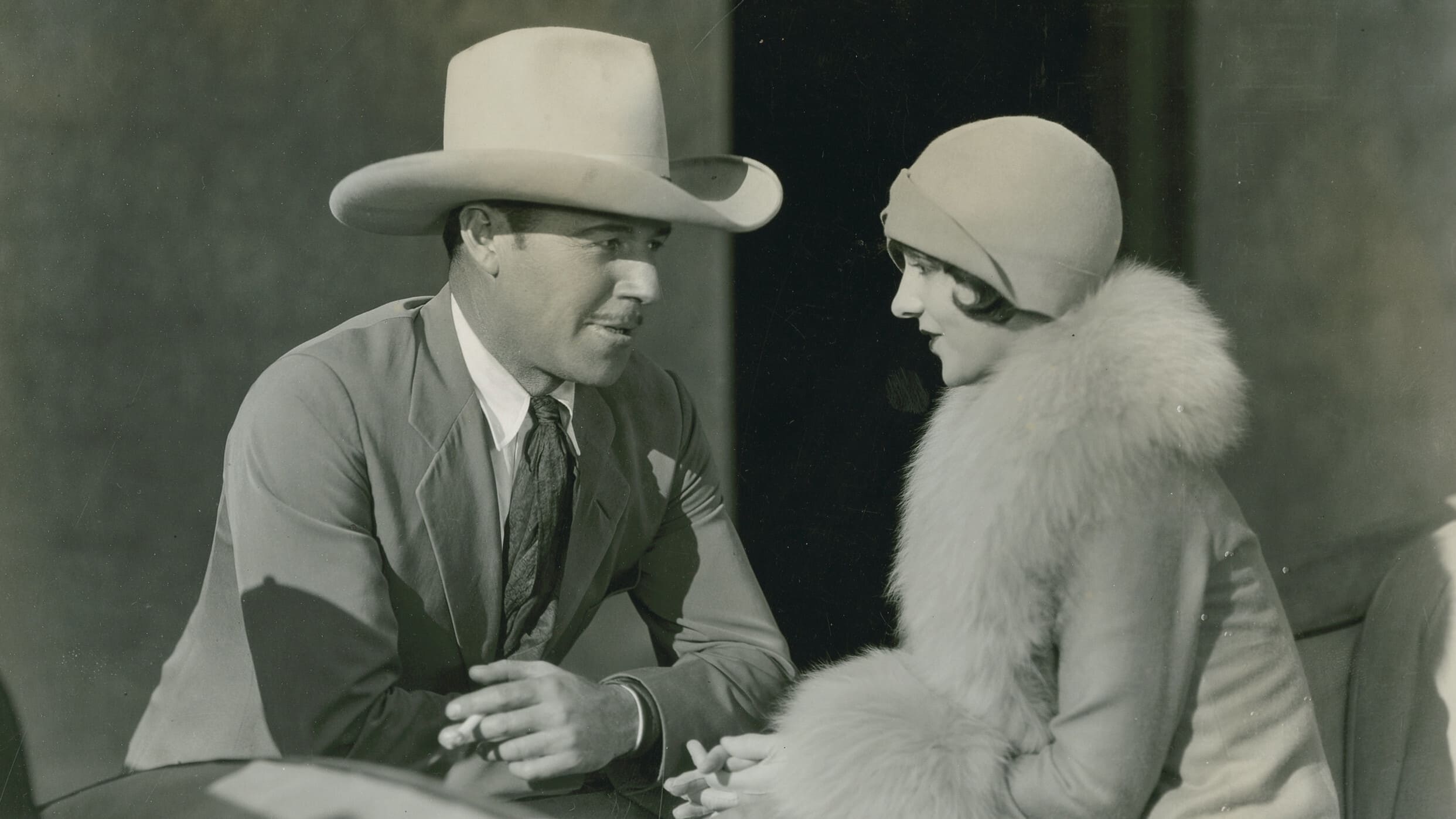
Jack Holt stars as Ben Wade, a rancher framed on a robbery charge by crooked lawyer Harkness (Charles Sellon).
Social & External
Bent Wade
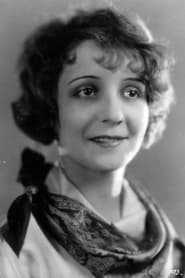
Dorothy King
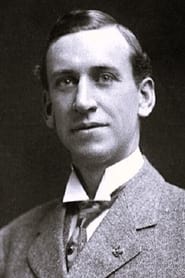
Cliff Harkness
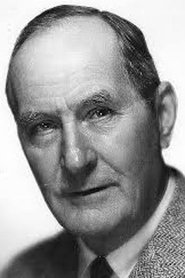
Mark King
Lem Spooner
Jack Wilson
Sheriff (as Albert Hart)
Tom Saunders
King's Secretary
In the mountain wilds of Tennessee there is no end to the manufacture of moonshine whiskey. Whole families live on this nefarious trade and many of them die by it. The men who work at this business are constantly hunted by United States revenue officers as violators of the law for manufacturing of liquor without a special license. The "Mountain wife" loves her husband and stands by and shields him from his enemies, the officers; when they are on his track she hides him, then throws them off his trail, giving him time to escape in the mountain fastnesses, as we are shown in this interesting and thrilling picture.
Nora, who is the president of the Bachelor's Club, receives a letter announcing the death of her uncle in the west and that he has made her heir to his immense fortune. Including a ranch at Grey Oaks. Nora decides to go west and take charge of the ranch and run it herself a la suffragette fashion. She invites all the girls to go with her and they start for their new home. Arriving at Grey Oaks they pay no attention to the cowboys who greet them at the station but go at once in the old stage-coach to the ranch. The cowboys follow, approach the ranch, offer their services and are rewarded by being driven from the premises. The boys make up their minds to "get next" to the girls and devise a scheme.
Denton, a young easterner, arrives in the gold-fields, looks about for a "find" and a partner. Entering a saloon, he partakes of some refreshment, watches the patrons of the place and studies their characters, while thus engaged a young miner, named Harper, somewhat prejudiced against easterners, engages in a quarrel with a Mexican who is about to plunge a knife into the miner when Denton seizes his wrist and wrenches the weapon from his grasp. Harper thanks Denton, and after learning the eastern man's desire to find a prospecting partner, Denton loins forces with him and they start in to work a lead and strike paying dirt.
A short silent film produced by Gaston Mèliès in San Antonio.
"A senorita. With whom two young matadors, Jose and Pepe, are in love, tries in keep both on the string. She lends each to believe that he is the chosen one, creating a strong jealousy between them. Pepe calls to see the girl and she receives him with a show of great affection and preferment. While they are courting, a caballero, friendly to the other lover, Jose, tells him of the girl's duplicity. In a rage he goes to his inamorata and, demanding an explanation, accuses her of harboring his rival in the house. She cajoles him, and playfully stealing his dagger from him without his knowing it, endeavors to hold his attention by caresses as Pepe tries to make his escape. Unfortunately he is seen and pursued by the enraged Jose, who, coming up with him as he seeks the protection of a priest busy pruning trees in the grounds of the monastery, engages in a terrible struggle in which the priest Is powerless to interfere." - Moving Picture World synopsis excerpt
"Swift Arrow, a lithe and willowy Indian, leaving the encampment of his fellow braves, is well on his journey when he is thrown from his horse and receives a broken leg and injuries from which he is disabled and lies helpless and alone." -Moving Picture World Synopsis excerpt
Braggs, the young western settler, comes into view leading his broncho while he leads his little child on the horse's back. Placing the child on the ground and watering the pony, he takes his knife from his pocket to make an extra hole in the saddle strap. The knife slips and penetrates his wrist, severing an artery. His wife comes to his assistance, makes a tourniquet with strips of her apron, jumps on the broncho's back, bids her husband to care for the child and keep up courage while she rides to town for the doctor.
In the farewell beams of evening the pioneer with his wife and child stop the prairie-schooner and strike stakes for the night. Sounds of the Indian war cry disturb the quiet calm, and seen approaching in the distance is a band of savage red men. Terror-stricken, the settler seizes his gun and stands ready to defend his family. At the first volley from the Indians' rifles he falls dead. The brave wife makes a desperate resistance to protect her child. The poor woman is quickly slain by the hostile savages, leaving the helpless babe to their mercy.
Lorna is a woman and she is all business when it comes to running the "L.L." Ranch and she has no trouble in handling it and the "boys" who work for her, especially "Jeff," her foreman, who gives her a hand. She evidently appreciates his services and thinks him a handy and pleasant fellow to have around, her "Runs" are the best in Texas. There is a question of title to her land. Finally the Supreme Court decides against her and she is obliged to turn the "L.L." Ranch over to Sir Reginald Coutts-Harcourt, in whose favor the decision has been made.
From force of habit, some might call him a "Greaser," true, he is a Mexicano; he is no more, a man of noble instinct and chivalrous nature. He falls in love with the American ranchman's daughter, and while she appreciates his sincerity, she does not return his affection for her. Tony not only loves, he respects her, and will not inflict his attentions upon her, and will not inflict his attentions upon her, neither seeking recognition nor reward.
Margie, of the "Flying B" ranch, knew it was to run across a snake in the tall Texas grass, but she did not realize that there are people who, like snakes, conceal themselves until they are ready to sting. Consequently, when a sleek looking tenderfoot asked to become a boarder at the "Flying B" Margie favored him, though her father was suspicious. Margie is soon smitten with the stranger, much to the chagrin of Jack, the foreman, with whom Margie had previously been very friendly. Jack does not get ugly over the matter, but keeps his eyes open.
"I do hate learnin', but oh! you schoolmarm!" is what the boys at the gulch said when Mary came to town; and, from "Big Bill" down to Hop Lee, the Chink, they all took to study, and to courtship. The rivalry is friendly until the new foreman blows in and takes the inside track, then "Big Bill" gets jealous. At the swell (?) reception the foreman cuts Bill out and Bill decides to "lay for him." The foreman soon discharged a greaser who later robs the paymaster and contrives to fix the blame on the foreman.
Bill Sanders, sheriff of Alkali County, gets a warrant for Red Rube, the tough. He gives it to his deputies to serve, but Rube gets busy with the strong arm and makes them look like monkeys. When several installments of deputies have failed, Bill Sanders gets on the job himself. Bill not only knows how to juggle the 44 Colts, but he keeps gray matter in his skull. In going after Red Rube, he decides to rely on his brains instead of his hardware. He disguises himself as a tenderfoot, arms himself with a camera, and gets on Rube's trail. Things are warm and lively thereafter, but Sanders gets his man, and the honor of Alkali County is preserved.
Padre Dominguis, the village priest of a quiet little spot in old Mexico, has been on a visit to the daughter of his dead sister and is about to return to his charges. He is much surprised and more than a little pleased to find that his niece is in love with John Brown, a progressive American, who has settled among them, for the Padre is a broad-minded man and knows that Mexico needs the influx of American energy to make her a great country.
It is a beautiful morning in Indian Summer, and White Doe is out in her birch bark canoe, engaged in a fishing expedition for food. She paddles home under the overhanging trees and vines, lights the small fire in front of her tepee and cooks her primitive breakfast. The air is bracing, the birds are singing, life is free and good. Also White Doe is happy for she had caught a gleam of admiration in the eyes of a stalwart cowboy, when she visited a ranch a few days before with her offering of plaited baskets and the famous blankets of her Navajo tribe. She begins her work of basket weaving, dreaming the love dreams of her people and her heart singing with coquetry and the happiness of conquest, for she is also loved by a brave of her tribe, a wealthy son of a chief with a hundred horses.
A Navajo Indian has crossed the great desert, and his water bottle has been emptied. He is in a frenzy from thirst and sees mirages of water everywhere. He comes upon Nat Perry, a young settler, who is conveying his household goods across the burning sands. Perry has just taken a drink from his precious canteen when the Indian falls at his feet and implores a little water. The young pioneer heartlessly turns him over with his foot and leaves him to die.
After graduating from an Indian school where he has acquired an education and schooling in the ways of the white man. Ta-wa-wa, a young Indian, returns to his native territory and far western home. On the way to the tribe's encampment he stops at Vail's ranch, meets Kawista, his boyhood sweetheart, who greets him cordially and with a frank admiration for his gentlemanly appearance. While they are exchanging greetings the postman enters and hands a letter to Mr. Vail from Col. Leigh, an Englishman, stating that he will visit the ranch with Lord Wyndham, an English lord who expresses a desire to see a real Indian powwow.
Full of booze, bluster, and fight "Black Pete," a big "bad man" of the wild west comes from the local saloon ready to put daylight through anybody and everybody within the range of his voice and the reach of his gun and, to further convince the crowd that he is the terror of the territory, lands on an inoffensive bystander knocking him down. "Billy" is an entirely different sort of a citizen; he is a young chap living with his sister whom he loves very dearly; their love is mutual. Billy has received a letter and stops on his way home in an opening in the woods to read it. While thus engaged, an Indian girl is making her way through the woods. "Black Pete" coming along the pass sees and attacks her. Billy springs to her defense and knocks "Pete" down; in falling he strikes his head on a stone and is killed.
A short silent western produced by Gaston Mèliès in San Antonio.
Mary is only the assistant housekeeper of the ranch, but she has a heart as big and faithful as a queen's. Bob, who has been turned from home by his uncle because he has his own notions of marriage, comes to the ranch and Mary falls in love with him. Bill Rank, the foreman, contrives to ruin Bob's good name and make him "do time." Mary is faithful to Bob and makes a big sacrifice to help him in his trouble. Times are dark for a while, but Fate works things out at last. Bill Rank is hurt in a runaway, and, looking death to the face, he confesses the truth. Bob's good name is restored, he marries Mary, and, to cap the climax, he falls heir to a fortune.
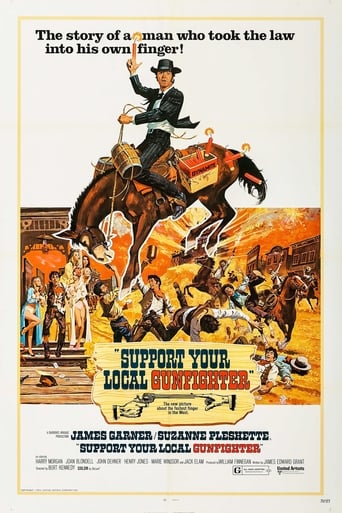
An oppressed Mexican peasant village hires seven gunfighters to help defend their homes.
A man wanders out of the desert not knowing who he is. His brother finds him, and helps to pull his memory back of the life he led before he walked out on his family and disappeared four years earlier.
Two bounty hunters both pursue the brutal and sadistic bandit, El Indio, who has a large bounty on his head.
When a ruthless robber baron takes away everything they cherish, a rough-and-tumble, idealistic peasant and a sophisticated heiress embark on a quest for justice, vengeance…and a few good heists.
Miss Marple believes she's seen a murder in a passing-by train, yet when the police find no evidence she decides to investigate it on her own.
A cattle-vs.-sheepman feud loses Connie Dickason her fiance, but gains her his ranch, which she determines to run alone in opposition to Frank Ivey, "boss" of the valley, whom her father Ben wanted her to marry. She hires recovering alcoholic Dave Nash as foreman and a crew of Ivey's enemies. Ivey fights back with violence and destruction, but Dave is determined to counter him legally... a feeling not shared by his associates. Connie's boast that, as a woman, she doesn't need guns proves justified, but plenty of gunplay results.
A mix of guns and mistaken identity leads to chaos in this satirical parody of William S. Hart's melodramatic westerns, finding Buster in the frozen north - "the last stop on the subway".
Charlie takes care of a man in a wheelchair.
The hero, a janitor played by Chaplin, is fired from work for accidentally knocking his bucket of water out the window and onto his boss the chief banker (Tandy). Meanwhile, one of the junior managers (Dillon) is being threatened with exposure by his bookie for gambling debts unpaid. Thus the manager decides to steal from the company.
Charlie is released from prison and immediately swindled by a fake parson. A fellow ex-convict convinces Charlie to help burglarize a house.
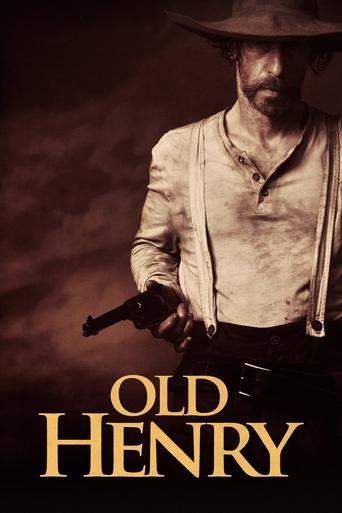
In 1866, prospector Tom Corbett returns to his hometown of Laramie, Texas, now under the brutal control of gangster Jason Scott and his violent son, Junior. With his brother Jeff, a struggling drunk cared for by their maid Mercedes, Tom seeks to overthrow the Scotts' tyrannical rule and restore peace to the town.
On his way to a restaurant, Ambrose, a happily married man, obliges to mail a letter for a woman in the apartment lobby. Unbeknownst to him, the letter is about a rendezvous with her own lover at their "trysting place". Elsewhere, after some domestic frustration, Charlie runs an errand to buy a baby bottle before stopping at the same restaurant. After a confrontation there, they both inadvertently leave with each other's coats. Later, their wives independently discover what appears to be incriminating evidence of extramarital affairs from the pockets of the swapped garments. It all comes to a head when all four of them find themselves at the "trysting place" in the park.
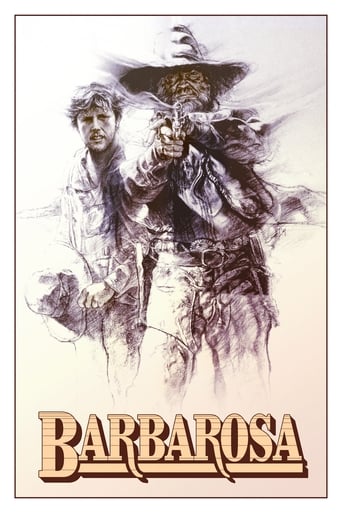
Four petty criminals, three men and a woman, wander through the trackless terrain of the Wild West Utah and are hounded by a sadistic bandit.
A young golfer is mugged by an escaped convict and finds himself in a prison where he foils a jailbreak.
Mabel goes home after being humiliated by a masher whom her husband won't fight. The husband goes off to a bar and gets drunk.
A butterfly collector unwittingly wanders into an Indian encampment while chasing a butterfly, but the tribe has resolved to kill the first white man who enters their encampment because white oil tycoons are trying to force them from their land.
Roscoe and Buster operate a combination garage and fire station. In the first half they destroy a car left for them to clean. In the second half they go off on a false alarm and return to find their own building on fire.
Mother, father and daughter go to the park. The women doze off on a bench while the father plays a hide-and-seek game with a girl, blindfolded. Charlie leads him into a lake. Both dozing ladies on the bench fall for Charlie and invite him for dinner. The father returns home with a friend. Charlie rushes upstairs and dresses like a woman, shaving his mustache. Both men fall for Charlie.
Roscoe and Buster give a bullying Strongman the what-for, but after the performance troupe quits it's up to Fatty and Buster to keep the show going.
Pierre and Jacques are working as waiters at a restaurant where the cooks go on strike. When the two are forced to work as bakers, the striking cooks put dynamite in the dough, with explosive results.