Social & External
The people behind it
Manel Artigas
himself
Jaume Ayats
Himself
Dolors Bonal
Herself
Mita Casacuberta
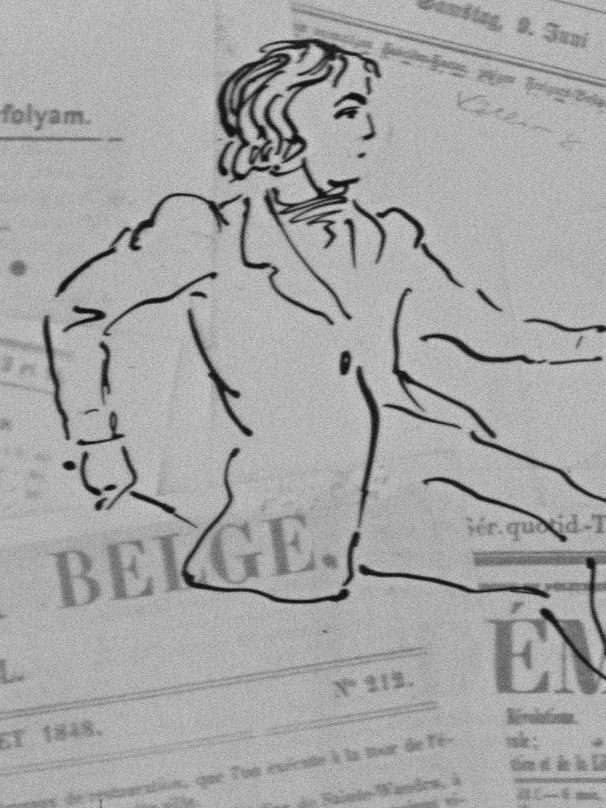
With the young Friedrich Engel’s letters and drawings from the years between 1838 and 1842, a unique cinematic portrait is created. The viewer thus gets to know the young Engels personally, learning about the significant moments of his development from a bourgeois-liberal upbringing to the theoretical partner of Karl Marx. Later be awarded the Gold Dove at the International Leipzig Documentary and Short Film Week.
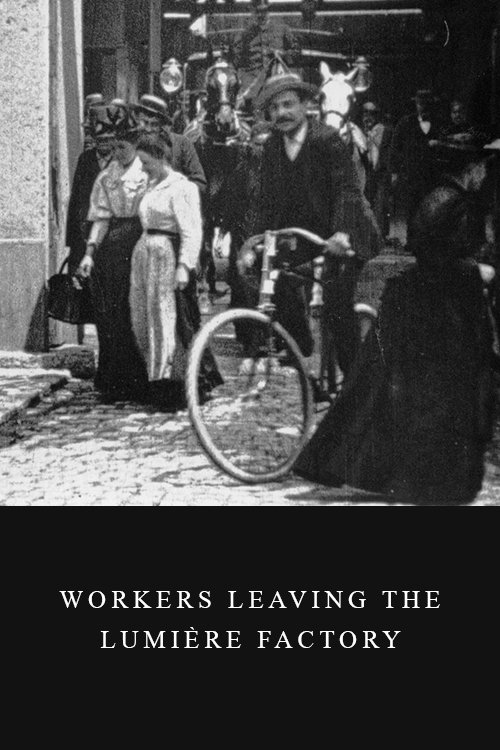
Working men and women leave through the main gate of the Lumière factory in Lyon, France. Filmed on 22 March 1895, it is often referred to as the first real motion picture ever made, although Louis Le Prince's 1888 Roundhay Garden Scene pre-dated it by seven years. Three separate versions of this film exist, which differ from one another in numerous ways. The first version features a carriage drawn by one horse, while in the second version the carriage is drawn by two horses, and there is no carriage at all in the third version. The clothing style is also different between the three versions, demonstrating the different seasons in which each was filmed. This film was made in the 35 mm format with an aspect ratio of 1.33:1, and at a speed of 16 frames per second. At that rate, the 17 meters of film length provided a duration of 46 seconds, holding a total of 800 frames.
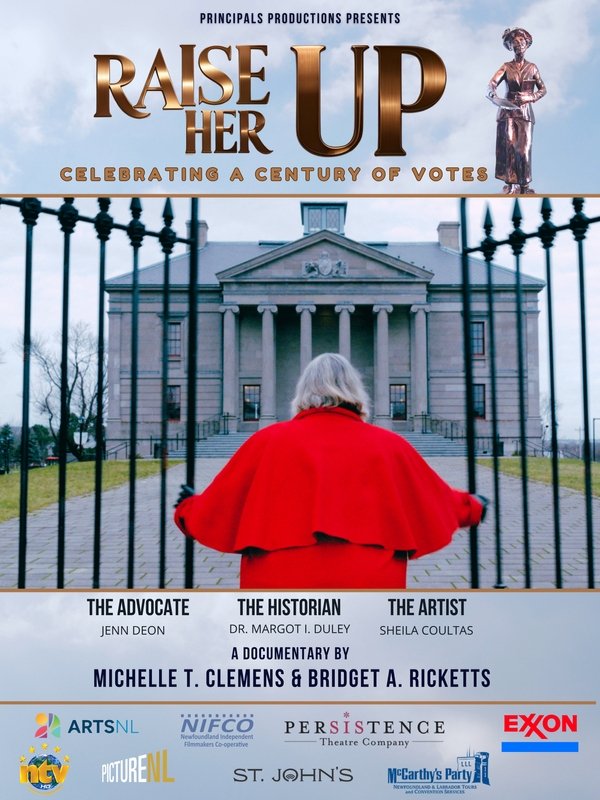
Raise Her Up follows the historian, advocate, and artist creating a statue of Armine Gosling, marking 100 years of womens suffrage in Newfoundland.
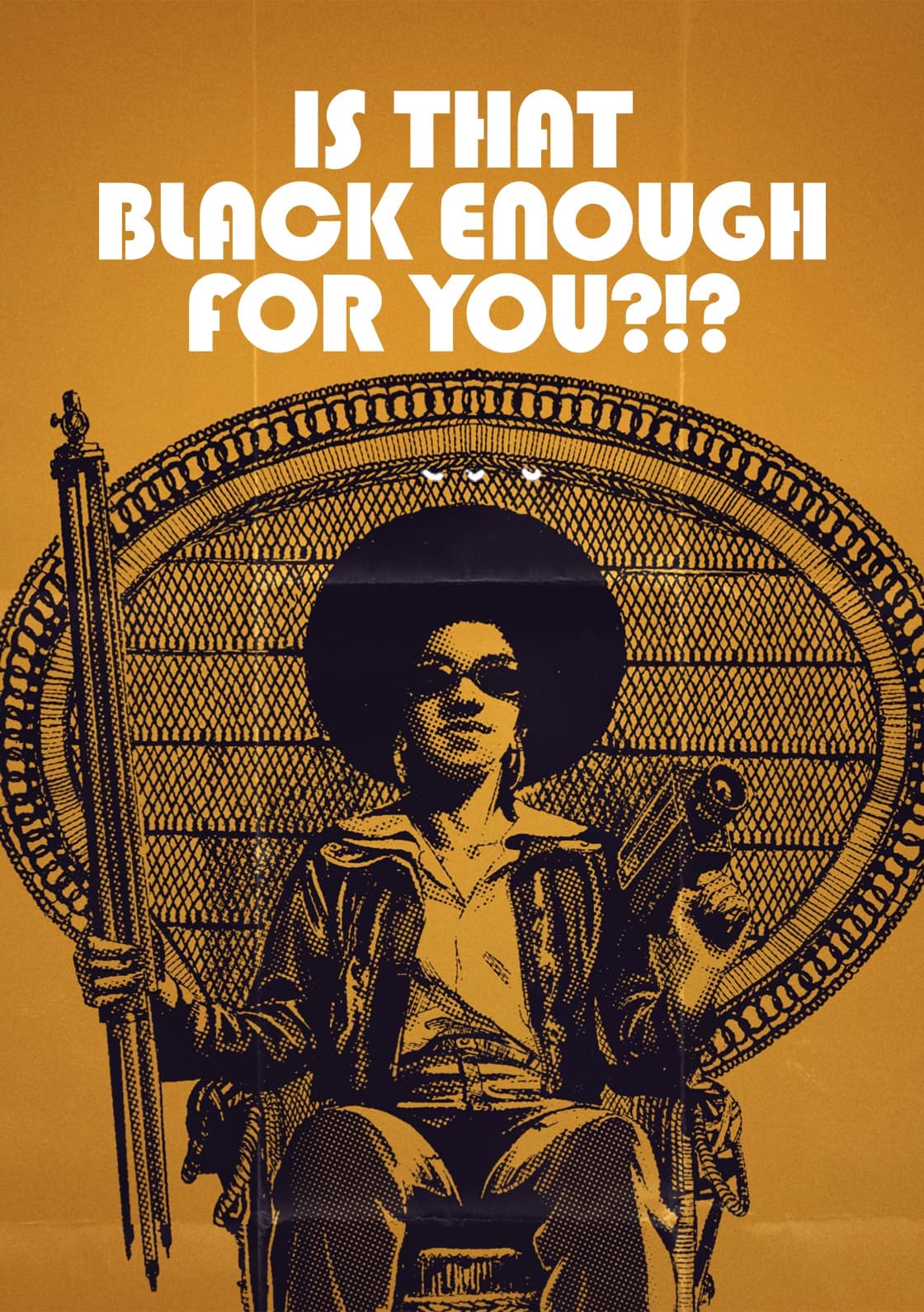
A look at the Black revolution in 1970s cinema, from genre films to social realism, from the making of new superstars to the craft of rising auteurs.
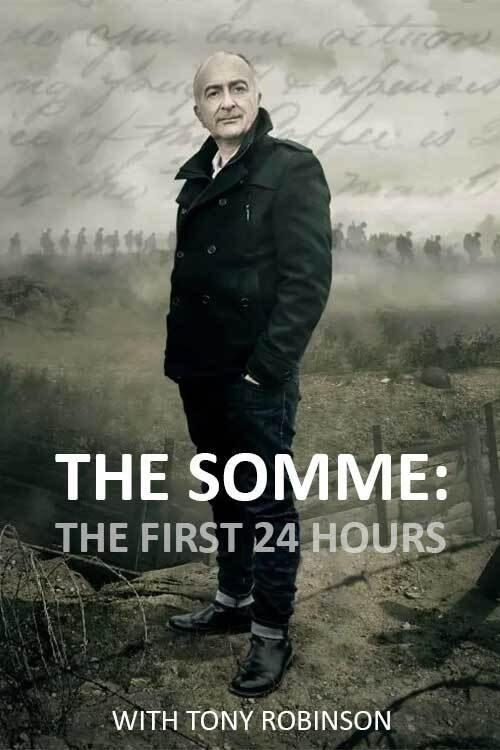
Hosted by actor and historian Sir Tony Robinson, this one-off special tells the powerful and moving story of five men, all members of a unique volunteer army – the Sheffield City battalion – as it recounts the soldiers’ last days, leaving their homes and loved ones to go and serve alongside their friends and neighbours, completely unaware of what lay ahead of them. Central to the programme is the story of Private Frank Meakin, who recorded his unique personal testimony of the war. Frank and his friends could never have anticipated what they would experience, but 100 years on we know in detail, thanks to his diary – an account that shouldn’t have existed, because keeping one was forbidden for servicemen on active duty on the Western Front. Frank’s diary, which was smuggled back from the Front, reveals the intimate details and dramatic stories of one battalion – and one British city – in the words of one man.
Michael Cockerell sheds new light on the tragi-comedy of the 1970s by focusing on some of its most controversial characters. With fresh filming and new interviews, along with a treasure trove of rare archive, the film presents the inside story of giant personalities who make today's public figures look sadly dull in comparison. The well-known journalist revisits some of his films on the big characters who helped shaped the 1970s in Britain. Both tragic and comic, it highlights just how much our world has changed in four decades.
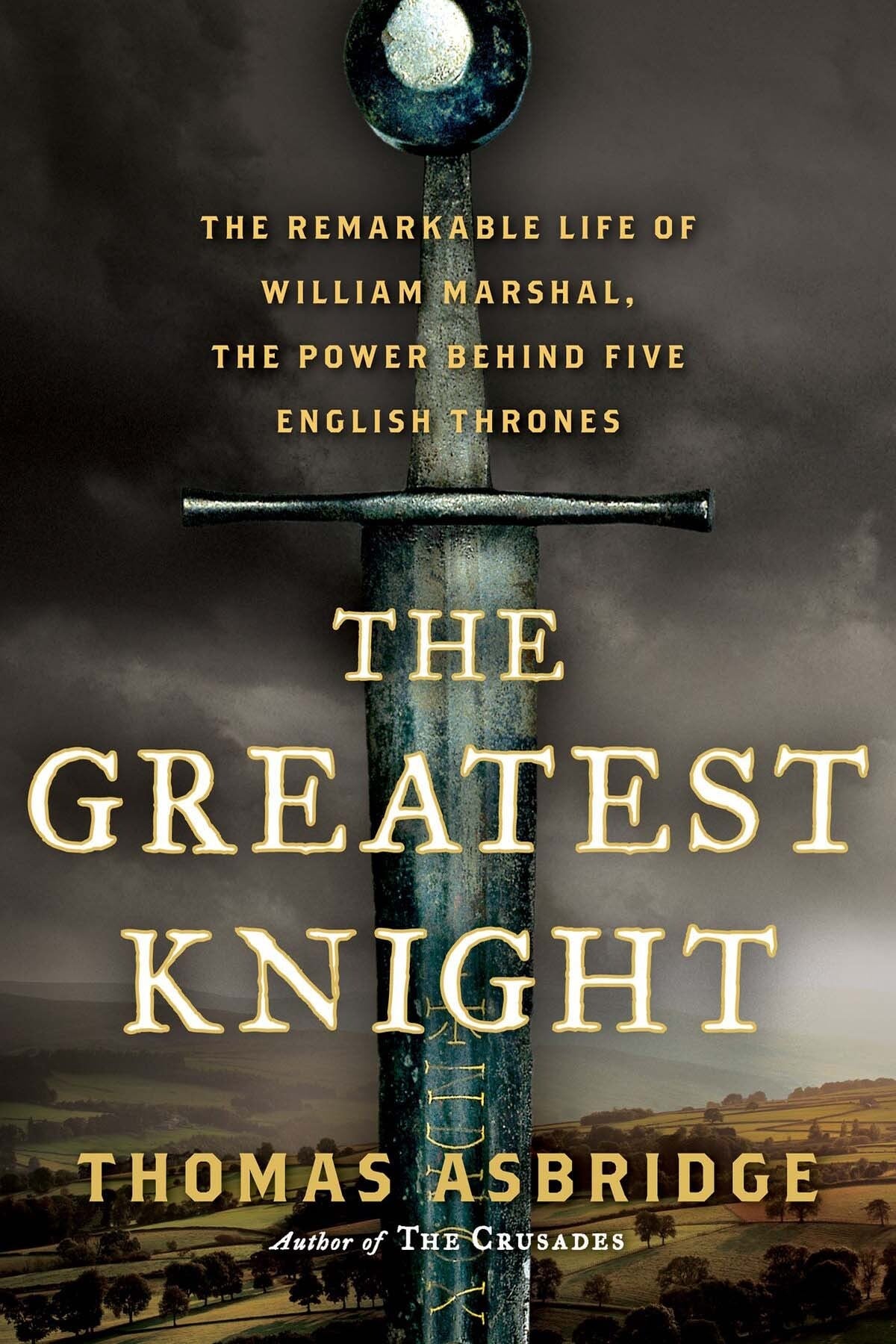
The fascinating story of knighthood, told through the extraordinary life and times of William Marshal, whom many consider the world's greatest knight. From Europe's medieval castles to the holy city of Jerusalem, presenter Thomas Asbridge explores William's incredible life, revealing a rip-roaring adventure story in the spirit of King Arthur's Knights of the Round Table. In a career that spanned half a century, this English soldier and statesman served some of Christendom's greatest leaders, from Eleanor of Aquitaine to Richard the Lionheart. Marshal fought in battles across Europe, survived court intrigue and exile, put his seal to the Magna Carta and proved to be the best friend a king could have, remaining loyal to those he served through disaster and victory. Then at the age of 70, despite all the odds, he saved England from a French invasion.
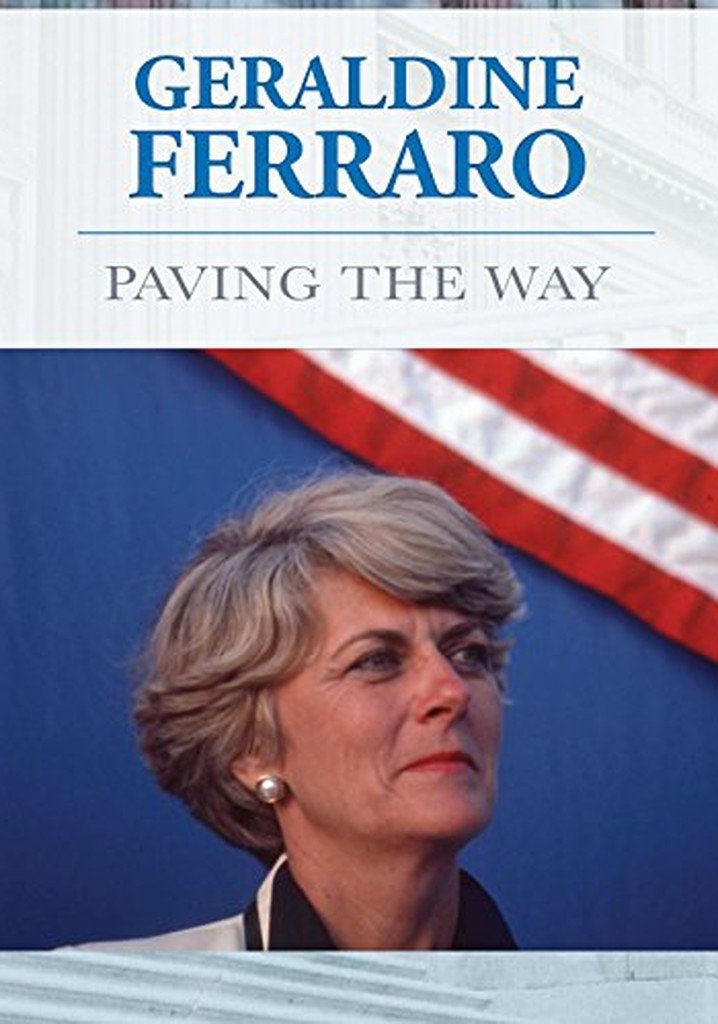
A documentary by Donna Zaccaro about the political trailblazer, Geralidine Ferraro. Featuring interviews with Bill and Hillary Clinton, George and Barbara Bush, Walter Mondale, and Geraldine Ferraro herself, among others, this is a heartwarming and engrossing portrait of the first woman who was nominated for vice president, whose legacy still reverberates today.
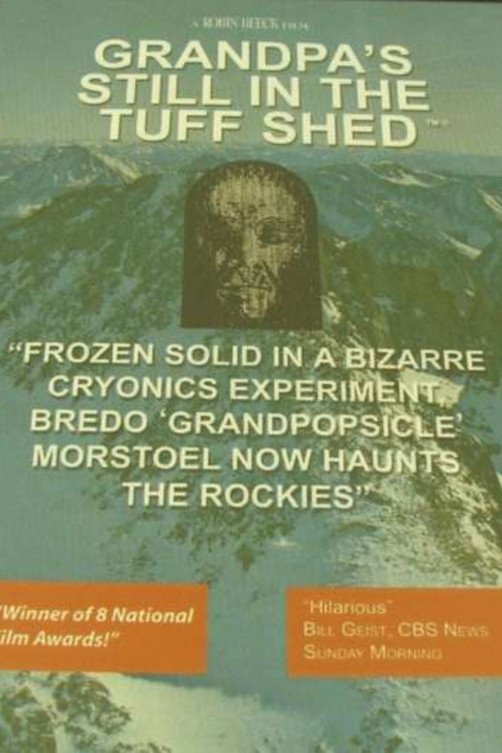
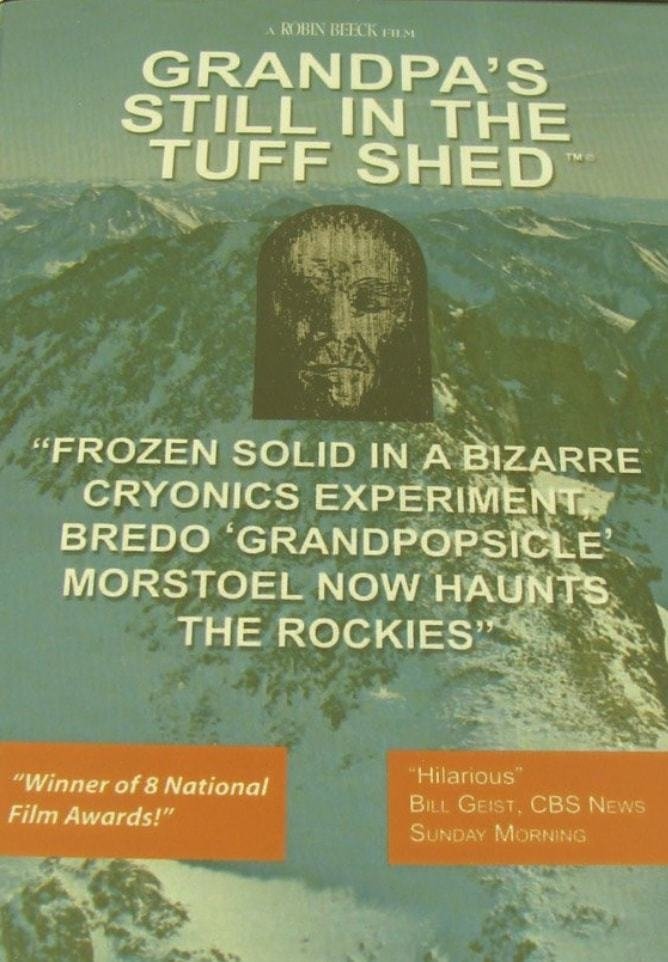
It adroitly tells the story of a "counter culture" young man who when his grandfather dies, packs the body in dry ice, and stores him in a Tuff Shed, waiting for the time when advances in modern medicine can bring him back to life. I am not making this up. Then our young men gets deported back to Norway on unrelated charges. Then, quite a while later, people look up and take notice ... "Hey ... there appears to be a frozen dead guy in that shed over there."
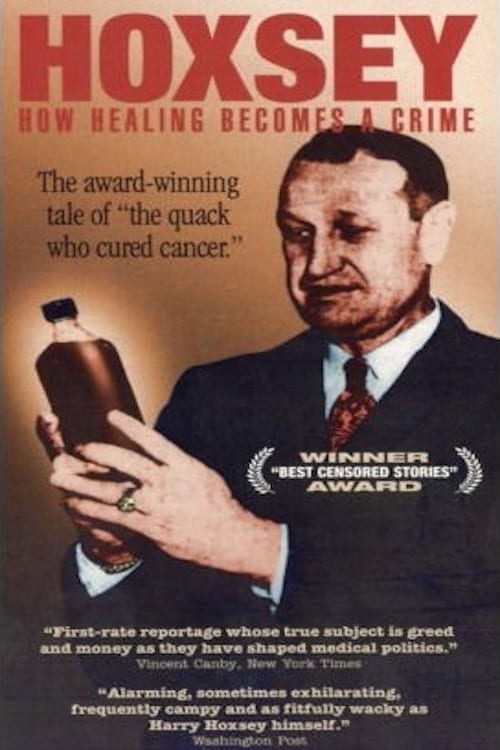
In the 1920s, former coal miner Harry Hoxsey claimed to have an herbal cure for cancer. Although scoffed at and ultimately banned by the medical establishment, by the 1950s, Hoxsey's formula had been used to treat thousands of patients, who testified to its efficacy. Was Hoxsey's recipe the work of a snake-oil charlatan or a legitimate treatment? Ken Ausubel directs this keen look into the forces that shape the policies of organized medicine.
A famous documentary about the Peugeot factory in Sochaux in the 1970s. In this region, everything is owned by Peugeot: homes, stores, schools and leisure - there is no escaping it. The production line dictates the rhythm of everyday life: a horrible machine, draining workers' energy and hope.
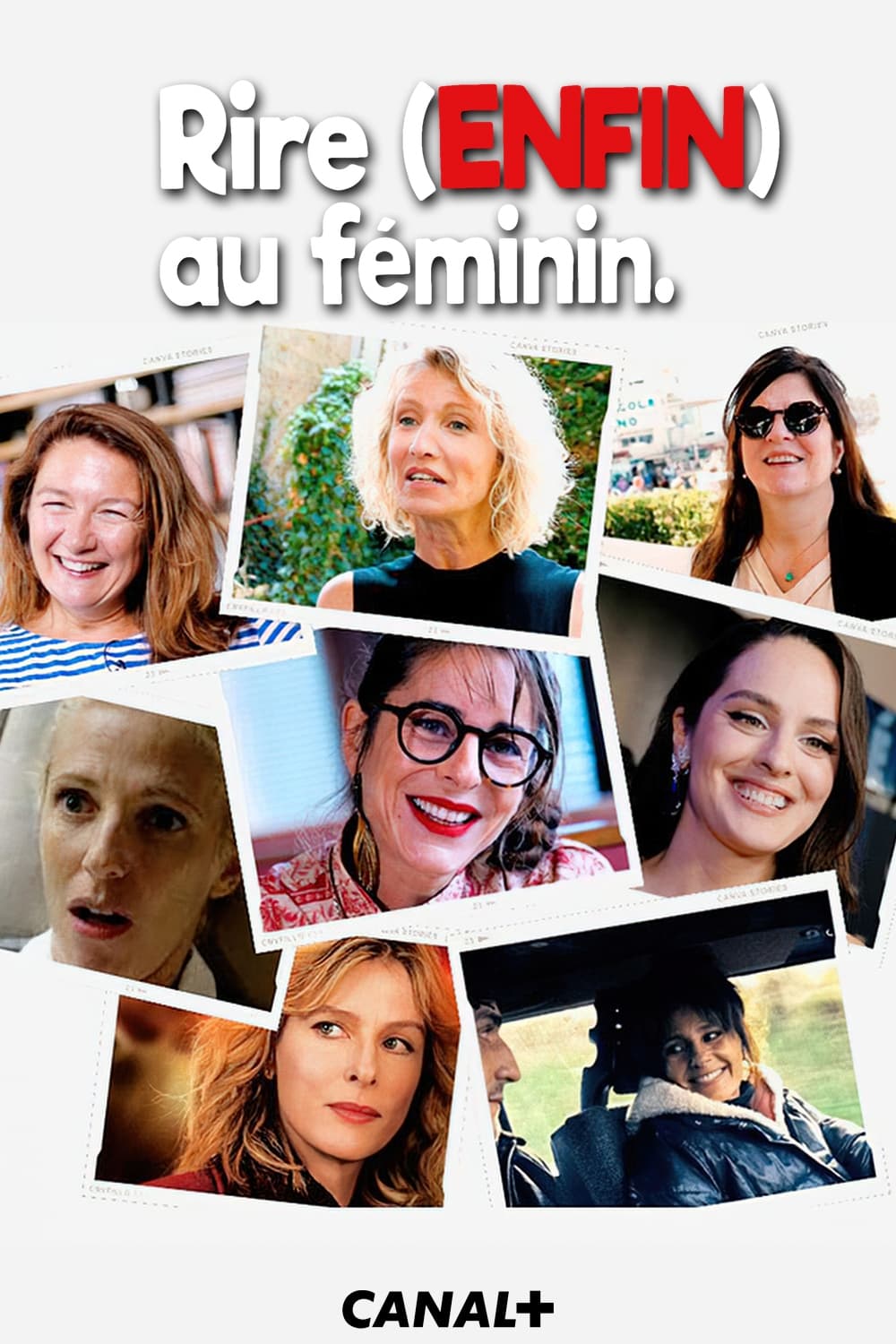
For a long time, in France, comedy was the preserve of men. Female roles were mostly secondary and corresponded to stereotypes such as the pretty doll, the funny but unattractive woman, or the troublesome, even cantankerous wife
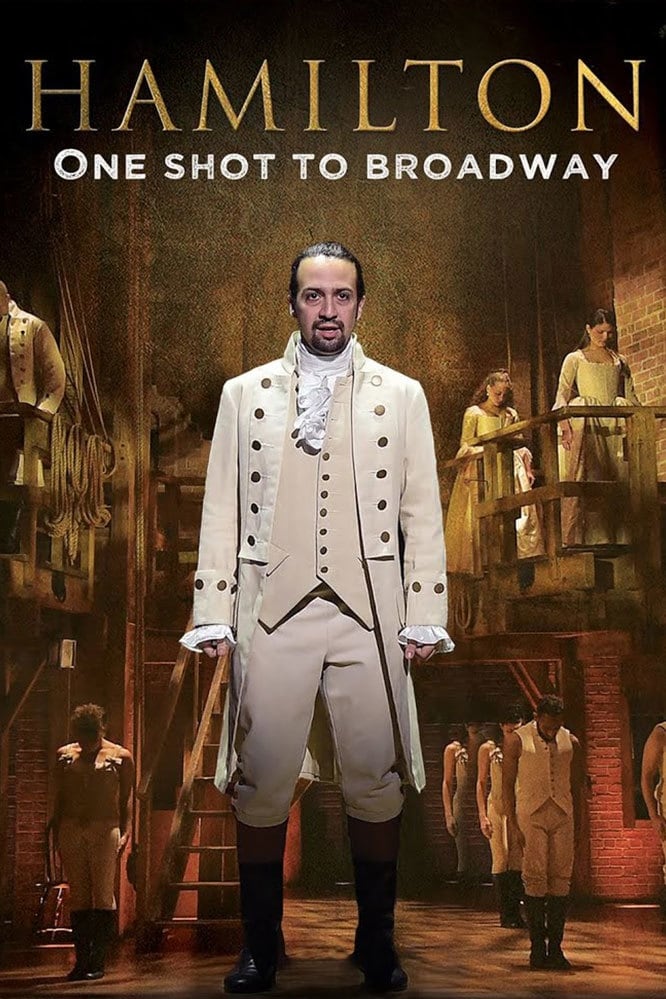
It’s the hit musical that changed Broadway forever and brought the genius of Lin Manuel Miranda to the attention of legions of fans across the world. A story of how a group of mavericks made an unlikely marriage of hip-hop and history to create the biggest show in America…and are getting ready to conquer the world. Featuring interviews with Miranda, as well as the cast and crew of Hamilton.
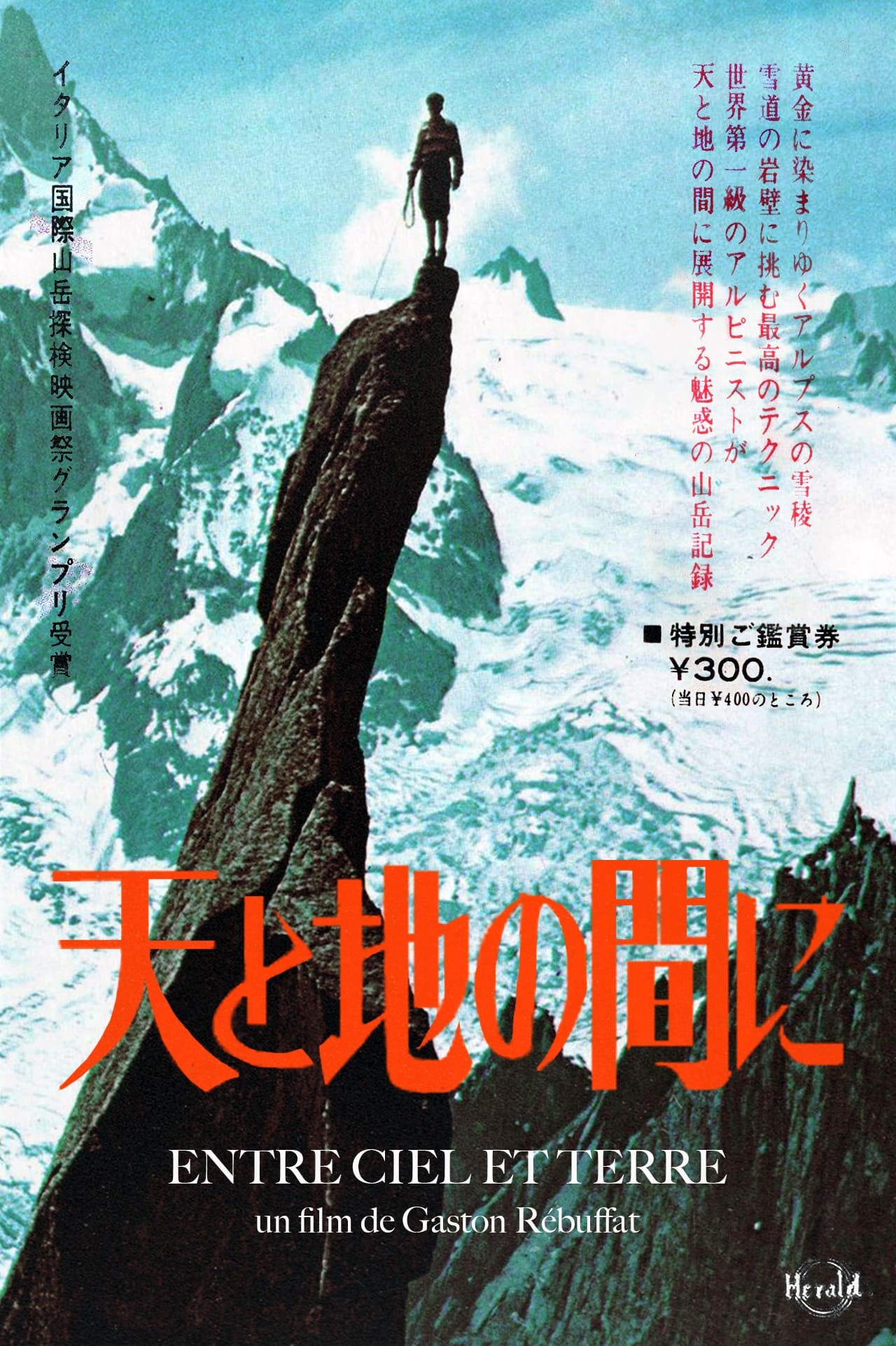
This is Gaston Rebuffat's fourth film, in which, with several close friends, he discovers the sublime landscapes of the Alps. “Mont-Blanc is beautiful. I climbed it several times depending on the time, the color of the sky and the shape of the cornices and ridges. Because of the weather and also because of this feeling of altitude, Mont-Blanc provides great pleasure. For the guide, Mont Blanc is his garden, but the garden becomes more beautiful when shown to a friend. Personally, I really like the bivouacs; only there one penetrates a little the mystery of the altitude. That's why I immediately accepted when Tazieff expressed the desire to spend the night at the top of Mont Blanc in an igloo. The film won the Grand Prix at the Trento Film Festival in 1961.
Award winning documentary filmmakers, Robin, Kathy and Shelly Beeck, with the help of filmmaker Michael Moore, have spent the last five years filming a 60-minute feature-length documentary on Bredo Morstoel, a Norweigan who was frozen by his grandson in 1983. Since then, the world famous...well...stiff has been lying under 800 pounds of dry ice in a TUFF SHED behind his grandsons' castle-like house in the 9000-ft Colorado ski town of Nederland. The grandson, Trygve Bauge, has long since been deported back to Norway, but Grandpa Bredo has remained, unwittingly becoming a worldwide symbol of the legal rights of the temporarily dead....
In an intimate and joyful story of love in the face of loss, celebrated poets Andrea Gibson and Megan Falley find strength—and unexpected hilarity—in what might be their final year together.
A documentary on the expletive's origin, why it offends some people so deeply, and what can be gained from its use.
Those who knew iconic funnyman John Candy best share his story, in their own words, through never-before-seen archival footage, imagery, and interviews.
A string of threatening emails escalates into a revenge plot involving a newly married US marshal and his ex-girlfriend.
This revealing documentary honors the legendary Sidney Poitier—iconic actor, filmmaker, and civil rights activist. Featuring interviews with Denzel Washington, Spike Lee, Halle Berry, and more.
Daniel Craig candidly reflects on his 15 year adventure as James Bond. Including never-before-seen archival footage from Casino Royale to the upcoming 25th film No Time To Die, Craig shares his personal memories in conversation with 007 producers, Michael G Wilson and Barbara Broccoli.
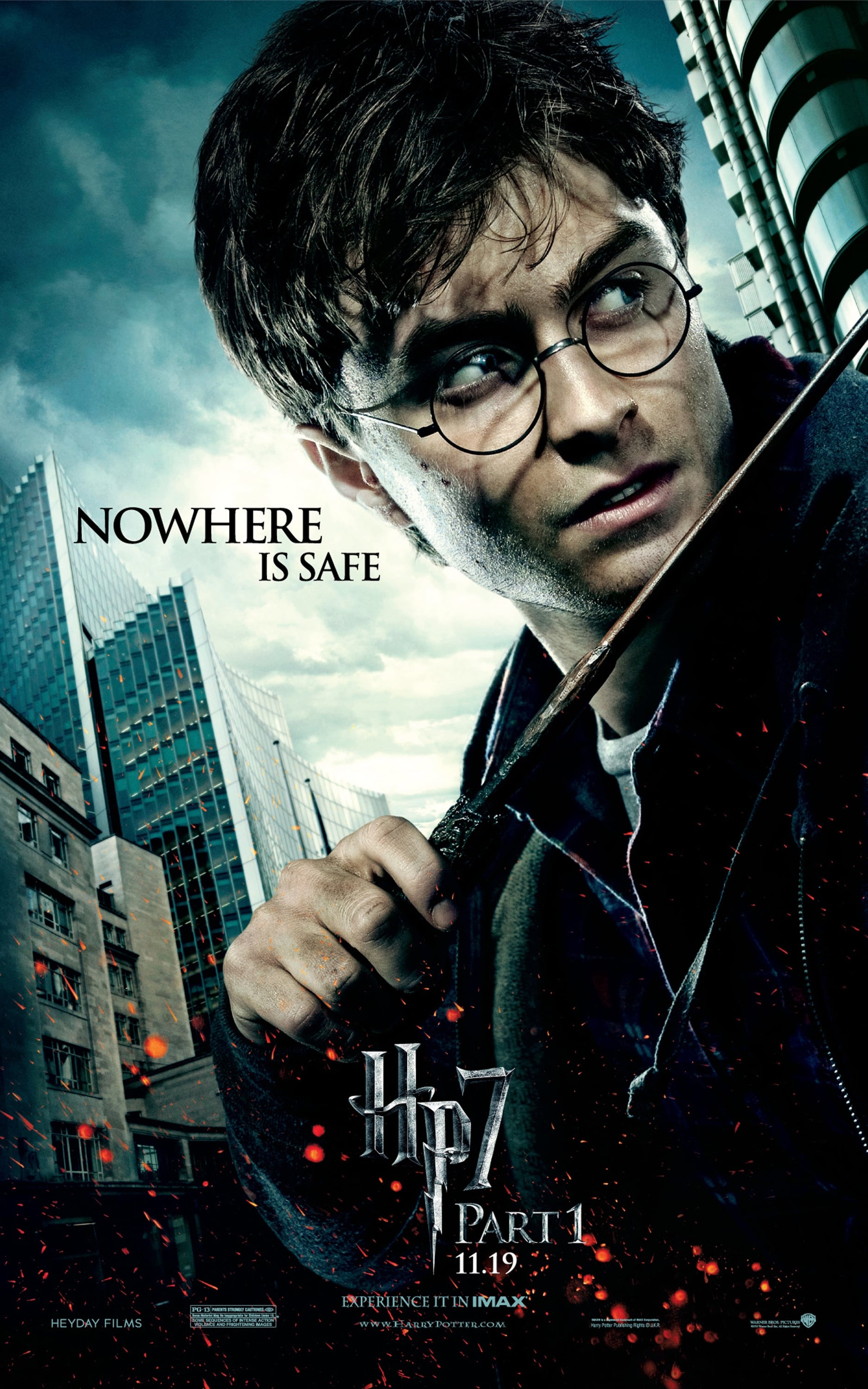
To mark the release two weeks ago of the eighth and final movie in the series, Robbie Coltrane narrates a countdown of the movie franchise's best moments. From Harry's first meeting with Ron and Hermione aboard the Hogwarts Express through to magical mysteries.
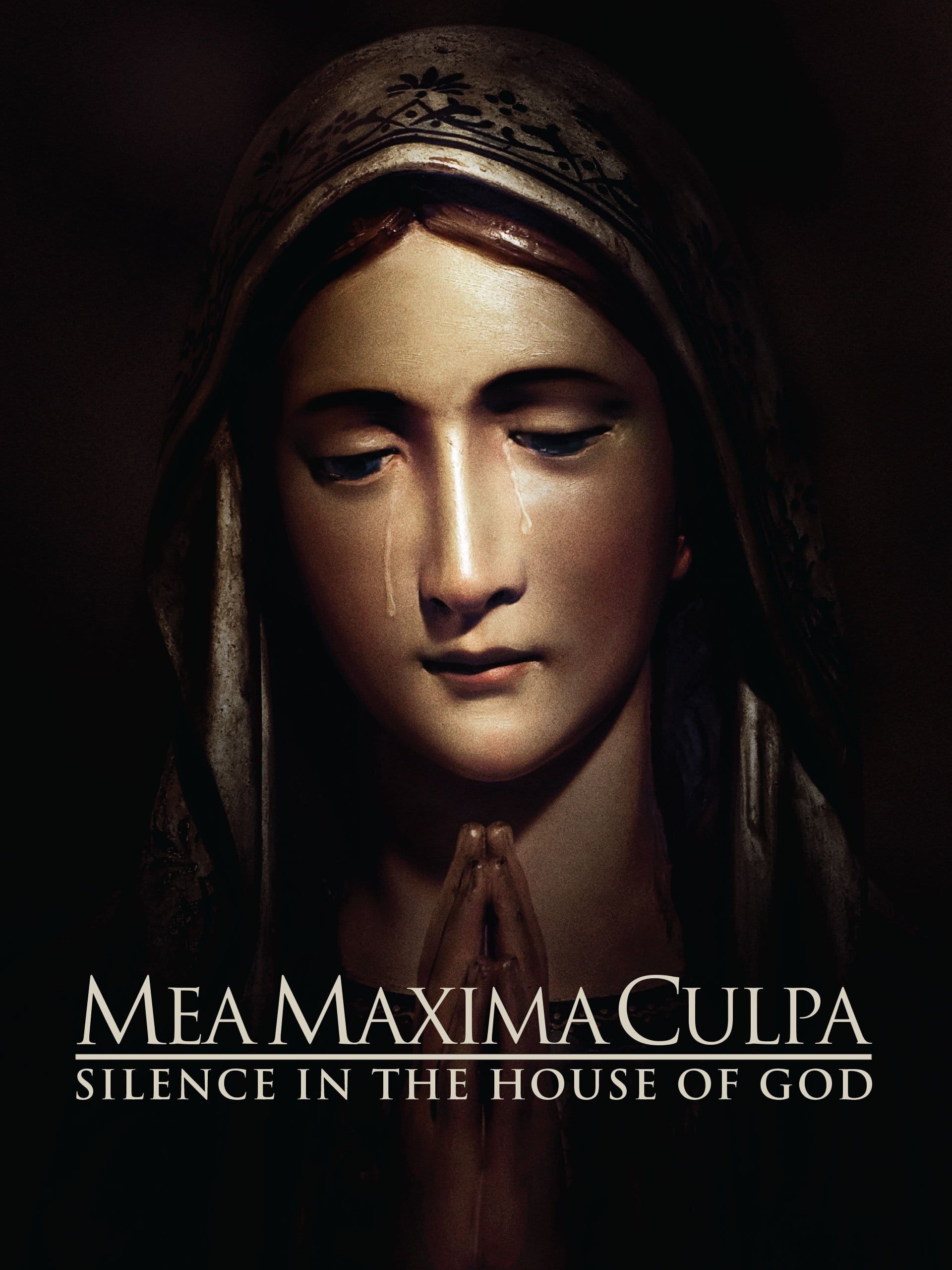
Alex Gibney explores the charged issue of pedophilia in the Catholic Church, following a trail from the first known protest against clerical sexual abuse in the United States and all way to the Vatican.
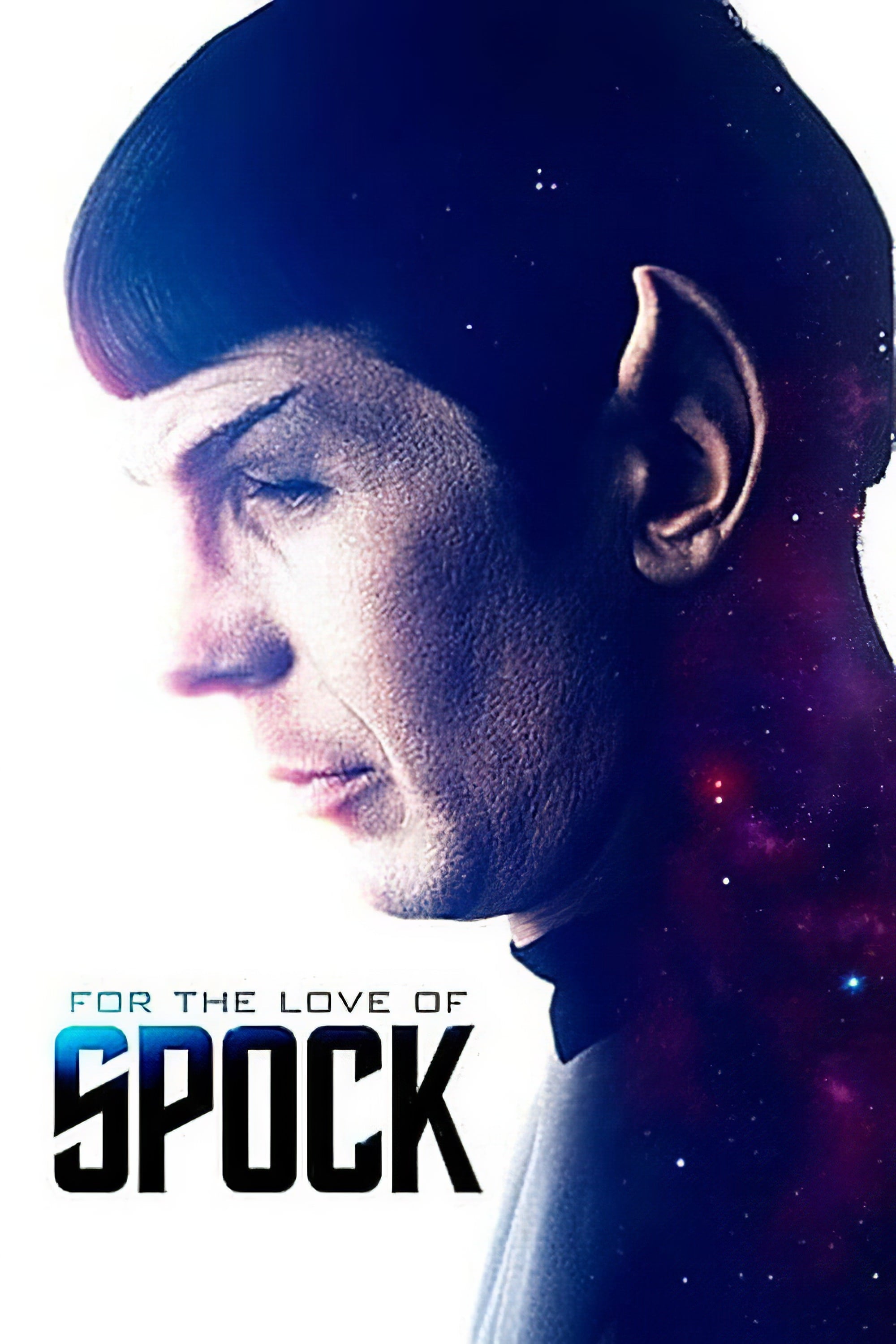
The life of Mr. Spock, as well as that of Leonard Nimoy, the actor who played him for almost fifty years, written and directed by his son: Adam.
Through deeply personal interviews with her siblings and an examination of the photographs, letters, and belongings left behind, Mariska assembles a new portrait of her mother Jayne Mansfield, an extraordinary and complex woman.
An inside look at one of the most anticipated movie sequels ever with James Cameron and cast.
The life and career of an actor, artist, and icon. His own journey through his own camera.
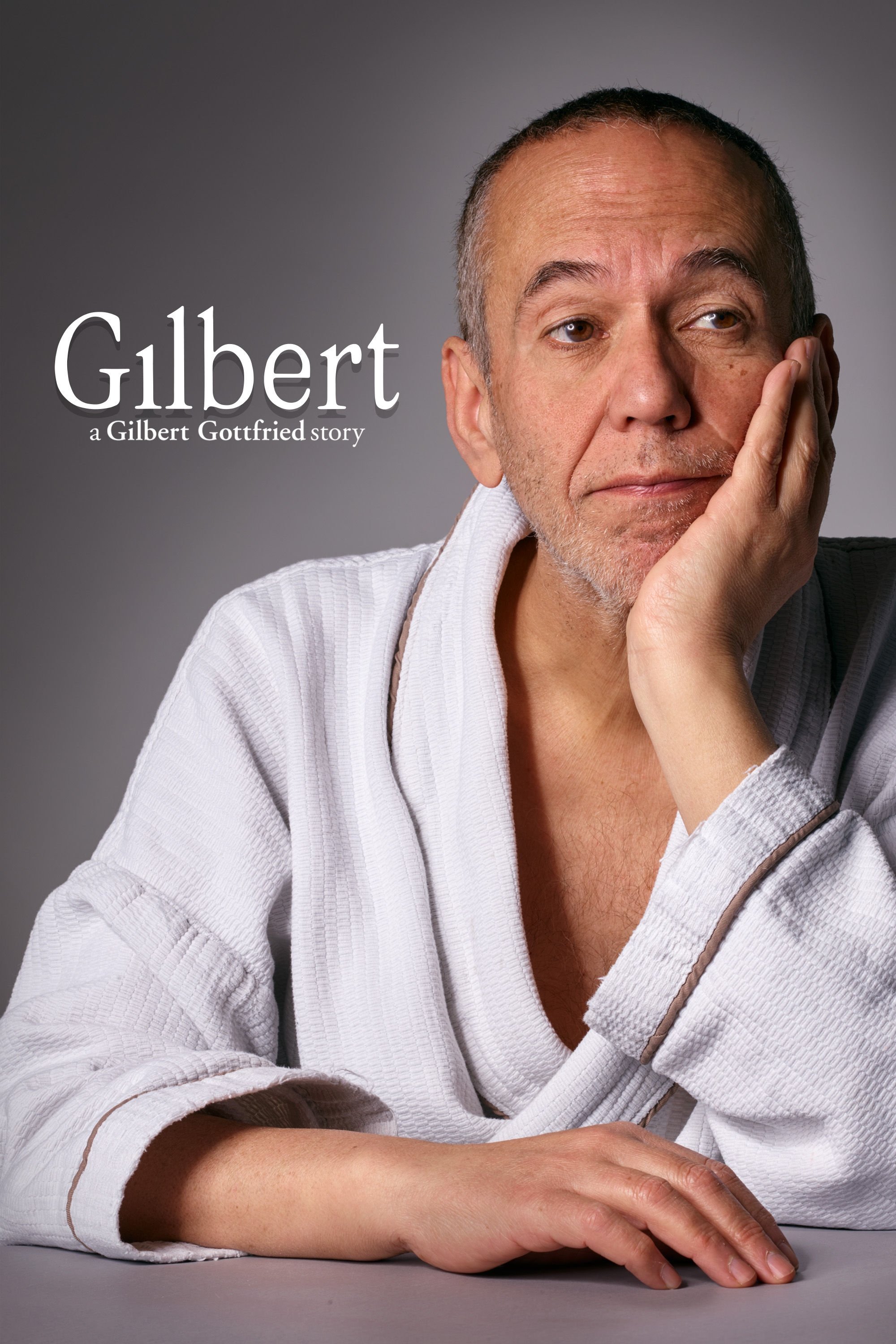
The life and career of one of comedy's most inimitable modern voices, Mr. Gilbert Gottfried.
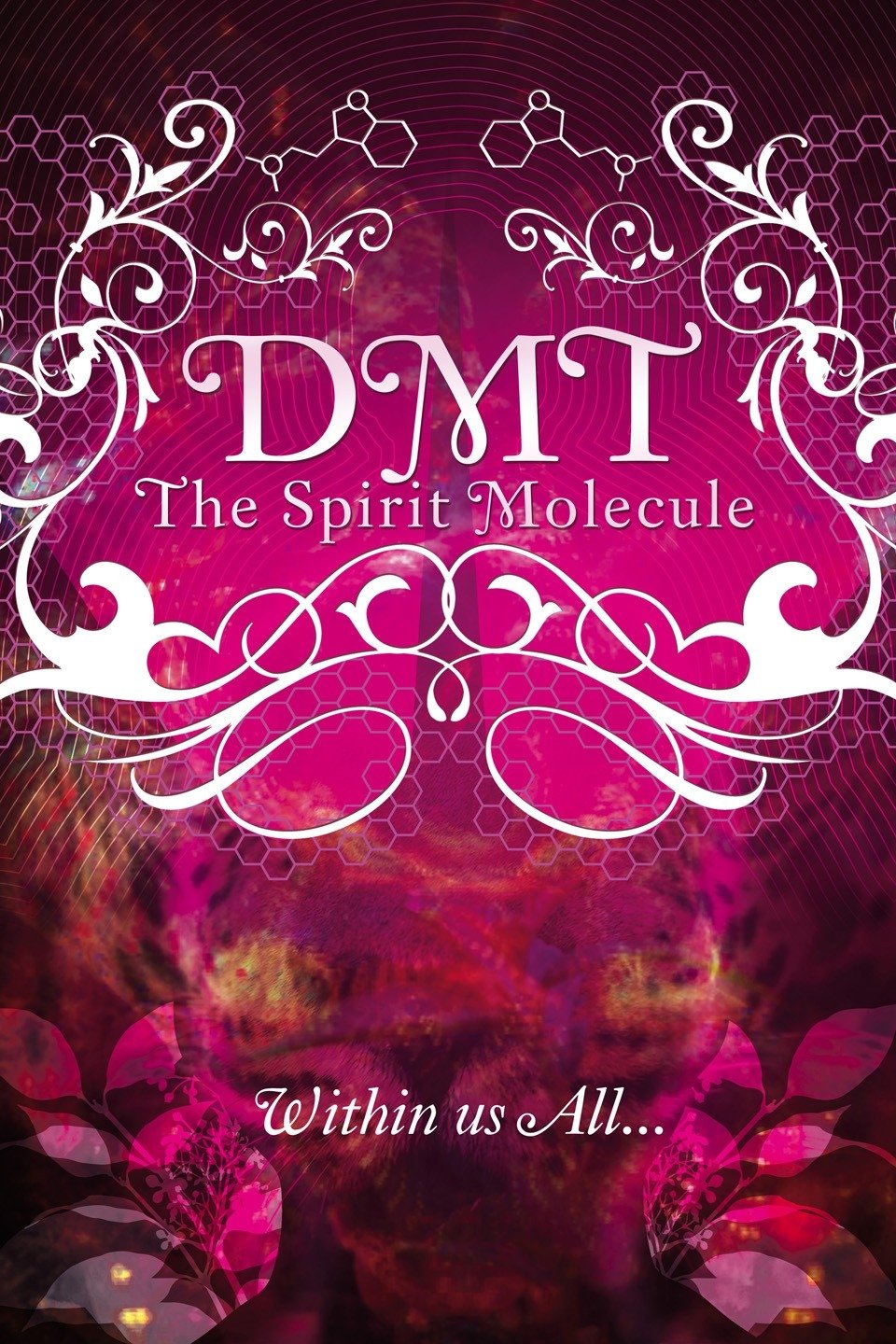
THE SPIRIT MOLECULE weaves an account of Dr. Rick Strassman's groundbreaking DMT research through a multifaceted approach to this intriguing hallucinogen found in the human brain and hundreds of plants, including the sacred Amazonian brew, ayahuasca. Utilizing interviews with a variety of experts to explain their thoughts and experiences with DMT, and ayahuasca, within their respective fields, and discussions with Strassman’s research volunteers, brings to life the awesome effects of this compound, and introduces us to far-reaching theories regarding its role in human consciousness.
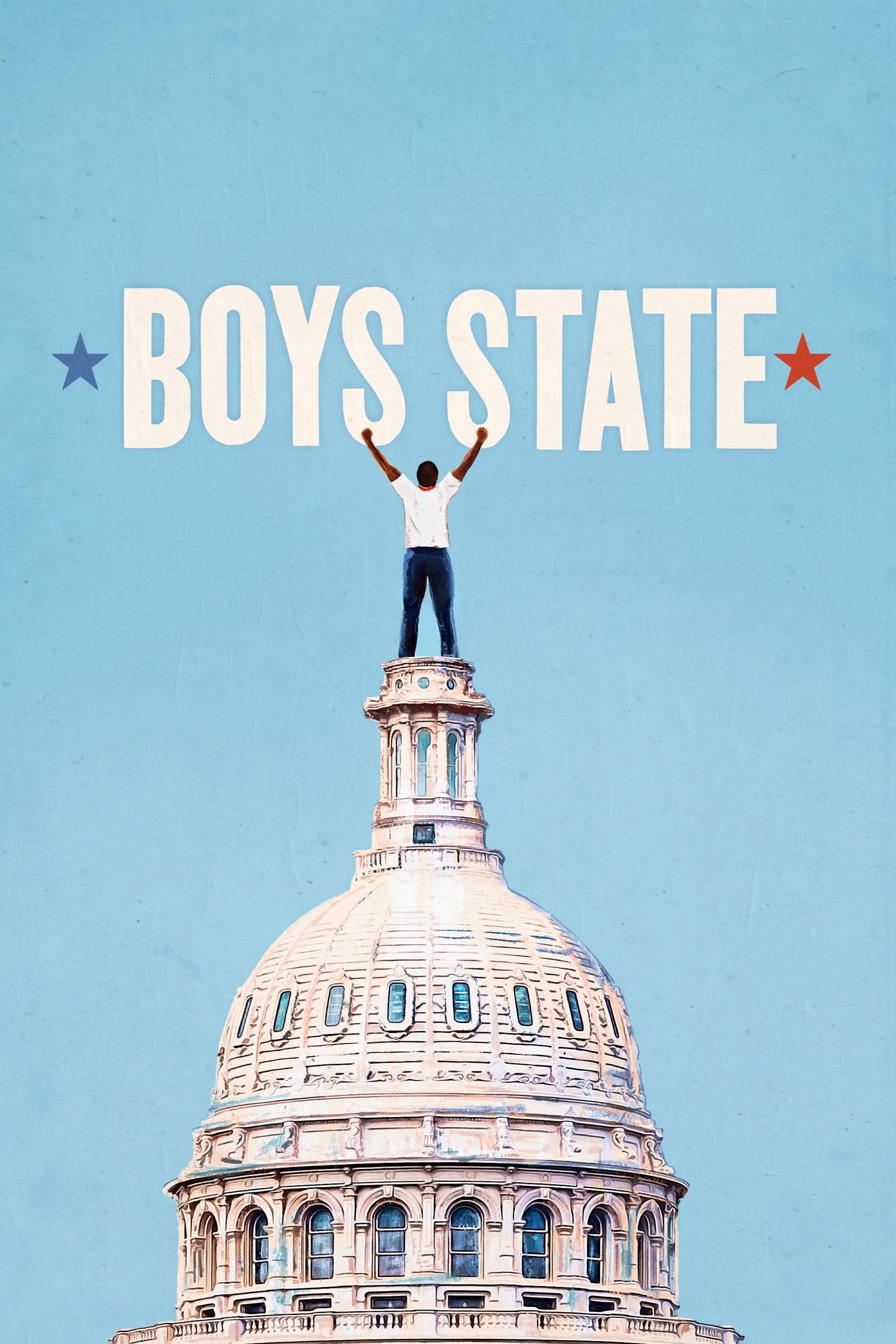
This raucous journey into the heart of democracy captures an unusual rite of passage: 1,100 teenage boys from across Texas coming together to build a representative government from the ground up.
Alexander McQueen's rags-to-riches story is a modern-day fairy tale, laced with the gothic. Mirroring the savage beauty, boldness and vivacity of his design, this documentary is an intimate revelation of McQueen's own world, both tortured and inspired, which celebrates a radical and mesmerizing genius of profound influence.
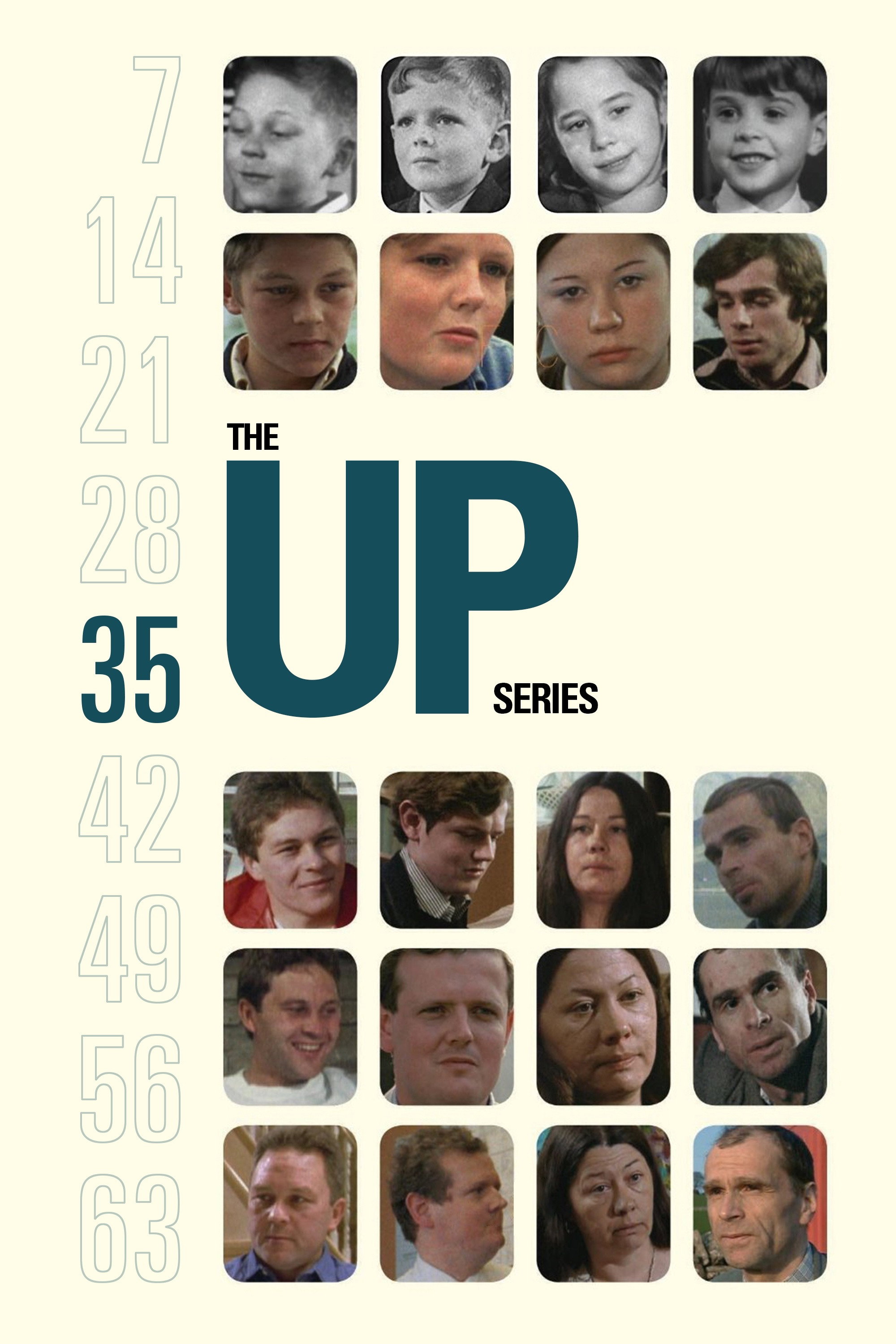
Director Michael Apted revisits the same group of British-born adults after a 7 year wait. The subjects are interviewed as to the changes that have occurred in their lives during the last seven years.
Join the likes of Jeremy Renner, Hailee Steinfeld, Florence Pugh, and Vincent D’Onofrio as they reveal how Marvel Studios’ “Hawkeye” was conceived and created. Witness firsthand what it took to pull off the show’s pulse-pounding action set pieces, and discover how iconic characters from the pages of Marvel Comics such as Kate Bishop were adapted and brought to life for the six-episode series.
A documentary about the life and films of director John Ford.
Vulgar, taunting texts blow up the phones of a teen and her boyfriend. Who's sending them — and why? This twisty documentary reveals the shocking answer.