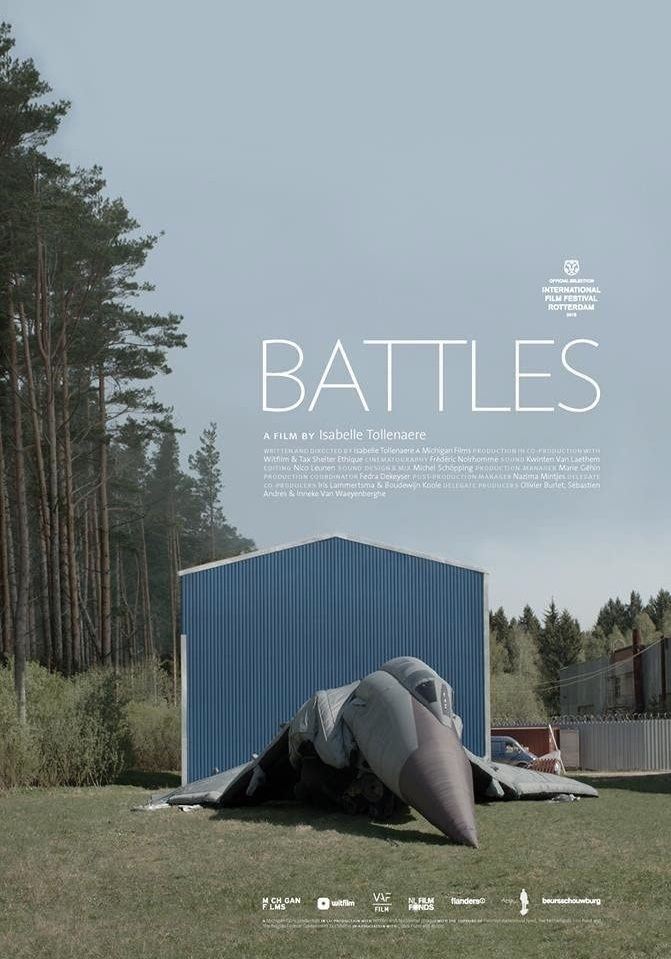
How do Europeans deal with their recent dark history (the wars, dictatorships and occupations)? What traces are etched?
Stream
Buy
Rent
Social & External
Himself
Herself
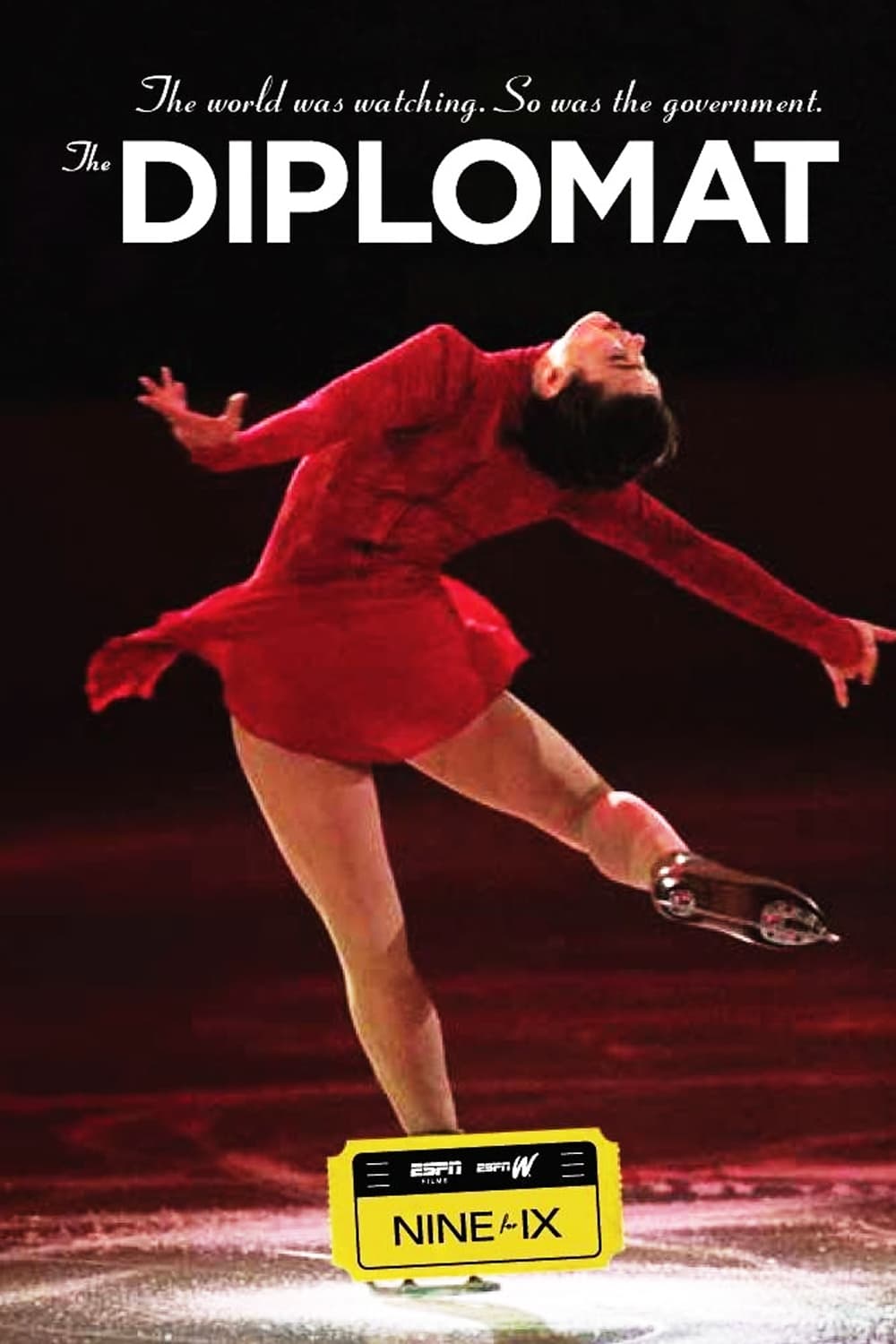
This film chronicles how figure skater Katarina Witt fought for her future in socialist East Germany, how she faced the changes after the fall of the Berlin Wall and how she ended up both a beneficiary and victim of the East German regime.
Five years after documentary Raw, Tom is seriously undernourished. Medical tests have shown that he is ingesting too few calories and is suffering from calcium deficiency. He will also be 12 to 15 centimetres shorter than if he’d had ‘normal’ nutrition. The strict diet has isolated Tom. The demand for intervention is growing. The hospital reported the mother for child neglect. Tom and his mother were summoned to court. The mother has officially been charged with child neglect and psychological abuse. She has been ordered to adjust the diet. But Francis has no intention of changing her lifestyle. She remains a committed ‘raw foodist,’ and is supported by an American raw food guru. She believes she has her son’s best interests at heart. In Rawer we see how the world reacts to Tom and his mother. Will the mother continue to challenge boundaries? Will the authorities intervene? And, what will adolescent Tom do?
Director Anneloek Sollart closely follows Tom and his mother. Since he was five years old, Tom has only eaten raw food. Uncooked, unheated food. His mother wants him to. She believes in the raw food diet, which she says is the healthiest lifestyle.
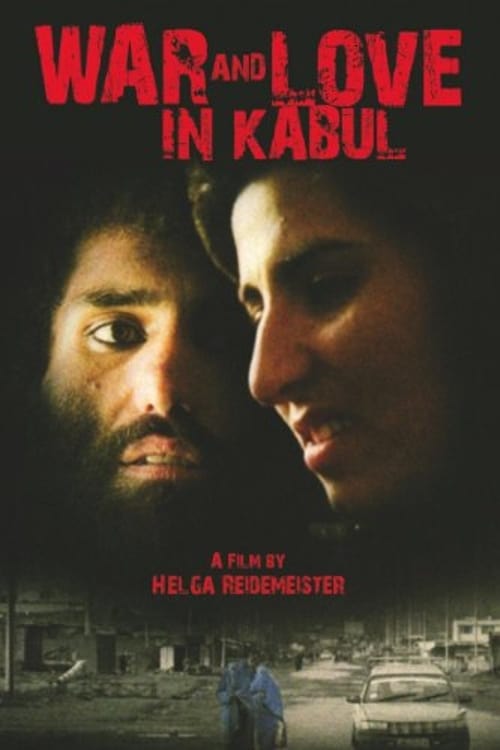
Hossein and Shaima have loved each other since childhood. As teenagers they were separated by war. They meet again in Kabul in the late 90s. Poverty forces Hossein to fight in the war. A shell splinter leaves him paralyzed. Shaima is sold into marriage with a man 40 years her senior and falls pregnant. Since Shaima's husband still owes half the dowry to her father he brings her back into the constraining patriarchal fold of the family, where she lives with her 5-year-old daughter. This situation doesn't prevent the two from seeing each other, even though this means going against their families' hard rules. In constant fear of revenge on the part of the male members of both families, they struggle to hold on to their love.
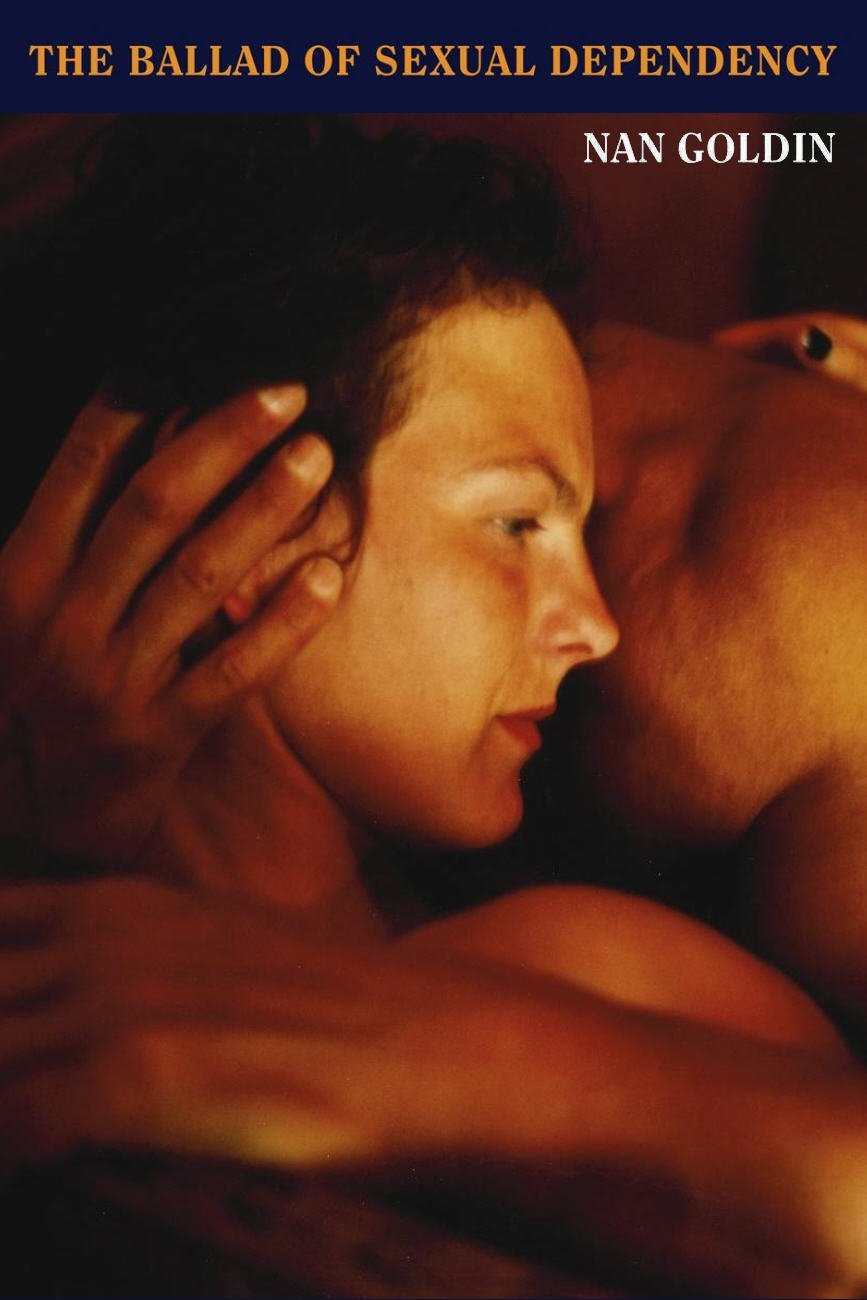
Nan Goldin's slide show “The Ballad of Sexual Dependency” converted, mixed and screened as a film by the artist, portraying the American underground culture, the no wave scene, post-Stonewall gay subculture, among others.
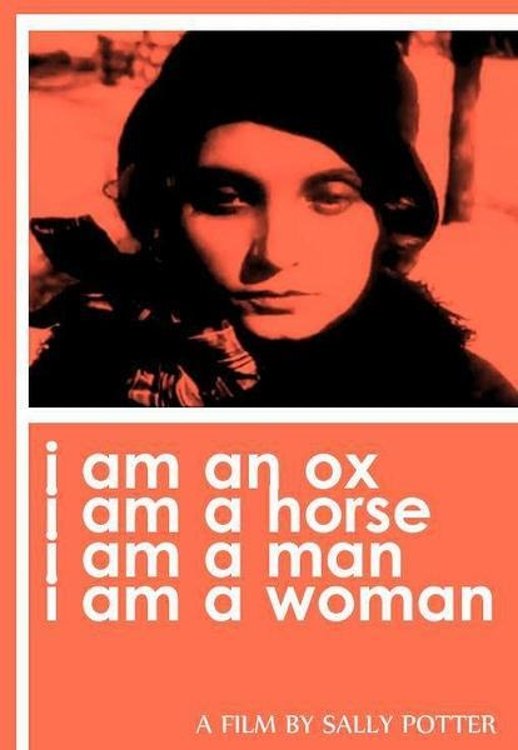
The film is a series of interviews with various well-known film actresses, including Jenny Agutter, Maria Schneider, and Jane Fonda. The title, which is borrowed from a 1958 film with the same name by Marc Allegret, refers to the sense the actresses have of what is expected of them by the film industry.
Actress Virginia Madsen collaborates with her mother Elaine Madsen to produce this documentary, which profiles a collection of fascinating woman between 64 and 94 years old. Among those featured in this extraordinary exploration of womanhood are famed model-turned-actress Lauren Hutton, screen and stage legend Rita Moreno and Hollywood pioneer Eartha Kitt.
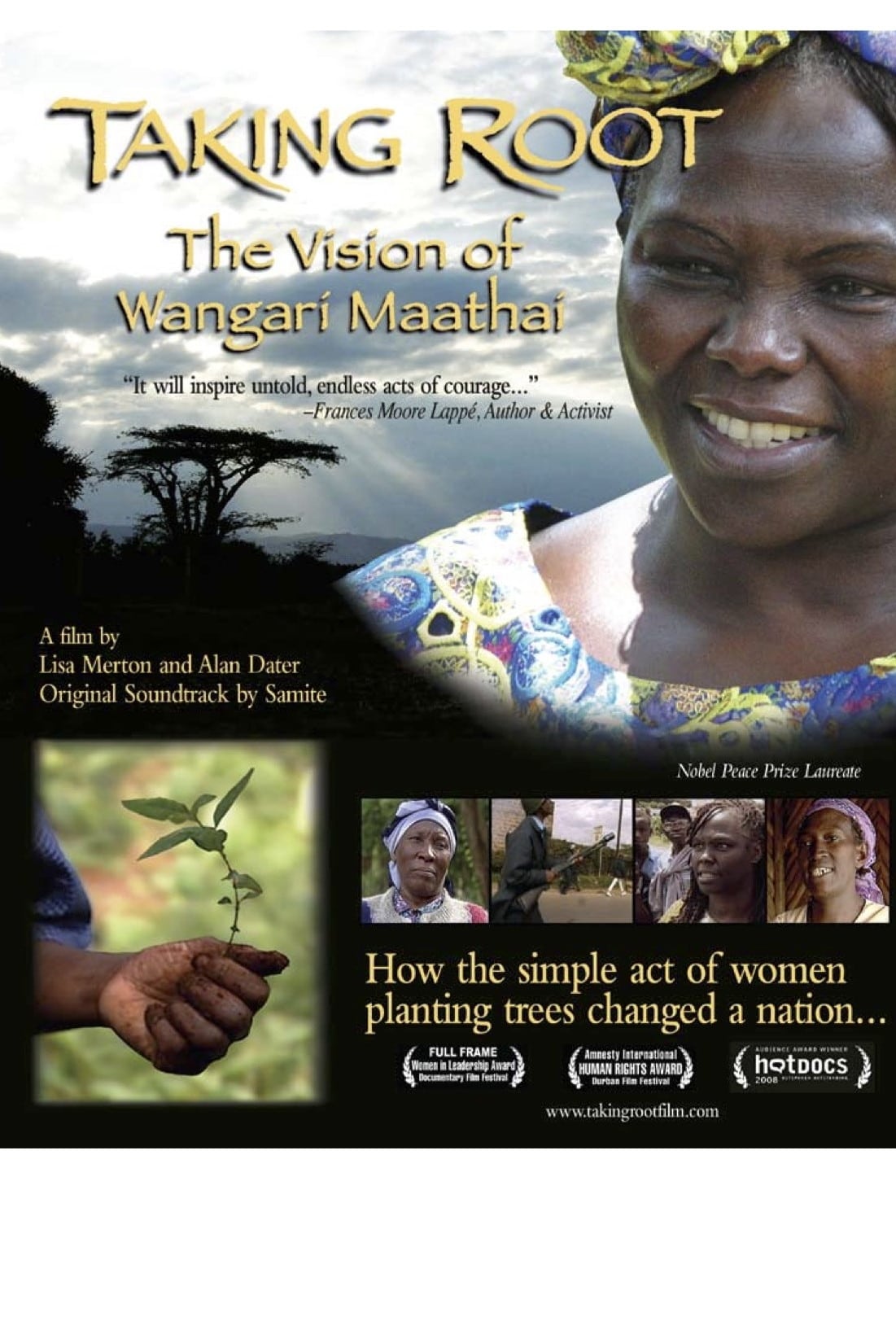
This documentary provides a window into the extraordinary life of activist and Nobel Laureate Wangari Maathai, a Kenyan woman who has worked to regain ownership of her country and its fate after years of colonialism. While gentle and thoughtful, Maathai carries a powerful message: the First World holds much of the responsibility for the environmental, economic and social struggles of the developing world.
This glasnost-era documentary, which incorporates footage from films from the 1920s through the 1980s, looks at the history of women in Russian cinema through the eyes of Russian women directors, actors, and scriptwriters. The film’s title refers to a WWII slogan about women doing the work of absent men in the fields and at home. Featuring Kira Muratova, Natalia Ryazantseva, Inna Churikova, Nonna Mordyukova, and others.
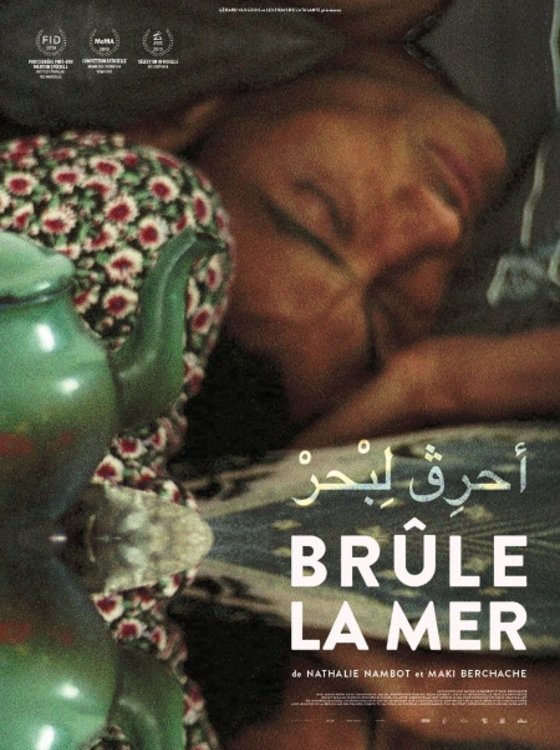
From the seascapes of the North African Mediterranean to the streetscapes of Paris, this personal 16mm essay film explores the idealism and hard realities of departure and arrival. Stories of the post-revolution Tunisian diaspora in France, who “burned the sea” to leave, only to discover a new form of confinement in their liberation, provide a powerful meditation on personal revolution and freedom, and the compromises that face those whose mobility is a double-edged sword.
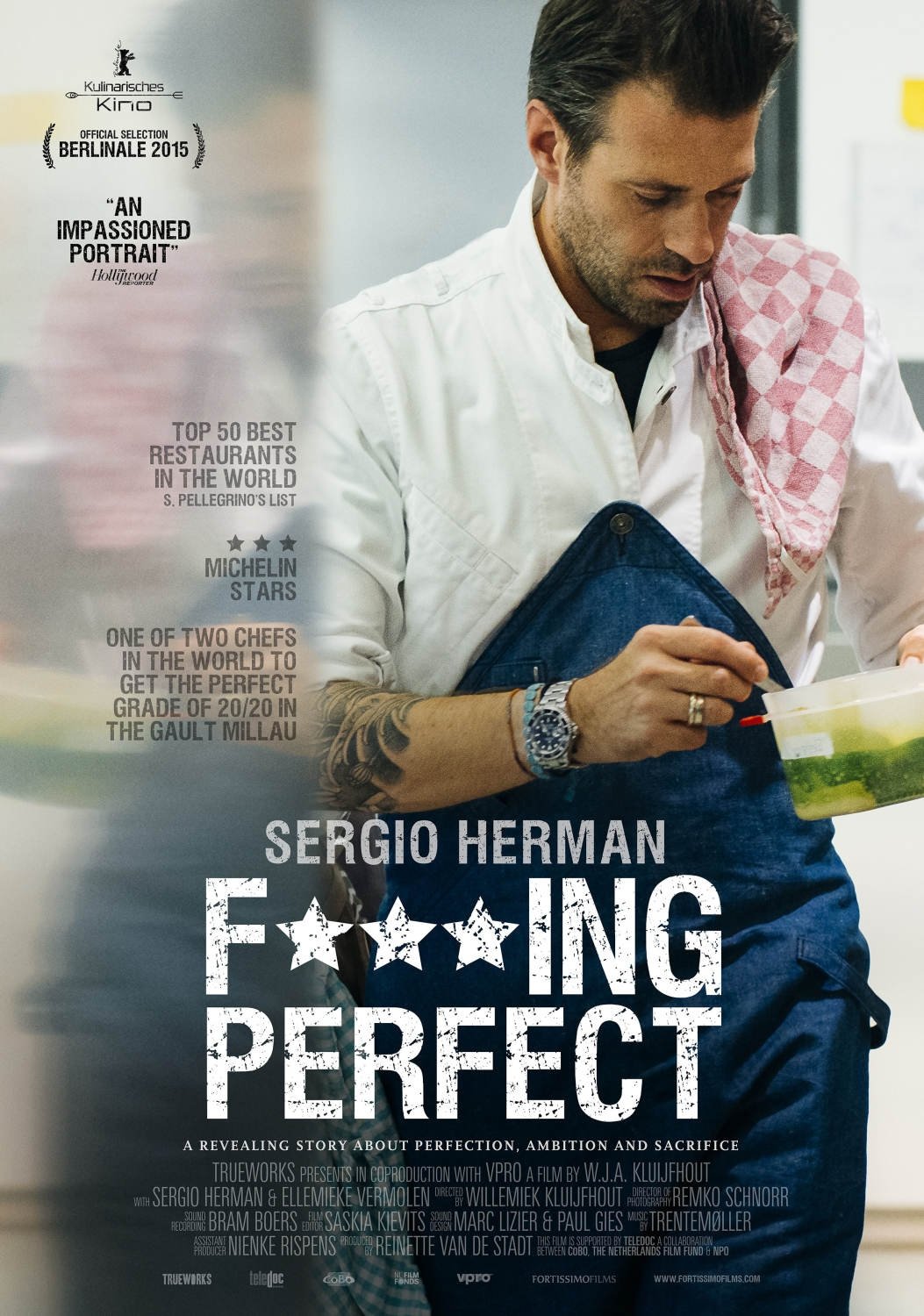
Master chef Sergio Herman feels he needs to let go of his 3-star restaurant Oud Sluis in order to fulfill his dreams. A revealing story about perfection, ambition and sacrifices.
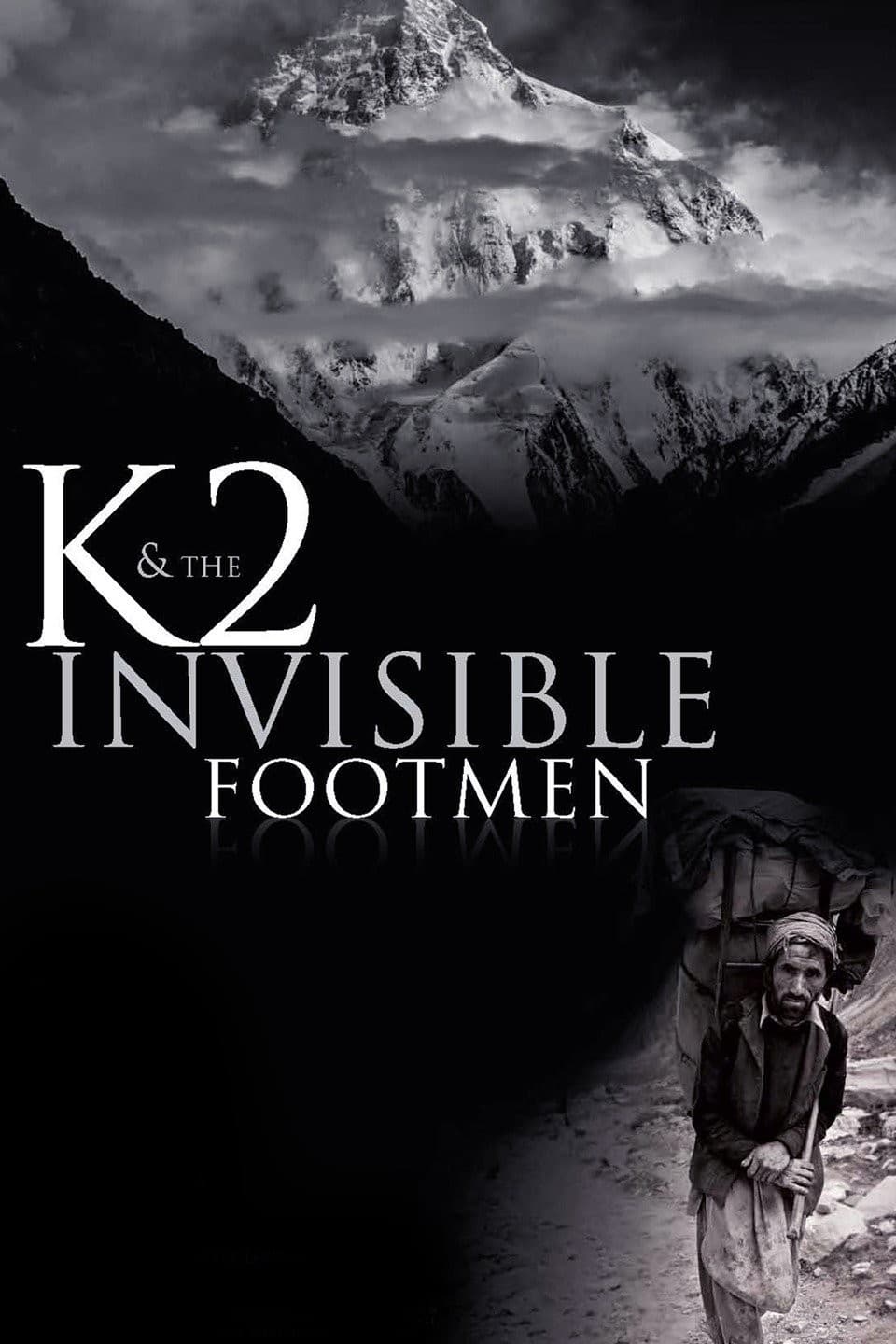
K2 is widely seen as the world's harshest mountain. Yet many indigenous porters make a living in its extreme conditions, carrying provisions for foreign climbing expeditions. Often risking their lives, they receive minimal pay for their efforts. Against a backdrop of breathtaking natural beauty, this doc explores the courage and sacrifice of the men who call the 'Savage Mountain' their home.
The American West. We have arrived in a world where human life would seem to be impossible: an arid, mythical landscape characterized by absence. Absence of water, trees, life. In the beginning there was nothing. But then traces start appearing. Desert Haze tells the many layered story of human presence in the American Desert.
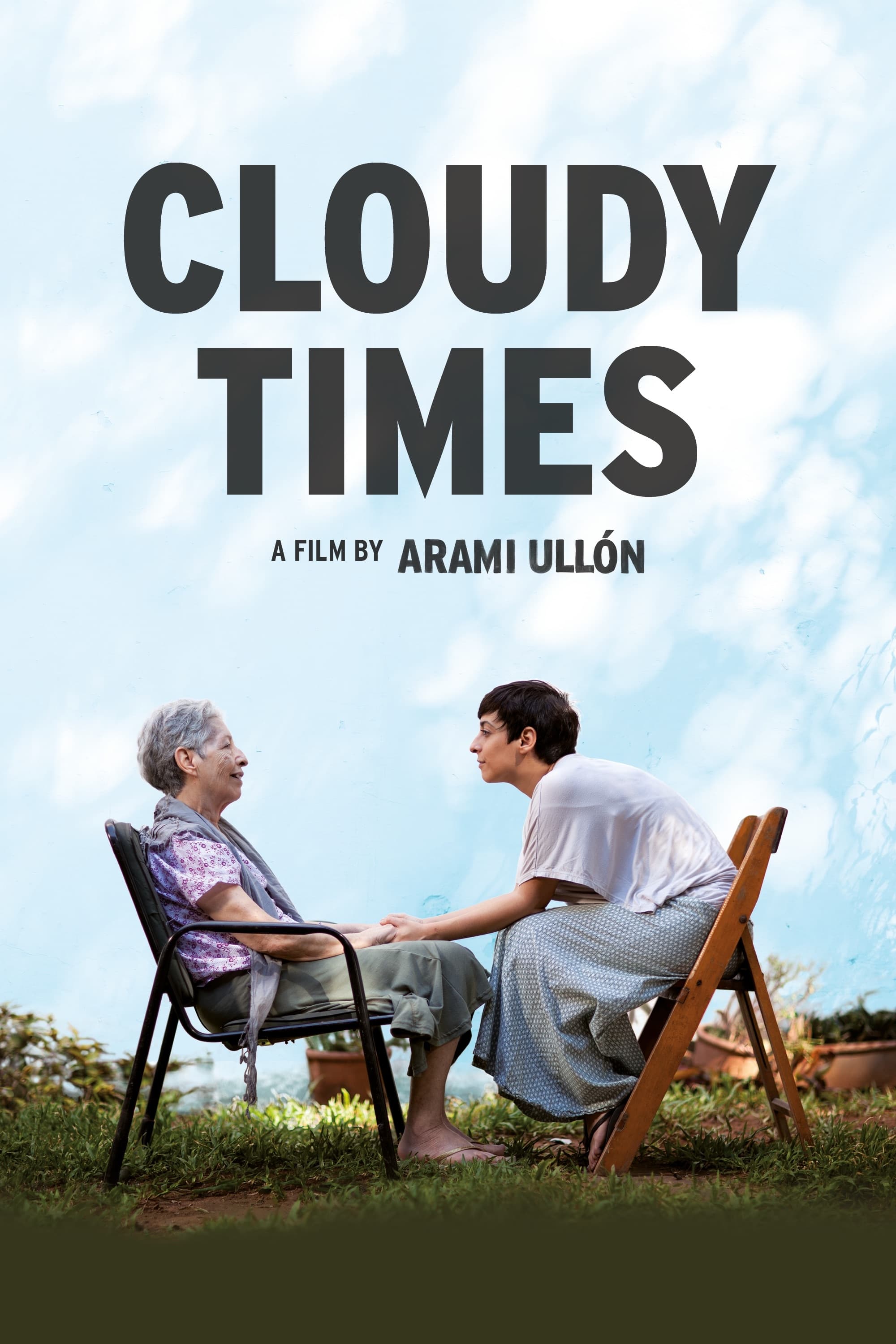
Arami Ullón must return to Paraguay to make an important decision: what will happen to her sick mother, Mirna? The heartfelt gaze of the camera reveals a relationship filled with love, but also unspoken and unresolved issues. A sensitive film which examines the inner turmoil of the daughter during the final stages of her mother’s degenerative illness.
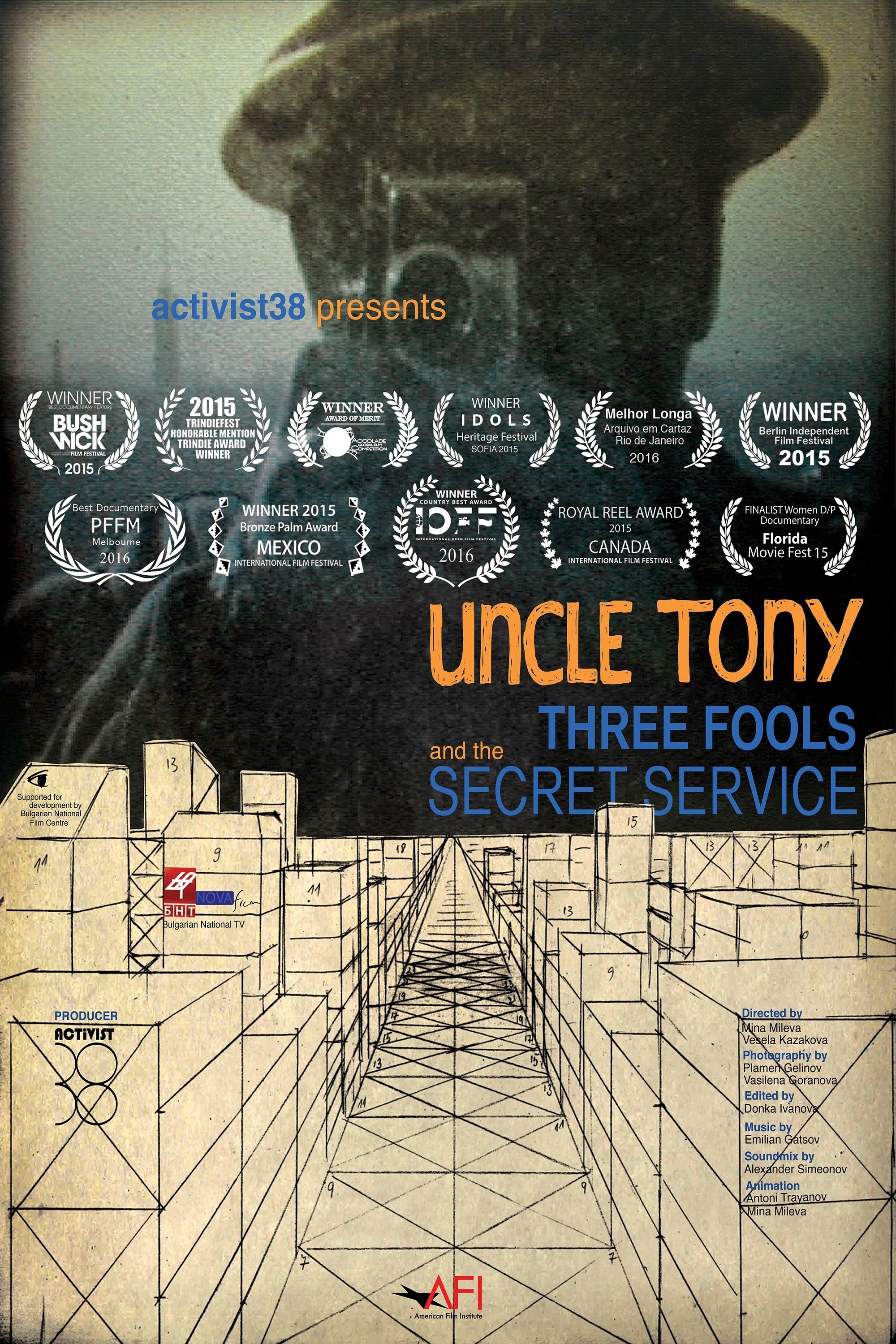
This documentary was subjected to condemnation and attempts for institutional censorship as soon as it was done. The film observes how one man makes a career using another in the totalitarian society of Communist Bulgaria.
Some sixty years ago, a man went missing for four years. He returned back a changed man carrying along a painful secret. He later built his family’s life around this unspoken secret.
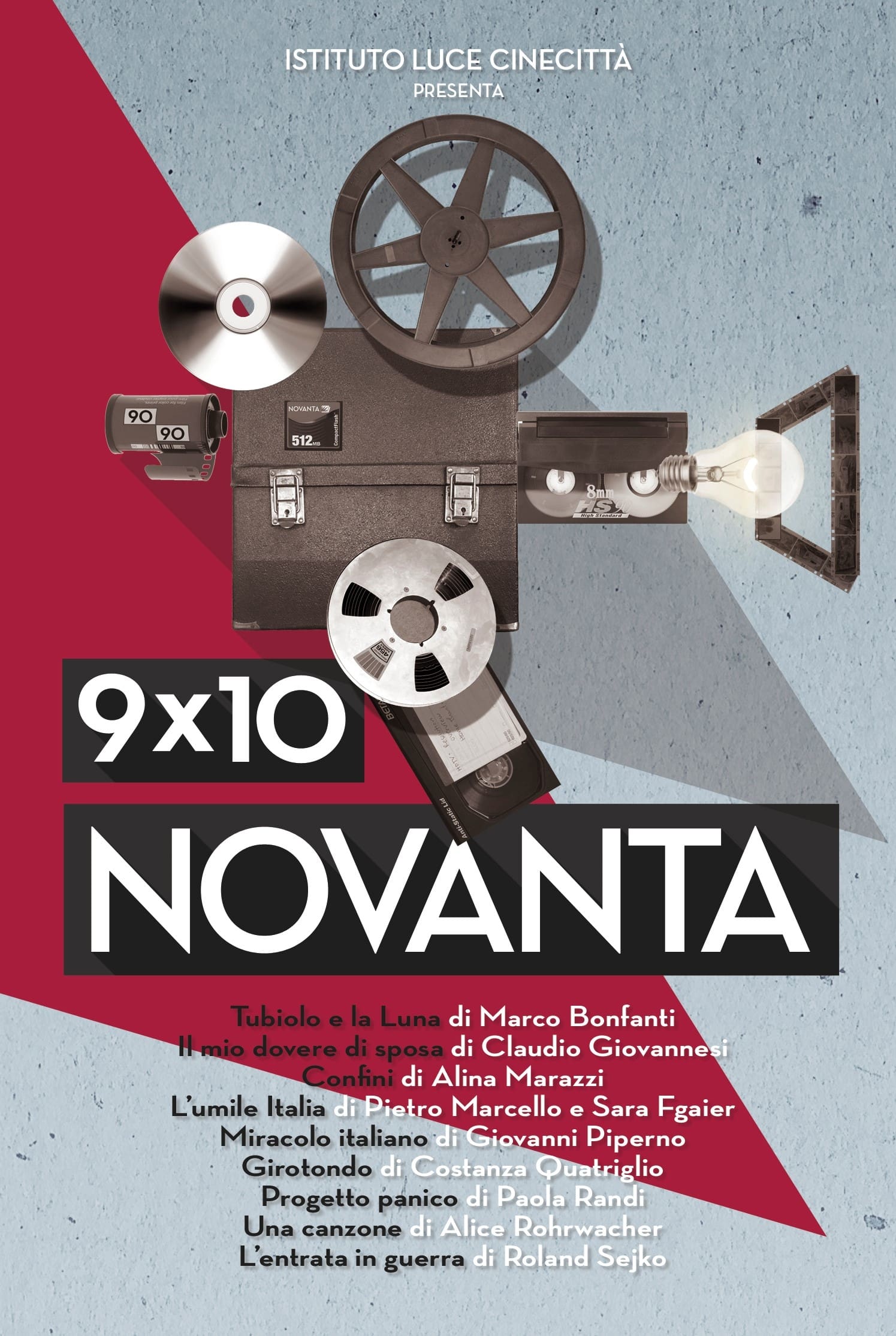
The Istituto Luce turned ninety in 2014, its decades-long history intertwined with that of Italy itself, through cinema and that unique treasure trove of images known to all as the Luce Archives. To celebrate its anniversary, some of the most acclaimed rising filmmakers in Italy were invited to make a small film, with each director selecting ten minutes of footage from the archives, out of the thousands of hours of footage to be found there. The result is an album full of different narratives.
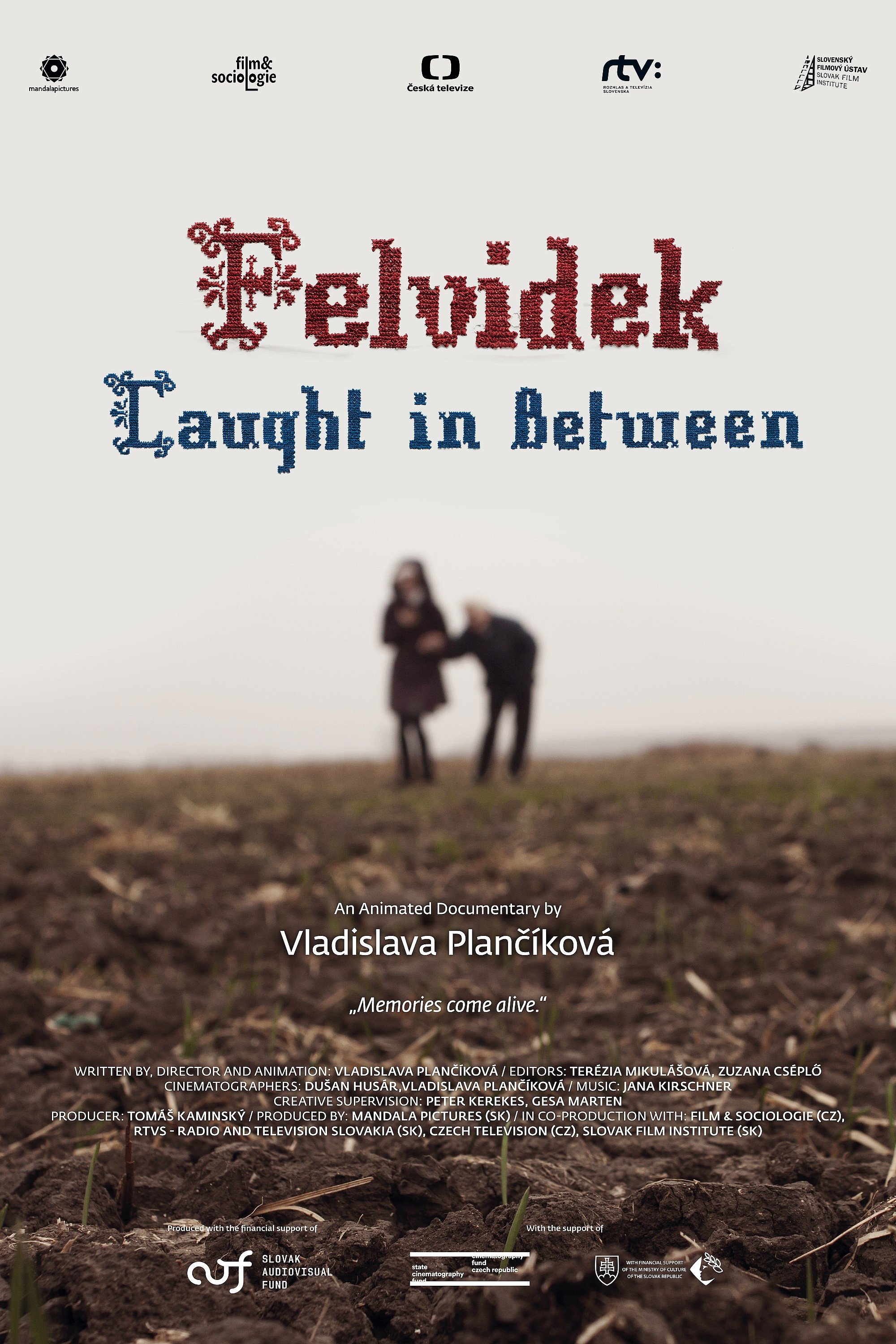
In her documentary on Hungarian-Slovak relations, Vladislava Plancíková focuses on the word "felvidék", which refers to the now non-existent northern part of Austro-Hungary. In a personal collage consisting of the stories of members of her Slovak-Hungarian family and of visual references to historical events, she follows the eventful and today often taboo history of the post-war fate of Hungarians on Slovak soil. The abstract topic grabs our interest not only through the witnesses' testimony, but also by using thre novel technique of animating real objects, including a number of contemporary and modern photographs.
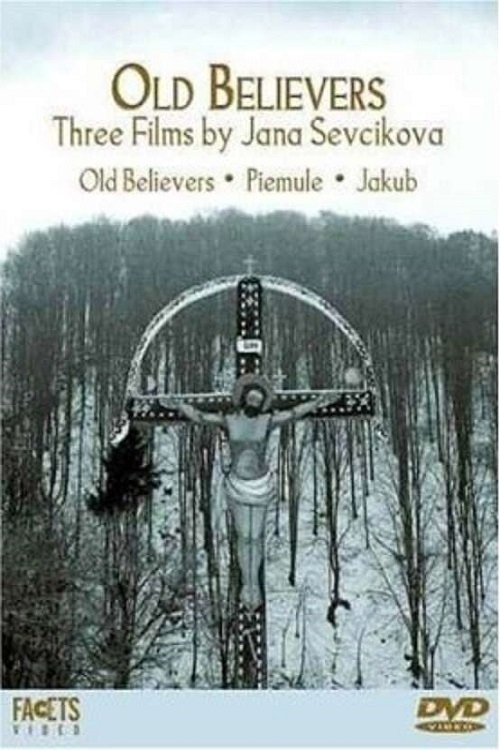
The award-winning Old Believers (2001), made over a period of five years, documents the life of a strongly religious community in the Danube Delta where time seems to stand still.
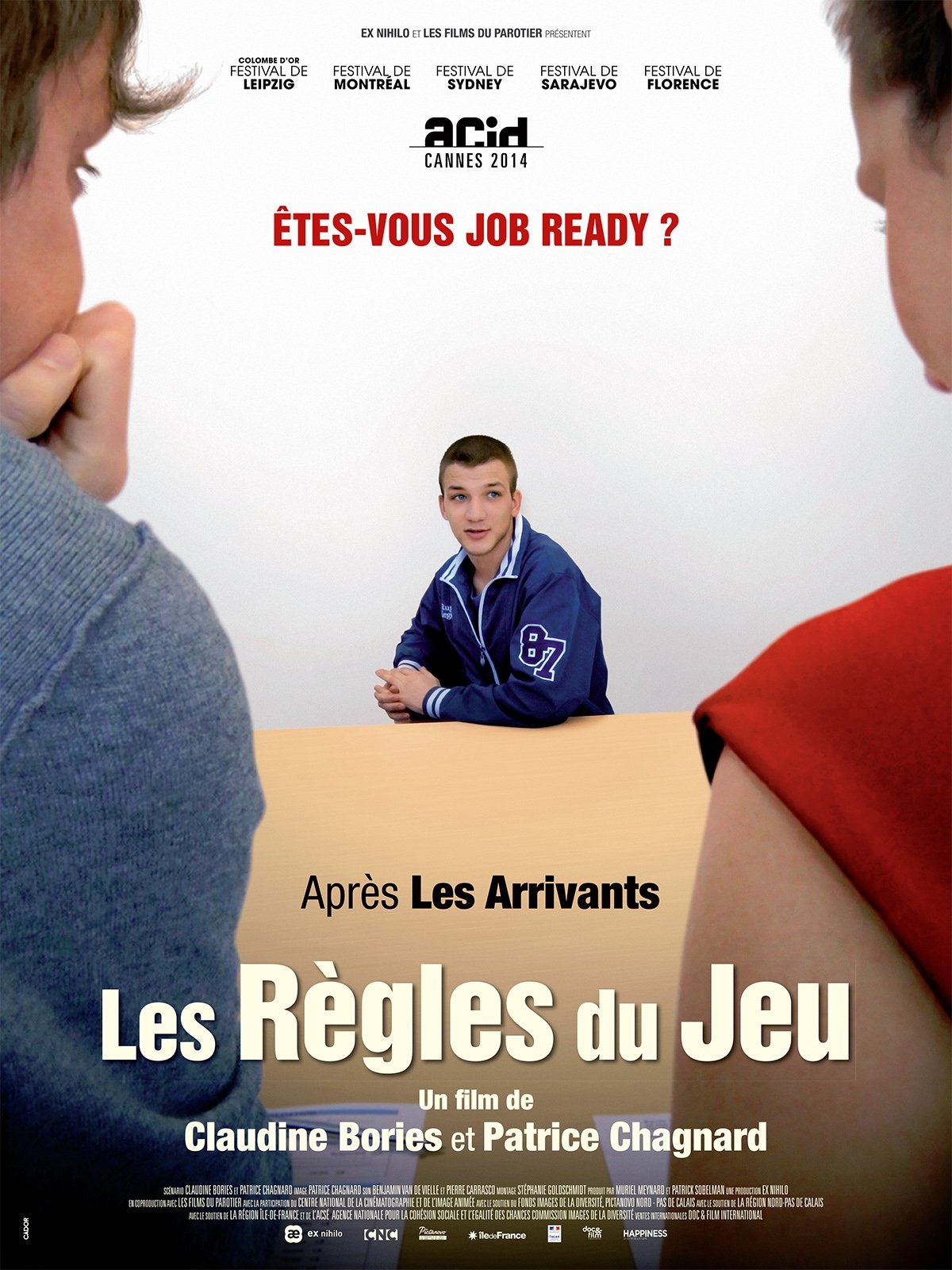
Lolita hates to smile. Kévin doesn't know how to sell himself. Hamid doesn't like bosses. They are twenty. They have no qualifications. They are looking for work. Over six months, the coaches of an employment consultancy firm are going to teach them the attitudes and language required to get a job in today's market. Through this apprenticeship, the film reveals the absurdity of these new rules of the game.
“The Soviet Story” is a story of an Allied power, which helped the Nazis to fight Jews and which slaughtered its own people on an industrial scale. Assisted by the West, this power triumphed on May 9th, 1945. Its crimes were made taboo, and the complete story of Europe’s most murderous regime has never been told. Until now...
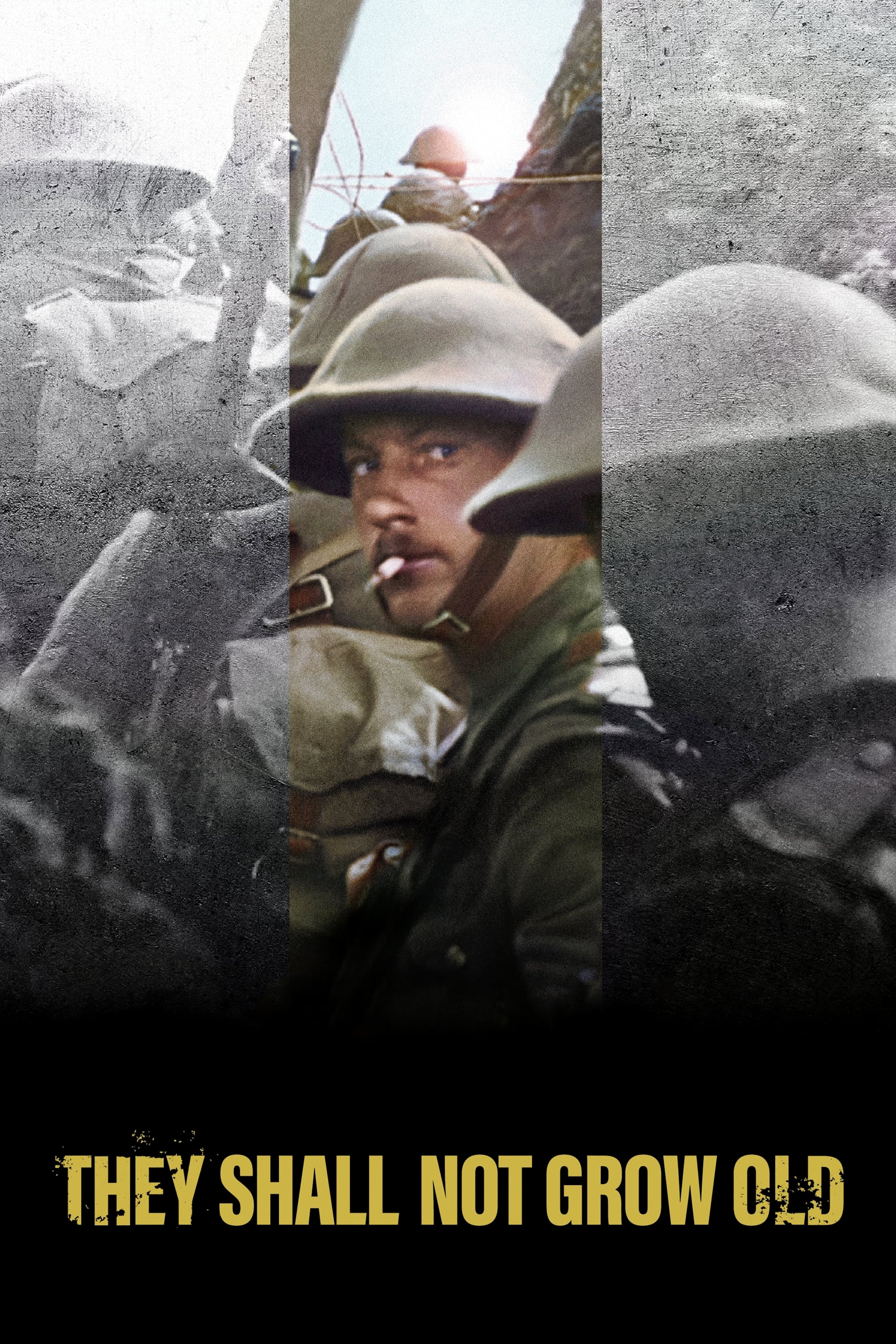
A documentary about World War I with never-before-seen footage to commemorate the centennial of Armistice Day, and the end of the war.
A love letter from a young mother to her daughter, the film tells the story of Waad al-Kateab’s life through five years of the uprising in Aleppo, Syria as she falls in love, gets married and gives birth to Sama, all while cataclysmic conflict rises around her. Her camera captures incredible stories of loss, laughter and survival as Waad wrestles with an impossible choice– whether or not to flee the city to protect her daughter’s life, when leaving means abandoning the struggle for freedom for which she has already sacrificed so much.
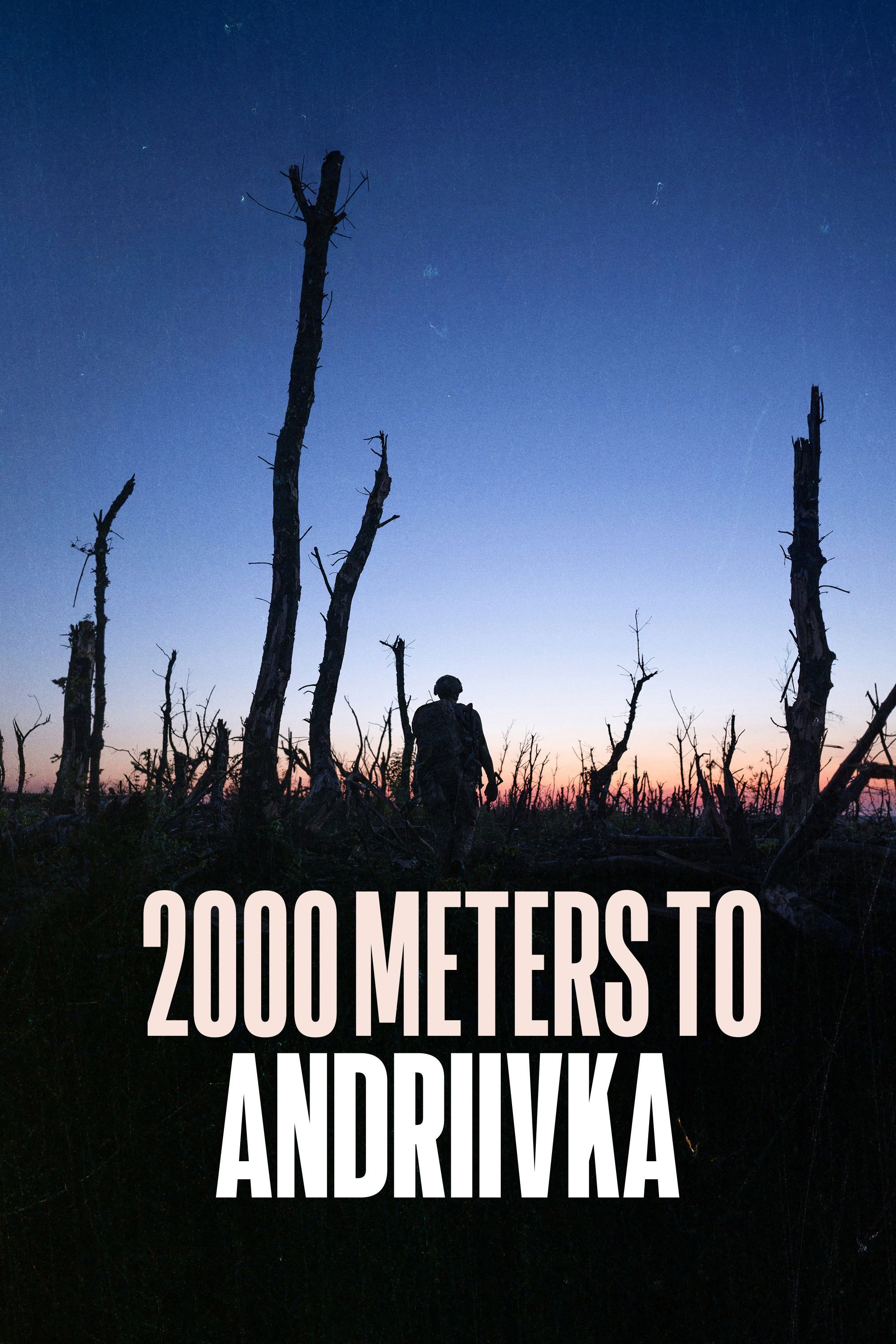
Amid the failing counteroffensive, a journalist follows a Ukrainian platoon on their mission to traverse one mile of heavily fortified forest and liberate a strategic village from Russian occupation. But the farther they advance through their destroyed homeland, the more they realize that this war may never end.
Prelude to War was the first film of Frank Capra's Why We Fight propaganda film series, commissioned by the Pentagon and George C. Marshall. It was made to convince American troops of the necessity of combating the Axis Powers during World War II. This film examines the differences between democratic and fascist states.
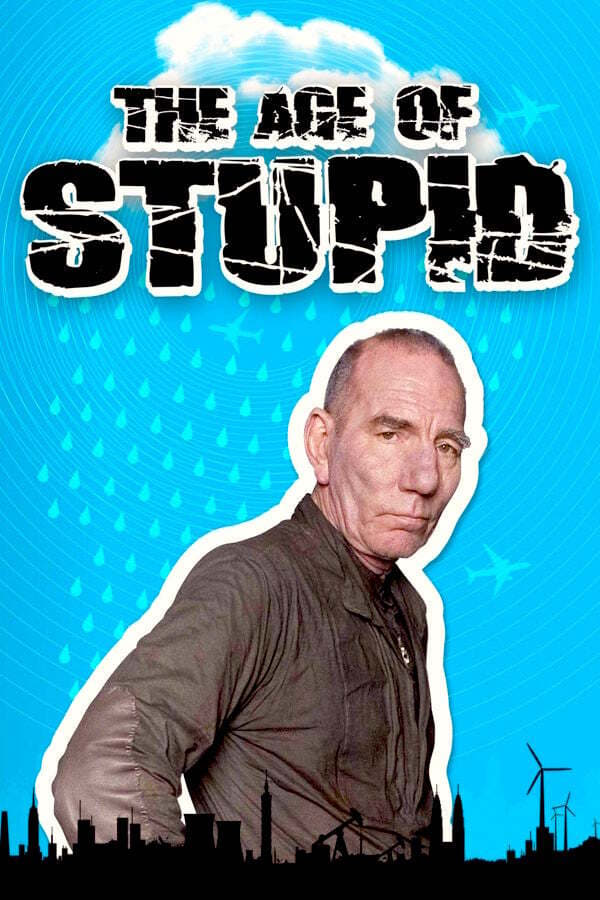
Pete Postlethwaite stars as a man living alone in the devastated future world of 2055, looking at old footage from 2008 and asking: why didn’t we stop climate change when we had the chance?
"Trinity and Beyond" is an unsettling yet visually fascinating documentary presenting the history of nuclear weapons development and testing between 1945-1963. Narrated by William Shatner and featuring an original score performed by the Moscow Symphony Orchestra, this award-winning documentary reveals previously unreleased and classified government footage from several countries.
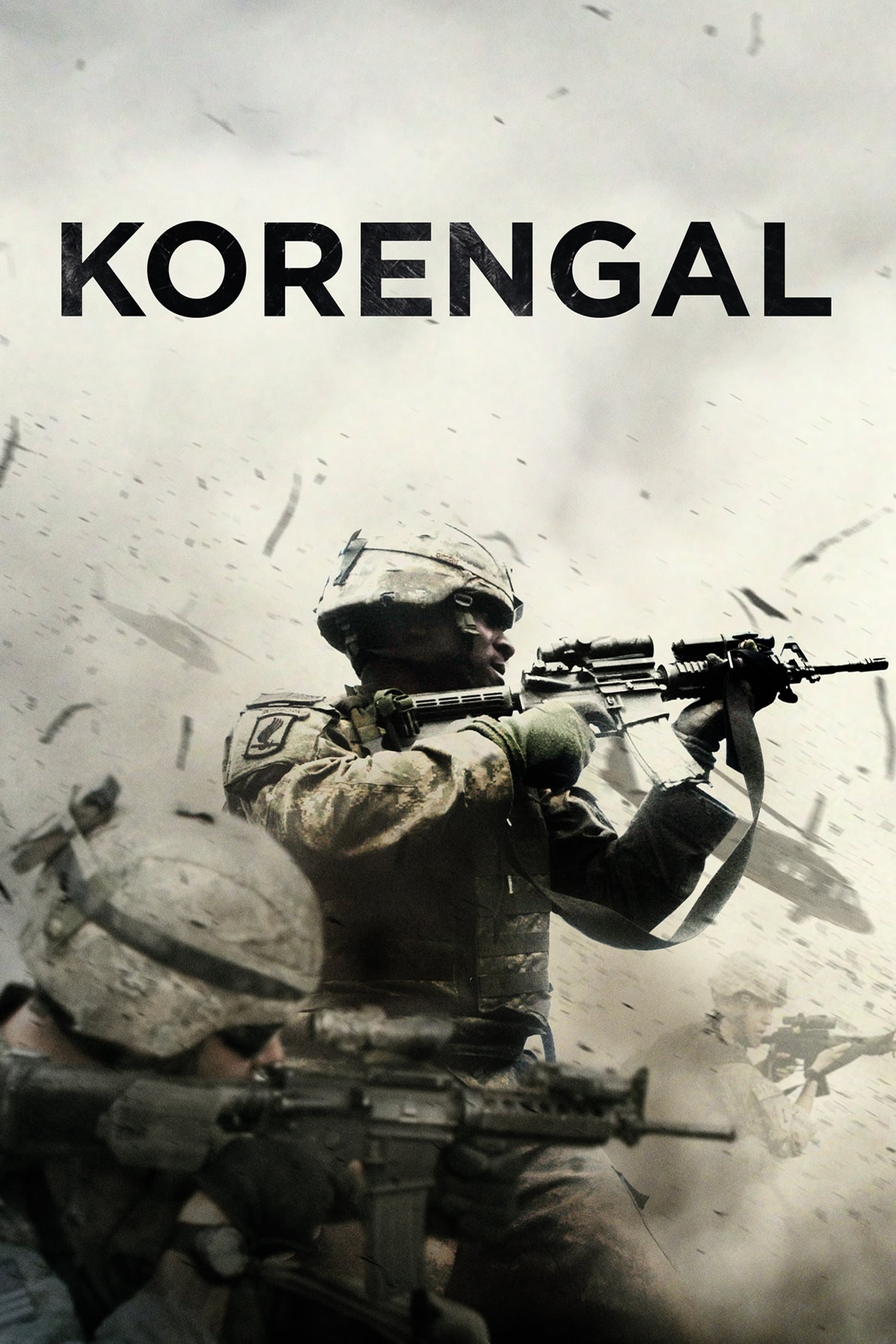
Korengal picks up where Restrepo left off; the same men, the same valley, the same commanders, but a very different look at the experience of war.
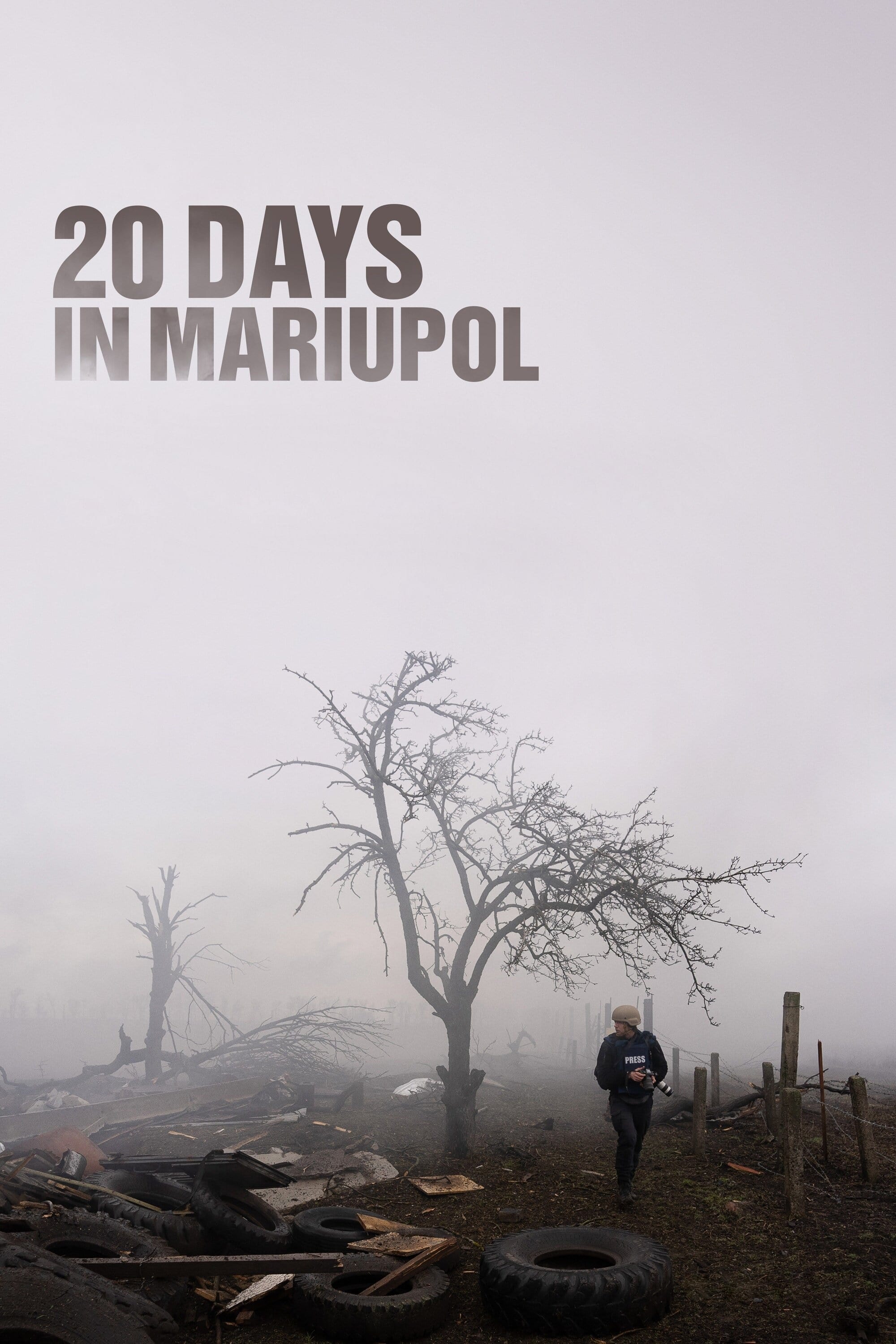
As the Russian invasion begins, a team of Ukrainian journalists trapped in the besieged city of Mariupol struggle to continue their work documenting the war's atrocities.
Documentary about the art of film editing. Clips are shown from many groundbreaking films with innovative editing styles.
The history of cinematic sound, told by legendary sound designers and visionary filmmakers.
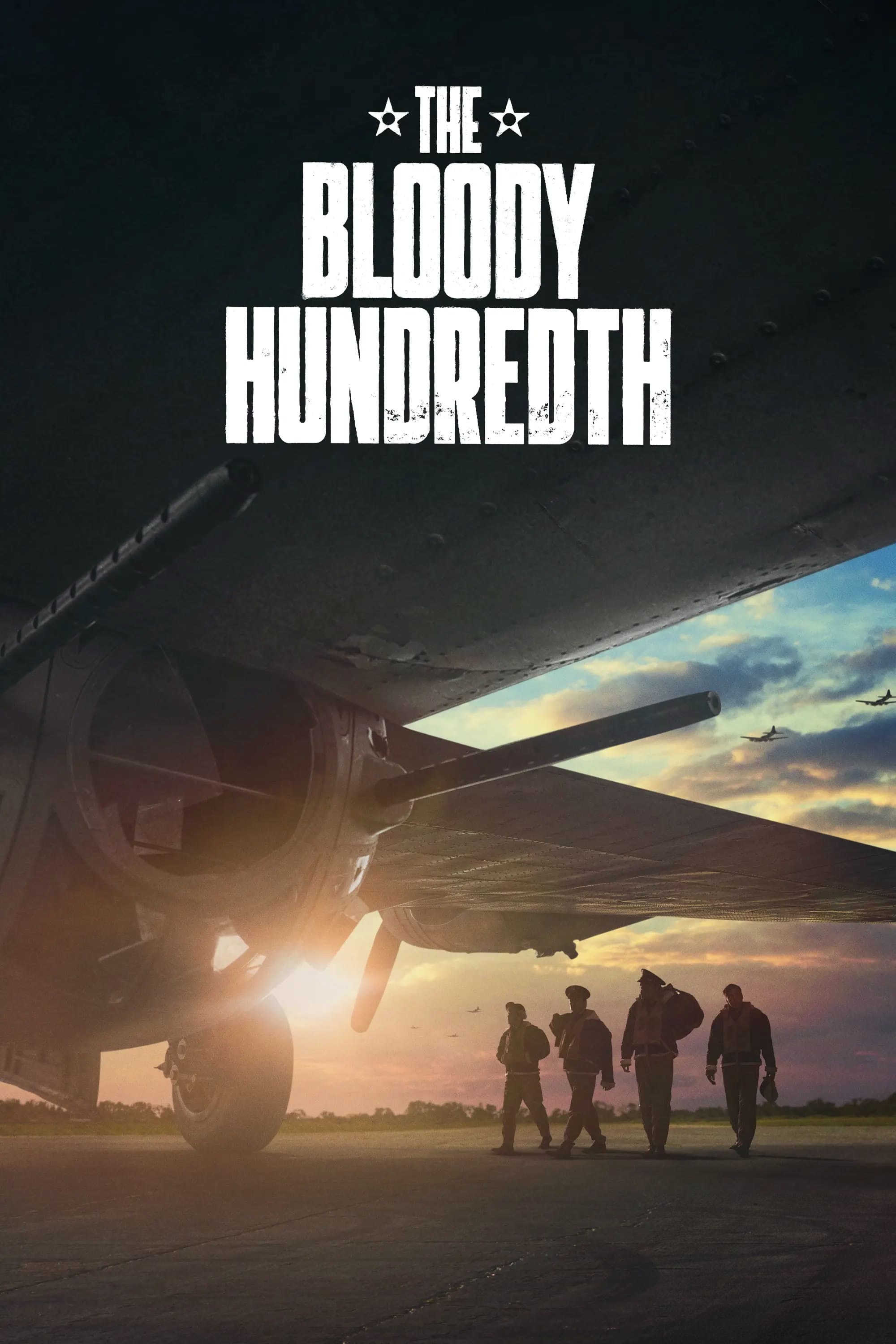
Meet the real-life airmen who inspired Masters of the Air as they share the harrowing and transformative events of the 100th Bomb Group.
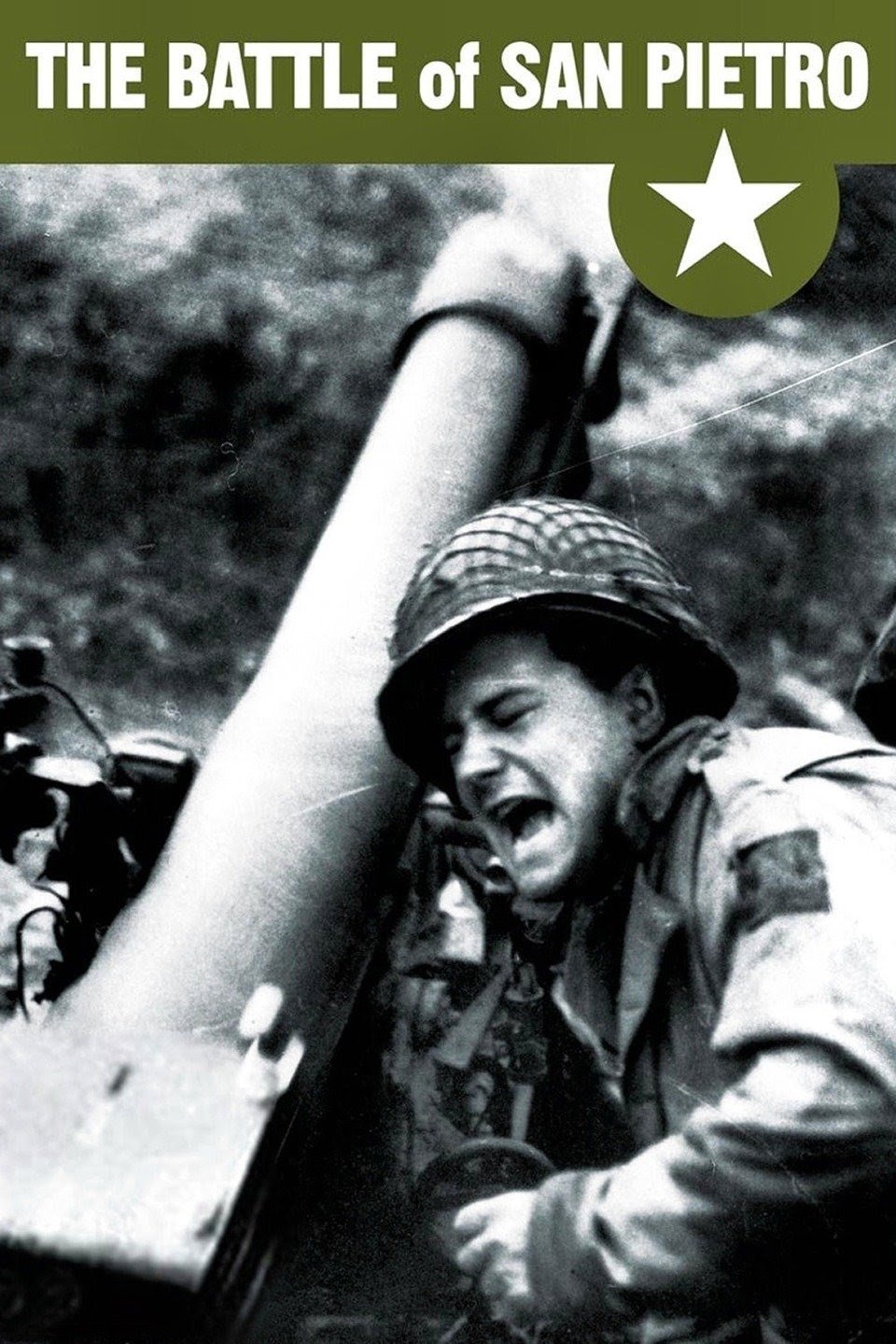
This documentary movie is about the battle of San Pietro, a small village in Italy. Over 1,100 US soldiers were killed while trying to take this location, that blocked the way for the Allied forces from the Germans. Preserved by the Academy Film Archive in 2005.
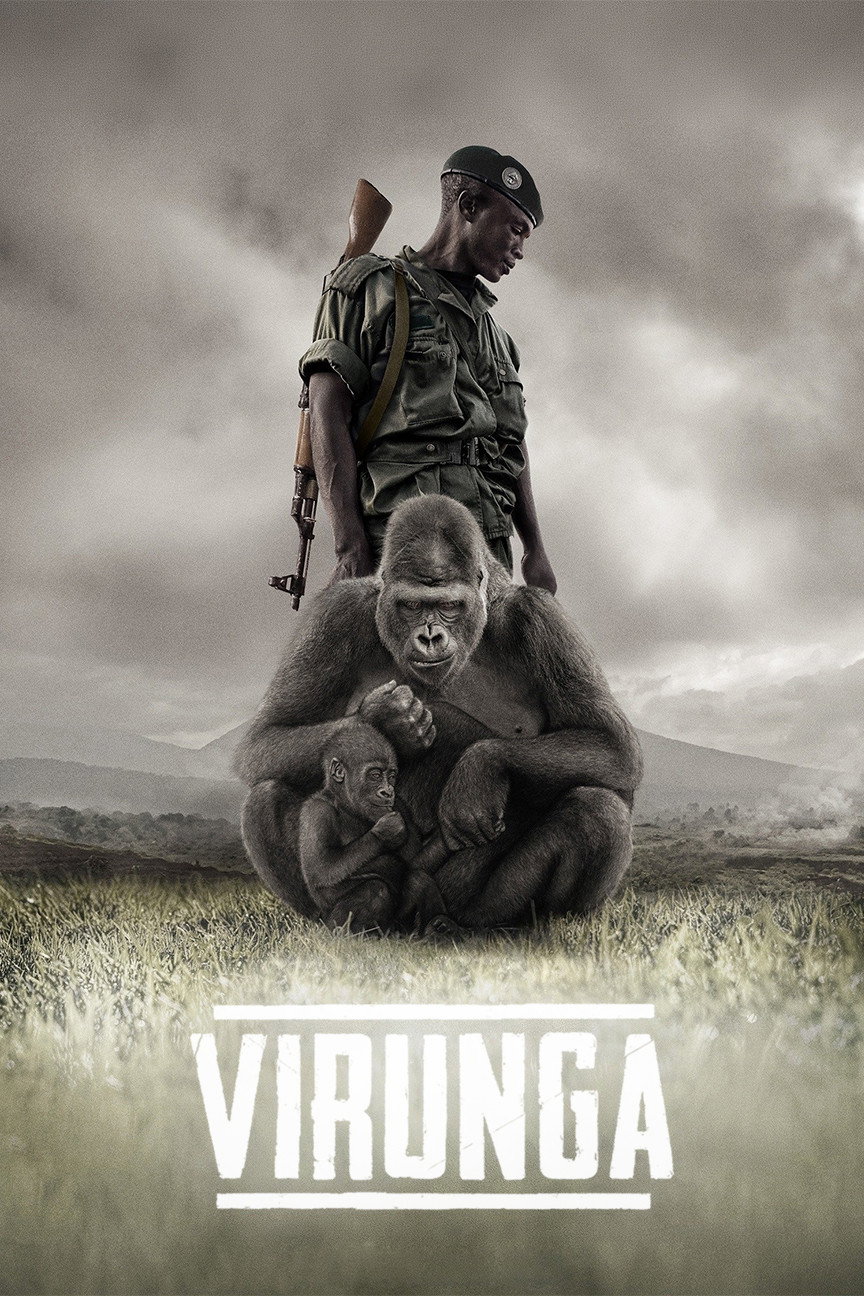
Virunga in the Democratic Republic of the Congo is Africa’s oldest national park, a UNESCO world heritage site, and a contested ground among insurgencies seeking to topple the government that see untold profits in the land. Among this ongoing power struggle, Virunga also happens to be the last natural habitat for the critically endangered mountain gorilla. The only thing standing in the way of the forces closing in around the gorillas: a handful of passionate park rangers and journalists fighting to secure the park’s borders and expose the corruption of its enemies. Filled with shocking footage, and anchored by the surprisingly deep and gentle characters of the gorillas themselves, Virunga is a galvanizing call to action around an ongoing political and environmental crisis in the Congo.
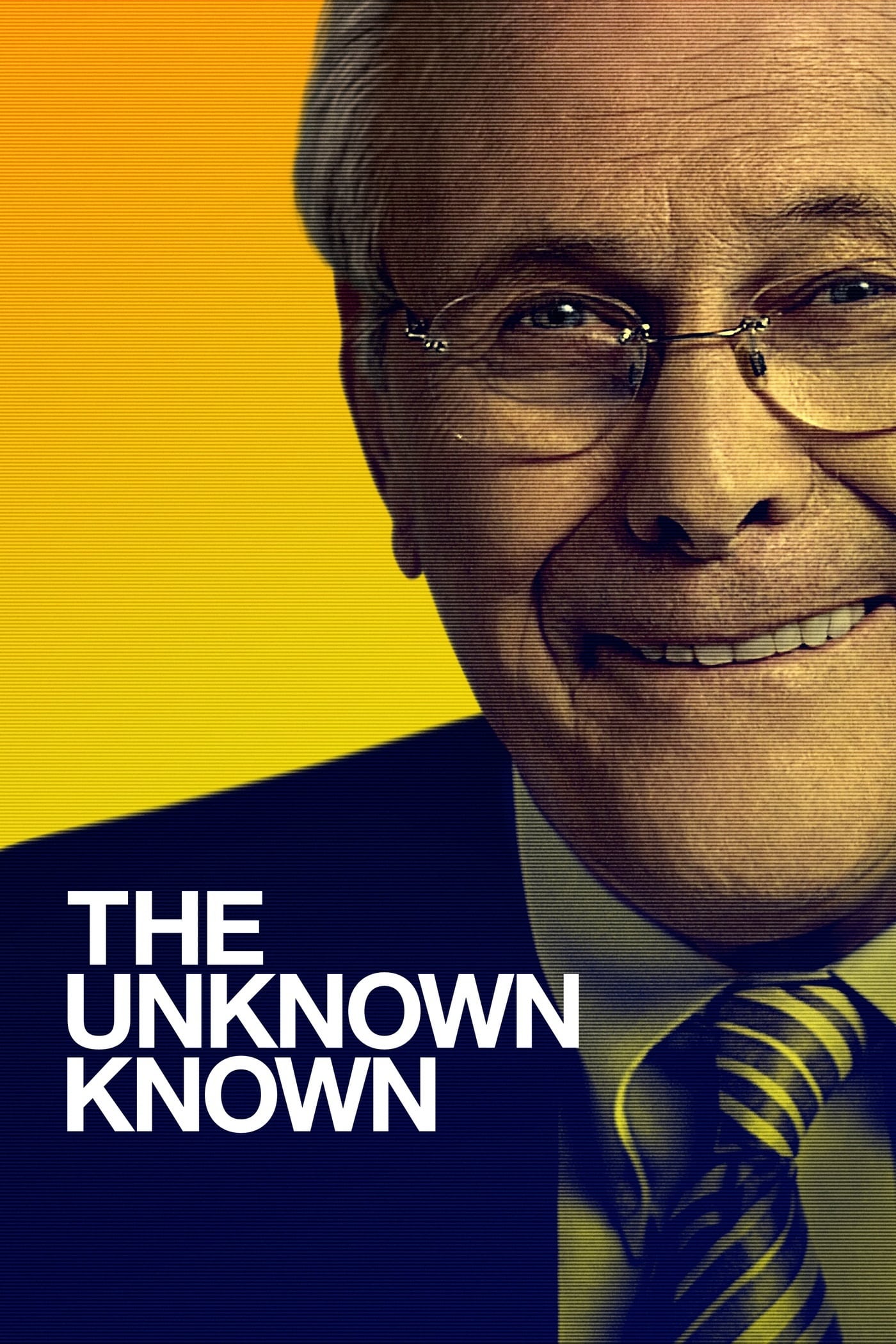
Former United States Secretary of Defense, Donald Rumsfeld, discusses his career in Washington D.C. from his days as a congressman in the early 1960s to planning the invasion of Iraq in 2003.
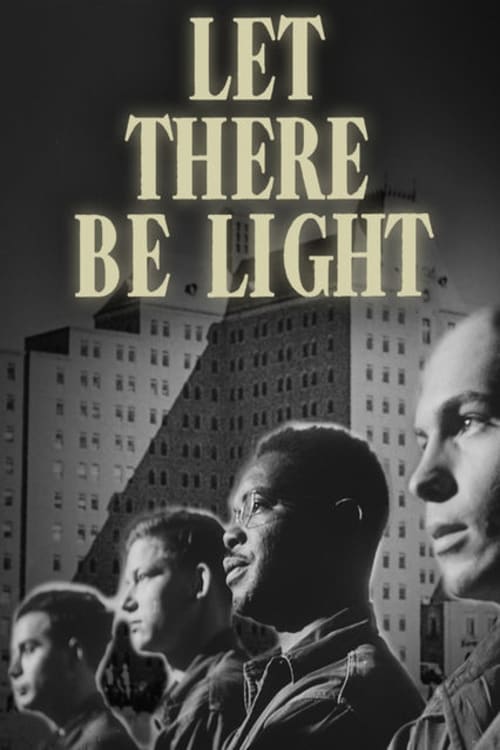
The final entry in a trilogy of films produced for the U.S. government by John Huston. Some returning combat veterans suffer scars that are more psychological than physical. This film follows patients and staff during their treatment. It deals with what would now be called PTSD, but at the time was categorised as psychoneurosis or shell-shock. Government officials deemed this 1946 film counterproductive to postwar efforts; it was not shown publicly until 1981.
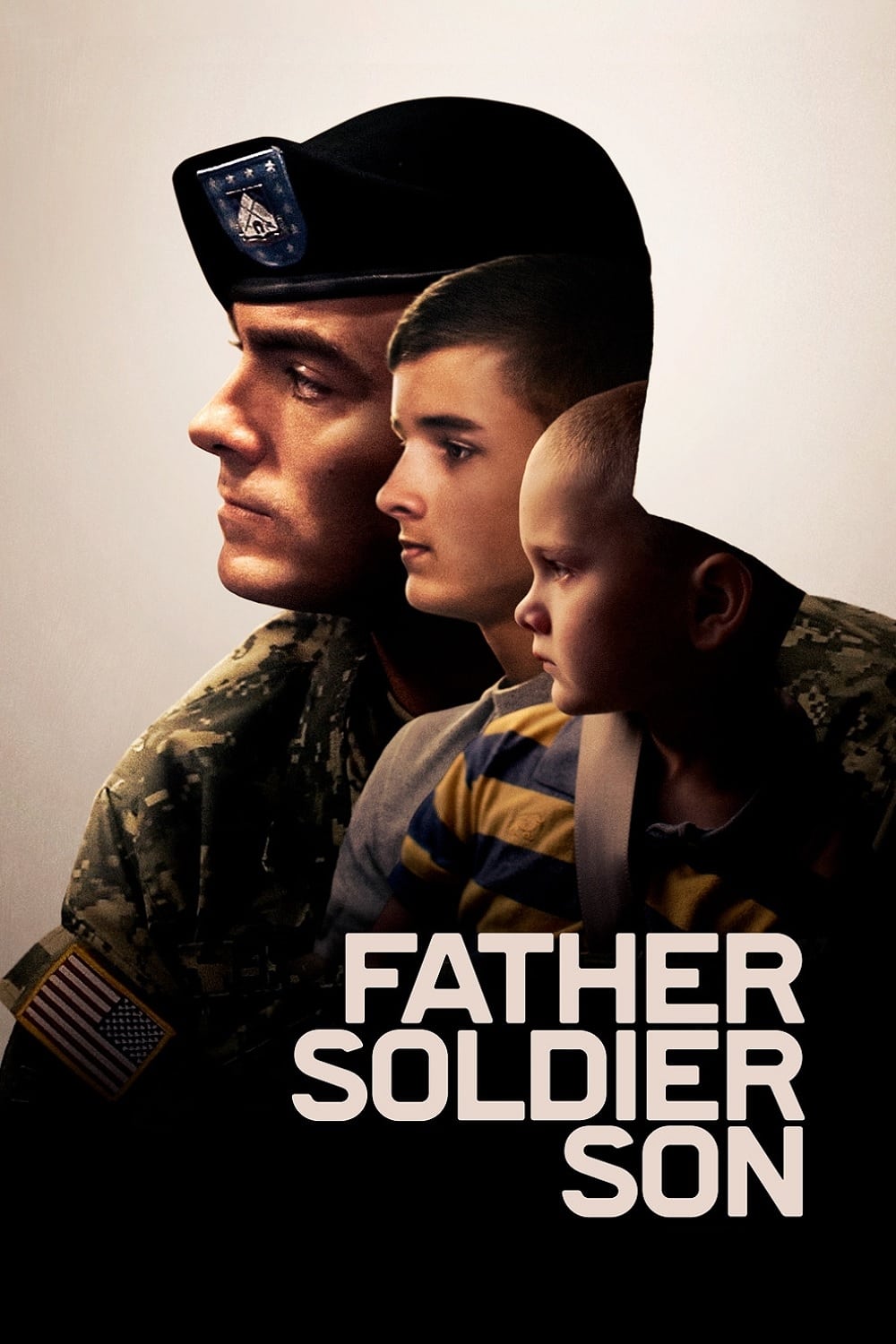
When Sgt. First Class Brian Eisch is critically wounded in Afghanistan, it sets him and his sons on a journey of love, loss, redemption and legacy.
An unprecedented and intimate look at the life, work and enduring legacy of British actress Audrey Hepburn (1929-1993).
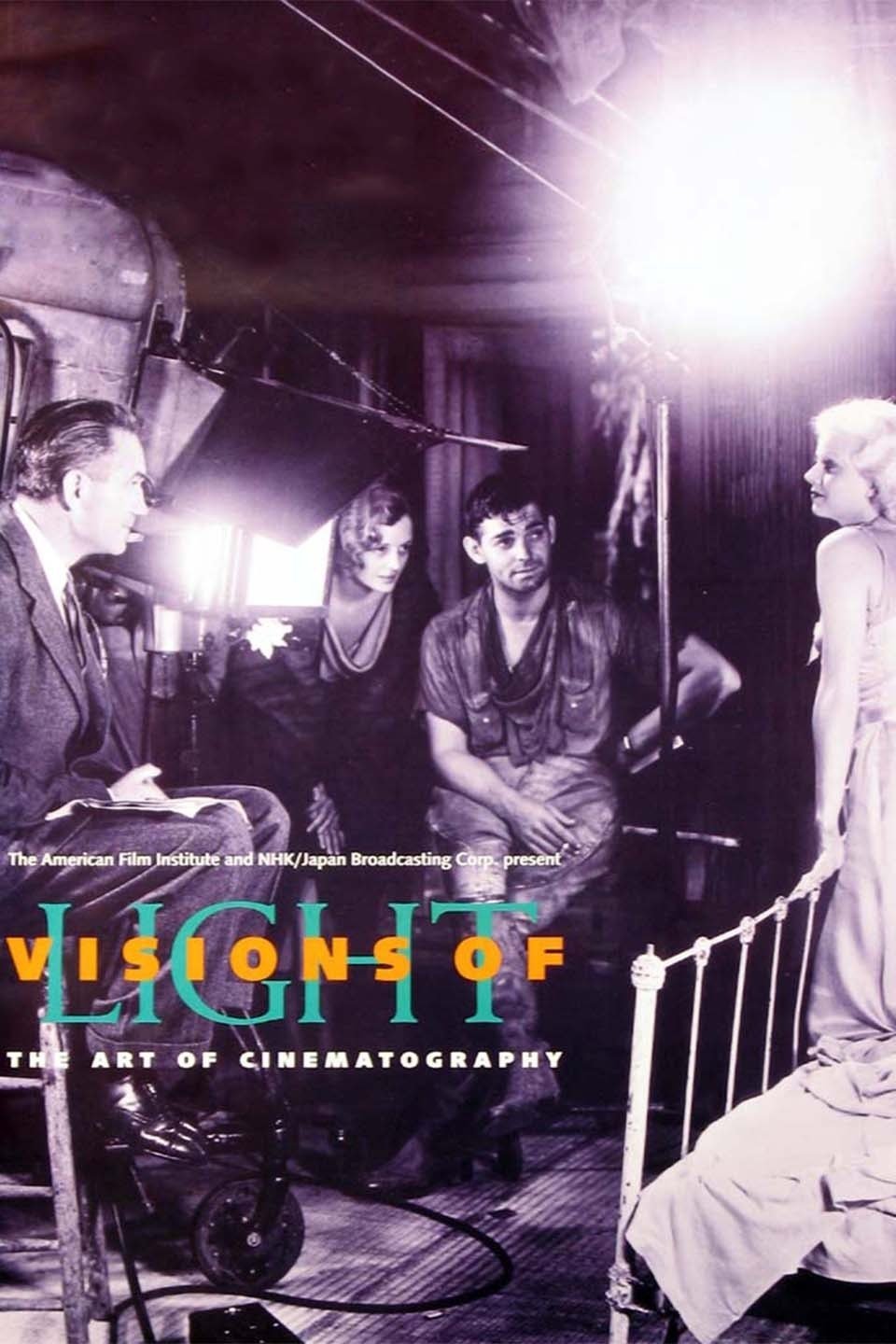
Cameramen and women discuss the craft and art of cinematography and of the "DP" (the director of photography), illustrating their points with clips from 100 films, from Birth of a Nation to Do the Right Thing. Themes: the DP tells people where to look; changes in movies (the arrival of sound, color, and wide screens) required creative responses from DPs; and, these artisans constantly invent new equipment and try new things, with wonderful results. The narration takes us through the identifiable studio styles of the 30s, the emergence of noir, the New York look, and the impact of Europeans. Citizen Kane, The Conformist, and Gordon Willis get special attention.
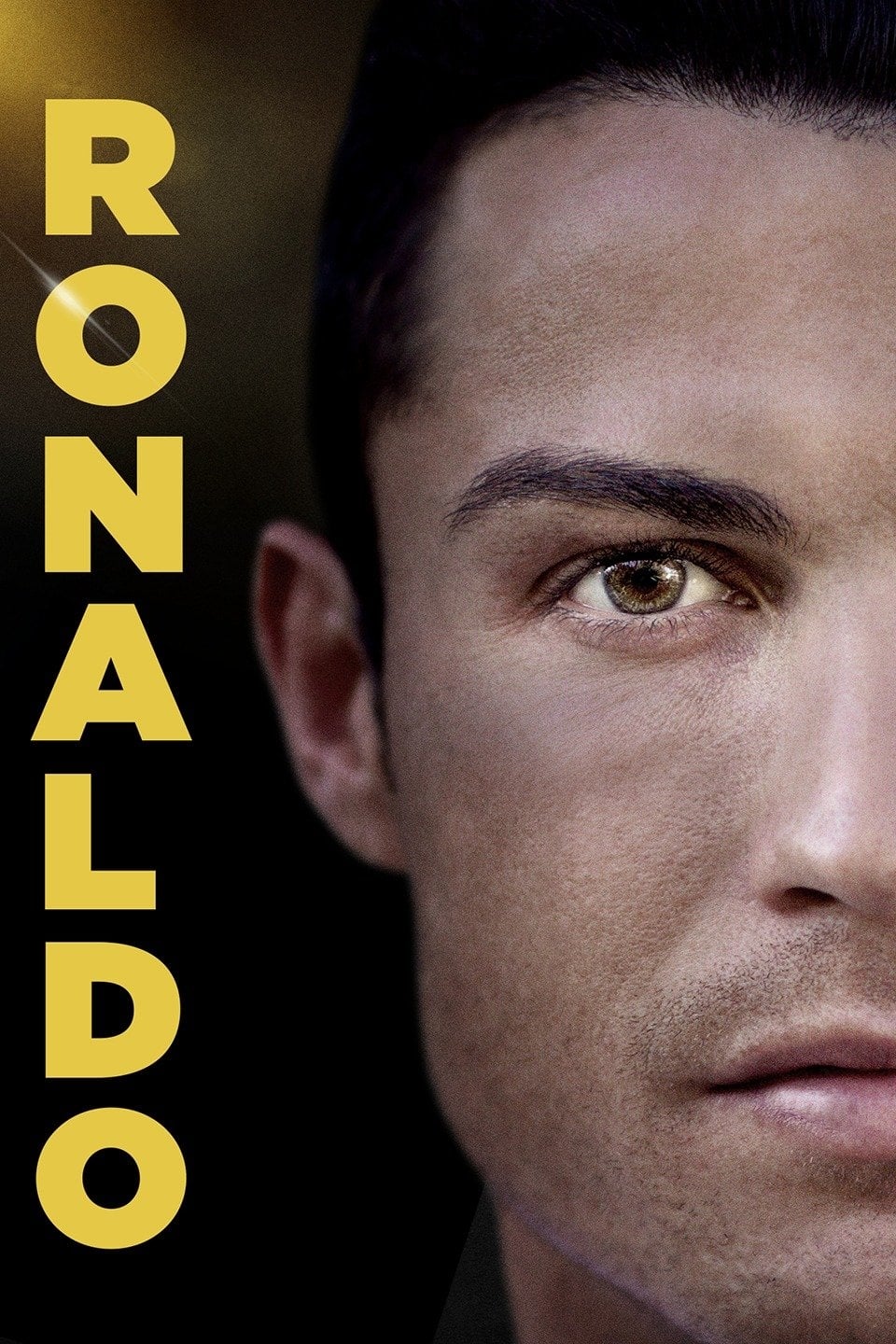
Filmed over 14 months with unprecedented access into the inner circle of the man and the sport, this is the first official and fully authorised film of one of the most celebrated figures in football. For the first time ever, the world gets vividly candid and un-paralleled, behind-closed-doors access to the footballer, father, family-man and friend in this moving & fascinating documentary. Through in-depth conversations, state of the art football footage and never before seen archival footage, the film gives an astonishing insight into the sporting and personal life of triple Ballon D'Or winner Cristiano Ronaldo at the peak of his career. From the makers of ‘Senna’ and ‘Amy’, Ronaldo takes audiences on an intimate and revealing journey of what it’s like to live as an iconic athlete in the eye of the storm.