French documentary about genocide in Rwanda
Social & External
The people behind it
Rwanda. 14 years after the genocide that took the lives of more than 800,000 people. What situation is the country in now? What feelings reign in the hearts of the victims? Can victims and executioners coexist? What value does education have in a society that has experienced genocide? Can it happen again? Who should act when a genocide is taking place? Do we have any responsibility as individuals?
Rwanda was once a country of peace, beauty and fabulous wildlife. Romain Baertsoen arrived there in 1966 and started to film two of Rwanda's secrets, the Bahima tribe and rare mountain gorillas. The Rwandan Civil War shattered the peace in 1994, as warring factions pillaged towns and plundered the forests. Remarkably, the gorillas survived, but the world around them is increasingly uncertain.
From 1968 to 1972, photographer and filmmaker Bob Campbell documented the activities of Dian Fossey as she developed a cross-species bond with Rwandan mountain gorillas. Campbell shot 70,000 feet of film, but only a fraction of his material was edited into the lecture presentation that preceded Fossey's Gorillas in the Mist. This program compiles highlights from the previously unreleased footage, offering an unforgettable glimpse into the gorilla community and Fossey's relationship with it. Her methods may not entirely jibe with those of modern conservationists, but there is no denying the profound impact of her work on current research and eco-activism.
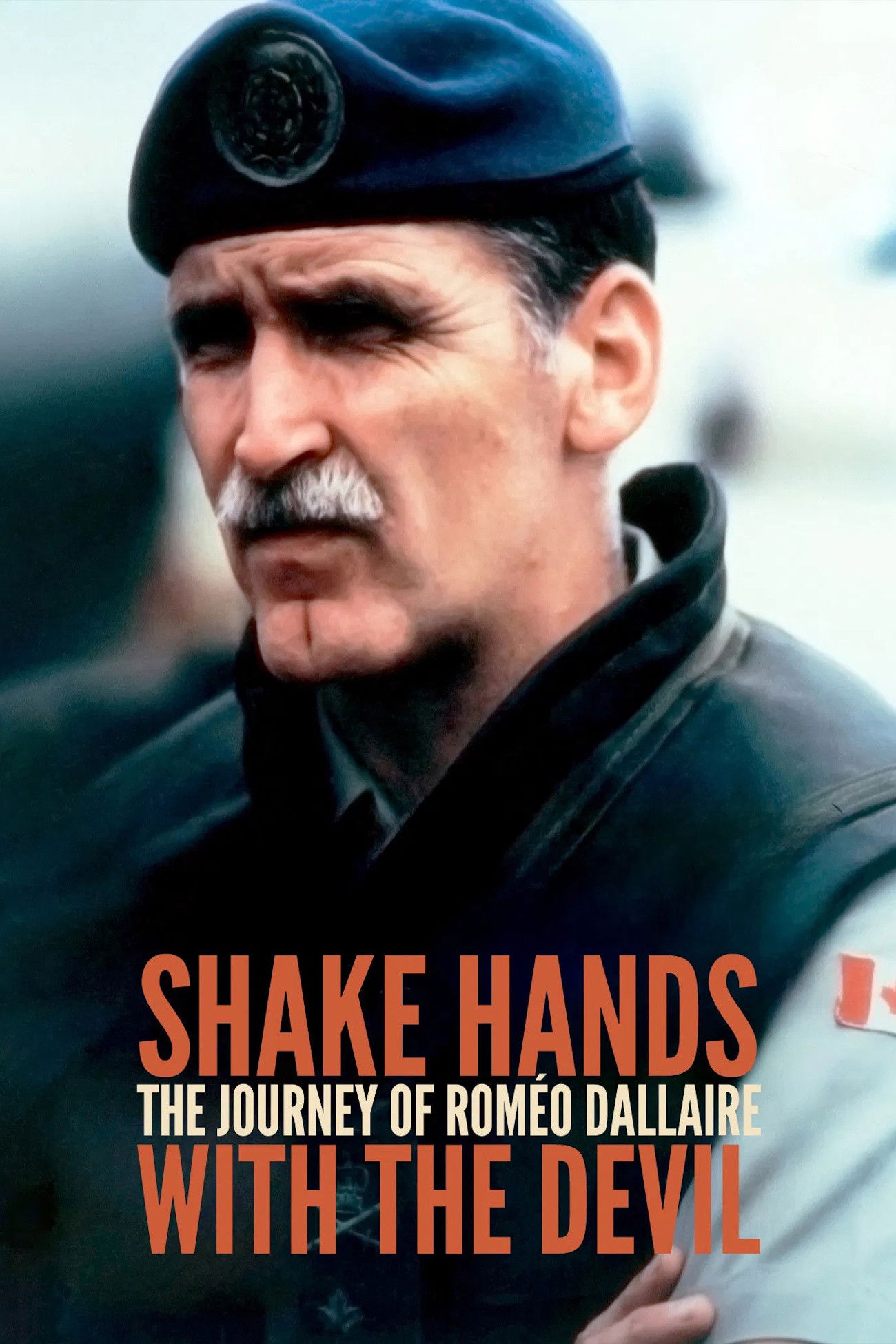
The story of Canadian Lt. Gen. Roméo Dallaire and his controversial command of the United Nations mission to Rwanda during the 1994 genocide. The documentary was inspired by the book Shake Hands with the Devil: The Failure of Humanity in Rwanda which was published in 2003.
Coexist tells the emotional stories of women who survived the Rwandan genocide in 1994. They continue to cope with the loss of their families as the killers who created this trauma return from jail back to the villages where they once lived. Faced with these perpetrators on a daily basis, the victims must decide whether they can forgive them or not. Their decisions are unfathomable to many, and speak to a humanity that has survived the worst violence imaginable.
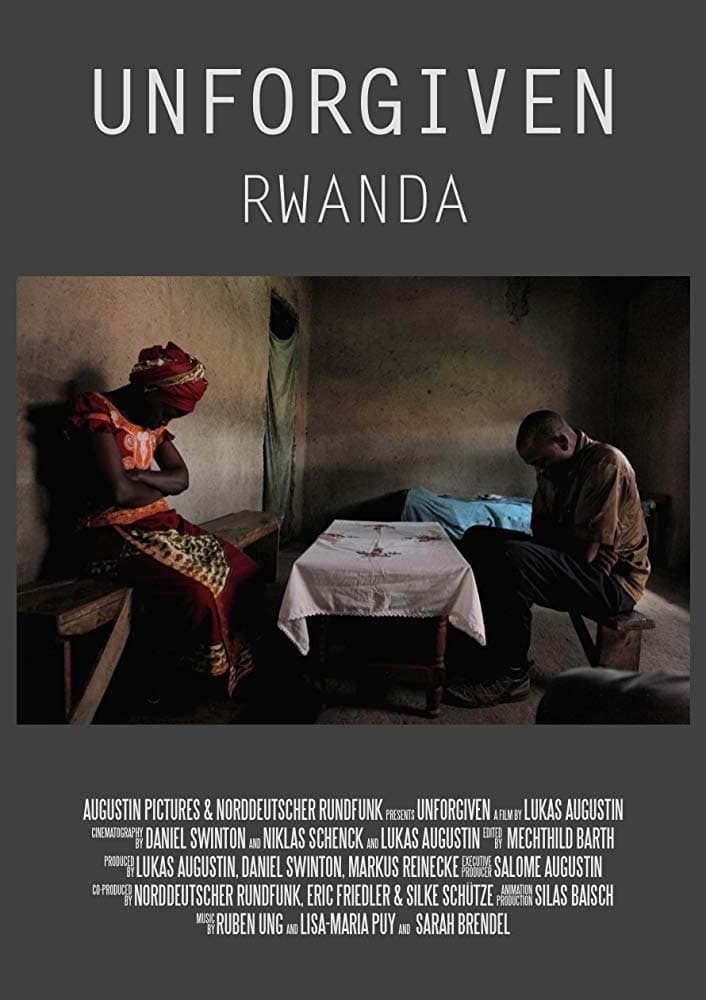
What is a socially acceptable conversation when your family's killer sits down to dinner? 'Unforgiven' explores the interactions between murderers, rapists, thieves and their victims in this documentary exploring the power of restorative justice, forgiveness and reconciliation 20 years after the Rwandan Genocide.
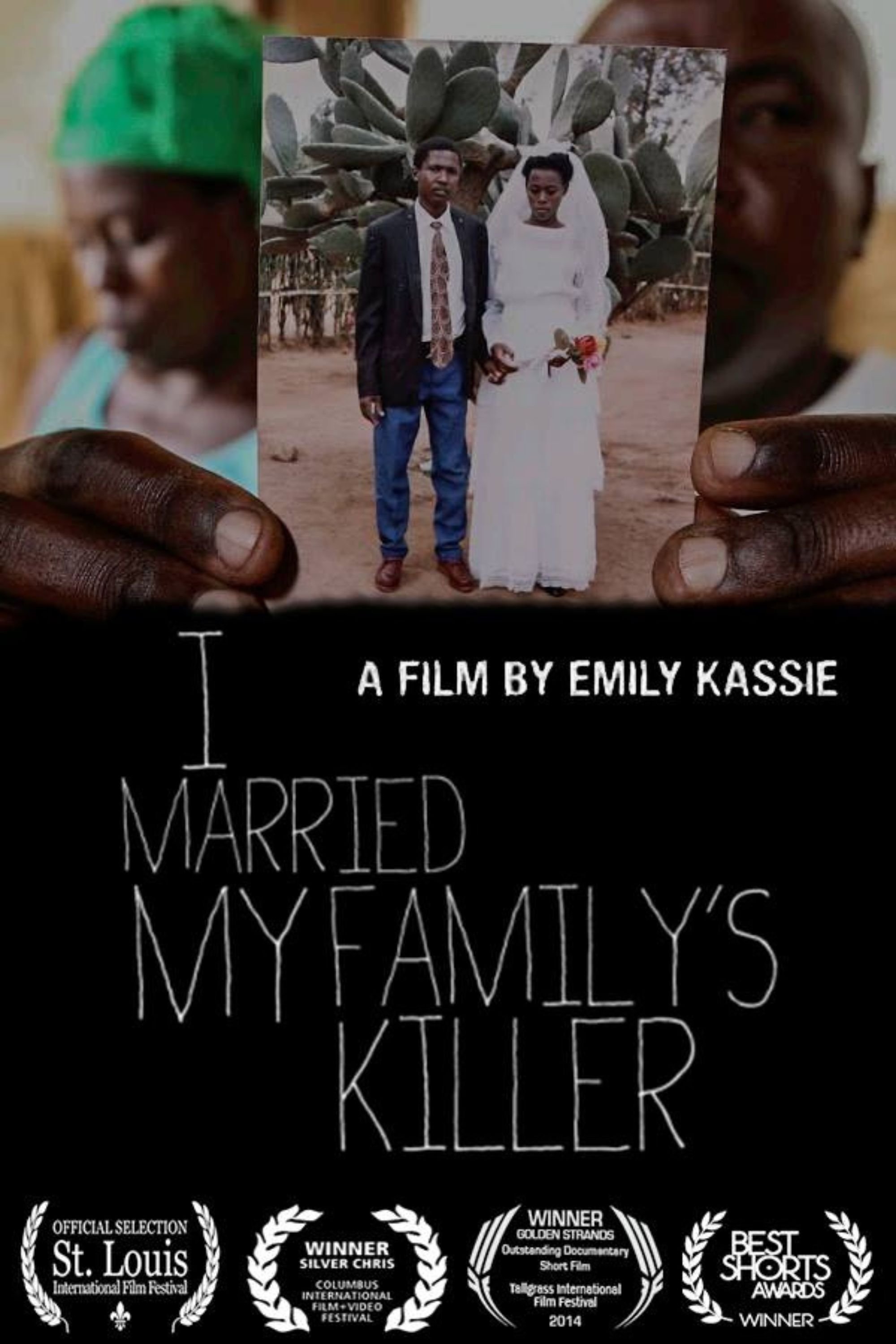
Childhood sweethearts Beatrice and Purudenci plan to wed until Beatrice becomes hunted by Purudenci's family during the 1994 genocide in Rwanda.
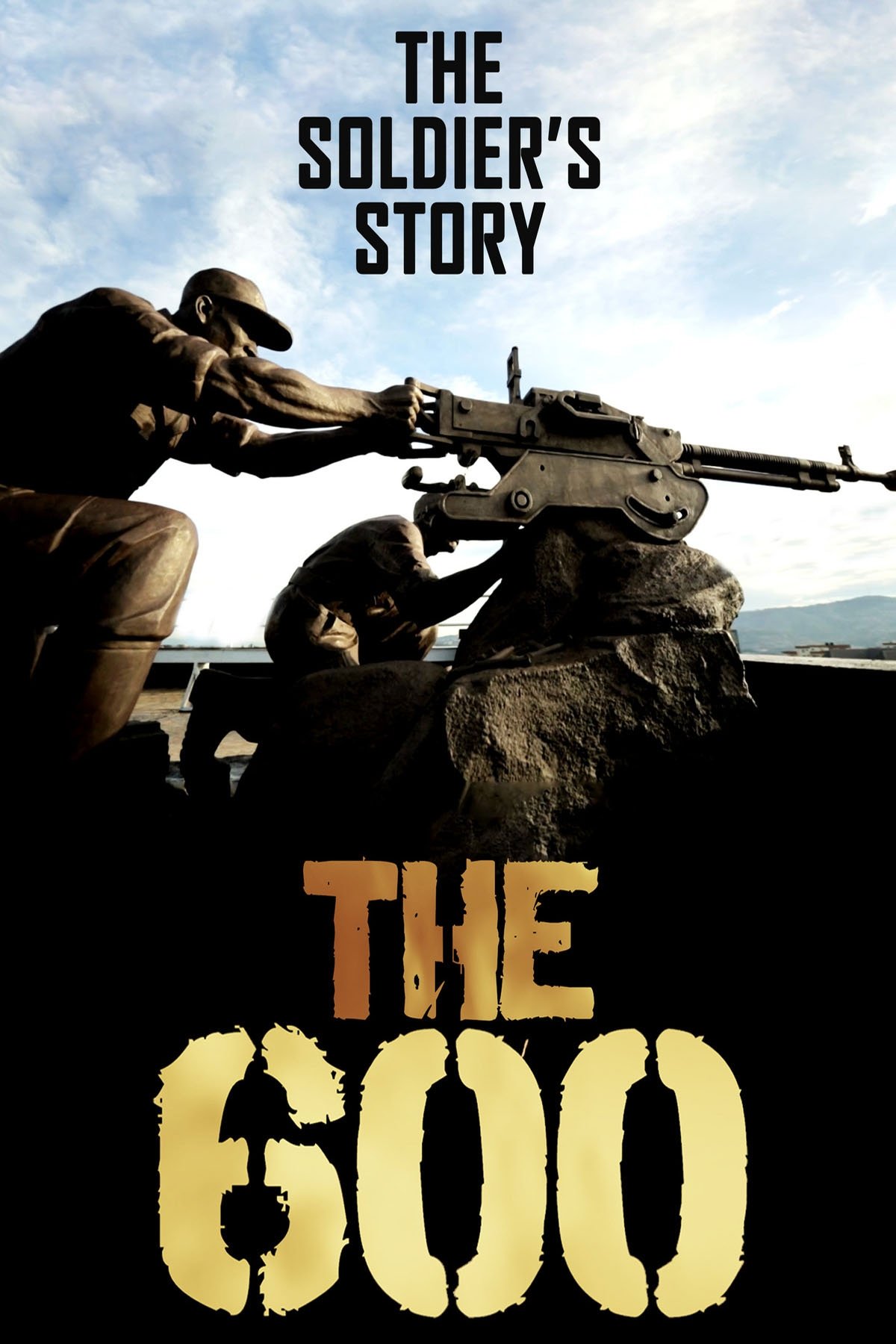
The story of 600 men who protected and rescued civilians during the Rwandan genocide before helping to liberate their country in 1994.
A history of racialism in Rwanda, from the European colonization to the 1994 genocide.
The aftermath of the Rwandan genocide: A student theatre troupe tours Rwanda with a comedy about the genocide, a gang of killers gets rough justice at the local genocide court, and a prosecutor investigates a priest for the murder of five Tutsi children. Meanwhile, in neighbouring Tanzania, two of the genocide's leaders face the United Nations tribunal in snappy suits, defended by a panoply of French lawyers.
More than 15 years after leaving the country, Eugène Murangwa, the former goalkeeper of the most popular club in Rwanda and national team, returns to his native land to pass on the values of a sport which saved him in 1994 to the young people of an association that he created with former football players. Illustrated with previously unseen archives, the film throws a new light on the history of Rwanda through football, a sport which served the “civilizing” mission of the colonizer, allowed the Hutu Power to mobilize the youth and helped the reconstruction of the country after the genocide.
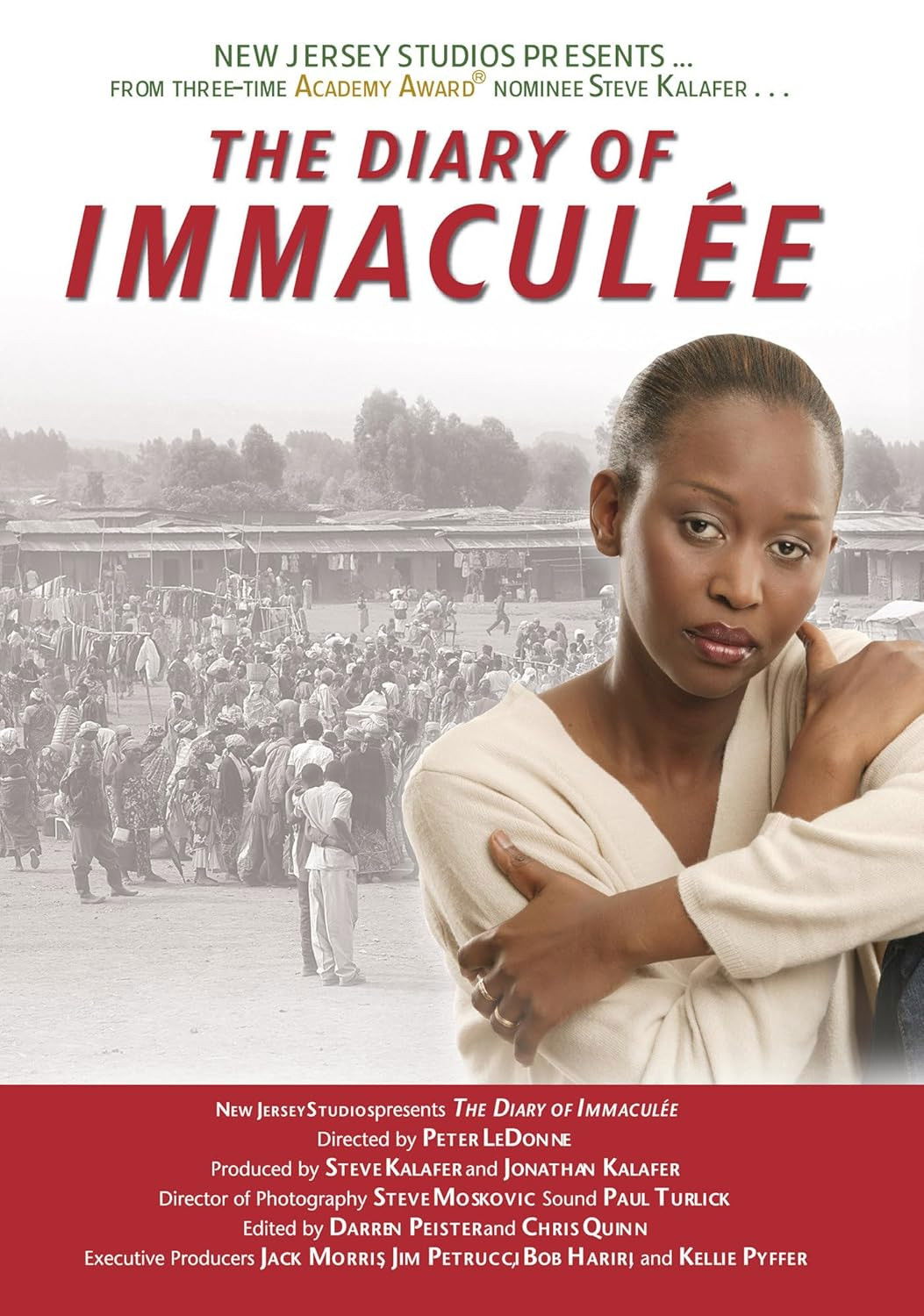
Peter LeDonne and Steve Kalafer chronicle the extraordinary life of Immaculée Ilibagiza, a young African woman who escaped genocide in Rwanda and ultimately found refuge in the United States. Seeking shelter with an Episcopalian minister, Immaculée hid from her attackers inside a bathroom for three long months but stayed centered through prayer and faith.
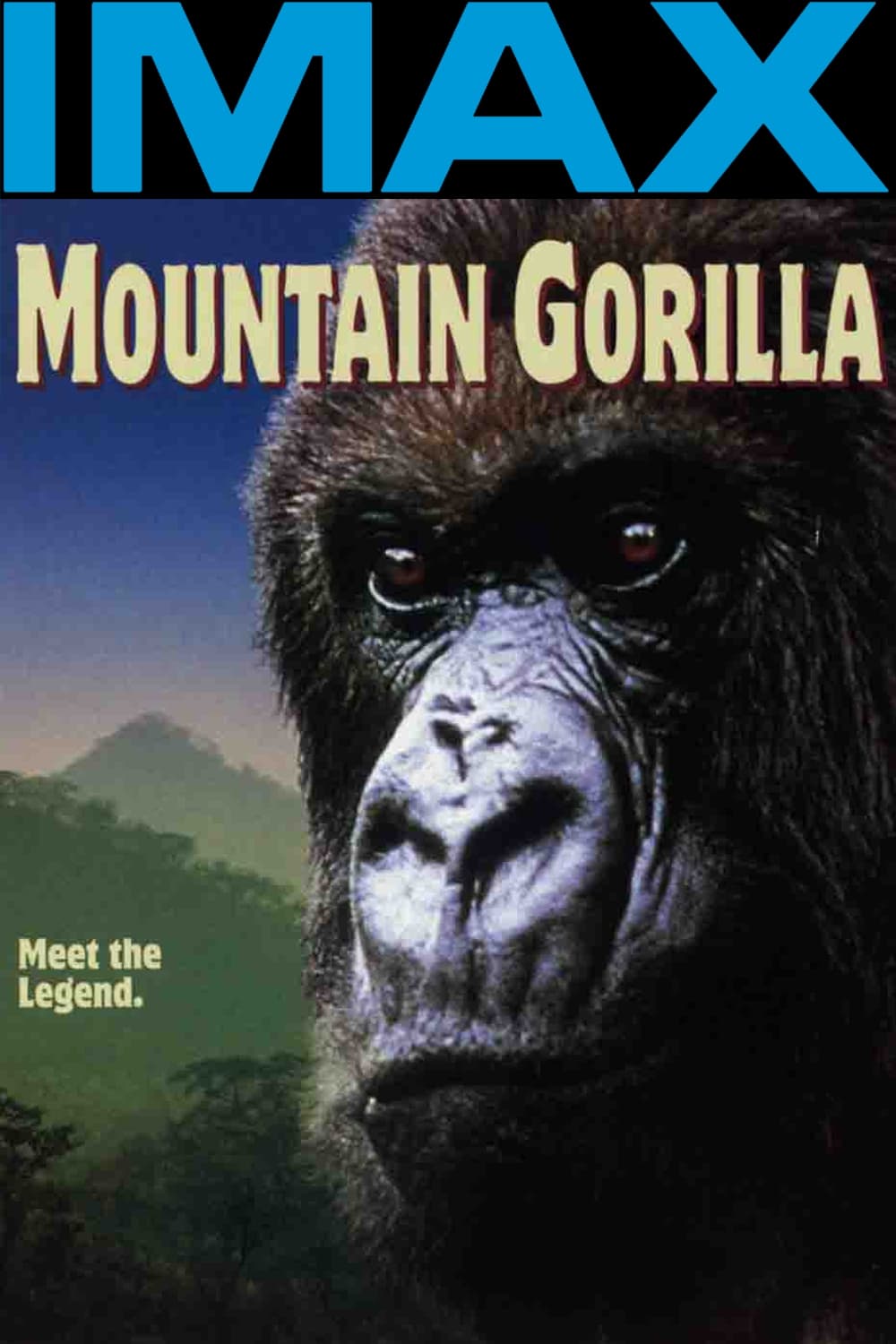
Mountain Gorilla takes us to a remote range of volcanic mountains in Africa, described by those who have been there as ""one of the most beautiful places in the world"", and home to the few hundred remaining mountain gorillas. In spending a day with a gorilla family in the mountain forest, audiences will be captivated by these intelligent and curious animals, as they eat, sleep, play and interact with each other. Although gorillas have been much-maligned in our popular culture, viewers will finally ""meet the legend"" face to face, and learn about their uncertain future.
She was the first to study gorillas in their natural environment: the high mountains of Rwanda, where she settled in 1967. For nearly twenty years, Dian Fossey lived with the gorillas, observed their behavior, and changed the way people viewed them. Her relentless fight against poaching prevented the species from becoming extinct. But in December 1985, the primatologist was murdered, and the mystery surrounding her death remains unsolved. Former colleagues, scientists, and biographers shed light on the impact of her work, but also on the darker sides of her personality and her uncompromising commitment.
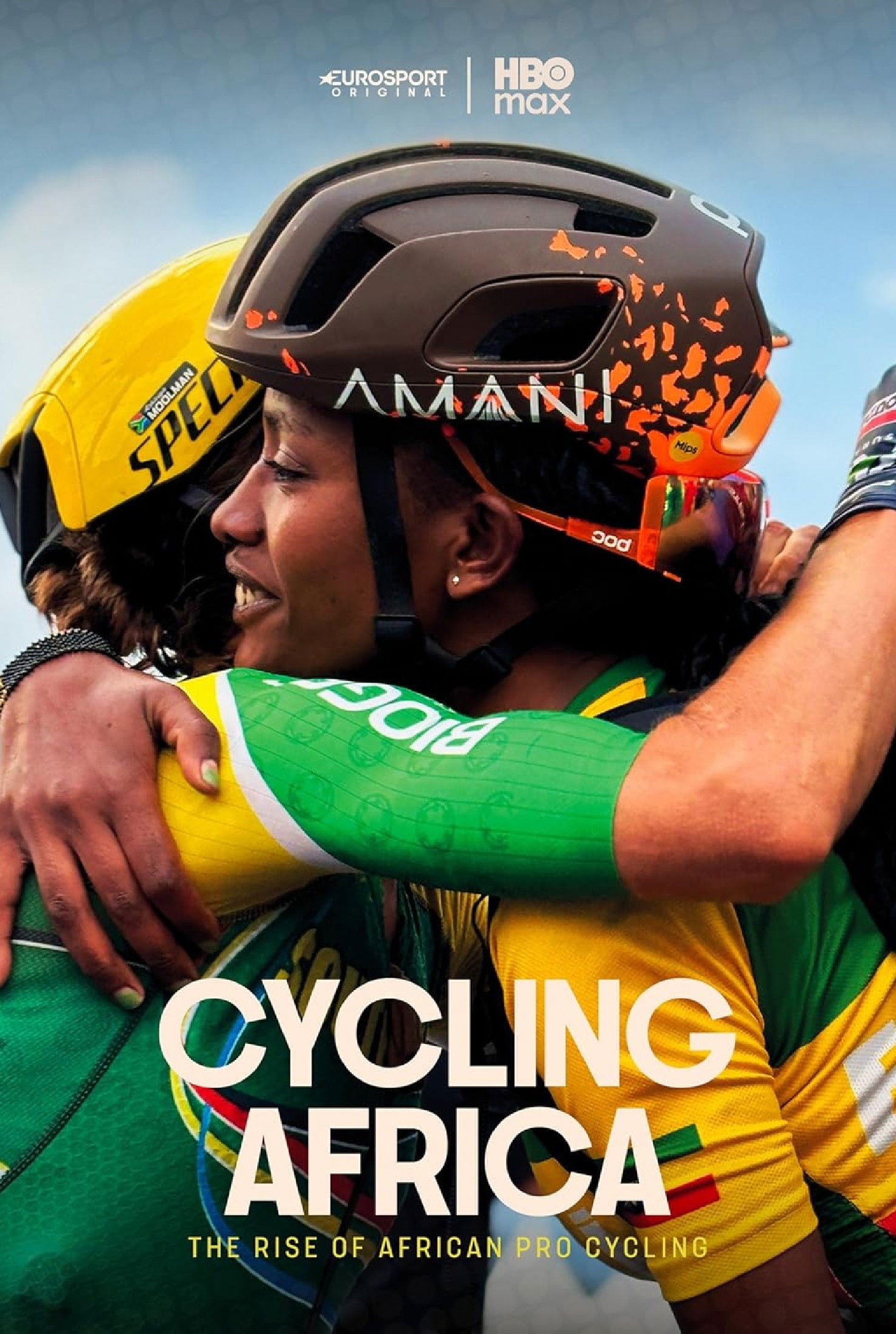
For the first time in history, the UCI Road World Championships are coming to African soil. This documentary captures the sweat, setbacks and symbolic power of cycling.
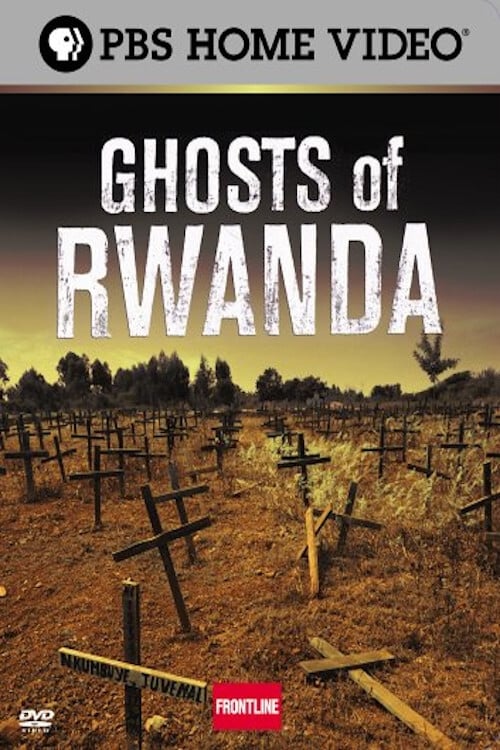
Ghosts of Rwanda marks the 10th anniversary of the Rwandan genocide with a documentary chronicling one of the worst atrocities of the 20th century. In addition to interviews with key government officials and diplomats, this documentary offers eyewitness accounts of the genocide from those who experienced it firsthand. FRONTLINE illustrates the failures that enabled the slaughter of 800,000 people to occur unchallenged by the global community.
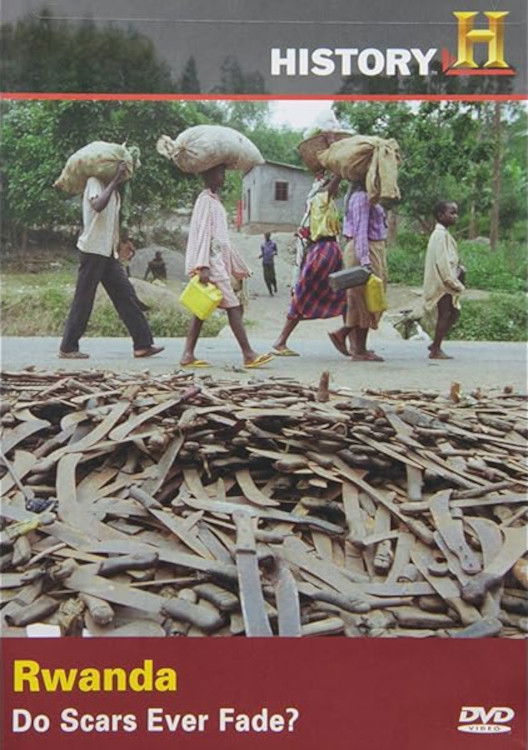
This 90-minute special presents the complex and riveting history of Rwanda, providing an in-depth look at the propaganda campaign that's crucial to understanding how genocide leaders got ordinary citizens to participate. In 1994, the small African country was awash in blood. An estimated 75 percent of the Tutsi minority was slaughtered, and in just 100 days, more than 800,000 were killed. And, at least 50,000 politically moderate Hutus also perished. We explore the 1994 genocide and post-genocide period, and grapple with the question: How does a country recover from its haunted past? Unfolding through firsthand experiences of Rwandans who lived through the genocide, we document stories of survivors, perpetrators, and government officials and sort through the difficulties of balancing justice with reconciliation.
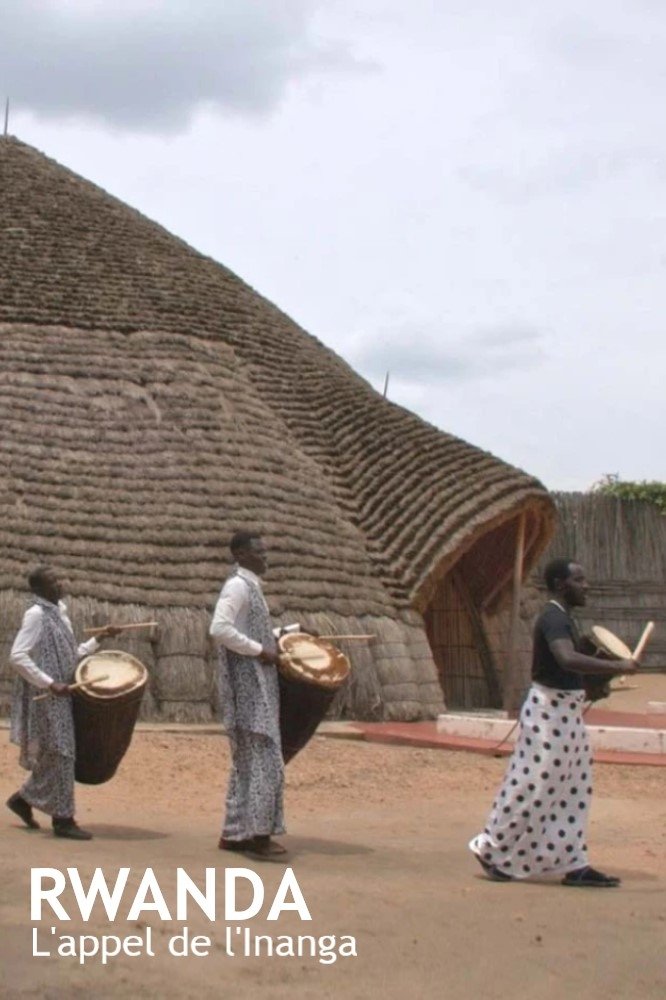
Living in France, a Rwandan psychotherapist committed to rebuilding her country returns this time to learn to play the inanga, the traditional zither. A moving journey through a festive Rwanda, in search of her cultural identity.
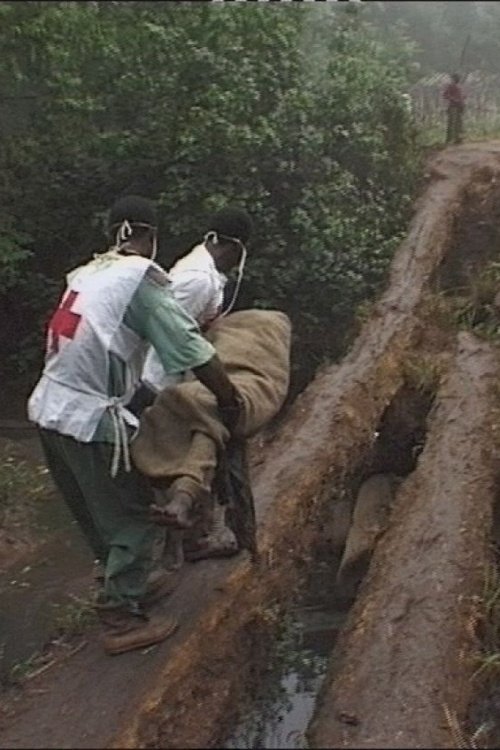
Along an overgrown rail track south of the Zairean town Kisangani, a UN expedition together with a handful of journalists discover “lost” refugees. They are eighty thousand Hutus from far away Rwanda, the last survivors of three years of hunger and armed persecution that transpired throughout the vast Congo basin. The Hutu-refugees leave the forest, gathering in two gigantic camps. Hundreds of refugees die every day from diseases and malnutrition The Rwandans are promised repatriation with airplanes out of Kisangani. The film traces those refugees into the heart of the rainforest, and the hopeless attempts to help them.. But only four weeks later, the unprotected UN-camps are again attacked by machine-gun fire, deliberately massacred by factions of the rebel army (AFDL) of today’s Democratic Republic Congo. Eighty thousand men, women and children disappear once again back into the jungle. (jedensvet.cz)
Unravel the case of Utah therapist Jodi Hildebrandt, whose child abuse arrest with parenting YouTuber Ruby Franke exposed a twisted tale of manipulation.
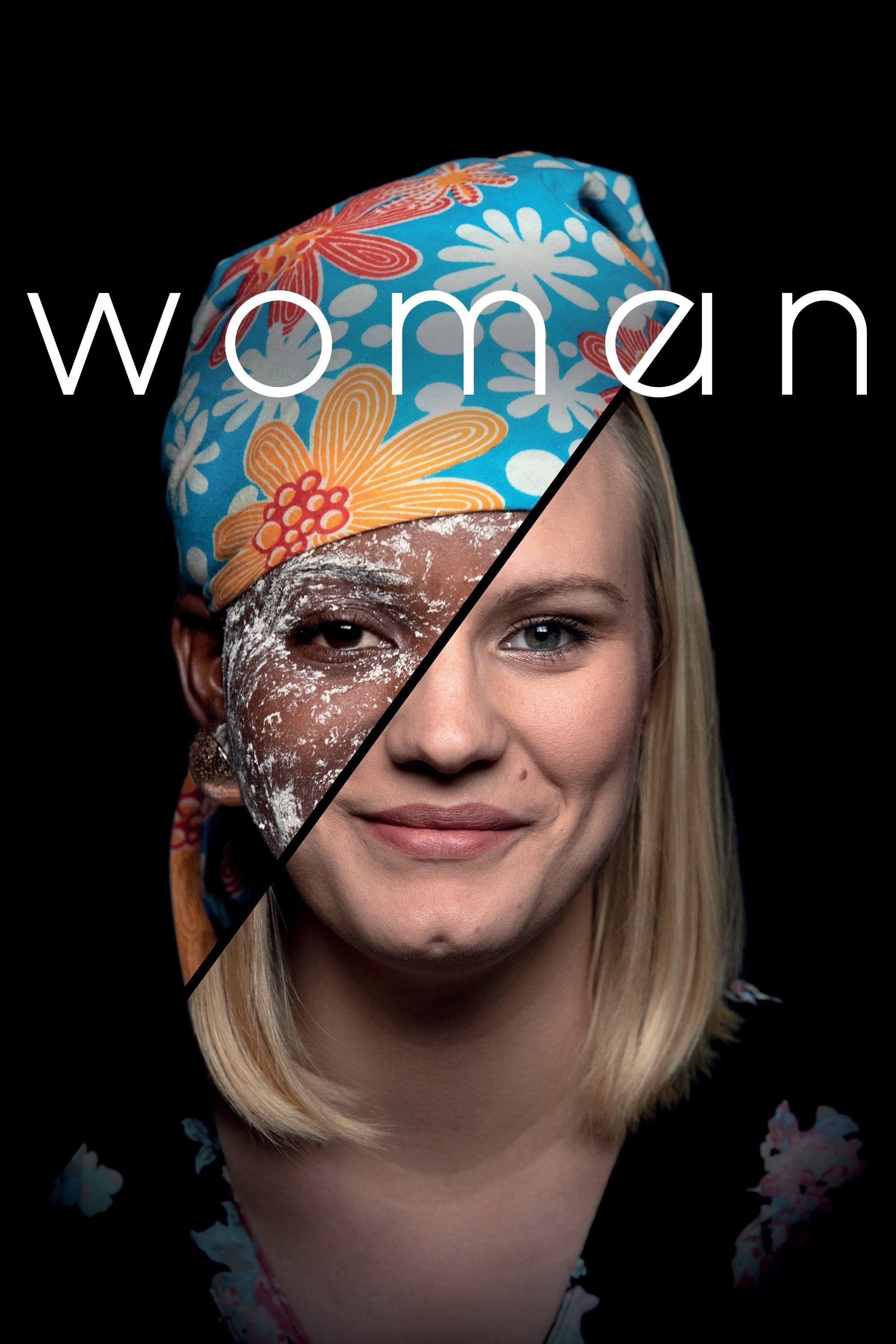
The film is based on interviews with 2,000 women from 50 countries, and covers the status of women all over the world. The topics covered include forced marriages, sexual assault, female genital mutilation, acid attacks, motherhood, sexuality, menstruation, education and the professional success of women.
A documentary on the expletive's origin, why it offends some people so deeply, and what can be gained from its use.
This revealing documentary honors the legendary Sidney Poitier—iconic actor, filmmaker, and civil rights activist. Featuring interviews with Denzel Washington, Spike Lee, Halle Berry, and more.
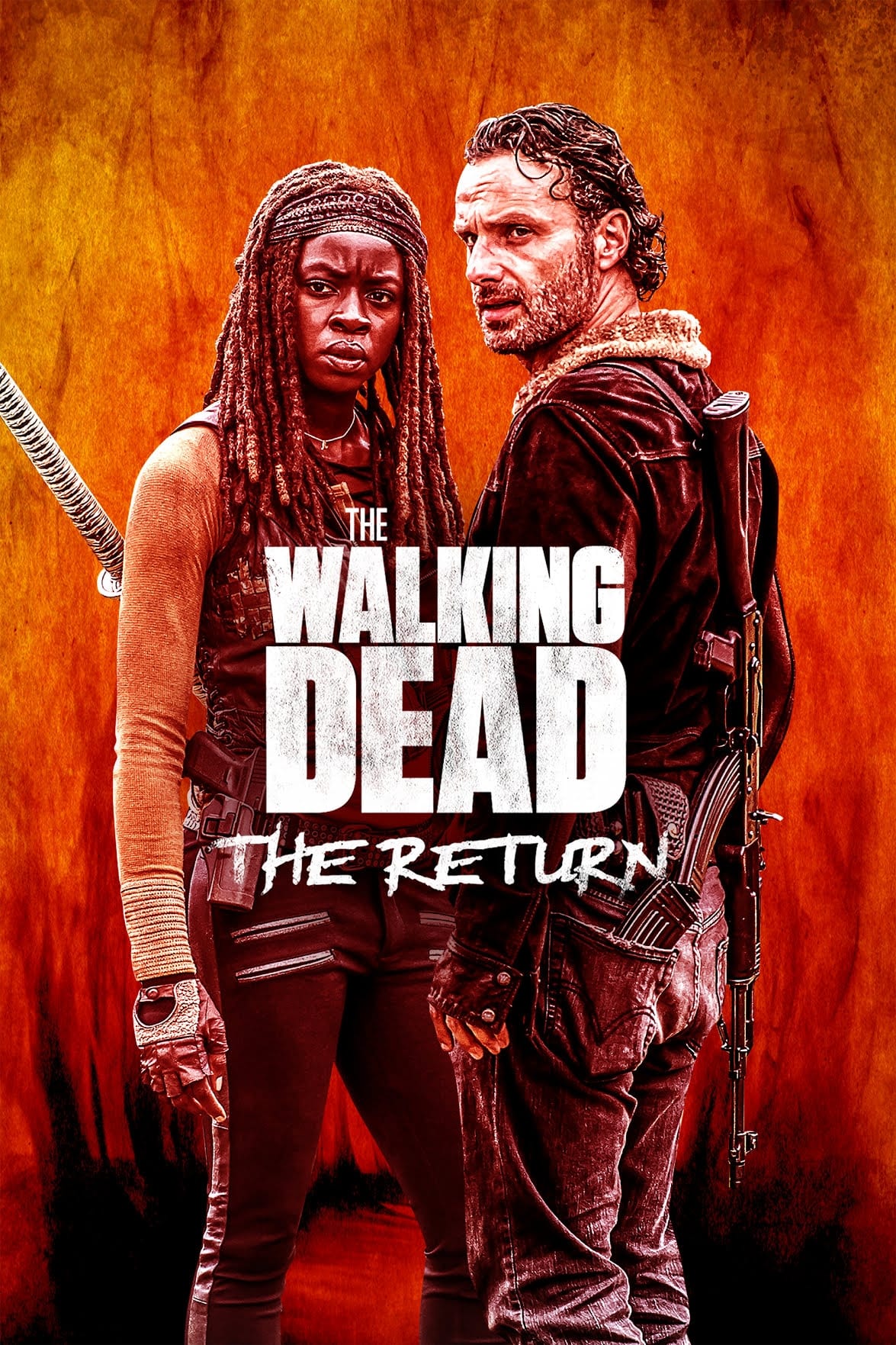
Stars of "The Walking Dead," Andrew Lincoln and Danai Gurira, walk down memory lane and visit iconic locations where pivotal moments between their characters, Rick and Michonne, were filmed.
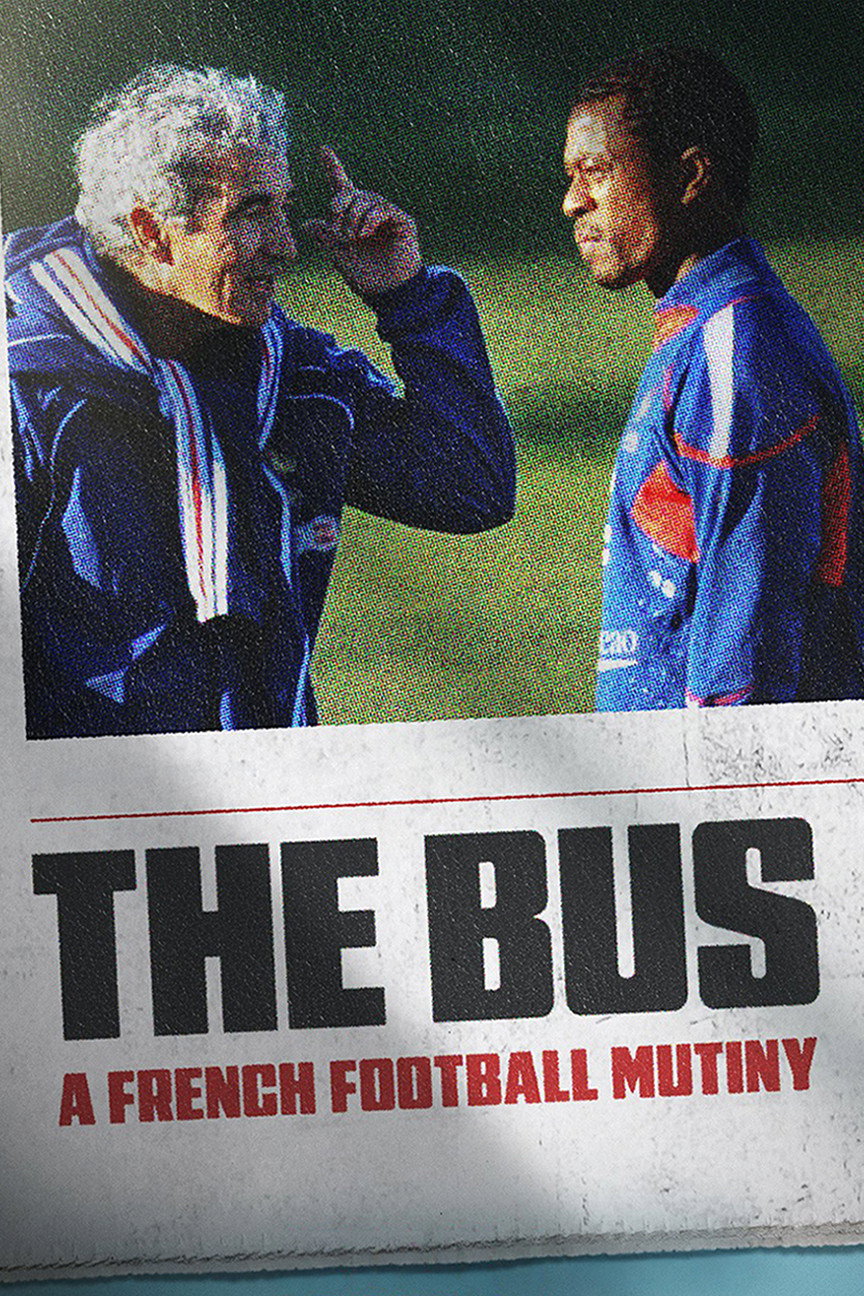
This documentary revisits the French football team's controversial 2010 World Cup and the bus strike that sparked global headlines and national outrage.
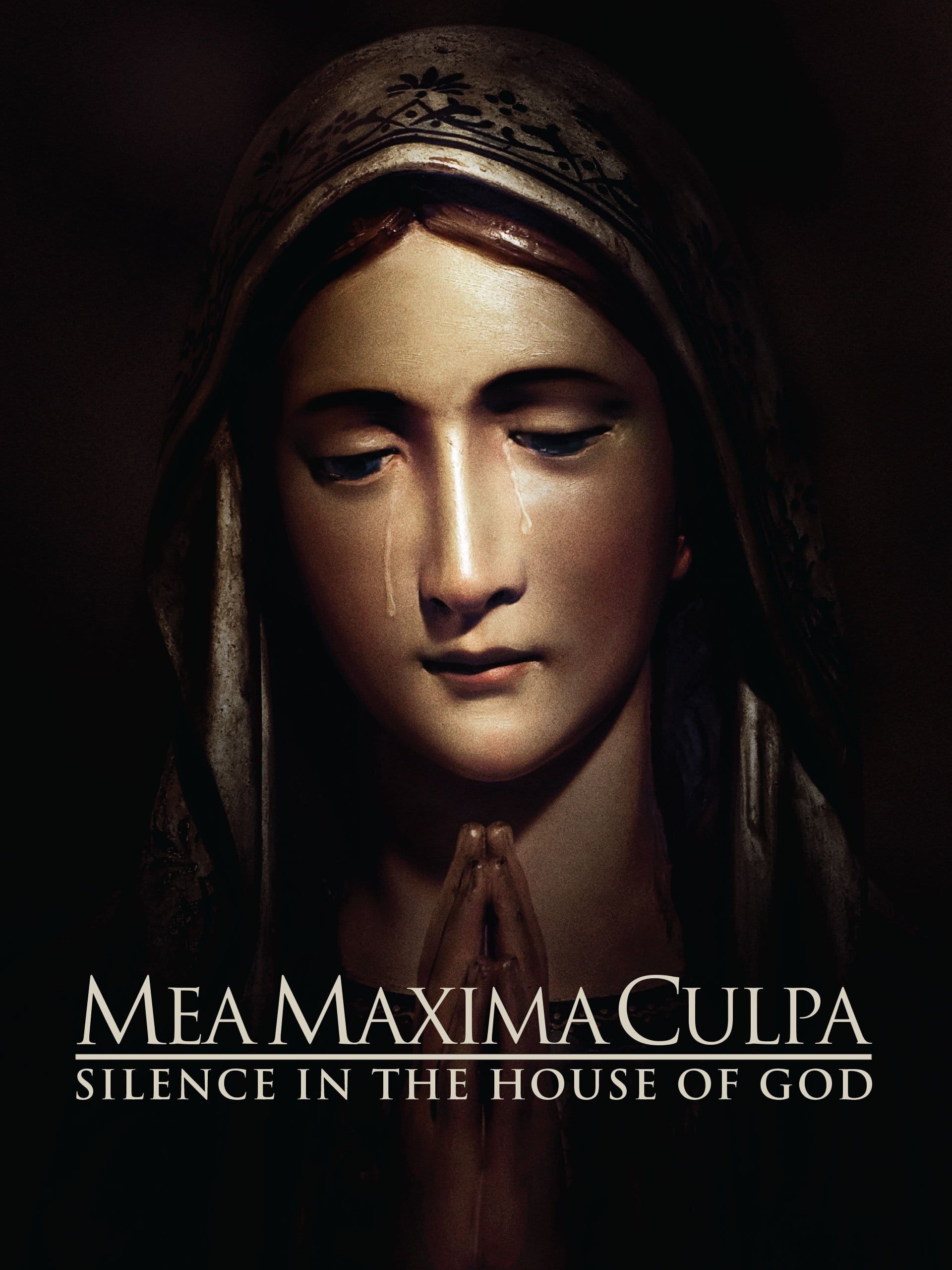
Alex Gibney explores the charged issue of pedophilia in the Catholic Church, following a trail from the first known protest against clerical sexual abuse in the United States and all way to the Vatican.
In an intimate and joyful story of love in the face of loss, celebrated poets Andrea Gibson and Megan Falley find strength—and unexpected hilarity—in what might be their final year together.
Through deeply personal interviews with her siblings and an examination of the photographs, letters, and belongings left behind, Mariska assembles a new portrait of her mother Jayne Mansfield, an extraordinary and complex woman.
A string of threatening emails escalates into a revenge plot involving a newly married US marshal and his ex-girlfriend.
Over 35 years after Bob Lazar's revelations, this documentary exposes secrets of a facility the government still denies. Featuring Lazar's testimony, recreations, and new evidence, it reopens a case that continues to spark global curiosity
A look at the origins, history and conspiracies behind the "Majestic 12", a clandestine group of military and corporate figureheads charged with reverse-engineering extraterrestrial technology.
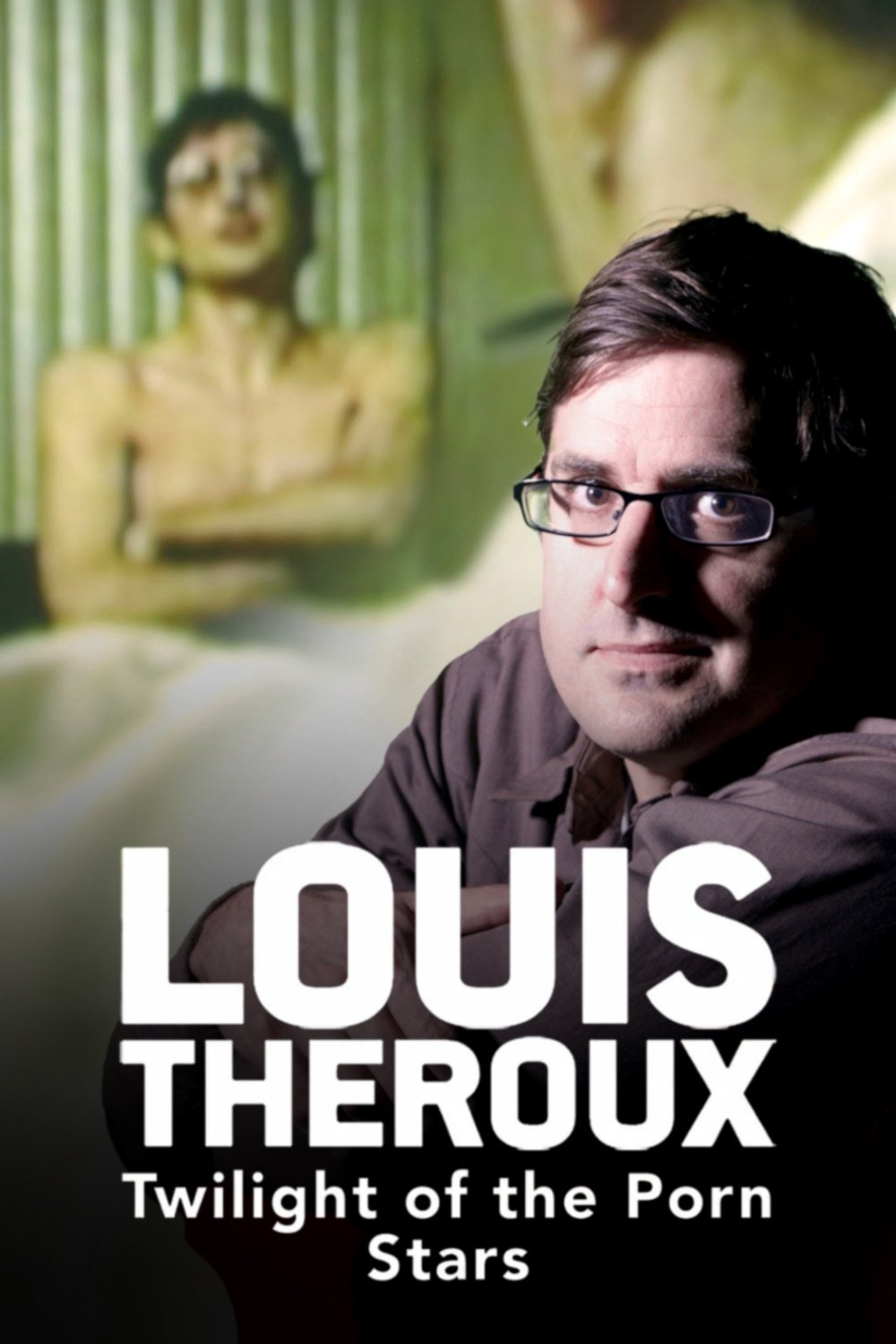
In 1997, Louis Theroux made a documentary about the world of male porn performers in Los Angeles. 15 years later, he returns to find a business struggling with the deluge of free porn on the internet. Louis revisits some of the original programme's contributors as well as meeting the latest crop of porn performers dreaming of porn stardom.
A documentary about the life and films of director John Ford.
A new documentary by filmmaker-photographer Raymond Depardon – where justice and psychiatry meet.
The film follows adventurer Jeff Johnson as he retraces the epic 1968 journey of his heroes Yvon Chouinard and Doug Tompkins to Patagonia.
Join the likes of Jeremy Renner, Hailee Steinfeld, Florence Pugh, and Vincent D’Onofrio as they reveal how Marvel Studios’ “Hawkeye” was conceived and created. Witness firsthand what it took to pull off the show’s pulse-pounding action set pieces, and discover how iconic characters from the pages of Marvel Comics such as Kate Bishop were adapted and brought to life for the six-episode series.
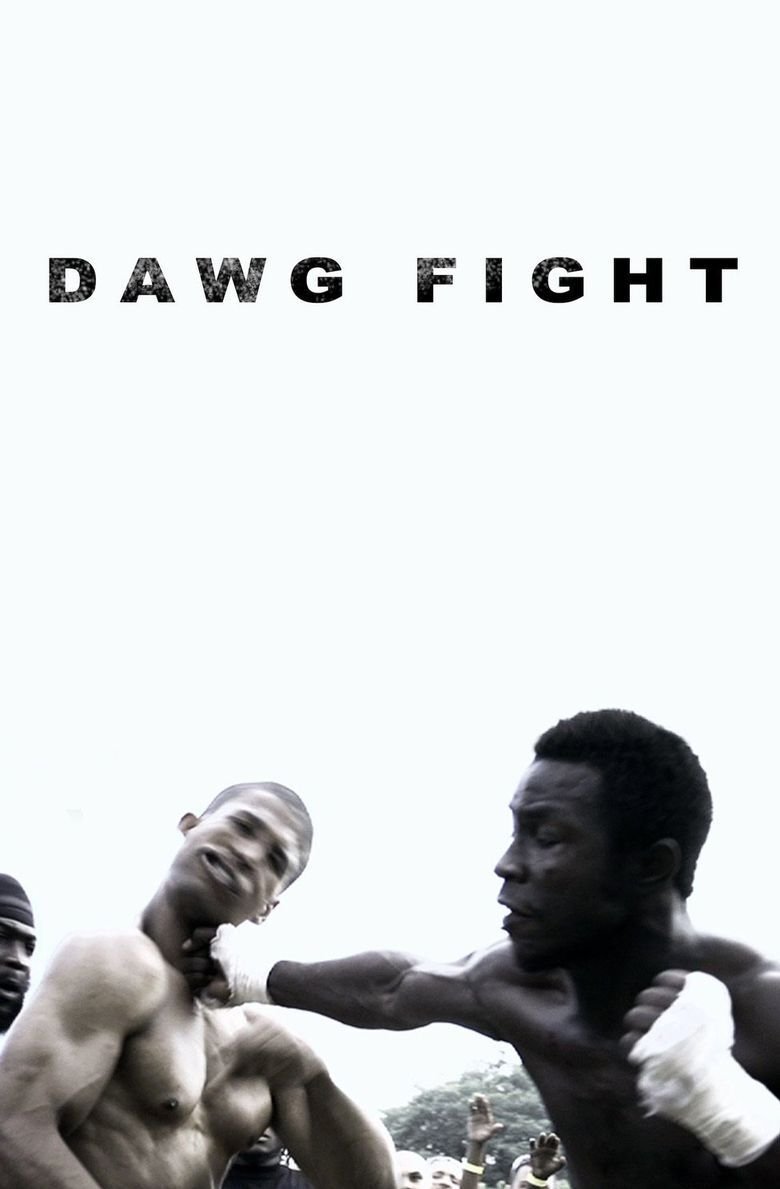
In a crime-plagued neighborhood near Miami, brutal, bare-knuckled backyard fights give young men a chance to earn money -- and self-respect.
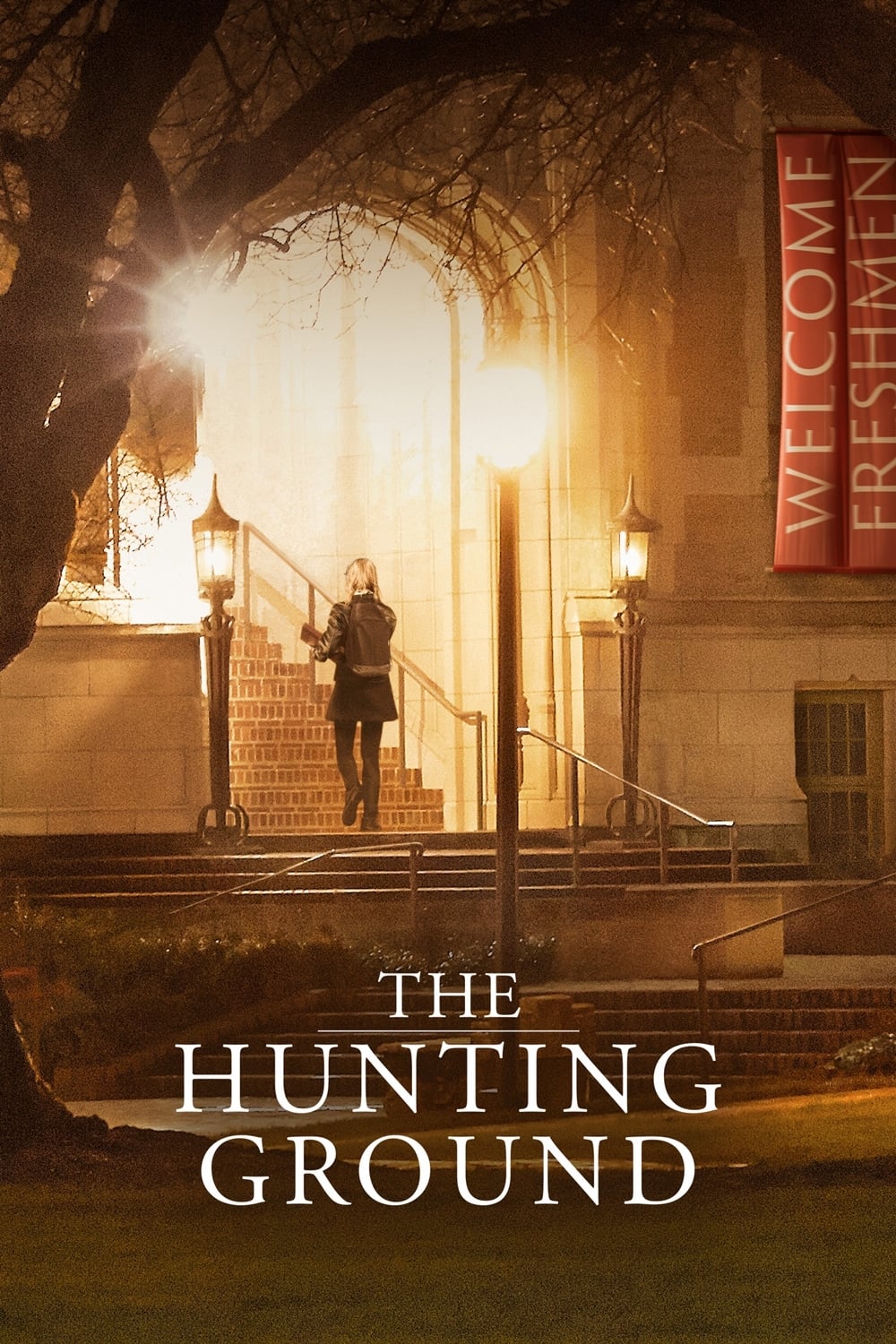
A startling expose of rape crimes on US campuses, their institutional cover-ups, and the devastating toll they take on students and their families. The film follows the lives of several undergraduate assault survivors as they attempt to pursue—despite incredible push back, harassment and traumatic aftermath—both their education and justice.
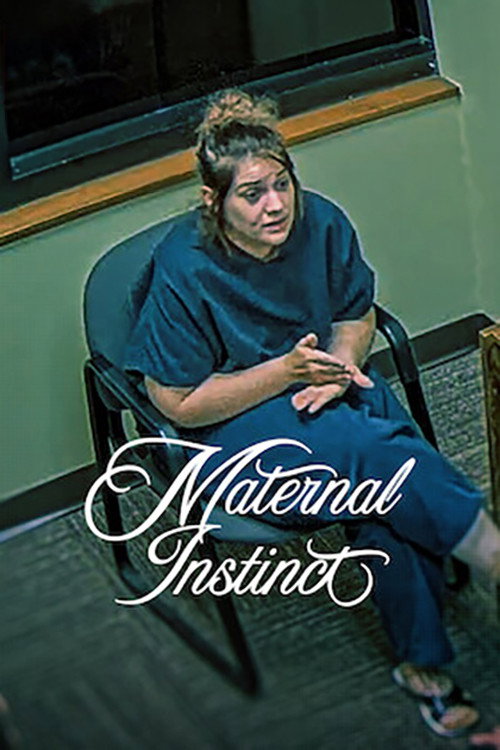
Police pull over a woman who claims she just gave birth. But the baby — and the blood — aren't hers. Twisted lies unravel in this true-crime documentary.