Social & External
The people behind it
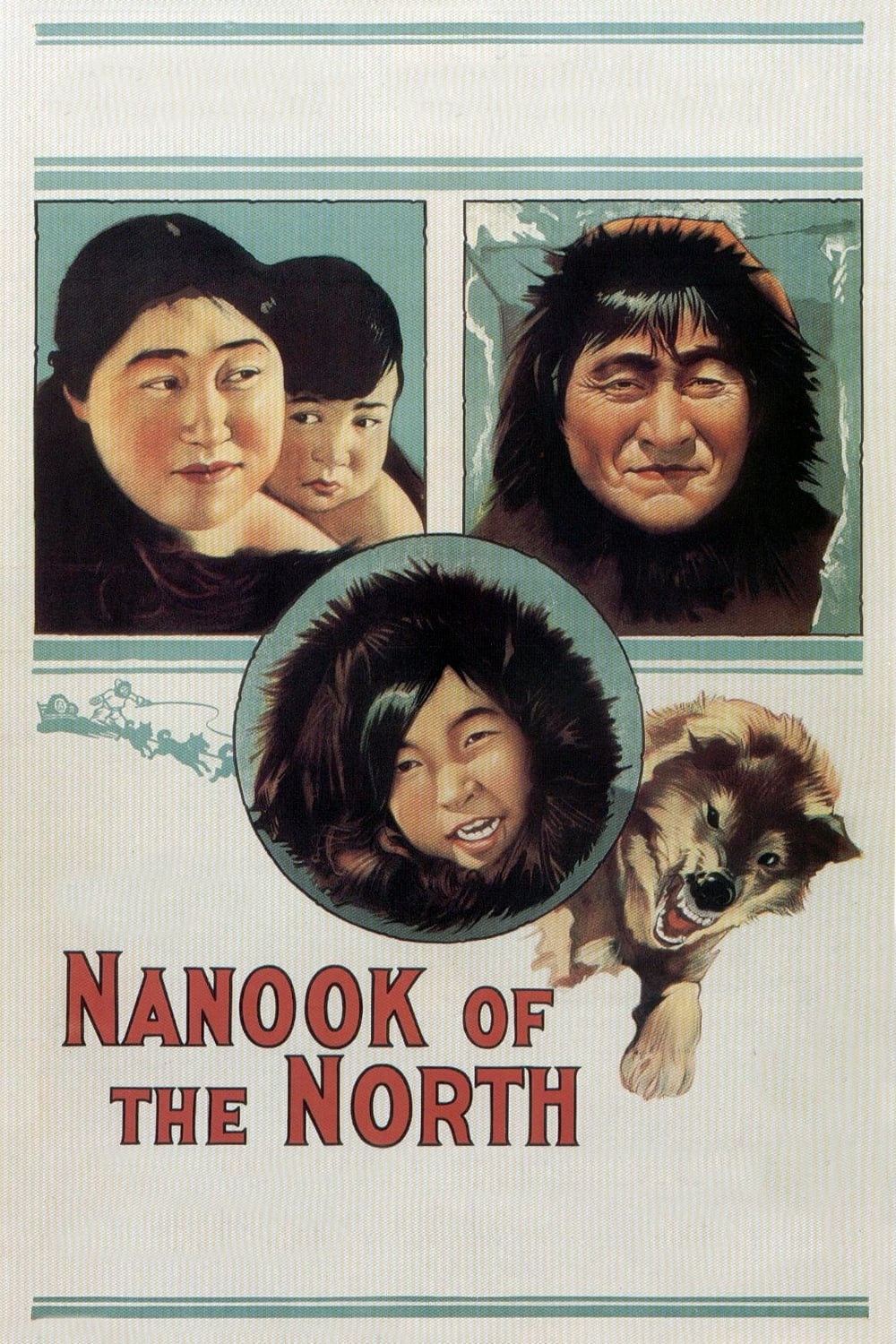
This pioneering documentary film depicts the lives of the indigenous Inuit people of Canada's northern Quebec region. Although the production contains some fictional elements, it vividly shows how its resourceful subjects survive in such a harsh climate, revealing how they construct their igloo homes and find food by hunting and fishing. The film also captures the beautiful, if unforgiving, frozen landscape of the Great White North, far removed from conventional civilization.
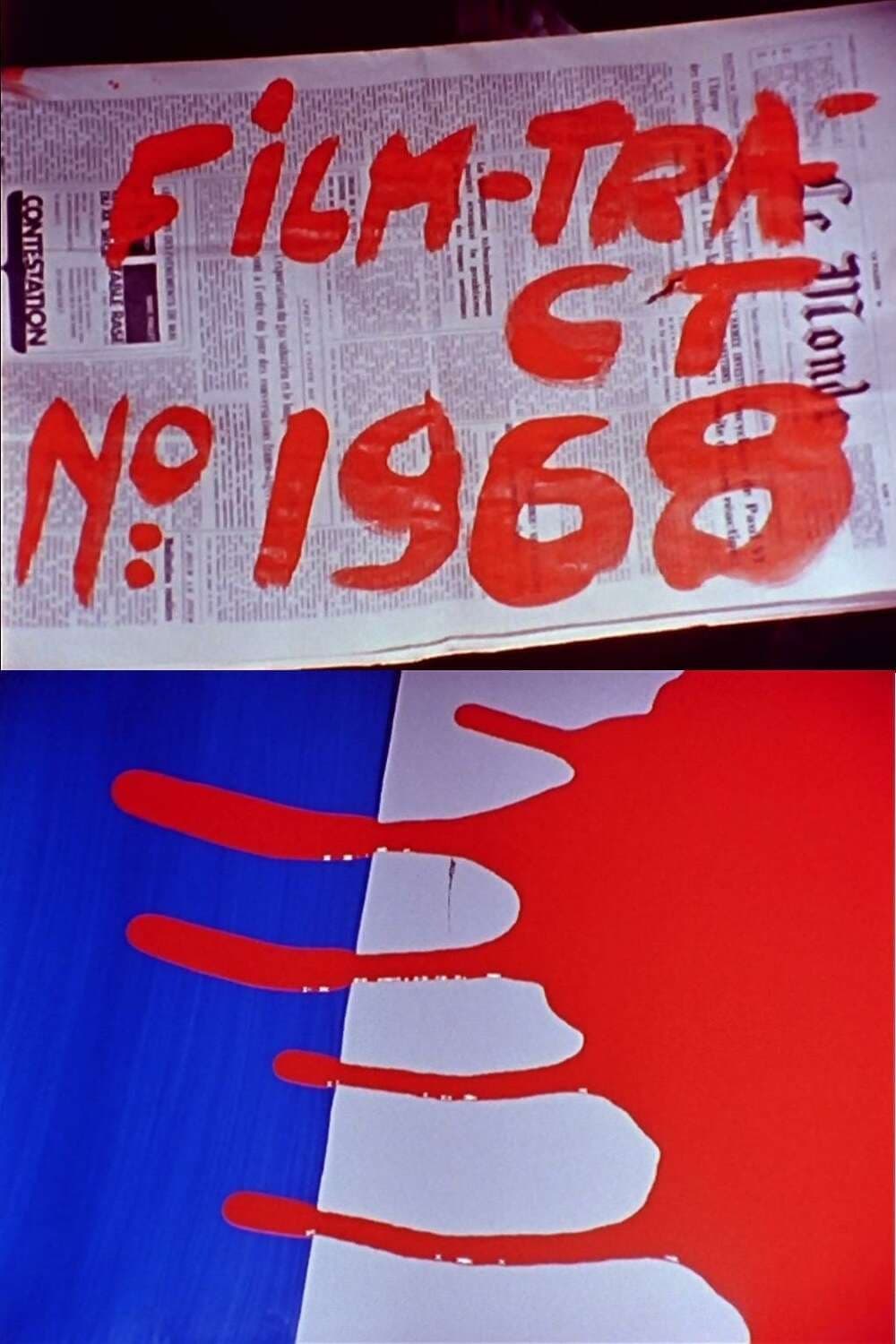
In the 1968 movement in Paris, Jean-Luc Godard made a 16mm, 3-minute long film, Film-tract No.1968, Le Rouge, in collaboration with French artist Gérard Fromanger. Starting with the shot identifying its title written in red paint on the Le Monde for 31 July 1968, the film shows the process of making Fromanger’s poster image, which is thick red paint flows over a tri-color French flag. —Hye Young Min
Clouds 1969 by the British filmmaker Peter Gidal is a film comprised of ten minutes of looped footage of the sky, shot with a handheld camera using a zoom to achieve close-up images. Aside from the amorphous shapes of the clouds, the only forms to appear in the film are an aeroplane flying overhead and the side of a building, and these only as fleeting glimpses. The formless image of the sky and the repetition of the footage on a loop prevent any clear narrative development within the film. The minimal soundtrack consists of a sustained oscillating sine wave, consistently audible throughout the film without progression or climax. The work is shown as a projection and was not produced in an edition. The subject of the film can be said to be the material qualities of film itself: the grain, the light, the shadow and inconsistencies in the print.
Elephants disrupt the lives of a family deep in the jungles of Northern Siam, and an entire village.
A fascinating pictorial document: On an old, cluttered work ship, a man is helped on with a bulky, old fashioned diving suit. It's a complicated process, many layers and sections are carefully applied. He goes over the side. Some men row out to what looks like a wrecked barge and set dynamite. Then the diver returns and now laughs and acknowledges the camera. The other men, now safely away, blow up the barge.
A short dance film in Pathécolor, also know as stencil colouring. The editing cuts correspond with the dancers' costume changes. More about stencil colouring at http://zauberklang.ch/filmcolors/timeline-entry/1218/.
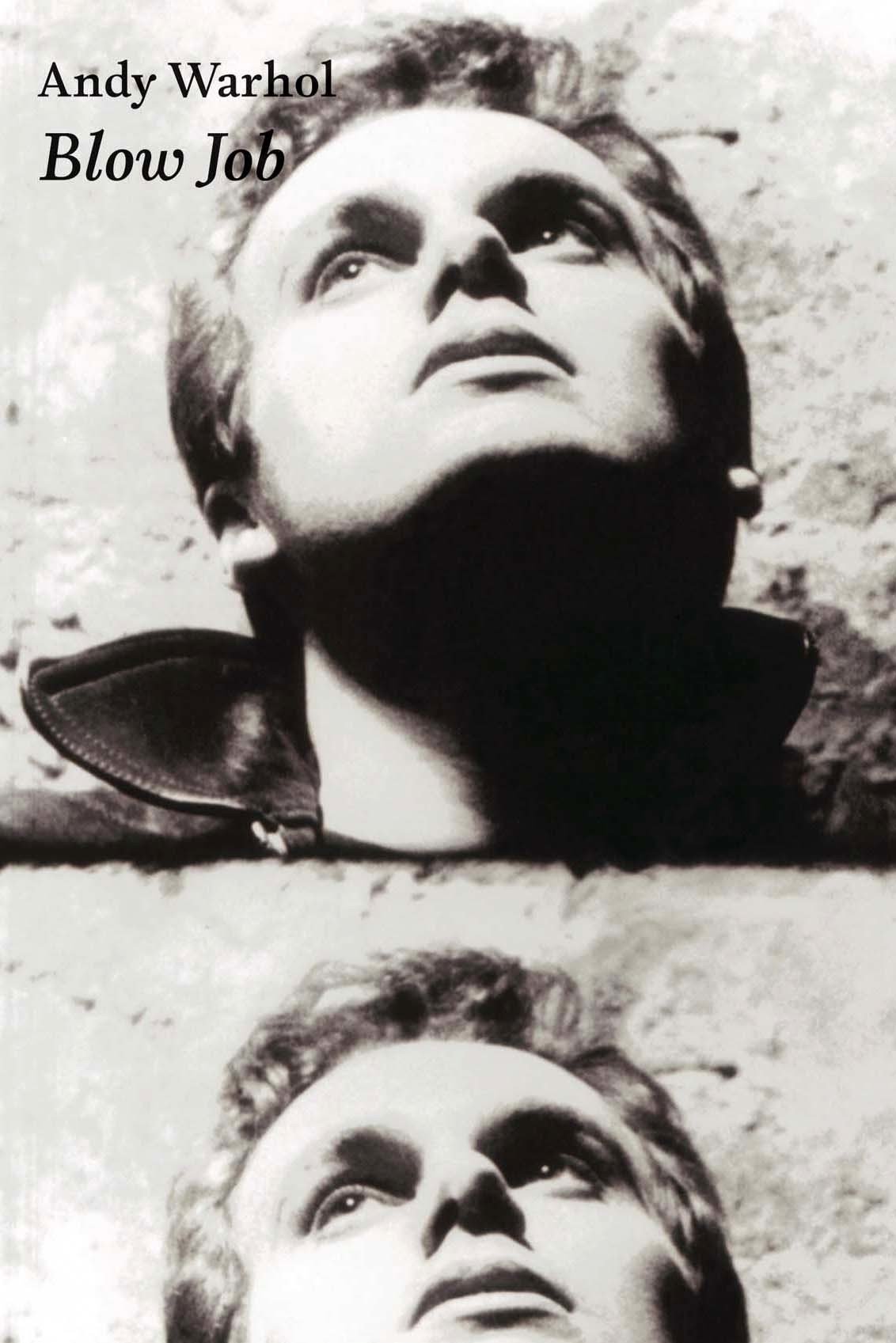
Andy Warhol directs a single 35-minute shot of a man's face to capture his facial expressions as he receives the sexual act depicted in the title.
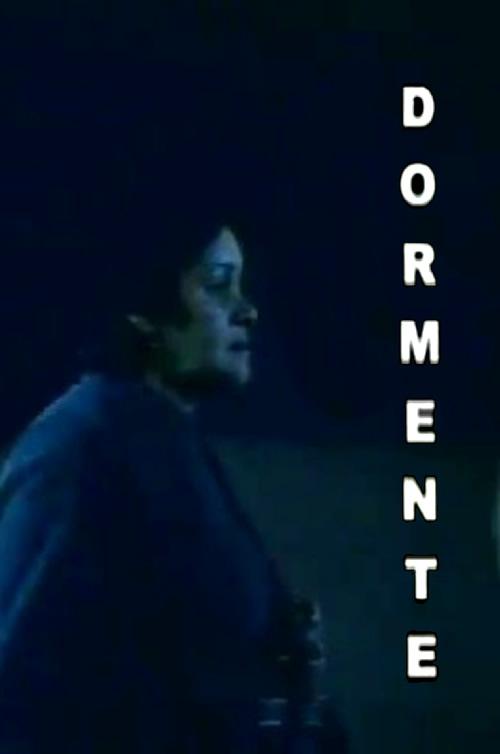
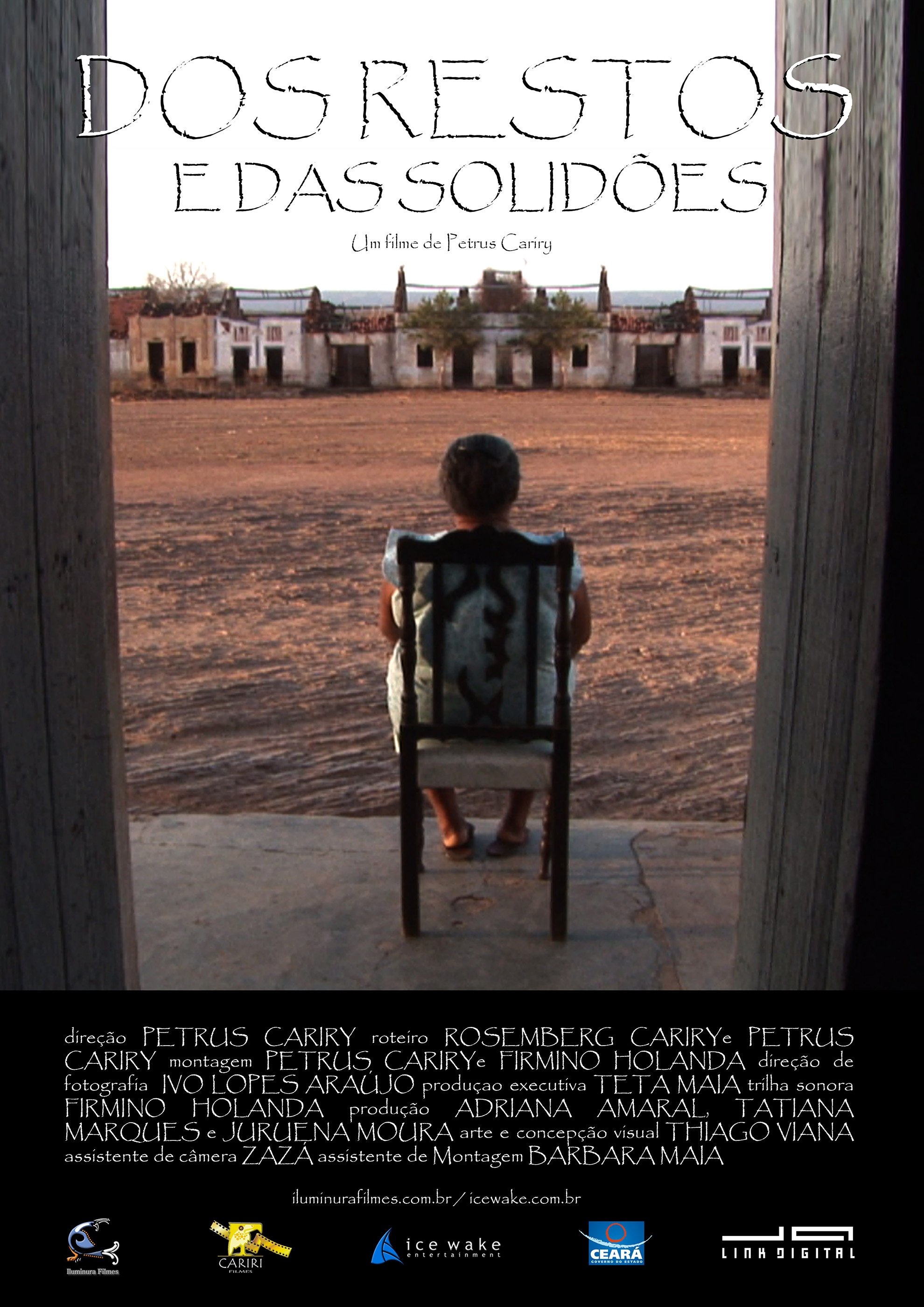
In the interior of the Inhamuns, the driest and poorest piece of land in Ceará, the ghost town of Cococi, among ruins and neglect, is a kind of living museum from immemorial times. In the middle of the deep caatinga, wandering among the ruins and the shadows, lives Dona Laura, 70 years old, brooding over memories and pain.
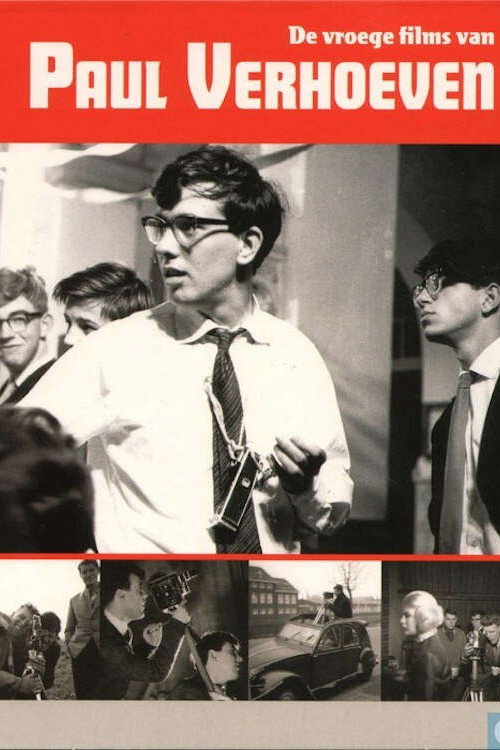
Documentary about the leader of the fascist party in The Netherlands, from 1931 till 1945. This architect called Anton Mussert was shot in 1946 after having been convicted for high treason and aiding the enemy.
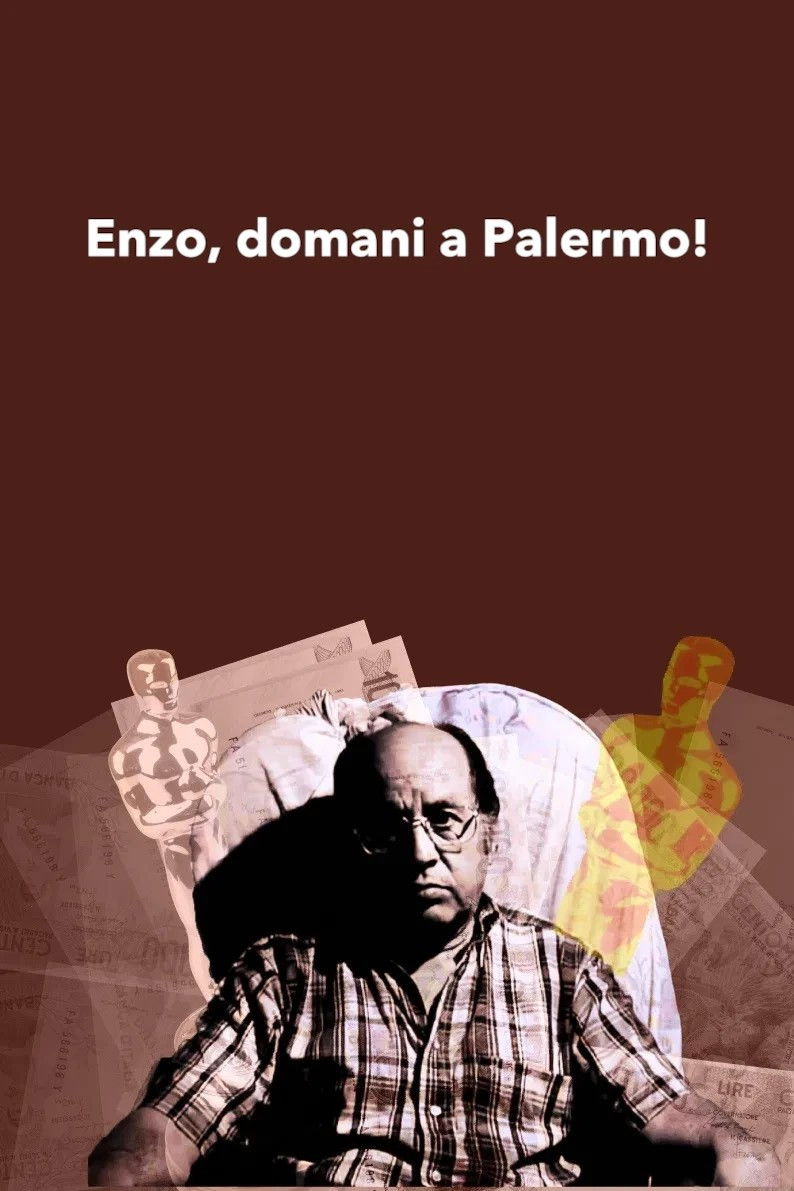
Ciprì and Maresco's delicious documentary portrays Sicilian super-agent Enzo Castagna, a man with some 20,000 extras on his books, who has worked with the likes of Loren, Pasolini, Rosi, Coppola and Cimino (indeed, virtually anyone who's ever chosen to film in Palermo). It's typically weird, witty and wonderful, partly due to its subject, a self-styled 'little big man' who consents to be described as 'almighty' and 'the greatest contributor to Italian cinema in the last 35 years'. The local favourite has also done time for bribery, but refuses to comment on Cosa Nostra. The film is as astonishing as its subject. Shot in luscious b/w, it's driven forward by an offscreen interrogator who alternates between ludicrously hyperbolic flattery and forthright questions about corruption and crime. It also serves as a study of the way ethics get abandoned in the unending pursuit of fame, wealth and self-esteem.
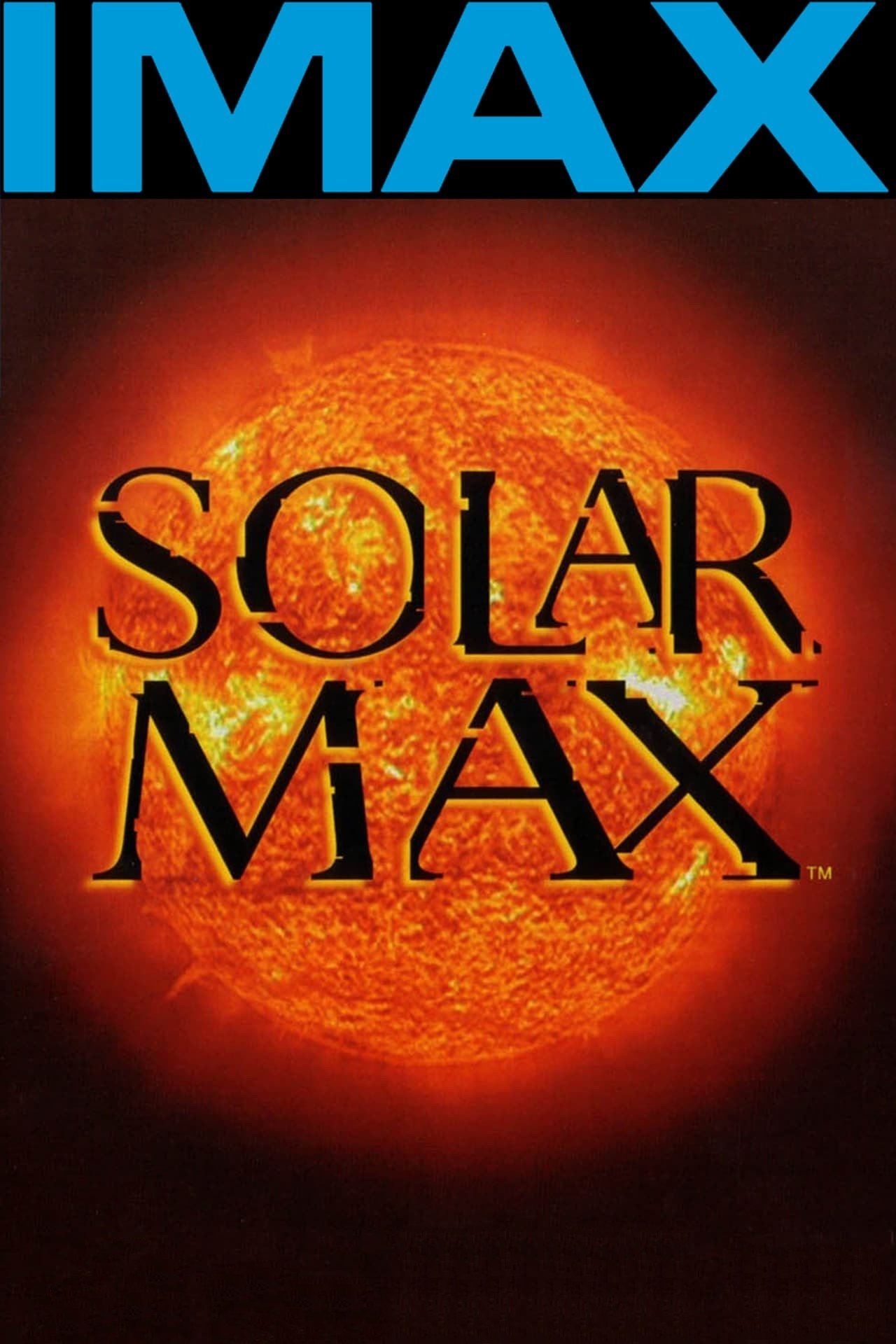
Solarmax is a 40-minute giant-screen documentary that tells the story of humankind's struggle to understand the sun. The film will take audiences on an incredible voyage from pre-history to the leading edge of today's contemporary solar science.
Susan and Ted are creating an insect zoo, learning about various insects.
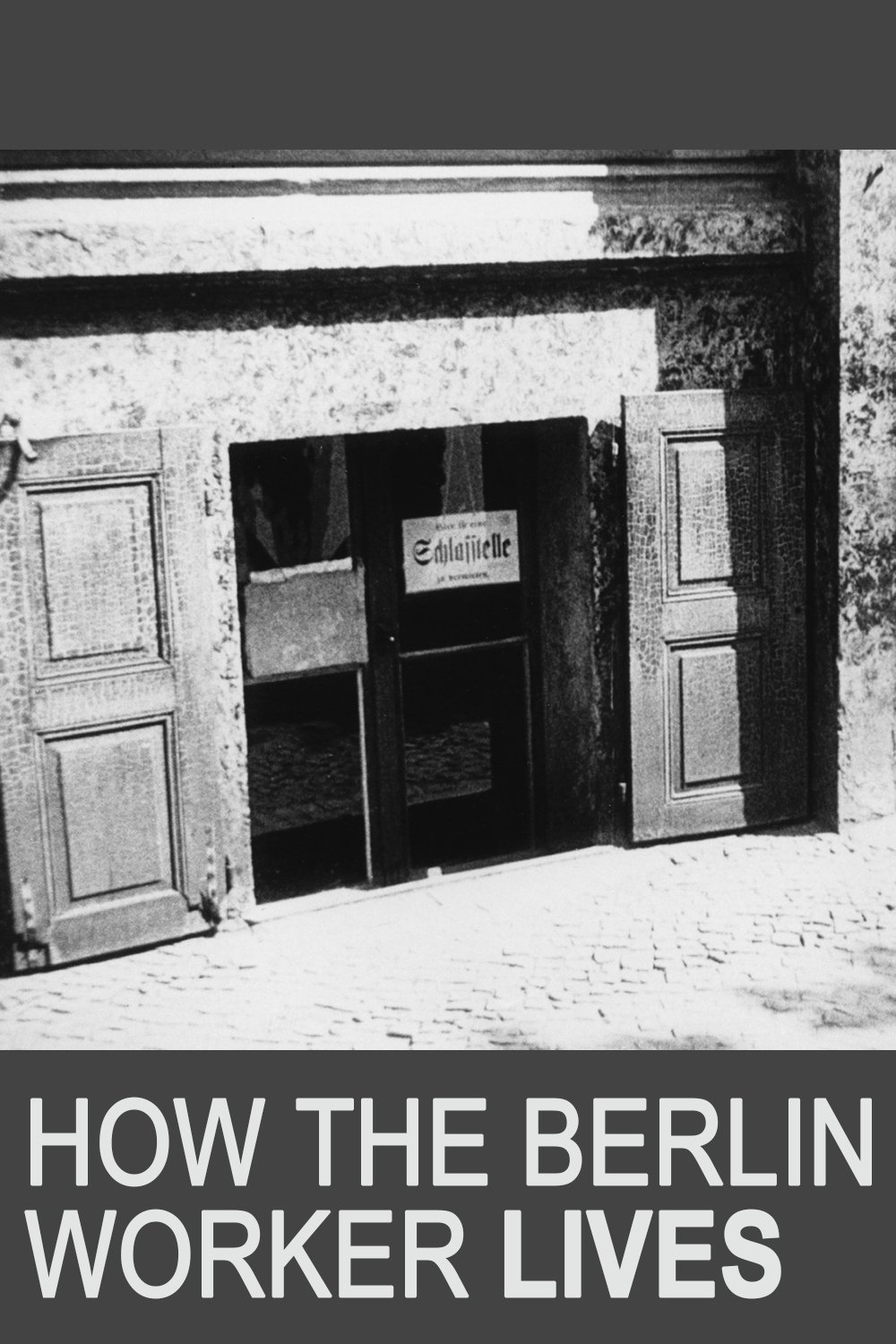
This documentary shows how the Berliner workers lived in 1930. The director Slatan Dudow shows through images: a) the workers leaving the factory; b) the raise of the rents; c) the "unpleasant" guest, meaning the justice officer that brings the eviction notice; d) the fight of classes of the houses of capitalists and working classes; e) the parks of the working class; f) the houses of the working class, origin of the tuberculosis and the victims; g) the playground of the working class; h) the swimming pool for the working class, ironically called the "Baltic Sea" of the working class; i) the effects of humidity of basement where a family lives, with one member deaf; j) one working class family having dinner while the capitalist baths his dog; k) the eviction notice received from an unemployed family and their eviction.
A short film to warn children of sexual predators.
A documentary about the cultural effect of film censorship, focusing on the tumultuous times of the teens and early 1920s in America.
"Bagong Buhay" is a short experimental film that dispels the common belief that packing up and moving to a new place will magically improve one's quality of life. The film challenges this presumption by portraying two contrasting ways of life through objects and locations, encouraging viewers to think critically about the complexities of what makes a better life. In the Philippines, it's believed that relocating to a new area will bring about positive changes in one's existence. True satisfaction is a complex and multifaceted notion, and "Bagong Buhay" encourages us to ponder that relocating to a new place is not a surefire way to attain it.
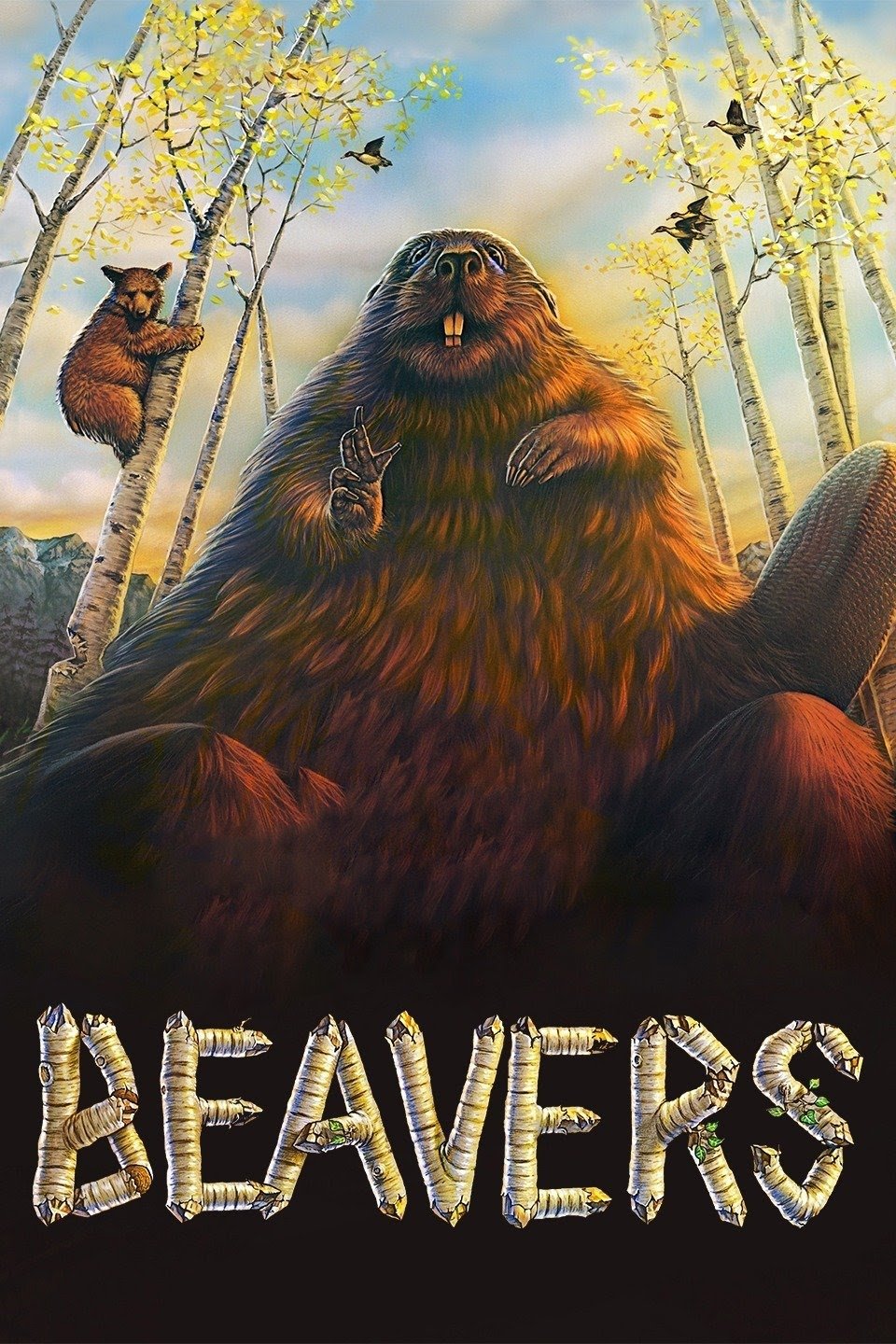
A story about several beaver families in their wild surroundings. The interesting process of building a dam can be watched as well as the dangers arising from hungry bears and other influences on the new-built home.
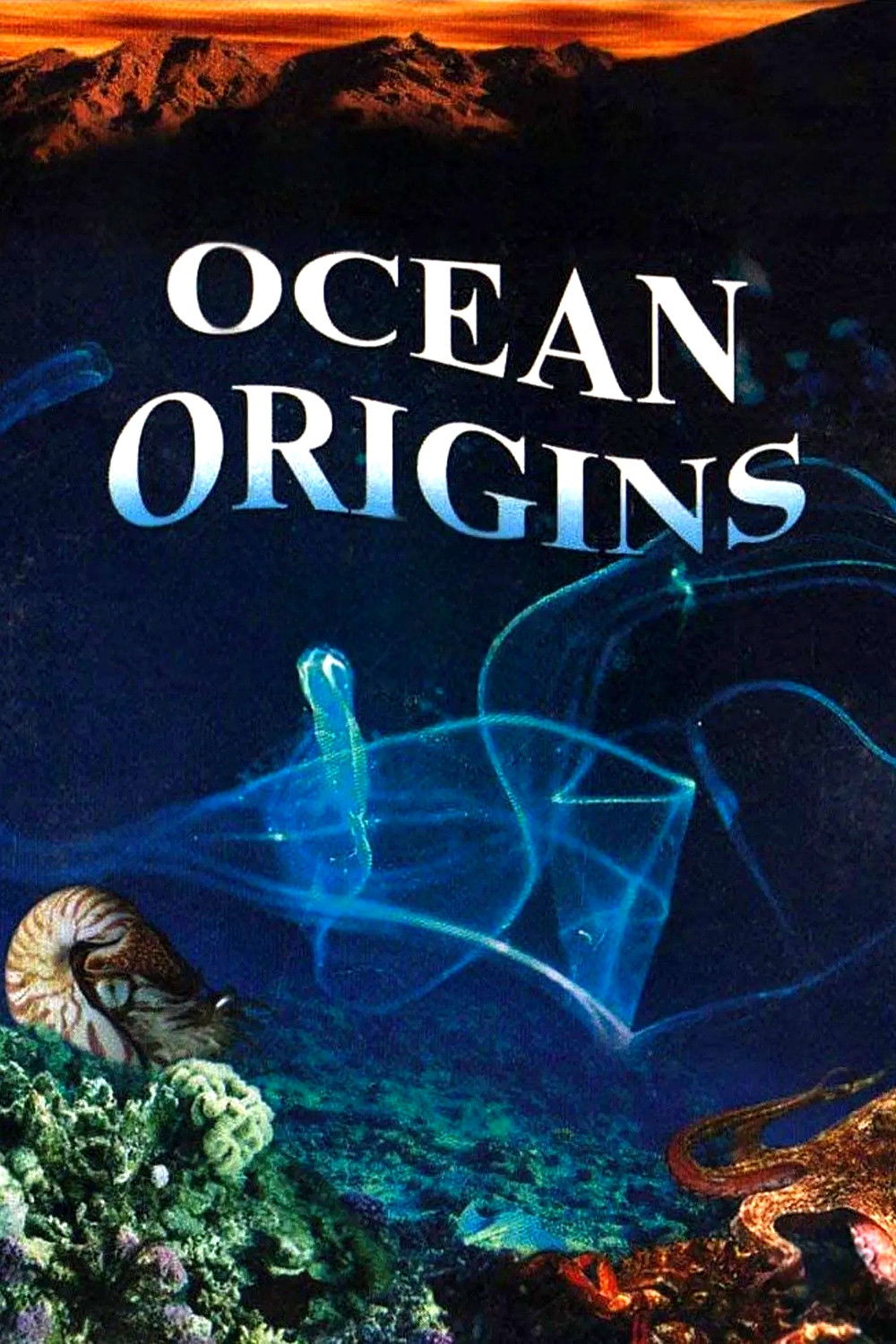
A documentary that explores the natural world of the sea, from the single-celled organism to more complex forms of life, OCEAN ORIGINS was originally filmed in the IMAX large format, which adds a crispness and clarity to the images. This documentary film seeks to examine the process of evolution by looking at the many creatures of the sea that can illustrate the way multi-cellular life emerged over the course of four billion years. OCEAN ORIGINS is a creative film that uses fascinating documentary footage to look at scientific theories and principles in an interesting manner
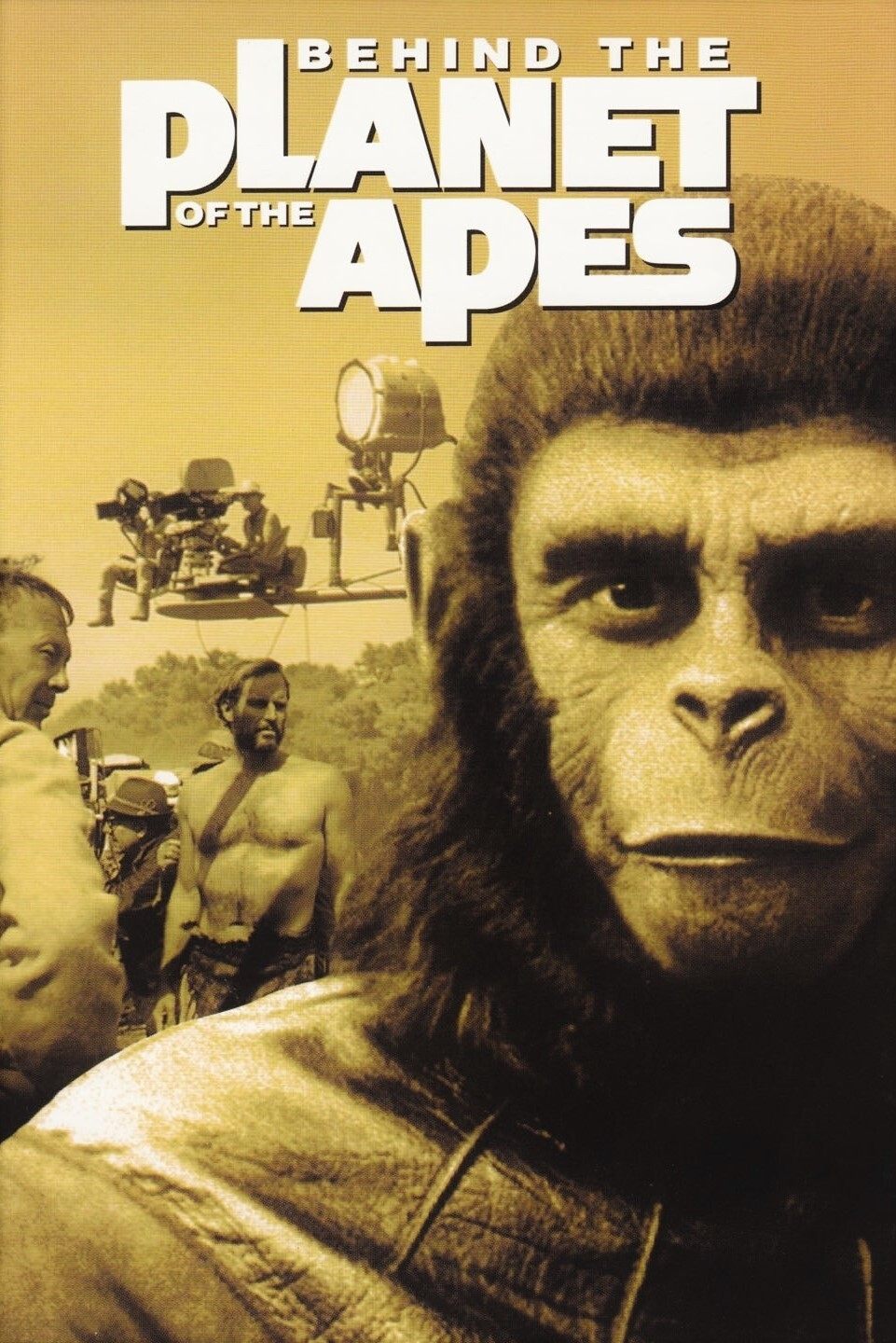
Roddy McDowall takes you, film by film, from production meetings to make-up sessions, then right onto the movie set to see the actual filming of the science fiction masterpiece. The most comprehensive history of Planet of the Apes ever created, this fascinating 127-minute documentary explores one of the most imaginative and influential series in movie history.
An inside look at one of the most anticipated movie sequels ever with James Cameron and cast.
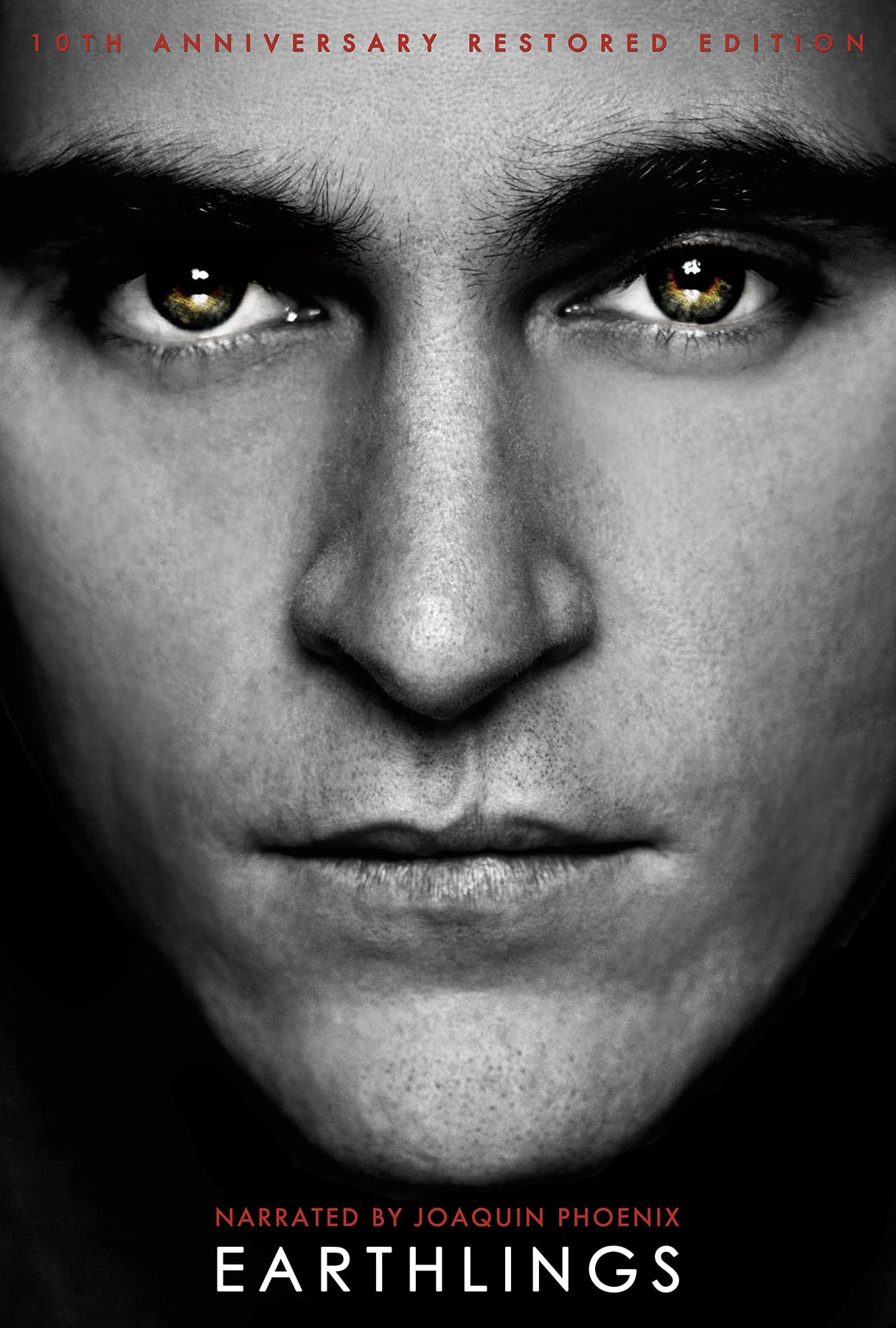
Using hidden cameras and never-before-seen footage, Earthlings chronicles the day-to-day practices of the largest industries in the world, all of which rely entirely on animals for profit.
Daniel Craig candidly reflects on his 15 year adventure as James Bond. Including never-before-seen archival footage from Casino Royale to the upcoming 25th film No Time To Die, Craig shares his personal memories in conversation with 007 producers, Michael G Wilson and Barbara Broccoli.
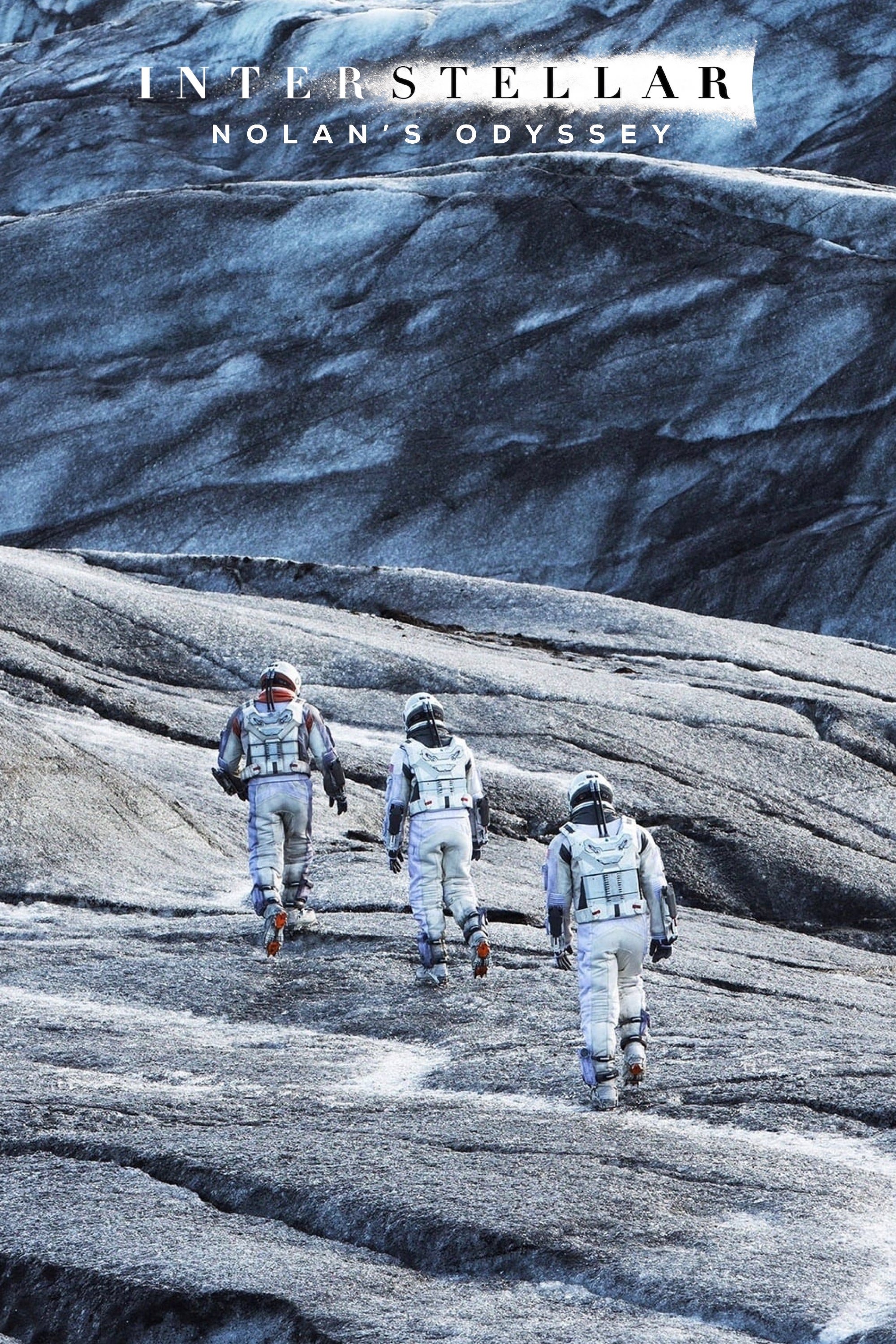
A look behind the lens of Christopher Nolan's space epic.
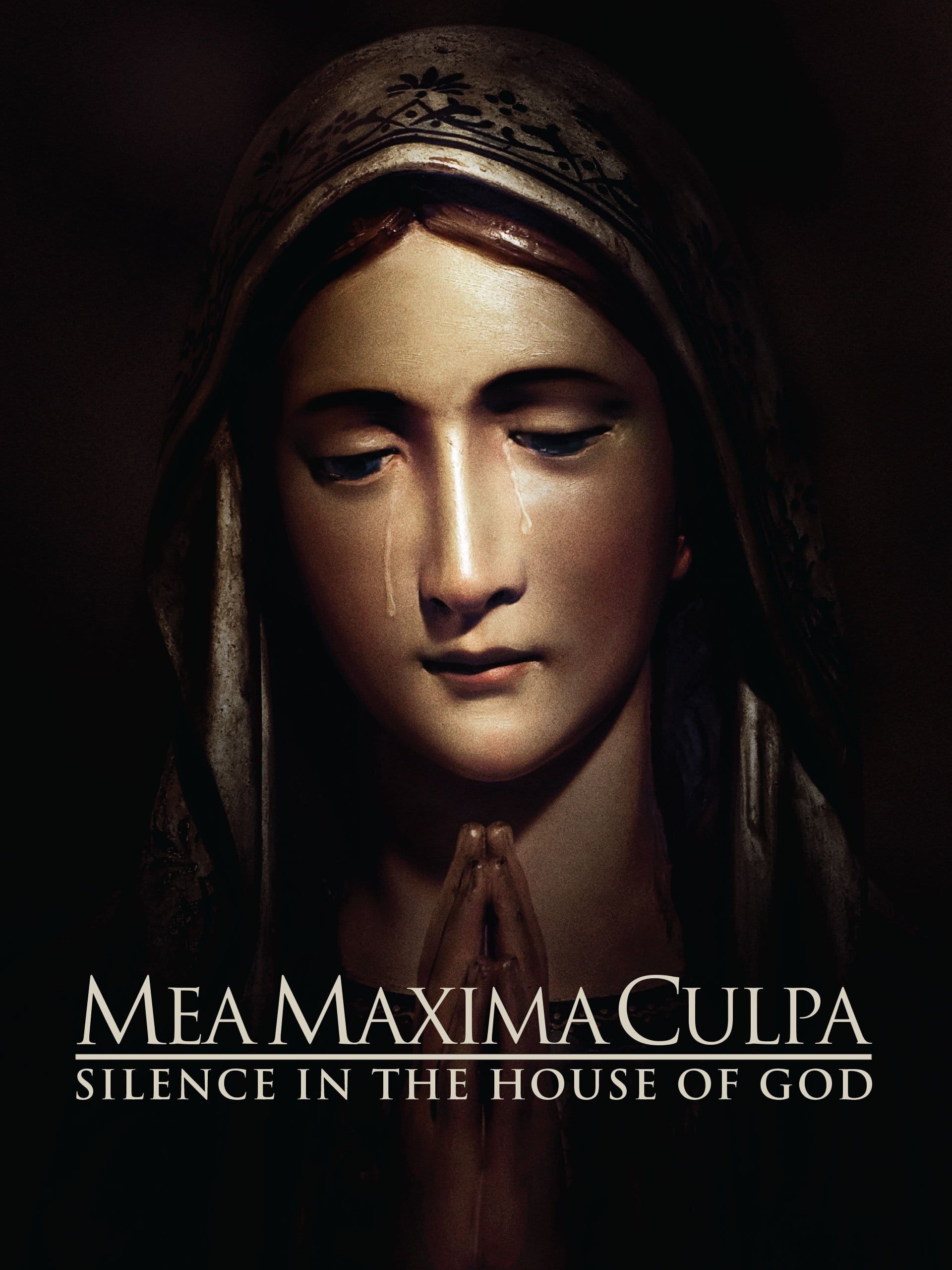
Alex Gibney explores the charged issue of pedophilia in the Catholic Church, following a trail from the first known protest against clerical sexual abuse in the United States and all way to the Vatican.
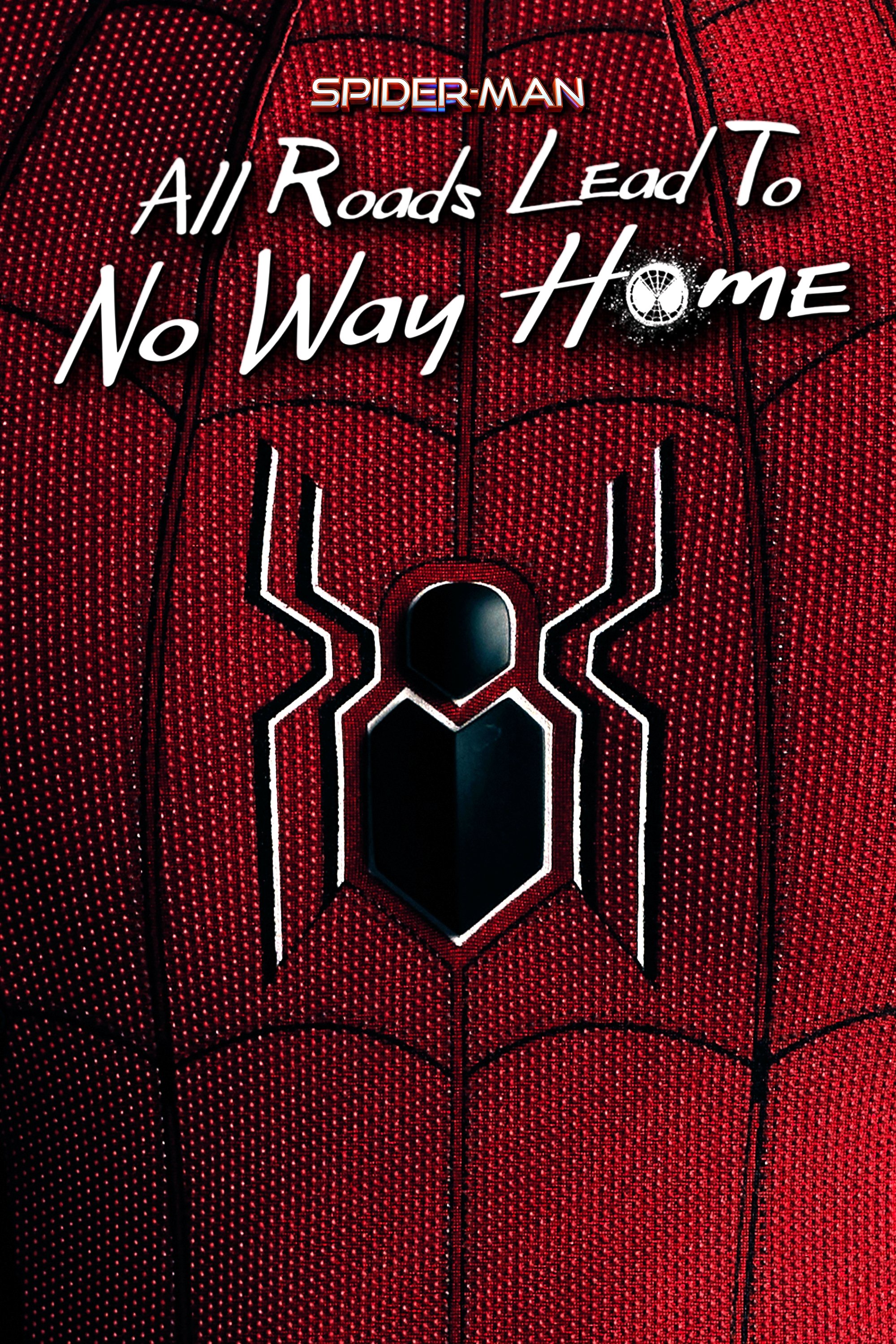
JB Smoove and Martin Starr host a celebration of 20 years of "Spider-Man" movies, from the Sam Raimi trilogy to Marc Webb's movies and the trio from Jon Watts.
A documentary on the expletive's origin, why it offends some people so deeply, and what can be gained from its use.
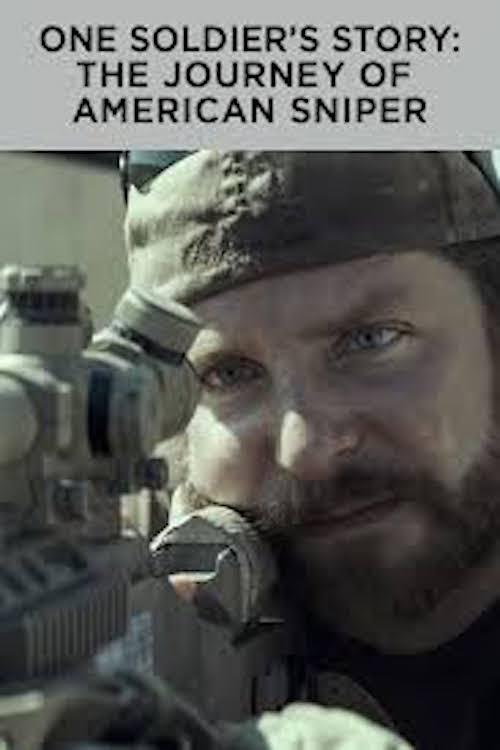
Join director Clint Eastwood and his creative team, along with Bradley Cooper and Sienna Miller, as they overcome enormous creative and logistic obstacles to make a film that brings the truth of Navy SEAL Chris Kyle's story to the screen.
In an intimate and joyful story of love in the face of loss, celebrated poets Andrea Gibson and Megan Falley find strength—and unexpected hilarity—in what might be their final year together.
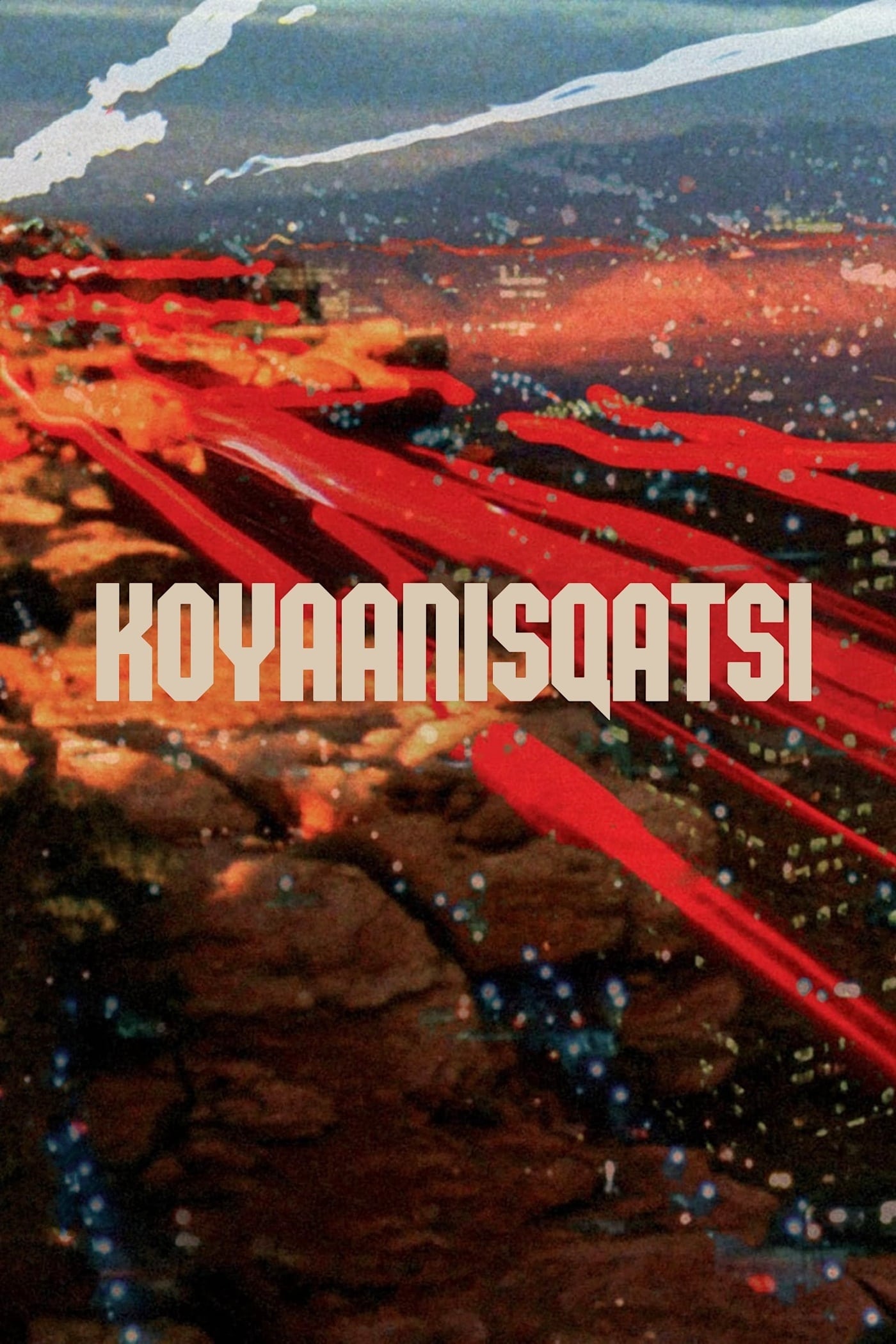
Takes us to locations all around the US and shows us the heavy toll that modern technology is having on humans and the earth. The visual tone poem contains neither dialogue nor a vocalized narration: its tone is set by the juxtaposition of images and the exceptional music by Philip Glass.
Lupita Nyong'o narrates a documentary about Peanuts and its creator, Charles M. Schulz. Famous fans—including Drew Barrymore, Kevin Smith, and Al Roker—share its influence on them, and a new animated story finds Charlie Brown on a quest.
A visual montage portrait of our contemporary world dominated by globalized technology and violence.
Alexander McQueen's rags-to-riches story is a modern-day fairy tale, laced with the gothic. Mirroring the savage beauty, boldness and vivacity of his design, this documentary is an intimate revelation of McQueen's own world, both tortured and inspired, which celebrates a radical and mesmerizing genius of profound influence.
A documentary about the life and films of director John Ford.
From a prolific career in film and television, Anton Yelchin left an indelible legacy as an actor. Through his journals and other writings, his photography, the original music he wrote, and interviews with his family, friends, and colleagues, this film looks not just at Anton's impressive career, but at a broader portrait of the man.
As England reach the final of the Euros at last, 6,000 ticketless football fans storm Wembley stadium, leaving destruction in their wake.
A string of threatening emails escalates into a revenge plot involving a newly married US marshal and his ex-girlfriend.
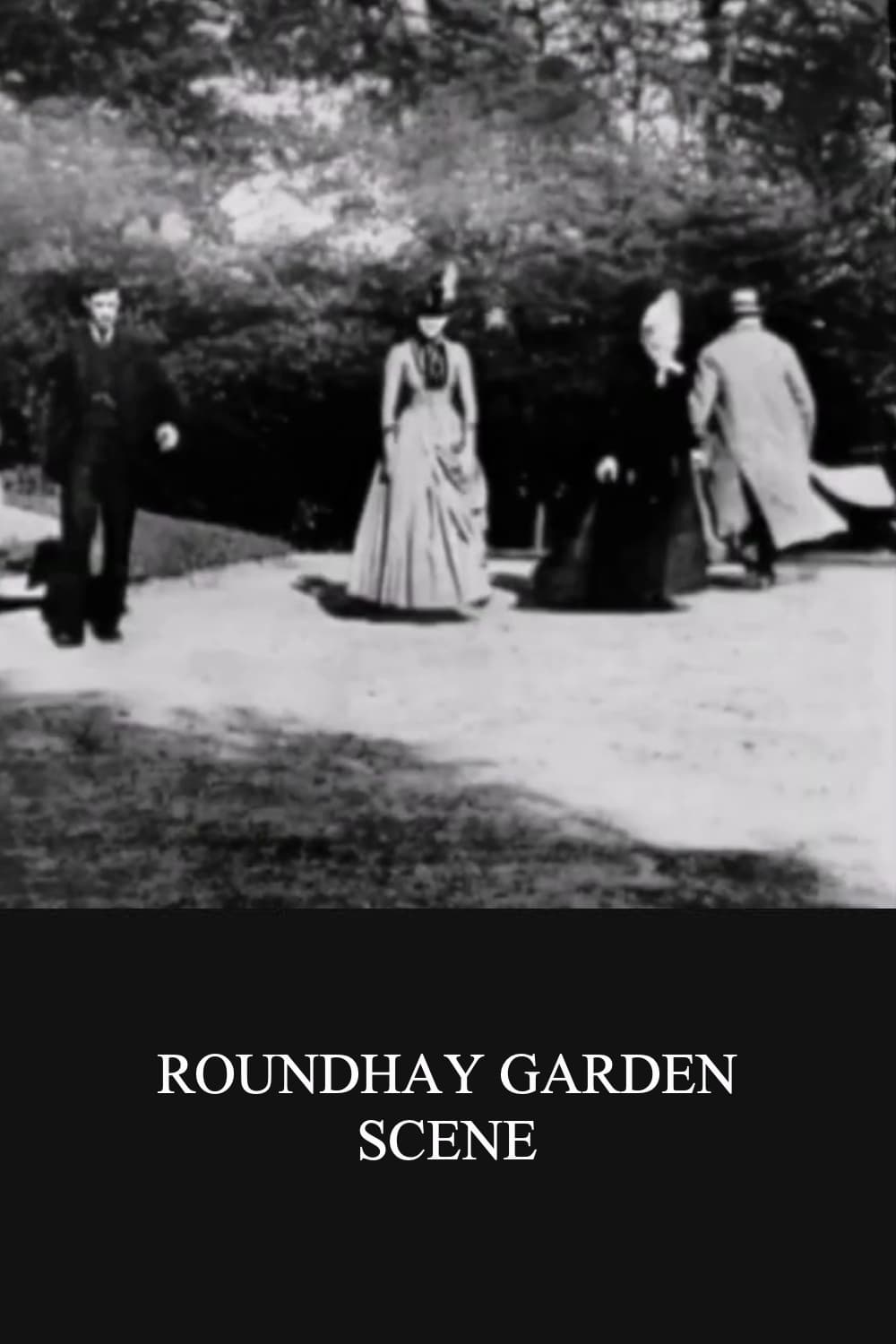
The earliest surviving motion-picture film, and believed to be one of the very first moving images ever created, was shot by Louis Aimé Augustin Le Prince using the LPCCP Type-1 MkII single-lens camera. It was taken on paper-based photographic film in the garden of Oakwood Grange, the Whitley family house in Roundhay, Leeds, West Riding of Yorkshire (UK), on 14 October 1888. The film shows Adolphe Le Prince (Le Prince’s son), Mrs. Sarah Whitley (Le Prince’s mother-in-law), Joseph Whitley, and Miss Harriet Hartley walking around in circles, laughing to themselves, and staying within the area framed by the camera. Roundhay Garden Scene is often associated with a recording speed of around 12 frames per second and runs for about 2 to 3 seconds.
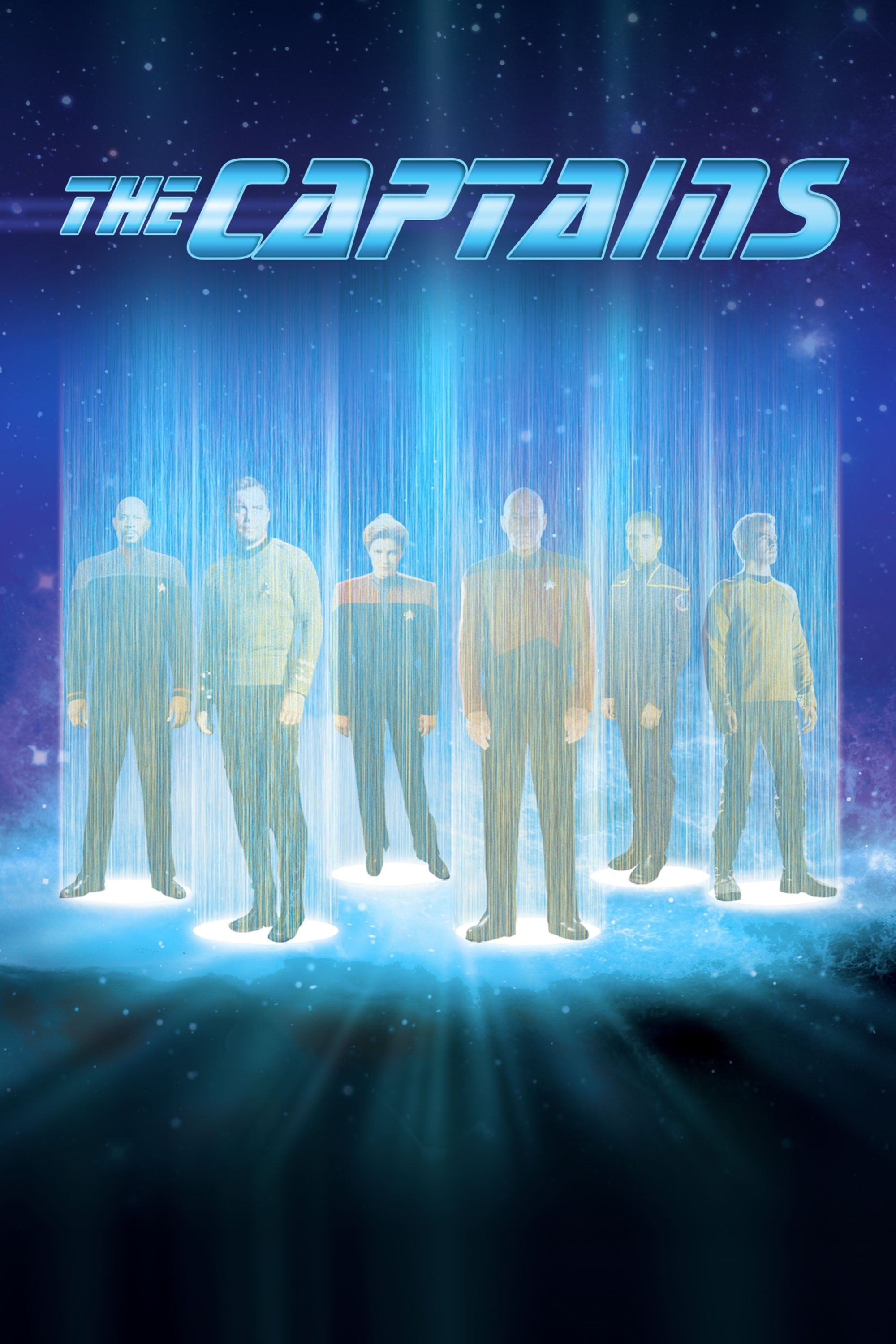
The Captains is a feature-length documentary film written and directed by William Shatner. The film follows Shatner as he interviews the other actors who have portrayed starship captains in the Star Trek franchise.