Misunderstood genius, superstar, Hollywood’s fallen angel... Orson Welles left his indelible mark on the 20th century.
Social & External
The people behind it
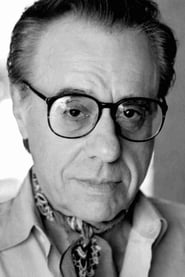
Peter Bogdanovich
Self
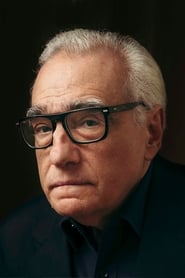
Martin Scorsese
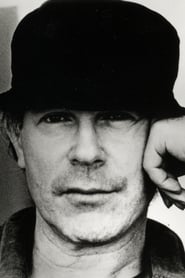
Henry Jaglom
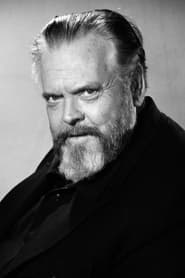
Orson Welles
Christopher Welles
Joseph McBride
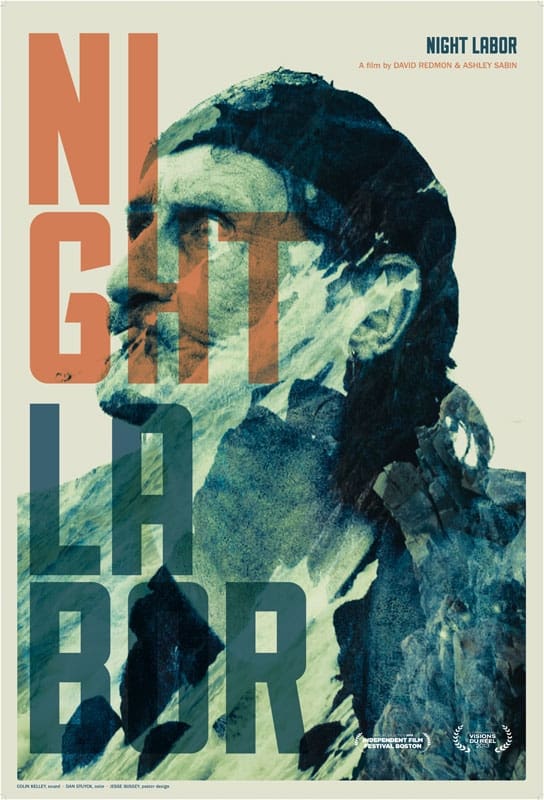
Night Labor follows Sherman Frank Merchant, a forty-six year old 6'6" Downeaster during his transition from an independent and rugged clam digger by day to manning a factory at night. With his white smock, arsenal of knives, and signature black beret, Sherman performs the tasks of preparing and arranging tools for the day laborers who arrive to their 6am shift.
A portrait of Inuit hunter and artist Lypa Pitsiulak, who decided to return to the land several years ago. His goal was to rediscover his culture, teach his family survival skills in the harsh Arctic environment, and pull himself and his family away from the negative influences of white culture. The film portrays his lifestyle, his love for his family, and some of the sources of his artistic inspiration. It also highlights his beautiful prints and sculptures, with their fantastic interweaving of figures from the animal, spirit and human worlds.
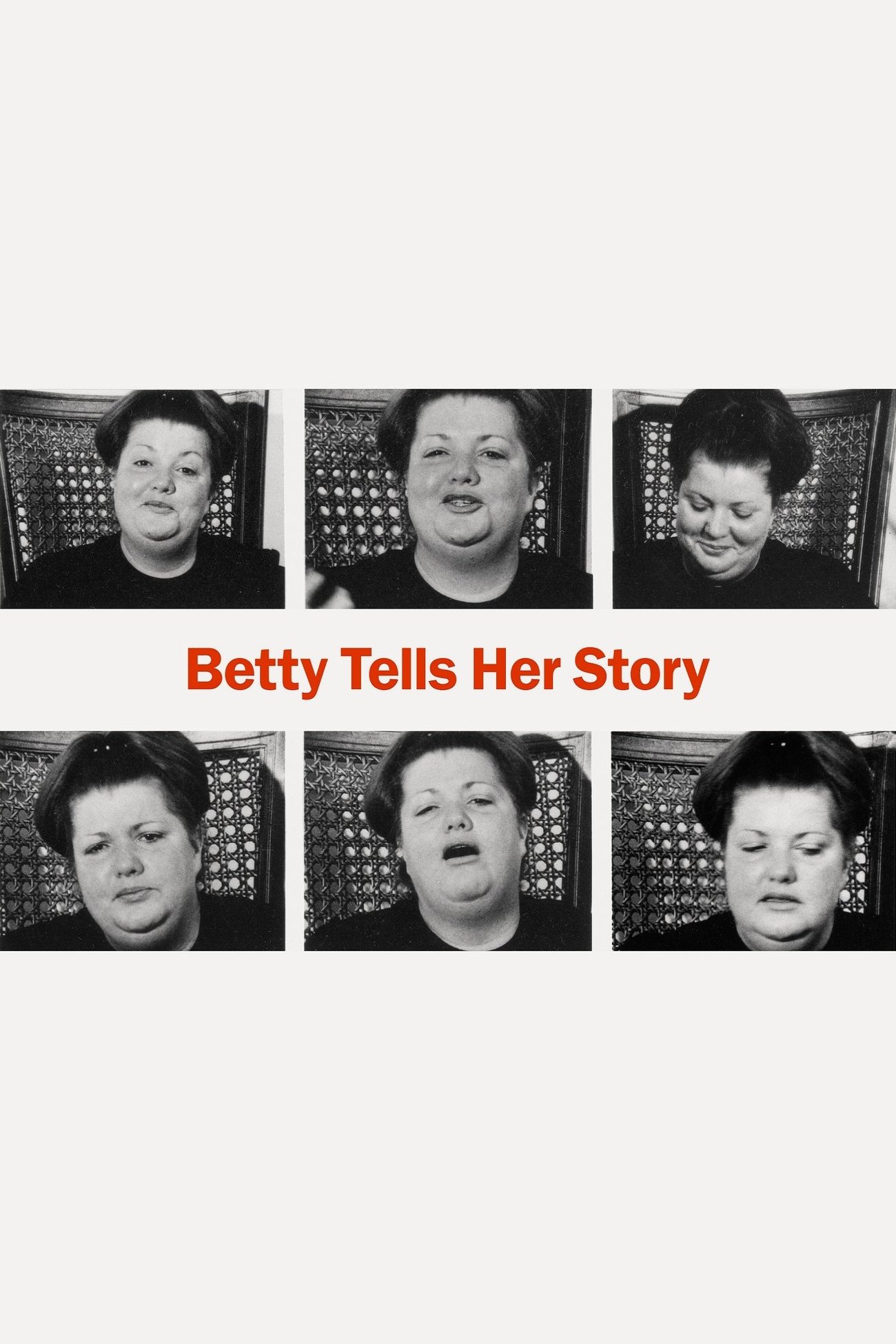
A woman tells the story of how she bought an expensive dress that she never got to wear, and then tells the story again focusing on her feelings about the events she described.
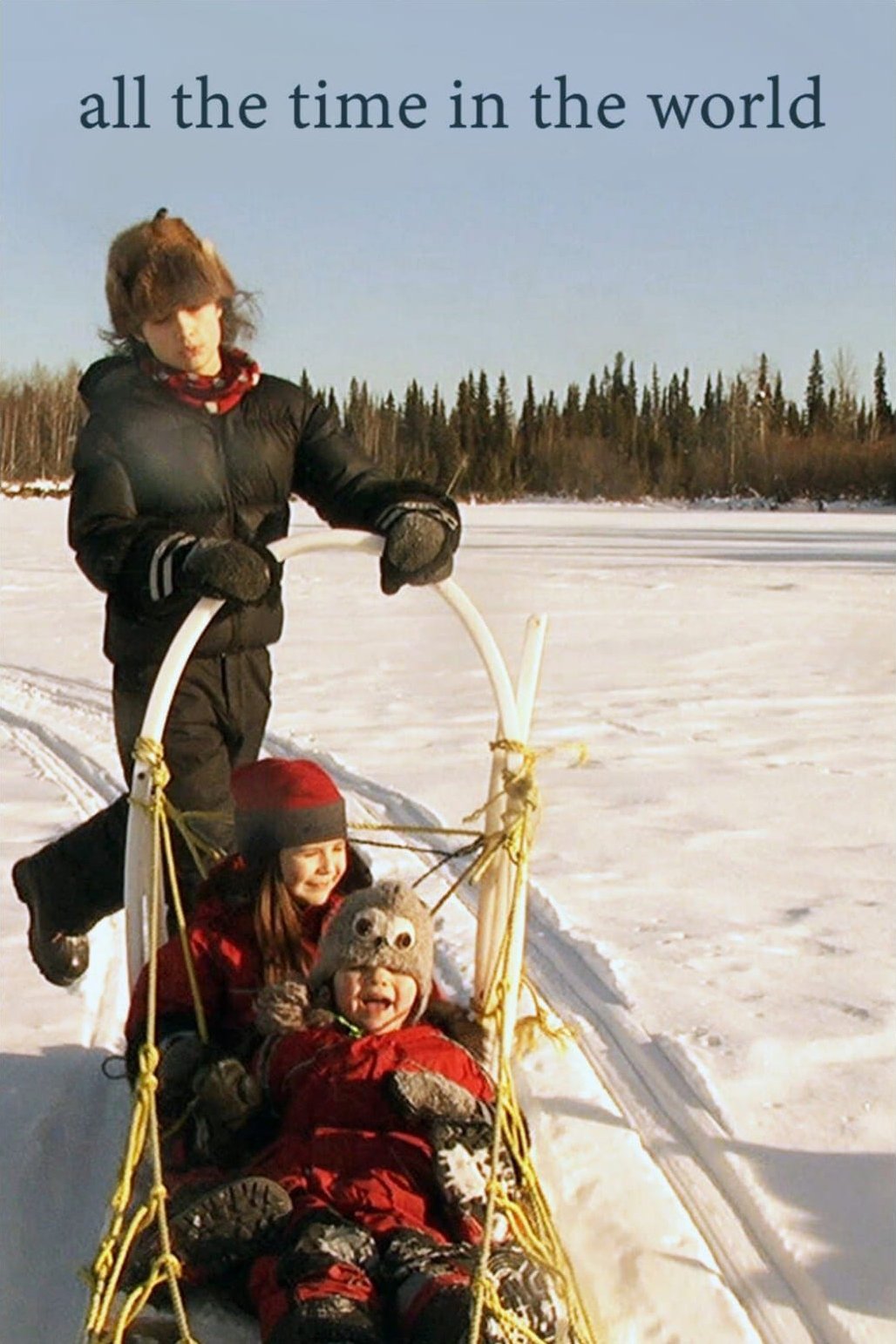
A documentary that chronicles life's natural unfolding when a family tries to live by the seasons instead of by the clock.
Damon C. Scott is a well known subway and street performer, but he's also the voice of the #1 hit song "Look Right Through" (by Storm Queen, remixed by DJ Mark "MK" Kinchen).
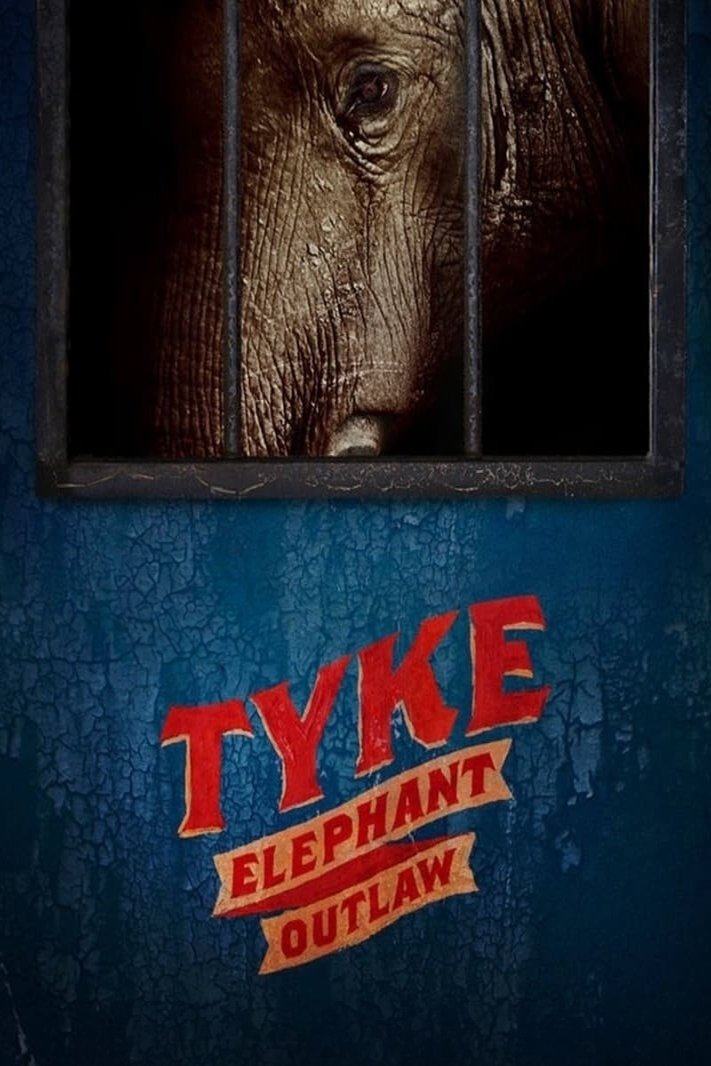
This is the gripping and emotionally charged story of Tyke, a circus elephant that went on a rampage in Honolulu in 1994, killed her trainer in front of thousands of spectators and died in a hail of gunfire. Her break for freedom - filmed from start to tragic end - traumatised a city and ignited a global battle over the use of animals in the entertainment industry. Looking at what made Tyke snap, the film goes back to meet the people who knew her and were affected by her death - former trainers and handlers, circus industry insiders, witnesses to her rampage, and animal rights activists for whom Tyke became a global rallying cry. Like the classic animal rebellion film King Kong, Tyke is the central protagonist in a tragic but redemptive drama that combines trauma, outrage, insight and compassion. Ultimately, this moving documentary raises fundamental questions about our deep and mysterious connection to other species.
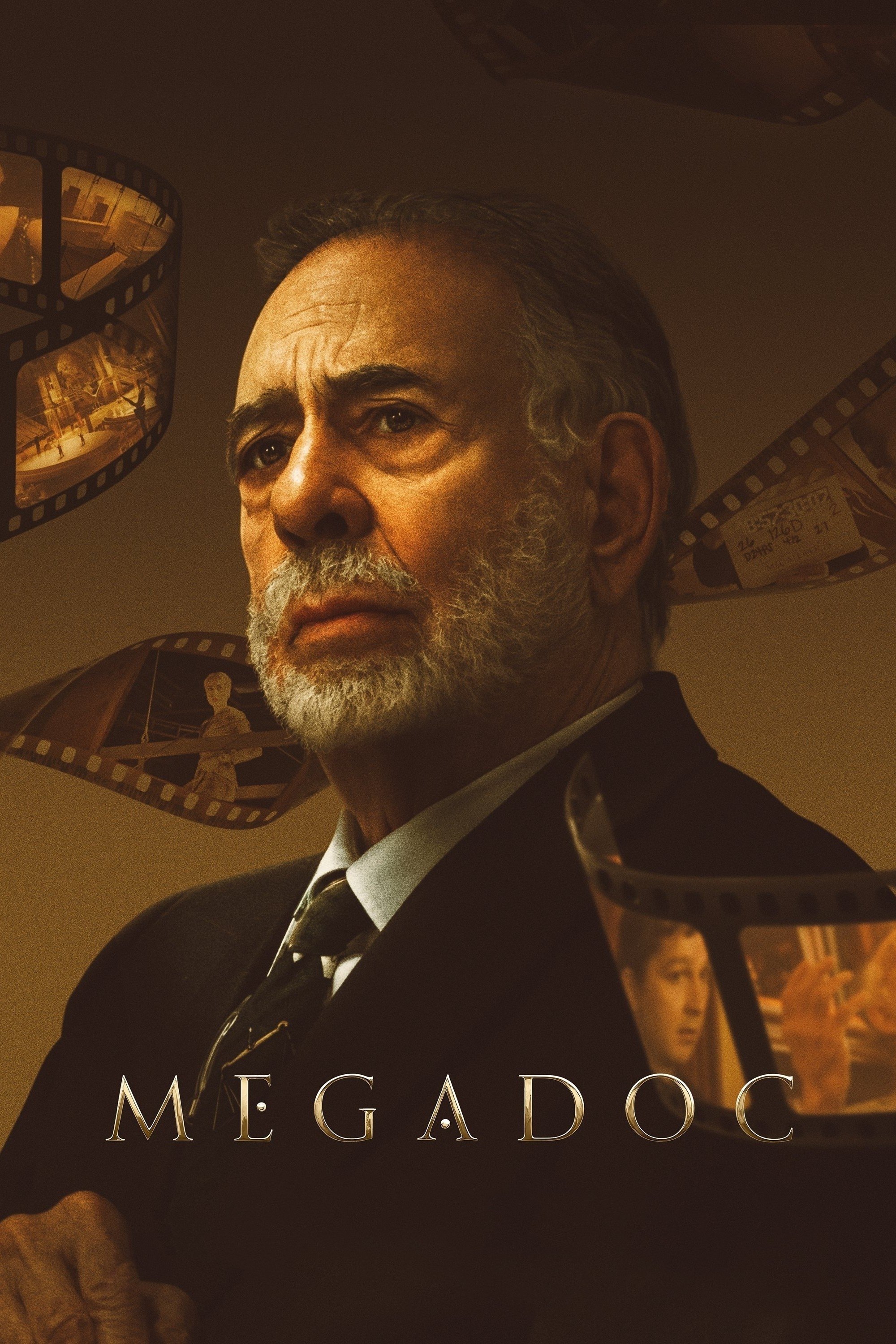
Presenting a behind-the-scenes account of a visionary at work. From Oscar-nominated Mike Figgis, Megadoc gives audiences an unfiltered and intimate look at the making of Francis Ford Coppola’s epic sci-fi drama Megalopolis.
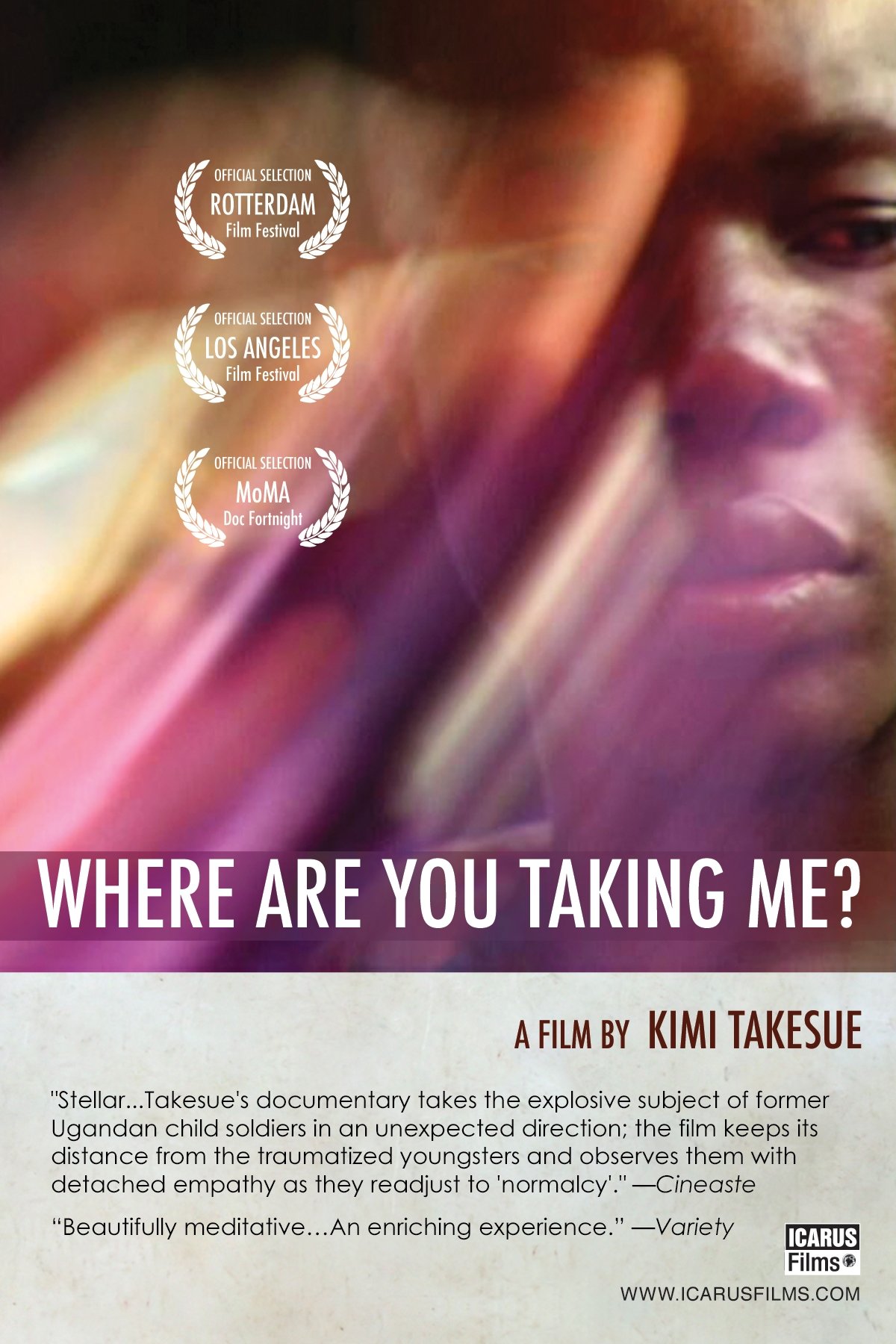
A high society wedding, bustling city streets, a center for former child soldiers, a nightclub full of music and laughter: these are the many faces of today's Uganda, as wonderfully captured by filmmaker Kimi Takesue. Whether exploring the pulsating energy of the city or contemplating quiet moments in the country, her artful camera compositions and the lyrical pacing of the film allow us to truly engage and process the foreign land on our own terms. Documenting Uganda while it deals with day-to-day realities and the aftermath of its civil wars, Takesue, well aware of her perspective as an outsider, strives for simple, unadorned honesty. Employing a largely observational style, Takesue allows the sight and sounds-and the people-of Uganda to speak for themselves. Usually the people she records simply ignore the camera, but when someone does engage-whether it's a group of school children...
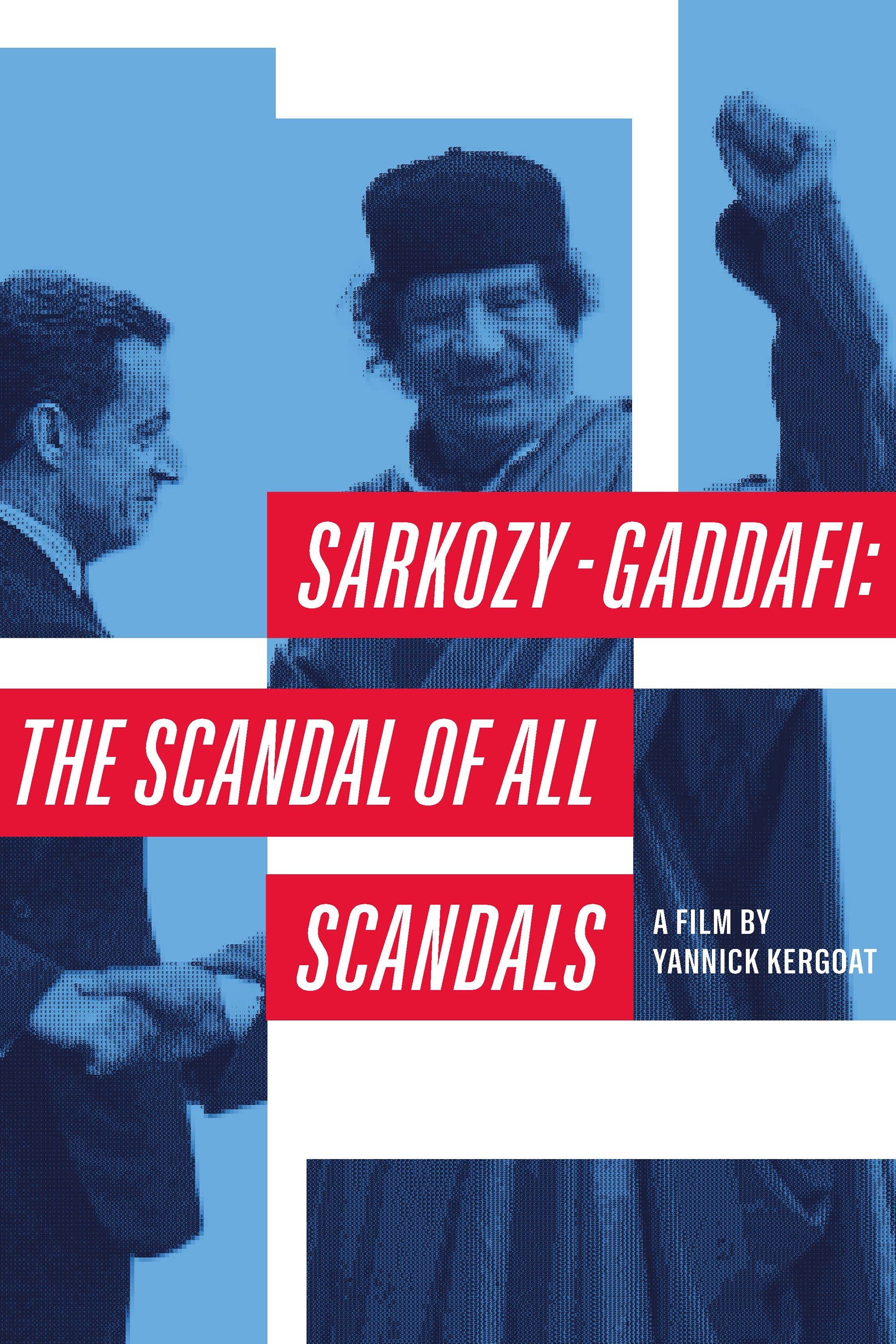
A democracy and a dictatorship. A presidential campaign and dirty money. War and death. When Nicolas Sarkozy affirmed in the press that “No one can make sense of it”, he was trying to discredit the investigation into his ties with Muammar Gaddafi, portraying it as a bunch of gibberish. As Sarkozy and his many accomplices go on trial in the Libyan campaign financing affair, here’s the film that will finally explain all of the ins and outs of one of the most remarkable French political scandals in decades.
The semi-humorous documentary about two men who turned an inside joke into a beverage company.
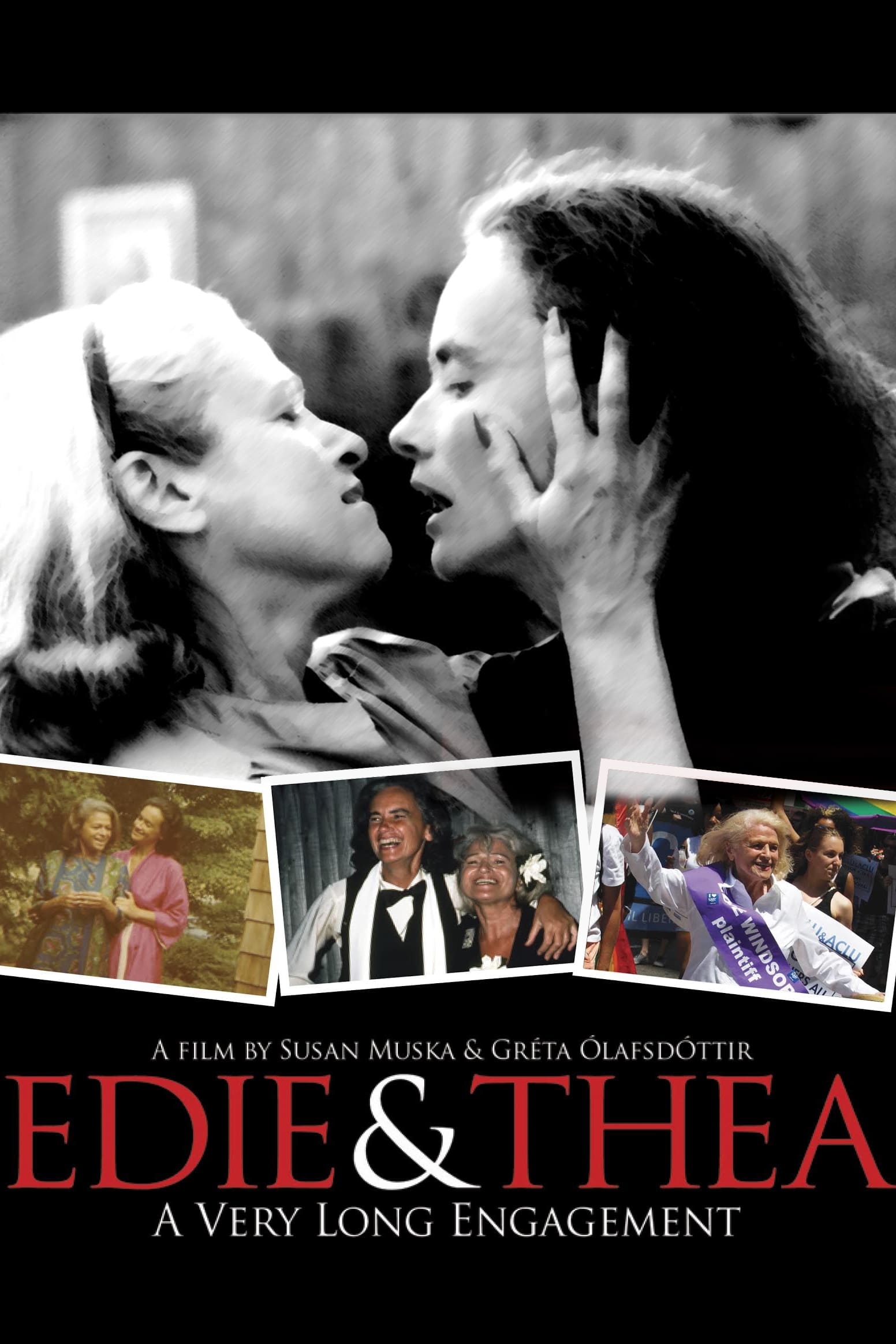
After 42 years, feisty and delightful lesbian couple Edie and Thea are finally getting married. From the early 1960s to the present day, the tireless community activists persevere through many battles, both personal and political. As Edie says, "we just went on with this talent we have for wrestling joy from the shit". Susan Muska and Greta Olafsdottir return with a love story of two remarkable women whose commitment to each other is an inspiration to us all.
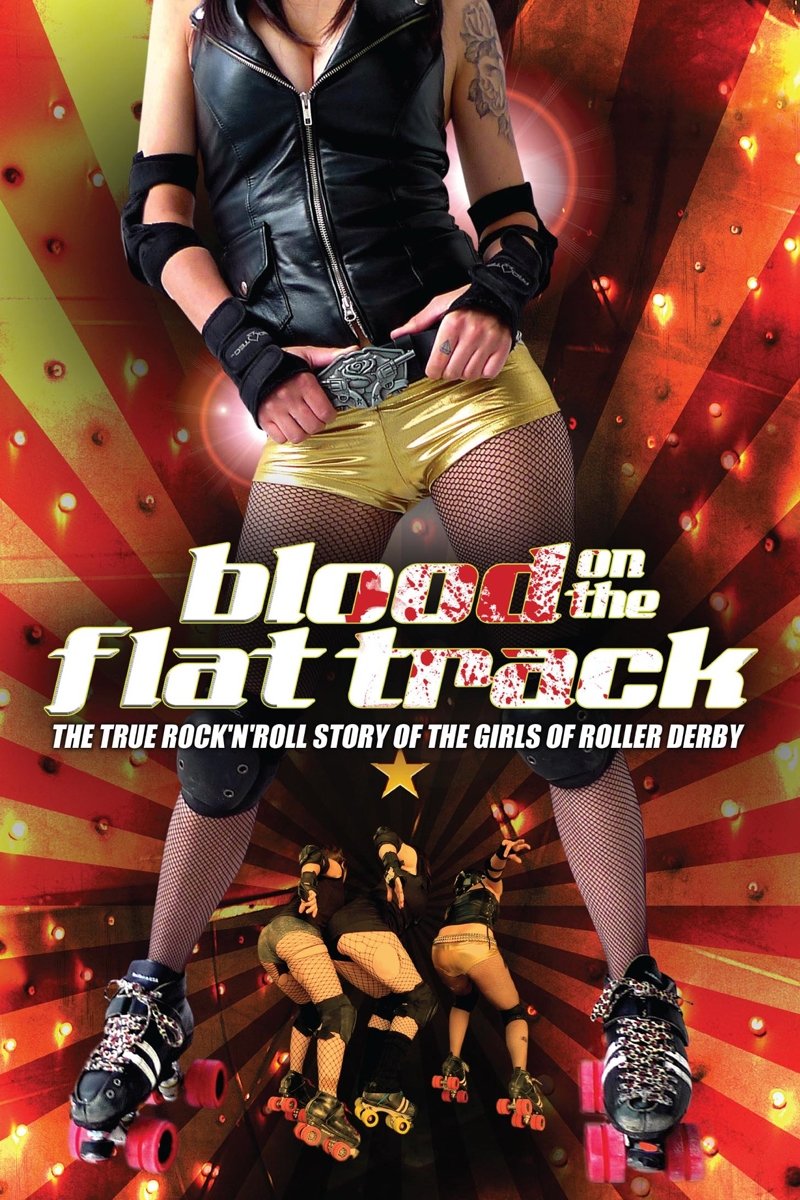
The sport of women's roller derby has made an enormous comeback, now with more than 30 leagues nationwide forming the Women's Flat Track Derby Association. Blood on the Flat Track focuses on the Rat City Rollergirls of Seattle, who formed their league from scratch in April of 2004. In the first season, the league started playing at a small rink in front of about 200 fans; they now sell out of 1,500 tickets monthly. This film follows the teams throughout its first two seasons and focuses on the women who comprise the league, their teams' struggle to win the championship bout and their relationships with each other.
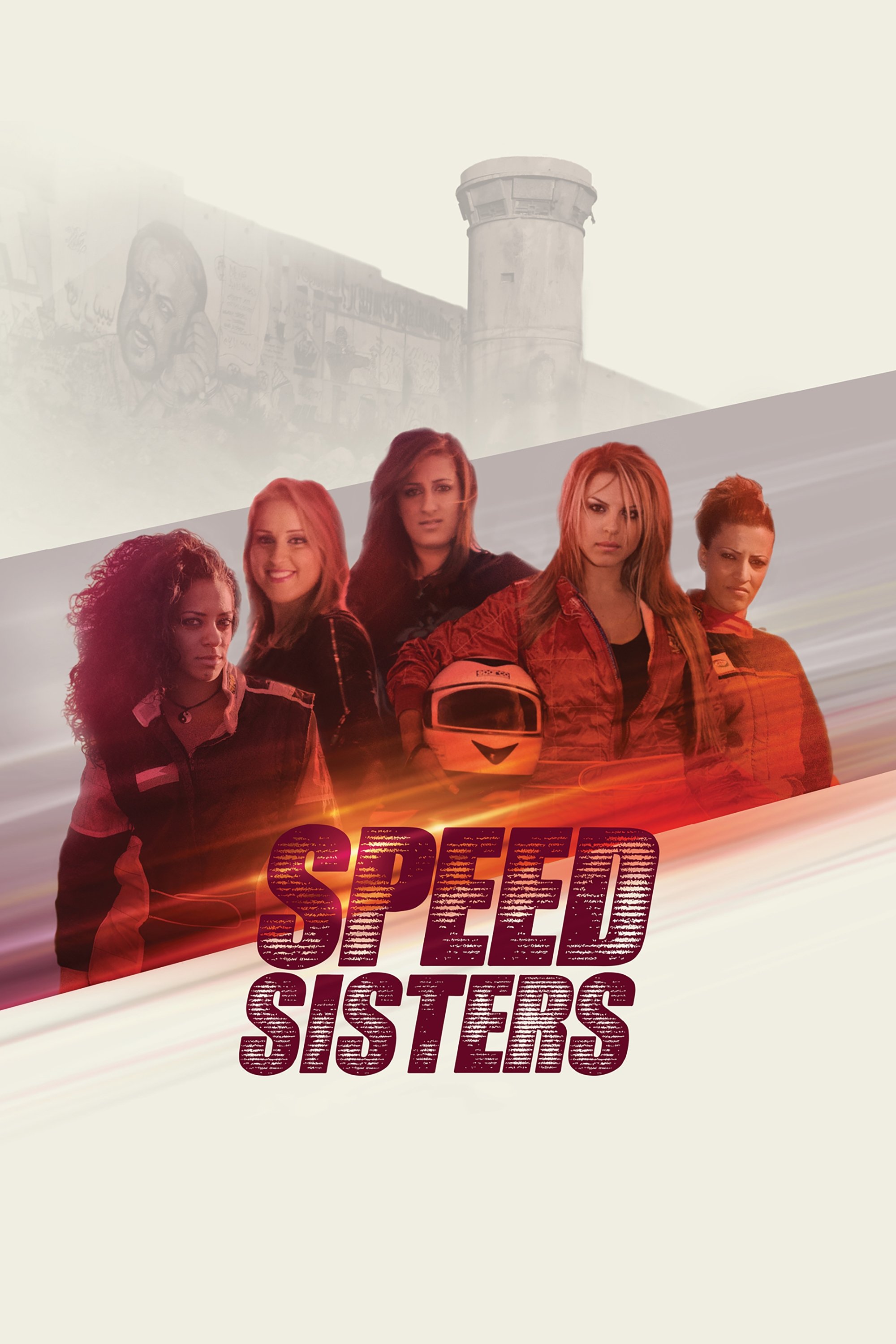
The Speed Sisters are the first all-woman race car driving team in the Middle East. Grabbing headlines and turning heads at improvised tracks across the West Bank, these five women have sped their way into the heart of the gritty, male-dominated Palestinian street car-racing scene. Weaving together their lives on and off the track, SPEED SISTERS takes you on a surprising journey into the drive to go further and faster than anyone thought you could.
An intimate glimpse into the experiences of a young Tibetan family struggling to reconcile their traditional way of life with a rapidly modernizing world.
The desolate and mysterious island of Fårö, Sweden, Baltic Sea, 2004. Swedish master filmmaker Ingmar Bergman (1918-2007) looks back on his personal and artistic life; a journey through more than sixty years devoted to film, plays and television programs. (An abridged version of Ingmar Bergman Complete, 2004; a collection of three thematic documentaries: Bergman and Film; Bergman and Theater; and Bergman and Fårö Island.)
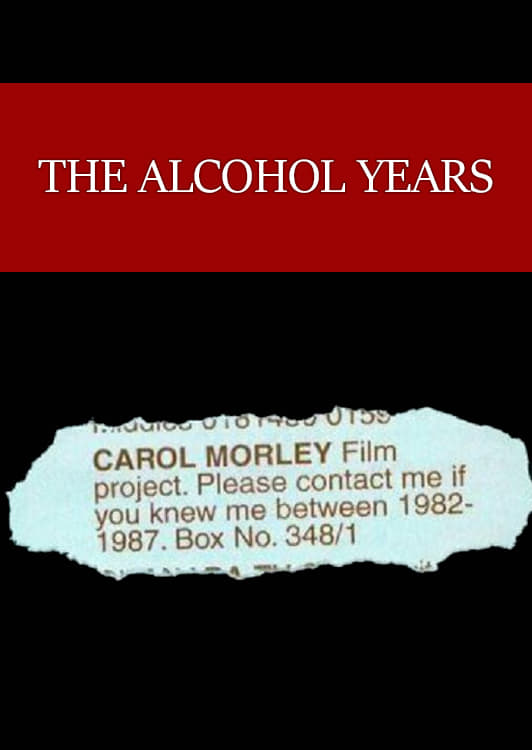
Carol Morley returns to Manchester, where in the early 1980s, five years of her life were lost in an alcoholic blur. The Alcohol Years is a poetic retrieval of that time, in which rediscovered friends and acquaintances recount tales of her drunken and promiscuous behavior. In Morley’s search for her lost self, conflicting memories and viewpoints weave in and out, revealing a portrait of the city, its pop culture, and the people who lived it.
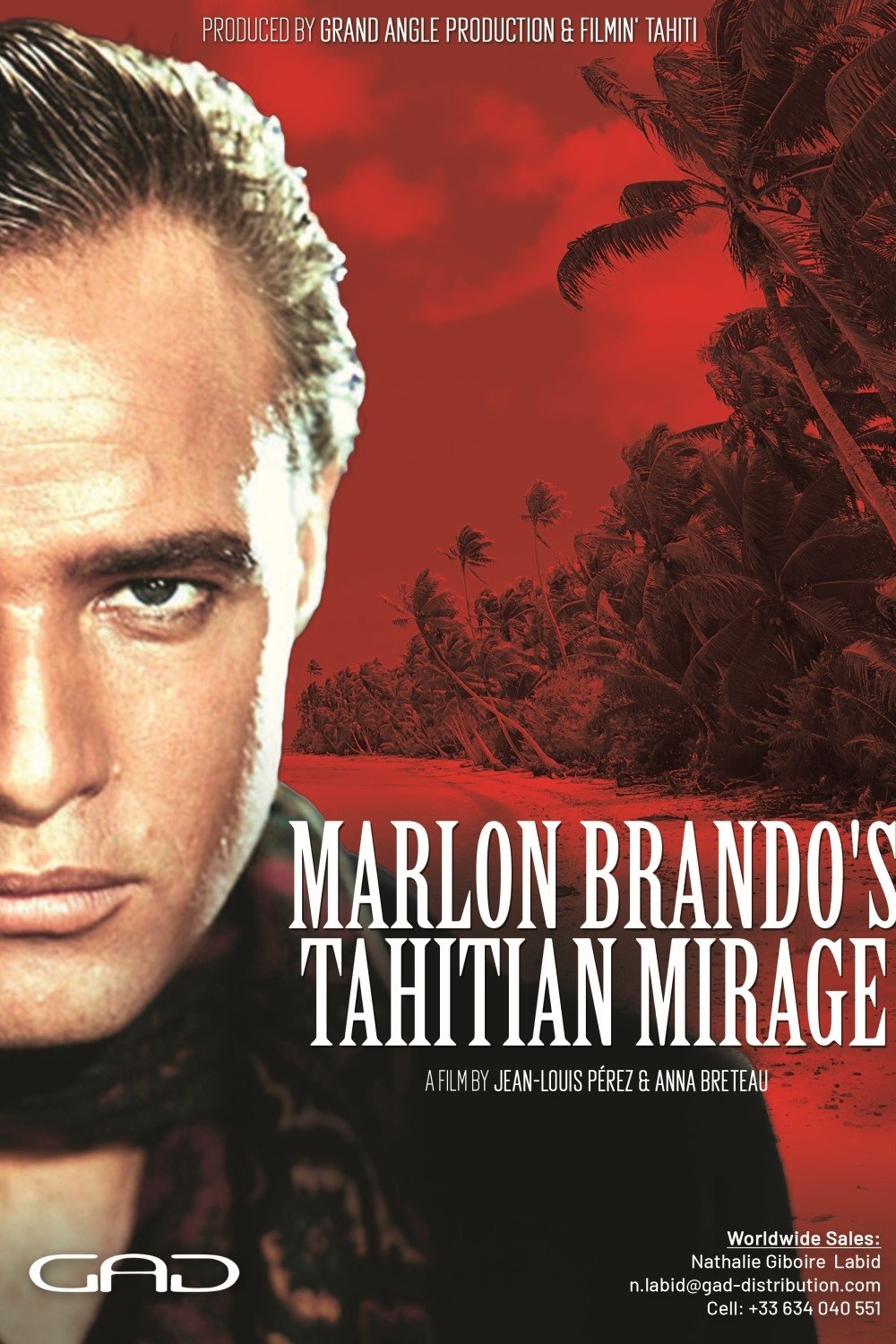
Marlon Brando is best known for his successful films and two Oscars. But his link with French Polynesia, where the actor lived for nearly thirty years, remains largely unexplored. For Brando, a complex and tortured character, known for being unmanageable on film sets and even sometimes obnoxious, escaped throughout his life to a small hidden island at the end of the world. By settling in Tahiti, Brando thought he could rid himself of his anguish and turpitude. But Polynesia, with its paradise-like landscapes, gentle way of life and distinctive culture, was in reality nothing more than a mirage of an idealised, peaceful existence that the star never managed to achieve.
The film sheds light on the problems at school, the difficulties foreign youngsters have in finding their way between two cultures and languages, the impossibility of exercising the right to a good education.
Angela Davis visiting the German Democratic Republic. A film about the people she met and her impressions.
God Save My Shoes is the first documentary film to explore the intimate relationship between women and shoes, questioning why shoes are the most addictive item in a woman's closet and how shoes have become a totem object.
From a prolific career in film and television, Anton Yelchin left an indelible legacy as an actor. Through his journals and other writings, his photography, the original music he wrote, and interviews with his family, friends, and colleagues, this film looks not just at Anton's impressive career, but at a broader portrait of the man.
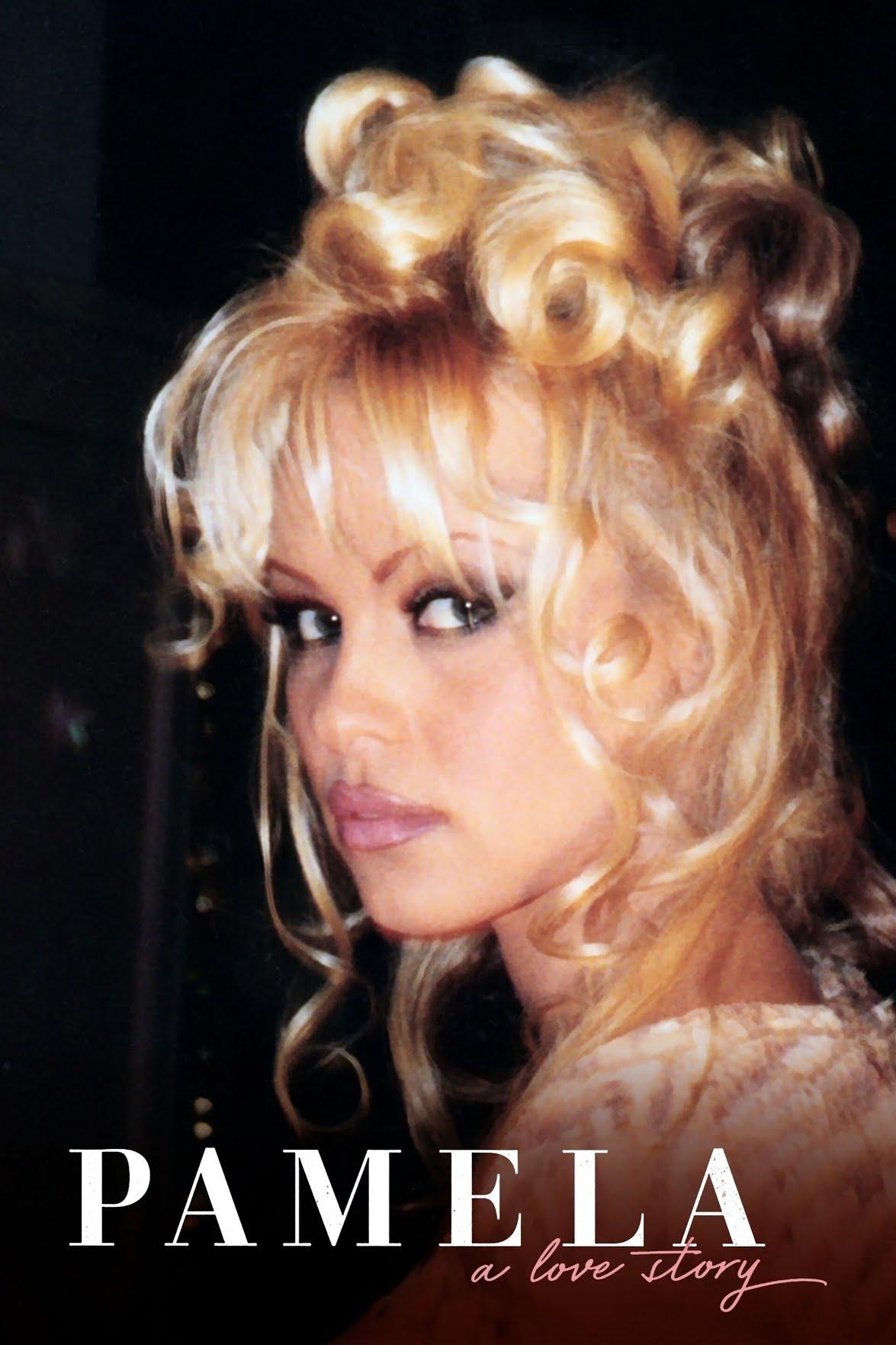
In her own words, through personal video and diaries, Pamela Anderson shares the story of her rise to fame, rocky romances and infamous sex tape scandal.
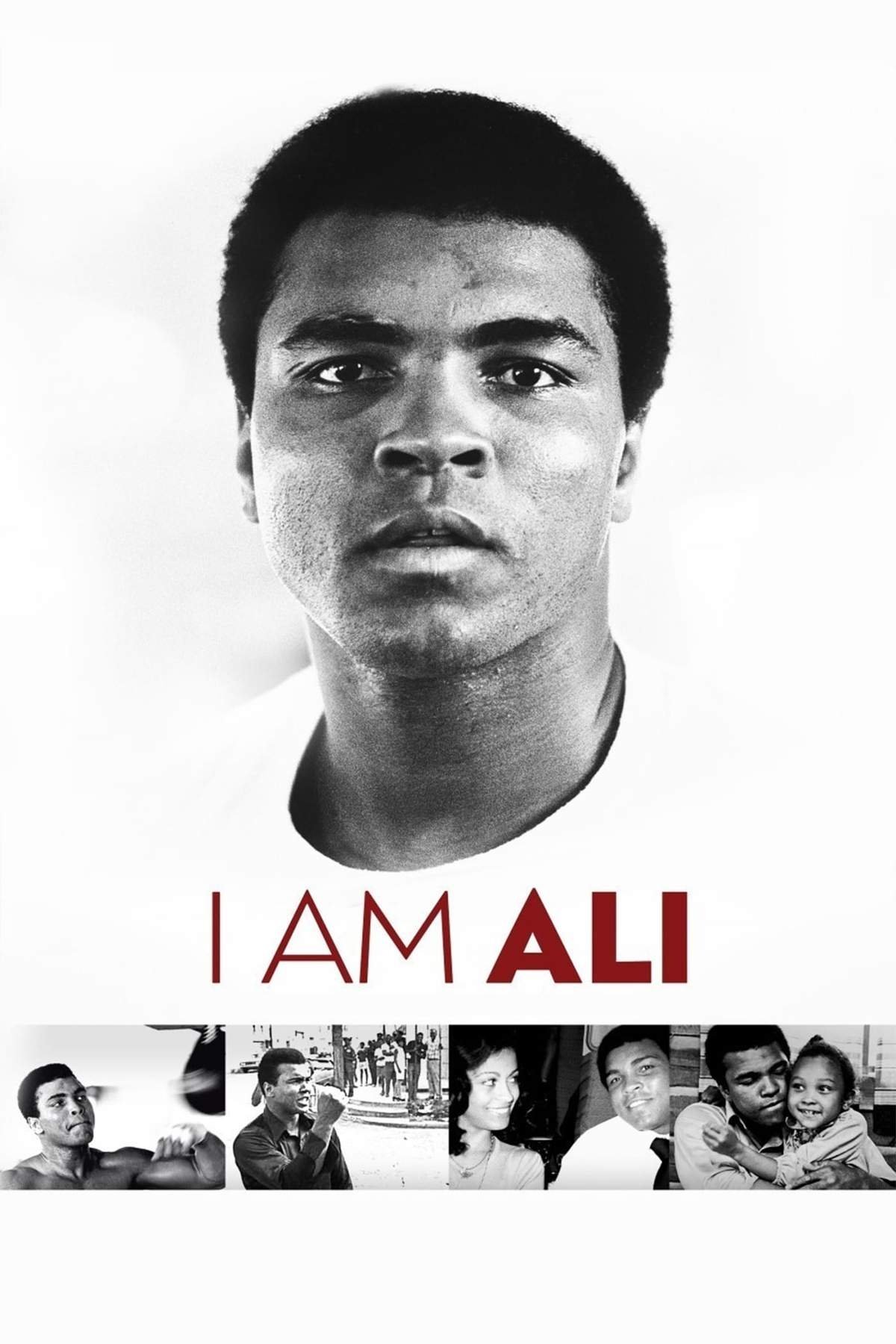
Unprecedented access to Muhammad Ali's personal archive of "audio journals" as well as interviews and testimonials from his inner circle of family and friends are used to tell the legend's life story.
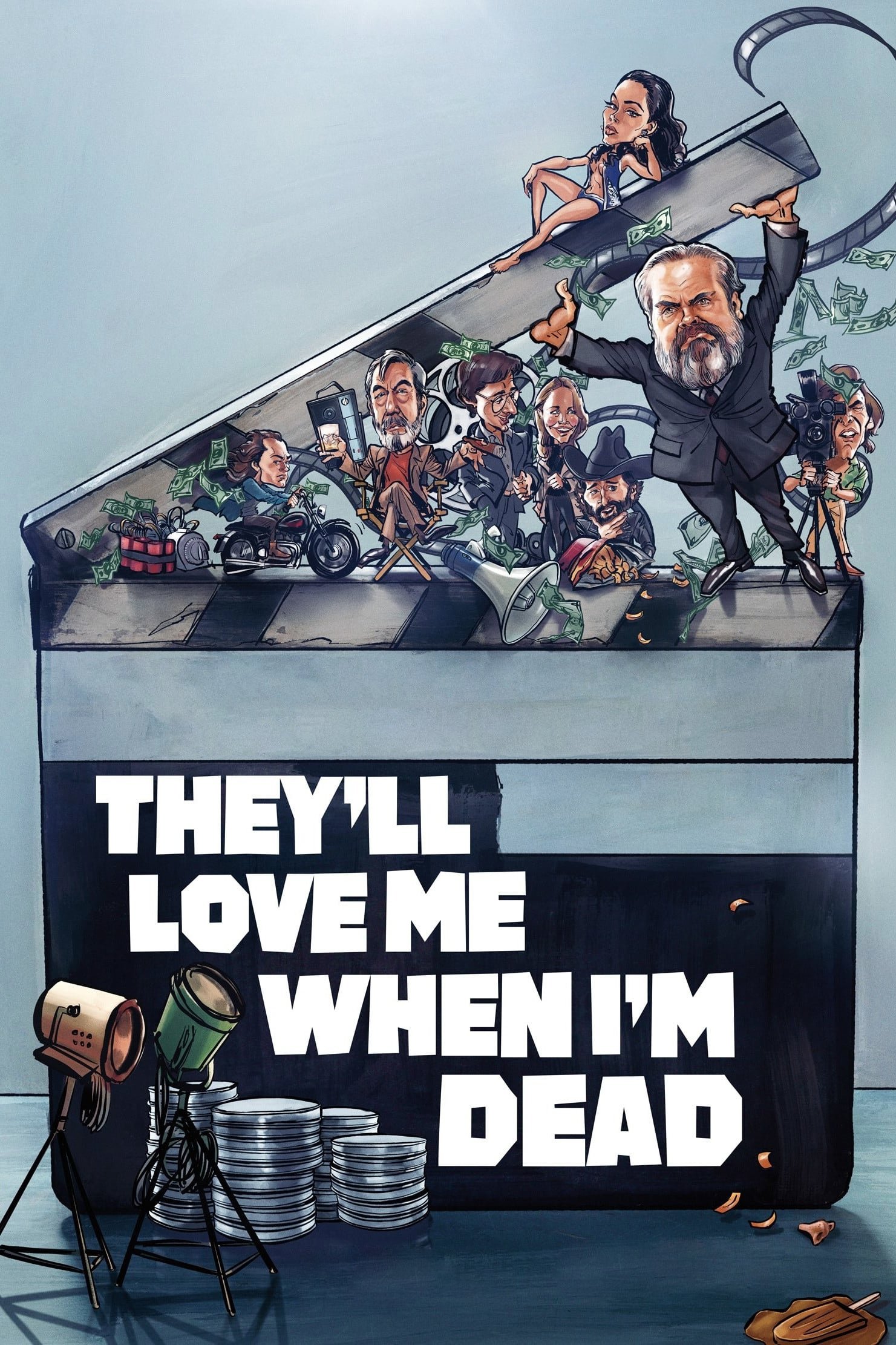
As his life comes to its end, famous Hollywood director Orson Welles puts it all on the line at the chance for renewed success with the film The Other Side of the Wind.
As a visually radical memoir, CAMERAPERSON draws on the remarkable footage that filmmaker Kirsten Johnson has shot and reframes it in ways that illuminate moments and situations that have personally affected her. What emerges is an elegant meditation on the relationship between truth and the camera frame, as Johnson transforms scenes that have been presented on Festival screens as one kind of truth into another kind of story—one about personal journey, craft, and direct human connection.
Get up close and personal with 16 of the most successful women in the adult film industry as they shed their clothes for an intimate photo shoot with director Deborah Anderson. As questions are asked, personal stories about their lives are revealed, from why they chose the business of sex to how they got into it in the first place. These porn stars have always been discreet about their private lives in the past, yet Anderson has a way of opening up a dialog allowing them to share more than just their naked skin on screen. Their true inner vulnerability is touching, yet the characters they have created are confident and intoxicating. Once you hear their stories, you'll never look at them in the same way again.
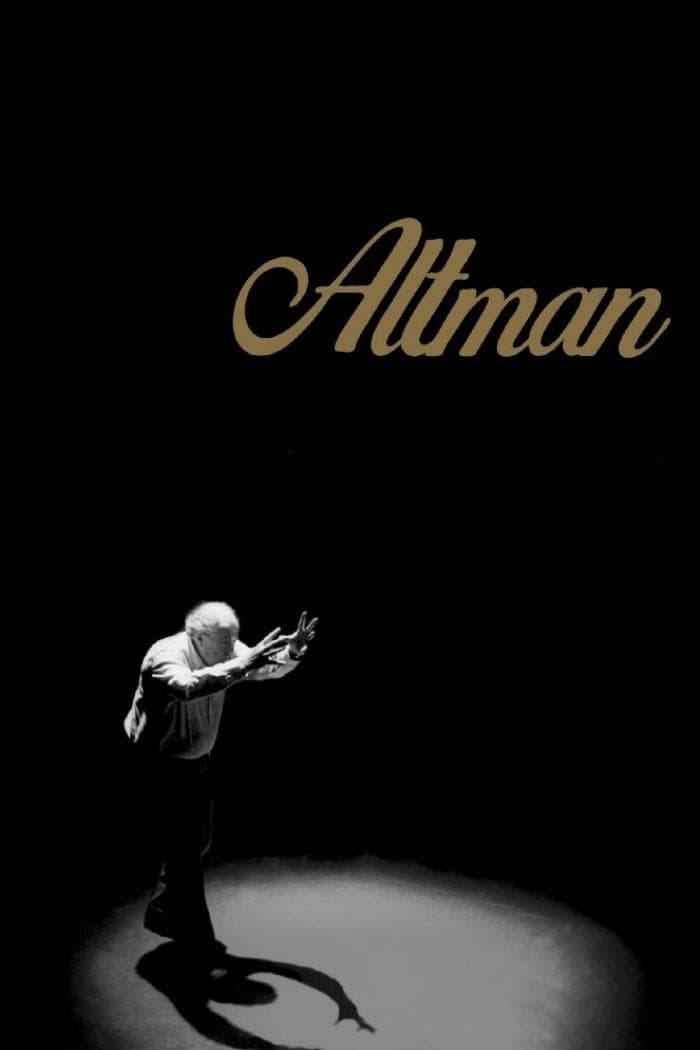
Robert Altman's life and career contained multitudes. This father of American independent cinema left an indelible mark, not merely on the evolution of his art form, but also on the western zeitgeist. With its use of rare interviews, representative film clips, archival images, and musings from his family and most recognizable collaborators, Altman is a dynamic and heartfelt mediation on an artist whose expression, passion and appetite knew few bounds.
Told through performances, TV interviews, home movies, family photographs, private letters and unpublished memoirs, the film reveals the essence of an extraordinary woman who rose from humble beginnings in New York City to become a glamorous international superstar and one of the greatest artists of all time.
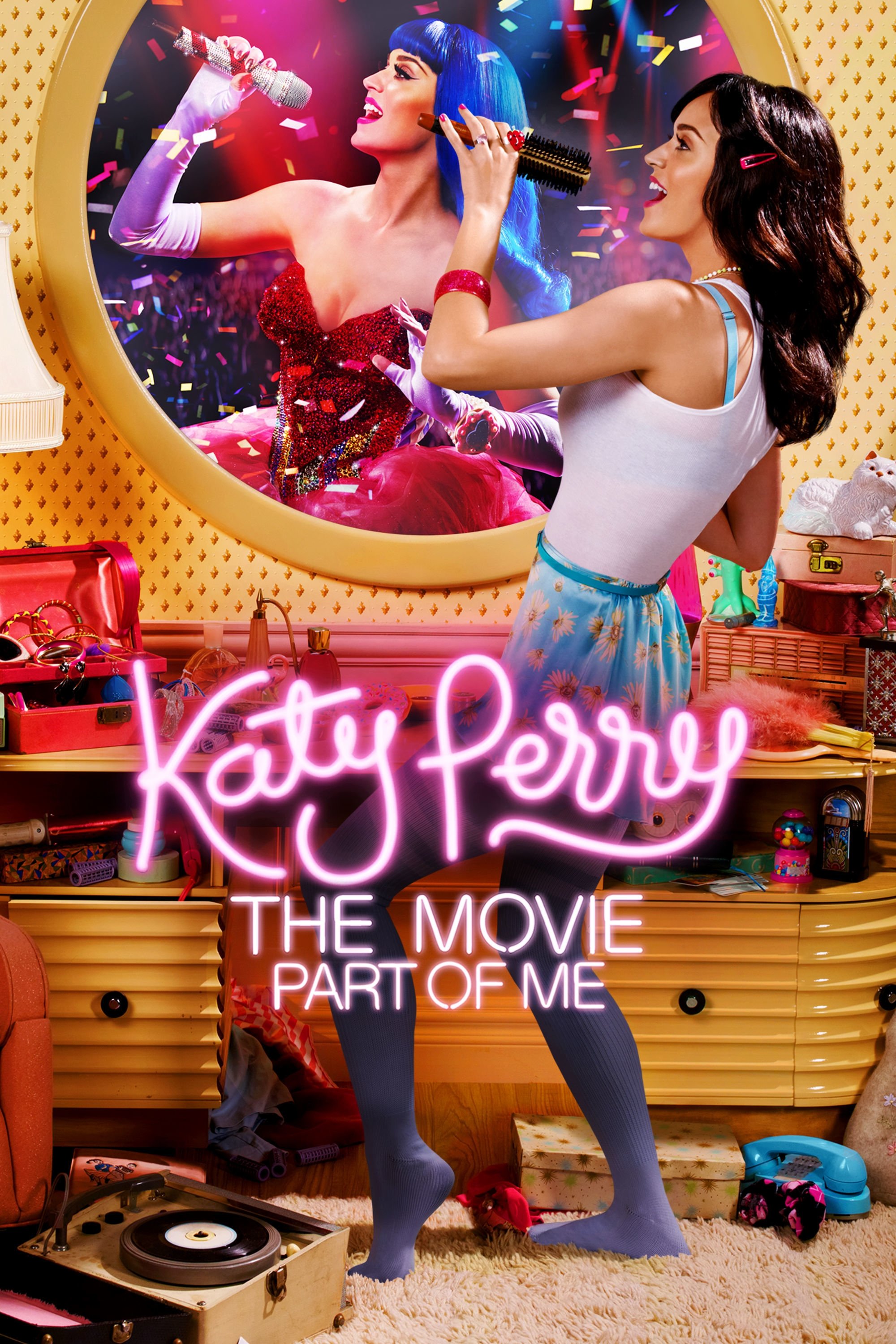
Giving fans unprecedented access to the real life of the music sensation, Katy Perry: Part of Me exposes the hard work, dedication and phenomenal talent of a girl who remained true to herself and her vision in order to achieve her dreams. Featuring rare behind-the-scenes interviews, personal moments between Katy and her friends, and all-access footage of rehearsals, choreography, Katy’s signature style and more, Katy Perry: Part of Me reveals the singer’s unwavering belief that if you can be yourself, then you can be anything.
Daniel Craig candidly reflects on his 15 year adventure as James Bond. Including never-before-seen archival footage from Casino Royale to the upcoming 25th film No Time To Die, Craig shares his personal memories in conversation with 007 producers, Michael G Wilson and Barbara Broccoli.
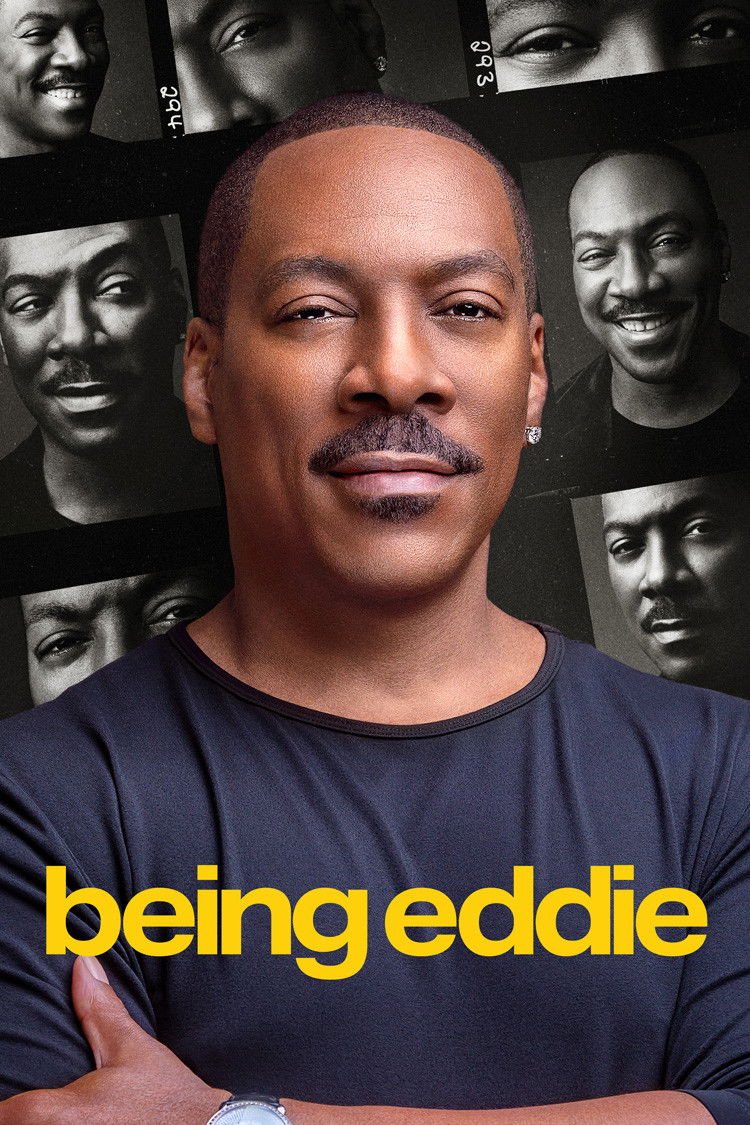
From teen comedian to Hollywood legend, Eddie Murphy revisits his extraordinary showbiz ride with raw honesty and humor.
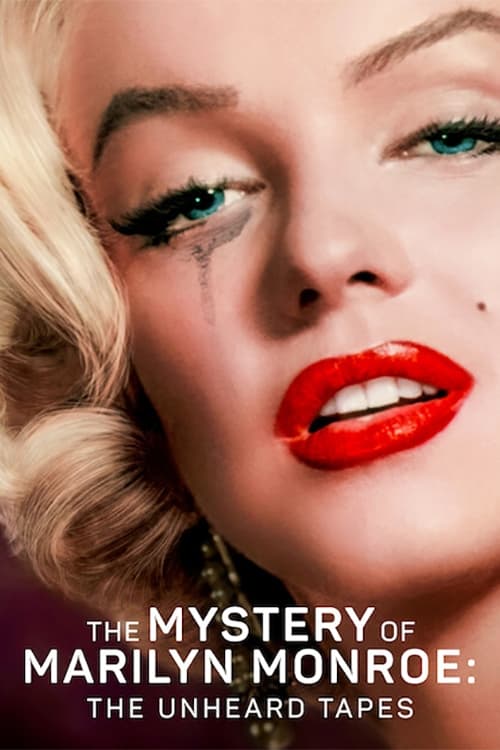
This documentary explores the mystery surrounding the death of movie icon Marilyn Monroe through previously unheard interviews with her inner circle.
In an intimate and joyful story of love in the face of loss, celebrated poets Andrea Gibson and Megan Falley find strength—and unexpected hilarity—in what might be their final year together.
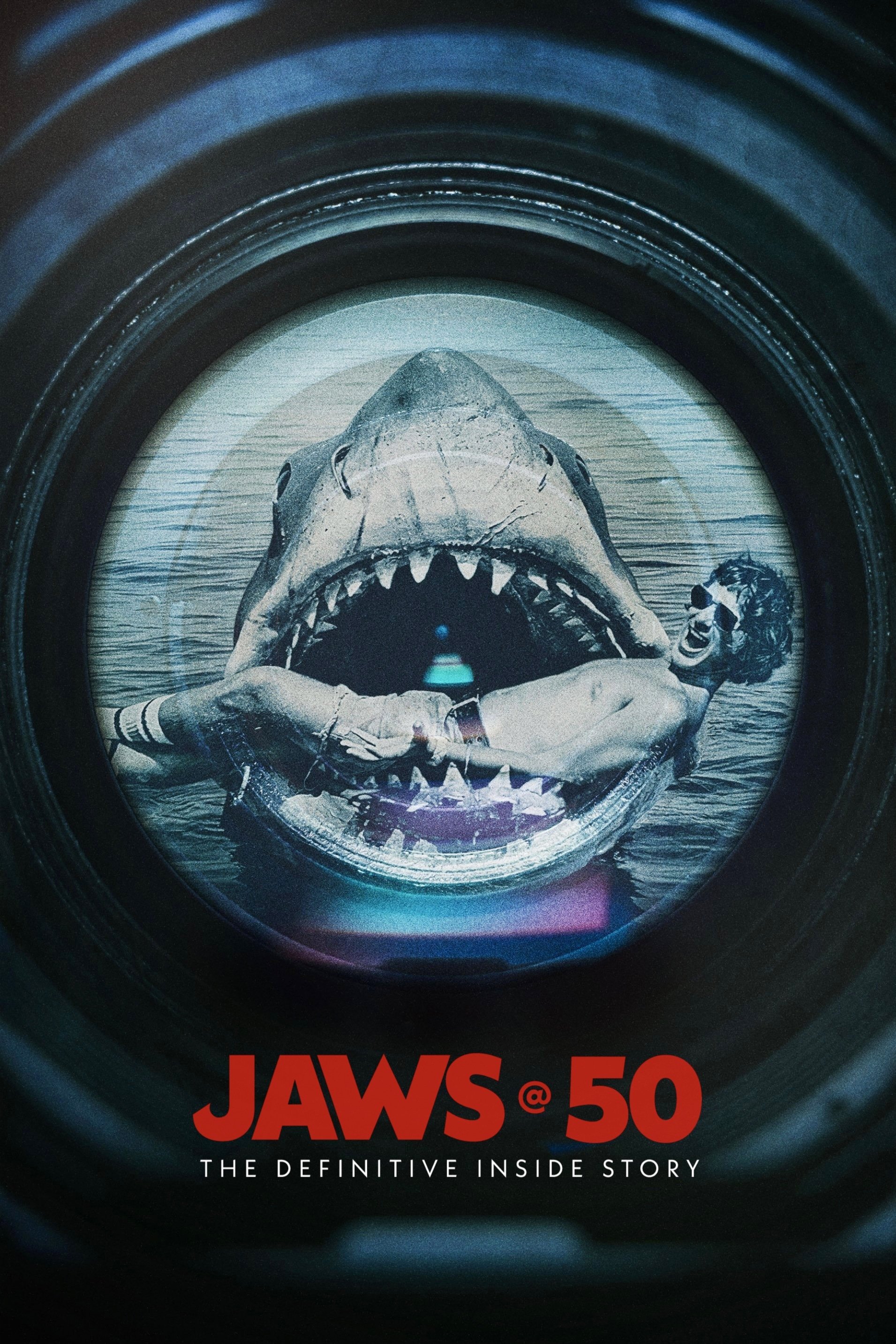
The authorized documentary celebrating the film that redefined Hollywood, 50 years after its premiere. Featuring rare archival footage and interviews with acclaimed Hollywood directors alongside Steven Spielberg, top shark scientists, and conservationists, the film uncovers the behind-the-scenes chaos and how the film launched the summer blockbuster, inspired a new wave of filmmakers, and paved the way for shark conservation that continues today.
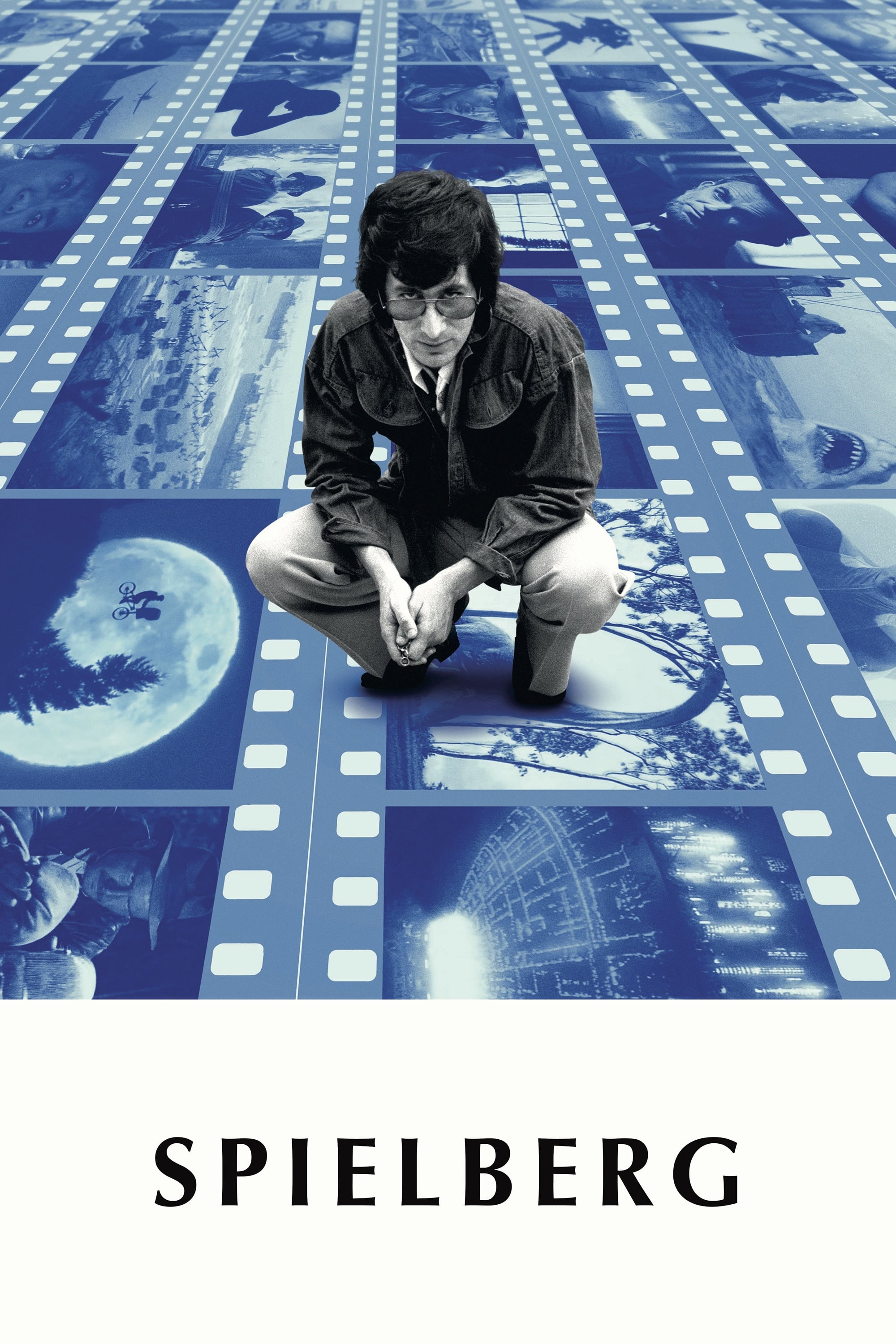
A documentary on the life and career of one of the most influential film directors of all time, Steven Spielberg.
Those who knew iconic funnyman John Candy best share his story, in their own words, through never-before-seen archival footage, imagery, and interviews.
This revealing documentary honors the legendary Sidney Poitier—iconic actor, filmmaker, and civil rights activist. Featuring interviews with Denzel Washington, Spike Lee, Halle Berry, and more.
A raw and emotionally revealing look at one of the most iconic artists of our time during a transformational period in her life as she learns to embrace her role not only as a songwriter and performer, but as a woman harnessing the full power of her voice.
Unravel the case of Utah therapist Jodi Hildebrandt, whose child abuse arrest with parenting YouTuber Ruby Franke exposed a twisted tale of manipulation.
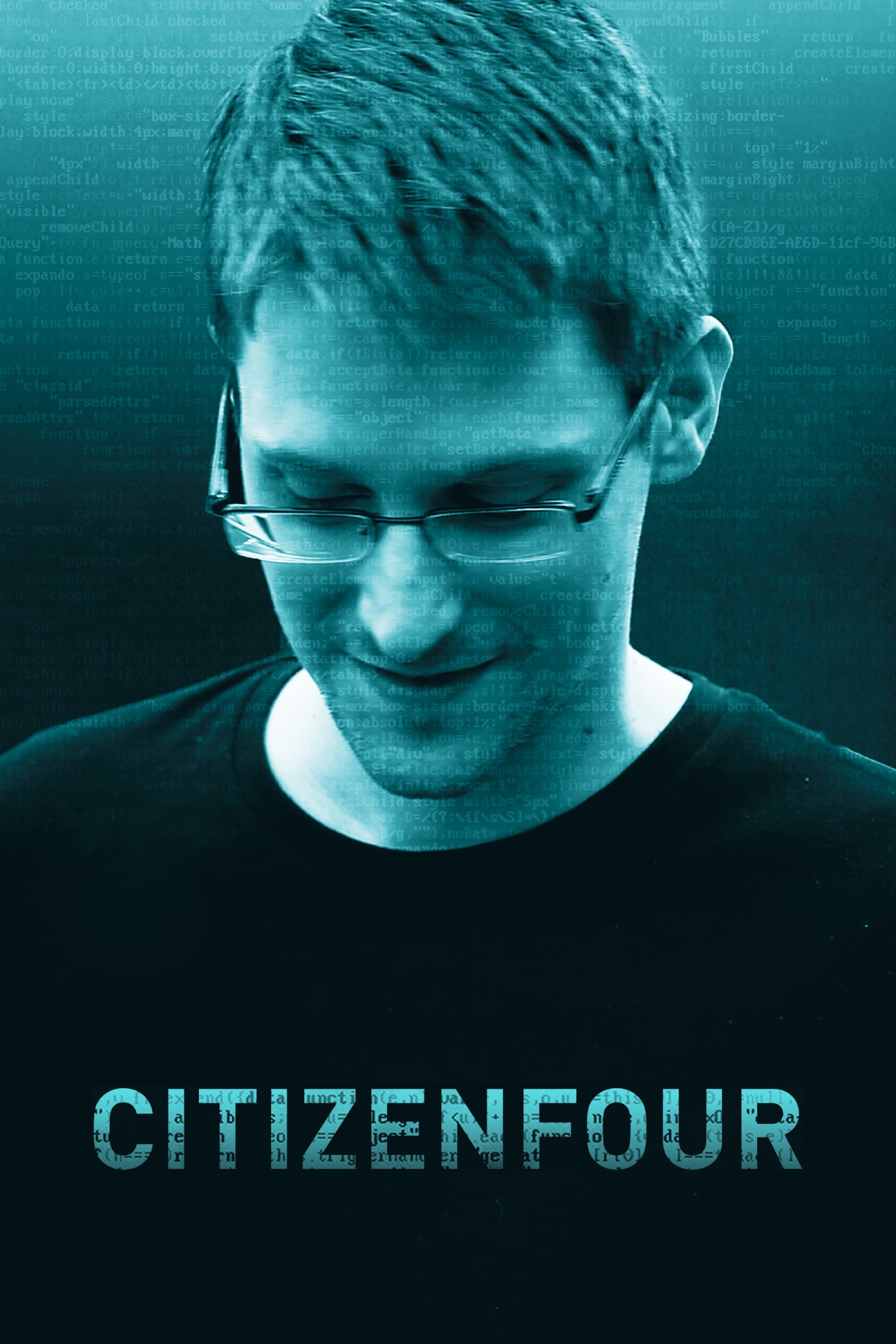
In June 2013, Laura Poitras and reporter Glenn Greenwald flew to Hong Kong for the first of many meetings with Edward Snowden. She brought her camera with her.