Men and women of the !Kung people in Ojokhoe, Namibia perform healing dances by firelight. First we see men perform the giraffe dance, and then women perform the !gwa dance.
Social & External
About the sensuality in Swedish folk dance and folk music. A film that blends dance, fiction and documentary material into a heated, rough and skin-like expression.
Ever since their first contact with the Western world in 1969 the Paiter Suruí, an indigenous people living in the Amazon basin, have been exposed to sweeping social changes. Smartphones, gas, electricity, medicines, weapons and social media have now replaced their traditional way of life. Illness is a risk for a community increasingly unable to isolate itself from the modernization brought by white people or the power of the church. Ethnocide threatens to destroy their soul. With dogged persistence, Perpera, a former shaman, is searching for a way to restore the old vitality to his village.
Pasolini seeks in Africa the peasant and revolutionary authenticity he had sought in the Roman villages. This hope will end in a new disappointment: Africa is a reservoir of irremediable contradictions that will explode in the massacres of yesterday and today. It is an Africa that starts from the outskirts of Rome, but thousands of non-EU citizens flock to the sub-proletariat of the villages.
Giving voice to the voiceless: this was the revolution of Giorgio Lolli, a former worker and trade unionist from Bologna, self-taught technician of free radio stations. During his 40 years in Africa, he built over 500 radio stations from Togo to Mali, Senegal, Burkina Faso. With his company Solaire, he was the first to install FM radios using transmitters that anyone could afford, giving a voice to communities in the most isolated areas. The film follows his ‘disciple’ Abdrahmane Cissoko as he works to set up a radio station for young migrants on the border between Senegal, Mali and Mauritania. It ends with the birth of Radio Solaire Livorno, a pirate radio station for the multi-ethnic community in Tuscany.
Dancing Around the Table: Part One provides a fascinating look at the crucial role Indigenous people played in shaping the Canadian Constitution. The 1984 Federal Provincial Conference of First Ministers on Aboriginal Constitutional Matters was a tumultuous and antagonistic process that pitted Prime Minister Pierre Elliot Trudeau and the First Ministers—who refused to include Indigenous inherent rights to self-government in the Constitution—against First Nations, Inuit and Métis leaders, who would not back down from this historic opportunity to enshrine Indigenous rights. The conference was Pierre Elliott Trudeau’s last constitutional meeting before he resigned and the process was handed over to his successor, Brian Mulroney.
Inuit traditional face tattoos have been forbidden for a century, and almost forgotten. Director Alethea Arnaquq-Baril, together with long-time friend and activist Aaju Peter, is determined to uncover the mystery and meaning behind this beautiful ancient tradition. Together they embark on an adventure through Arctic communities, speaking with elders and recording the stories of a once popularized female artform. Central to the film is Arnaquq-Baril’s personal debate over whether or not to get tattood herself. With candour and humour, she welcomes us into her world, to experience firsthand the complex emotions that accompany her struggle. Past meets present in this intimate account of one woman’s journey towards self-empowerment and cultural understanding.
CREE CODE TALKER reveals the role of Canadian Cree code talker Charles 'Checker' Tomkins during the Second World War. Digging deep into the US archives it depicts the true story of Charles' involvement with the US Air Force and the development of the code talkers communication system, which was used to transmit crucial military communications, using the Cree language as a vital secret weapon in combat.
Helena is 17 years old and studies in Finland. Her father, a Swede, and her mother, indigenous Kichwa of Sarayaku, live at the heart of the Amazon in Ecuador.
Have you ever had a dream that felt so real, you couldn't tell the difference between the real world and the dream world? On November 18, 2001, the world's biggest star, Britney Spears, brought her "Dream Within a Dream" Tour to the MGM Grand Garden Arena in legendary Las Vegas. Watch this defining concert, witnessed by millions of fans, as it was broadcast live on HBO.
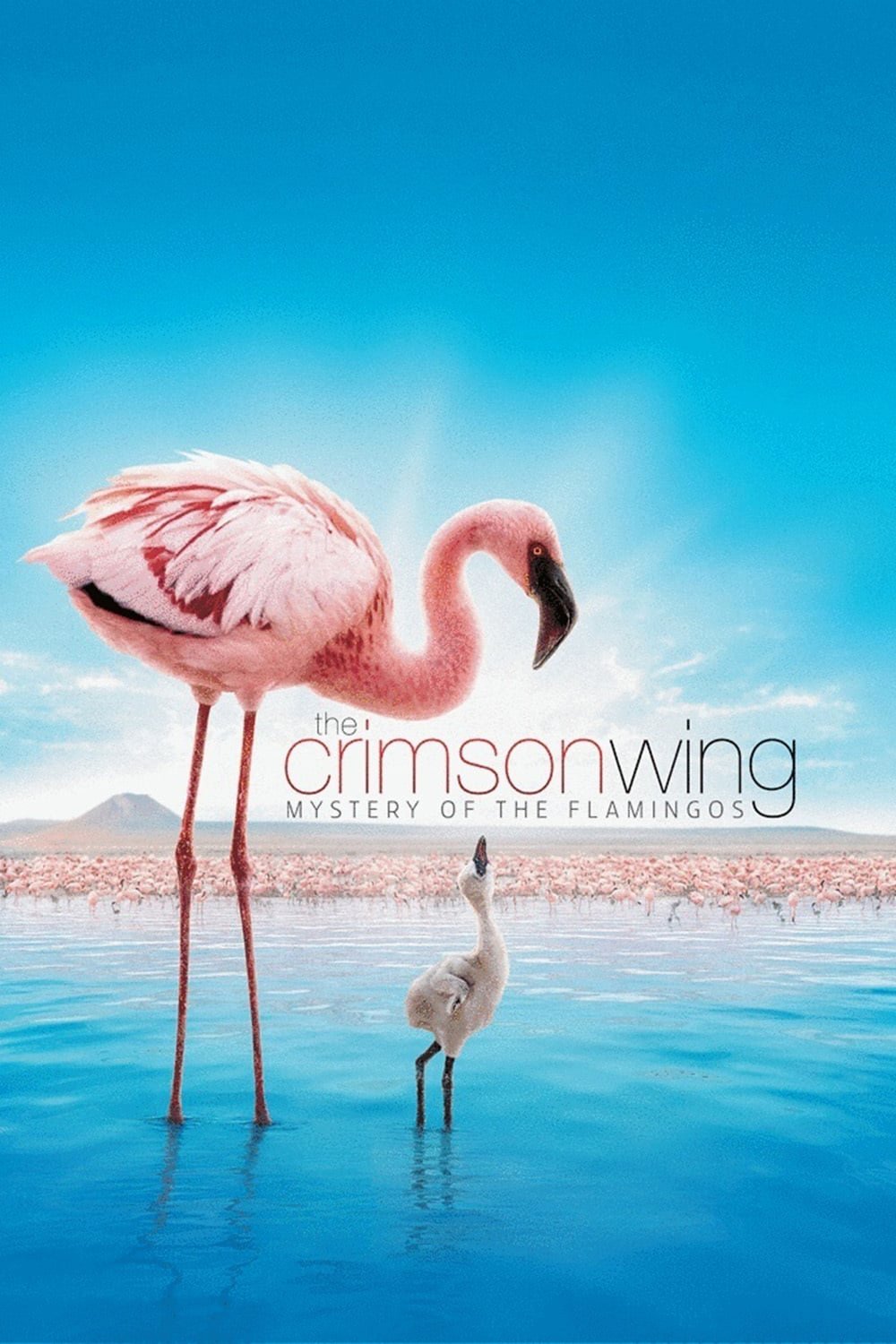
In the remote and forgotten wilderness of Lake Natron, in northern Tanzania, one of nature's last great mysteries unfolds: the birth, life and death of a million crimson-winged flamingos.
As a child in Burkina Faso, Yacouba was sent away from home to study the Qur'an, where he and his classmates were almost starving. The young boys would trek across miles of wilderness, only to fall and beg at a straw hut for meagre rations. It is from this harsh background that the young farmer became determined to develop techniques that would bring exhausted soil back into production. His efforts have outdone the work of the world's leading scientists and technological advances costing millions of pounds. They may also yet prove crucial to the future of the world's rapidly growing population and global food demands.
A Castiglioni Brothers mondo film about the practices and rites of several native African tribes.
Herzog's documentary of the Wodaabe people of the Sahara/Sahel region. Particular attention is given to the tribe's spectacular courtship rituals and 'beauty pageants', where eligible young men strive to outshine each other and attract mates by means of lavish makeup, posturing and facial movements.
Blind from birth, Dr G Yunupingu found his identity through song and the haunting voice that has already become legend. His debut album introduced Australia to the Songlines and culture of his Elcho Island community, but now Dr G Yunupingu finds himself increasingly torn between city and country, present and past, self and the community to which he owes so much.
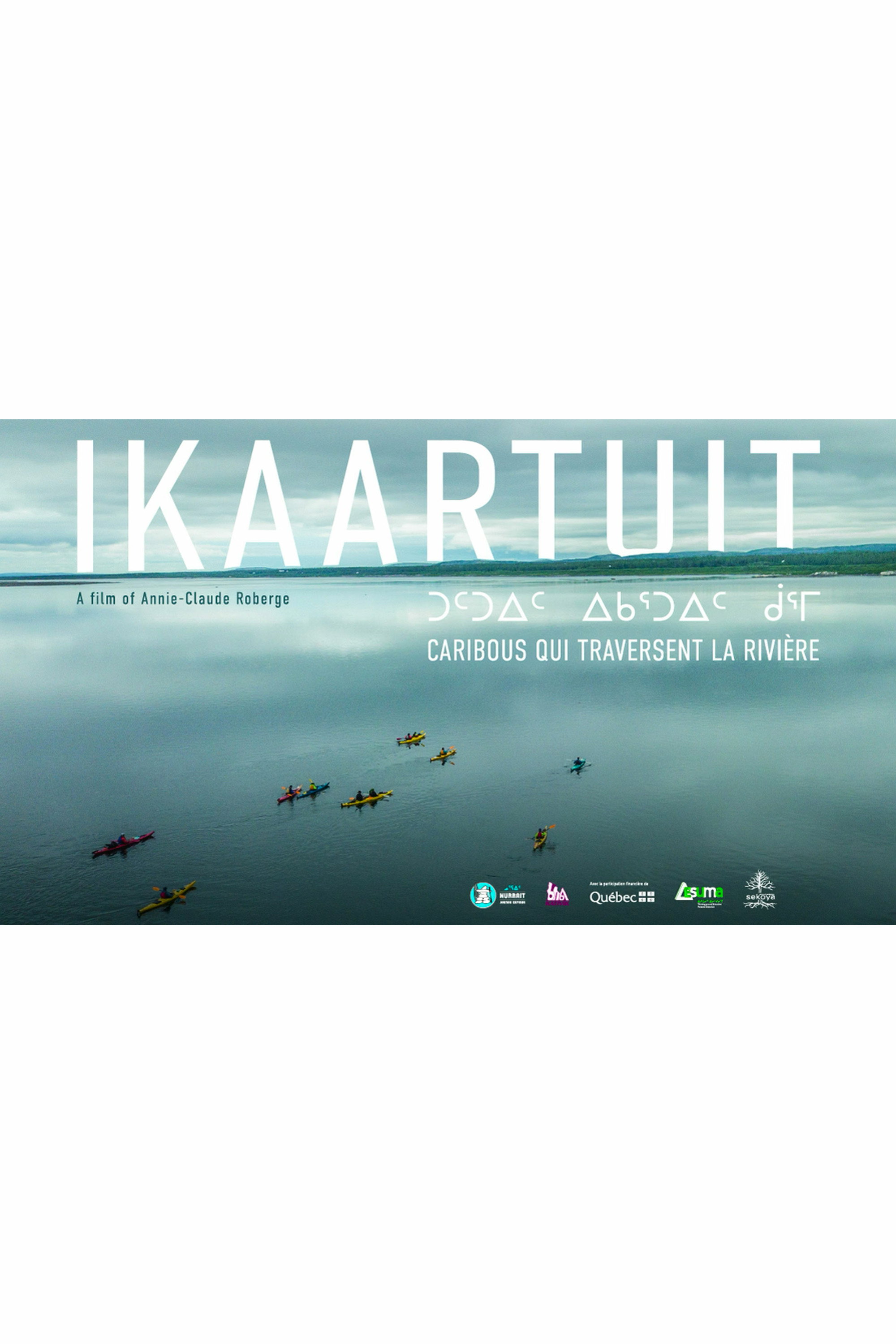
It is taking decades for Canada to come to terms with its history in the Arctic, and with its relationship to all its indigenous people. “Kikkik” is the story of government mistakes and neglect, of starvation, murder, freezing death, but, in the end, a kind of justice that helps restore our faith in human decency. In 1958, the Inuit woman Kikkik was charged with murder and criminal negligence leading to the death of her child. Her trial and our visit back to the place and to Kikkik’s children confront us with a legacy that’s still a challenge for Canada.
This short documentary revisits Mi’kmaq territory, where an iconic moment was captured in 2013—igniting into a symbol of Indigenous resistance and halting fracking exploration on unceded lands.
A documentary film about Tibetan traditional medicine.
The adventurer, Ivan Bulík, traveled all through Africa. However, one of his dreams still eluded him: He desired to capture the life and customs of the smallest people on Earth, to find the undisturbed civilization of Pygmies.
A poignant all-Indigenous English and Cree-English collaborative documentary that breaks long-held silences imposed upon indigenous children who were interned at the notoriously violent St. Anne’s Residential School in Fort Albany First Nation, Ontario. Use of a homemade electric chair at St. Anne's and the incorporation of testimony about student-on-student abuse makes this documentary stand apart from other films about Canadian residential school experiences. This film will serve as an Indigenous historical document wholly authored by Indigenous bodies and voices, those of the Survivors themselves.
Commissioned by the journal Présence Africaine, this short documentary examines how African art is devalued and alienated through colonial and museum contexts. Beginning with the question of why African works are confined to ethnographic displays while Greek or Egyptian art is celebrated, the film became a landmark of anti-colonial cinema and was banned in France for eight years.