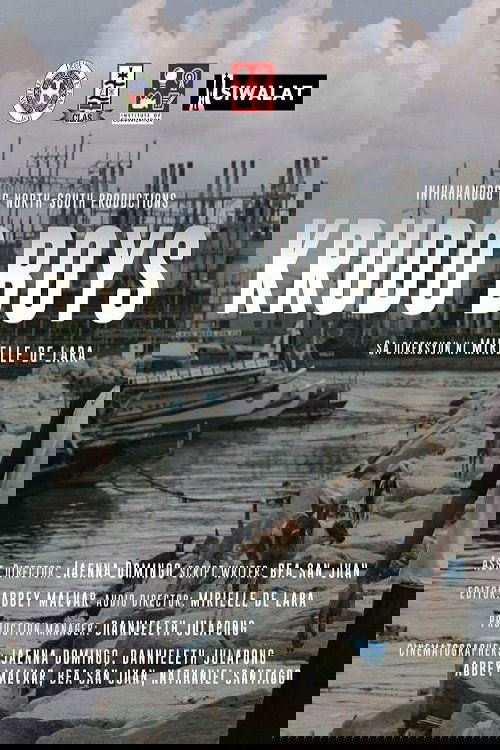
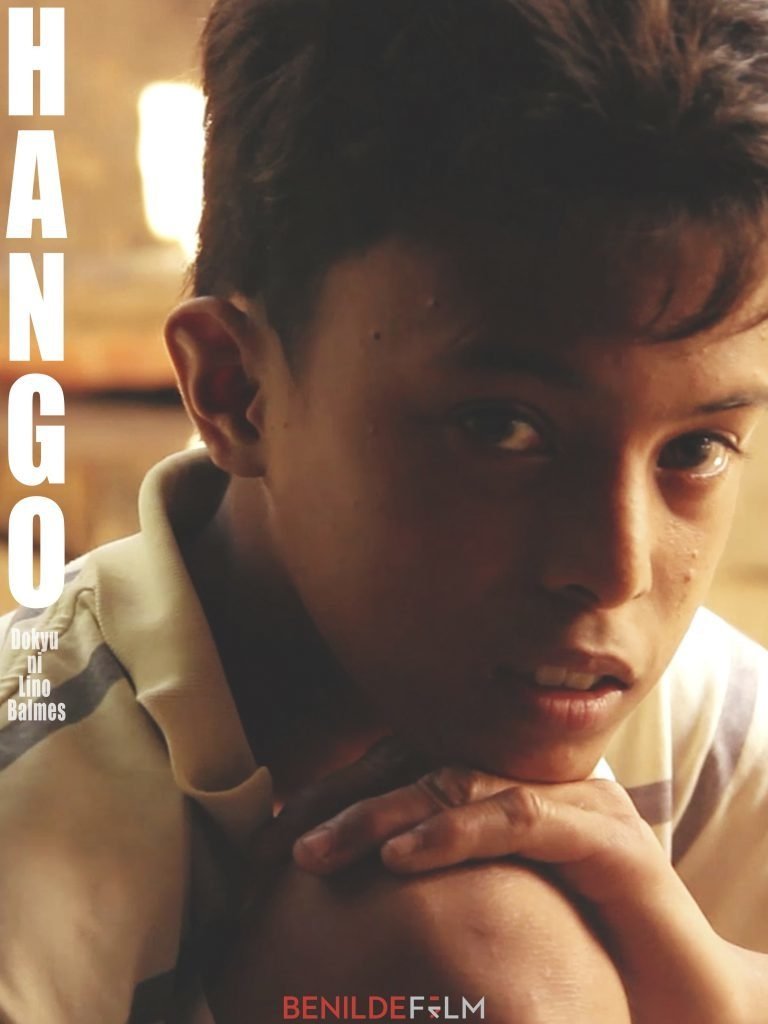
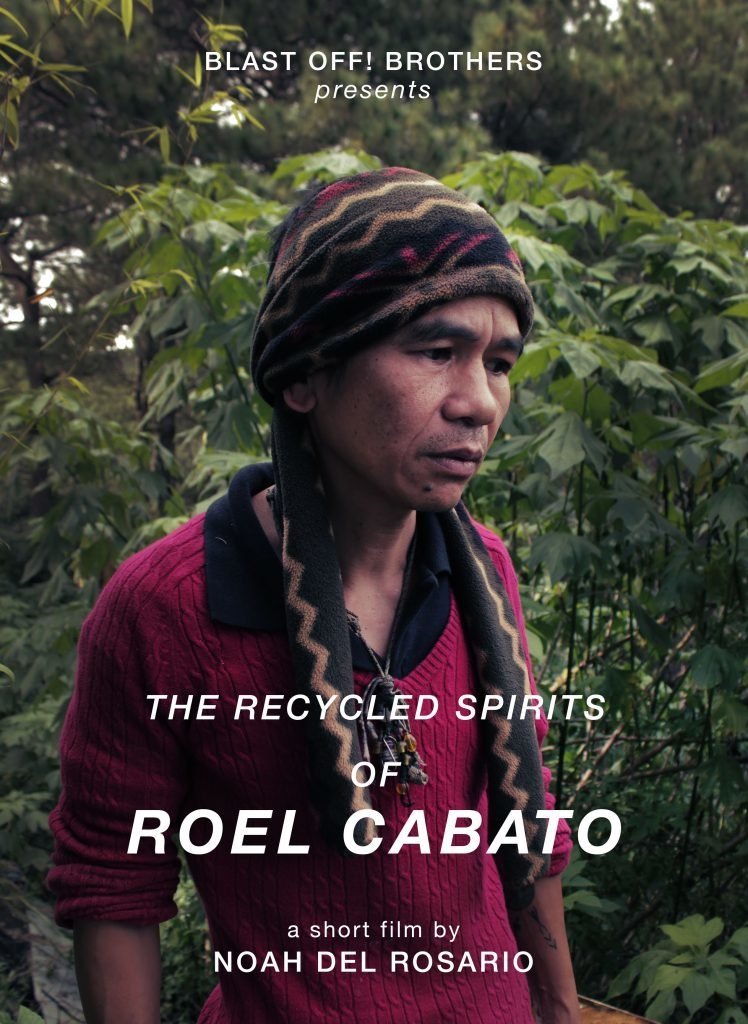
A slice-of-life documentary of the rubber plantation boys in Zamboanga Sibugay. It’s about boyhood journeys and life’s realities told in a free-spirited, yet melancholic manner.
Social & External
Produced by the Army Pictorial Service, Signal Corps, with the cooperation of the Army Air Forces and the United States Navy, and released by Warner Bros. for the War Activities Committee shortly after the surrender of Japan. Follow General Douglas MacArthur and his men from their exile from the Philippines in early 1942, through the signing of the instrument of surrender on the USS Missouri on September 1, 1945. Preserved by the Academy Film Archive in 2013.

The Jeepney is a common affordable transportation in the Philippines. Made from abandoned American Jeeps during World War II, the Jeepney remains a symbolic figure of the Philippine identity.
A chronicle of the production problems — including bad weather, actors' health, war near the filming locations, and more — which plagued the filming of Apocalypse Now, increasing costs and nearly destroying the life and career of Francis Ford Coppola.
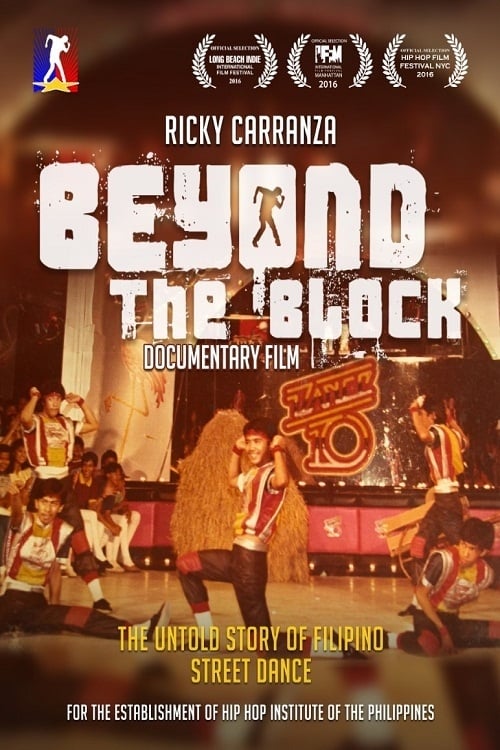
TV movie about dance rites in the Philippines
The Philippines is visited by an average of 20~28 strong typhoons and storms every year. It is the most storm-battered country in the world. Last year, Typhoon Yolanda (Haiyan), considered the strongest storm in history, struck the Philipines, leaving in its path apocalyptic devastation.
When Jennifer Laude, a Filipina trans woman, is brutally murdered by a U.S. Marine, three women intimately invested in the case--an activist attorney, a transgender journalist and Jennifer's mother)--galvanize a political uprising, pursuing justice and taking on hardened histories of US imperialism.

A filmmaker follows her grandparents’ daily life after her chain-smoker and alcoholic grandmother is forced to stop drinking beer for a month.
This documentary paints the life of former Philippine President Ramon Magsaysay (1953-1957), from being a simple mechanic, a wartime guerilla leader, and as president of the Philippines, leading up to his death in a plane crash in Mount Manunggal, Cebu.
A musical docudrama about the brave and outstanding Women of Malolos to whom Jose Rizal addressed his famous letter in Feb 22, 1898.
Each day, thousands of people leave countries like the Philippines to seek work abroad. They work as nannies, domestics, clerks and labourers for low wages and with few rights. What little money they earn they send home to their families. This contribution to their country’s economy has prompted the Philippine government to call these contract workers “modern day heroes.” But that’s only half the story.
Filmed in a village of the indigenous Mandaya people, located in a mountainous area of southeastern Mindanao, the country's second largest island, the documentary portrays the struggle of the Communist Party of the Philippines and its armed wing, the New People's Army, for the rights of indigenous Filipino peoples and the environment, which are constantly under threat from landowners, large logging companies and agribusiness.
Two street artists with contrasting intentions about the artform tell the relevance of street art in society while accompanied by an enigmatic graffiti writing, “Bon Jovi.”
A presentation of three portraits of different lives caught in crossfire of unwavering faith and ambiguous histories to create a tapestry of Mindanao’s forgotten people.
“Traslacion: Ang Paglakad sa Altar ng Alanganin” focuses on four LGBT couples and their stand on equality and the right to marry. This documentary addresses their complicated quests in defining themselves within a conservative society.
“Bingat” documents the archeological diggings in a remote barrio. It unearths the individual and collective recollections of archeologists and the local residents of Cabanatuan, Quezon. Its intertwining tales become a tapestry of relentless socio-cultural and historical amnesia.
The biggest names in the country's film industry speak up about the evolution of Philippine films and how it has transformed today's industry.
A five-year visual ethnography of traditional yet practical orchestration of Semana Santa in a small town where religious woodcarving is the livelihood. An experiential film on neocolonial Philippines’ interpretation of Saints and Gods through many forms of rituals and iconographies, exposing wood as raw material that undergoes production processes before becoming a spiritual object of devotion. - A sculpture believed to have been imported in town during Spanish colonial conquest, locally known as Mahal na Señor Sepulcro, is celebrating its 500 years. Meanwhile, composed of non-actors, Senakulo re-enacts the sufferings and death of Jesus. As the local community yearly unites to commemorate the Passion of Christ, a laborious journey unfolds following local craftsmen in transforming blocks of wood into a larger than life Jesus crucified on a 12-ft cross.
The Philippine Basketball Association is producing: THE PBA: A NATION’s PASSION. For the first time in the history the PBA gathers the men and women who have shaped the landscape of professional basketball in the Philippines.
Before he became one of the world's greatest boxers, Emmanuel "Manny" Pacquiao was a young boy living a hand-to-mouth existence, trying to survive from one day to the next. When he discovers his natural talent for boxing, he embarks on a brutal and intense journey that takes him from the mountains of the Philippines to the streets of Manila, and must risk everything to become a champion - for himself, his family, and his country.