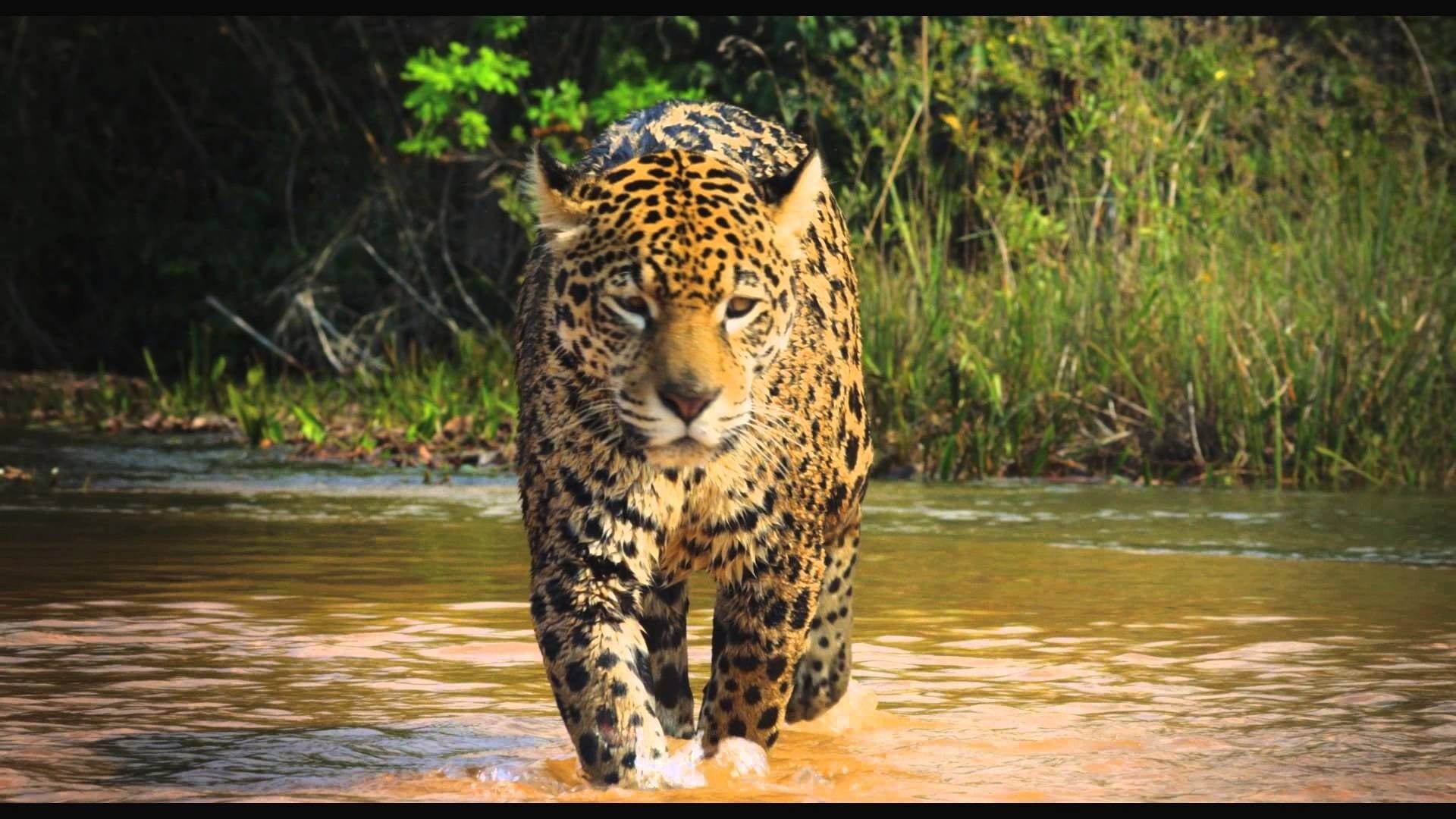
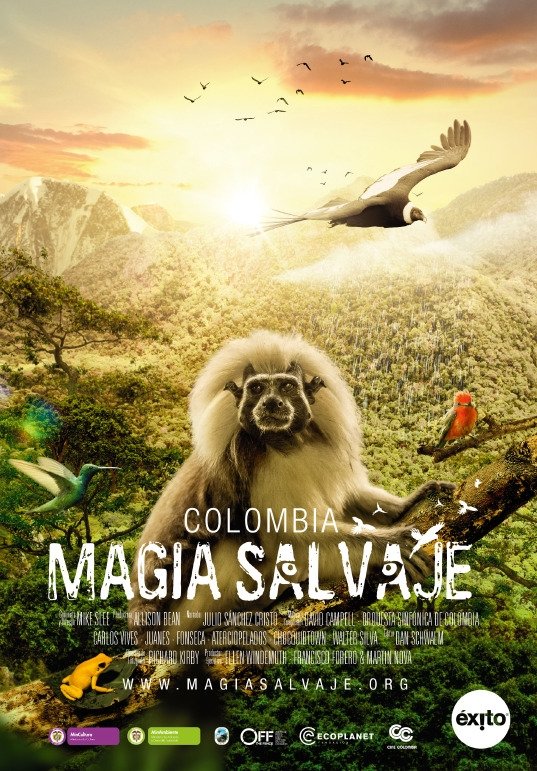
A wonderful country full of amazing creatures in America called Colombia, seen as never before, accompanied by incredible shots, make it a must-see place for adventurers and wildlife lovers this natural paradise.
Social & External
The people behind it
Peter Venn
Julio Sánchez Vanegas
Narrator
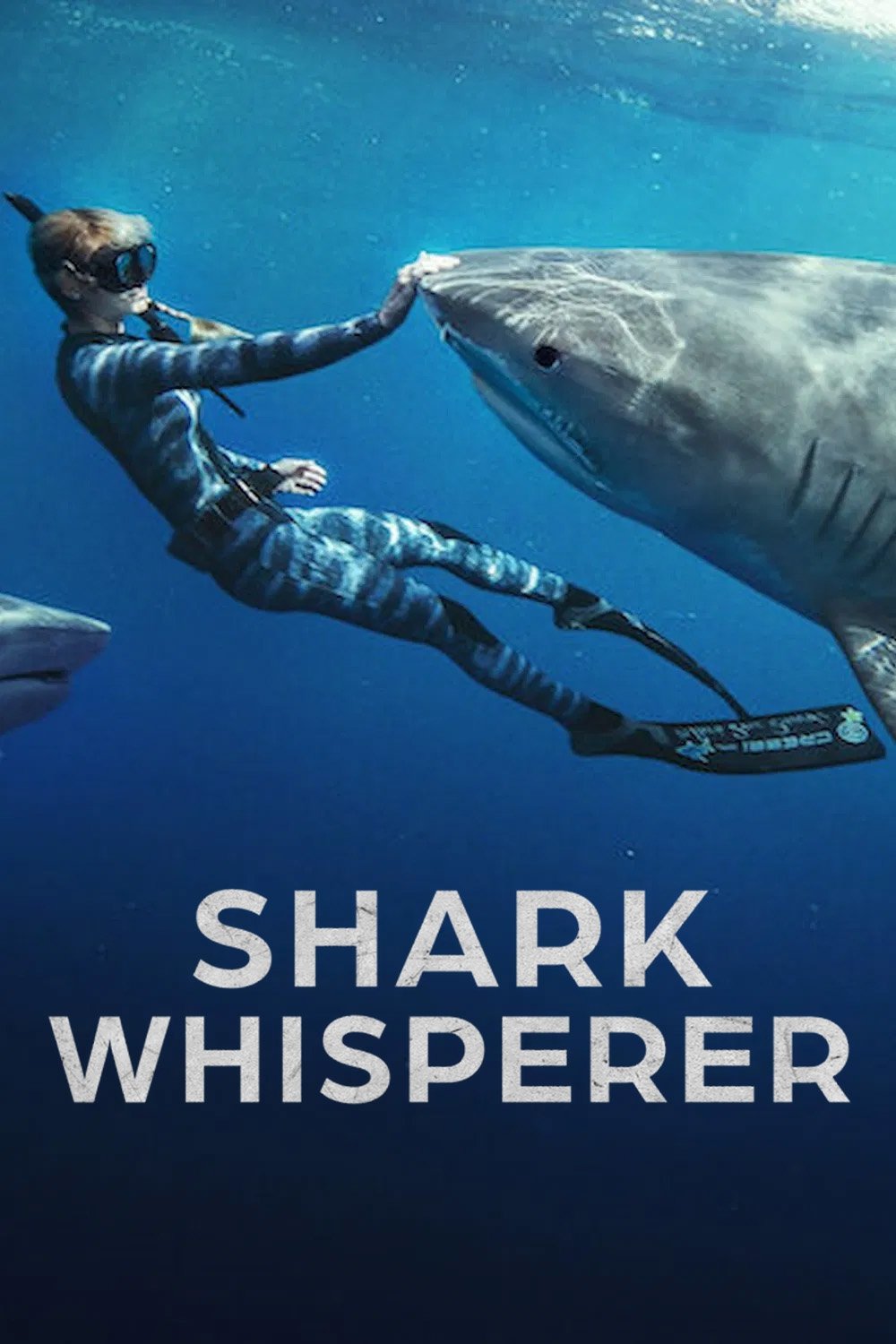
Marine conservationist and social media activist Ocean Ramsey fearlessly swims with sharks in this documentary about her risky mission to protect them.
With fewer than 120 known ocelots remaining in the United States, the stakes are high for their survival. Dive deep into South Texas to meet one of America’s most endangered cats in nature: the American ocelot. Wildlife filmmaker Ben Masters chronicles the sad history, precarious present, and optimistic future for one of the country’s most endangered wild cats.
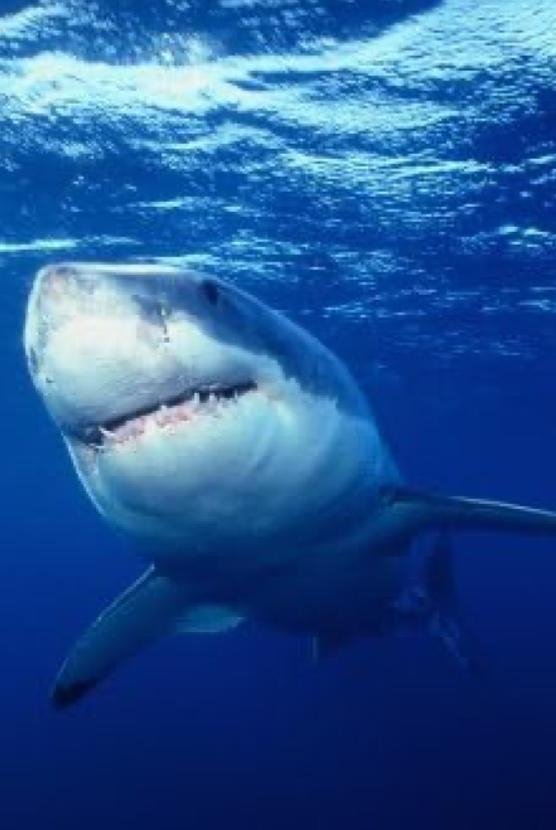
Using revolutionary filming techniques we are given the opportunity to follow the great white shark into its natural habitats.
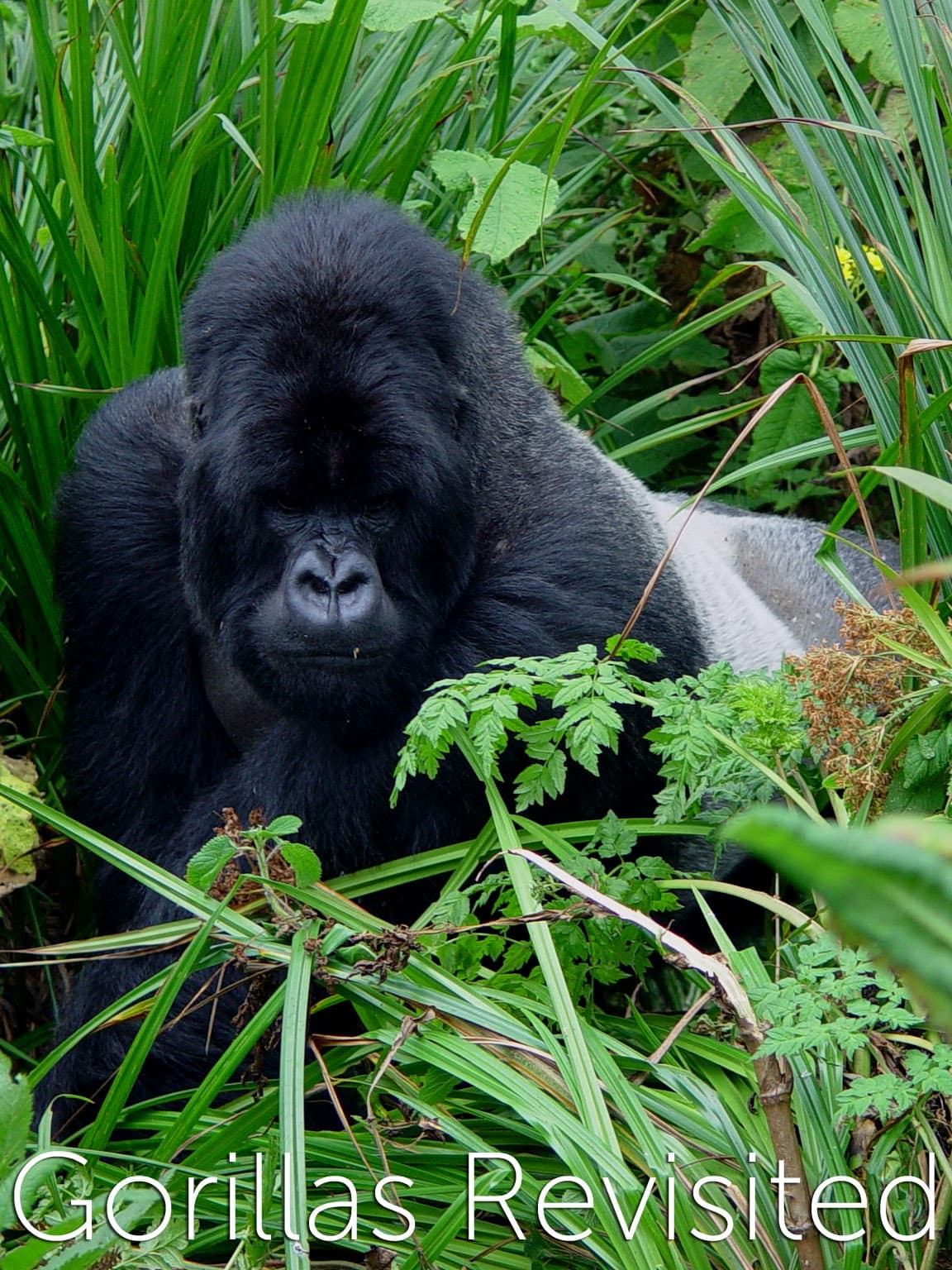
David Attenborough recounts his very personal experiences with the mountain gorillas of Rwanda. Ever since they were discovered over a century ago, these remarkable creatures have been threatened by loss of habitat, poaching, disease and political instability. But despite all odds their numbers have increased. David tells the extraordinary tale of how conservationists like Dian Fossey have battled to save the mountain gorilla from the brink of extinction.
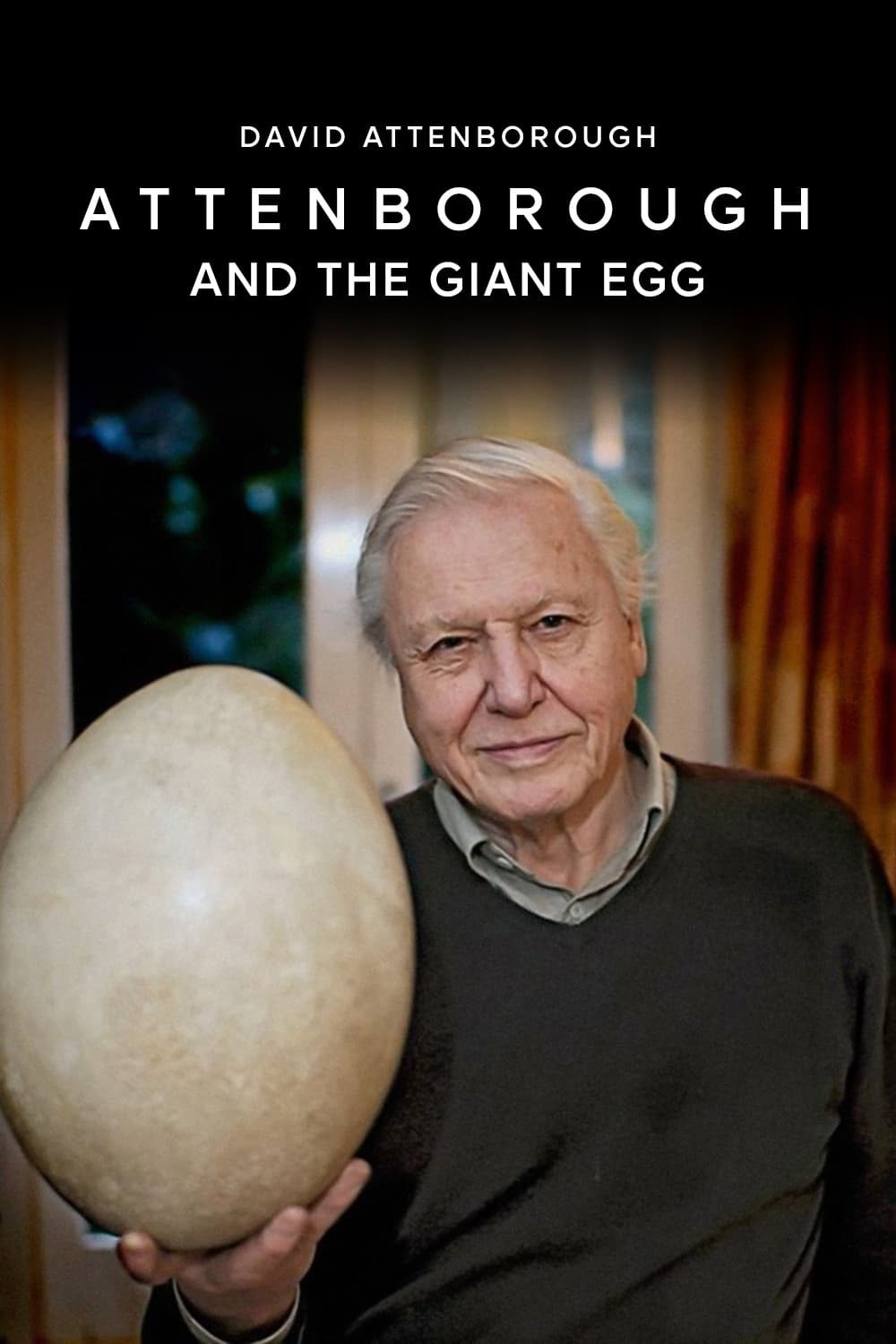
David Attenborough returns to the island of Madagascar on a very personal quest. In 1960 he visited the island to film one of his first ever wildlife series, Zoo Quest. Whilst he was there, he acquired a giant egg. It was the egg of an extinct bird known as the 'elephant bird' - the largest bird that ever lived. It has been one of his most treasured possessions ever since. Fifty years older, he now returns to the island to find out more about this amazing creature and to see how the island has changed. Could the elephant bird's fate provide lessons that may help protect Madagascar's remaining wildlife? Using Zoo Quest archive and specially shot location footage, this film follows David as he revisits scenes from his youth and meets people at the front line of wildlife protection. On his return, scientists at Oxford University are able to reveal for the first time how old David's egg actually is - and what that might tell us about the legendary elephant bird.
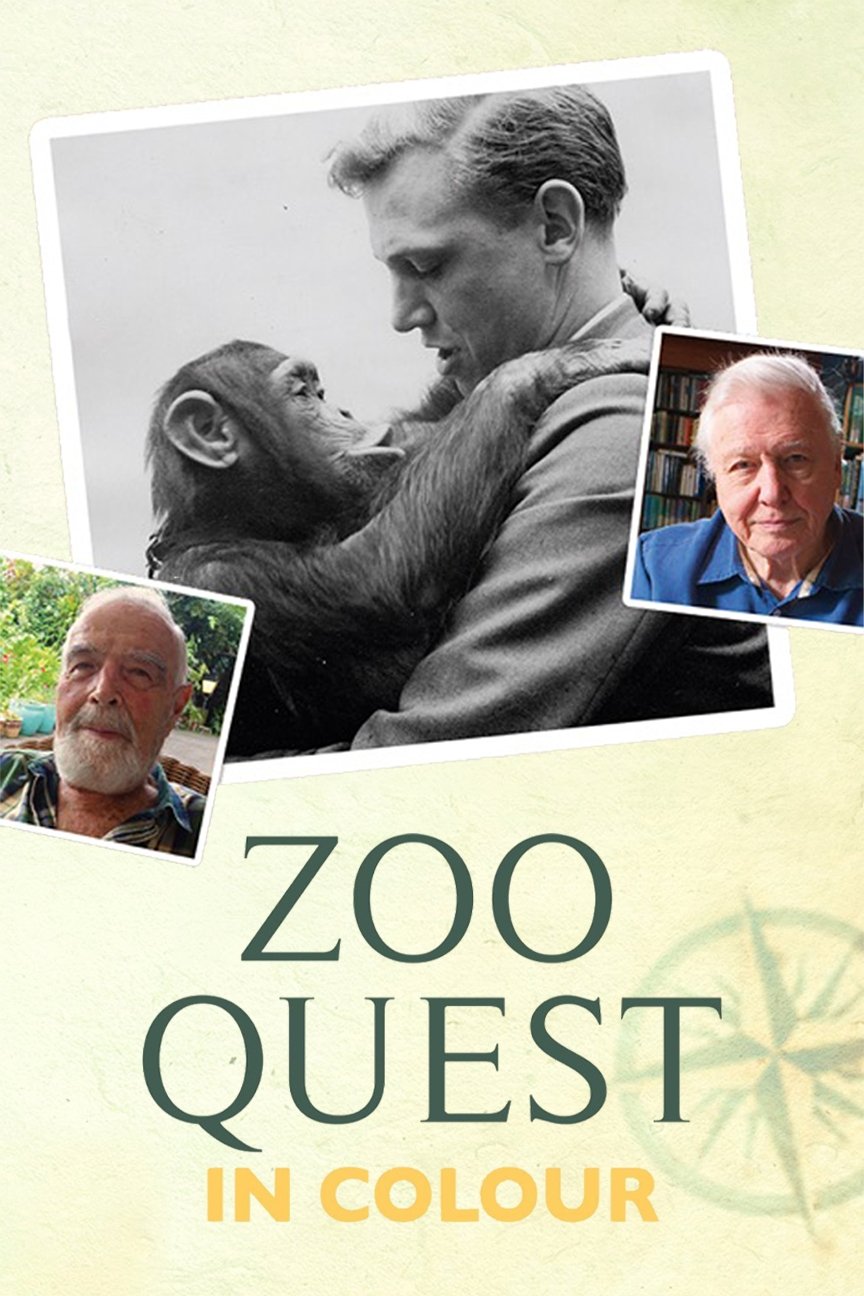
Thanks to a remarkable discovery in the BBC's film vaults, the best of David Attenborough's early Zoo Quest adventures can now be seen as never before - in colour - and with it the remarkable story of how this pioneering television series was made. First broadcast in December 1954, Zoo Quest was one of the most popular television series of its time and launched the career of the young David Attenborough as a wildlife presenter. Zoo Quest completely changed how viewers saw the world - revealing wildlife and tribal communities that had never been filmed or even seen before. Broadcast 10 years before colour television was seen in the UK, Zoo Quest was thought to have been filmed in black and white, until now. Using this extraordinary new-found colour film, together with new behind-the-scenes stories from David Attenborough and cameraman Charles Lagus, this special showcases the very best of Zoo Quest to West Africa, Zoo Quest to Guiana and Zoo Quest for a Dragon in stunning HD colour.
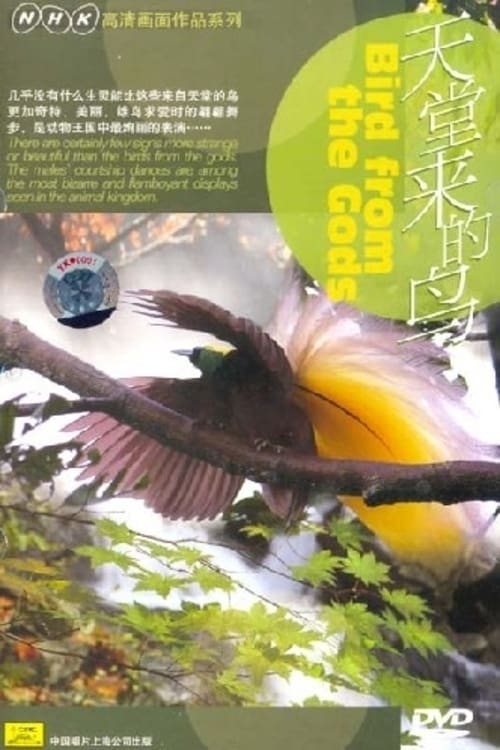
A Japanese animal photographer, Tadashi Shimada, captures crucial photographs of wild birds in Oceania. This episode of Shimada filmed in high-definition, focuses on the rare and fascinating Birds of Paradise in New Guinea and their beautiful yet humorous courtship behavior. In yellow, red, and hybrid orange, the long-feathered Greater Bird of Paradise and Raggiana Bird of Paradise dance together in the air. The Paradise Riflebird with its distinctive jet-black body and long blue feathers lives deep in the jungle. The program captures splendid images of the Magnificent Bird of Paradise's courtship dance that's never been seen on film before. Shimada's brilliant camera work creates the supreme art of nature..
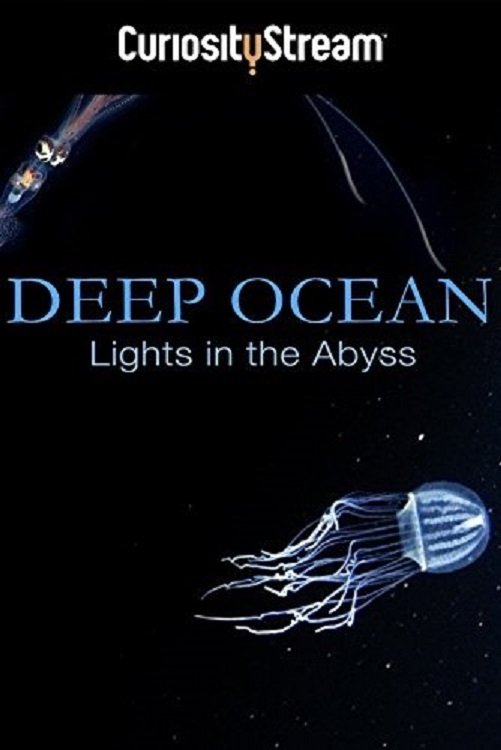
The NHK team that captured the world's first footage of a live giant squid in its natural habitat is setting out for another deep-sea adventure. They will give us a look at the amazing life forms with luminous bodies that have survived the harsh, pitch-dark deep-sea environment of the Pacific.
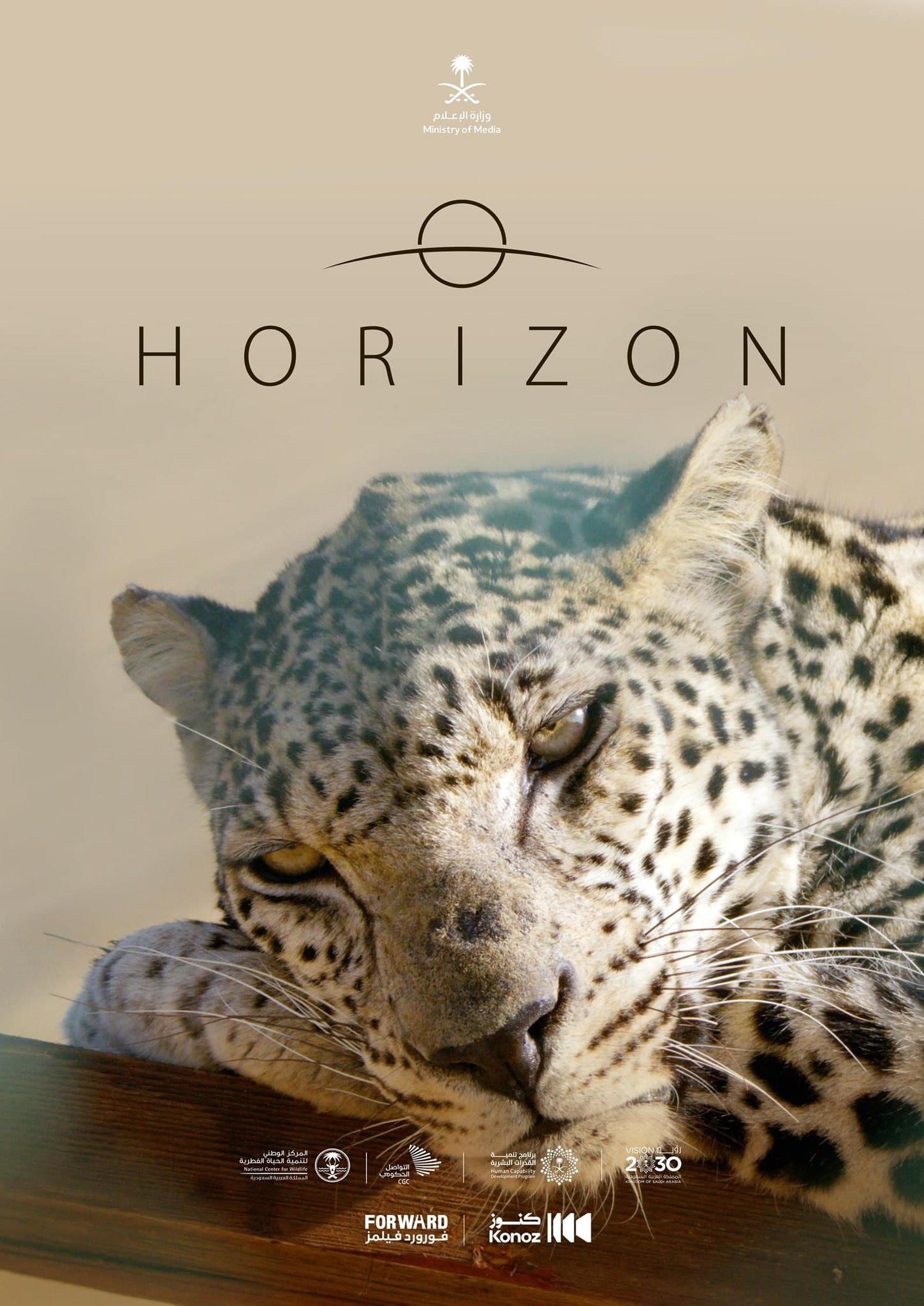
From the turtles of the Farasan Islands to the ibex that dot the Asir Mountains, this documentary captures Saudi Arabia's diverse wildlife and scenery.
La Salsa Vive is a vibrant cinematic exploration of Afro-Cuban music's history, tracing its roots from New York's lively streets to Cali, Colombia, now the global salsa capital.
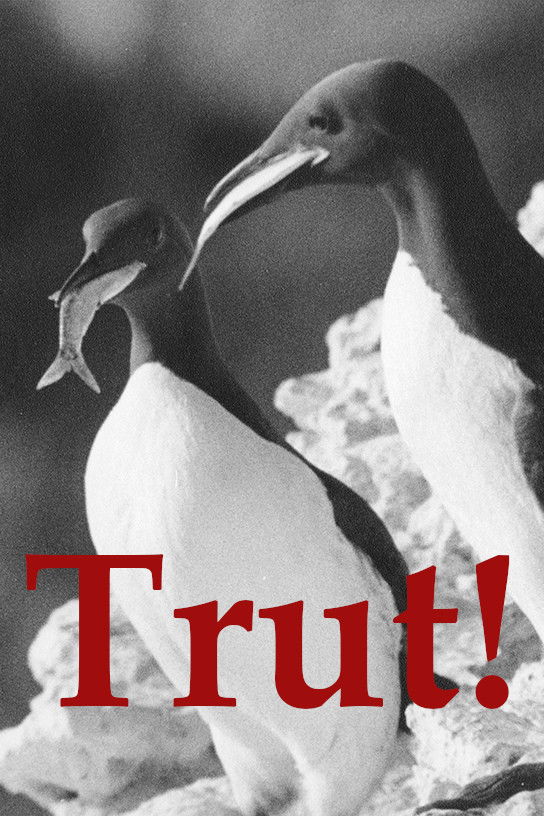
Arne Sucksdorff’s short documentary observes gulls raiding nests and stealing eggs with ruthless persistence. Though presented as pure nature study, the film was widely read as an allegory of Nazism—a symbolic parable of predation and violence during wartime. Sucksdorff himself denied such intent, but remarked that “a film that is not open to interpretation is a dead film.”
A ten-minute study of wild animal life in a Swedish forest; stoat, fox, hare, and owl, who stalk and savage one another, are photographed with extraordinary vividness and intimacy. It is perhaps the most striking of Sucksdorff's animal studies, in spite of an abrupt introduction and ending.
This story began in the seventies. Then the American ornithologist George Archibald turned to Soviet scientists led by Vladimir Flint with a proposal to cooperate in the protection of the white Siberian crane. This species was little studied and was considered endangered. Since then, we know much more about white cranes. Now on Earth there are two disparate populations of Siberian Cranes. One is East Siberian. These birds nest in the north of Yakutia and migrate to China. There are more than three thousand of them, and in the near future they are not threatened with extinction. A few thousand kilometers away, another population of Siberian Cranes lives. They nest in the lower reaches of the Ob, and fly to India or Iran for the winter. There are only twenty of them left. This film is about how people are trying to save this West Siberian branch of white cranes.
A clash of true oceanic titans sees fights in the remote battlefields of Ascension Island. Tuna are often faster, fitter and bigger than the sharks.
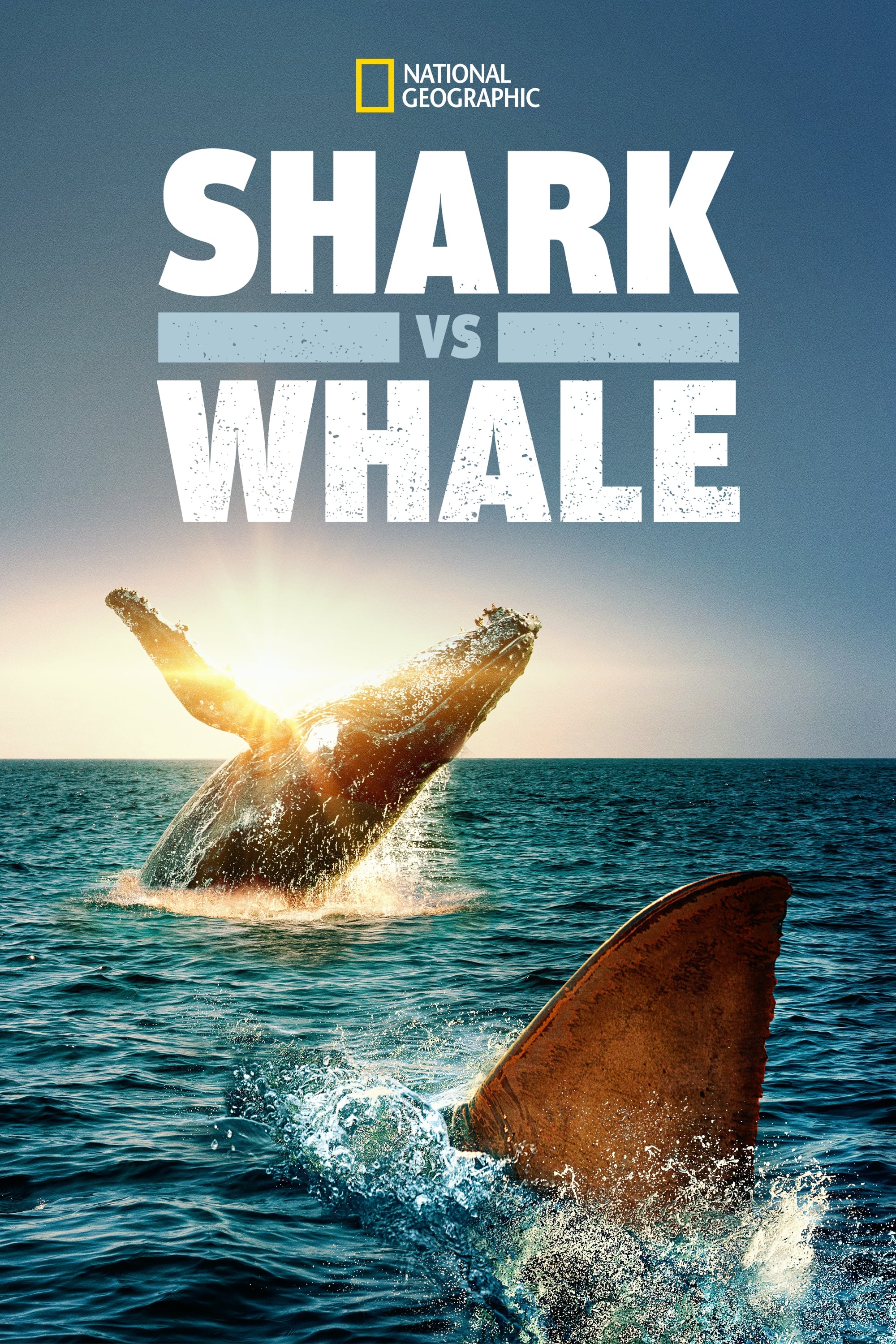
A routine drone survey turns deadly when Ryan Johnson, a marine biologist based in South Africa, films a humpback whale being attacked and strategically drowned by a Great white shark. This is a total perspective shift for the creature.
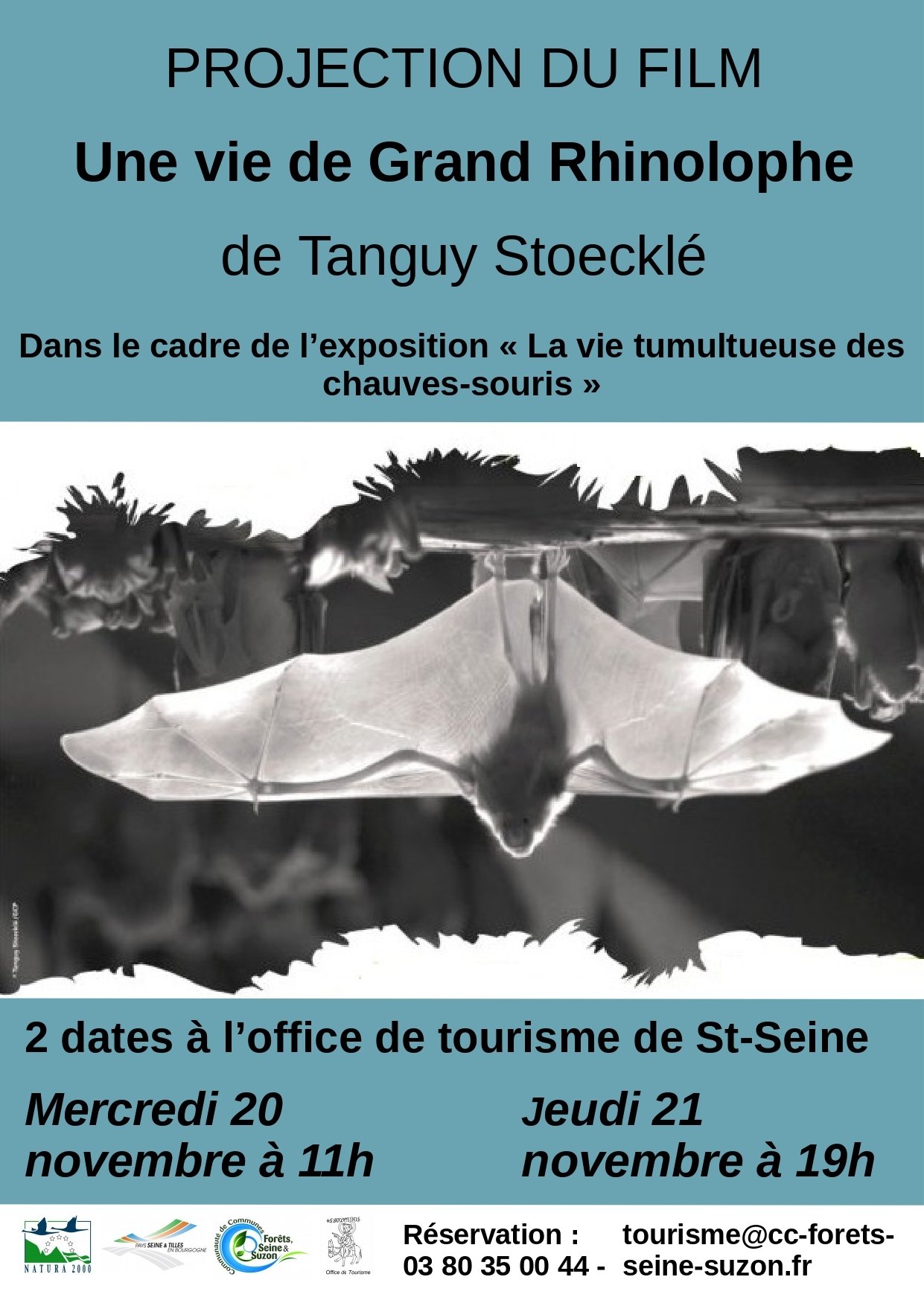
There is a fabulous colony of Greater Horseshoe Bats in the heart of the Camargue. This species of bat is one of the most amazing. A true little clown equipped with the very latest biological technologies, the Greater Horseshoe Bat is as rare as it is mysterious. "The life of a Greater Horseshoe Bat" invites you to share the life of a young female and her mother, for better or for worse...
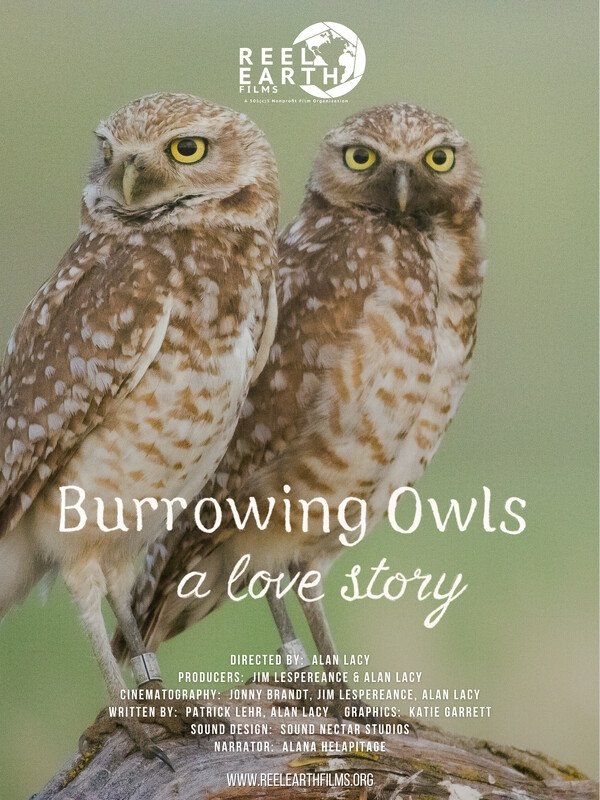
In the shadows of a Cold War Military depot, a colony of pint-sized predators faces an uncertain future as one owl biologist races to save it from extinction. As a young family of burrowing owls learns to grow up wild, will his scientific discoveries be enough to rescue this fragile population in the wake of a changing planet?
The courtship behavior of Great Bustards is studied. The male Great Bustard is considerably larger than the female. This impression is reinforced during courtship when the male dances in front of the female, showing the light undersides of its wings and inflating its throat pouch.
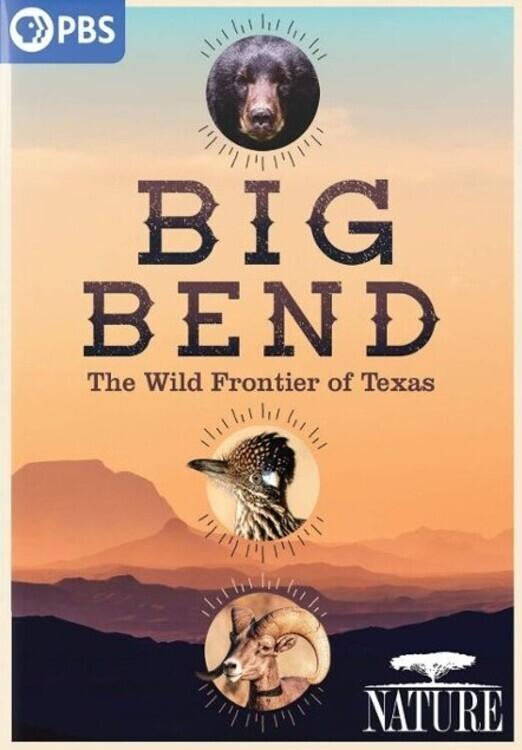
Roam the Wild West frontier land of the Rio Grande’s Big Bend alongside its iconic animals, including black bears, rattlesnakes and scorpions.
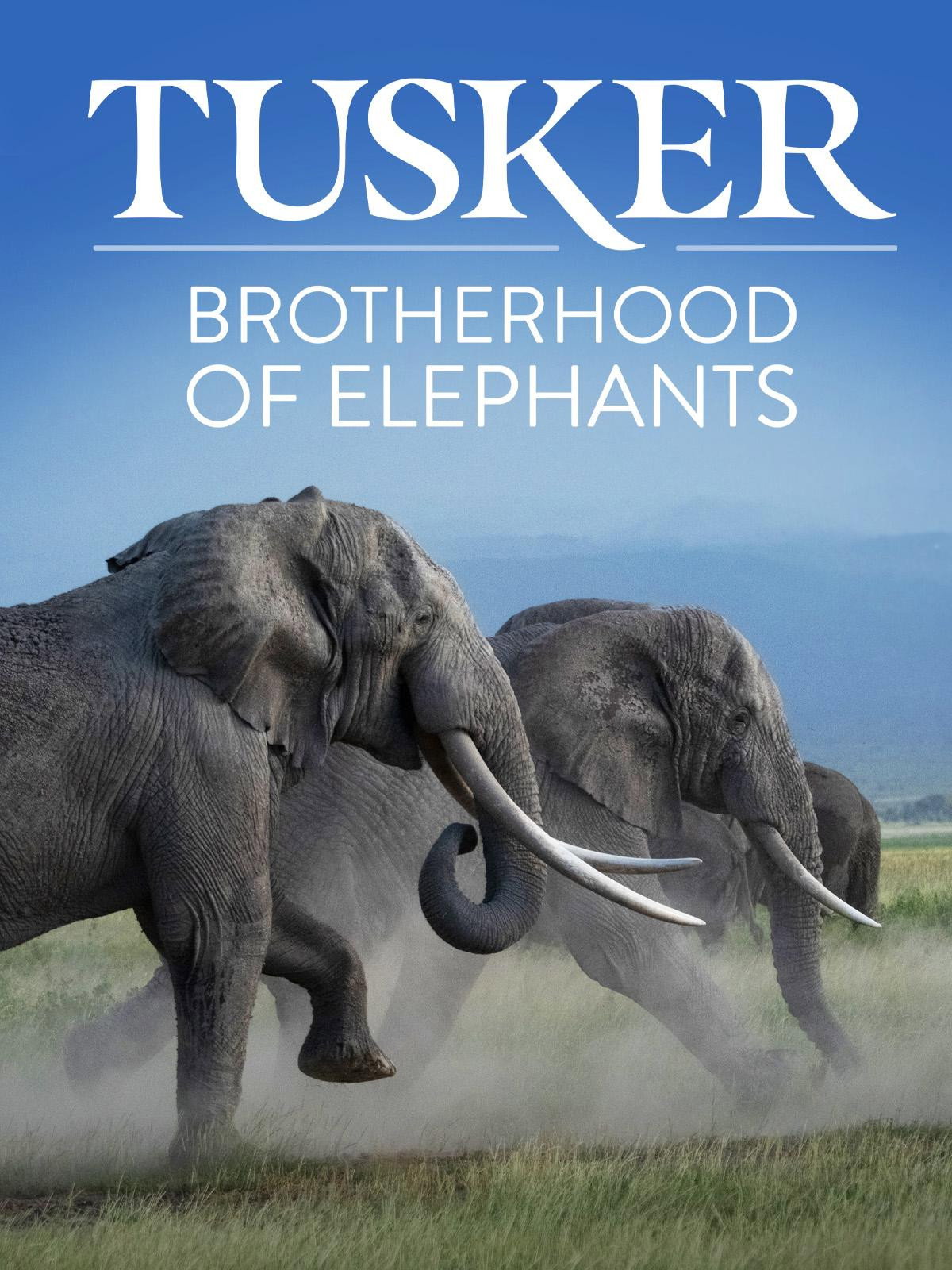
Against the backdrop of Mount Kilimanjaro, meet the majestic "super tuskers": male elephants that carry the wisdom of generations, whose tusks each weigh at least 100 pounds. Follow tuskers at different stages of life as they navigate the trials, transformations, and experiences that come with age and a shifting landscape.
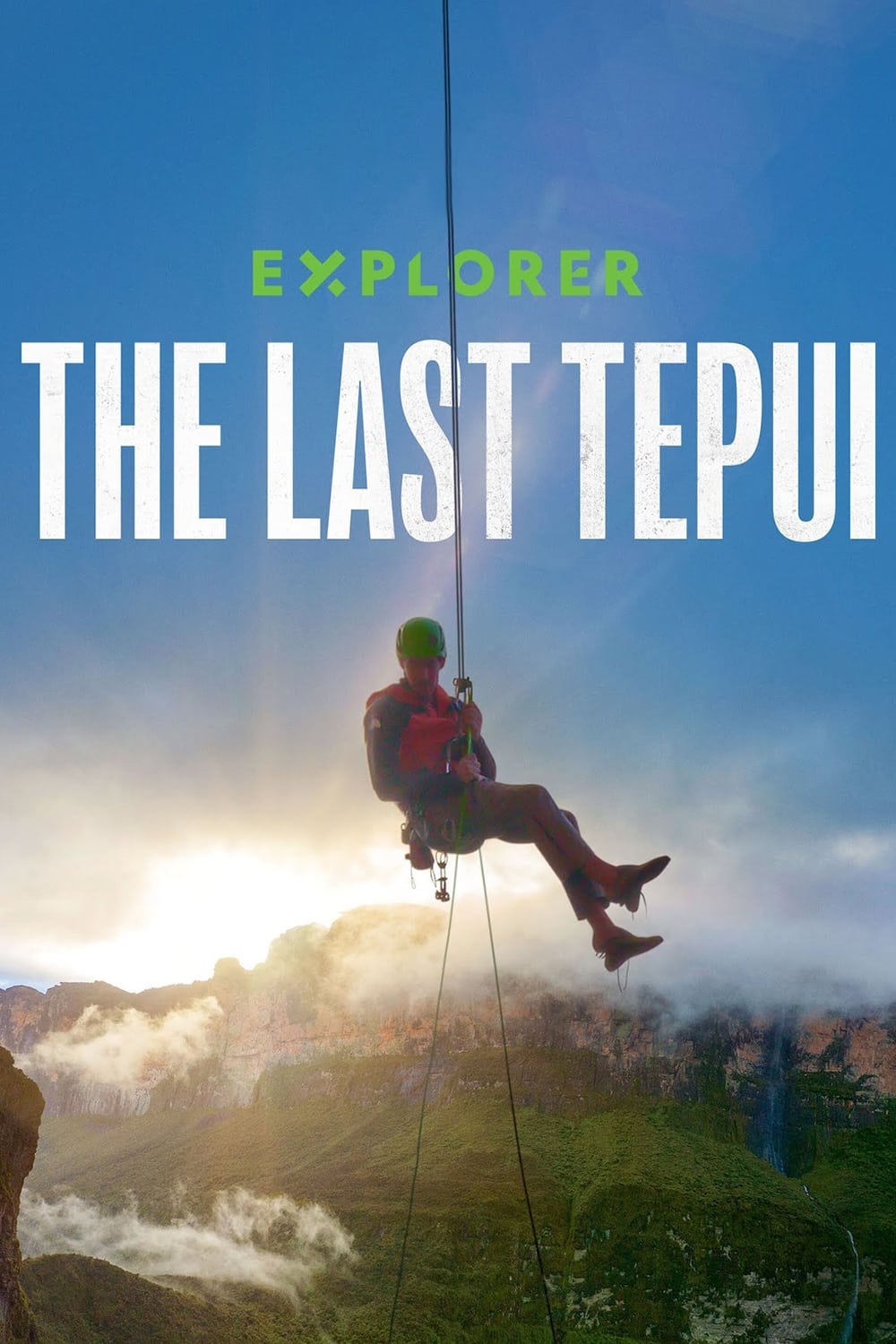
This documentary starring climber Alex Honnold and famous biologist Bruce Means document their expedition to the South American sky islands in search of new species and discoveries. Follows elite climber Alex Honnold and a world-class climbing team led by National Geographic Explorer and climber Mark Synnott on a grueling mission deep in the Amazon jungle as they attempt a first-ascent climb up a 1000 foot sheer cliff.
A visual montage portrait of our contemporary world dominated by globalized technology and violence.
Some of the world's most majestic birds display delightfully captivating mating rituals, from flashy dancing to flaunting their colorful feathers.
The film follows adventurer Jeff Johnson as he retraces the epic 1968 journey of his heroes Yvon Chouinard and Doug Tompkins to Patagonia.
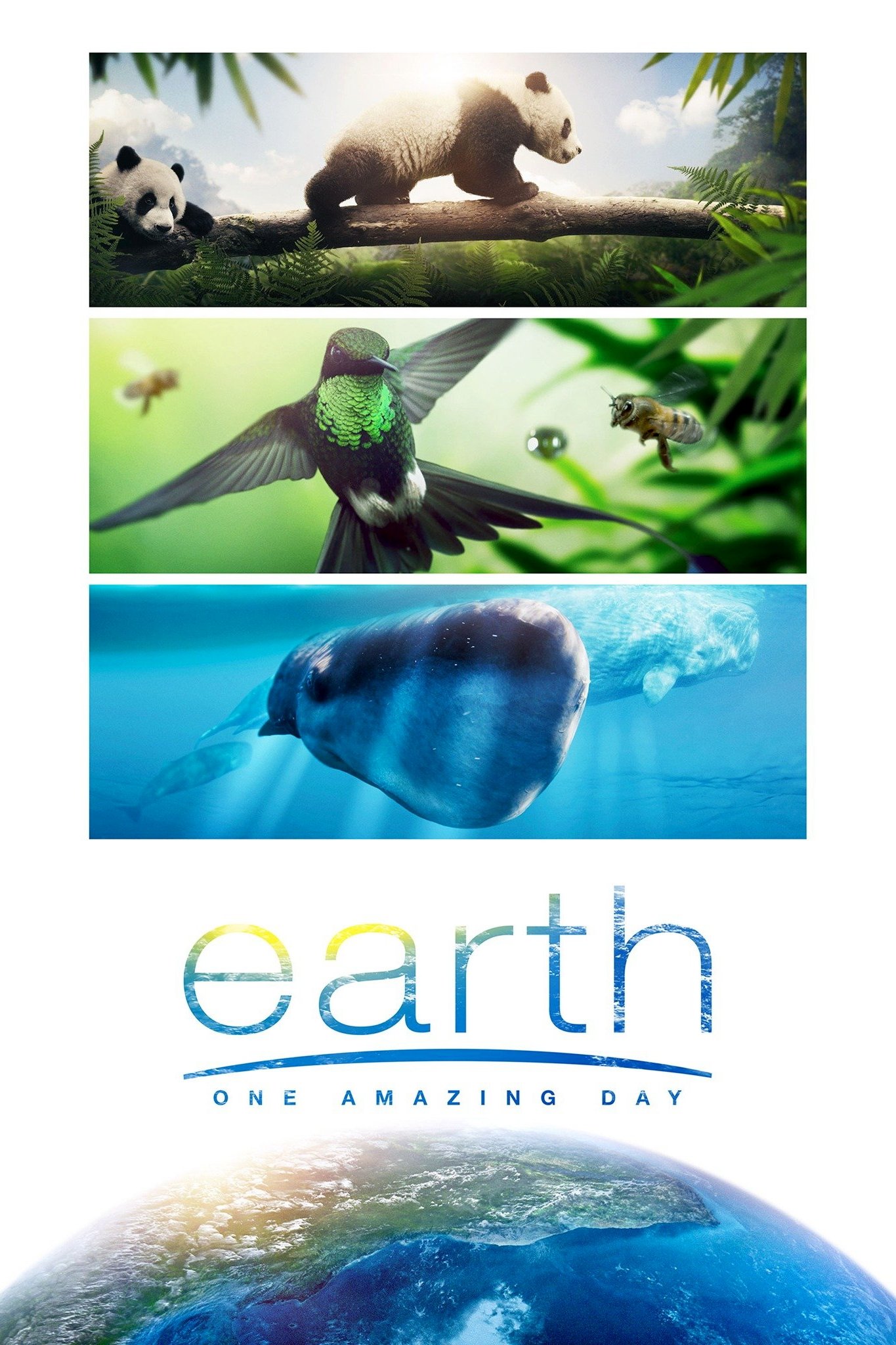
An astonishing journey revealing the awesome power of the natural world. Over the course of one single day, we track the sun from the highest mountains to the remotest islands to exotic jungles.
One Life captures unprecedented and beautiful sequences of animal behaviour guaranteed to bring you closer to nature than ever before, as well as a second disc packed full of never before seen extras including an exclusive making of featurette narrated by Daniel Craig.
A journalist and a photographer set out to memorialize the bedrooms left behind by children killed in school shootings.
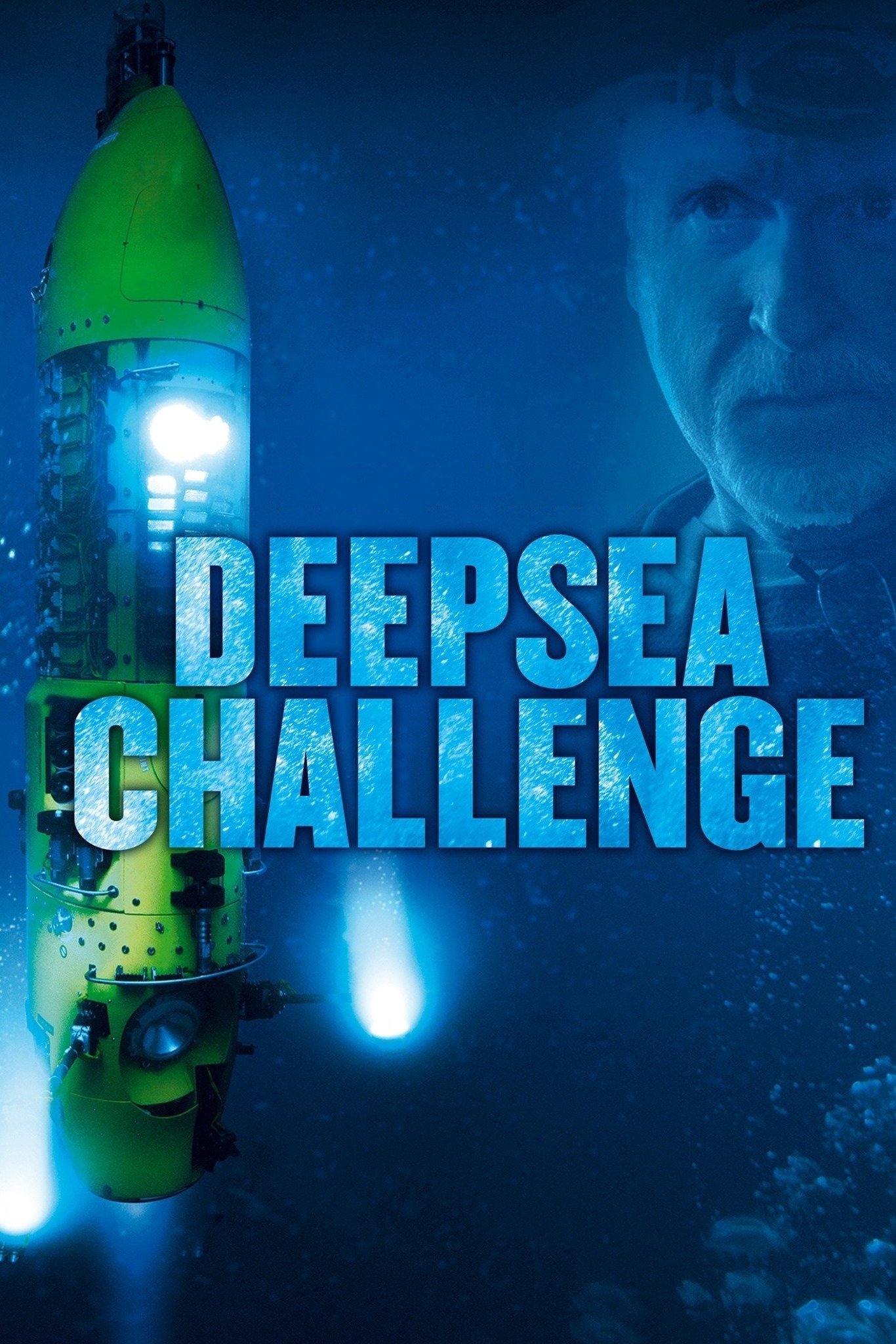
Described as being a film about determination, danger and the ocean’s greatest depths, James Cameron's "Deepsea Challenge 3D" tells the story of Cameron’s journey to fulfill his boyhood dream of becoming an explorer. The movie offers a unique insight into Cameron's world as he makes that dream reality – and makes history – by becoming the first person to travel solo to the deepest point on the planet.
An exploration of technologically developing nations and the effect the transition to Western-style modernization has had on them.
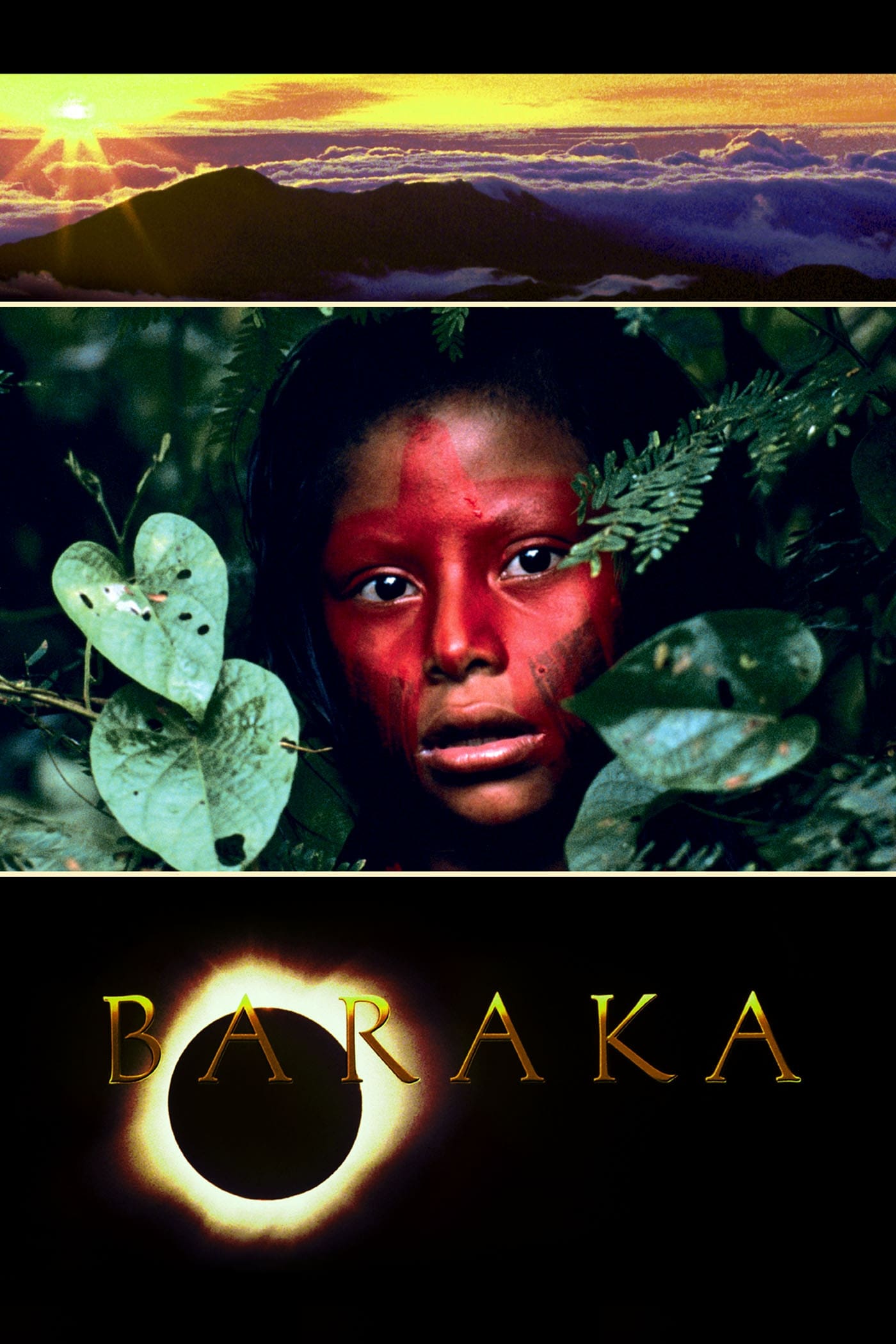
A paralysingly beautiful documentary with a global vision—an odyssey through landscape and time—that attempts to capture the essence of life.
A documentary on the expletive's origin, why it offends some people so deeply, and what can be gained from its use.
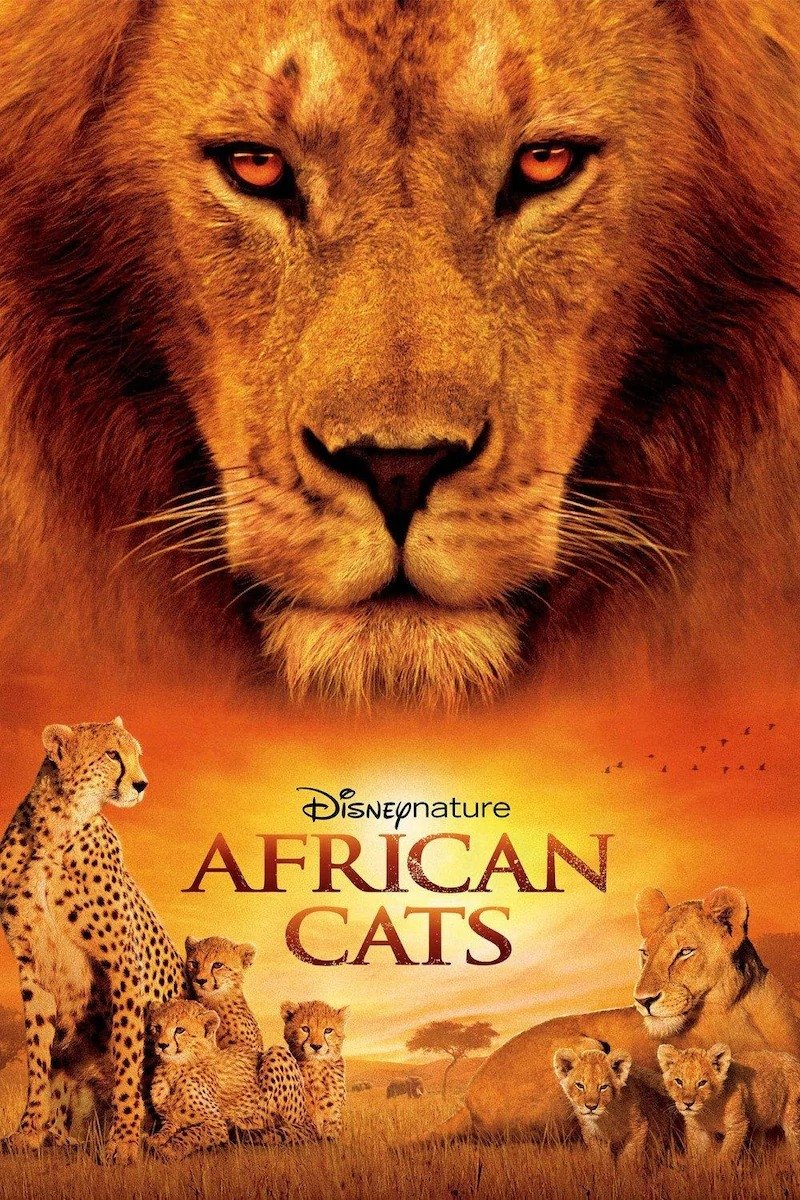
African Cats captures the real-life love, humor and determination of the majestic kings of the savanna. The story features Mara, an endearing lion cub who strives to grow up with her mother’s strength, spirit and wisdom; Sita, a fearless cheetah and single mother of five mischievous newborns; and Fang, a proud leader of the pride who must defend his family from a once banished lion.
In an intimate and joyful story of love in the face of loss, celebrated poets Andrea Gibson and Megan Falley find strength—and unexpected hilarity—in what might be their final year together.
An inside look at one of the most anticipated movie sequels ever with James Cameron and cast.
A documentary on why 'Money Heist' sparked a wave of enthusiasm around the world for a lovable group of thieves and their professor.
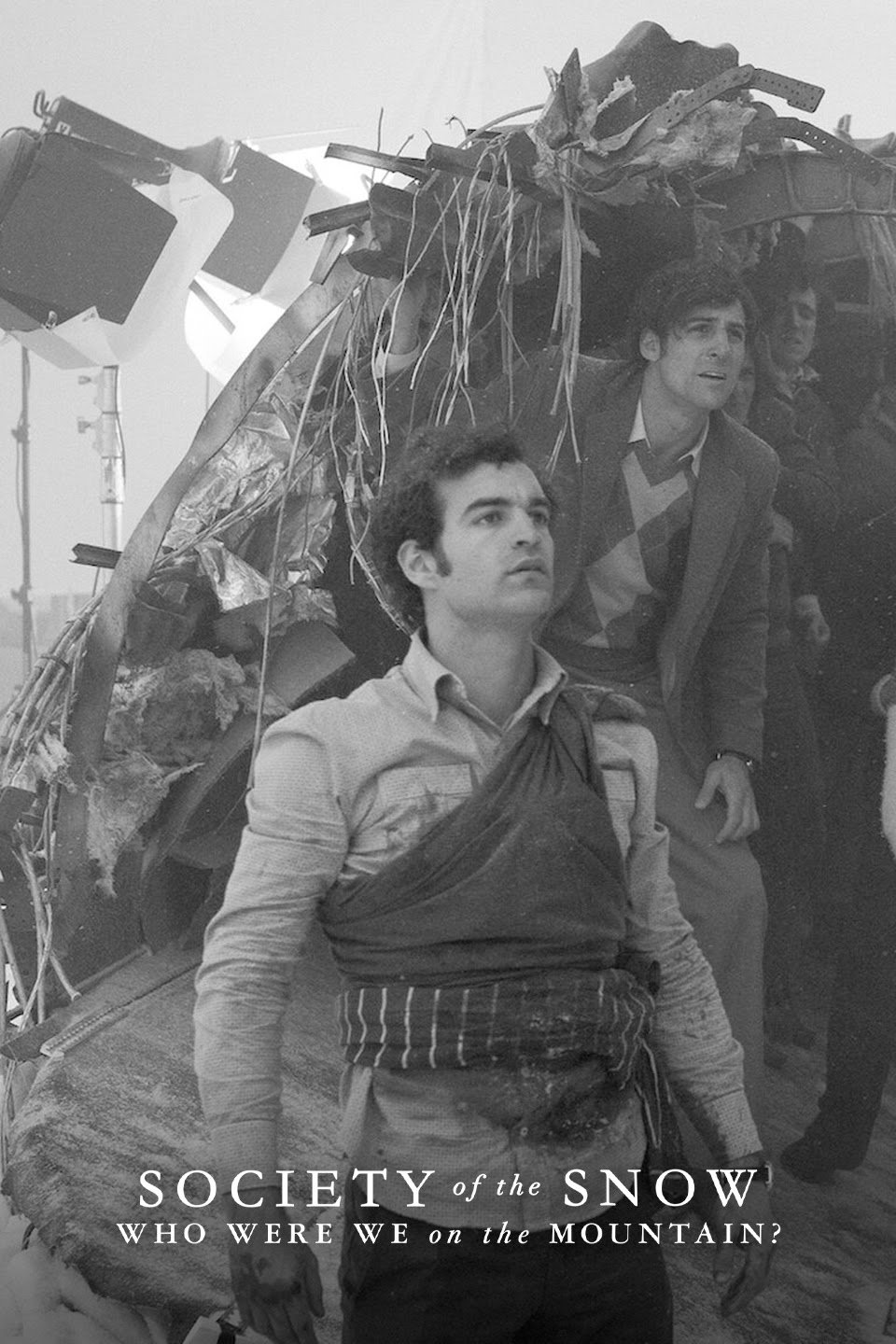
An in-depth look at the creative process behind "Society of the Snow," featuring cast, crew, director J.A. Bayona and even real-life survivors.
A documentary about the making of David Fincher's 2008 film THE CURIOUS CASE OF BENJAMIN BUTTON. Virtually every element in the evolution of the Fincher's film is documented here, from the project's attachment to numerous other directors during the 1990s, to its shoot in 2006 and 2007 in New Orleans, to its complex, CGI-intensive postproduction process.
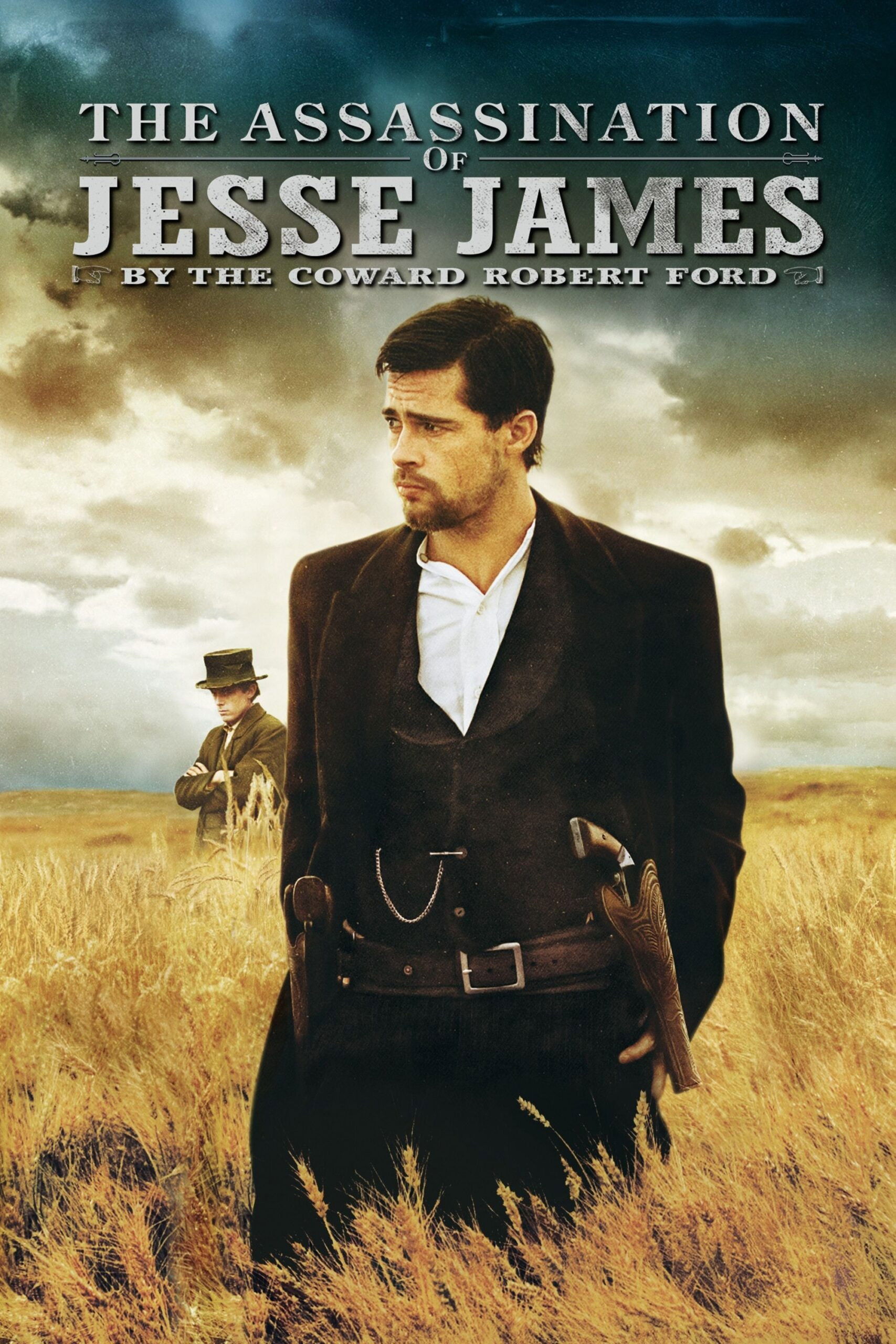
Explores the true story of the notorious Jesse James, how the myth developed during his lifetime, and how the legends have persisted over 100 years after his death at the hands of his former friend, Robert Ford.
Deep Blue is a major documentary feature film shot by the BBC Natural History Unit. An epic cinematic rollercoaster ride for all ages, Deep Blue uses amazing footage to tell us the story of our oceans and the life they support.