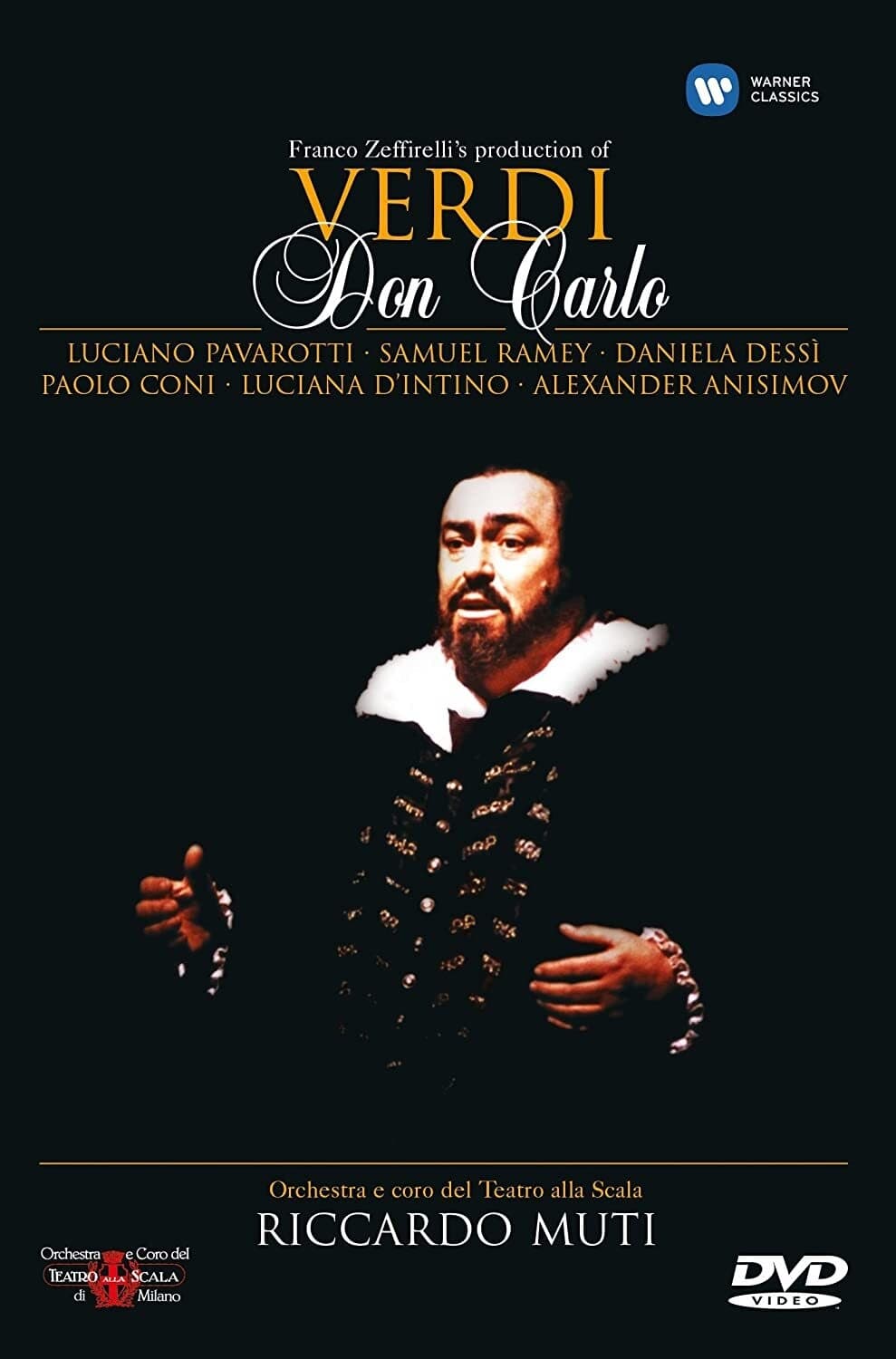
This opera was filmed live at La Scala in 1992. The all-star cast includes Luciano Pavarotti, Samuel Ramey, aolo Coni, Daniela Dessi, Luciana d'Intio, and Alexander Anismov. Riccardo Muti conducts.
Social & External
The people behind it
Luciano Pavarotti
Don Carlo
Samuel Ramey
Filippo II
Daniela Dessì
Elisabetta di Valois
Paolo Coni
Rodrigo, Marchese di Posa
Alexander Anisimov
Il Grande Inquisitore
Antonio Silvestrelli
Un frate
Luciana D'Intino
La Principessa Eboli
Marilena Laurenza
Tebaldo
Nuccia Focile
Voce dal cielo
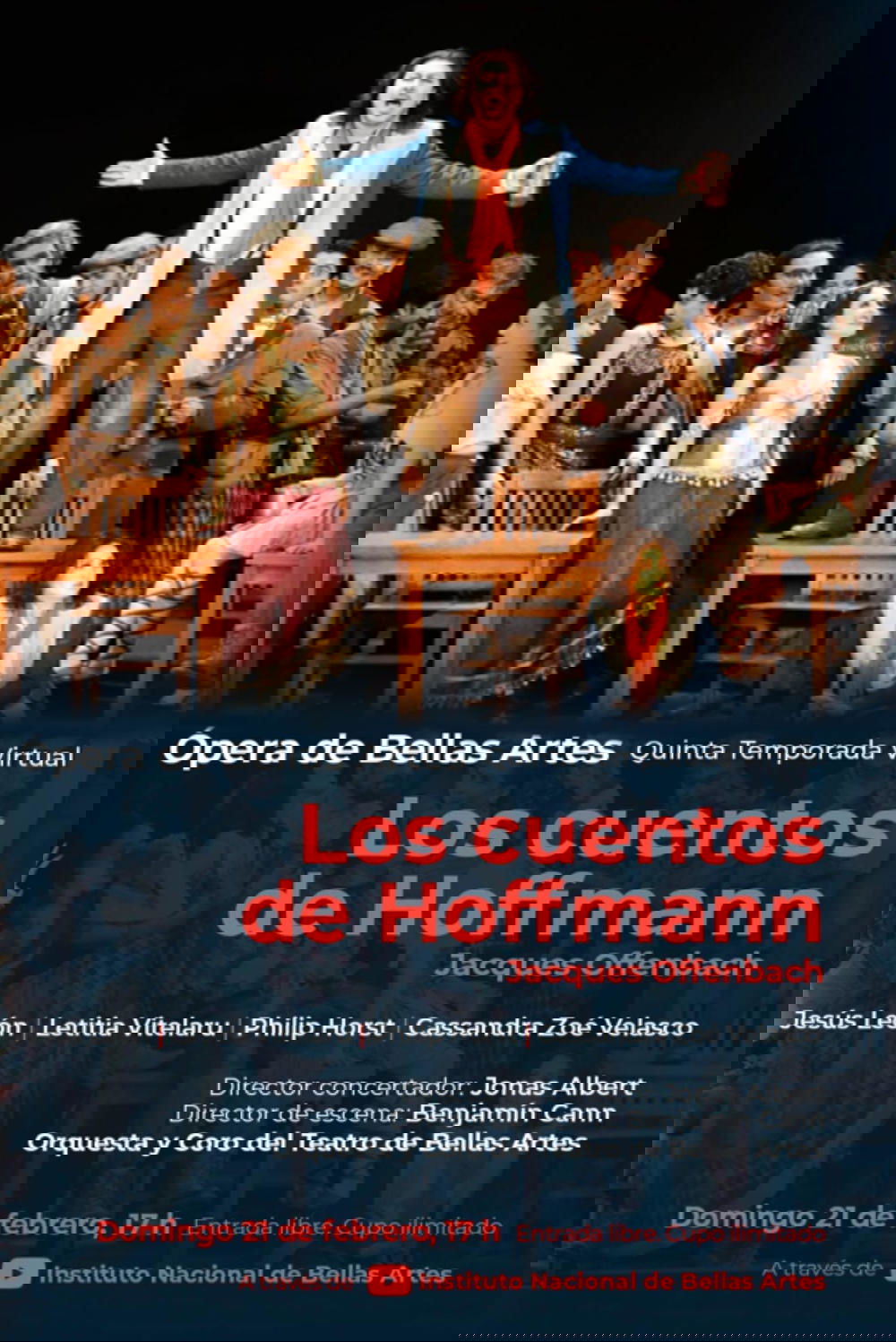
Opera in three acts, a prologue and an epilogue, by Jacques Offenbach (1819-1880), with a libretto in French by Jules Barbier (1825-1901), based on a work that Barbier himself and Michel Carré (1821-1872) had written based on stories by E.T.A. Hoffmann (1776-1822). Approximate duration: 2 h 45 min Recommended for those over 15 years old. The young poet Hoffmann, accompanied by Nicklausse, his alter ego and confidant, is in a tavern next to the theatre where Mozart's Don Giovanni is being performed. During the opera's intermission, some diners arrive at the bar who, upon seeing the poet, encourage him to sing and tell them the story of his famous love affairs. Hoffmann finally gives in and shares with them the stories of Olympia, Antonia and Giulietta. They, absorbed in the poet's stories, remain in the tavern, forgetting about the opera performance.
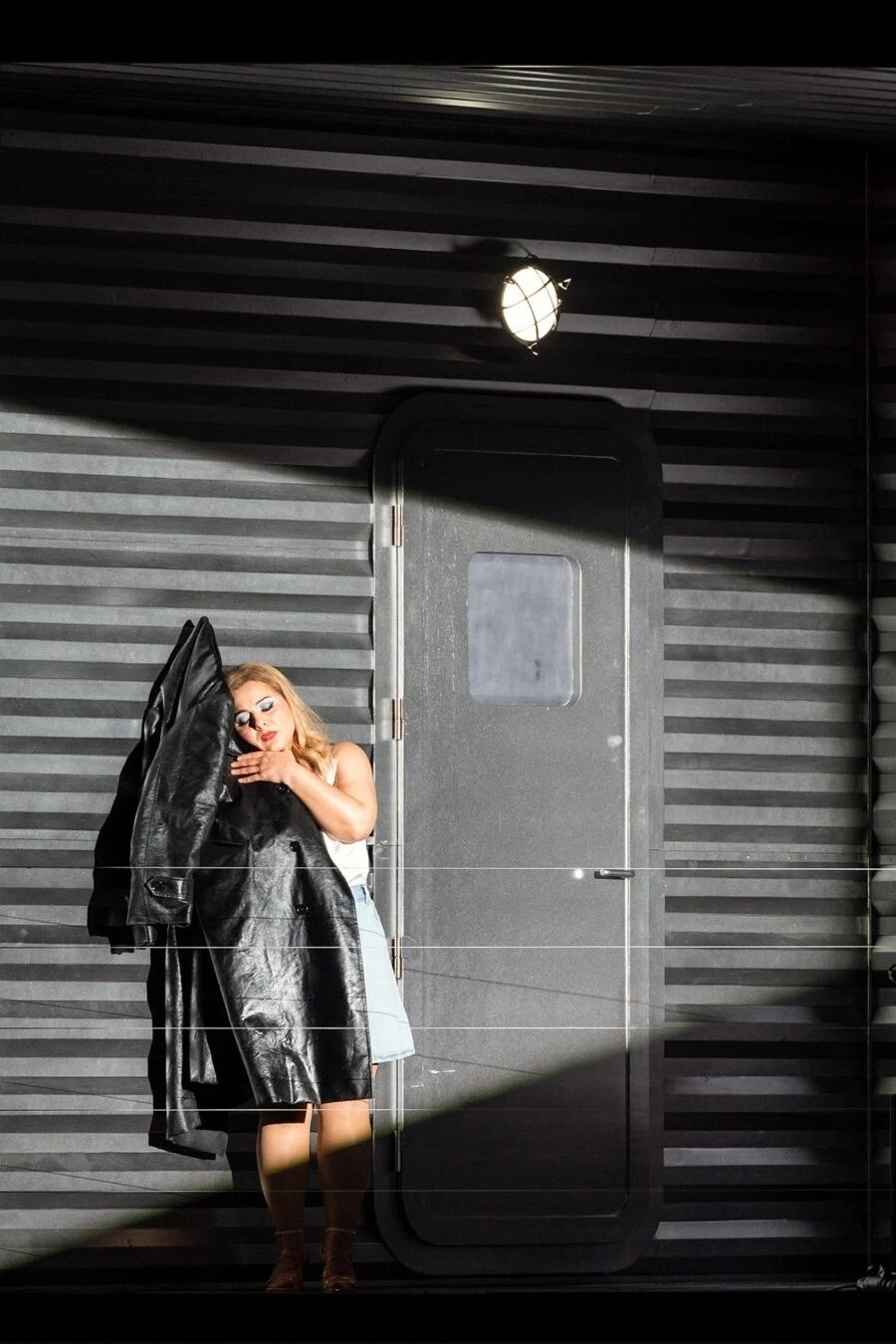
Finding the right librettos was not easy, but one month after the end of the First World War, his triptych – the grim tragedy Il tabarro, the lyrical and sensitive Suor Angelica, and the comedy Gianni Schicchi – premiered in New York. Three different eras, three different settings, three different ‘colours’; though for Puccini, it is through the contrasts between them that the unity of the work is revealed. For his second time directing at La Monnaie, Tobias Kratzer preserves the original order of the pieces, while weaving them together to form a narrative whole, like a circle with no end. With a cast of artists from the extended La Monnaie family, Alain Altinoglu is the ideal conductor to meet the daunting challenges posed by this triptych.
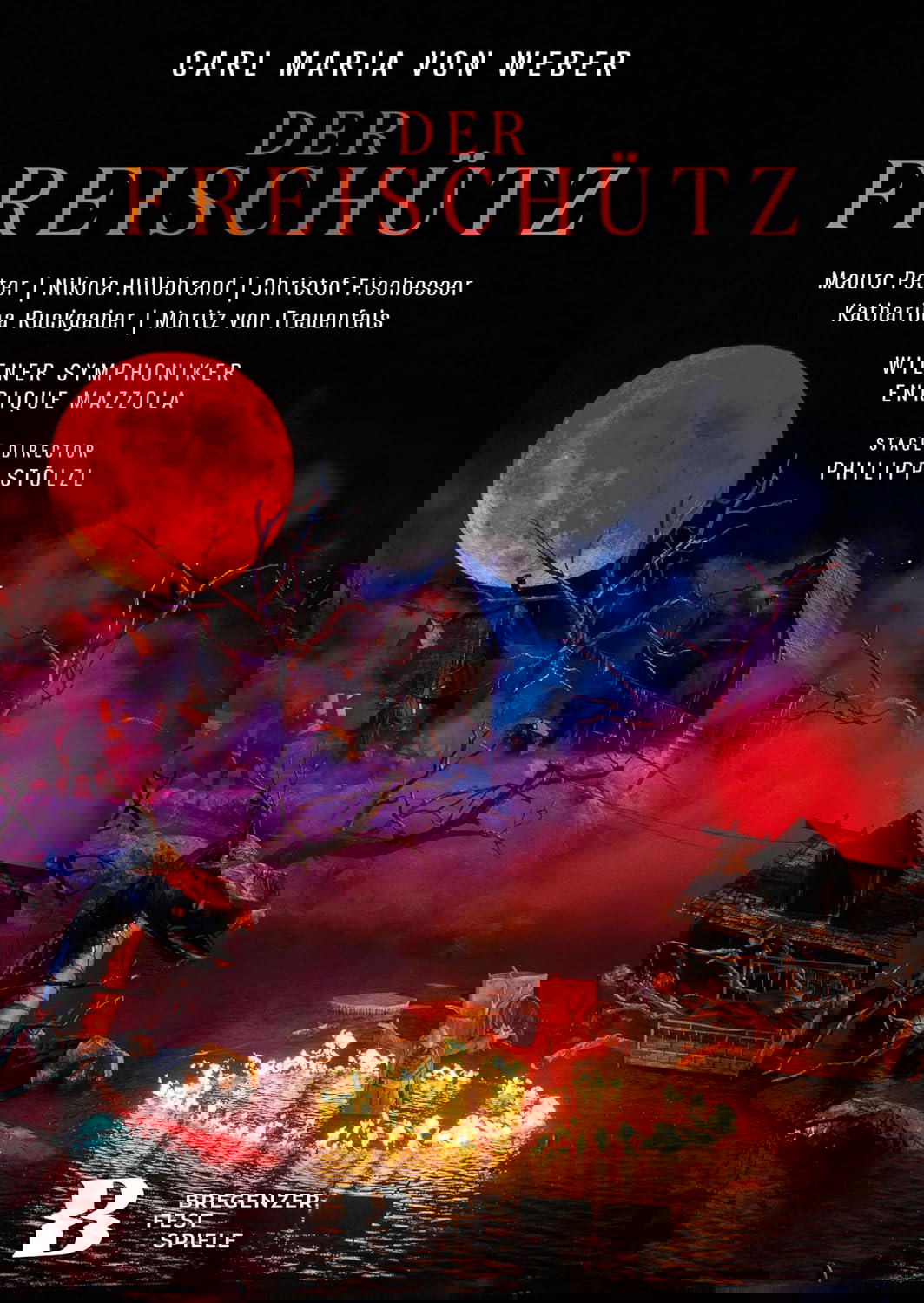
A godforsaken village in Germany shortly after the Thirty Years’ War: The young scrivener Max loves Agathe, daughter of the head forester Kuno. But to marry her, the inexperienced marksman Max must participate in an archaic tradition and score in a shooting trial – an unfulfillable challenge for him. The dubious war veteran Kaspar knows about this. He convinces the scrivener to meet him at Wolf’s Glen at midnight to forge “free bullets” that never miss their target. Max, who does not see any other way out of his unfortunate situation, sells his soul to the devil. Not knowing about the catch behind this deal: while six of the cursed bullets will hit the desired target, the seventh lies in the devil’s hands.
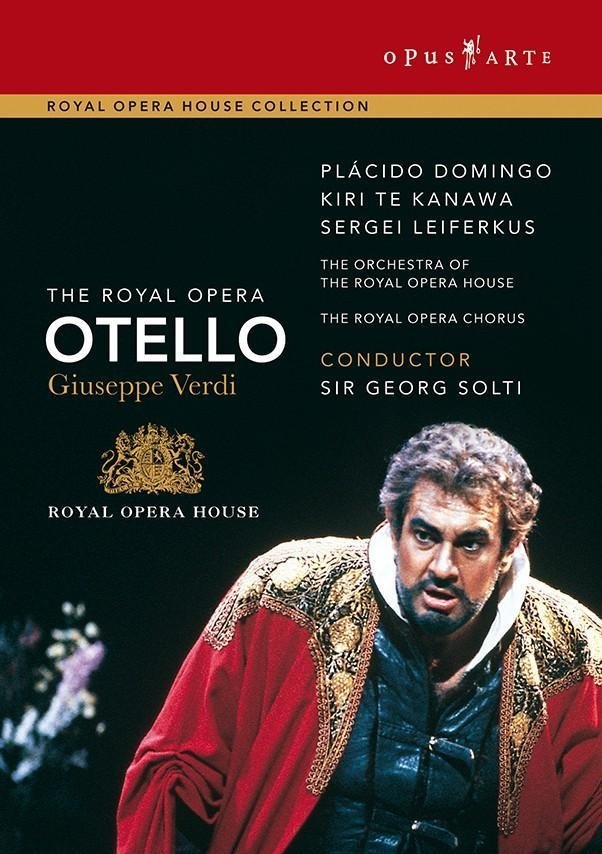
The complete version of Verdi's Otello performed by Placido Domingo and Kiri Te Kanawa, at the Royal Opera House, Covent Garden. Gala Performance in honour of Sir Georg Solti's 80th birthday.. 27 October 1992. BBC 2 Television live relay.
A colorful and comedic staging of the classic opera buffa by the Vienna State Opera.
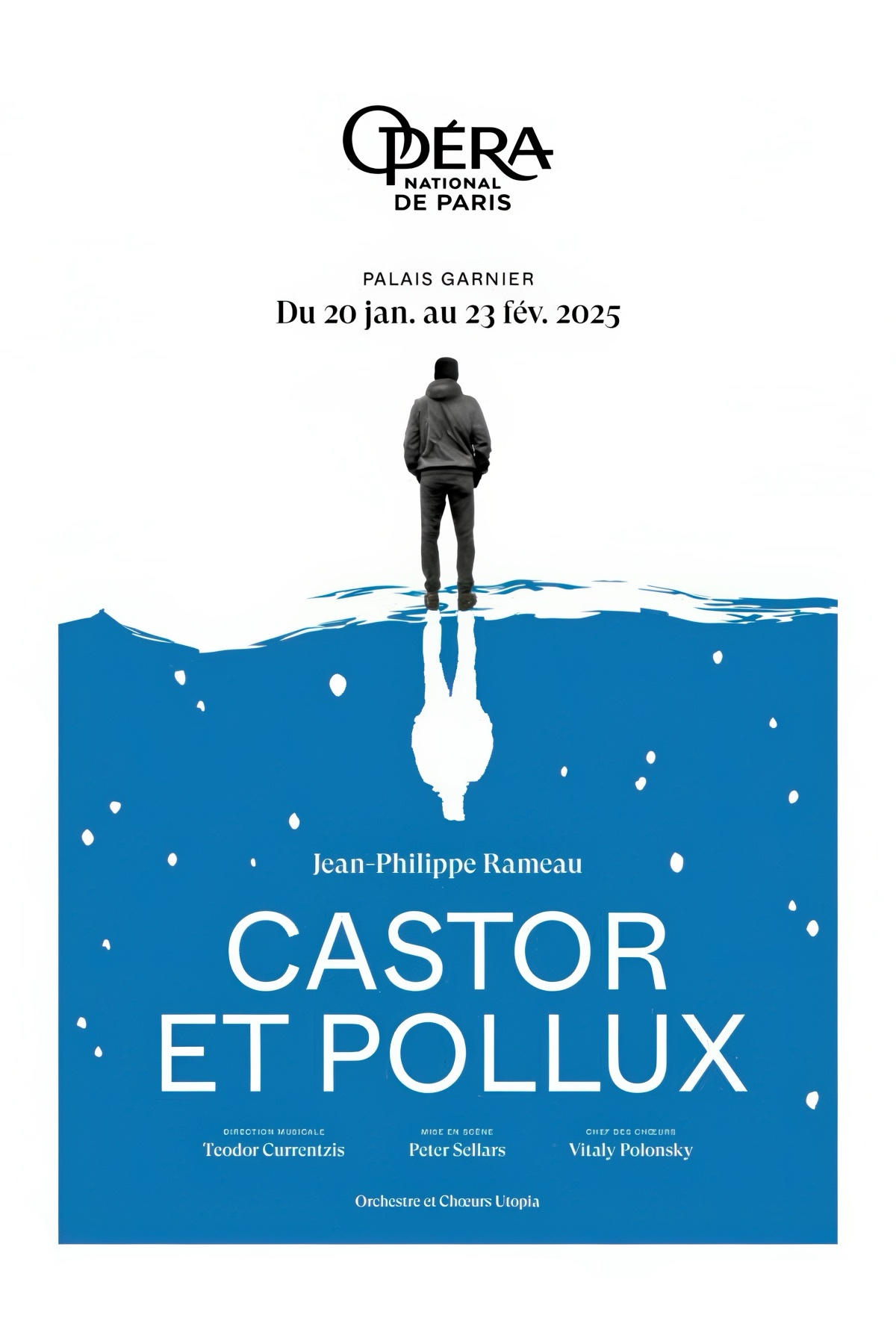
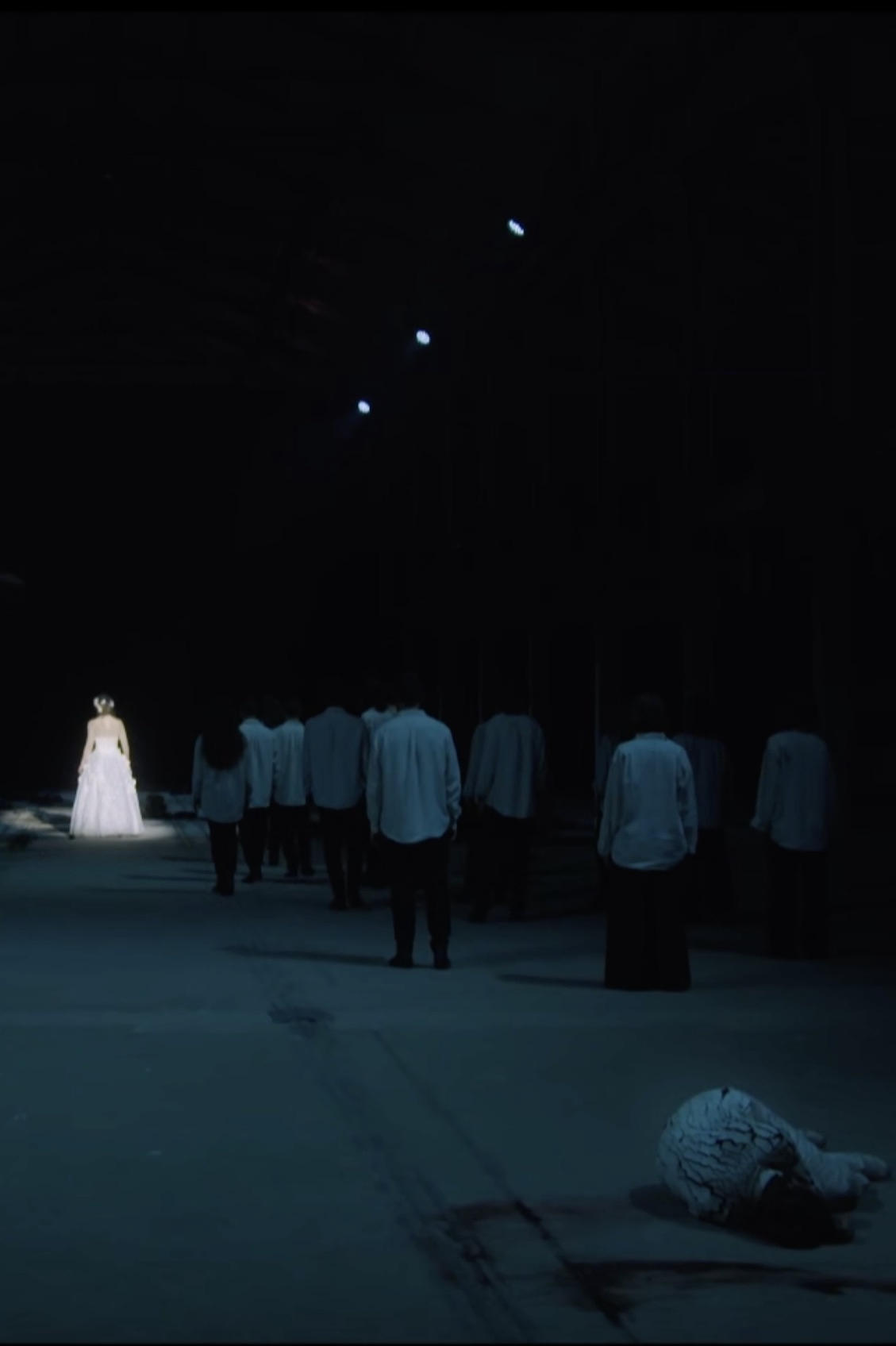
A return to its roots for Castor et Pollux, Jean-Philippe Rameau’s lyric tragedy first performed in 1737 at the Académie royale and inspired by the mythological episode of the Gemini. Rarely performed in its original version – the score was reworked by Rameau himself in 1754 –, this daring work plays on contrasts and expressiveness, as in the famous “Tristes apprêts”. The aria is sung by Télaïre mourning the death of her fiancé Castor, killed in battle, before his twin brother Pollux descends into the Underworld to ask his father, Jupiter, to bring him back to life. While this opera celebrates brotherly love, its prologue poses an essential question for director Peter Sellars: how do you stop a war and its attendant hatred and resentment?
Opera in three acts by Christoph Willibald Gluck, Hector Berlioz's version (1859)
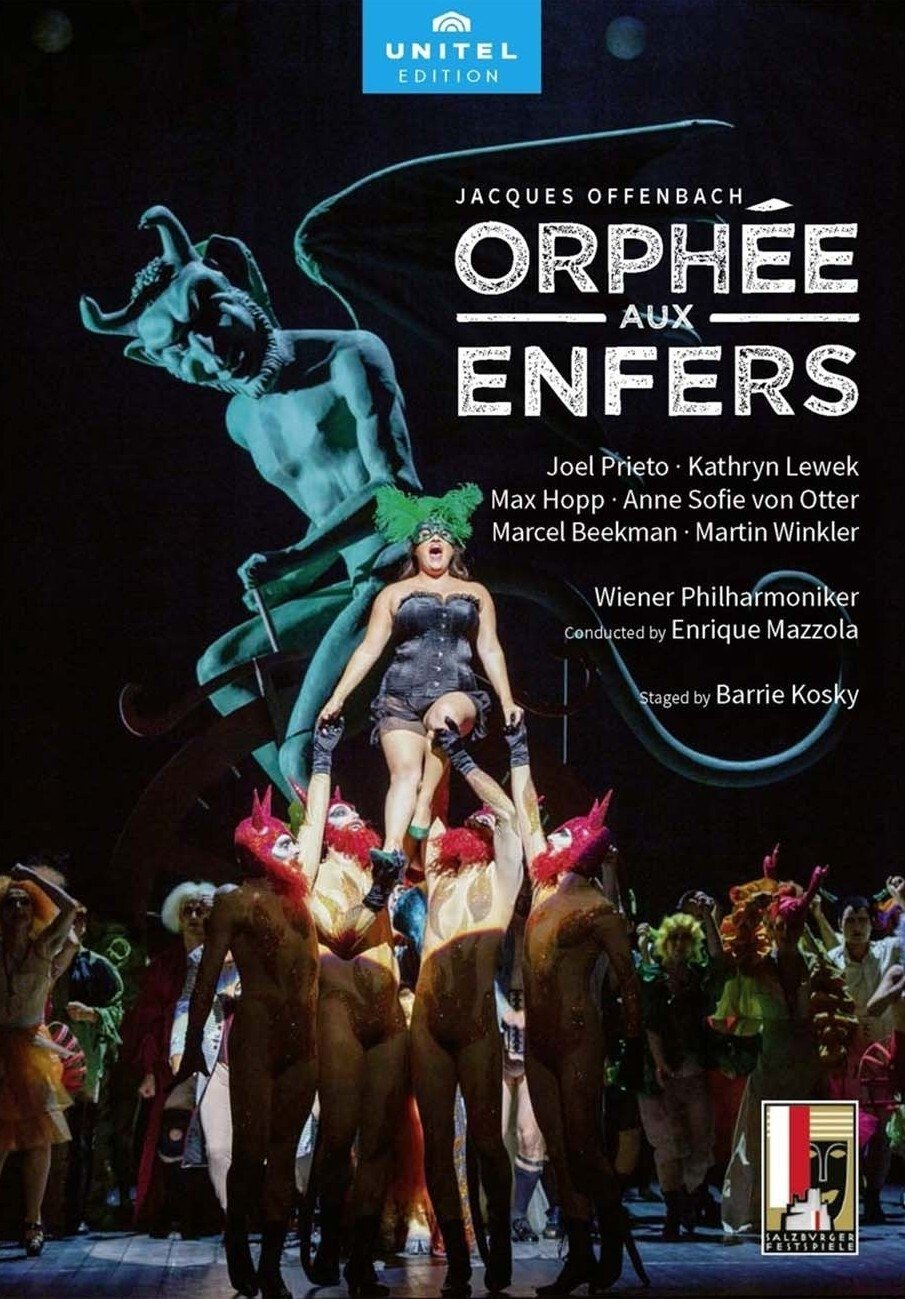
Offenbach’s mockery of bourgeois ideals, the sublimity of music and the institution of marriage ensures that the moralistic sermonizing of ‘Public Opinion’ falls on deaf ears. The mysterious figure of John Styx tells the story of behind-the-times Orpheus and his hacked-off Eurydice, of gods and goddesses seeking diversion, jaded with humdrum life in Olympus. He tells of the rebellion in the pantheon, which Jupiter adeptly averts by promising an amusement for his entourage. Burning with curiosity to see the beauteous captive and the contest between Jupiter and Pluto for Eurydice’s favour, the illustrious company embarks on an infernal ride to the underworld that culminates in what is surely the most wellknown can-can in the history of music. And what of Eurydice? She ends up putting a spoke in everyone’s wheel…
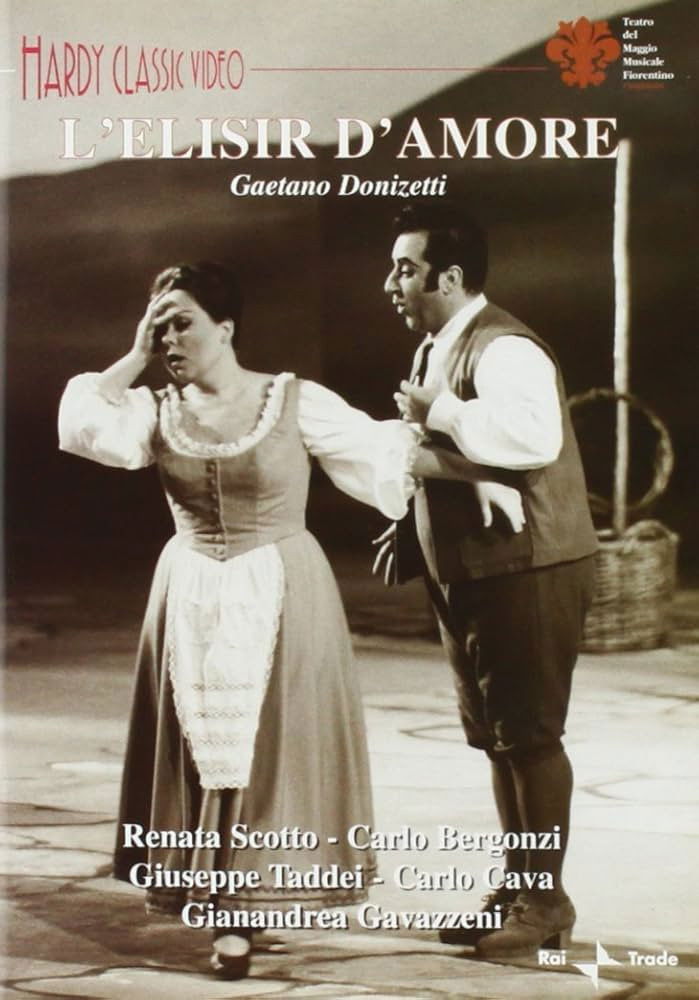
Released in 1967, the famous black-and-white film adaptation of Donizetti's opera, starring tenor Carlo Bergonzi and soprano Renata Scotto, alongside Giuseppe Taddei, is known for its charming performances and popular recordings. The film and associated recordings captured leading Italian singers in their prime, showcasing Donizetti's beloved work, famous for the tenor aria "Una furtiva lagrima". L'Elisir d'amore saw various productions and releases in 1967, including a RAI TV film in Italy, performances at Glyndebourne starting June 17, San Francisco Opera in October, and a World Record Club vinyl release in the UK, indicating it was a popular year for Donizetti's opera across different media
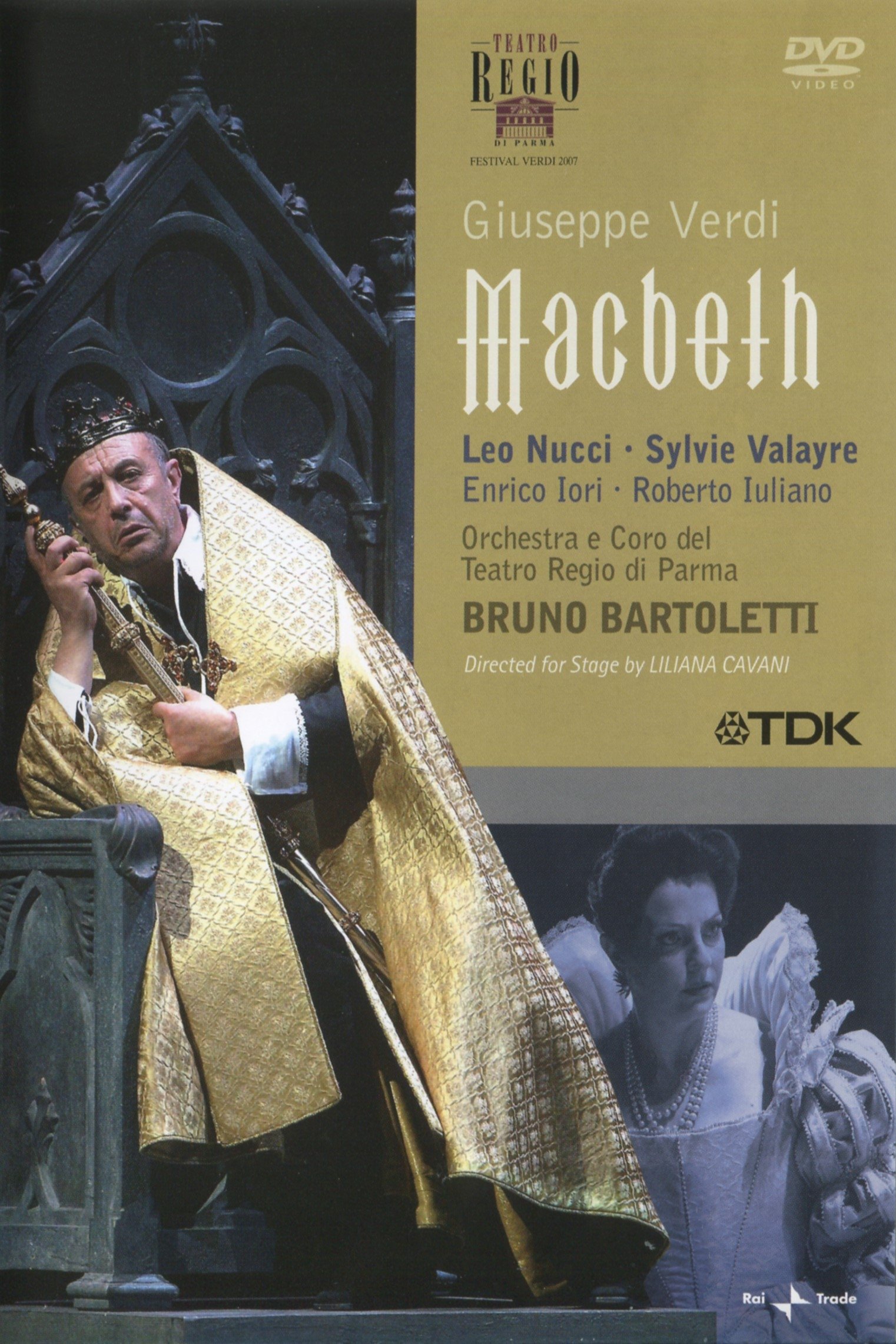
Part of Tutto Verdi series - Macbeth (2006) Parma. Macbeth is one of the most multi-layered, profound and demanding roles that Verdi ever wrote for a baritone and the Italian singer Leo Nucci is arguably the most distinguished in his field. The role has repeatedly brought him lasting success and he enacts it with an intensity that only the very experienced stage personality can muster. French singer Sylvie Valayre is known for her versatile interpretations of spinto and dramatic coloratura soprano parts, especially for particularly gruelling roles like Lady Macbeth. Supported by Italian bass Enrico Iori as Banco and tenor Roberto Iuliano as Macduff, they make up a wonderful cast under the baton of Bruno Bartoletti, musical director of the Teatro Regio di Parma.
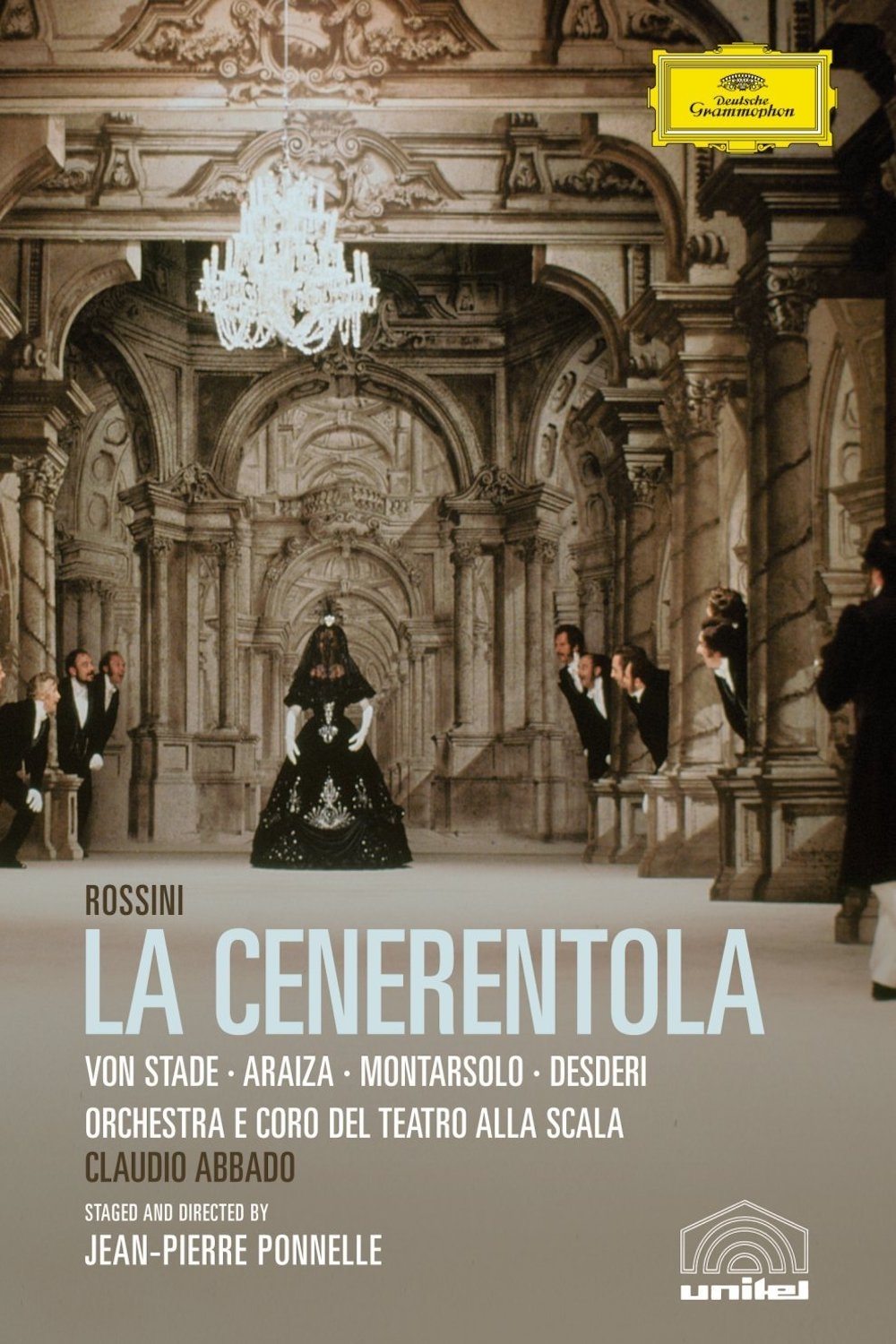
The Prince, Don Ramiro (who has changed places with his valet, Dandini), meets Cenerentola and they are instantly attracted to each other. When the Philosopher, Alidoro, later takes Cenerentola (dressed in magnificent clothing) to the palace, Dandini (still posing as the prince) tries to talk of love to her, but Cenerentola rejects him, saying that she is in love with his 'valet'. Ramiro, who has overheard this comment, is overjoyed, and immediately proposes to her, but Cenerentola says that he must first seek her out and then, if he still felt the same way, she would marry him. She gives him one of a matching pairs of bracelets, telling him to look for its companion on her right arm (she then leaves the palace). Ramiro ends the masquerade, and he and Dandini resume their true identities. The Prince then sets out on his quest - little realising that destiny, in the form of a violent thunderstorm, is about to take a hand in the affair.
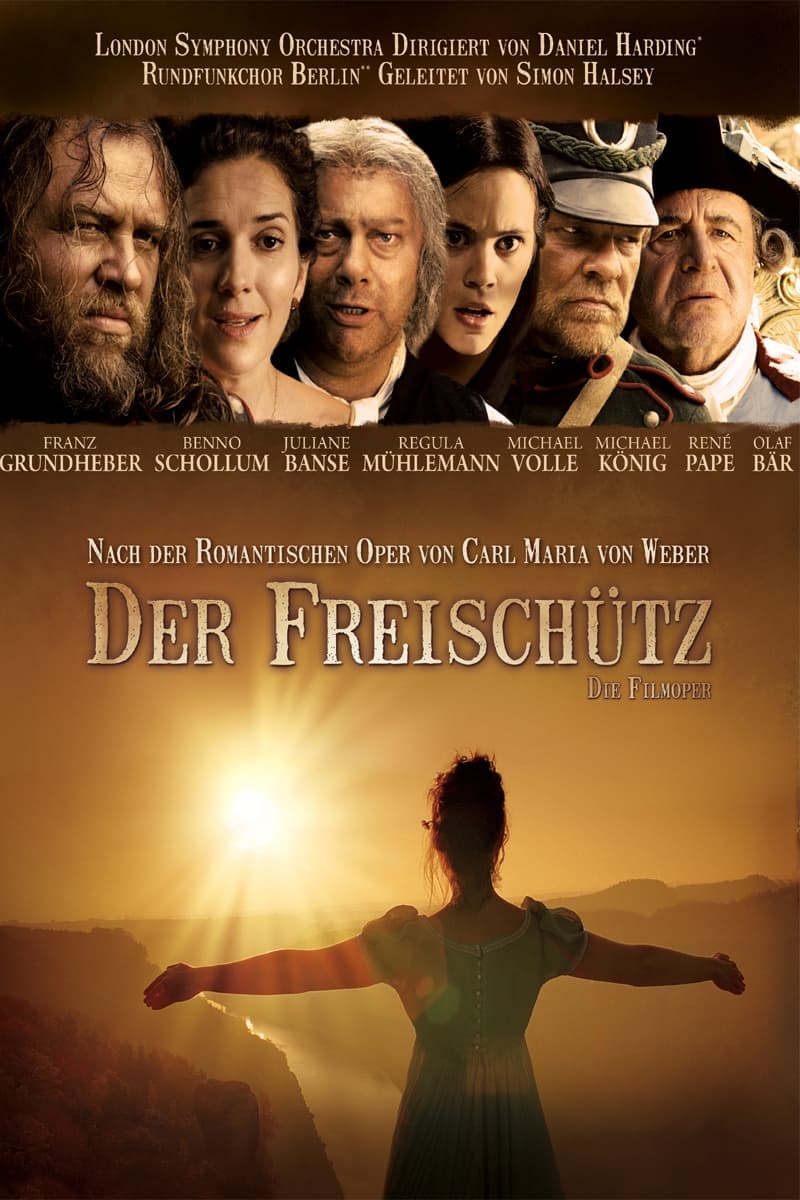
Inspired by Carl Maria von Weber's Der Freischütz, the film opera Hunter's Bride traces the romantic rivalry between two veterans of the Napoleonic Wars who each vie for the heart of the same woman.
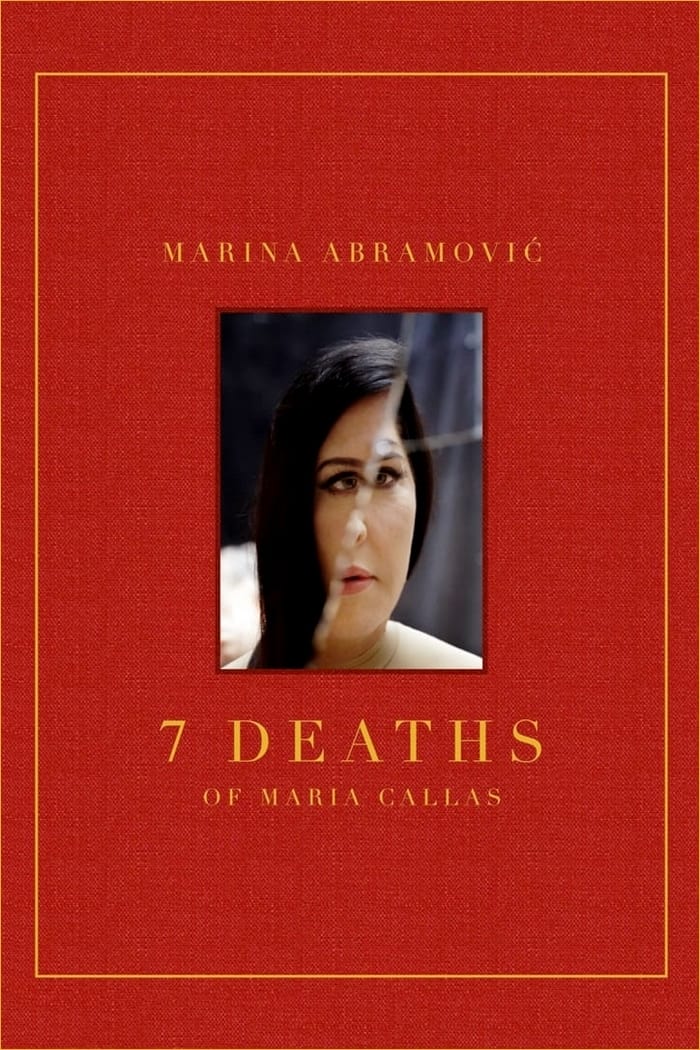
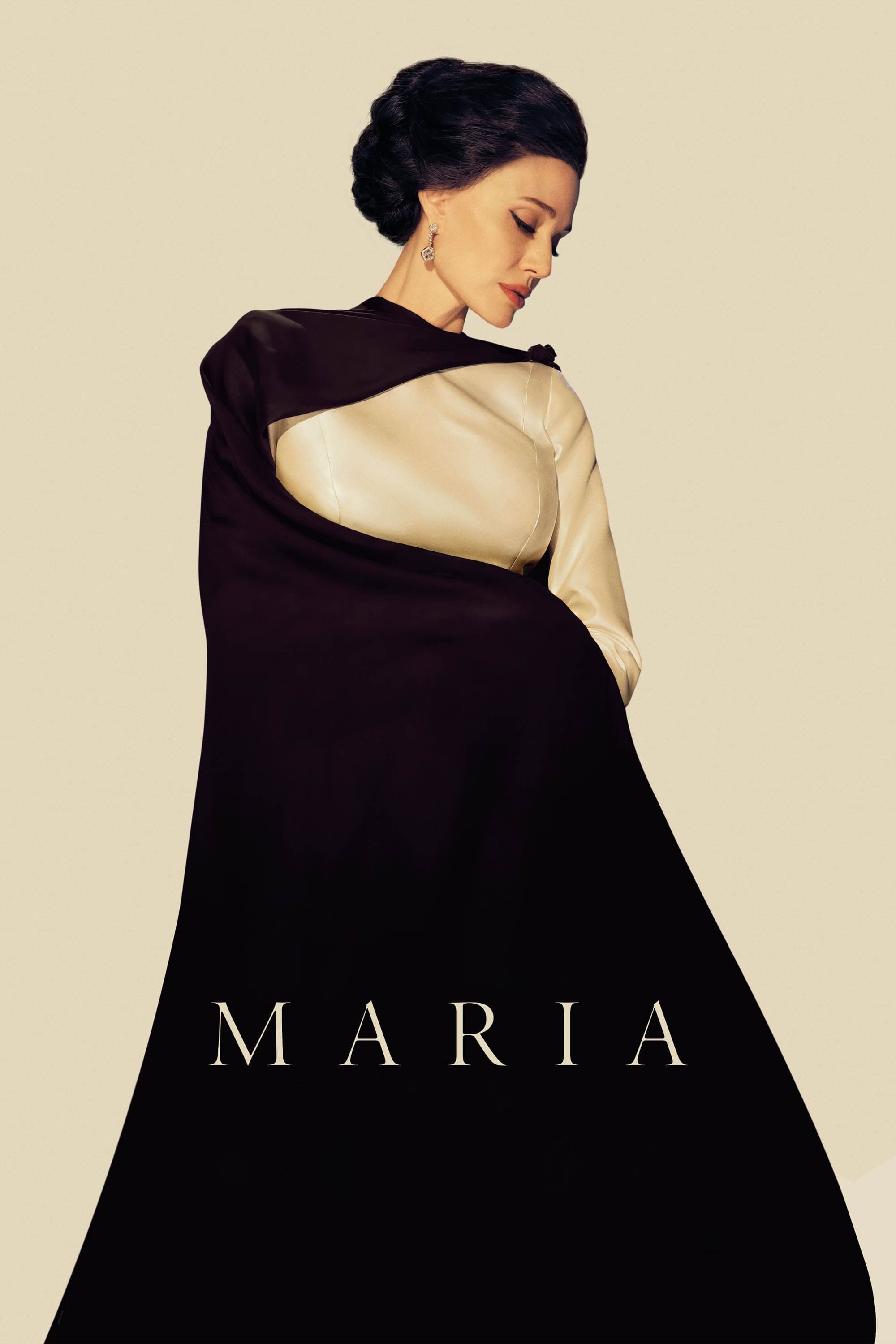
A meditation on the female body as a source of both power and pain that focuses on the tragic figure of renowned American-Greek opera singer Maria Callas (1923-77), whose stunning soprano voice captivated audiences around the world in the mid-20th century while her life was wracked by scandal and personal suffering.
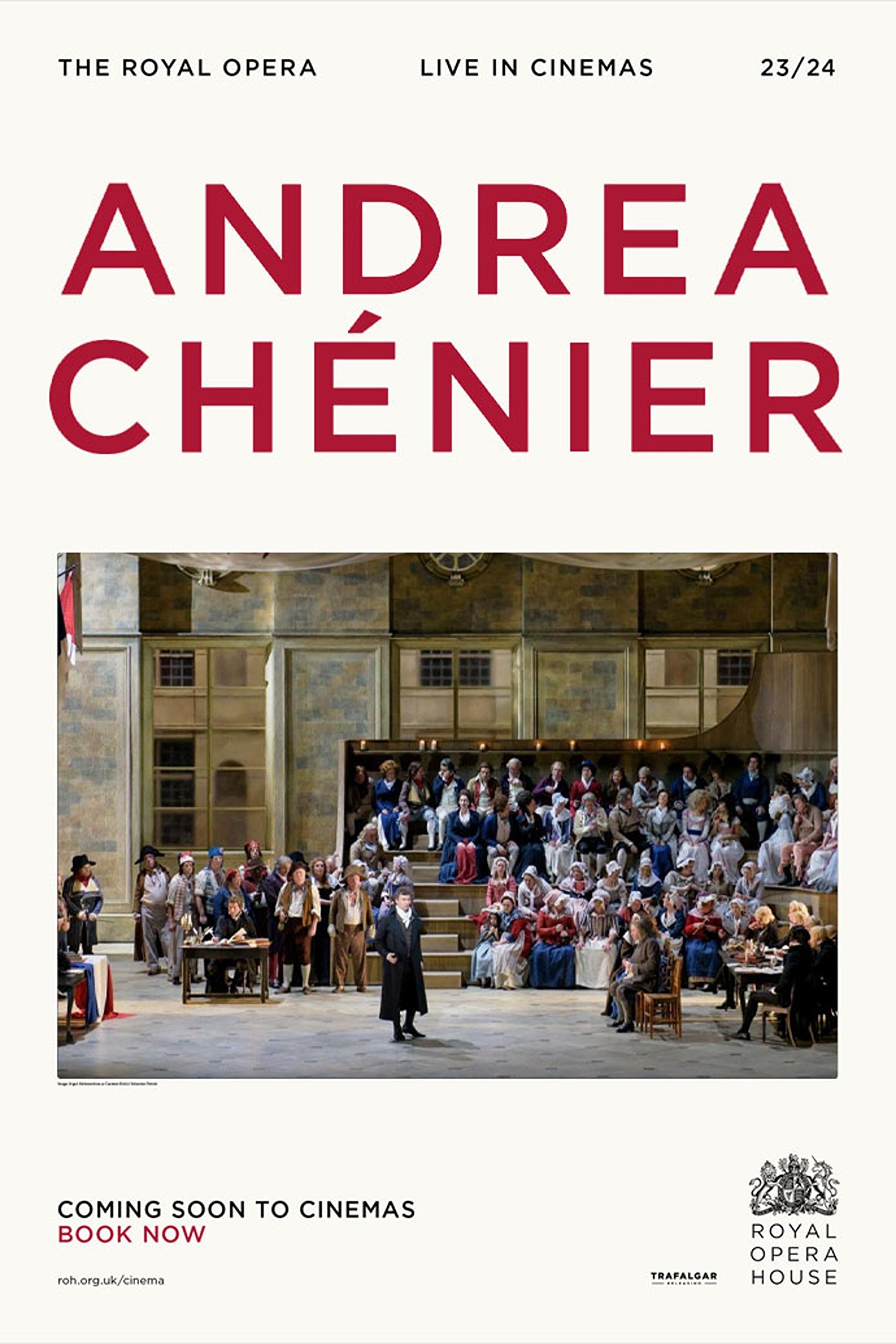
At a glittering party in 18th-century Paris, the poet Andréa Chenier delivers an impassioned denunciation of Louis XVI. Five years later, the Revolution has given way to the Terror, transforming the power balance between Chénier, his beloved Maddalena, and Gérard, the man who could destroy him...
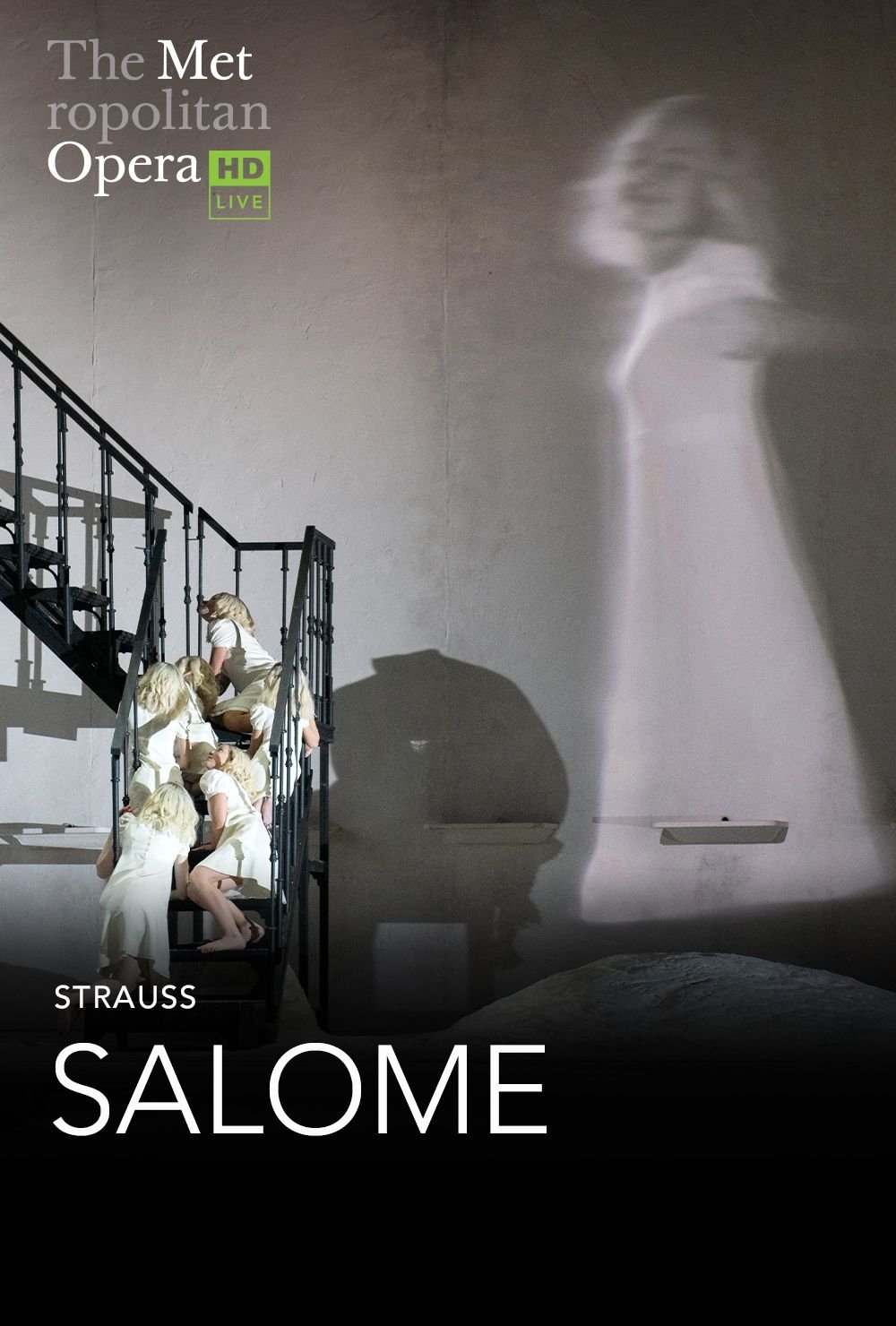
Met performances of Strauss’s white-hot one-act tragedy, which receives its first new production at the company in 20 years. Claus Guth, one of Europe’s leading opera directors, gives the biblical story—already filtered through the beautiful and strange imagination of Oscar Wilde’s play—a psychologically perceptive Victorian-era setting rich in symbolism and subtle shades of darkness and light.
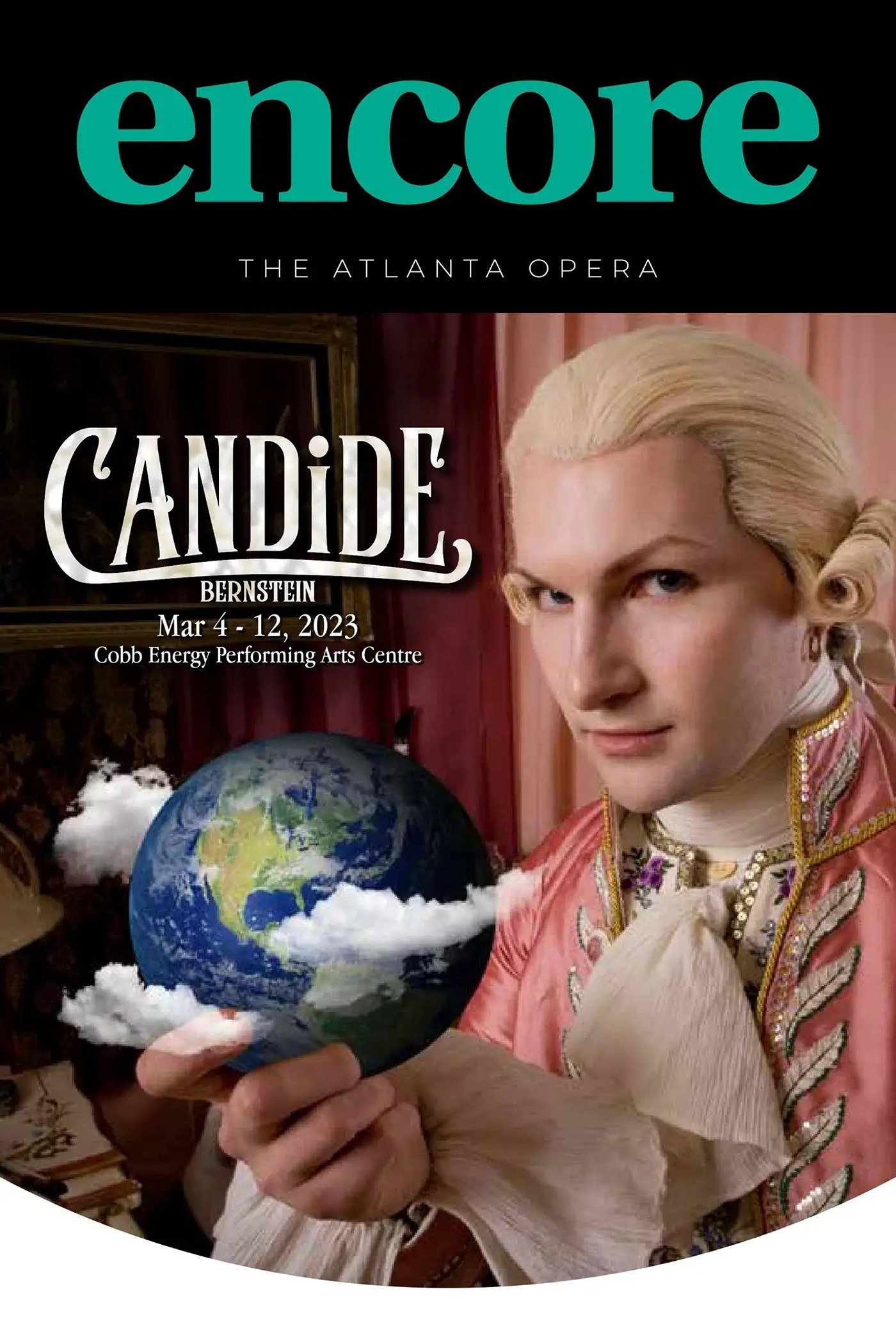
The innocent Candide discovers that human beings aren't all they are cracked up to be and ultimately focuses on building his own life on his own terms.
A romantic, strong-willed, and beautiful-voiced girl named Alevtina (Alka) falls in love with a married man named Sergey. The fire of her love ignites a passionate response in Sergey, who was previously happy in his marriage but now finds himself torn between his loyal wife, Lyuba, and the beautiful Alka. What should Lyuba do – accept and let go, or fight for her husband? Does Alka have a right to her love, even though she was "born late" and her rival got there first? The opera raises universal and timeless issues of love, duty, and rights, which every generation and every individual must face again and again.
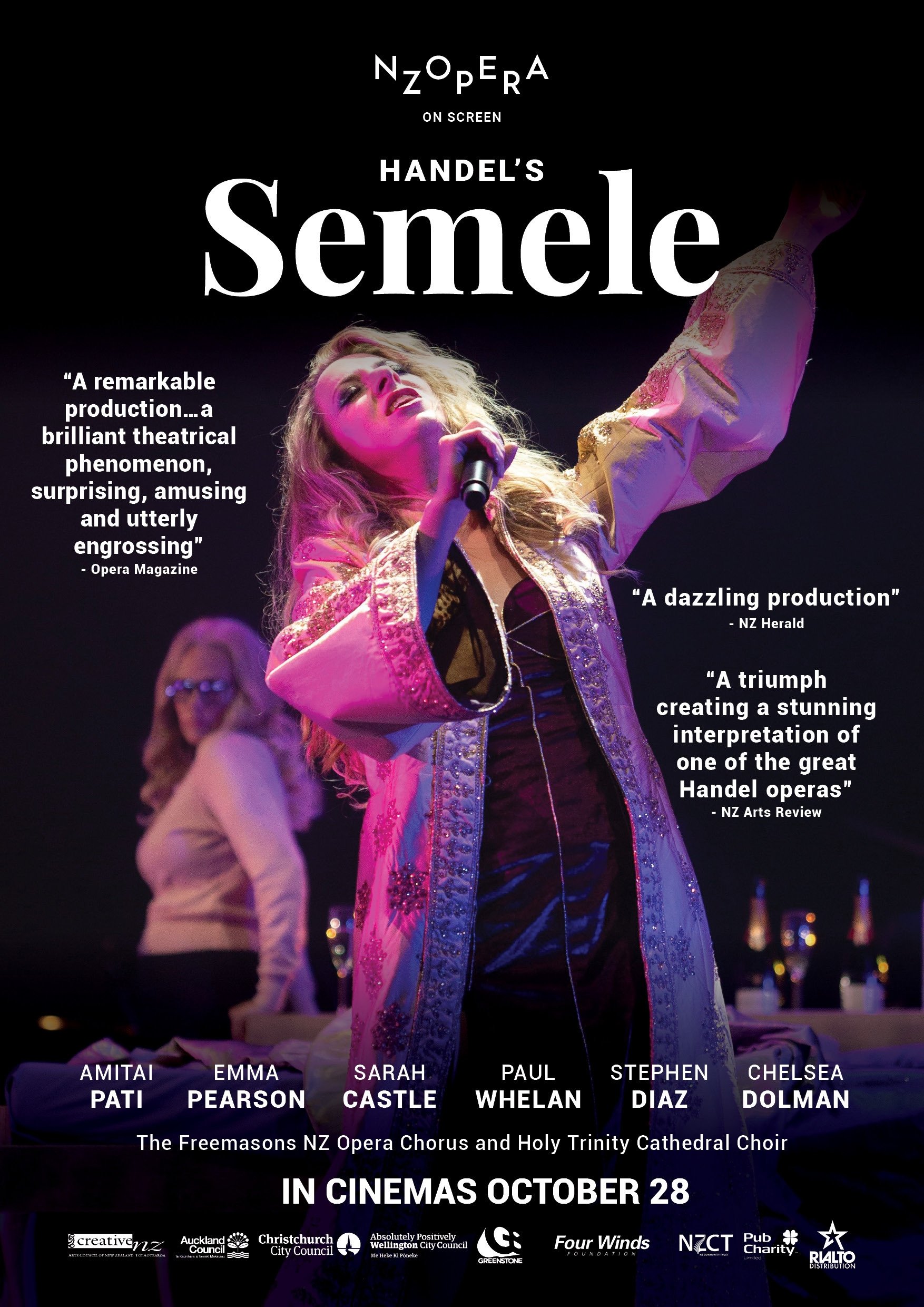
Mythology goes to church in New Zealand Opera's unique, site-specific staging of Handel's baroque masterpiece. This sensual story explores a love triangle between Jupiter, King of the Gods, his wife, the goddess Juno, and his lover, the mortal but overly ambitious princess Semele. This engrossing film of an in-the-round live performance showcases Handel's exquisitely lyrical music and presents a powerful story of ambition that is as relevant today as it was when written nearly three centuries ago.
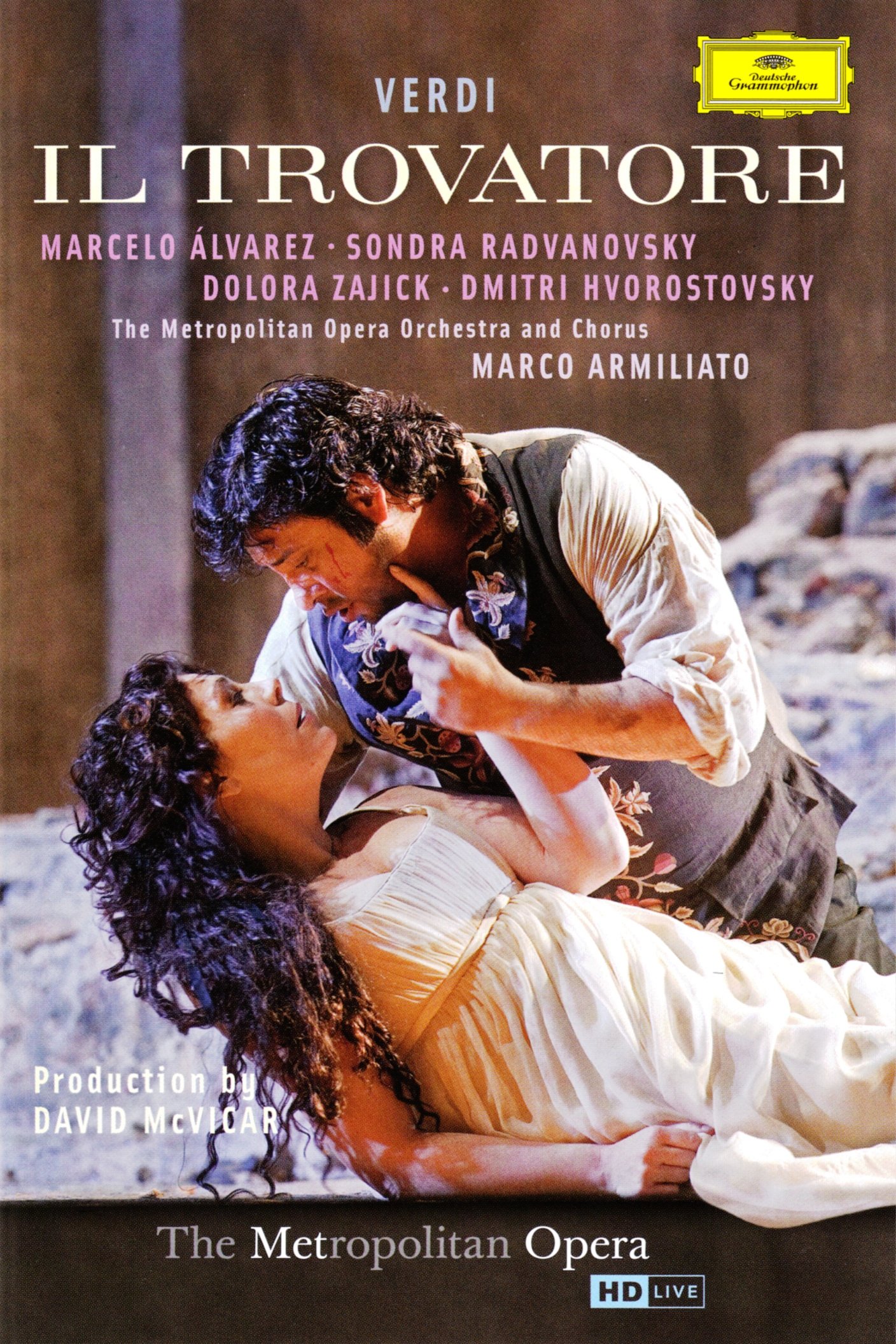
Verdi’s IL TROVATORE again storms the Met stage in a star-studded, anvil-wielding cast , including Sondra Radvanovsky, Dolora Zajick and Dmitri Hvorostovsky. Marcelo Álvarez sings Manrico, the troubadour of the title. The story is well-known already: The gypsy Azucena has harbored a grudge for thirty years, but she is about to have revenge at last. Meanwhile, her son Manrico is in love with Leonora, but so is his arch-enemy, the Count Di Luna. A pot-boiler, where every tune is a hit.
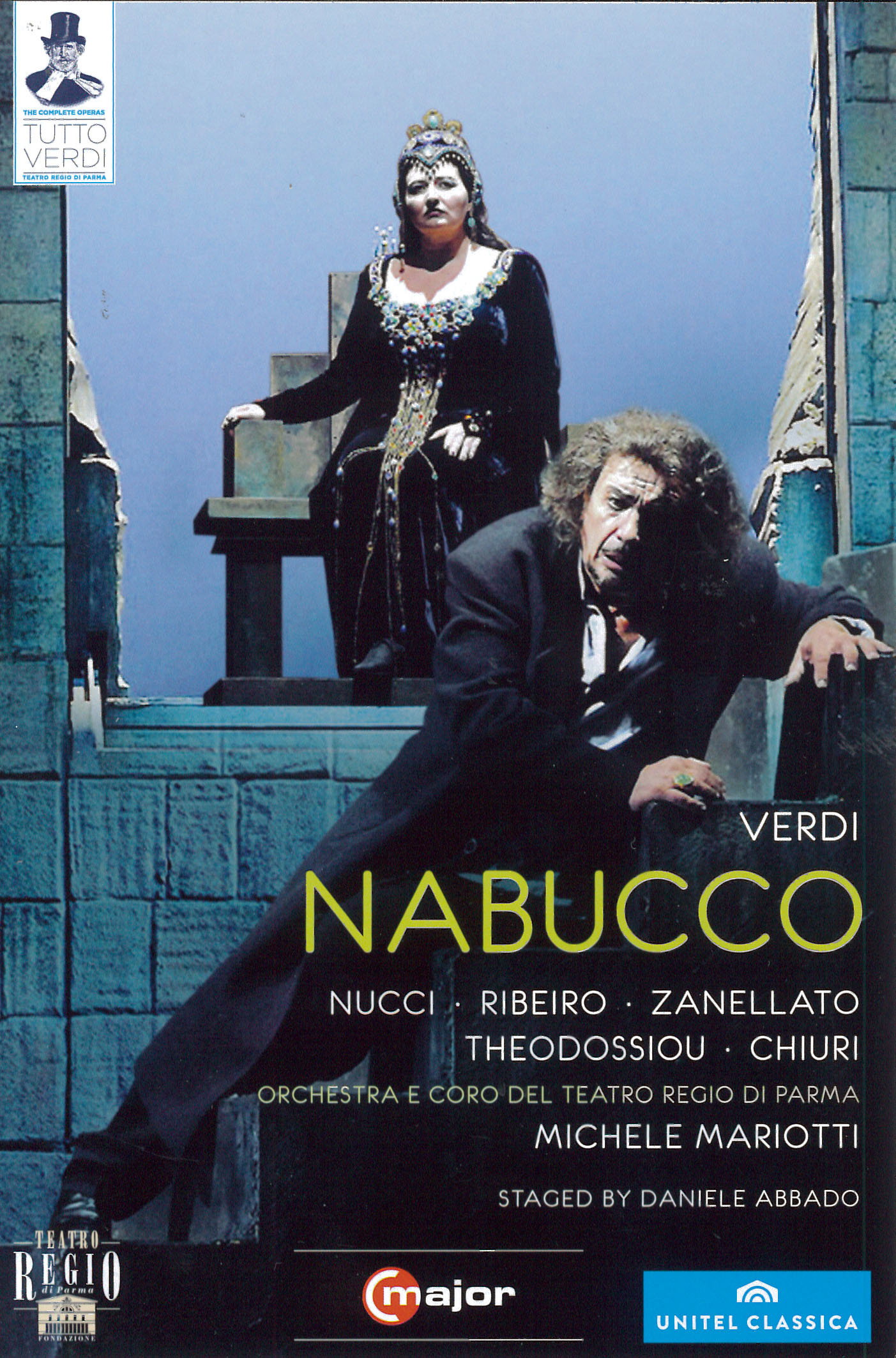
‘Nabucco’, or ‘Nebuchadnezzar’ (Italian: Nabucco), is an opera by Giuseppe Verdi with a libretto by T. Solera, based on events described in the Bible. (Nabucco is a shortened Italian rendering of the name of King Nebuchadnezzar II). It was this opera, the third in Verdi’s oeuvre, that brought him true fame. It tells of the tribulations of the Jews, their captivity by the Babylonians, and their subsequent release to their homeland by Nebuchadnezzar, King of Babylon. Giuseppe Verdi’s opera ‘Nabucco’, is a monumental work that tells the story of the enslavement of the Hebrew people by the Babylonian king Nebuchadnezzar (Nabucco) and their journey towards redemption. The premiere took place on 9 March 1842 at La Scala in Milan. The first performance of the final version was held at the Teatro San Giacomo in Corfu in September 1844. From the box set of 27 Verdi operas, ‘Tutto Verdi’. Recorded live at the Teatro Regio in Parma, 12–14 October 2009.
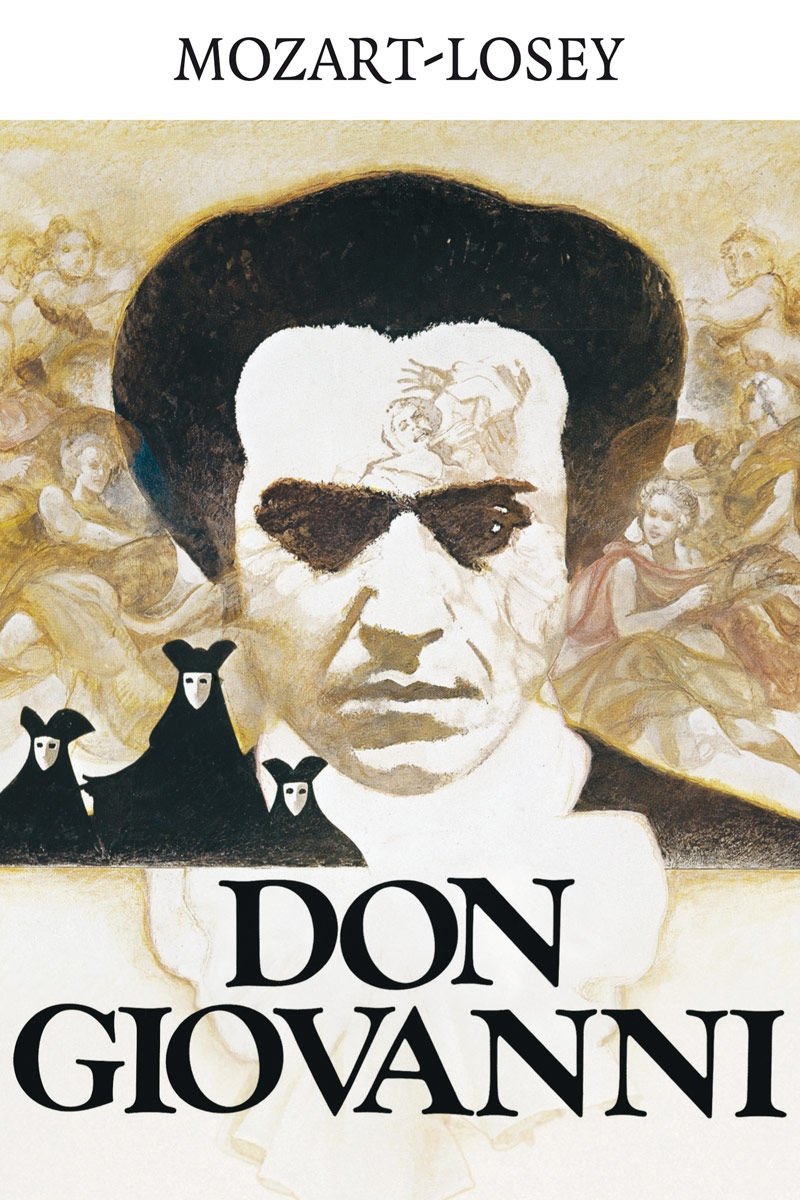
Screen adapatation of Mozart's greatest opera. Don Giovanni, the infamous womanizer, makes one conquest after another until the ghost of Donna Anna's father, the Commendatore, (whom Giovanni killed) makes his appearance. He offers Giovanni one last chance to repent for his multitudinious improprieties. He will not change his ways So, he is sucked down into hell by evil spirits. High drama, hysterical comedy, magnificent music!
Taylor Swift takes the stage in Dallas for the Reputation Stadium Tour and celebrates a monumental night of music, memories and visual magic.
This film follows the remarkable and inspirational true story of Paul Potts, a shy, bullied shop assistant by day and an amateur opera singer by night.
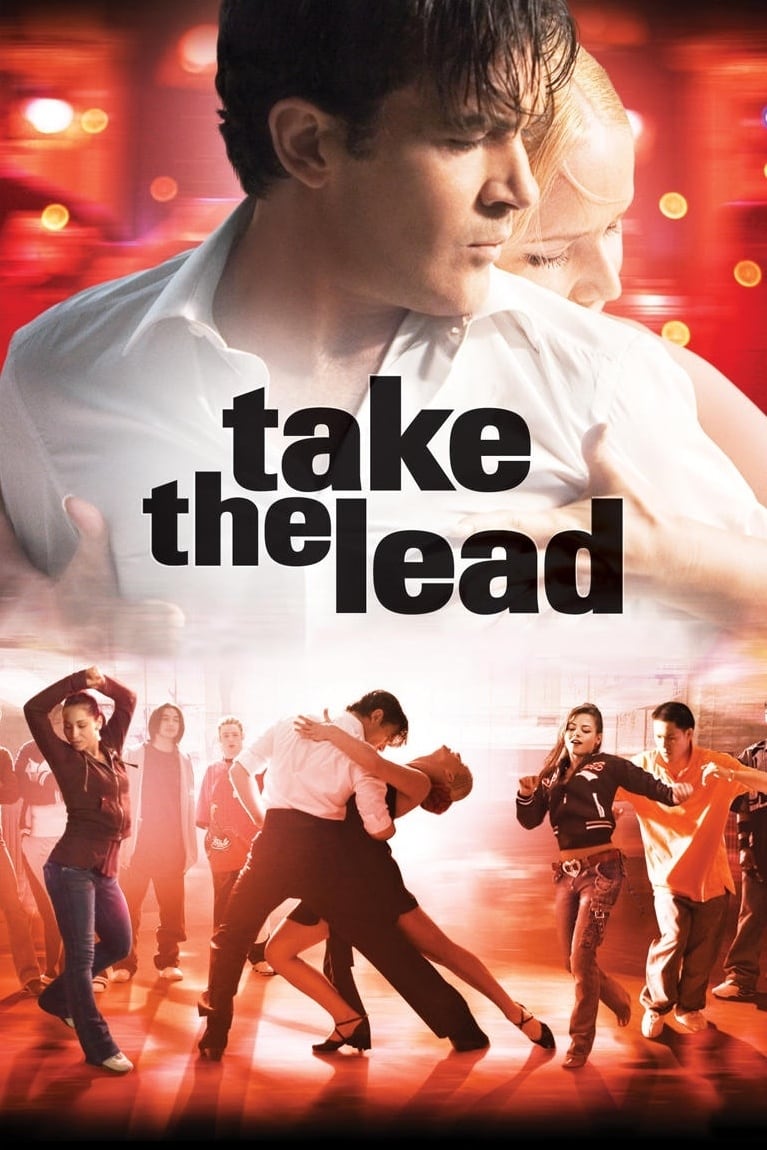
A down-on-his-luck coach is hired to prepare a team of the best American dancers for an international tournament that attracts all the best crews from around the world, but the Americans haven't won in fifteen years.
The Marx Brothers take on high society and the opera world to bring two lovers together. A sly business manager and two wacky friends of two opera singers help them achieve success while humiliating their stuffy and snobbish enemies.
A drama set in the American South, where a precocious, troubled girl finds a safe haven in the music and movement of Elvis Presley.
In 1987, to capitalize on his growing success in Europe, Prince toured extensively to promote the album of the same name and sales increased accordingly. However, the United States remained resistant to his latest album, and sales began to drop; it was at this point that Prince decided to film a live concert promoting the new material, for eventual distribution to theaters in America. Featuring the band that accompanied Prince on his 1987 Sign o' the Times Tour, including dancer Cat Glover, keyboardist Boni Boyer, bassist Levi Seacer, Jr., guitarist Miko Weaver, drummer Sheila E. and former member of The Revolution keyboardist Dr. Fink, the film sees the group perform live on stage (although "U Got the Look" is represented by its promotional music video).
A shy teenager living on the Isle of Wight dreams of pop stardom. With the help of an unlikely mentor, she enters a singing competition that will test her integrity, talent, and ambition.
Martin Scorsese's documentary intertwines footage from The Band's incredible farewell tour with probing backstage interviews and featured performances by Eric Clapton, Bob Dylan, Joni Mitchell, Van Morrison, and other rock legends.
Ren MacCormack is transplanted from Boston to the small southern town of Bomont where loud music and dancing are prohibited. Not one to bow to the status quo, Ren challenges the ban, revitalizing the town and falling in love with the minister’s troubled daughter Ariel in the process.
A pair of star-crossed dancers in New York find themselves at the center of a bitter rivalry between their brothers' underground dance clubs.
Graced with a velvet voice, 21-year-old Violet Sanford heads to New York to pursue her dream of becoming a songwriter only to find her aspirations sidelined by the accolades and notoriety she receives at her "day" job as a barmaid at Coyote Ugly. The "Coyotes" as they are affectionately called tantalize customers and the media alike with their outrageous antics, making Coyote Ugly the watering hole for guys on the prowl.
After years in the limelight, Selena Gomez achieves unimaginable stardom. But just as she reaches a new peak, an unexpected turn pulls her into darkness. This uniquely raw and intimate documentary spans her six-year journey into a new light.
A nightclub dancer makes it big in modeling, leaving her dancer boyfriend behind.
Captured during Billie Eilish's sold-out world tour, a concert experience from one of the most celebrated and successful artists of her generation, presented in immersive 3D.
Giving fans unprecedented access to the real life of the music sensation, Katy Perry: Part of Me exposes the hard work, dedication and phenomenal talent of a girl who remained true to herself and her vision in order to achieve her dreams. Featuring rare behind-the-scenes interviews, personal moments between Katy and her friends, and all-access footage of rehearsals, choreography, Katy’s signature style and more, Katy Perry: Part of Me reveals the singer’s unwavering belief that if you can be yourself, then you can be anything.
A former professional dancer volunteers to teach dance in the New York public school system and, while his background first clashes with his students' tastes, together they create a completely new style of dance. Based on the story of ballroom dancer, Pierre Dulane.
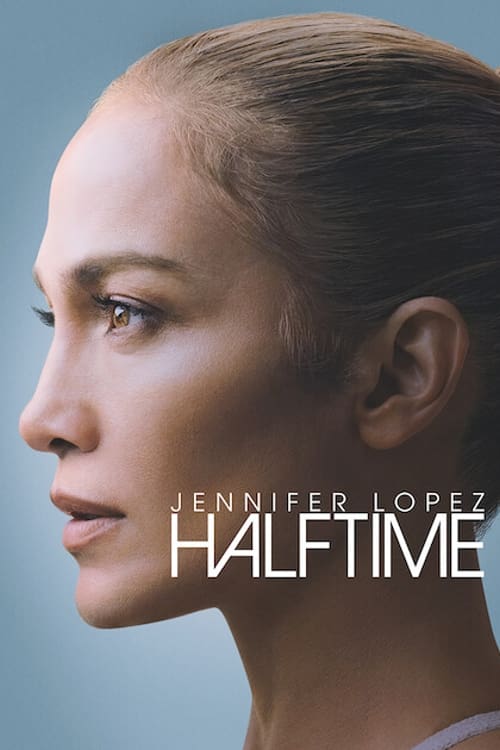
Global superstar Jennifer Lopez reflects on her multifaceted career and the pressure of life in the spotlight in this intimate documentary.
Delinquent Tyler Gage receives the opportunity of a lifetime after vandalizing a performing arts school, gaining him the chance to earn a scholarship and dance with up-and-coming dancer Nora.
Maria Callas, the world's greatest opera singer, lives the last days of her life in 1970s Paris, as she confronts her identity and life.