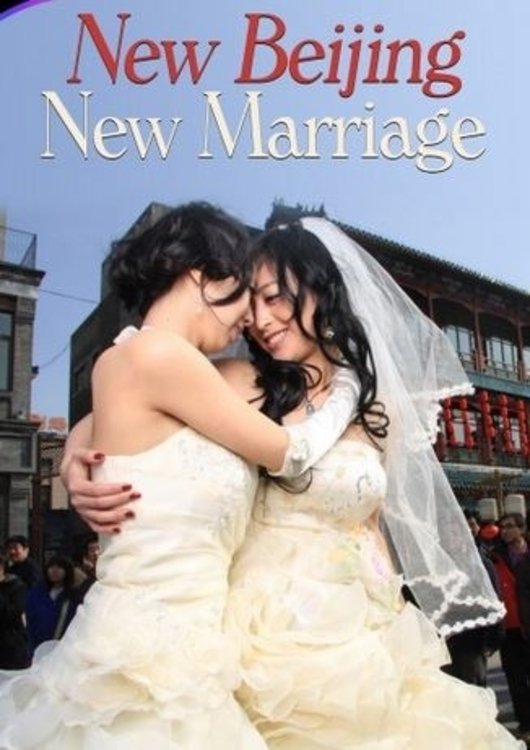
This short film shows a quest of two homosexual couples for understanding from the people in their surroundings, through meetings and exchanges on a square in the heart of Beijing.
Social & External
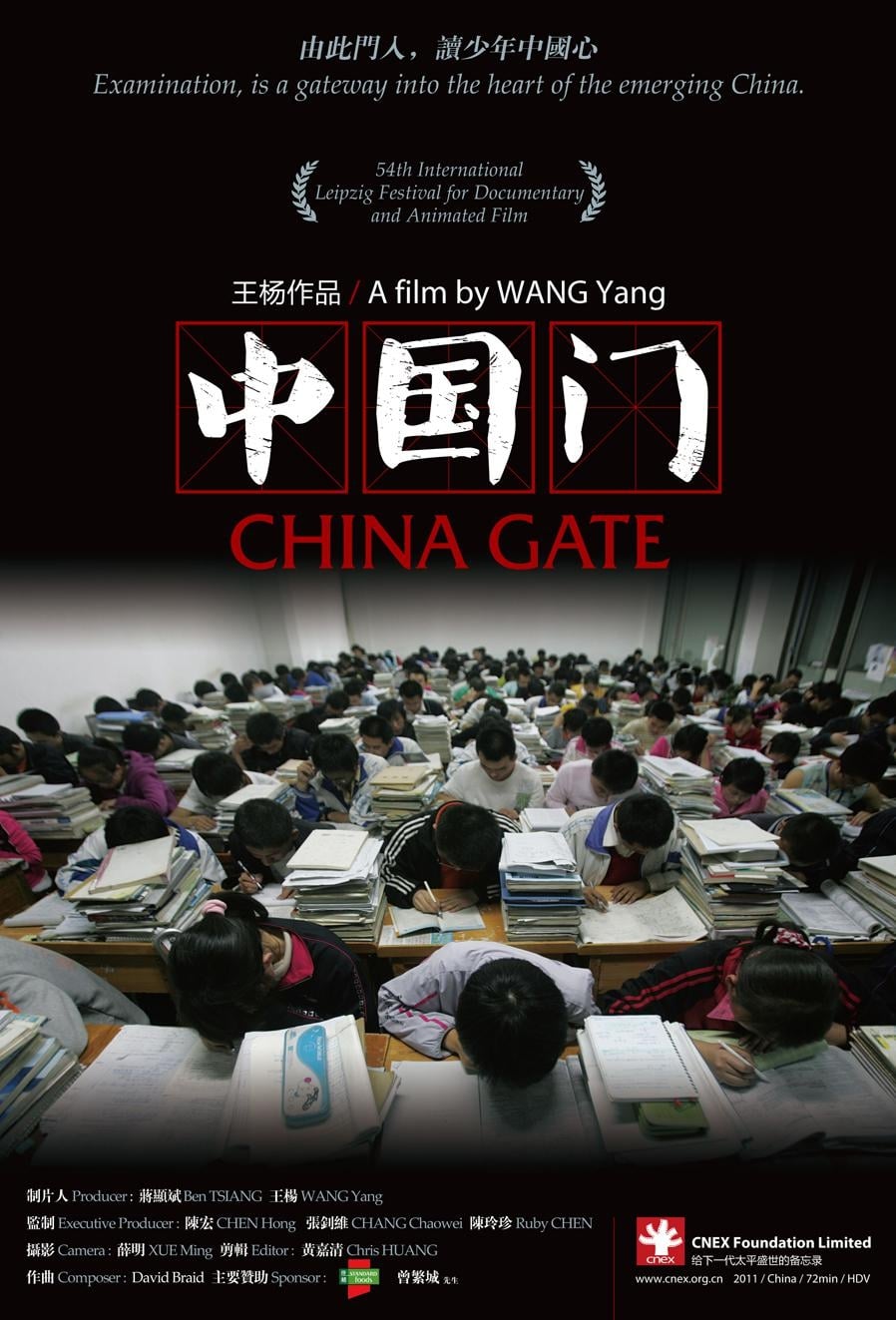
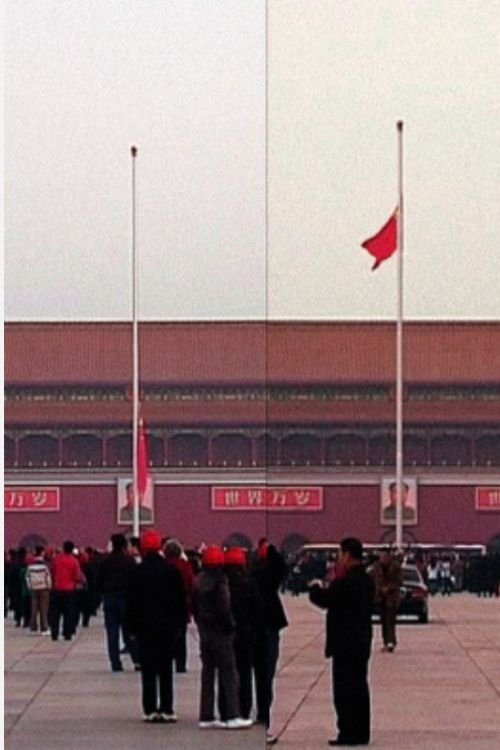
"China Gate" tells the story of young Chinese fight to change their fate through studying. Right before dawn, students in Huining have already started their self-studying session; hard working youngsters have filled up the space of school ground. This is one of the most poverty-stricken Counties in Western China; here people's only hope is in education, as the way to change their social status. Therefore all their effort point towards the College Entrance Examination, the process is like going through a gate, those who pass can study at urban Universities, and have the chance to build a better life. During the same winter season in Beijing, a graduate student faces a big decision. Should he keep trying to survive in the big city or get back to his countryside home? The exhausted faces at the Beijing underground seem to be revealing the truth about their distance in between. The student comes to see the flag ceremony at Tiananmen Square, where the pulsing symbol of the nation lies.
China marks the beginning of the extensive Asian theme in Ottinger’s filmography and is her first travelogue. Her observant eye is interested in anything from Sichuan opera and the Beijing Film Studio to the production of candy and sounds of bicycle bells.
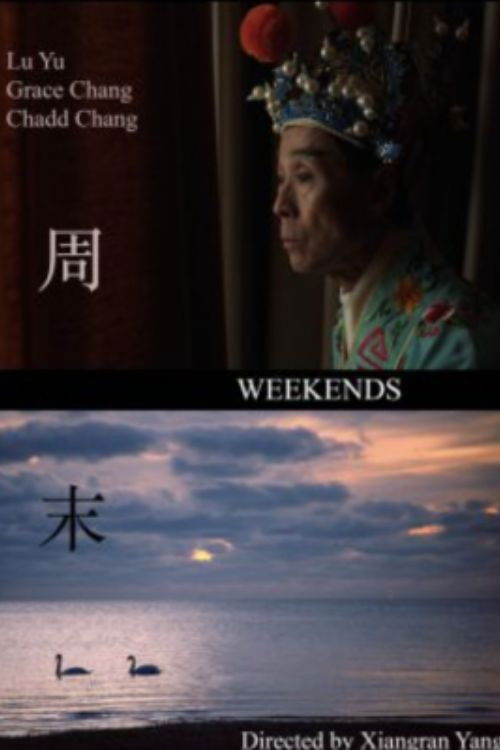
An old Beijing Opera performer who moves to the U.S. forgets his lines on the stage which causes him considerable distress. A female protege of his takes him for a walk on the beach along with her dog and her half-Chinese son. A string of dream-like memories of his old days are triggered by this walk, and he is gripped by a wave of nostalgia as the singing of Beijing Opera comes on in the background, making the boundary between reality and fantasy all the more blurry. The sea glitters in the setting sun and seabirds sing above the sea, the beautiful scene which awakes him from his trance...
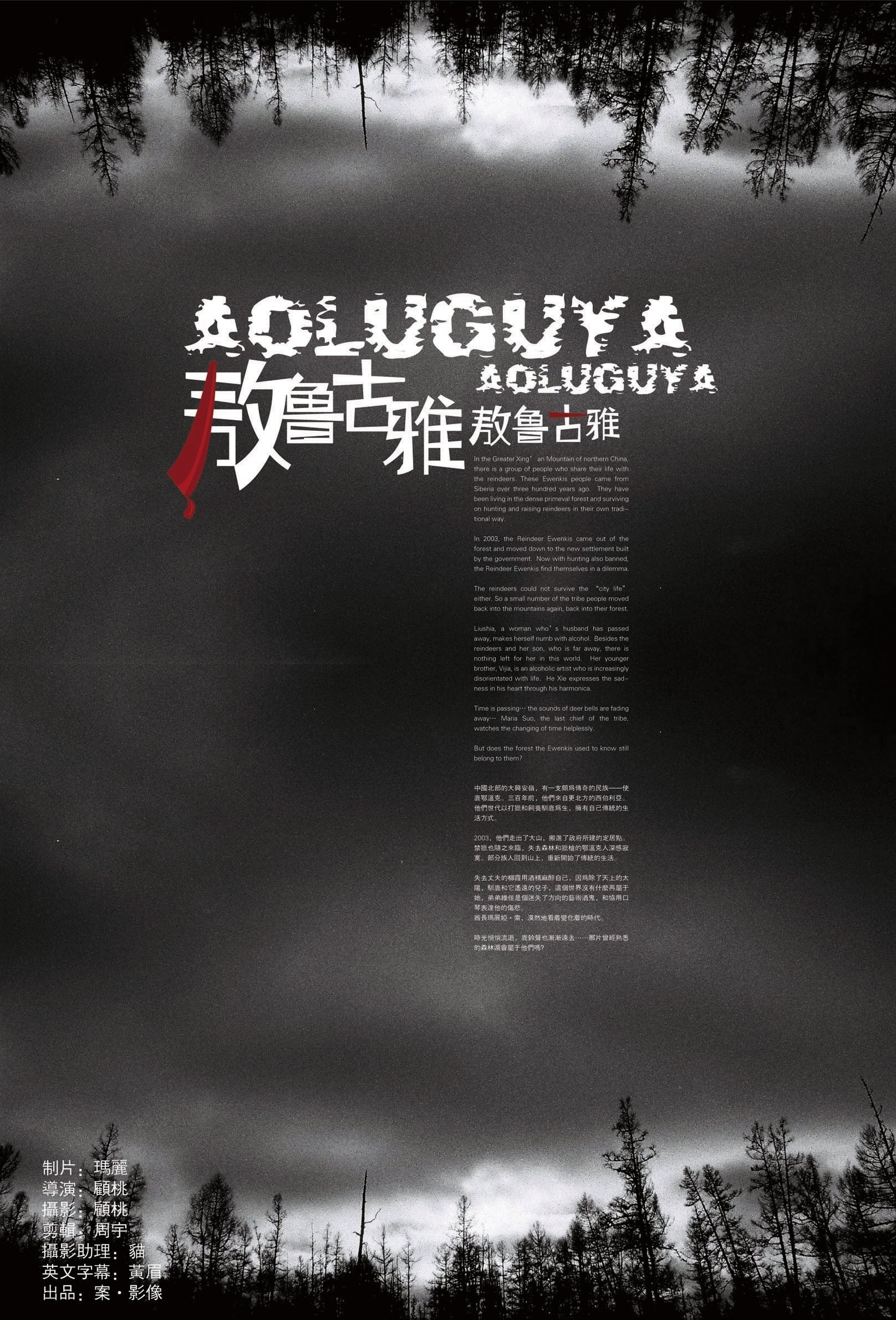
Aoluguya, Aoluguya is the first film in Gu Tao’s Ewenki Trilogy. A tale that unfolds in the Aoluguya forest, featuring such unique characters as a mother who dulls her sadness over the absence of her son, Yuguo, with alcohol; her brother; and Maria, the tribal chieftain who watches over them.
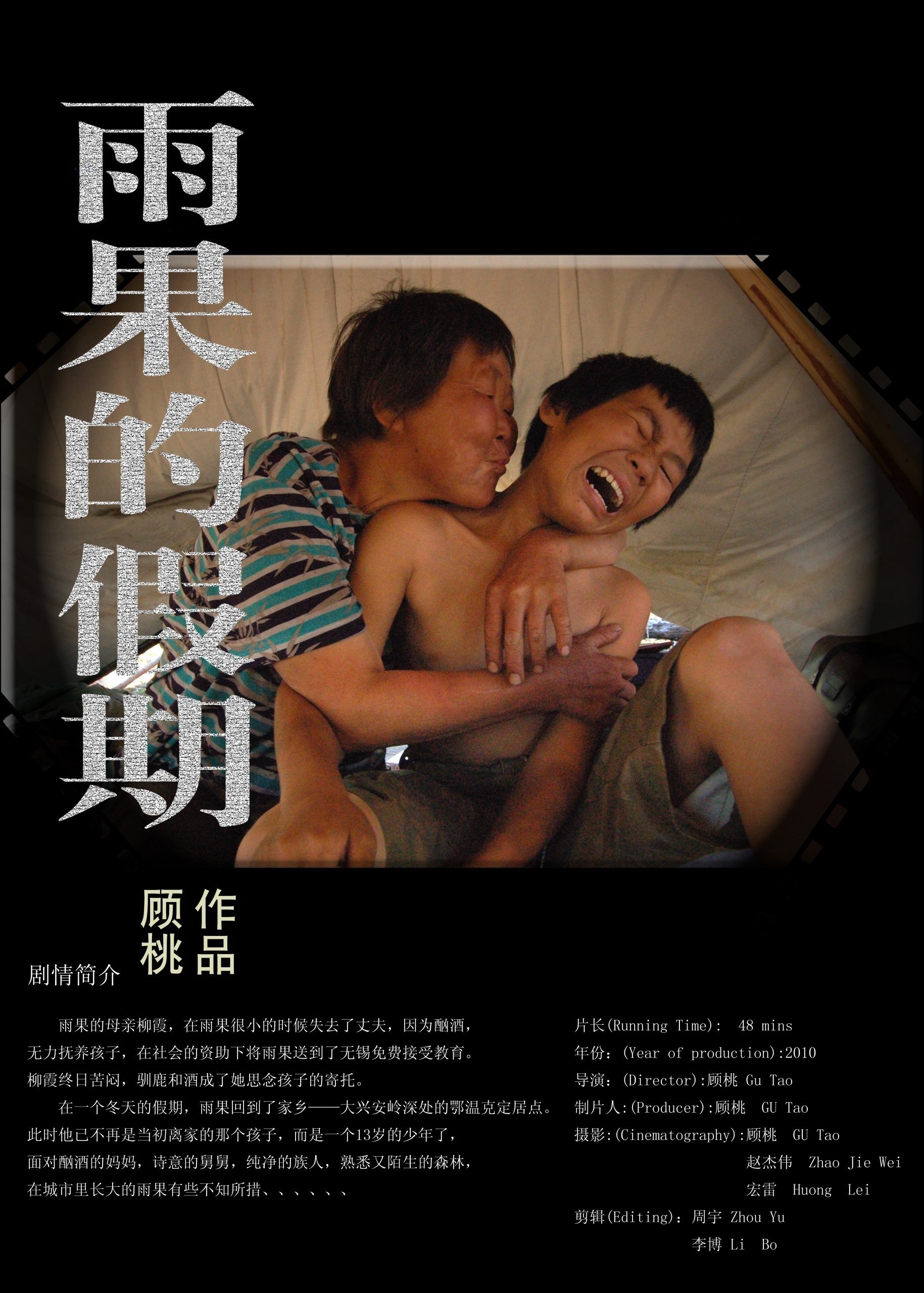
Yuguo, from Mongolia, lost his father when he was very young. His mother Liuxia was not able to raise him as a heavy drinker. With social support, she sent Yuguo to Wuxi for free education. Liuxia is depressed all day long, and she finds sustenance of missing Yuguo in reindeer and wine. One winter holiday after many years, Yuguo returns to his hometown, the Evenki settlement deep in the Greater Khingan mountains. At that time, he is no longer the boy who just left home, but a thirteen-year-old teenager. Facing alcoholic mother, poetic uncle, pure people from the tribe, familiar yet strange forest, Yuguo, who grew up in the city, doesn’t know what to do. In the snow-laden mountains of Aoluguya, northeast of Inner Mongolia, the film chronicles their brief time together. Yuguo and His Mother is the second documentary of Gu Tao’s Evenki trilogy.
A day of Xiaoyang, the curator of a village church. Xiaoyang and her husband have just registered their marriage, but they cannot hold a wedding in the church for her husband is not a Christian. Before the wedding, she is waiting for her husband’s baptism.
One boy, one girl. One close space, one silent night. What is the relation between them? The great works in art history structure, influence their relations, and show us something. At the same time, the boy and the girl convey their experience and taste on these works. Usually, a boy and a girl will make love to end a scene or a film, but it didn’t happen. It seems that they spend the night clearly, but the tomorrow is still unknown.
A boy with horns gathers a group of Cosers, each armed with the same traditional woodworking tools, from the grocery store, the old cathedral, the gatehouse, the forest, the farmyard, the electric mahjong parlour, the old castle and so on. At midnight, with clumsy labor, they made a huge cross.
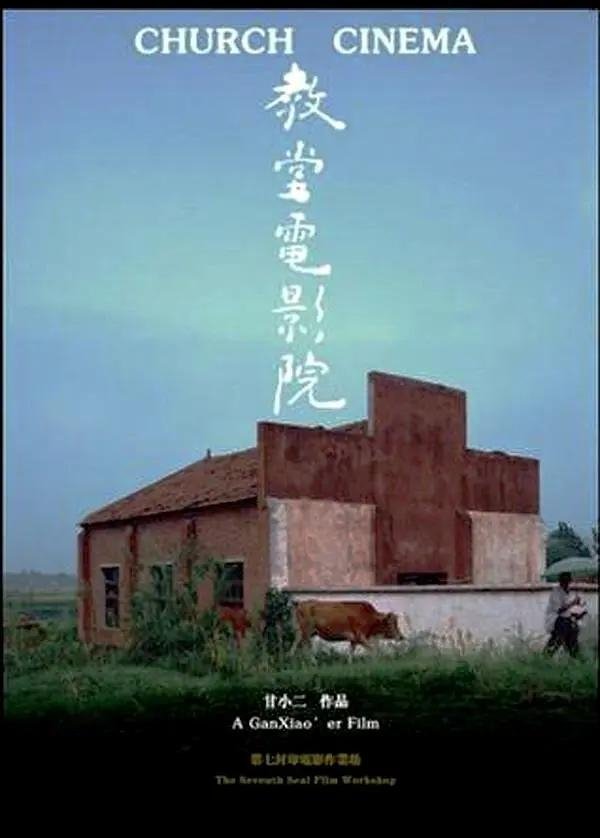
In the summer of 2007, Gan Xiaoer led an independent film projection team, using projectors and self-made screens, to tour villages in Henan province to show his feature film "Raised from dust" for 8 times, and recorded the process. The 81-minute version of Church Cinema records only one stop, the Qiliying Church, where "Raised from dust" was shot.
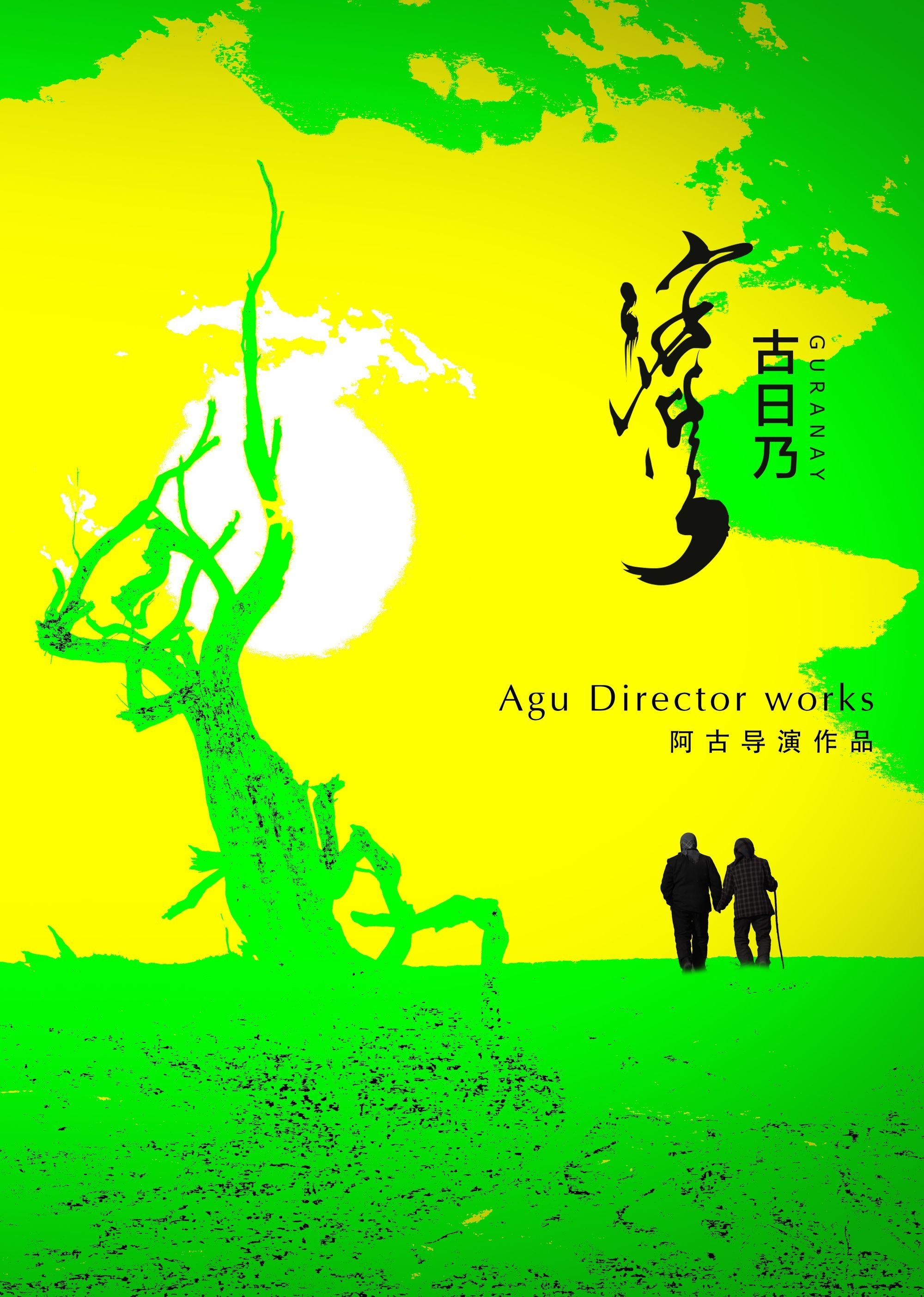
This film is a realistic record of a sixty-year-old couple living in a remote village (Gurenay) in the Badain Jaran Desert of Alashan, Inner Mongolia plant thousands of mu of ammodendron and euphratica to fight against expanding deserts.
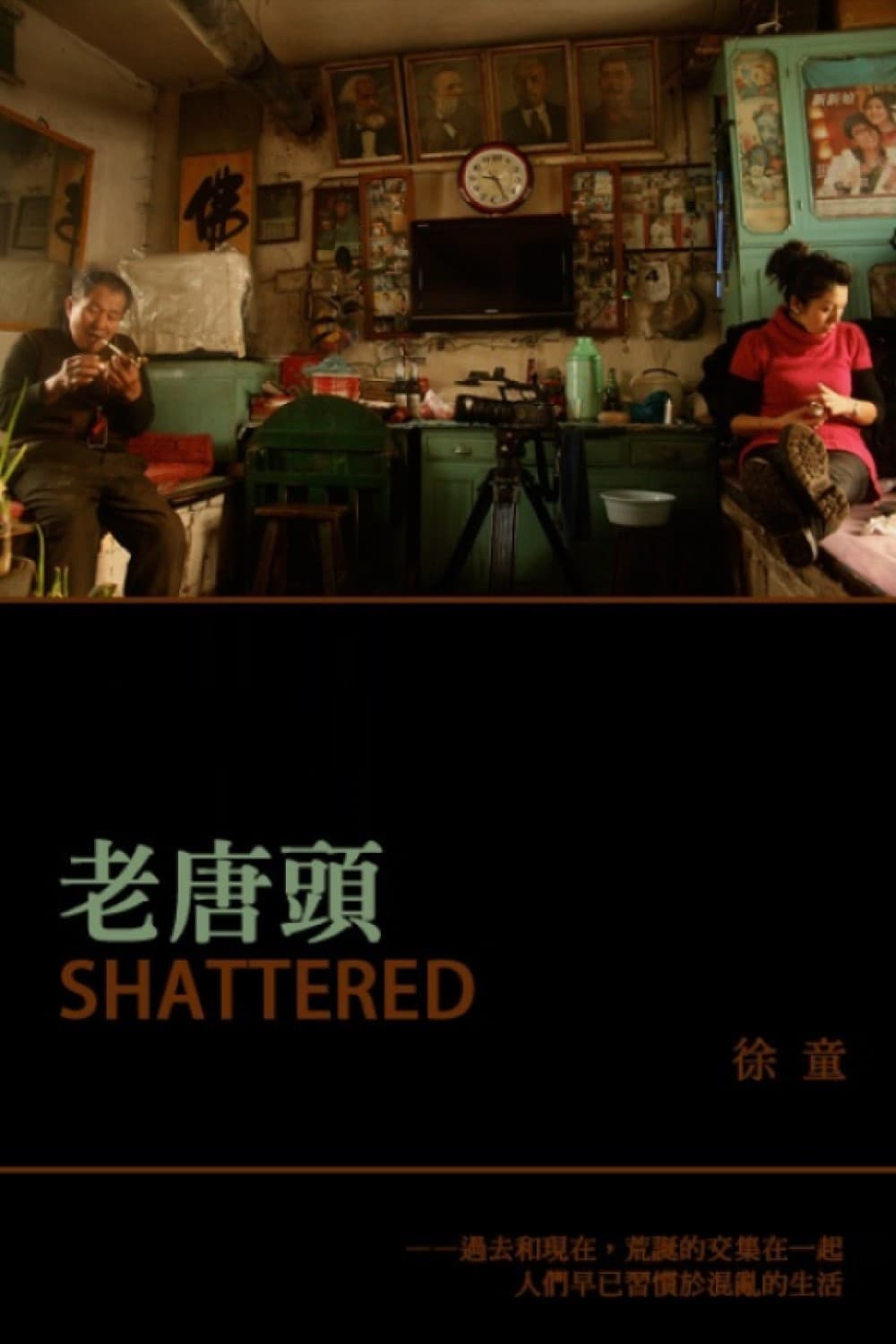
A microcosm of China past and present flows through Xu Tong’s intimate docu “Shattered,” in which the maverick indie filmmaker continues to refine his techniques and concerns shown in his previous “Wheat Harvest” and “Fortune Teller.”
Where there's an up, there's a down. That's how things go.
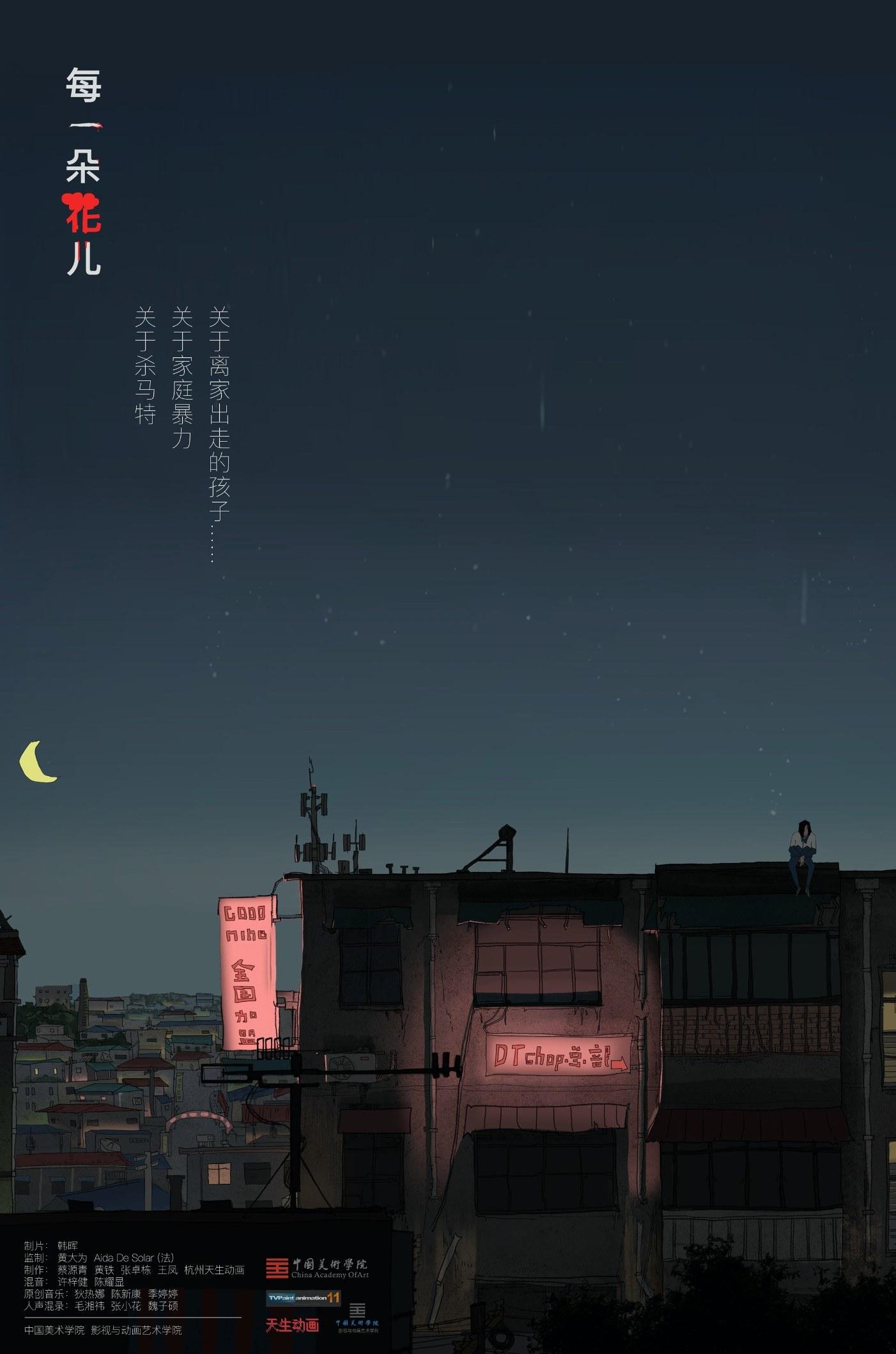
Her, not only her, they are all the only children in the family, Typical underachiever, they often escape away from their broken family r ,Humbling every day with others young people like her in Internet cafes . when she finally plans to go home, she only to find that her family had moved away… ….She became one of them.
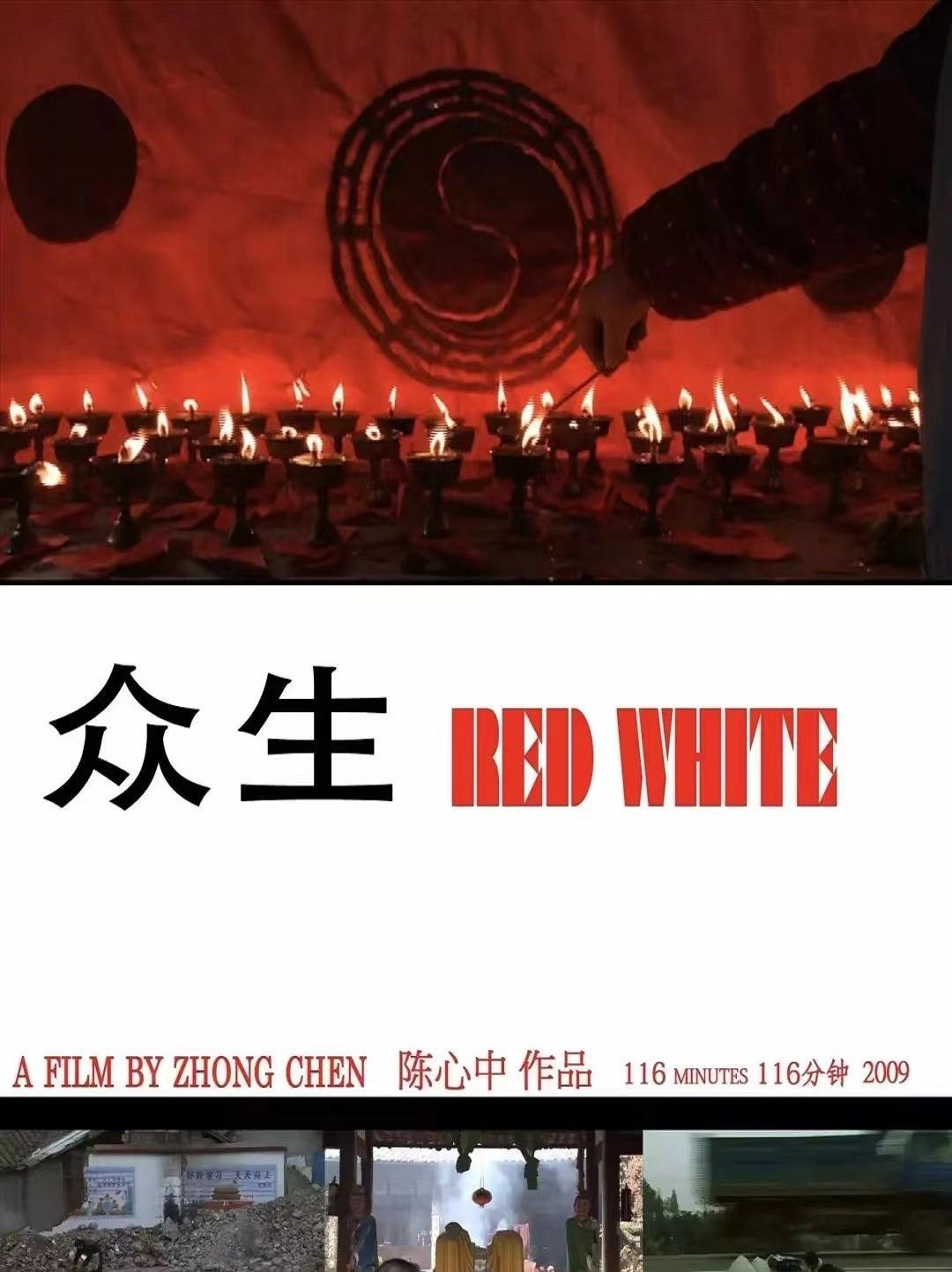
A small rural township called Red White was seriously devastated by the May 12th Earthquake in China 2008. A 62-year-old Taoist survived even though his temple was largely torn by the disaster. This documentary tells the story of how the Taoist practices the widely believed Chinese traditional religion and the local people’s daily life during the township’s post-quake reconstruction.
I used footage from the internet and a part of historical text, their interconnection and what produced are not "scary", but some coincidences that history provided.
Andy is a novelist who works from home. One day, a girl mysteriously appears in his toilet. She claims to be from the future and needs his help. Her name is Pomegranate.
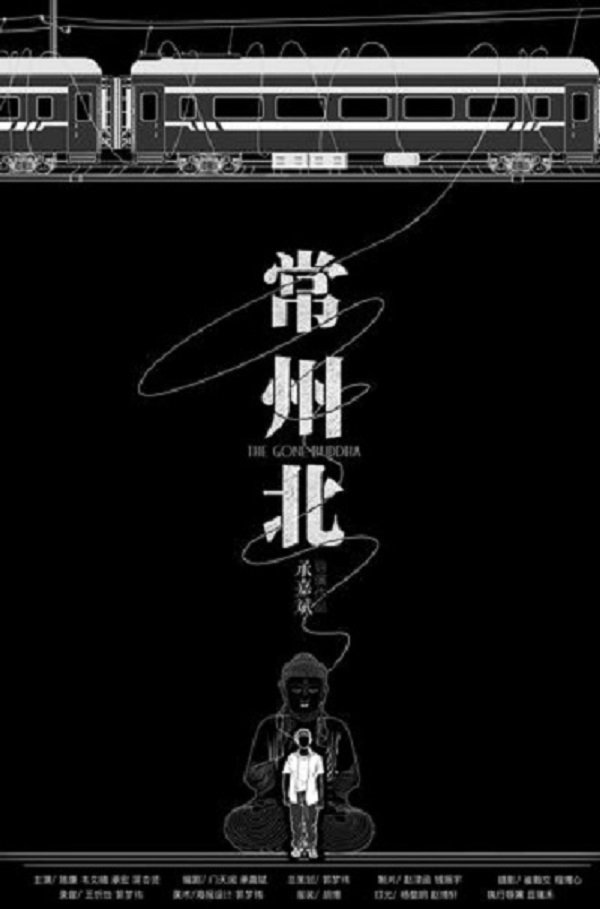
His father was sick, and the boy Xia Tong was always surrounded by strange dreams about girls while he was taking care of him. Grandma's answer made him disagree. To find out the truth, when the flame rose from the bottom of the river, he stepped on the train from the clouds.
This is a complete video that was downloaded from the Internet. I didn't make any changes, just added a title at the beginning and a line of text at the end. The time frame on the video appears to indicate an event in the future, but this is reality, not science fiction.
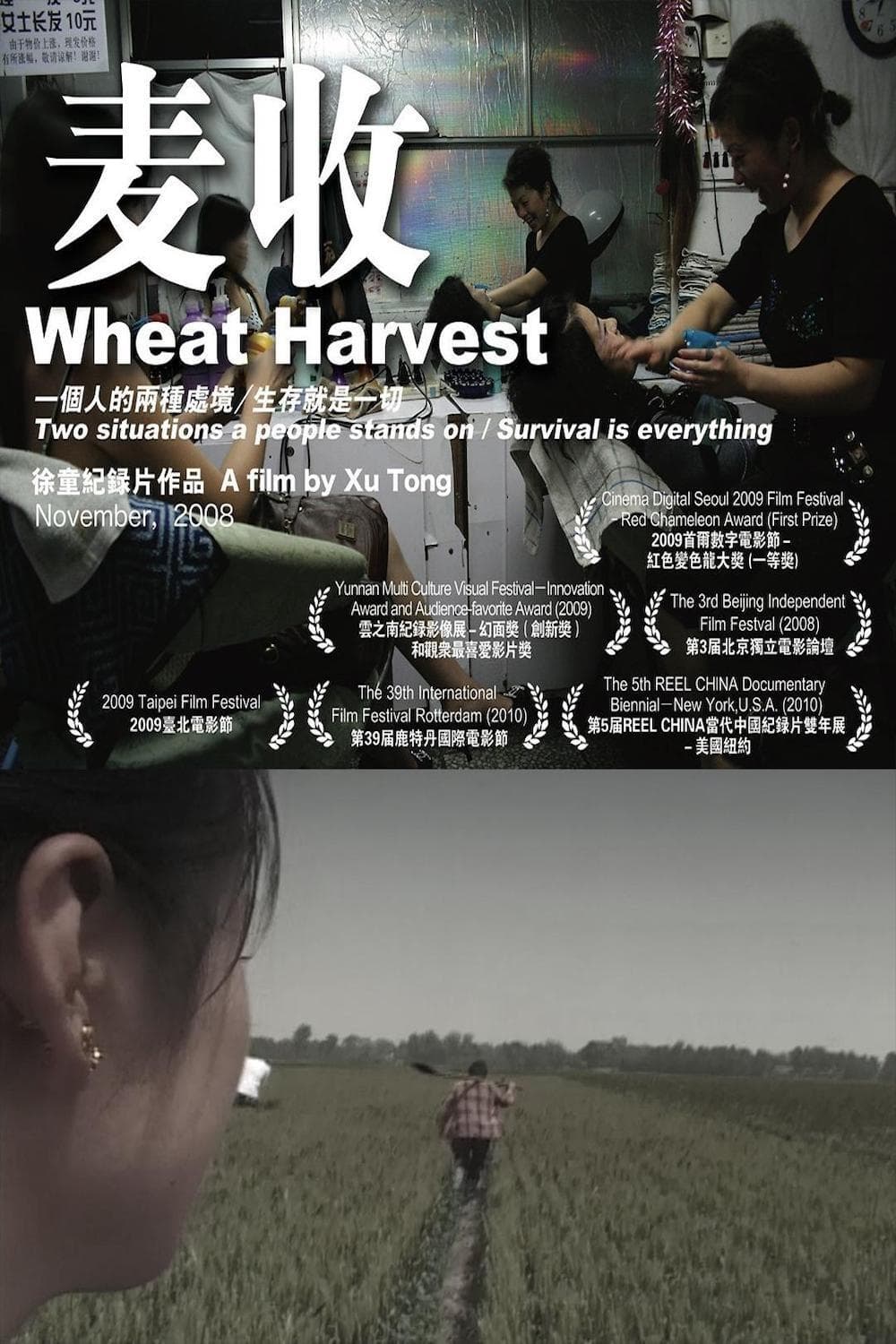
A documentary film showing the life of Niu Hongmiao, a 20-year-old country girl who is now a prostitute in Beijing. Around the time of wheat harvesting, she goes back home to Dingxing County, Hebei Province to visit her parents.
A love story between a country boy in Beijing to study and a wealthy businessman set against the backdrop of the 1989 Tiananmen Square incident.
After his lover rejects him, Maurice attempts to come to terms with his sexuality within the restrictiveness of Edwardian society.
Two gay men are possibly, probably, stumbling towards love. Maybe. They're both very busy.
When a change of circumstances leaves Miriam unable to pay her college tuition, she makes a surprising decision: to start performing in adult films, using the pseudonym Belle Knox. Miriam lies to her family and her friends at school, keeping her double life a secret. But soon rumours spread and Miriam becomes the subject of vicious online attacks and unwanted attention. Miriam fights back: she talks to the media, saying her new line of work empowers her as a feminist. But her confident stand has unintended consequences. Miriam is shunned by her conservative family and her colleagues in the adult film world. One impulsive decision has quickly spiralled out of control - and Miriam's problems are just beginning.
A photographer takes up newsreel shooting to impress a secretary.
This intimate drama follows Rebecca, a woman who has kept her sexuality a secret from her friends but chooses to reveal it to a stranger. While Rebecca's revelations may not yield the results she expects, a perfect ending is still in reach.
This is the story of the internal struggle between a man's Brain—a pragmatic protector who calculates his every move, and his Heart—a free-spirited adventurer who wants to let loose.
The wife of a pastor who preaches against homosexuality embarks on an affair with a female writer.
On the outskirts of Brooklyn, Frankie, an aimless teenager, suffocates under the oppressive glare cast by his family and a toxic group of delinquent friends. Struggling with his own identity, Frankie begins to scour hookup sites for older men.
Two married couples adjust to the vast social and economic changes taking place in China from the 1980s to the present.
In a Paris hotel room, Jack Whitman lies on a bed. His phone rings; it's a woman on her way to see him, a surprise. She arrives and the complications of their relationship emerge in bits and pieces. Will they make love? Is their relationship over? (A prequel to The Darjeeling Limited, 2007.)
In post-9/11 New York City, an eclectic group of citizens find their lives entangled, personally, romantically, and sexually, at Shortbus, an underground Brooklyn salon infamous for its blend of art, music, politics, and carnality.
Boyfriends Josh and Rohan plan a weekend getaway to introduce their parents, only to discover that their rental is home to an ancient demon.
An odyssey through time and memory, centered on a place in New Jersey where—from wilderness, and then, later, from a home—love, loss, struggle, hope and legacy play out between couples and families over generations.
Patrick returns to San Francisco for the first time in almost a year to celebrate a momentous event with his old friends. In the process, he must face the unresolved relationships he left behind and make difficult choices about what’s important to him.
A man refuses all assistance from his daughter as he ages and, as he tries to make sense of his changing circumstances, he begins to doubt his loved ones, his own mind and even the fabric of his reality.
Whatever Works explores the relationship between a crotchety misanthrope, Boris and a naïve, impressionable young runaway from the south, Melody. When Melody's uptight parents arrive in New York to rescue her, they are quickly drawn into wildly unexpected romantic entanglements. Everyone discovers that finding love is just a combination of lucky chance and appreciating the value of "whatever works."
Set in the glamour of the New York and Paris art scenes, gallery owner Brooke Gatwick and her newscaster husband Owen Shore, face temptation, jealousy, twists and mystery when two seductive newcomers enter their lives.
Based on the autobiographical novel, the tempestuous 6-year relationship between Liberace and his (much younger) lover, Scott Thorson, is recounted.
Benjamin, a rising star filmmaker, is on the brink of premiering his difficult second film No Self at the London Film Festival when Billie, his hard drinking publicist, introduces him to a mesmeric French musician called Noah.