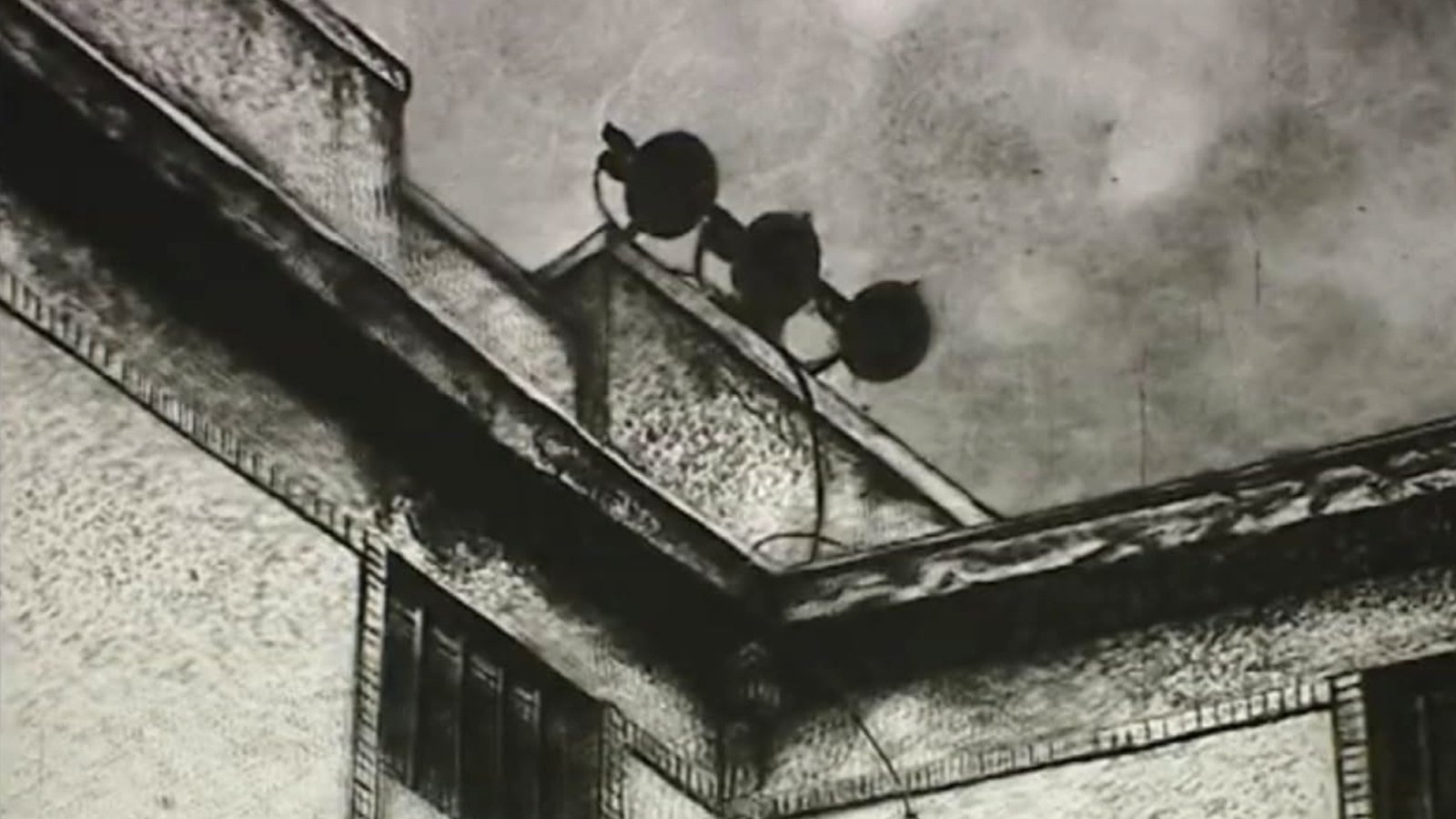
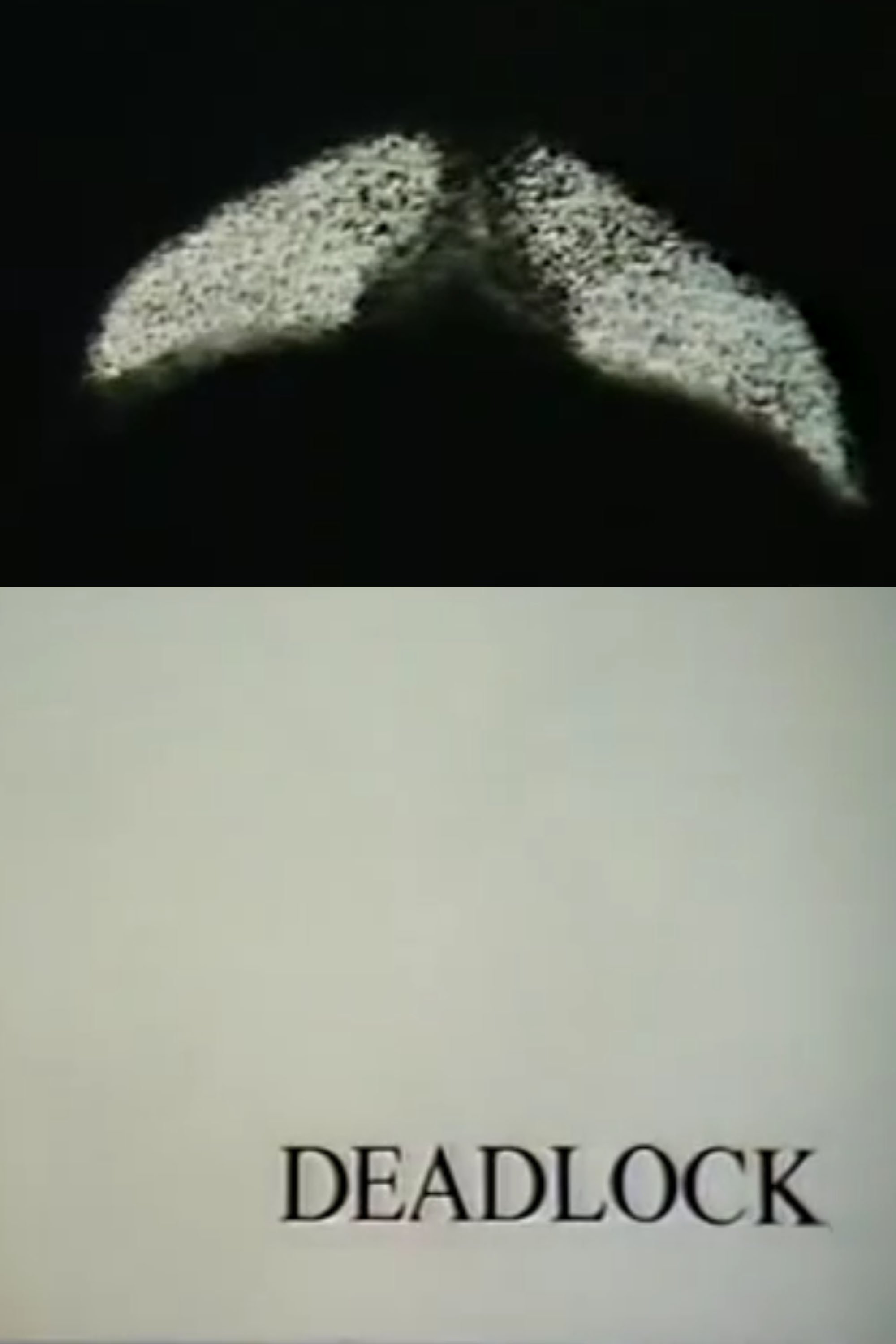
1983 Cannes Film Festival
Social & External
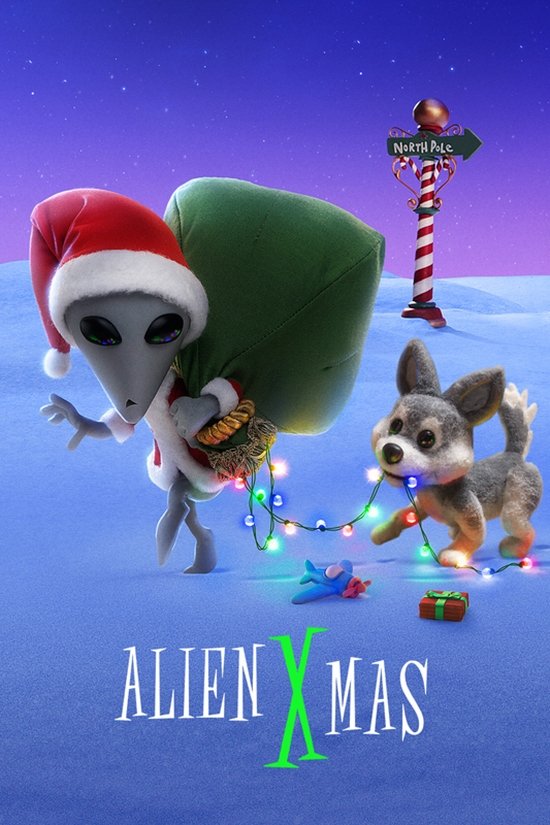
A young elf mistakes a tiny alien for a Christmas gift, not knowing her new plaything has plans to destroy Earth's gravity — and steal all the presents.
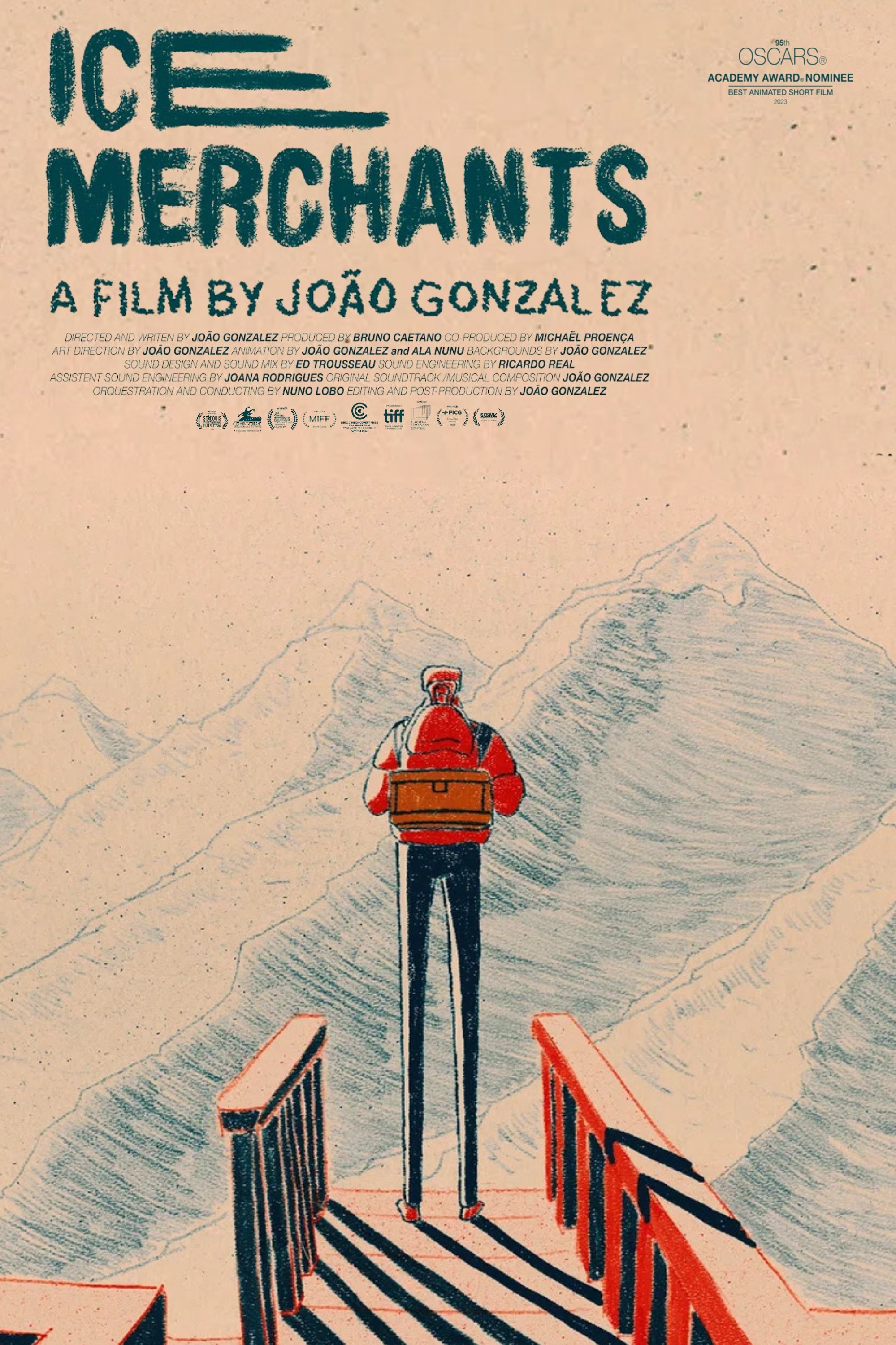
Every day, a father and his son jump with a parachute from their vertiginous cold house, attached to a cliff, to go to the village on the ground, far away where they sell the ice they produce daily.
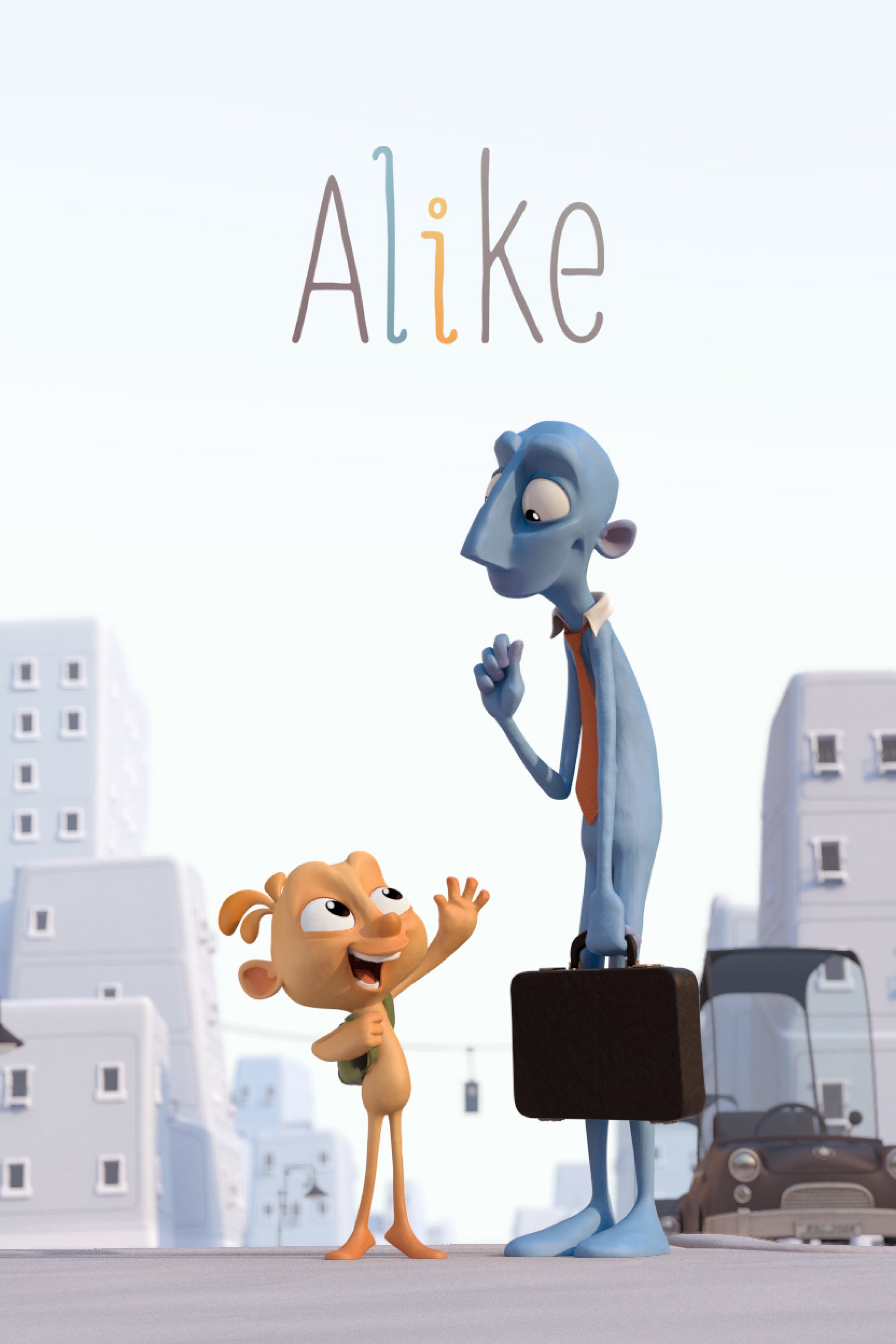
In a busy life, Copi is a father who tries to teach the right way to his son, Paste. But - What is the correct path?
Mater is a matador fighting a herd of bulldozers in Spain. When Lightning McQueen enters the story, the bulldozers begin to chase him due to his red paint.
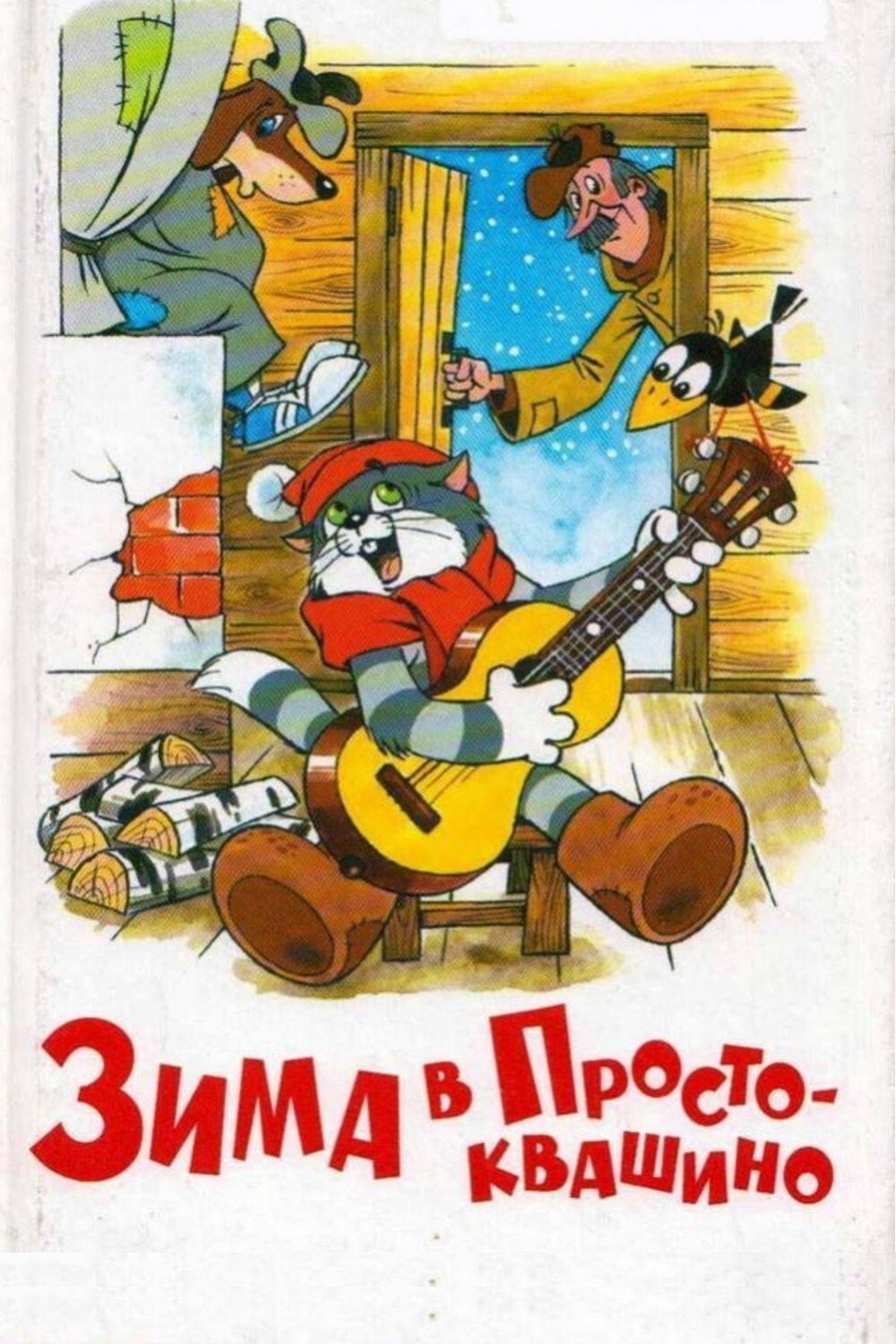
A third movie about Fyodor and his friends from the Prostokvashino village and their adventures - this time during the winter.
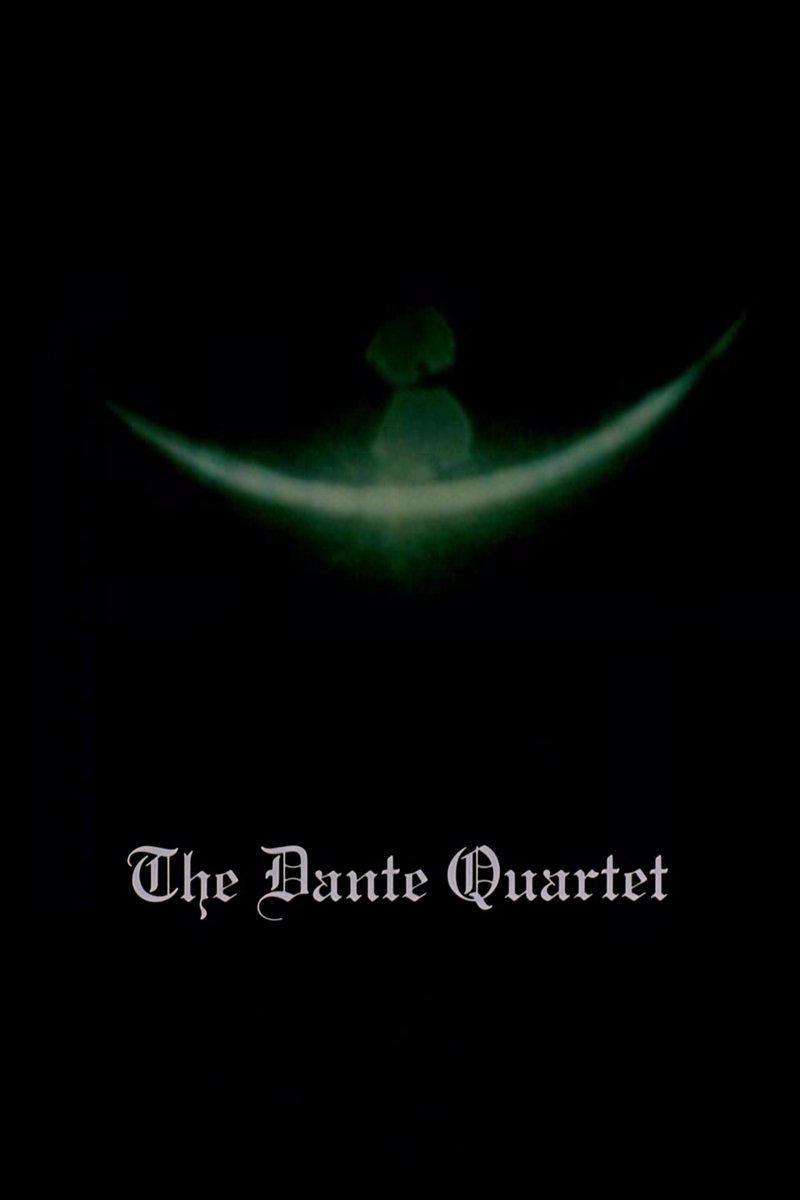
A visual representation, in four parts, of one man's internalization of "The Divine Comedy." Hell is a series of multicolored brush strokes against a white background; the speed of the changing images varies. "Hell Spit Flexion," or springing out of Hell, is on smaller film stock, taking the center of the frame. Montages of color move rapidly with a star and the edge of a lighted moon briefly visible. Purgation is back to full frame; blurs of color occasionally slow down then freeze. From time to time, an image, such as a window or a face, is distinguishable for a moment. In "existence is song," colors swirl then flash in and out of view. Behind the vivid colors are momentary glimpses of volcanic activity.
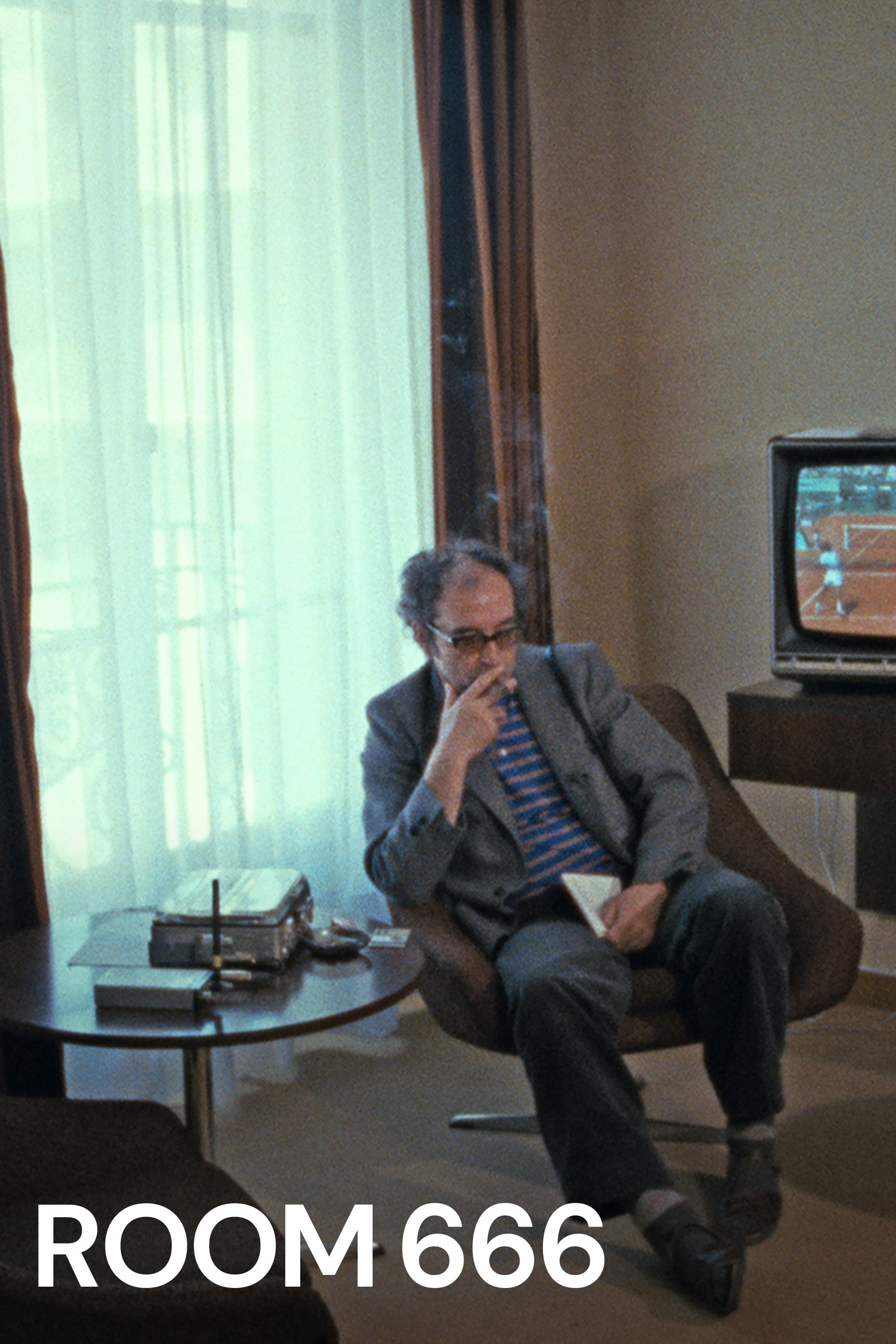
During the 1982 Cannes Film Festival, Wim Wenders asked a number of global film directors to, one at a time, go into a hotel room, turn on the camera, and answer a simple question: "What is the future of cinema?"
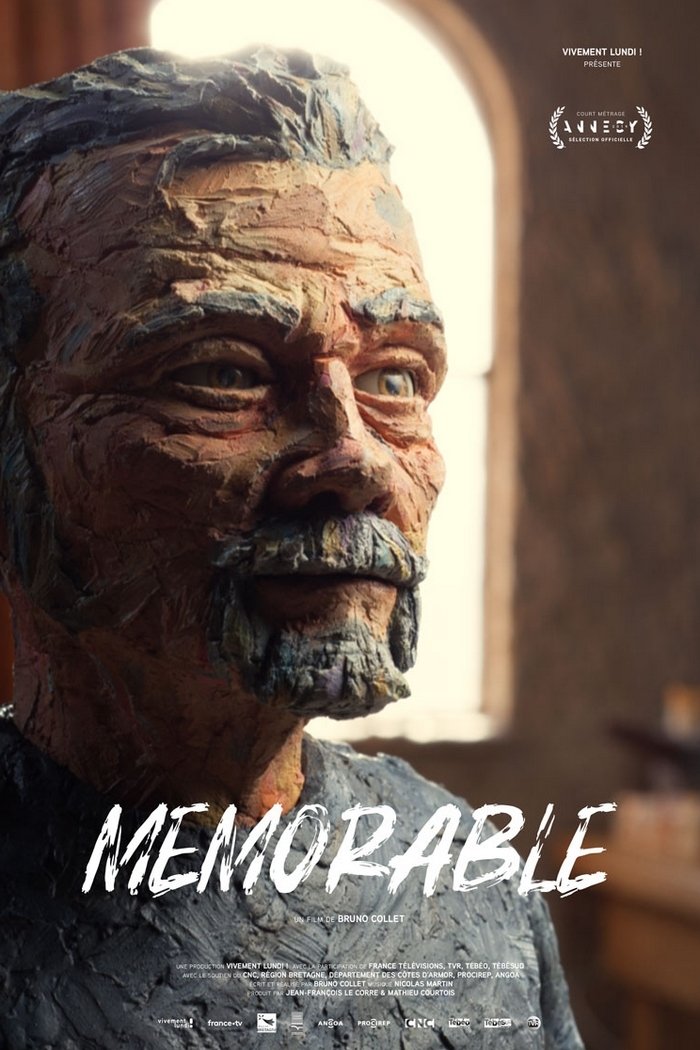
Aging painter Louis and his wife Michelle struggle to cope with Louis' advancing dementia.
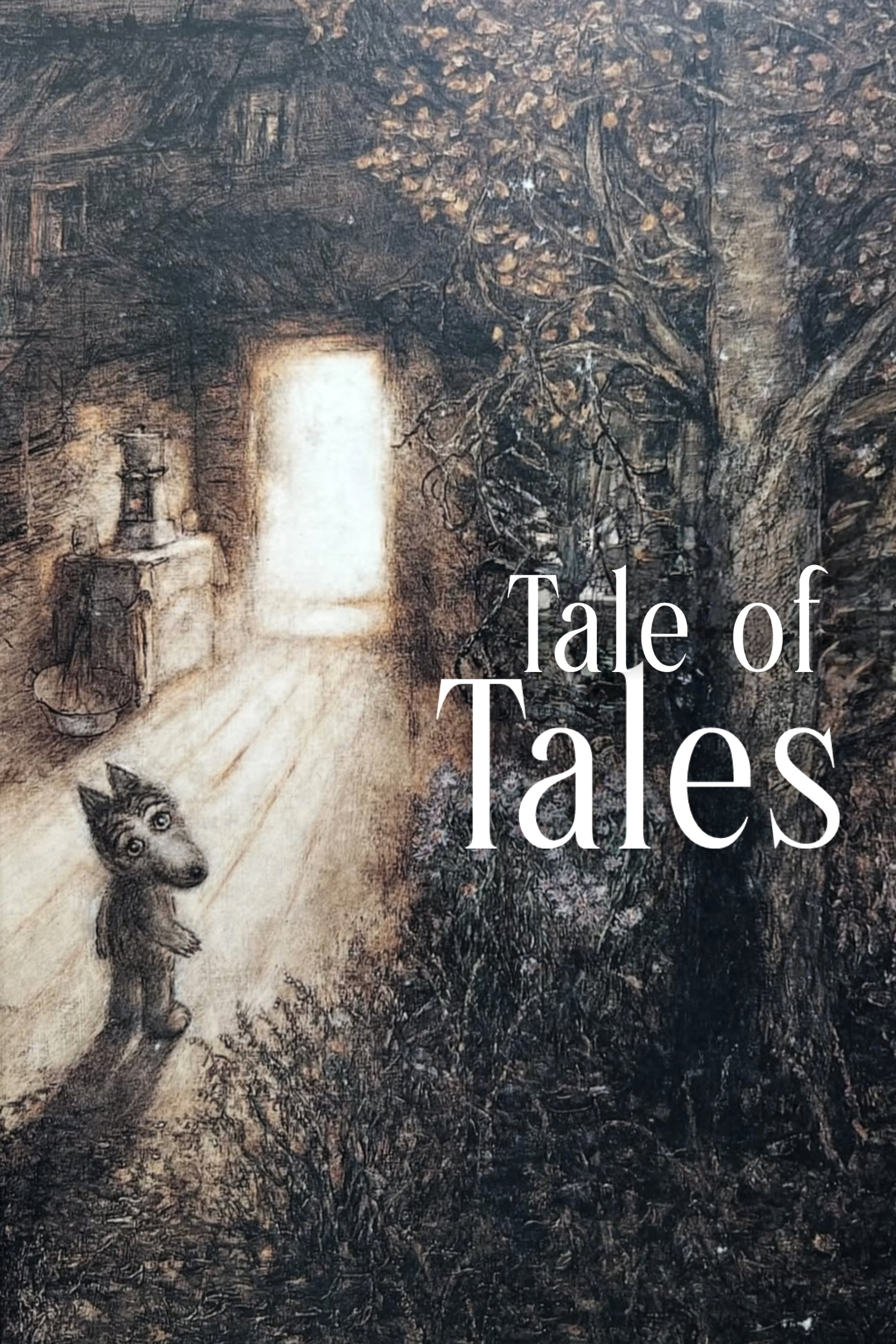
Distant, well-worn memories of childhood are inhabited by a little gray wolf. Through astonishing imagery, the memory of all of Russia is depicted.
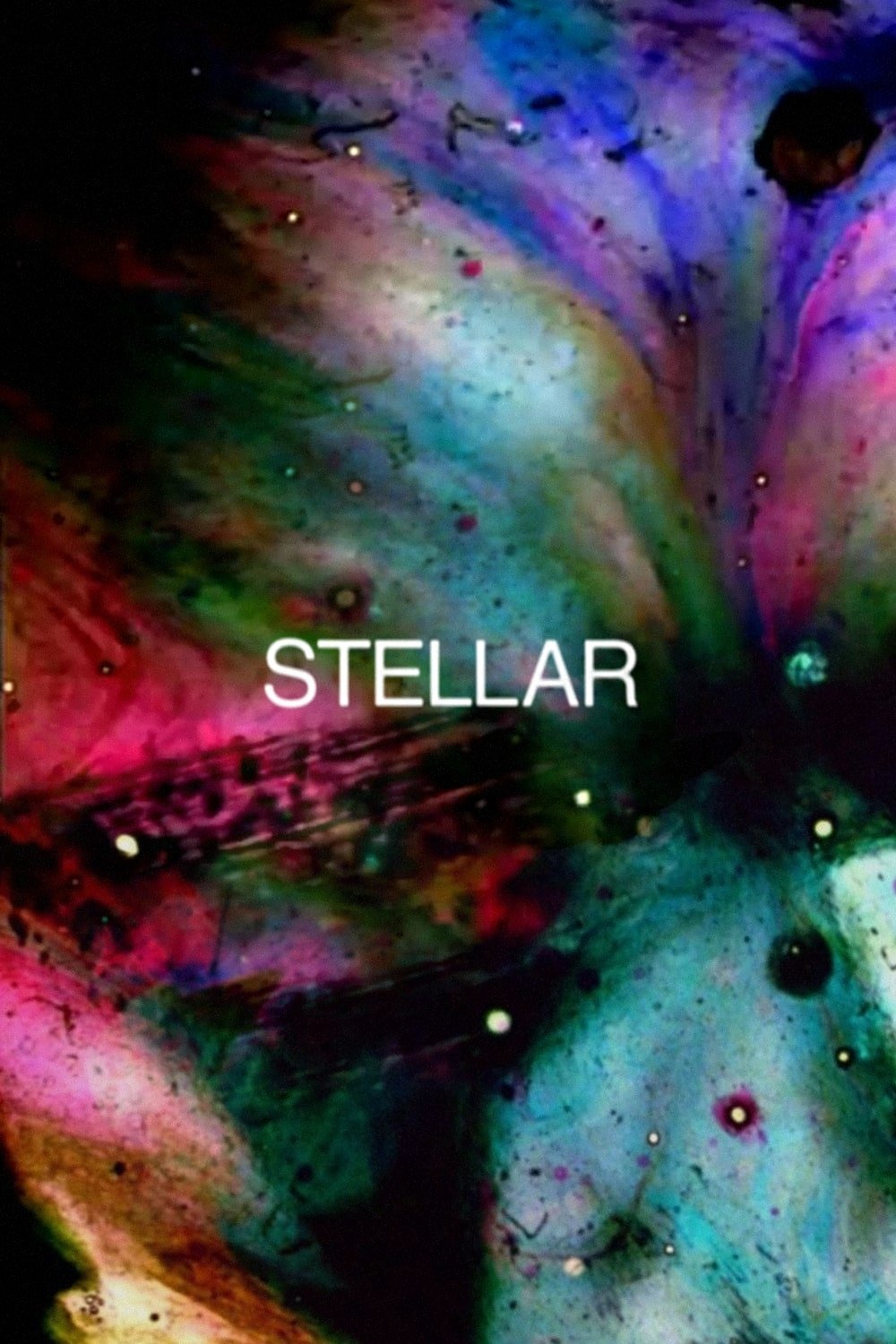
This is a hand-painted film which has been photographically step-printed to achieve various effects of brief fades and fluidity-of-motion, and makes partial use of painted frames in repetition (for "close-up" of textures). The tone of the film is primarily dark blue, and the paint is composed (and rephotographed microscopically) to suggest galactic forms in a space of stars.
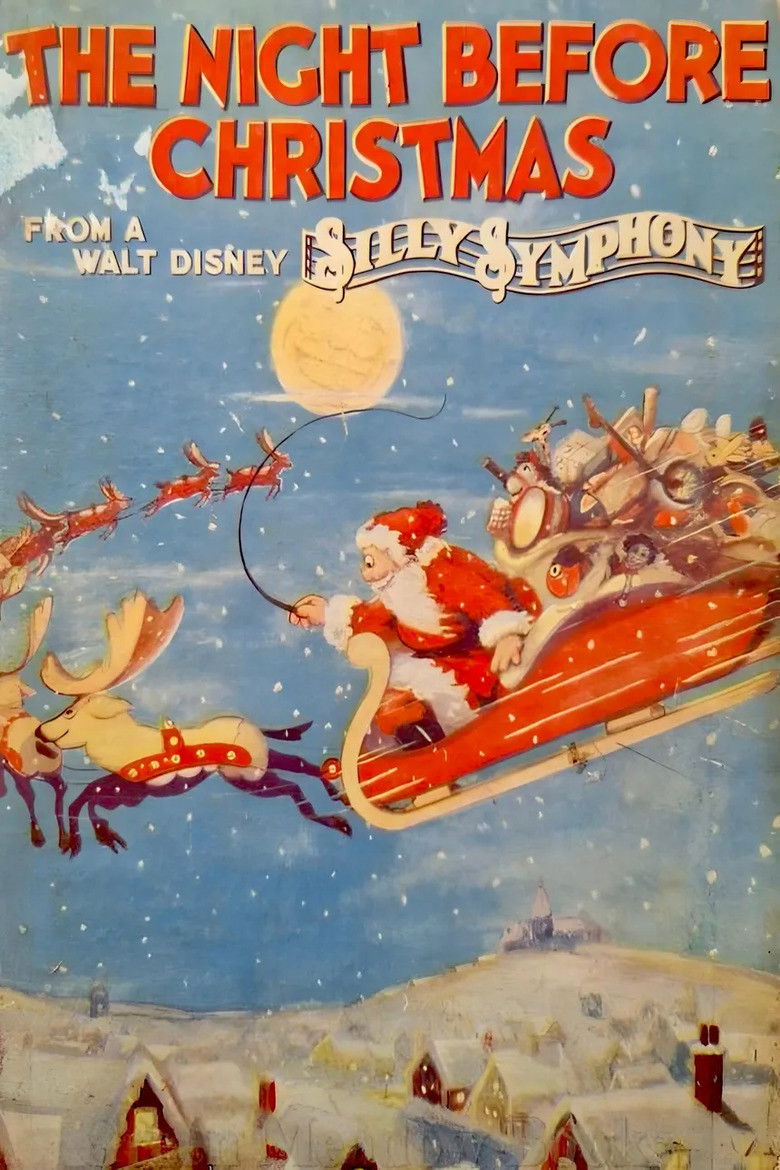
A narrator sings the opening stanzas of the classic poem while we see the house at rest. Santa lands on the roof, comes down the chimney, and opens his bag. The toys march out and decorate the tree, with the toy soldiers shooting balls from their cannon, a toy airplane stringing a garland like skywriting, and the toy firemen applying snow. A blimp delivers the star to the top. Meanwhile, Santa fills the stockings. His laughter awakens the children, who sneak out. The toys rush to their places, and Santa escapes up the chimney just in time.
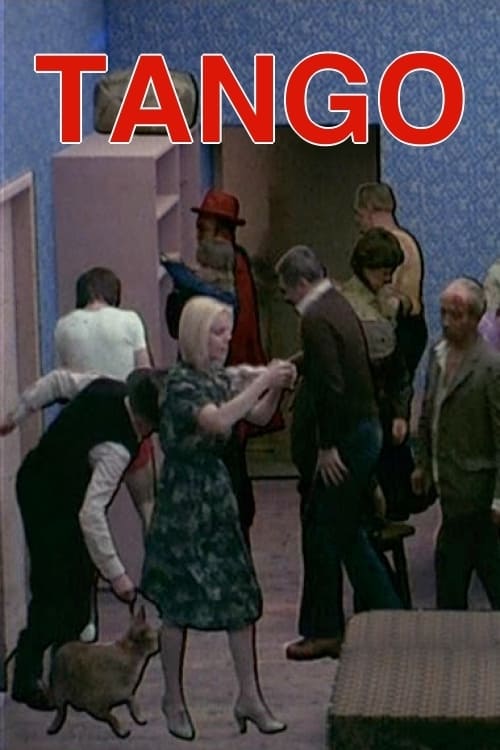
A static camera observes a room as it slowly fills with thirty-six characters from different stages of life, looping further through an absurd dance of social disconnection as each character moves in.
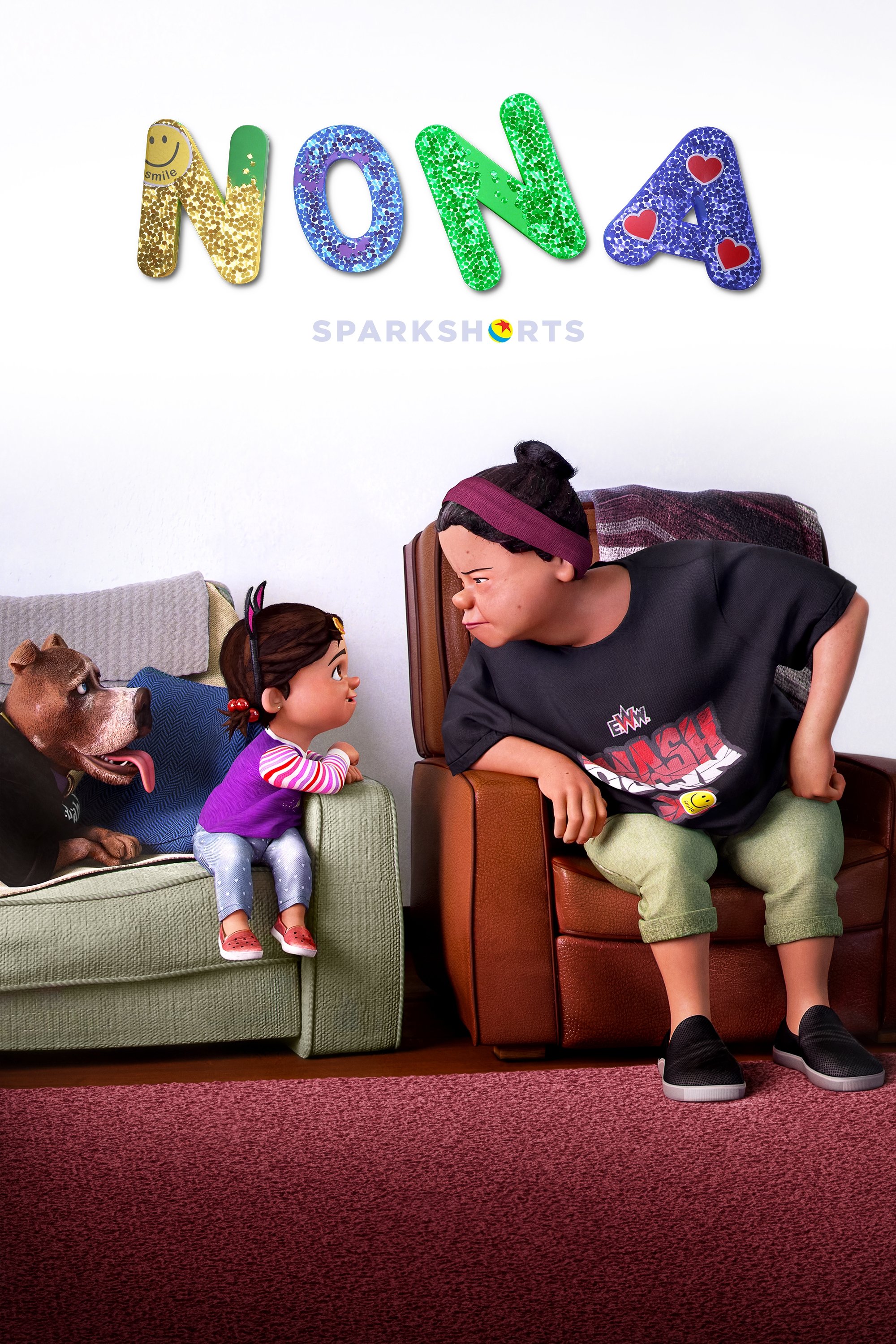
A grandmother is caught between her two favorite things when her granddaughter is unexpectedly dropped off during the day she was planning to spend watching her favorite TV show.
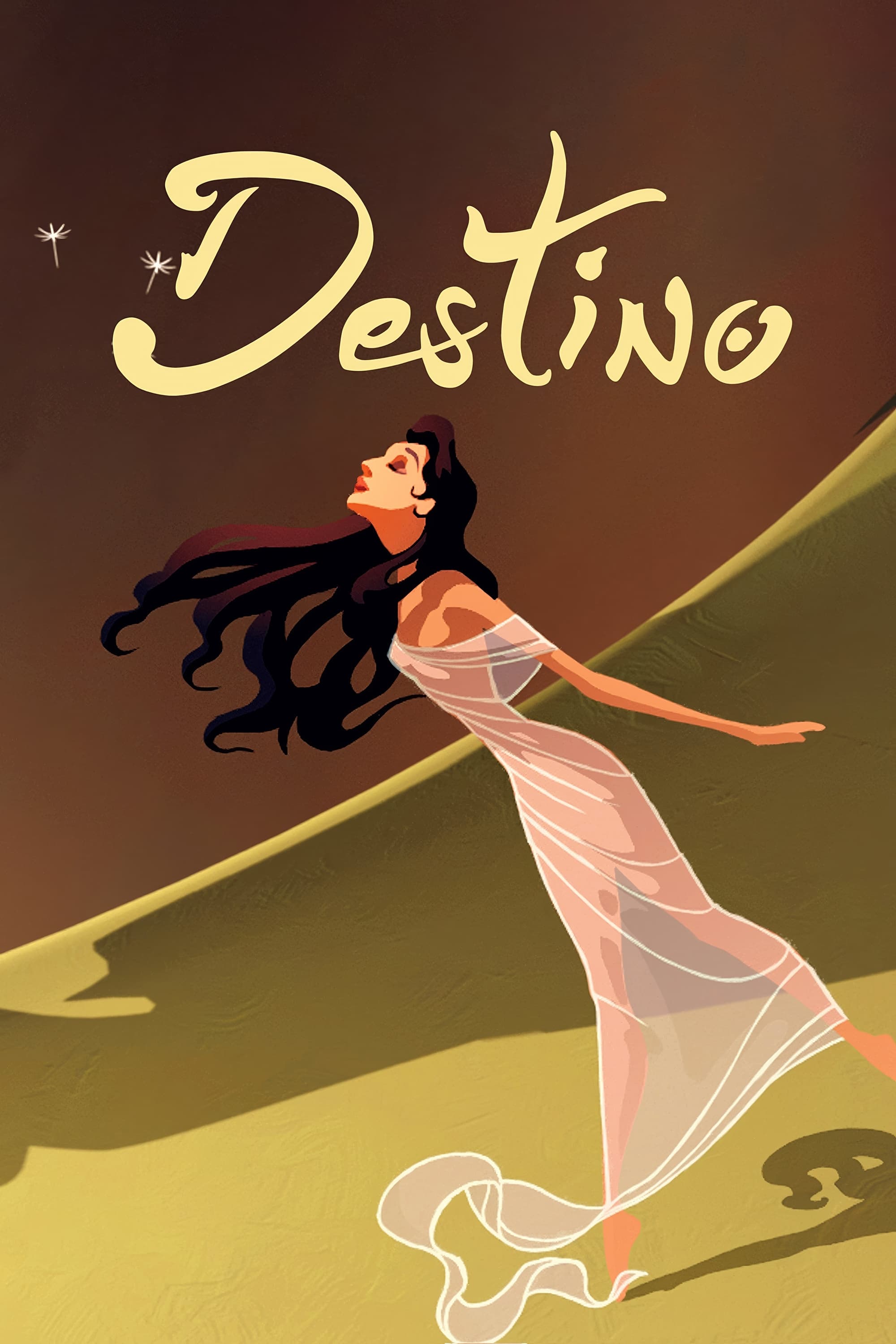
Short film to a song of love lost and rediscovered, a woman sees and undergoes surreal transformations. Her lover's face melts off, she dons a dress from the shadow of a bell and becomes a dandelion, ants crawl out of a hand and become Frenchmen riding bicycles. Not to mention the turtles with faces on their backs that collide to form a ballerina, or the bizarre baseball game.
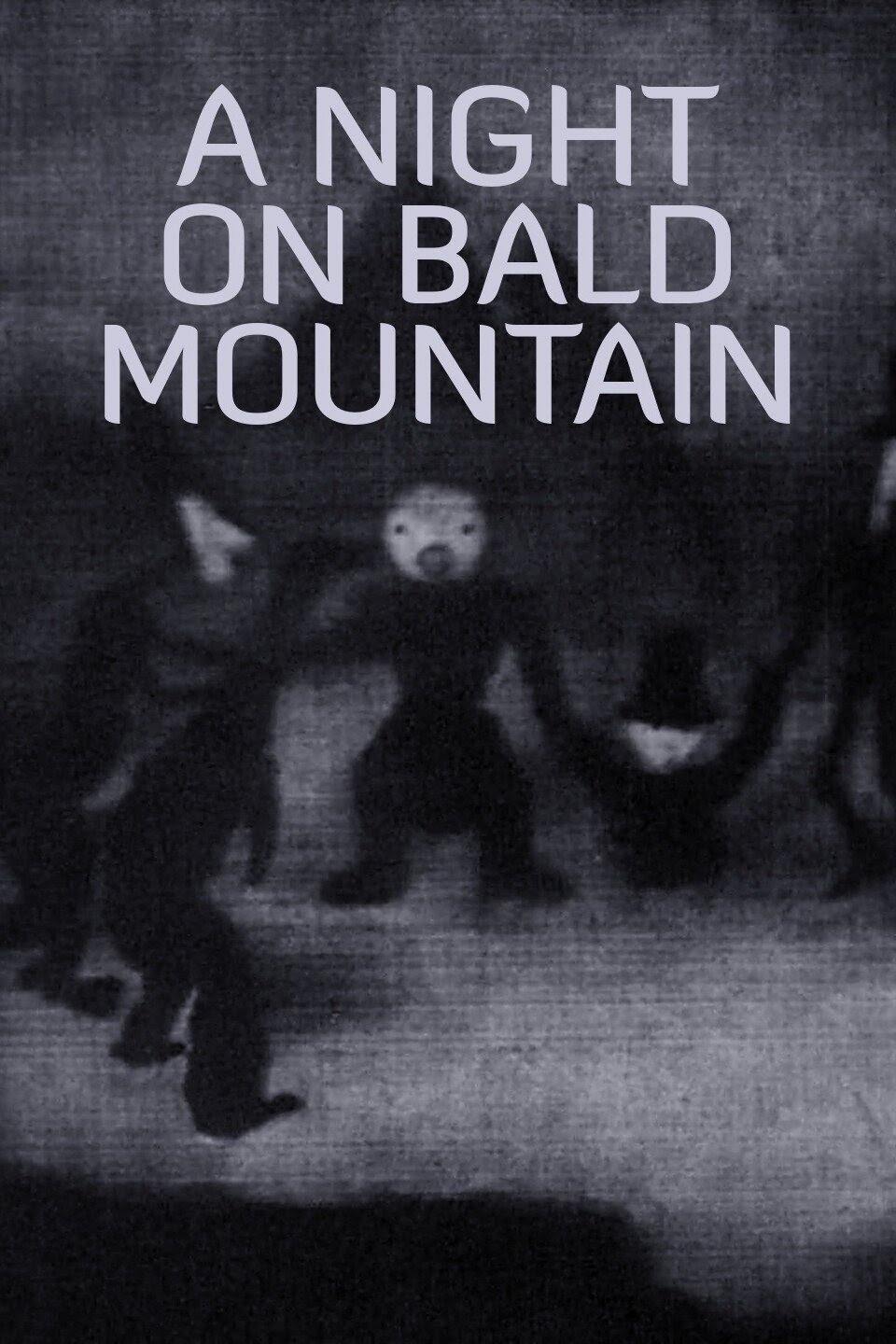
Mussorgsky's composition is the soundtrack for this pin-screen animated take on night and wild things. A scarecrow blows down, clouds move by quickly. Beings take shape; a town appears, animals flee, and a horse gallops by. A child looks on. Monsters run and float by: the phantasmagoric is everywhere. A woman's figure tumbles through space. A clash ensues. The horse falls. Goblins take control. The night and its denizens are relentless. Forms appear and become grotesque. Will dawn and calm ever come?
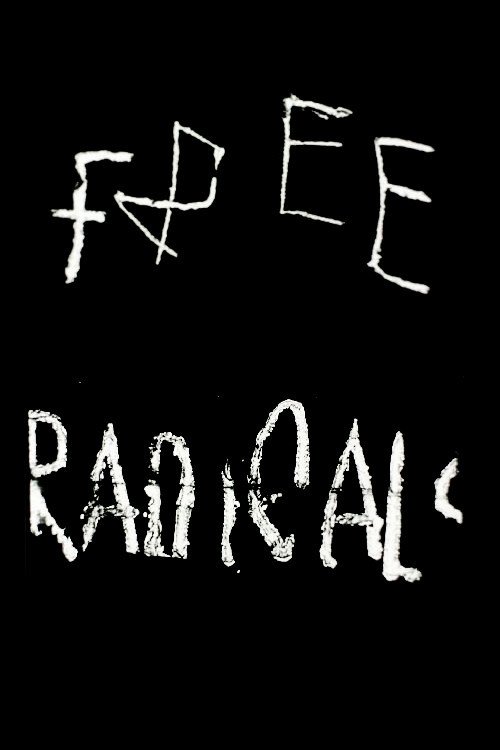
In this powerful abstract film with a soundtrack of African drum music, Lye scratched "white ziggle-zag-splutter scratches" on to black leader, using a variety of tools from saw teeth to arrow heads. The first version of the film won a major award at the International Experimental Film Festival Held in Brussels in 1958 in association with the World's Fair. Stan Brakhage described the film as "an almost unbelievably immense masterpiece".
A single man has worked most of his life in a supermarket. One night, he unexpectedly meets with his father, and the two are faced with the question of the reasons for their separation.
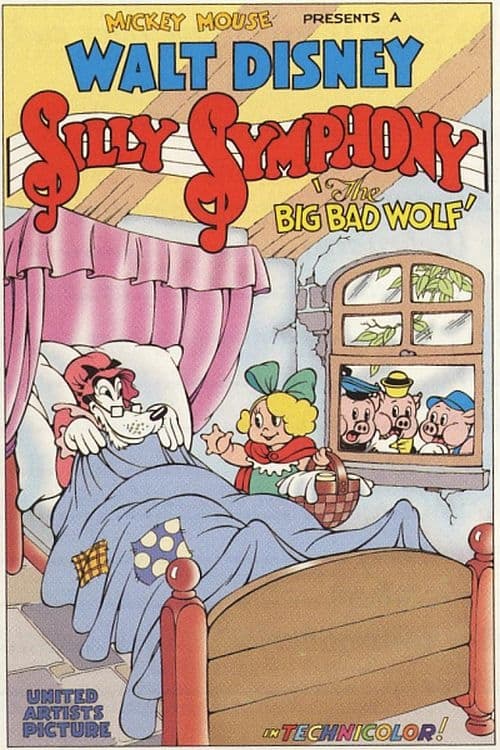
The Big Bad Wolf torments Little Red Riding Hood and the Three Little Pigs.
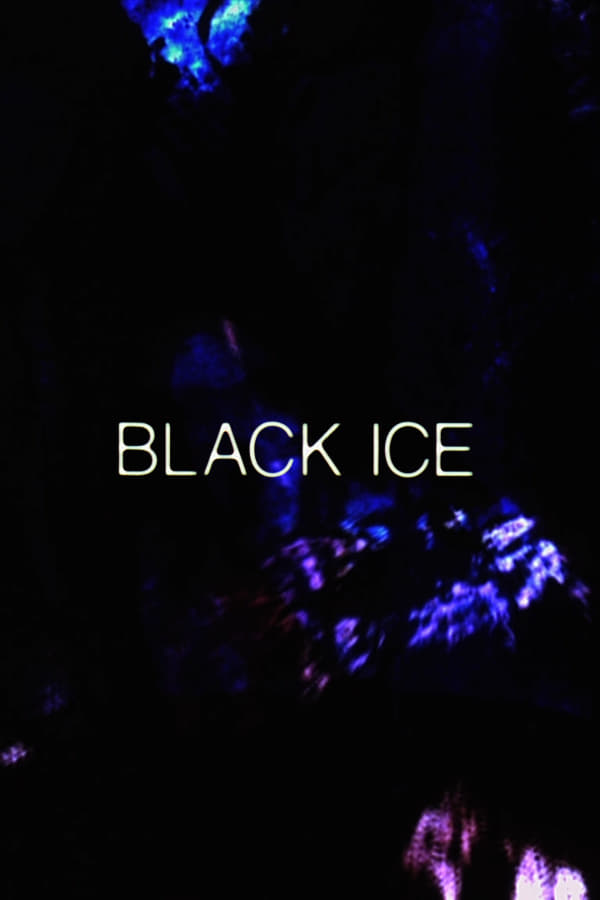
Inspired by a bad fall on a patch of black ice (that ultimately resulted in Brakhage's need for eye surgery), the filmmaker gives us something of a dreamlike descent through the fear and refractions of closed-eye vision regarding such an event.
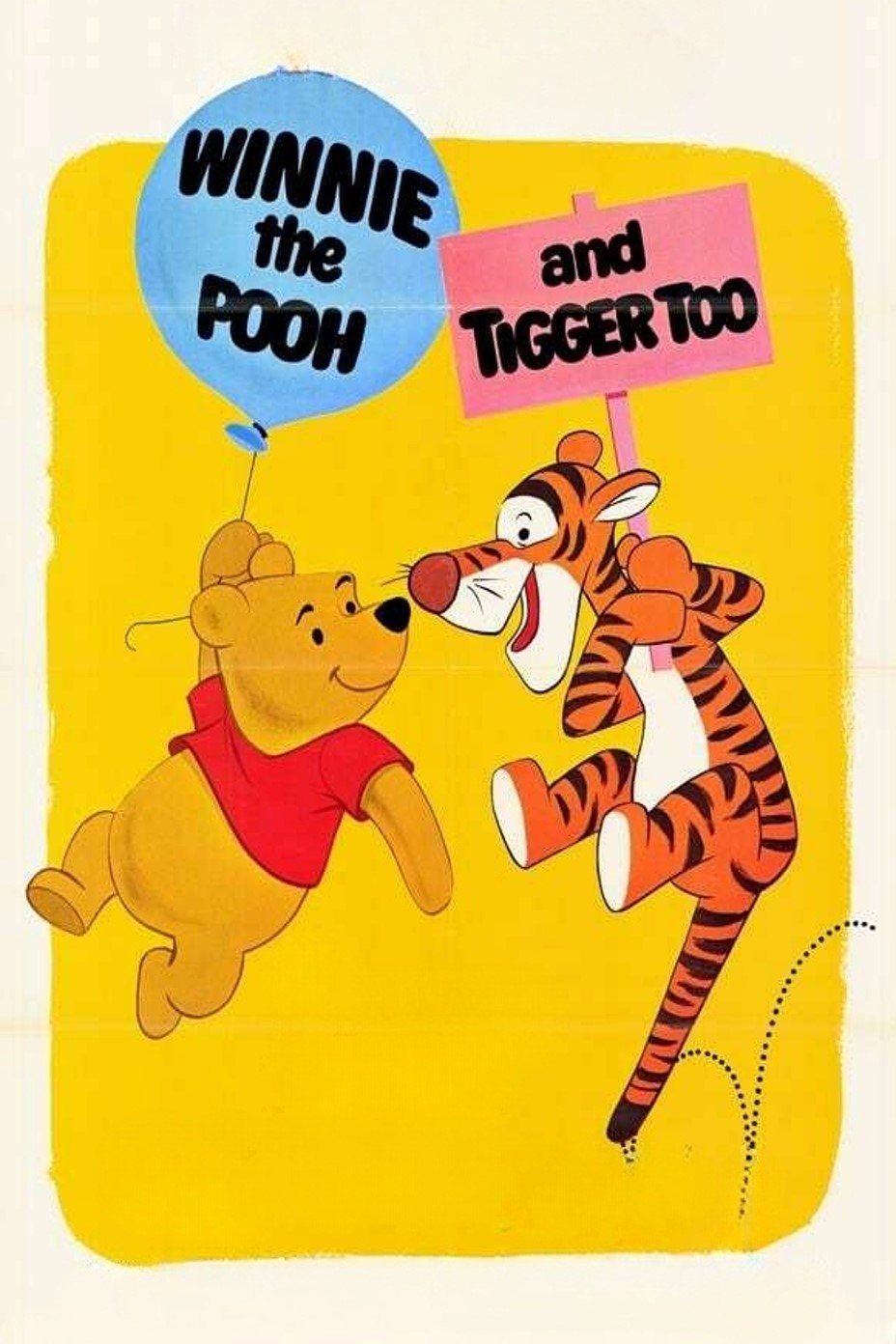
Rabbit is tired of Tigger always bouncing him, so he gets Pooh and Piglet together to come up with an idea to get the bounce out of Tigger. Then, Tigger and little Roo go out for a bounce and get caught in a tree.