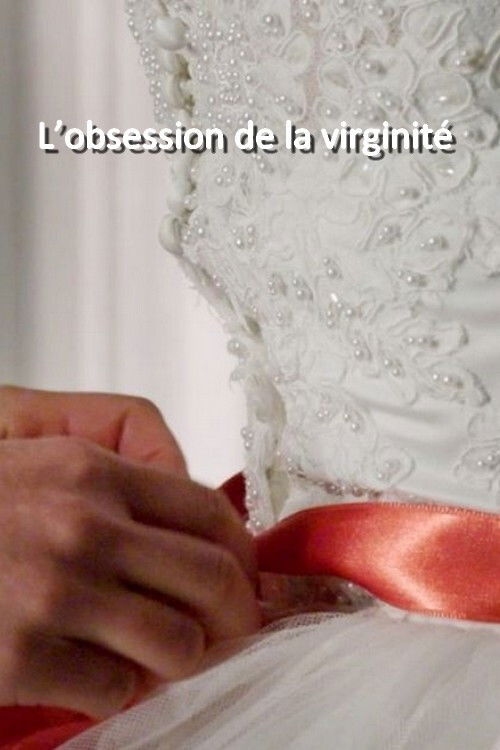
For young Muslims who live in a free society, how is the culture of origin of the parents compatible with their own wishes? What significance does the commandment of virginity have?

Social & External
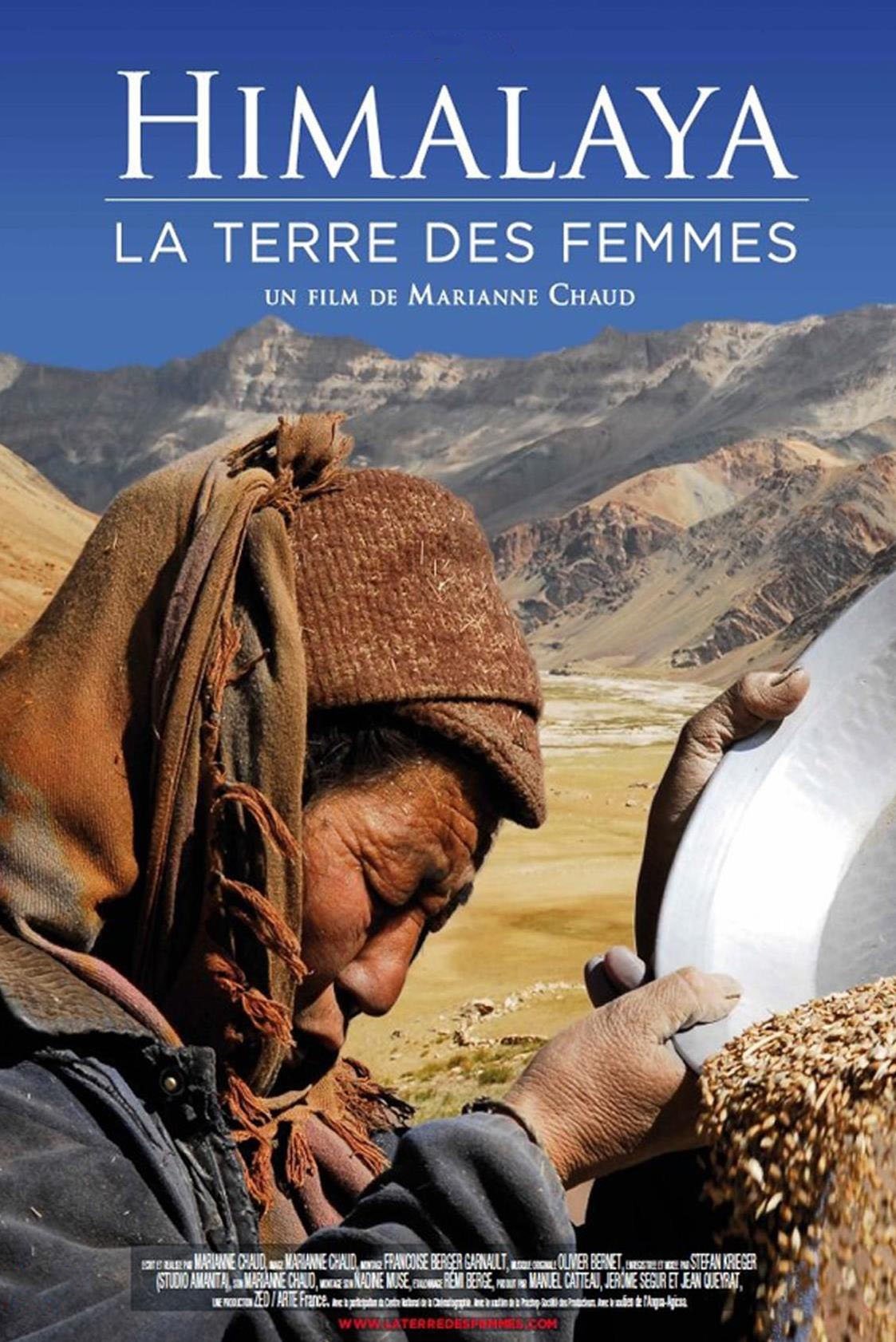
At an altitude of nearly 4,000 meters, Sking is one of the most isolated villages in the Himalayan region of Zanskar. In just three months, from August to October, the Zanskaris have to harvest and store all their food for the coming year. All the women-young and old alike-work nonstop, from dawn to dusk, and worry about the arrival of winter. Filmed from the point of view of a subjective camera by a young female ethnologist, Land of Women offers a sensitive and poetic immersion in the life of four generations of women during harvesting season. We share their rare intimacy and gradually grow attached to them.
Fragmentary perspectives on Human Rights and transgender (trans*) People in Turkey. What remains at the place where a murder happened? What constitutes trans* life? How to cope with daily violence and hatred? We begin to search for traces. We follow the tracks of resistance and survival. We are collectors of the expelled. We gather fragments of trans* lives inspired by texts of Nazim Hikmet, Foucault, Benjamin and Zeki Müren. Trans*BUT is a documental research study driven by the question: “What keeps you going when all else falls away?”
Couples learn how to reawaken their sexual desires.
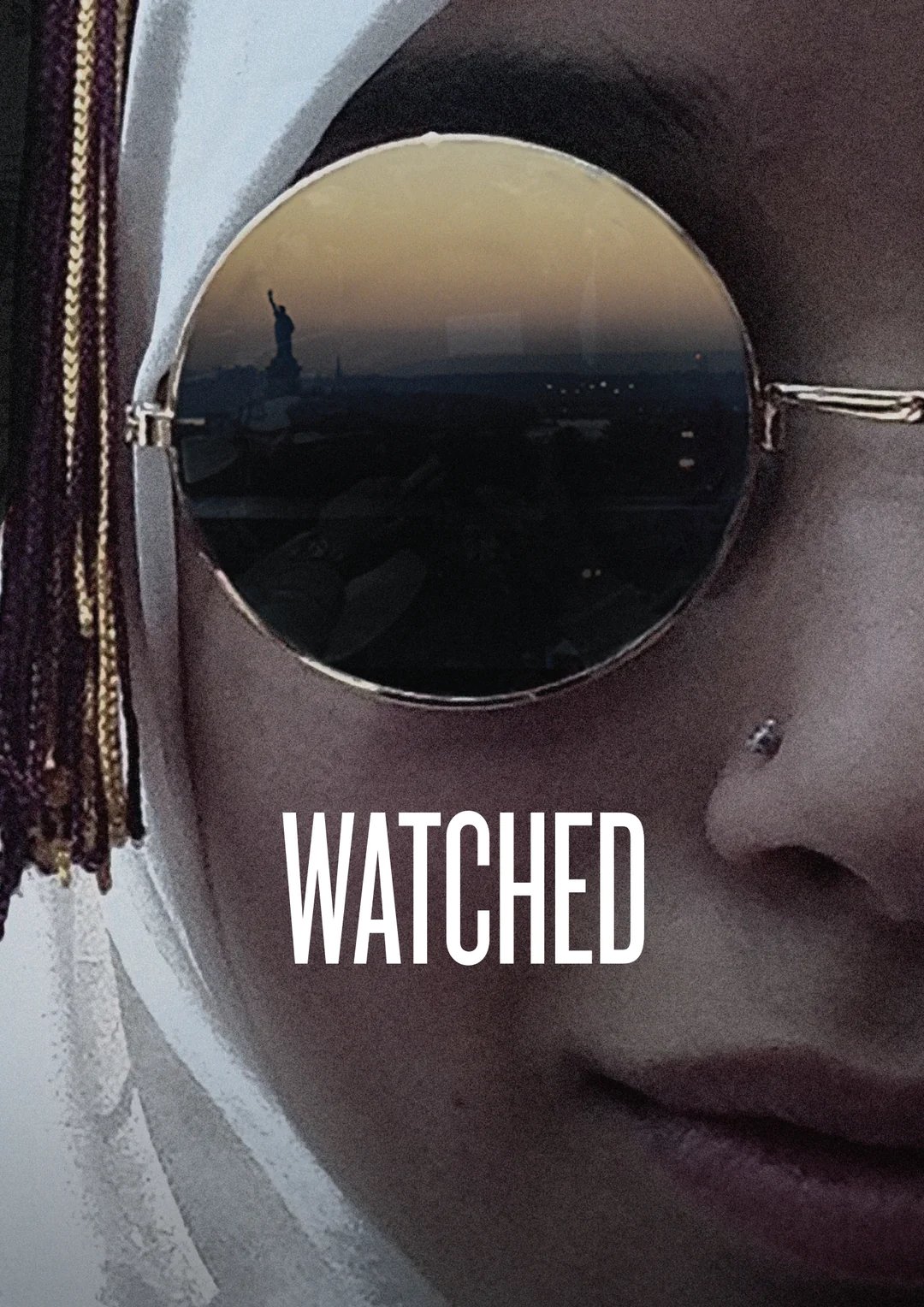
This short 19-minute documentary is an intimate and moving exploration of the profound and far-reaching impact of surveillance on Muslim American individuals and communities. Premiering at the 2017 Tribeca Film Festival, WATCHED is told through the personal experience of two women, both coming of age in New York. The film charts the devastating toll of surveillance and reveals the scars it leaves behind.
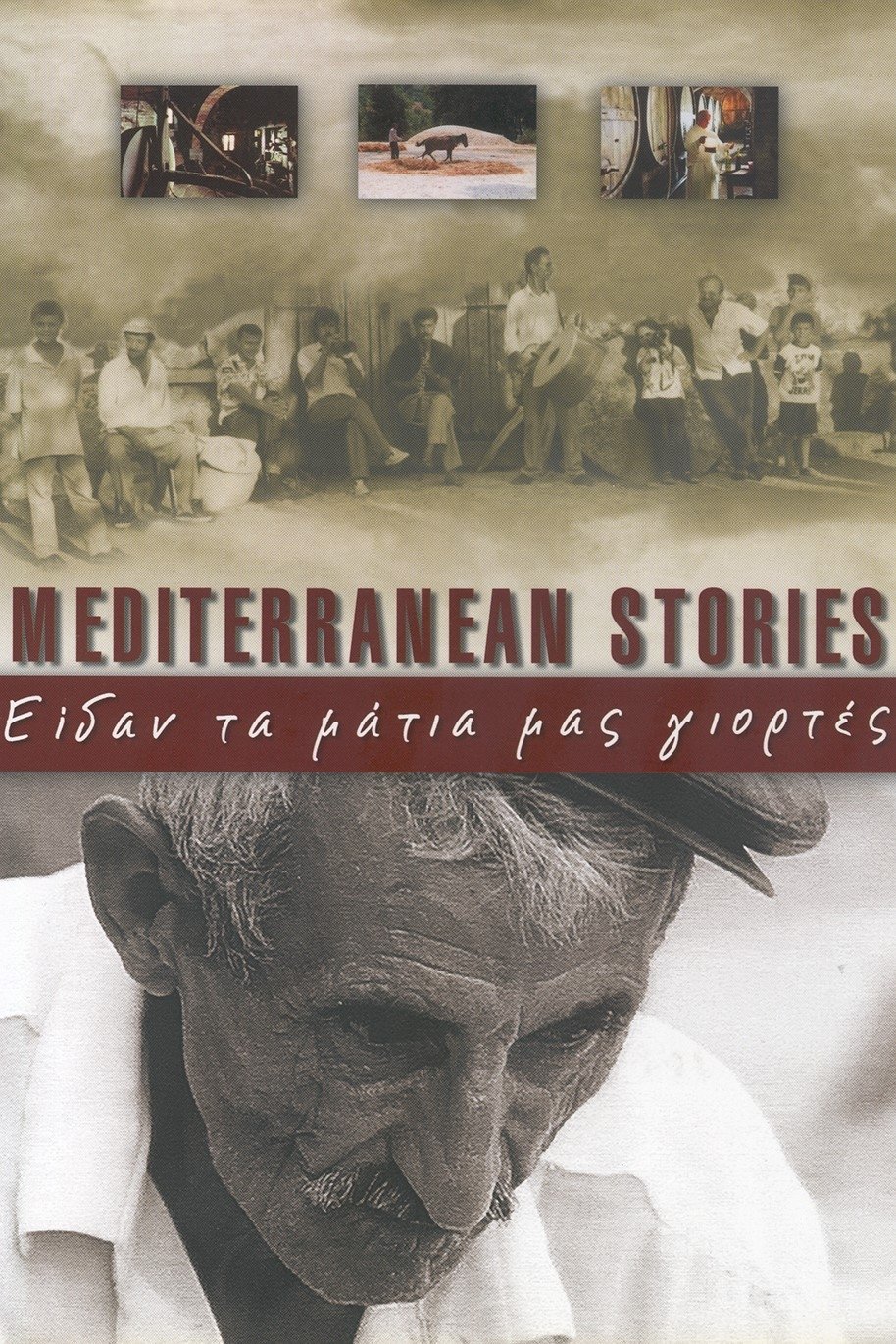
Pictures of the Mediterranean made with bread, oil and wine. In one meal the history, geography, economy, climate, culture and people of the Mediterranean. Close up of threshing floors, threshing floors, mills. Dietary habits, production methods, daily routines together with the natural and built environment make up the cultural body of the most interesting, perhaps, man-made environment in history. A culture that runs as a commonplace even in seemingly different worlds. The Mediterranean emerges in a sea of convergence and meeting without, however, ignoring the dynamics of the different.
Though both the historical and modern-day persecution of Armenians and other Christians is relatively uncovered in the mainstream media and not on the radar of many average Americans, it is a subject that has gotten far more attention in recent years.
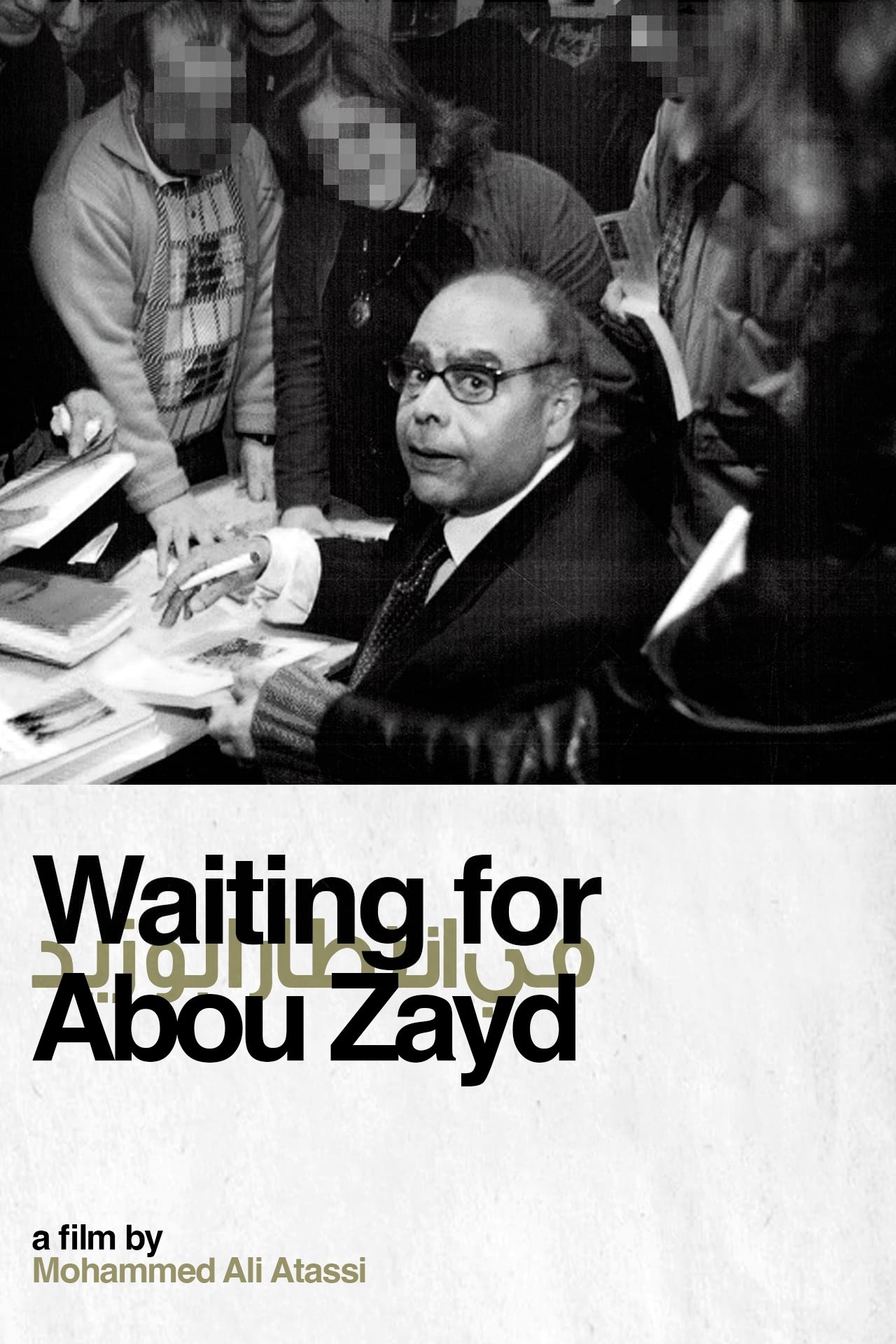
"Nasr Hamed Abou Zayd is not Godot, and the expectation promised by the title is misleading: this great gentleman is present in almost every shot. Who is he? An Egyptian Muslim theologian of international reputation, he has published exegeses of the Koran which led to his being condemned for apostasy. Exile, forced divorce from his wife Ibtihal Younes since his marriage was subject to annulment, separation from his son, such are the consequences of his writings. But Abou Zayd has not given up, residing in Leiden in the Netherlands, he continues, always on the road, to give conferences, to explain with great serenity his positions in public debates, on television, etc. C It is this particularly impressive dedication that Mohammad Ali Atassi's camera recorded over a period of six years.
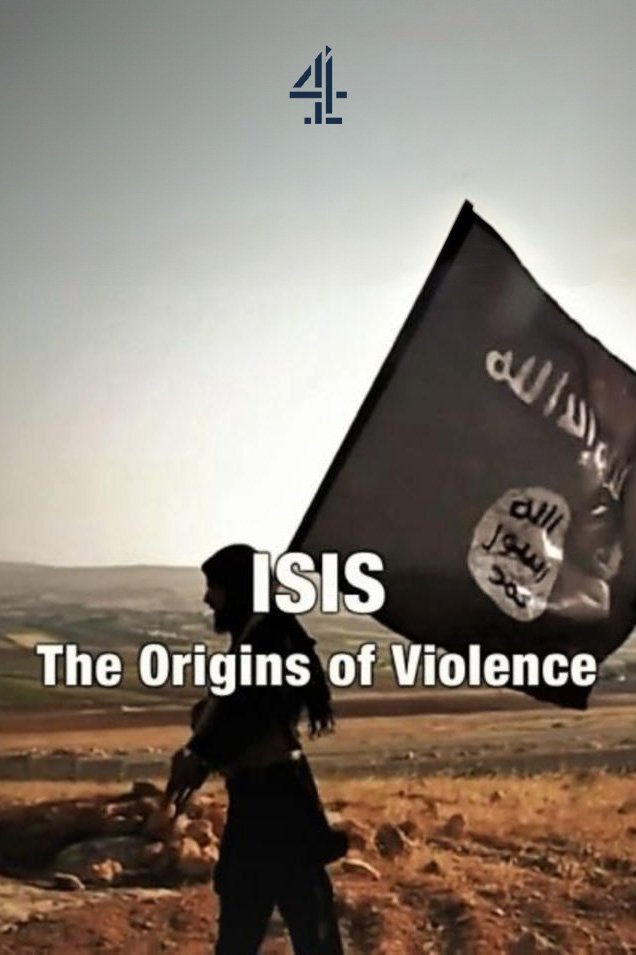
Historian Tom Holland traces the origins of Isis’ barbaric and sadistic violence which it claims is justified by the tenets and scriptures of Islam.
Produced by the Fox Movietone News arm of Fox Film Corporation and based on the book by Lawrence Stallings, this expanded newsreel, using stock-and-archive footage, tells the story of World War I from inception to conclusion. Alternating with scenes of trench warfare and intimate glimpses of European royalty at home, and scenes of conflict at sea combined with sequences of films from the secret archives of many of the involved nations.
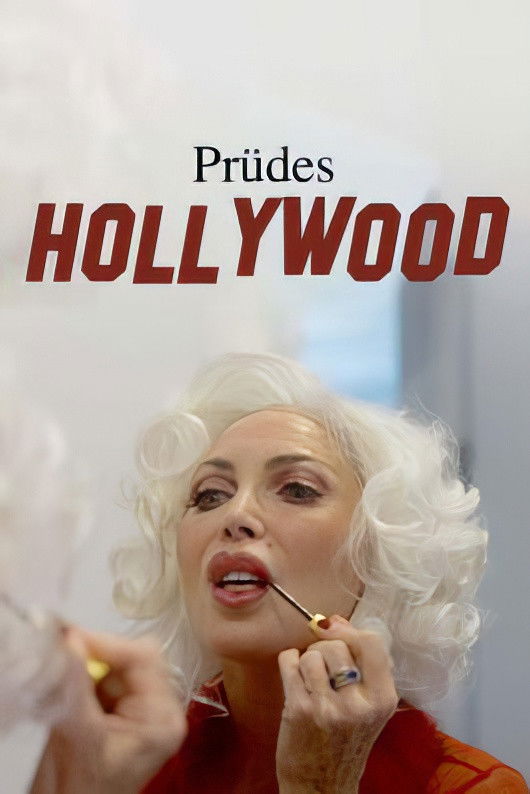
In recent years, Hollywood productions have turned away from sensuality. Is the sex scene on the verge of extinction or reinvention? Alongside film professionals and researchers, this documentary deciphers a trend that speaks volumes about the evolution of the industry and our societies.
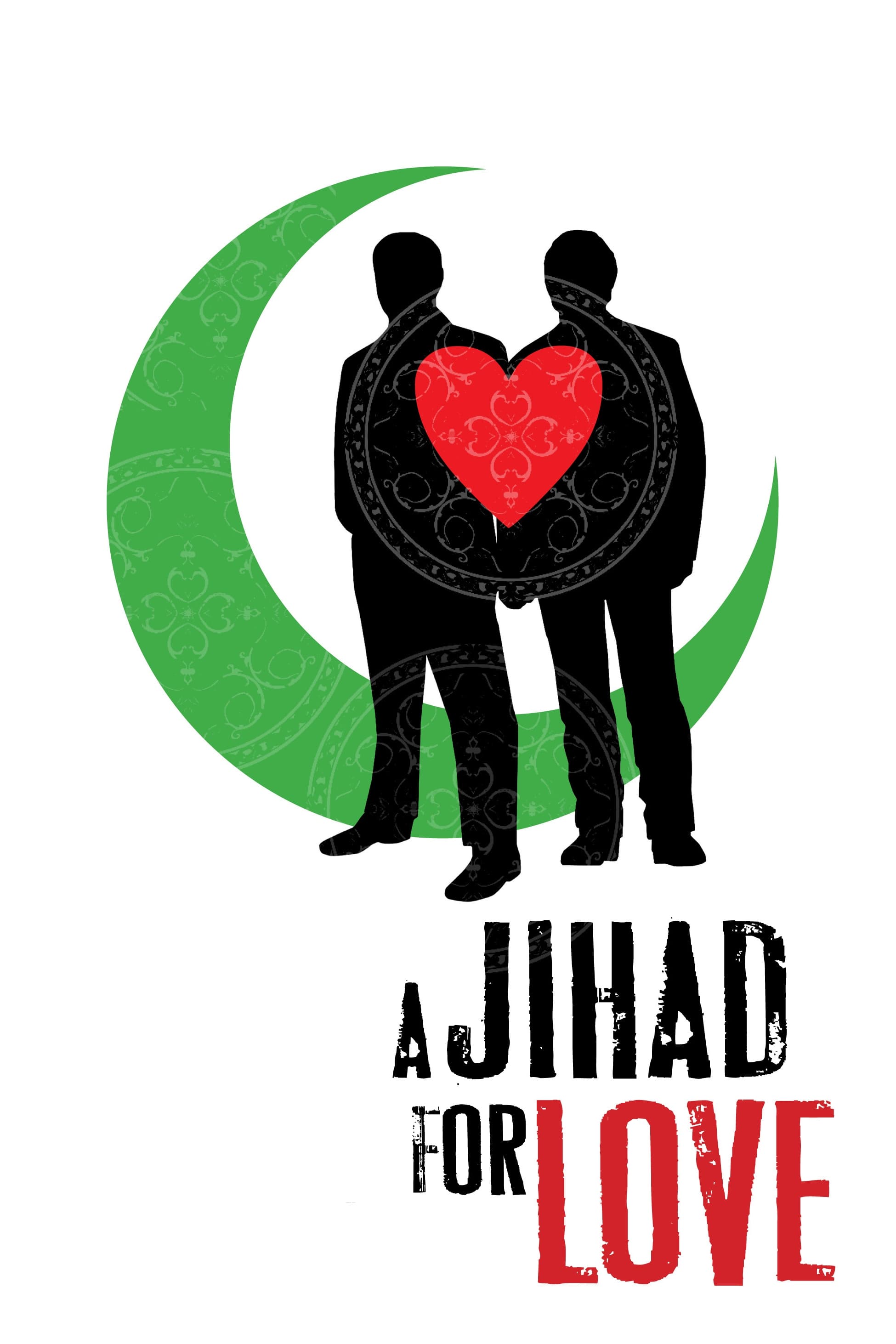
A documentary on gay, lesbian, and transgender Muslims across the Muslim and Western worlds.
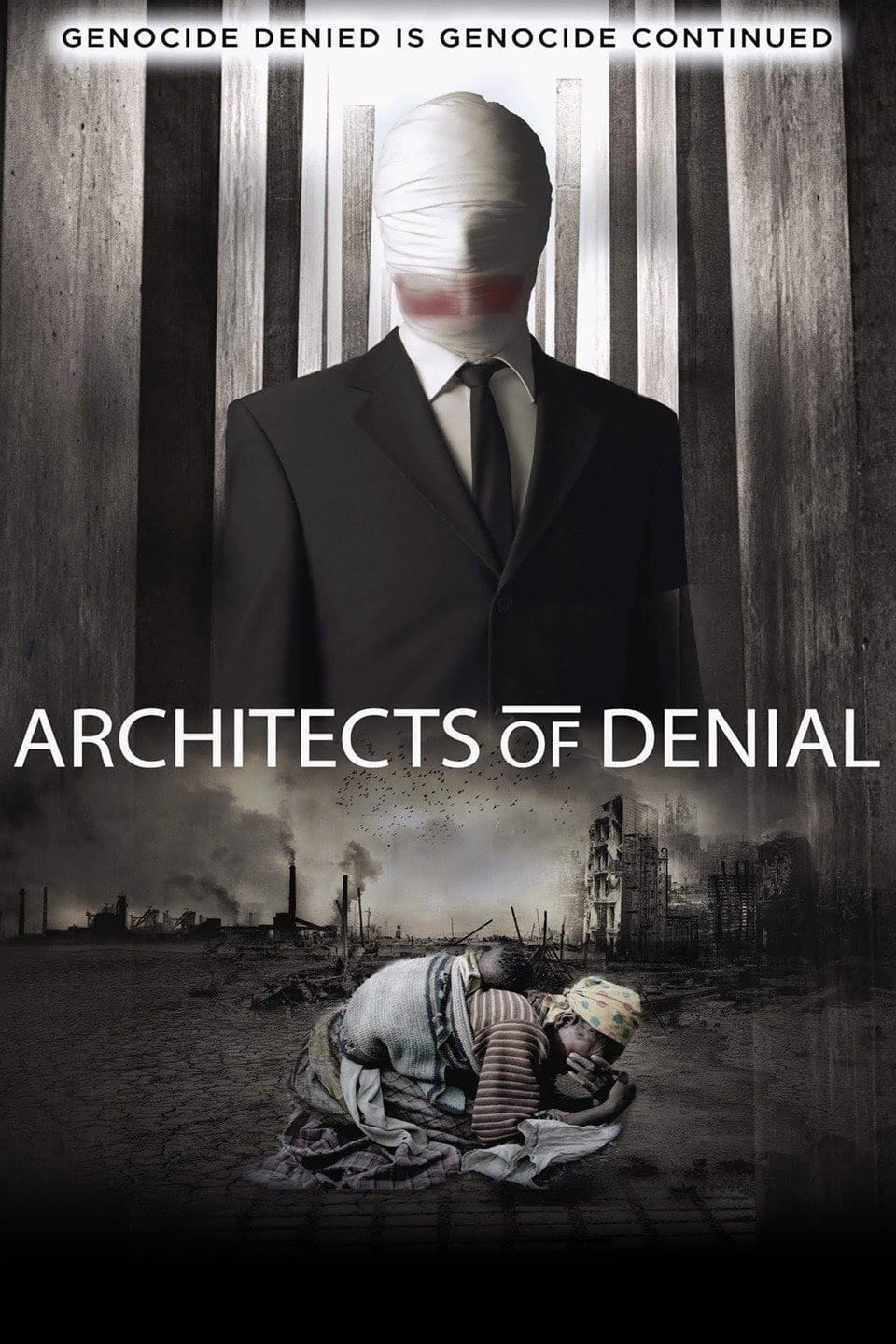
More than one million Armenians perished between 1915 and 1916 in massacres or brutal deportation programs. Turkey still denies it ever happened. Laurence Jourdan examines massacres of Armenians in the decades leading up to the mass murder, and the geopolitical situation both before and after the genocide. Contemporaneous reports and documents written by Western diplomats stationed in the Ottoman Empire describe the methods used and the deportation routes. These accounts are mixed with personal stories from the living survivors and archive footage from Ottoman authorities.
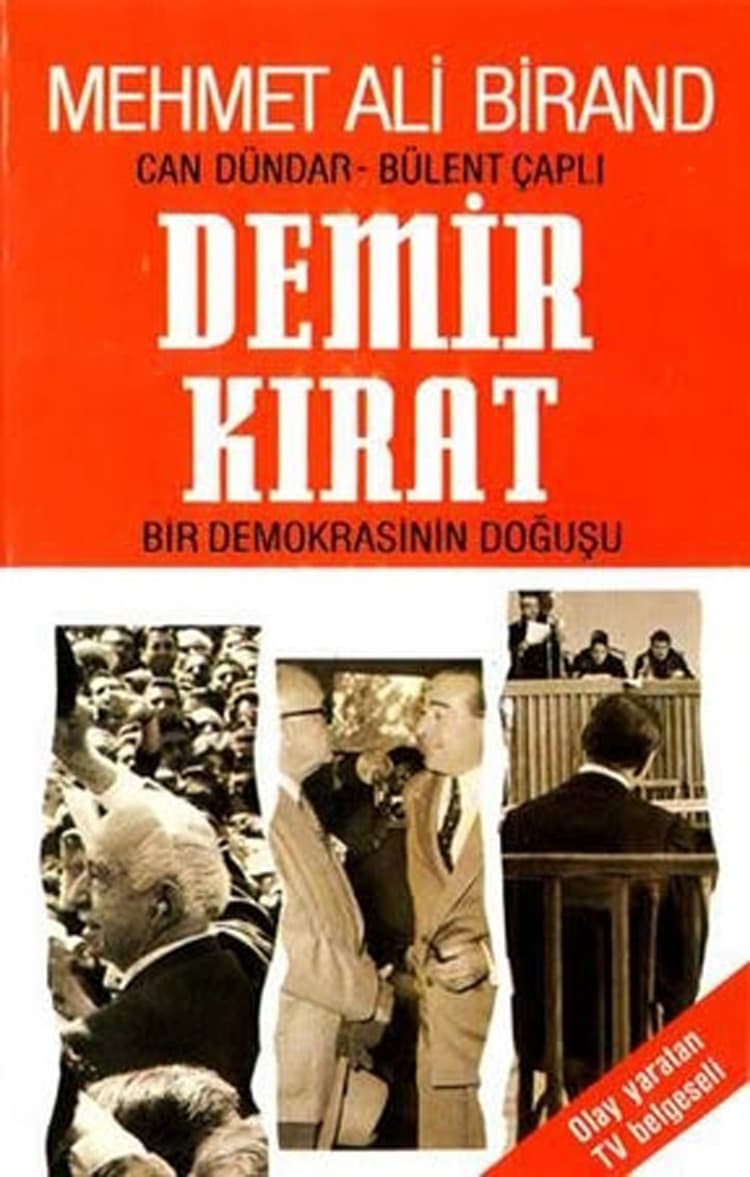
A documentary of Turkish political history about multi-party period, Democrat Party government and the coup d'etat of 27th May. Including eye-witness interviews with journalists, officers, politicians and family members.
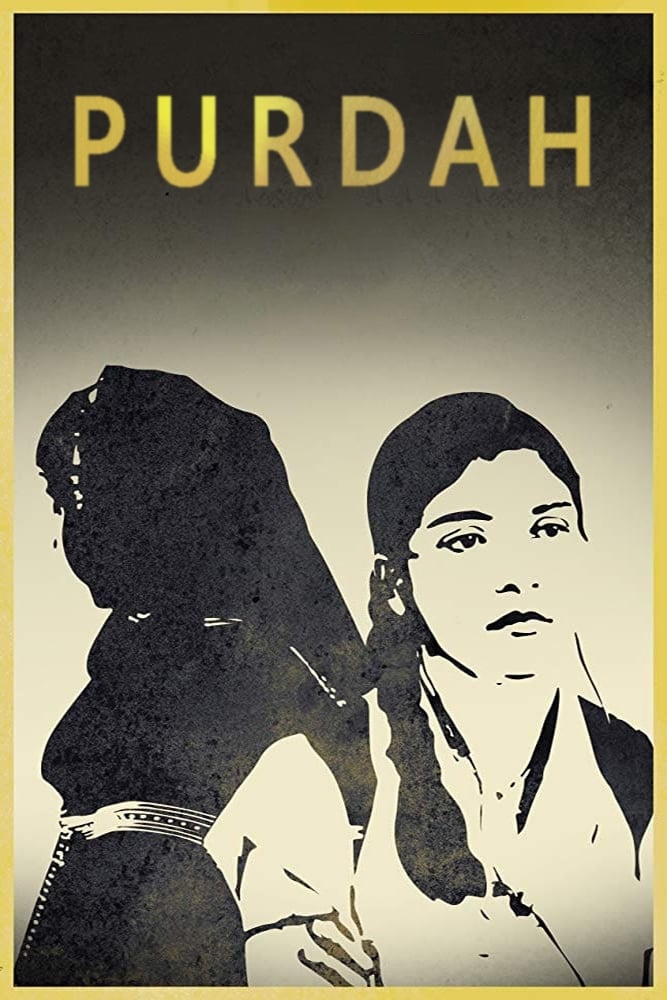
The inspiring story of a young Indian Muslim woman who trades her burka for dreams of playing on the Mumbai Senior Women's Cricket Team and how the harsh realities for women in her country creates an unexpected outcome for her own family, ultimately shattering and fueling aspirations.
What makes a voice “gay”? A breakup with his boyfriend sets journalist David Thorpe on a quest to unravel a linguistic mystery.
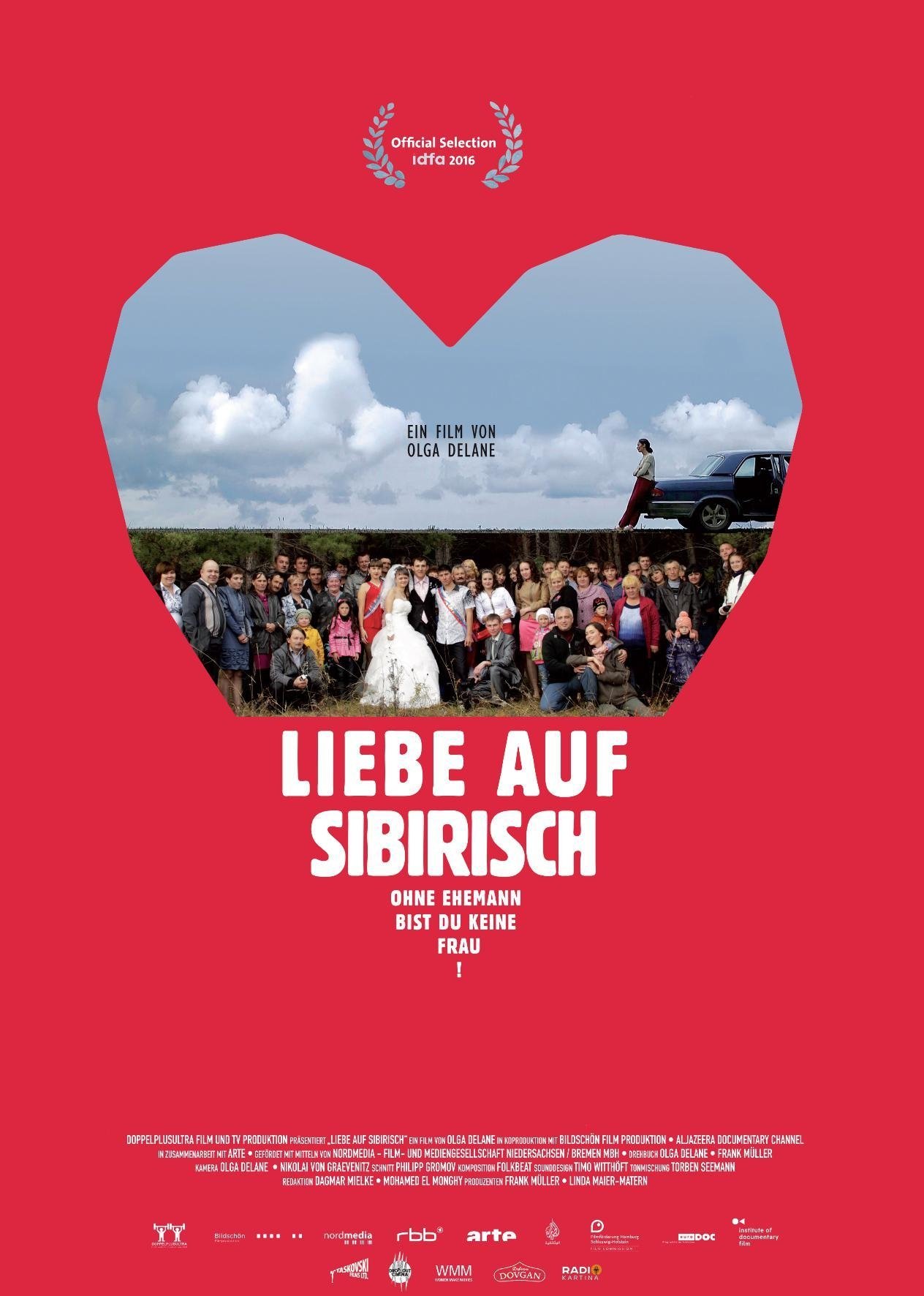
After 20 years of living in Berlin, the director Olga Delane goes back to her roots in a small Siberian village, where she is confronted with traditional views of relationships, life and love. The man is the master in the home; the woman’s task is to beget children and take care of the household (and everything else, too). Siberian Love provides unrivaled insights into the (love) life of a Siberian village and seeks the truth around the universal value of traditional relationships.
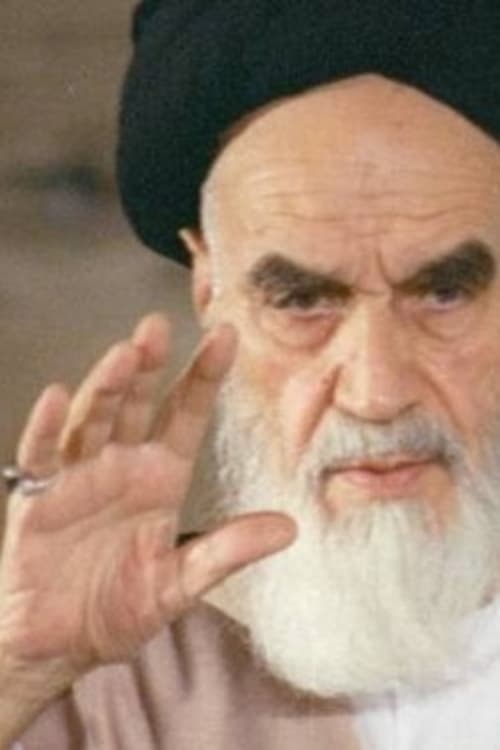
Oriana Fallaci, the Italian journalist who is noted for her provocative interviews, interviews the leader of the Islamic Revolution, the Ayatollah Ruhollah Khomeini, on Sept 12, 1979. For 10 days Oriana Fallaci waited in the holy city of Qum for her interview with the 79 year old Ayatollah, who is the de facto ruler of Iran. On Sept. 12, she was led into the Faizeyah religious school, where Khomeini holds his audiences. She was accompanied by two Iranians Nyho and Iran prime minster Banisadr who had helped set up the interview and who served as translators. Oriana Fallaci, barefoot, enveloped in a chador, the head to toe veil of the Moslem woman, was seated on a carpet, when the Ayatollah entered, and the recorded interview could begin.
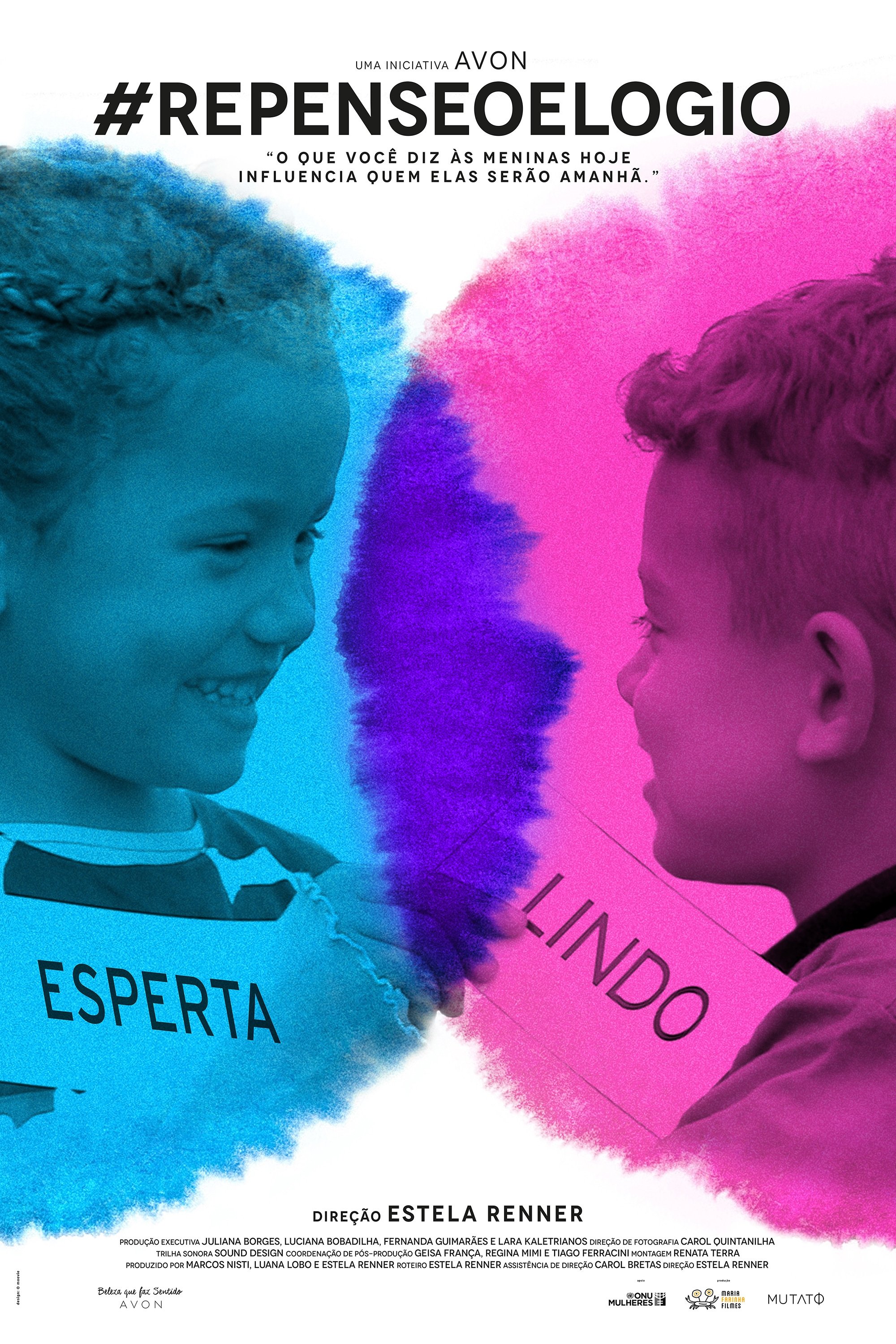
A documentary that proposes a conversation about the way children are praised. While girls are often praised solely for their appearance, boys can receive compliments by highlighting their skills. "Rethink the Praise" reflects on the power of words and culture that has brought an imbalance in the way we commend our boys and girls.