The representation of women in contemporary Italian media
Social & External
The people behind it
Lorella Zanardo
Narrator (voice)
Heists do not solely exist in the movies. These high profile schemes are elaborately planned, artful in their Machiavellian plotting, and so meticulously coordinated that they are often referred to as "the masterpieces of the confidence game". Often aimed at impossibly ambitious targets - casinos, jewelry stores, or famous museums - the masterminds behind these crimes are often heralded as the ingenious magicians of the underworld. The mystery and magnitude of these real crime stories sparks an undeniable interest for us innocent onlookers - a sense of seduction, spectacle and entertainment.
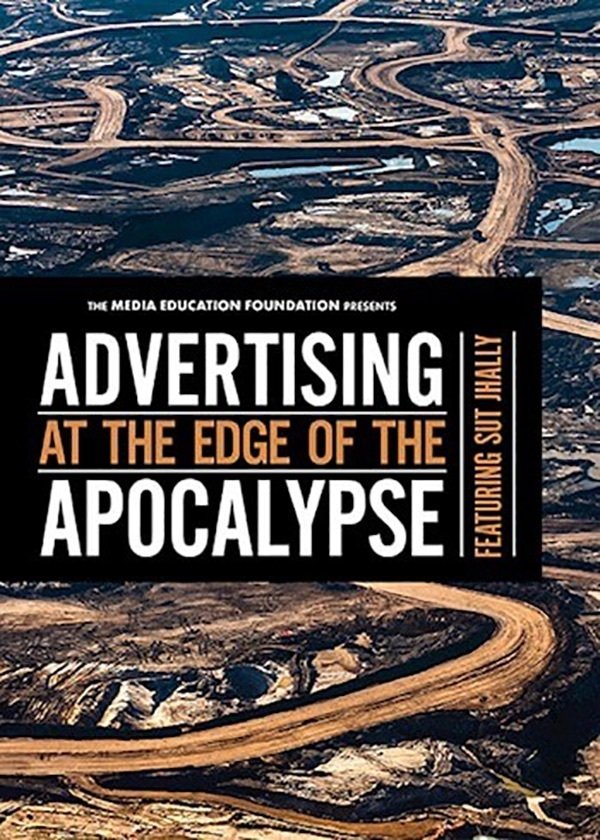
In this highly anticipated sequel to his groundbreaking, ADVERTISING AND THE END OF THE WORLD, media scholar Sut Jhally explores the devastating personal and environmental fallout from advertising, commercial culture, and rampant American consumerism. Ranging from the emergence of the modern advertising industry in the early 20th century to the full-scale commercialization of the culture today, Jhally identifies one consistent message running throughout all of advertising: the idea that corporate brands and consumer goods are the keys to human happiness. He then shows how this powerful narrative, backed by billions of dollars a year and propagated by the best creative minds, has blinded us to the catastrophic costs of ever-accelerating rates of consumption.
Documentary about the female fighter pilots in the 588th Night Bomber Regiment of the Soviet Union. In small planes made out of plywood and canvas they risked their lives every night during the last part of the second world war.
A documentary about the Synthwave scene, nostalgia and the universe of creating sounds. A love letter to human fascination and the collective memories of a universe, that never existed.
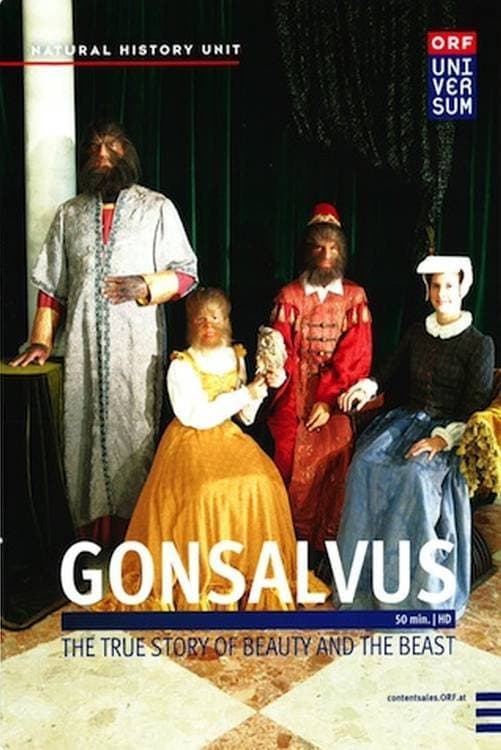
It's a condition known as "hypertrichosis" or "Ambras Syndrome," but in the 1500s it would transform one man into a national sensation and iconic fairy-tale character. His name: Petrus Gonsalvus, more commonly known today as the hairy hero of Beauty and the Beast.
Documentary about Bob and Kathy Burns, the goodwill ambassadors of science fiction film fandom.
For how long have we been laughing? Are human beings the only ones to laugh? In the past, scientists tended to neglect such questions of laughter, leaving them to the philosophers. Jacques Mitsch's A NATURAL HISTORY OF LAUGHTER explores recent scientific attempts to explicate this most elusive of human faculties, undertaken by scientists who see it as a means of approaching some of the larger mysteries of neurology and human behavior.
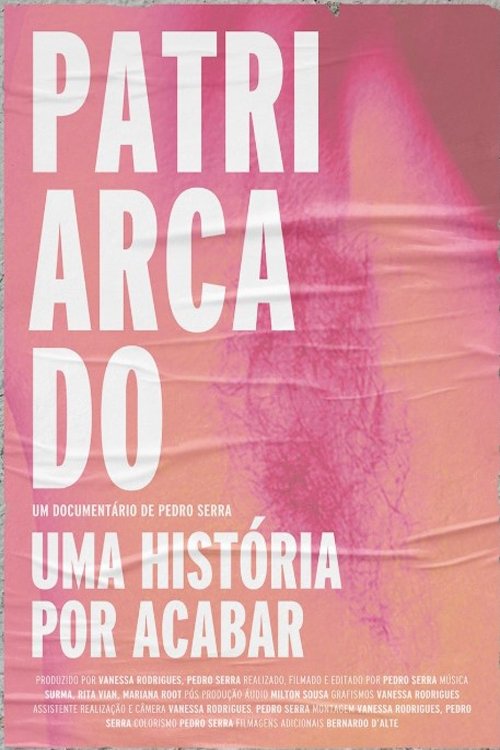
A documentary that brings together interviews with 20 activists who address the issue of intersectional feminism and patriarchy in Portugal.
Puentes de Salud is a volunteer-run clinic that provides free medical care to undocumented immigrants in south Philadelphia. Here, doctors and nurses work for free to serve people who would otherwise fall through the cracks. Clinica de Migrantes, a potent film by Maxim Pozdorovkin, follows the workers and patients of Puentes through months of routine care and growth. Along the way, the film puts a face to the millions of people who exist on the margins of society: people displaced from their homelands, separated from their families, unfamiliar with the customs, unable to obtain health insurance and terrified to come forward to seek medical help. Along with revealing these patient stories, Clinica is also a look at the heroic doctors and nurses who work pro bono to ensure these people receive care, offering a deeply moving look at the limitless potential of humanity.
On its surface, this is a film about a man returning to New York to finish the film he began in 1970, when he was a 22 year old film school hotshot. Along with his former lover and star of the film, they transfer the film, hire an editor, and get to work.
Following the 2002 HBO documentary "Journeys with George," Pelosi's irreverent account of George W. Bush on the campaign trail, she set out on the road again with a handful of distinguished men competing to see who could eat the most pies, raise the most money and get the most votes to become the Democratic Party nominee.
Each year in the United States, over 200,000 prisoners face a parole board that must make the difficult judgment of whether these convicted criminals are ready to gain their freedom and return to society. This documentary focuses on three inmates in Louisiana, Nevada, and Massachusetts with a range of chilling crimes - a father's murder by his troubled son, a crime of passion by a respected NASA scientist, and a shooting/robbery on the streets of Las Vegas. Incorporating interviews of key characters with extensive testimony footage and reenactment sequences that explore the life and crime of the inmate, the film vividly examines the conflicting needs of the victim, the criminal, and the community while testing our own notions of justice.
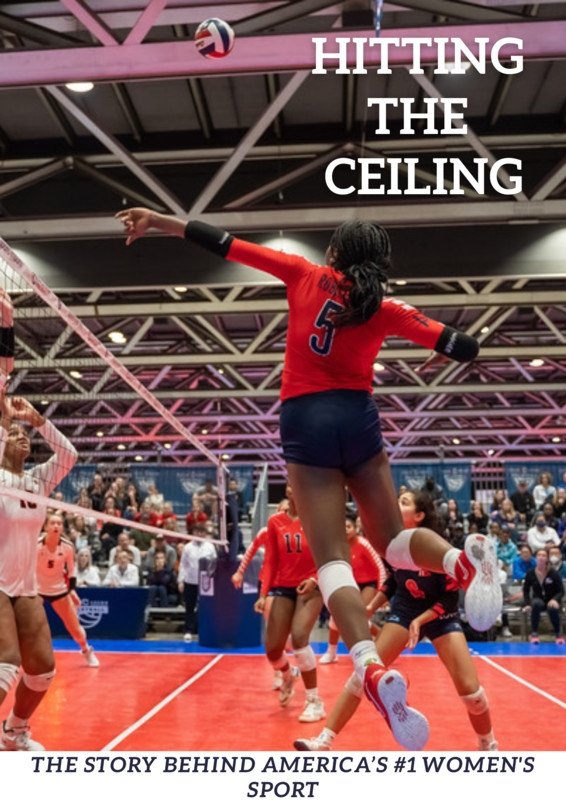
The story behind the growth of women's and girls' volleyball in the United States and how it continues to bolster and empower young women in their development. Featuring direct interviews with players, coaches, and families, as well as footage of the 2022 Big South Qualifier tournament.
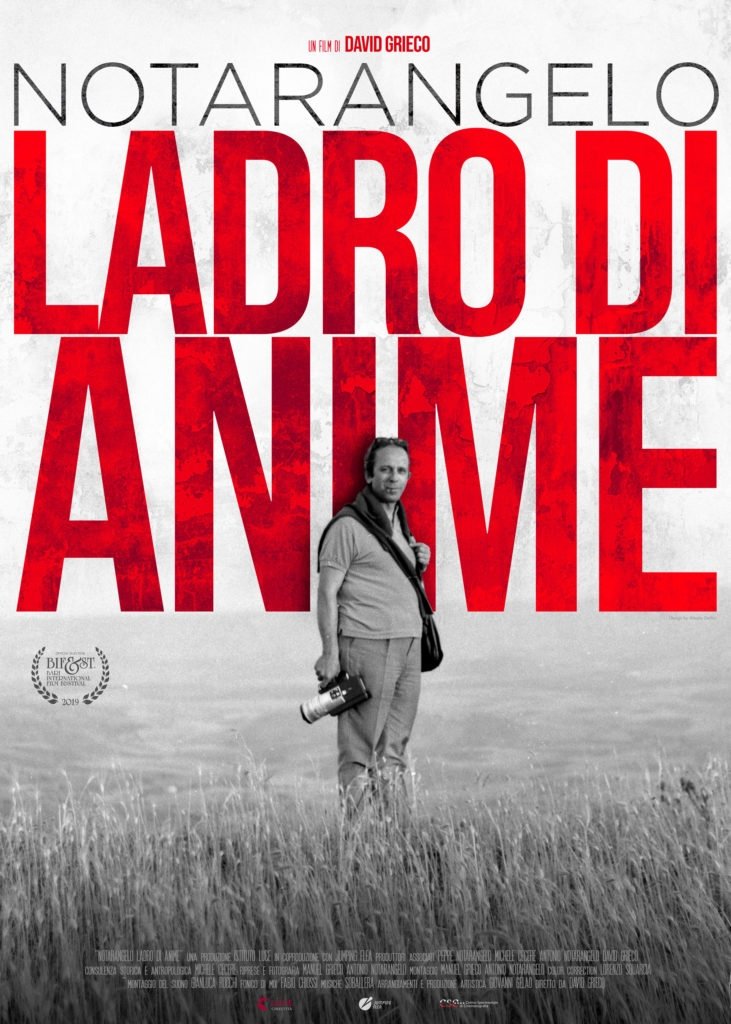
David Griecos documentary showcases the underappreciated photography of Domenico Notarangelo, and through it, tells the story of Matera, it's people and it's history.
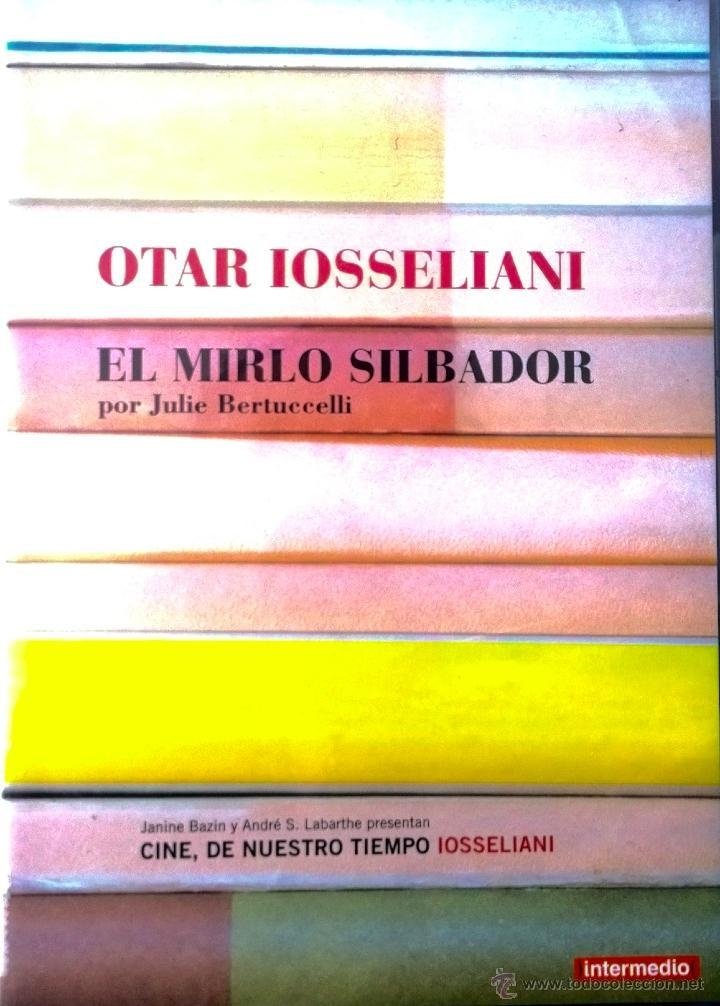
Georgian director Otar Iosseliani prepares his film Jardins en Automne. Nothing is conventional in the filmmaker's system: Julie Bertuccelli portrays the gestation and production of a film that seems to follow the freest and most unpredictable poetic intuitions of its creator. The constant and hilarious arguments with the producer, Martine Marignac, a Michel Piccoli transformed into an old woman, and the director's peculiar filming system, in which he signals his actors to start with a whistle, paint a picture of one of the most unclassifiable cinematic experiences in contemporary cinema.
The carnage in Sarajevo provides the focus of this French documentary which seeks to call attention to the terrible conflict in the hopes of finally ending it. The film is divided into five parts. Each part covers a time frame ranging from April 4, 1992, the beginning of the war, to the present. The major issues that occur are three-fold. It depicts the systematic genocide of Bosnians, the silence of Western countries, and the determination of the Bosnians to resist. They refuse to be seen as victims, even though the filmmakers portray them so. Also included are the origins and political aspects of the war. It offers interviews with participants. It also reveals how the U.S. State Department censored reports about Serbian death camps.
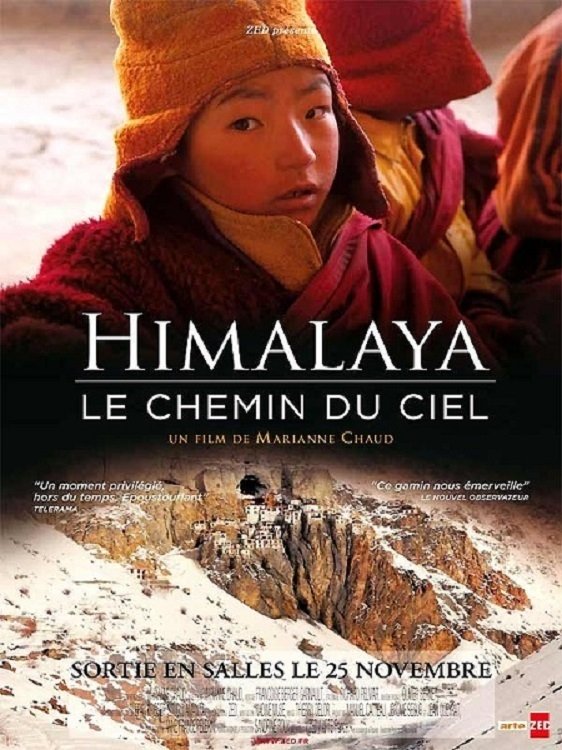
Directed by Marianne Chaud
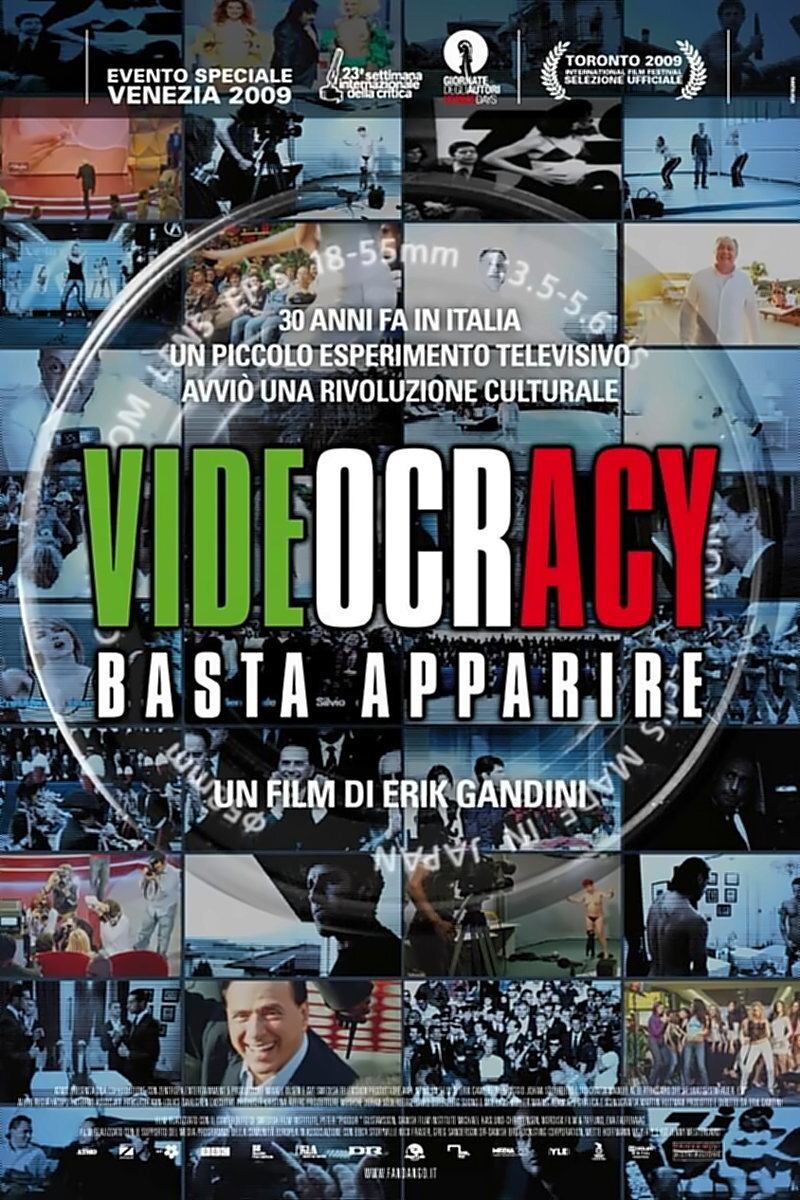
In a country where bella figura is a national pastime, Prime Minister Silvio Berlusconi is the maestro of media manipulation. Having risen to political primacy with the aid of his Mediaset empire, he now controls 90% of the bel paese’s television channels including the state-run RAI network. Quantity, it seems, does not equal quality. Fed on a diet of semi-naked dancing girls, inane competitions and rickety reality shows built around the most ridiculous of premises, is it any wonder that Italians are becoming a nation of fame-hungry wannabes?
Film which travels inside the singular world of one of Italy's most famous fashion designers, Valentino Garavani, documenting the colourful and dramatic closing act of his celebrated career and capturing the end of an era in global fashion. However, at the heart of the film is a love story - the unique relationship between Valentino and his business partner and companion of 50 years, Giancarlo Giammetti. Capturing intimate moments in the lives of two of Italy's richest and most famous men, the film lifts the curtain on the final act of a nearly 50-year reign at the top of the glamorous and fiercely competitive world of fashion. (Storyville)
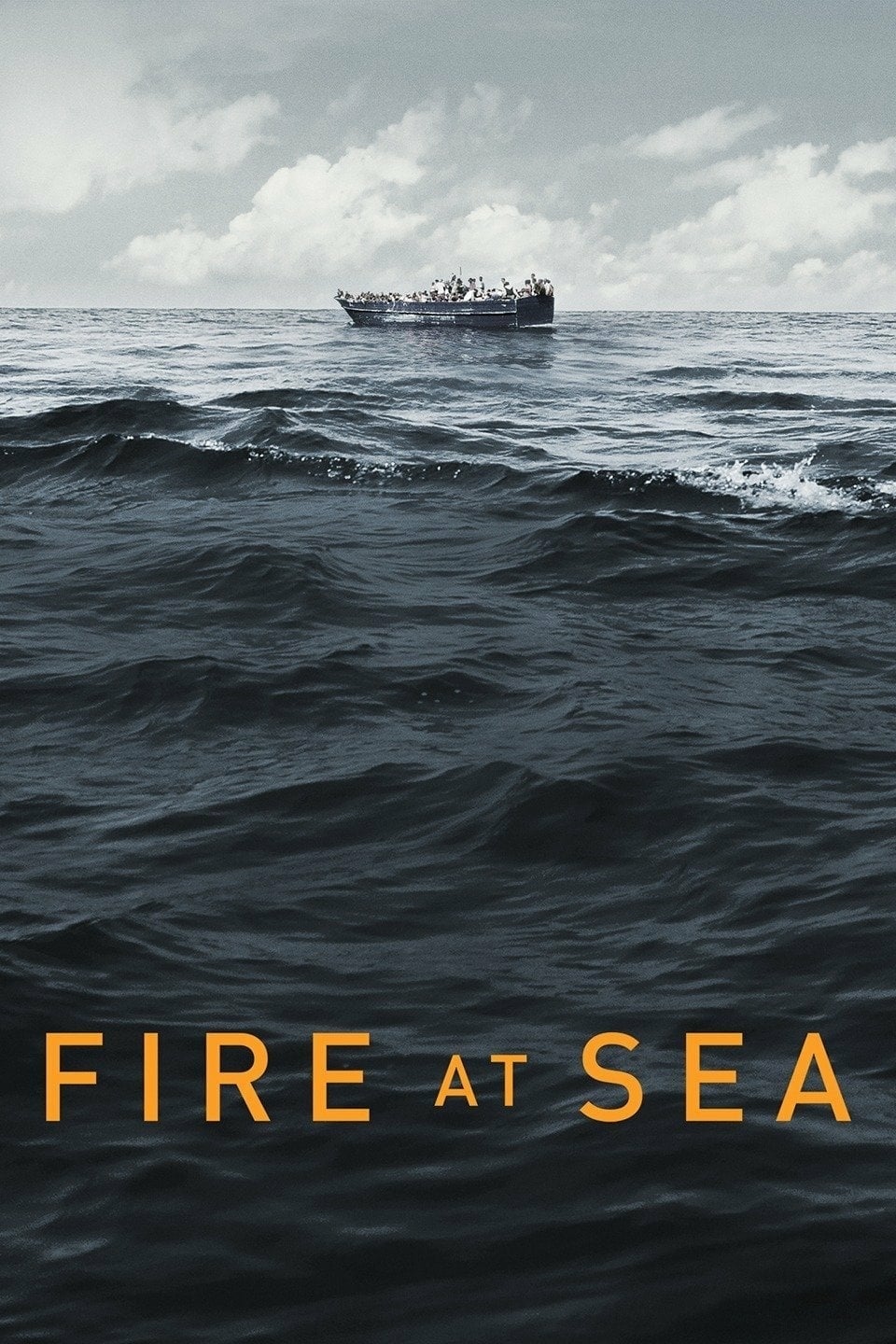
Capturing life on the Italian island of Lampedusa, a frontline in the European migrant crisis.
A love letter from a young mother to her daughter, the film tells the story of Waad al-Kateab’s life through five years of the uprising in Aleppo, Syria as she falls in love, gets married and gives birth to Sama, all while cataclysmic conflict rises around her. Her camera captures incredible stories of loss, laughter and survival as Waad wrestles with an impossible choice– whether or not to flee the city to protect her daughter’s life, when leaving means abandoning the struggle for freedom for which she has already sacrificed so much.
A documentary on the expletive's origin, why it offends some people so deeply, and what can be gained from its use.
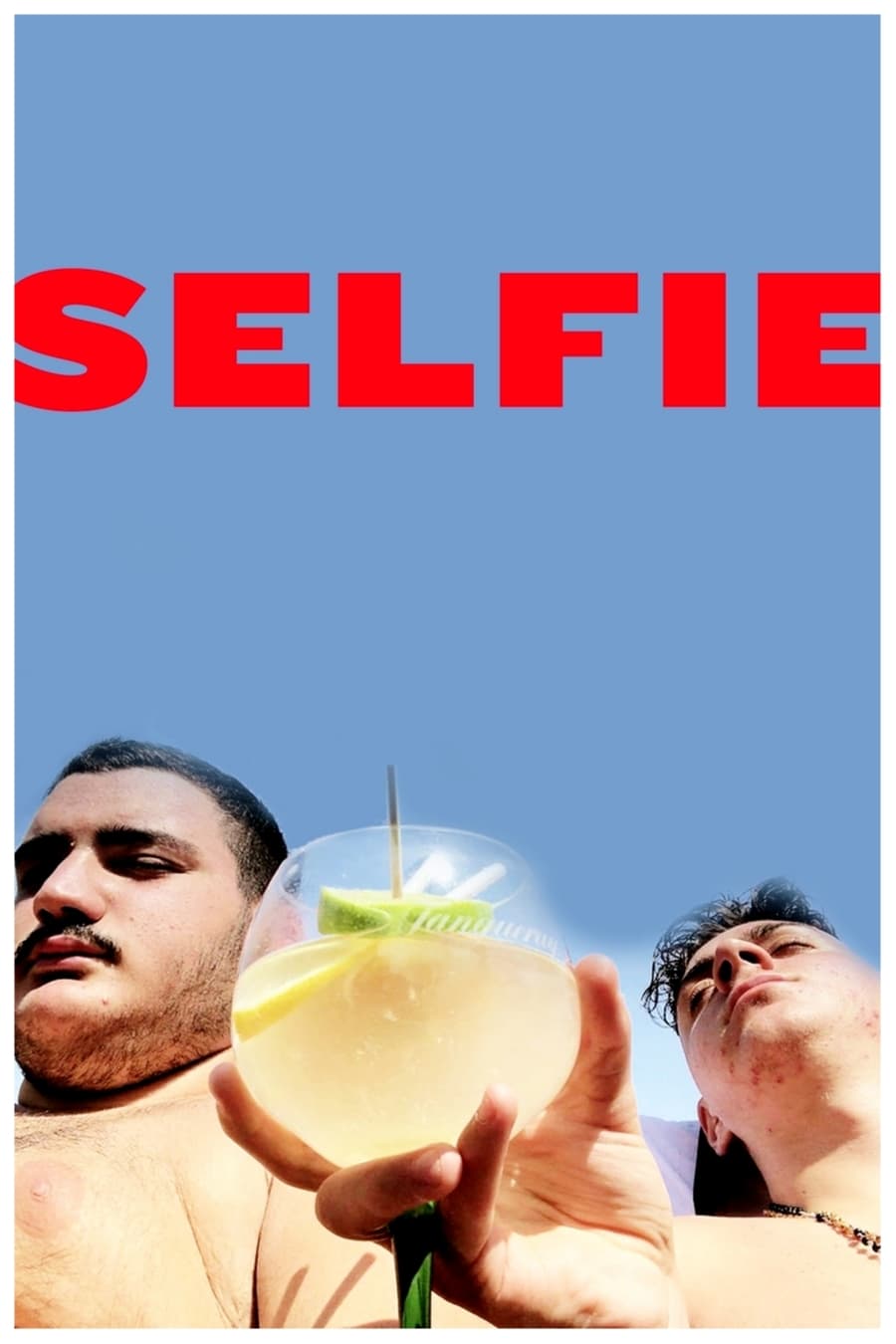
Naples, Trajan's district. Initially it was intended for the inhabitants of the shantytowns on the seafront of Naples, who were homeless after the war. But it soon became a kind of ghetto. Alessandro and Pietro are two teenagers who film with an iPhone to tell their difficult neighborhood, their daily life, the friendship that binds them.
A string of threatening emails escalates into a revenge plot involving a newly married US marshal and his ex-girlfriend.
An investigative look and analysis of gender disparity in Hollywood, featuring accounts from well-known actors, executives and artists in the Industry.
The film MISS REPRESENTATION exposes how American youth are being sold the concept that women and girls’ value lies in their youth, beauty and sexuality. Explores the under-representation of women in positions of power and influence in America, and challenges the media's limited portrayal of what it means to be a powerful woman. It’s time to break that cycle of mistruths.
Alex Gibney explores the charged issue of pedophilia in the Catholic Church, following a trail from the first known protest against clerical sexual abuse in the United States and all way to the Vatican.
In an intimate and joyful story of love in the face of loss, celebrated poets Andrea Gibson and Megan Falley find strength—and unexpected hilarity—in what might be their final year together.
When a feminist filmmaker sets out to document the mysterious and polarizing world of the Men’s Rights Movement, she begins to question her own beliefs. Chronicling Cassie Jaye’s journey exploring an alternate perspective on gender equality, power and privilege.
Pier Paolo Pasolini sets out to interview Italians about sex, apparently their least favorite thing to talk about in public: he asks children if they know where babies come from; asks old and young women if they support gender equality; asks both sexes if a woman's virginity still matters, what do they think of homosexuality, if divorce should be legal, or if they support the recent abolition of brothels. He interviews blue-collar workers, intellectuals, college students, rural farmers, the bourgeoisie, and every other kind of people, painting a vivid portrait of a rapidly-industrializing Italy, hanging between modernity and tradition — toward both of which Pasolini shows equal distrust.
What are we talking about when we talk about negotiations? About the state's concessions to the Mafia in exchange for ending the massacres? About who assassinated Falcone and Borsellino? Of the eternal coexistence between the Mafia and politics? Between the mafia and the church? Between the Mafia and law enforcement? Or is there more? A group of actors enacts the most relevant episodes of the affair known as the Mafia-state negotiation, impersonating mobsters, secret service agents, high officials, magistrates, victims and murderers, Freemasons, honest and courageous people, and courageous people up to a point. Thus one of the most intricate events in our history becomes an exciting tale.
Through deeply personal interviews with her siblings and an examination of the photographs, letters, and belongings left behind, Mariska assembles a new portrait of her mother Jayne Mansfield, an extraordinary and complex woman.
As a visually radical memoir, CAMERAPERSON draws on the remarkable footage that filmmaker Kirsten Johnson has shot and reframes it in ways that illuminate moments and situations that have personally affected her. What emerges is an elegant meditation on the relationship between truth and the camera frame, as Johnson transforms scenes that have been presented on Festival screens as one kind of truth into another kind of story—one about personal journey, craft, and direct human connection.
Using the book 'Fragments', which collects Marilyn Monroe's poems, notes and letters, and with participation from the Arthur Miller and Truman Capote estates who have contributed more material, each of the actresses will embody the legend at various stages in her life.
This revealing documentary honors the legendary Sidney Poitier—iconic actor, filmmaker, and civil rights activist. Featuring interviews with Denzel Washington, Spike Lee, Halle Berry, and more.
Prelude to War was the first film of Frank Capra's Why We Fight propaganda film series, commissioned by the Pentagon and George C. Marshall. It was made to convince American troops of the necessity of combating the Axis Powers during World War II. This film examines the differences between democratic and fascist states.
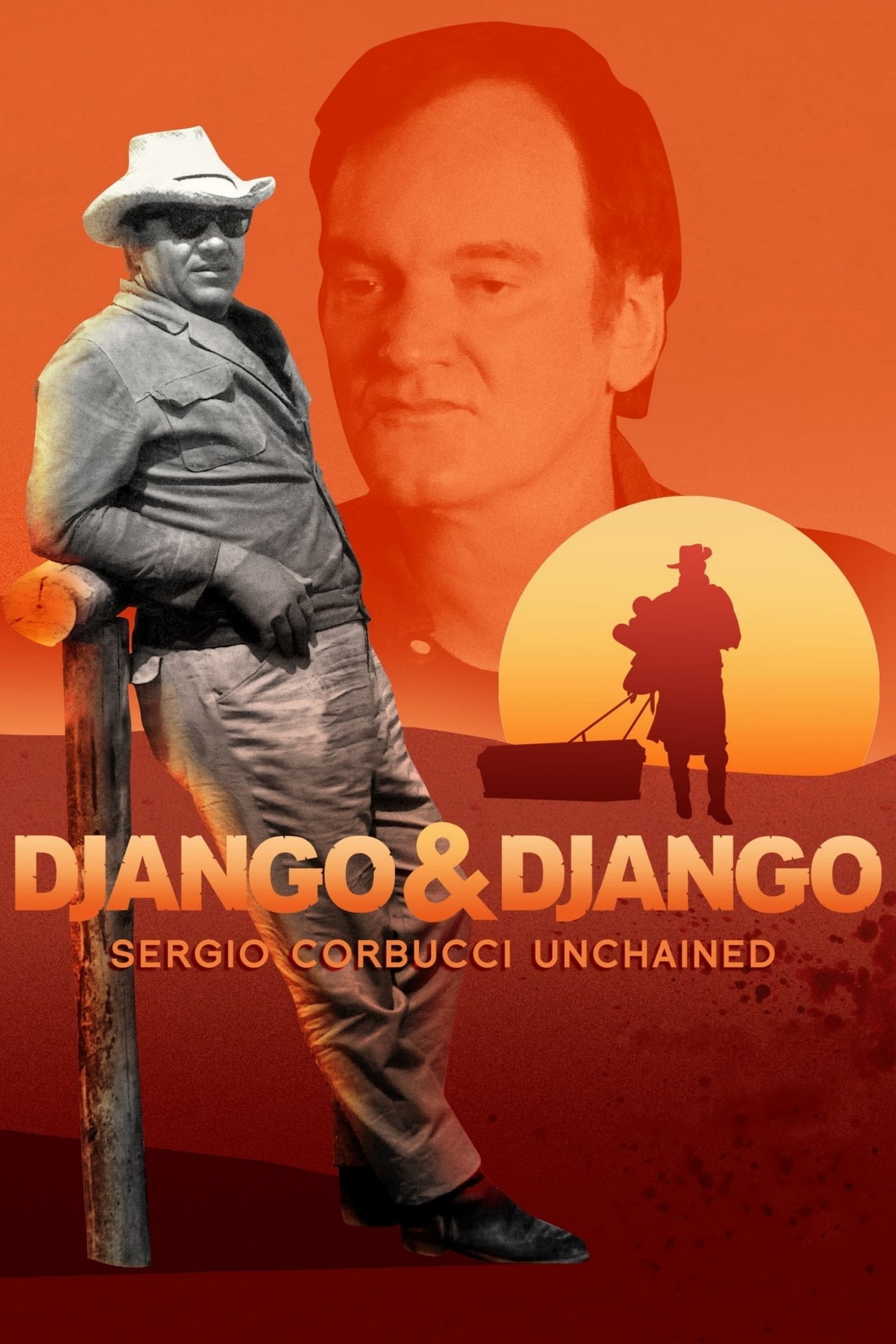
A tribute to Italian filmmaker Sergio Corbucci (1926-90), presented by American filmmaker Quentin Tarantino.