"1976"
TianAnMen sqaure documentary. About the Chinese goverment actions taken against its protestors in 1976.
Social & External
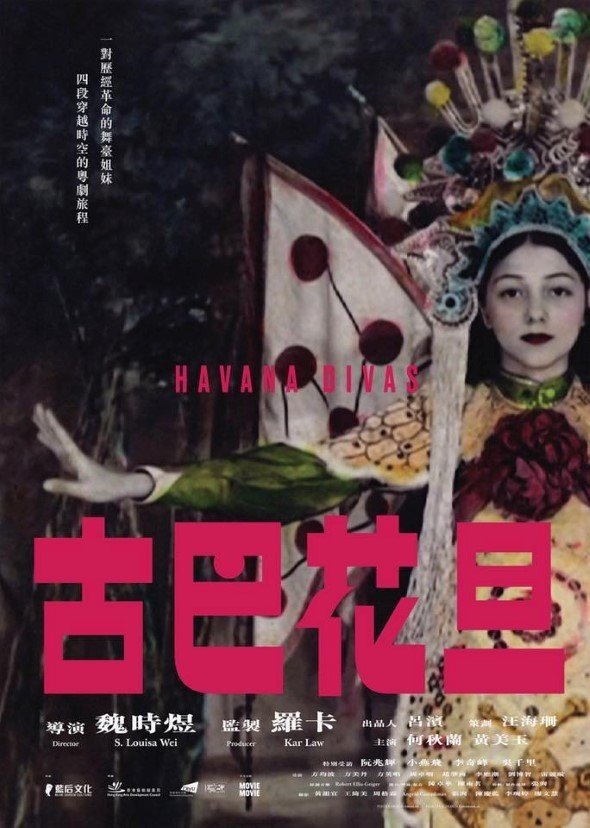
The story focus on Caridad and Georgina, who had learned the art of Cantonese Opera in Havana as a young age and performed as divas for over a decade before their lives were changed by Fidel Castro's revolution.
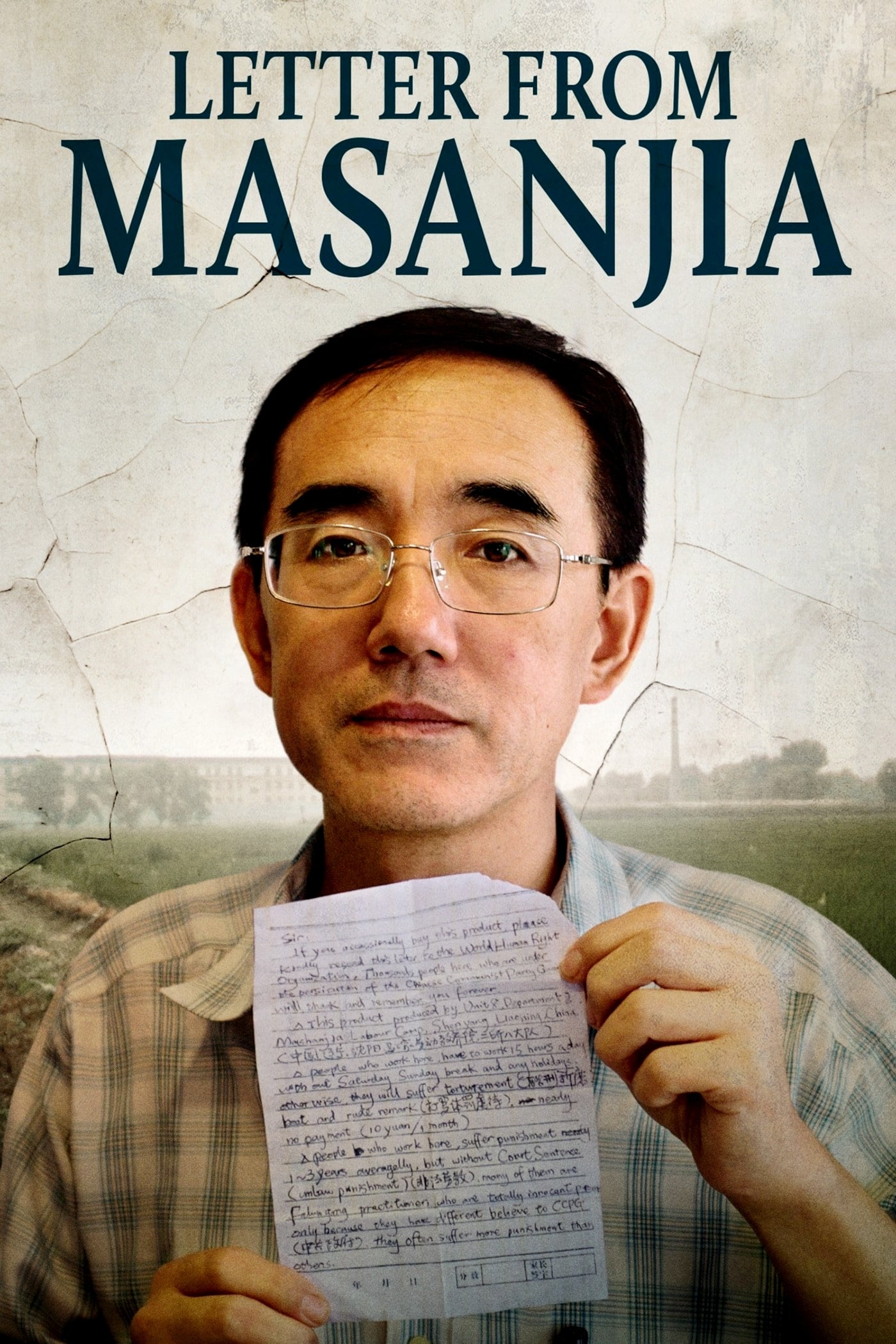
Damascus, Oregon, United States. Julie Keith finds a baffling message hidden in a pack of decorative items, a desperate plea for help, written by someone imprisoned in a Chinese labor camp called Masanjia…
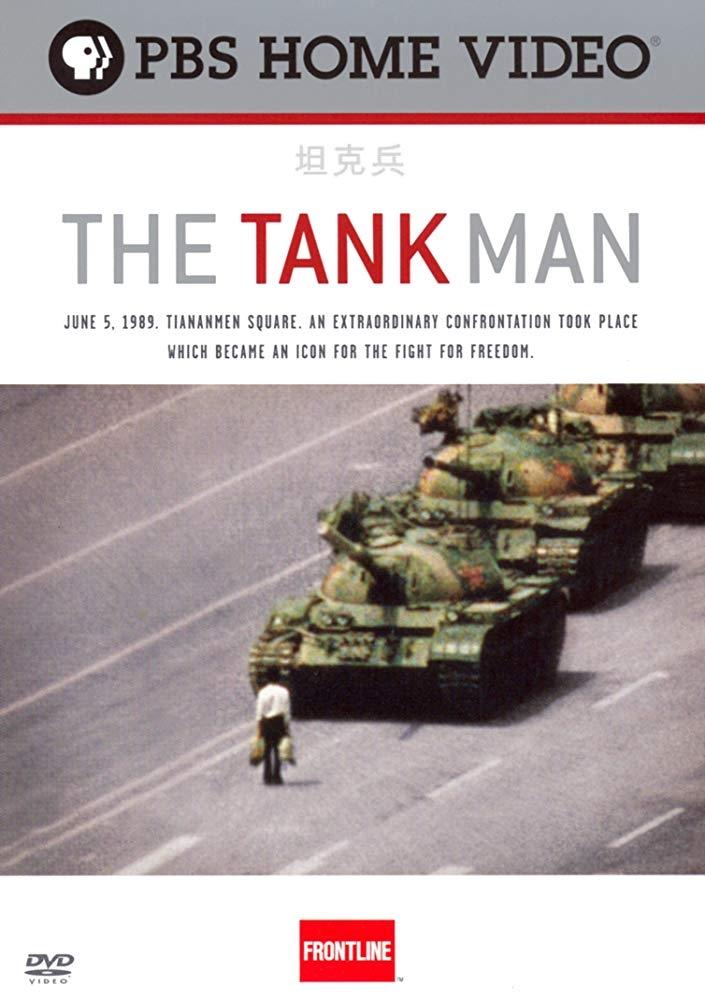
On June 5, 1989, one day after Chinese troops expelled thousands of demonstrators from Tiananmen Square in Beijing, a solitary, unarmed protester stood his ground before a column of tanks advancing down the Avenue of Eternal Peace. Captured by Western photographers watching nearby, this extraordinary confrontation became an icon of the fight for freedom around the world. FRONTLINE investigates the mystery of the tank man — his identity, his fate, and his significance for the Chinese leadership.

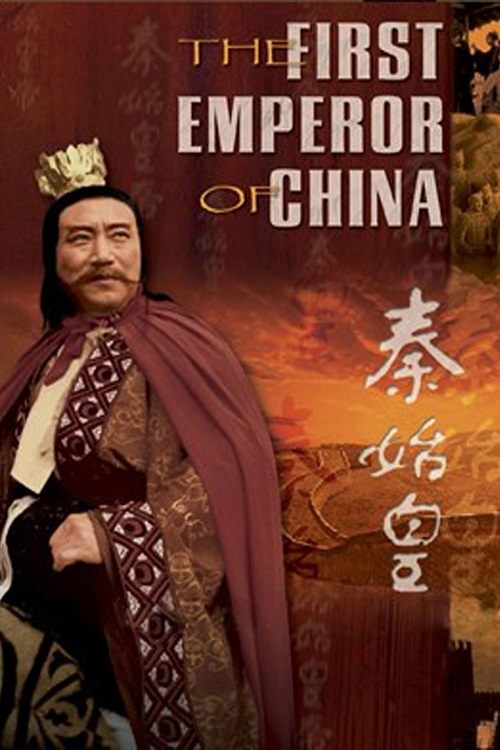
Docu-drama profiling Ying Sheng, the first Emperor of China. Charting the life of the man who unified China, this documentary begins with the future Emperor's rise to power after the death of his father, becoming King of Qin at the age of thirteen. Mostly told through the use of re-enactments, the story continues to the present day and the discovery of the Emperor's tomb and terracotta army in 1974.
The true story of the seven weeks that changed China forever. On June 4, 1989, pro-democracy demonstrations were violently and bloodily repressed. Thousands of people died, but the basis for China's future was definitely planted.
In 208 A.D., in the final days of the Han Dynasty, shrewd Prime Minster Cao convinced the fickle Emperor Han the only way to unite all of China was to declare war on the kingdoms of Xu in the west and East Wu in the south. Thus began a military campaign of unprecedented scale. Left with no other hope for survival, the kingdoms of Xu and East Wu formed an unlikely alliance.
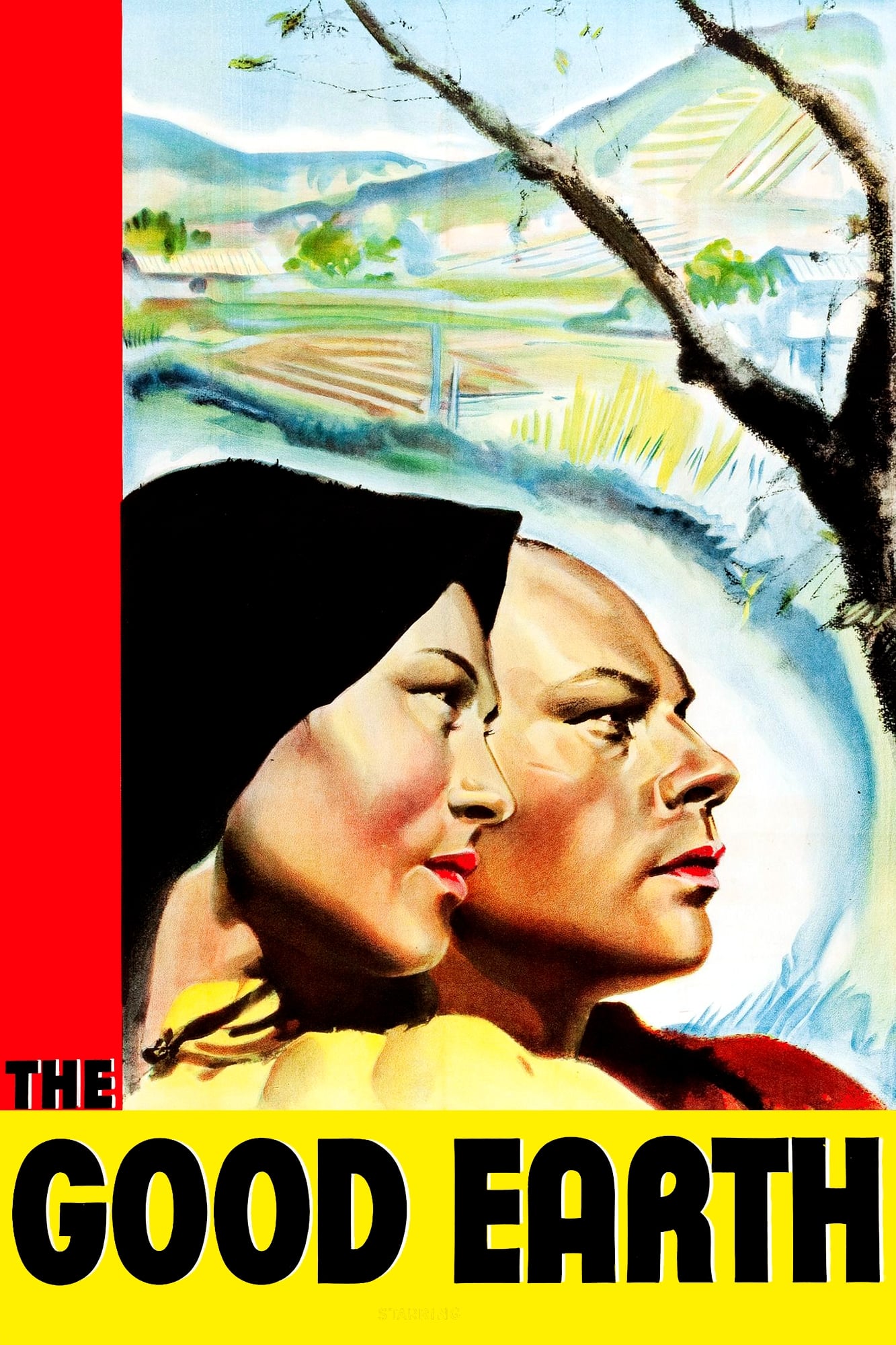
China, during the rule of the Qing Dynasty. The arranged marriage between Wang Lung, a humble farmer, and O-Lan, a domestic slave, will endure the many hardships of life over the years; but the temptations of a fragile prosperity will endanger their love and the survival of their entire family.
An early lost swordplay film from Hong Kong. It centered on Wu Lai-Chu as a swordswoman fighting evil.
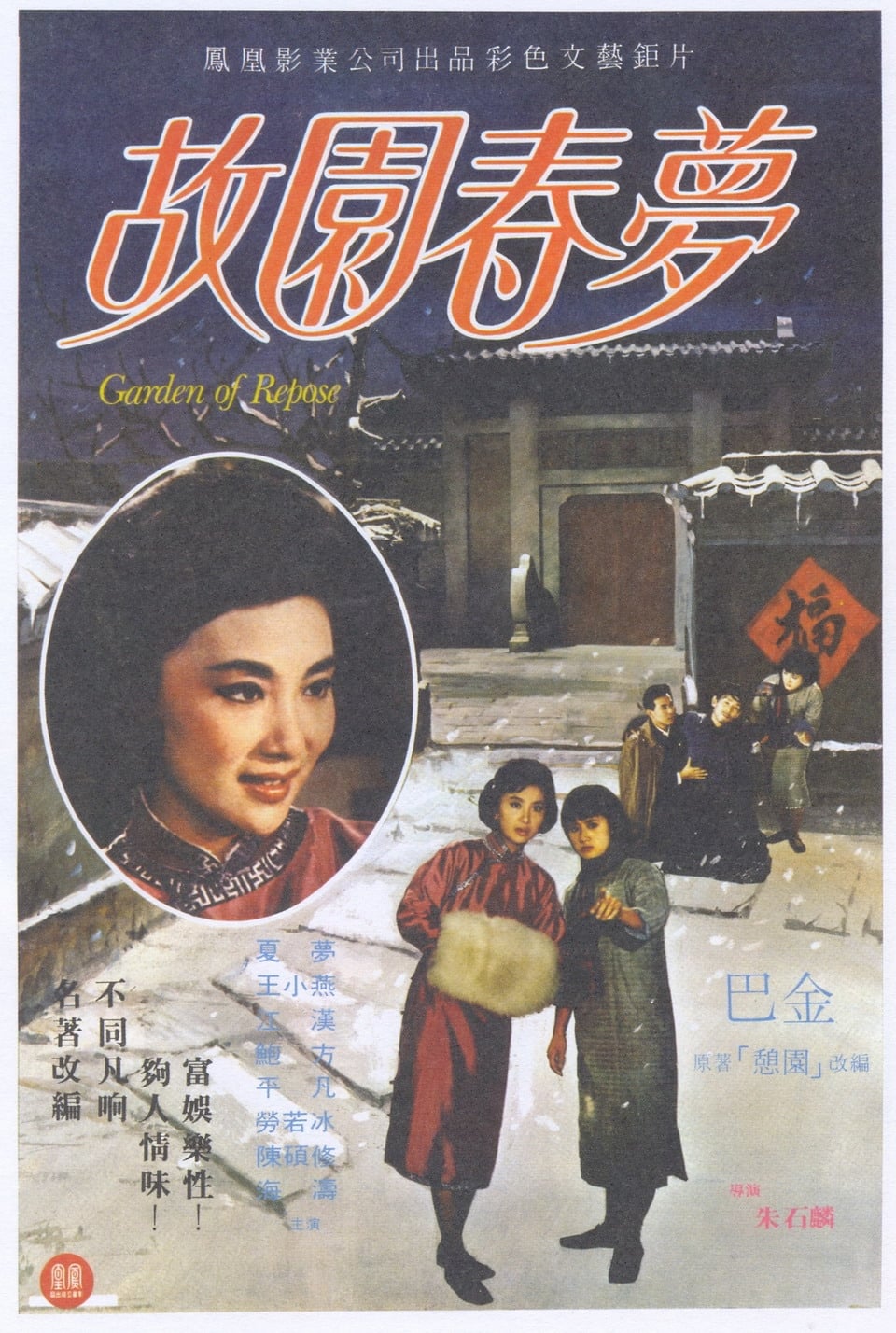
Yang Mengchi is a spoiled, rich do-nothing whose habit of smoking opium has cost him his entire fortune and the family mansion, the Garden of Repose, now due to be sold to Yao Guodong. Fearing that Yao's spoiled and unruly son Siaofu will follow in Yang's footsteps, Yao's stepwife Wan Zhaohua tries to instil discipline in the child but her efforts are undermined by the child's indulging and protective father and grandmother. Unable to reform himself despite his own son's chastisement, Yang leaves home to lead a reclusive life in a destitute temple, only helped out by his filial daughter Han'er. The poverty-stricken Yang is drafted into the army and tragedy ensues.
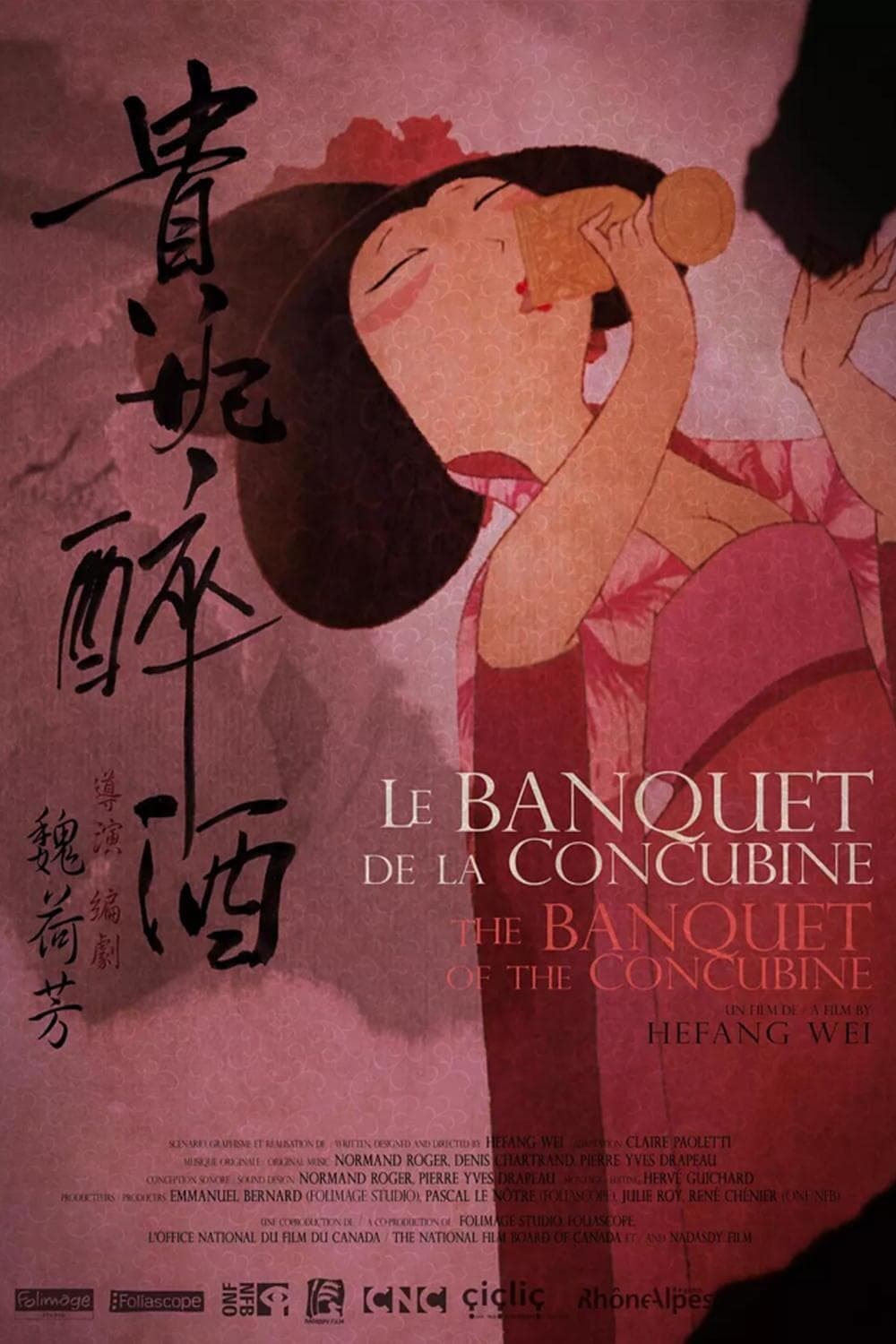
Delicately flirting with eroticism, the animated film The Banquet of the Concubine, by young Chinese director Hefang Wei, recounts one of the most famous love stories of Imperial China. In this tale of bitter jealousy, nothing can sweeten the heart of an abandoned mistress, not even the luscious lychee.
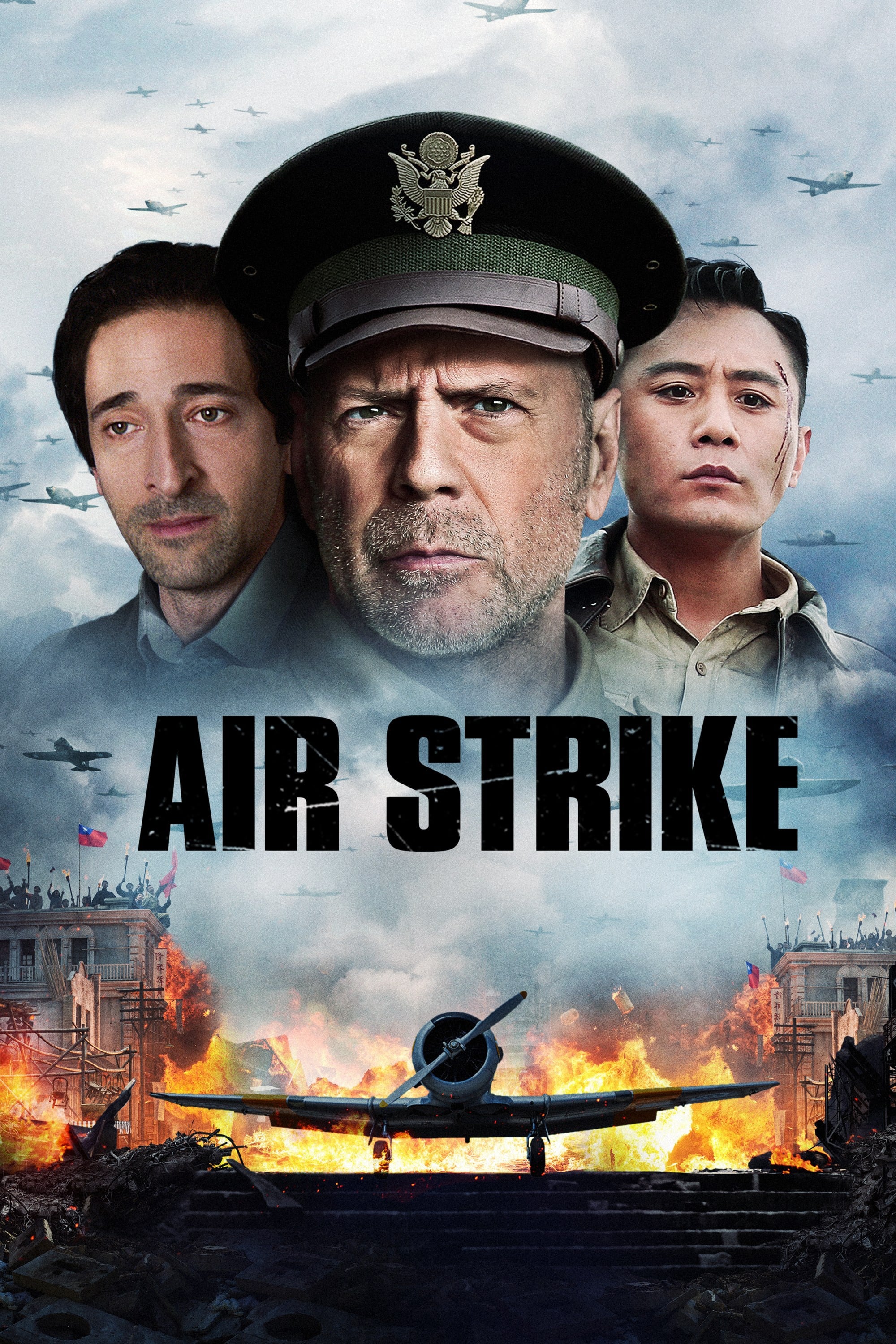
An American pilot is sent to a Chinese province to teach a crew of would-be pilots how to fly war planes against the Japanese during World War II.
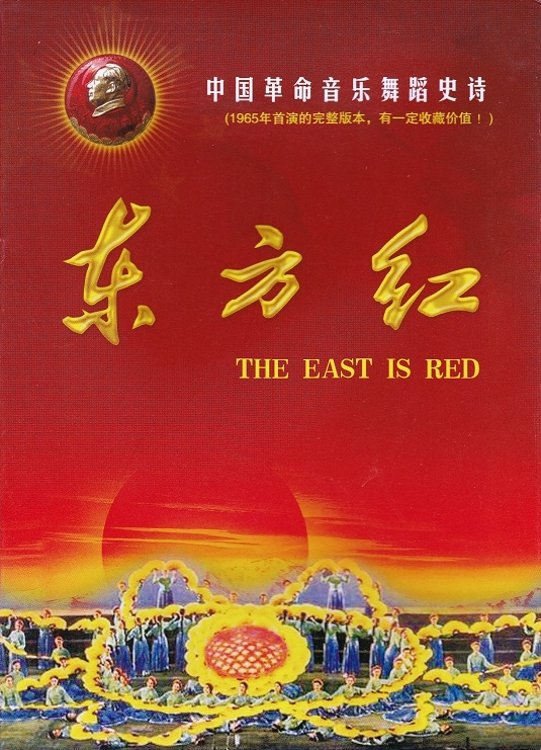
Pre-Cultural Revolution propaganda at its most lavish, this model opera depicts the history and evolution of the Communist Party of China under Mao Zedong from its founding in July 1921 to the establishment of "New China" in 1949. Detailed in the musical are several key events in CPC history such as the Northern Expedition, the KMT-led Shanghai massacre of 1927, the Nanchang Uprising and formation of the People's Liberation Army, the Long March and the founding of the PRC on October 1, 1949.
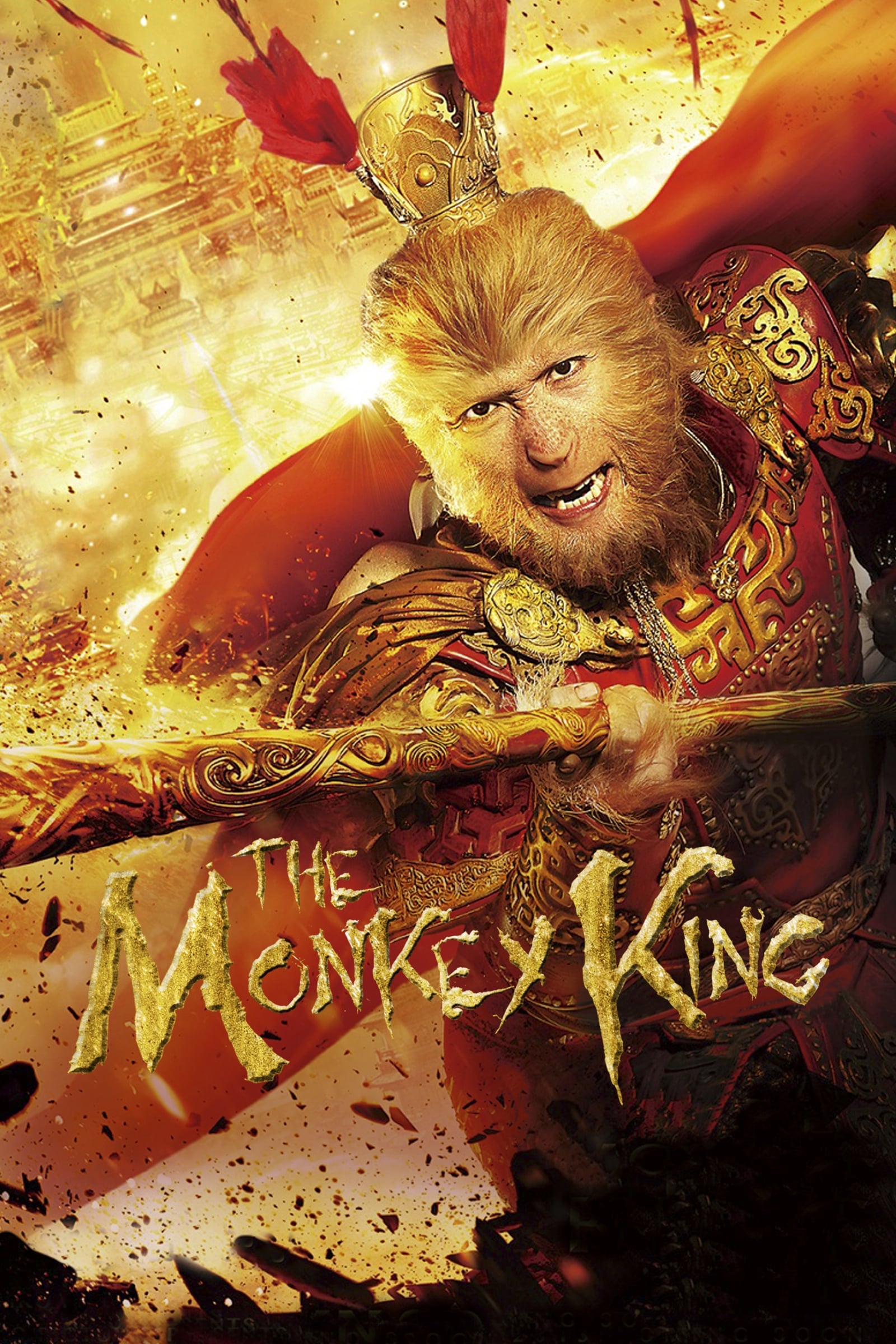
Sun Wukong is a monkey born from a heavenly stone who acquires supernatural powers. After rebelling against heaven and being imprisoned under a mountain for 500 years, he later accompanies the monk Xuanzang on a journey to India. Thus, according to legend, Buddhism is brought to ancient China.
World War II: a cholera epidemic ravages the streets of Beijing. A crack team of Chinese intelligence agents kidnap a Japanese general and biochemist who may hold the antidote.
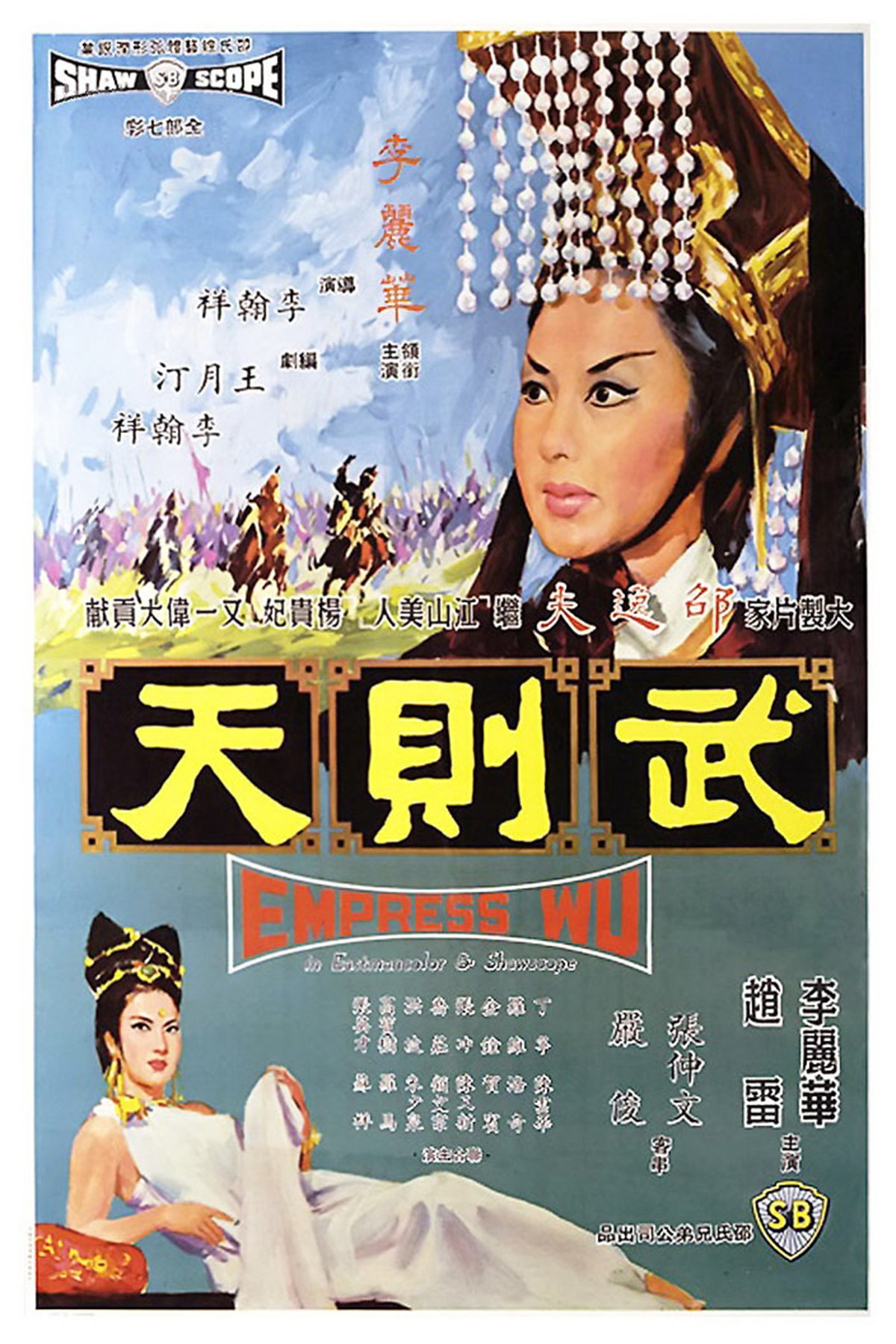
The renowned Li Li Hua plays Wu Ze Tian, the most famous woman in China's four thousand year history.
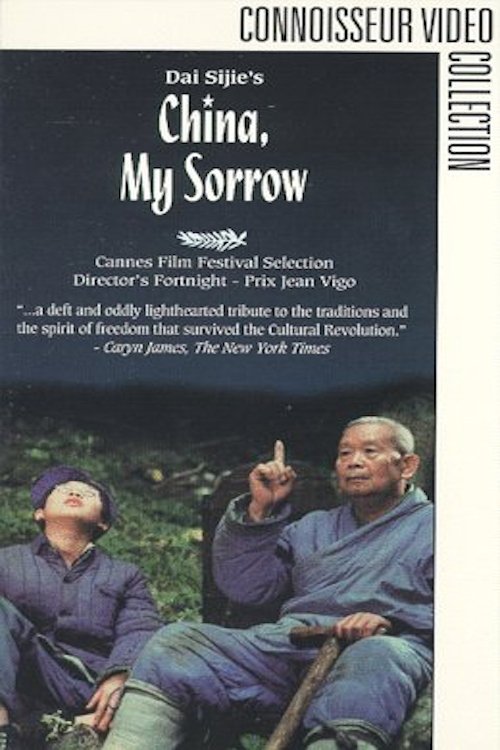
In August 1966, the Cultural Revolution in full swing, 13-year-old Tian Ben is arrested for playing a pop record; he's sent to a remote mountain camp in Niu-Peng. There he's called "Four Eyes" and, with about 16 other older boys and men, he's made to carry muck up a mountainside, make bricks, saw logs, and sing daily to Chairman Mao of his faults. There's camaraderie among the five youths, especially with a young pickpocket named Baimao, and Tian is also drawn to a silent monk who cares for him when he falls ill and the others expect him to die. The camp is remote, so there are no fences or walls. Tian longs to escape.
Two thousand years ago, at the dawn of the first century, the ancient world was ruled by Rome. Through the experiences, memories and writings of the people who lived it, this series tells the story of that time - the emperors and slaves, poets and plebeians, who wrested order from chaos, built the most cosmopolitan society the world had ever seen and shaped the Roman empire in the first century A.D.
In the beginning was sex. To the ancient cultures, sexuality, love and sex were inextricably connected with the creation of the earth, the heavens and the underworld. To the citizens of the ancient civilizations that gave birth to ours, sensuality and sexuality were an integral part of society. This series exploration of Egyptian and Roman sexual practice allows viewers the opportunity to see how attitudes and beliefs about sexuality functioned in the early civilizations, and how those attitudes reveal the unspoken rules that defined public and private behavior. Episodes cover human sex and sexuality from a historical perspective, and examines in detail different texts and images which provide us with evidence about sexual practices, beliefs and ideologies in the ancient world – from erotica on pots to legal texts, phallic votive objects, fertility ceremonies, prostitution, female and hermaphroditic creator deities, from religious rituals to sex manuals.
A short film made for "Venezia 70 - Future Reloaded". A homage to Paulo Rocha and Kenji Mizoguchi, filming the director's two tombs, one in Tokyo and the other in Quioto.
Echo is a youngster who can't quite decide if it's time to grow up and take on new responsibilities-or give in to her silly side and just have fun. Dolphin society is tricky, and the coral reef that Echo and his family call home depends on all of its inhabitants to keep it healthy. But Echo has a tough time resisting the many adventures the ocean has to offer.