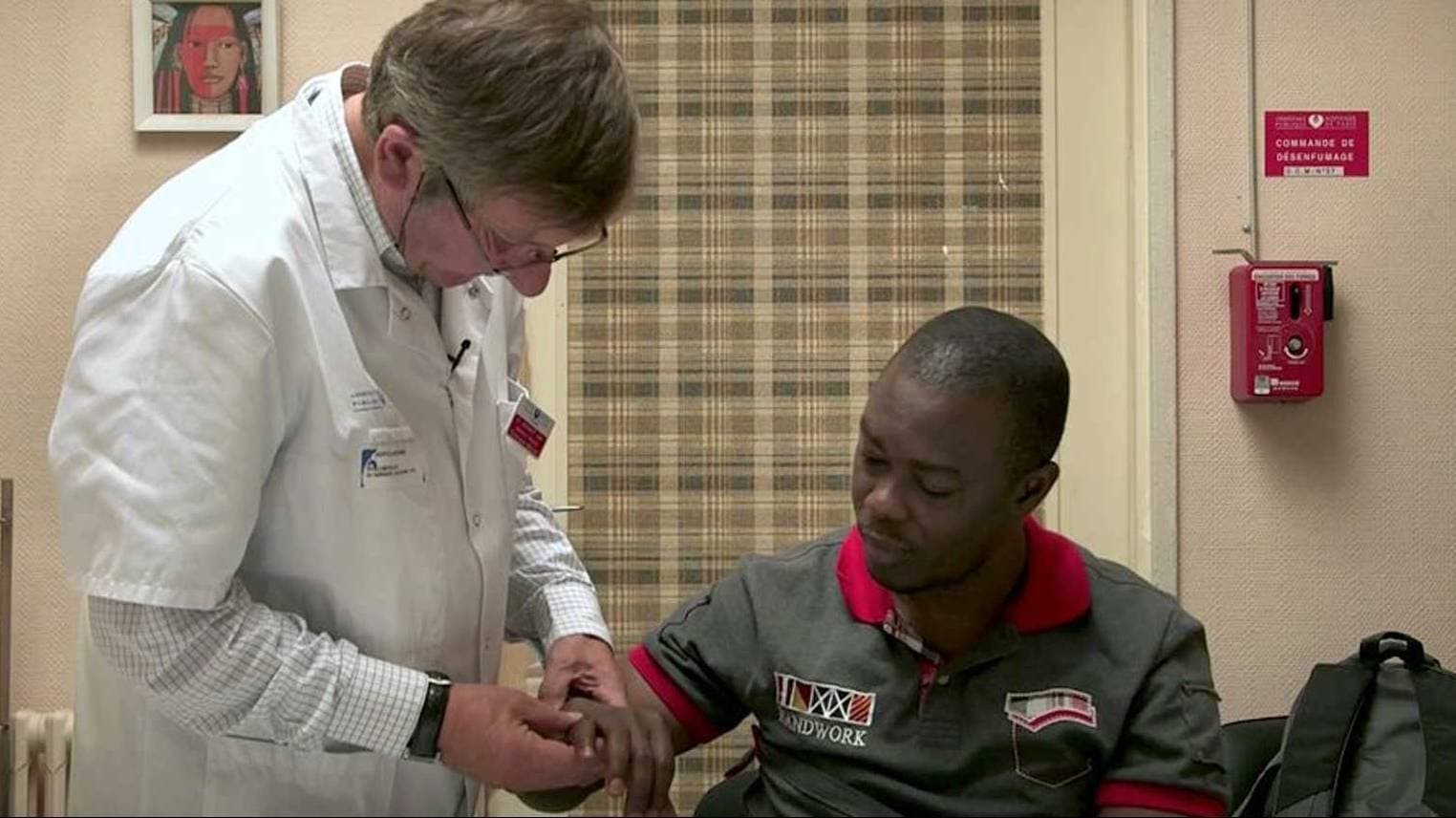
At the consulting service for immigrants at the Avicenne Hospital in suburban Paris, we observe the sorrow and powerlessness of the immigrants who come here.
Social & External
The people behind it
All the cool kids were wearing it. This documentary explores A&F's pop culture reign in the late '90s and early 2000s and how it thrived on exclusion.
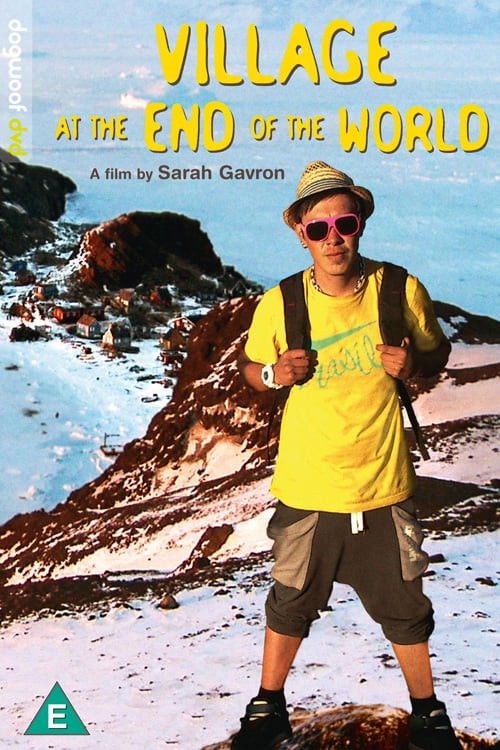
Niaqornat in North West Greenland has a population of 59. If the population falls below 50, the village will lose its Danish subsidies and risks being relocated to the nearest town. While the rest of the community pull together to try and re-open the fish-factory, Lars -- the only teenager in town -- plans his escape.
Avelino Chillarón was 12 or 13 years old when he realized that his surnames and those of his cousins didn't match, so he decided to ask his uncle. This is how he learned that, although his father and aunt were siblings, they didn't have the same father, so he and his cousins didn't share the same grandfather. In this way, Avelino realized that there was a part of his family he didn't know. The protagonist of this story feels partially mutilated from a part of his family history, a part that was taken away from him by a regime that established, over the years, a long period of widespread social amnesia about a series of corpses and missing persons throughout the spanish geography.
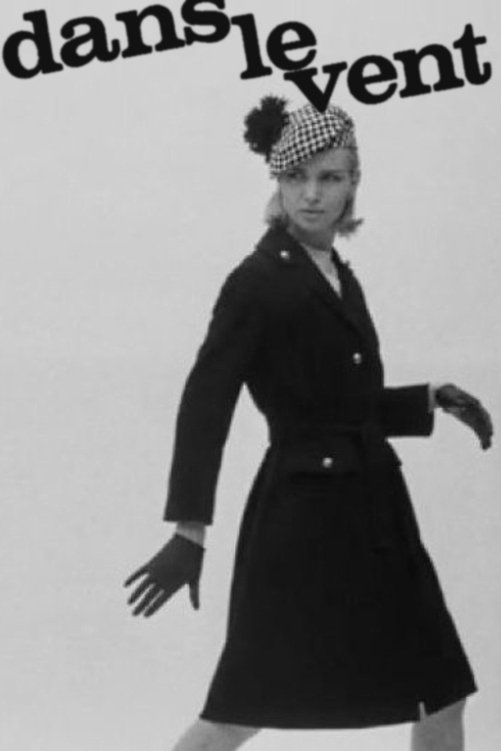
Short subject on how fashion is created-- not by the great couturiers, but on the street.
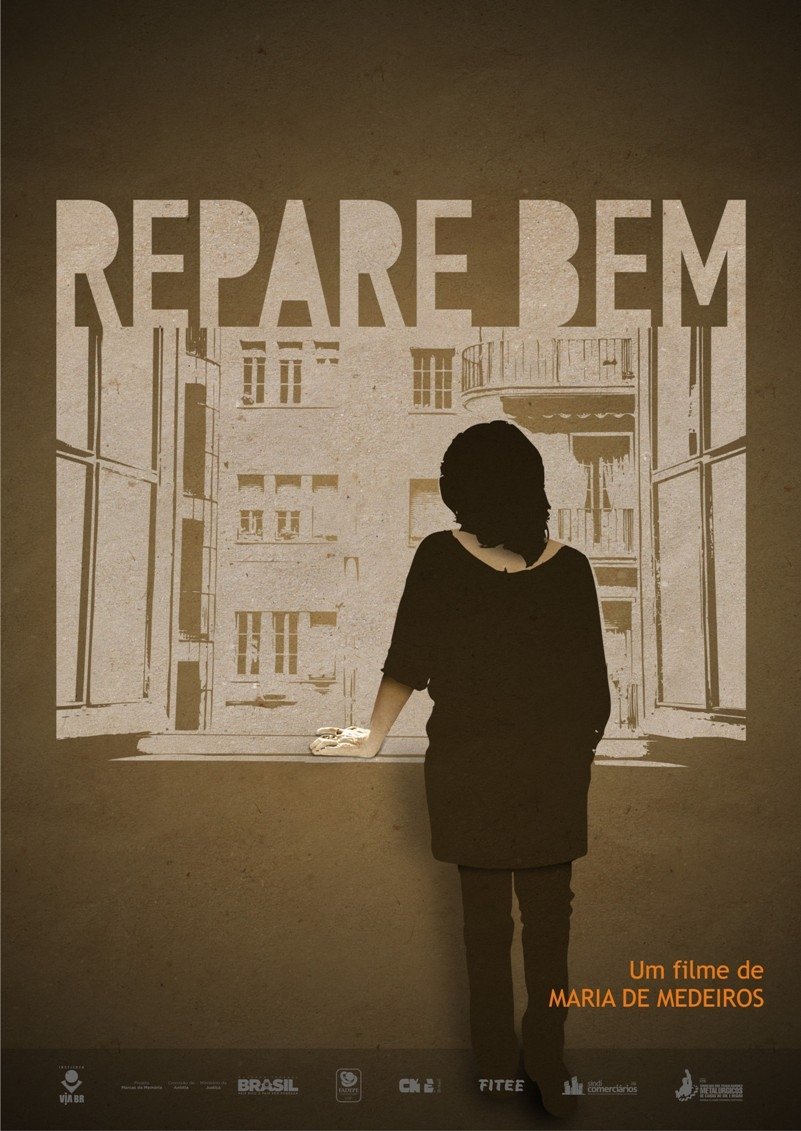
The lives of three generations of women who suffered political persecution during the military dictatorship in Brazil.
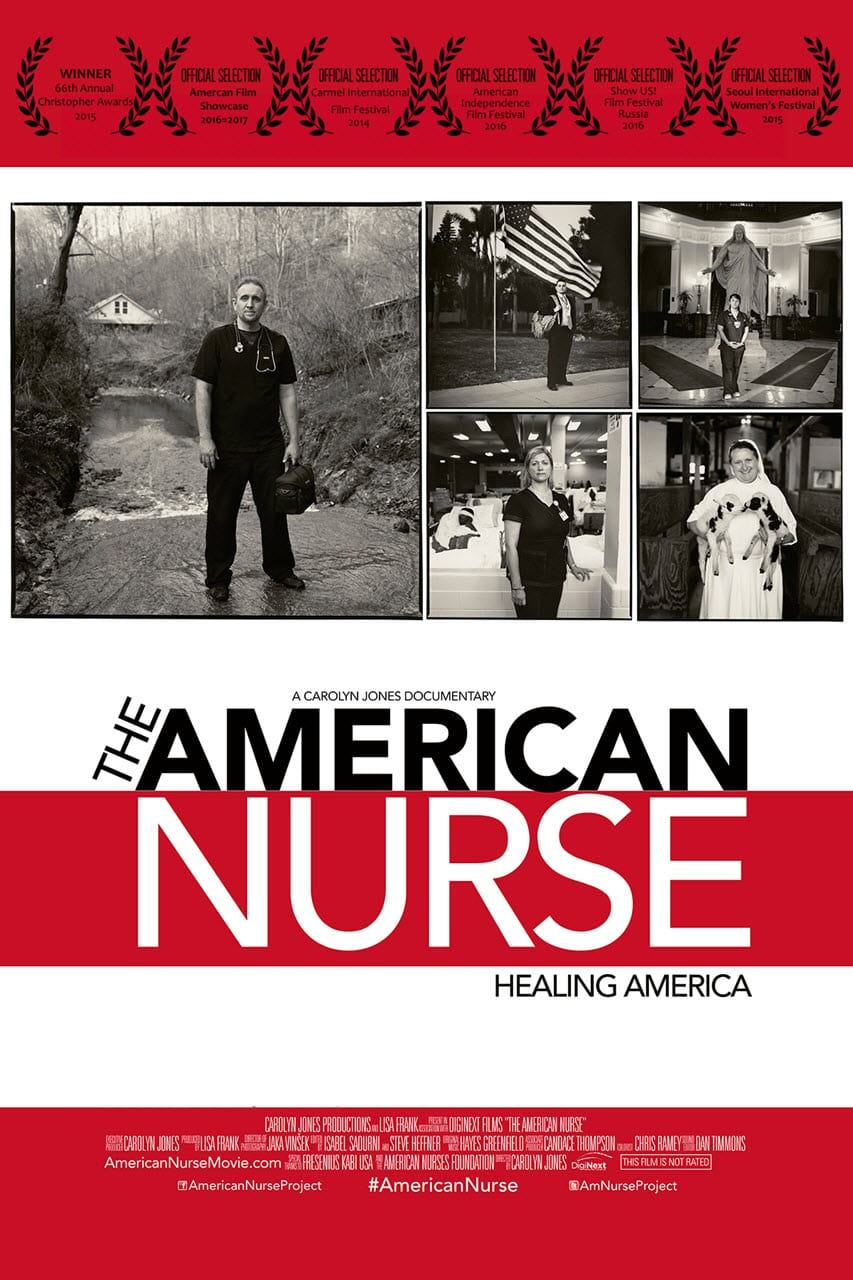
THE AMERICAN NURSE is a heart-warming film that explores some of the biggest issues facing America - aging, war, poverty, prisons - through the work and lives of nurses. It is an examination of real people that will change how we think about nurses and how we wrestle with the challenges of healing America. THE AMERICAN NURSE is an important contribution to America's ongoing conversation about what it means to care. The film follows the paths of five nurses in various practice specialties including Jason Short as he drives up a rugged creek to reach a home-bound cancer patient in Appalachia. Tonia Faust, who runs a prison hospice program where inmates serving life sentences care for their fellow inmates as they're dying. Naomi Cross, as she coaches an ovarian cancer survivor through the Caesarean delivery of her son. Sister Stephen, a nun who runs a nursing home filled with goats, sheep, llamas and chickens, where the entire nursing staff comes together to sing for a dying resident.
An insight into a girls' group in a mining community in the Ruhr region.
A Suitable Girl follows three young women in India struggling to maintain their identities and follow their dreams amid intense pressure to get married. The film examines the women's complex relationship with marriage, family, and society.
In 1957, Ghana was the first African country to become independent of its colonial rulers, in this case the British. Kwame Nkrumah, the first president of what in 1960 became the Republic of Ghana, called on Africans from all over the world to come to Ghana to help build the new nation. The most important aim was to "undo the damage caused by the slave trade" as filmmaker Shirikiana Aina expressed it in her documentary Footprints of Pan Africanism. Several people speak in Aina’s film about the reconstruction of Ghana and Nkrumah, who was deposed in 1966, offering room for their frequently gripping personal stories. These are often marked by racism, the emerging civil rights movement and what it’s like to be black and live elsewhere. For many, returning to Africa was like going home.
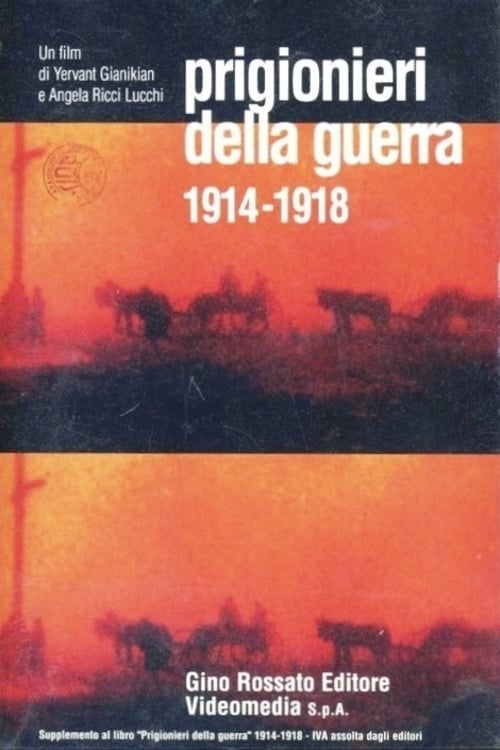
This haunting film comprises of footage shot during WWI from opposite sides of the conflict: Czarist Russia and the Austro-Hungarian empire. The filmmakers tinted the material with sensual colors from sepia to red, blue, and purple and slowed the footage to analyze the material. The total absence of commentary renders the material eloquent and disturbing. - MoMA
In 1926 the remains of two ships built by the Emperor Caligula were found at the bottom of Lake Nemi, near Rome. Mussolini had the lake drained and established a museum as a celebration of the imperial origins of Fascism, but the museum and ships were destroyed by fleeing Nazis in 1944. The film commemorates these events. - MoMA
Legendary rumba musician Alberto Zayas serves as a guide for this vibrant journey through Cuban musical history and culture. The short features interviews, footage of impromptu street performances, and studio recordings.
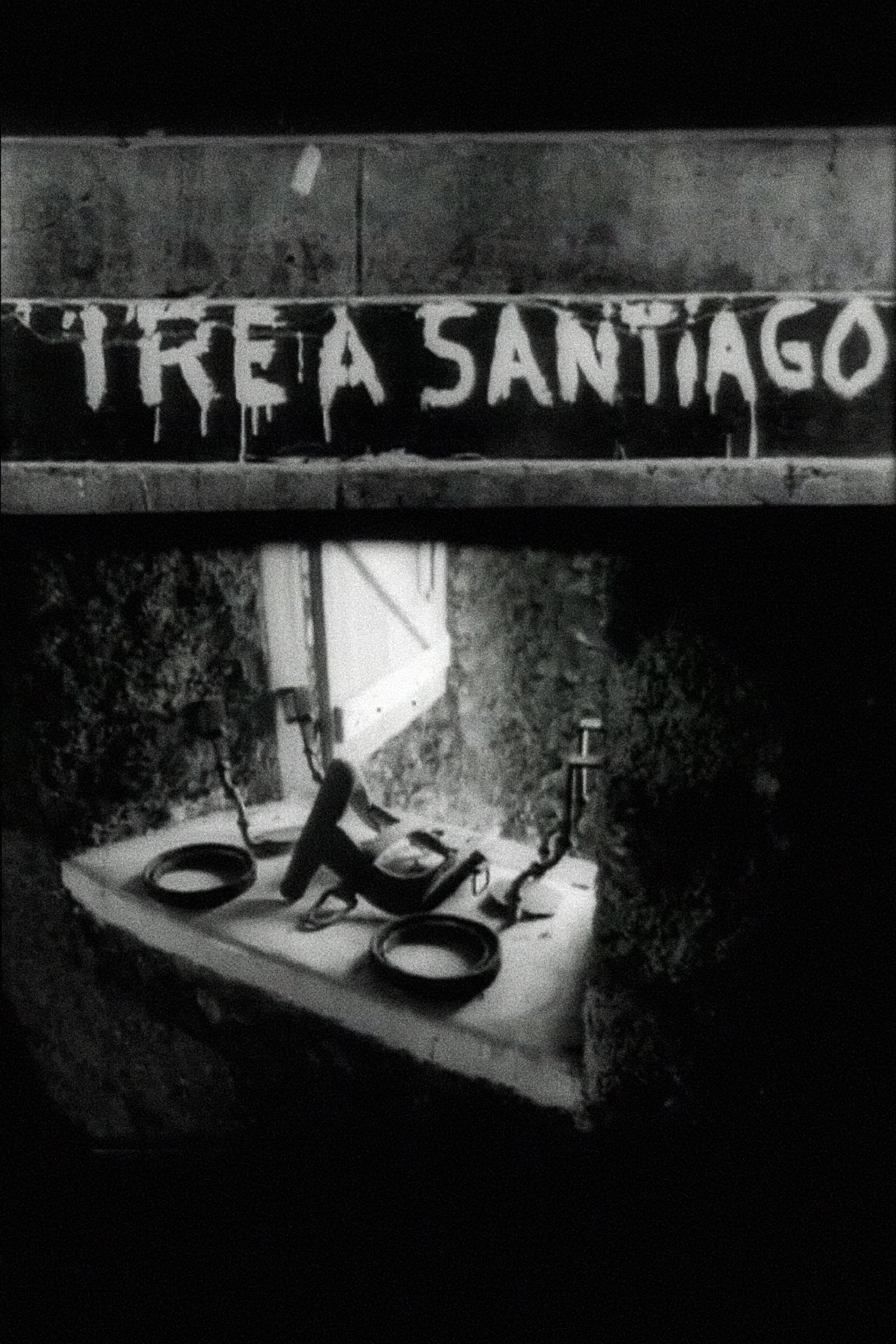
This black-and-white film is a loving portrait of Santiago de Cuba and its people. It provides a view of Cuba as a picturesque country, the product of an earthy mix of black and criollo cultures. The film uses historical images which portray the end of the eighteenth century when Haitian slave owners fled with their slaves to Cuba after the Haitian Revolution.
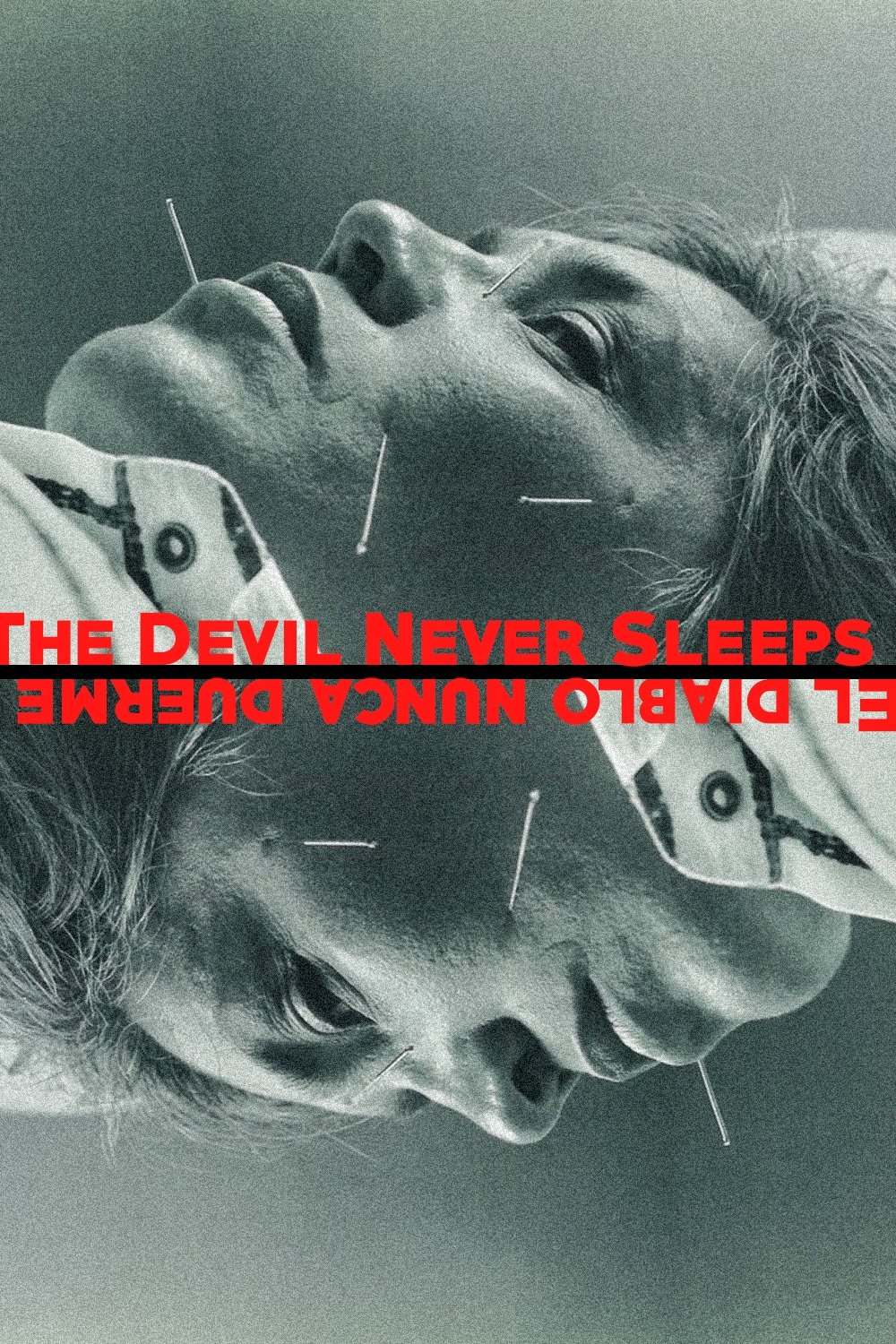
The Devil Never Sleeps is a “whodunit” documentary about family secrets. Filmmaker Lourdes Portillo received a phone call informing her of the mysterious death of her wealthy Mexican uncle Oscar. Officially ruled a suicide, Portillo’s relatives claimed murder, offering several possible suspects including a business partner, a ranch hand, and Oscar’s young widow who stood to inherit everything. Traveling to Mexico, Portillo attempts to learn the truth about her powerful uncle. Using interviews, old snapshots and home movies, she finds a complicated web of family secrets, intrigue, rumor and betrayal that makes her enigmatic uncle’s murder seem ever more likely, yet ever more obscure. As the Mexican saying goes, “When evil is lurking, the devil never sleeps.”
The film focuses on the role played by the parental home and vocational school alongside the training center in the life of an apprentice.
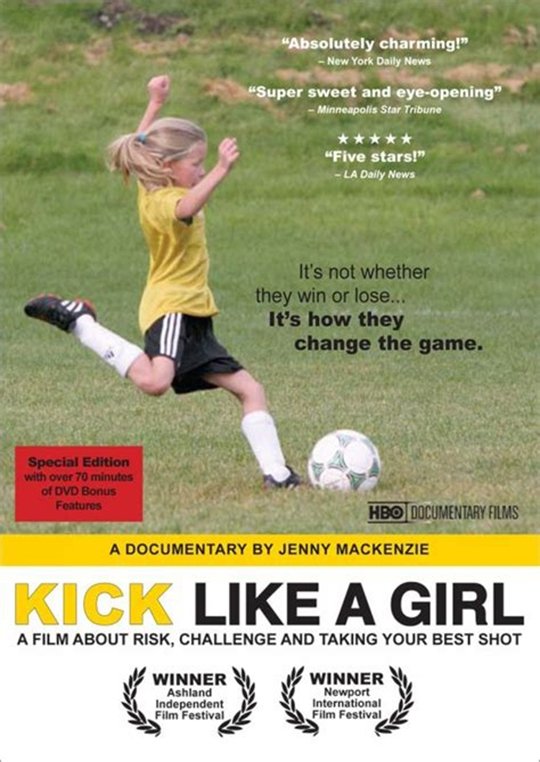
The story of what happens when "The Mighty Cheetahs," an undefeated all-girls soccer team, competes in the boys division. With humor and candor this documentary gets at the heart of the boy-girl issues and explores what "Kick Like A Girl" really means on and off the playing field. Kick Like A Girl reminds us all of the lessons learned in competitive athletics and how sports has been one of the most effective instruments of social change in our lifetime.
The film is based on interviews with 2,000 women from 50 countries, and covers the status of women all over the world. The topics covered include forced marriages, sexual assault, female genital mutilation, acid attacks, motherhood, sexuality, menstruation, education and the professional success of women.
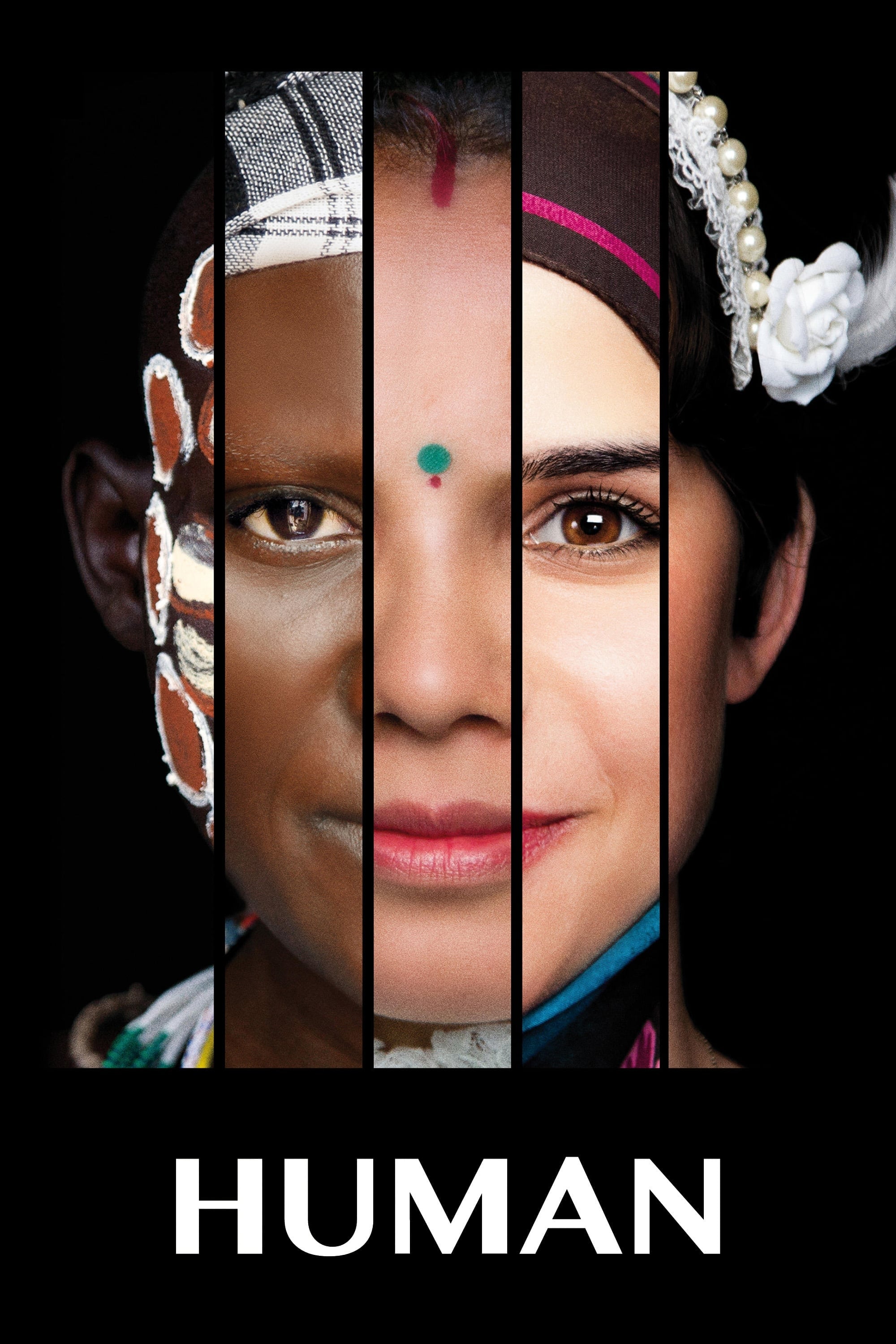
A collection of stories about and images of our world, offering an immersion to the core of what it means to be human. Through these stories full of love and happiness, as well as hatred and violence, it brings us face to face with the Other, making us reflect on our lives. From stories of everyday experiences to accounts of the most unbelievable lives, these poignant encounters share a rare sincerity and underline who we are – our darker side, but also what is most noble in us, and what is universal. Our Earth is shown at its most sublime through never-before-seen aerial images accompanied by soaring music, resulting in an ode to the beauty of the world, providing a moment to draw breath and for introspection. This film is a politically engaged work which allows us to embrace the human condition and to reflect on the meaning of our existence.
Alexander McQueen's rags-to-riches story is a modern-day fairy tale, laced with the gothic. Mirroring the savage beauty, boldness and vivacity of his design, this documentary is an intimate revelation of McQueen's own world, both tortured and inspired, which celebrates a radical and mesmerizing genius of profound influence.
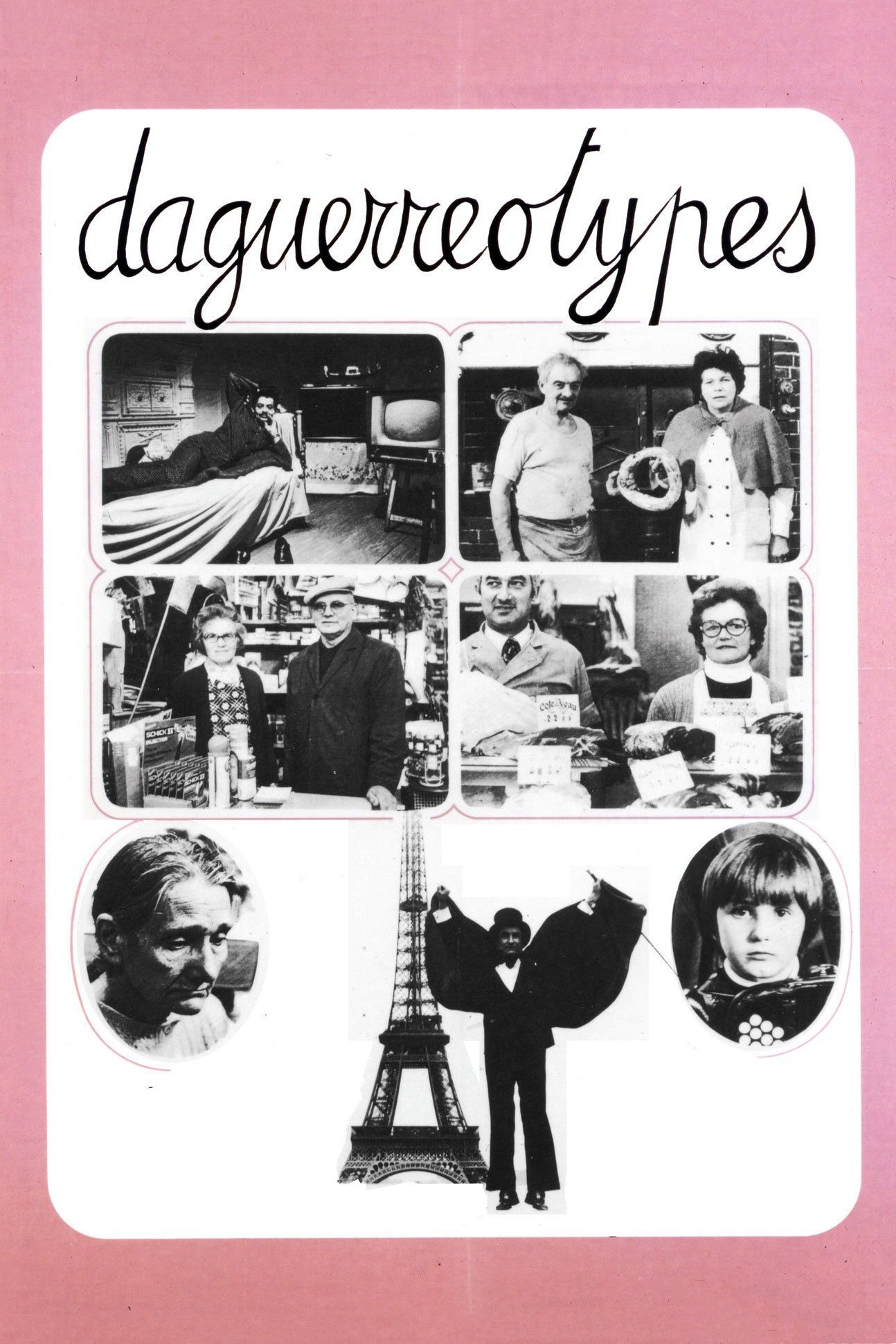
An intimate portrait of the small shops and shopkeepers of the Rue Daguerre in Paris, a picturesque street that has been the filmmaker’s home for more than 50 years.
Bastien is twenty years old and has been an activist for five years in the main extreme right party. When the presidential campaign begins, he's invited by his superior to commit even further. Initiated into the art of decking himself out like a politician, he starts to dream of a career, but old demons surge forth...
An IMAX 3D camera chronicles the effort of 7 astronauts aboard the Space Shuttle Atlantis to repair the Hubble Space Telescope.
An unprecedented and intimate look at the life, work and enduring legacy of British actress Audrey Hepburn (1929-1993).
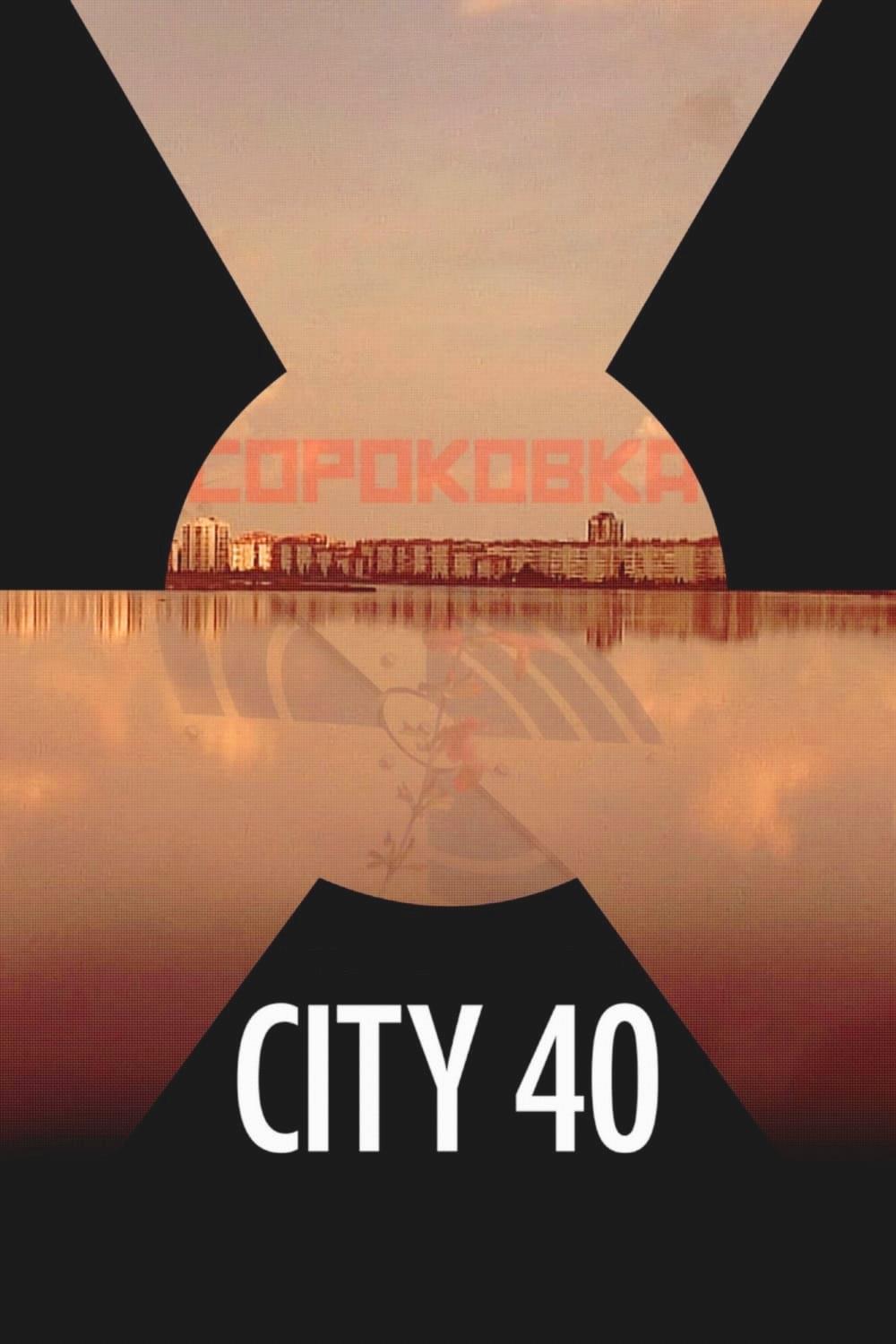
Hidden in the heart of Russia, there is a Soviet-era city where thousands of people live and work behind barbed-wire fences monitored by armed guards. It is Ozyorsk (Ozersk), located in the Chelyabinsk Oblast, one of the most polluted places on the planet and home to the largest stockpiles of nuclear material. Its code name: City 40.
A love letter from a young mother to her daughter, the film tells the story of Waad al-Kateab’s life through five years of the uprising in Aleppo, Syria as she falls in love, gets married and gives birth to Sama, all while cataclysmic conflict rises around her. Her camera captures incredible stories of loss, laughter and survival as Waad wrestles with an impossible choice– whether or not to flee the city to protect her daughter’s life, when leaving means abandoning the struggle for freedom for which she has already sacrificed so much.
An inside look at one of the most anticipated movie sequels ever with James Cameron and cast.
The life of internationally renowned artist and activist Nan Goldin is told through her slideshows, intimate interviews, ground-breaking photography, and rare footage of her personal fight to hold the Sackler family accountable for the overdose crisis.
Justice Ruth Bader Ginsburg now 84, and still inspired by the lawyers who defended free speech during the Red Scare, Ginsburg refuses to relinquish her passionate duty, steadily fighting for equal rights for all citizens under the law. Through intimate interviews and unprecedented access to Ginsburg’s life outside the court, RBG tells the electric story of Ginsburg’s consuming love affairs with both the Constitution and her beloved husband Marty—and of a life’s work that led her to become an icon of justice in the highest court in the land.
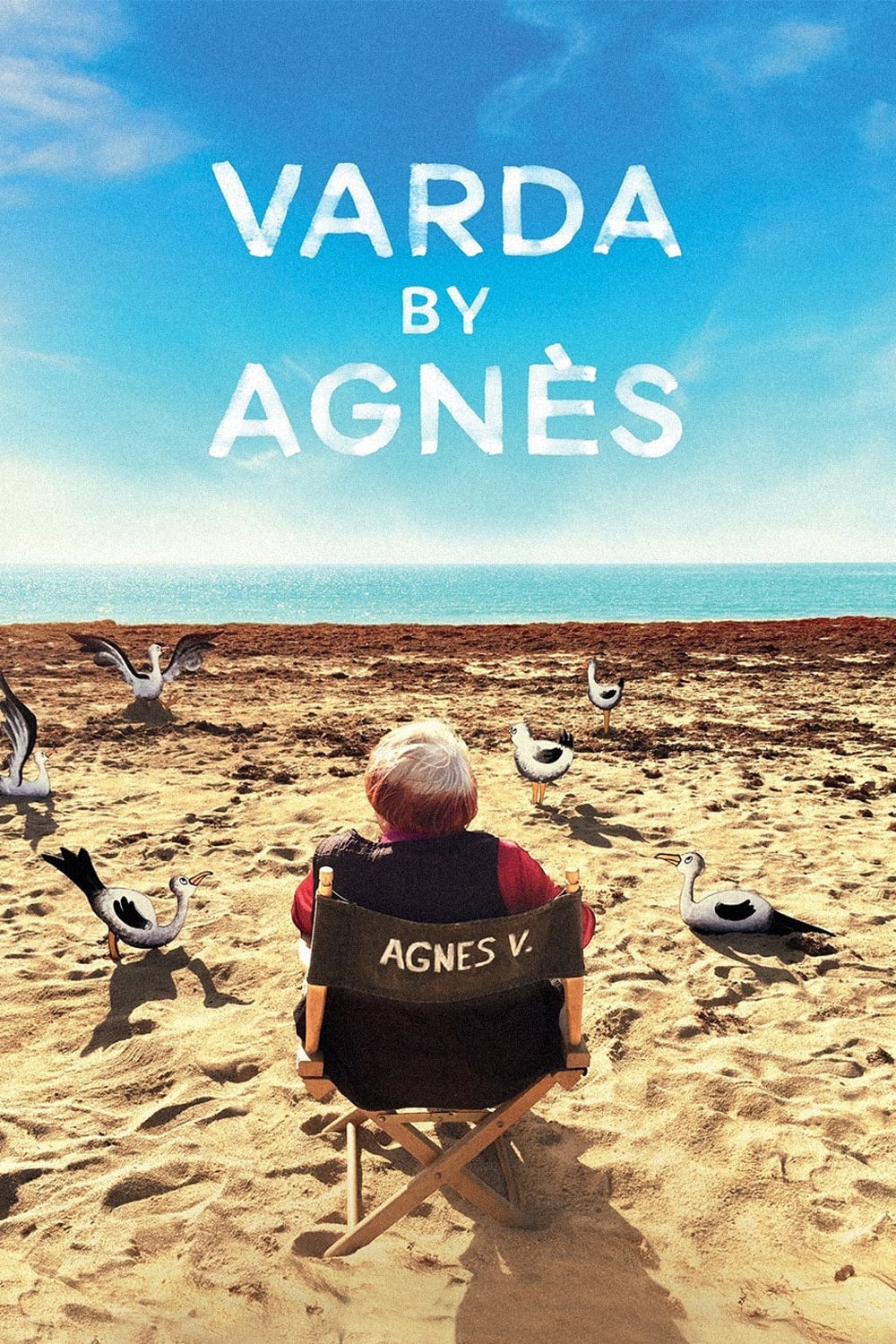
An unpredictable documentary from a fascinating storyteller, Agnès Varda’s last film sheds light on her experience as a director, bringing a personal insight to what she calls "cine-writing," traveling from Rue Daguerre in Paris to Los Angeles and Beijing.
Alex Gibney explores the charged issue of pedophilia in the Catholic Church, following a trail from the first known protest against clerical sexual abuse in the United States and all way to the Vatican.
The Captains is a feature-length documentary film written and directed by William Shatner. The film follows Shatner as he interviews the other actors who have portrayed starship captains in the Star Trek franchise.
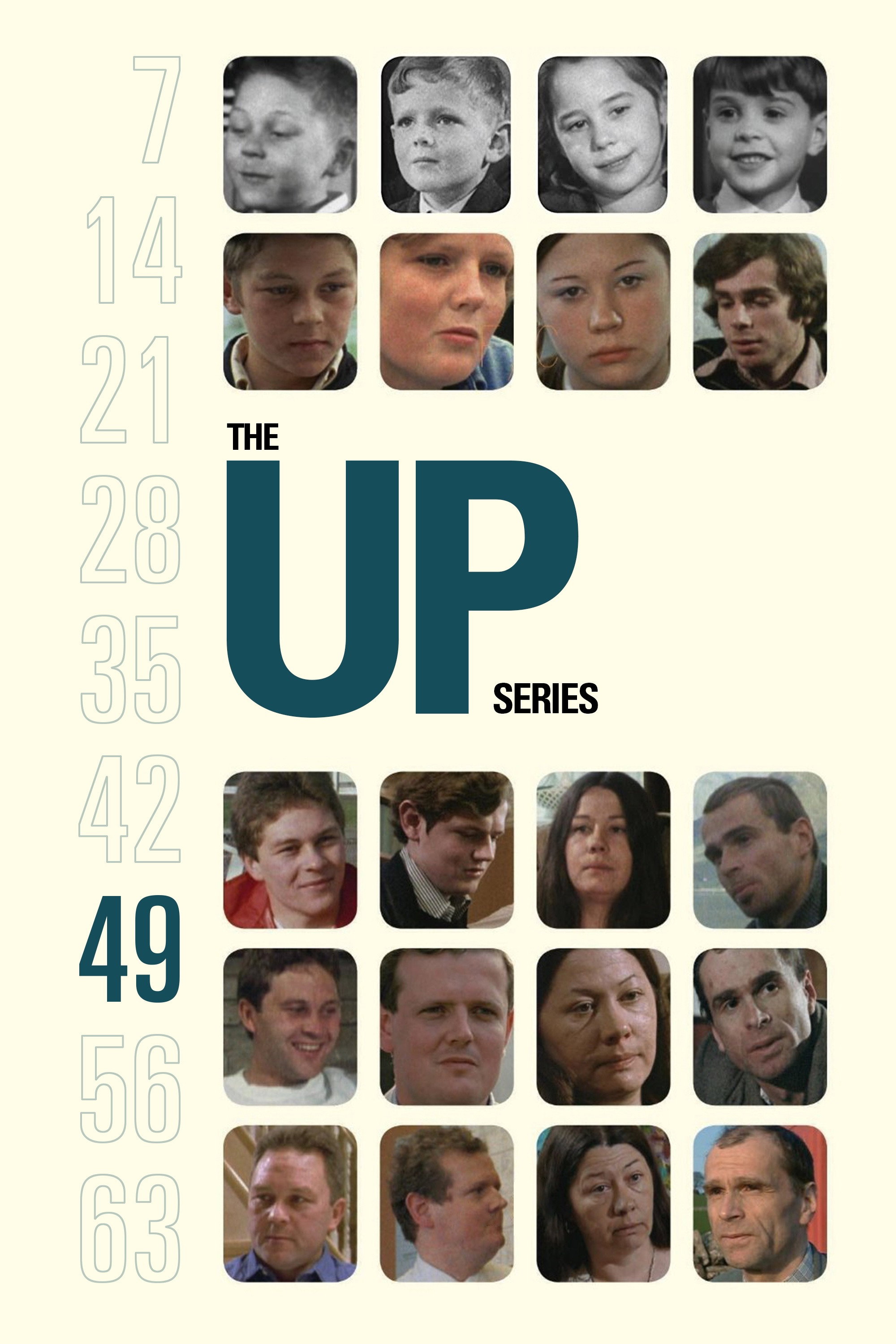
49 Up is the seventh film in a series of landmark documentaries that began 42 years ago when UK-based Granada's World in Action team, inspired by the Jesuit maxim "Give me the child until he is seven and I will give you the man," interviewed a diverse group of seven-year-old children from all over England, asking them about their lives and their dreams for the future. Michael Apted, a researcher for the original film, has returned to interview the "children" every seven years since, at ages 14, 21, 28, 35, 42 and now again at age 49.In this latest chapter, more life-changing decisions are revealed, more shocking announcements made and more of the original group take part than ever before, speaking out on a variety of subjects including love, marriage, career, class and prejudice.
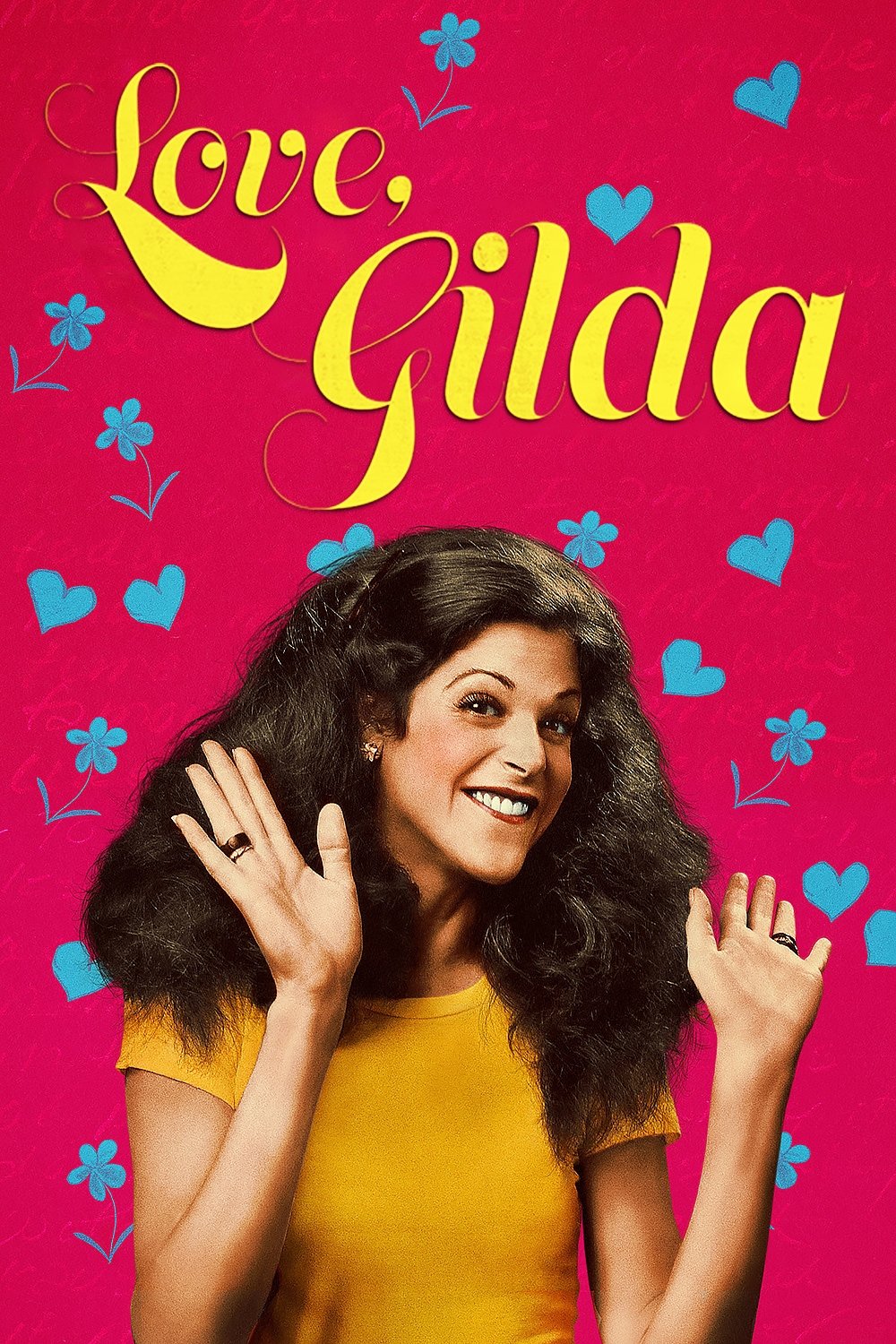
Diaries, audiotapes, videotapes and testimonials from friends and colleagues offer insight into the life and career of Gilda Radner -- the beloved comic and actress who became an icon on Saturday Night Live.
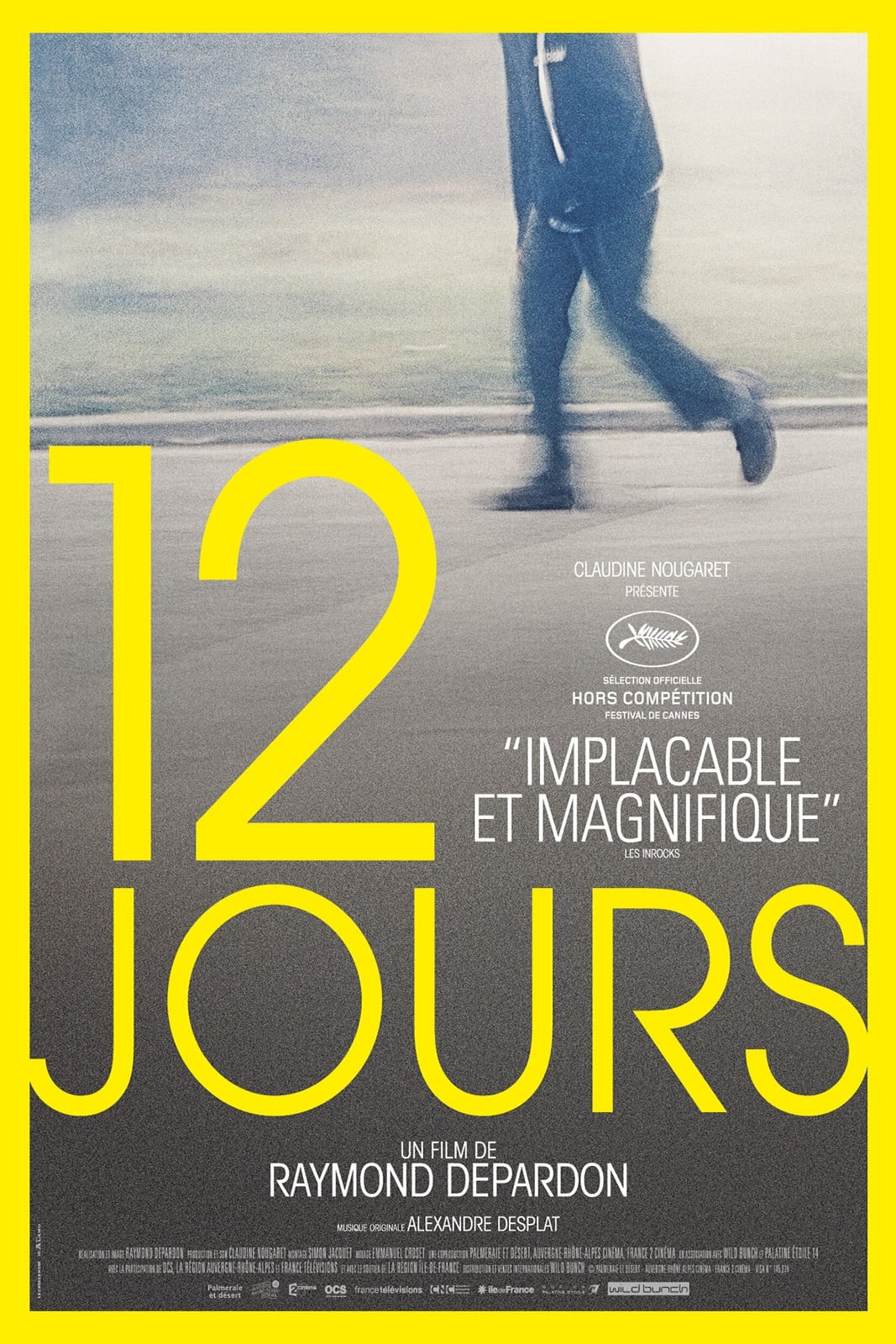
A new documentary by filmmaker-photographer Raymond Depardon – where justice and psychiatry meet.
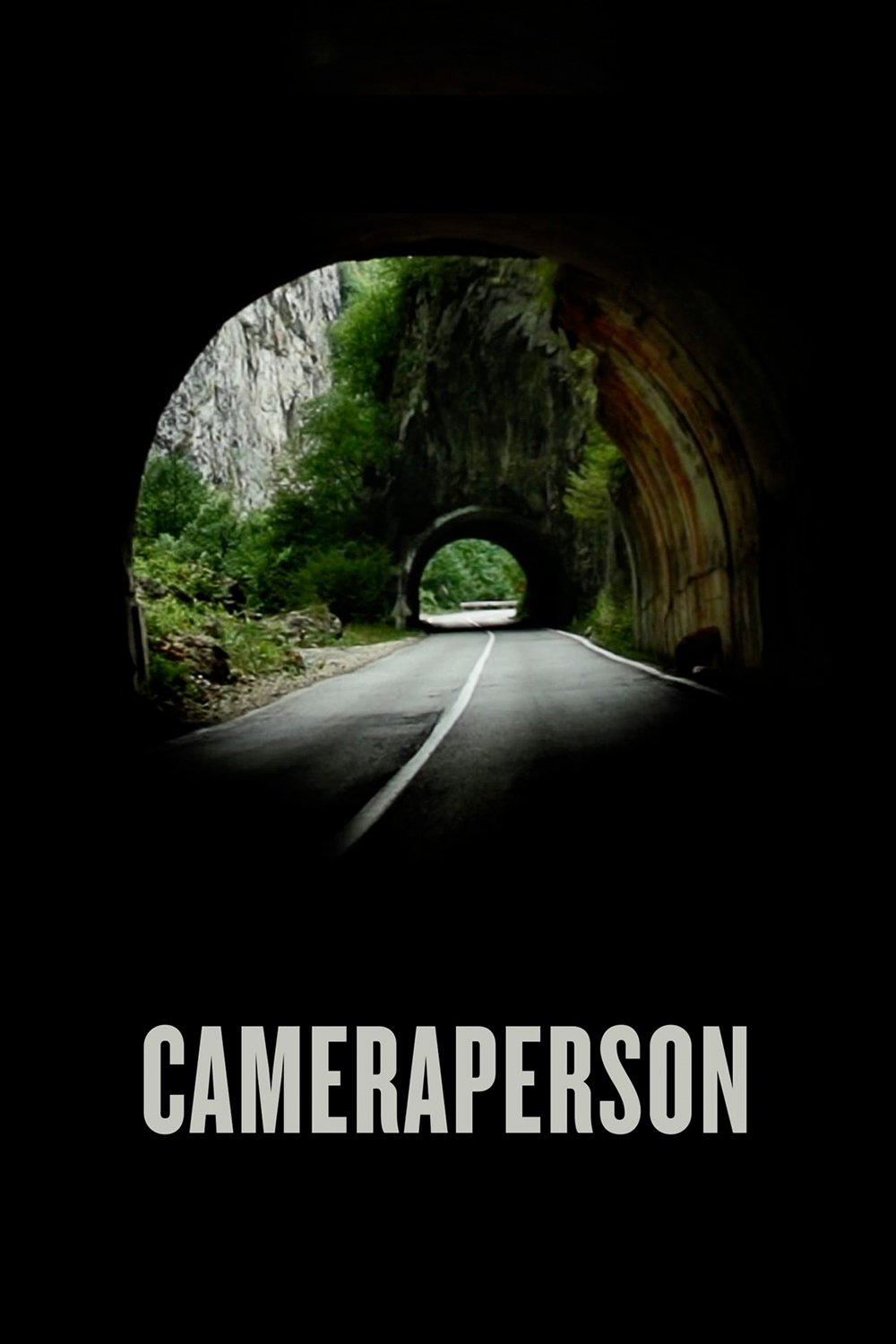
As a visually radical memoir, CAMERAPERSON draws on the remarkable footage that filmmaker Kirsten Johnson has shot and reframes it in ways that illuminate moments and situations that have personally affected her. What emerges is an elegant meditation on the relationship between truth and the camera frame, as Johnson transforms scenes that have been presented on Festival screens as one kind of truth into another kind of story—one about personal journey, craft, and direct human connection.
Prelude to War was the first film of Frank Capra's Why We Fight propaganda film series, commissioned by the Pentagon and George C. Marshall. It was made to convince American troops of the necessity of combating the Axis Powers during World War II. This film examines the differences between democratic and fascist states.