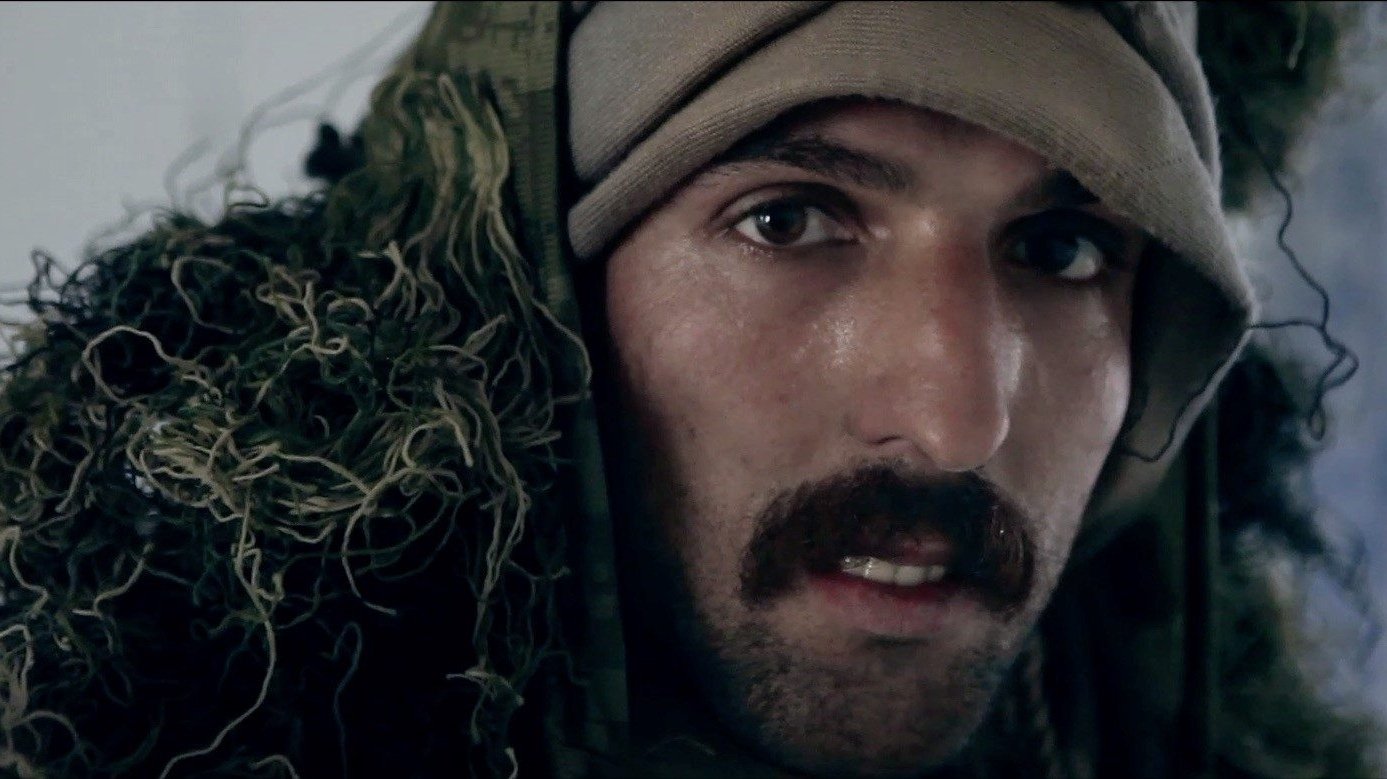
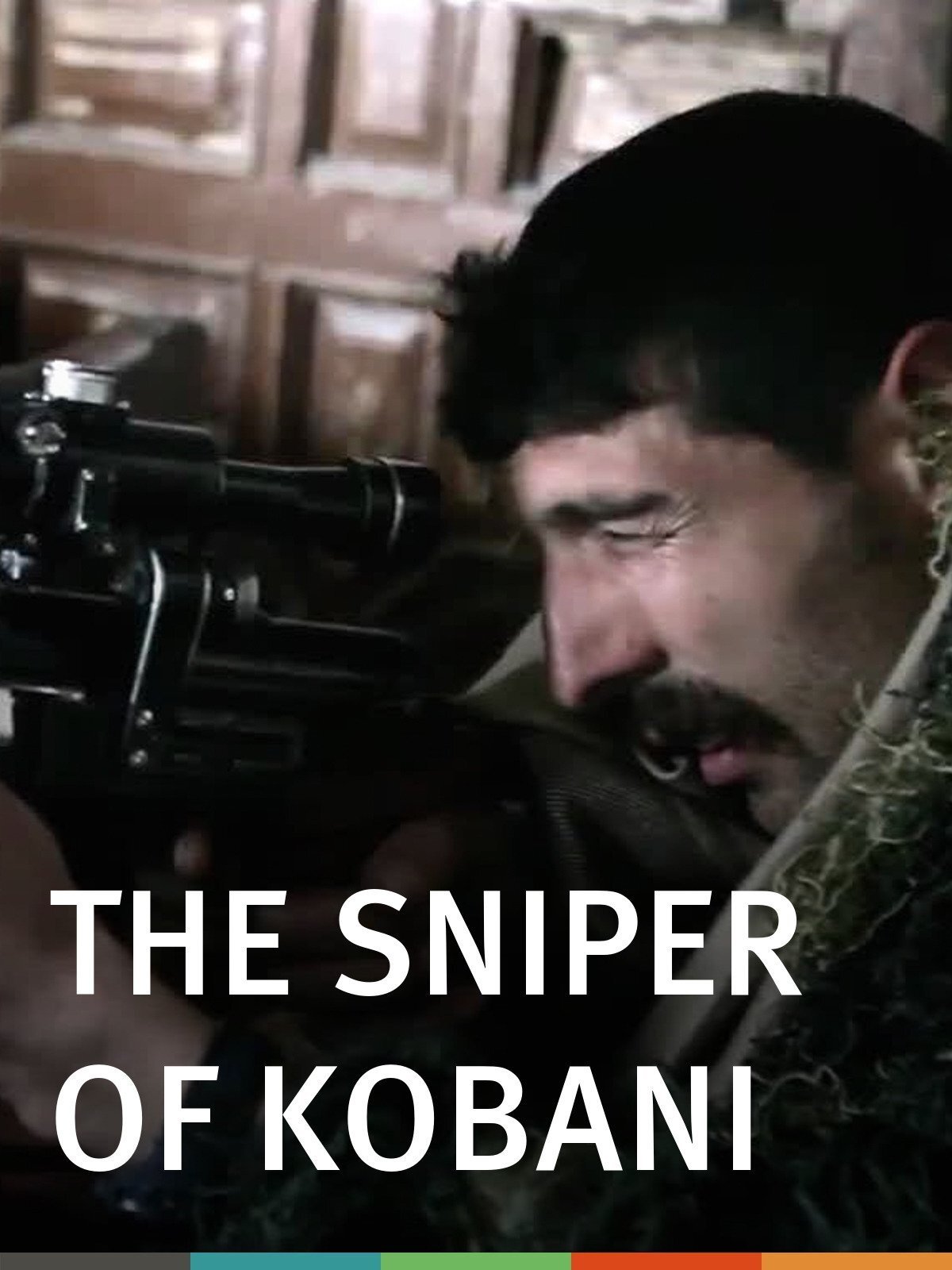
Haron is a Kurdish sniper operating within the Syrian town of Kobani. As he fights the IS occupation, he shares his hopes and fears for the future of his country.
Social & External
As a result of the Holocaust and later, AIDS, the male homosexual community has sustained bitter losses and, according to Praunheim, lesbian women have now placed themselves at the head of the so-called queer movement. The female protagonists in the film represent two different generations; they also incorporate the past and present status of homosexuals in society.
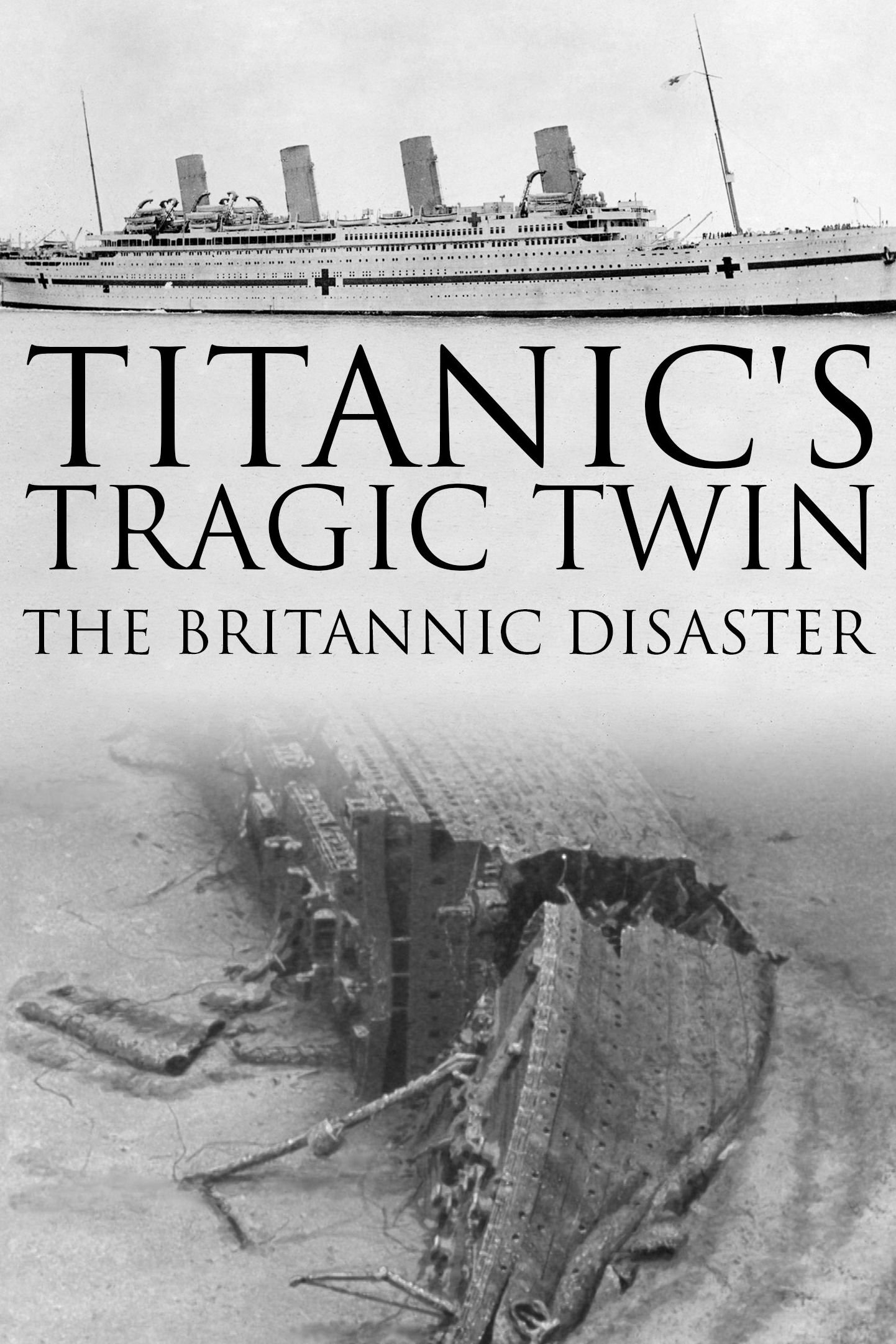
Documentary about the sinking of the Britannic during the First World War, examining how she ultimately came to suffer the same fate as her sister ship, the Titanic. The Titanic sank in April 1912, and her sister ship, the Britannic, ultimately suffered the fate, sinking in 1916 due to an explosion caused by an underwater mine. In the wake of the Titanic disaster, Britannic was re-engineered to be even stronger. And yet she sank in just 55 minutes - three times faster than Titanic. It's one of Britain's greatest untold disaster stories. Now on the 100th anniversary, presenters Kate Humble and Andy Torbet piece together exactly what happened in those 55 minutes. While Andy makes a dangerous dive to the wreck, Kate speaks to descendants of the survivors. The characters she uncovers include Violet 'Miss Unsinkable' Jessops, who survived both Titanic and Britannic, Captain 'Iceberg Charlie' Bartlett and lookout Archie Jewell, who miraculously survived while those around him died.
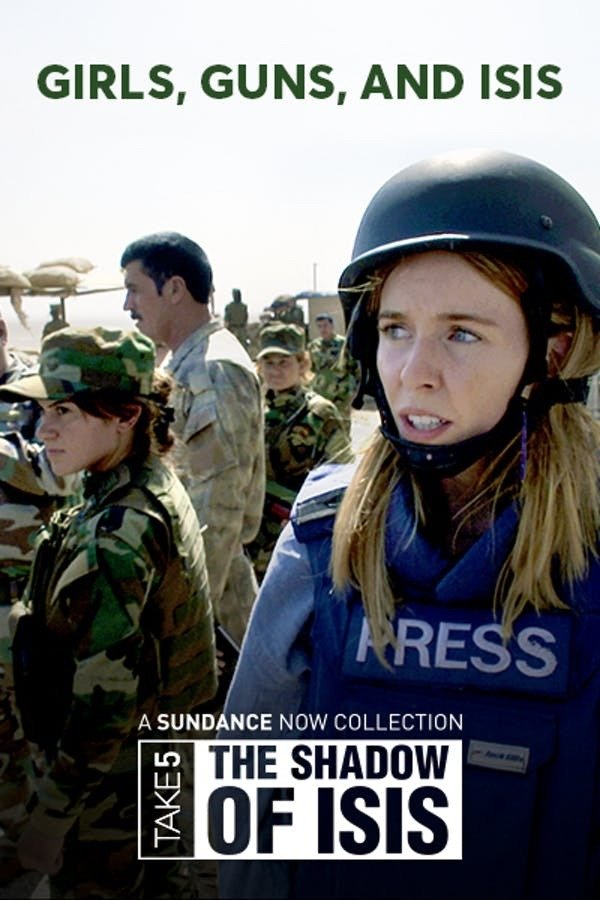
September 2016: Stacey Dooley embeds herself on the frontline with the extraordinary all-female Yazidi battalion, who are fuelled to take revenge against the so-called Islamic State. As the battle to take Mosul from ISIS advances in Northern Iraq, in this extraordinary film for BBC Three, Stacey finds these young women's lives have been transformed by a desire to avenge their loved ones who were murdered by Isis.
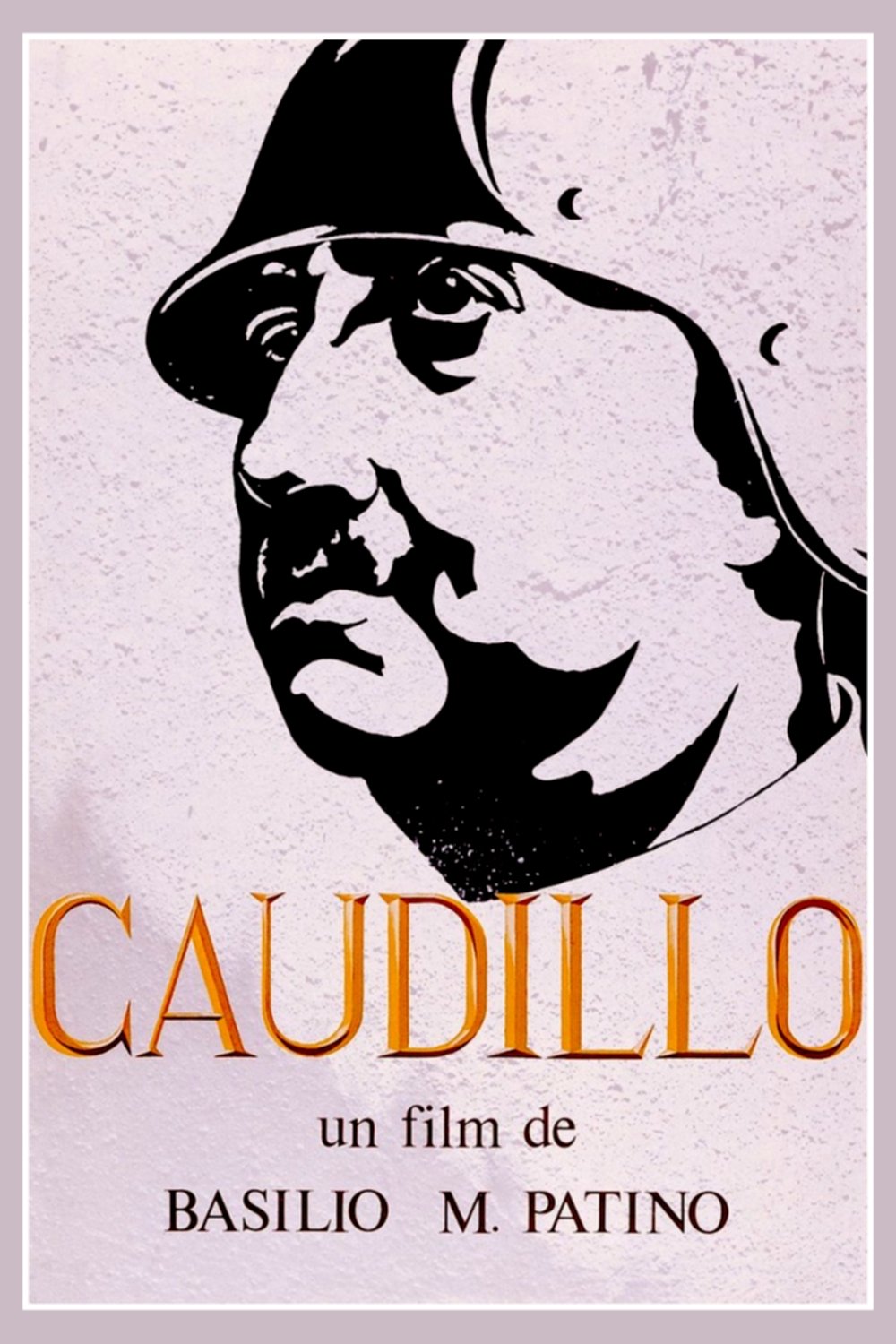
Caudillo is a documentary film by Spanish film director Basilio Martín Patino. It follows the military and political career of Francisco Franco and the most important moments of the Spanish Civil War. It uses footage from both sides of the war, music from the period and voice-over testimonies of various people.
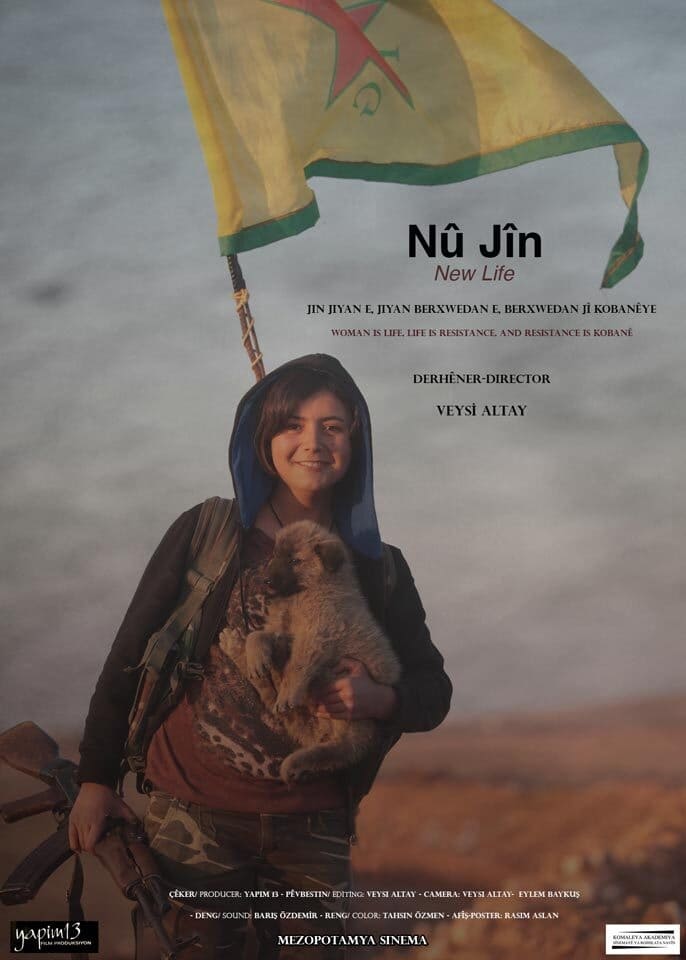
"Nû Jîn", New Life, with the slogan ' Woman is life. Life is resistance and resistance is Kobanê', depicts the daily life of women guerillas, Elif Kobanê (18), Vîyan Peyman and Arjîn, joining in the Women's Protection Units (YPJ) in their battle against ISIS. The documentary relates the ISIS assault of 15 September 2014 and the five-month resistance by the YPJ and People's Defense Units (YPG) through the lens of three women fighter
On March 24, 1944, in the heart of Nazi Germany, 76 British, Canadian, Norwegian and French pilots who were held in Stalag Luft III, a prison camp of the Luftwaffe, escaped. Unique testimony from the last survivors, recreations and today’s digital images sheds new light on the audacious escape.
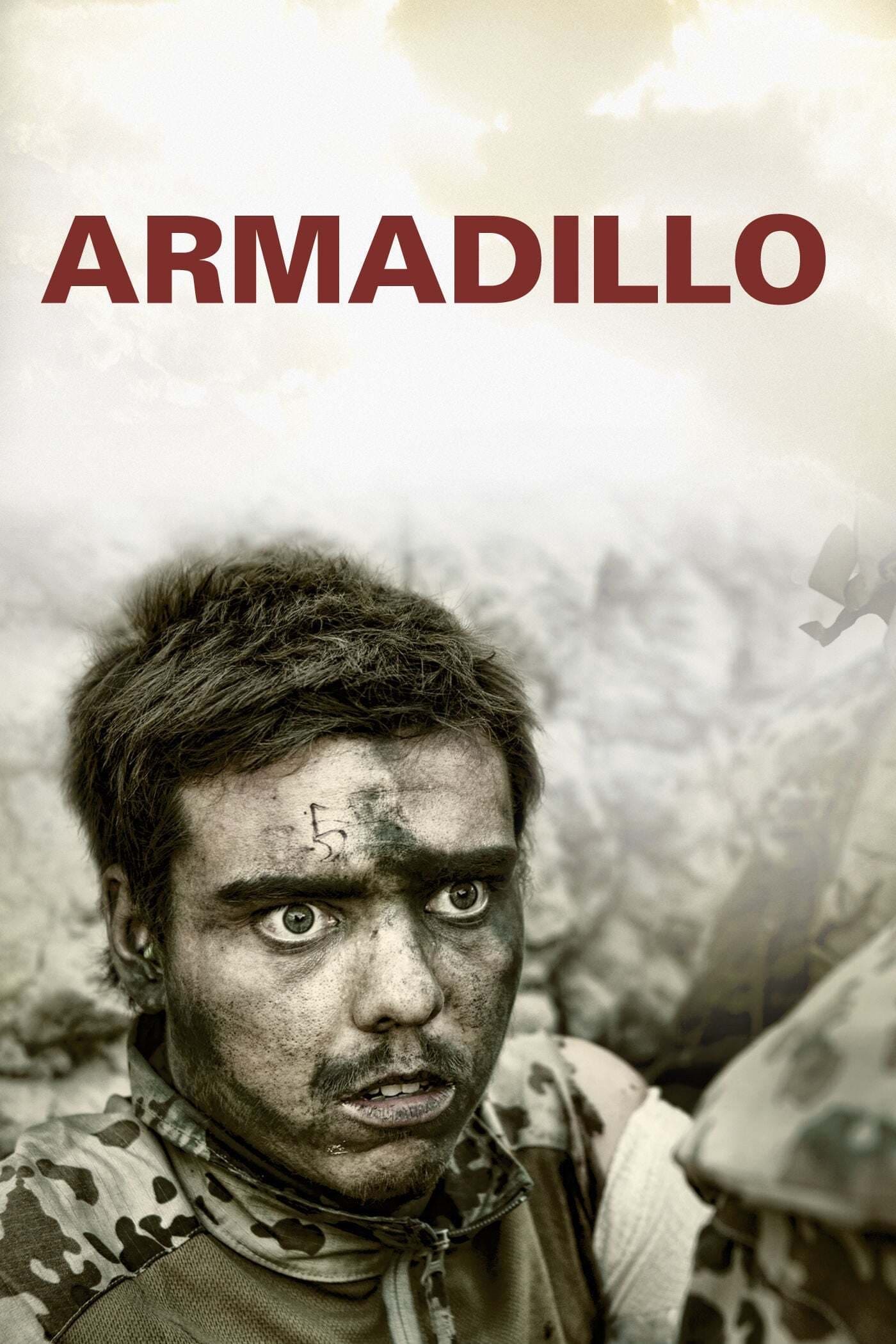
Danish soldiers are sent to Afghanistan in 2009 for 6 months, to help stabilize the country against the Taliban. They're stationed on Armadillo military base in Helman province. Unlike other war movies, this is the real deal – no actors.
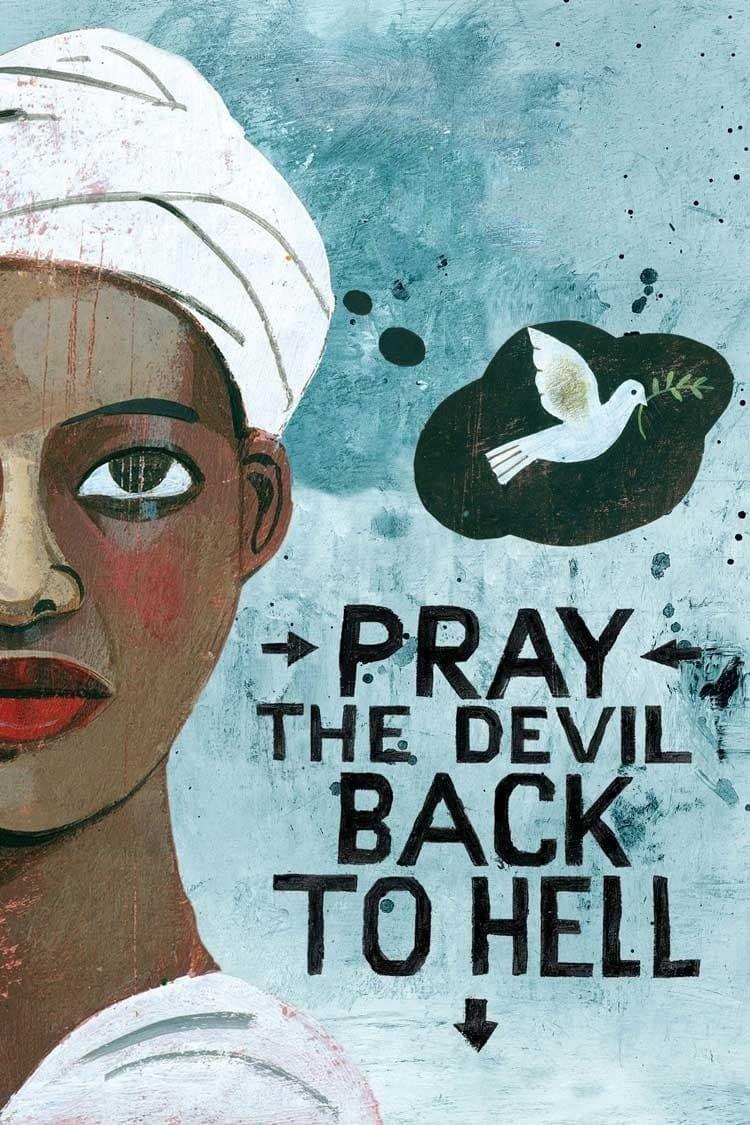
Pray the Devil Back to Hell chronicles the remarkable story of the Liberian women who came together to end a bloody civil war and bring peace to their shattered country.
A look at the feud between graffiti artists King Robbo and Banksy.
A dramatic tale of espionage, propaganda, and romance, following the infamous Berlin rapper Denis Cuspert aka Deso Dogg and his journey from artist to MMA fighter to ISIS recruiter. When the FBI assigns a translator to monitor Cuspert, her quest to get close to him takes over her life.
A powerful investigation into the political and criminal enterprise of kidnappings as ISIS rose to power in war torn Syria. It inter cuts exclusive footage with interviews of negotiators, investigators, fixers and even a used car salesman who are caught up in the confusion.
Young Navy Officers, Jay and Meagan, have dreamt of becoming naval aviators flying the F-14 Tomcat since their childhoods. The film follows their two-and-a-half year journey as it takes them through dogfights in the Nevada desert, night landings on aircraft carriers in the Atlantic, and eventually to the biggest challenge young officers face: wartime deployments to Iraq.
The shooting lasted on six tense days in June 1967, but the Six Day War has never really ended. Every crisis that has ripped through this region in the ensuing decades stems from those six fateful days.
Hip-hop star Emmanuel Jal returns to Sudan where he served as a child soldier.
History is Marching is a feature length documentary analysing the rise in tensions between major powers across the globe over the course of 2018. The film follows western history from 1945 to the present day, before looking at how capitalist society is today breaking down into the largest crisis in its history. Socialism or extinction?
Many times during his presidency, Lyndon B. Johnson said that ultimate victory in the Vietnam War depended upon the U.S. military winning the "hearts and minds" of the Vietnamese people. Filmmaker Peter Davis uses Johnson's phrase in an ironic context in this anti-war documentary, filmed and released while the Vietnam War was still under way, juxtaposing interviews with military figures like U.S. Army Chief of Staff William C. Westmoreland with shocking scenes of violence and brutality.
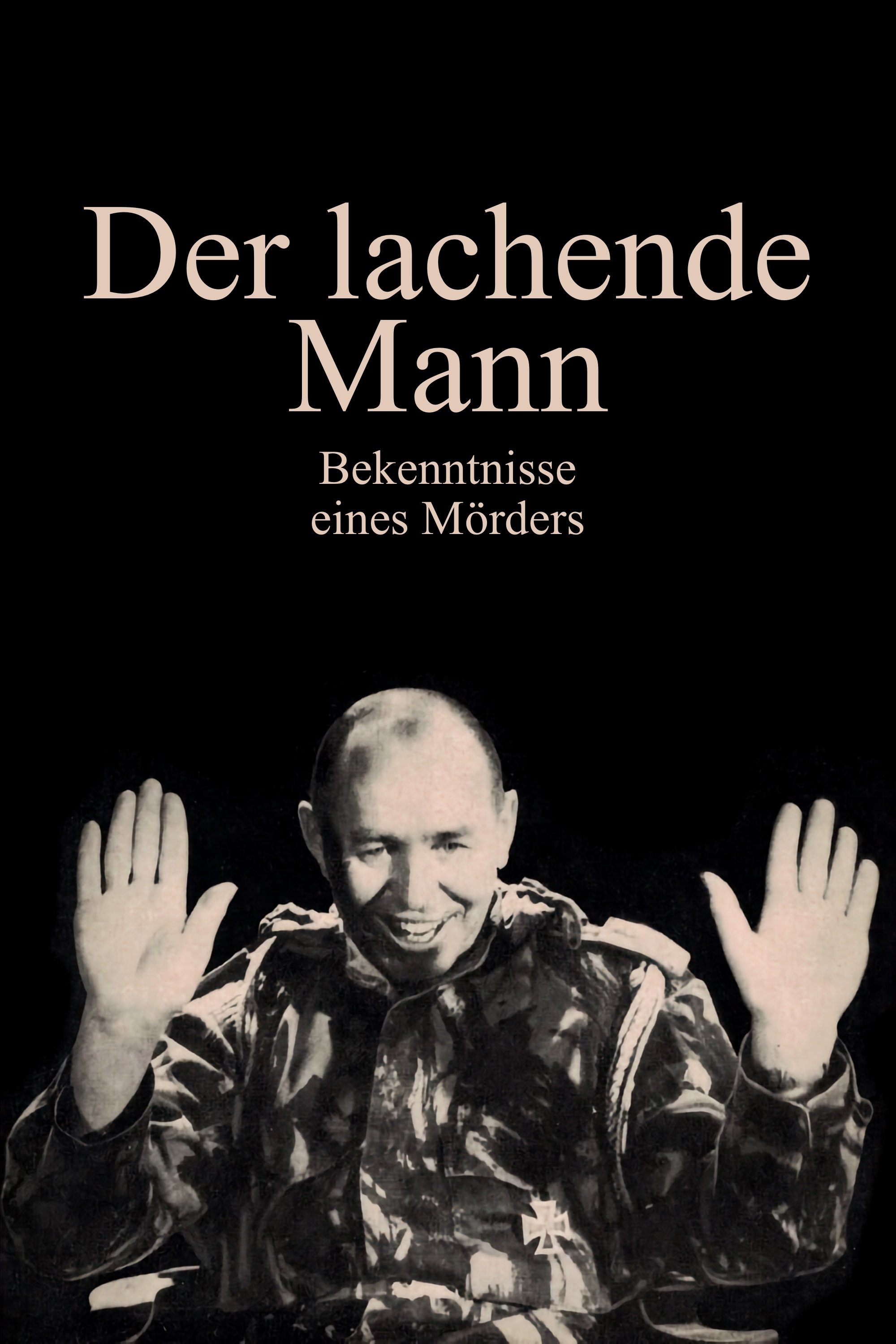
Posing as West German journalists, East German documentary filmmakers Heynowski and Scheumann pay a visit to the notorious Nazi-turned-mercenary Siegfried “Kongo” Müller, pump him with booze, and get him to talk about his life and war campaigns in Africa.
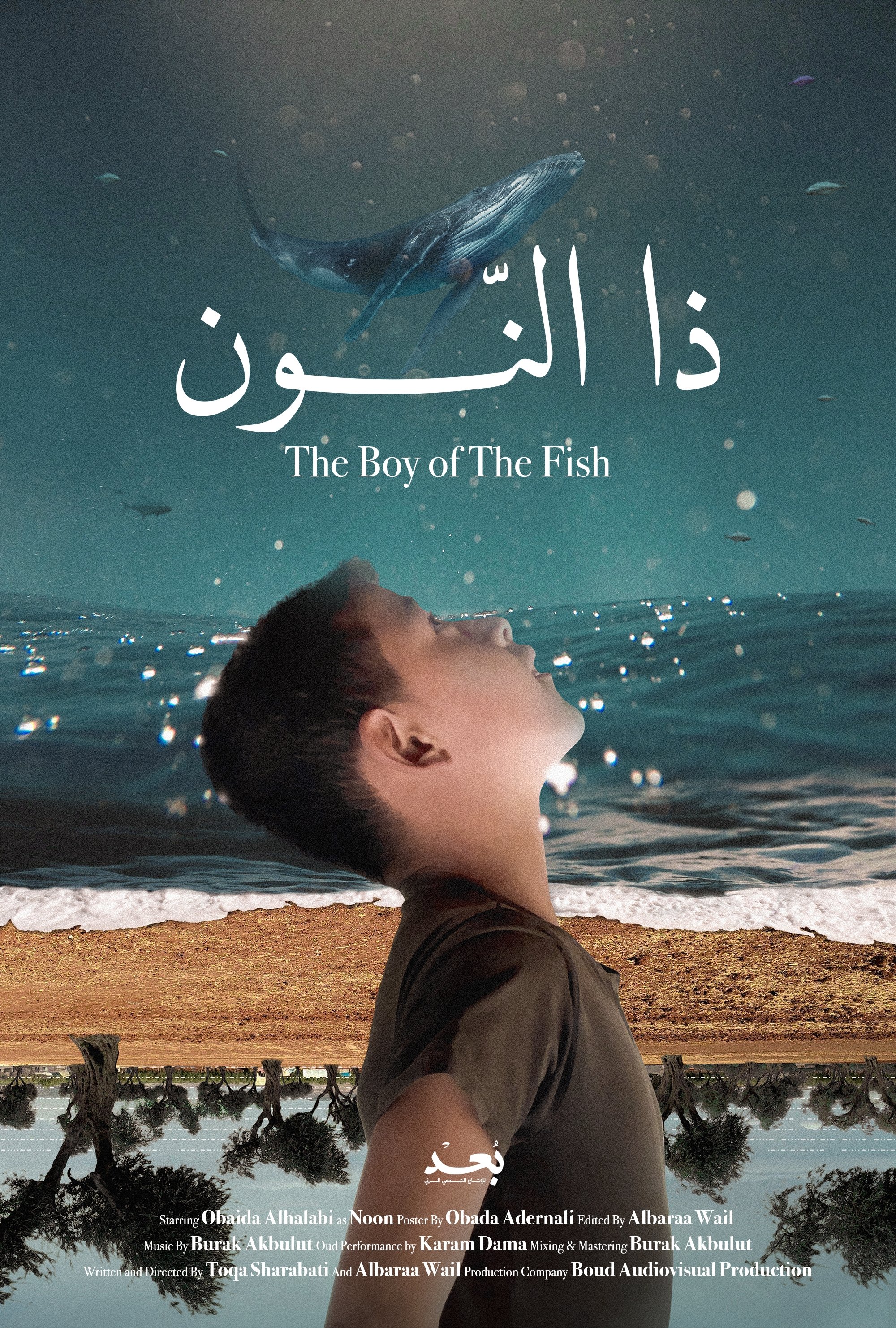
"The Boy Of The Fish" follows Noon, a young boy living in a Syrian refugee camp, who finds solace and a sense of freedom in a whale-shaped doll he names "Bahr." Set against the challenging realities of camp life, Noon’s journey is both a story of resilience and a testament to the boundless imagination of childhood. Through vivid symbolism and a unique soundscape, the film explores themes of loss, hope, and the longing for freedom amidst confinement. Shot entirely on an iPhone due to restrictions in the conflict zone, the film combines raw authenticity with poetic depth to capture the emotional landscape of a young soul navigating adversity.
An investigation of "disaster capitalism", based on Naomi Klein's proposition that neo-liberal capitalism feeds on natural disasters, war and terror to establish its dominance.
A British artist misses his parents' wedding anniversary for a last-minute sketching commission in Cornwall, but memories of them affect his work along the way.
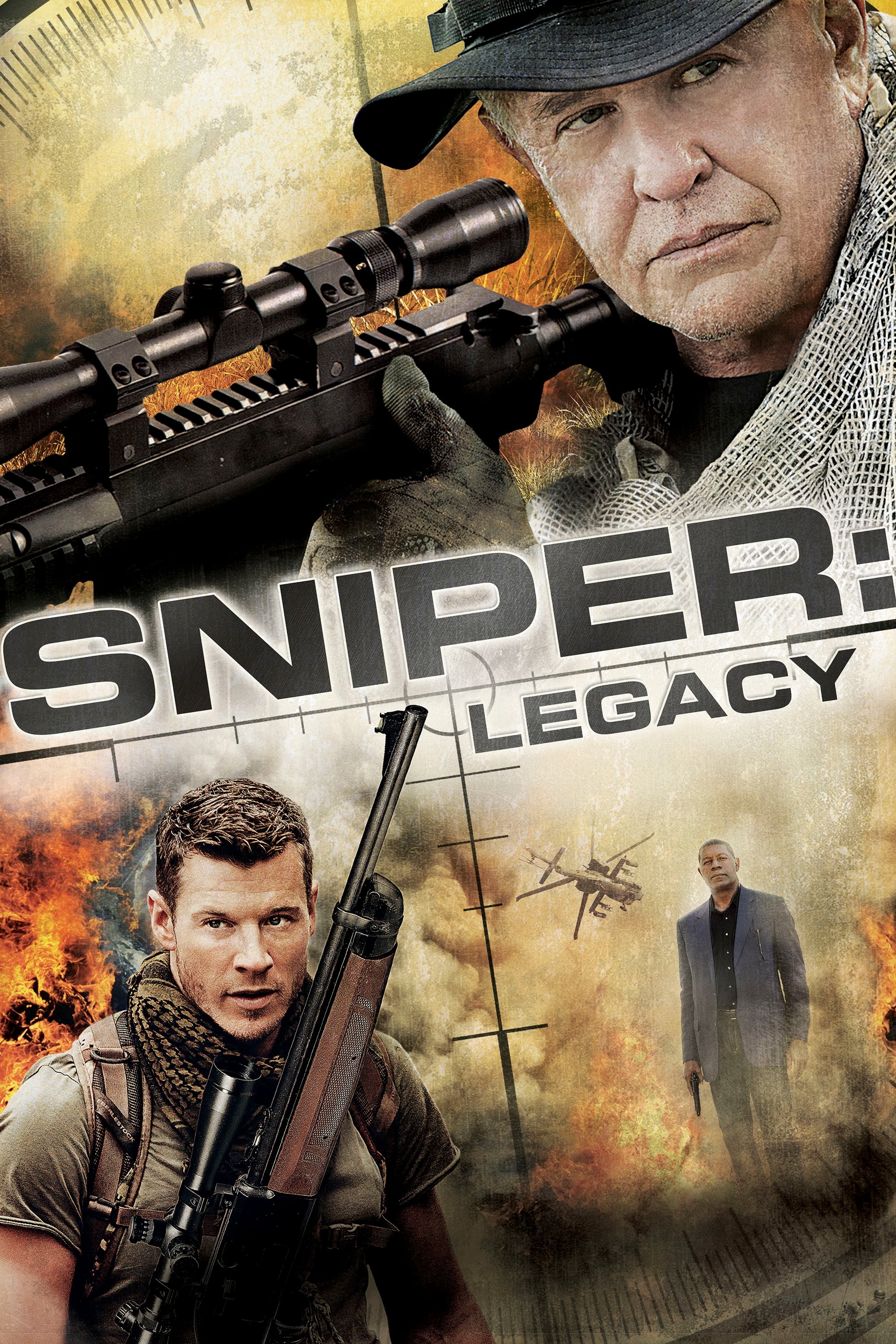
When an international terrorist cult threatens global political stability and kidnaps a fellow agent, Ace Sniper Brandon Beckett and the newly-formed Global Response & Intelligence Team – or G.R.I.T. – led by Colonel Stone must travel across the world to Malta, infiltrate the cult, and take out its leader to free Lady Death and stop the global threat.
To stop an arms dealer from unleashing a deadly superweapon, Ace sniper Brandon Beckett and Agent Zero are deployed to Costa Verde to lead a group of elite soldiers against an unrelenting militia. Taking an untested sniper under his wing, Beckett faces his newest challenge: giving orders instead of receiving them. With both time and ammo running low in a race to save humanity, the team must overcome all odds just to survive.
Special Ops sniper Brandon Beckett is set up as the primary suspect for the murder of a foreign dignitary on the eve of signing a high-profile trade agreement with the United States. Narrowly escaping death, Beckett realizes that there may be a dark operative working within the government, and partners with the only person whom he can trust: his father, legendary sniper Sgt. Thomas Beckett. Both Becketts are on the run from the CIA, Russian mercenaries, and a yakuza-trained assassin with sniper skills that rival both legendary sharpshooters.
A rogue gunman is assassinating high-ranking military officers one by one. When Gunnery Sgt. Brandon Beckett is informed his father, legendary shooter Thomas Beckett has been killed, Brandon springs into action to take out the perpetrator.
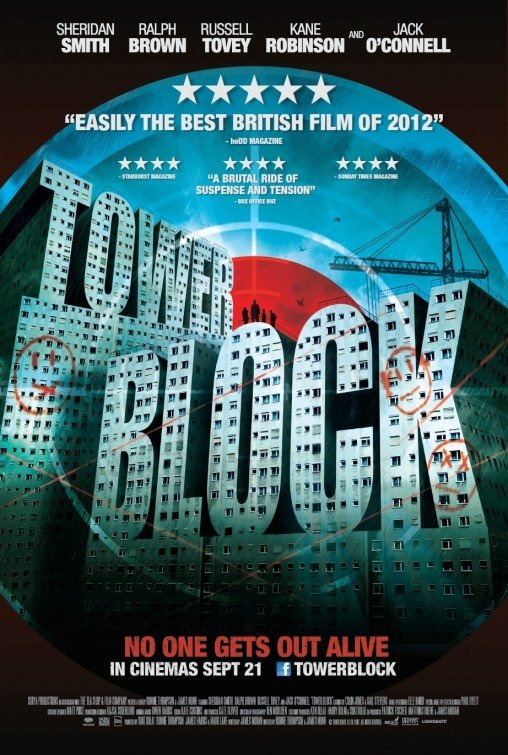
A year after witnessing a murder, residents of Tower Block 31 find themselves being picked off by a sniper, pitting those lucky enough to be alive into a battle for survival.
A burned-out professional sniper finds himself trapped in an all-glass penthouse by a lethal competitor and must find a way to survive and escape with little to no cover between him and the killer.
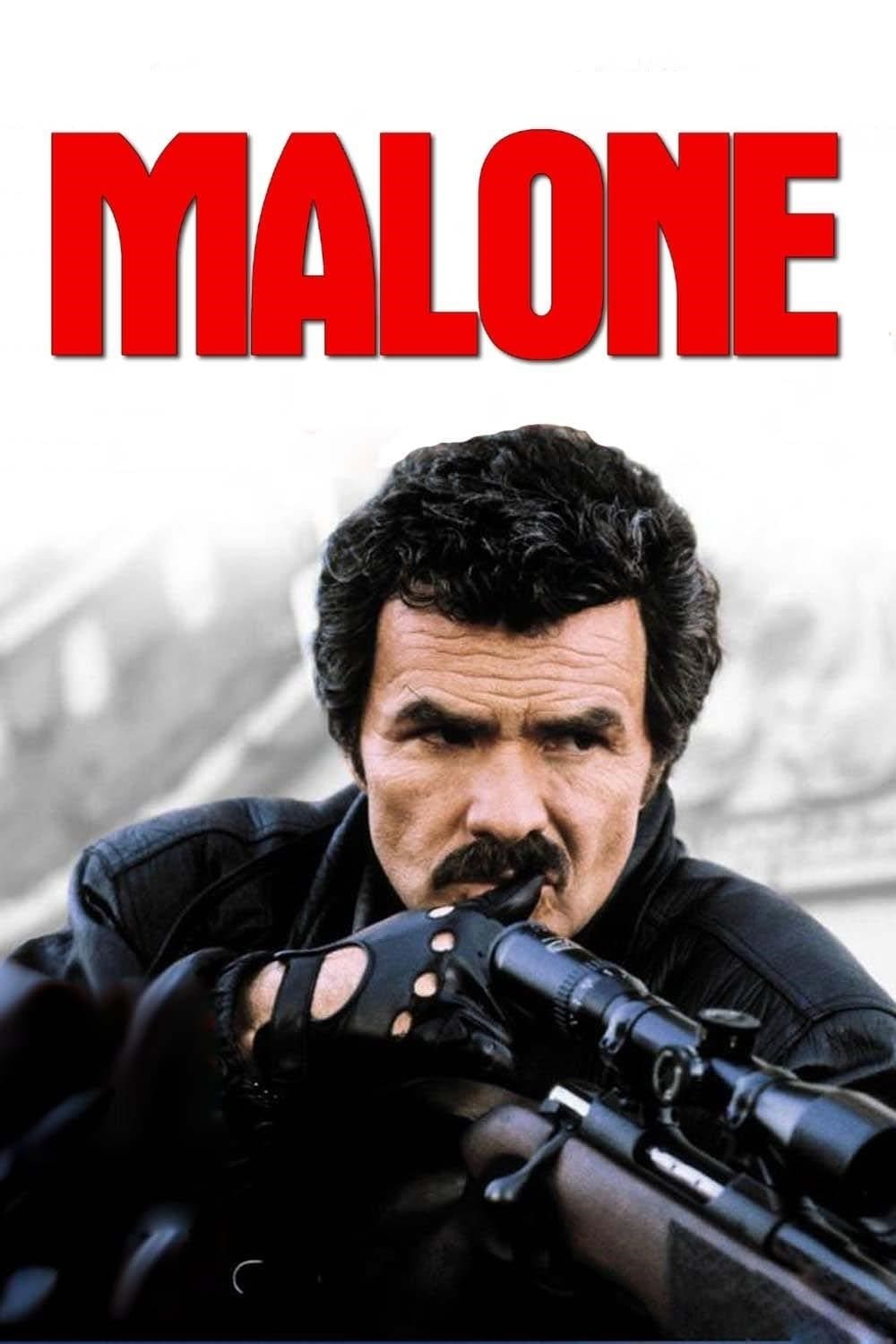
Erstwhile C.I.A. assassin Richard Malone hopes for a tranquil retirement in the placid Pacific Northwest, but what he gets is a rumble with a right-wing extremist plotting a secret revolution.
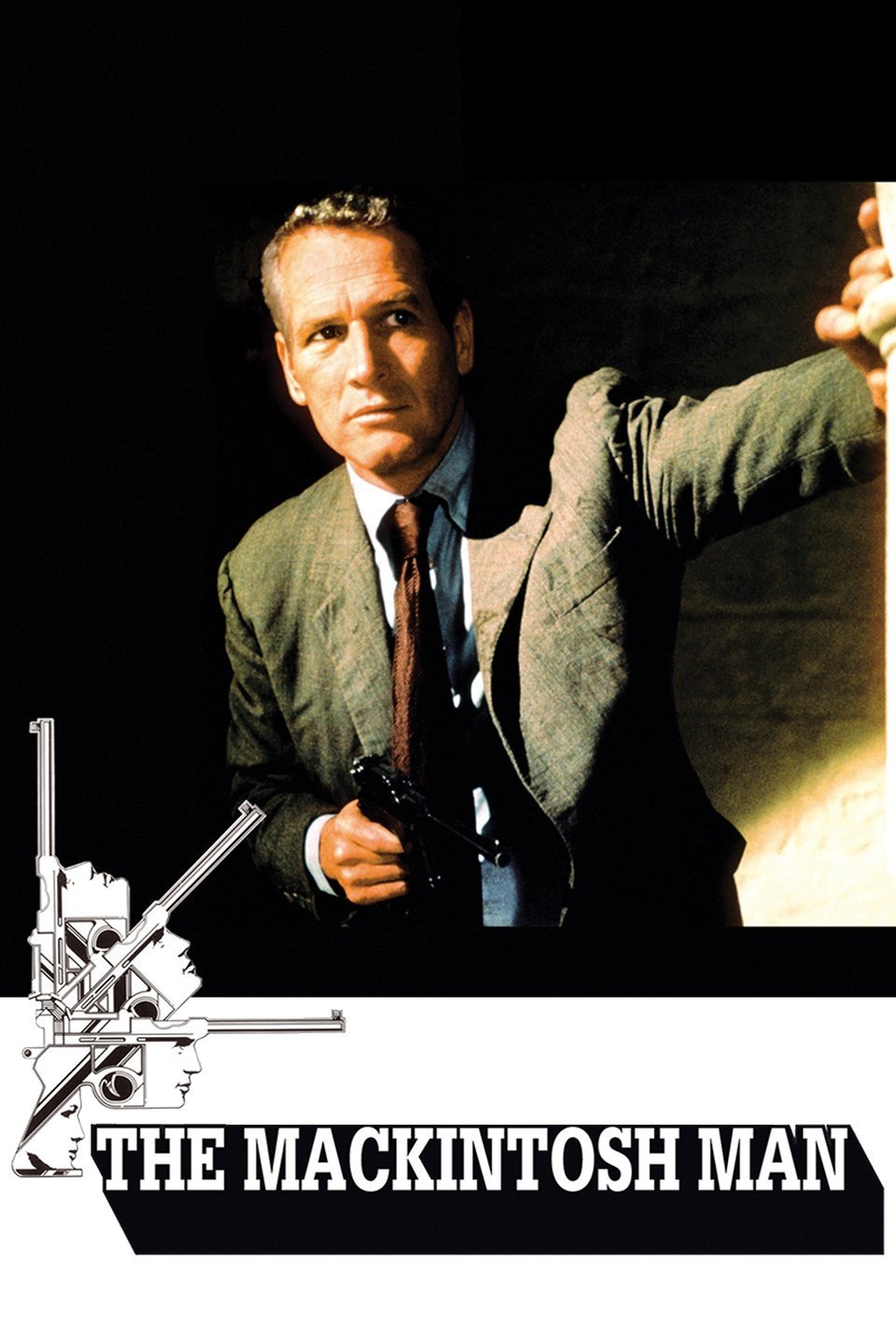
A member of British Intelligence assumes a fictitious criminal identity and allows himself to be caught, imprisoned, and freed in order to infiltrate a spy organization and expose a traitor; only, someone finds him out and exposes him to the gang...
Jake Carter and another former Marine, Luke Trapper, join forces to rescue a young kidnapped girl from a gang of international criminals.
A woman desperately races to save her child after police place her hometown on lockdown due to an active shooter incident.
A man takes over a TV station and holds a number of hostages as a political platform to awaken humanity, instead of money.
When a mafia accountant is taken hostage on his beat, a police officer – wracked by guilt from a prior stint as a negotiator – must negotiate the standoff, even as his own family is held captive by the mob.
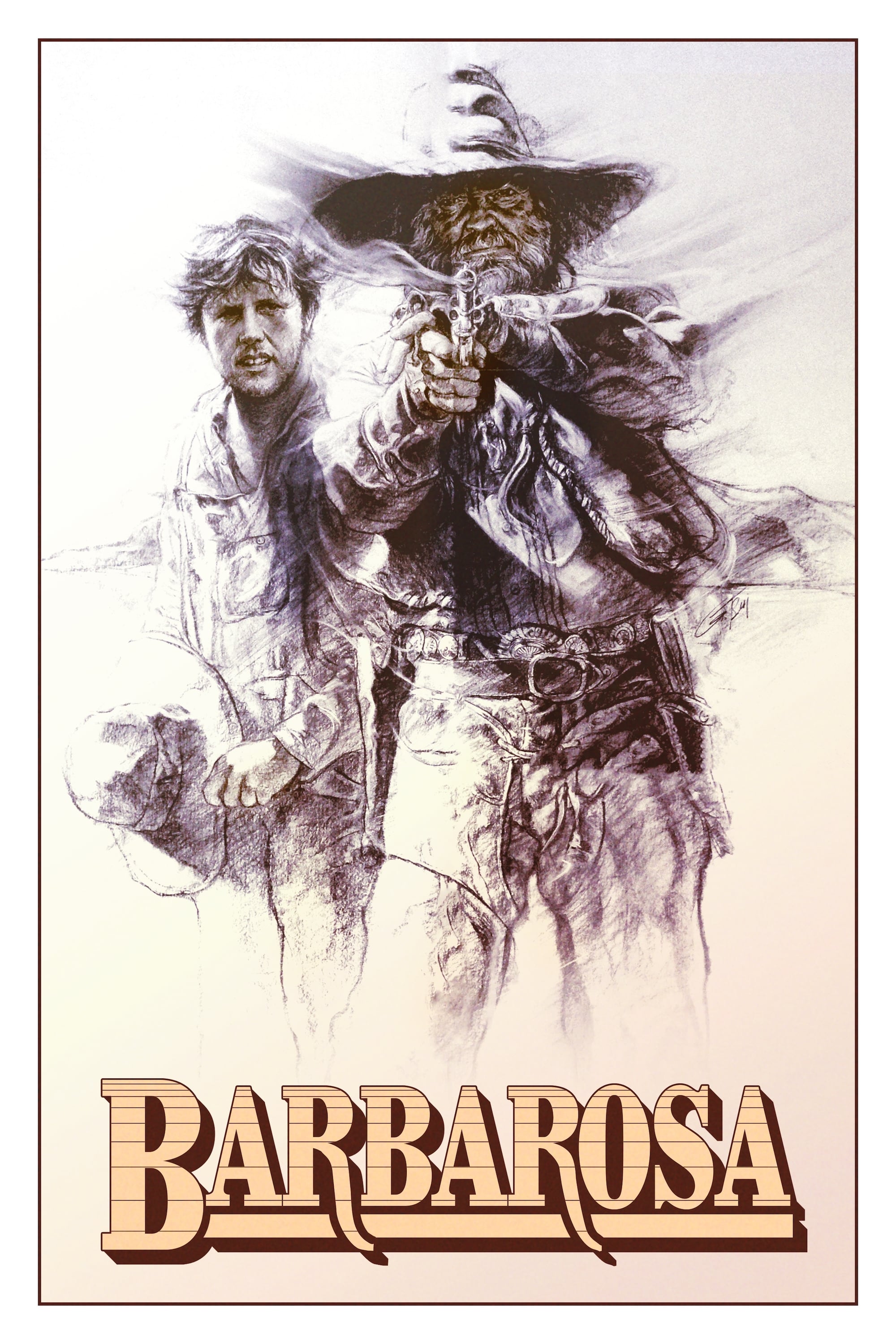
Karl Westover, an inexperienced farm boy, runs away after unintentionally killing a neighbor, whose family pursues him for vengeance. He meets Barbarosa, a gunman of near-mythical proportions, who is himself in danger from his father-in-law Don Braulio, a wealthy Mexican rancher. Don Braulio wants Barbarosa dead for marrying his daughter against the father's will. Barbarosa reluctantly takes the clumsy Karl on as a partner, as both of them look to survive the forces lining up against them.
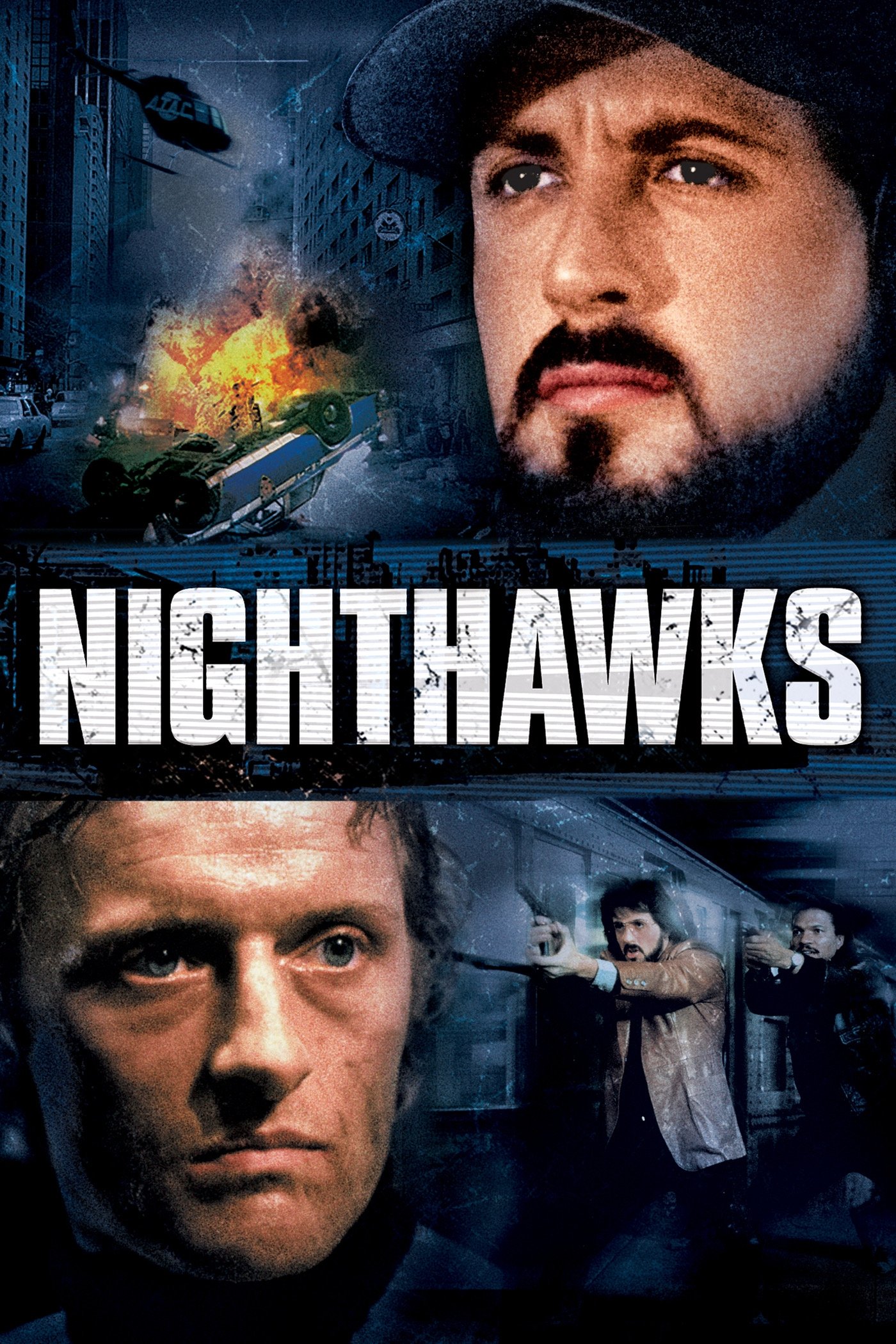
When one of Europe's most lethal terrorists shows up in New York, an elite undercover cop is assigned to take him down by any means necessary.
Top special agent Lucinda Kavsky works for a secret part of the CIA. She's given a special assignment but then set up by her own agency.
An uplifting story of the passion and drive it takes to succeed and the power of family to help realize your dreams.
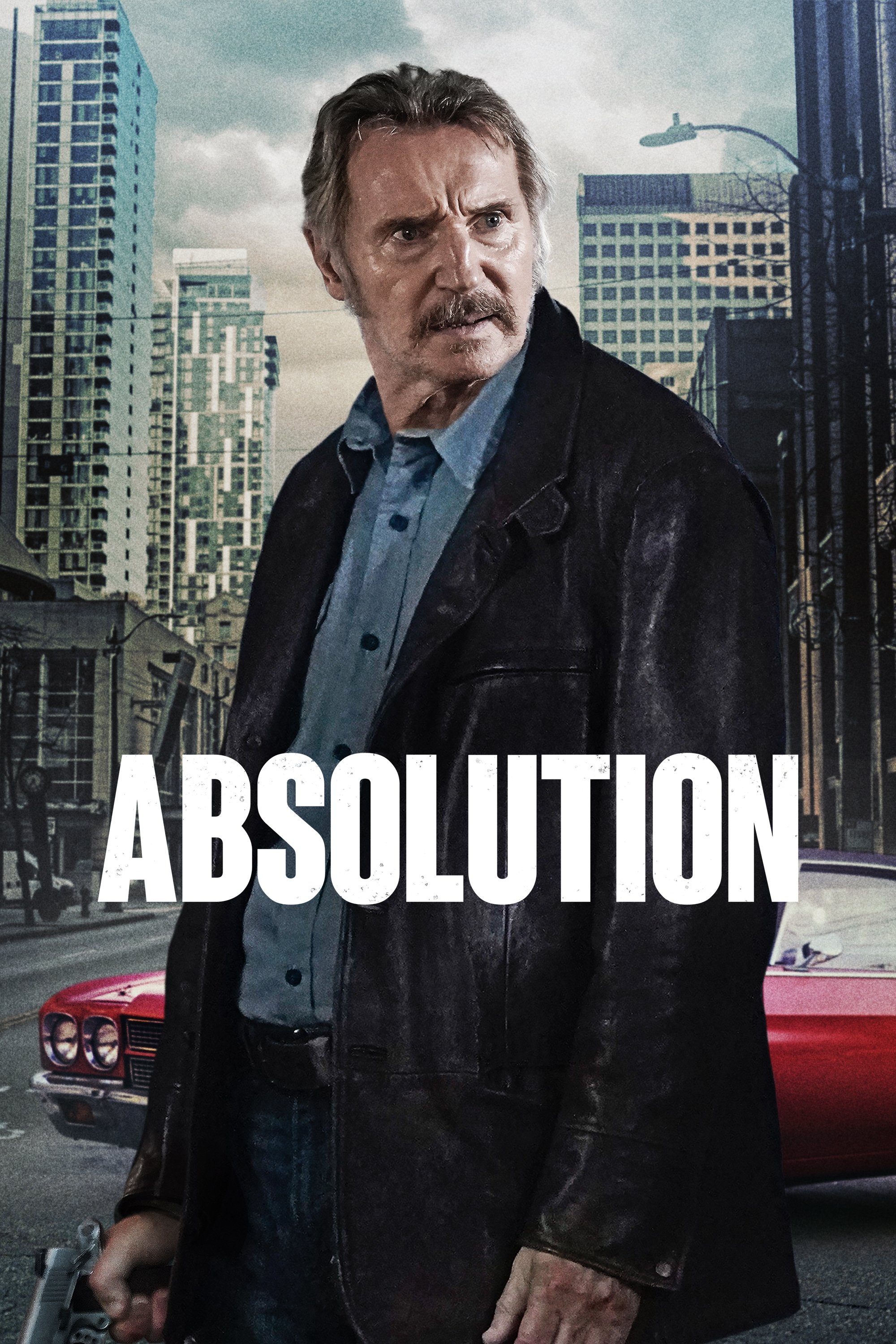
An aging ex-boxer gangster working as muscle for a Boston crime boss receives an upsetting diagnosis. Despite a faltering memory, he attempts to rectify the sins of his past and reconnect with his estranged children. He is determined to leave a positive legacy for his grandson, but the criminal underworld isn’t done with him and won’t loosen their grip willingly.
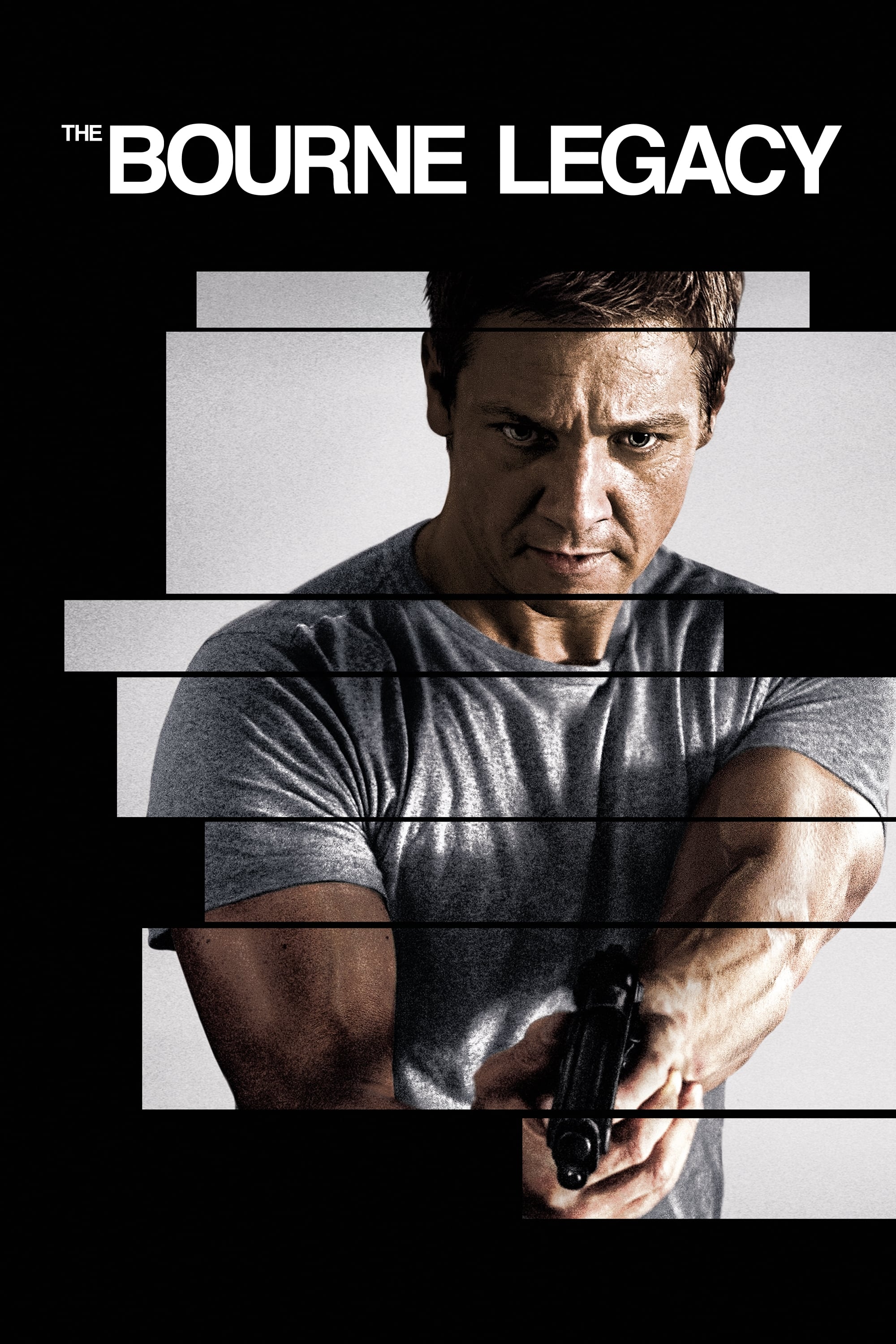
New CIA operative Aaron Cross experiences life-or-death stakes that have been triggered by the previous actions of Jason Bourne.
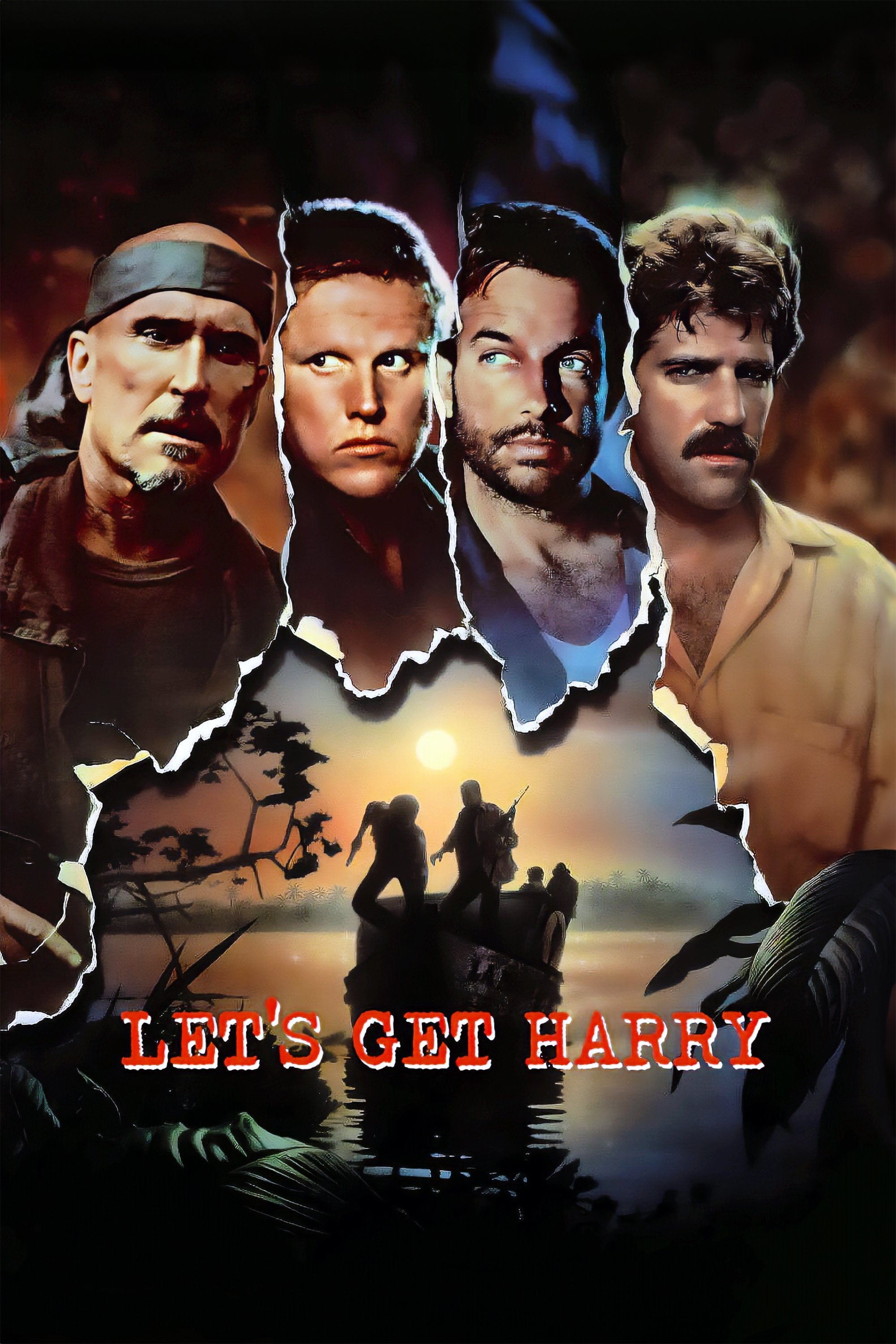
Harry Burck has been kidnapped by South American terrorists, and when the US Government refuses to intervene, Harry's friends decide to take matters into their own hands!
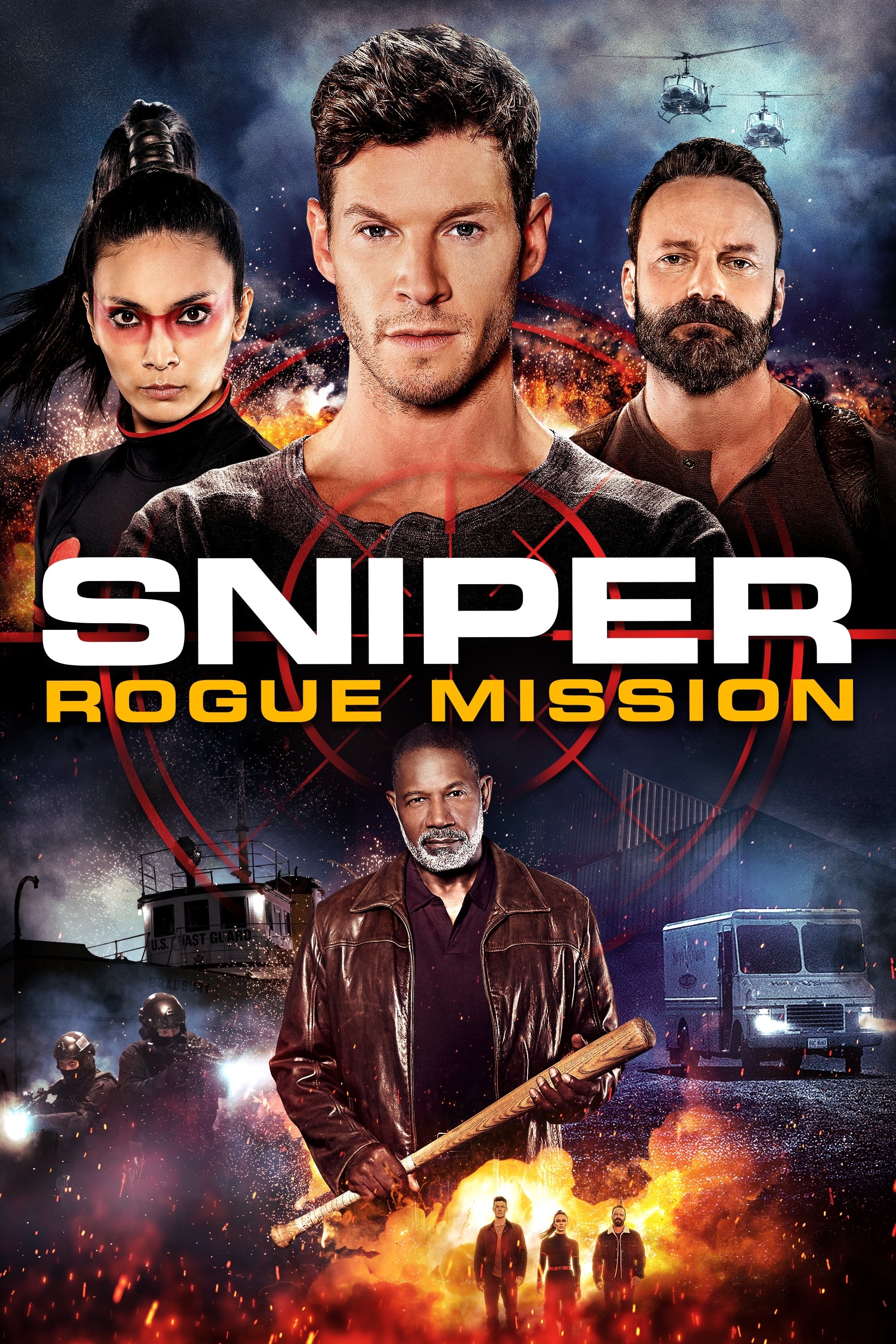
When a crooked federal agent is involved in a human sex trafficking ring, Sniper and CIA Rookie Brandon Beckett goes rogue, teaming up with his former allies Homeland Security Agent Zero and assassin Lady Death to uncover the corrupt agent and take down the criminal organization.