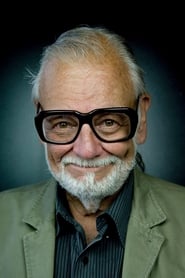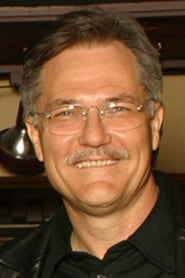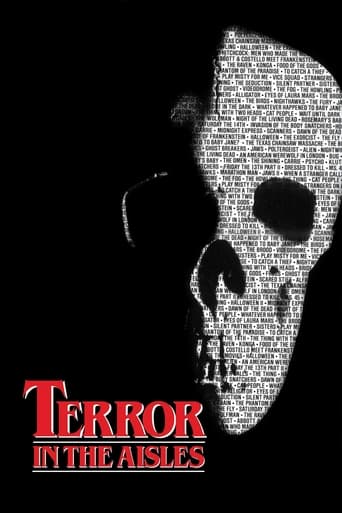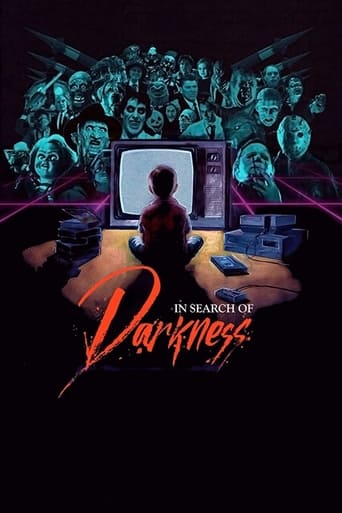

An exploration of the appeal of horror films, with interviews of many legendary directors in the genre.
Social & External
Narrator (voice)
Self
A documentary that focuses on Hayao Miyazaki’s deep connection to nature and the environmental themes expressed through his films.
Tribute to actor and director John Cassavetes who died in February 1989. Friends, associates and fellow directors remember the man and his work.
Four lives that could not be more different and a single passion that unites them: the unconditional love for their cinemas, somewhere at the end of the world. Comrades in Dreams brings together six cinema makers from North Korea, America, India and Africa and follows their efforts to make their audiences dream every night.
Elem Klimov's tribute to his late wife, director Larisa Shepitko, killed in a car accident a year earlier. Features excerpts from all of her films, and archival audio of her discussing life and art.
Documentary that follows events after the fall of Slobodan Milosevic, while looking back on the previous fifteen years, tracing his rise to power. Personal testimony alternates with analysis of a disintegrating society.
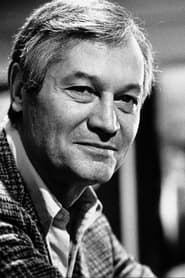
Documentary about master director Roberto Rossellini, who tells details of his life and childhood and visits the places where he has lived and shot some of his most famous movies.
A look at the state of the global environment including visionary and practical solutions for restoring the planet's ecosystems. Featuring ongoing dialogues of experts from all over the world, including former Soviet Prime Minister Mikhail Gorbachev, renowned scientist Stephen Hawking, former head of the CIA R. James Woolse
In the late sixties, Spanish cinema began to produce a huge amount of horror genre films: international markets were opened, the production was continuous, a small star-system was created, as well as a solid group of specialized directors. Although foreign trends were imitated, Spanish horror offered a particular approach to sex, blood and violence. It was an extremely unusual artistic movement in Franco's Spain.
In 2001, Jimmy Wales published the first article on Wikipedia, a collaborative effort that began with a promise: to democratize the spreading of knowledge, monopolized by the elites for centuries. But is Wikipedia really a utopia come true?
A chronicle of the production problems — including bad weather, actors' health, war near the filming locations, and more — which plagued the filming of Apocalypse Now, increasing costs and nearly destroying the life and career of Francis Ford Coppola.
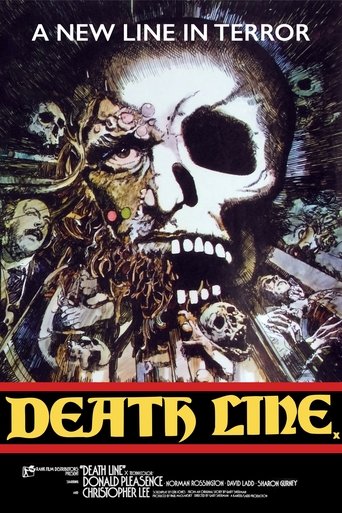
When a government official disappears in the London tunnels, after several reports of missing people in the same location, Scotland Yard start to take the matter seriously, along with a couple who stumble into a victim by accident.
Explore how one man's relentless drive and invention of the atomic bomb changed the nature of war forever, led to the deaths of hundreds of thousands of people and unleashed mass hysteria.
As Hong Kong's foremost filmmaker, Johnnie To himself becomes the protagonist of this painstaking documentary exploring him and his Boundless world of film. A film student from Beijing and avid Johnnie To fan, Ferris Lin boldly approached To with a proposal to document the master director for his graduation thesis. To agreed immediately and Lin's camera closely followed him for over two years, capturing the man behind the movies and the myths. The result is Boundless, a candid profile of one of Hong Kong's greatest directors and a heartfelt love letter to Hong Kong cinema.
As bodies begin dropping around the Hollywood set of STAB 3, the third film based on the gruesome Woodsboro killings, Sidney and other survivors are once again terrorized by another Ghostface killer.
When Francois Truffaut approached Alfred Hitchcock in 1962 with the idea of having a long conversation with him about his work and publishing this in book form, he didn't imagine that more than four years would pass before Le Cinéma selon Hitchcock finally appeared in 1966. Not only in France but all over the world, Truffaut's Hitchcock interview developed over the years into a standard bible of film literature. In 1983, three years after Hitchcock's death, Truffaut decided to expand his by now legendary book to include a concluding chapter and have it published as the "Edition définitive". This film describes the genesis of the "Hitchbook" and throws light on the strange friendship between two completely different men. The centrepieces are the extracts from the original sound recordings of the interview with the voices of Alfred Hitchcock, Francois Truffaut, and Helen Scott – recordings which have never been heard in public before.
Two years ago, a young woman named Valerie was burned after entering a tanning salon. Now, Rhonda runs a local gym where all of a sudden, people are being murdered.
When the silent cinema learned to speak, the audience was surprised not only by the voices of the actors and the sound effects, but also by a new element, the music, which, combined with the dance and an unprejudiced imagination, gave rise to a new genre, as important to Hollywood cinema as the western was: the musical. A journey through the history of this genre, from its beginnings to the present day.
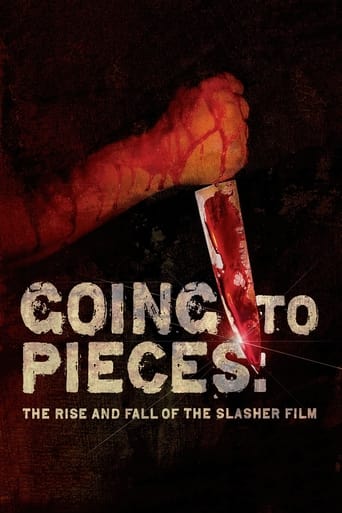
This historical and critical look at slasher films, which includes dozens of clips, begins with Halloween, Friday the 13th, and Prom Night. The films' directors, writers, producers, and special effects creators comment on the films' making and success. During the Reagan years, the films get gorier, budgets get smaller, and their appeal wanes. Then, Nightmare on Elm Street revives the genre. Jump to the late 90s, when Scream brings humor and TV stars into the mix.
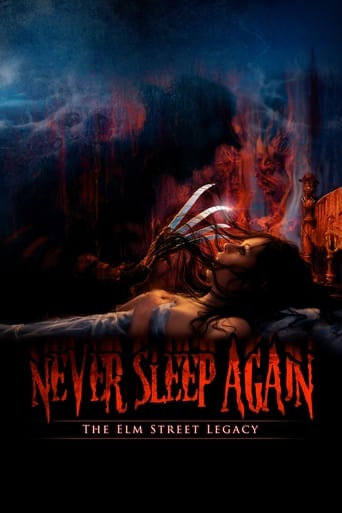
For decades, Freddy Krueger has slashed his way through the dreams of countless youngsters, scaring up over half a billion dollars at the box office across eight terrifying, spectacular films.
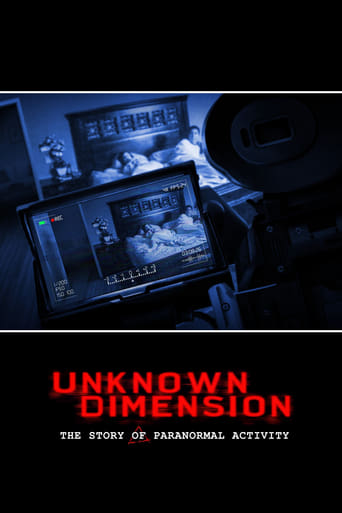
A deep dive into the making of the Paranormal Activity films with first time ever interviews with cast and crew, never-before-seen footage from the movies, and a preview of the seventh installment in the franchise.
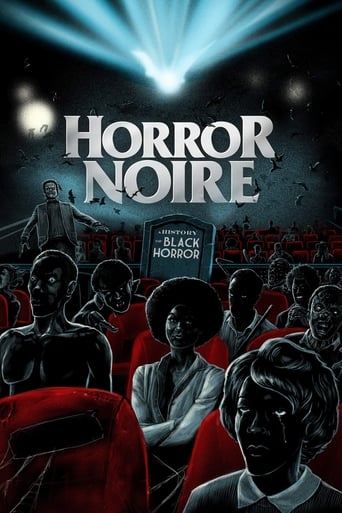
Delving into a century of genre films that by turns utilized, caricatured, exploited, sidelined, and finally embraced them, this is the untold history of black Americans in Hollywood through their connection to the horror genre.
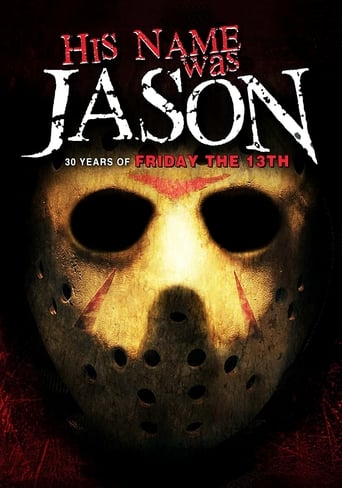
A retrospective documentary about the groundbreaking horror series, Friday the 13th, featuring interviews with cast and crew from the twelve films spanning 3 decades.
The next great psycho horror slasher has given a documentary crew exclusive access to his life as he plans his reign of terror over the sleepy town of Glen Echo, all the while deconstructing the conventions and archetypes of the horror genre for them.
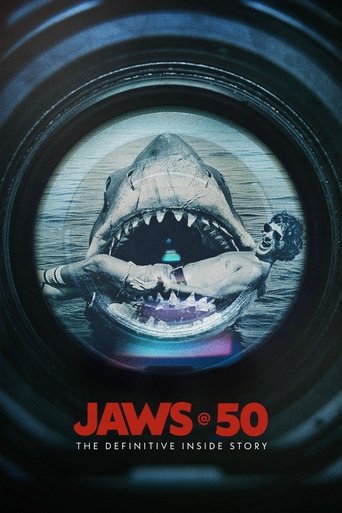
The authorized documentary celebrating the film that redefined Hollywood, 50 years after its premiere. Featuring rare archival footage and interviews with acclaimed Hollywood directors alongside Steven Spielberg, top shark scientists, and conservationists, the film uncovers the behind-the-scenes chaos and how the film launched the summer blockbuster, inspired a new wave of filmmakers, and paved the way for shark conservation that continues today.
An exploration of '80s horror movies through the perspective of the actors, directors, producers and SFX craftspeople who made them, and their impact on contemporary cinema.
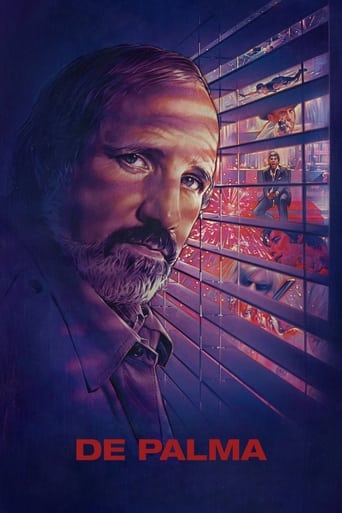
An intimate conversation between filmmakers, chronicling De Palma’s 55-year career, his life, and his filmmaking process, with revealing anecdotes and, of course, a wealth of film clips.
The ultimate ‘80s Horror retrospective just got BIGGER. In Search of Darkness: Part II is a four-hour-plus sequel to the Rondo Hatton-nominated In Search of Darkness, adding 15 new interviewees and 40+ returning favorites for the biggest and most comprehensive ‘80s Horror documentary cast ever assembled.
One-man armies, meet-cutes, casual strolls away from huge explosions — stars and industry insiders toast and roast these cinematic chestnuts and more.
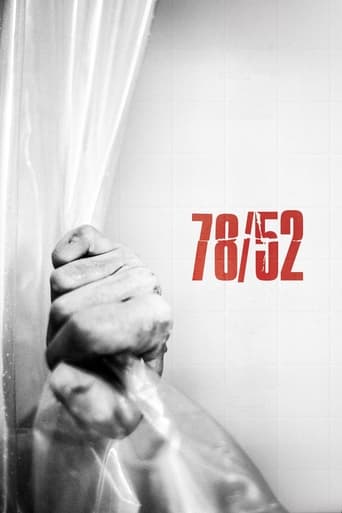
The most famous murder scene in movie history comprises 78 camera settings and 52 cuts: the shower scene in Alfred Hitchcock's Psycho. 78/52 tells the story of the man behind the curtain and his greatest obsession.
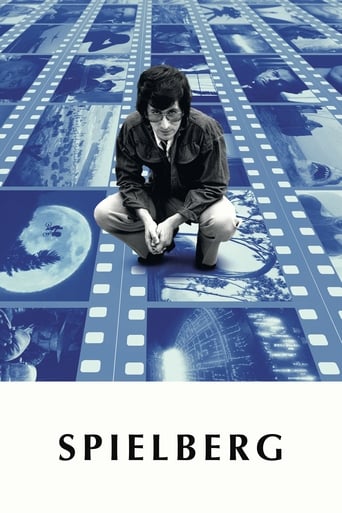
A documentary on the life and career of one of the most influential film directors of all time, Steven Spielberg.
A filmmaker who grew up alongside Chucky the killer doll seeks out the other families surrounding the Child's Play films as they recount their experiences working on the ongoing franchise and what it means to be a part of the, "Chucky" family.
Follow the evolution of the 'Halloween' movies over the past twenty-five years. It examines why the films are so popular and revisits many of the original locations used in the films - seeing the effects on the local community. For the first time, cast, crew, critics and fans join together in the ultimate 'Halloween' retrospective.
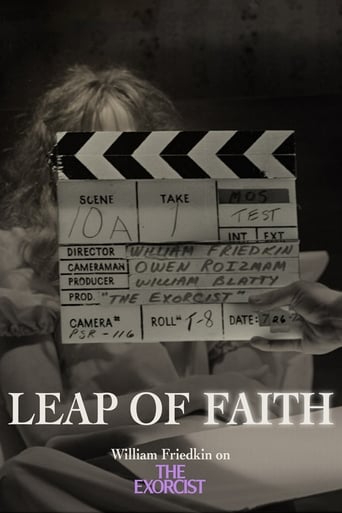
A lyrical and spiritual cinematic essay on The Exorcist, the last film of Alexandre O. Philippe explores the uncharted depths of William Friedkin’s mind’s eye, the nuances of his filmmaking process, and the mysteries of faith and fate that have shaped his life and filmography.
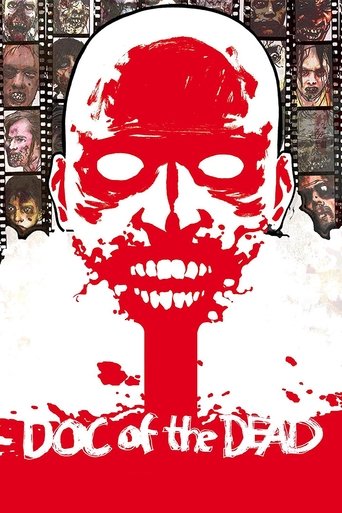
The definitive zombie culture documentary, brought to the screen by the makers of THE PEOPLE vs. GEORGE LUCAS.
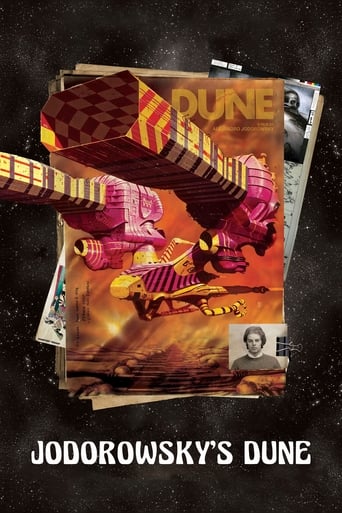
In 1974, Chilean-French director Alejandro Jodorowsky embarked on the quixotic project of adapting Frank Herbert's influential novel Dune (1969) for the big screen. After investing two years, and millions of dollars, the gigantic project ended in failure; but the artists Jodorowsky brought together to carry it out continued to work together, and ended up laying the foundations for modern science fiction cinema.
Trapped on her family’s isolated farm, Pearl must tend to her ailing father under the bitter and overbearing watch of her devout mother. Lusting for a glamorous life like she’s seen in the movies, Pearl’s ambitions, temptations, and repressions collide.
Filmmakers discuss the legacy of Alfred Hitchcock and the book “Hitchcock/Truffaut” (“Le cinéma selon Hitchcock”), written by François Truffaut and published in 1966.