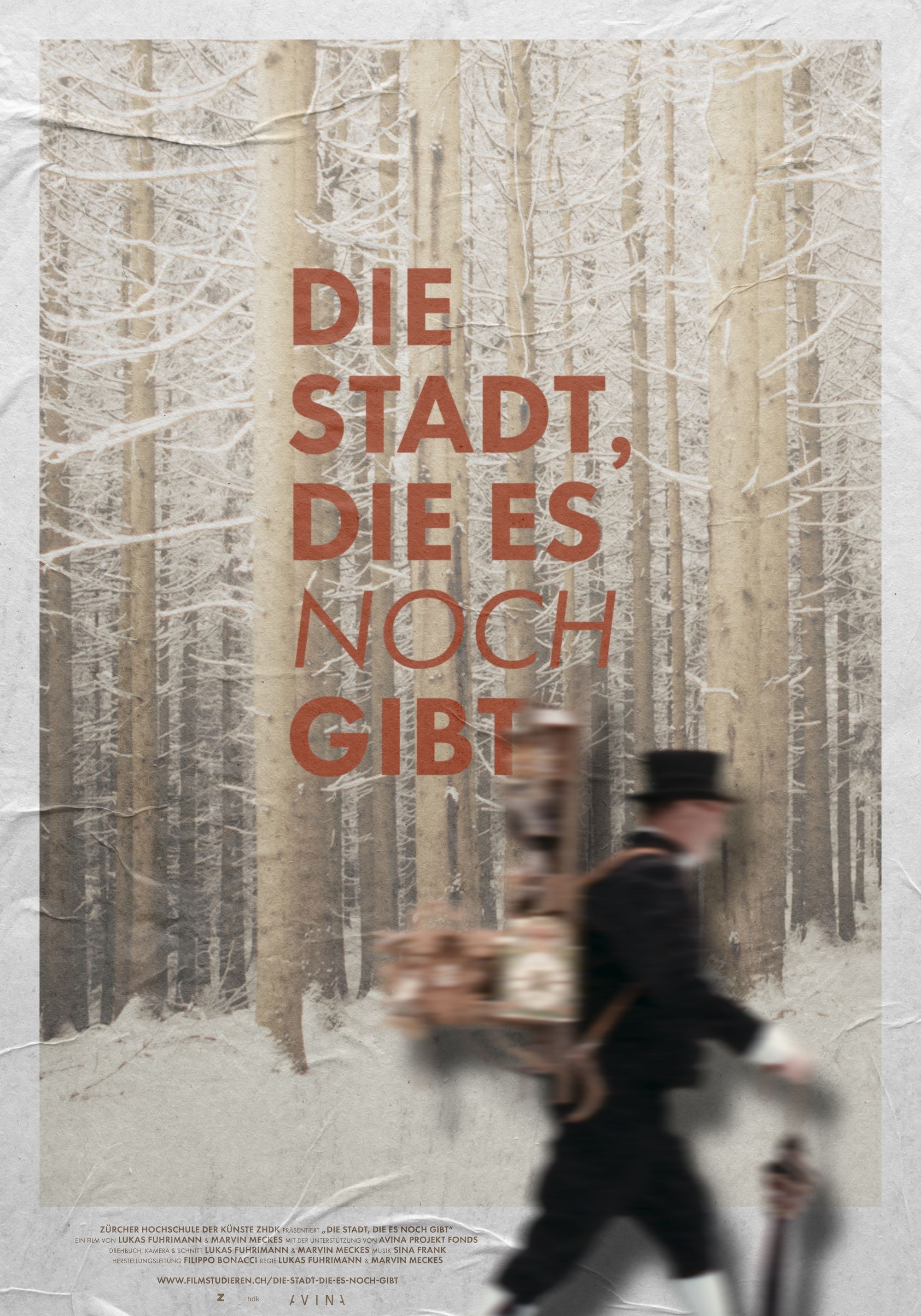
"The traditional healers in the Swiss and French mountains."
The traditional healers in the Swiss and French mountains.
Social & External
A bodybuilder, a junk-food addict and a wild blonde nymph and their friends are stalked by a terrifying figure. An horrific tale of murder as a fun-loving group of college students explore the Colorado wilderness.
A Montana bounty hunter is sent into the wilderness to track three escaped prisoners. Instead he sees something that puzzles him. Later with a female Native Indian history professor, he returns to find some answers.

A young man lands in a cut off village in the Swiss mountains and discovers a dark secret from the past, as the villagers made a pact with the devil...
Drawing inspiration from his personal encounter with the Italian refugee child Giovanna during World War II, Markus Imhoof tells how refugees and migrants are treated today: on the Mediterranean Sea, in Lebanon, in Italy, in Germany and in Switzerland.
Between 1931 to 2002, Switzerland issued some six million seasonal residence permits, known as "A" permits, to immigrant workers. This status carried drastic rules, such as a ban on family reunification and a stay in Switzerland limited to nine months a year. In open letters, former seasonal workers and their children recount the impact this system had on their lives.
In 1967, in the middle of the Cold War, Joseph Stalin's only daughter goes to the American embassy in New Delhi and asks for asylum. Svetlana leaves behind her country and her two children. Hunted by the press, the KGB, and many admirers, the woman, nicknamed the Kremlin princess, will never cease to flee. From the summit of the Soviet empire to the solitude and poverty of her last years in a Wisconsin home, Gabriel Tejedor traces the destiny of a resolutely free woman, at the very heart of the century and its geopolitical challenges.
An account of the life and work of the Swiss writer Johanna Spyri (1827-1901), the barely known artistic mother of Heidi, her brave alpine heroine, who was first introduced to the world between 1880 and 1881, in a novel published in two parts, and became definitely immortal thanks to an anime series, released in 1974, directed by the Japanese genius Isao Takahata.
A documentary film about Tibetan traditional medicine.
Sepp Holzer explains some of the innovative, labour-saving agricultural techniques he applies at his farm in the Eastern Alps of Salzburg, Austria.
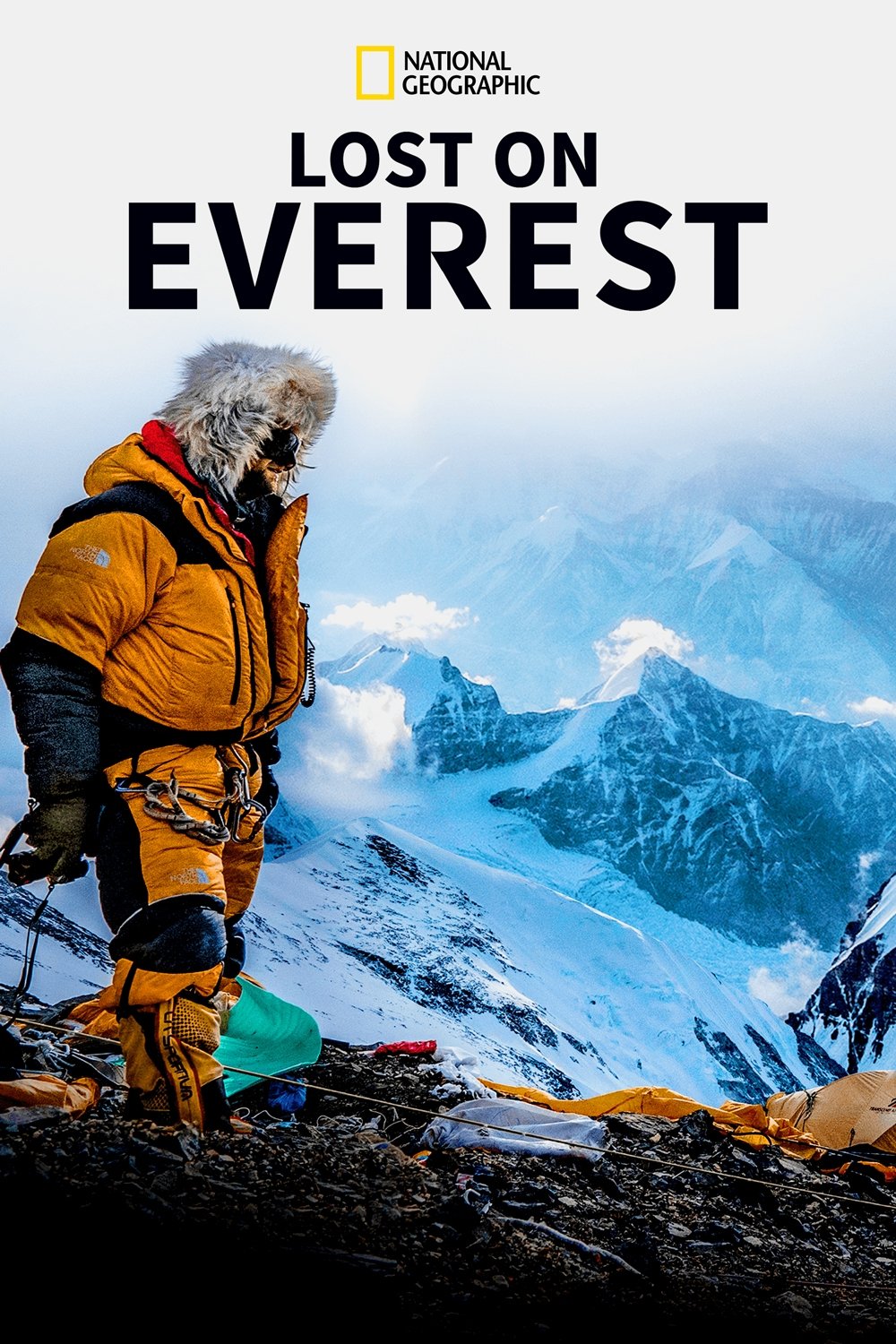
In 2019, Nepalese mountain climber Nirmal “Nims” Purja set out to do the unthinkable by climbing the world’s fourteen highest summits in less than seven months. (The previous record was eight years). He called the effort “Project Possible 14/7” and saw it as a way to inspire others to strive for greater heights in any pursuit. The film follows his team as they seek to defy naysayers and push the limits of human endurance.
Xiaofan, a young girl who works at a Karaoke Club, awakes one morning in a remote forest with her body covered in blood. As she struggles to find her way out, she tries to understand the drama circumstances which got her into the situation, events mainly related to her unpredictable boyfriend. She needs to make a decision that may change her life.
The Blocher Experience tells the story of Switzerland’s most controversial political leader. It also chronicles the face-to-face encounter between a film-maker and a man of power, through a year of exclusive, up-close interviews and access to his private life.
Is the solution to Switzerland's future to integrate Germany into the confederation? After all, like Michael Ringier, CEO of the Ringier media group, says, blithely ignoring all minorities, we're very close in culture and language. Oskar Freysinger takes out his guitar and sings his answer. Politicians from French-speaking Switzerland and Ticino think expanding will help the country survive. The former German foreign minister thinks the two countries' traditions are too different. The banker Oswald Grübel is worried about Germany's debts, although he'd be prepared to take over its assets. With serious interviews interspersed with gags (boat people on Lake Constance, the last Habsburger as a peasant), Giaccobbo gathers off-the-cuff reactions which reveal a lot about the different mentalities. The movie laughs at preconceived notions, redefines neutrality and reflects on what designates a nation. Switzerland, which loves to teach the world a lesson, will soon helvetize the planet, oder?
The story of three Turkish men. They all grew up in Switzerland and all got deported after various criminal offenses.
At the forests of Östergötland, where land meets sea, rests the old castle Herrborum. Here lives count Magnus Stenbock, 92, according to his own ideas about what is appropriate and what is not. Film-maker Helena Nygren is fascinated by the count and the castle, and is allowed to film on the condition that she takes the role of companion lady. Over one year, Helena returns several times to take part of count Magnus Stenbock and his servants life on castle Herrborum in Östergötland. Time stands still on the castle, and in the movie Helena wants to preserve the fairy tale feeling she gets when she steps into these ancient surroundings. The count is a strong personality with strong opinions and a great interest in history. All kinds of people come to his castle to savor the special atmosphere and follow the old fashioned rules of etiquette. Helena transforms from an observer to a lady who participates in the social games on the estate, where everything moves around its own time axis.
The film focuses on the exciting life journey of Swiss writer Katharina Zimmermann. She follows her husband on a mission to the jungle in Indonesia where she raises their four children and five foster children and lives through the military coup. Back in Switzerland Katharina discovers her voice and finds her path. Now, at eighty, she is writing her life story. Yet suddenly she faces another battle because her publisher is threatening to let her go.
The film tells of the radical life-search by the Swiss writer Paul Nizon, born 1929 in Bern, Switzerland, who became what “he was meant to be” in Paris. Now 90-year-old, Paul Nizon grants insights into his life and work in a self-ironic, direct manner. The intimate portrait of a great literary outsider emerges, for whom the risk of life and the risk of writing merge into one and the same work of art.
In the 70s, Barsham Faire on August Bank Holiday became a tradition for many to celebrate things 'medieval' and raise funds for local arts events. It put Barsham on the map.