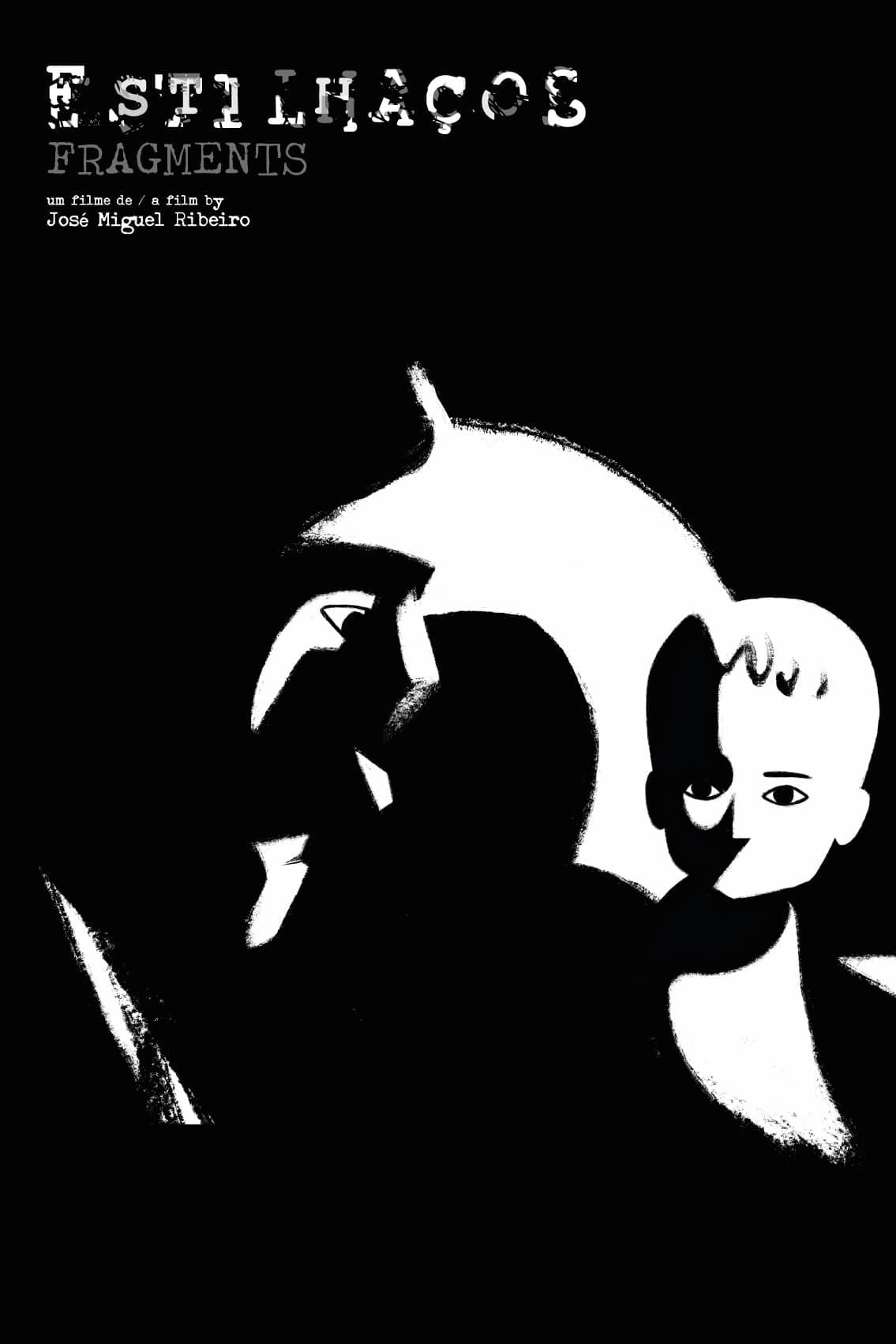
This is a film about how war settles in the bodies of the people who are forced to experience it directly. And then, thousands of miles away and dozens of years ahead, how, like a virus, it can still infect other human beings.

Social & External
A 20-minute documentary film about the Kyrgyz people living by the Narym River.
Life in a Kyrgyz aul (village) in the mountains connected to the rest of the world by a cable bridge, and the teenage boys who are constructing the rope of the bridge. A rope bridge which the locals call “The devil’s bridge” forms part of each and every event which takes place in a small village lost in the mountains of the Kyrgyz Republic. A platform driven by a huge winch which they have to pull with their own strength to cross the torrent is their only link with the outside world. But the director of the documentary wondered something else: “Does this bridge unite or does it actually separate?” Through the mist and over the thrashing waters, the inhabitants of the area glide along their ropes. A film, in the director’s own words, about ordinary people who live in an extraordinary place.
Sound progression of two opposite landscapes.
Filmmaker Jonas Mekas follows the surrealist artist around the streets of New York documenting staged public art events.
Gavin built a giant volcano sculpture that's now in his dad's shed. Gavin seeks his dad's understanding but he's uninterested in modern art and refuses to participate in the documentary.
Based on late field biologist John Sincock's experiences in Kauai.
A short silent documentary on the making of the 1931 Abel Gance directed film, "La Fin du Monde".
One of Han Ok-hee’s renowned pieces called The Hole uses the flicker, oblique angles, the cross-cutting of reality and fantasy to express inner entrapment and the desire for liberation. Han Ok-hee’s The Hole, The Rope and Untitled not only experimented with cinematic forms of expression, but also played an important role in the protest against forms of expression in experimental films and the artistic protest against the social suppression and censorship in 1970s Korea. (Art Cinema OFFoff)
Short 18 minute film about QM and her last Transatlantic voyage from New York to Southampton. Joan Crawford makes an appearance and also narrates the first part of the film.
The second of three pilot shorts that eventually became the 1989 movie Little Nemo: Adventures in Slumberland.
A group of writers from Hidalgo get together to generate their works and create a community around literature.
Glauco Mattoso, a blind sadomasochistic poet, agrees to participate in a documentary about his own life, but the conditions he imposes raise difficulties to the work of the young director.
In a covert listing station an operative picks up a telephone conversation between someone he suspects is an agent and someone called mother. He follows their communication and intercepts another message about cakes and candles. However has he stumbled upon a plot of major importance or just something innocent?
Caught in a raging sandstorm on Christmas Eve, Santa must find a way to bring presents to children of the Middle East. With the help of Camels Akhmed, Moshe, Yosh and Amir, Santa delivers.
A story of a grey man who is always sighing. Living in a smog-covered grey city, he keeps on sighing until he dries out and becomes nothing but skin and bones. But even in the darkest corners of the soul, there is light and colour.
Stranded by his Star Destroyer, Varko Grey becomes the last TIE pilot on the battlefield, hunted by a renegade X-Wing of the New Republic.
To confront his fear of making a fool of himself, a film student ventures into stand-up comedy and documents his process.
Patrick Haggerty grew up the son of a dairy farmer in rural Dry Creek, Washington, during the 1950s. As a teenager, Pat began to understand he was gay—something he thought he was hiding well. But one day, after performing at a school assembly, Pat learned that his father could see him much more clearly than he realized.
A melancholic look at Mainz's Jubiläumsbrunnen, whose decayed charm is in a state of conflict with other buildings in Mainz.
Short hand drawn representation of a cat
A love letter from a young mother to her daughter, the film tells the story of Waad al-Kateab’s life through five years of the uprising in Aleppo, Syria as she falls in love, gets married and gives birth to Sama, all while cataclysmic conflict rises around her. Her camera captures incredible stories of loss, laughter and survival as Waad wrestles with an impossible choice– whether or not to flee the city to protect her daughter’s life, when leaving means abandoning the struggle for freedom for which she has already sacrificed so much.
Prelude to War was the first film of Frank Capra's Why We Fight propaganda film series, commissioned by the Pentagon and George C. Marshall. It was made to convince American troops of the necessity of combating the Axis Powers during World War II. This film examines the differences between democratic and fascist states.
Pete Postlethwaite stars as a man living alone in the devastated future world of 2055, looking at old footage from 2008 and asking: why didn’t we stop climate change when we had the chance?
“The Soviet Story” is a story of an Allied power, which helped the Nazis to fight Jews and which slaughtered its own people on an industrial scale. Assisted by the West, this power triumphed on May 9th, 1945. Its crimes were made taboo, and the complete story of Europe’s most murderous regime has never been told. Until now...
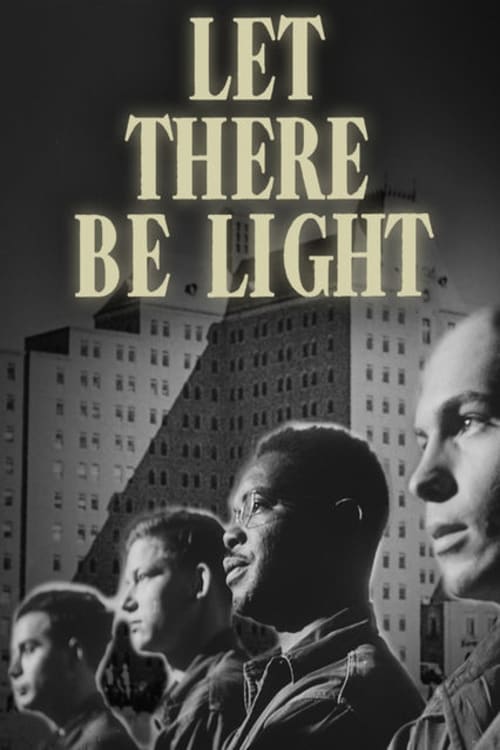
The final entry in a trilogy of films produced for the U.S. government by John Huston. Some returning combat veterans suffer scars that are more psychological than physical. This film follows patients and staff during their treatment. It deals with what would now be called PTSD, but at the time was categorised as psychoneurosis or shell-shock. Government officials deemed this 1946 film counterproductive to postwar efforts; it was not shown publicly until 1981.
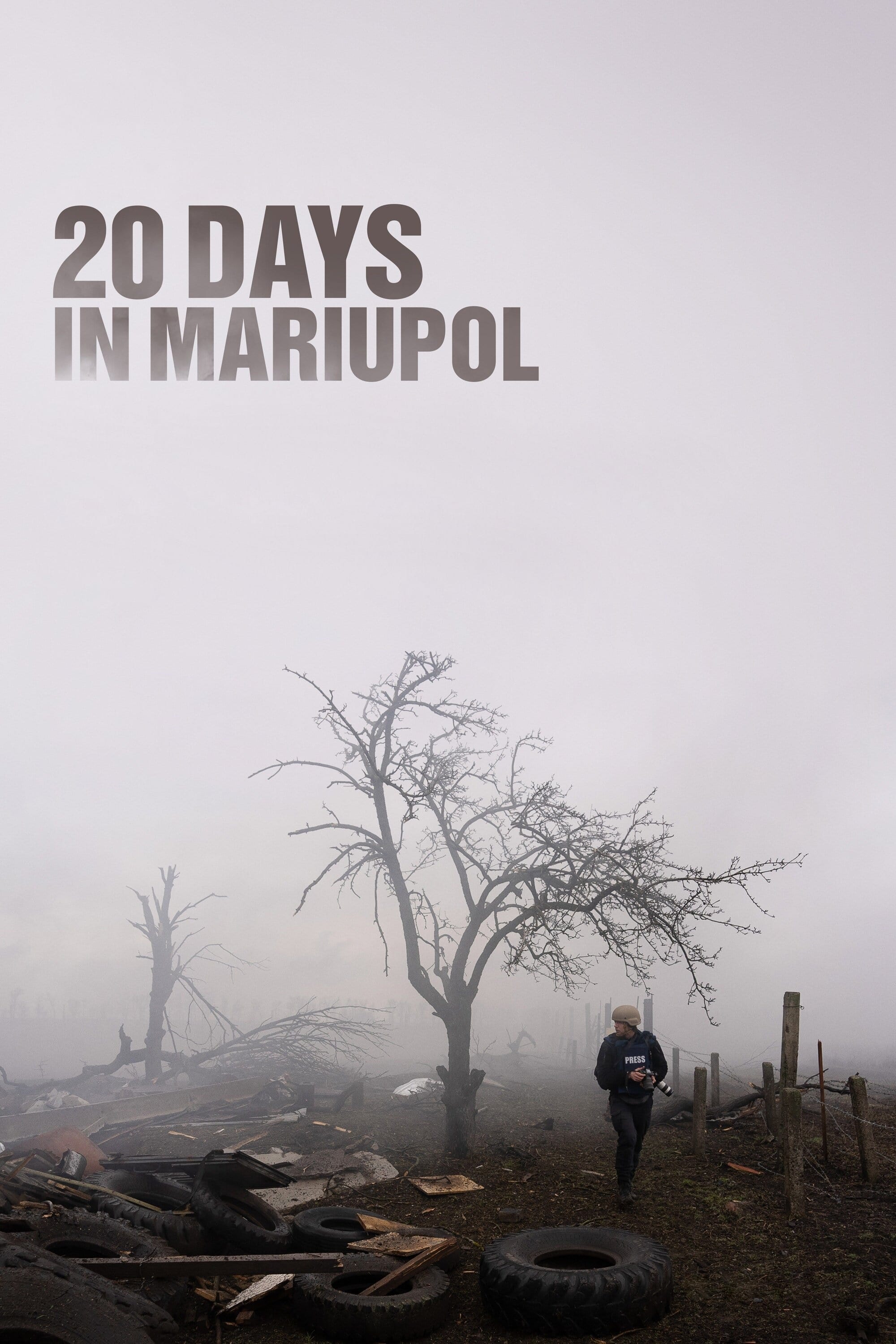
As the Russian invasion begins, a team of Ukrainian journalists trapped in the besieged city of Mariupol struggle to continue their work documenting the war's atrocities.
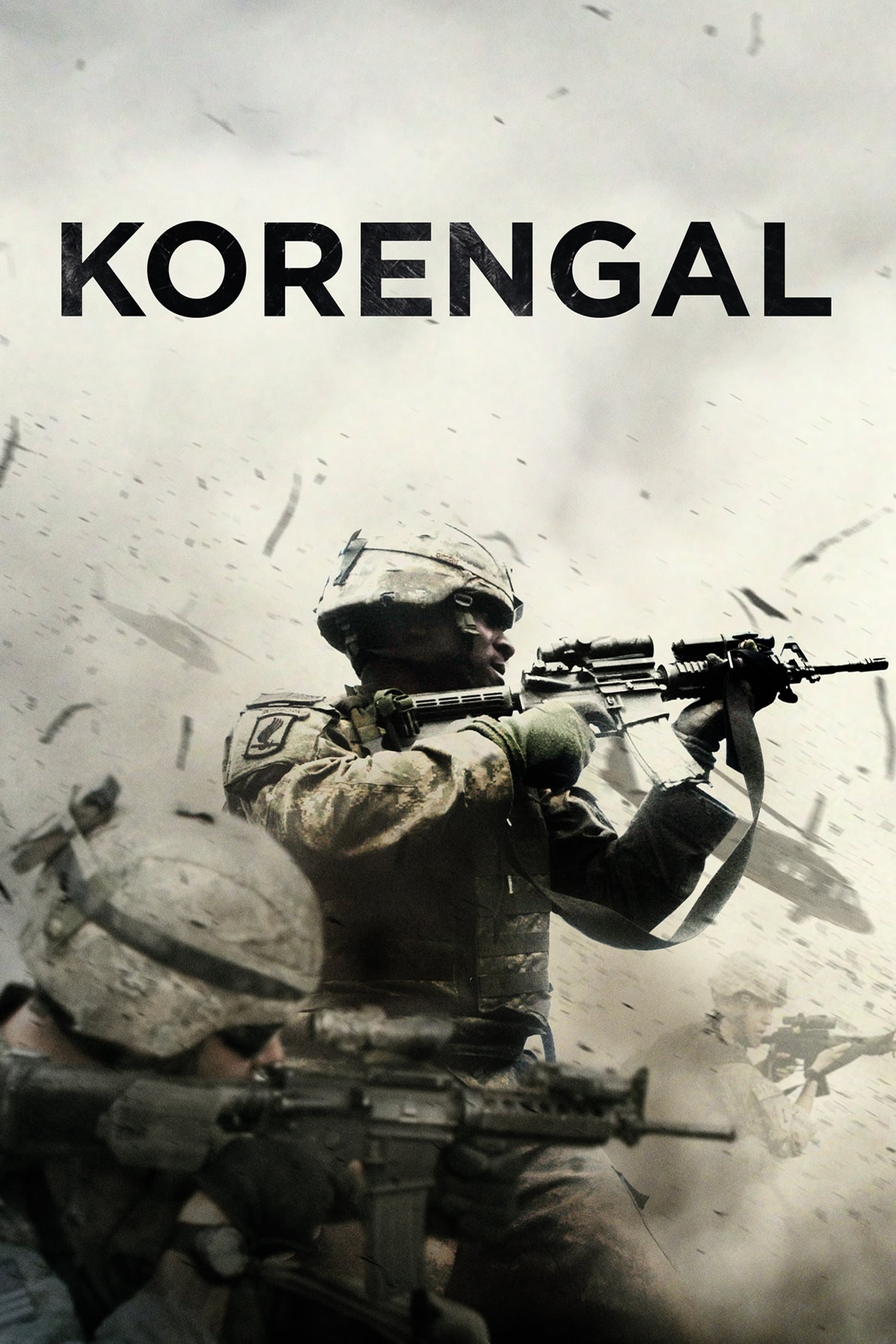
Korengal picks up where Restrepo left off; the same men, the same valley, the same commanders, but a very different look at the experience of war.
Set both in Latin America and the United States, the film explores the historic and current relationship of Washington with countries such as Venezuela, Bolivia and Chile. Pilger says that the film "...tells a universal story... analysing and revealing, through vivid testimony, the story of great power behind its venerable myths. It allows us to understand the true nature of the so-called "war on terror". According to Pilger, the film’s message is that the greed and power of empire is not invincible and that people power is always the "seed beneath the snow".
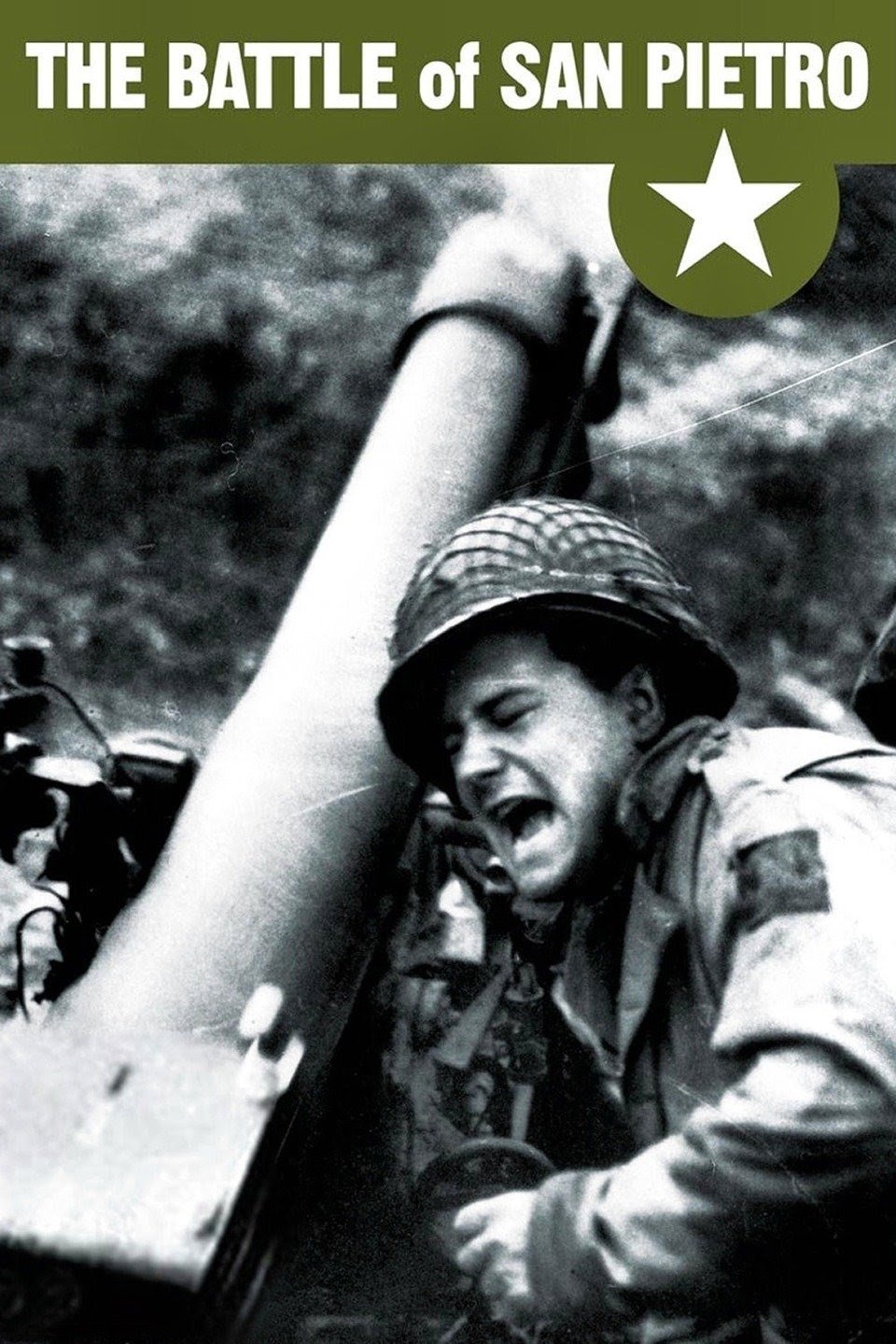
This documentary movie is about the battle of San Pietro, a small village in Italy. Over 1,100 US soldiers were killed while trying to take this location, that blocked the way for the Allied forces from the Germans. Preserved by the Academy Film Archive in 2005.
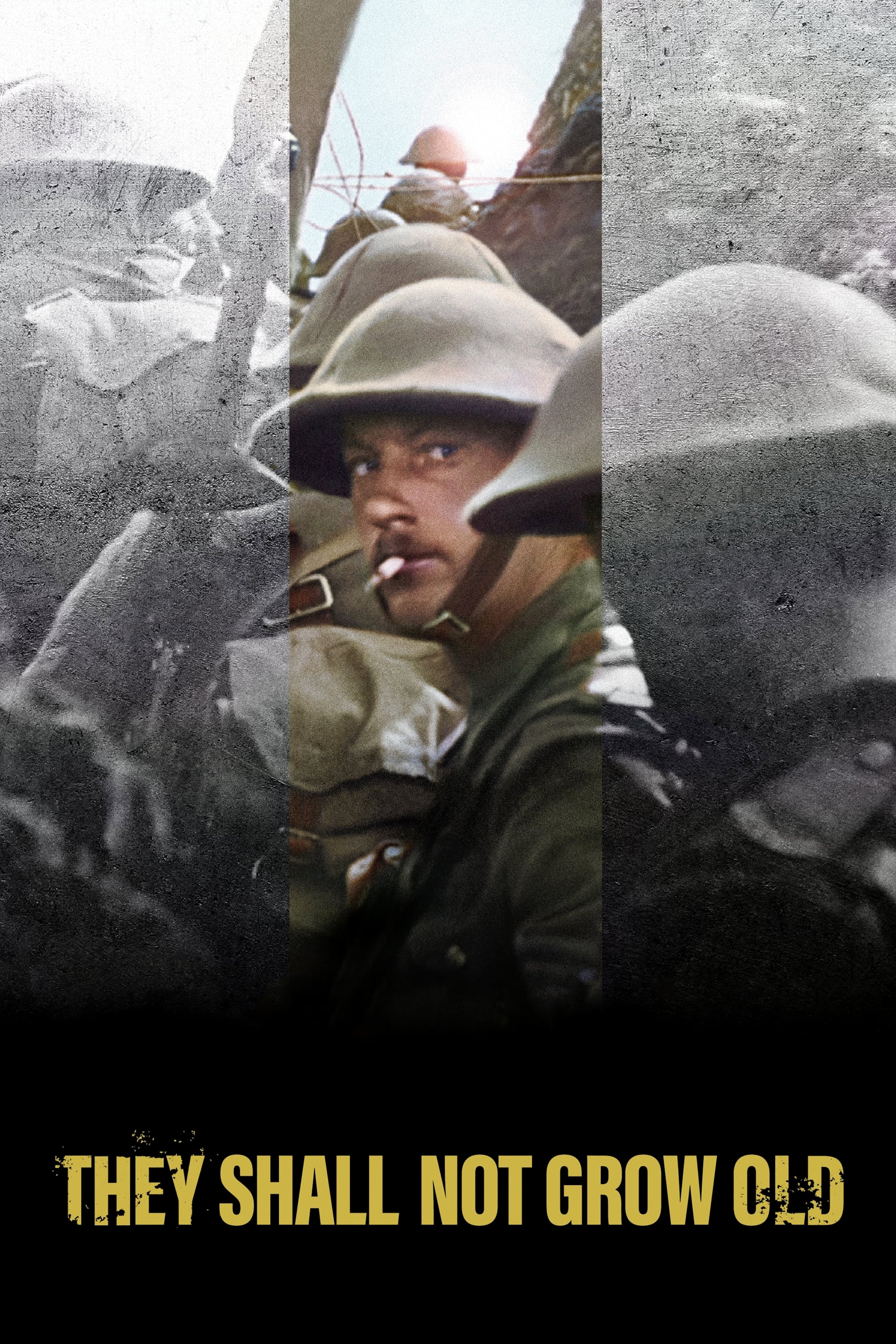
A documentary about World War I with never-before-seen footage to commemorate the centennial of Armistice Day, and the end of the war.
With unprecedented access, this documentary follows the extraordinary journey of “Raqqa is Being Slaughtered Silently”—a group of anonymous citizen journalists who banded together after their homeland was overtaken by ISIS—as they risk their lives to stand up against one of the greatest evils in the world today.
The Japanese attack on Midway in June 1942, filmed as it happened. Preserved by the Academy Film Archive, in partnership with Twentieth Century Fox Film Corporation, in 2006.
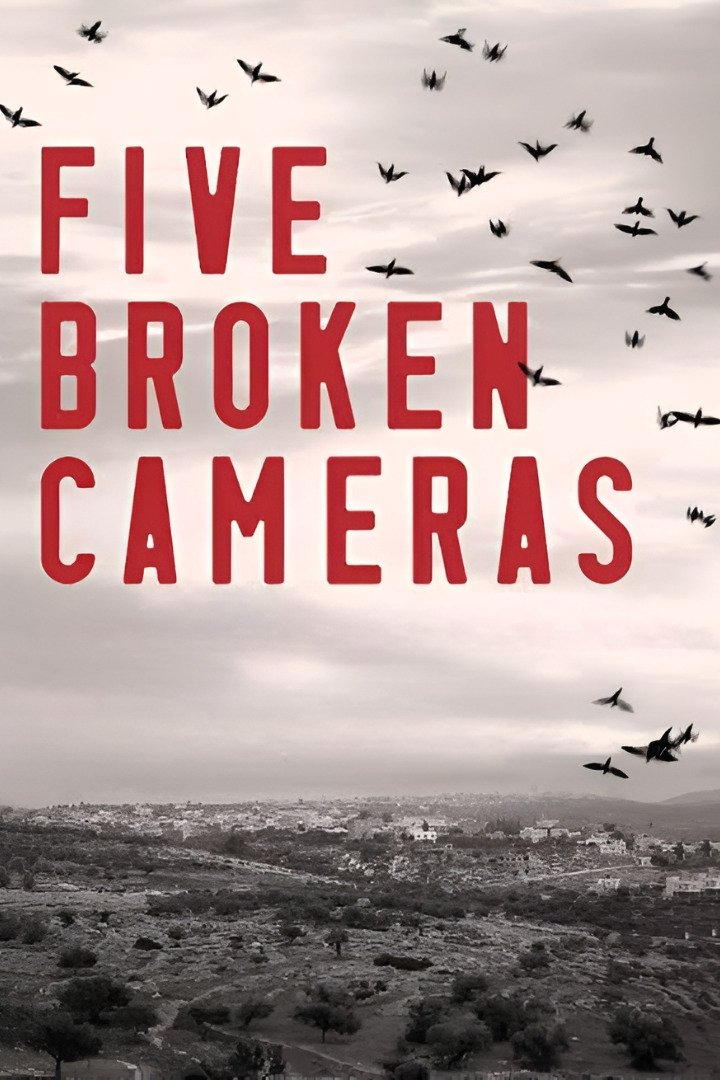
Five broken cameras – and each one has a powerful tale to tell. Embedded in the bullet-ridden remains of digital technology is the story of Emad Burnat, a farmer from the Palestinian village of Bil’in, which famously chose nonviolent resistance when the Israeli army encroached upon its land to make room for Jewish colonists. Emad buys his first camera in 2005 to document the birth of his fourth son, Gibreel. Over the course of the film, he becomes the peaceful archivist of an escalating struggle as olive trees are bulldozed, lives are lost, and a wall is built to segregate burgeoning Israeli settlements.
Amid the failing counteroffensive, a journalist follows a Ukrainian platoon on their mission to traverse one mile of heavily fortified forest and liberate a strategic village from Russian occupation. But the farther they advance through their destroyed homeland, the more they realize that this war may never end.
WWII from Space delivers World War II in a way you've never experienced it before. This HISTORY special uses an all-seeing CGI eye that offers a satellite view of the conflict, allowing you to experience it in a way that puts key events and tipping points in a global perspective. By re-creating groundbreaking moments that could never have been captured on camera, and by illustrating the importance of simultaneity and the hidden effects of crucial incidents, HISTORY presents the war's monumental moments in a never-before-seen context. And with new information brought to the forefront, you'll better understand how a nation ranked 19th in the world's militaries in 1939 emerged six years later as the planet's only atomic superpower.
Meet the real-life airmen who inspired Masters of the Air as they share the harrowing and transformative events of the 100th Bomb Group.
The extraordinary story of how Hollywood changed World War II – and how World War II changed Hollywood, through the interwoven experiences of five legendary filmmakers who went to war to serve their country and bring the truth to the American people: John Ford, William Wyler, John Huston, Frank Capra, and George Stevens. Based on Mark Harris’ best-selling book, “Five Came Back: A Story of Hollywood and the Second World War.”
Directors Hetherington and Junger spend a year with the 2nd Battalion of the United States Army located in one of Afghanistan's most dangerous valleys. The documentary provides insight and empathy on how to win the battle through hard work, deadly gunfights and mutual friendships while the unit must push back the Taliban.
During the chaotic final weeks of the Vietnam War, the North Vietnamese Army closes in on Saigon as the panicked South Vietnamese people desperately attempt to escape. On the ground, American soldiers and diplomats confront a moral quandary: whether to obey White House orders to evacuate only U.S. citizens.
In 1975, Ryszard Kapuściński, a veteran Polish journalist, embarked on a seemingly suicidal road trip into the heart of the Angola's civil war. There, he witnessed once again the dirty reality of war and discovered a sense of helplessness previously unknown to him. Angola changed him forever: it was a reporter who left Poland, but it was a writer who returned…