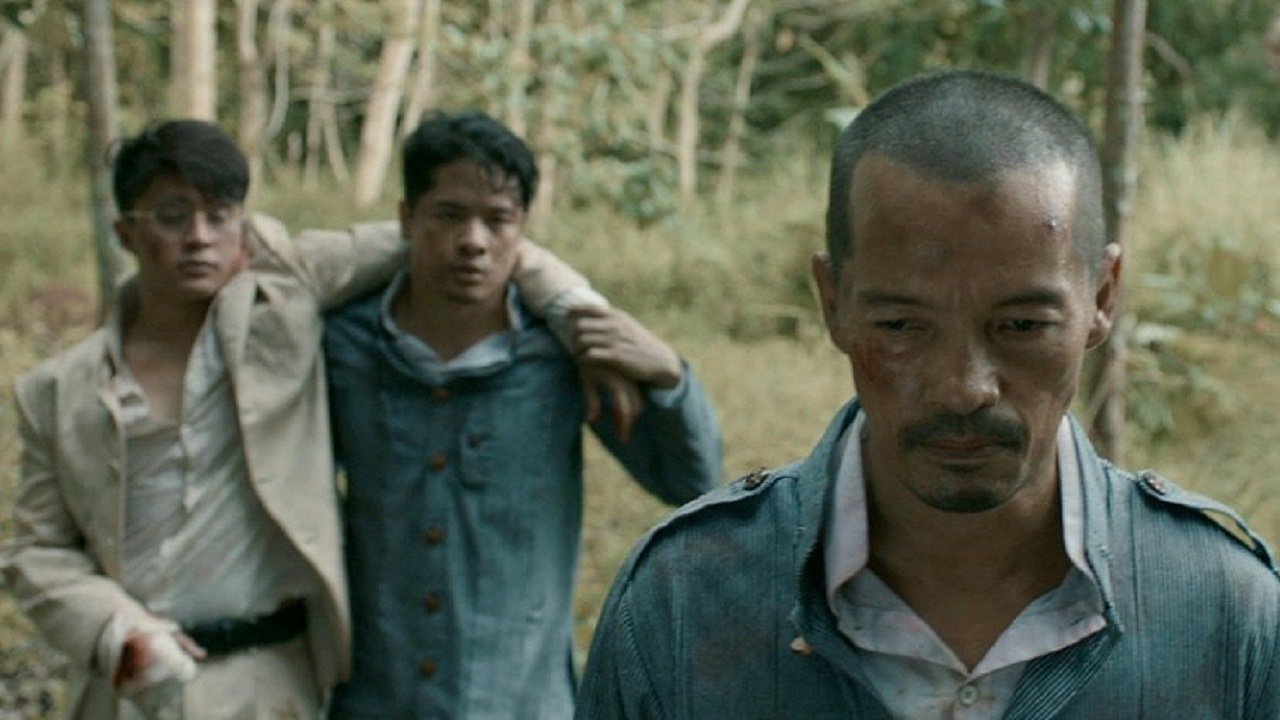
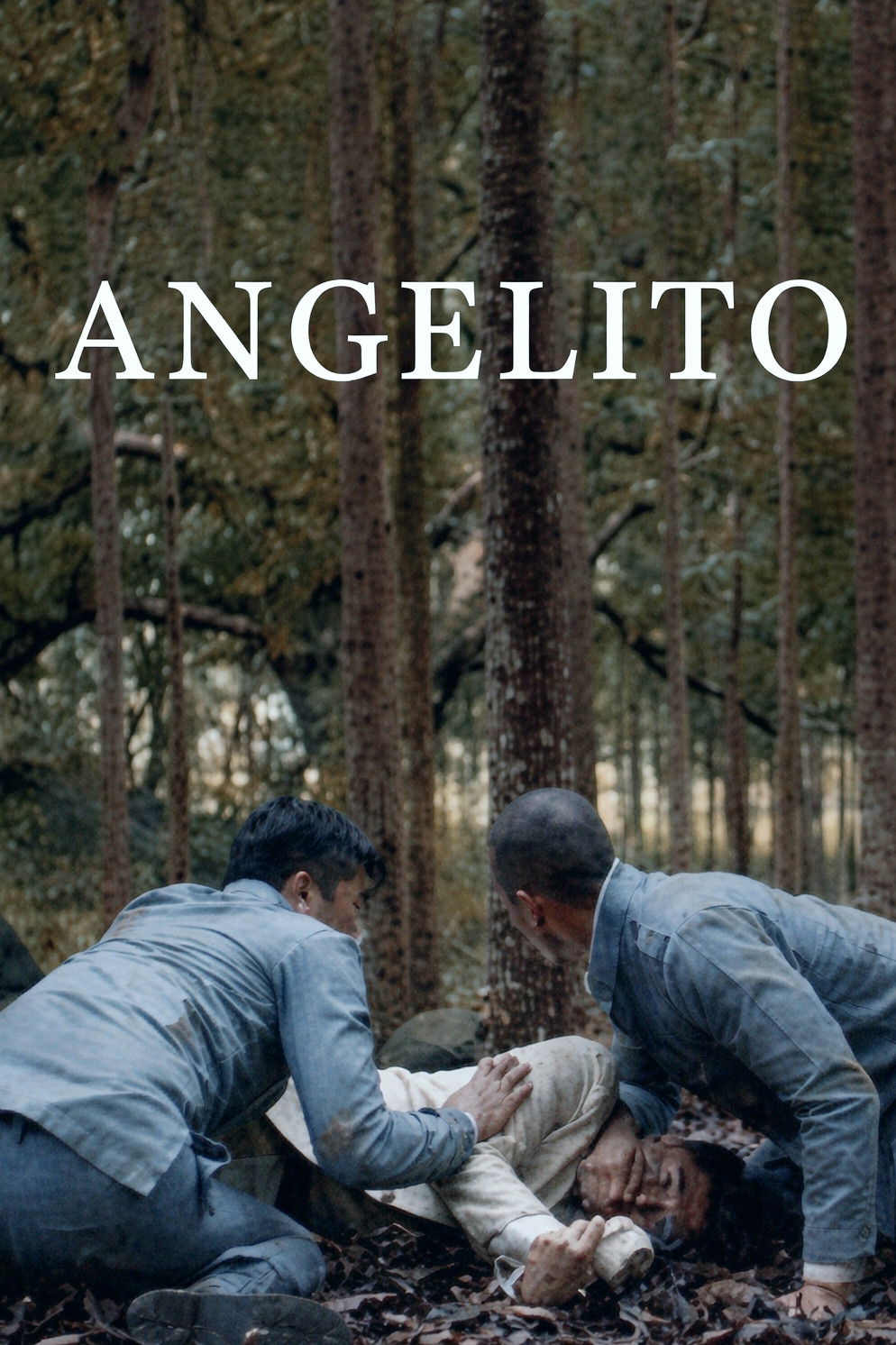
A short film about Antonio Luna’s aides-de-camp Jose and Manuel Bernal during the aftermath of Luna’s assassination.
Social & External
The people behind it
Art Acuña
Manuel Bernal
Alex Medina
Jose Bernal
Arron Villaflor
Joven Hernando
Jason Abalos
Julian Del Pilar
Carlo Aquino
Vicente Enriquez
Rafa Siguion-Reyna
Julian del Pilar
Jojit Lorenzo
Miguel Laureano
Jaime Gemora
Farmer
Tommy Alejandrino
Angel Bernal
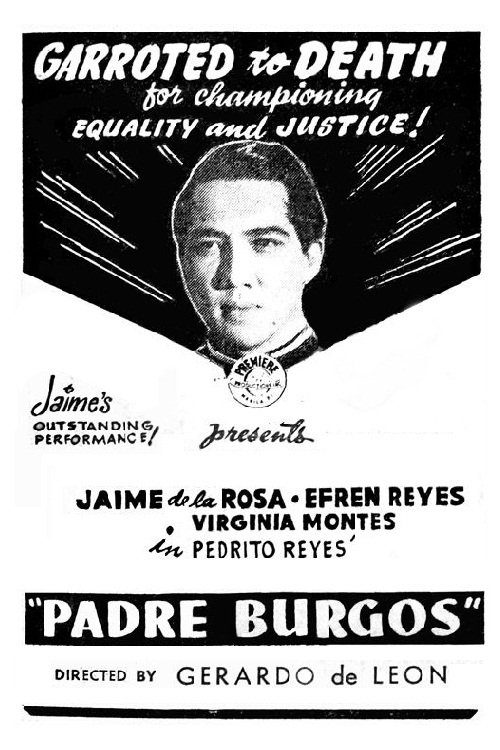
This film reenacts the martyrdom of the Gomburza, high-lighting the events and occurrences prior to their execution. The movie focuses on the story of Fr. Jose Burgos and his involvement in the Cavite Mutiny of 1972.
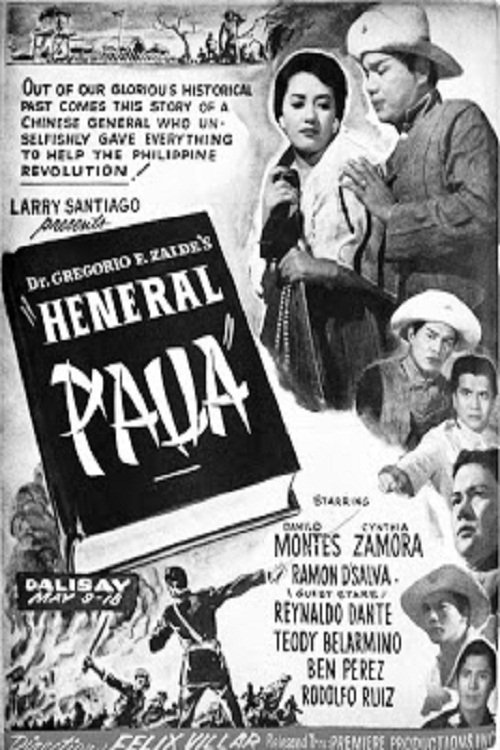
Out of our glorious historical past comes this story of a Chinese General who unselfishly gave everything to help the Philippine Revolution.
Concerto is about how, in the last part of World War II, a special piano concert is held in the forest outside Davao City, in Mindanao. In these boondocks, a displaced Filipino family, lead by Military Commander Ricardo and his wife Julia, become acquainted with a group of Japanese officers, similarly camped nearby. Their son Joselito, a Japanese speaker, becomes the conduit with the neighboring Japanese. Their daughters Niña, an aspiring concert pianist and the musically gifted, Maria, who is able to play by ear, are alternately repulsed and intrigued by the officers. Family values are questioned as the family treads the thin line between enmity and friendship with the occupying Japanese. Based on true stories from the director's own family history, Concerto celebrates a family whose reverence for life, expressed through their love of music and friendship, can survive even war, and shows how beauty and compassion does grow in even the harshest of conditions. - Written by anonymous
Pedro Calungsod, a young Filipino man, leaves his Visayan native roots to join the Spanish Jesuit priest Fr. Diego de San Vitores in his mission to the Marianas Islands (Guam) in 1668. The San Diego Mission arrives in the Marianas where the young Pedro, a trained catechist and mission assistant, begins work for Fr. Diego de San Vitores in baptizing the Chamorro natives, preaching the holy gospel and spreading the good news of salvation through the Christian faith amidst paganism, doubt and disbelief. Despite the longing for his father and the threats to their lives, even at the peril of death, Pedro and Fr. Diego continued their missionary work. They roamed the dangerous islands and baptized many more natives and continued to enlighten them about Christianity.
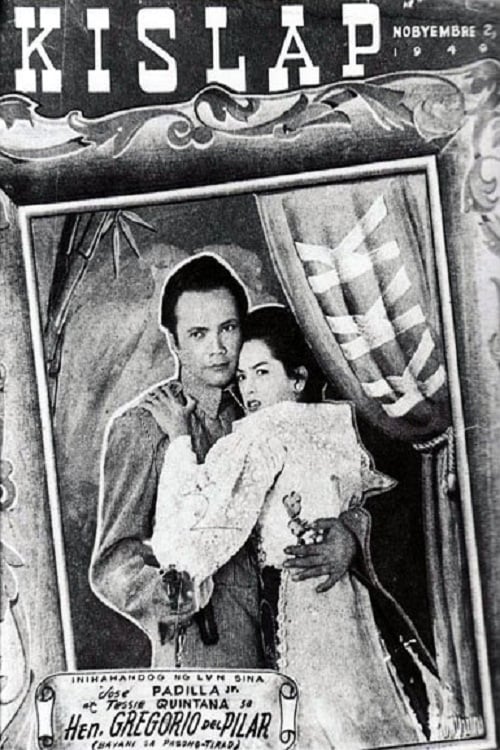
A biopic about general Gregorio Del Pilar.
Dedicated to the valiant Boholano hero Francisco Dagohoy, this film shows the real causes that impelled the Dagohoy Uprising.
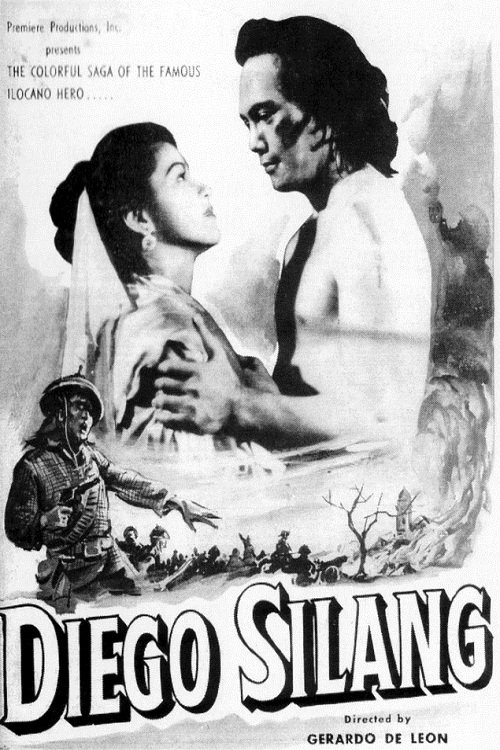
This movie captures the core and colorful saga of the famous Ilocano hero Diego Silang.
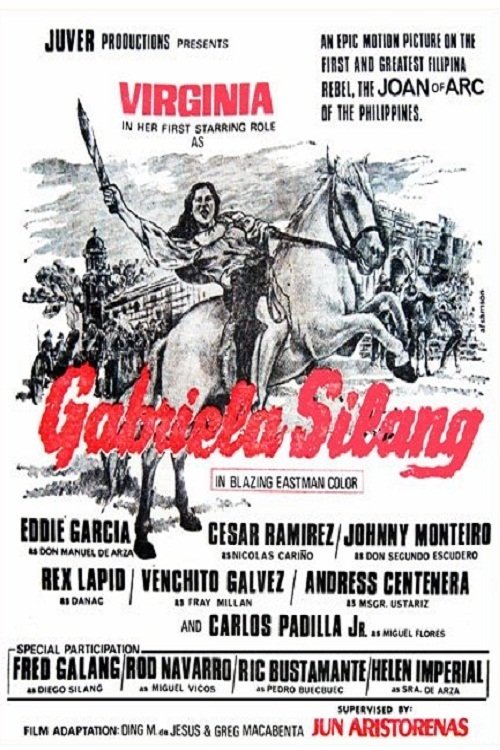
Gabriela Silang a Filipino revolutionary leader best known as the first female leader of a Filipino movement for independence from Spain
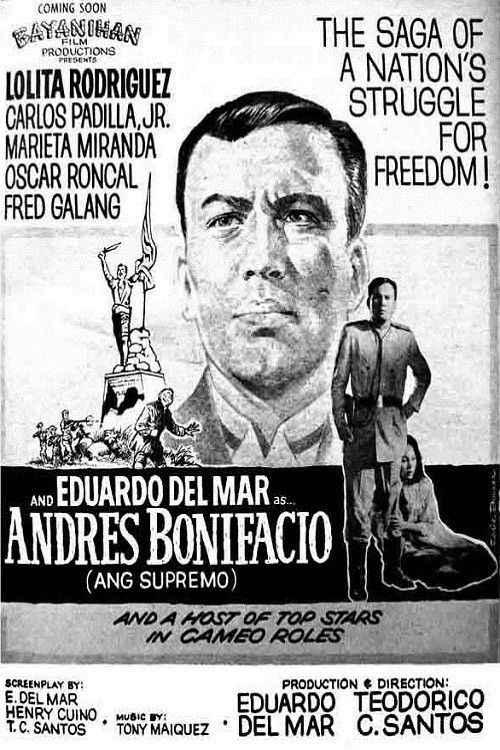
A story about the Philippine revolutionary Andrés Bonifacio, the founder and Supremo of the Katipunan.
Produced by the Army Pictorial Service, Signal Corps, with the cooperation of the Army Air Forces and the United States Navy, and released by Warner Bros. for the War Activities Committee shortly after the surrender of Japan. Follow General Douglas MacArthur and his men from their exile from the Philippines in early 1942, through the signing of the instrument of surrender on the USS Missouri on September 1, 1945. Preserved by the Academy Film Archive in 2013.
When a body is found after a wild night in a Manila Disco in 1981, we go back in time to examine how the intertwined desires of a rising bank officer, her glamorous mentor and the gigolo between them build toward a killing on the eve of the Marcos regime's collapse. A colorful and sensual Disco Noir.
Meet Duewand Collier Jr.-Male, 68 years old, American Citizen, a child conceived in the backdrop of the Philippines-American Mutual Defense Treaty, born and raised with Catholic guilt. He has made peace with his past and now tells his story-a story of love.
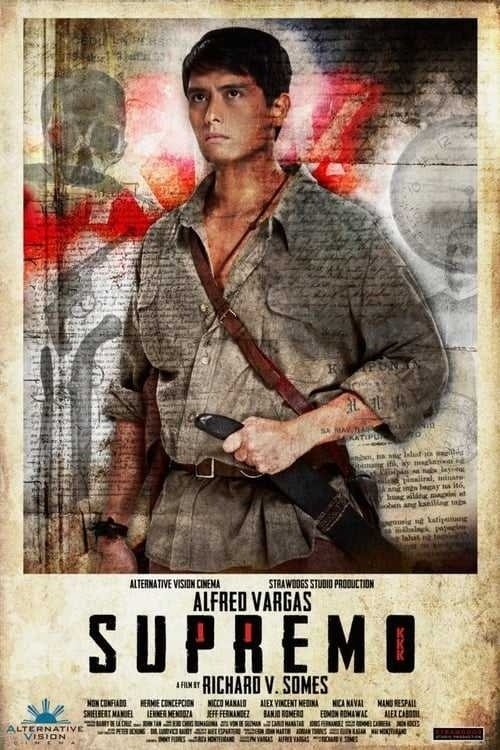
A film about Andres Bonifacio.
A young woman goes back to her province in the countryside where she gets to once again meet her Grandmother Loleng - a distant relative and a senile parol (Christmas lantern) artisan. Together, they will explore Grandma Loleng’s landscape of memories, only to unearth her innermost secrets and wartime experiences. It is about memory and forgetting, both in the context of the personal and of the national consciousness.
A musical docudrama about the brave and outstanding Women of Malolos to whom Jose Rizal addressed his famous letter in Feb 22, 1898.
JEEPNEY visualizes the richly diverse cultural and social climate of the Philippines through its most popular form of mass transportation: vividly decorated ex-WWII military jeeps. The film follows jeepney artists, drivers, and passengers, whose stories take place amidst nationwide protest against oil price hikes that pressure drivers to work overseas to earn a living, far from their homes for years at a time. Lavishly shot and cut to the rhythm of the streets, JEEPNEY provides an enticing vehicle through which the rippling effects of globalization can be felt.
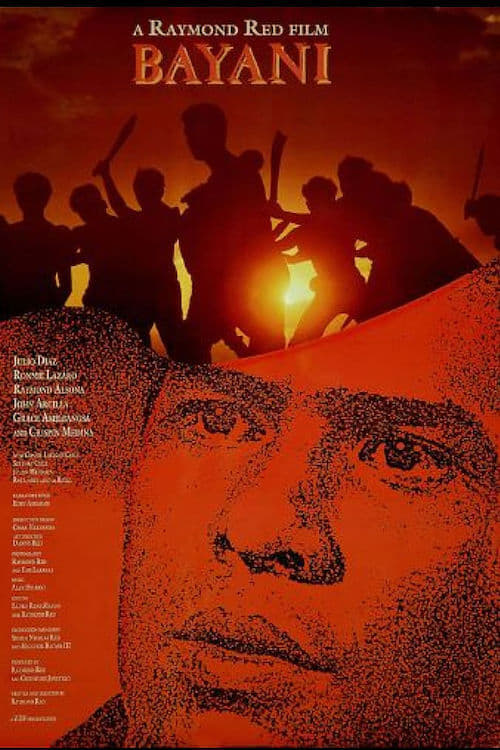
Independent filmmaker Raymond Red's first crossover to full-length feature is a highly visual chronicle of the rise and fall of revolutionary hero Andres Bonifacio. Noted for its heavy stylistics and painstaking attention to filmic detail, the biopic also tackles the momentous events surrounding the Philippine struggle against Spanish colonialism. The historical epic is a most fitting cinematic memorial to the centenary of Philippine independence.
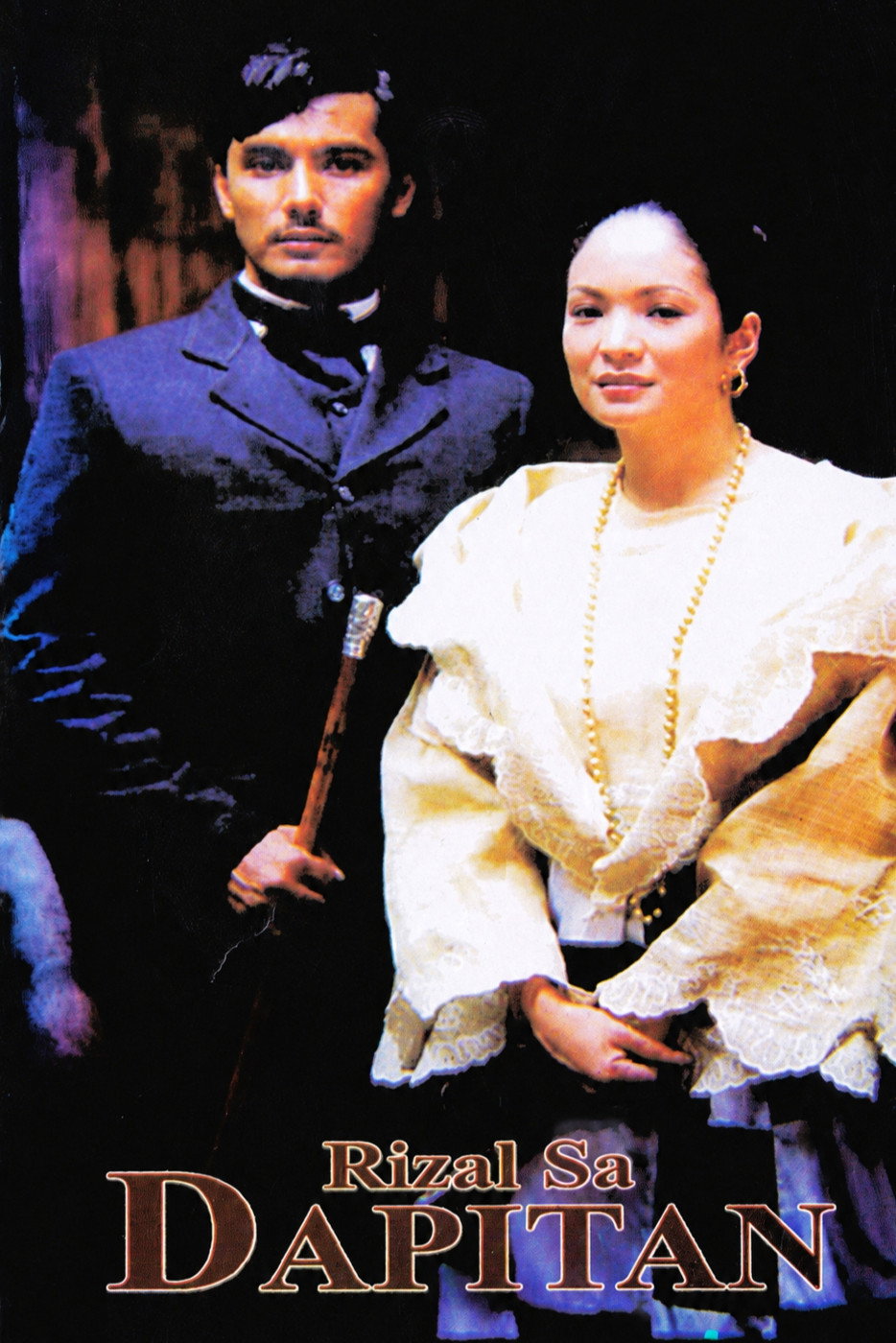
Dr. Jose Rizal was exiled in Dapitan from 1892-1896. These were his last four years. Dapitan served as his prison cell. He always compared it to “a beautiful cage” where he is imprisoned. This was the longest imprisonment Rizal ever had. He became so lost by those times, but still he did not lose his mind. Even there, he continued studying and discovering things. He continued his conversation with his friends, scientists and doctors outside the country.
A story set in the Philippine Republic in the 1900s where a lass, a Spanish mestizo, and a fisherman are caught up by Macabebe soldiers who are trying to capture Emilio Aguinaldo.
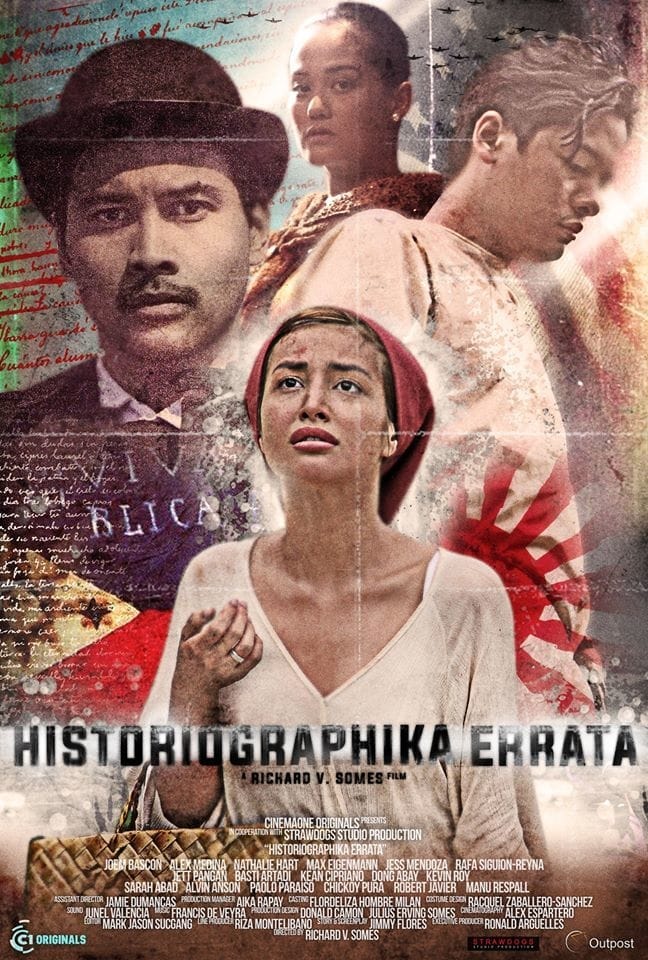
A disillusioned and suicidal Rizal, a cross-dressing Bonifacio gripped with paranoia, an ex-Katipunero who joins the US army to save his own neck, and a widow whose sex-for-food errands lead her to become the first ever Makapili. These are the historical mosaics that will form a singular hypothesis as to why we are like this as a people and up to now still reeling from our damaged culture.
A WWII veteran escapes his care home in Northern Ireland and embarks on an arduous but inspirational journey to France to attend the 75th anniversary of the D-Day landings, finding the courage to face the ghosts of his past.
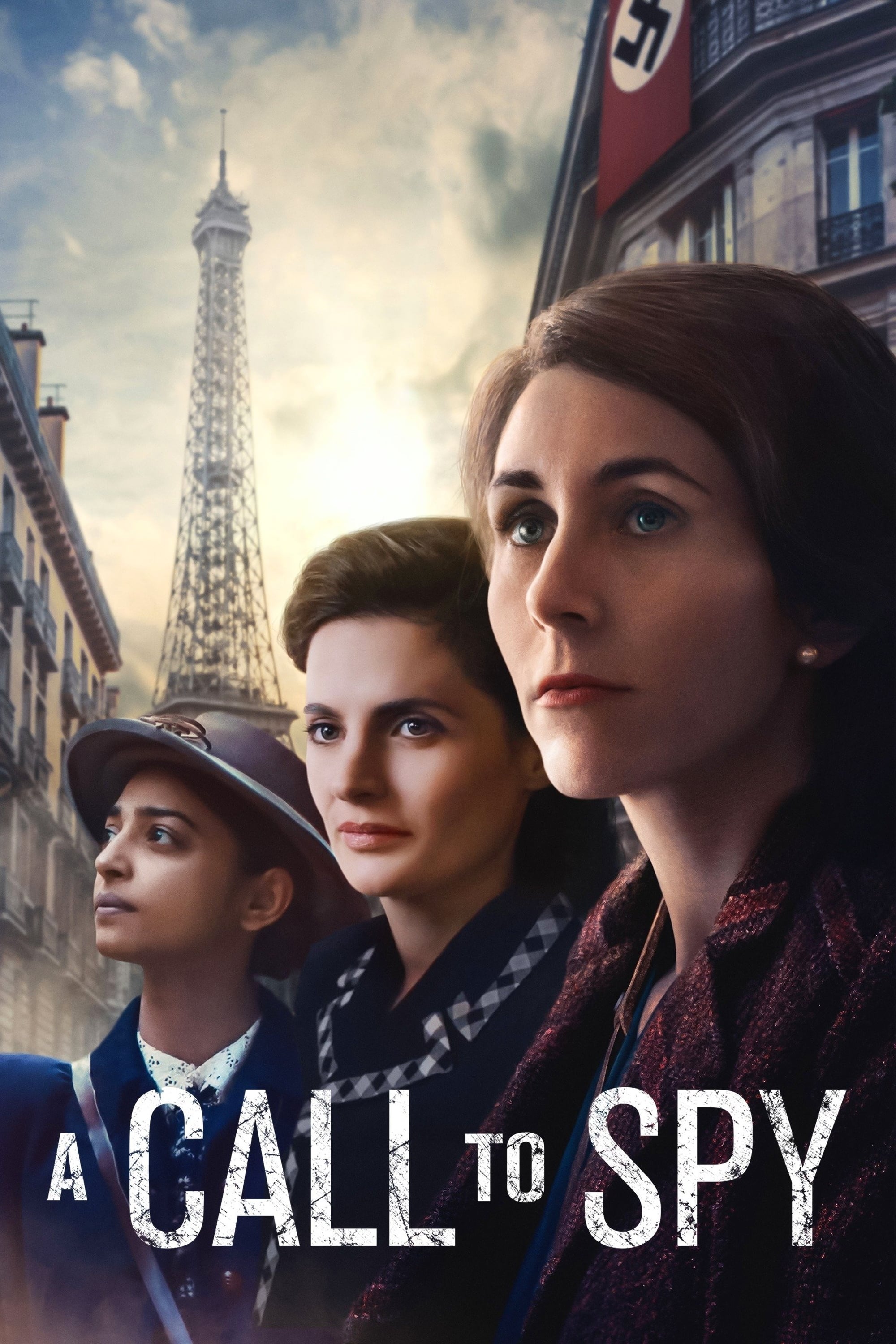
The story of Vera Atkins, a crafty spy recruiter, and two of the first women she selects for Churchill's "secret army": Virginia Hall, a daring American undaunted by a disability and Noor Inayat Khan, a pacifist. These civilian women form an unlikely sisterhood while entangled in dangerous missions to turn the tide of the war.
In 1857, at the height of his fame and fortune, novelist and social critic Charles Dickens meets and falls in love with teenage stage actress Nelly Ternan. As she becomes the focus of his heart and mind, as well as his muse, painful secrecy is the price both must pay.
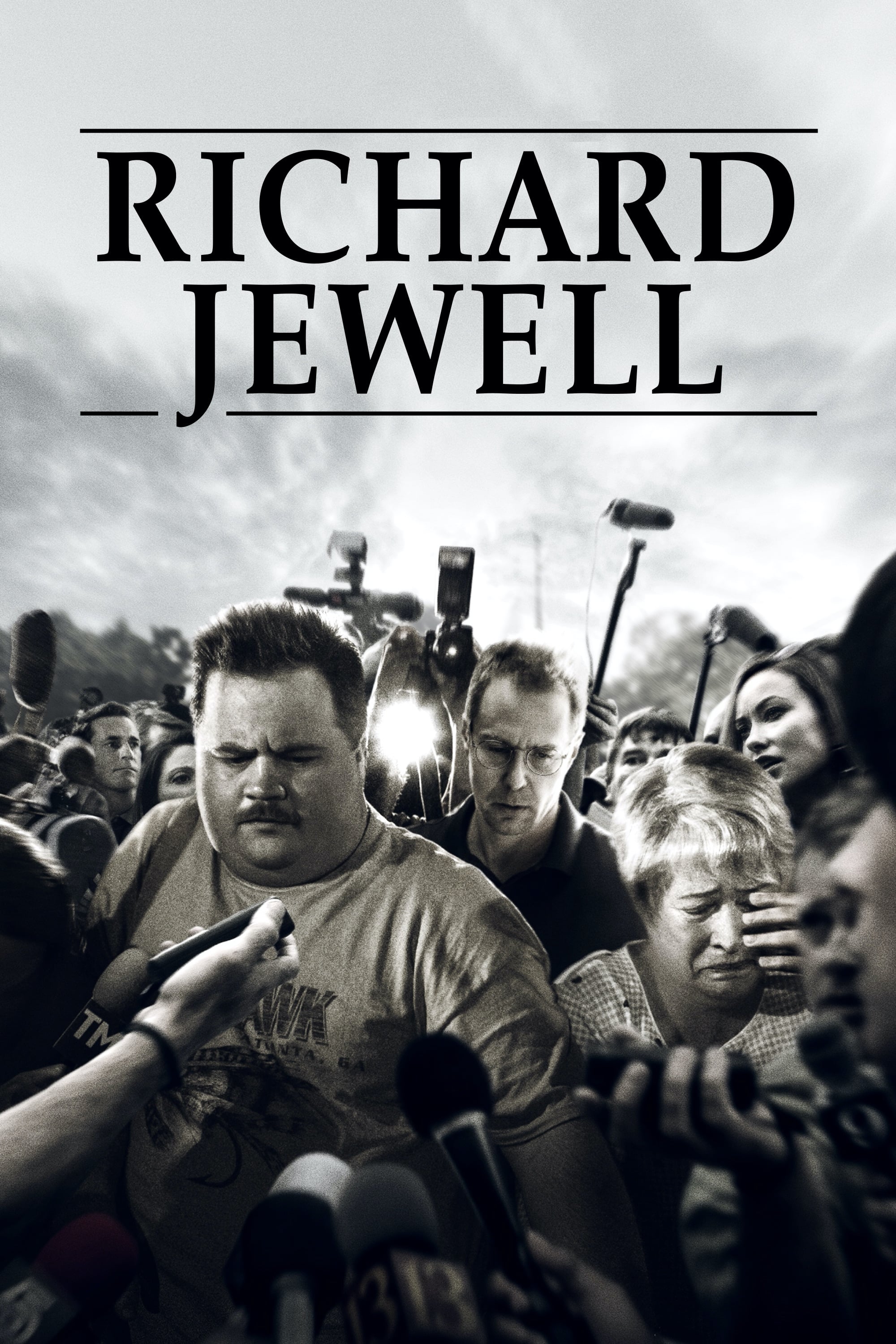
Richard Jewell thinks quick, works fast, and saves hundreds, perhaps thousands, of lives after a domestic terrorist plants several pipe bombs and they explode during a concert, only to be falsely suspected of the crime by sloppy FBI work and sensational media coverage.
England, 15th century. Hal, a capricious prince who lives among the populace far from court, is forced by circumstances to reluctantly accept the throne and become Henry V.
Fr. Hugh O'Flaherty is a Vatican official in 1943-45 who has been hiding downed pilots, escaped prisoners of war, and Italian resistance families. His activities become so large that the Nazis decide to assassinate him the next time he leaves the Vatican.
Stephen Glass is a staff writer for the respected current events and policy magazine The New Republic and a freelance feature writer for publications such as Rolling Stone, Harper's and George. By the mid-90s, Glass' articles had turned him into one of the most sought-after young journalists in Washington, but a bizarre chain of events - chronicled in Buzz Bissinger's September 1998 Vanity Fair article - suddenly stopped his career in its tracks.
At the turn of the 19th century, Pugilism was the sport of kings and a gifted young boxer fought his way to becoming champion of England.
Electricity titans Thomas Edison and George Westinghouse compete to create a sustainable system and market it to the American people.
In 1973, a young gallery assistant goes on a wild adventure behind the scenes as he helps aging genius Salvador Dali prepare for a big show in New York.
In the year 180 A.D. Germanic tribes are about to invade the Roman empire from the north. In the midst of this crisis ailing emperor Marcus Aurelius has to make a decision about his successor between his son Commodus, who is obsessed by power, and the loyal general Gaius Livius.
A young man is plunged into a life of subterfuge, deceit and mistaken identity in pursuit of a femme fatale whose heart is never quite within his grasp.
The story of Margaret Humphreys, a social worker from Nottingham, who uncovers one of the most significant social scandals in recent times – the forced migration of children from the United Kingdom to Australia and other Commonwealth countries. Almost singlehandedly, Margaret reunited thousands of families, brought authorities to account and worldwide attention to an extraordinary miscarriage of justice.
In post-World War II America, a woman, rebuilding her life in the suburbs with her husband, kidnaps her neighbor and seeks vengeance for the heinous war crimes she believes he committed against her.
The story of fifteenth century Czech icon and warlord, Jan Zizka, who defeated armies of the Teutonic Order and the Holy Roman Empire.
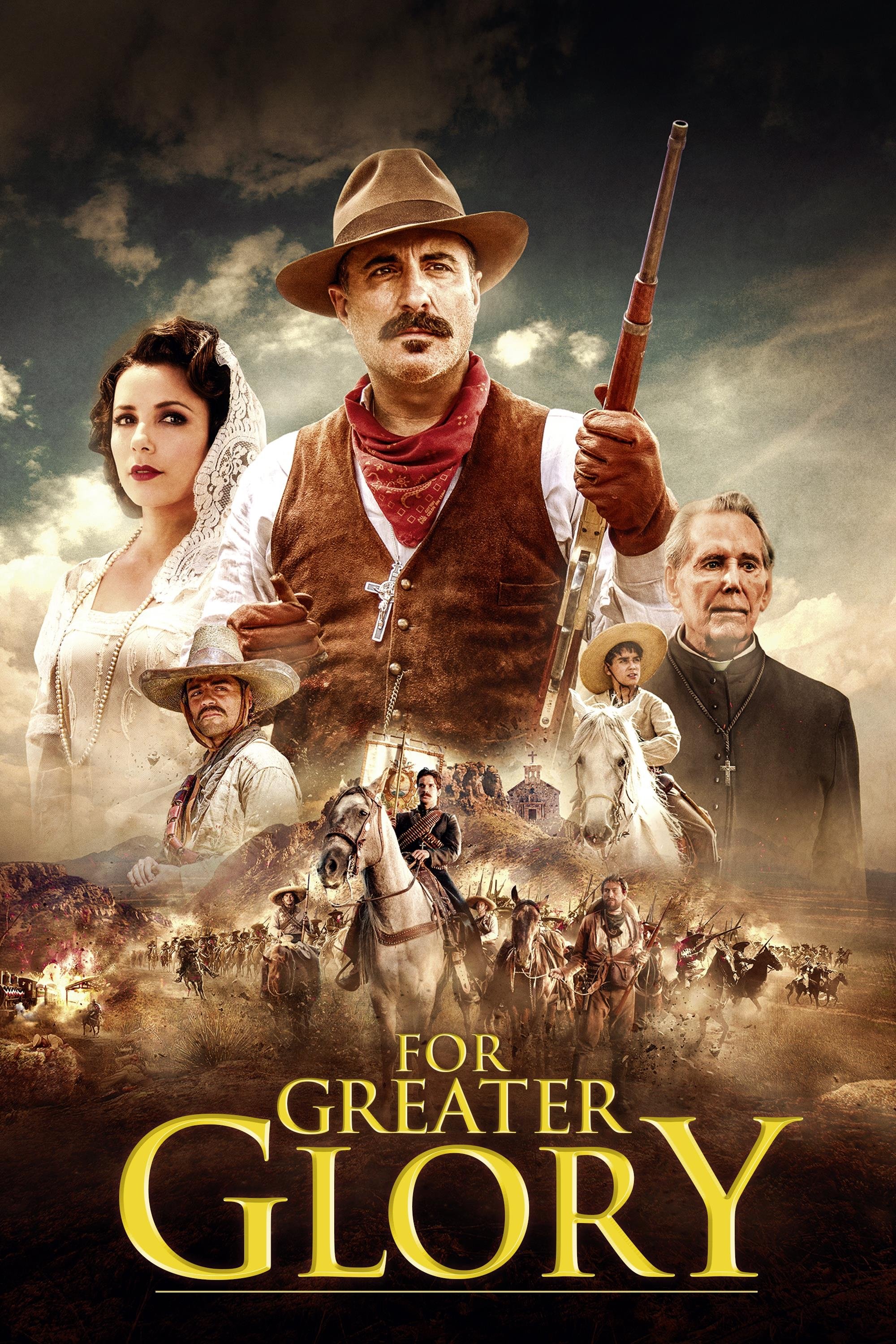
A chronicle of the Cristeros War (1926-1929), which was touched off by a rebellion against the Mexican government's attempt to secularize the country.
In 1943, two British intelligence officers concoct Operation Mincemeat, wherein their plan to drop a corpse with false papers off the coast of Spain would fool Nazi spies into believing the Allied forces were planning to attack by way of Greece rather than Sicily.
Noreno, a half-Roman, is entrusted with the mission of crossing the snowy mountains of Armenia, swarming with Parthian patrols, to seek help for his slowly dying men.
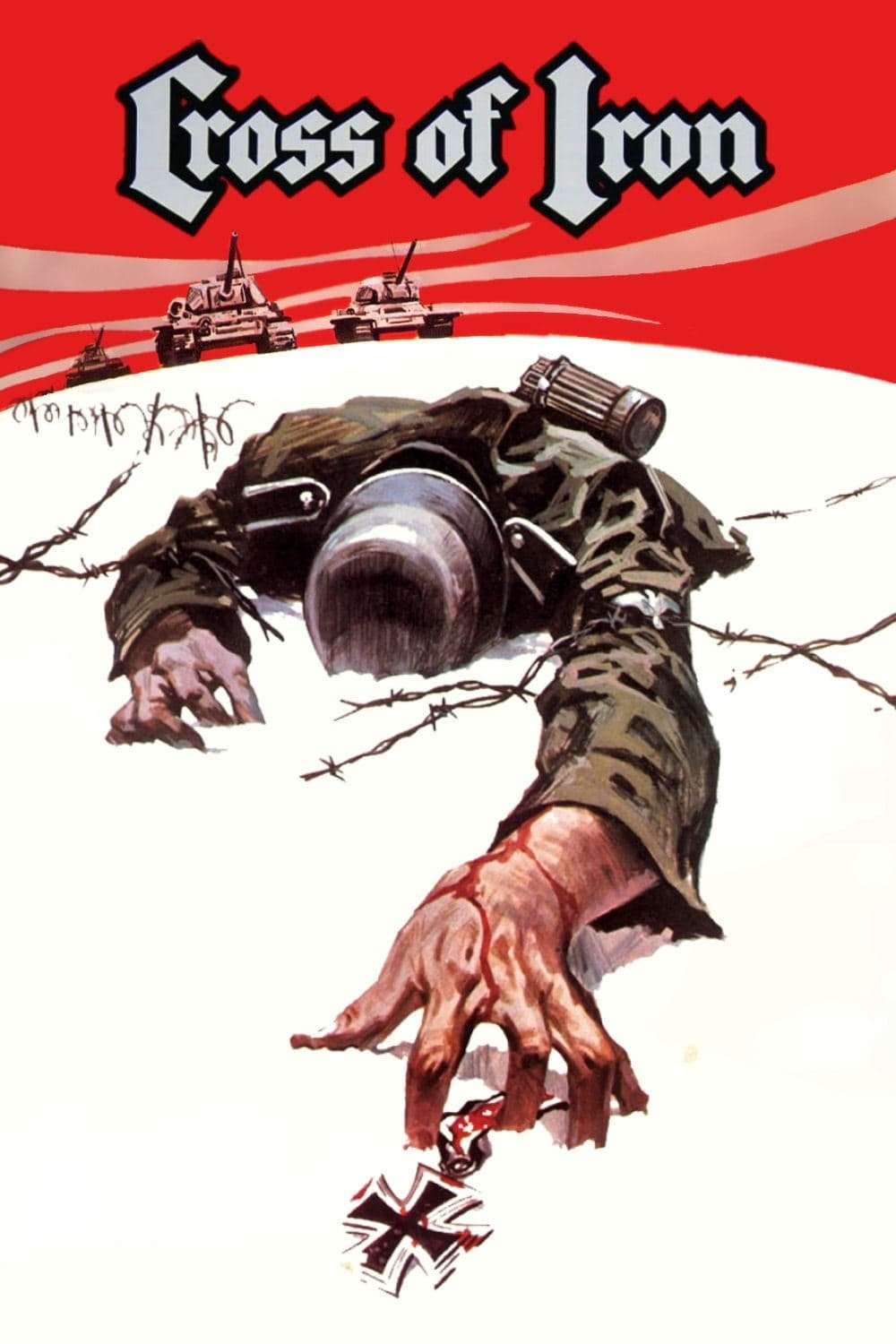
It is 1943, and the German army—ravaged and demoralised—is hastily retreating from the Russian front. In the midst of the madness, conflict brews between the aristocratic yet ultimately pusillanimous Captain Stransky and the courageous Corporal Steiner. Stransky is the only man who believes that the Third Reich is still vastly superior to the Russian army. However, within his pompous persona lies a quivering coward who longs for the Iron Cross so that he can return to Berlin a hero. Steiner, on the other hand is cynical, defiantly non-conformist and more concerned with the safety of his own men rather than the horde of military decorations offered to him by his superiors.
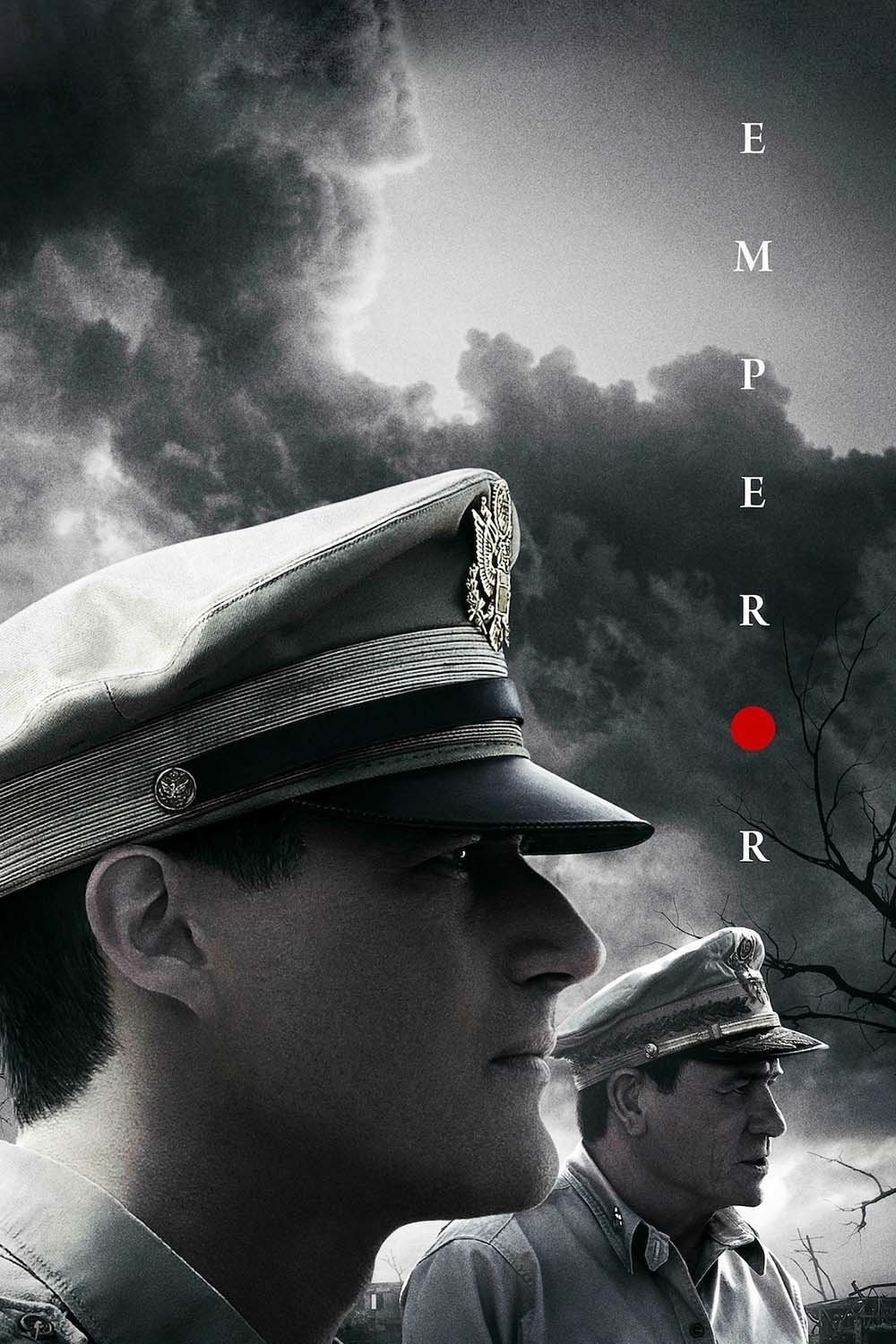
As the Japanese surrender at the end of WWII, Gen. Fellers is tasked with deciding if Emperor Hirohito will be hanged as a war criminal. Influencing his ruling is his quest to find Aya, an exchange student he met years earlier in the U.S.