1977 Czech experimental short by Petr Skala
Social & External
The people behind it
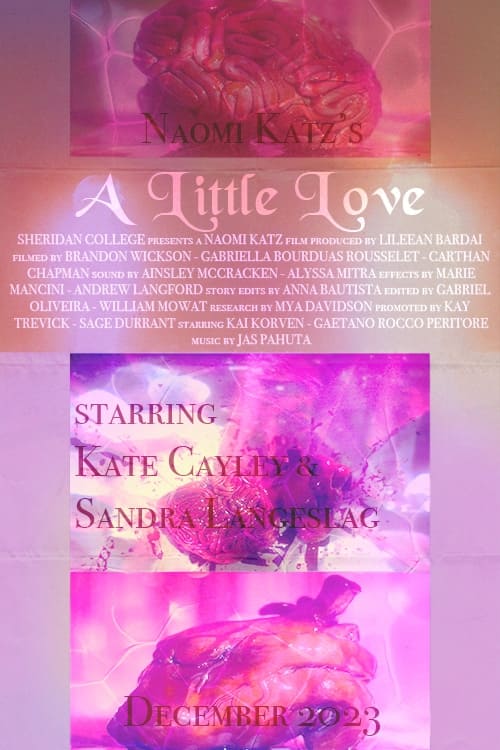
Through interspersed conversation and prose, this experimental documentary follows a poet and a neuroscientist as they explore the definition of love, what it means, and why it matters.
A short, experimental film that traces how two lovers (who are actually CCTV cameras) argue about love, ownership and sex in a virulently capitalist state of thought, while negotiating new terms for their increasingly anarchic relationship.
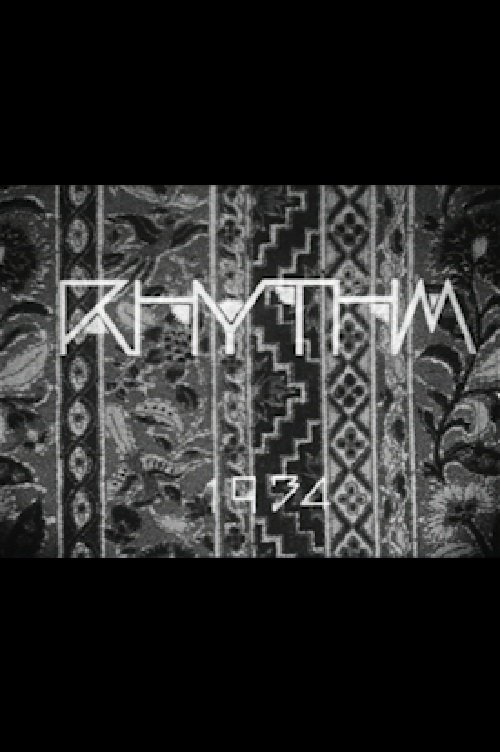
A comfortable rhythm composed of light and shadow. Director Ogino-style absolute movie which freely manipulates geometric figures.
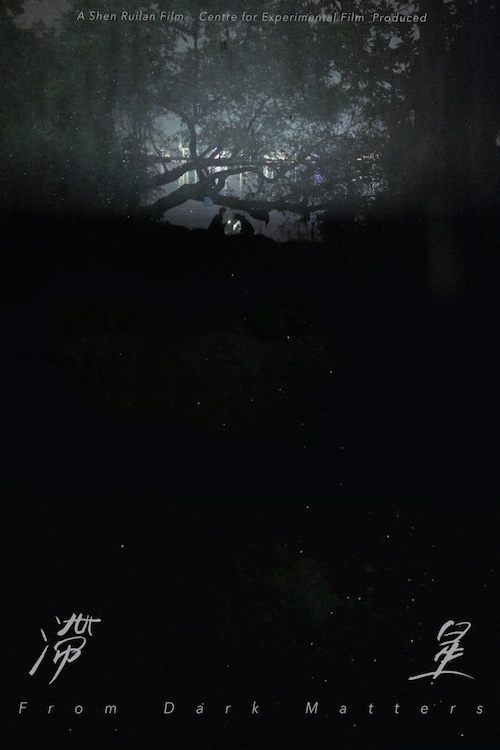
An intimate reading experience of voice messages from my grandmother‘s sleepless moments. A portrait of personal memory as it is reimagined and lingers for an instant. My phone camera documents wandering figures by a lakeside at night. Across from the lake, the sight of the dissolving cityscape appears to be both infinitely close and extremely remote. This film attempts to reconstruct the forgotten and the marginalized parts of individual beings in the scope of time. The film explores what’s beyond the visual expression and flows out of the flat screen to co-inhabit the space of the audience’s reality. The viewers would find themselves roaming through the ontological existence of film, confronted with sound, light, darkness, time and rhythms, transitioning between positive space and negative space, and approaching the very ambiguity of memory.
A 5-minute video where three of the most iconic soccer goals—by Maradona, Pelé, and Romário—are shown without the ball.
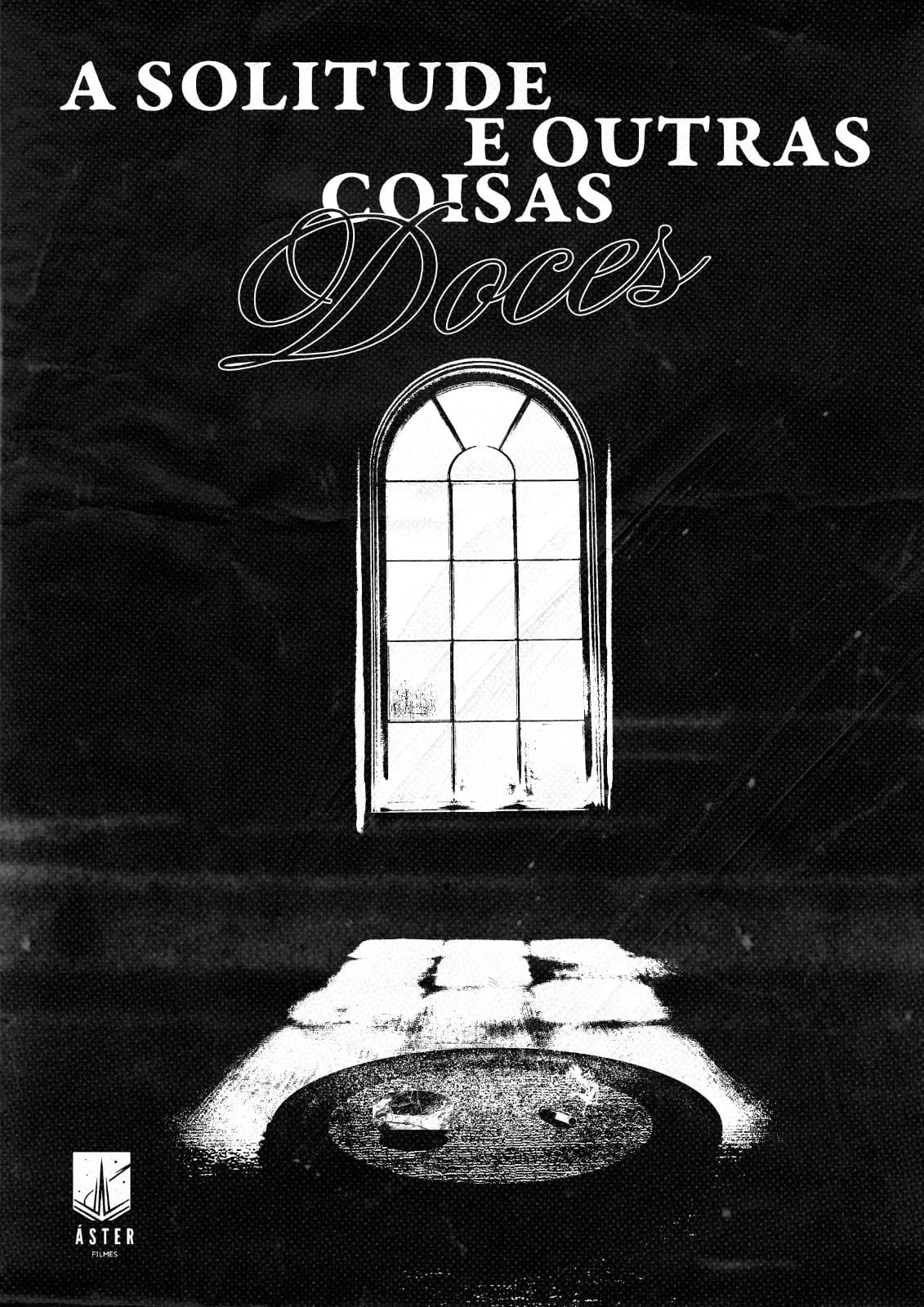
After the end of a relationship, a young Belgian woman remains alone in an isolated house and turns silence, repetition, and solitude into forms of existence and resistance to forgetting.
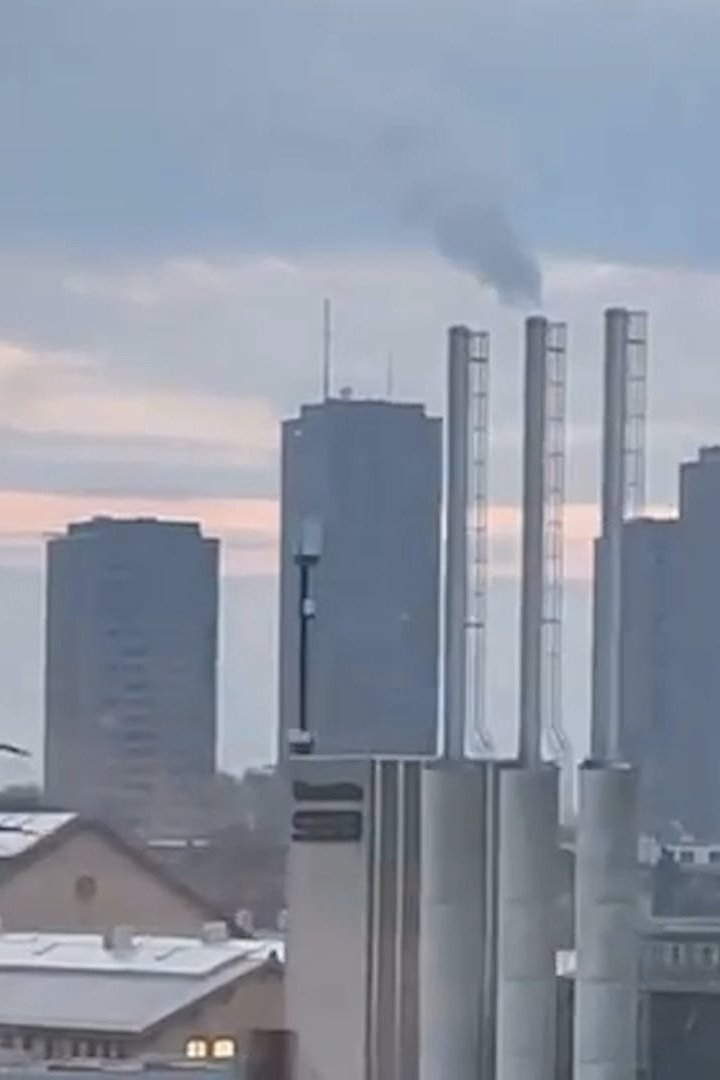
A camera rotates around the same four towers. Seasons, weather conditions and the positions of the camera change over the course of the film. The sound goes round in circles and drifts in variations.
Watch drug-addled friends through the eyes of a kaleidoscope. See coloured shapes dance and flail around. Witness people clubbing, getting beaten up, dancing and being used as human guinea pigs – all these in segments held together by two French teenagers finding themselves waiting for Godot. Experiment Three is another trip into the disturbing and bizarre world of public service announcements, contorted into something confronting and colourful.
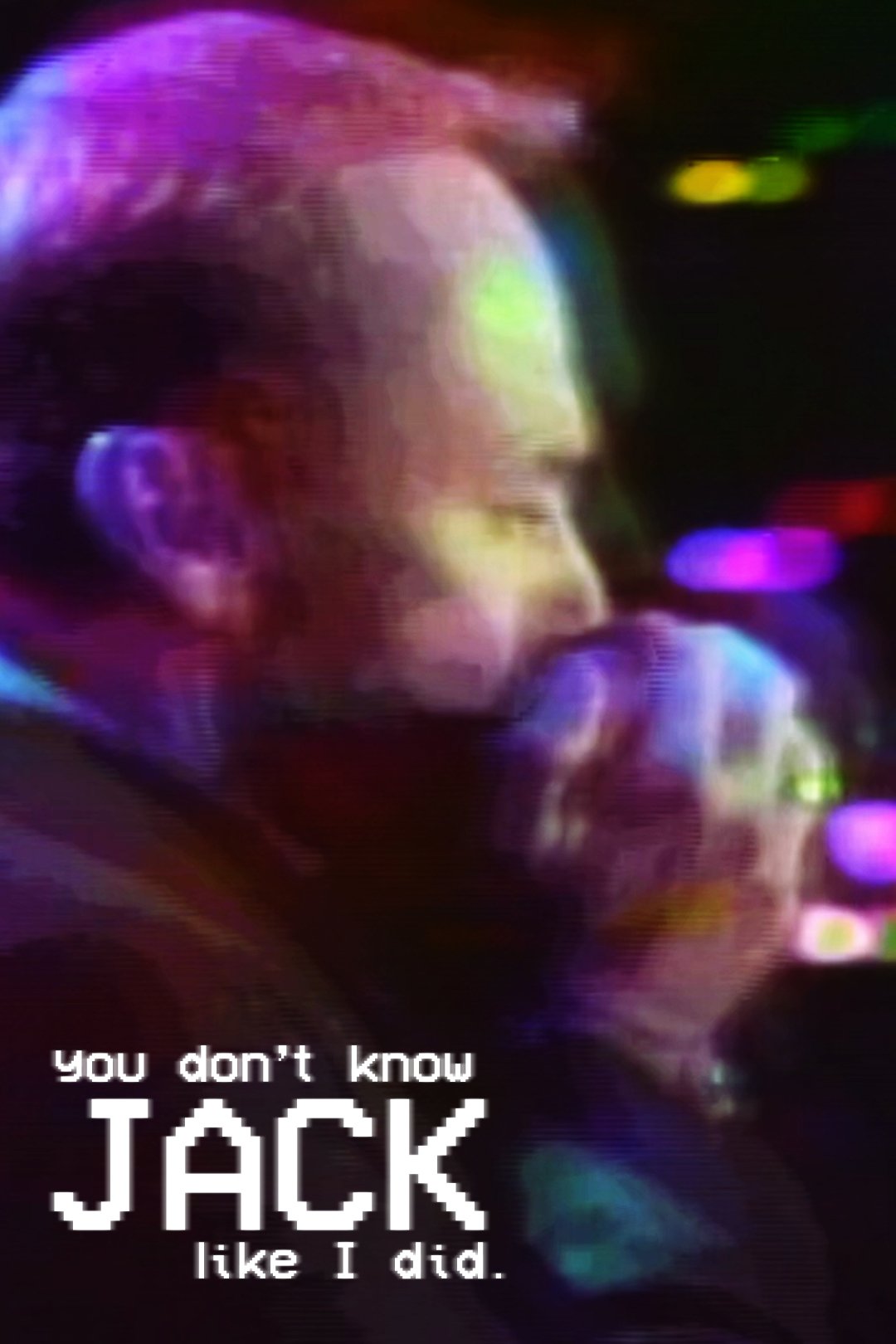
An experimental re-edit of Jack Frost, starring Michael Keaton.
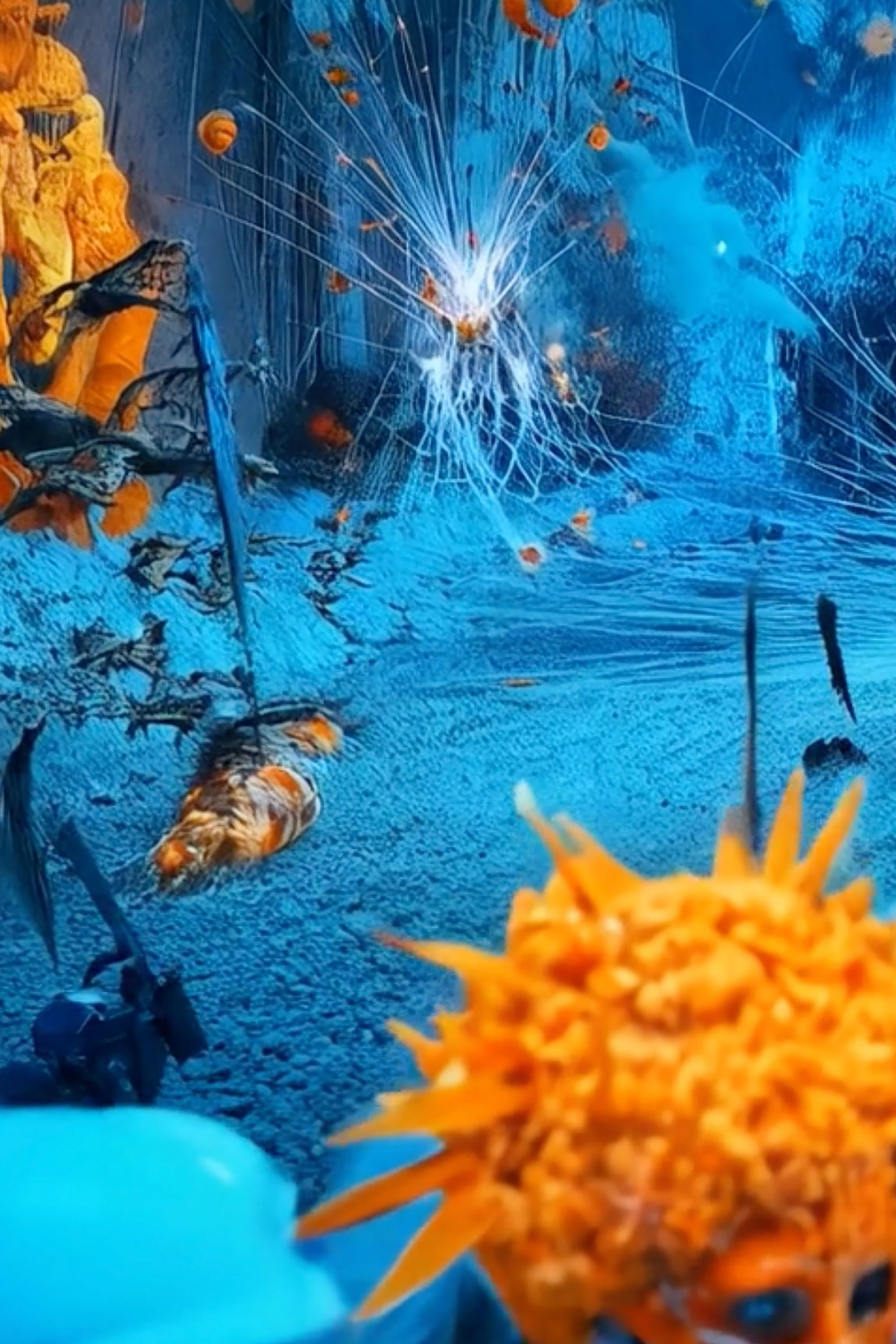
The Hypergaussian Wars is an AI-generated feature-length audiovisual work exploring algorithmic warfare, obsolete media and the transformation of images through repetition, saturation and collapse. Built from thousands of generated images, synthetic landscapes and references to 14th–16th century painting, the film stages a continuous conflict between historical visual culture and contemporary computational systems. Fragments of obsolete video games, ruined architectures, military simulations and post-human figures circulate through increasingly unstable environments. Rather than telling a linear story, the film operates as an image system in which visual excess progressively erodes meaning. The Hypergaussian Wars reflects on memory, obsolescence, artificial intelligence and the persistence of images after their original function has disappeared.
A man, alone in a room, experiences a nightmare of his own
Ocean was a girl and now just a paper head. Her brother reminisces the times they shared during their childhood, a sorry experience that birthed emotional scars.
Exploring love's complexities, an experimental film captures a woman's brief yet significant journey, prompting her to break free and embrace newfound liberation
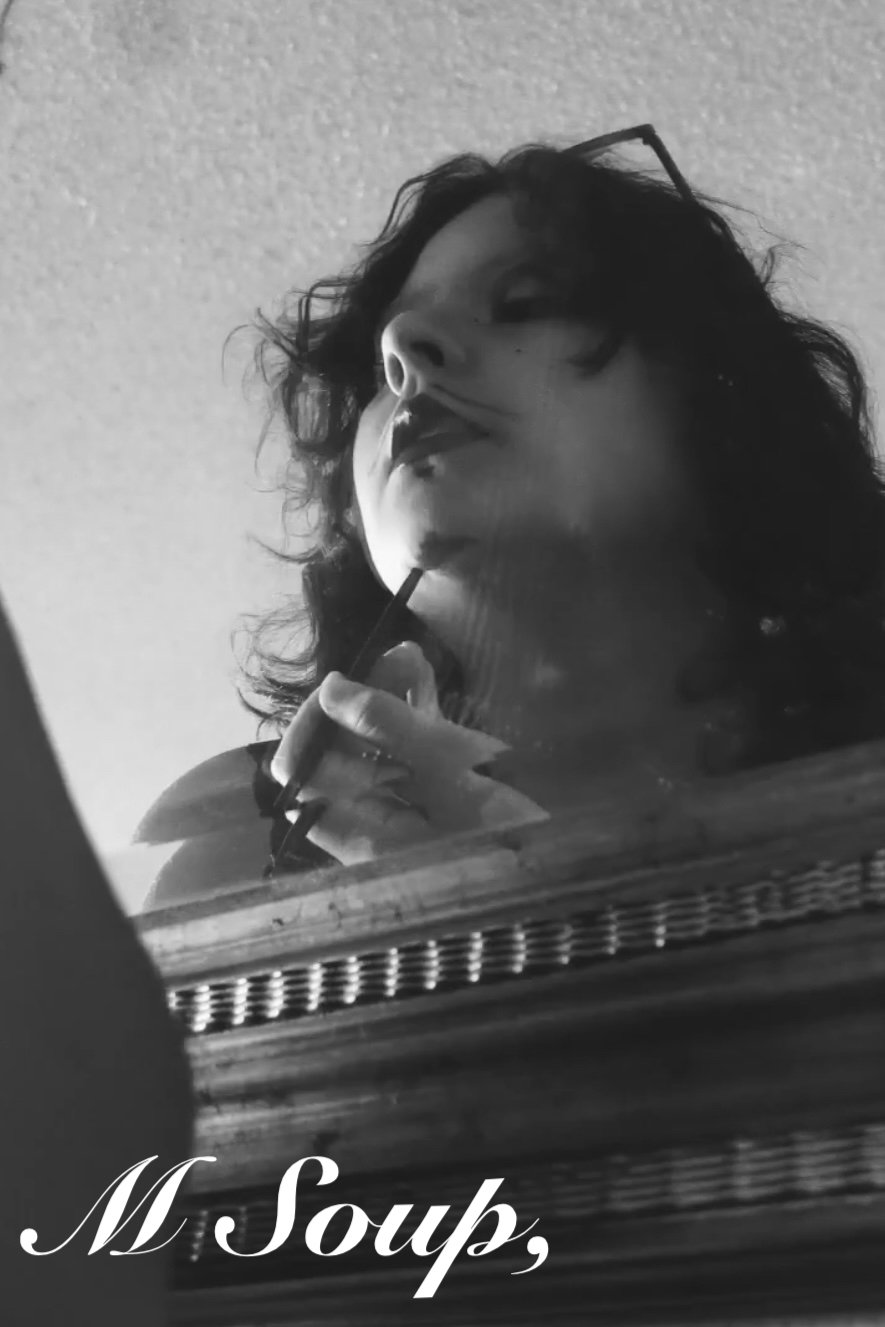
M Soup, (2023) by Stephanie Mavi Garcia Panclas (SMGP), is their first experimental short film. M Soup, follows the character ‘M’ played by SMGP themselves, in which they play around with appearing hyper-masculine and hyper-feminine. This experimental short film can have as many layers as there needs to be or none at all. The goal is for it to be visually confusing and jarring yet have bits and pieces of meaning.
I'm invited into a room. Someone is talking to me. I keep getting sucked into another place.
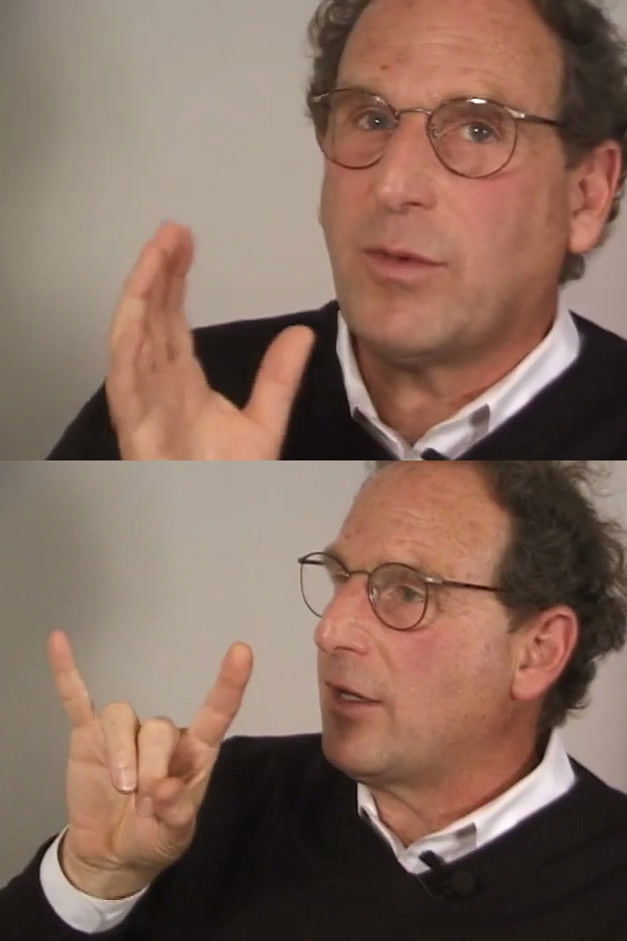
In his contribution to the On Art and Artists interview series, Nathaniel Dorsky (b.1943) begins by discussing his childhood love of the John Ford film Stagecoach and its influence upon his decision to make films while attending Antioch College. Describing the affinity he developed for work operating at the intersection of film materiality and personal language, Dorsky explains how he developed his philosophy of the “devotional film” and the “microcosmic viewer.” Dorsky likens his practice to Buddhist sculpture, referring to himself as a “Japanese poet continuing aspects of the ethos of the Marxist revolution.” In the interview, the artist describes his use of the screen as an “altarpiece for the image” and emphasizes his use of editing to create works which “harmoniously coalesce.” Interview conducted by Jeffrey Skoller in May 2000, edited in 2014.
A study of water and fire.
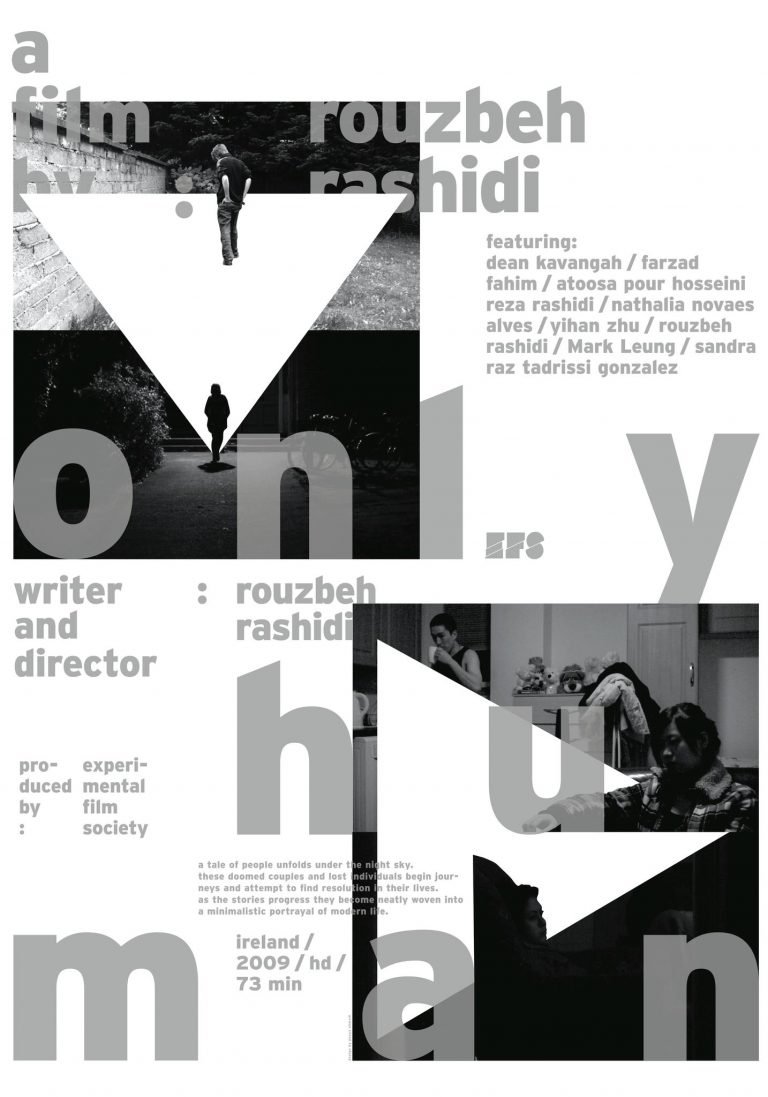
A tale of people unfolds under the night sky. These doomed couples and lost individuals begin journeys and attempt to find resolution in their lives. Love is observed from a distance, sadness is in the air. With little sympathy for the loss and destruction caused to the characters, the stories progress and become neatly woven into a minimalistic portrayal of modern life.
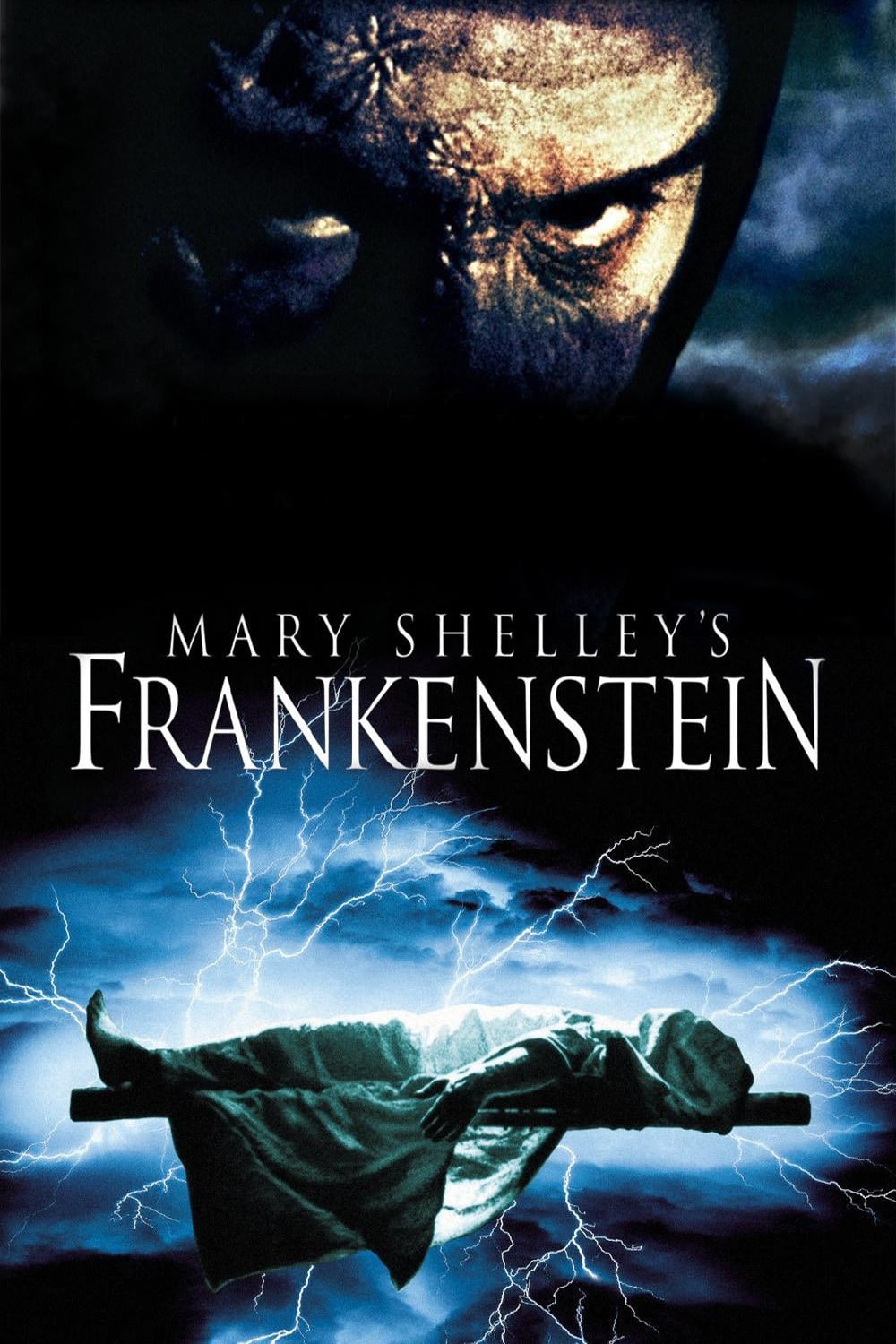
Victor Frankenstein is a promising young doctor who, devastated by the death of his mother during childbirth, becomes obsessed with bringing the dead back to life. His experiments lead to the creation of a monster, which Frankenstein has put together with the remains of corpses. It's not long before Frankenstein regrets his actions.
Bruce Conner's landmark experimental film consisting entirely of found footage edited to a new score.
20 men are chosen to participate in the roles of guards and prisoners in a psychological study that ultimately spirals out of control.
Stan and Ollie join the French Foreign Legion after Ollie's sweetheart rejects him.
A hypochondriac vacations in the tropics for the fresh air - and finds himself in the middle of a revolution instead.
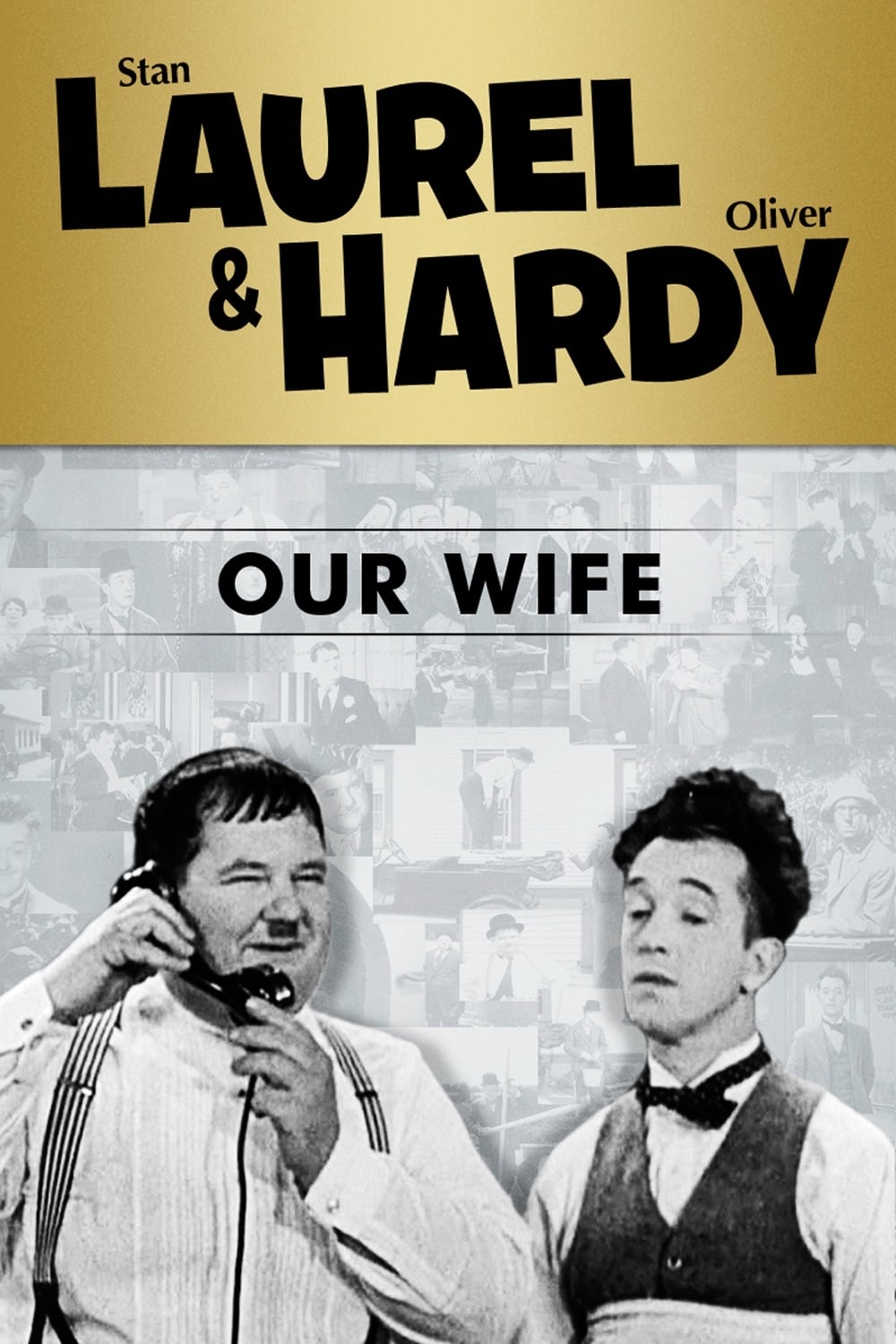
Oliver is making plans to marry his sweetheart Dulcy with Stan as his best man, but the plans are thwarted when Dulcy's father sees a picture of Ollie and forbids the marriage. The couple plan to elope, and run away to a Justice of the Peace. After typical Laurel and Hardy blundering, they manage to sneak the girl away from her father's house.
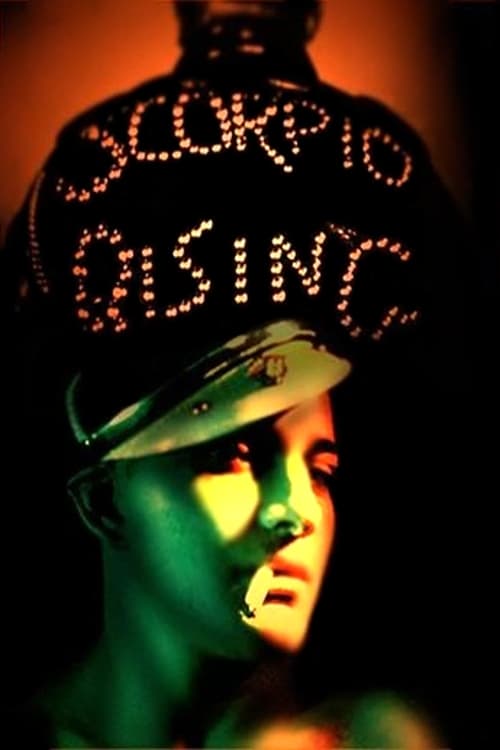
A gang of bikers prepares for a race as sexual, sadistic, and occult images are cut together.
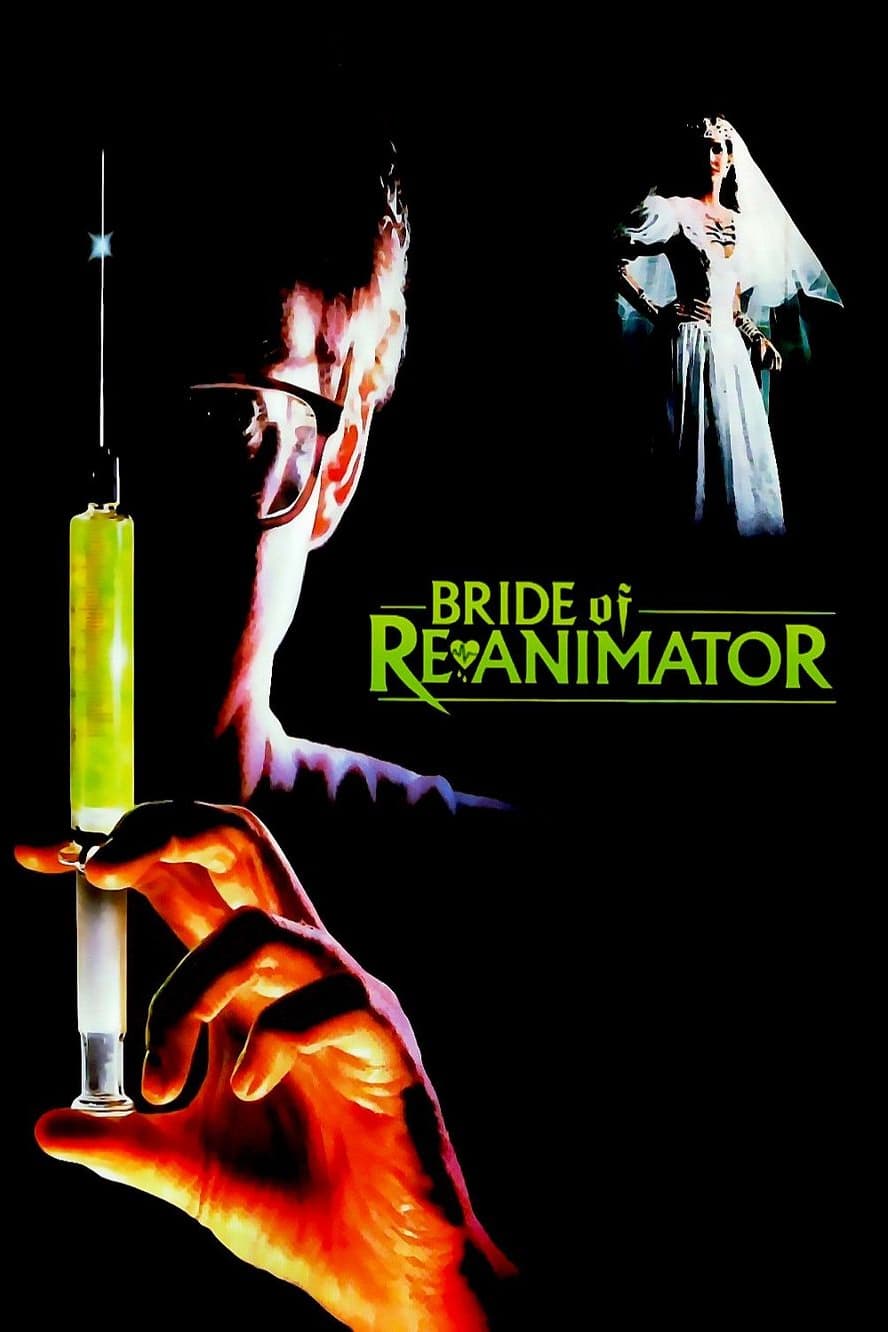
Unperturbed by the disastrous outcome of his previous meddling with the dead, Dr. West continues his research into the phenomenon of re-animation; only this time, he plans to create life – starting with the heart of his young protégé Dan's dearly deceased Meg Halsey.
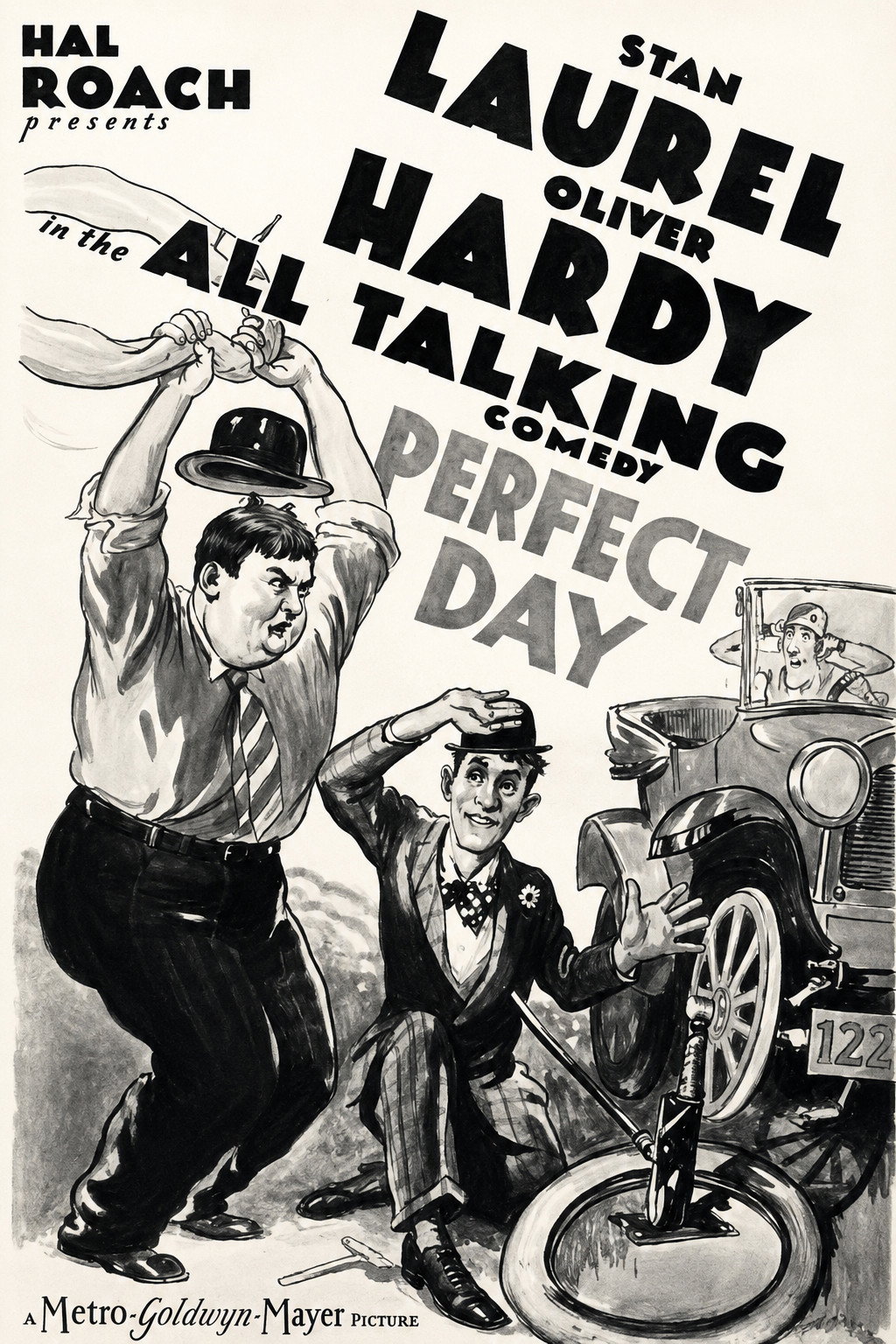
Two families embark on a pleasant Sunday picnic but manage to run into a variety of issues with their temperamental automobile. Each incident requires repeated exits and reboardings by Laurel, Hardy, their wives and grouchy, gout-ridden Uncle Edgar.
An atmospheric essay, which is an alternative version of Count Dracula, a film directed by Jess Franco in 1970; a ghostly narration between fiction and reality.
Short film made with the help of the Sundance Film Institute and serving as a proof-of-concept for the subsequent feature film.
In 1974, Chilean-French director Alejandro Jodorowsky embarked on the quixotic project of adapting Frank Herbert's influential novel Dune (1969) for the big screen. After investing two years, and millions of dollars, the gigantic project ended in failure; but the artists Jodorowsky brought together to carry it out continued to work together, and ended up laying the foundations for modern science fiction cinema.
A shipowner intends to scuttle his ship on its last voyage to get the insurance money. Charlie, a tramp in love with the owner's daughter, is grabbed by the captain and promises to help him shanghai some seamen. The daughter stows away to follow Charlie. Charlie assists in the galley and attempts to serve food during a gale.
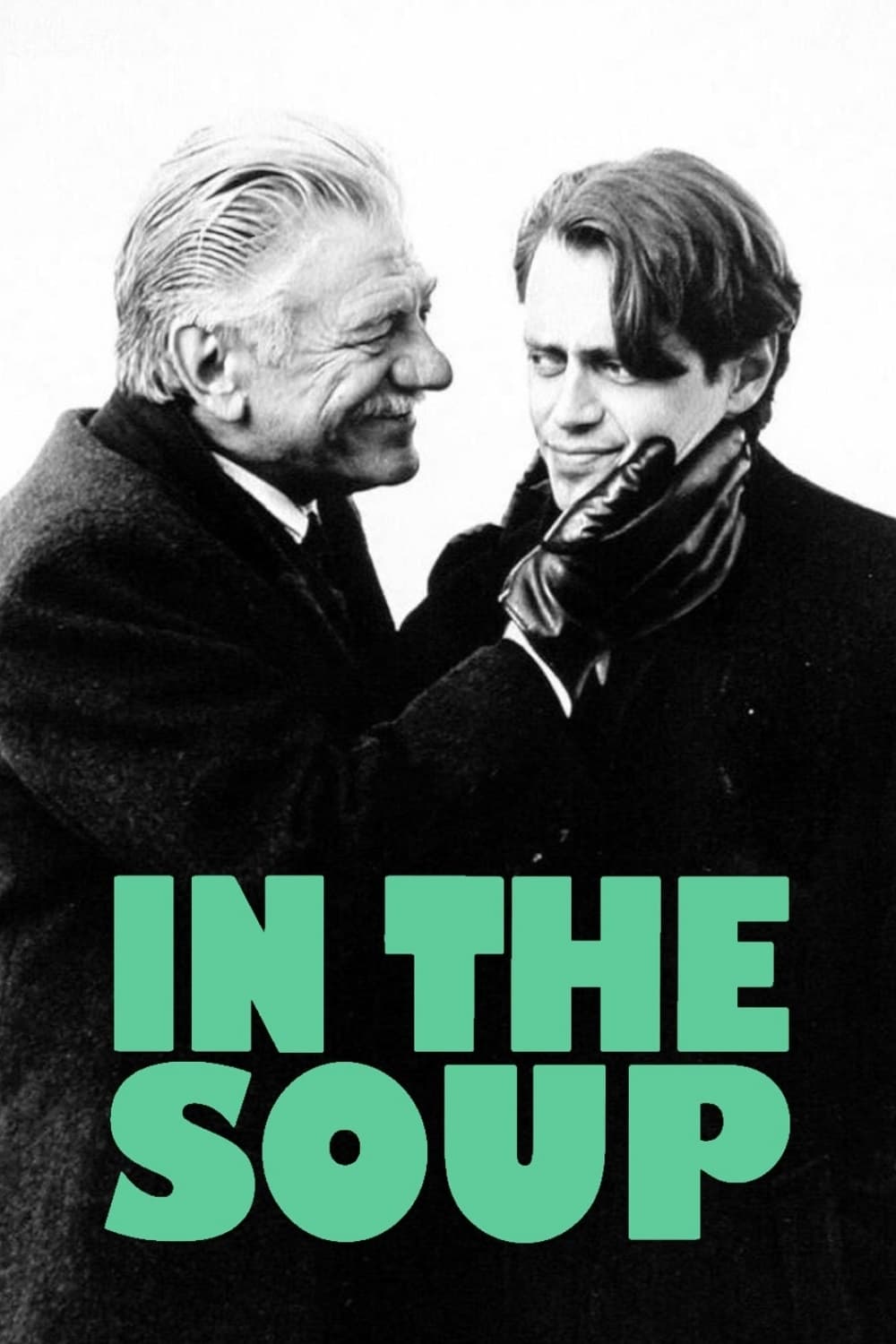
An aspiring young filmmaker gets involved with an eccentric gangster for the financing of his first film.
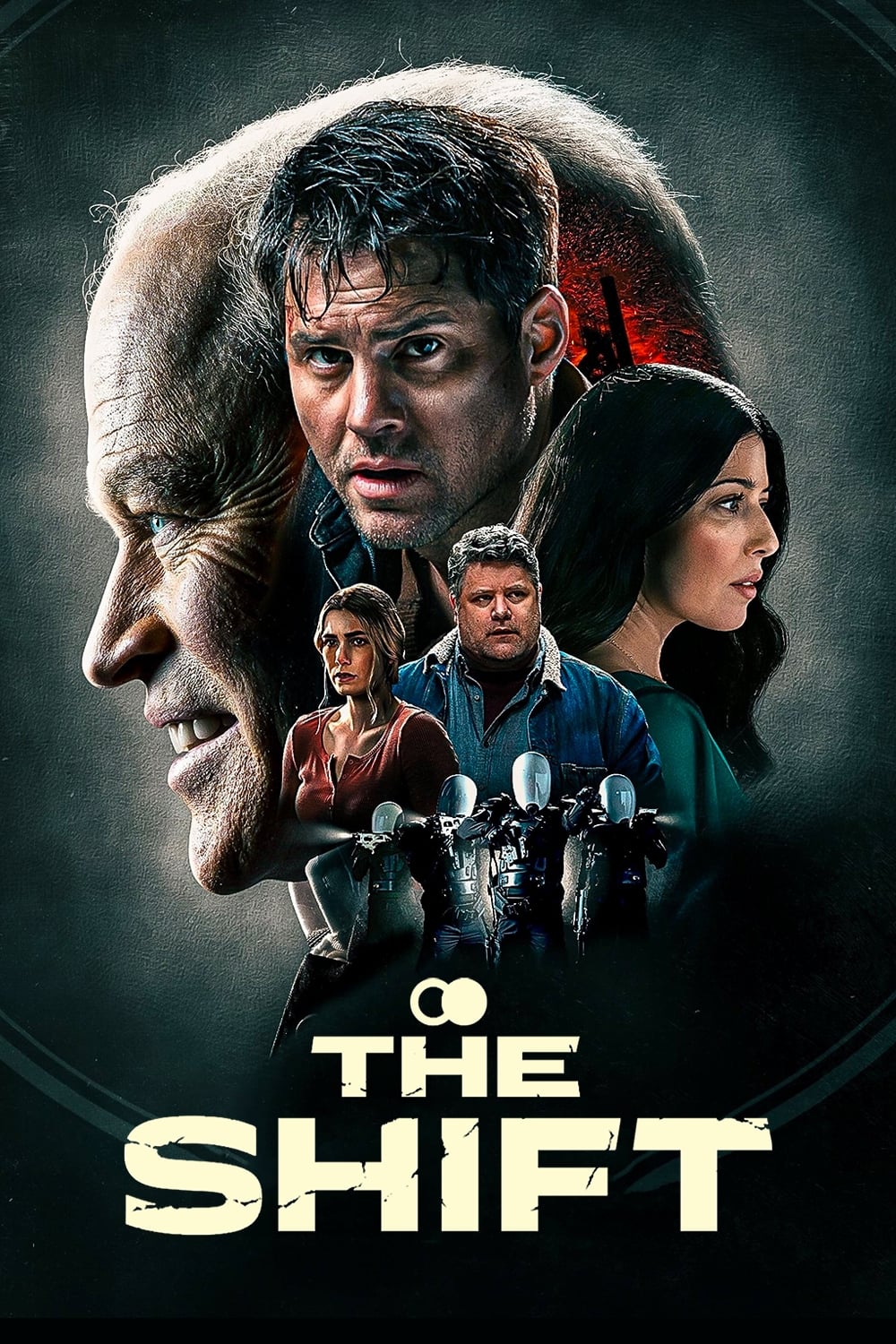
Following a tense encounter with a mysterious stranger with otherworldly powers, a man finds himself banished to a parallel, tyrannical Earth, where he fights to get back to the woman he loves.
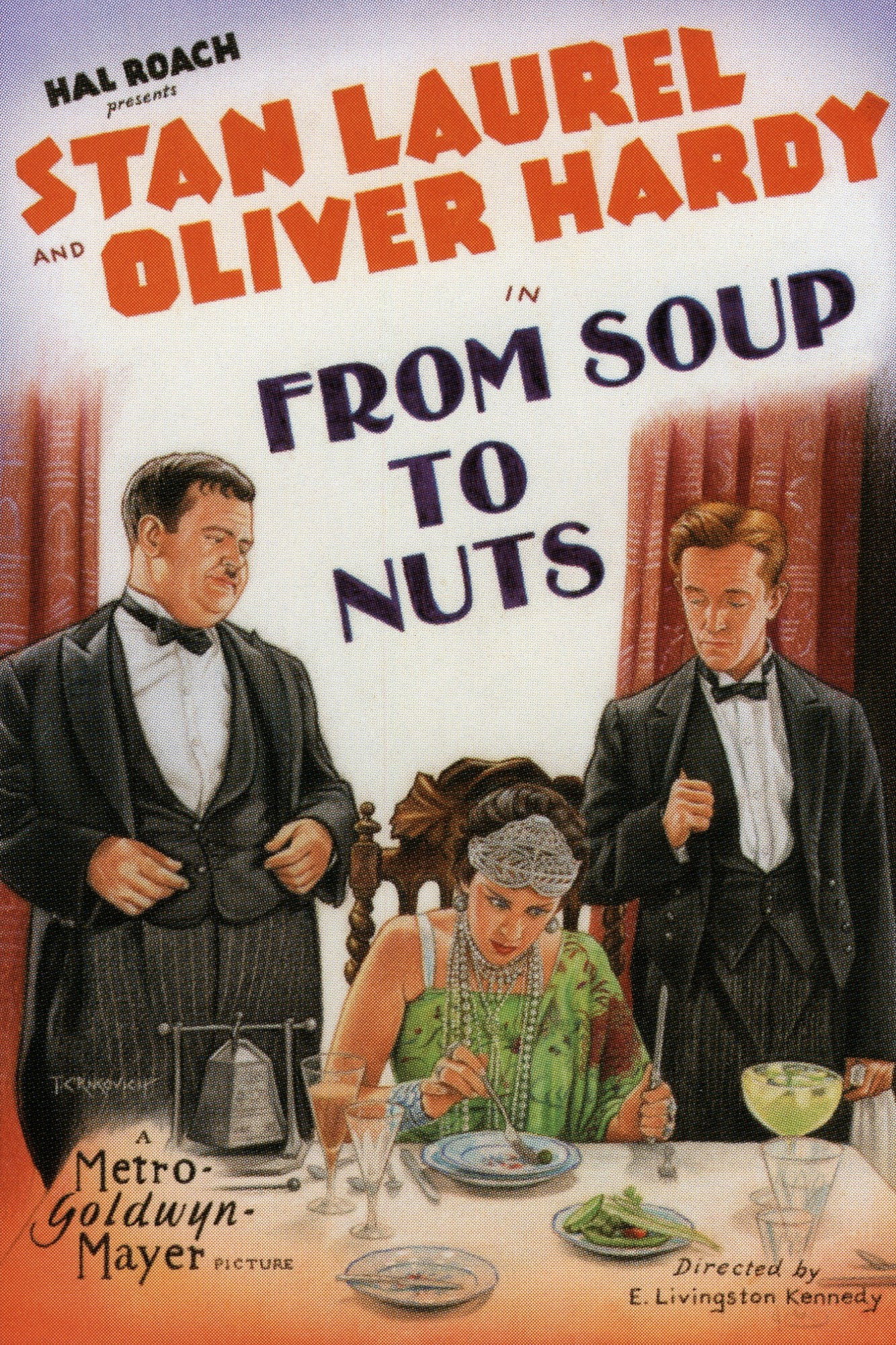
Inexperienced waiters (Laurel & Hardy) are hired for a swank dinner party.
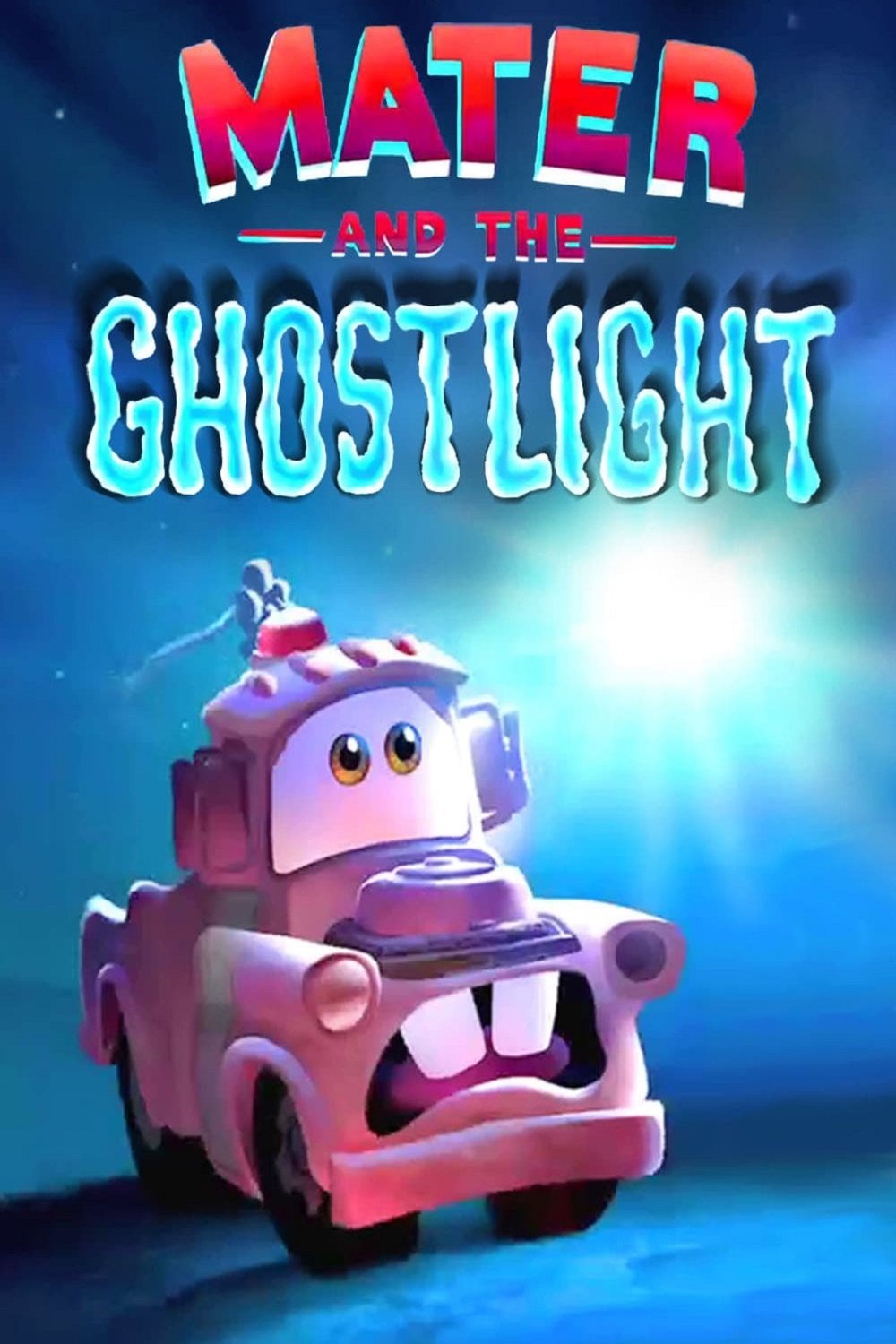
Mater, the rusty but trusty tow truck from Cars, spends a day in Radiator Springs playing scary pranks on his fellow townsfolk. That night at Flo's V8 Café, the Sheriff tells the story of the legend of the Ghostlight, and as everyone races home Mater is left alone primed for a good old-fashioned scare.
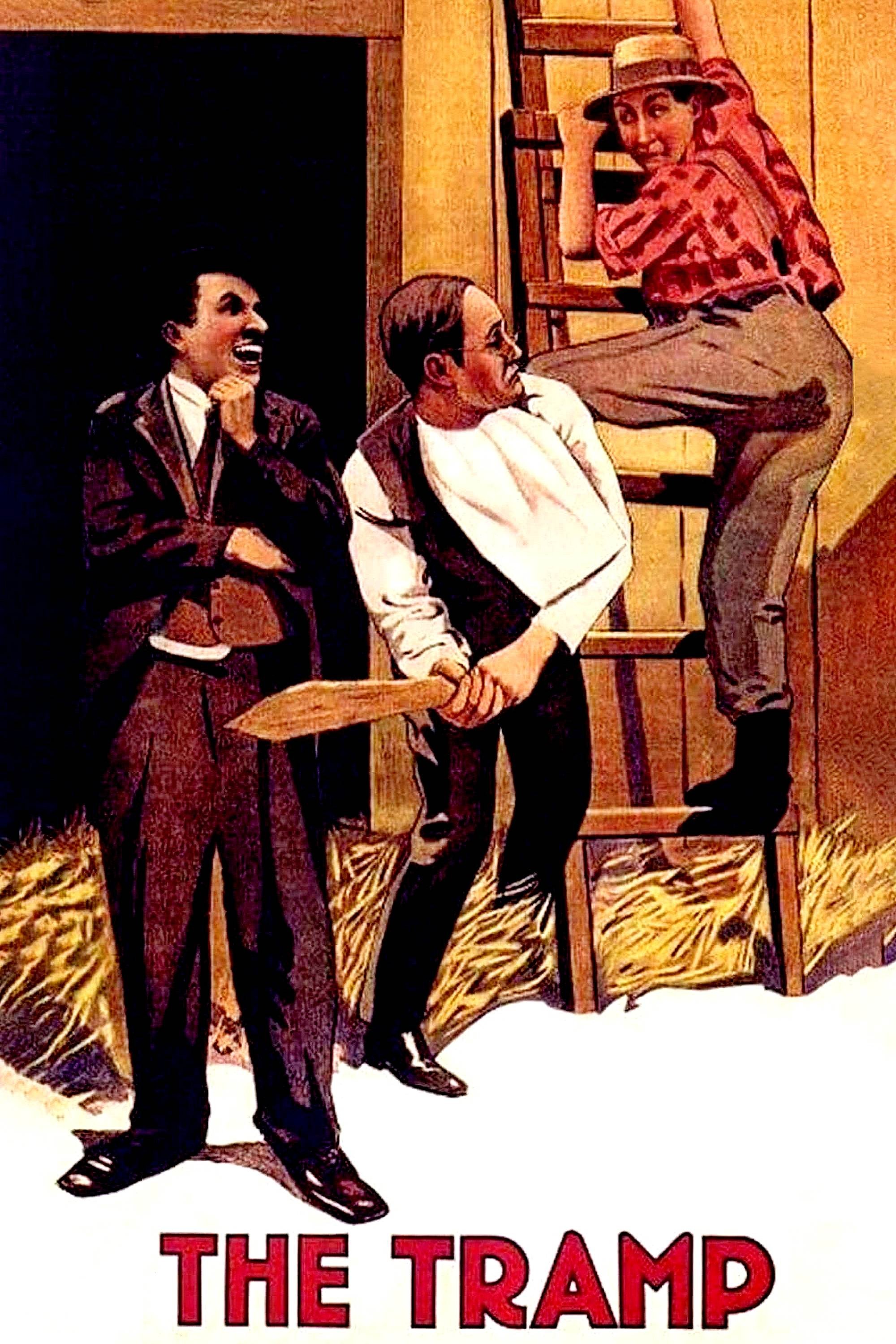
The Little Fellow finds the girl of his dreams and work on a family farm. He helps defend the farm against criminals, and all seems well, until he discovers the girl of his dreams already has someone in her life. Unwilling to be a problem in their lives, he takes to the road, though he is seen skipping and swinging his cane as if happy to be back on the road where he knows he belongs.
A feature length documentary about the all-women team at the helm of Pixar's original feature, Turning Red. With unprecedented behind-the-scenes access to Director Domee Shi and her core leadership crew, this story shines a light on the powerful professional and personal journeys that brought this incredibly comical, utterly relatable, and deeply heartfelt story to the screen.
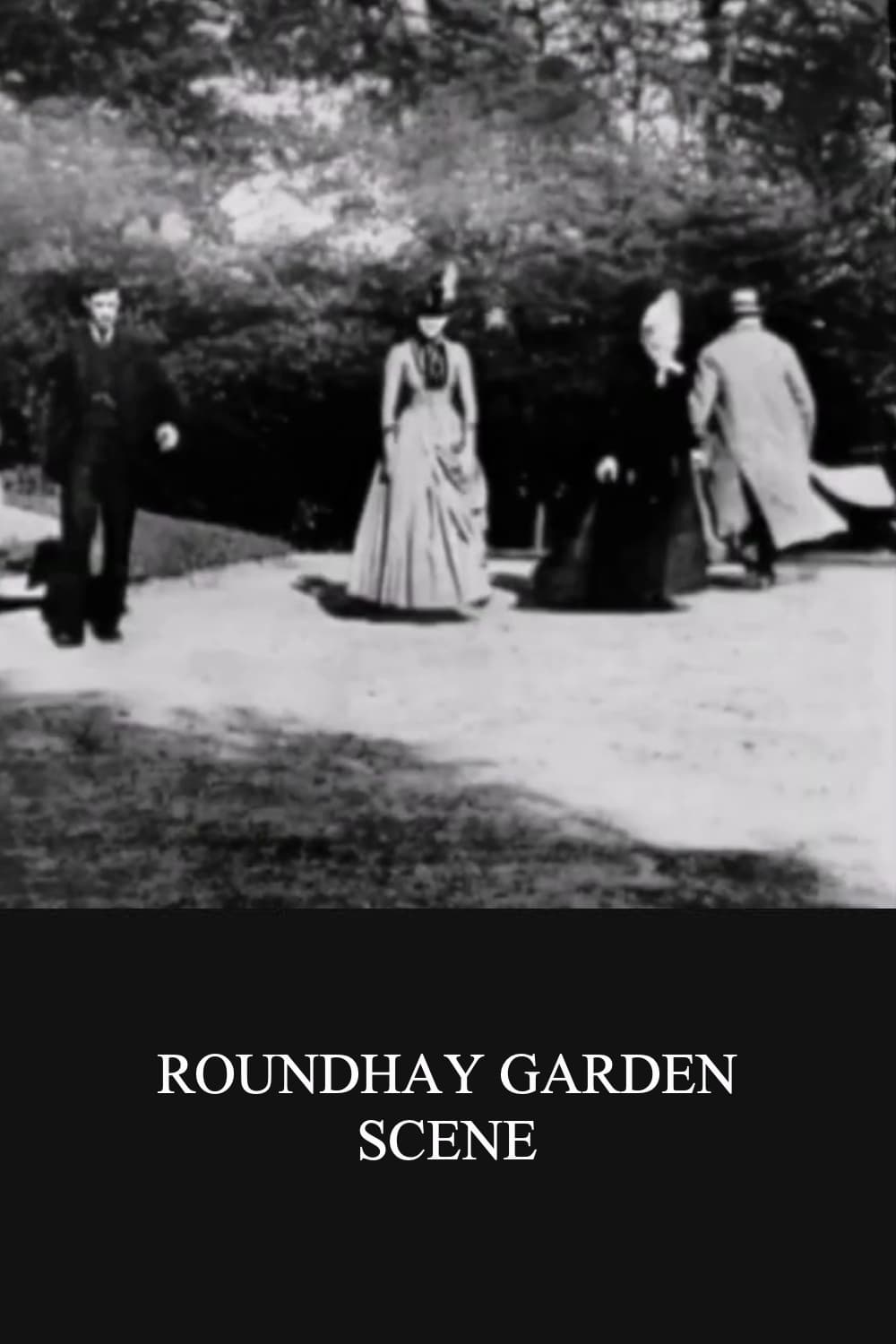
The earliest surviving motion-picture film, and believed to be one of the very first moving images ever created, was shot by Louis Aimé Augustin Le Prince using the LPCCP Type-1 MkII single-lens camera. It was taken on paper-based photographic film in the garden of Oakwood Grange, the Whitley family house in Roundhay, Leeds, West Riding of Yorkshire (UK), on 14 October 1888. The film shows Adolphe Le Prince (Le Prince’s son), Mrs. Sarah Whitley (Le Prince’s mother-in-law), Joseph Whitley, and Miss Harriet Hartley walking around in circles, laughing to themselves, and staying within the area framed by the camera. Roundhay Garden Scene is often associated with a recording speed of around 12 frames per second and runs for about 2 to 3 seconds.