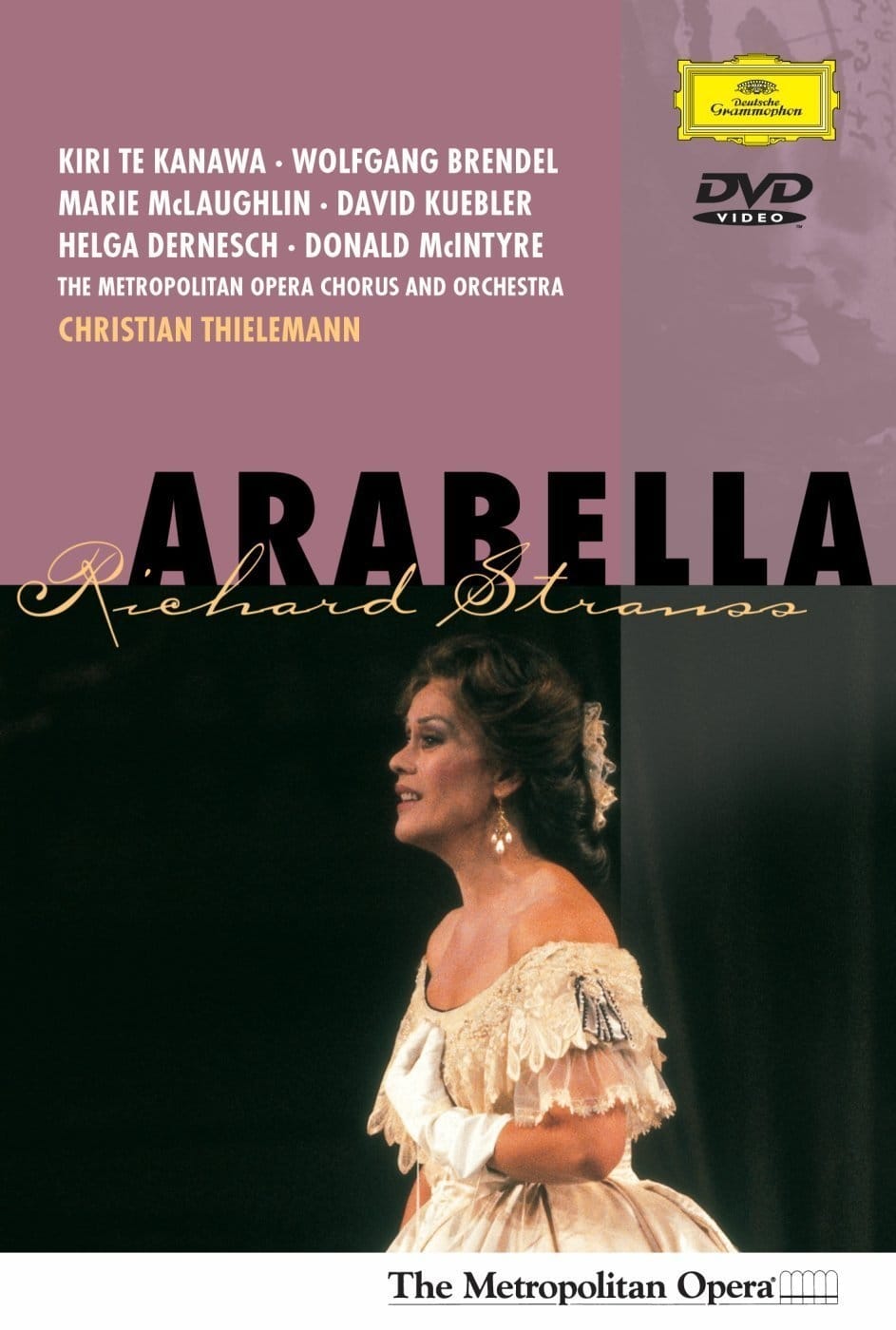
Arabella, Op. 79, is a lyric comedy or opera in three acts by Richard Strauss to a German libretto by Hugo von Hofmannsthal, their sixth and last operatic collaboration.
Social & External
The people behind it
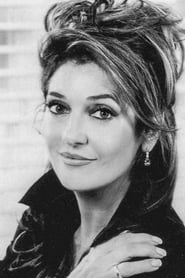
Kiri Te Kanawa
Arabella
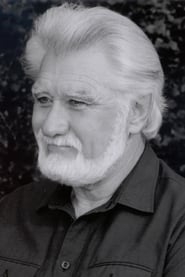
Wolfgang Brendel
Mandryka
Natalie Dessay
The Fiakermilli
Christian Thielemann
Self - Conductor
MET Orchestra
Self
Marie McLaughlin
Zdenka
David Kuebler
Matteo
Helga Dernesch
Adelaide
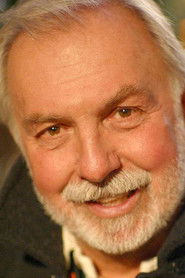
Donald McIntyre
Count Waldner
Luciano Pavarotti live from the Piazza Grande, Modena.
Luciano Berio's opera a presented in 1996 in Milan
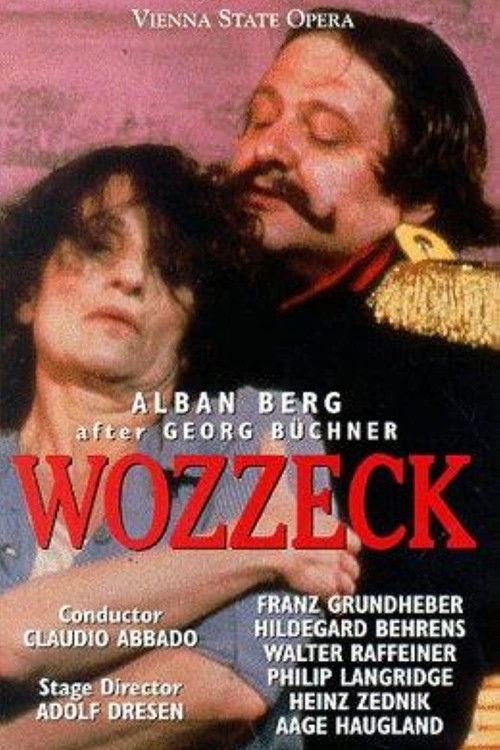
1987 recording of Wozzeck by the Vienna State Opera with Claudio Abbado conducting. Based upon Georg Büchner's 1837 play, Alban Berg's Wozzeck details the harsh existence of the title character, a former soldier in the German army who has to struggle mightily to make a living, even as others around him prosper.
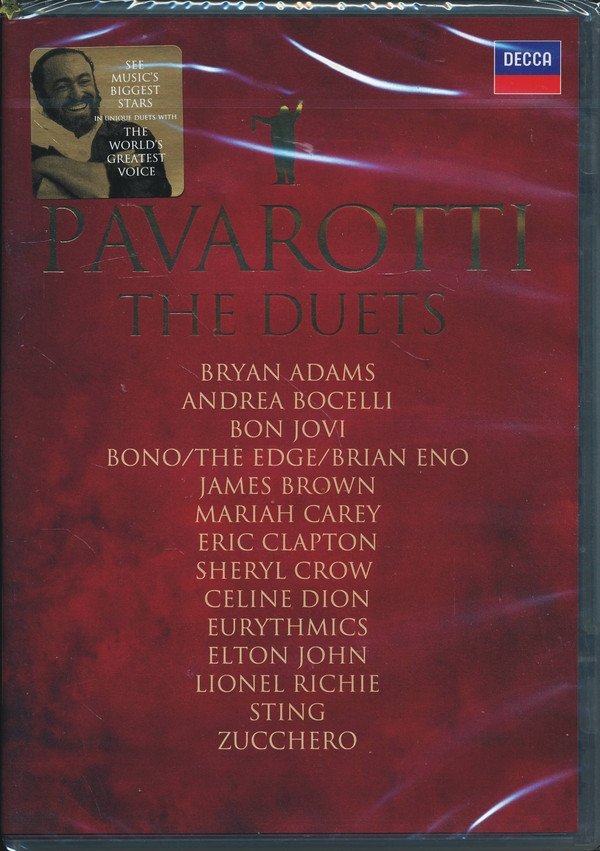
LUCIANO PAVAROTTI was the rare artist who could easily bridge the divide between classical and popular music. Together with an impressive roster of the best-known names in rock, pop and jazz, Pavarotti entertained millions of people around the world with his "Pavarotti & Friends" concerts. This release is the first time that these tracks have been brought together in one album! Rarely has such a glittering array of singing legends from such varied genres been brought together at one time--on both DVD and CD! Featuring Bryan Adams, Andrea Bocelli, Bon Jovi, Bono/The Edge/Brian Eno, Mariah Carey, Eric Clapton, Sheryl Crow, Celine Dion, The Eurythmics, Elton John, Lionel Richie, Frank Sinatra, Sting and Zucchero.
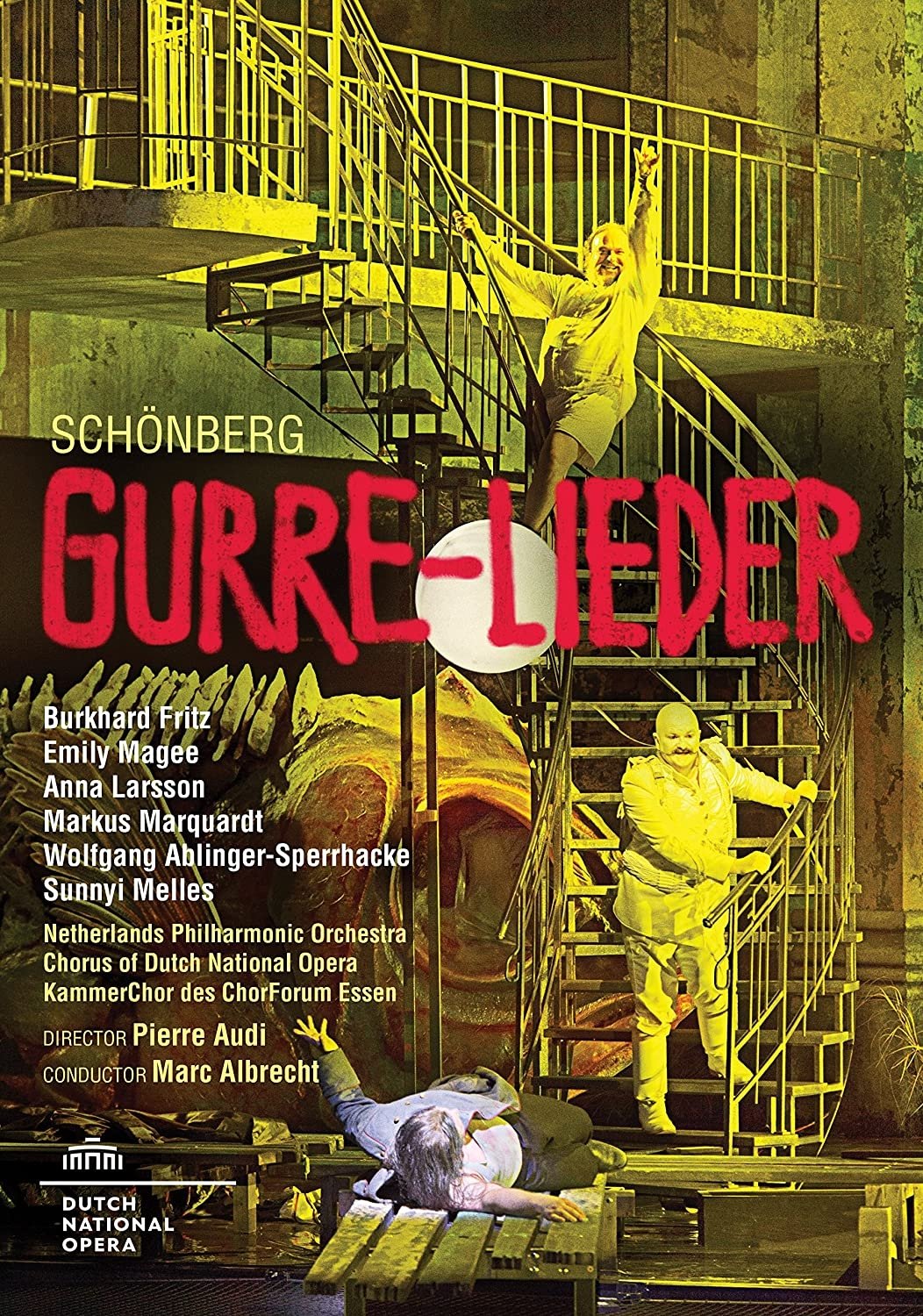
Rarely has a theatrical world premiere been so warmly received as Dutch National Opera’s production of Arnold Schönberg’s late-Romantic Gurre-Lieder in 2014. The production fulfilled a fervent wish of principal conductor Marc Albrecht. The music of Gurre-Lieder is timeless, and so is its subject: a passionate, yet forbidden love. The story harks back to a Scandinavian saga, situated in Gurre. King Waldemar loves the girl Tove, who is a mysterious character, connected to both the world of people and the world of birds. The queen is jealous and has Tove killed. The Wood Dove tells of this in a moving song and the king accuses God of cruelty. A nightmarish scene follows, of a fierce army killed in battle, which rampages like a horde of ghosts. The radiant dawn at the end of Gurre-Lieder shows the insignificance of human destiny compared to the power of nature.
This incredible look at the preparation and production of a Live in HD cinema transmission takes you behind the scenes of the new Cav/Pag with the HD director, host, stars, and crew for an up-close view of the exciting process behind the Met's extraordinary HD presentations.
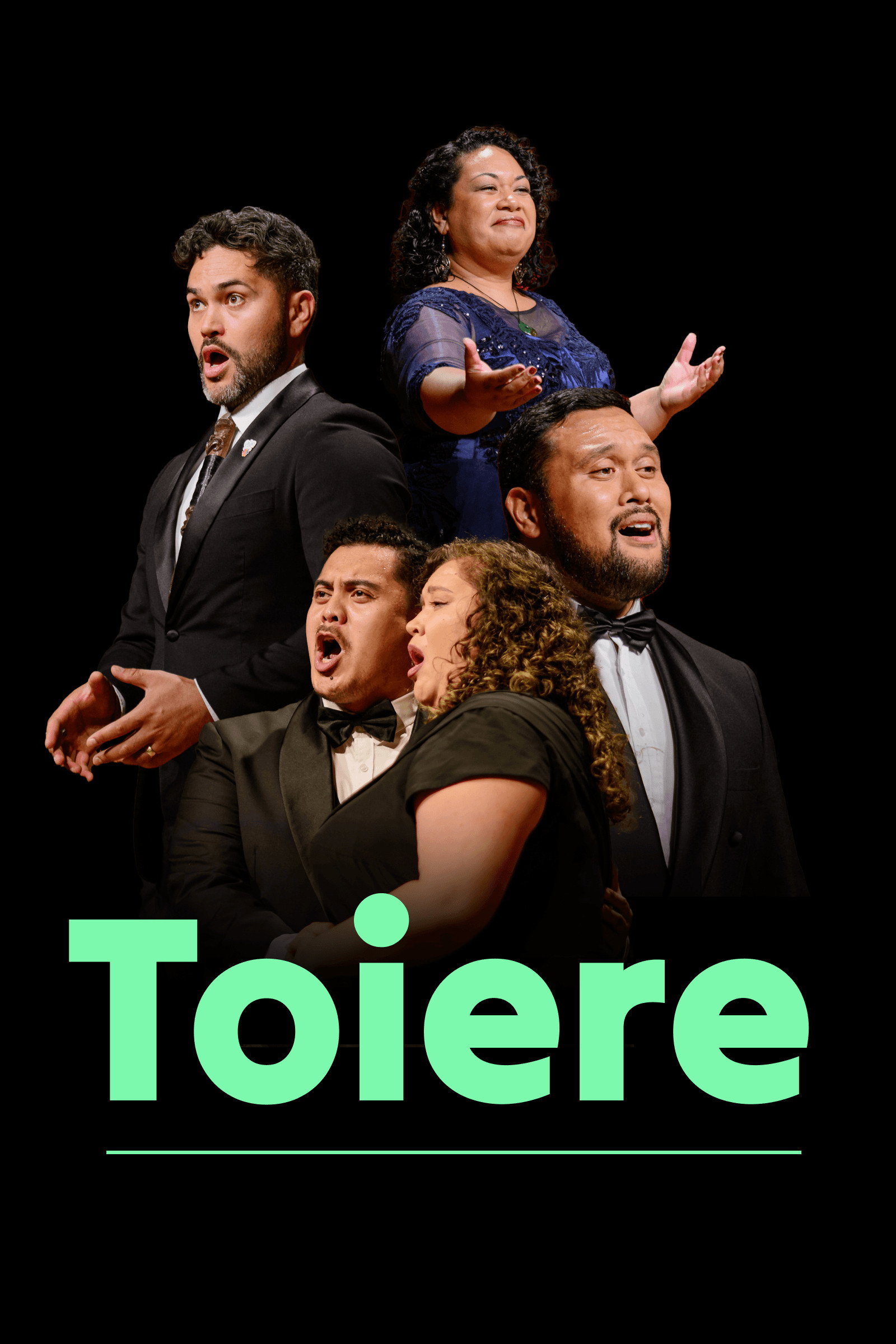
Toiere (meaning 'to sing') unites beloved operatic arias, duets, and ensembles in their original languages and te reo Māori, celebrating voice, language, and identity.
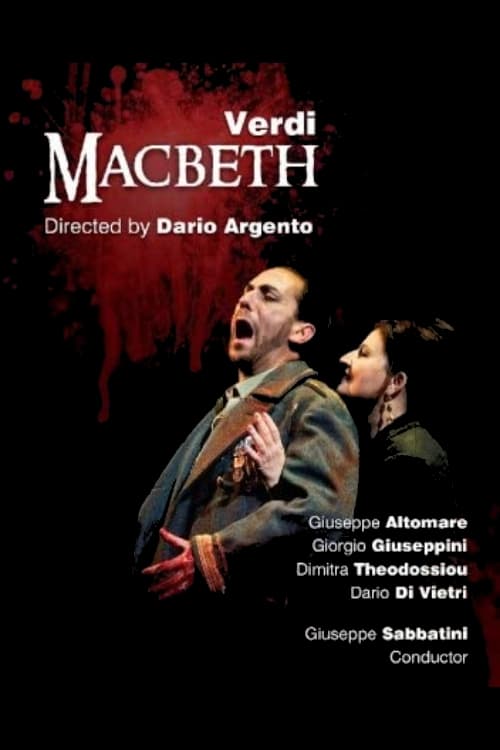
Giuseppe Verdi's opera "Macbeth" staged by Dario Argento, directed by Marco Scalfi.
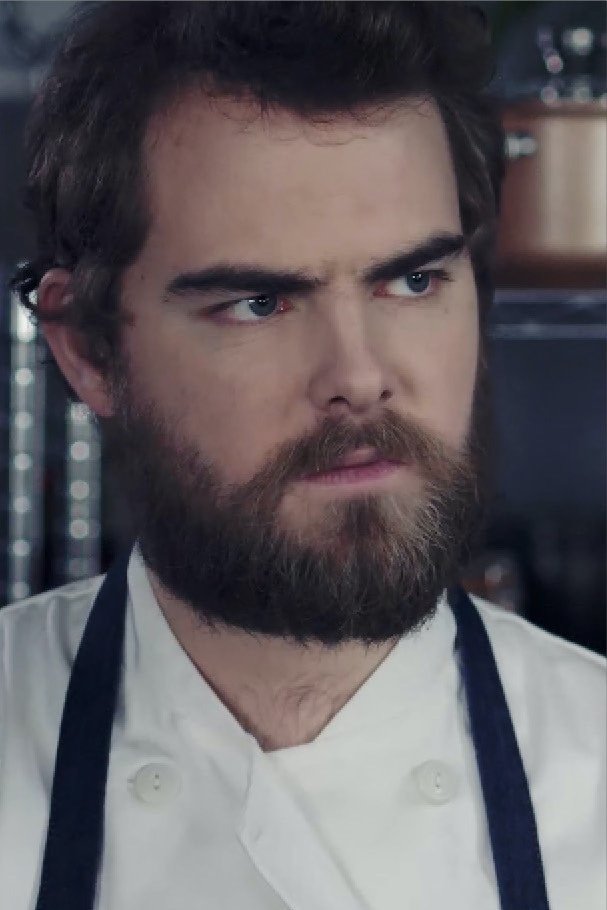
A phone call during a busy shift in the restaurant kitchen of The Narcissistic Fish sparks a war between the owner Angus and his brother Kai. As they argue over their dead father, talented and underpaid chef Belle has a revelation of her own. Join Scottish Opera’s Emerging Artists (Charlie Drummond, Mark Nathan and Arthur Bruce) for a visceral exploration of the clash between class, gender and workplace pressure in 21st century Scotland, in this brand new digital opera with music by Samuel Bordoli, libretto by acclaimed Scottish writer Jenni Fagan and directed by in-house film-maker Antonia Bain.
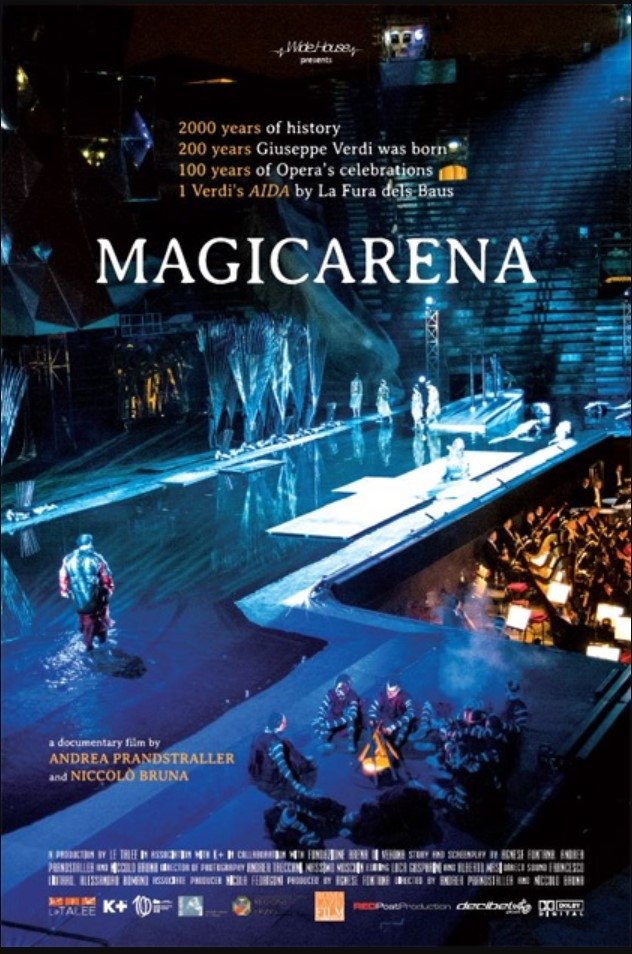
After 2000 years of history, the Arena of Verona is celebrating the Centenary of its Opera Festival with Verdi's AIDA by La Fura dels Baus. From rehearsals to the opening night, we follow the workers and artists who created the most famous operatic festival in the world.
Opera singer and professor Dr P is examined both in a clinic and in his home, as he suffers from a degeneration of the occipital lobe that allows him to see details but not wholes.
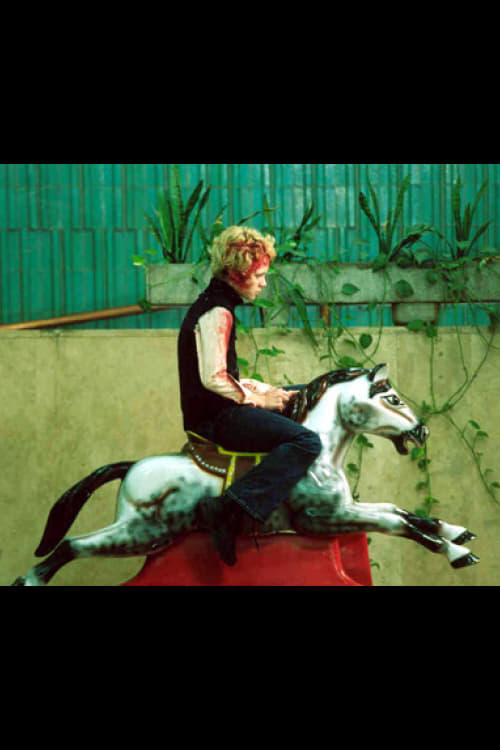
Jeanne's beautiful breasts spill out from her torn clothes, and her gouged internal organs lie beneath. The contrast between death and eroticism is captured in a profound image. The opera that unfolds in the underground ward comes to a powerful catastrophe with jazz-like dissonance. Are they the living or the dead, shedding blood and singing in high spirits? The director comments, "This film will be the beginning of a new contemporary opera film“.
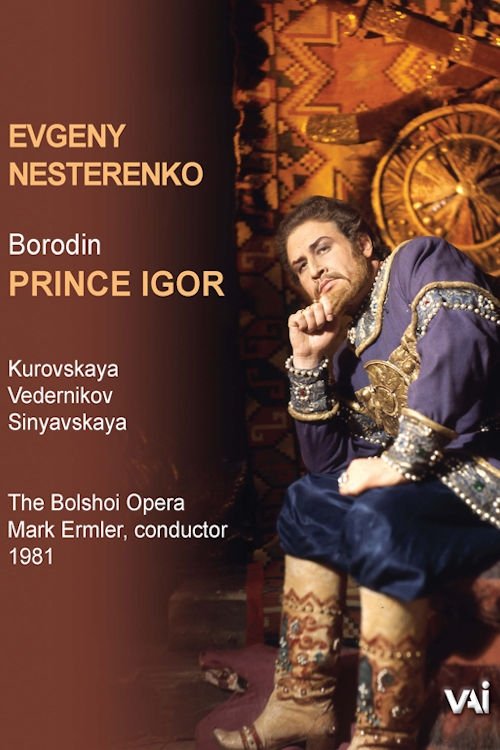
This 1981 Bolshoi production performed in the concert hall of The Kremlin is by far the best available, despite the more ‘historical’ picture and mono sound. The production itself is a very classic period production, with utterly authentic costumes and aptly dramatic sets. There are even horses on stage. The depiction of the Don Cossacks’ Khan Konchak and his tribe is colourful and historically informed in one. Needless to say, the scene of the Polovtsian Dances is spectacularly presented with great choregraphy and terrific dancing, in the league of the Spartacus of Bolshoi, no less.
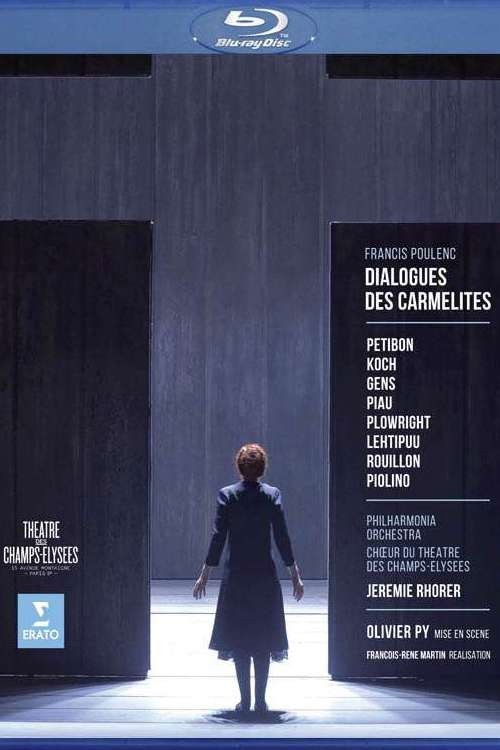
At the end of 2013, the year that marked the 50th anniversary of Francis Poulenc’s death, his gripping and moving operatic masterpiece, Dialogues des Carmélites was staged in Paris by director Olivier Py with a cast featuring some of France’s finest female singers – Patricia Petitbon, Véronique Gens, Sandrine Piau and Sophie Koch – under the baton of Jérémie Rohrer. Le Figaro described the production as “a thing of wonder,” while Le Monde called it: “A masterpiece ... the most exciting and consummately achieved show to have been seen on a Parisian stage in a long time … This was great work, magisterial and unforgettable.” “The memorable Dialogues des Carmélites at the Théâtre des Champs-Elysées marked the climax of commemorative activities for the 50th anniversary of Poulenc’s death,” wrote Opera magazine of the production of Poulenc’s gripping and moving opera that was staged by the French director Olivier Py in Paris in December 2013.
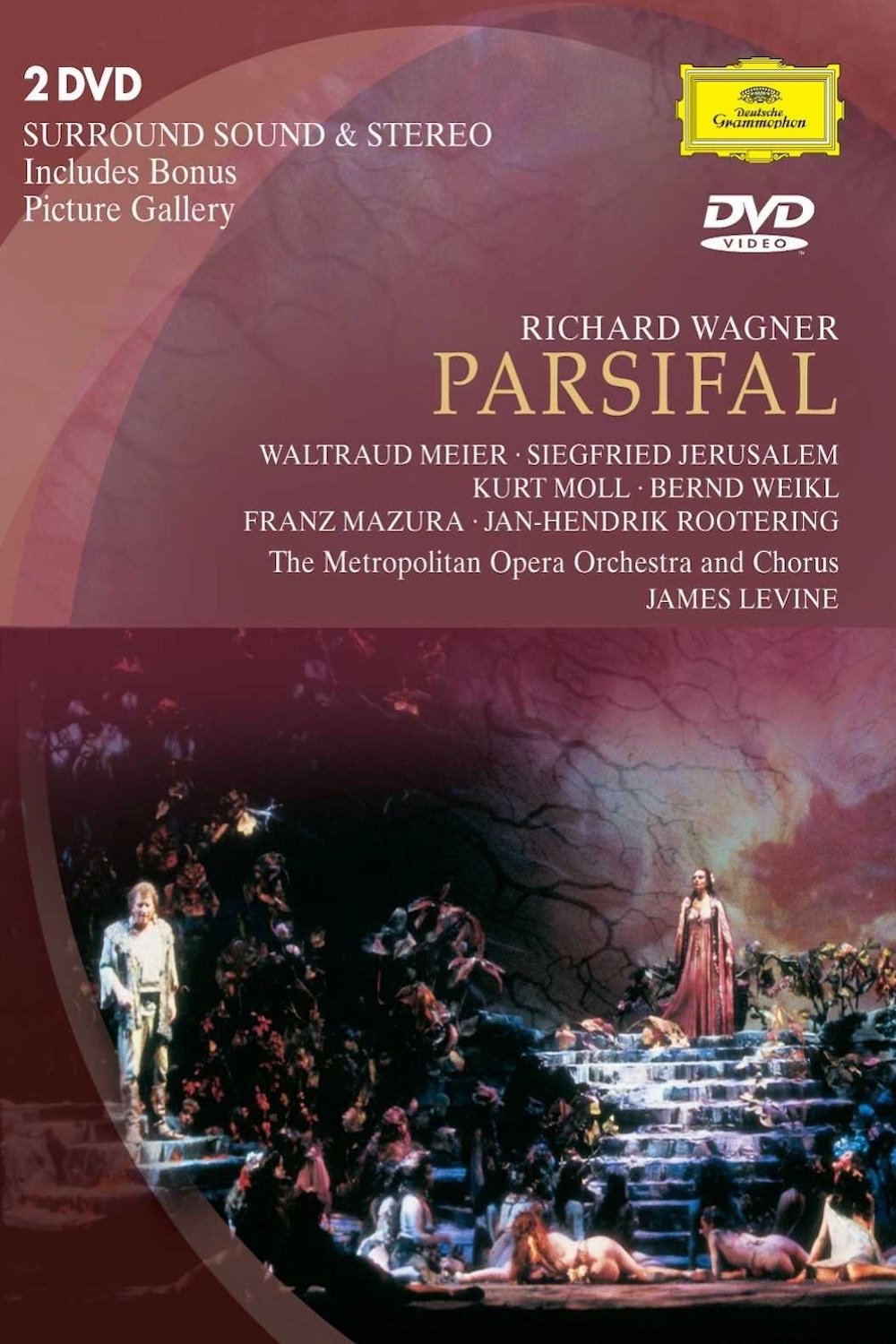
The Met production easily has the most beautiful staging, designed by Otto Schenck, who also produced the fabulous set for the Met's previous Ring cycle. Kurt Moll is a wonderful Gurnemanz, but compared to his studio recording under Karajan a decade earlier it has lost some of its original velvety body and luster. As Parsifal, Jerusalem is starting to show some wear and tear on his voice at the Met in 1992 as opposed to his prime form at Bayreuth in 1981, but is still quite good; only Placido Domingo could compete with him in the role at that time.
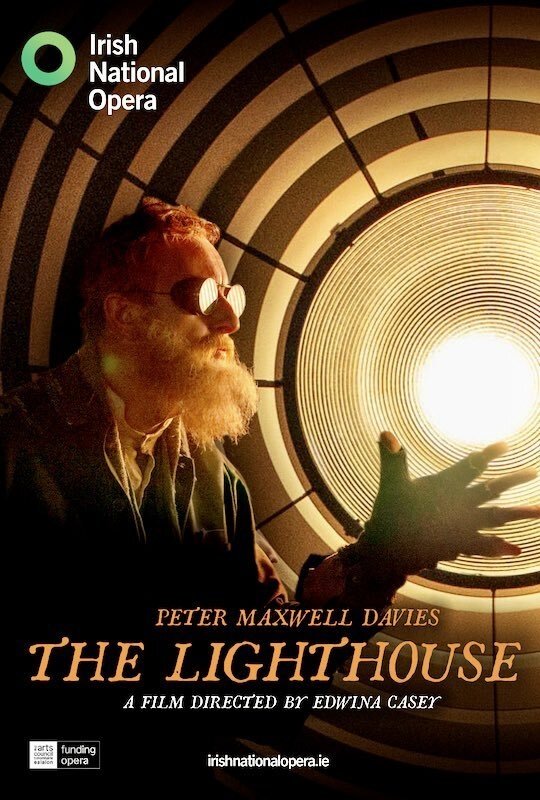
A Scottish lighthouse goes dark. A visiting supply ship finds the building in order. But the keepers have vanished without trace.
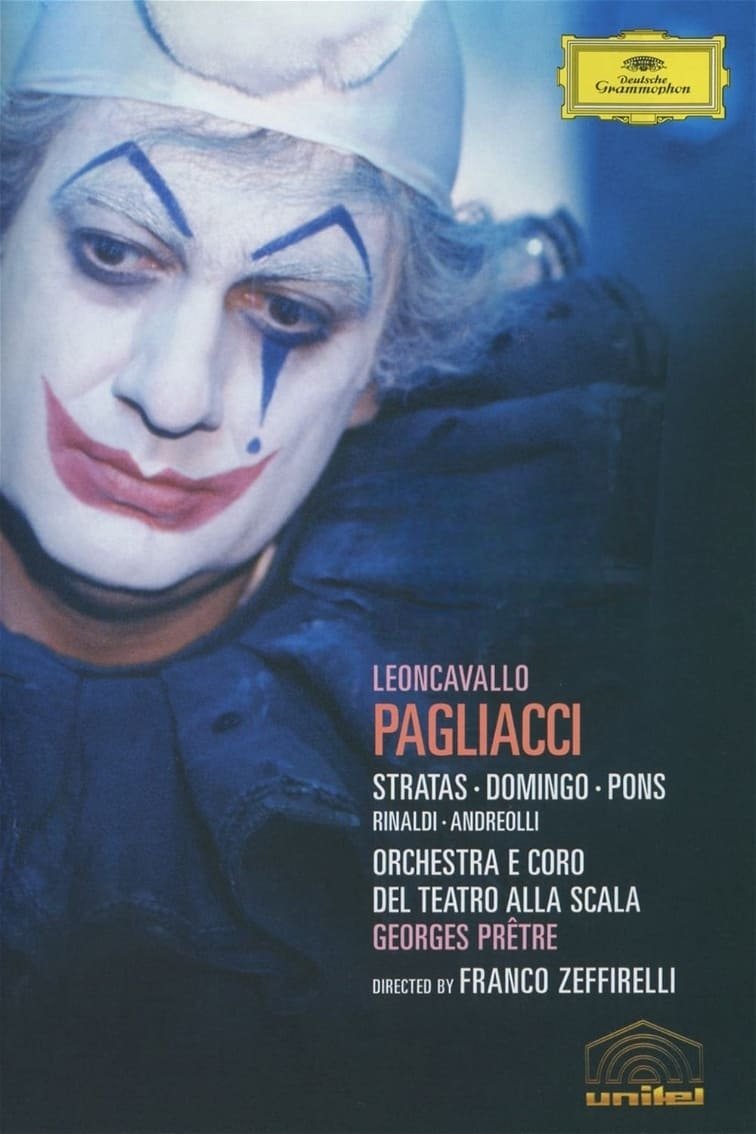
The story is set in southern Italy and recounts the tragedy of Canio, the lead clown (or pagliaccio in Italian) in a commedia dell'arte troupe, his wife Nedda, and her lover, Silvio. When Nedda spurns the advances of Tonio, another player in the troupe, he tells Canio about Nedda's betrayal. In a jealous rage Canio murders both Nedda and Silvio. Although Leoncavallo's opera was originally set in the late 1860's, Zeffirelli's production is updated to the period between World War I and World War II.
Performances from Pamela Coburn, Brigitte Fassbaender, Janet Perry, Eberhard Wachter, the Choir und Ballet der Bayerischen Staatsoper, and the Bayerisches Staatsorchester. Rosalinde, wife of Eisenstein, is having an affair with Alfred. Eisenstein is due to begin a prison sentence the next morning, and the prison governor, Frank, is expected to collect him at any moment. However, Eisenstein allows himself to be talked into attending a fancy dress ball by Dr Falke, and when Frank arrives to find Alfred with Rosalinde, he assumes him to be Eisenstein and carts him off to prison.
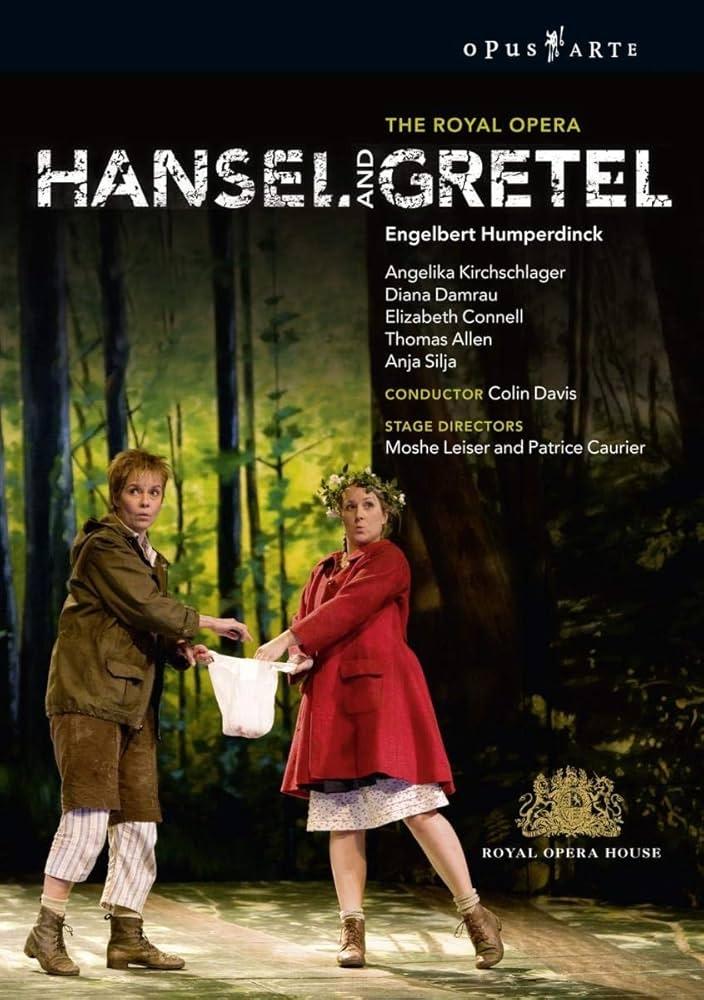
Staging directors Patrice Caurier and Moshe Leiser infuse German composer Engelbert Humperdinck's fairy-tale opera with more than a dollop of black humor in this 2008 London performance that's both enchanting and menacing. Angelika Kirchschlager and Diana Damrau play Hansel and Gretel, respectively, and beloved British baritone Thomas Allen portrays their father in an outstanding production led by maestro Colin Davis.
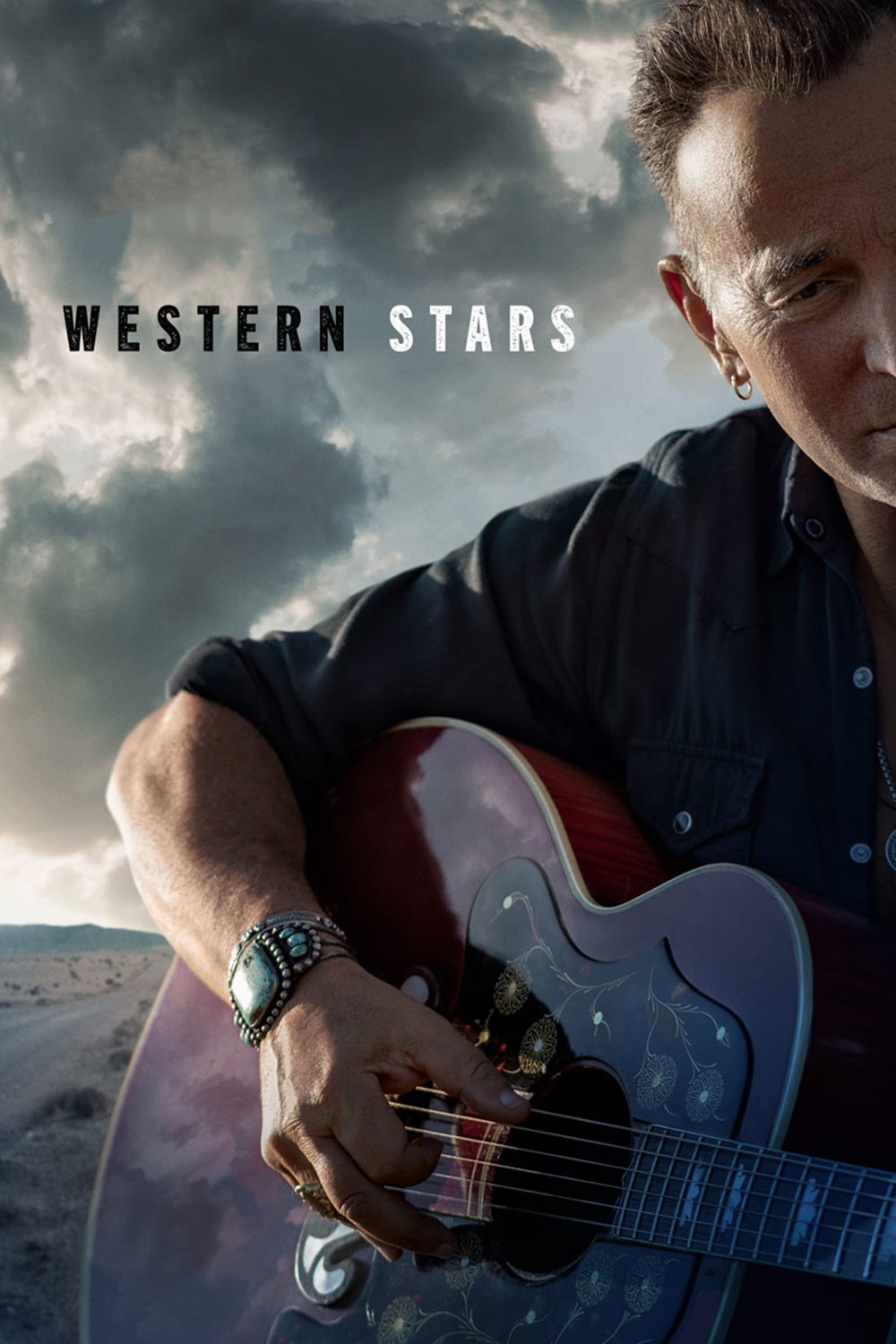
The incomparable Bruce Springsteen performs his critically acclaimed latest album and muses on life, rock, and the American dream, in this intimate and personal concert film co-directed by Thom Zimny and Springsteen himself.
Grammy® winner singer-songwriter Olivia Rodrigo takes a familiar road trip from Salt Lake City, where she began writing her debut album “SOUR,” to Los Angeles. Along the way, Rodrigo recounts the memories of writing and creating her record-breaking debut album and shares her feelings as a young woman navigating a specific time in her life. Through new live arrangements of her songs, intimate interviews and never-before-seen footage from the making of the album, audiences will follow Olivia along on a cinematic journey exploring the story of “SOUR.”
Captured during Billie Eilish's sold-out world tour, a concert experience from one of the most celebrated and successful artists of her generation, presented in immersive 3D.
A behind-the-scenes documentary about the recording of Aretha Franklin's best-selling album finally sees the light of day more than four decades after the original footage was shot.
Live Aid was held on 13 July 1985, simultaneously in Wembley Stadium in London, England, and the John F. Kennedy Stadium in Philadelphia, United States. It was one of the largest scale satellite link-ups and television broadcasts of all time: watched live by an estimated global audience of 1.9 billion, across 150 nations. "It's twelve noon in London, seven AM in Philadelphia, and around the world it's time for Live Aid...!"
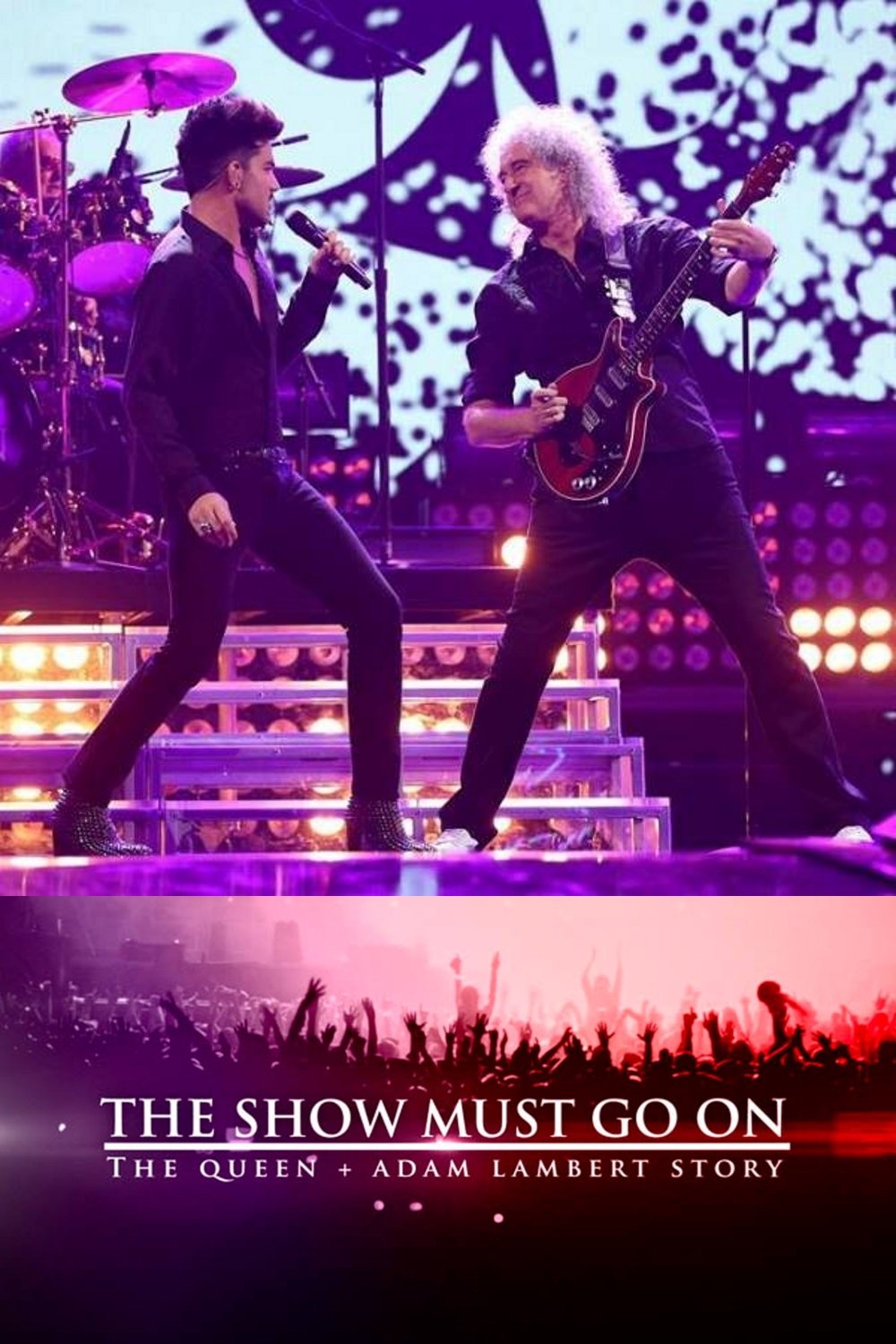
A documentary chronicling Queen and Lambert's incredible journey since they first shared the stage together on "American Idol" in 2009.
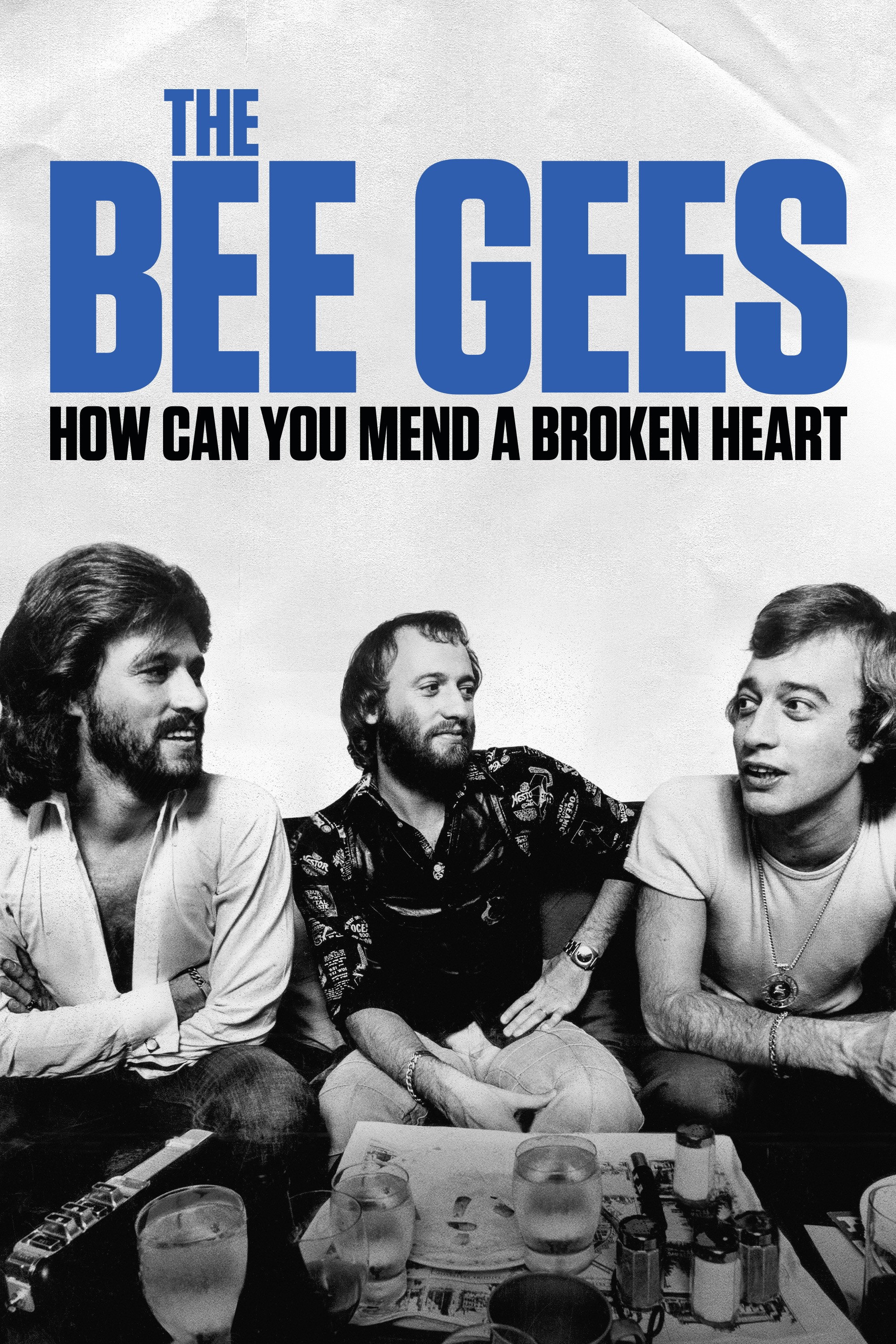
The story of the triumphs and hurdles of brothers Barry, Maurice, and Robin Gibb, otherwise known as the Bee Gees. The iconic trio, who found early fame in the 1960s, went on to write over 1,000 songs and have 20 No. 1 hits throughout their career, transcending more than five decades of changing tastes and styles.
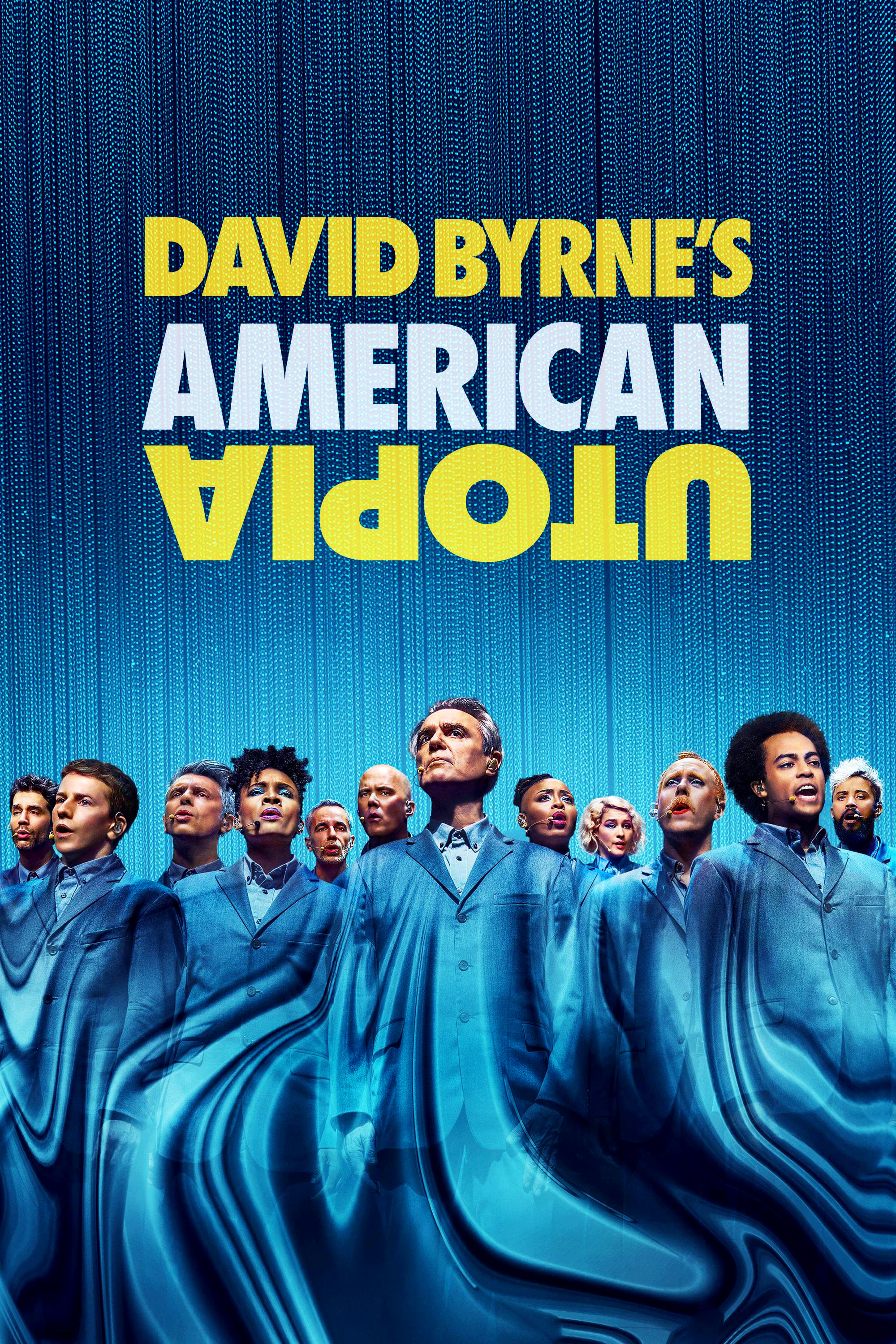
A filmed version of David Byrne's Broadway show, a unifying musical celebration that inspires audiences to connect to each other and to the global community.
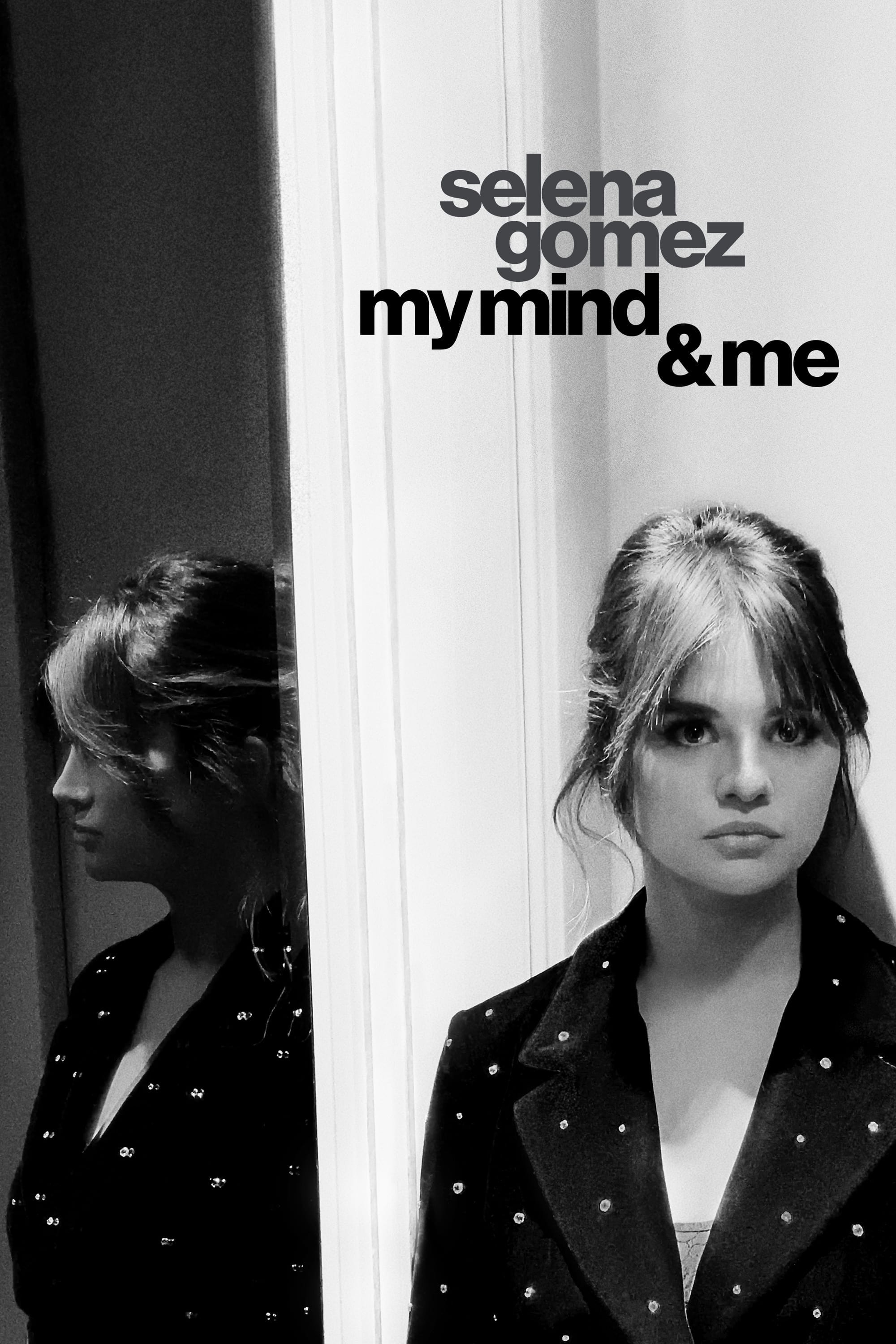
After years in the limelight, Selena Gomez achieves unimaginable stardom. But just as she reaches a new peak, an unexpected turn pulls her into darkness. This uniquely raw and intimate documentary spans her six-year journey into a new light.
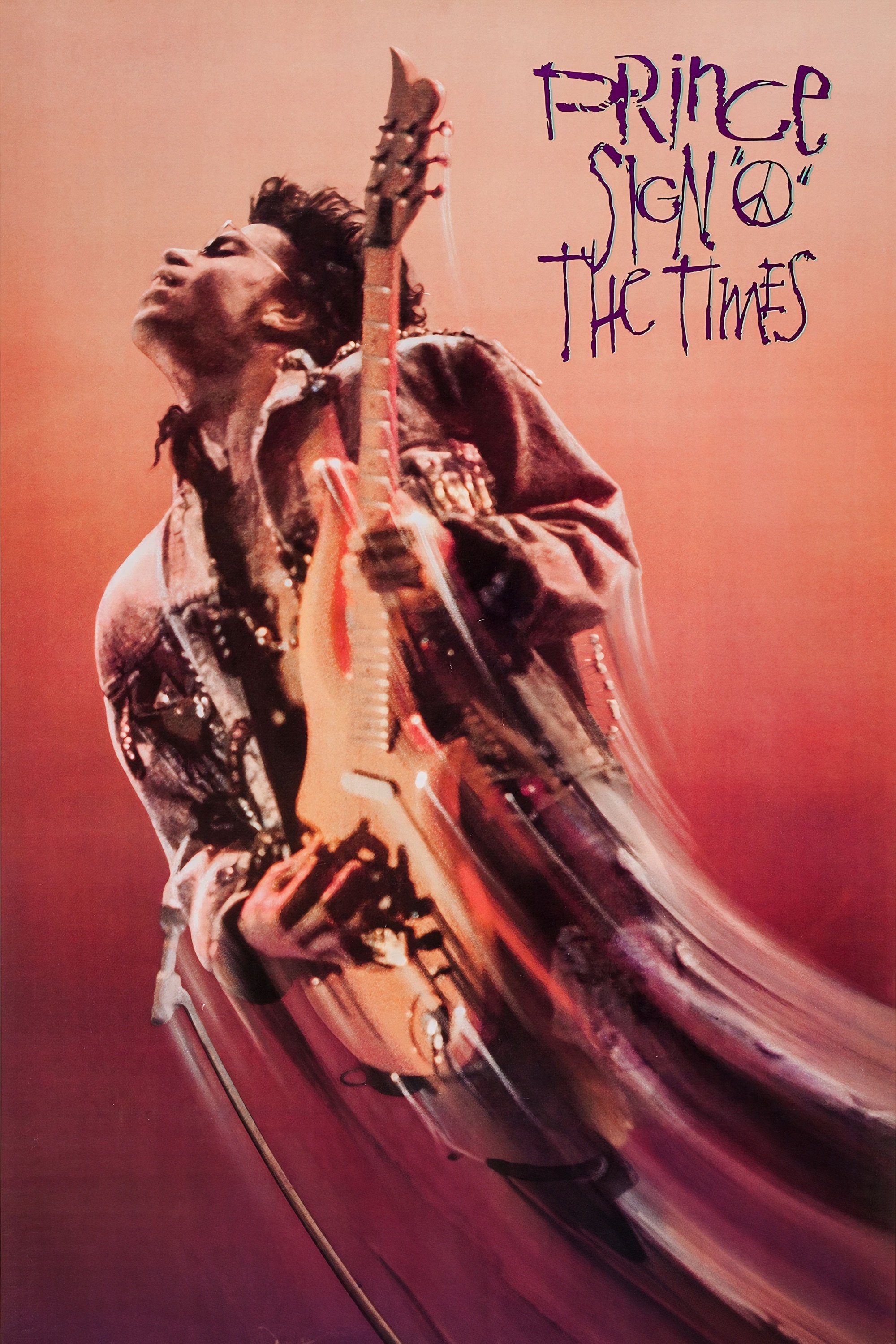
In 1987, to capitalize on his growing success in Europe, Prince toured extensively to promote the album of the same name and sales increased accordingly. However, the United States remained resistant to his latest album, and sales began to drop; it was at this point that Prince decided to film a live concert promoting the new material, for eventual distribution to theaters in America. Featuring the band that accompanied Prince on his 1987 Sign o' the Times Tour, including dancer Cat Glover, keyboardist Boni Boyer, bassist Levi Seacer, Jr., guitarist Miko Weaver, drummer Sheila E. and former member of The Revolution keyboardist Dr. Fink, the film sees the group perform live on stage (although "U Got the Look" is represented by its promotional music video).
A backstage and on-stage look at Justin Bieber during his rise to super stardom.
In an intimate and joyful story of love in the face of loss, celebrated poets Andrea Gibson and Megan Falley find strength—and unexpected hilarity—in what might be their final year together.
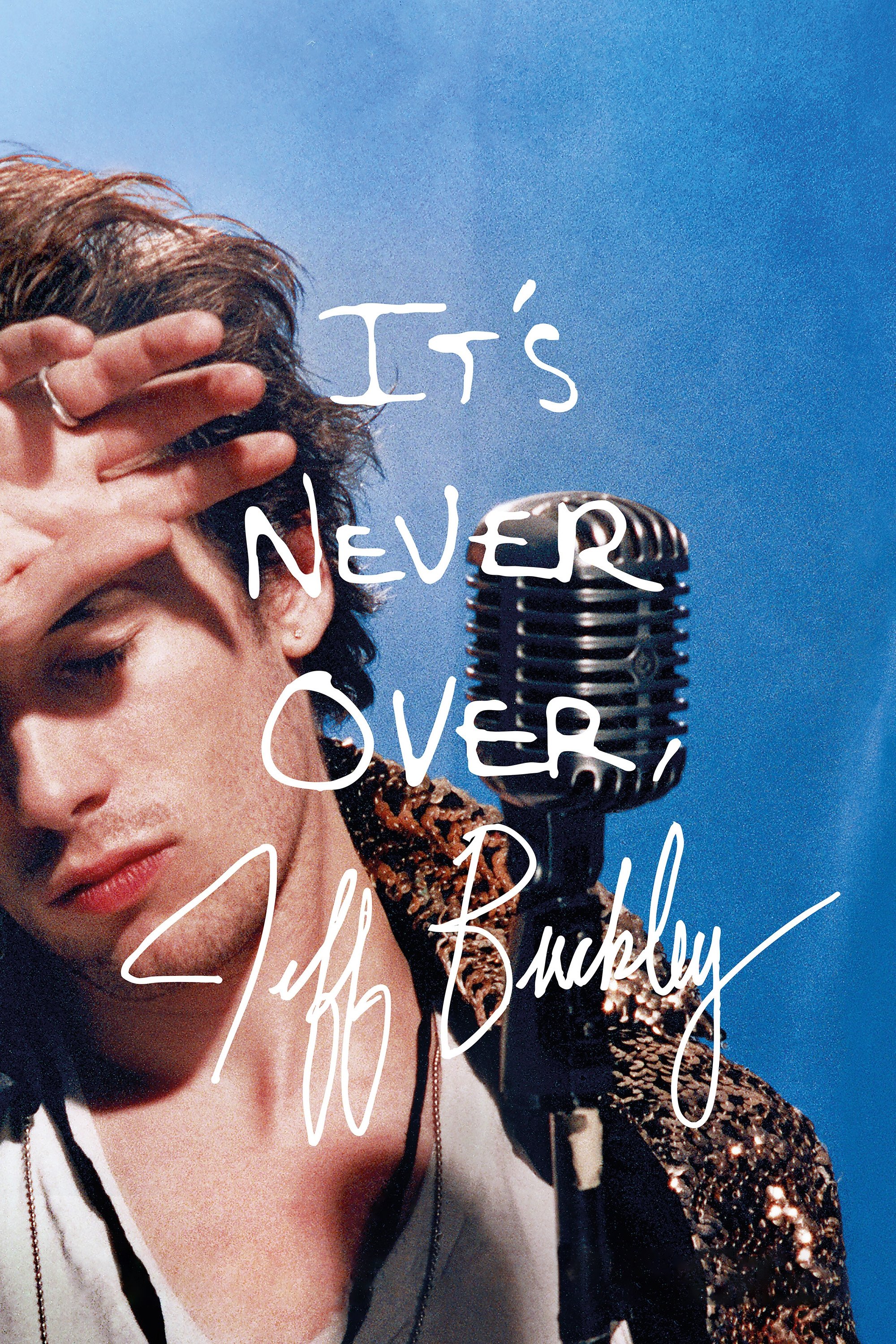
Rising musician Jeff Buckley had only released one album when he died suddenly in 1997. Now, never-before-seen footage, exclusive voice messages, and accounts from those closest to him offer a portrait of the captivating singer.
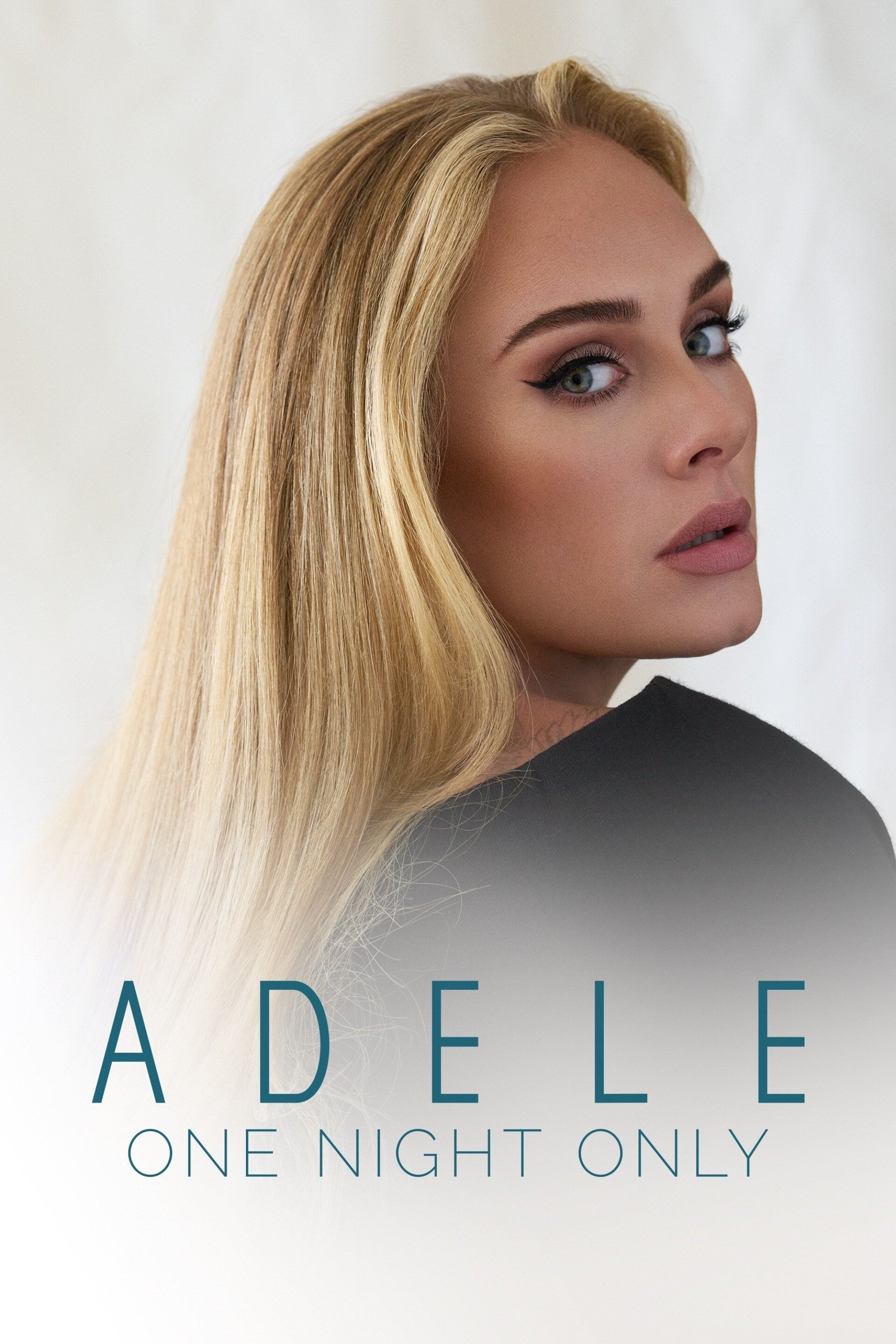
A primetime special with performances from the superstar including Adele’s first new material in six years plus her chart-topping hits. The special will also feature an exclusive interview with Adele by Oprah Winfrey from her rose garden, in Adele’s first televised wide-ranging conversation.
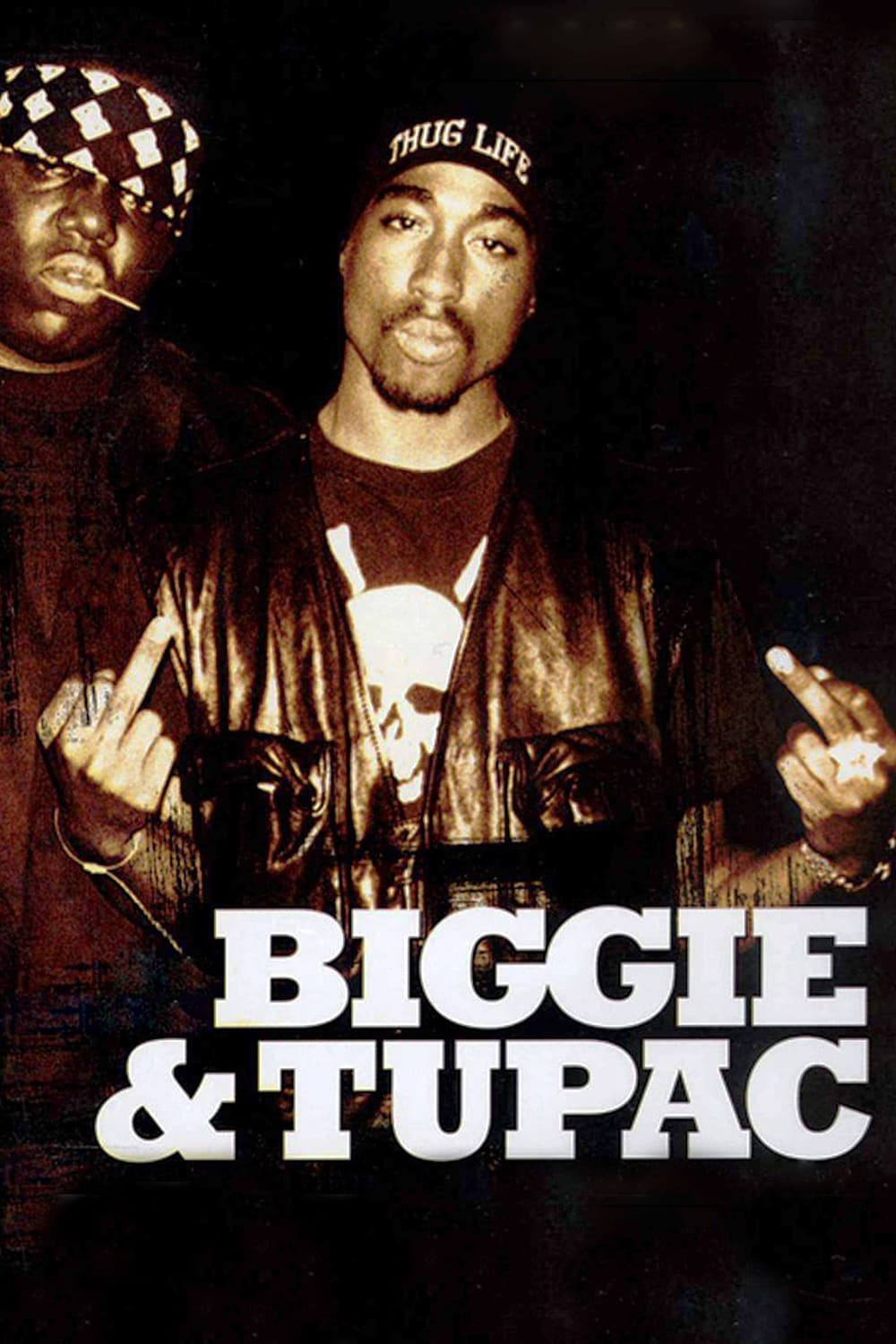
In 1997, rap superstars Tupac Shakur and Christopher Wallace (aka Biggie Smalls, The Notorious B.I.G.) were gunned down in separate incidents, the apparent victims of hip hop's infamous east-west rivalry. Nick Broomfield's film introduces Russell Poole, an ex-cop with damning evidence that suggests the LAPD deliberately fumbled the case to conceal connections between the police, LA gangs and Death Row Records, the label run by feared rap mogul Marion "Suge" Knight.
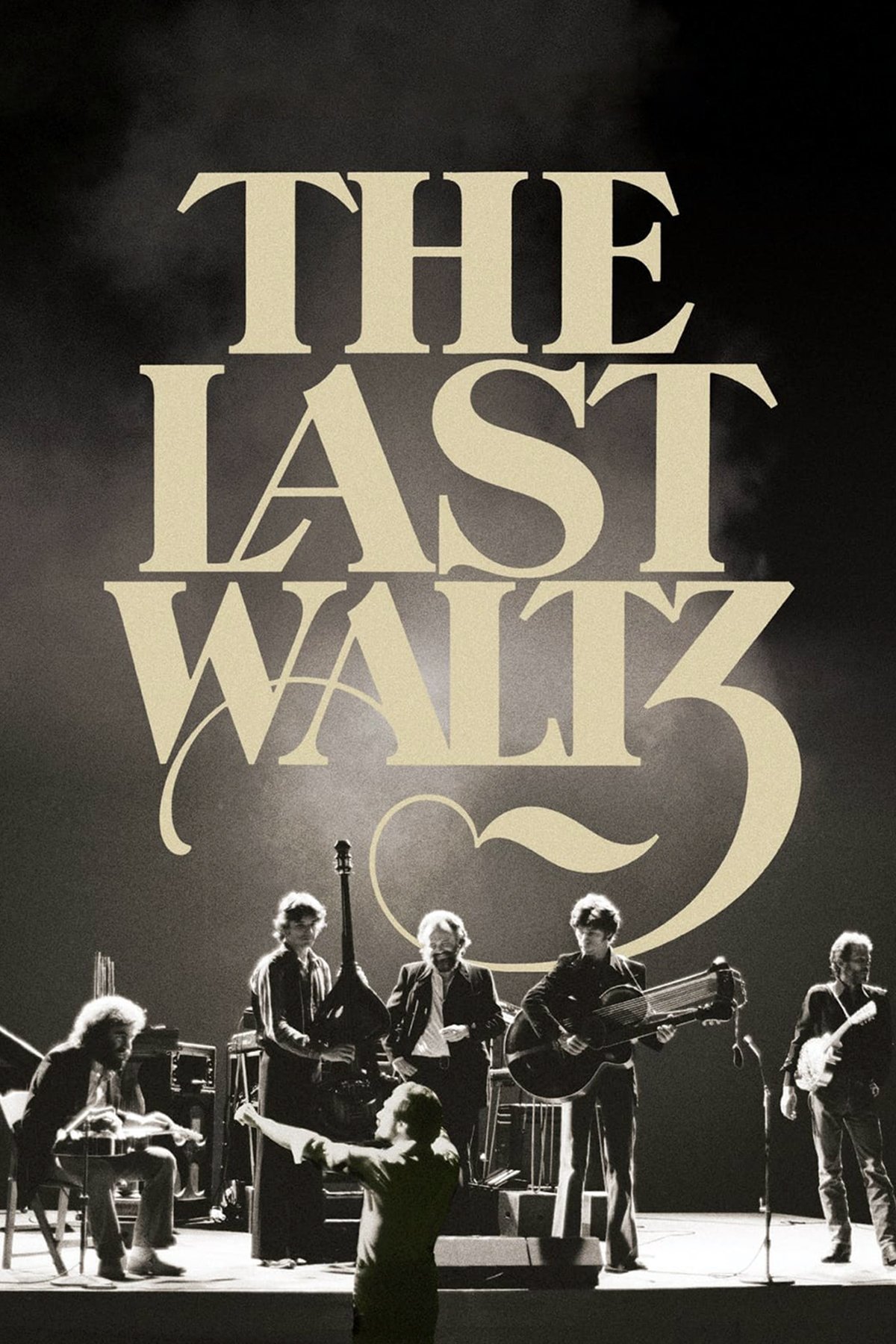
Martin Scorsese's documentary intertwines footage from The Band's incredible farewell tour with probing backstage interviews and featured performances by Eric Clapton, Bob Dylan, Joni Mitchell, Van Morrison, and other rock legends.
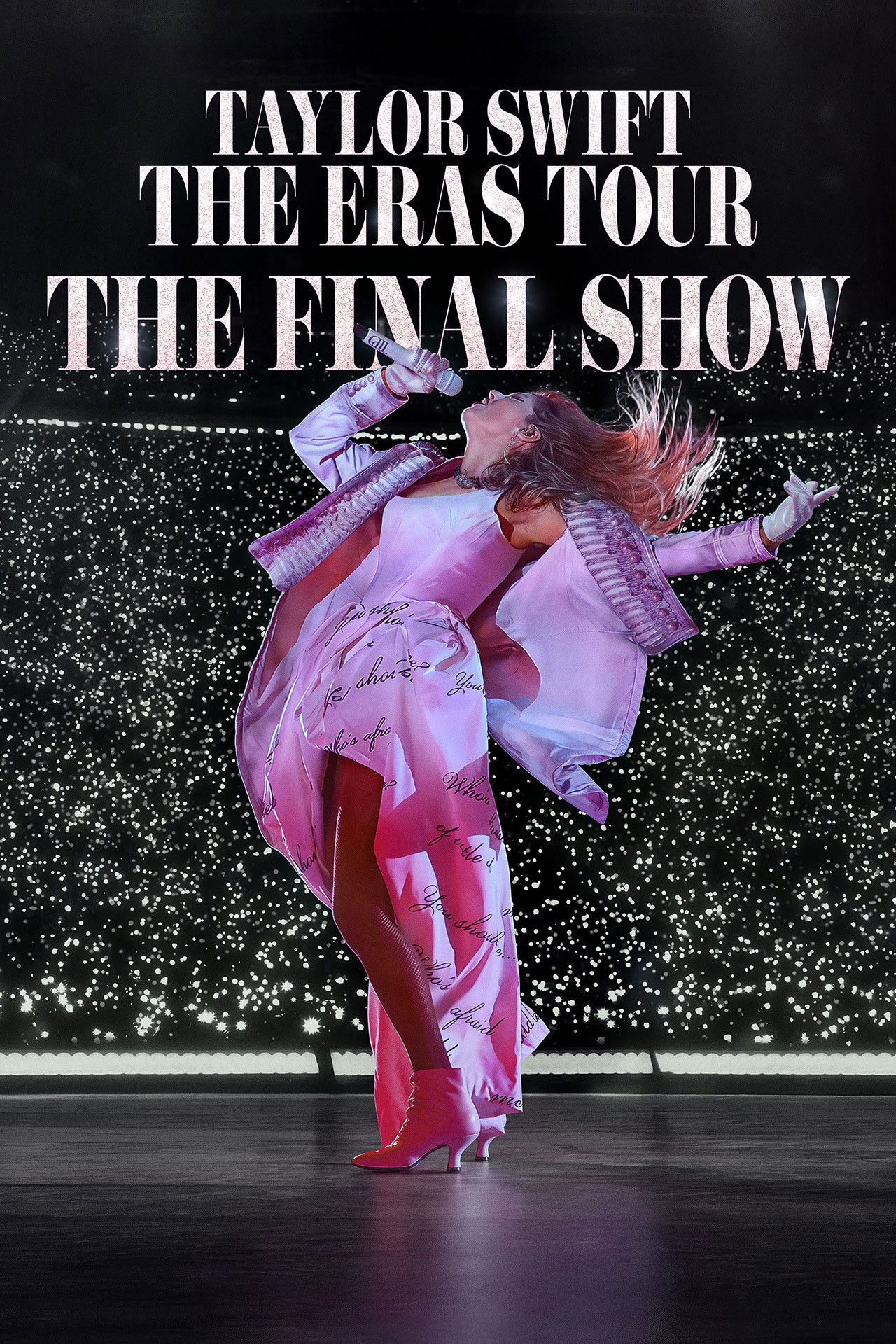
Filmed at the end of Taylor Swift's record-breaking Eras Tour in Vancouver, B.C., this complete, in-depth 45-song concert includes the complete 'The Tortured Poets Department' set and special mashups.
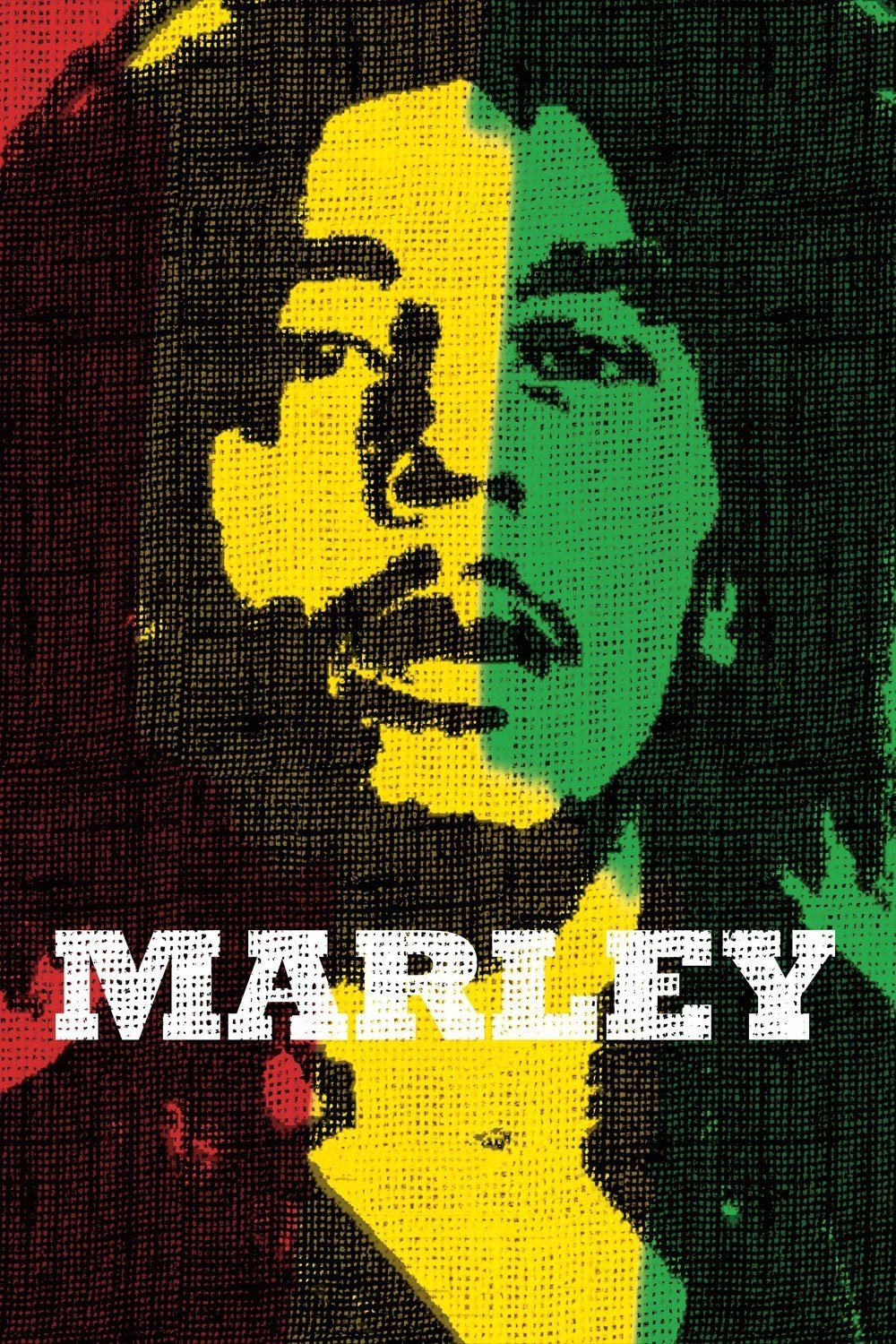
Bob Marley's universal appeal, impact on music history and role as a social and political prophet is both unique and unparalleled. Directed by Academy Award-winning director Kevin Macdonald (The Last King of Scotland), MARLEY is the definitive life story of the musician, revolutionary, and legend, from his early days to his rise to international superstardom. Made with the support of the Marley family, the film features rare footage, incredible performances and revelatory interviews with the people that knew him best.
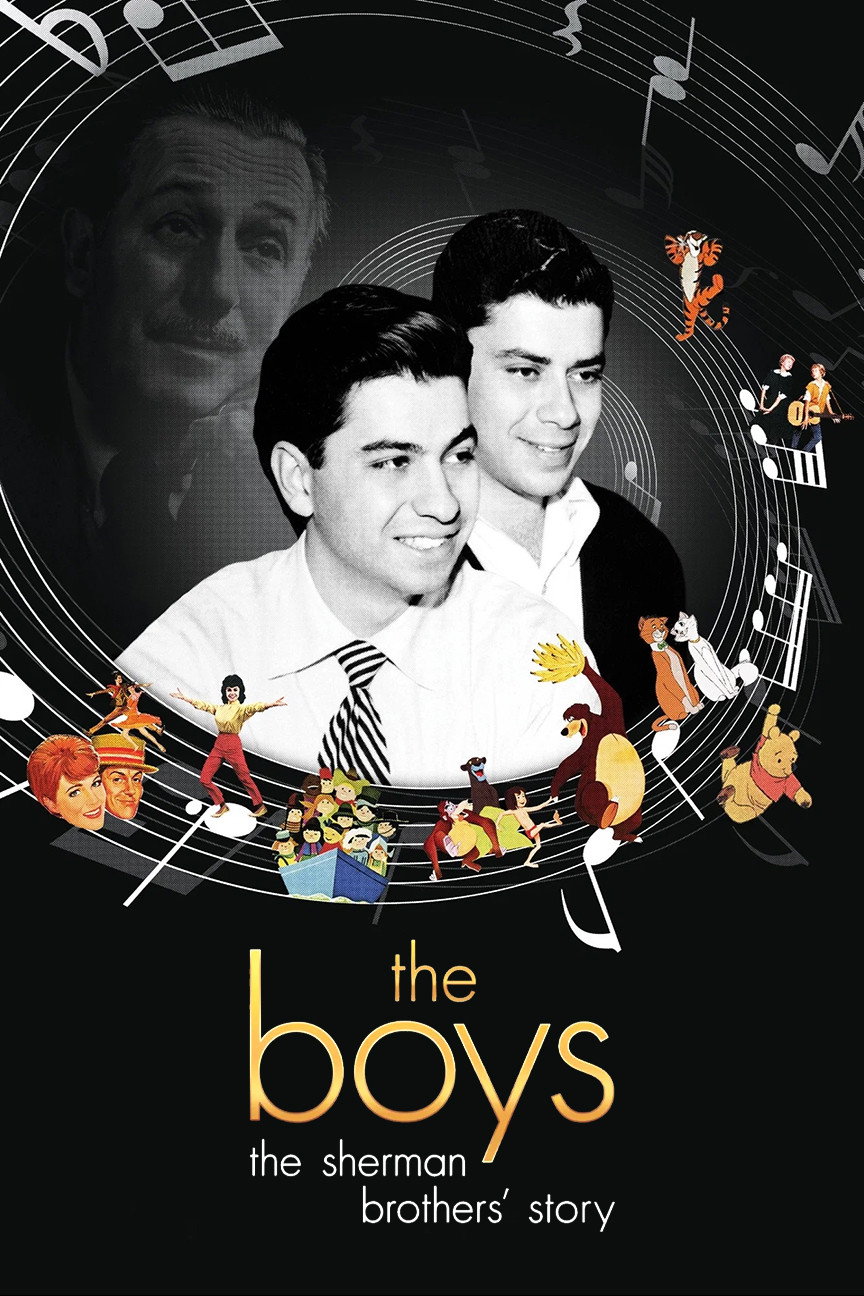
The troubled fraternal relationship between songwriters Robert B. Sherman and Richard M. Sherman, the Oscar and Grammy-winning Sherman Brothers, famous for the iconic hits they wrote for Disney.
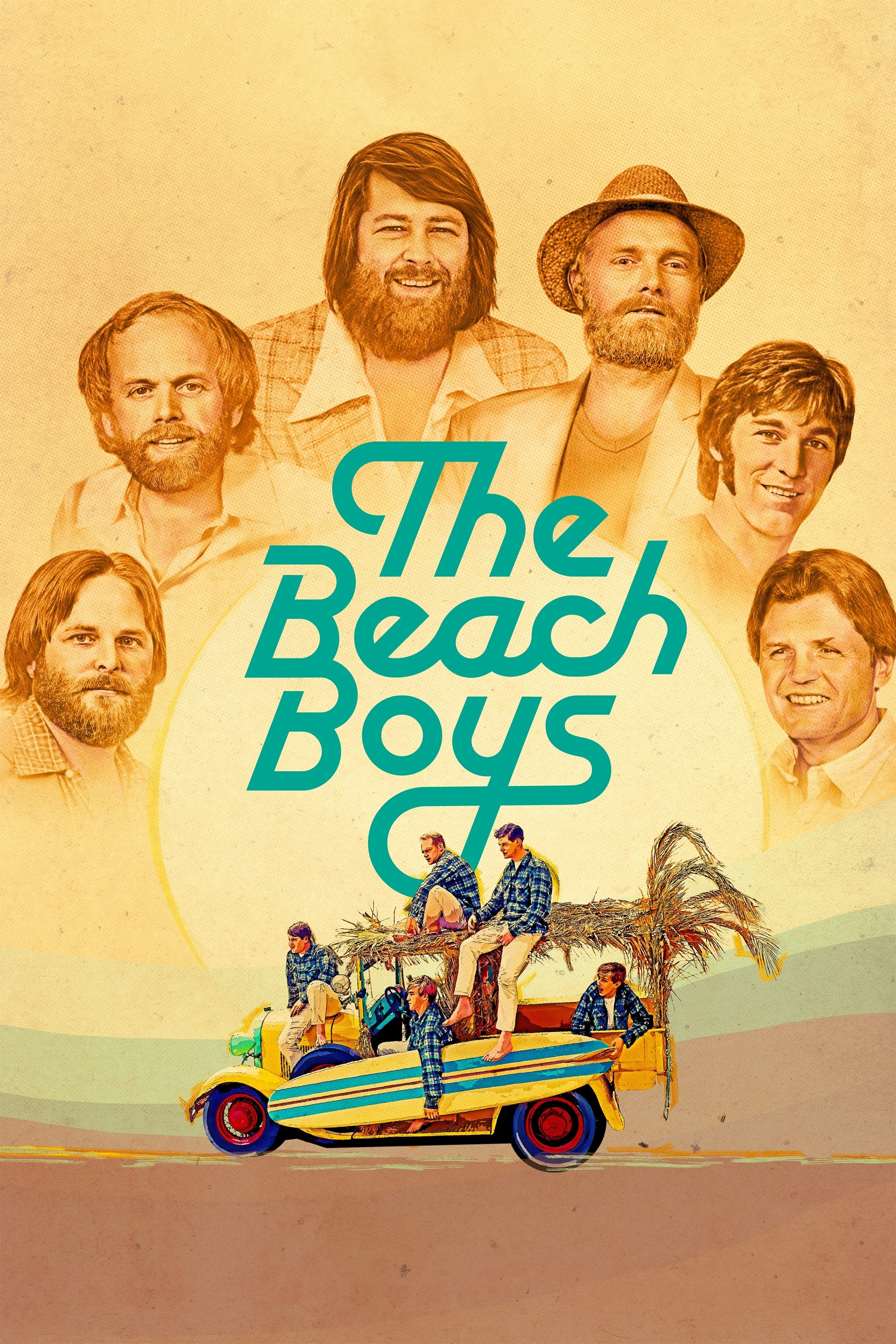
A celebration of the legendary band that revolutionized pop music, and the iconic, harmonious sound they created that personified the California dream, captivating fans for generations and generations to come.