Armed with his brushes, the mural painter Gamlet Zinkivsky roams the streets of the Ukrainian city of Mariupol, 20 km from the front line. The artist's initiative does not go unnoticed.
Social & External
Lui-même
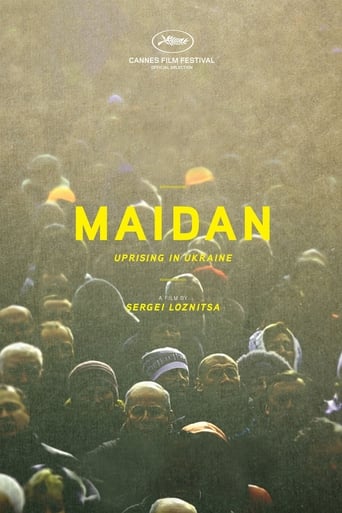
A chronicle of the civil uprising against the regime of Ukrainian president Viktor Yanukovych that took place in Kyiv in the winter of 2013/14. The film follows the progress of the revolution: from peaceful rallies, half a million strong in the Maidan square, to the bloody street battles between protesters and riot police.
Dobropillia is a town located in Eastern Ukraine: 70 km from the border where conflicts with the breakaway republics are raging on and people feel always like being on the verge of total war. The sheer uncertainty about the future pushes folks to cling on to their daily habits while trying to get along with the ever-shifting political landscape. A wide array of wildly diversified characters try to cope as good as they can with the hardships in their town. A death metal band keeps rehearsing daily. A teacher guides visitors through the story of the city. The wonders of a vibrating armchair are tested as a tool against stress and anxiety. An elderly lady who has lost her son tries to talk some sense into her fellow citizens urging them to accept peace.
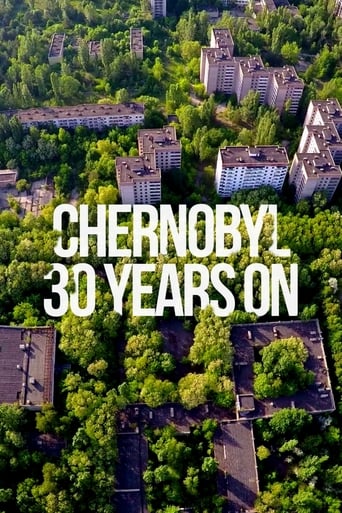
Thirty years after the Chernobyl disaster, which occurred on the night of April 26, 1986, its causes and consequences are examined. In addition, a report on efforts to strengthen the structures covering the core of the nuclear plant in order to better protect the population and the environment is offered.
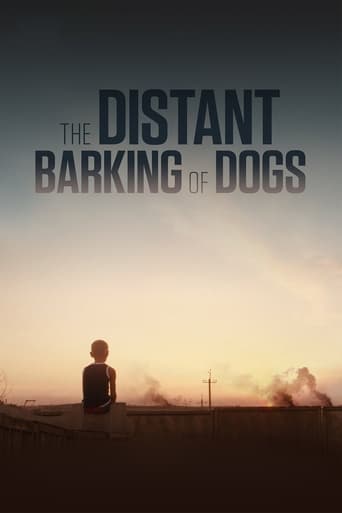
Hnutove, Donbass, eastern Ukraine, 2015. Young Oleg lives in a war zone where anti-aircraft gunshots and missile attacks often resonate dangerously near. Although many inhabitants have already left this dangerous area, he remains with his grandmother, who has cared for him since his mother's death, because they have nowhere to go. They are just waiting for the war to end.
The film looks at people transformed by a democratic revolution, who give up their normal lives to fight a Russian invasion, in a war which has killed 10,000 and displaced 1.9 million Ukrainians.
Documentary offers a look at the historical development, establishment and artistic transformations of the Ukrainian Circus as a cultural phenomenon of the 20 century.
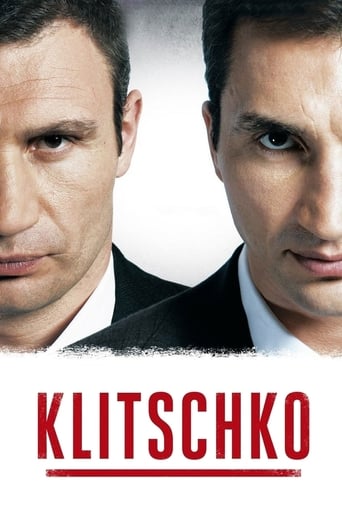
Klitschko tells the captivating story of the boxing worlds most famous brothers: Vitali and Wladimir Klitschko. From the socialist drill of their childhood in the Ukraine, and their first successes as amateurs, to their move to Germany and subsequent rise as international stars on the verge of holding the championship titles of all five boxing federations (Wladimir secured this with his unanimous World Boxing Association win against David Haye on July 2nd, 2011). Along the way they experience defeats and setbacks, low points and triumphant comebacks as well as conflicts with each other. Exciting conversations with companions and opponents, including the very first with the Klitschkos parents, give insight into their personal lives, plus never-before-seen footage of the draining preparations for a fight, and the spectacular boxing matches. Director Sebastian Dehnhardt composes an intimate and fascinating portrait of two exceptional athletes who are, before all else, brothers.
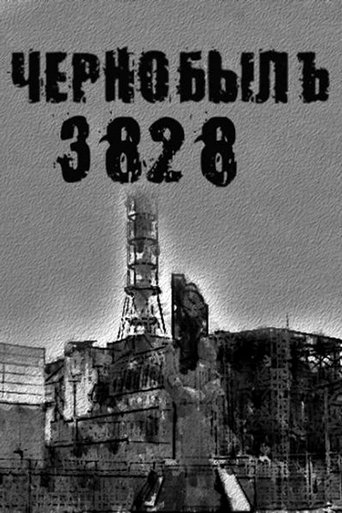
Military people call such places "FRONTLINE", liquidators who worked at the Chernobyl nuclear station called it "ROOF COATING". It was the most contaminated, and therefore the most dangerous, place in the zone. The remains of the roof coating of the 4th reactor. The operation on decontaminating the roof lasted more than five months. We will tell about only two days. About the most important two days in the life of an explorer - dosimetrist Valeriy Starodumov. He participated in this operation until it was over. He himself came out to the roof and led people there. He himself planted the "victory banner" at the level of 75 meters, as the signal for the zone: the roof coating has been decontaminated! Now, 25 years later, Valeriy Starodumov comes back to the zone. Now Chernobyl is a tourist object. But not for him...
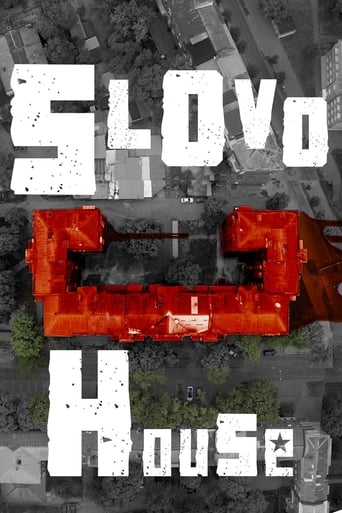
Chain-smoking artists, poets and playwrights were among the colourful array of intellectuals living in the ‘Slovo House’ in 1920s Ukraine. The communist paradise was built under Stalin's approval, but it quickly became a prison. The brutal Soviet regime spied on the inhabitants, destroying their eccentric way of life and sealing their fate. This fascinating film explores the extraordinary story of the building and its residents.
A Sniper’s War is a story of a sniper, whose anti-US views led him to join the pro-Russian rebels in the ongoing Ukrainian conflict—a primary source of tension between the United States and Russia. When social media becomes a communication platform to schedule sniper duels, Deki’s rival threatens to kill him. The New York-based filmmaker, Olya Schechter, obtains unprecedented access to military bases and front line battles to paint an intimate portrait of the complex and fascinating nature of a man walking the tightrope that often comes to the morality of war: is Deki a solder or a killer?
30 thousand Hasidim journey to Uman in Ukraine to celebrate the Jewish New Year at the gravesite of Rebbe Nachmann. A Ukrainian far-right group erects a cross at the site of Hasidic prayers and builds a monument to Cossacks who slaughtered thousands of Jews and Poles in 1768.
Tree Ukrainian volunteers, injured during the war with the Russians and the separatists, are treated at the military hospital of Kyiv. Three generations, three social environments, three different regions. Dmytro, Oleksii and Anatolii are recovering, hoping and preparing for their future.
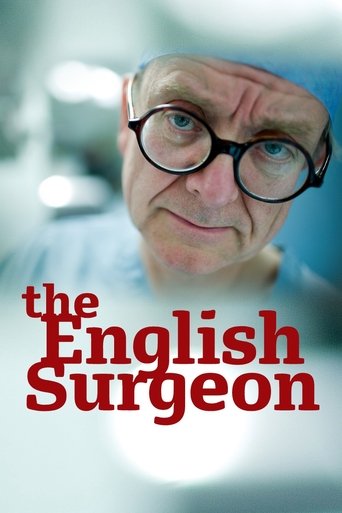
This documentary offers a glimpse into the life of an English neurosurgeon, Henry Marsh, situated in Ukraine, as we are exposed to the overwhelming dilemmas he has to face and the burden he has to carry throughout his profession.
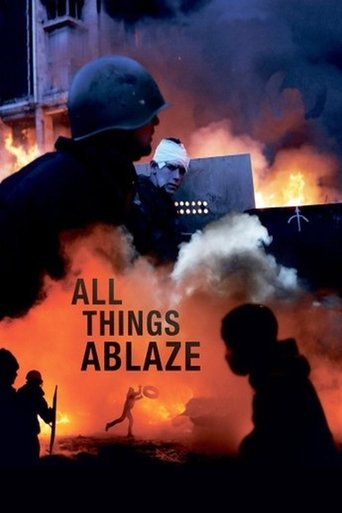
What does the violent heart of revolution feel like? As the anger and hatred glow white hot is there a language its players use to speak to one another? And what becomes of the gun toting authorities when their fiefdom is destroyed, nobody is any longer afraid, and all things are ablaze? Just some of the questions addressed in this visceral documentary from Maidan square in the violent Ukrainian winter of 2013-14.
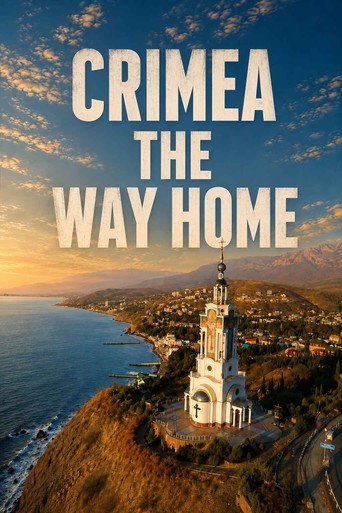
For the first time, this documentary includes two exclusive interviews with Vladimir Putin and full details about actions in Crimea during spring 2014. These events determined the history of modern Russia. The President talks frankly and openly about the challenges and risks that Russia faced during that time. This film provides the Russian view of the situation. It is impossible to form a complete picture of the world without it.
With breathless pace, Hélène Chatelain ("the woman" in "La Jetée") reconstructs the life of Nestor Makhno from his writings, Soviet propaganda films, reactions of workers today and the memory he has left in the hearts & minds of his people in Gouliaïpolié, in the east of the Ukraine.
What is left backstage of the heroic videos of our warriors in Ukraine? What do they have to face, one on one, in peaceful life, and where does the war stop?
Over 93 days in Ukraine, what started as peaceful student demonstrations became a violent revolution and full-fledged civil rights movement.
Ljudmila Ignatenko tells the story of her and her husband Vasilij, a firefighter who was one of the victims of the Chernobyl disaster in 1986.
In 1975 Dynamo Kyiv became the first Soviet team to win a major European trophy. The team’s rapid rise was remarkable and attributed to one man: Valeri Vasilievich Lobanovskyi. His technique as a manager is now a legend - not least for his imposing a fitness regime so brutal that his players looked upon the matches themselves as relaxing.