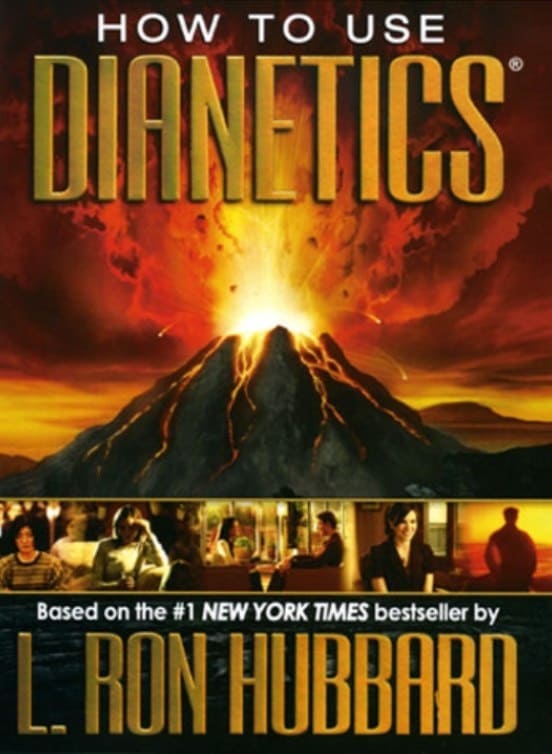
In this sprawling 33-part epic, Dianetics therapy and the effects it has on human minds are explored.
Social & External
Staged behind the scenes look at the McWalter movie.
An exploration —manipulated and staged— of life in Las Hurdes, in the province of Cáceres, in Extremadura, Spain, as it was in 1932. Insalubrity, misery and lack of opportunities provoke the emigration of young people and the solitude of those who remain in the desolation of one of the poorest and least developed Spanish regions at that time.
Josh-awan Bulman details some highlights of the Zhuang Alliance Group's Style Guide.
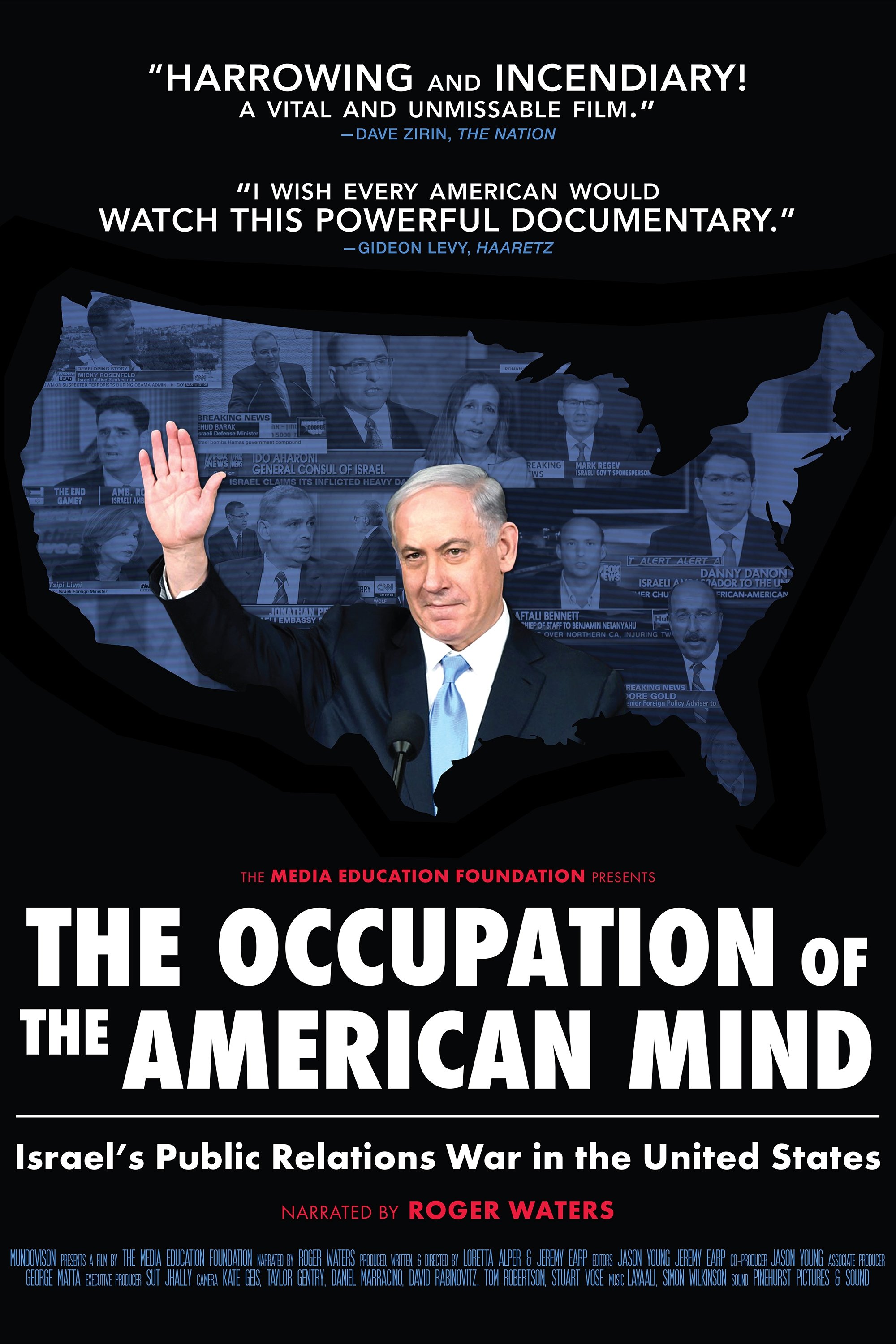
Over the past few years, Israel's ongoing military occupation of Palestinian territory and repeated invasions of the Gaza strip have triggered a fierce backlash against Israeli policies virtually everywhere in the world—except the United States. This documentary takes an eye-opening look at this critical exception, zeroing in on pro-Israel public relations efforts within the U.S.
In 2013, three women emerged from a flat in Brixton. They had been held there for decades by Aravindan Balakrishnan, a revolutionary Maoist who controlled the women with brainwashing techniques and tales of a sinister, world-controlling machine he called 'Jackie'.
Warsaw's Central Railway Station. 'Someone has fallen asleep, someone's waiting for somebody else. Maybe they'll come, maybe they won't. The film is about people looking for something.
Explores the Real Presence of Christ in the Eucharist through biblical origins, expert insights, and personal testimonies, revealing the Eucharist's transformative power for those who believe.
A boy has a significant issue that he desperately wants to escape from. But is there an actual way to escape this issue?
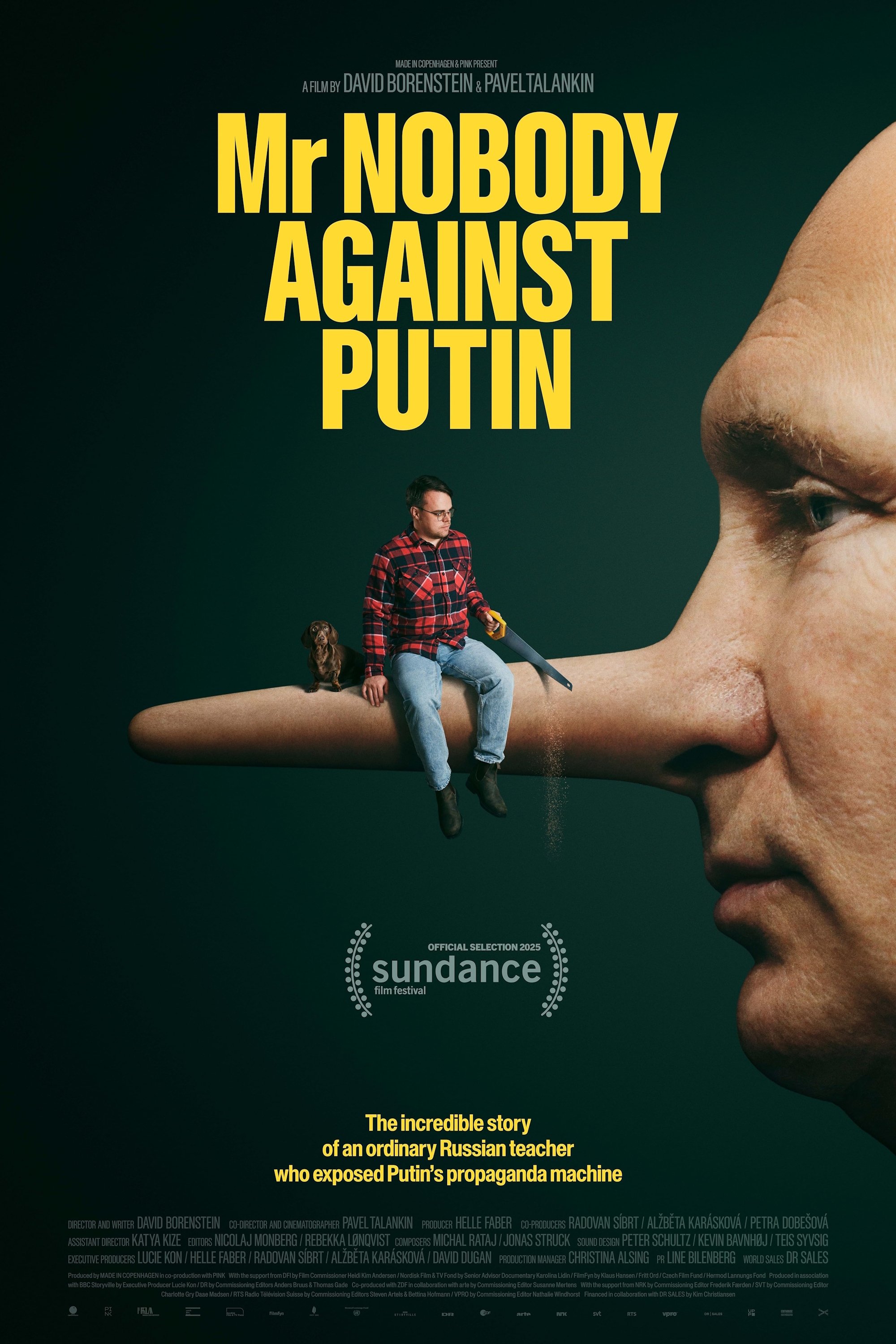
As Russia launches its full-scale invasion of Ukraine, primary schools across Russia’s hinterlands are transformed into recruitment stages for the war. Facing the ethical dilemma of working in a system defined by propaganda and violence, a brave teacher goes undercover to film what’s really happening in his own school.
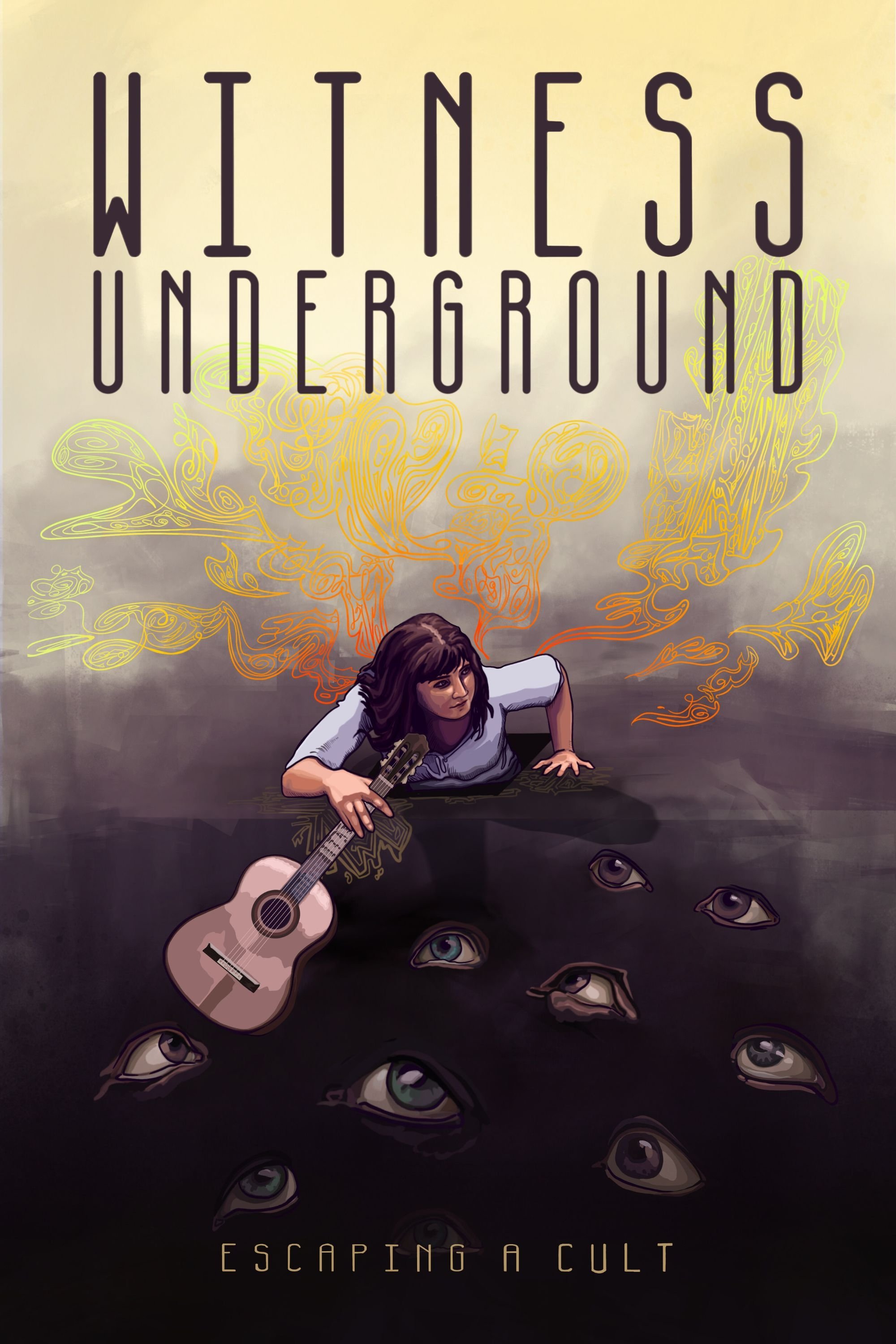
Punk rock, B-movies, and Jehovah’s Witnesses unite in this heartfelt documentary. As members of Jehovah’s Witness start to explore culture outside of their religion, they have to wrestle with the possibility of being excommunicated from friends and family. Featuring in-depth interviews and extensive home video footage, Witness Underground tells the story of punk rocker Witnesses pushing against the highly controlling Jehovah’s Witnesses religion as they build their own community through music and art. This prolific community of Witness musicians create their own record label, Nuclear Gopher, and become early adopters of promoting their music through the internet, including what may have been the first album to ever be livestreamed. This community’s history is well documented through archival footage of their home movies and self-produced music videos, all with a very charming energy.
Propaganda film aimed at repopulating the Sudety, which fell into ruin after the Second World War and the subsequent expulsion of Germans from Czechoslovakia. The narrator describes the rebuilt infrastructure and is optimistic about the potential offered by the area to families from all over Czechoslovakia and the world.
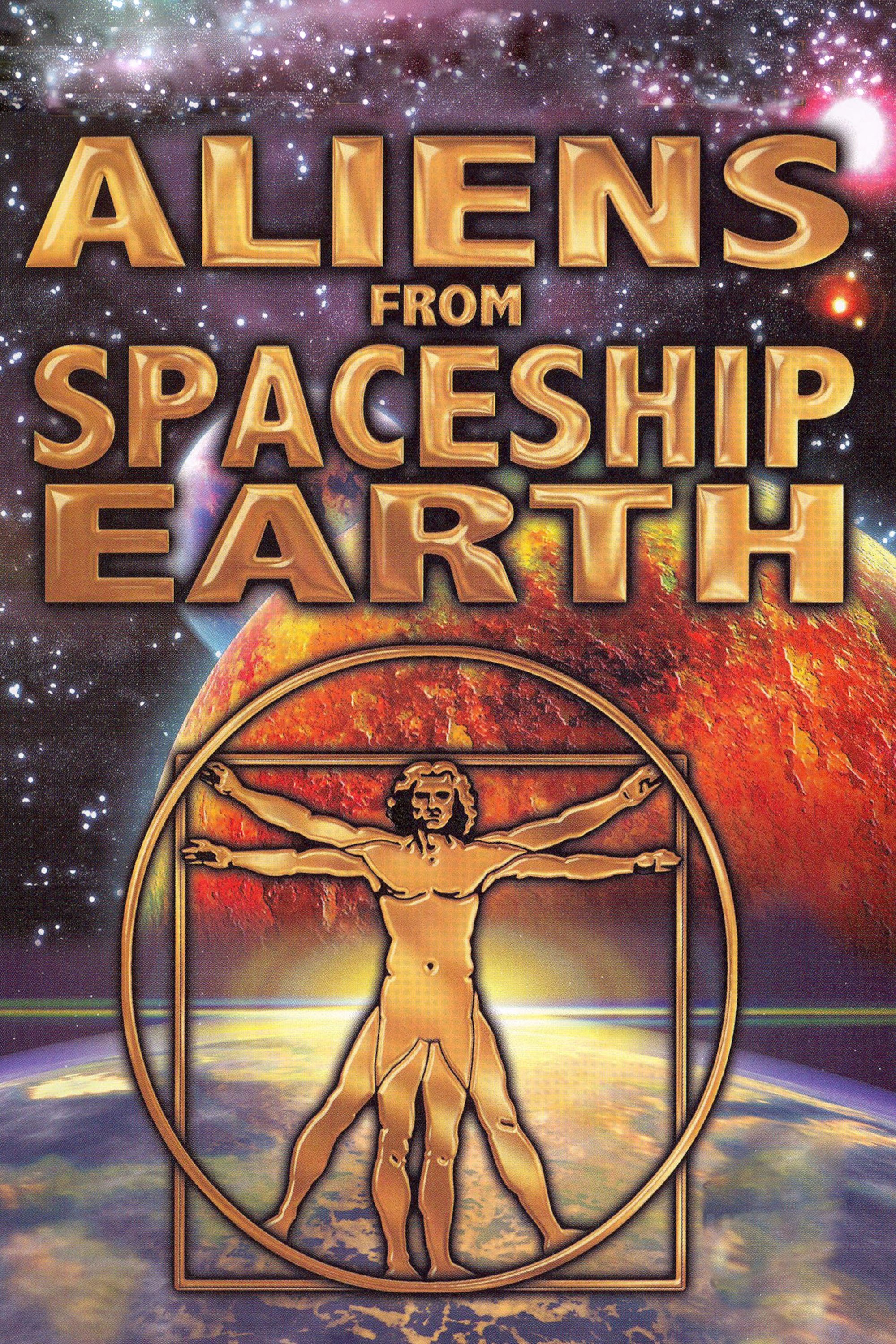
While the aliens in this film may seem to be quite human, one must realize that we're dealing with close encounters of the fourth kind. An inner space journey triggered by the drug culture and rebellion of the 1960s, and the non-violent search for self that continues among people in today's culture. Could this be due to some influence from a higher spiritual consciousness? The world's alien leaders are well represented in this film: Baba Muktananda, Swami Satchidananda, A. C. Bhaktivedanta, Guru Maharaj Ji, Yoga Bhahan, Sri Sathya, Sai Baba, Maharishi Mahesh Yogi, Father Yod, Baba Ram Das, and well-known personalities who present their views on seeking their own terrestrial individuality.
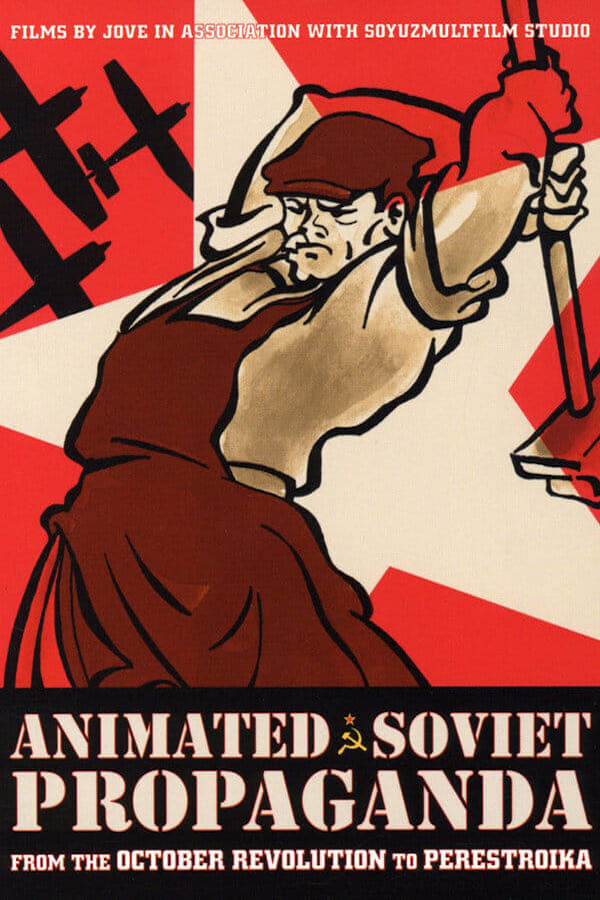
A landmark four disc Box Set - Unearthed from Moscow's legendary Soyuzmultfilm Studios, the 41 films in ANIMATED SOVIET PROPAGANDA span sixty years of Soviet history (1924 - 1984), and have never been available before in the U.S.
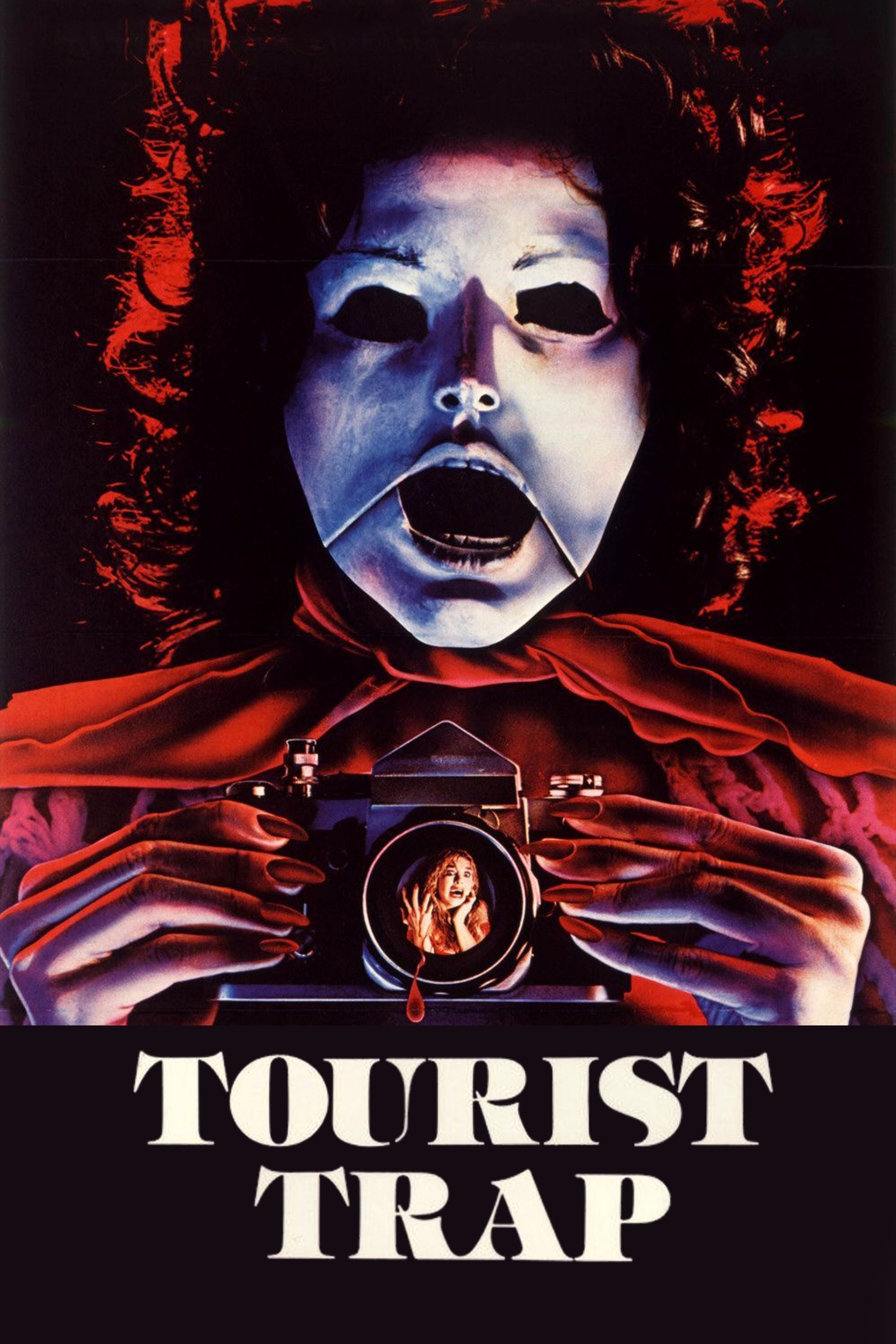
After their car breaks down, a group of young travelers find themselves stranded at a roadside museum run by the enigmatic Mr. Slausen and populated by his collection of life-like wax mannequins.
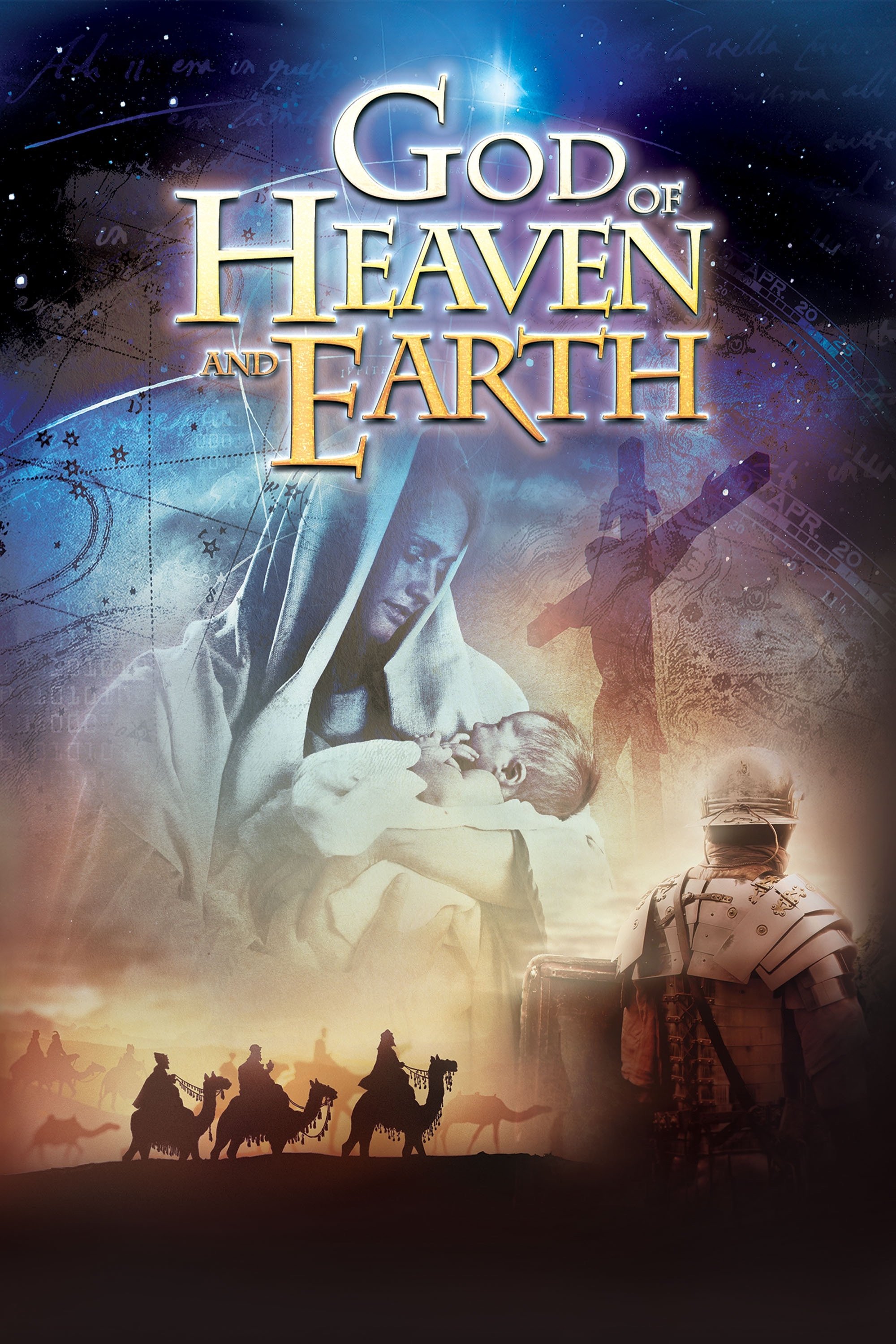
For years, scholars have debated whether the miraculous events proclaiming the birth and death of Jesus actually happened. Now, history, science and technology reveal an astounding amount of evidence in this events in history.
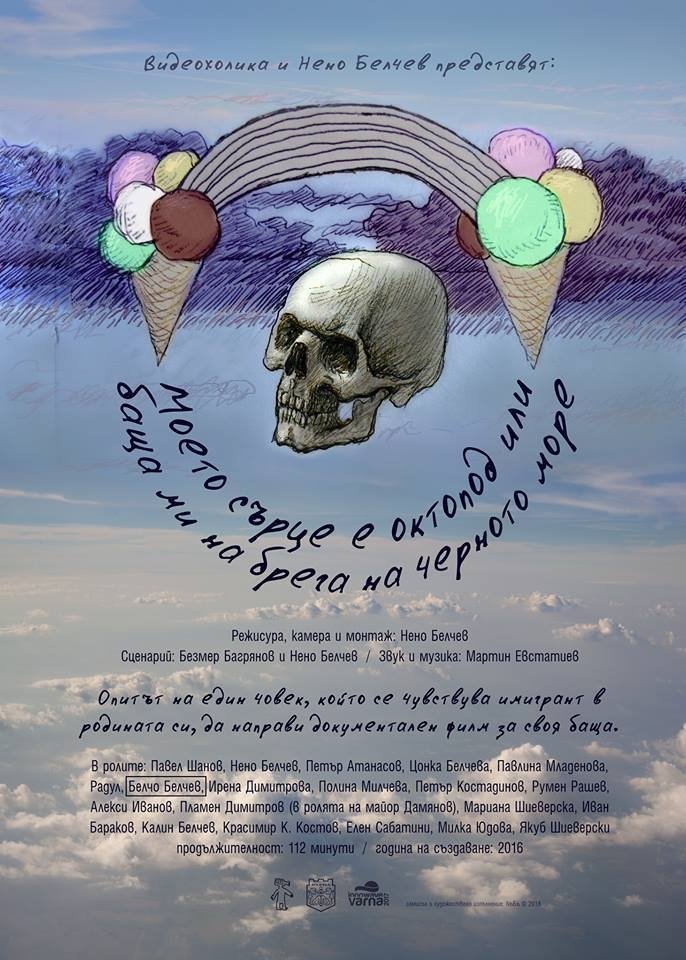
A middle-aged man returns to a fictional country in the Balkans to make a documentary about his father, a well-known artist. The son’s own artistic endeavours have never received attention to the level he feels they deserve. Consequently he has struggled to find a meaningful place in society and his personal life is chaos.
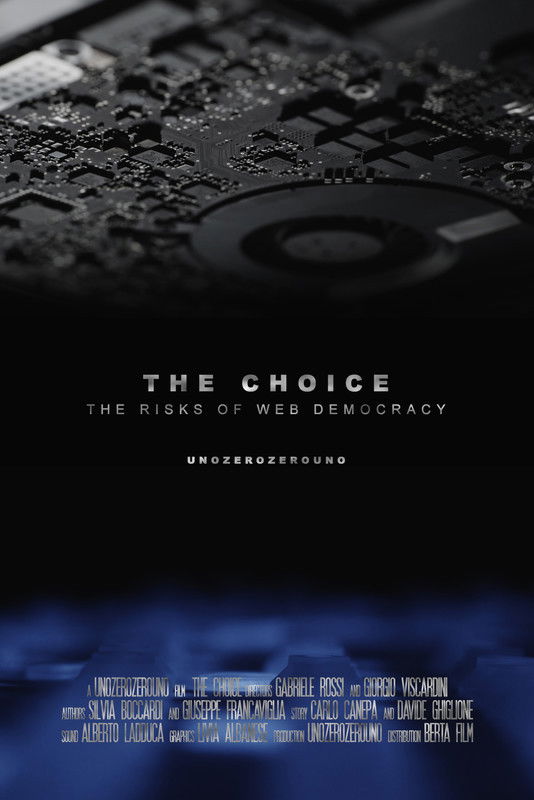
Italy’s biggest political party, the Five Star Movement, promotes direct democracy through internet voting. Five Star Movement uses a digital platform named Rousseau, that allows Movement’s members to vote online and express their opinion on various issues. But who governs this data?
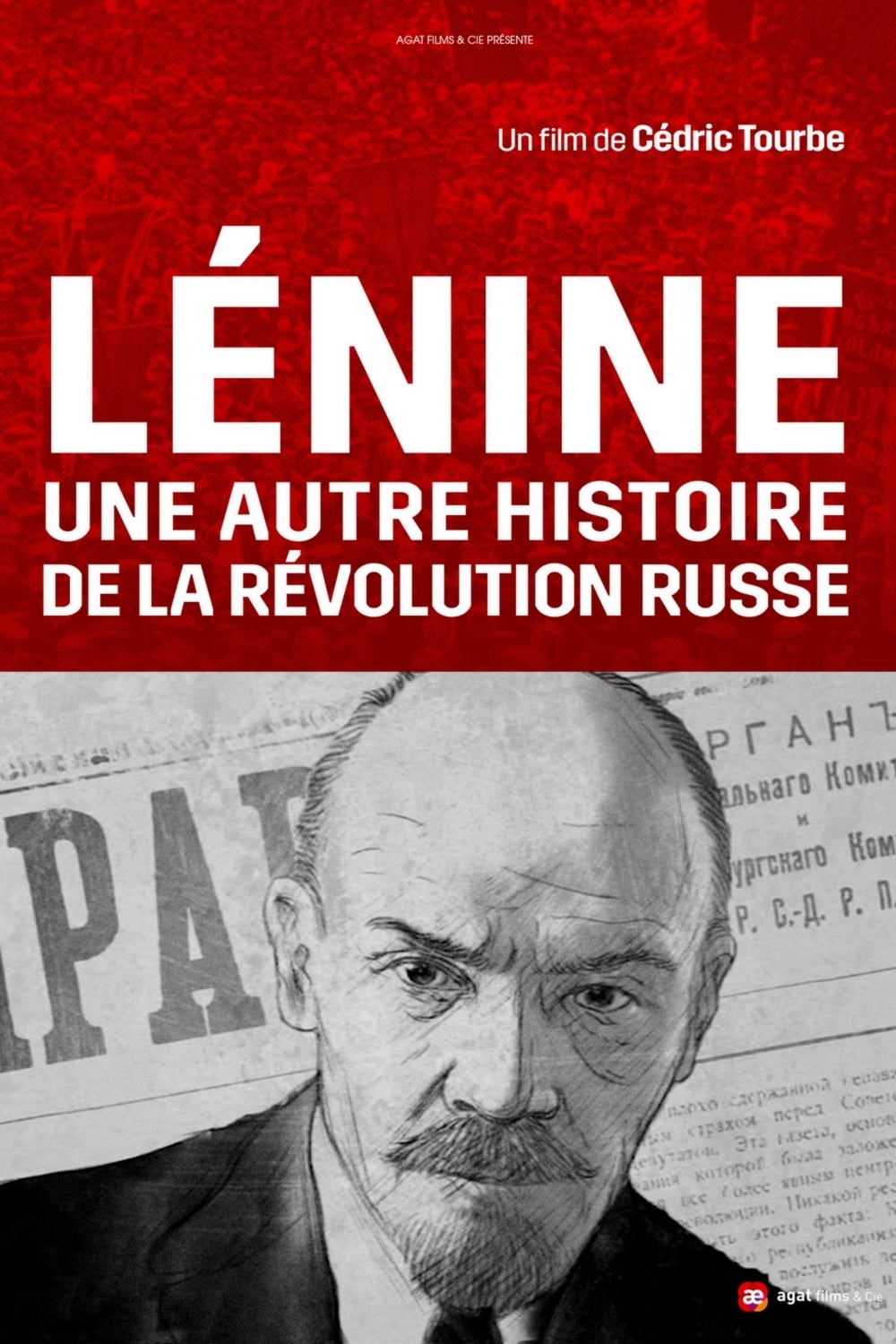
Vladimir Ilyich Ulyanov, better known as Lenin, is remembered as the instigator of the October Revolution of 1917 and, therefore, as one of the men who changed the shape of the world at that time and forever, but perhaps the actual events happened in a way different from that narrated in the history books…
{Anne-Marie, rhythmician, art-therapist and organist, is an amazing musician. At the moment where I realized an interview was needed for my ECAL entrance contest, my mind directly thought of her. With years of experience, she tels us about all the memories she has and explains to us the beauty of this endangered profession.}
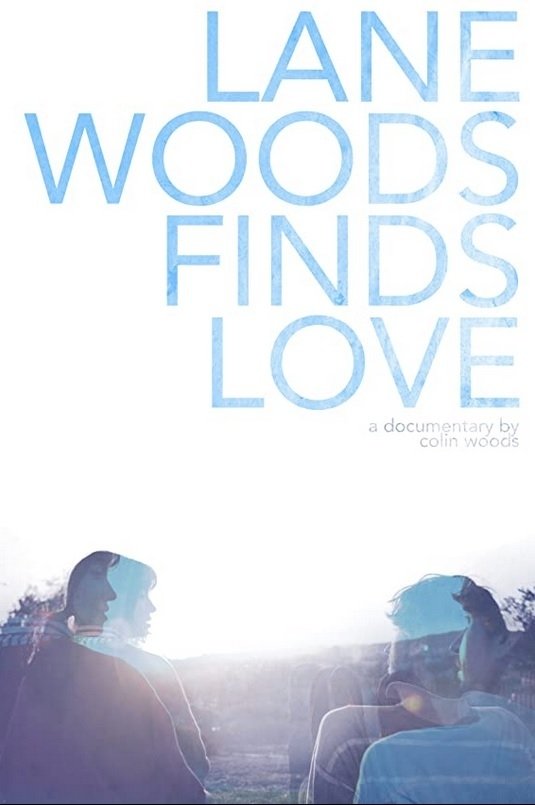
Fresh out of a long term, serious breakup, Lane Woods chooses to work through (read as: distract himself from) his feelings by making a documentary about his attempts to get back out there and find a new love. With the help of his younger brother, Colin, Lane films himself as he goes on countless dates, hoping to catch those first sparks of love on film, instead he ends up documenting something much closer to reality.
The film profiles eight former members of the Church of Scientology, shining a light on how they attract true believers and the things they do in the name of religion.
An experimental documentary that explores Saudi Arabia's relationship with the U.S. and the role this has played in the war in Afghanistan.
After being denied access to the Church of Scientology's headquarters, documentarian Louis Theroux teams up with ex-Scientology official Marty Rathbun to stage re-enactments of alleged abuses within the organization. Theroux soon discovers that the church is watching his every move.
Unravel the case of Utah therapist Jodi Hildebrandt, whose child abuse arrest with parenting YouTuber Ruby Franke exposed a twisted tale of manipulation.
Interviews with leading authors, philosophers and scientists, with an in-depth discussion of the Law of Attraction. The audience is shown how they can learn and use 'The Secret' in their everyday lives.
Alexander McQueen's rags-to-riches story is a modern-day fairy tale, laced with the gothic. Mirroring the savage beauty, boldness and vivacity of his design, this documentary is an intimate revelation of McQueen's own world, both tortured and inspired, which celebrates a radical and mesmerizing genius of profound influence.
Vulgar, taunting texts blow up the phones of a teen and her boyfriend. Who's sending them — and why? This twisty documentary reveals the shocking answer.
A documentary on Al Gore's campaign to make the issue of global warming a recognized problem worldwide.
After years in the limelight, Selena Gomez achieves unimaginable stardom. But just as she reaches a new peak, an unexpected turn pulls her into darkness. This uniquely raw and intimate documentary spans her six-year journey into a new light.
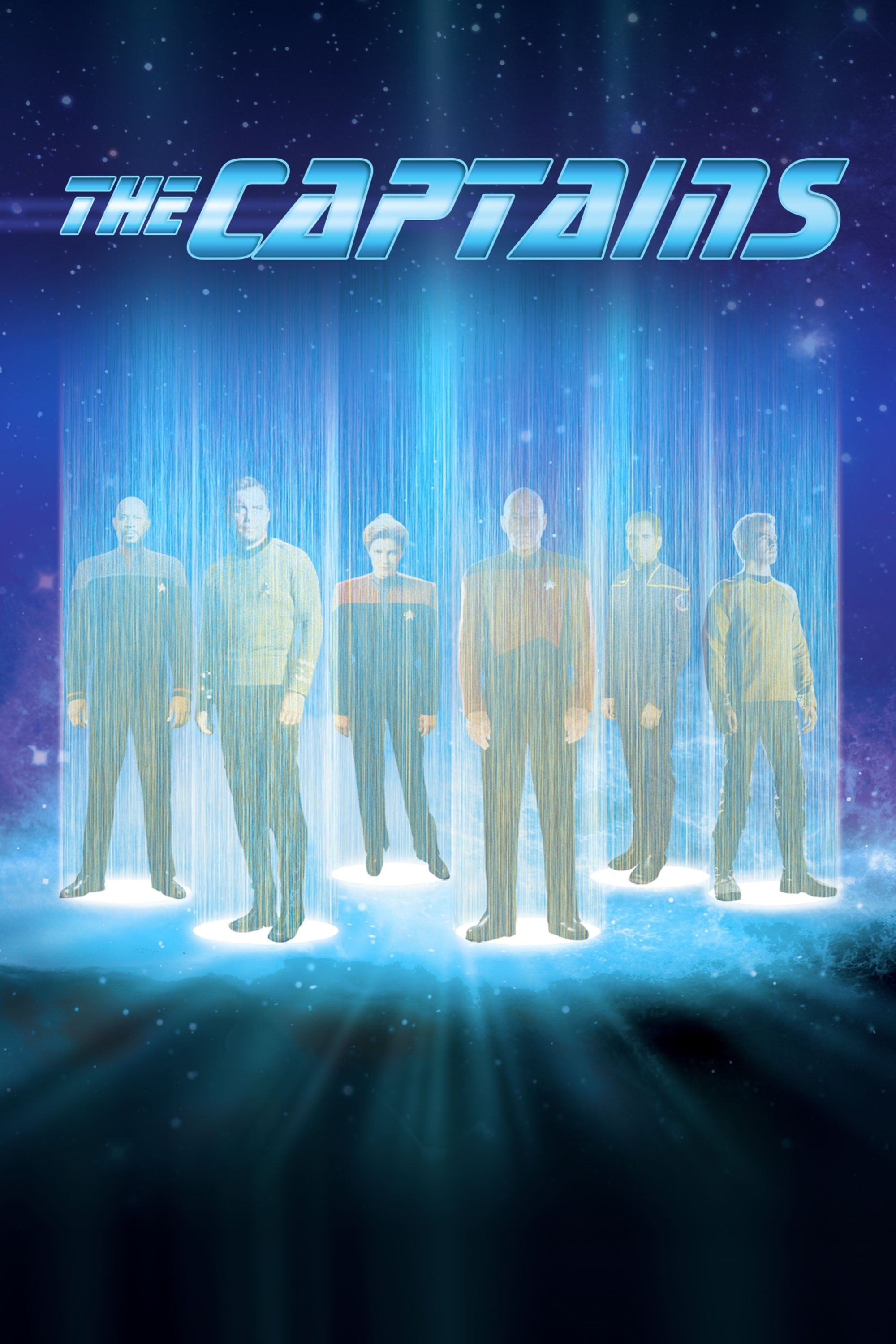
The Captains is a feature-length documentary film written and directed by William Shatner. The film follows Shatner as he interviews the other actors who have portrayed starship captains in the Star Trek franchise.
A documentary examining the decade of the 1970s as a turning point in American cinema. Some of today's best filmmakers interview the influential directors of that time.
Documentarian Ross McElwee originally set out to make a travelogue of sorts tracing General William T. Sherman's infamous scorched-earth march through the Confederacy in the latter stages of the Civil War. Instead, haunted by a recent breakup with a girlfriend, McElwee ends up documenting his progress -- or lack thereof -- in starting a new relationship. His journey then becomes one of self-reflection and self-discovery rather than a historical/sociological exploration.
In August 1969, Charles Manson's followers killed seven people on his orders. Why? Explore a conspiracy of mind control, CIA experiments, and murder.
A visual montage portrait of our contemporary world dominated by globalized technology and violence.
A detailing of the rise to prominence and global sporting superstardom of six supremely talented young Manchester United football players (David Beckham, Nicky Butt, Ryan Giggs, Paul Scholes, Phil and Gary Neville). The film covers the period 1992-1999, culminating in Manchester United's European Cup triumph.
A love letter from a young mother to her daughter, the film tells the story of Waad al-Kateab’s life through five years of the uprising in Aleppo, Syria as she falls in love, gets married and gives birth to Sama, all while cataclysmic conflict rises around her. Her camera captures incredible stories of loss, laughter and survival as Waad wrestles with an impossible choice– whether or not to flee the city to protect her daughter’s life, when leaving means abandoning the struggle for freedom for which she has already sacrificed so much.
A sexual wellness company gains fame and followers, then members come forward with shocking allegations.
We live in a world where the powerful deceive us. We know they lie. They know we know they lie. They do not care. We say we care, but we do nothing, and nothing ever changes. It is normal. Welcome to the post-truth world. How we got to where we are now…
A subjective documentary that explores various theories about hidden meanings in Stanley Kubrick's classic film The Shining. Five very different points of view are illuminated through voice over, film clips, animation and dramatic reenactments.
A documentary on legendary movie-poster artist Drew Struzan.