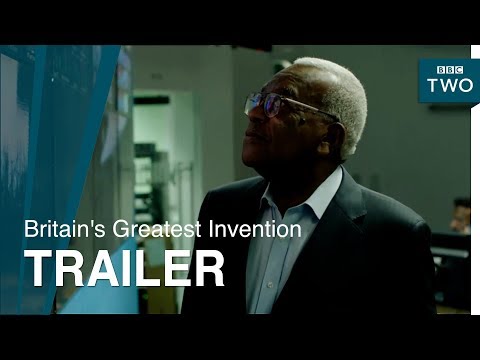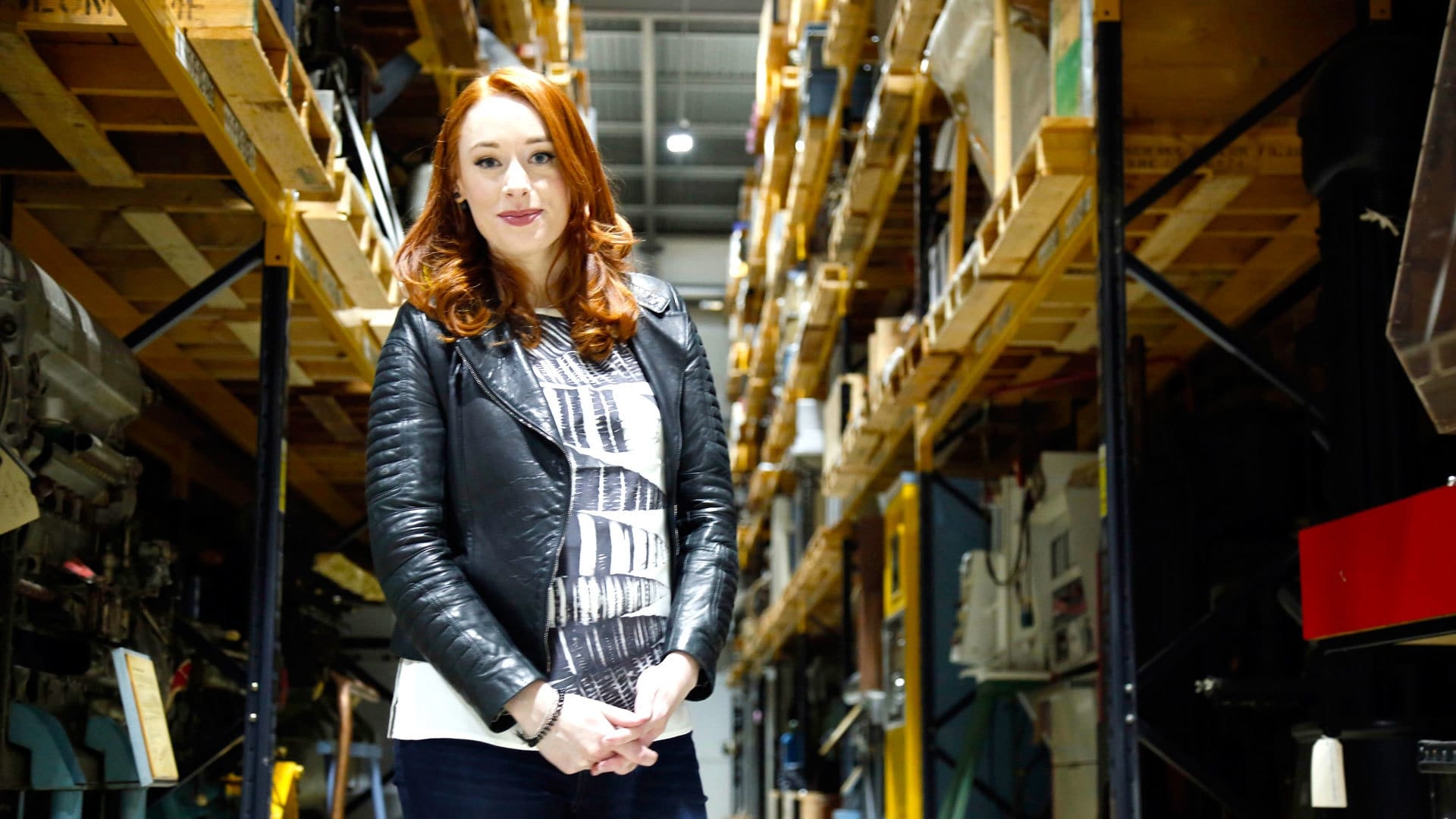
BBC Two takes us inside the world's biggest invention time capsule - the Science Museum vaults - and asks the nation to vote for Britain's Greatest Invention.
Social & External
Self - Presenter
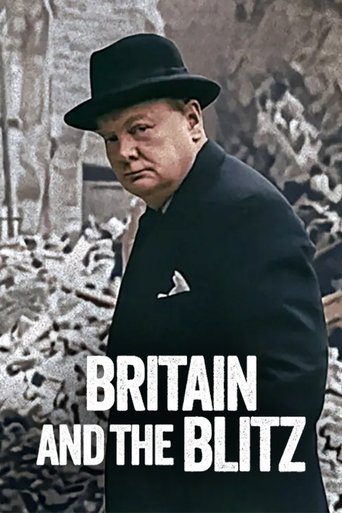
Documentary looking back at a Britain during the darkest days of WWII using stunning new archived footage and interviews with people who lived through it.
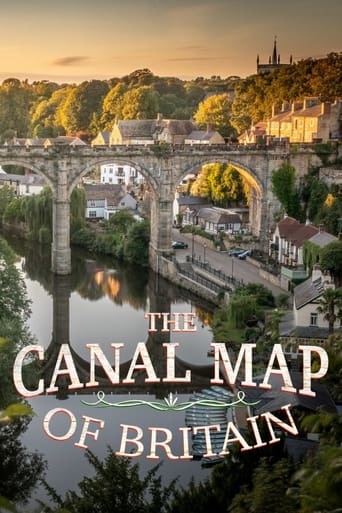
A look at Britain's beloved canal network via a fact-filled cruise along the first superhighways of the Industrial Revolution. In the age before mechanisation, a frenzy of canal-building saw a new army of workers carve out the British landscape, digging out hundreds of miles of waterways using picks, shovels and muscle.
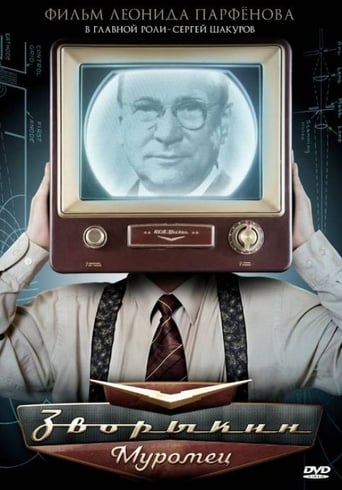
Parfenov's documentary is about a brilliant scientist and engineer, born in Russia, but only known on the other side of the ocean. The invention of modern television changed the history of mankind. The invention has an author, who is almost unknown in his homeland. Vladimir Zworykin, born in Murom, a Russian American, was the person who created distant wireless transmission of images.
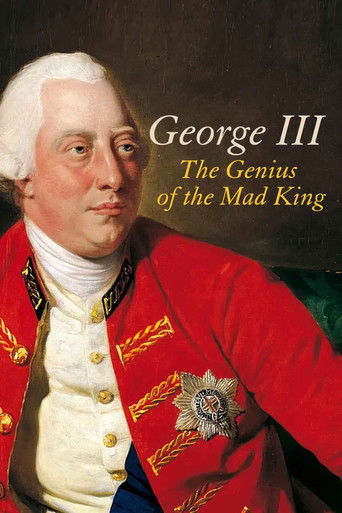
After 200 years under lock and key, all the personal papers of one of our most important monarchs are for the first time seeing the light of day. In the first documentary to gain extensive access to the Royal Archives, Robert Hardman sheds fascinating new light on George III, Britain's longest reigning king. George III may be chiefly remembered for his madness, but these private documents reveal a monarch who was a political micromanager and a restless patron of science and the arts, an obsessive traveller who never left southern England yet toured the world in his mind and a man who was driven (sometimes to distraction) by his sense of duty to his family and his country. Featuring Simon Callow and Sian Thomas as the voices of King George and Queen Charlotte.
In the blistering hot summer of 1984, a sadistic predator is terrorising rural Britain. This is the story of the desperate police manhunt for The Fox, one of the most prolific and depraved offenders in British criminal history.
In 1963 in the countryside in England, fifteen men pulled off 'The Great Train Robbery' netting today's equivalent of $85million. This incredible film features Gordon Goody, one of the instigators of the crime, for the first time ever, revealing the identity of the missing mastermind behind Britain's most famous heist- the elusive and mysterious 'Ulsterman'.
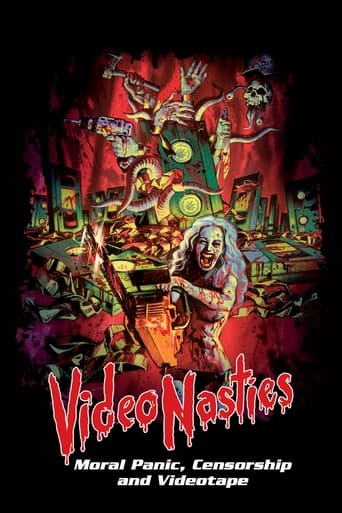
A documentary analyzing the furore which so-called "video nasties" caused in Britain during the 1980s.
Timeshift turns back the clock to a time when villains wore silver capes, grannies swooned at the sight of bulky men in latex and the most masculine man in the country was called Shirley. In its heyday, British professional wrestling attracted huge TV audiences and made household names of generations of wrestlers from Mick McManus and Jackie 'Mr TV' Pallo to Giant Haystacks and Big Daddy. With contributions from inside the world of wrestling and surprising fans such as artist Peter Blake, this is an affectionate and lively portrait of a lost era of simpler pleasures, both in and out of the ring.
Twenty-six-year-old Shani Warren was found drowned in Taplow Lake, Buckinghamshire, with her hands tied and feet bound together in 1987. Revealing how it took a forensic breakthrough to solve the 35-year mystery of the death of The Lady in the Lake.
This John Nesbitt's Passing Parade short tells the story of Alfred Nobel, who invented dynamite, and later established the Nobel Prize.
As good as any Dickens novel, this is the triumphant and tragic story of the greatest architectural dynasty of the 19th century. Dan Cruickshank charts the rise of Sir George Gilbert Scott to the very heights of success, the fall of his son George Junior and the rise again of his grandson Giles. It is a story of architects bent on a mission to rebuild Britain. From the Romantic heights of the Midland Hotel at St Pancras station to the modern image of Bankside power station (now Tate Modern), this is the story of a family that shaped the Victorian age and left a giant legacy.
Guyanese painter Aubrey Williams (1926-1990) returns to his homeland on a “journey to the source of his inspiration” in this vivid Arts Council documentary, filmed towards the end of his life. The title comes from the indigenous Arawak word ‘timehri’ - the mark of the hand of man - which Williams equates to art itself. Timehri was also then the name of the international airport at Georgetown, Guyana's capital, where Williams stops off to restore an earlier mural. The film offers a rare insight into life beyond Georgetown, what Williams calls “the real Guyana.” Before moving to England in 1952 he had been sent to work on a sugar plantation in the jungle; this is his first chance to revisit the region and the Warao Indians - formative influences on his work - in four decades. Challenging the ill-treatment of indigenous Guyanese, Williams explored the potential of art to change attitudes. By venturing beyond his British studio, this film puts his work into vibrant context.
An historical account looking at how Britain's canals were used, and declining, in 1951.
This short satirical film, created entirely from archival footage, is about the British Empire—on which the sun never sets. The majority of the humour and wit is found in the interplay between image and sound: what we see during the formative days of the Empire, and what famous servants had to say about it. Edited by Oscar®-nominated experimental filmmaker Arthur Lipsett (Very Nice, Very Nice).
A documentary about Kim Philby, a British member of MI6 who was in reality a spy and defected to the U.S.S.R.
Featuring footage spanning from 1901 to 1985, this little-seen footage has been found from all across the UK. This programme allows an exploration into stories of migration, community and also the struggle against inequality, while also providing the opportunity to celebrate black British culture and life on screen. Films in the programme include: Miners Leaving Pendlebury Colliery (1901), Hull Fair (1902), For the Wounded (1915), From Trinidad to Serve the Empire (1916), Hello! West Indies (1943), Mining Review 2nd Year No. 11 (1949), To the Four Corners (1957), Black Special Constable (1964), Black Police Officers (1966), Cold Railway Workers (1964), Nigerian Wedding in Cornwall (1964), Coloured School Leavers (1965), London Line No. 373 (1971), African Student Families (1975), Liverpool 8 (1972), Blood Ah Go Run (1982), The Jah People (1981) and Grove Carnival (1981)
The story of Dr. George Washington Carver (1864-1943), black educator and horticulturist. He is perhaps most well known for developing over 140 products from all parts of the peanut plant, including the shells and husks. He also developed products based on sweet potatoes and soybeans, and developed a cotton hybrid that was named after him.
Professor Alice Roberts discovers which are Britain's most popular fresh foods and uses the latest science to uncover the surprising health benefits of our favourite foods.
The amazing story of the animograph, a machine created in France in the sixties by the cartoonist and self-taught inventor Jean Dejoux (1922-2015), whose creation was intended to revolutionize the animation industry.
At the demise of empire, City of London financial interests created a web of offshore secrecy jurisdictions that captured wealth from across the globe and hid it behind obscure financial structures in a web of offshore islands. Today, up to half of global offshore wealth may be hidden in British offshore jurisdictions and Britain and its offshore jurisdictions are the largest global players in the world of international finance. How did this come about, and what impact does it have on the world today? This is what the Spider's Web sets out to investigate.