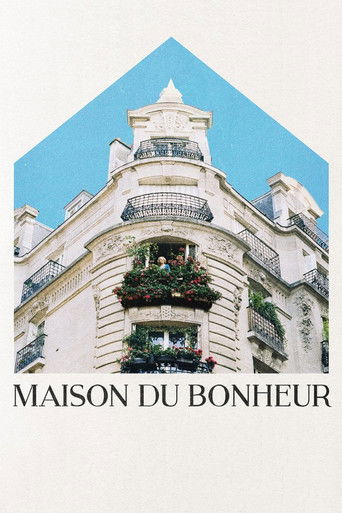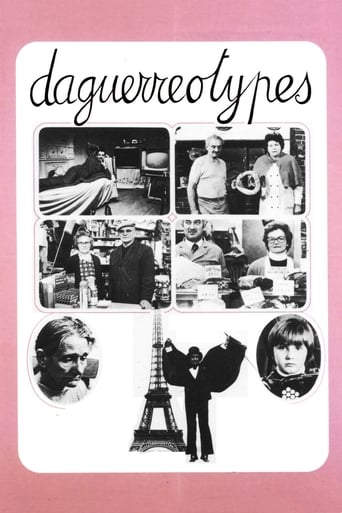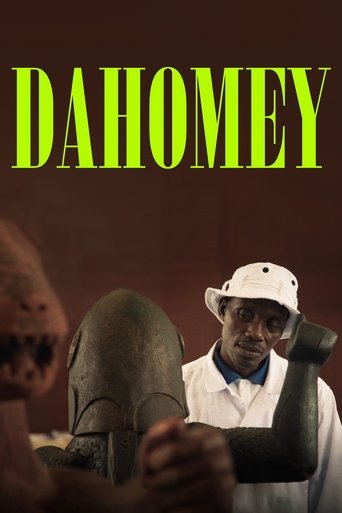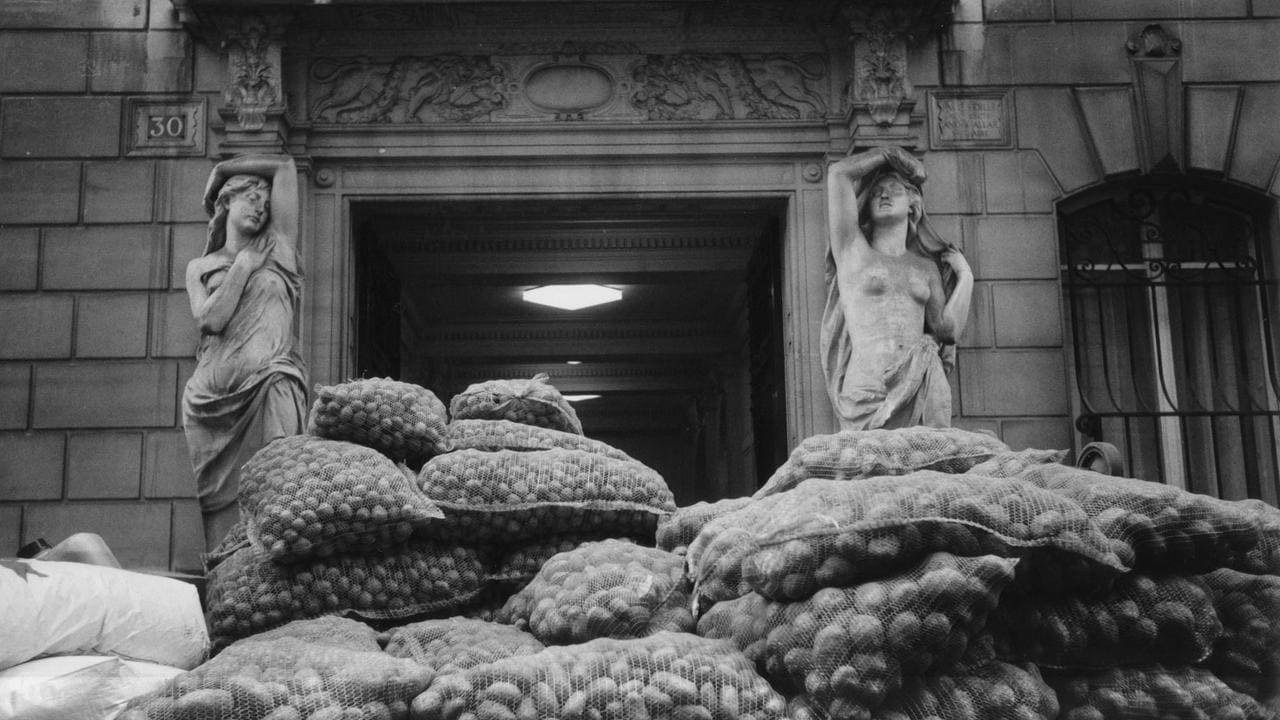
Commissioned by French television, this is a short documentary on the neo-classical statues found throughout Paris, predominantly on the walls of buildings, holding up windows, roofs etc.
Stream
Rent
Social & External
Narrator
Up until the end of her life, Beatrice Wood continued to influence younger artists with her definitive, free-wheeling ways. She was central to the American Dada movement and was the last surviving member of this group. In this program she recalls her friends Man Ray, Picabia and others, and her ex-husband Marcel Duchamp. She died in 1999 at 105 years of age.
The De Mol van Otterloo couple has the most important and largest private collection 17th-century Dutch and Flemish masters in the world. They collected from Ruisdael, Steen, Dou, Cuyp, Potter, Lievens, Hals and yes, also a Rembrandt. There is millions of masterpieces on the walls of their villa in Massachusetts. But what do you do with such a collection? Together with the friendly couple Weatherbie, who also built up a special art collection, they decide that their collections should stay together after their death. The result is an art gift that is unparalleled.
Of all the great ballerinas, Tanaquil Le Clercq may have been the most transcendent. With a body unlike any before hers, she mesmerized viewers and choreographers alike. With her elongated, race-horse physique, she became the new prototype for the great George Balanchine. Because of her extraordinary movement and unique personality on stage, she became a muse to two of the greatest choreographers in dance, George Balanchine and Jerome Robbins. She eventually married Balanchine, and Robbins created his famous version of Afternoon of a Faun for her. She had love, fame, adoration, and was the foremost dancer of her day until it suddenly all stopped. At the age of 27, she was struck down by polio and paralyzed. She never danced again. The ballet world has been haunted by her story ever since.
Reminiscences from a few people convicted to the Siberia prison camps.
Lost and Found depicts a life of a man with no homeland. 10 years ago Konstantin G fled the persecutions of homosexuals from Moscow to Finland. He lives now in Helsinki, living the different roles of his life: he is a nurse and a friend of the aged, a bright personality of the nightlife in Helsinki's gay-world, a solitary figure of the Russian community and the Orthodox Church, and as well as an intensive cabaret performer. Film is a mosaic-like journey to the loves and lives of Konstantin, where poems, songs and encounters form a picture of one passionate and unusual life. In the roles of his own life Konstantin Gontcharev.
In early 1970s, the graphic designer Tuulikki Pietilä had seen enough of stative visual art and purchased a film camera from Japan. She filmed the games and chores of the artist couple in their beloved hideout, the island of Klovharun.
Starting with a long and lyrical overture, evoking the origins of the Olympic Games in ancient Greece, Riefenstahl covers twenty-one athletic events in the first half of this two-part love letter to the human body and spirit, culminating with the marathon, where Jesse Owens became the first track and field athlete to win four gold medals in a single Olympics.
Part two of Leni Riefenstahl's monumental examination of the 1938 Olympic Games, the cameras leave the main stadium and venture into the many halls and fields deployed for such sports as fencing, polo, cycling, and the modern pentathlon, which was won by American Glenn Morris.
A photographer and a filmmaker challenge each other to shoot—one to photograph the other to film—two young actresses, one from Tokyo, the other from the countryside. The photographer seeks naturalism in his compositions, and Kawase observes and comments on his work. The competition between the photographer, the filmmaker, and the actresses creates a charged atmosphere.
When adults are ineffectual, children have to grow up quickly. Ola is 14 and she takes care of her dysfunctional father, autistic brother and a mother who lives apart from them and is mainly heard the phone. Most of all she wants to reunite a family that simply doesn’t work — like a defective TV set. She lives in the hope of bringing her mother back home. Her 13 year old brother Nikodem’s Holy Communion is a pretext for the family to meet up. Ola is entirely responsible for preparing the perfect family celebration. “Communion” reveals the beauty of the rejected, the strength of the weak and the need for change when change seems impossible. This crash course in growing up teaches us that failure is not final. Especially when love is in question.
Started as a class project in what was likely the first filmmaking course ever taught at Harvard, Marathon documents the running of the 1964 Boston Marathon.
A stranger's call informs Roberta that her estranged brother Frank has died in a small town under bizarre circumstances. Ben, his best friend from college, also gets the call. Arriving just in time for his funeral, it becomes quickly obvious to them that the little slice of small-town America in which they find themselves is like an episode of The Twilight Zone featuring Frank's eccentric friends, his amazing secrets and his stunning final request. Both Ben and Roberta are shocked to discover that Frank not only had a child, but that he has left them responsible for his son's care.
A famous photographer, Jo Ellen Hathaway, has been being stalked for quite some time. She returns to the island she grew up on in an effort to get away from the stalker and get some well-needed relaxation time. On the island, she meets up with old friends and boyfriends and works on relationships with her family. However, she can't shake the feeling that she's still being watched.
Six blind Tibetan teenagers climb the Lhakpa-Ri peak of Mount Everest, led by seven-summit blind mountain-climber Erik Weihenmayer.
A documentary that explores the potential dangers of toxic chemicals in consumer products and the recent spike in unexplained health phenomena.
Spies of Mississippi tells the story of a secret spy agency formed by the state of Mississippi to preserve segregation and maintain white supremacy. The anti-civil rights organization was hidden in plain sight in an unassuming office in the Mississippi State Capitol. Funded with taxpayer dollars and granted extraordinary latitude to carry out its mission, the Commission evolved from a propaganda machine into a full blown spy operation. How do we know this is true? The Commission itself tells us in more than 146,000 pages of files preserved by the State. This wealth of first person primary historical material guides us through one of the most fascinating and yet little known stories of America's quest for Civil Rights.
Vienna’s Prater is an amusement park and a desire machine. No mechanical invention, no novel idea or sensational innovation could escape incorporation into the Prater. The diverse story-telling in Ulrike Ottinger’s film “Prater” transforms this place of sensations into a modern cinema of attractions. The Prater’s history from the beginning to the present is told by its protagonists and those who have documented it, including contemporary cinematic images of the Prater, interviews with carnies, commentary by Austrians and visitors from abroad, film quotes, and photographic and written documentary materials. The meaning of the Prater, its status as a place of technological innovation, and its role as a cultural medium are reflected in texts by Elfriede Jelinek, Josef von Sternberg, Erich Kästner and Elias Canetti, as well as in music devoted to this amusement venue throughout the course of its history.
A chronicle of the production problems — including bad weather, actors' health, war near the filming locations, and more — which plagued the filming of Apocalypse Now, increasing costs and nearly destroying the life and career of Francis Ford Coppola.
Gray Matters explores the long, fascinating life and complicated career of architect and designer Eileen Gray, whose uncompromising vision defined and defied the practice of modernism in decoration, design and architecture. Making a reputation with her traditional lacquer work in the first decade of the 20th century, she became a critically acclaimed and sought after designer and decorator in the next before reinventing herself as an architect, a field in which she laboured largely in obscurity. Apart from the accolades that greeted her first building –persistently and perversely credited to her mentor–her pioneering work was done quietly, privately and to her own specifications. But she lived long enough (98) to be re-discovered and acclaimed. Today, with her work commanding extraordinary prices and attention, her legacy, like its creator, remains elusive, contested and compelling.
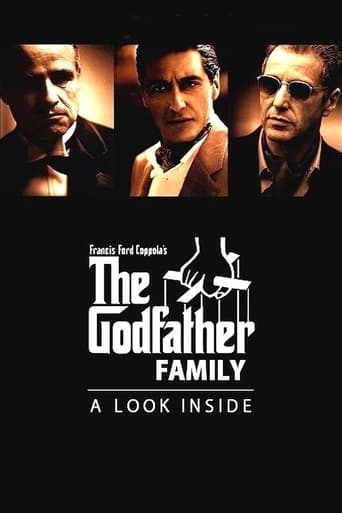
A documentary on the making of the three Godfather films, with interviews and recollections from the film makers and cast. This feature also includes the original screen tests of some of the actors for "The Godfather" film, and some candid moments on the set of "The Godfather: Part III."
The story of the gold-plated statuette that became the film industry's most coveted prize, AND THE OSCAR GOES TO... traces the history of the Academy itself, which began in 1927 when Louis B. Mayer, then head of MGM, led other prominent members of the industry in forming this professional honorary organization. Two years later the Academy began bestowing awards, which were nicknamed "Oscar," and quickly came to represent the pinnacle of cinematic achievement.
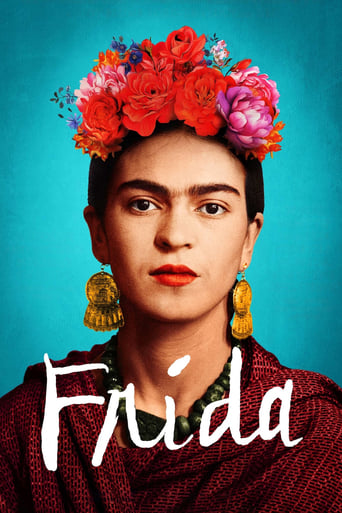
An intimately raw and magical journey through the life, mind, and heart of iconic artist Frida Kahlo. Told through her own words for the very first time — drawn from her diary, revealing letters, essays, and print interviews — and brought vividly to life by lyrical animation inspired by her unforgettable artwork.
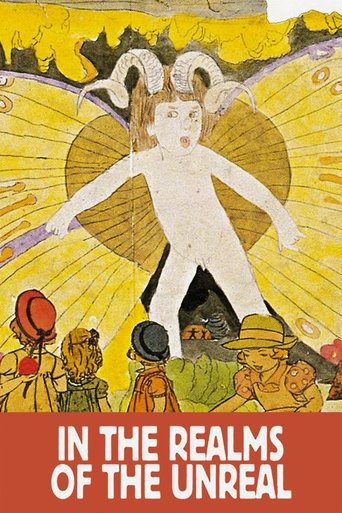
In the Realms of the Unreal is a documentary about the reclusive Chicago-based artist Henry Darger. Henry Darger was so reclusive that when he died his neighbors were surprised to find a 15,145-page manuscript along with hundreds of paintings depicting The Story of the Vivian Girls, in What is Known as the Realms of the Unreal, of the Glodeco-Angelinnian War Storm, Cased by the Child Slave Rebellion.
Diaries, audiotapes, videotapes and testimonials from friends and colleagues offer insight into the life and career of Gilda Radner -- the beloved comic and actress who became an icon on Saturday Night Live.
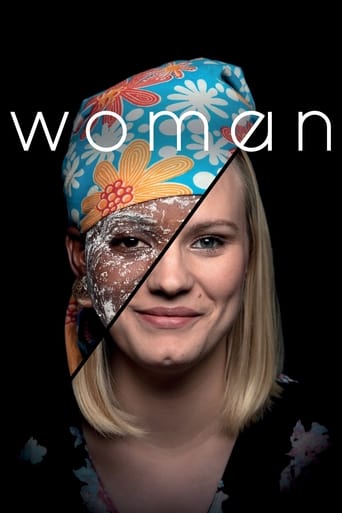
The film MISS REPRESENTATION exposes how American youth are being sold the concept that women and girls’ value lies in their youth, beauty and sexuality. Explores the under-representation of women in positions of power and influence in America, and challenges the media's limited portrayal of what it means to be a powerful woman. It’s time to break that cycle of mistruths.
In 1997, Louis Theroux made a documentary about the world of male porn performers in Los Angeles. 15 years later, he returns to find a business struggling with the deluge of free porn on the internet. Louis revisits some of the original programme's contributors as well as meeting the latest crop of porn performers dreaming of porn stardom.
A visual montage portrait of our contemporary world dominated by globalized technology and violence.
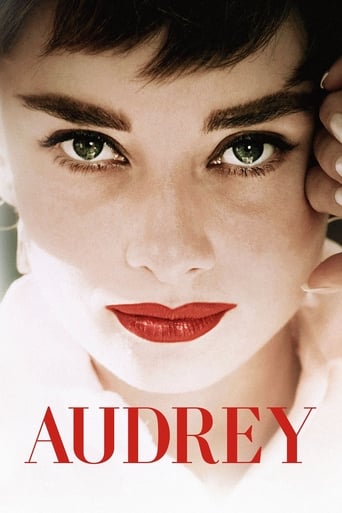
An unprecedented and intimate look at the life, work and enduring legacy of British actress Audrey Hepburn (1929-1993).
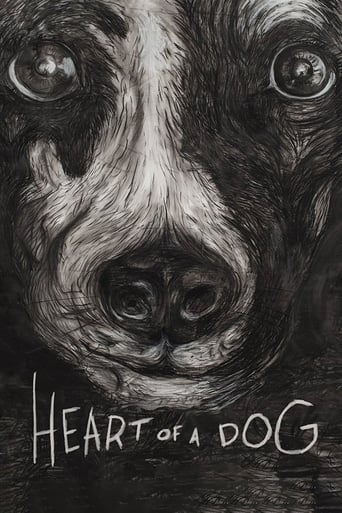
Lyrical and powerfully personal essay film that reflects on the deaths of her husband Lou Reed, her mother, her beloved dog, and such diverse subjects as family memories, surveillance, and Buddhist teachings.
Life Is But a Dream is a HBO documentary about the life of US singer Beyoncé Knowles during the years 2011 and 2012 and on the recording of her fifth album. The film was directed by Beyoncé herself. The film shows Beyoncé from intimate moments of her pregnancy to behind the scenes and rehearsals of the main concerts of that time.
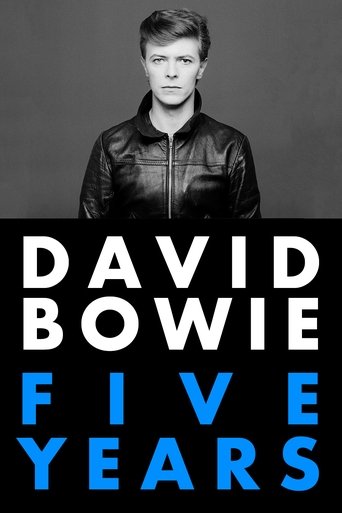
Featuring a wealth of previously unseen archive, this film looks at how Bowie continually evolved: from Ziggy Stardust to the Soul Star of Young Americans, to the ‘Thin White Duke’. It explores his regeneration in Berlin with the critically acclaimed album Heroes, his triumph with Scary Monsters and his global success with Let’s Dance. With interviews with all his closest collaborators, David Bowie - Five Years presents a unique account of why Bowie has become an ‘icon of our times’.
A documentary on the expletive's origin, why it offends some people so deeply, and what can be gained from its use.
An exploration of technologically developing nations and the effect the transition to Western-style modernization has had on them.
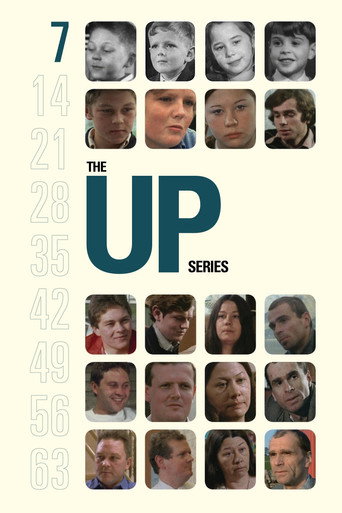
A group of British children aged 7 from widely ranging backgrounds are interviewed about a range of subjects. The filmmakers plan to re-interview them at 7 year intervals to track how their lives and attitudes change as they age.
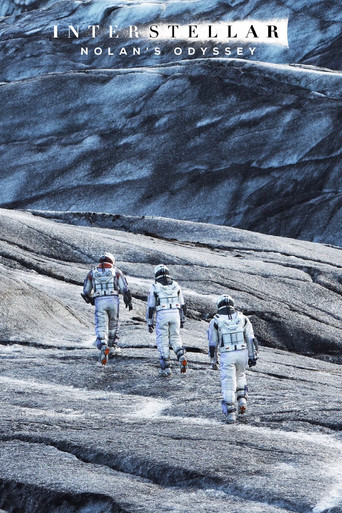
A look behind the lens of Christopher Nolan's space epic.
A celebration of the universe, displaying the whole of time, from its start to its final collapse. This film examines all that occurred to prepare the world that stands before us now: science and spirit, birth and death, the grand cosmos and the minute life systems of our planet.
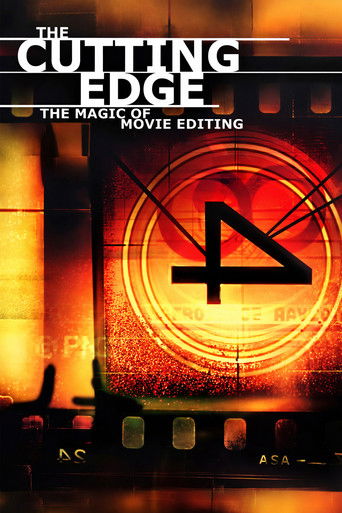
Documentary about the art of film editing. Clips are shown from many groundbreaking films with innovative editing styles.
Cameramen and women discuss the craft and art of cinematography and of the "DP" (the director of photography), illustrating their points with clips from 100 films, from Birth of a Nation to Do the Right Thing. Themes: the DP tells people where to look; changes in movies (the arrival of sound, color, and wide screens) required creative responses from DPs; and, these artisans constantly invent new equipment and try new things, with wonderful results. The narration takes us through the identifiable studio styles of the 30s, the emergence of noir, the New York look, and the impact of Europeans. Citizen Kane, The Conformist, and Gordon Willis get special attention.
A behind-the-scenes documentary about the Clinton for President campaign, focusing on the adventures of spin doctors James Carville and George Stephanopoulos.