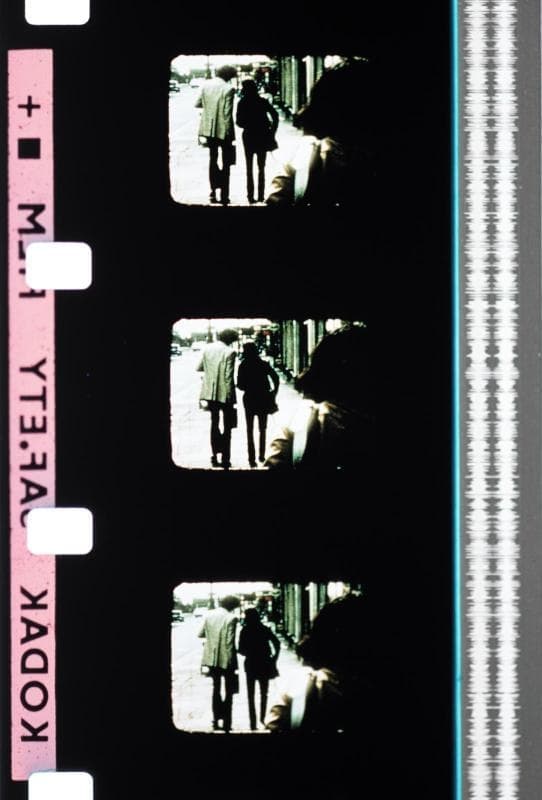
Two screens of film about - and sometimes shot by - Claes Oldenburg, detailing his inspiration, his methods and his relationship with his partner Hannah Wilke.
Social & External
The people behind it
Claes Oldenburg
Hannah Wilke
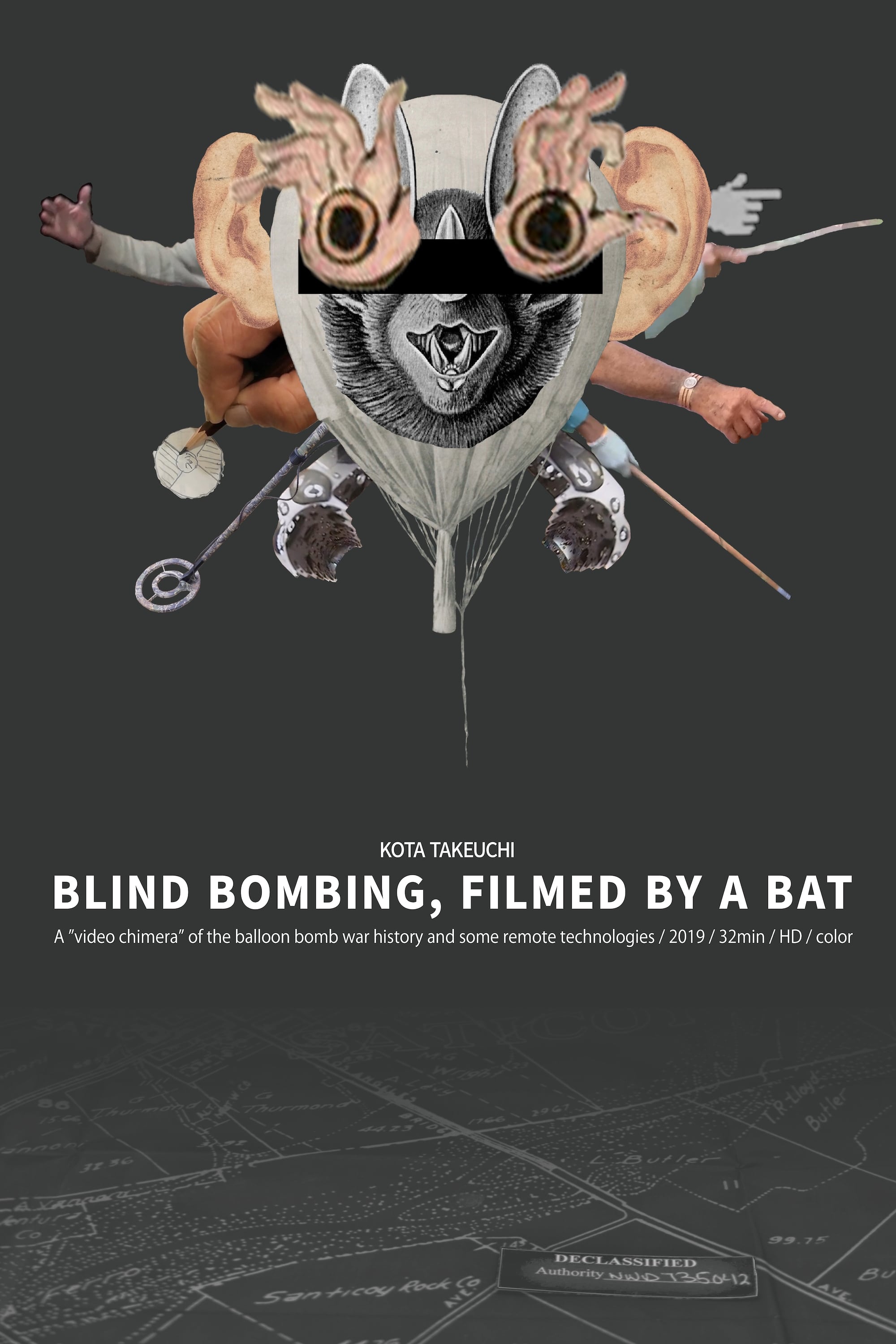
During WWII, the Japanese army developed experimental balloons able to cross the Pacific Ocean and reach the West Coast of North America in 3-6 days. Armed with explosives, they were given the code name fu-go, or fusen bakudan (“fire balloons,” or balloon bombs) in an attempt to instill a culture of fear like that caused by the far more deadly American firebombing of Japanese cities. The U.S. responded by enacting a censorship campaign, requesting newspapers avoid reports of fu-go landings or sightings. Living near the remains of a fu-go launch site in Fukushima Prefecture, Takeuchi mimics their flight take-off using a drone camera, and, traveling to North America, follows their arrival across the shoreline and rural landscapes, using a bat’s echolocation as narrative device to place fu-go and Fukushima as echos across history.
The first documentary about France's post punk and cold wave scene in the late 1970s and early 1980s. During an art show at agnès b. gallery in 2008, Jean-François Sanz has gathered some exceptional material that brings to light, through archival footage and about thirty interviews to the main players, the pop culture heritage of that moment.
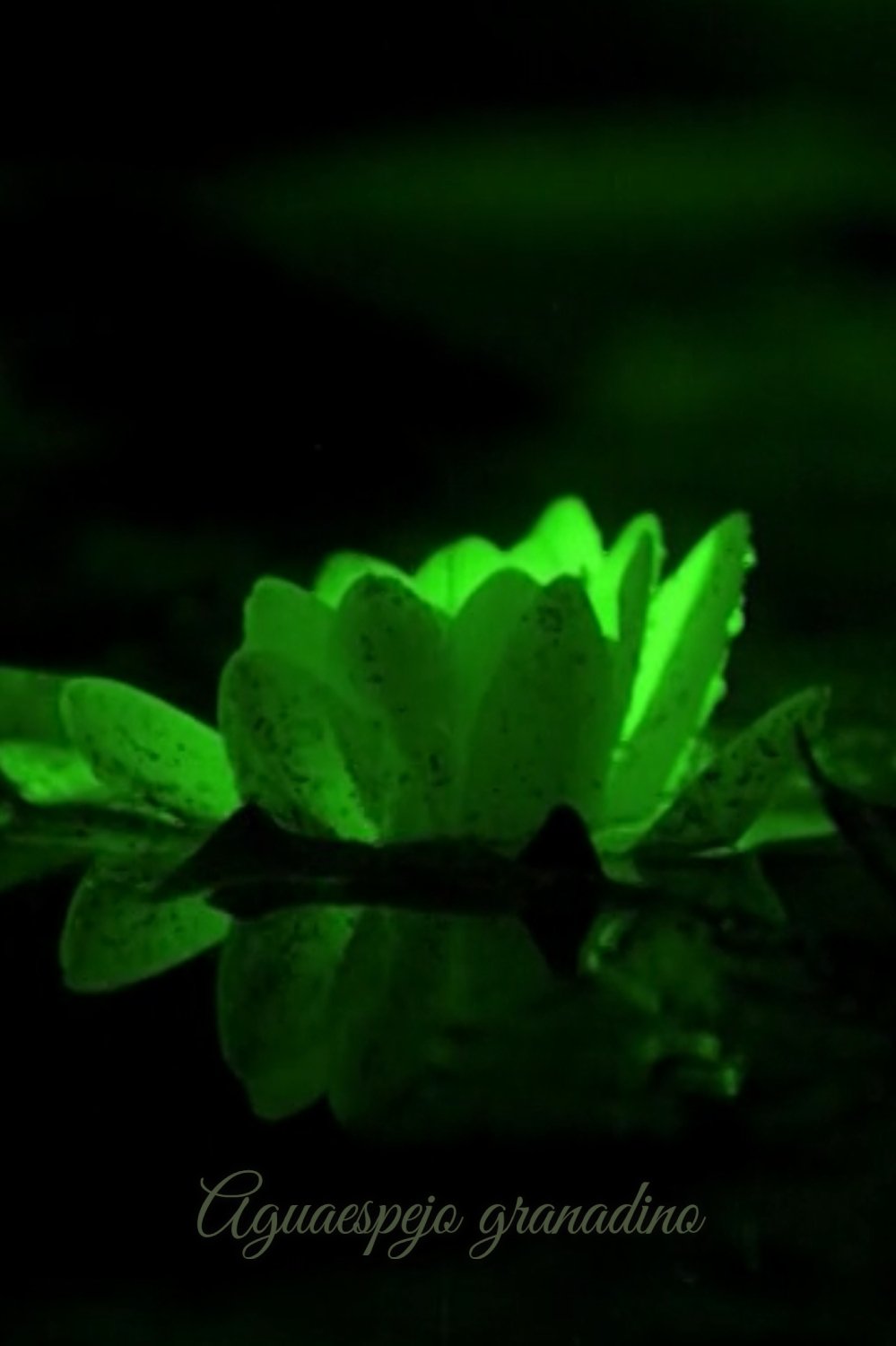
Experimental, cinematic symphony of Granada, José Val del Omar's birthplace.
This exhibition focuses on Jonas Mekas’ 365 Day Project, a succession of films and videos in calendar form. Every day as of January 1st, 2007 and for an entire year, as indicated in the title, a large public (the artist's friends, as well as unknowns) were invited to view a diary of short films of various lengths (from one to twenty minutes) on the Internet. A movie was posted each day, adding to the previously posted pieces, resulting altogether in nearly thirty-eight hours of moving images.
As the international consumption of quinoa rises. The Mother Grain looks at how this increasing demand is affecting quinoa farmers. Bear Witness Pictures traveled to the Bolivian quinoa-growing communities surrounding the world's largest salt flat, the Salar de Uyuni, witnessing their lives first-hand to tell the story of quinoa from the perspective of the farmers themselves.
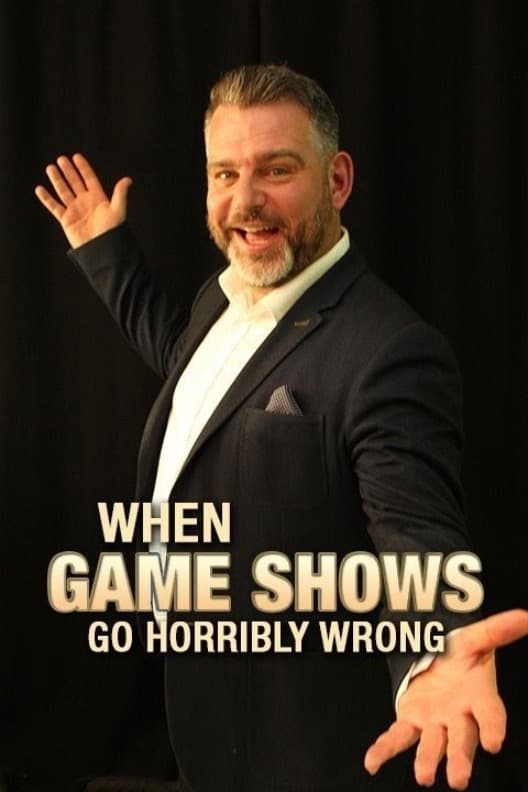
Dale Winton narrates a compilation of disastrous game show moments. Featuring contestants on The Million Pound Drop failing to pay attention to a question with a fortune at stake, the least successful player to appear on The Chase, the woman who broke her leg on The Krypton Factor and still finished third, Catchphrase host Nick Weir damaging his career by falling down the stairs, and the Princess Diana-themed episode of Channel 5 quiz show 100%.
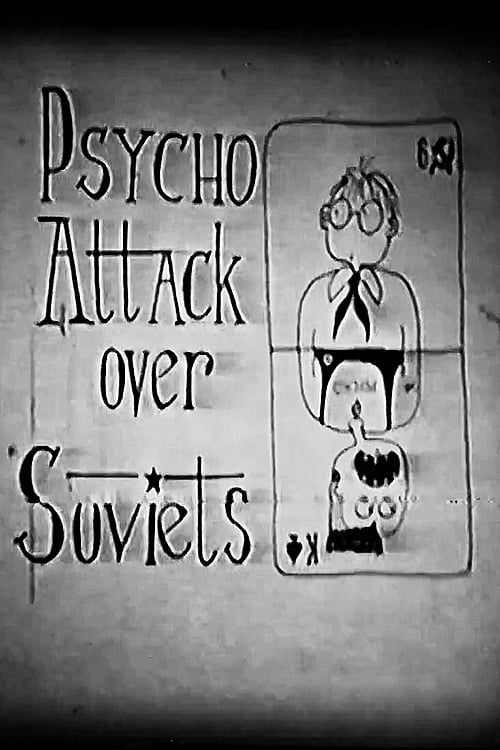
Experimental film directed by Dmitry Frolov, shot in the midst of perestroika in the USSR. February 1991. Starring the drummer for the MEANTRAITORS Vladislav Lyashchuk - a very peculiar musician played without bass drums and Toms.
Before World War II, Ikego village was an idyllic agriculture community. The Imperial Navy took over the village and the hills to build the largest ammunition preserve in Asia. When Japan lost, these facilities were taken over by the US Navy, and are now housing for the American soldiers.
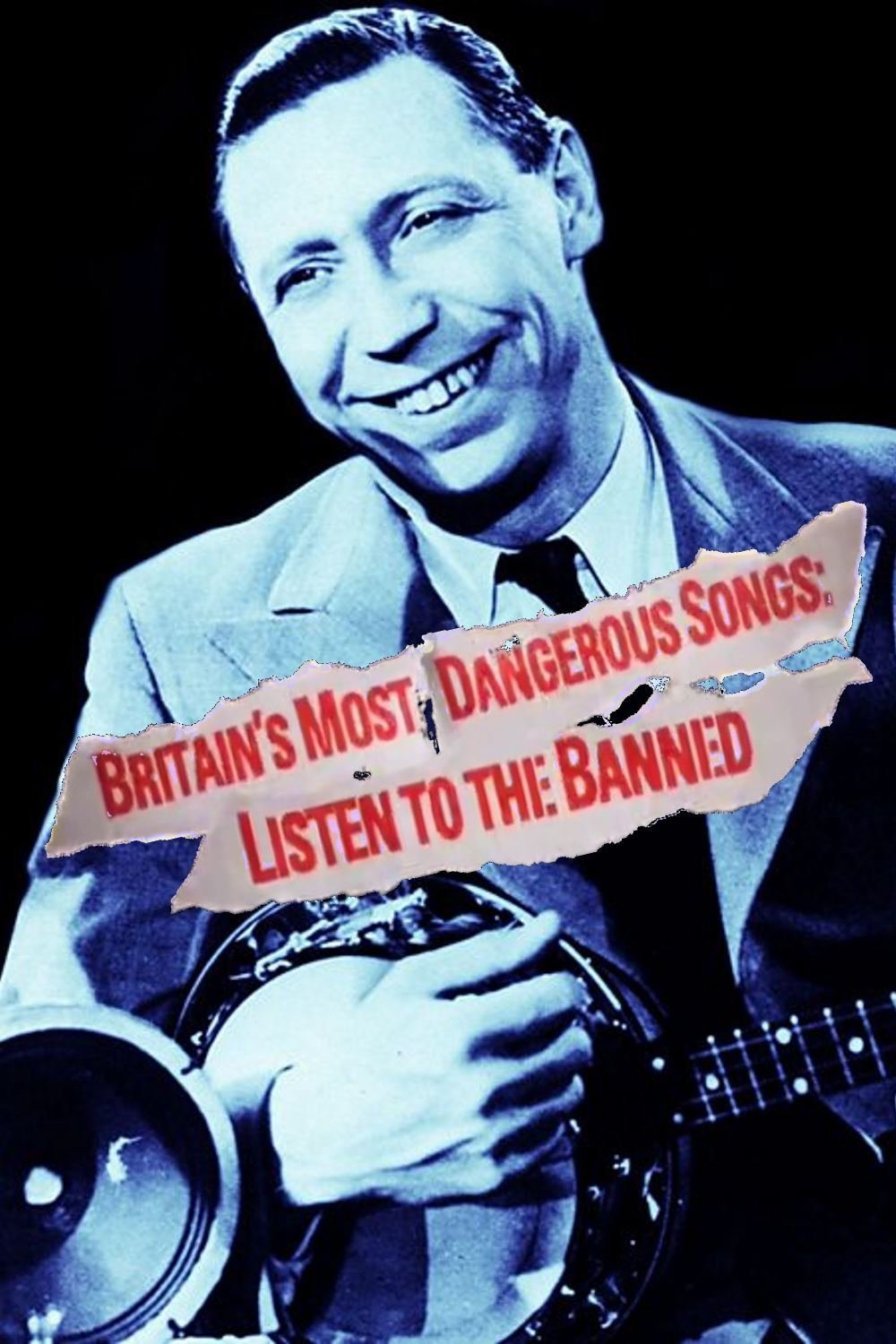
From My Little Stick of Blackpool Rock to God Save the Queen, this is the story of ten records from the 1930s to the present day that have been banned by the BBC. The reasons why these songs were censored reveals the changing controversies around youth culture over the last 75 years, with Bing Crosby and the Munchkins among the unlikely names to have met the wrath of the BBC. With contributions from Carrie Grant, Paul Morley, Stuart Maconie, Glen Matlock, Mike Read and Jon Robb.
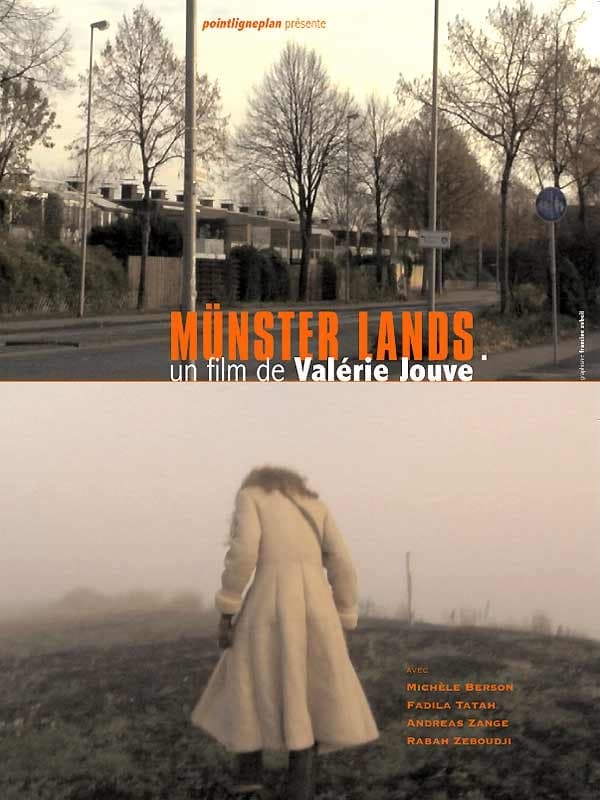
In this short film, the French photographer, Valérie Jouve explores the way in which an era constructs countless layers of time and space without feeling any need to establish connections between them. The film is about time or, more precisely, the various times that today make up our everyday life.
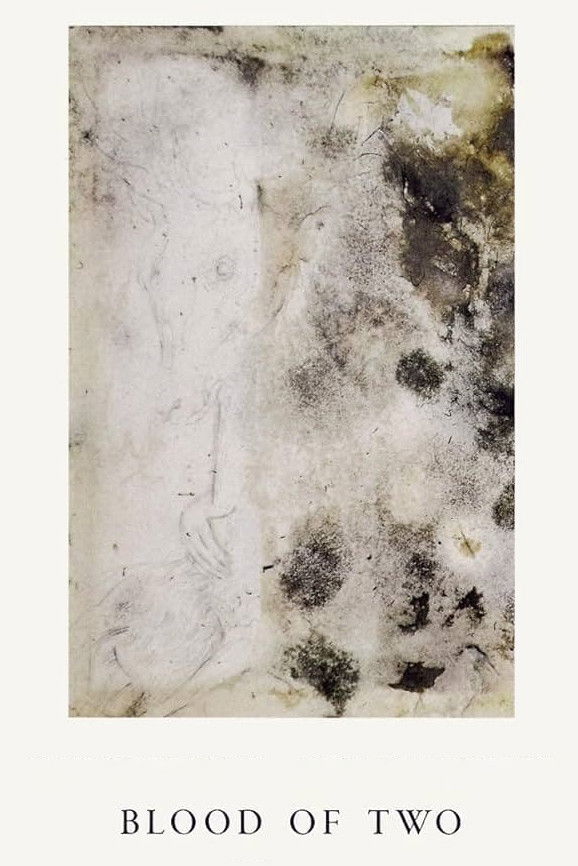
The first collaboration between Matthew Barney & Elizabeth Peyton, Blood of Two is a unique, site-specific work that draws its references from Hydra itself – the surrounding environment, animals, humans, and local traditions are all part of the project in equal measure. Blood of Two centers on the former function of the Slaughterhouse and the customs of Hydra to establish connections between paganism and religion, ancient and modern, the ritualistic and familiar. As much as its conflicted terms strive for balance and fusion, it is Blood of Two’s greater resistance to these impulses, its failure to surrender unconditionally to them that ultimately counts, as a network of overlaps and crisscrosses.
Drama, from the Greek, to do, act, or perform. A composition in which a story is related by means of dialogue and action and is represented with accompanying gesture, costume and scenery, as in real life, a play. The simplest story; a cow in a field, a day passes, articulated by a sequence of simple actions. Another day passes and the actions only vary with the chance events that make one day different from any other. Between the days three traditional songs about work, love and death are sung. These are stories too, but of generalisation, metaphor and myth, whereas the cow's drama follows only the surface pattern of events, the specific.
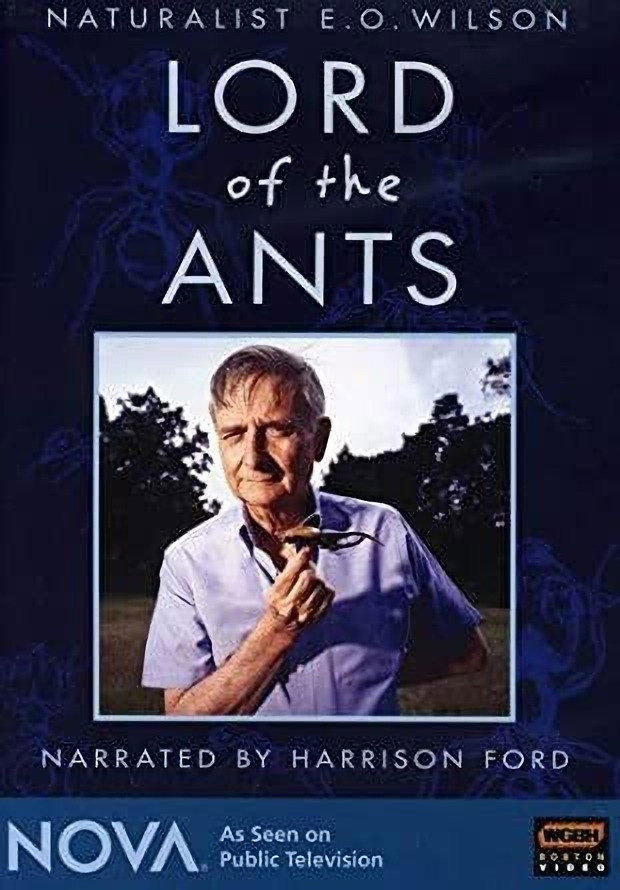
A documentary concerning the biologist Stuart Altmann and his work with ants.
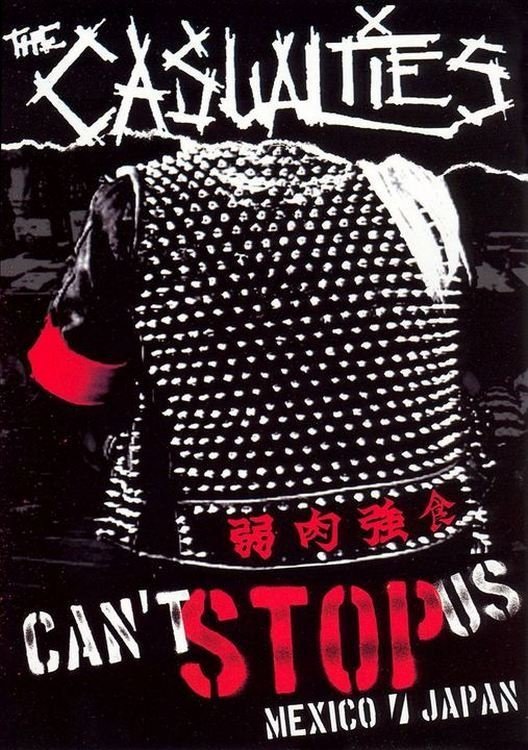
New York street-punk band the Casualties deliver insane live performances and tons of behind-the-scenes chaos as they tour Japan and Mexico in this riveting documentary. From Tijuana to Mazatlan and Tokyo to Hiroshima, the boys can't stop their rowdy antics, and this close-up compilation captures riots in Mexico City, do-it-yourself stitches, multiple emergency room visits, as well as footage of the band performing their songs. Tracklist: 1. For The Punx 2. Nightmare 3. Punx Unite 4. Made In NYC 5. Casualties Army 6. Fight For Your Life 7. Get Off My Back 8. Unknown Soldier 9. Tomorrow Belongs To Us 10. Diehards 11. Police Brutality 12. Criminal Class 13. On The Front Line 14. Media Control 15. Ugly Bastards 16. Punx & Skins 17. Punk Rock Love 18. City Life
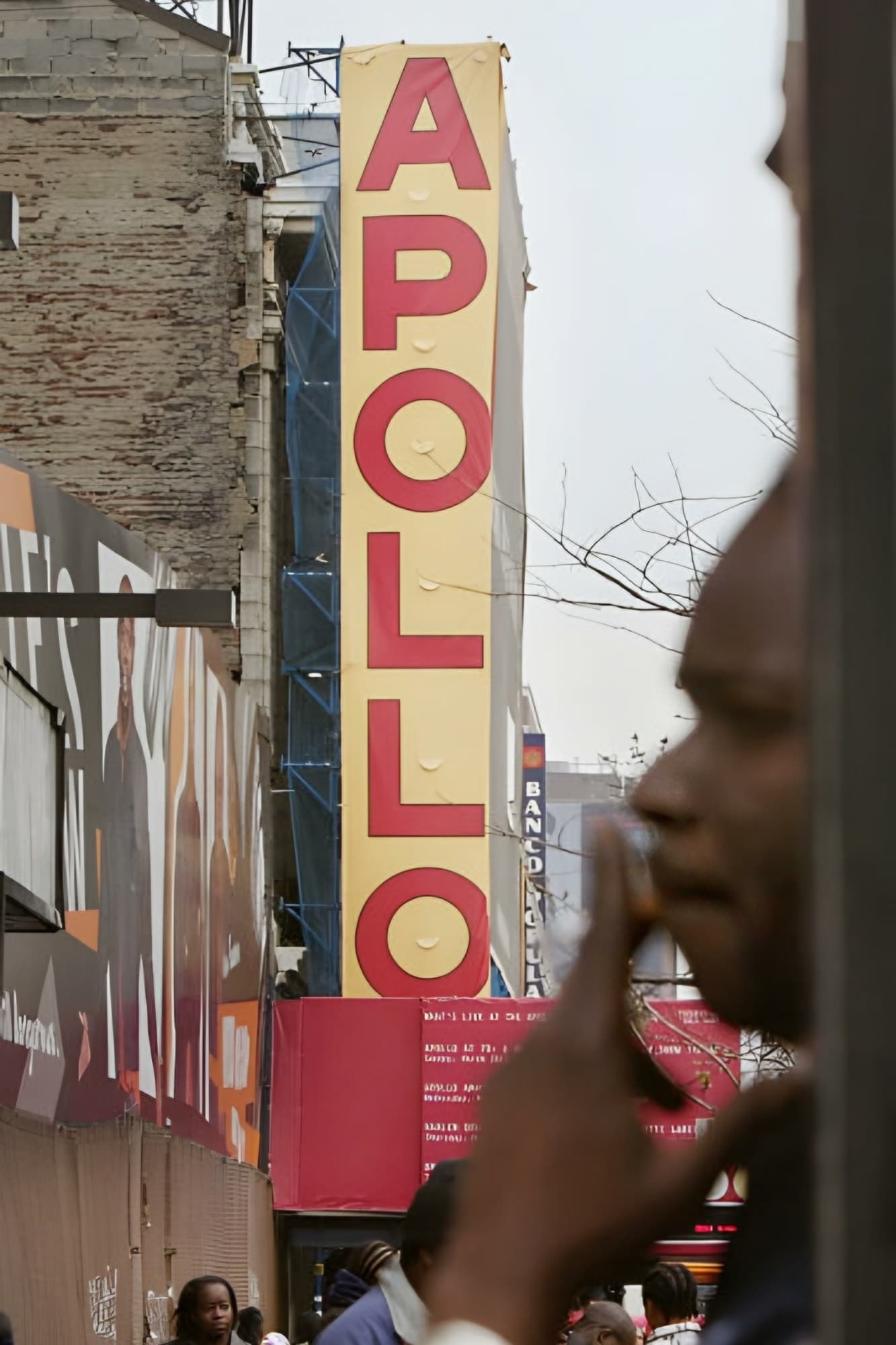
Some of the world's best jazz, R & B, hip-hop, rap, gospel and Latin musicians perform classic and modern songs in this 2004 benefit show celebrating the 70th year of Harlem's famed Apollo Theater. Performers include Natalie Cole, Ashanti, Brian McKnight, Yolanda Adams with the Abyssinian Baptist Choir, James Ingram, Herbie Hancock, Branford Marsalis, Doug E. Fresh, Slick Rick, Patti LaBelle, Angie Stone and Arturo Sandoval.
Marcel Duchamp alternates between scrutinizing the camera, and smiling and nodding in response to what seems to be a large crowd of off-screen admirers trying to get his attention. Occasionally he puts his fingers to his lips, indicating that he is not supposed to talk.
Robert Roussil, one of the central figures of Québec sculpture, left a profound mark on art history with his bold creations and unwavering commitment to freedom of expression. However, since his death in 2013, his legacy seems to be fading. This film seeks to revive the memory of this visionary artist by delving into his work and philosophy. Constructed from a rich body of archival footage, the documentary also draws on numerous interviews given by Roussil throughout his career. The film traces his journey from his early exile in France to his life in a mill in Tourrettes-sur-Loup, in the Provence-Alpes-Côte d’Azur region, where he created most of his works. The narrative opens the doors to his home and studio, while also shedding light on his sculptures, still visible in Montreal, which continue to reflect his lasting influence.
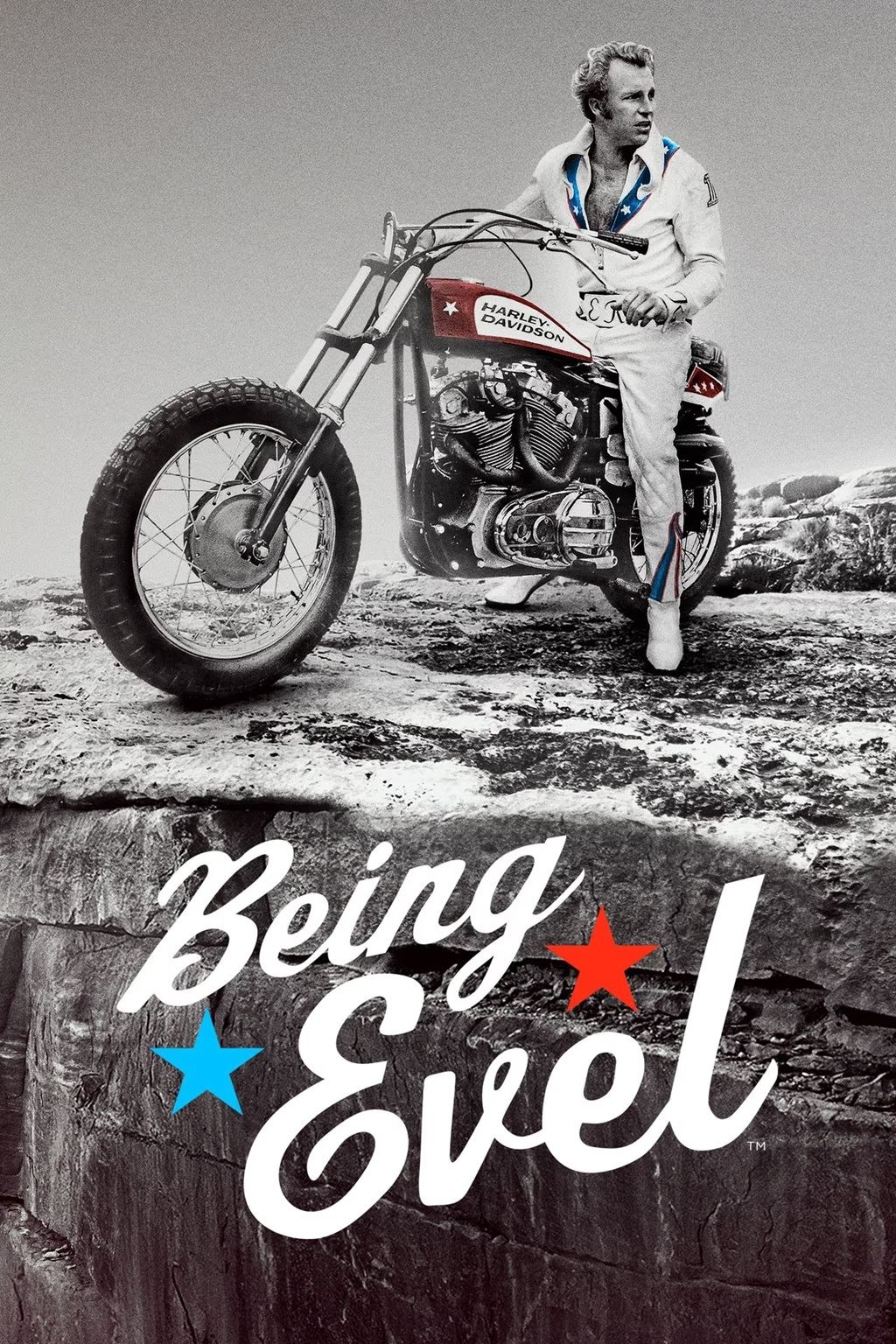
In the history of sports, few names are more recognizable than that of Evel Knievel. Long after the man hung up his famous white leather jumpsuit and rode his Harley into the sunset, his name is still synonymous with the death-defying lifestyle he led. Notoriously brash, bold, and daring, Knievel stared death in the face from the seat of his motorcycle, but few know the larger-than-life story of the boy from Butte, Montana.
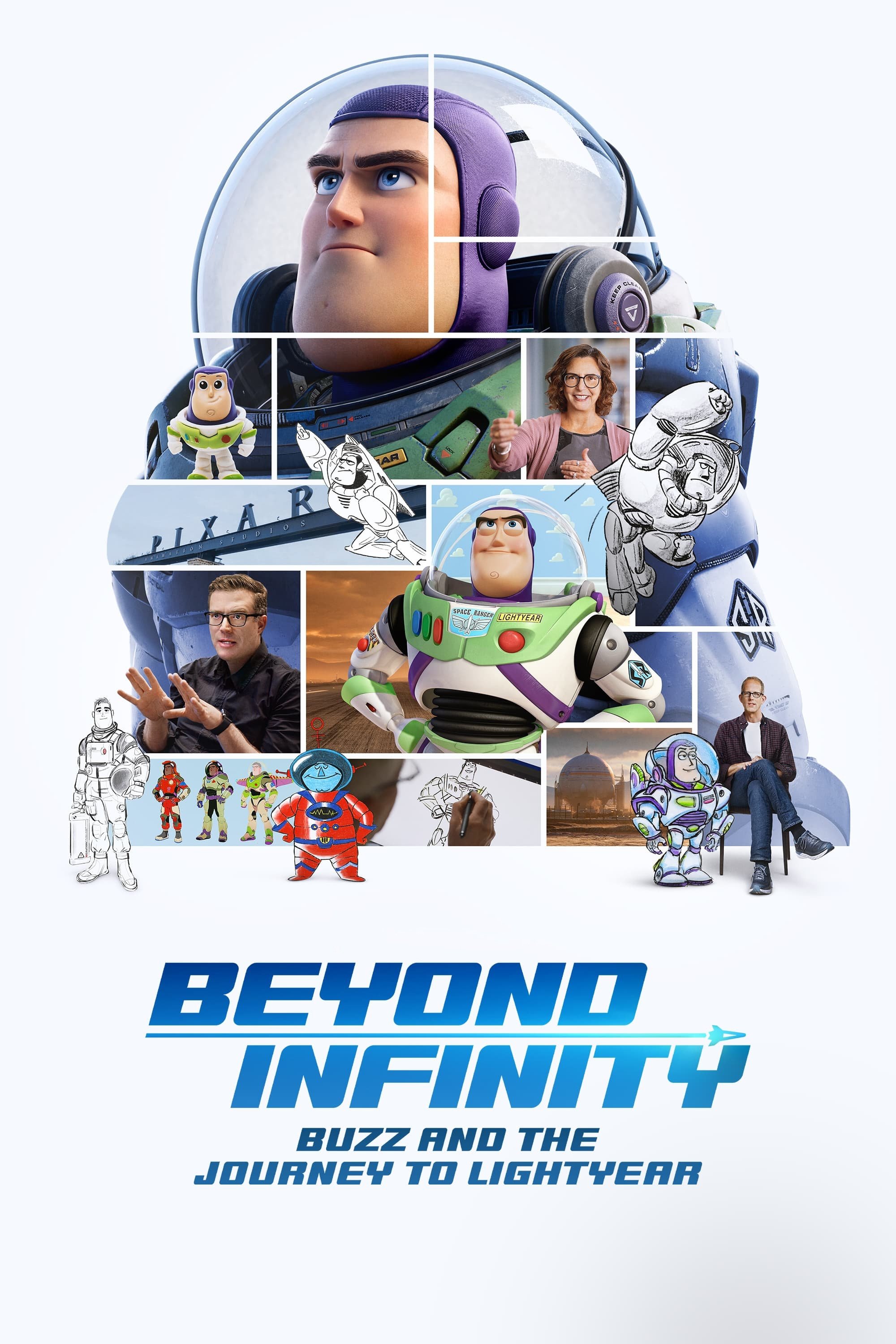
Explore the evolution of Buzz Lightyear from toy to human in the making of Pixar’s Lightyear. Dive into the origin and cultural impact of everyone’s favorite Space Ranger, the art of designing a new “human Buzz,” and the challenges faced by the Lightyear crew along the way.
Those who knew iconic funnyman John Candy best share his story, in their own words, through never-before-seen archival footage, imagery, and interviews.
An inside look at one of the most anticipated movie sequels ever with James Cameron and cast.
Al Pacino's deeply-felt rumination on Shakespeare's significance and relevance to the modern world through interviews and an in-depth analysis of "Richard III."
In an intimate and joyful story of love in the face of loss, celebrated poets Andrea Gibson and Megan Falley find strength—and unexpected hilarity—in what might be their final year together.
From a prolific career in film and television, Anton Yelchin left an indelible legacy as an actor. Through his journals and other writings, his photography, the original music he wrote, and interviews with his family, friends, and colleagues, this film looks not just at Anton's impressive career, but at a broader portrait of the man.
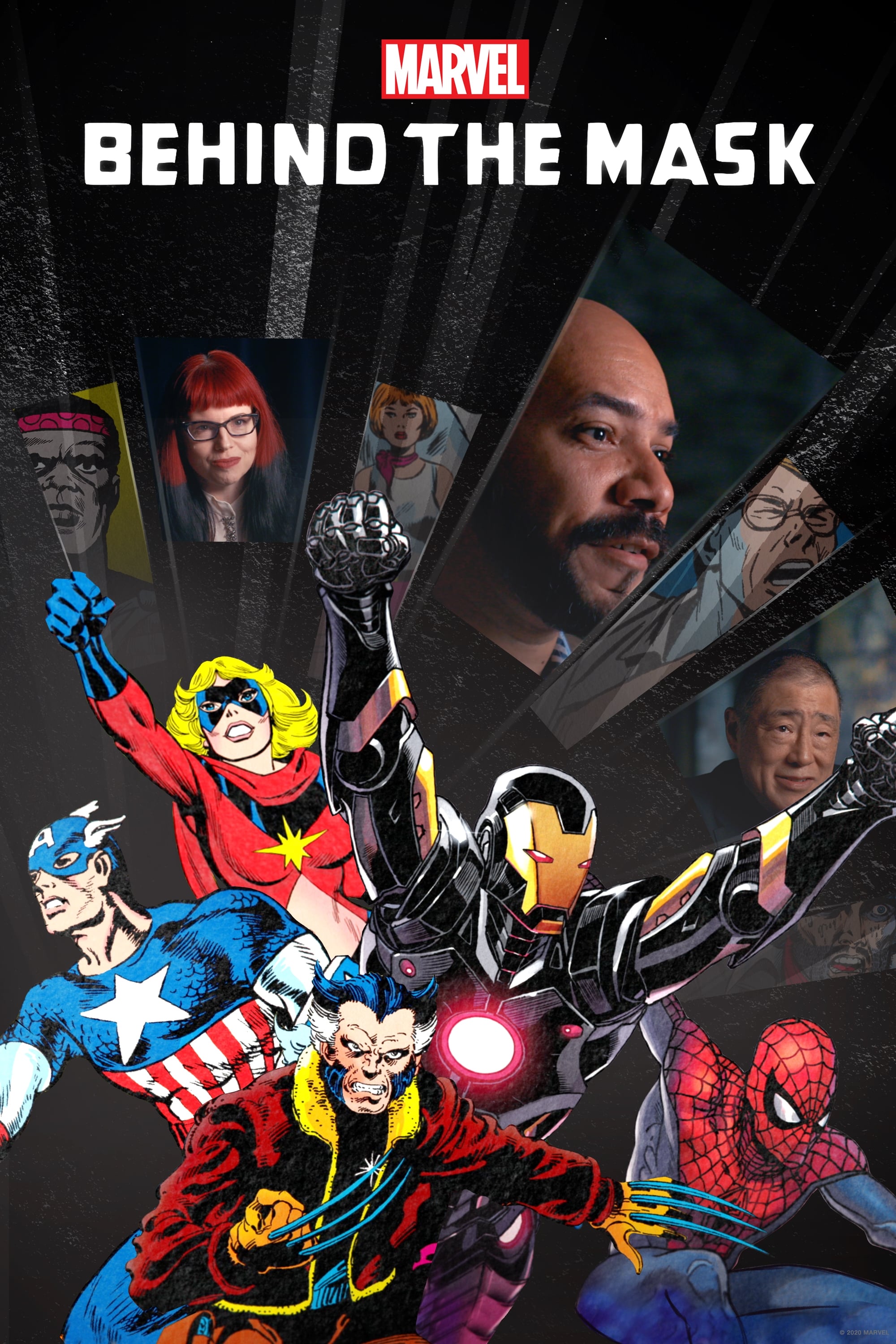
A documentary special that explores the power of identity behind the iconic superheroes we know and love today. These legendary Marvel creations and stories have not only reflected the world outside our window – they have become a reflection of our own identities and who we truly are.
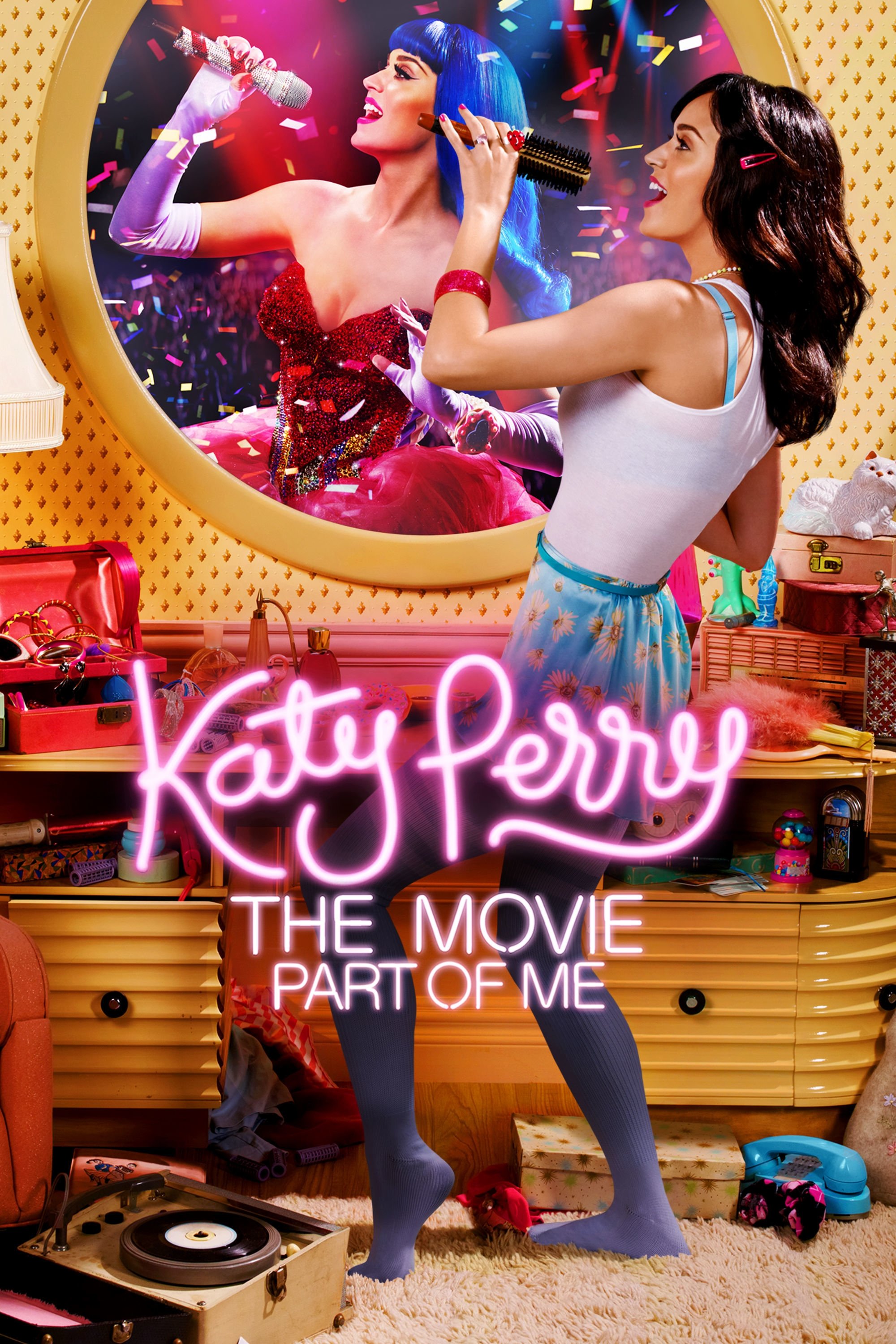
Giving fans unprecedented access to the real life of the music sensation, Katy Perry: Part of Me exposes the hard work, dedication and phenomenal talent of a girl who remained true to herself and her vision in order to achieve her dreams. Featuring rare behind-the-scenes interviews, personal moments between Katy and her friends, and all-access footage of rehearsals, choreography, Katy’s signature style and more, Katy Perry: Part of Me reveals the singer’s unwavering belief that if you can be yourself, then you can be anything.
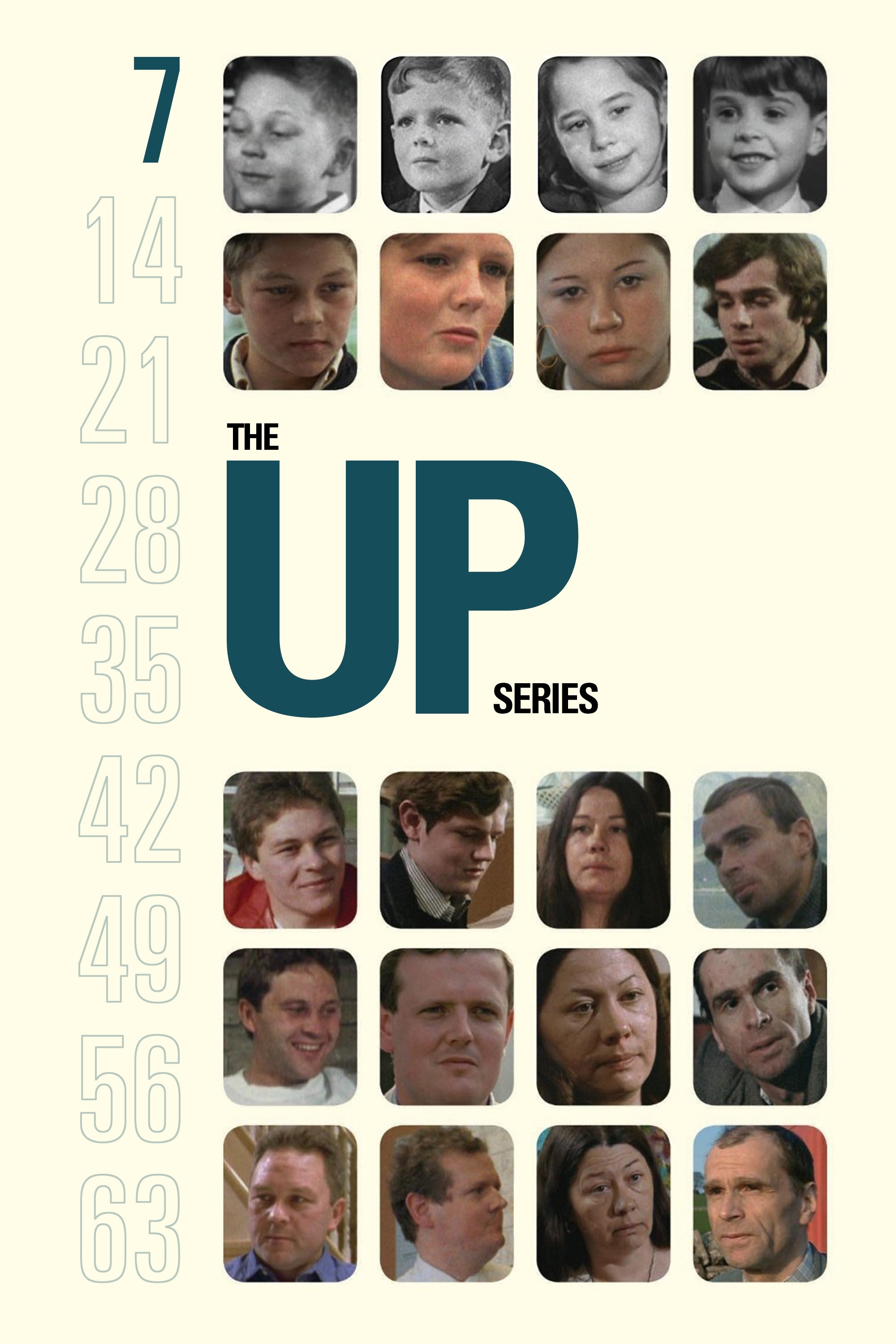
A group of British children aged 7 from widely ranging backgrounds are interviewed about a range of subjects. The filmmakers plan to re-interview them at 7 year intervals to track how their lives and attitudes change as they age.
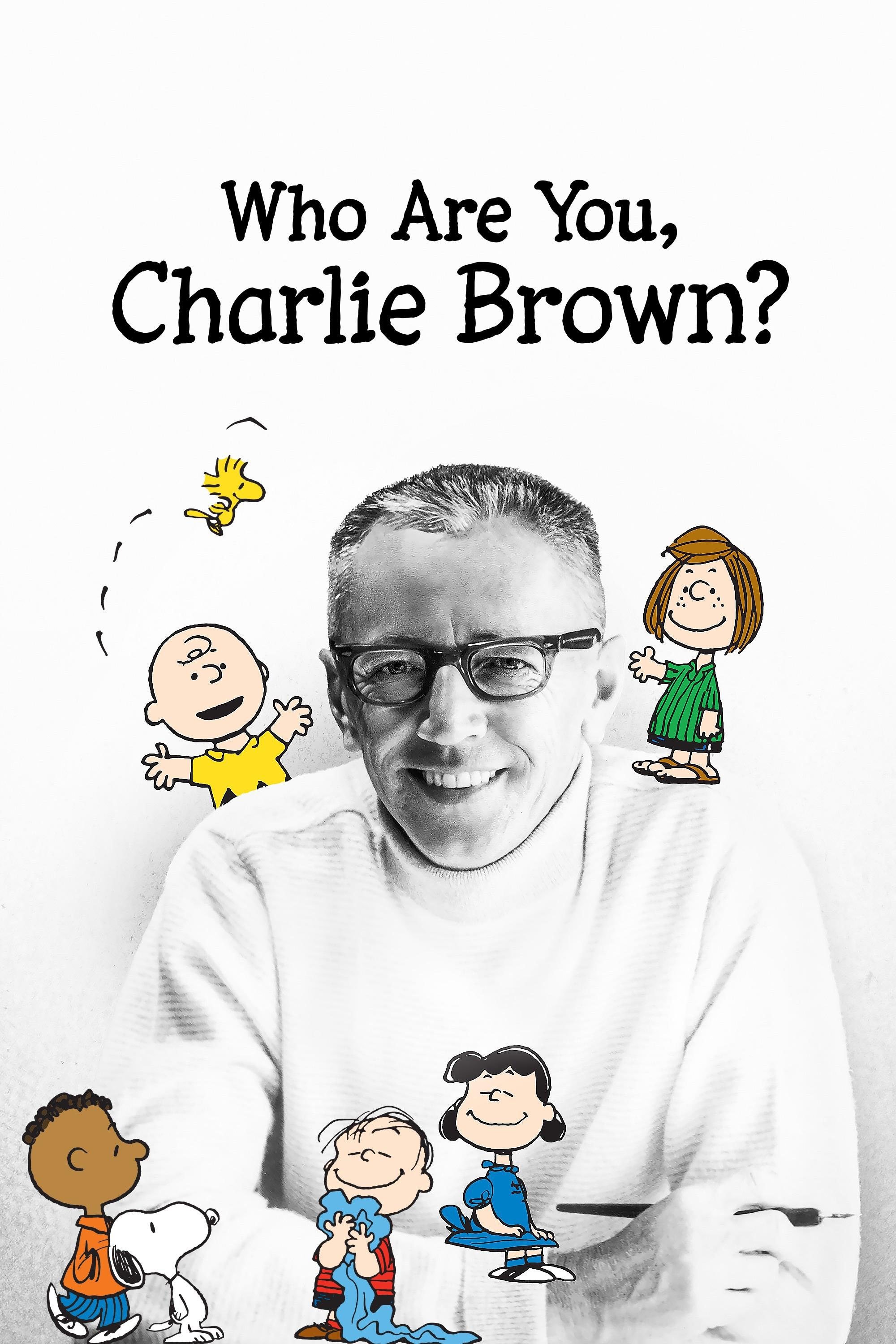
Lupita Nyong'o narrates a documentary about Peanuts and its creator, Charles M. Schulz. Famous fans—including Drew Barrymore, Kevin Smith, and Al Roker—share its influence on them, and a new animated story finds Charlie Brown on a quest.
This revealing documentary honors the legendary Sidney Poitier—iconic actor, filmmaker, and civil rights activist. Featuring interviews with Denzel Washington, Spike Lee, Halle Berry, and more.
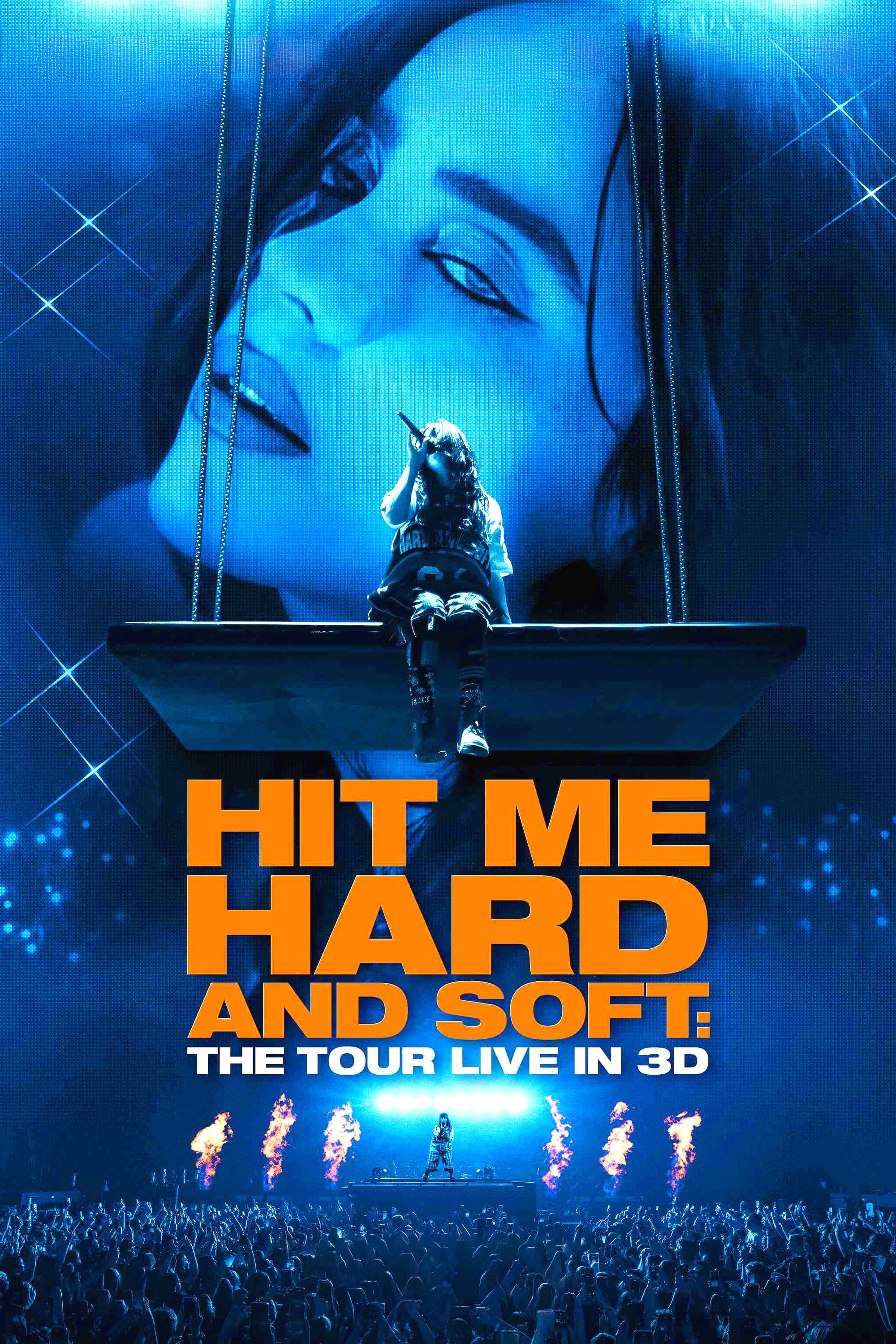
Captured during Billie Eilish's sold-out world tour, a concert experience from one of the most celebrated and successful artists of her generation, presented in immersive 3D.
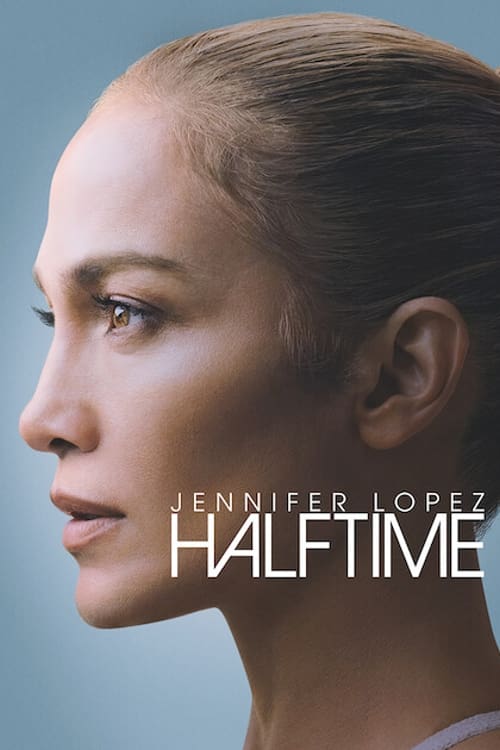
Global superstar Jennifer Lopez reflects on her multifaceted career and the pressure of life in the spotlight in this intimate documentary.
A string of threatening emails escalates into a revenge plot involving a newly married US marshal and his ex-girlfriend.
Director Michael Apted revisits the same group of British-born adults after a 7 year wait. The subjects are interviewed as to the changes that have occurred in their lives during the last seven years.
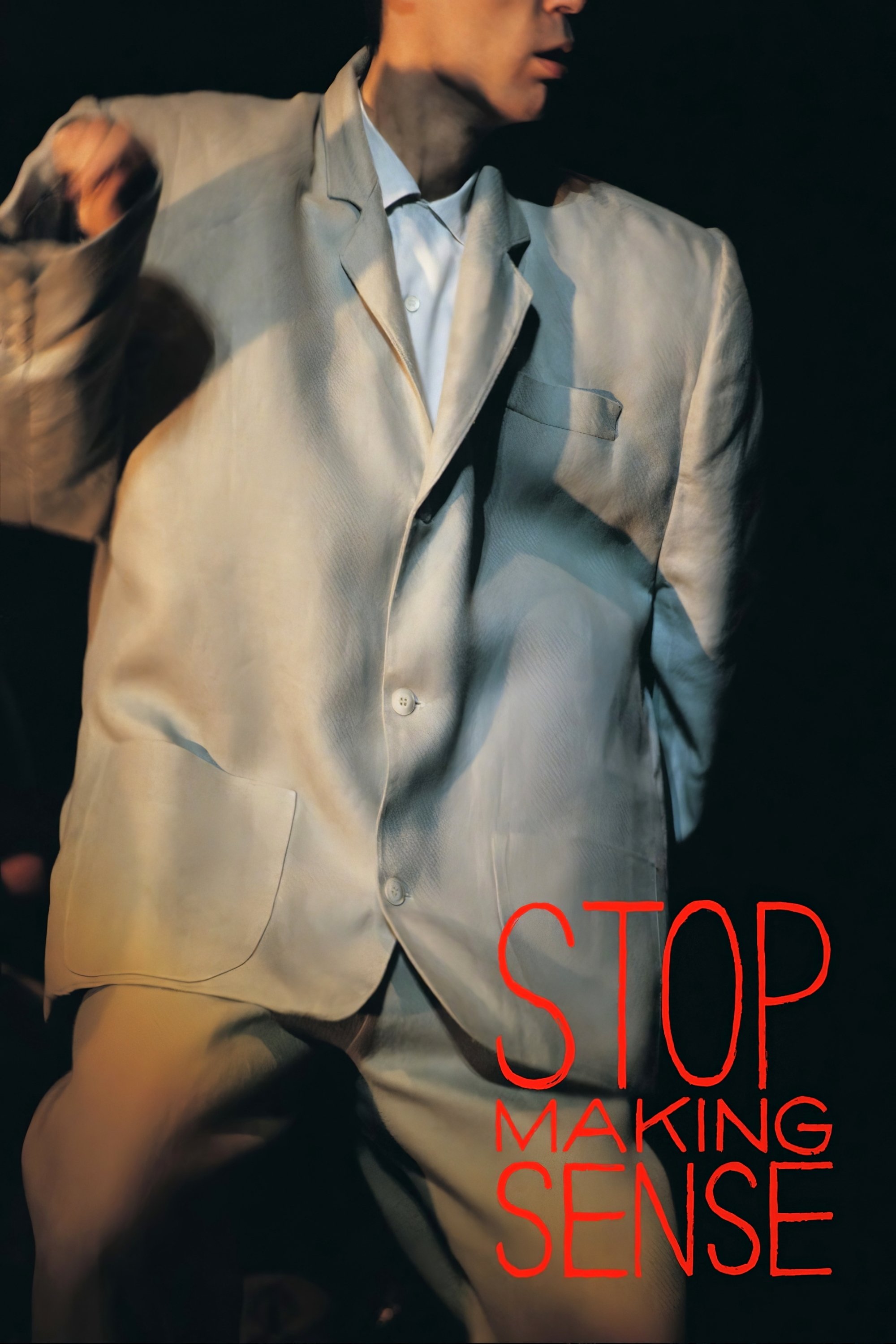
A concert film documenting Talking Heads at the height of their popularity, on tour for their 1983 album "Speaking in Tongues." The band takes the stage one by one and is joined by a cadre of guest musicians for a career-spanning and cinematic performance that features creative choreography and visuals.
A unique cinematic experience that invites audiences on a vibrant journey through the life of cultural icon Pharrell Williams. Told through the lens of LEGO® animation, turn up the volume on your imagination and witness the evolution of one of music's most innovative minds.
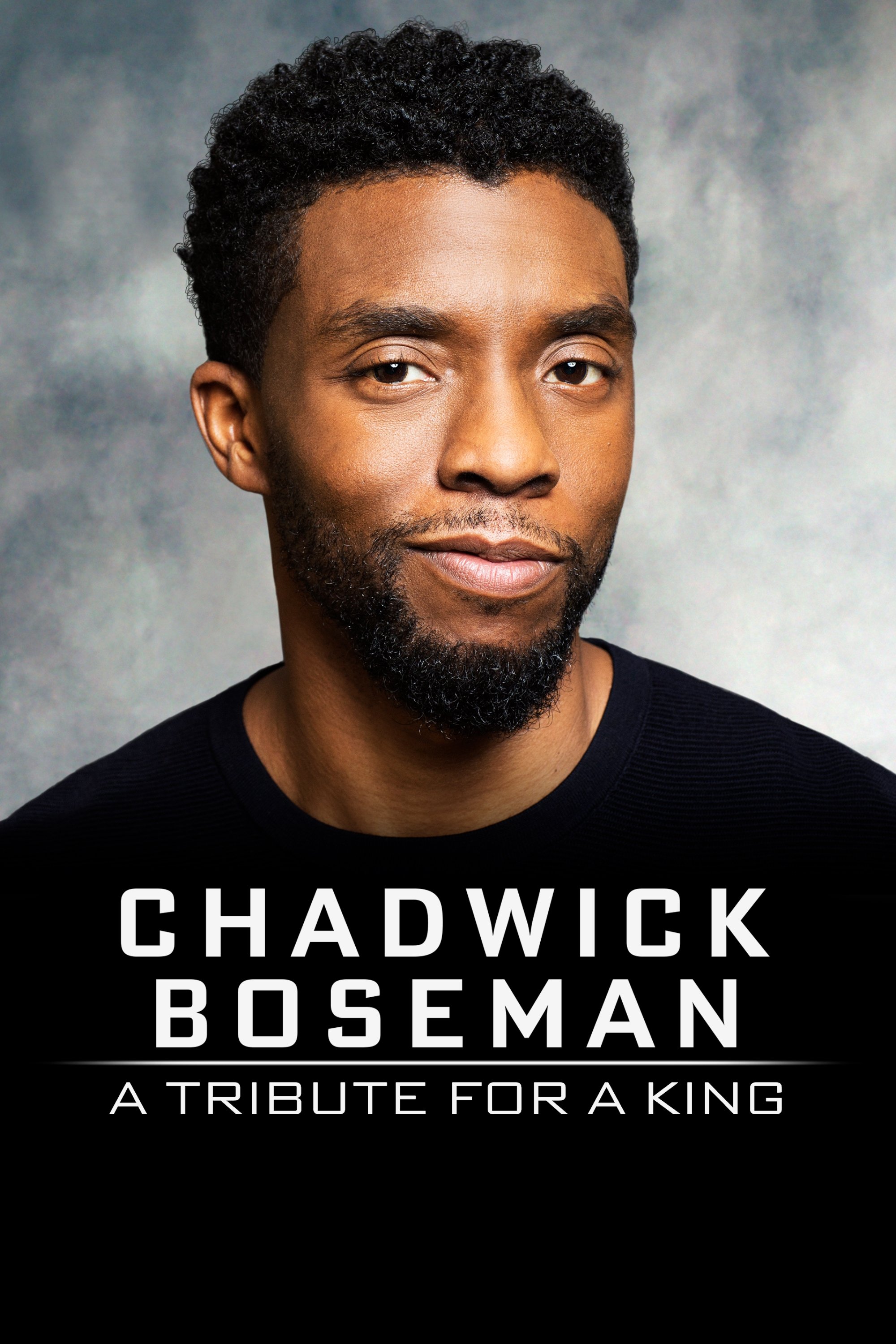
A tribute to Chadwick Boseman, celebrating his life and legacy.
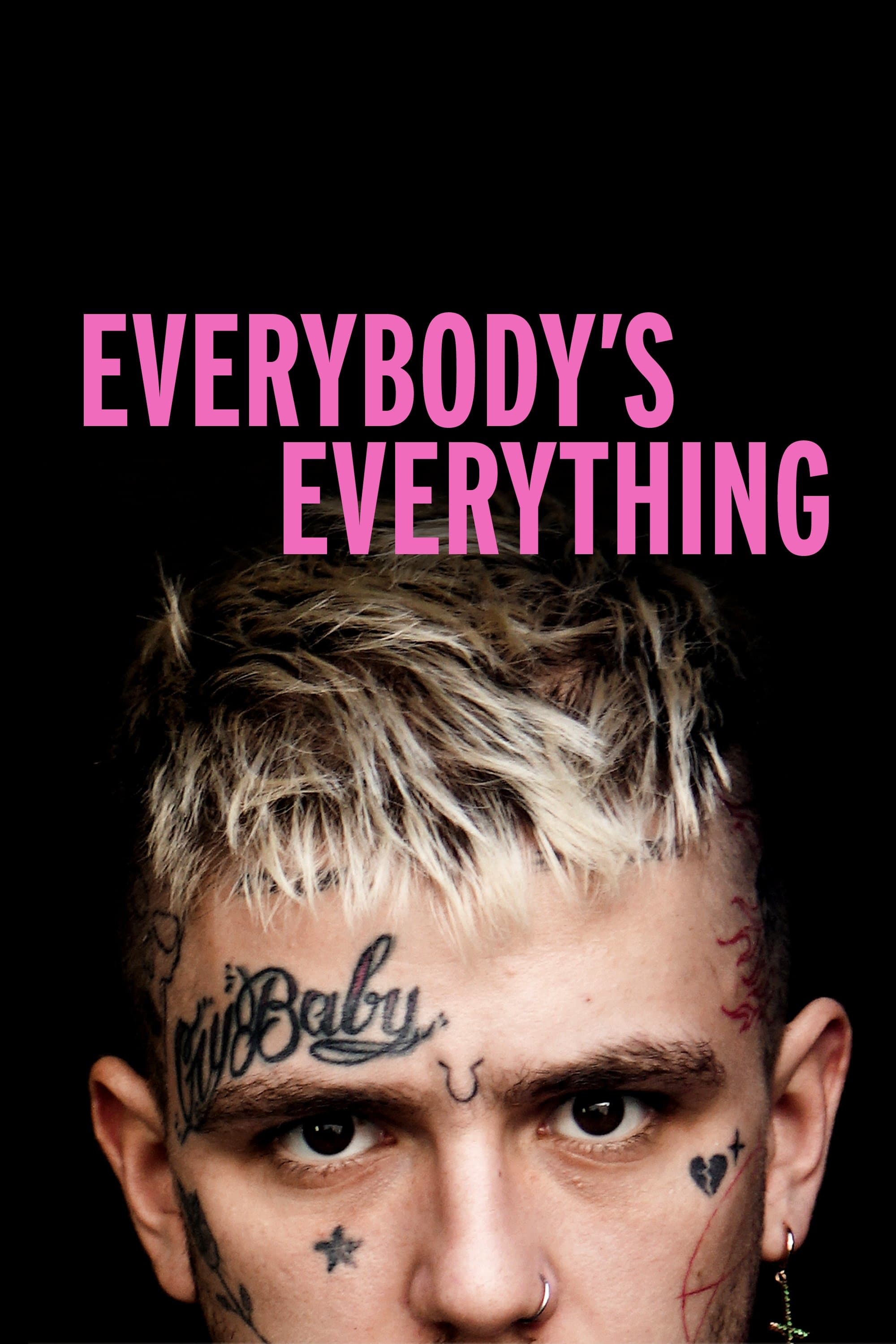
The story of artist Lil Peep from his birth in Long Island and meteoric rise as a genre blending pop star & style icon, to his death due to an accidental opioid overdose in Arizona at just 21 years of age.
The film follows adventurer Jeff Johnson as he retraces the epic 1968 journey of his heroes Yvon Chouinard and Doug Tompkins to Patagonia.



![Screen Test [ST80]: Marcel Duchamp](https://image.tmdb.org/t/p/original/3EwmmoBxVUqy8DITDrkG0hrGELt.jpg)